The Journey of Modeling
What Is Modeling
Modeling

Modeling is a career in which individuals use their appearance, movement, and expression to promote, display, or advertise commercial products, fashion, or art. Models work with photographers, designers, and brands to visually communicate ideas, trends, and messages to a wide audience through various media platforms.
Modeling plays a significant role in shaping public perception, influencing trends, and driving consumer behavior. Professionals in modeling help brands and designers bring their creative visions to life, making products and concepts more appealing and relatable. The career offers the benefit of creative expression, allowing models to embody diverse styles and personas. It also provides opportunities for travel and networking, connecting models with industry professionals worldwide. Additionally, modeling can lead to personal growth, as it often requires adaptability, confidence, and resilience, skills that are valuable in many aspects of life and work.
A professional model might be hired by a fashion brand to participate in a seasonal campaign. The model attends fittings, collaborates with stylists and photographers, and poses for both studio and outdoor shoots. Their work helps the brand showcase new clothing lines in advertisements, lookbooks, and social media. Through their expressions and poses, the model conveys the brand’s desired image and mood, making the clothing more attractive to potential buyers. This collaboration not only boosts the brand’s visibility but also helps set fashion trends, demonstrating how models are essential in connecting products with consumers in a visually compelling way.
Education
Youtube Tutorials

Youtube Tutorials are instructional videos available on the Youtube platform, created by industry professionals and enthusiasts to teach specific skills, techniques, or concepts. In the context of Modeling, these tutorials serve as accessible resources for learning software, workflow strategies, and industry standards, bridging gaps between academic theory and practical, real-world application.
Understanding Youtube Tutorials is essential for anyone preparing for or working in Modeling because the field constantly evolves with new tools, techniques, and trends. These tutorials provide immediate access to the latest industry practices, allowing professionals to stay current and competitive. By regularly engaging with Youtube Tutorials, modelers can supplement formal education, clarify complex concepts, and learn from a diverse range of experts worldwide. This ongoing learning process not only enhances technical proficiency but also fosters adaptability and problem-solving skills. Over time, the ability to efficiently leverage Youtube Tutorials becomes a critical asset, supporting continuous professional growth and ensuring that modelers remain relevant and innovative in a rapidly changing industry.
Imagine a 3D modeler working on a tight deadline for a client project who encounters a challenging task, such as creating realistic hair textures in a new software update. Instead of waiting for formal training or sifting through lengthy manuals, the modeler turns to Youtube Tutorials. By searching for recent, highly-rated videos, they quickly find step-by-step guidance from experienced artists who demonstrate the latest techniques. The modeler follows along, pausing and replaying sections as needed, and successfully applies the new method to their project. This practical use of Youtube Tutorials not only solves an immediate problem but also expands the modeler’s skill set, enabling them to tackle similar challenges more efficiently in the future.
Knowledge of Postures

Knowledge of Postures refers to the comprehensive understanding and application of various body positions, gestures, and alignments that models use to convey emotion, style, and intent. In both academic study and professional practice, this knowledge is essential for mastering the visual language of modeling, enhancing communication, and achieving desired photographic or runway outcomes.
Learning about postures is fundamental for anyone pursuing a career in modeling because it directly influences how a model presents themselves and communicates with an audience. Mastery of postures allows models to adapt to different themes, clothing styles, and artistic directions, making them versatile and highly sought after in the industry. This subject forms the backbone of professional modeling by enabling individuals to express confidence, poise, and creativity through their bodies. Over time, a strong grasp of postural knowledge leads to improved body awareness, reduced risk of injury, and the ability to consistently deliver compelling performances. As trends and client expectations evolve, models with a deep understanding of postures remain adaptable and competitive, ensuring long-term career sustainability.
Consider a professional model preparing for a high-fashion photoshoot. The creative director requests a series of dynamic, angular poses to highlight the structure of avant-garde garments. Drawing on their theoretical understanding of postures, the model quickly transitions between strong, elongated stances and softer, curved lines, each time adjusting their weight distribution and facial expression to match the artistic vision. Their ability to recall and execute a wide range of postures not only speeds up the shoot but also allows the photographer to capture striking, memorable images. This practical application of postural knowledge demonstrates how theory translates into effective, real-world performance, ultimately contributing to the success of both the model and the creative team.
Ramp Walk

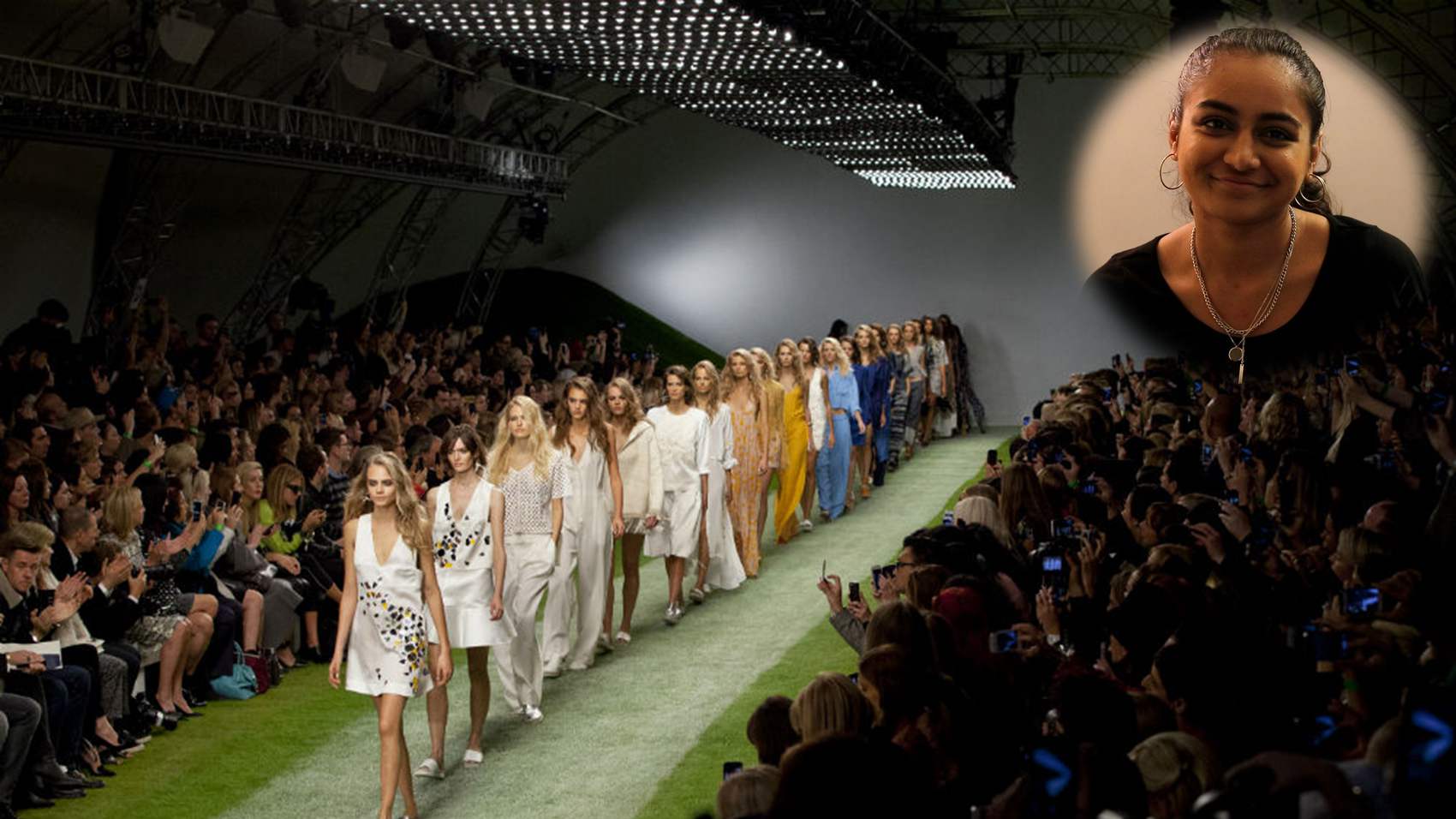
Ramp Walk refers to the act of walking down a runway or catwalk, typically during fashion shows, to showcase clothing and accessories to an audience. It is a fundamental skill in modeling, forming a core part of both academic training and professional practice, and is essential for career advancement in the industry.
Understanding Ramp Walk is crucial for anyone aspiring to succeed in modeling because it is the primary method by which models present designers’ creations to the public and industry professionals. Mastery of Ramp Walk involves more than just walking; it requires awareness of posture, rhythm, confidence, and the ability to adapt to different runway styles and show themes. This skill forms the foundation upon which other modeling techniques are built, such as posing and stage presence. Over time, proficiency in Ramp Walk enhances a model’s versatility, increases their booking potential, and helps establish a strong professional reputation. It also provides models with the confidence to handle high-pressure situations, making them more adaptable and resilient in a competitive field.
Consider a professional model preparing for a major fashion week event. Before stepping onto the runway, they recall their training in Ramp Walk, focusing on posture, stride, and facial expression. As the show begins, they synchronize their walk with the music and lighting, adjusting their pace to match the designer’s vision. Their understanding of Ramp Walk allows them to navigate the runway smoothly, even when faced with unexpected obstacles like a slippery floor or a sudden change in choreography. By applying their theoretical knowledge in real time, the model not only highlights the clothing effectively but also exudes confidence and professionalism, leaving a lasting impression on both the audience and potential clients.
Skills
Dedication

Dedication is the unwavering commitment to consistently pursue goals, overcome obstacles, and maintain high standards, even when faced with challenges or setbacks. In modeling, dedication is the driving force that keeps professionals motivated to refine their craft, adapt to industry demands, and persevere through the competitive and often unpredictable nature of the field.
Dedication directly enhances a model’s performance by fostering resilience, discipline, and a strong work ethic. Clients and employers highly value dedicated models because they reliably show up prepared, maintain their physical and mental well-being, and continuously strive for improvement. This reliability builds trust and long-term professional relationships. Cultivating dedication involves setting clear goals, embracing feedback, and maintaining a positive attitude despite rejection or tough schedules. Over time, consistently practicing self-discipline, seeking mentorship, and celebrating small achievements can strengthen one’s commitment to the profession. As dedication grows, it becomes a defining trait that sets successful models apart in a highly competitive industry.
Imagine a model preparing for a major fashion show who is suddenly asked to learn a complex runway routine just hours before the event. Despite fatigue and nerves, she draws on her dedication, practicing relentlessly backstage and seeking guidance from choreographers. Her commitment enables her to master the routine in a short time, impressing both the designers and the audience. This display of dedication not only saves the show but also earns her recognition and future opportunities. Her ability to persevere and deliver under pressure demonstrates how dedication is essential for overcoming unexpected challenges and achieving lasting success in modeling.
Observation

Observation is the attentive and deliberate act of noticing details, behaviors, and patterns in people, environments, and situations. For a modeling professional, observation means being acutely aware of body language, poses, lighting, and the mood of a shoot. This skill enables models to adapt, interpret direction, and embody the vision of a creative team.
Observation directly enhances a model’s performance by allowing them to quickly understand and replicate desired poses, expressions, and movements. Clients and employers highly value this skill because it leads to efficient shoots, fewer retakes, and a model who can intuitively grasp the creative direction. Models who observe well can anticipate the photographer’s needs, adjust to subtle cues, and maintain consistency throughout a session. Cultivating observation involves studying experienced models, practicing in front of mirrors, and paying close attention to feedback from photographers and directors. Over time, this awareness becomes second nature, allowing models to seamlessly integrate into diverse projects and deliver results that exceed expectations.
Imagine a model on set for a high-fashion editorial shoot where the photographer’s vision is abstract and only loosely described. By carefully observing the photographer’s gestures, the mood of the set, and the styling choices, the model picks up on subtle cues about the desired energy and attitude. Noticing how the lighting changes with each adjustment, the model shifts poses to highlight the clothing’s texture and structure, matching the creative intent without explicit instruction. This keen observation not only impresses the creative team but also ensures the shoot progresses smoothly, resulting in striking images that capture the intended narrative. The model’s ability to observe and respond in real time becomes the key to the shoot’s success.
Presentation
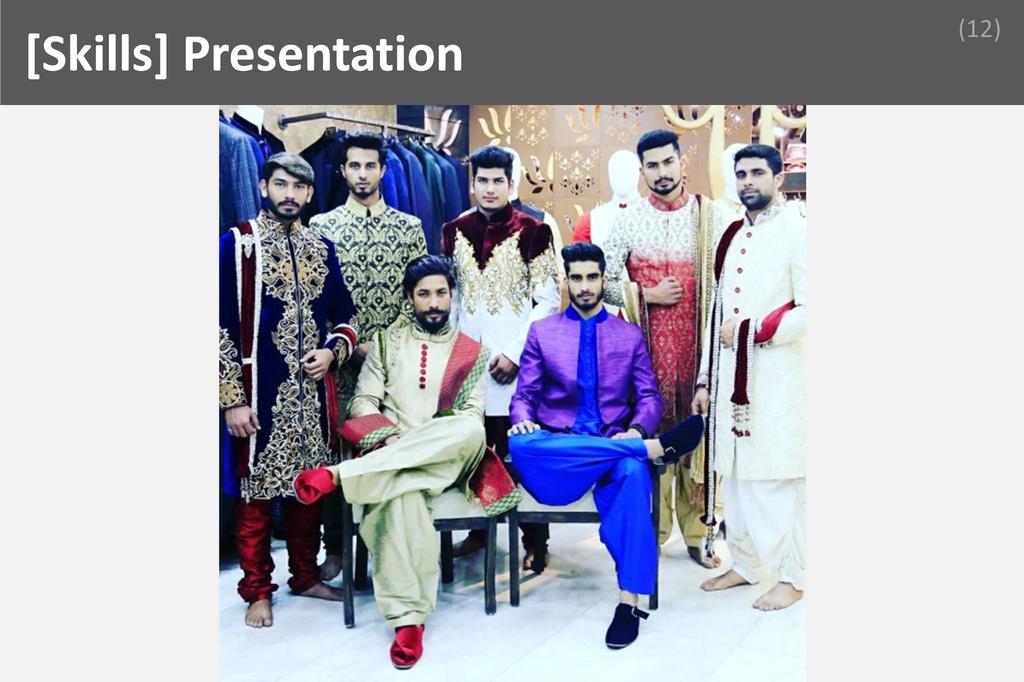
Presentation in modeling refers to the ability to showcase oneself, clothing, or products with confidence, poise, and professionalism, both on and off the runway. It encompasses body language, facial expressions, grooming, and the effective communication of a brand’s message. This skill is vital for making memorable impressions and securing opportunities.
Mastering presentation directly elevates a model’s performance by enhancing their ability to embody different looks, moods, and brand identities. Clients and employers highly value this skill because it ensures that their products or concepts are displayed in the best possible light, increasing the likelihood of commercial success. Models who excel in presentation are often chosen for high-profile campaigns and repeat bookings, as they can adapt to various creative directions and consistently deliver compelling results. Cultivating this skill involves regular practice in front of mirrors or cameras, seeking feedback from industry professionals, and studying successful models. Over time, developing self-awareness, refining posture, and learning to express a range of emotions authentically will help a model stand out in a competitive industry.
Imagine a model at a high-stakes fashion show where a last-minute wardrobe malfunction threatens to derail the presentation of a designer’s collection. Relying on her presentation skills, she maintains composure, adjusts her walk to accommodate the issue, and uses confident body language to divert attention from the flaw. Her ability to remain poised and professional ensures that the audience focuses on the overall aesthetic rather than the mishap. As a result, the designer’s vision is preserved, and the model receives praise for her quick thinking and grace under pressure. This scenario highlights how strong presentation skills can turn a potential setback into a demonstration of reliability and professionalism, ultimately leading to greater trust and more opportunities in the modeling industry.
Communication

Communication is the clear and effective exchange of ideas, information, and emotions through verbal, nonverbal, and written means. In modeling, communication enables professionals to understand creative direction, express their own needs, and collaborate seamlessly with photographers, designers, and clients, ensuring that everyone’s vision is accurately realized and executed.
Strong communication skills directly enhance a model’s performance by fostering trust and clarity between all parties involved in a project. Clients and employers highly value models who can articulate questions, provide feedback, and interpret instructions without confusion. This skill helps prevent misunderstandings that could lead to costly mistakes or delays. Models can cultivate communication by actively listening, practicing assertiveness, and seeking feedback from colleagues and mentors. Over time, consistent effort in refining both verbal and nonverbal cues, such as body language and facial expressions, will make interactions more effective. As a result, models who excel in communication are often chosen for repeat work and are seen as reliable professionals within the industry.
Imagine a model on set for a high-profile fashion campaign. The photographer’s instructions are ambiguous, leading to confusion about the desired mood and poses. Instead of guessing, the model confidently asks clarifying questions and paraphrases the photographer’s vision to confirm understanding. This open dialogue ensures that the creative team and the model are aligned, allowing the shoot to proceed smoothly and efficiently. By communicating effectively, the model not only saves time but also helps achieve the intended artistic outcome, impressing both the client and the creative team. This scenario highlights how communication can resolve uncertainty, prevent errors, and contribute to the overall success of a modeling assignment.
Confidence

Confidence is the assured belief in one’s abilities, appearance, and potential to succeed, even in the face of uncertainty or scrutiny. In modeling, confidence empowers individuals to present themselves authentically, adapt to diverse situations, and handle feedback with resilience, making it a foundational skill for professional growth and visibility.
Confidence directly enhances a model’s performance by allowing them to move naturally, express emotions convincingly, and engage with the camera or audience without hesitation. Clients and employers highly value confidence because it translates into compelling photographs, memorable runway walks, and the ability to represent brands effectively. A confident model can handle last-minute changes, interact with creative teams, and project the desired image consistently. Cultivating confidence involves regular practice, seeking constructive feedback, and embracing opportunities that push personal boundaries. Over time, as models gain experience and learn from both successes and setbacks, their self-assurance grows, enabling them to navigate the competitive industry with poise and professionalism.
Imagine a model preparing for a high-profile fashion show who discovers just before stepping onto the runway that their outfit has been altered unexpectedly. Instead of panicking, the model draws on their confidence to adapt quickly, maintaining composure and walking with grace. Their self-assured presence reassures the designer and captivates the audience, turning a potential mishap into a highlight of the show. This ability to remain poised under pressure not only salvages the moment but also demonstrates to clients and industry professionals that the model can be trusted in unpredictable situations. Ultimately, confidence enables the model to transform challenges into opportunities for success and recognition.
Positives
Self Satisfaction

Self satisfaction is the deep sense of fulfillment and contentment that comes from achieving personal goals, embracing one’s unique qualities, and knowing that one’s efforts have led to meaningful accomplishments. In modeling, self satisfaction fuels confidence, motivates continuous improvement, and transforms challenges into opportunities for growth, making the profession deeply rewarding.
Self satisfaction is a cornerstone of a successful modeling career because it nurtures a positive self-image and resilience. When models feel genuinely proud of their achievements, whether it’s mastering a new runway walk or landing a challenging campaign, they develop a stronger sense of purpose and motivation. This internal reward system helps them navigate the competitive nature of the industry with grace and determination. Experiencing self satisfaction daily encourages models to set higher goals, embrace constructive feedback, and celebrate their individuality. As a result, their passion for the craft grows, leading to greater job satisfaction, personal growth, and a lasting sense of accomplishment that extends beyond external validation.
Imagine a model who has spent weeks preparing for a major fashion show, dedicating time to perfect her walk, posture, and expressions. On the day of the event, she steps onto the runway and delivers a flawless performance, captivating the audience and impressing the designers. After the show, she reflects on her journey—the hard work, the setbacks, and the perseverance it took to reach this moment. The overwhelming sense of self satisfaction she feels is not just about public recognition, but about knowing she gave her best and grew through the experience. This inner fulfillment becomes a driving force, inspiring her to continue pursuing her passion with renewed confidence and joy.
Fame & Recognition

Fame and recognition refer to the widespread acknowledgment, admiration, and visibility a model receives from the public, industry professionals, and media. This elevated status brings validation, opens doors to new opportunities, and fosters a sense of accomplishment. In modeling, fame and recognition are powerful motivators that enhance both personal and professional fulfillment.
The allure of fame and recognition is a driving force for many who enter the modeling industry. Being recognized for one’s unique look, style, and talent not only boosts self-confidence but also creates a sense of pride in one’s work. This visibility often leads to more prestigious assignments, collaborations with renowned brands, and invitations to exclusive events. The daily experience of being admired and celebrated by fans and peers alike can transform routine work into a source of joy and motivation. For many models, the acknowledgment they receive fuels their passion, encourages them to push creative boundaries, and inspires them to continue evolving in their careers.
Imagine a model who, after years of dedication, lands the cover of a major fashion magazine. Overnight, their social media following surges, and they receive messages of admiration from aspiring models and fans worldwide. Invitations to high-profile fashion shows and brand campaigns start pouring in. At industry events, photographers and designers recognize and greet them by name, reinforcing their sense of belonging and achievement. This newfound fame not only brings exciting professional opportunities but also instills a deep sense of fulfillment, knowing their hard work and unique presence are celebrated and respected on a global stage. The recognition becomes a daily reminder of their impact and success in the modeling world.
Networking
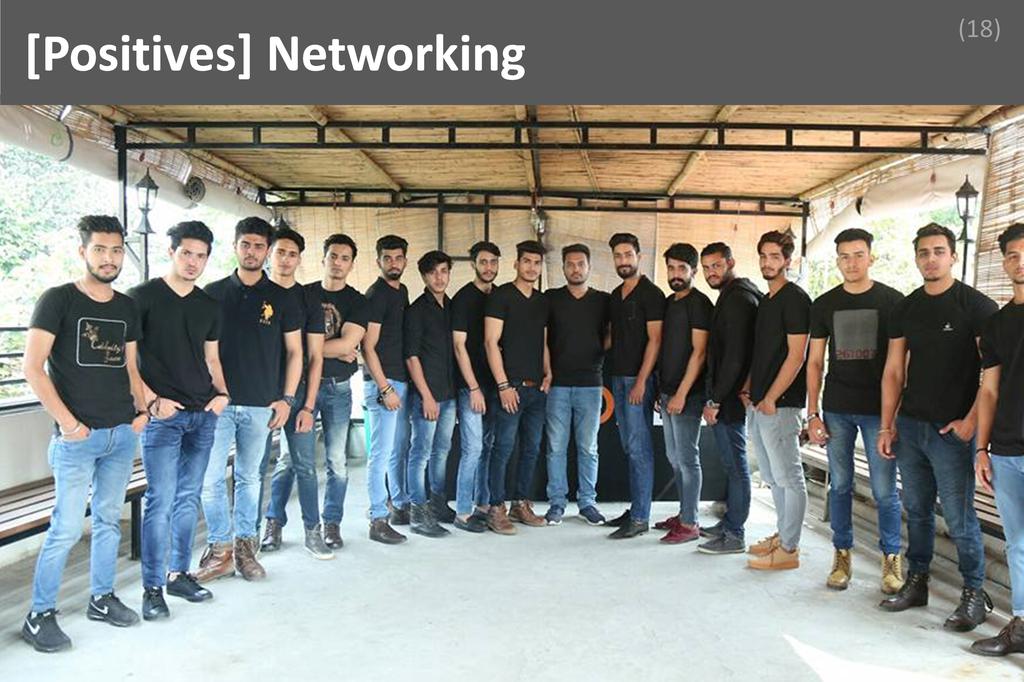
Networking is the process of building and nurturing professional relationships with individuals and organizations within and beyond one’s industry. In modeling, networking involves connecting with photographers, designers, agents, stylists, and fellow models to share opportunities, exchange knowledge, and foster collaborations. This dynamic web of relationships opens doors to new projects, career advancement, and personal growth. By actively engaging in networking, models gain access to insider information, mentorship, and support systems that are essential for navigating the competitive and ever-evolving fashion world. Ultimately, networking is a cornerstone of success in modeling, enabling professionals to expand their reach, enhance their reputation, and create lasting connections that enrich both their careers and personal lives.
The significance of networking in modeling cannot be overstated. It serves as a catalyst for career growth, allowing models to discover new opportunities that might otherwise remain hidden. Through networking, models can secure coveted bookings, collaborate with influential creatives, and gain exposure to diverse markets. This ongoing interaction with industry professionals not only enhances job satisfaction but also fosters a sense of belonging and community. Models who actively network often find themselves at the forefront of trends and innovations, as they are continuously learning from peers and mentors. The daily experience of connecting with others brings a sense of excitement and possibility, making the profession more dynamic and fulfilling. Networking transforms modeling from a solitary pursuit into a vibrant, interconnected journey.
Imagine a model attending a fashion industry event where she strikes up a conversation with a renowned photographer. Through this genuine interaction, she learns about an upcoming campaign that perfectly matches her style and portfolio. The photographer, impressed by her professionalism and enthusiasm, recommends her to the casting director. As a result, she lands a major campaign that not only elevates her career but also introduces her to a new circle of creative professionals. This single networking experience leads to further collaborations, mentorship opportunities, and lasting friendships. The model’s proactive approach to networking not only opens doors but also brings a deep sense of accomplishment and belonging, illustrating the transformative power of building connections in the modeling world.
Good Income

Good income refers to a level of financial compensation that not only meets basic living expenses but also allows for savings, investments, and the pursuit of personal goals. In modeling, good income means earning enough to enjoy financial stability, independence, and the freedom to make choices that enhance one’s quality of life.
The prospect of good income is a powerful motivator for many aspiring models, as it transforms their passion into a sustainable career. Earning a substantial income provides models with the confidence to invest in their personal and professional growth, whether through training, travel, or self-care. This financial security reduces stress and allows models to focus on their craft, knowing that their hard work is rewarded. The daily experience of receiving fair compensation for their talent and effort boosts morale, encourages creativity, and fosters a sense of accomplishment. Ultimately, good income not only supports a comfortable lifestyle but also opens doors to new opportunities, making the modeling profession both rewarding and empowering.
Imagine a model who lands a major campaign with a global fashion brand. The compensation from this project covers several months of living expenses, allows for contributions to savings, and even funds a dream vacation. With this financial cushion, the model feels secure enough to take creative risks and pursue selective projects that align with personal values. The ability to support family members or invest in further education becomes a reality, reinforcing the sense of achievement and fulfillment. This scenario highlights how good income in modeling is not just about numbers on a paycheck, but about the freedom, confidence, and satisfaction it brings to everyday life.
Challenges
Physical Fitness

Physical fitness in modeling refers to maintaining a consistently healthy, toned, and proportionate physique that aligns with industry standards. This requires ongoing commitment to exercise, nutrition, and self-care. The demand is high because physical appearance is central to a model’s career, making fitness a non-negotiable professional expectation.
The challenge of physical fitness in modeling permeates daily routines, influencing everything from diet choices to sleep schedules and exercise regimens. Models often face pressure to meet strict body measurements, which can lead to stress and fatigue. This demand for constant vigilance requires significant resilience, as setbacks or lapses can impact job opportunities and self-esteem. Successful professionals manage this constraint by integrating balanced nutrition, regular workouts, and mental health practices into their lifestyles. They seek guidance from trainers and nutritionists, prioritize rest, and develop a healthy relationship with their bodies. By viewing fitness as a holistic, sustainable practice rather than a temporary fix, they maintain both their physical and emotional well-being, enabling them to thrive in a competitive industry.
Consider a runway model preparing for fashion week, a period marked by intense scrutiny and long hours. She recognizes that maintaining her physical fitness is essential not only for her appearance but also for her stamina and confidence on the runway. To meet these demands, she collaborates with a personal trainer to design a workout plan that enhances her strength and flexibility while avoiding injury. She also consults a nutritionist to ensure her meals provide adequate energy without compromising her physique. By prioritizing sleep and practicing mindfulness, she manages stress and maintains focus. Through this disciplined yet balanced approach, she successfully navigates the pressures of the industry, consistently delivering her best performance while safeguarding her health.
Competition

Competition in modeling refers to the constant presence of numerous talented individuals vying for limited opportunities, such as castings, campaigns, and contracts. This environment demands models to consistently stand out, adapt to changing trends, and maintain high standards, making it a relentless and emotionally taxing aspect of the profession.
The intense competition in modeling can lead to frequent rejection, self-doubt, and pressure to conform to industry expectations. Daily work often involves attending castings where dozens, if not hundreds, of hopefuls are present, each striving for the same role. This reality requires models to develop resilience, as setbacks are common and success can be fleeting. To navigate this challenge, successful professionals focus on personal growth, continuously improving their skills, and cultivating a unique personal brand. They also build strong support networks and maintain a healthy perspective, understanding that rejection is not always a reflection of their worth or talent. By embracing persistence and adaptability, models can turn competition into motivation rather than discouragement.
Consider a model who, after facing repeated rejection at high-profile castings, chooses to analyze feedback from clients and photographers to refine her portfolio and presentation. Instead of becoming discouraged, she invests in new training, updates her look to align with current trends, and actively networks within the industry. Over time, her persistence pays off when she is selected for a major campaign, not only because of her improved skills but also due to her reputation for professionalism and resilience. This scenario illustrates how embracing competition as an opportunity for growth, rather than a barrier, can lead to long-term success in the modeling world.
Initial Struggle

Initial Struggle in modeling refers to the early phase where aspiring models face repeated rejections, fierce competition, and uncertainty about career stability. This period is demanding because it tests self-confidence, patience, and adaptability, often without immediate rewards or recognition, making it emotionally and financially challenging for newcomers.
The initial struggle in modeling can deeply affect daily work by creating self-doubt, stress, and a sense of instability. Models may find themselves juggling multiple auditions, dealing with criticism, and facing unpredictable schedules, all while managing the pressure to maintain a certain appearance. This environment demands resilience, as setbacks are frequent and progress can be slow. Successful professionals navigate these constraints by developing a strong support network, maintaining a disciplined routine, and focusing on self-improvement rather than external validation. They learn to view rejection as part of the process, using feedback constructively and staying persistent in their efforts. Over time, this mindset helps them build confidence, adapt to industry demands, and gradually secure more opportunities.
Consider the journey of a model who, after moving to a major city, spent months attending castings without landing a single job. Despite facing repeated rejection and financial strain, she remained committed to her goal. She invested time in refining her portfolio, sought advice from experienced peers, and took on small freelance projects to gain exposure. By consistently showing up, learning from each experience, and maintaining a positive attitude, she eventually caught the attention of a reputable agency. This breakthrough led to more auditions and, ultimately, her first major campaign. Her story illustrates how perseverance, adaptability, and a willingness to learn can help overcome the initial struggle and lay the foundation for a successful modeling career.
A Day Of
Modeling
The world of modeling is far more than glamorous photoshoots and runway lights; it’s a fast-paced, ever-evolving profession that demands discipline, adaptability, and a keen sense of timing. Each day unfolds with a unique blend of preparation, creativity, and collaboration, set against a backdrop of tight schedules and shifting expectations. Whether on set, backstage, or in transit between jobs, modeling professionals navigate a whirlwind of activity that requires both physical stamina and mental agility, all while maintaining a poised and polished presence.
As dawn breaks, a modeling professional’s day often begins with a focus on self-care and readiness. Early mornings are reserved for skincare routines, light exercise, and a nutritious breakfast to ensure energy and vitality for the demanding hours ahead. This is also the time to review the day’s schedule, confirm call times, and pack essentials such as portfolios, outfits, and makeup kits. The quiet of the morning offers a brief moment to center oneself before stepping into the spotlight.
By mid-morning, the pace accelerates as models arrive at studios or locations, ready to dive into the heart of their work. This is when the transformation truly begins—hair and makeup artists work their magic, stylists curate looks, and photographers set the scene. The atmosphere buzzes with creative energy as models slip into character, striking poses and adapting to the vision of the creative team. Every shot demands focus, flexibility, and a collaborative spirit, as the model brings concepts to life under the scrutiny of the camera.
Afternoons are often filled with a mix of continued shooting, outfit changes, and collaborative meetings with clients, directors, or brand representatives. This phase is all about execution—models must remain attentive to feedback, adjust their approach on the fly, and maintain professionalism despite the physical and mental demands. Between takes, there may be quick debriefs to review images, discuss adjustments, or prepare for upcoming scenes. The ability to stay energized and engaged is crucial as the day’s momentum carries forward.
As the day draws to a close, models shift gears to wrap up their responsibilities. This includes removing makeup, changing back into personal attire, and ensuring all personal items are accounted for. There’s often a moment to reflect on the day’s work, respond to emails, and update social media with behind-the-scenes glimpses. Before heading home, models review upcoming bookings, confirm travel arrangements, and prepare for the next day’s challenges. The evening offers a chance to unwind, recharge, and set intentions for another day in the dynamic world of modeling. |


 Home
Home Abroad
 Plan
Plan Philosophy
 Seminar
 Pages
Pages Advisors
 Testimonials












 Workshop
 Discuss
 Meet
Meet
 Advisor
 Story
Story
 Fine Print
 Links
Links
 Blog
Blog
 Follow
