The Journey of Modeling
What Is Modeling
Modeling

Modeling is a profession where individuals use their appearance, movement, and expression to promote products, convey artistic concepts, or represent brands in various media such as photography, runway shows, commercials, and digital campaigns. Models collaborate with photographers, designers, and directors to visually communicate ideas and influence public perception.
Modeling plays a significant role in shaping trends, influencing consumer choices, and setting beauty standards across the globe. For professionals, it offers a platform to express creativity, build personal brands, and connect with diverse industries such as fashion, advertising, and entertainment. The career provides opportunities for travel and networking, allowing models to experience different cultures and work environments. Additionally, modeling can lead to personal growth by developing confidence, communication skills, and adaptability. The visibility gained through modeling can open doors to related careers, including acting, entrepreneurship, and brand ambassadorship, making it a versatile and dynamic field.
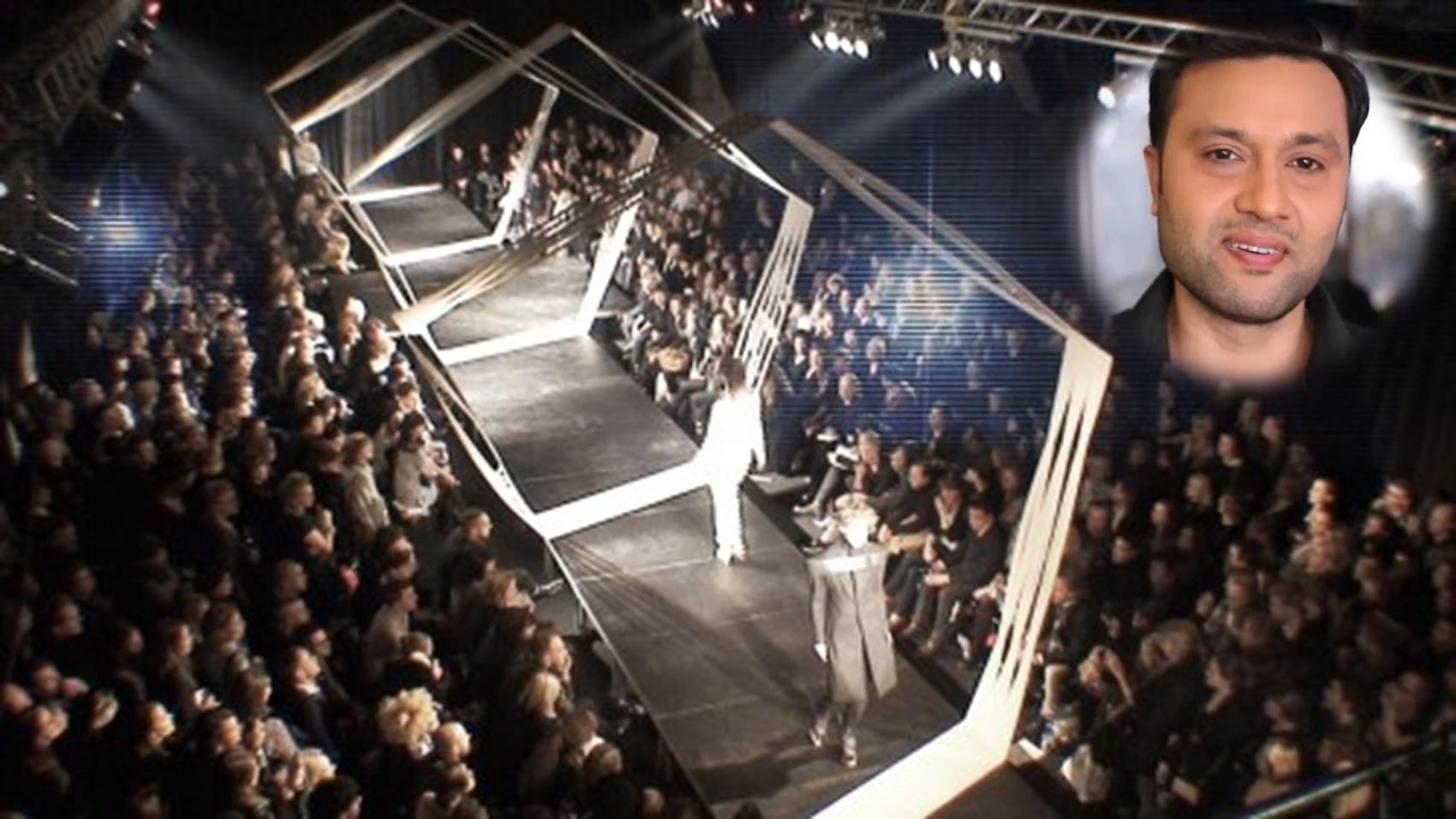
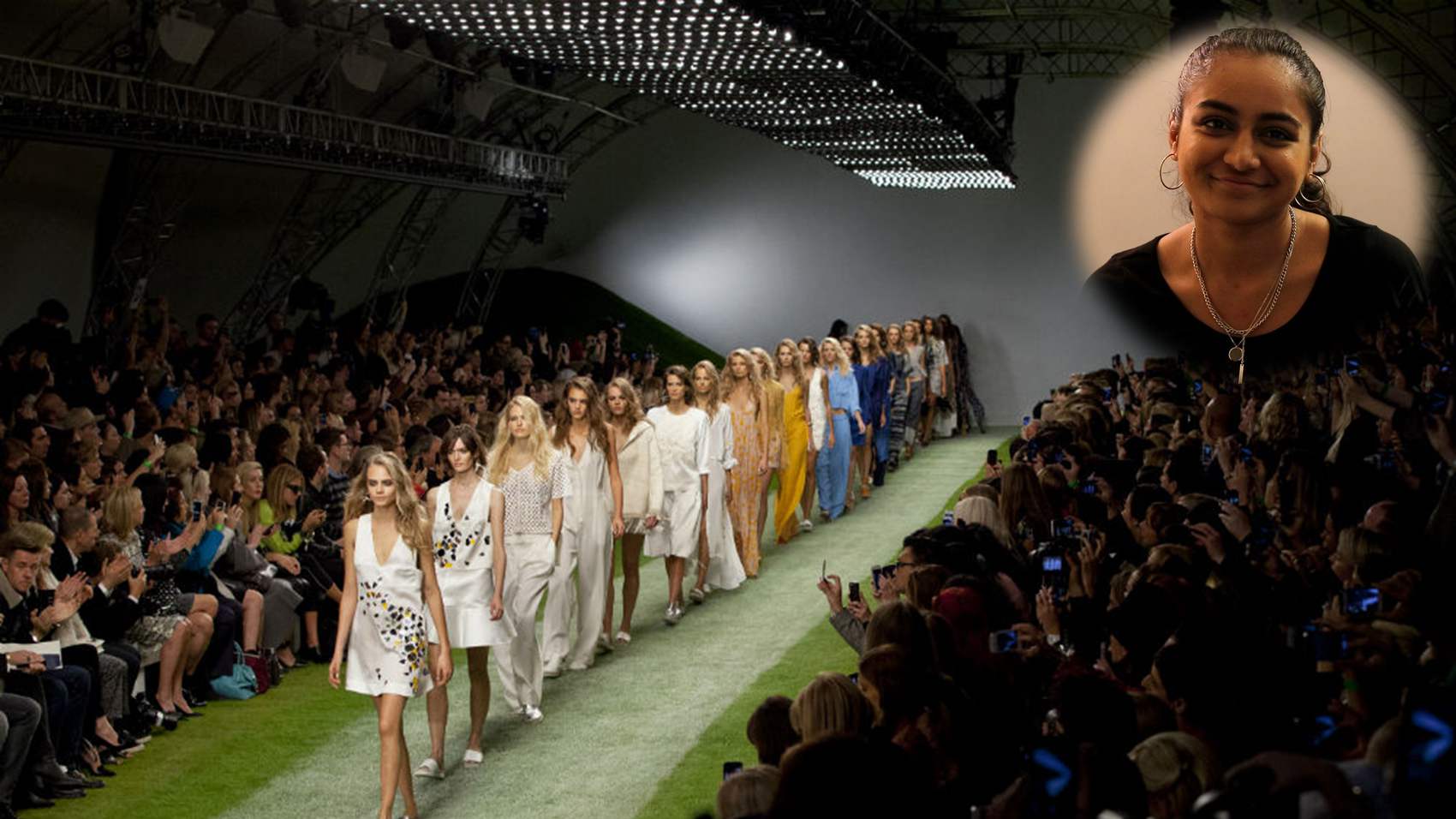
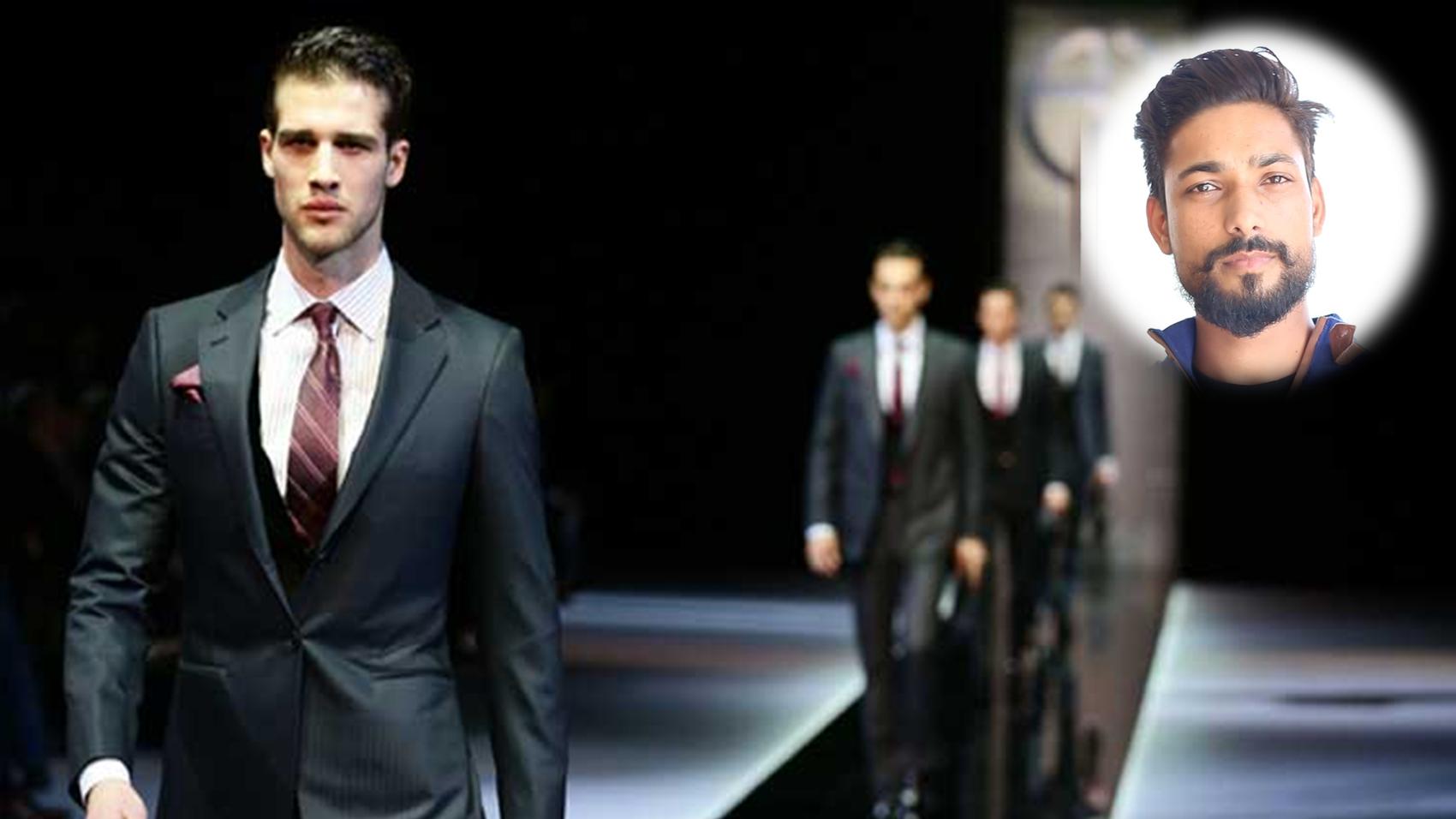
A professional model might be hired by a fashion brand to showcase its latest clothing line during a major fashion week event. The model works closely with designers and stylists to understand the collection’s theme and desired image. During the runway show, the model’s walk, posture, and expression help bring the designer’s vision to life, attracting attention from buyers, media, and influencers. After the event, the model may participate in photo shoots for advertising campaigns, where their ability to convey different moods and styles is essential. Through these activities, the model not only promotes the brand but also builds their own reputation and portfolio within the industry.
Education
Read Books

"Read Books" refers to the disciplined practice of engaging with written texts to extract knowledge, insights, and perspectives. In the context of Modeling, it encompasses reading technical manuals, research papers, and industry literature. This foundational skill is essential for acquiring the theoretical and practical knowledge necessary to excel in academic and professional modeling environments.
Understanding how to effectively "Read Books" is crucial for anyone preparing for or working in Modeling because it enables continuous learning and adaptation in a rapidly evolving field. Professionals must stay updated with the latest methodologies, mathematical theories, and software advancements, all of which are typically documented in books and scholarly articles. Mastery of this skill ensures that modelers can critically analyze new information, integrate best practices, and apply innovative solutions to complex problems. Over time, the habit of reading and comprehending advanced texts builds a robust knowledge base, sharpens analytical thinking, and enhances communication skills, all of which are indispensable for long-term career growth and leadership in the modeling profession.
Consider a modeling professional tasked with developing a predictive model for financial risk assessment. To ensure accuracy and reliability, they consult authoritative books on statistical modeling and machine learning. By thoroughly reading and understanding these texts, the professional can implement advanced algorithms, interpret results correctly, and justify their methodological choices to stakeholders. This theoretical grounding, gained through diligent reading, allows them to troubleshoot issues, adapt to new data requirements, and stay ahead of industry trends. In daily operations, the ability to reference and apply knowledge from books directly impacts the quality and credibility of their modeling work, demonstrating the practical value of mastering "Read Books" in the field.
Fitness

Fitness refers to the overall state of physical health and well-being, encompassing strength, endurance, flexibility, and body composition. In modeling, fitness is both an academic and professional cornerstone, as it directly influences appearance, stamina, and the ability to meet industry standards. Understanding fitness is essential for sustained career success.
A comprehensive understanding of fitness is crucial for anyone preparing for or working in modeling because the industry demands more than just aesthetic appeal. Models are often required to maintain specific body measurements, posture, and energy levels to meet client expectations and perform during long shoots or runway events. Knowledge of fitness enables professionals to develop routines that enhance their physical attributes while supporting overall health. This foundational knowledge also helps models prevent injuries, manage stress, and adapt to the physical demands of the job. Over time, a strong grasp of fitness principles contributes to career longevity, as it empowers individuals to maintain their appearance and performance, adapt to changing trends, and set themselves apart in a highly competitive field.
Consider a model preparing for a high-profile fashion show. Drawing on their understanding of fitness, they design a balanced regimen that includes cardiovascular exercises for stamina, strength training for muscle tone, and flexibility routines to improve posture and movement. This preparation ensures they can walk the runway confidently, hold poses for extended periods, and recover quickly between shows. Their fitness knowledge also guides their nutrition choices, helping them maintain energy and a healthy physique without resorting to unhealthy practices. By applying these principles daily, the model not only meets the physical demands of the profession but also demonstrates reliability and professionalism, making them a preferred choice for clients and agencies.
Inspirational Videos

Inspirational Videos are short films or clips designed to motivate, uplift, and encourage viewers by showcasing stories of perseverance, success, or personal growth. In the context of Modeling, these videos serve as educational and motivational tools, helping aspiring and professional models understand industry challenges and maintain a positive mindset essential for success.
Understanding Inspirational Videos is vital for anyone preparing for or working in Modeling because the industry is highly competitive and often emotionally demanding. These videos offer more than just motivation; they provide insights into overcoming rejection, building self-confidence, and developing resilience. By studying Inspirational Videos, models can learn from the experiences of established professionals, gaining practical strategies for handling setbacks and staying focused on their goals. This knowledge forms a crucial part of a model’s foundational skill set, enabling them to navigate the pressures of castings, photo shoots, and public scrutiny. Over time, regularly engaging with Inspirational Videos can foster a growth mindset, enhance emotional intelligence, and contribute to long-term career sustainability and personal well-being.
Imagine a professional model preparing for a high-stakes runway show after facing several recent rejections. Drawing on their understanding of Inspirational Videos, the model watches a clip featuring a renowned supermodel discussing her journey through similar setbacks. Inspired by the message of perseverance and self-belief, the model applies these lessons by adopting a positive attitude, practicing affirmations, and visualizing success before stepping onto the runway. This approach not only boosts her confidence but also improves her performance, allowing her to present herself authentically and professionally. By integrating the motivational and practical insights gained from Inspirational Videos, the model transforms challenges into opportunities for growth, demonstrating resilience and adaptability in a demanding industry.
Skills
Ramp Walking

Ramp walking, also known as runway walking, is the practiced art of moving confidently and gracefully along a catwalk during fashion shows. It involves posture, rhythm, and expression, allowing models to showcase clothing and accessories effectively. As a core modeling skill, ramp walking highlights professionalism and enhances the overall presentation of a designer’s collection.
Mastering ramp walking directly elevates a model’s performance by ensuring they present garments with poise, confidence, and style. Clients and employers highly value this skill because it reflects the model’s ability to embody a brand’s vision and maintain composure under pressure. A model who excels at ramp walking can adapt to various show themes, garment types, and runway environments, making them a versatile asset. Cultivating this skill requires consistent practice, feedback from experienced coaches, and observation of industry leaders. Over time, models refine their walk, posture, and stage presence, enabling them to stand out during auditions and live shows. This ongoing development not only boosts a model’s confidence but also increases their marketability and demand within the competitive fashion industry.
Imagine a high-profile fashion show where a designer’s collection features intricate, flowing gowns with challenging hemlines. During rehearsal, several models struggle to maintain balance and composure, risking the impact of the presentation. One experienced model, skilled in ramp walking, navigates the runway with flawless posture and timing, allowing the garments to move elegantly and capturing the audience’s attention. Her confident walk reassures the designer and sets a standard for the other models, ultimately ensuring the show’s success. This scenario demonstrates how ramp walking is not just about movement, but about problem-solving and leadership, enabling a model to overcome challenges and deliver a memorable performance when it matters most.
Communication

Communication is the clear and effective exchange of information, ideas, and emotions through verbal, nonverbal, and written means. In modeling, communication enables professionals to understand creative direction, collaborate with teams, and express the intended mood or message of a project. It is fundamental for building trust and delivering successful outcomes.
Strong communication skills directly enhance a model’s performance by ensuring they fully grasp the vision of photographers, designers, and directors. Clients and employers highly value models who can articulate their needs, ask clarifying questions, and provide feedback, as this minimizes misunderstandings and streamlines the creative process. Over time, communication can be cultivated through active listening, practicing clear speech, and seeking feedback from colleagues. Engaging in regular discussions with industry professionals and participating in workshops or group projects also helps models refine their ability to convey ideas and emotions effectively. As models develop this skill, they become more adaptable, approachable, and reliable, making them indispensable assets on any set or campaign.
Imagine a model on set for a high-profile fashion campaign where the creative team envisions a specific emotional tone for the shoot. The photographer’s instructions are initially vague, causing confusion among the crew. The model steps forward, asks thoughtful questions to clarify the desired mood, and openly discusses her interpretation with the team. By actively engaging in this dialogue, she ensures everyone is aligned and comfortable with the direction. As a result, the shoot proceeds smoothly, and the final images perfectly capture the intended message. The model’s proactive communication not only resolves potential misunderstandings but also demonstrates professionalism, earning her praise from both the client and the creative team.
Leadership

Leadership is the ability to inspire, guide, and influence others toward achieving shared goals, while demonstrating confidence, responsibility, and vision. In modeling, leadership empowers professionals to take initiative, set positive examples, and foster collaboration, making it a crucial asset for navigating the fast-paced, competitive, and ever-evolving fashion industry.
Leadership enhances a model’s performance by instilling confidence, encouraging proactive communication, and fostering adaptability in dynamic environments. Clients and employers value models who display leadership because they contribute positively to team morale, handle unexpected challenges gracefully, and often elevate the quality of creative projects. Cultivating leadership involves seeking feedback, observing industry role models, and embracing opportunities to mentor or support peers. Over time, consistently demonstrating reliability, professionalism, and a willingness to take responsibility helps models build trust and respect within the industry. By actively participating in group projects, volunteering for new roles, and reflecting on personal growth, models can steadily strengthen their leadership abilities, making themselves indispensable assets to agencies and clients alike.
Imagine a high-profile fashion show where last-minute changes disrupt the planned choreography. A model with strong leadership skills quickly assesses the situation, communicates calmly with fellow models, and suggests a revised formation to accommodate the changes. By stepping up and guiding the group through the transition, this model ensures the show proceeds smoothly, impressing both the designer and the production team. The model’s ability to remain composed, inspire confidence, and coordinate effectively under pressure not only salvages the event but also highlights their value as a leader. This proactive approach often leads to more opportunities, as clients and agencies recognize the importance of leadership in maintaining professionalism and achieving collective success.
Latest Trends

"Latest Trends" refers to the continuous awareness and understanding of current styles, aesthetics, and industry shifts that define what is fashionable and in demand. For a modeling professional, staying updated with the latest trends is crucial for remaining relevant, competitive, and adaptable in a rapidly evolving fashion landscape.
Mastering the skill of tracking and applying the latest trends significantly enhances a model’s performance by ensuring their look, poses, and portfolio align with what is currently sought after by agencies and brands. Clients and employers highly value models who embody contemporary styles, as this directly impacts the marketability of campaigns and products. To cultivate this skill, aspiring models should regularly follow fashion shows, industry publications, and influential designers on social media. Networking with stylists, photographers, and other models also provides valuable insights into emerging trends. Over time, consistently integrating these observations into one’s personal style and professional work ensures ongoing relevance and appeal in the competitive modeling industry.
Imagine a model preparing for a high-profile casting call with a leading fashion brand known for its innovative approach. By researching recent runway shows and analyzing the brand’s latest campaigns, the model identifies a shift toward bold, gender-fluid fashion statements. Adapting her wardrobe and presentation to reflect this trend, she impresses the casting directors with her up-to-date style and understanding of the brand’s current direction. Her ability to embody the latest trends not only secures her the job but also positions her as a go-to choice for future projects. This scenario highlights how staying attuned to industry trends can directly influence a model’s success and professional growth.
Positives
Representing Youth

Representing youth in modeling means embodying the energy, creativity, and fresh perspectives of younger generations through fashion, campaigns, and public appearances. Models who represent youth inspire trends, challenge norms, and give voice to the aspirations and concerns of their peers, making them influential figures in shaping contemporary culture and style.
The ability to represent youth is a powerful advantage in modeling because it allows professionals to connect deeply with audiences and brands seeking authenticity and relevance. By channeling the vibrancy and optimism of youth, models become symbols of possibility and change, which can be incredibly fulfilling. This role often leads to increased job satisfaction as models see their influence reflected in the way trends evolve and messages resonate with younger demographics. The daily experience of being a role model for peers and inspiring confidence in others fosters personal growth and a sense of purpose, making the profession more than just a job—it becomes a platform for positive impact and self-expression.
Imagine a young model selected as the face of a major campaign promoting diversity and self-acceptance among teenagers. Through her work, she not only showcases the latest fashion but also shares her own story of overcoming self-doubt, connecting with countless young people who see themselves in her journey. As she attends events and interacts with fans, she witnesses firsthand the encouragement and hope her presence brings to others. This daily affirmation that her work helps others embrace their individuality and dreams makes her modeling career deeply rewarding, highlighting the profound impact of representing youth in the industry.
Monetary Potential

Monetary Potential refers to the significant financial rewards and earning opportunities available within a profession, including base pay, bonuses, endorsements, and residuals. In modeling, this potential is a powerful motivator, offering individuals the chance to achieve financial independence, invest in their futures, and enjoy a lifestyle that reflects their hard work and talent.
The monetary potential in modeling is a compelling reason why many are drawn to this career. High-profile campaigns, runway shows, and brand endorsements can translate into substantial earnings, often surpassing those in other fields. This financial advantage not only provides security but also fuels ambition and creativity, allowing models to focus on their craft without the constant worry of financial instability. The prospect of lucrative contracts and ongoing royalties from past work further enhances job satisfaction, as professionals see tangible rewards for their dedication. Every day, models experience the direct impact of their efforts through competitive paychecks, which can open doors to new opportunities, personal growth, and the freedom to pursue passions both within and beyond the industry.
Consider a model who lands a major campaign with a global fashion brand. The contract includes a generous upfront payment, usage fees for the images, and potential bonuses tied to the campaign’s success. As the campaign launches, the model not only gains international exposure but also receives ongoing royalties as the images are used in various media. This steady stream of income allows the model to invest in further training, travel for new opportunities, and support personal goals such as education or entrepreneurship. The financial rewards serve as a constant reminder of the value of their work, making each achievement more meaningful and reinforcing the sense of accomplishment that comes from a thriving modeling career.
Entering the Glamour world

Entering the Glamour world means stepping into an exciting realm filled with style, elegance, and high-profile opportunities. It involves being part of exclusive events, working with renowned designers, and gaining exposure to the latest trends. This environment elevates personal confidence and opens doors to creative and influential experiences.
The allure of the Glamour world is a powerful motivator for many aspiring models. Immersing oneself in this vibrant industry brings a sense of excitement and prestige that few other careers can offer. The constant interaction with creative professionals, photographers, and stylists fosters personal growth and a dynamic work environment. Models often find their self-esteem and confidence soaring as they become the face of new campaigns and fashion lines. This exposure not only enhances their professional portfolios but also provides a sense of accomplishment and recognition. The daily experience of being surrounded by beauty, innovation, and artistic expression makes the journey deeply satisfying and encourages continuous self-improvement.
Imagine a model preparing backstage at a major fashion week event. Surrounded by the buzz of designers, makeup artists, and media, she feels the palpable energy of the Glamour world. As she steps onto the runway, the lights, cameras, and applause create an unforgettable moment of pride and fulfillment. The opportunity to wear exclusive designer outfits and be part of a global showcase reinforces her passion for the profession. Each day, she connects with influential figures and participates in creative collaborations, making her career not just a job, but a thrilling adventure. This daily immersion in glamour inspires her to strive for excellence and cherish her unique role in the industry.
Networking

Networking is the process of building and nurturing professional relationships that foster mutual support, collaboration, and opportunity. In modeling, networking involves connecting with photographers, designers, agents, and fellow models to share insights, discover new projects, and create lasting partnerships. This dynamic exchange is essential for career advancement and personal growth.
The power of networking in modeling cannot be overstated, as it opens doors to new opportunities and helps models stay informed about industry trends. By forming strong connections, models gain access to exclusive castings, collaborations, and mentorship, which can significantly accelerate their careers. Networking also provides emotional support and camaraderie, making the often-competitive environment more welcoming and enjoyable. Daily interactions with industry professionals foster a sense of belonging and community, which enhances job satisfaction and personal fulfillment. As models expand their networks, they become more visible and memorable, increasing their chances of being recommended for high-profile assignments and long-term contracts. This ongoing exchange of ideas and opportunities is a cornerstone of professional growth in modeling.
Consider a model who attends a fashion industry event and strikes up a conversation with a renowned photographer. Through this interaction, the model learns about an upcoming campaign that perfectly matches her look and personality. The photographer, impressed by her professionalism and enthusiasm, recommends her to the casting director. As a result, she lands the job, which leads to further introductions to designers and stylists. Over time, these connections blossom into lasting professional relationships, providing her with a steady stream of work and valuable guidance. This scenario illustrates how networking not only opens doors to new opportunities but also creates a supportive network that enriches a model’s career and personal journey.
Get to be fit

"Get to be fit" means maintaining a healthy, active lifestyle that emphasizes physical wellness, strength, and overall vitality. In modeling, this involves regular exercise, balanced nutrition, and self-care routines that keep the body in optimal condition. This commitment to fitness enhances confidence, energy, and professional presence, contributing positively to every assignment.
The opportunity to get to be fit is a cornerstone of a modeling career, offering both personal and professional rewards. Staying fit not only meets industry standards but also fosters a sense of accomplishment and self-respect. Models who prioritize fitness often enjoy higher energy levels, improved mental clarity, and greater resilience to the demands of the job. This positive aspect translates into increased job satisfaction, as models feel empowered by their physical capabilities and appearance. The daily discipline of fitness routines also builds strong habits, encouraging growth and adaptability. Ultimately, the pursuit of fitness becomes a source of pride and motivation, helping professionals thrive in a competitive environment while enjoying the benefits of a healthy lifestyle.
Imagine a model preparing for a high-profile fashion show. Each morning, she starts her day with a workout that boosts her mood and sharpens her focus. As she steps onto the runway, her dedication to fitness is evident in her posture, confidence, and radiant energy. The audience and designers notice her vitality, leading to more opportunities and recognition. After the show, she reflects on how her commitment to staying fit not only helped her perform at her best but also gave her a deep sense of fulfillment. This daily experience of being fit reinforces her passion for modeling and inspires her to continue embracing a healthy, active lifestyle.
Challenges
Competition

Competition in modeling refers to the constant presence of numerous talented individuals vying for limited opportunities, such as castings, campaigns, and contracts. This environment is demanding because it requires models to consistently stand out, adapt to evolving industry standards, and maintain resilience in the face of frequent rejection and comparison.
The intense competition in modeling can create daily pressure, as professionals must continually audition, maintain their appearance, and network to secure jobs. This environment often leads to self-doubt and stress, making resilience essential for long-term success. Models who thrive in this field develop a strong sense of self-worth and adaptability, learning to view rejection as a normal part of the process rather than a personal failure. They invest in continuous self-improvement, whether through skill development, portfolio updates, or building relationships with industry professionals. By focusing on their unique strengths and maintaining a positive mindset, successful models are able to navigate the competitive landscape and seize opportunities that align with their personal brand.
Consider a model who attends multiple castings each week, often facing rejection despite thorough preparation and effort. Instead of becoming discouraged, she analyzes feedback from casting directors and identifies areas for growth, such as improving her runway walk or updating her portfolio with fresh images. She also builds supportive relationships with other models and industry professionals, which leads to referrals and collaborative projects. Over time, her persistence and willingness to adapt help her secure a high-profile campaign. This experience demonstrates how embracing competition as a motivator, rather than a setback, can lead to personal growth and professional achievement in the modeling industry.
Initial Struggle

Initial Struggle in modeling refers to the demanding phase when aspiring models face repeated rejections, limited opportunities, and intense competition. This period tests their confidence, adaptability, and perseverance, as they work to establish themselves in an industry that often values experience and connections over raw potential and enthusiasm.
The initial struggle in modeling can significantly affect daily work by introducing uncertainty, self-doubt, and financial instability. Models may find themselves juggling multiple auditions, coping with criticism, and enduring long periods without bookings. This environment demands exceptional resilience, as setbacks are frequent and progress can seem slow. Successful professionals manage these constraints by maintaining a disciplined routine, seeking constructive feedback, and continuously improving their skills. They also build supportive networks within the industry, allowing them to stay motivated and informed about new opportunities. By focusing on personal growth and persistence, they gradually transform early challenges into stepping stones for long-term success.
Consider a young model who, after moving to a major city, faces months of unsuccessful castings and minimal agency interest. Instead of giving up, she dedicates time to refining her portfolio, attends workshops to enhance her posing and runway skills, and connects with photographers for collaborative projects. Through consistent effort and networking, she eventually catches the attention of a reputable agency. Her perseverance during the initial struggle not only leads to her first professional assignment but also builds the confidence and resilience needed to navigate future challenges in her modeling career. This journey illustrates how determination and proactive self-improvement can turn early setbacks into valuable learning experiences.
Fake People

In the modeling industry, "Fake People" refers to individuals who present a false persona, offer insincere praise, or manipulate relationships for personal gain. This challenge is demanding because it creates an environment of mistrust, undermines genuine connections, and can hinder career progress through misleading promises or deceptive networking.
The presence of fake people in modeling can make daily work emotionally taxing, as professionals must constantly discern genuine intentions from hidden agendas. This atmosphere can erode confidence and foster anxiety, making it difficult to build authentic relationships or trust collaborators. Resilience becomes essential, as successful models learn to set boundaries, remain observant, and prioritize their values. They often rely on a close circle of trusted peers and mentors, using their experiences to recognize red flags and avoid manipulative situations. By focusing on professionalism and maintaining integrity, they navigate the industry’s social complexities, ensuring that their career growth is built on authentic connections and mutual respect rather than superficial alliances.
Consider a model who is approached by a charismatic agent promising rapid success and lucrative contracts, but whose actions and words seem inconsistent. Instead of being swept up by flattery, the model conducts background research, seeks advice from established colleagues, and pays attention to the agent’s reputation within the industry. By trusting her instincts and verifying information, she uncovers that the agent has a history of making empty promises. Rather than confronting or burning bridges, she politely distances herself and continues to build her career through reputable agencies and genuine relationships. This approach not only protects her from potential exploitation but also strengthens her reputation for professionalism and discernment in a challenging environment.
Casting Couch

In modeling, "Casting Couch" refers to the unethical practice where individuals in positions of power demand sexual favors from aspiring models in exchange for career opportunities. This challenge is demanding because it exploits vulnerability, undermines merit, and creates a hostile environment, making it difficult for professionals to advance based solely on talent.
The presence of the casting couch in modeling can deeply affect daily work by fostering anxiety, mistrust, and a sense of insecurity among professionals. Models may feel pressured to compromise their values or face career stagnation, which can erode self-esteem and professional confidence. Navigating this environment requires significant resilience, as individuals must remain vigilant and assertive while seeking legitimate opportunities. Successful professionals often rely on strong personal boundaries, supportive networks, and reputable agencies to protect themselves. They prioritize transparency in professional interactions and document communications to ensure accountability. By cultivating self-respect and aligning with ethical industry players, models can gradually shift the culture and minimize the influence of exploitative practices.
Consider the experience of a young model who, after being propositioned by a casting director, chose to decline the inappropriate offer and immediately reported the incident to her agency. Instead of succumbing to pressure, she sought guidance from mentors and connected with other models who had faced similar situations. Her agency responded by severing ties with the director and publicly supporting her decision, reinforcing a zero-tolerance policy for such behavior. Through her actions, the model not only safeguarded her own integrity but also encouraged others to speak out. This approach helped her build a reputation for professionalism and resilience, ultimately leading to more respectful and merit-based opportunities in her career.
A Day Of
Modeling
The world of modeling is a fast-paced blend of creativity, precision, and adaptability, where no two days are ever quite the same. Far from the static image of posing under bright lights, a modeling professional’s workday is a whirlwind of preparation, collaboration, and constant self-presentation. Whether navigating bustling studios, outdoor locations, or virtual castings, each moment demands focus and flexibility. The environment is charged with energy, deadlines are tight, and the stakes are high, making every day both challenging and exhilarating.
The day begins before sunrise, as a modeling professional carves out time for essential self-care and preparation. This early morning routine is not just about physical readiness but also mental focus. Skincare regimens, light exercise, and a healthy breakfast set the tone, while reviewing the day’s schedule and any last-minute client briefs ensures that nothing is left to chance. Outfits, accessories, and portfolios are double-checked, and there’s a final scan of emails for any overnight updates from agents or clients. This quiet, intentional start is crucial for building the confidence and composure needed for the hours ahead.
By mid-morning, the real action begins as the model arrives on set, whether it’s a high-energy fashion shoot, a commercial campaign, or a runway rehearsal. The environment is bustling with photographers, stylists, makeup artists, and creative directors, each with their own vision and expectations. The model must quickly adapt to the creative direction, embodying different moods and styles while maintaining poise under the scrutiny of the camera. This is the most intense part of the day, requiring stamina, versatility, and the ability to take direction gracefully. Every pose, expression, and movement is carefully crafted to bring the client’s vision to life, often over several hours and multiple wardrobe changes.
As the afternoon unfolds, the focus shifts to collaboration and execution. The model may participate in group shots, interact with other talent, or work closely with the creative team to refine the shoot’s direction. There’s often a break for reviewing images, discussing what’s working, and making adjustments to styling or poses. Constructive feedback flows freely, and the model must remain open and responsive, fine-tuning their performance to meet the evolving needs of the project. This phase is marked by teamwork and adaptability, as everyone works together to capture the perfect shot before the light fades or the schedule moves on.
As the day winds down, the model’s attention turns to wrapping up and preparing for what comes next. There’s time to remove makeup, change back into personal clothes, and thank the team for their collaboration. Administrative tasks follow, such as responding to emails, updating social media with behind-the-scenes glimpses, and confirming details for upcoming bookings. The model reviews the day’s work, reflects on feedback received, and makes notes for future improvement. Finally, there’s a moment to decompress and plan for the next day’s assignments, ensuring that each new challenge is met with the same energy and professionalism that defines a successful modeling career. |


 Home
Home Abroad
 Plan
Plan Philosophy
 Seminar
 Pages
Pages Advisors
 Testimonials












 Workshop
 Discuss
 Meet
Meet
 Advisor
 Story
Story
 Fine Print
 Links
Links
 Blog
Blog
 Follow
