The Journey of Modeling
What Is Modeling
Modeling
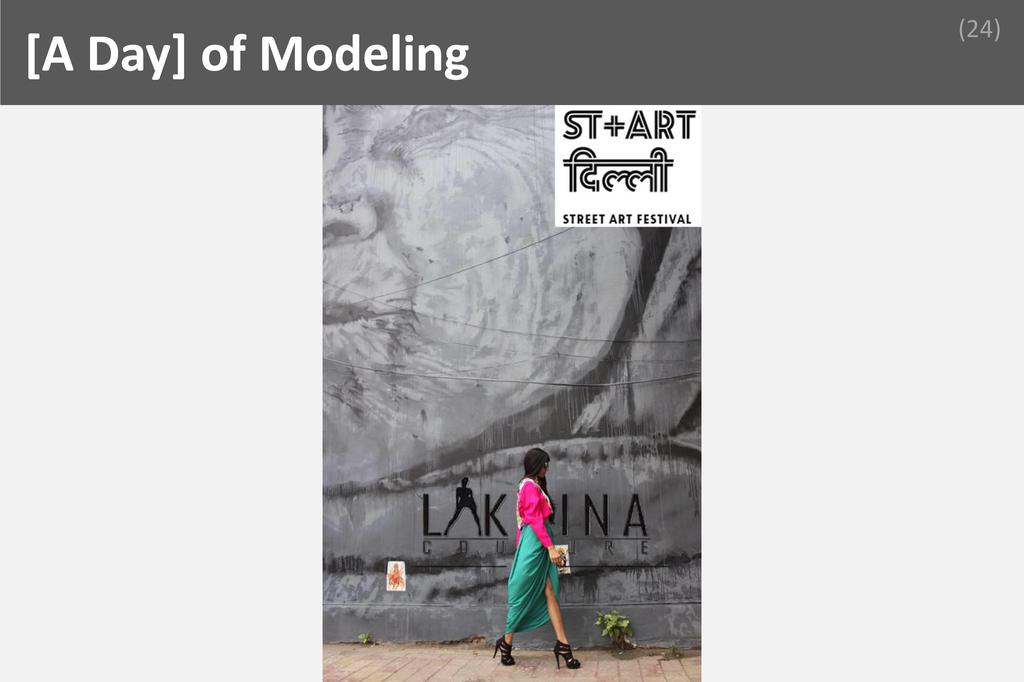
Modeling is a career in which individuals present and promote products, fashion, or concepts by showcasing them visually, often through photography, runway shows, or live demonstrations. Models work with designers, brands, and artists to embody specific looks or ideas, helping to communicate messages and influence consumer perceptions.
Modeling plays a significant role in the fashion, advertising, and entertainment industries by shaping trends and influencing public perception. Professionals in modeling help brands and designers bring their creative visions to life, making products more appealing to consumers. The career offers opportunities for personal growth, creative expression, and international travel. Models often gain exposure to diverse cultures and experiences, enhancing their adaptability and communication skills. Additionally, the profession can lead to lucrative contracts and collaborations with renowned brands, providing financial rewards and professional recognition. Through their work, models contribute to the evolution of style and aesthetics, impacting how society views beauty and self-expression.
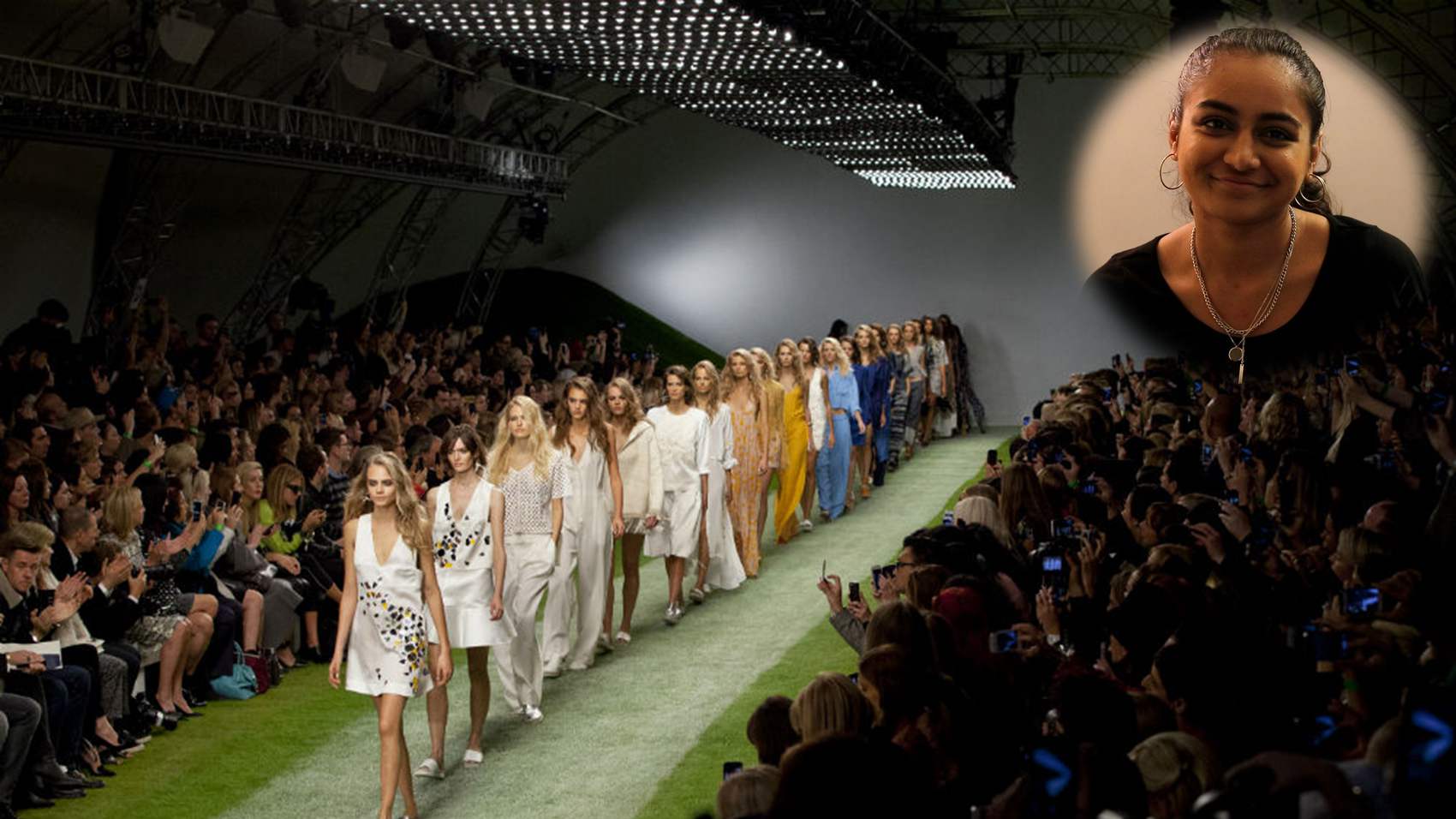
A professional model might be hired by a fashion house to participate in a seasonal runway show. In preparation, the model attends fittings, learns choreography, and collaborates with stylists to perfect the desired look. On the day of the show, the model walks the runway, showcasing the designer’s latest collection to an audience of buyers, media, and influencers. The model’s presentation helps highlight the clothing’s features, fit, and movement, ultimately influencing purchasing decisions and media coverage. After the event, images and videos of the model are shared across various platforms, further promoting the brand and shaping upcoming fashion trends. This process demonstrates how modeling professionals bring creative concepts to life and drive industry momentum.
Education
Latest Trends
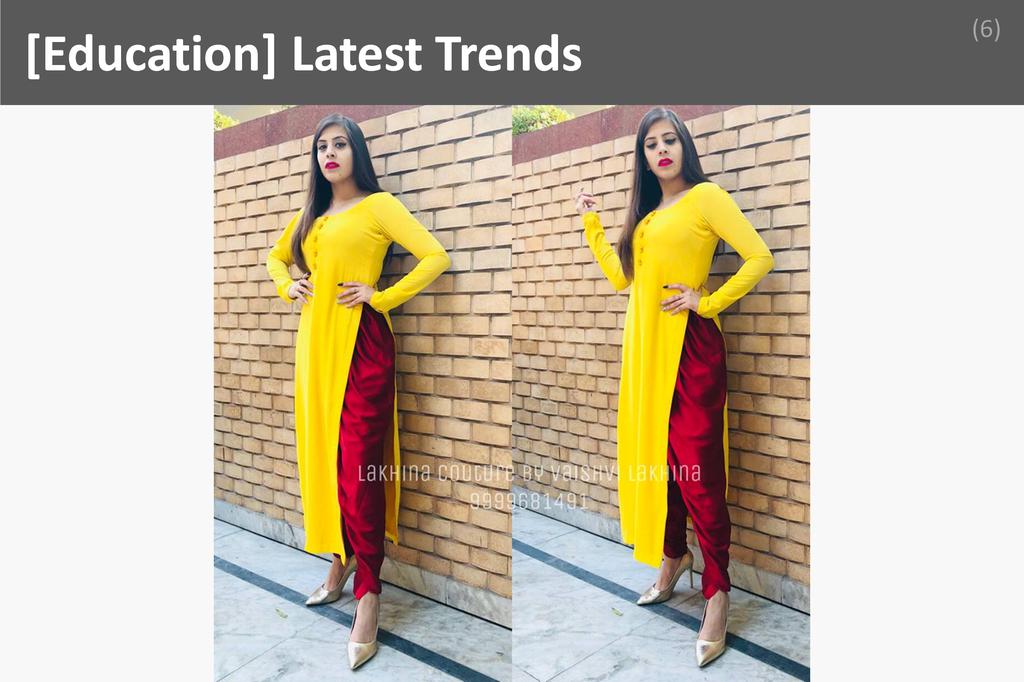
Latest Trends refers to the most current developments, styles, technologies, and methodologies shaping the modeling industry. It encompasses shifts in fashion, digital modeling techniques, social media influence, and cultural preferences. Understanding Latest Trends is essential for both academic study and professional practice, ensuring models remain relevant and competitive in a rapidly evolving field.
Grasping the concept of Latest Trends is crucial for anyone preparing for or working in modeling because the industry thrives on change and innovation. By staying informed about emerging styles, technological advancements, and evolving audience preferences, professionals can adapt their portfolios, skills, and personal branding to meet market demands. This knowledge forms the backbone of a model’s ability to secure diverse assignments, collaborate effectively with designers and photographers, and anticipate shifts that could impact their career trajectory. Over the long term, a strong understanding of Latest Trends enables models to maintain their relevance, build a sustainable career, and position themselves as leaders or influencers within the industry.
Consider a professional model preparing for a major fashion week. By leveraging their understanding of Latest Trends, they research the season’s dominant colors, fabrics, and silhouettes, as well as the social media strategies favored by top designers. During fittings and rehearsals, the model adapts their poses and expressions to align with the current aesthetic, demonstrating versatility and awareness. On the runway and in promotional shoots, their ability to embody the latest looks and engage with digital platforms impresses clients and followers alike. This proactive approach not only enhances their immediate performance but also strengthens their reputation as a forward-thinking, adaptable professional in the modeling world.
Grooming & Etiquette
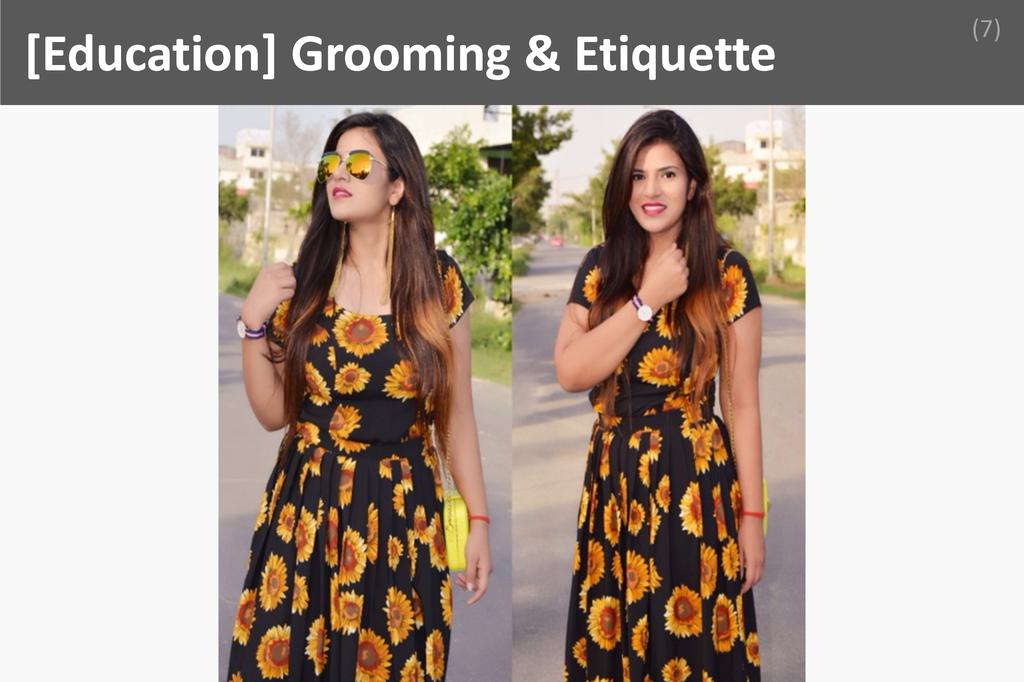
Grooming & Etiquette refers to the personal care, appearance, and professional behavior expected in the modeling industry. It encompasses hygiene, styling, posture, and social conduct. In modeling, mastering these elements is essential, as they directly influence first impressions, client relationships, and overall professionalism, forming a core part of industry standards.
Understanding grooming and etiquette is vital for anyone pursuing a career in modeling because it establishes the foundation for professional success. Models are often the face of brands and must consistently present themselves in a polished and respectful manner. Proper grooming ensures that a model always looks their best, while etiquette governs interactions with clients, photographers, and peers. This knowledge not only helps models secure more assignments but also builds a reputation for reliability and professionalism. Over time, these skills contribute to career longevity, as clients and agencies are more likely to rehire models who consistently demonstrate high standards in both appearance and conduct.
Consider a model attending a high-profile fashion show. Before arriving, they ensure their hair, skin, and nails are immaculate, and their outfit is perfectly styled according to the designer’s requirements. Upon arrival, the model greets the team courteously, listens attentively to instructions, and maintains a positive attitude backstage. During fittings and rehearsals, they respect personal space, follow directions promptly, and interact professionally with everyone involved. By applying their understanding of grooming and etiquette, the model not only leaves a lasting positive impression but also increases their chances of being recommended for future shows, demonstrating how theoretical knowledge translates into practical career advancement.
Diet & Fitness
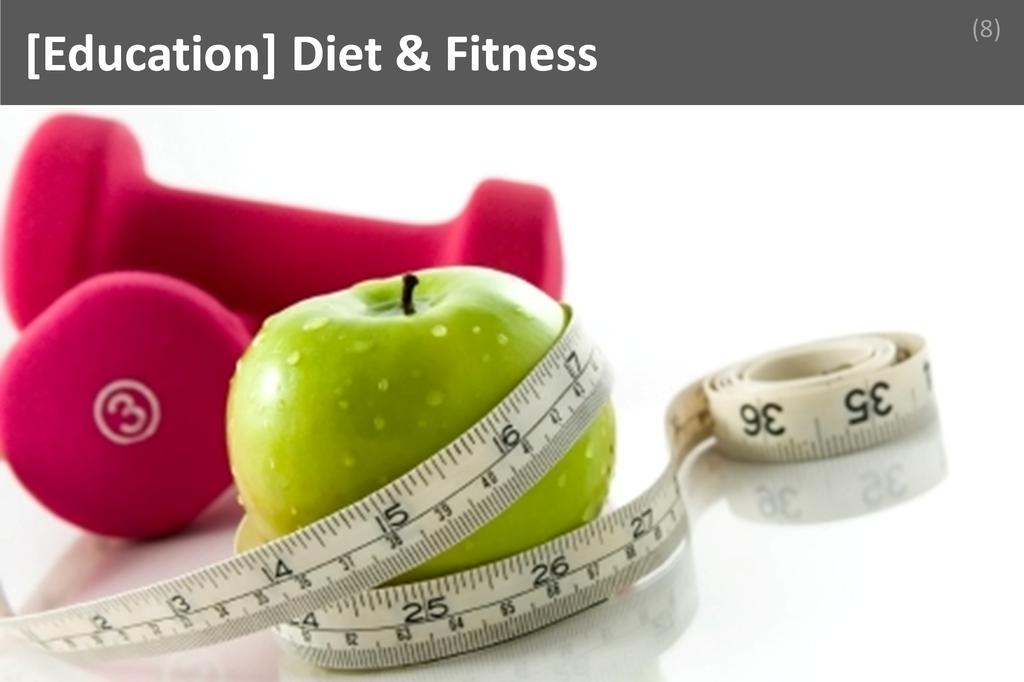
Diet & Fitness refers to the combined practice of maintaining a balanced nutritional intake and engaging in regular physical activity to achieve optimal health and body composition. In the context of modeling, it is a critical area of knowledge that supports physical appearance, stamina, and overall well-being, forming a cornerstone of professional preparation.
Understanding Diet & Fitness is essential for anyone pursuing a career in modeling because the industry places significant emphasis on physical presentation and health. Mastery of this subject enables models to maintain the physique required for various assignments, adapt to changing industry standards, and promote longevity in their careers. Knowledge of nutrition helps models make informed decisions about what to eat to sustain energy during long shoots or runway shows, while fitness routines support muscle tone, posture, and confidence. Over time, this foundational expertise not only enhances professional performance but also reduces the risk of injury, burnout, and health complications, ensuring that models can meet the demands of their profession while safeguarding their long-term well-being.
A professional model preparing for a high-profile fashion show applies their understanding of Diet & Fitness by planning balanced meals that provide sustained energy and hydration throughout the day. They incorporate lean proteins, complex carbohydrates, and fresh vegetables to fuel their body, while also scheduling regular workouts focused on flexibility and strength. During the hectic days leading up to the event, the model uses their knowledge to avoid crash diets or extreme exercise, instead relying on consistent, healthy habits to maintain their physique and mental clarity. This approach not only helps them look their best on the runway but also ensures they remain resilient and focused, demonstrating the practical value of a solid foundation in Diet & Fitness.
Product Knowledge
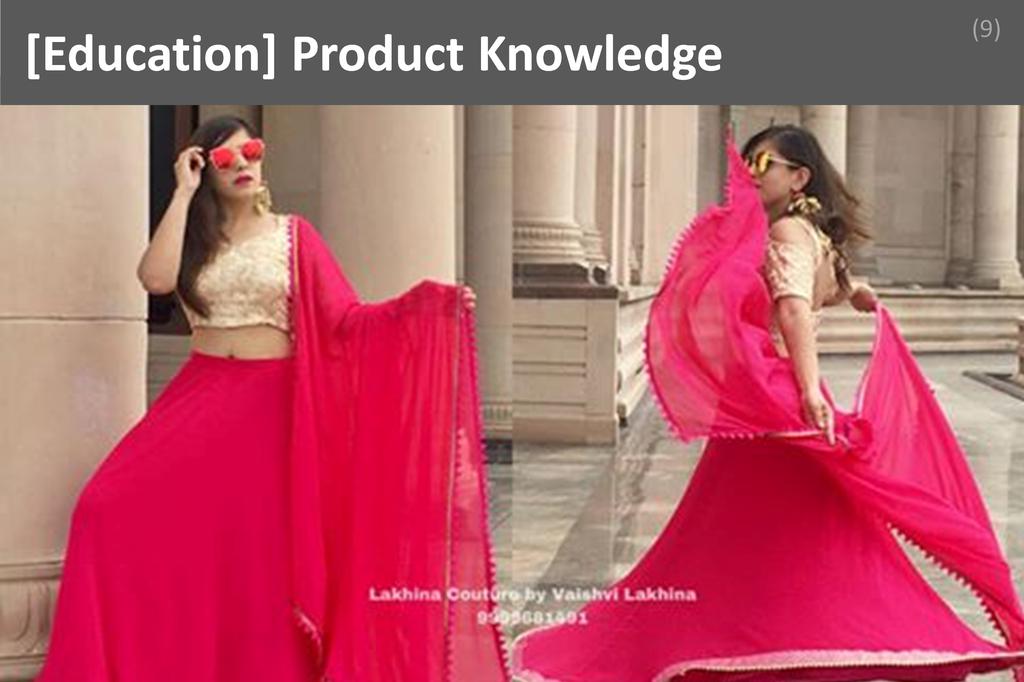
Product Knowledge refers to a comprehensive understanding of the features, benefits, uses, and limitations of the products or services being represented. In the context of Modeling, it encompasses the academic and professional grasp of how products interact with target audiences, enabling models to effectively communicate value and authenticity during campaigns or presentations.
Developing strong Product Knowledge is essential for anyone preparing for or working in Modeling because it empowers professionals to represent brands with credibility and confidence. When models understand the intricacies of the products they showcase, they can embody the brand’s message more authentically, which enhances the overall impact of marketing campaigns. This foundational knowledge not only improves a model’s performance during photoshoots, runway shows, or promotional events but also builds trust with clients and audiences. Over time, possessing in-depth Product Knowledge can lead to more opportunities, as brands increasingly seek models who can serve as informed ambassadors rather than passive participants. Ultimately, this expertise supports long-term career growth and adaptability in a competitive industry.
Consider a model preparing for a high-profile skincare campaign. Before the shoot, the model studies the product’s ingredients, unique selling points, and intended benefits for different skin types. During the campaign, the model is interviewed by media representatives and confidently explains how the product works, why it stands out, and how it fits into a daily skincare routine. This informed approach not only impresses the brand’s marketing team but also resonates with potential customers, who perceive the model as a genuine advocate rather than just a face in an advertisement. By applying their Product Knowledge, the model elevates the campaign’s credibility and effectiveness, demonstrating the real-world value of this essential skill.
Skills
Observation
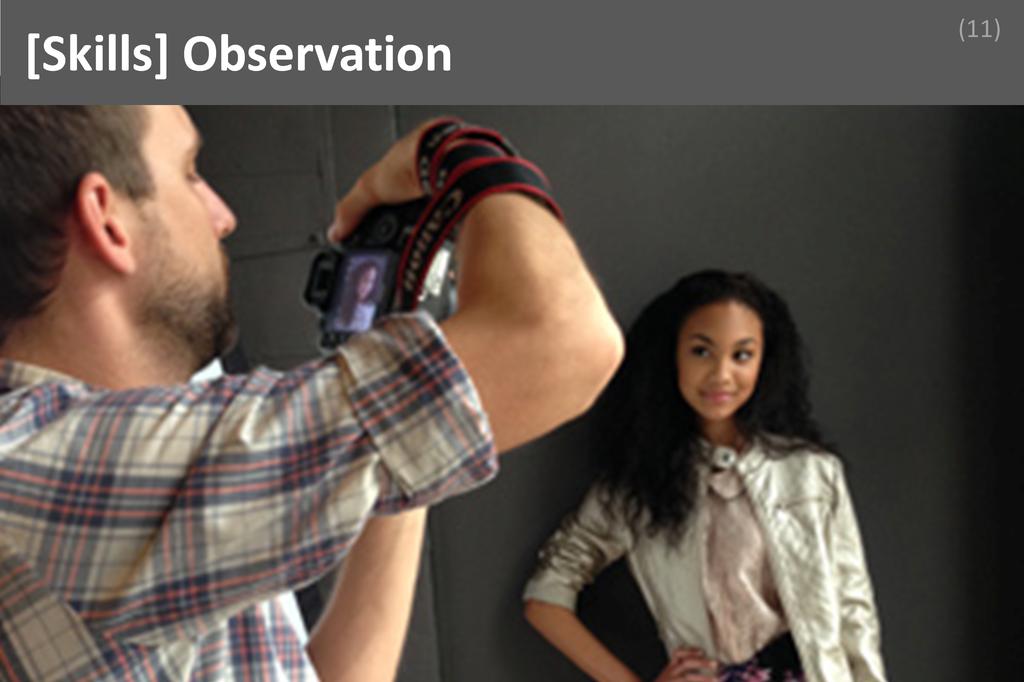
Observation is the attentive and conscious act of noticing details, behaviors, and patterns in people, environments, and situations. In modeling, it involves perceiving subtle cues, body language, and visual aesthetics. This skill enables models to adapt their poses, expressions, and movements, ensuring they align with the creative vision and project requirements.
Observation is a cornerstone of professional modeling because it allows individuals to interpret and respond to the needs of photographers, designers, and directors with precision. Models who excel at observation can quickly understand the mood of a shoot, the nuances of lighting, and the expectations of a creative team. Clients and employers value this skill because it leads to more efficient sessions, fewer retakes, and consistently high-quality results. Cultivating observation involves actively studying successful models, paying attention to feedback, and remaining present during every assignment. Over time, this heightened awareness becomes second nature, enabling models to anticipate direction and deliver performances that resonate with the intended message or brand identity.
Imagine a model on set for a high-fashion editorial shoot where the photographer’s instructions are minimal and the creative direction is abstract. By keenly observing the photographer’s gestures, the stylist’s adjustments, and the mood of the set, the model discerns the desired atmosphere—perhaps something edgy and intense. She notices the lighting emphasizes sharp angles and shadows, so she adapts her poses to create striking silhouettes. Her ability to read the room and interpret subtle cues allows her to deliver exactly what the team envisions, resulting in a series of powerful images that exceed expectations. In this scenario, observation is the key factor that transforms a challenging, ambiguous brief into a successful and memorable outcome.
Presentation
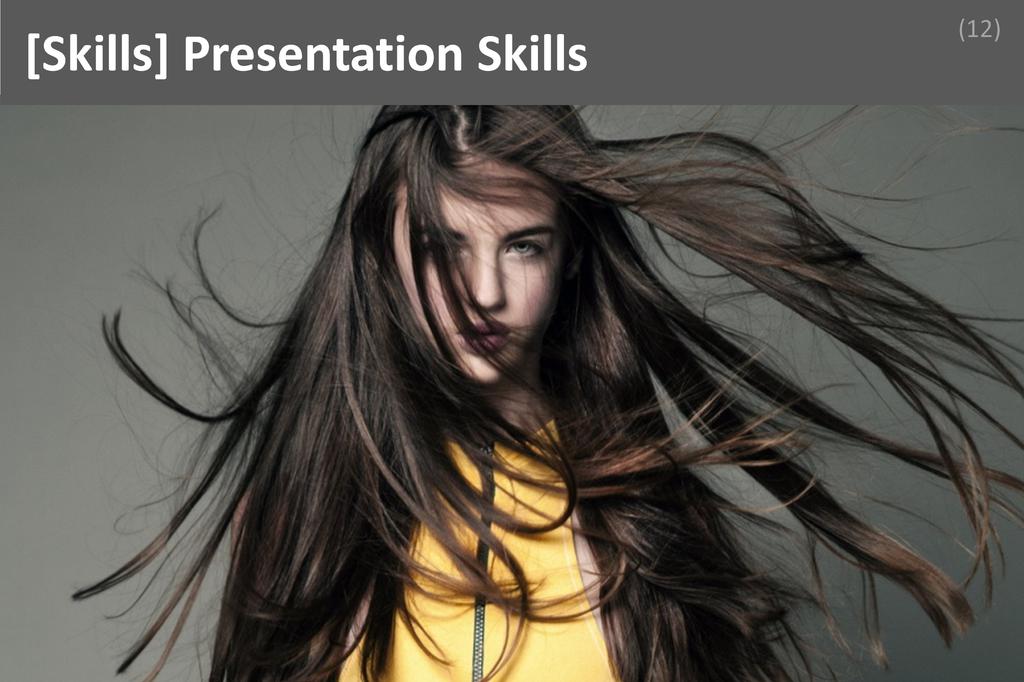
Presentation in modeling refers to the ability to showcase oneself, clothing, or products with confidence, poise, and professionalism, both on and off the runway. It encompasses body language, facial expressions, grooming, and the capacity to adapt to various creative directions. This skill is fundamental for making a memorable impression and conveying a brand’s vision.
Mastering presentation significantly enhances a model’s performance by ensuring they consistently embody the desired image for each assignment. Clients and employers highly value this skill because it directly impacts how effectively a campaign or collection is communicated to the audience. A model with strong presentation skills can elevate a designer’s work, making it more appealing and marketable. Developing this skill involves continuous self-awareness, regular practice in front of mirrors or cameras, and seeking feedback from industry professionals. Over time, exposure to diverse projects and constructive critique helps models refine their presence, adapt to different styles, and maintain professionalism under pressure, all of which are crucial for long-term success in the competitive modeling industry.
Imagine a model at a high-profile fashion show where a last-minute wardrobe malfunction threatens to disrupt the event. Relying on their presentation skills, the model maintains composure, quickly adapts their walk and posture to accommodate the altered outfit, and confidently completes the runway without drawing attention to the mishap. Their ability to remain poised and professional not only prevents embarrassment but also ensures the designer’s collection is presented seamlessly to the audience and media. This scenario highlights how strong presentation skills enable models to handle unexpected challenges gracefully, reinforcing their reliability and value to clients and solidifying their reputation within the industry.
Self Promotion
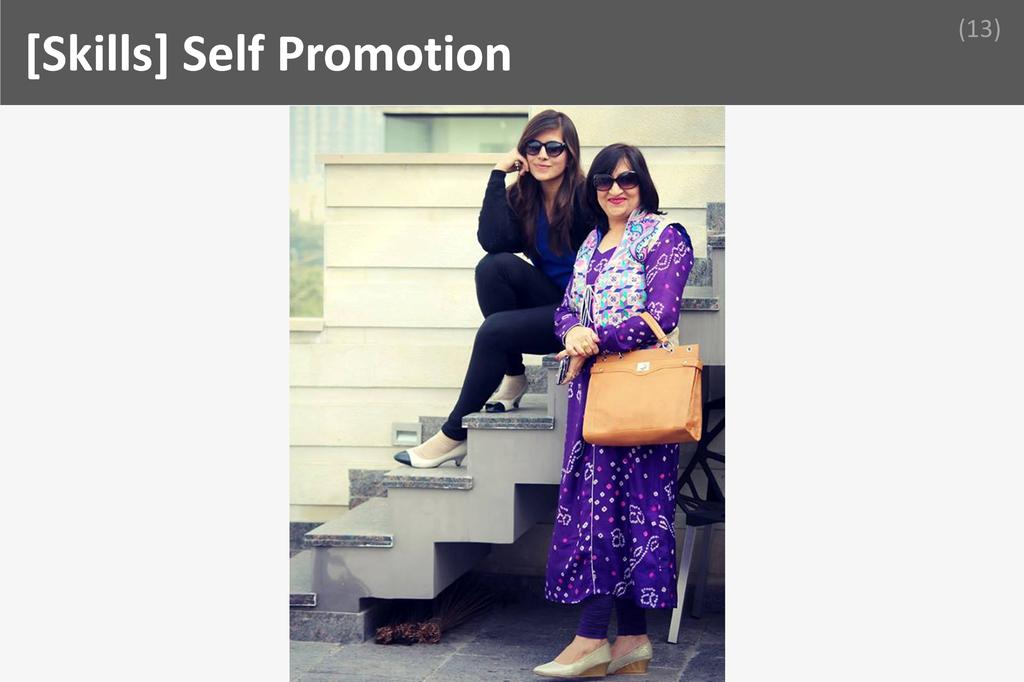
Self promotion is the strategic act of showcasing one’s abilities, achievements, and unique qualities to attract opportunities and recognition. In modeling, it involves actively presenting oneself to agencies, clients, and the public, ensuring visibility in a highly competitive industry. This skill is crucial for building a recognizable personal brand.
Mastering self promotion directly enhances a model’s career by increasing exposure, attracting more auditions, and building a loyal following. Clients and employers value models who can market themselves because it extends the reach of campaigns and projects. Models who excel at self promotion often secure more bookings and collaborations, as their personal brand adds value to any assignment. Cultivating this skill involves consistent networking, maintaining a strong social media presence, and regularly updating portfolios. Over time, models learn to communicate their strengths effectively, adapt their image to market trends, and engage with industry professionals, all of which contribute to sustained career growth and resilience in a fast-paced environment.
Consider a model who faces a lull in bookings despite having a strong portfolio. By leveraging self promotion, she begins sharing behind-the-scenes content, engaging with followers on social media, and reaching out directly to brands that align with her style. Her proactive approach catches the attention of a fashion label seeking fresh faces for an upcoming campaign. Impressed by her initiative and online presence, the brand offers her a feature in their new collection. Through self promotion, the model not only overcomes a challenging period but also establishes valuable industry connections and increases her visibility, ultimately leading to more consistent work and long-term success.
Positives
Meeting New People
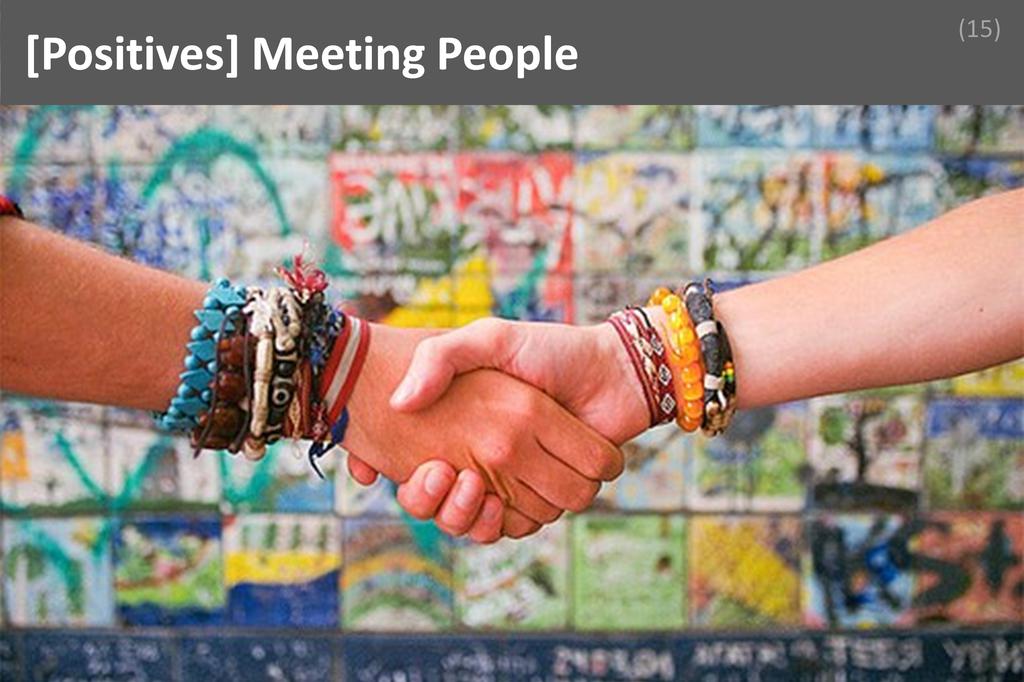
Meeting new people means forming connections with individuals from diverse backgrounds, cultures, and professions during work assignments, events, and collaborations. In modeling, this constant interaction fosters creativity, broadens perspectives, and builds a supportive network. These relationships enrich the professional journey, making each day unique and contributing to personal and career growth.
The opportunity to meet new people is a cornerstone of what makes modeling such a dynamic and fulfilling career. Every project introduces models to photographers, designers, stylists, and fellow models, each bringing their own stories and expertise. These interactions not only spark inspiration but also open doors to future collaborations and friendships. The diversity of people encountered helps models develop strong communication skills, adaptability, and cultural awareness, all of which are invaluable in both professional and personal contexts. This constant exchange of ideas and experiences keeps the work environment fresh and exciting, leading to greater job satisfaction and continuous personal development. For many, the relationships built along the way become as rewarding as the work itself.
Imagine a model arriving at a photoshoot for an international fashion campaign. Throughout the day, she collaborates with a renowned photographer from Italy, a makeup artist from Brazil, and fellow models from Japan and South Africa. As they work together, they share stories about their cultures, creative processes, and career journeys. These conversations spark new ideas and foster a sense of camaraderie, turning a routine assignment into a memorable experience. By the end of the shoot, the model has not only contributed to a successful campaign but also formed meaningful connections that may lead to future opportunities and lifelong friendships. This daily exposure to new people enriches her career and personal life in ways she never imagined.
Travelling

Travelling is the act of journeying from one place to another, often across cities, countries, or continents, for work, exploration, or leisure. In modeling, travelling means moving to various locations for photoshoots, fashion shows, and campaigns, allowing professionals to experience new cultures, environments, and opportunities that enrich their careers and personal growth.
The opportunity to travel is a defining benefit in the modeling industry, offering experiences that go far beyond the studio or runway. Exposure to diverse cultures and creative environments broadens a model’s perspective, enhancing adaptability and cultural sensitivity. This constant movement fosters personal growth, builds confidence, and encourages networking with international professionals, which can open doors to new collaborations and career advancements. The excitement of discovering new places and working in iconic locations adds a sense of adventure and fulfillment to daily life, making the profession more dynamic and inspiring. Ultimately, travelling transforms routine assignments into memorable journeys, boosting job satisfaction and fueling a passion for the craft.
Imagine a model who is booked for a fashion campaign in Paris, followed by a runway show in Tokyo. Each destination presents unique challenges and opportunities, from adapting to different languages and customs to working with world-renowned photographers and designers. While in Paris, the model explores historic landmarks between shoots, drawing inspiration from the city’s art and fashion scene. In Tokyo, she experiences the vibrant culture and innovative style, expanding her professional network and portfolio. The thrill of these journeys, combined with the chance to immerse herself in new environments, not only enhances her career but also enriches her life with unforgettable memories and personal growth.
Enhancing Own Venture
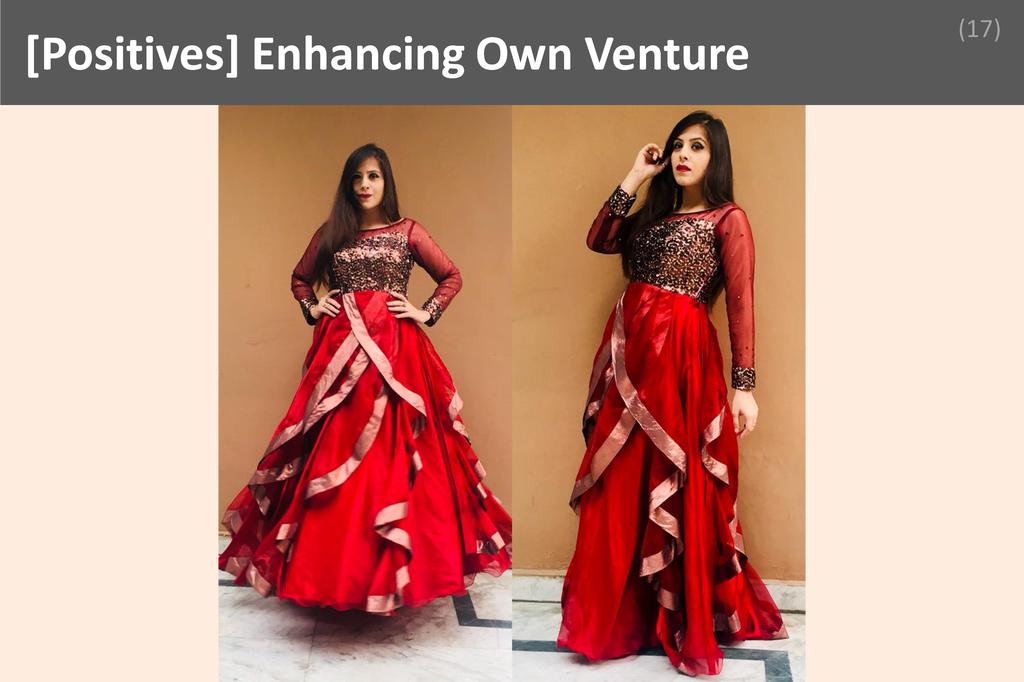
Enhancing Own Venture refers to the ability of models to build, shape, and grow their personal brand, business, or creative projects within the modeling industry. This process empowers professionals to take ownership of their careers, make strategic decisions, and develop unique identities that set them apart in a competitive field. By focusing on enhancing their own ventures, models gain autonomy and control over their professional journeys, allowing them to pursue opportunities that align with their passions and values. This aspect not only fosters independence but also encourages continuous learning and adaptability, making the modeling profession both dynamic and personally rewarding.
The opportunity to enhance one’s own venture is a transformative benefit in modeling, as it allows individuals to move beyond traditional roles and become entrepreneurs of their own image and career. This autonomy leads to greater job satisfaction because models can select projects that resonate with their personal style and ambitions. It also opens doors for creative expression, networking, and collaboration, which are essential for growth in the industry. Models who actively enhance their own ventures often experience a sense of accomplishment and pride, as they witness the direct results of their efforts. This daily engagement in self-driven projects cultivates resilience, adaptability, and a proactive mindset, all of which are invaluable for long-term success and fulfillment in modeling.
Consider a model who, after gaining experience in various campaigns, decides to launch her own fashion blog and collaborate with emerging designers. By curating her content, managing partnerships, and engaging with her audience, she transforms her modeling career into a multifaceted venture. This initiative not only increases her visibility but also allows her to express her unique perspective on fashion and lifestyle. As her platform grows, she attracts new opportunities, such as brand ambassadorships and creative collaborations, further expanding her professional horizons. Through this journey, she experiences the satisfaction of building something meaningful and personal, demonstrating how enhancing one’s own venture can be both empowering and deeply rewarding in the modeling industry.
Challenges
Strict Routine

Strict Routine in modeling refers to the rigid, highly scheduled daily structure that models must adhere to, encompassing early call times, back-to-back castings, strict diet and fitness regimens, and constant travel. This demanding routine leaves little room for spontaneity or personal time, testing both physical endurance and mental discipline.
The relentless nature of a strict routine in modeling can lead to fatigue, stress, and burnout, as professionals juggle long hours, frequent travel, and the pressure to maintain their appearance. This environment demands significant resilience, as models must consistently perform at their best despite limited rest and personal downtime. Successful professionals manage this constraint by prioritizing self-care, setting boundaries where possible, and developing strong organizational skills. They learn to maximize brief moments of rest, maintain supportive relationships, and practice mindfulness to preserve their well-being. By embracing structure while allowing for flexibility within their control, they sustain their performance and mental health in a demanding industry.
Consider a model preparing for Fashion Week, facing a packed schedule of fittings, rehearsals, and shows across multiple cities. Despite the exhausting routine, she maintains her energy by carefully planning her meals, fitting in short meditation sessions between appointments, and ensuring she gets quality sleep whenever possible. She communicates her limits to her agency, requesting brief breaks when needed, and leans on a close friend for emotional support. By proactively managing her time and prioritizing her health, she not only meets the demands of her strict routine but also delivers standout performances on the runway, demonstrating how resilience and strategic self-care can turn a challenging schedule into a platform for success.
Criticism
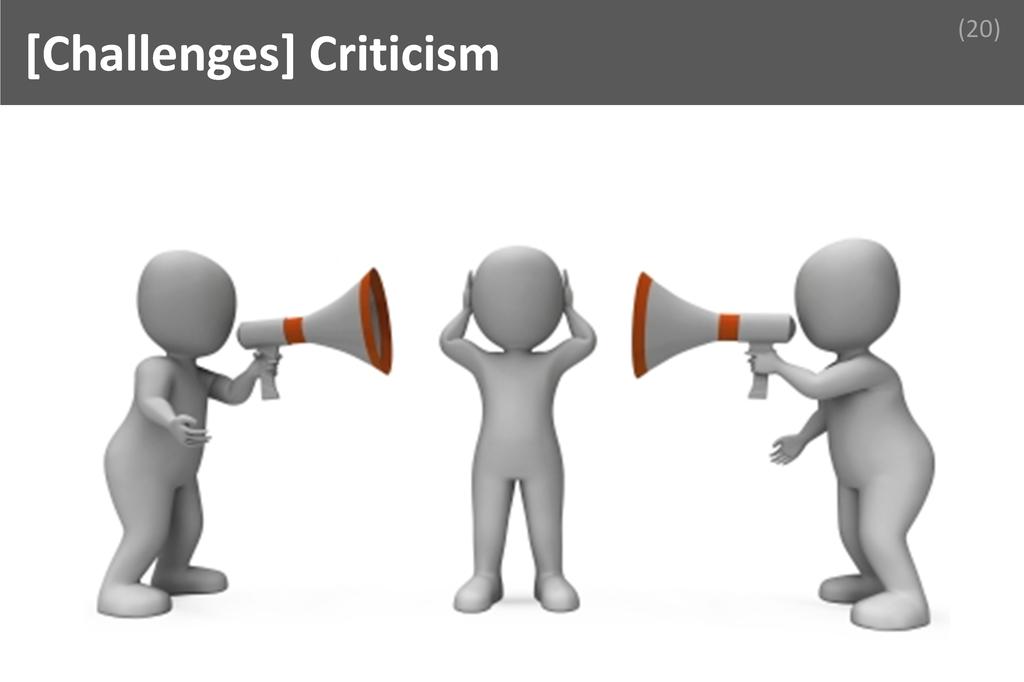
Criticism in modeling refers to the frequent and often subjective feedback models receive about their appearance, performance, or suitability for specific roles. This scrutiny can come from clients, agencies, photographers, or the public, making it a demanding aspect due to its personal nature and potential impact on self-esteem.
The persistent presence of criticism in modeling can affect a professional’s confidence and emotional well-being, influencing their performance during castings, shoots, and runway shows. Since feedback is often direct and sometimes harsh, it requires models to develop resilience and a thick skin to avoid internalizing negative remarks. Successful professionals learn to distinguish between constructive feedback, which can help them grow, and baseless negativity, which should be disregarded. They focus on self-improvement, maintain a strong support network, and practice self-care to manage stress. By viewing criticism as an opportunity for growth rather than a personal attack, models can maintain motivation and continue to thrive in a highly competitive industry.
Consider a model who, after being told by a casting director that her look was “too unconventional” for a particular campaign, initially felt discouraged. Instead of letting the comment undermine her confidence, she discussed the feedback with her agent and sought advice from experienced peers. She realized that her unique features were valued in other segments of the industry and began targeting brands that celebrated diversity. By reframing the criticism as a matter of fit rather than a flaw, she secured new opportunities and built a portfolio that highlighted her individuality. This approach not only helped her overcome the sting of criticism but also strengthened her professional identity.
Time Management

Time management in modeling refers to the ability to efficiently allocate limited hours to castings, shoots, travel, self-care, and administrative tasks. The unpredictable nature of bookings, last-minute schedule changes, and the need to juggle multiple commitments make time management particularly demanding for professionals in the modeling industry.
The challenge of time management in modeling can lead to missed opportunities, increased stress, and difficulty maintaining a healthy work-life balance. Models often face irregular hours, sudden changes in assignments, and the pressure to be available at short notice. This environment requires significant resilience, as professionals must adapt quickly and remain organized despite uncertainty. Successful models develop strong organizational skills, prioritize commitments, and maintain open communication with agencies and clients. They often rely on digital calendars, set boundaries to protect personal time, and proactively plan for contingencies. By staying flexible and disciplined, they can navigate the unpredictable demands of the industry while still meeting personal and professional goals.
Consider a model who is booked for a fashion shoot in the morning and a casting call in another city later the same day. To manage this, she confirms all details with her agency, prepares her wardrobe and travel arrangements in advance, and uses downtime during transit to review casting materials. She communicates proactively with both clients to ensure punctuality and professionalism. Despite a delayed train, she adapts by arranging alternative transportation and keeps her agency updated throughout. By anticipating potential disruptions and staying organized, she successfully completes both assignments without compromising performance or reliability, demonstrating how effective time management can turn a challenging schedule into a productive and rewarding day.
Managing Diet

Managing Diet in modeling refers to the ongoing effort to maintain specific body measurements and appearance standards through careful food choices and eating habits. This is demanding because it requires constant self-discipline, awareness of nutritional needs, and the ability to resist temptations, all while balancing a hectic and unpredictable work schedule.
The challenge of managing diet significantly shapes a model’s daily routine, often dictating meal times, food options, and social interactions. This constraint can lead to stress, fatigue, and even social isolation, as models may need to decline certain foods or events. The pressure to meet industry standards demands resilience, as setbacks can affect both self-esteem and professional opportunities. Successful professionals navigate this by seeking guidance from nutritionists, planning meals in advance, and focusing on balanced nutrition rather than extreme restrictions. They also prioritize mental well-being, recognizing that a sustainable approach to diet supports both physical health and long-term career success.
Consider a model preparing for a major fashion week, facing long days filled with fittings and rehearsals. Despite the demanding schedule, she manages her diet by preparing nutrient-rich meals ahead of time and carrying healthy snacks to avoid impulsive eating. She consults regularly with a dietitian to ensure her nutritional needs are met without compromising her energy or health. By maintaining this disciplined yet flexible approach, she not only meets the physical requirements of her profession but also preserves her well-being and focus, demonstrating that managing diet is achievable with planning, support, and self-awareness.
A Day Of
Modeling
The world of modeling is a fast-paced blend of creativity, precision, and adaptability, where no two days are ever quite the same. Whether striding onto a set before sunrise or racing between castings and fittings, modeling professionals navigate a whirlwind of activity that demands both physical stamina and mental agility. Behind the glamour and flashing cameras lies a rigorous routine, shaped by early mornings, high-pressure moments, and constant collaboration. Each day unfolds as a carefully choreographed sequence, balancing preparation, performance, and planning in an industry that never truly sleeps.
As dawn breaks, a modeling professional’s day begins with meticulous preparation. The early hours are dedicated to self-care routines, ensuring skin, hair, and physique are camera-ready. This is also the time to review the day’s schedule, confirm call times, and pack essentials such as portfolios, outfits, and makeup kits. A quick scan of emails and messages from agents or clients helps clarify any last-minute changes, setting the tone for a day that will demand both flexibility and punctuality.
By mid-morning, the energy shifts dramatically as the core activities of the day commence. Whether it’s a high-profile photo shoot, a runway rehearsal, or a commercial casting, this is when the spotlight truly turns on. Models work closely with photographers, stylists, and directors, taking direction and adapting their poses or expressions to fit the creative vision. The atmosphere is electric, with constant adjustments to lighting, wardrobe, and makeup, requiring models to remain focused, responsive, and poised under pressure.
The afternoon often brings a series of collaborative sessions, from fitting appointments with designers to meetings with brand representatives or creative teams. This is the time for practical execution—trying on new collections, discussing campaign concepts, or participating in group shoots. Models must communicate effectively, offering feedback on garments or looks while maintaining professionalism and enthusiasm. The pace is brisk, and adaptability is key as schedules shift and new opportunities arise throughout the day.
As the day winds down, the focus turns to wrapping up and preparing for what’s next. Models review the day’s work, respond to follow-up messages from agents, and organize any new bookings or appointments. There’s time for a quick debrief with team members, sharing insights or discussing improvements for future projects. The evening is also reserved for self-care, updating portfolios with fresh images, and researching upcoming trends or client expectations. With tomorrow’s schedule already taking shape, a modeling professional ends the day ready to do it all again, fueled by ambition and the ever-changing rhythm of the industry. |


 Home
Home Abroad
 Plan
Plan Philosophy
 Seminar
 Pages
Pages Advisors
 Testimonials











 Workshop
 Discuss
 Meet
Meet
 Advisor
 Story
Story
 Fine Print
 Links
Links
 Blog
Blog
 Follow
