The Journey of Modeling
What Is Modeling
Modeling
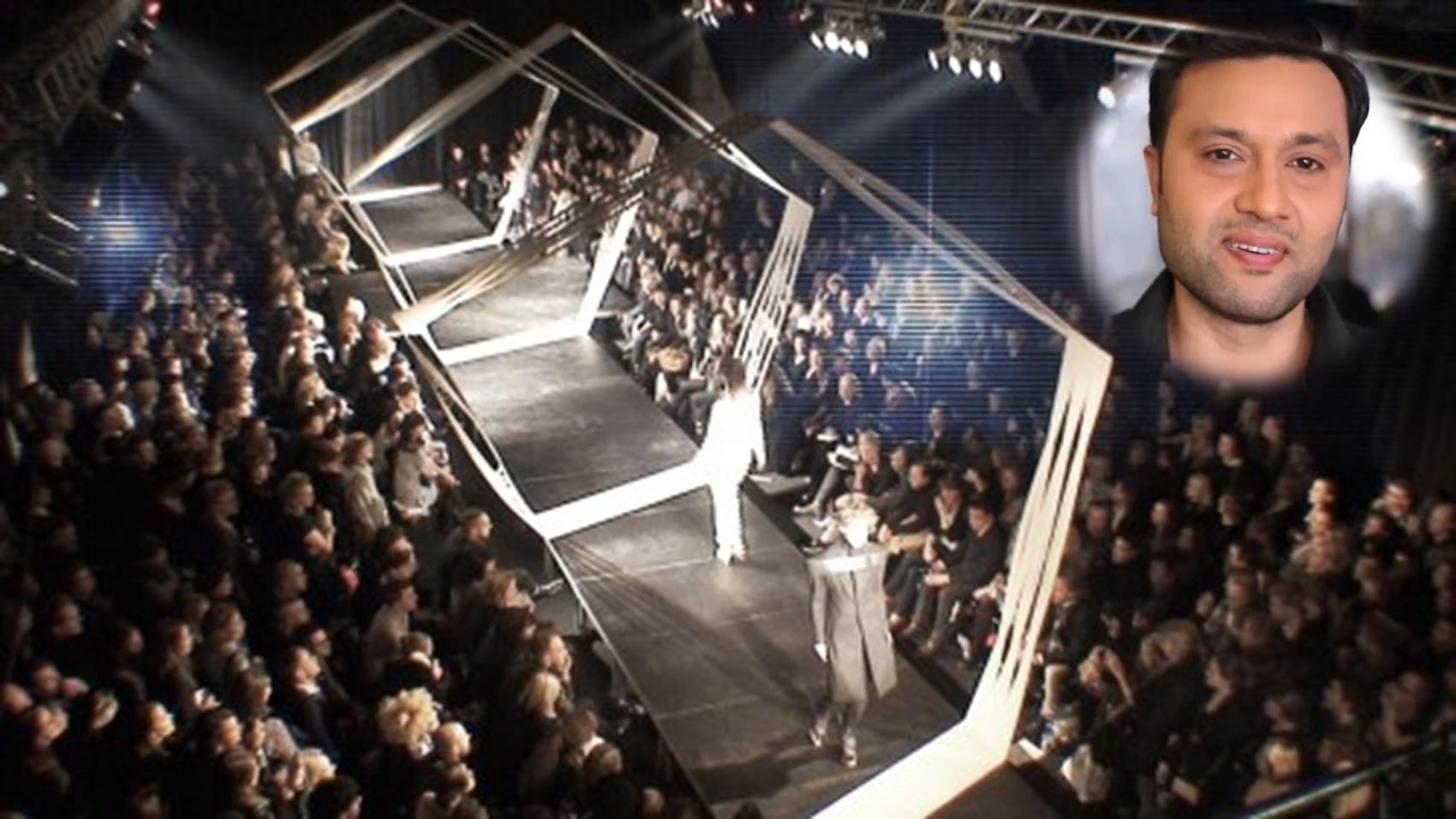
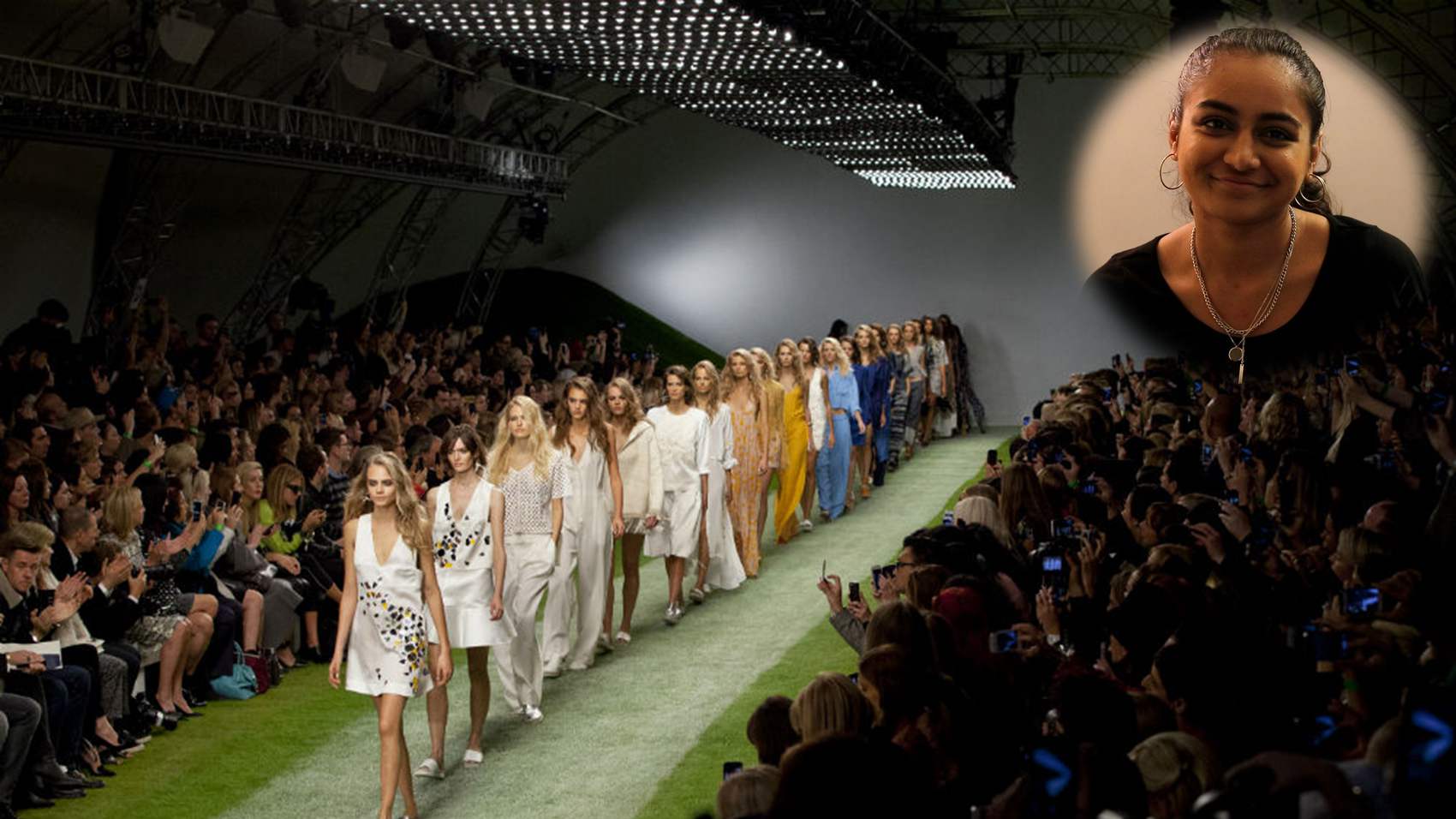
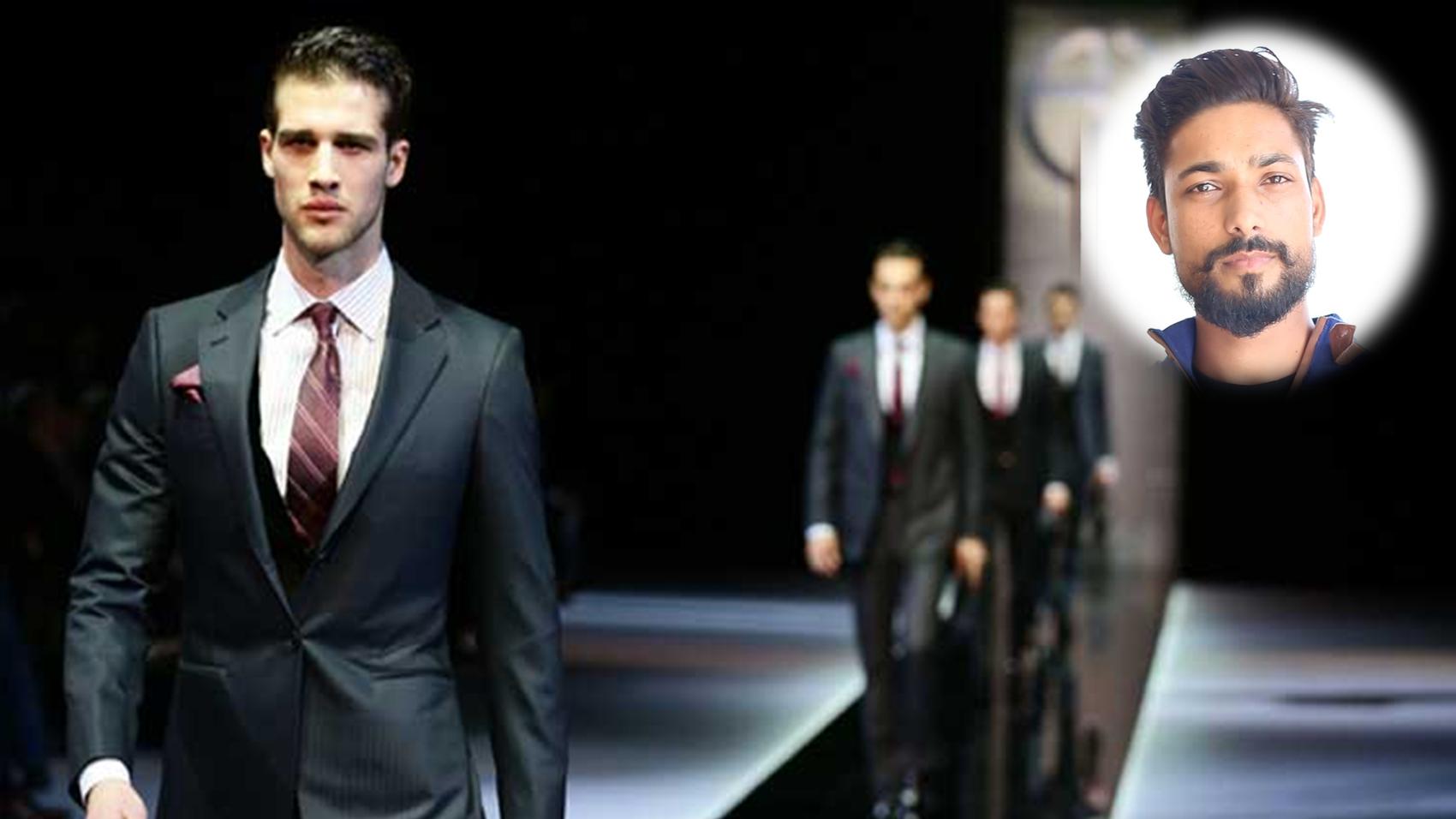
Modeling is a profession where individuals showcase clothing, accessories, or products for designers, brands, or advertisers. Models use their appearance, movement, and expressions to present items in a visually appealing way, often working in fashion shows, photo shoots, commercials, or promotional events to help market and sell products.
Modeling plays a significant role in shaping trends, influencing consumer choices, and representing brands on a global stage. For professionals, it offers the opportunity to work with creative teams, travel, and gain exposure in the fashion and advertising industries. One major benefit is the potential for high earnings and international recognition. Another benefit is the chance to collaborate with renowned photographers, designers, and artists, which can open doors to diverse career paths. Additionally, modeling helps individuals develop confidence, communication skills, and adaptability, all of which are valuable in many aspects of life and work.
A professional model might be hired by a fashion brand to participate in a new seasonal campaign. The model attends fittings, learns the designer’s vision, and works with stylists and photographers during a photo shoot. Through posing and expressive movement, the model brings the clothing to life, helping the brand communicate its style and message to consumers. The resulting images are used in magazines, online stores, and advertisements, directly influencing how customers perceive and engage with the brand. This process demonstrates how modeling is not just about appearance, but also about storytelling, collaboration, and contributing to the success of a broader creative project.
Education
Subject Knowledge

Subject Knowledge refers to a deep and comprehensive understanding of the theories, principles, and practices specific to a particular field. In the context of Modeling, it encompasses mathematical concepts, statistical methods, and domain-specific insights that underpin the creation and interpretation of models. This knowledge bridges academic learning and practical application.
Developing strong subject knowledge is essential for anyone aspiring to excel in Modeling. It provides the intellectual foundation necessary to construct accurate, reliable models and to interpret their results meaningfully. Mastery of core concepts such as probability, linear algebra, and data analysis enables professionals to approach complex problems with confidence and creativity. This expertise not only enhances problem-solving abilities but also fosters adaptability in a rapidly evolving field. Over time, a robust understanding of subject knowledge supports career advancement by enabling professionals to tackle more sophisticated projects, collaborate effectively with interdisciplinary teams, and contribute innovative solutions that drive organizational success.
Consider a data modeler working in the finance industry who is tasked with predicting market trends. Drawing on their subject knowledge, the professional selects appropriate statistical techniques, such as time series analysis, and applies them to historical market data. Their understanding of the underlying mathematical principles allows them to identify patterns, account for anomalies, and validate the model’s accuracy. When unexpected results arise, their theoretical grounding helps them troubleshoot issues, refine assumptions, and communicate findings to stakeholders in a clear, informed manner. This daily application of subject knowledge ensures that the models produced are both technically sound and practically relevant, directly impacting business decisions and outcomes.
Latest Trends

Latest Trends refers to the most current developments, styles, and innovations shaping the modeling industry, including fashion, technology, and presentation techniques. Understanding these trends is essential for academic study and professional practice in Modeling, as it ensures relevance, adaptability, and competitiveness in a rapidly evolving and highly visual field.
Learning about the latest trends is vital for anyone preparing for or working in Modeling because the industry thrives on change and innovation. Staying informed about new styles, technologies, and cultural shifts allows professionals to anticipate client needs, adapt their portfolios, and remain marketable. This knowledge forms a foundational base, enabling models to collaborate effectively with designers, photographers, and agencies who expect up-to-date awareness. Over the long term, a strong grasp of current trends helps professionals build a resilient career, as it fosters adaptability and positions them as forward-thinking contributors. By continuously updating their skills and aesthetic sensibilities, models can maintain relevance and seize new opportunities as the industry evolves.
Consider a model preparing for a major fashion week event. By understanding the latest trends in both clothing styles and runway presentation, the model can tailor their walk, poses, and expressions to complement the designer’s vision, which may be influenced by current cultural or technological themes. For instance, if sustainability is a prevailing trend, the model might be expected to embody a natural, effortless look that aligns with eco-friendly fashion. Their awareness of these nuances allows them to deliver a performance that resonates with audiences and industry professionals, demonstrating both professionalism and an up-to-date understanding of the modeling landscape. This application of trend knowledge directly enhances their value and reputation in the field.
Diet and Nutrition

Diet and Nutrition refers to the study and practice of consuming the right balance of foods and nutrients to maintain health, energy, and optimal body function. In the context of Modeling, it is essential academic and professional knowledge, as it directly impacts physical appearance, performance, and overall well-being in a highly visual industry.
Understanding Diet and Nutrition is crucial for anyone preparing for or working in Modeling because the profession demands sustained physical health, energy, and a consistent appearance. Models are often required to maintain specific body measurements and skin quality, which are directly influenced by dietary habits and nutritional intake. Mastery of this subject enables professionals to make informed choices about what to eat, how to fuel their bodies for demanding schedules, and how to recover from travel or long shoots. Over the long term, this knowledge helps prevent health issues related to poor nutrition, supports mental clarity, and enhances career longevity by promoting a sustainable and healthy lifestyle, which is highly valued in the modeling industry.
Consider a model preparing for a week of back-to-back fashion shows. Drawing on their understanding of Diet and Nutrition, they plan meals that provide sustained energy, focusing on lean proteins, complex carbohydrates, and plenty of hydration to keep their skin glowing and body energized. They avoid crash diets or extreme restrictions, knowing these can lead to fatigue, mood swings, or even visible changes in skin and hair quality. Instead, they use their knowledge to balance their intake, ensuring they are camera-ready and able to perform at their best throughout the demanding schedule. This practical application of nutritional theory supports both their immediate performance and long-term health in the industry.
Modeling Categories

Modeling Categories refers to the systematic classification of different types of modeling based on their purpose, techniques, and application areas. This concept is essential in both academic and professional contexts, as it helps individuals understand the diverse approaches within the modeling field and select the most appropriate methods for specific tasks or industries.
Understanding Modeling Categories is crucial for anyone preparing for or working in the modeling profession because it establishes a clear framework for navigating the field’s complexity. By mastering these categories, professionals can identify which modeling techniques best suit particular problems, industries, or client needs. This foundational knowledge enables more effective communication with colleagues and clients, as well as informed decision-making when selecting tools and methodologies. Over time, a strong grasp of Modeling Categories enhances adaptability, allowing professionals to transition between projects or specializations with confidence. It also supports ongoing learning and professional growth, as individuals can more easily recognize emerging trends and integrate new modeling approaches into their repertoire.
Consider a professional modeler tasked with developing a predictive model for a retail company aiming to optimize inventory management. Drawing on their understanding of Modeling Categories, the modeler first distinguishes between statistical, mathematical, and simulation models to determine which category aligns best with the company’s objectives and available data. By selecting a statistical modeling approach, the modeler can accurately forecast demand patterns and recommend inventory levels. Throughout the project, their theoretical knowledge of Modeling Categories guides their communication with stakeholders, ensuring that everyone understands the chosen methodology and its rationale. This practical application not only leads to a successful project outcome but also demonstrates the value of a solid foundation in Modeling Categories for effective problem-solving in real-world scenarios.
Skills
Good Personality

A good personality in modeling is the combination of confidence, approachability, adaptability, professionalism, and positive energy. It enables models to connect with clients, photographers, and audiences, making them memorable and easy to work with. This quality enhances collaboration, fosters trust, and elevates a model’s presence both on and off the runway.
Good personality directly impacts a model’s performance by creating a positive working environment and encouraging effective communication. Clients and employers highly value models who are not only visually appealing but also reliable, respectful, and enthusiastic. These attributes make projects run smoothly and foster long-term professional relationships. Cultivating a good personality involves self-awareness, consistent professionalism, and openness to feedback. Models can develop this skill by engaging with diverse people, practicing active listening, and maintaining a positive attitude even under pressure. Over time, these efforts help models stand out in a competitive industry, making them more likely to be recommended and rehired for future assignments.
Imagine a model at a high-profile fashion show where last-minute changes to the lineup and outfits cause stress among the team. While some models react with frustration, one model remains calm, approachable, and supportive, offering encouragement to others and cooperating fully with the organizers. Her good personality helps diffuse tension backstage, allowing the team to adapt quickly and keep the show running smoothly. The client notices her professionalism and positive attitude, leading to further bookings and recommendations. In this scenario, her good personality not only resolves a critical issue but also enhances her reputation and career prospects in the modeling industry.
Communication

Communication is the clear and effective exchange of ideas, information, and emotions through verbal, nonverbal, and written means. In modeling, communication enables professionals to understand creative direction, collaborate with teams, and express concepts visually and verbally, making it a vital skill for building relationships and achieving career success.
Strong communication skills directly enhance a model’s performance by ensuring that instructions from photographers, designers, and directors are understood and executed accurately. Clients and employers highly value models who can articulate their needs, ask clarifying questions, and provide constructive feedback, as this minimizes misunderstandings and streamlines the creative process. Over time, communication can be cultivated by actively listening, practicing assertiveness, and seeking feedback from industry professionals. Engaging in workshops, observing seasoned models, and participating in collaborative projects also help refine this skill. As communication improves, models become more adaptable, confident, and reliable, which increases their appeal to agencies and clients and opens doors to more diverse and rewarding opportunities.
Imagine a model on set for a high-profile fashion campaign. The creative team envisions a specific mood, but the initial poses do not capture their intent. By openly communicating with the photographer and stylist, the model asks for detailed feedback and clarifies the desired emotions and movements. Through this dialogue, the model quickly adapts her approach, embodying the vision more accurately. The shoot progresses smoothly, resulting in striking images that satisfy the client. Without effective communication, the session could have been prolonged or unsuccessful. In this scenario, the model’s ability to communicate not only resolves a critical issue but also demonstrates professionalism, leaving a lasting positive impression on everyone involved.
How to Walk

"How to Walk" in modeling refers to the precise technique, posture, rhythm, and confidence with which a model moves down the runway or poses for the camera. This skill encompasses balance, body alignment, and the ability to project emotion or attitude, forming the foundation of a model’s professional presence and marketability.
Mastering "How to Walk" directly elevates a model’s performance by ensuring they present clothing and accessories in the most flattering and dynamic way possible. Clients and employers highly value this skill because it reflects professionalism, adaptability, and the ability to embody a designer’s vision. A model with a strong walk can command attention, set the tone for a show, and leave a lasting impression on audiences and industry insiders alike. Cultivating this skill requires consistent practice, feedback from experienced coaches, and careful observation of established models. Over time, attention to posture, stride, and facial expression becomes second nature, allowing the model to adapt their walk to different styles, themes, and runway environments.
Imagine a high-profile fashion show where the designer’s collection is inspired by bold, avant-garde concepts. The atmosphere is tense, and the garments are challenging to wear. One model, faced with an unexpected wardrobe malfunction just before stepping onto the runway, relies on their mastery of "How to Walk" to maintain composure and poise. By adjusting their stride and posture seamlessly, they prevent the issue from becoming noticeable to the audience or photographers. Their confident walk not only saves the moment but also draws attention to the designer’s work rather than the mishap. This professionalism impresses both the client and the audience, demonstrating how essential "How to Walk" is in overcoming challenges and achieving success in modeling.
Decision Making

Decision Making is the process of evaluating information, considering alternatives, and choosing the best course of action to achieve a desired outcome. In modeling, this skill enables professionals to respond quickly to changing circumstances, select appropriate poses or expressions, and navigate complex situations both on and off the runway.
Strong decision making directly enhances a model’s performance by allowing them to adapt to unexpected challenges, such as last-minute changes in styling or direction during a shoot. Clients and employers highly value models who can think on their feet, as this reduces delays and ensures smoother productions. Models can cultivate this skill by seeking feedback, observing experienced professionals, and reflecting on their own choices after each assignment. Over time, consistent practice in evaluating situations and making informed choices builds confidence and reliability, making the model a preferred collaborator in the industry. The ability to make sound decisions not only improves individual outcomes but also contributes to the overall success of creative projects.
Imagine a model at a high-profile fashion show who discovers moments before stepping onto the runway that a key accessory is missing. Instead of panicking, the model quickly assesses the situation and decides to adjust her walk and poses to highlight the outfit’s strengths without the accessory. This quick, confident decision ensures the designer’s vision is still effectively communicated to the audience and photographers. By relying on her decision making skills, the model turns a potential setback into a seamless performance, impressing both the client and the audience. This scenario highlights how critical decision making is in maintaining professionalism and achieving success in the fast-paced world of modeling.
Focus

Focus is the ability to direct one’s attention and energy toward a specific task or objective, maintaining mental clarity and resisting distractions. In modeling, focus enables professionals to remain present during shoots, follow directions precisely, and adapt quickly to changes, making it a foundational skill for consistent, high-quality performance.
Focus directly enhances a model’s performance by allowing them to fully engage with the creative vision of a shoot or runway show. Clients and employers value models who can maintain concentration, as this leads to fewer mistakes, efficient use of time, and a more productive working environment. A focused model can quickly interpret feedback, adjust poses, and embody the desired mood or style, which is crucial in fast-paced or high-pressure settings. Developing focus requires regular practice, such as mindfulness exercises, setting clear intentions before each assignment, and minimizing distractions both on and off set. Over time, these habits help models build mental resilience, ensuring they can deliver their best work regardless of external pressures.
Imagine a model working on a high-profile fashion campaign where the creative direction changes unexpectedly mid-shoot. Amidst the flurry of activity, the model must quickly absorb new instructions, adjust their poses, and convey a completely different mood. By relying on focus, the model tunes out background noise, ignores personal anxieties, and channels all attention into understanding and executing the photographer’s vision. This ability to remain present and adaptable not only impresses the creative team but also ensures the campaign’s success. The client recognizes the model’s professionalism and reliability, leading to future opportunities and reinforcing the importance of focus as a core skill in the modeling industry.
Confidence

Confidence is the assured belief in one’s abilities, appearance, and potential to succeed, even in challenging or unfamiliar situations. In modeling, confidence empowers professionals to present themselves authentically, adapt to diverse environments, and handle scrutiny or rejection. It is a foundational trait that enhances presence and performance on and off the runway.
Confidence directly elevates a model’s performance by allowing them to move fluidly, express emotions naturally, and engage with the camera or audience without hesitation. Clients and employers highly value confident models because they project reliability, professionalism, and charisma, which are crucial for brand representation. Cultivating confidence involves consistent practice, positive self-talk, and learning from both successes and setbacks. Over time, exposure to various assignments, constructive feedback, and personal growth experiences help models build resilience and self-assurance. By embracing their unique qualities and continuously refining their craft, models can develop a strong sense of confidence that sets them apart in a competitive industry.
Imagine a model at a high-profile fashion show who discovers, moments before stepping onto the runway, that the outfit assigned is drastically different from what was expected. Instead of panicking, the model draws on their confidence to adapt quickly, maintaining poise and composure. They walk with assurance, embodying the designer’s vision despite the last-minute change. The audience and photographers respond positively, and the client is impressed by the model’s professionalism and ability to handle pressure. This scenario highlights how confidence enables models to navigate unpredictable situations, deliver outstanding performances, and leave a lasting impression on clients and industry professionals alike.
Interpersonal

Interpersonal refers to the ability to communicate, collaborate, and build positive relationships with others through empathy, active listening, and effective verbal and nonverbal cues. In modeling, this skill is crucial for navigating diverse teams, understanding creative direction, and maintaining professionalism, making it a vital asset in a model’s toolkit.
Interpersonal skills directly enhance a model’s performance by fostering smooth collaboration with photographers, stylists, designers, and other team members on set. Clients and employers highly value models who can communicate clearly, adapt to feedback, and contribute to a positive working environment, as this often leads to more efficient shoots and better results. Cultivating interpersonal skills involves practicing active listening, being open to constructive criticism, and developing emotional intelligence. Over time, models who invest in these abilities become more approachable and reliable, which can lead to repeat bookings and stronger professional relationships within the industry.
Imagine a high-pressure fashion shoot where the creative team is struggling to achieve the desired look due to miscommunication and mounting stress. A model with strong interpersonal skills steps in, calmly listens to the concerns of both the photographer and stylist, and helps clarify the vision by asking thoughtful questions. By mediating between team members and offering reassurance, the model helps diffuse tension and encourages collaboration. As a result, the team regains focus, the shoot proceeds smoothly, and the final images exceed expectations. This scenario highlights how interpersonal skills can turn a challenging situation into a successful outcome, reinforcing the model’s reputation as a valuable and adaptable professional.
Positives
Personality Development

Personality development is the ongoing process of enhancing one’s confidence, communication skills, adaptability, and self-awareness to present the best version of oneself. In modeling, personality development is crucial because it empowers individuals to express themselves authentically, connect with diverse audiences, and navigate the dynamic demands of the fashion and entertainment industries with poise.
The emphasis on personality development in modeling transforms the profession into a journey of self-discovery and growth. Models who invest in their personal growth find themselves better equipped to handle the pressures of the industry, from auditions to photo shoots and public appearances. This growth fosters resilience, adaptability, and a positive self-image, which are essential for long-term success. As models develop their personalities, they become more confident in their abilities, communicate more effectively with clients and colleagues, and build lasting professional relationships. This daily experience of self-improvement not only enhances job satisfaction but also opens doors to new opportunities, making the modeling career both fulfilling and sustainable.
Consider a model who initially struggled with stage fright and self-doubt during runway shows. Through continuous personality development, she learned to manage her nerves, improve her posture, and communicate assertively with designers and photographers. Over time, her newfound confidence allowed her to take on more challenging assignments and even mentor newcomers in the industry. The positive feedback she received from clients and peers reinforced her sense of accomplishment and belonging. This transformation not only elevated her professional reputation but also enriched her personal life, proving that personality development is a powerful and rewarding aspect of a modeling career.
Networking

Networking is the process of building and nurturing professional relationships with individuals and organizations in your industry. In modeling, networking means connecting with photographers, designers, agents, and fellow models to share opportunities, knowledge, and support. This ongoing exchange opens doors, fosters collaboration, and enhances personal and professional growth within the industry.
The modeling industry thrives on relationships, making networking an essential and rewarding aspect of the profession. By forming genuine connections, models gain access to exclusive castings, collaborations, and mentorship that might otherwise remain out of reach. These relationships often lead to repeat bookings and referrals, creating a sense of stability and belonging in a competitive field. Networking also provides emotional support, as models share experiences and advice, helping each other navigate challenges. This sense of community not only boosts job satisfaction but also accelerates career growth, as models learn from one another and stay informed about industry trends. Ultimately, networking transforms modeling from a solitary pursuit into a collaborative journey filled with shared successes.
Imagine a model attending a fashion event where she meets a renowned photographer and a group of emerging designers. Through genuine conversation, she learns about an upcoming editorial shoot and is invited to participate. During the shoot, she impresses the team with her professionalism, leading to further introductions and future bookings. Over time, these connections evolve into lasting professional relationships, providing her with a steady stream of opportunities and invaluable guidance. The support and camaraderie she experiences through these networks not only help her advance her career but also make her feel more confident and valued in the industry. This scenario highlights how networking can be both fulfilling and transformative in a model’s journey.
Career Opportunities

Career opportunities refer to the diverse range of professional paths, roles, and advancements available within a given field. In modeling, this encompasses not only traditional runway and print work but also commercial, digital, and international assignments. These opportunities foster growth, skill development, and long-term career sustainability, making the profession dynamic and rewarding.
The abundance of career opportunities in modeling is a significant advantage because it allows individuals to continually evolve and expand their professional horizons. This diversity means models can explore various niches, from high fashion to commercial advertising, and even transition into related fields such as acting, brand ambassadorship, or entrepreneurship. Such variety keeps the work engaging and prevents stagnation, which in turn boosts job satisfaction and personal fulfillment. Models often find themselves learning new skills, meeting influential people, and traveling to exciting locations, all of which contribute to their growth. The constant influx of new projects and collaborations ensures that each day brings fresh challenges and possibilities, making the modeling profession both exciting and sustainable over the long term.
Consider a model who begins her career walking in local fashion shows. As she gains experience and builds her portfolio, she is offered opportunities to work with international designers, appear in advertising campaigns, and collaborate with global brands. Eventually, her exposure leads to invitations to host television segments and participate in charity events. Through these varied experiences, she not only hones her craft but also discovers new passions and career directions. The multitude of career opportunities available to her keeps her motivated and inspired, allowing her to shape a unique and fulfilling professional journey that extends far beyond the runway.
Monetary Potential

Monetary potential refers to the significant capacity for financial gain and income growth available within a particular profession. In modeling, this means the opportunity to earn substantial compensation through various assignments, endorsements, and campaigns. This financial reward not only recognizes talent and hard work but also opens doors to greater personal and professional opportunities.
The monetary potential in modeling is a powerful motivator that elevates the profession beyond creative expression and public recognition. High earning possibilities can lead to increased job satisfaction, as models see their dedication and unique qualities directly rewarded. This financial security allows professionals to invest in their personal development, pursue further training, and explore new ventures within or outside the industry. The prospect of lucrative contracts and endorsements encourages models to strive for excellence, knowing their efforts can translate into tangible rewards. On a daily basis, this benefit is experienced through competitive pay rates, bonuses, and the chance to work with prestigious brands, all of which contribute to a sense of accomplishment and financial independence.
Consider a model who lands a major campaign with an international fashion brand. The contract not only provides a generous upfront payment but also includes royalties for every use of their image. As the campaign gains global visibility, the model receives additional offers for endorsements and appearances, each bringing in substantial income. This financial success enables the model to support their family, invest in personal interests, and even start a side business. The sense of achievement and security that comes from such monetary potential is deeply fulfilling, reinforcing the value of their hard work and talent in a highly competitive industry.
Recognition & Respect

Recognition & Respect in modeling means being acknowledged for your unique presence, talent, and hard work, while being valued by peers, clients, and the public. This validation fosters confidence, motivates continued growth, and elevates a model’s professional standing, making the journey both personally fulfilling and professionally rewarding in a highly competitive industry.
The modeling industry thrives on visibility, and receiving recognition and respect can be transformative for a model’s career. When models are celebrated for their individuality and professionalism, it not only boosts their self-esteem but also opens doors to new opportunities. This positive feedback loop enhances job satisfaction, as models feel seen and appreciated for their contributions. Daily, professionals in this field experience the tangible benefits of recognition through client praise, social media engagement, and industry accolades. Respect from colleagues and collaborators fosters a supportive environment, encouraging models to push creative boundaries and grow within their craft. Ultimately, this sense of validation and admiration fuels ambition, resilience, and a lasting passion for the profession.
Imagine a model who has just walked the runway for a major fashion house. After the show, the designer personally thanks her for embodying the collection’s vision, and her performance is highlighted in fashion magazines and on social media. Fellow models and photographers commend her professionalism and unique style, while fans reach out with messages of admiration. This outpouring of recognition and respect not only affirms her talent but also inspires her to continue striving for excellence. The experience leaves her feeling valued and empowered, reinforcing her commitment to her career and motivating her to take on new challenges with confidence and enthusiasm.
Challenges
Competition

Competition in modeling refers to the constant rivalry among aspiring and established models vying for limited opportunities, such as jobs, campaigns, and agency representation. This challenge is demanding because it requires individuals to consistently stand out, adapt to evolving industry standards, and maintain resilience amid frequent rejection and comparison.
The intense competition in modeling can create daily stress, as professionals must continually audition, attend castings, and maintain their physical and mental well-being to meet industry expectations. This environment often leads to self-doubt and pressure to conform to specific looks or trends, making resilience essential. Successful models manage this constraint by focusing on personal growth, honing unique qualities, and building strong professional relationships. They invest in continuous self-improvement, diversify their portfolios, and remain adaptable to changing demands. By developing a thick skin and learning from setbacks, they transform competition into motivation, using it as a catalyst for self-betterment rather than discouragement.
Consider a model who, after facing repeated rejection at castings for high-profile fashion shows, decided to reassess her approach. Instead of viewing competition as a threat, she focused on developing a distinctive personal brand and sought feedback from industry professionals. She diversified her portfolio by collaborating with emerging photographers and designers, which helped her showcase versatility. Over time, her persistence and adaptability caught the attention of a major agency, leading to new opportunities. By embracing competition as a driving force for growth and innovation, she not only overcame the challenge but also established a sustainable and fulfilling career in the modeling industry.
Initial Struggle

Initial Struggle in modeling refers to the early phase when aspiring models face repeated rejection, limited opportunities, and intense competition. This period is demanding because it tests self-confidence, adaptability, and perseverance, often without immediate reward or recognition, making it a significant hurdle for those entering the industry.
The initial struggle in modeling can deeply affect daily work by creating uncertainty, self-doubt, and emotional fatigue. Models may find themselves attending numerous castings with little feedback, facing criticism about their appearance or style, and dealing with financial instability. This environment demands resilience, as setbacks are frequent and progress can seem slow. Successful professionals manage this constraint by maintaining a positive mindset, seeking constructive feedback, and building a strong support network. They focus on continuous self-improvement, adapt to industry trends, and remain persistent despite setbacks. Over time, this approach helps them develop the confidence and skills necessary to stand out, turning early challenges into valuable learning experiences that shape their future careers.
Consider a young model who moves to a major city with dreams of making it big. In the beginning, she faces constant rejection at auditions and struggles to secure paid work. Instead of giving up, she invests time in improving her portfolio, attends workshops to refine her runway walk, and networks with photographers and stylists. She also takes on small, unpaid gigs to gain experience and exposure. Gradually, her persistence pays off as she lands her first significant assignment, which leads to more opportunities. By embracing the initial struggle and using it as motivation to grow, she transforms early setbacks into stepping stones for a successful modeling career.
Physical & Mental Stability

Physical and mental stability in modeling refers to maintaining consistent health, appearance, and emotional well-being despite irregular schedules, intense scrutiny, and high-pressure environments. This stability is demanding because the industry’s expectations require models to constantly perform at their best, both physically and mentally, often under unpredictable and stressful circumstances.
The challenge of maintaining physical and mental stability can deeply affect a model’s daily routine, from managing strict diet and exercise regimens to coping with criticism and rejection. The constant need to look and feel their best, combined with long hours and frequent travel, can lead to exhaustion and self-doubt. Resilience becomes essential, as successful models develop routines that prioritize rest, nutrition, and mental health. Many seek support from mentors, therapists, or peers, and practice mindfulness or stress-reduction techniques. By setting boundaries and recognizing personal limits, they are able to sustain their performance and well-being, turning self-care into a professional asset rather than a luxury.
Consider a model preparing for a major fashion week, facing back-to-back castings, fittings, and shows over several days. She experiences fatigue and anxiety from the relentless pace and pressure to maintain her appearance. Recognizing the toll, she commits to a nightly routine of meditation and ensures she eats balanced meals, even if it means saying no to social events. She communicates openly with her agency about her schedule, requesting breaks when needed. By prioritizing her physical rest and mental calm, she not only completes the demanding week without burnout but also delivers strong performances, demonstrating that maintaining stability is both possible and vital for long-term success in modeling.
Work Fluctuations

Work Fluctuations in Modeling refer to the unpredictable and often inconsistent nature of job opportunities, assignments, and income. This challenge is demanding because it creates financial instability, emotional stress, and uncertainty about career progression, requiring models to constantly adapt and remain proactive in seeking new opportunities.
The unpredictable ebb and flow of modeling assignments can disrupt daily routines, making it difficult for professionals to plan their schedules or maintain steady income. This instability can lead to anxiety and self-doubt, demanding a high level of resilience and adaptability. Successful models often diversify their skills, build strong industry networks, and maintain a disciplined approach to self-promotion. By staying visible to agencies and clients, investing in continuous self-improvement, and managing finances prudently during busy periods, they create a buffer against leaner times. This proactive mindset allows them to weather slow periods with confidence, turning unpredictability into an opportunity for growth and reinvention.
Consider a model who experiences several months of limited bookings after a busy fashion season. Instead of succumbing to discouragement, she uses this downtime to update her portfolio, attend workshops, and connect with photographers and stylists for creative collaborations. She also explores related fields such as commercial acting and social media influencing, broadening her professional reach. By remaining active and visible within the industry, she positions herself for new opportunities when the market picks up again. This strategic approach not only sustains her career during slow periods but also enhances her reputation as a versatile and committed professional.
A Day Of
Grooming

The world of modeling is a fast-paced blend of creativity, precision, and adaptability, where no two days are ever quite the same. Whether working in fashion, commercial, or digital modeling, professionals in this field move through a whirlwind of castings, fittings, shoots, and networking opportunities, all while maintaining a polished presence and a keen awareness of industry trends. The environment is often bustling and unpredictable, demanding both resilience and flexibility as models navigate tight schedules, last-minute changes, and the constant pursuit of the next opportunity. From the early morning preparations to the final wrap-up, a day in the life of a modeling professional is a dynamic journey that goes far beyond the glamour seen on the surface.
The day begins before sunrise, with a focus on self-care and readiness. Models start by tending to their appearance, ensuring skin, hair, and physique are in top condition for the day ahead. This early morning routine might include a light workout, skincare regimen, and a healthy breakfast to fuel the demanding hours to come. Reviewing the day’s schedule, confirming call times, and packing essentials like portfolios, outfits, and makeup kits are all part of this crucial preparation phase, setting the tone for a productive and confident day.
By mid-morning, the pace accelerates as models head to castings, fittings, or photo shoots. This is the core of the profession, where adaptability and professionalism are put to the test. Whether walking into a casting call, collaborating with designers during a fitting, or posing under the scrutiny of a camera, models must quickly interpret creative direction and embody the desired look or mood. The energy is high, with multiple appointments often stacked back-to-back, requiring quick changes and a constant readiness to perform at their best.
The afternoon often brings collaborative work with stylists, photographers, makeup artists, and brand representatives. Models may participate in campaign shoots, runway rehearsals, or promotional events, each demanding seamless teamwork and clear communication. This phase is about more than just looking the part; it’s about contributing to a shared vision, responding to feedback, and maintaining a positive, professional demeanor even as the hours stretch on. Networking with industry professionals and building relationships is also a key aspect of this time, laying the groundwork for future opportunities.
As the day winds down, models shift focus to administrative and planning tasks. This includes responding to emails, updating portfolios or social media profiles, and reviewing feedback from the day’s work. Reflecting on what went well and identifying areas for improvement helps models stay competitive in a rapidly evolving industry. Preparing for the next day might involve confirming new bookings, researching upcoming clients or trends, and ensuring all materials are organized and ready. This wrap-up phase is essential for maintaining momentum and setting the stage for continued success in the demanding world of modeling. |


 Home
Home Abroad
 Plan
Plan Philosophy
 Seminar
 Pages
Pages Advisors
 Testimonials












 Workshop
 Discuss
 Meet
Meet
 Advisor
 Story
Story
 Fine Print
 Links
Links
 Blog
Blog
 Follow
