The Journey of Modeling
What Is Modeling
Modeling

Modeling is a profession where individuals showcase clothing, products, or concepts for designers, brands, or artists. Models use their appearance, posture, and expressions to communicate a message or aesthetic, often working in fashion shows, photo shoots, advertisements, or promotional events to help market and represent various products or ideas.
Modeling plays a significant role in shaping trends, influencing consumer behavior, and setting standards of beauty and style. Professionals in modeling help brands connect with audiences by visually representing products and lifestyles. The career offers exposure to diverse industries, opportunities for travel, and the chance to collaborate with creative professionals. Modeling can also boost self-confidence and personal branding skills, as models learn to present themselves effectively and adapt to various roles. The visibility gained through modeling can open doors to related careers in entertainment, business, or media, making it a dynamic and influential profession.
A professional model might be hired by a fashion brand to participate in a seasonal campaign. The model attends fittings, learns the designer’s vision, and works with photographers and stylists during a photo shoot. By embodying the brand’s aesthetic through poses and expressions, the model helps create compelling images for advertisements, social media, and catalogs. These images not only promote the clothing but also influence public perception of the brand’s identity and style. Through this process, the model’s work directly contributes to the brand’s marketing success and helps shape trends within the fashion industry.
Education
Fashion Trends

Fashion trends refer to the prevailing styles, colors, fabrics, and silhouettes that gain popularity within the fashion industry over a specific period. In modeling, understanding fashion trends is essential, as it shapes the visual language and expectations of designers, brands, and audiences, forming a core part of academic and professional expertise.
Grasping fashion trends is vital for anyone preparing for or working in modeling because it enables professionals to remain relevant and adaptable in a fast-paced industry. By understanding the cyclical nature of trends and the factors that influence them, models can anticipate what designers and clients will seek in upcoming seasons. This foundational knowledge allows models to tailor their portfolios, poses, and personal style to align with current industry demands, increasing their marketability. Over the long term, staying informed about fashion trends helps models build lasting relationships with brands and agencies, ensures they are selected for high-profile campaigns, and supports career longevity by keeping their image fresh and desirable.
Consider a model preparing for a casting with a leading fashion house known for its avant-garde collections. By researching current fashion trends, the model identifies that bold colors and oversized silhouettes are dominating the season. She selects wardrobe pieces and practices poses that highlight these elements, demonstrating her awareness and adaptability during the audition. Her understanding of fashion trends impresses the casting directors, as she effortlessly embodies the brand’s current aesthetic. This not only increases her chances of being selected for the campaign but also positions her as a professional who can interpret and represent evolving styles, making her a valuable asset for future projects.
Photography

Photography is the art and science of capturing light to create images using cameras or similar devices. It involves technical knowledge, creative vision, and an understanding of composition, lighting, and subject interaction. In modeling, photography is central, as models must collaborate with photographers to produce compelling visual content for fashion, advertising, and media.
Understanding photography is essential for anyone pursuing a career in modeling because it bridges the gap between the model’s performance and the final visual product. Knowledge of lighting, camera angles, and composition enables models to pose effectively, anticipate the photographer’s needs, and contribute creatively to shoots. This foundational knowledge not only enhances a model’s versatility but also fosters better communication with photographers and creative teams. Over time, models who grasp photography concepts are more likely to produce consistently strong portfolios, adapt to various shooting environments, and build lasting professional relationships. Ultimately, this expertise can open doors to broader opportunities within the fashion and media industries, including creative direction, brand collaborations, and personal branding.
Consider a professional model preparing for a high-fashion editorial shoot. Drawing on their understanding of photography, the model recognizes how the direction and quality of light will affect their features and the mood of the images. They adjust their poses and facial expressions to complement the photographer’s chosen angles and lighting setup, ensuring that each shot aligns with the creative vision. During the shoot, the model communicates effectively with the photographer, suggesting subtle changes based on their knowledge of how certain movements will translate on camera. This collaborative approach not only streamlines the workflow but also results in striking, publication-worthy images that showcase both the model’s and the photographer’s talents.
Grooming

Grooming refers to the comprehensive process of maintaining and enhancing one’s physical appearance, including skincare, haircare, personal hygiene, and overall presentation. In modeling, grooming is a critical academic and professional competency, ensuring models consistently meet industry standards and client expectations for visual appeal, professionalism, and marketability.
Understanding grooming is essential for anyone entering or advancing in the modeling industry because it directly impacts a model’s employability and reputation. Mastery of grooming practices demonstrates professionalism, reliability, and respect for the collaborative nature of fashion and commercial projects. Models who prioritize grooming are better prepared for castings, photoshoots, and runway events, as they present themselves as polished and camera-ready. This foundational knowledge also empowers models to adapt to diverse styling requirements and maintain their appearance between professional appointments. Over time, consistent grooming habits contribute to career longevity, as models who care for their appearance are more likely to secure repeat bookings and build strong relationships with agencies, photographers, and clients.
Consider a model preparing for a high-profile fashion shoot. Drawing on their understanding of grooming, they arrive with clean, moisturized skin, neatly styled hair, and well-manicured nails, minimizing the need for extensive touch-ups by the makeup and hair teams. Their attention to personal hygiene and presentation ensures that clothing samples remain pristine and that they can quickly adapt to different looks as required by the creative team. By embodying the principles of grooming, the model not only meets the expectations of the client and photographer but also demonstrates professionalism and respect for the collaborative process, increasing the likelihood of being recommended for future assignments and building a positive reputation within the industry.
Posing

Posing refers to the deliberate arrangement and movement of the body, facial expressions, and gestures to convey a specific mood, style, or message in front of a camera or audience. In modeling, posing is a fundamental skill that bridges creative vision and professional execution, forming a core component of industry expertise.
Understanding posing is essential for anyone pursuing a career in modeling because it directly influences how garments, products, or concepts are visually communicated. Mastery of posing allows models to adapt to diverse creative directions, ensuring they can meet the expectations of photographers, designers, and clients. This knowledge forms the bedrock of a model’s professional toolkit, enabling them to express versatility and confidence in various settings. Over time, a strong grasp of posing techniques enhances a model’s marketability and longevity in the industry, as it demonstrates professionalism and the ability to consistently deliver compelling images. By investing in this foundational skill, models position themselves for sustained success and growth within the highly competitive modeling world.
Consider a professional model preparing for a high-fashion editorial shoot. Before stepping onto the set, they review the creative brief and visualize poses that align with the intended mood and style. During the shoot, the model draws on their theoretical understanding of posing to fluidly transition between dynamic stances, subtle shifts in posture, and expressive facial cues. This adaptability allows the photographer to capture a range of impactful images efficiently. The model’s expertise in posing not only enhances the visual storytelling but also streamlines the workflow, impressing both the creative team and the client. Through this process, the model demonstrates how theoretical knowledge of posing translates into practical, career-defining results.
Skills
Extrovert

An extrovert is someone who thrives on social interaction, draws energy from engaging with others, and feels comfortable expressing themselves openly in diverse settings. In modeling, being extroverted means confidently interacting with photographers, designers, and audiences, which enhances collaboration, adaptability, and the ability to leave a memorable impression during castings and assignments.
Extroversion directly enhances a model’s performance by fostering strong communication and rapport with creative teams, clients, and fellow models. Clients and employers value extroverted models because they bring energy to shoots, adapt quickly to direction, and contribute to a positive working environment. This skill also helps models network effectively, opening doors to new opportunities and collaborations. To cultivate extroversion, aspiring models can practice engaging in group activities, seek feedback on their interpersonal skills, and gradually expose themselves to larger social settings. Over time, these experiences build confidence, making it easier to navigate the highly interactive and dynamic world of modeling.
Imagine a model at a high-profile fashion show where last-minute changes require quick adaptation and teamwork. The extroverted model immediately connects with the new designer, asks clarifying questions, and reassures anxious colleagues backstage. By confidently engaging with everyone involved, the model helps smooth communication, ensures everyone understands the new choreography, and maintains a positive atmosphere. This proactive approach not only impresses the designer but also inspires the team, resulting in a seamless show. The model’s extroverted nature turns a potentially stressful situation into a successful event, demonstrating how essential this skill is for overcoming challenges and achieving professional success in modeling.
Self Righteous

Self righteous, in the context of modeling, refers to an unwavering belief in one’s own worth, values, and abilities, often accompanied by a strong sense of personal conviction. This quality empowers models to maintain their integrity, assert their boundaries, and confidently navigate the competitive and sometimes challenging fashion industry.
Possessing self righteous qualities enables models to stand firm in their decisions, especially when faced with pressure to conform to unrealistic standards or uncomfortable situations. Clients and employers value this trait because it signals reliability, professionalism, and a clear sense of self, which are crucial for representing brands authentically. To cultivate self righteous attributes, aspiring models should focus on self-reflection, setting personal boundaries, and seeking feedback from trusted mentors. Over time, consistently practicing self-advocacy and learning to say no when necessary helps reinforce this skill. By doing so, models not only protect their well-being but also build a reputation for being principled and dependable, making them more attractive to reputable agencies and clients.
Imagine a model at a high-profile fashion shoot who is asked to wear an outfit that conflicts with their personal values or cultural beliefs. Instead of acquiescing, the model respectfully communicates their discomfort and proposes an alternative that aligns with both the creative vision and their principles. This act of self righteousness not only preserves the model’s integrity but also earns the respect of the creative team, who appreciate the model’s honesty and professionalism. As a result, the model successfully navigates a potentially difficult situation, maintains a positive working relationship, and demonstrates to future clients that they are both principled and reliable—qualities that are highly sought after in the modeling industry.
Patience

Patience is the ability to remain calm, composed, and persistent in the face of delays, challenges, or repeated efforts without becoming frustrated or giving up. In modeling, patience is crucial because success rarely happens overnight, and the industry often involves long waits, repeated auditions, and ongoing self-improvement.
Patience directly enhances a model’s performance by allowing them to handle long hours on set, multiple takes, and constructive criticism with grace. Clients and employers highly value models who can maintain professionalism and a positive attitude, even when schedules run late or creative directions change unexpectedly. Cultivating patience involves practicing mindfulness, setting realistic expectations, and focusing on long-term goals rather than immediate results. Over time, models who develop this skill become more resilient, adaptable, and reliable, making them stand out in a competitive industry. By embracing patience, models can navigate setbacks, learn from feedback, and steadily build a sustainable and successful career.
Imagine a model attending a high-profile fashion show where fittings are delayed and rehearsals run late into the night. Despite exhaustion and uncertainty, the model remains patient, using the extra time to review choreography and connect with the creative team. When the show finally begins, their calm demeanor and preparedness shine through, impressing both the designers and photographers. This patience not only helps the model deliver a flawless performance but also earns them a reputation for professionalism and reliability. As a result, the model is invited to future shows and campaigns, demonstrating how patience can turn challenging situations into valuable opportunities for growth and success.
Communication

Communication is the process of effectively exchanging information, ideas, and emotions through verbal, nonverbal, and written means to achieve mutual understanding. In modeling, communication is crucial for interpreting creative direction, collaborating with teams, and expressing the intended mood or concept. It ensures seamless interaction between models, photographers, clients, and other professionals.
Strong communication skills enable models to clearly understand and execute the vision of photographers, designers, and creative directors. This ability to interpret instructions and provide feedback leads to more efficient photoshoots and runway shows, reducing misunderstandings and saving valuable time. Clients and employers highly value models who can articulate their needs, ask relevant questions, and adapt to feedback, as this fosters a collaborative and productive environment. To cultivate communication skills, aspiring models should practice active listening, engage in open dialogue, and seek opportunities to work with diverse teams. Over time, consistent effort in refining both verbal and nonverbal communication will enhance a model’s professionalism and reputation within the industry.
Imagine a model on set for a high-profile fashion campaign. The creative director envisions a specific mood, but the initial photos do not capture it. The model senses the disconnect and initiates a conversation, asking for clarification and sharing her interpretation of the brief. Through open dialogue, she gains a deeper understanding of the desired expression and pose. By communicating effectively, the model quickly adapts her performance, resulting in images that perfectly align with the client’s vision. This scenario highlights how strong communication not only resolves potential issues but also elevates the final outcome, demonstrating the model’s professionalism and value to the team.
Positives
Career Opportunities

Career opportunities refer to the diverse pathways, roles, and advancements available within a profession, allowing individuals to explore various specializations, industries, and collaborations. In modeling, career opportunities open doors to fashion, commercial, editorial, runway, and digital platforms, enabling professionals to expand their horizons and continually evolve in their careers.
The abundance of career opportunities in modeling is a significant factor that makes the profession both exciting and rewarding. With a wide array of avenues to explore, models can tailor their careers to fit their unique strengths and interests, whether that means working with top designers, representing global brands, or branching into acting or entrepreneurship. This diversity not only keeps the work dynamic and engaging but also fosters continuous personal and professional growth. As models encounter new projects and collaborations, they develop valuable skills, build influential networks, and gain exposure to different cultures and industries. The ever-present potential for advancement and reinvention leads to higher job satisfaction, as professionals feel empowered to shape their own paths and achieve their aspirations.
Consider a model who begins her career on local runways, gaining experience and confidence with each show. As she builds her portfolio, she is offered opportunities to work with renowned photographers and participate in international fashion weeks. Her exposure leads to commercial campaigns and magazine features, allowing her to diversify her skill set and expand her professional network. Eventually, she is approached by beauty brands for endorsements and even explores hosting fashion-related television segments. Each new opportunity not only enhances her career but also brings a sense of fulfillment and excitement, illustrating how the wealth of career opportunities in modeling can transform a passion into a dynamic and rewarding lifelong journey.
Monetary Potential

Monetary Potential refers to the significant capacity for earning high income and financial rewards within a profession, based on demand, skill, and opportunity. In modeling, this potential is a driving force, offering individuals the chance to achieve financial independence, enjoy lucrative contracts, and access diverse streams of revenue through various modeling assignments.
The monetary potential in modeling is a powerful motivator that elevates the profession beyond mere artistic expression. High earning possibilities not only attract talented individuals but also foster a sense of accomplishment and security. When models see their hard work translate into substantial financial rewards, it boosts their job satisfaction and encourages them to pursue new opportunities for growth. This financial incentive often leads to greater dedication, as professionals strive to excel and secure higher-paying assignments. The daily experience of negotiating contracts, receiving payments for campaigns, and enjoying the tangible results of their efforts reinforces the value of their skills and contributions, making the modeling career both rewarding and sustainable.
Consider a model who lands a major campaign with a renowned fashion brand. The contract not only offers a generous upfront payment but also includes royalties for every use of their image in advertisements. As the campaign gains international exposure, the model receives regular royalty checks, allowing them to invest in personal projects and secure their financial future. This steady stream of income, directly tied to their talent and visibility, provides a sense of pride and accomplishment. The model’s ability to support themselves and their loved ones, while pursuing their passion, exemplifies how the monetary potential in modeling transforms ambition into tangible, life-changing rewards.
Personality Development

Personality development is the ongoing process of enhancing one’s character, confidence, communication skills, and emotional intelligence to interact effectively with others and adapt to new situations. In modeling, this growth is essential, as it enables individuals to express themselves authentically, connect with diverse audiences, and navigate the dynamic demands of the industry.
The emphasis on personality development in modeling transforms the profession into a journey of self-discovery and empowerment. Models who invest in their personal growth find themselves better equipped to handle the pressures of the spotlight, adapt to various creative directions, and build meaningful relationships within the industry. This continuous evolution not only boosts self-esteem but also enhances job satisfaction, as models feel more confident and resilient in the face of challenges. The ability to communicate effectively and present oneself with poise opens doors to new opportunities, fostering career growth and longevity. Every day, professionals in modeling experience the tangible benefits of personality development, from improved collaboration on set to a greater sense of fulfillment in their achievements.
Imagine a model preparing for a high-profile fashion show, surrounded by designers, photographers, and fellow models from around the world. Through years of personality development, she has cultivated the confidence to walk the runway with grace, the communication skills to network effortlessly backstage, and the emotional intelligence to handle last-minute changes with composure. Her ability to remain authentic and adaptable not only impresses industry professionals but also inspires those around her. As she steps onto the runway, she radiates self-assurance and individuality, turning the experience into a celebration of her personal growth. This moment exemplifies how personality development enriches a modeling career, making every challenge an opportunity for fulfillment and success.
Meeting New People

Meeting new people refers to the continual opportunity to connect with individuals from diverse backgrounds, cultures, and professions within the modeling industry. This dynamic interaction fosters personal growth, broadens perspectives, and creates lasting relationships. In modeling, these connections are essential, fueling creativity, collaboration, and a sense of belonging in an ever-evolving field.
The modeling world thrives on collaboration, and meeting new people is at the heart of this synergy. Every photoshoot, runway show, or casting call introduces models to photographers, designers, stylists, and fellow models, each bringing unique experiences and insights. These interactions not only spark creativity but also open doors to new opportunities and learning experiences. The constant exchange of ideas and feedback helps models refine their craft, adapt to different working styles, and build a supportive professional network. This daily exposure to fresh perspectives and creative minds makes the profession vibrant and engaging, significantly boosting job satisfaction and personal growth. Ultimately, the relationships formed become a source of inspiration and motivation, making every day in modeling uniquely rewarding.
Imagine a model arriving at an international fashion week event, surrounded by a bustling crowd of designers, makeup artists, and models from around the globe. As she prepares backstage, she strikes up a conversation with a stylist from another country, exchanging stories about their journeys and creative visions. Later, she collaborates with a renowned photographer whose unique approach challenges her to express herself in new ways. Through these encounters, she not only gains valuable industry insights but also forms friendships that extend beyond the runway. The experience leaves her feeling inspired, supported, and excited for future collaborations, perfectly illustrating how meeting new people enriches her modeling career on both professional and personal levels.
Challenges
Strict Routine

In modeling, "Strict Routine" refers to the highly regimented schedules that dictate daily activities, including castings, fittings, shoots, workouts, and dietary plans. This routine is demanding because it leaves little room for personal flexibility, requiring unwavering commitment, punctuality, and discipline to maintain both physical appearance and professional reliability.
The rigidity of a strict routine in modeling can lead to physical exhaustion, mental fatigue, and a sense of personal restriction, as professionals must constantly adhere to tight schedules and industry standards. This environment demands significant resilience, as models often sacrifice social engagements and personal time to meet professional obligations. Successful models manage this constraint by developing strong time-management skills, prioritizing self-care, and setting clear boundaries when possible. They also cultivate a support network of friends, family, or mentors who understand the demands of the industry. By maintaining a positive mindset and focusing on long-term goals, models can navigate the pressures of a strict routine while preserving their well-being and professional performance.
Consider a model preparing for fashion week, whose days are filled with early morning workouts, back-to-back castings, fittings, and late-night rehearsals. Despite the relentless pace, she schedules brief moments for meditation and healthy meals, ensuring she remains energized and focused. She communicates openly with her agency about her limits, allowing for occasional adjustments in her schedule. By embracing the structure while carving out small pockets of personal time, she maintains her physical health and mental clarity. This balanced approach enables her to deliver her best performance on the runway, demonstrating that it is possible to thrive within the constraints of a strict routine through mindful self-management and proactive communication.
Initial Struggle

Initial Struggle in modeling refers to the demanding phase when aspiring models face repeated rejections, limited opportunities, and intense competition while trying to establish themselves. This period tests patience, self-confidence, and adaptability, as newcomers must navigate unfamiliar industry standards, build networks, and develop a unique presence to stand out.
The initial struggle in modeling can deeply affect daily routines, often leading to self-doubt, financial instability, and emotional fatigue. Models may spend countless hours attending castings, maintaining portfolios, and networking, only to face rejection or silence. This environment demands exceptional resilience, as setbacks are frequent and progress can be slow. Successful professionals manage this constraint by cultivating a strong support system, continuously improving their skills, and maintaining a positive mindset. They learn to view rejection as a learning opportunity rather than a personal failure, allowing them to adapt and grow. By setting realistic expectations and focusing on incremental progress, they gradually build the confidence and reputation needed to advance in the industry.
Consider a young model who moves to a major city with dreams of making it big. In the first year, she attends dozens of auditions and open calls, often leaving without feedback or facing outright rejection. Instead of giving up, she seeks mentorship from experienced models, invests time in refining her walk and posing, and collaborates with local photographers to enhance her portfolio. Over time, her persistence pays off as she begins to secure small gigs, which lead to more significant opportunities. By embracing the initial struggle as a phase of growth and learning, she transforms early setbacks into stepping stones, ultimately establishing herself as a respected professional in the modeling world.
Rejection

Rejection in modeling refers to the frequent and often impersonal dismissal or non-selection that models experience during auditions, castings, or agency submissions. This challenge is demanding because it tests self-esteem, persistence, and emotional resilience, making it difficult to maintain confidence and motivation in a highly competitive industry.
Rejection can deeply affect a model’s daily routine, leading to self-doubt, anxiety, and even burnout. The constant evaluation and comparison can erode self-confidence, making it challenging to approach each new opportunity with optimism. This environment demands exceptional resilience, as setbacks are a routine part of the profession. Successful models learn to separate personal worth from professional outcomes, viewing each rejection as a step toward growth rather than a definitive judgment. They focus on self-care, maintain a strong support network, and seek constructive feedback to improve their craft. By reframing rejection as a learning experience, they sustain motivation and continue to pursue opportunities with renewed determination.
Consider a model who attends several high-profile castings in a single week, only to receive polite declines from each one. Instead of internalizing these rejections, she reflects on the feedback provided, recognizing that sometimes decisions are based on factors beyond her control, such as a client’s specific vision or brand requirements. She discusses her experiences with a mentor, who reminds her that even top models face frequent rejection. Drawing strength from this perspective, she updates her portfolio, practices new poses, and attends the next casting with renewed confidence. Over time, her resilience pays off, leading to a breakthrough booking that validates her persistence and growth.
A Day Of
Modeling
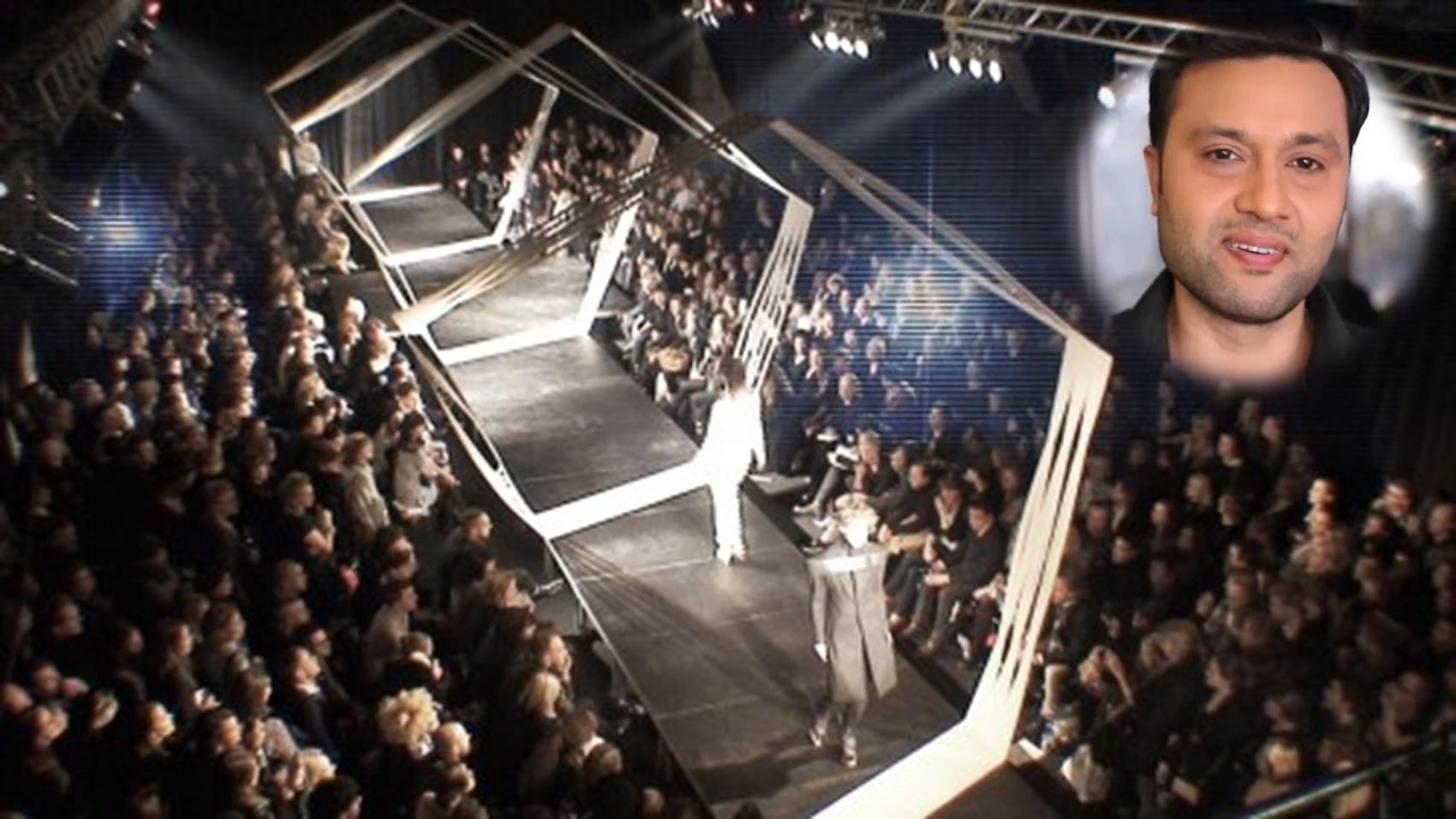
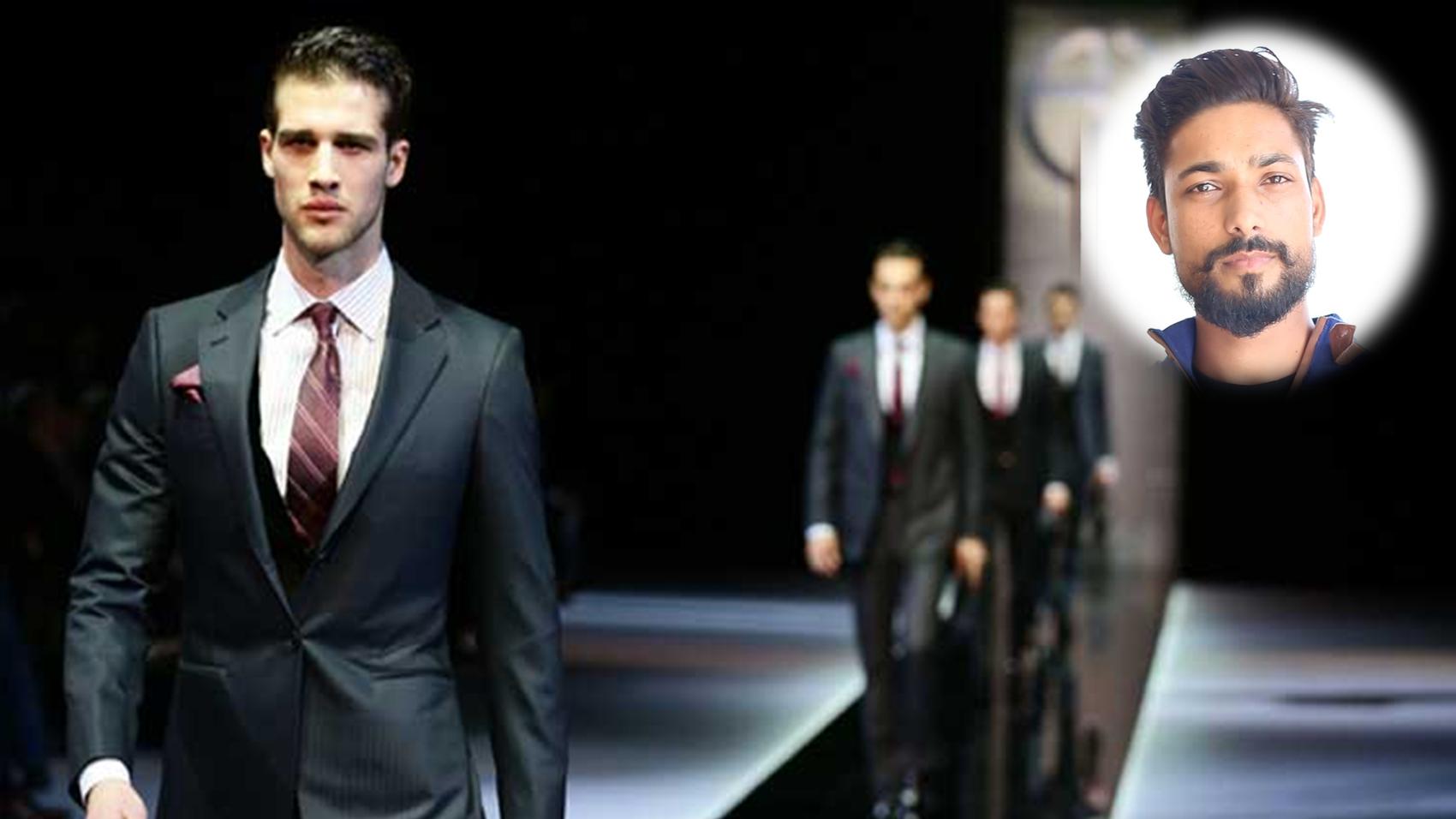
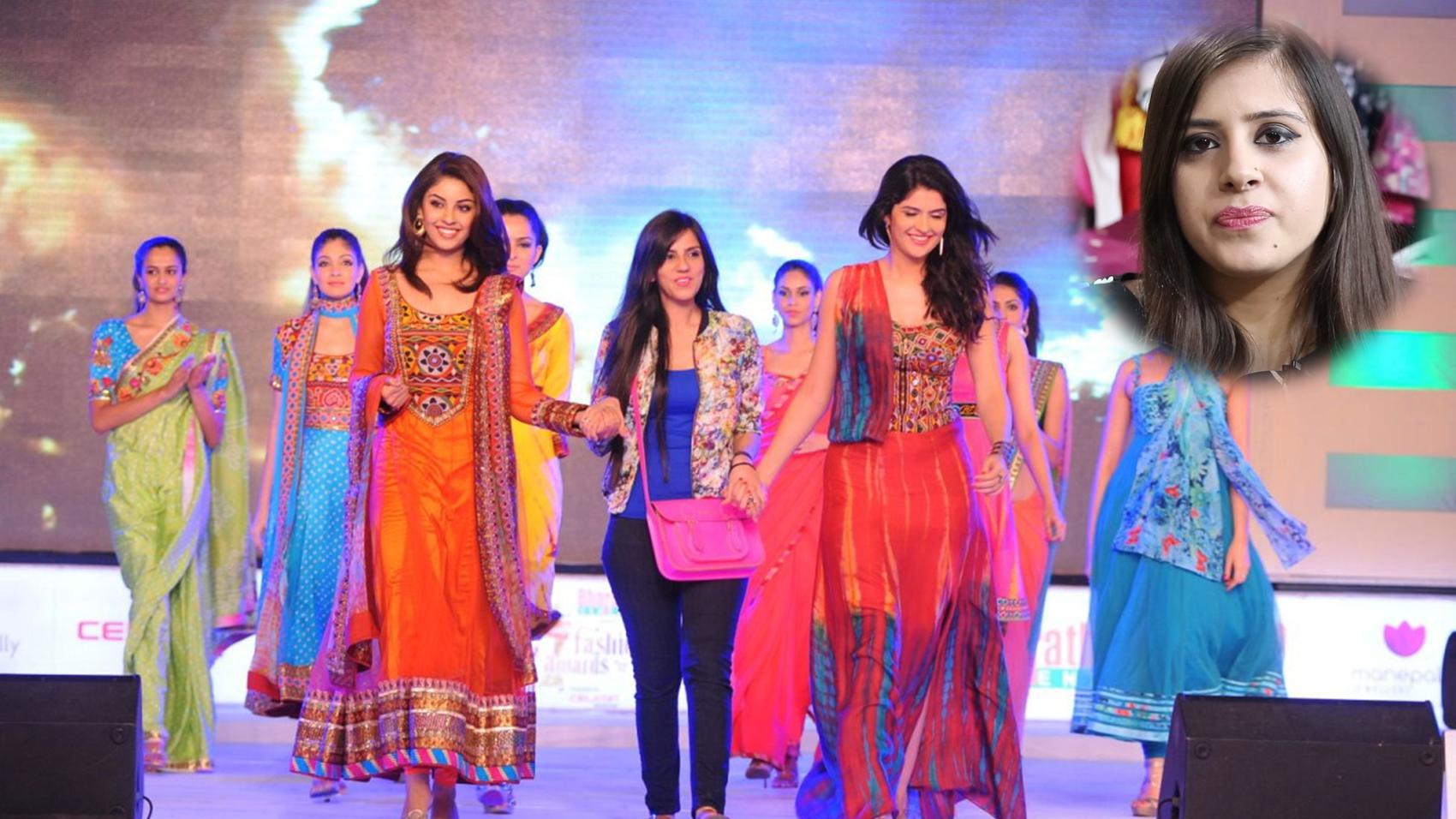
The world of modeling is a whirlwind of creativity, precision, and adaptability, where no two days are ever quite the same. Far from the static image of a model simply posing for the camera, a typical workday pulses with early call times, rapid-fire changes, and a constant interplay between artistry and professionalism. Whether navigating bustling studios, outdoor locations, or high-energy runways, modeling professionals must remain poised and prepared, seamlessly transitioning from one task to the next while maintaining their unique presence and style. The pace is relentless, the environment ever-changing, and the expectations sky-high—making each day both a challenge and an adventure.
Before the city fully wakes, a modeling professional is already up, fueling their body with a healthy breakfast and reviewing the day’s schedule. Early mornings are dedicated to skincare routines, hair preparation, and wardrobe checks, ensuring every detail is flawless before heading out. This quiet, focused time is essential for centering oneself, mentally rehearsing poses or runway walks, and double-checking the essentials—composite cards, portfolios, and any specific items requested by clients or agencies.
By mid-morning, the real energy of the day kicks in as the model arrives at the studio or location. Here, the pace quickens with makeup artists, stylists, and photographers all working in concert. The model must quickly adapt to creative direction, lighting changes, and wardrobe swaps, often moving through multiple looks in a single session. This is the most intense part of the day, demanding focus, stamina, and the ability to convey emotion or narrative through subtle shifts in expression and posture. Every shot counts, and the pressure to deliver the perfect image is ever-present.
Afternoons often bring a shift from the camera to collaboration, as models participate in fittings, castings, or meetings with designers and brand representatives. This phase is all about teamwork and communication, whether it’s adjusting to a designer’s vision during a fitting or networking with industry professionals at a casting call. Models must remain adaptable and professional, ready to showcase their versatility and respond to feedback on the fly. The atmosphere is dynamic, with schedules sometimes changing at a moment’s notice, requiring quick thinking and a positive attitude.
As the day winds down, the focus turns to wrapping up and preparing for what’s next. Models review the day’s work, respond to agency emails, and update their portfolios with new images or tear sheets. There’s time for a bit of self-care, whether it’s a restorative skincare routine or a quick workout to stay in peak condition. Planning for the next day is crucial—confirming call times, organizing outfits, and ensuring all materials are ready. Even as the pace slows, the commitment to professionalism and growth never wavers, setting the stage for another demanding, rewarding day ahead. |


 Home
Home Abroad
 Plan
Plan Philosophy
 Seminar
 Pages
Pages Advisors
 Testimonials











 Workshop
 Discuss
 Meet
Meet
 Advisor
 Story
Story
 Fine Print
 Links
Links
 Blog
Blog
 Follow
