The Journey of Modeling
What Is Modeling
Modeling

Modeling is a career in which individuals use their appearance, movement, and personality to promote products, convey concepts, or represent brands in various media such as photography, runway shows, commercials, and digital platforms. Models collaborate with creative teams to visually communicate ideas and influence consumer perceptions and trends.
Modeling plays a significant role in shaping public perception, driving fashion and advertising industries, and setting cultural trends. For professionals, modeling offers opportunities to work with diverse creative teams, travel internationally, and gain exposure to influential networks. The career can lead to personal growth through increased confidence and self-expression, financial rewards from high-profile campaigns, and the chance to inspire others by representing different standards of beauty and style. Modeling also helps professionals develop skills in communication, adaptability, and professionalism, which are valuable in many other fields.
A professional model might be hired by a fashion brand to participate in a seasonal campaign. The model attends fittings, collaborates with stylists and photographers, and poses for a series of photos that will be featured in magazines, online stores, and social media. Throughout the process, the model must interpret the brand’s vision, adapt to different creative directions, and maintain a professional demeanor during long shoots. The final images not only showcase the clothing but also help define the brand’s identity and attract new customers, demonstrating how modeling directly influences marketing success and consumer engagement.
Education
Latest Trends

Latest Trends refers to the most current developments, styles, and innovations shaping the modeling industry, including fashion, technology, and cultural shifts. Understanding these trends is essential for both academic study and professional practice in modeling, as it ensures relevance, adaptability, and competitiveness in a rapidly evolving field.
Learning about the latest trends is vital for anyone preparing for or working in modeling because the industry is highly dynamic and influenced by constant change. Staying informed about new styles, technological advancements, and cultural movements allows models to align their work with what is currently in demand. This foundational knowledge not only enhances a model’s marketability but also enables them to anticipate shifts in client preferences and industry standards. Over the long term, professionals who consistently update their understanding of trends are better equipped to sustain successful careers, adapt to new opportunities, and maintain a strong professional reputation in a competitive environment.
Consider a professional model preparing for a high-profile fashion week. By applying their understanding of the latest trends, they research which designers are showcasing, the prevailing color palettes, and the types of garments gaining attention. This knowledge allows them to tailor their portfolio, poses, and personal style to match current industry expectations. During castings and fittings, their awareness of trending looks and attitudes helps them connect with designers and photographers, demonstrating both professionalism and adaptability. As a result, they are more likely to secure bookings, build valuable relationships, and remain relevant in an industry where trends can shift overnight.
Grooming & Etiquettes

Grooming & Etiquettes refers to the personal care, appearance, and social conduct expected in professional environments. In modeling, it encompasses hygiene, styling, posture, and respectful interaction. This discipline is integral to both academic study and professional practice, shaping how models present themselves and interact within the industry.
Understanding Grooming & Etiquettes is essential for anyone aspiring to succeed in modeling. This subject forms the backbone of a model’s professional persona, influencing first impressions and ongoing relationships with clients, agencies, and peers. Mastery of grooming ensures that a model consistently meets industry standards for appearance, while etiquette governs behavior in diverse settings, from castings to photoshoots. These skills foster reliability, professionalism, and adaptability, qualities highly valued by employers and collaborators. Over time, a strong foundation in grooming and etiquette not only enhances a model’s reputation but also opens doors to more prestigious opportunities, helping to sustain a long and successful career in a competitive field.
Consider a model arriving at a high-profile fashion show. Drawing on their knowledge of grooming, they ensure their hair, skin, and nails are immaculate, and their attire is appropriate for the event. Their understanding of etiquette guides them to greet the designer, photographers, and fellow models courteously, respecting backstage protocols and maintaining a positive demeanor under pressure. When interacting with clients or media, the model listens attentively, responds thoughtfully, and demonstrates professionalism at all times. This seamless integration of grooming and etiquette not only leaves a lasting impression but also increases the likelihood of being recommended for future assignments, illustrating how theoretical knowledge directly translates into daily professional success.
Diet & Fitness

Diet & Fitness refers to the combined practices of maintaining a balanced nutritional intake and engaging in regular physical activity to achieve optimal health and body composition. In the context of modeling, understanding these principles is essential, as they directly influence appearance, energy levels, and the ability to meet industry standards and demands.
For aspiring and professional models, mastering the principles of diet and fitness is crucial for sustaining a healthy physique and meeting the visual expectations of the industry. Knowledge in this area helps models make informed decisions about nutrition, hydration, and exercise routines, which are fundamental for maintaining consistent body measurements and overall well-being. This expertise not only supports physical appearance but also enhances stamina and resilience, enabling models to handle long hours, frequent travel, and demanding schedules. Over time, a strong foundation in diet and fitness can prevent health issues, prolong a modeling career, and foster a positive self-image, making it an indispensable component of professional development in the field.
Consider a professional model preparing for a high-profile fashion show. Drawing on their understanding of diet and fitness, they carefully plan meals to include lean proteins, complex carbohydrates, and plenty of vegetables, ensuring sustained energy and a toned physique. They also incorporate targeted workouts, such as strength training and flexibility exercises, to maintain muscle definition and posture. By monitoring hydration and avoiding last-minute crash diets, the model arrives at the event looking and feeling their best. This disciplined approach, rooted in theoretical knowledge, allows them to perform confidently on the runway, meet the expectations of designers, and maintain their health throughout a demanding fashion season.
Product Knowledge

Product Knowledge refers to a comprehensive understanding of the features, benefits, uses, and unique selling points of a product or service. In the context of Modeling, it encompasses the ability to accurately represent, communicate, and embody the essence of a product, which is essential for both academic study and professional practice.
Understanding Product Knowledge is crucial for anyone preparing for or working in Modeling because it forms the backbone of effective representation and communication. Models are not just visual ambassadors; they are storytellers who must convey the value and appeal of products to diverse audiences. By mastering Product Knowledge, professionals can better interpret creative briefs, collaborate with photographers and designers, and adapt their presentation style to suit different products. This expertise enhances credibility, increases booking opportunities, and fosters long-term relationships with brands and agencies. Over time, strong Product Knowledge enables models to transition into roles such as brand ambassadors, trainers, or consultants, thereby expanding their career prospects and professional influence within the industry.
Imagine a model preparing for a high-profile skincare campaign. Before the shoot, the model studies the product’s ingredients, benefits, and target audience. During the session, this knowledge allows the model to pose in ways that highlight the product’s unique features, such as demonstrating how it is applied or emphasizing the glow it imparts to the skin. When interviewed by media or engaging with consumers at promotional events, the model confidently discusses the product’s advantages, answering questions accurately and persuasively. This seamless integration of theoretical understanding and practical application not only enhances the authenticity of the campaign but also builds trust with both the client and the audience, showcasing the model’s professionalism and expertise.
Skills
Presentation Skills

Presentation skills refer to the ability to effectively communicate, engage, and convey confidence through body language, facial expressions, and verbal interaction. In modeling, these skills are crucial for showcasing garments, products, or concepts in a way that captivates audiences and fulfills the creative vision of clients and photographers.
Strong presentation skills directly enhance a model’s performance by enabling them to embody different moods, styles, and brand identities with authenticity and poise. Clients and employers highly value these abilities because they ensure that campaigns, runway shows, and photo shoots achieve their intended impact, making the model a reliable asset. Cultivating presentation skills involves consistent practice in front of mirrors, participating in workshops, and seeking feedback from industry professionals. Over time, models learn to adapt their posture, expressions, and movement to suit various assignments, building versatility and confidence. This ongoing development not only improves their marketability but also helps them navigate high-pressure situations with professionalism and grace.
Imagine a model at a high-profile fashion show who is asked to wear an avant-garde outfit that initially feels uncomfortable and unfamiliar. The designer’s vision requires the model to project a specific attitude that complements the bold design. Drawing on well-honed presentation skills, the model adjusts their walk, posture, and facial expressions to embody the desired persona, transforming initial discomfort into a compelling performance. As a result, the audience and photographers are captivated, and the designer’s collection receives positive attention. This scenario highlights how effective presentation skills enable a model to adapt quickly, overcome challenges, and deliver results that exceed expectations, ultimately contributing to their professional success.
Observation Skills

Observation skills refer to the ability to keenly notice, interpret, and understand visual cues, body language, and subtle details in one’s environment. In modeling, this skill enables professionals to quickly adapt to direction, emulate poses, and mirror expressions, making them more effective and versatile in front of the camera or on the runway.
Observation skills directly enhance a model’s performance by allowing them to pick up on the nuances of a photographer’s instructions, the mood of a shoot, or the style of a designer’s collection. Clients and employers highly value models who can intuitively grasp the desired aesthetic or emotion without extensive explanation, as this saves time and ensures a smoother workflow. Cultivating observation skills involves actively studying other models, paying attention to feedback, and practicing mindfulness during shoots. Over time, models who consistently observe and learn from their surroundings become more adaptable, responsive, and capable of delivering the results that clients expect, setting themselves apart in a competitive industry.
Imagine a model on set for a high-fashion editorial shoot where the creative direction changes rapidly. The photographer references a specific mood from a previous campaign, expecting the model to instantly capture the essence. By relying on strong observation skills, the model quickly studies the reference images, notes the subtle facial expressions and body angles, and mirrors them with precision. This ability to observe and replicate the desired look not only impresses the creative team but also keeps the shoot on schedule. In this scenario, observation skills enable the model to adapt seamlessly, deliver the required results, and contribute to the overall success of the project.
Self Promotion

Self promotion is the strategic act of showcasing one’s talents, achievements, and unique qualities to relevant audiences, with the goal of increasing visibility and attracting opportunities. In modeling, self promotion is a vital skill that empowers professionals to stand out in a highly competitive industry, opening doors to new projects and collaborations.
Mastering self promotion enables models to take control of their public image and career trajectory. By effectively communicating their strengths and personal brand, models can attract the attention of agencies, clients, and collaborators who are seeking specific looks or personalities. Clients and employers value models who are proactive in promoting themselves because it demonstrates confidence, professionalism, and a clear understanding of marketability. Cultivating this skill involves consistent effort, such as maintaining an engaging social media presence, networking at industry events, and regularly updating portfolios. Over time, these actions build a recognizable personal brand, making it easier for models to secure auditions, bookings, and endorsements, while also fostering long-term industry relationships.
Consider a model who notices a decline in bookings despite having a strong portfolio. Instead of waiting for opportunities, she decides to revamp her online presence by sharing behind-the-scenes content, engaging with followers, and reaching out directly to brands she admires. Through these self promotional efforts, she not only increases her visibility but also attracts the attention of a fashion label seeking fresh faces for an upcoming campaign. Her proactive approach leads to a successful collaboration, revitalizing her career and demonstrating the transformative power of self promotion in overcoming challenges and achieving professional growth in modeling.
Positives
Good Pay
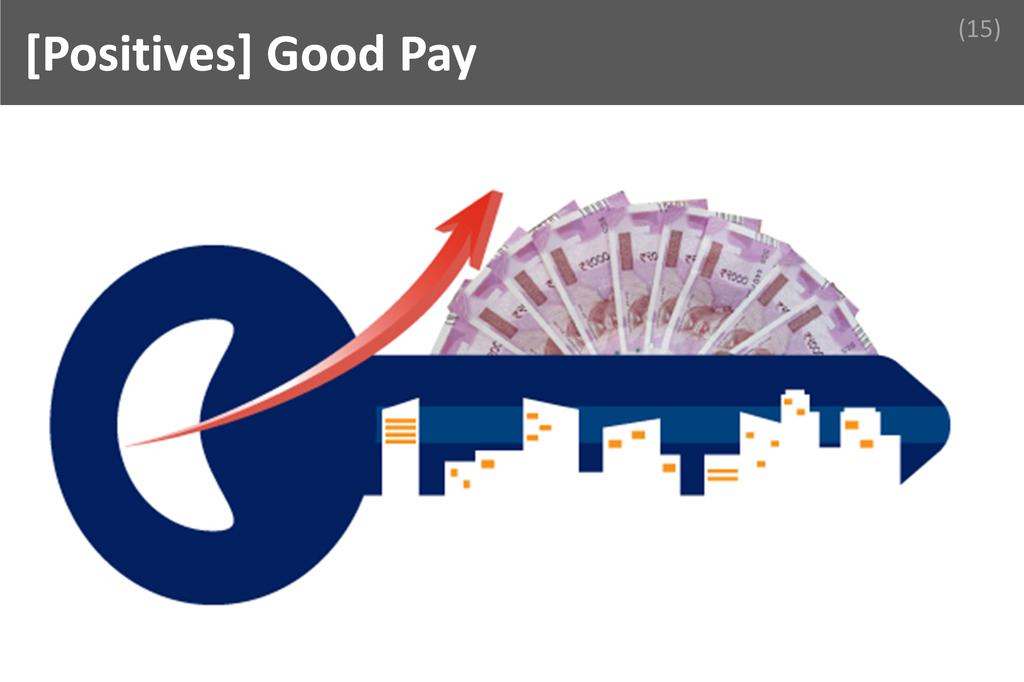
Good pay refers to earning a competitive and substantial income that reflects the value, skill, and effort invested in a modeling career. It encompasses not only high base rates for assignments but also additional earnings from endorsements, campaigns, and royalties. This financial reward enhances the profession’s appeal and sustainability.
The promise of good pay is a powerful motivator in the modeling industry, elevating job satisfaction and fueling professional growth. When models are compensated generously, they feel recognized and valued for their unique talents and hard work. This financial security allows them to invest in their personal development, health, and appearance, which are crucial for long-term success. Moreover, good pay opens doors to new opportunities, such as travel, networking, and collaborations with top brands. The daily experience of earning well not only boosts confidence but also inspires models to pursue ambitious goals, knowing their efforts are rewarded. Ultimately, good pay transforms modeling from a fleeting pursuit into a viable, fulfilling career.
Imagine a model who lands a major campaign with a global fashion brand. The compensation for this assignment is not only enough to cover living expenses but also provides a surplus that can be saved or invested. With this financial stability, the model can afford professional training, maintain a healthy lifestyle, and travel for auditions or shoots without stress. The sense of achievement from being well-paid reinforces their commitment to the profession and motivates them to seek even greater opportunities. This tangible reward for their dedication and talent makes every photoshoot and runway appearance more meaningful, turning their passion for modeling into a sustainable and rewarding livelihood.
Meeting People

Meeting people in modeling refers to the continuous opportunity to connect with a diverse range of individuals, including photographers, designers, stylists, fellow models, and industry professionals, during castings, shoots, and events. This dynamic interaction fosters creativity, broadens perspectives, and builds a supportive network, making the modeling journey more enriching and enjoyable.
The ability to meet new people is a cornerstone of what makes modeling such a vibrant and fulfilling career. Every project introduces models to fresh faces, unique personalities, and creative minds, which not only sparks inspiration but also opens doors to new opportunities. These connections often lead to collaborations, mentorships, and friendships that extend beyond the workplace. The constant exchange of ideas and experiences helps models grow both professionally and personally, enhancing their adaptability and confidence. This social aspect of modeling transforms what could be a solitary job into a lively, communal experience, making each day on set or at an event feel exciting and meaningful. Ultimately, meeting people keeps the profession dynamic and deeply satisfying.
Imagine a model arriving at a fashion shoot in a bustling city studio. As she prepares for the day, she is introduced to a renowned photographer, a talented makeup artist, and several other models from different backgrounds. Throughout the shoot, they share stories, exchange tips, and encourage one another, creating a sense of camaraderie and mutual respect. Later, during a break, the model connects with a designer who is impressed by her professionalism and invites her to participate in an upcoming runway show. This experience not only enhances her portfolio but also expands her network, leading to future opportunities. The genuine connections formed during such moments make the modeling career truly rewarding and memorable.
Travelling

Travelling is the act of journeying from one place to another, often across cities, countries, or continents, for work or leisure. In modeling, travelling means exploring new destinations for photo shoots, fashion shows, and campaigns. This exposure to diverse cultures and environments enriches the professional and personal life of a model.
The opportunity to travel is one of the most exhilarating aspects of a modeling career. It allows models to break free from routine, constantly immersing themselves in new cultures, landscapes, and creative environments. This exposure not only broadens their worldview but also enhances their adaptability and confidence, qualities that are invaluable in the industry. Travelling for work fosters a sense of adventure and excitement, making each assignment unique and memorable. It also provides networking opportunities with international clients, photographers, and designers, which can lead to further career growth. For many models, the thrill of discovering new places and meeting people from all walks of life is a daily source of inspiration and motivation, significantly boosting job satisfaction.
Imagine a model who is booked for a high-profile fashion campaign in Paris. She boards a flight from her home city, excited to experience the vibrant energy of the French capital. During her stay, she works with a renowned photographer, explores iconic landmarks, and samples local cuisine. The creative atmosphere of Paris inspires her, and she forms lasting connections with industry professionals from around the world. This journey not only enhances her portfolio but also leaves her with unforgettable memories and a renewed passion for her craft. Through travelling, she gains invaluable life experiences that shape her both professionally and personally, making her modeling career truly rewarding.
Challenges
Strict Routine

Strict Routine in modeling refers to the rigid, highly scheduled daily structure that models must follow, encompassing diet, exercise, sleep, castings, fittings, and shoots. This demanding regimen leaves little room for spontaneity or personal time, requiring unwavering discipline and self-control to maintain both physical appearance and professional commitments.
The strict routine inherent in modeling can lead to physical exhaustion, mental fatigue, and social isolation, as professionals must constantly adhere to tight schedules and demanding standards. This relentless structure requires significant resilience, as even minor deviations can impact career opportunities or personal well-being. Successful models manage this challenge by developing strong time-management skills, prioritizing self-care, and seeking support from mentors or peers. They learn to adapt quickly, maintain a positive mindset, and set boundaries to protect their health. By embracing routine as a foundation rather than a restriction, they transform it into a source of stability, allowing them to perform consistently and sustain their careers in a highly competitive industry.
Consider a model preparing for Fashion Week, where days begin before dawn with workouts, followed by castings, fittings, and late-night rehearsals. Despite the grueling schedule, she maintains her energy and focus by planning nutritious meals in advance, carving out short moments for mindfulness, and staying connected with supportive friends. When unexpected changes arise, such as last-minute show additions or travel delays, she adapts by reorganizing her priorities and communicating clearly with her agency. Through this disciplined yet flexible approach, she not only meets the demands of her strict routine but also preserves her well-being, ultimately delivering her best performance on the runway and building a reputation for professionalism and reliability.
Rejections

Rejections in modeling refer to the frequent and often repeated instances where models are not selected for jobs, campaigns, or castings despite their efforts and preparation. This is demanding because it tests self-esteem, persistence, and emotional resilience, making it a constant hurdle in a highly competitive and subjective industry.
The experience of frequent rejections can significantly impact a model’s daily work, leading to self-doubt, stress, and a wavering sense of self-worth. This challenge demands resilience because models must continually present themselves with confidence, regardless of past setbacks. Successful professionals manage this constraint by developing a thick skin, viewing each rejection as an opportunity for growth rather than a personal failure. They focus on self-improvement, maintain a positive mindset, and seek constructive feedback to enhance their skills. By building a strong support network and practicing self-care, they sustain their motivation and remain persistent, understanding that rejection is an inherent part of the journey rather than a definitive judgment of their potential.
Consider a model who attends numerous castings over several months, only to face repeated rejections. Instead of succumbing to discouragement, she chooses to reflect on each experience, asking for feedback from casting directors and observing industry trends. She invests time in refining her portfolio, updating her look, and improving her runway walk. By maintaining her professionalism and enthusiasm at every audition, she eventually lands a significant campaign. Her ability to view rejection as a stepping stone, rather than a setback, not only strengthens her resilience but also enhances her reputation as a dedicated and adaptable professional in the modeling industry.
Mental Stress

Mental stress in modeling refers to the psychological pressure experienced due to constant scrutiny, high expectations, and the need for perfection in appearance and performance. This stress is demanding because it combines public visibility, unpredictable schedules, and fierce competition, often leading to anxiety, self-doubt, and emotional exhaustion for professionals.
Mental stress can significantly affect a model’s daily work by undermining confidence, disrupting focus, and impacting physical health. The pressure to meet industry standards and maintain a flawless image can lead to burnout and decreased job satisfaction. Resilience becomes essential, as professionals must cope with rejection, criticism, and the uncertainty of assignments. Successful models often manage this constraint by developing strong support networks, practicing self-care, and setting personal boundaries. They learn to separate their self-worth from external validation and prioritize mental well-being alongside career ambitions. By seeking guidance from mentors, engaging in mindfulness practices, and maintaining a balanced lifestyle, they navigate the industry’s demands while protecting their mental health.
Consider a model preparing for a major fashion week who begins to feel overwhelmed by the intense schedule and critical feedback from casting directors. Instead of internalizing the pressure, she reaches out to a trusted mentor for advice and practices daily meditation to center herself. She also communicates openly with her agency about her workload, ensuring she has time for rest and personal activities. By prioritizing her mental health and seeking support, she maintains her composure and delivers strong performances throughout the event. This approach not only helps her manage stress but also sets a positive example for her peers, demonstrating that mental resilience and self-care are vital for long-term success in modeling.
Competition

Competition in modeling refers to the constant presence of numerous talented individuals vying for limited opportunities, such as castings, campaigns, and contracts. This environment is demanding because it requires models to consistently stand out, adapt to evolving industry standards, and maintain resilience in the face of frequent rejection and comparison.
The intense competition in modeling can make daily work emotionally taxing, as professionals often face repeated auditions, rejections, and the pressure to meet specific physical and aesthetic standards. This environment demands resilience because self-confidence can be easily shaken by comparison and criticism. Successful models manage this challenge by focusing on personal growth, building strong professional relationships, and developing a unique personal brand that distinguishes them from others. They also invest in continuous self-improvement, such as refining their posing, runway skills, and adaptability to different creative directions. By maintaining a positive mindset and learning from setbacks, they transform competition into motivation, using it as a catalyst for personal and professional development rather than a source of discouragement.
Consider a model who, after being turned down for several high-profile campaigns, chooses to analyze feedback from casting directors and photographers. Instead of internalizing rejection, she identifies areas for improvement, such as enhancing her portfolio and diversifying her look. She also networks with industry professionals, attends workshops, and collaborates with emerging designers to gain more exposure. Over time, her persistence and adaptability pay off when she is selected for a major campaign, not only because of her refined skills but also due to her reputation for professionalism and resilience. This scenario illustrates how embracing competition as an opportunity for growth can lead to long-term success in the modeling industry.
A Day Of
Modeling
The world of modeling is a whirlwind of creativity, precision, and adaptability, where no two days are ever quite the same. Far from the static image of a solitary figure posing under bright lights, a modeling professional’s workday is a dynamic blend of preparation, collaboration, and constant movement. Whether on set, backstage, or in transit between locations, the pace is relentless and the environment ever-changing. Each day demands not only physical stamina but also mental agility, as models juggle early call times, last-minute adjustments, and the need to embody a brand’s vision with effortless grace.
Before the city stirs, a modeling professional is already up, beginning the day with careful attention to personal grooming and wellness. This early morning ritual includes skincare routines, light exercise to energize the body, and a healthy breakfast to fuel the hours ahead. Reviewing the day’s schedule, confirming call times, and checking for any overnight updates from agents or clients are essential steps to ensure nothing is overlooked. The quiet of these early hours offers a rare moment of calm before the day’s demands take over.
By mid-morning, the model arrives at the studio or location, stepping into the heart of the day’s activity. The atmosphere buzzes with stylists, photographers, makeup artists, and creative directors, each focused on bringing a shared vision to life. After a quick wardrobe fitting and makeup session, the model moves in front of the camera, shifting seamlessly between poses and expressions as directed. This is the most intense and interactive phase, requiring not just physical poise but also the ability to interpret feedback instantly and adapt to the creative team’s evolving ideas.
As the afternoon unfolds, the focus shifts to collaborative tasks and practical execution. The model may participate in group shots, interact with other talent, or work through multiple outfit changes to capture a variety of looks. There are often meetings with clients or brand representatives to discuss campaign goals, review progress, and make real-time adjustments to styling or concept. The energy remains high, and flexibility is key as the team navigates tight schedules and unexpected challenges, all while maintaining a polished, professional demeanor.
As the day winds down, the model transitions to wrap-up activities. This includes removing makeup, changing out of wardrobe, and ensuring all personal items are accounted for. There is time to review the day’s work with the creative team, provide feedback, and discuss any follow-up needs. Administrative tasks such as responding to emails, updating portfolios, and confirming details for upcoming bookings are handled with care. Before heading home, the model takes a moment to decompress, reflect on the day’s achievements, and prepare mentally and physically for whatever challenges tomorrow may bring. |


 Home
Home Abroad
 Plan
Plan Philosophy
 Seminar
 Pages
Pages Advisors
 Testimonials












 Workshop
 Discuss
 Meet
Meet
 Advisor
 Story
Story
 Fine Print
 Links
Links
 Blog
Blog
 Follow
