The Journey of Outdoor Activity
What Is Outdoor Activity
Outdoor Activity

Outdoor Activity refers to a range of physical or recreational pursuits conducted in natural or outdoor environments. These activities can include hiking, climbing, kayaking, camping, and other adventure sports. Professionals in this field often lead, instruct, or facilitate experiences that promote physical health, teamwork, and environmental appreciation.
Outdoor Activity plays a significant role in promoting physical and mental well-being, both for participants and professionals. For those pursuing a career in this field, it offers the chance to inspire others, foster environmental stewardship, and develop leadership skills. Engaging in outdoor activities helps professionals build resilience and adaptability, as they often work in dynamic, unpredictable environments. Additionally, these careers provide opportunities for continuous learning and personal growth, as each activity or expedition presents unique challenges. The sense of accomplishment from guiding others safely and successfully through outdoor experiences is deeply rewarding, and the connection to nature can lead to a lifelong passion for conservation and sustainability.
A professional outdoor activity instructor might lead a group of teenagers on a multi-day backpacking trip through a national park. Throughout the journey, the instructor teaches essential skills such as navigation, camp setup, and outdoor cooking, while also emphasizing safety and environmental responsibility. The instructor adapts to changing weather conditions, manages group dynamics, and encourages teamwork among participants. By the end of the trip, the group not only gains practical outdoor skills but also develops confidence, trust, and a deeper appreciation for nature. The instructor’s expertise ensures a safe, educational, and memorable experience, demonstrating the vital role outdoor activity professionals play in fostering growth and connection in others.
Education
Flora & Fauna

Flora & Fauna refers to the collective plant life (flora) and animal life (fauna) of a particular region or environment. In the context of Outdoor Activity, understanding these terms is essential, as they form a core part of the natural world that professionals interact with, study, and help conserve.
A thorough understanding of Flora & Fauna is vital for anyone preparing for or working in Outdoor Activity because it underpins safe, responsible, and effective engagement with natural environments. Professionals must recognize native and invasive species, understand ecological relationships, and anticipate seasonal changes that affect both plant and animal life. This knowledge enables them to minimize environmental impact, ensure participant safety, and foster a deeper appreciation for biodiversity among clients or students. Over time, expertise in Flora & Fauna enhances decision-making, supports conservation efforts, and opens opportunities for specialization in fields such as environmental education, park management, or ecotourism. Mastery of these concepts is a long-term asset that distinguishes skilled outdoor professionals.
Imagine a wilderness guide leading a group through a national park. Their understanding of local Flora & Fauna allows them to identify edible plants, recognize poisonous species, and interpret animal tracks or signs. When encountering a patch of rare wildflowers, the guide can explain their ecological significance and instruct the group on how to observe without disturbing the habitat. If the group spots a bear in the distance, the guide’s knowledge of animal behavior informs their response, ensuring safety while minimizing stress to the animal. This application of theoretical knowledge not only enriches the experience for participants but also demonstrates responsible stewardship of the environment, which is a hallmark of professionalism in Outdoor Activity.
Sports

Sports refers to organized physical activities or games, often competitive, governed by rules and customs, and involving individual or team participation. In the context of Outdoor Activity, sports encompass a wide range of pursuits that require physical skill, strategic thinking, and teamwork, forming a crucial part of both academic study and professional practice.
Understanding sports is essential for anyone preparing for or working in Outdoor Activity because it provides the foundational knowledge of movement, teamwork, safety, and leadership. Mastery of sports concepts enables professionals to design engaging, inclusive, and safe outdoor programs that cater to diverse groups. It also equips them with the skills to assess risk, promote physical fitness, and foster positive social interactions among participants. Over time, a strong grasp of sports principles enhances a professional’s ability to adapt to various environments, manage group dynamics, and respond effectively to challenges. This knowledge not only improves program quality but also supports career advancement by demonstrating expertise in both the physical and interpersonal aspects of outdoor activities.
Consider an outdoor activity leader organizing a multi-day adventure camp for teenagers. Their understanding of sports allows them to structure activities that balance competition and cooperation, ensuring all participants are engaged and challenged appropriately. By applying their theoretical knowledge, the leader can modify games to suit different skill levels, maintain safety standards, and encourage teamwork. When conflicts arise during team sports, the leader draws on sportsmanship principles to mediate and teach conflict resolution. This practical application of sports theory not only enhances the participants’ experience but also builds a positive, supportive environment where everyone can develop new skills and confidence in an outdoor setting.
Equipments

Equipments refers to the specialized tools, gear, and apparatus essential for safely and effectively conducting outdoor activities. This concept encompasses understanding the selection, use, maintenance, and limitations of various items, forming a critical component of both academic study and professional expertise in the field of Outdoor Activity.
A thorough understanding of equipments is vital for anyone pursuing a career in Outdoor Activity because it directly impacts safety, efficiency, and the overall success of any outdoor endeavor. Mastery of this subject ensures that professionals can make informed decisions about what gear to use in specific environments, how to maintain it for longevity, and how to adapt to changing conditions. This foundational knowledge not only minimizes risks but also enhances the quality of the outdoor experience for both leaders and participants. Over time, expertise in equipments contributes to professional credibility, opens doors to advanced roles, and fosters a culture of responsibility and preparedness within the industry.
Consider a professional outdoor guide leading a multi-day hiking expedition in a remote mountainous region. Their theoretical understanding of equipments enables them to select appropriate tents, cooking stoves, navigation devices, and safety gear based on the terrain and weather forecast. During the trip, they regularly inspect and maintain the equipment, ensuring everything functions correctly and safely. When unexpected rain occurs, their knowledge allows them to quickly deploy waterproof shelters and adjust clothing systems to keep the group dry and comfortable. This practical application of equipment knowledge not only safeguards the group but also demonstrates the guide’s competence and preparedness, reinforcing trust and ensuring a successful outdoor experience.
Adventures

Adventures refers to planned or spontaneous experiences that involve exploration, challenge, and personal growth, often in natural or unfamiliar environments. In the context of Outdoor Activity, it encompasses the study and facilitation of such experiences, forming a crucial part of both academic learning and professional practice within the field.
Understanding Adventures is essential for anyone pursuing a career in Outdoor Activity because it provides the theoretical and practical framework for designing, leading, and evaluating meaningful outdoor experiences. Mastery of this subject ensures that professionals can create safe, engaging, and transformative activities that foster teamwork, resilience, and environmental stewardship. By studying Adventures, individuals gain insights into risk management, group dynamics, and experiential learning, all of which are vital for effective leadership in outdoor settings. Over time, this foundational knowledge enhances career prospects, supports professional growth, and enables practitioners to adapt to diverse client needs and evolving industry standards, making them more competent and confident in their roles.
Imagine an outdoor activity leader tasked with guiding a group of teenagers on a multi-day wilderness trek. Drawing on their understanding of Adventures, the leader carefully plans the route to balance challenge and safety, incorporates team-building exercises to strengthen group cohesion, and adapts activities to suit varying skill levels. When unexpected weather changes occur, the leader uses their knowledge of risk assessment and decision-making to modify the itinerary, ensuring both safety and continued engagement. Throughout the journey, the leader facilitates reflection sessions, helping participants process their experiences and draw personal growth from the adventure. This scenario demonstrates how theoretical knowledge of Adventures directly informs practical decisions and enhances the overall quality of outdoor programs.
Local Knowledge
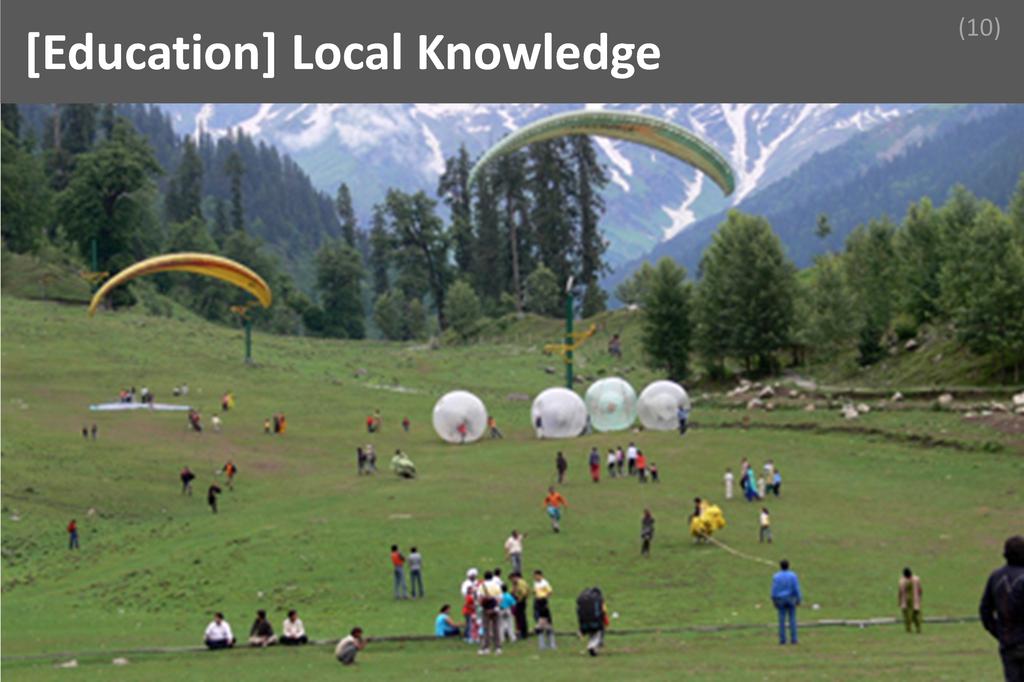
Local Knowledge refers to the specific understanding of a region’s geography, climate, flora, fauna, culture, and regulations, acquired through direct experience or community insights. In outdoor activity, it complements academic and technical expertise by grounding decision-making in the unique characteristics and risks present in a particular environment or location.
Developing a deep understanding of local knowledge is essential for anyone pursuing a career in outdoor activity. This subject underpins safe and effective practice by enabling professionals to anticipate environmental hazards, respect cultural sensitivities, and comply with regional regulations. Mastery of local knowledge allows outdoor leaders to adapt standardized procedures to the nuances of each location, ensuring participant safety and environmental stewardship. Over time, this expertise enhances professional credibility and employability, as employers and clients increasingly value guides and instructors who can demonstrate both technical competence and an intimate familiarity with the local context. Ultimately, local knowledge forms the bridge between theoretical training and practical, responsible leadership in the field.
Consider a mountain guide leading a group through a remote alpine region. Drawing on local knowledge, the guide recognizes subtle weather patterns that signal an incoming storm, knowledge gained from years of experience and conversations with local residents. Instead of following the planned route, the guide adapts the itinerary, choosing a safer path and adjusting the schedule to avoid exposed ridges during peak storm hours. This decision not only ensures the group’s safety but also demonstrates respect for the local environment by minimizing trail erosion during wet conditions. The guide’s application of local knowledge transforms theoretical risk management into practical action, highlighting its indispensable role in daily outdoor operations.
Fitness

Fitness refers to the state of physical and mental well-being that enables an individual to perform daily tasks efficiently and effectively, without undue fatigue. In the context of Outdoor Activity, fitness encompasses strength, endurance, flexibility, and mental resilience, forming a crucial component of both academic study and professional practice in the field.
Understanding fitness is essential for anyone preparing for or working in Outdoor Activity because it directly influences safety, performance, and overall experience in natural environments. Professionals must possess a thorough grasp of how the body responds to physical stress, adapts to various terrains, and recovers from exertion. This foundational knowledge allows them to design appropriate training programs, assess risks, and respond effectively to emergencies. Over the long term, expertise in fitness supports career longevity by reducing the likelihood of injury and burnout, while also enhancing leadership credibility. Mastery of fitness principles ensures that outdoor professionals can guide others safely, foster group cohesion, and adapt to the unpredictable challenges inherent in outdoor settings.
Consider a mountain guide leading a group on a multi-day trek through challenging terrain. The guide’s theoretical understanding of fitness informs their ability to pace the group, monitor signs of fatigue, and adjust the itinerary to match participants’ capabilities. By recognizing early symptoms of overexertion or dehydration, the guide can implement rest breaks, hydration strategies, and motivational techniques to maintain group morale and safety. Their knowledge also enables them to demonstrate proper lifting and carrying techniques, reducing the risk of musculoskeletal injuries. In this way, the guide’s expertise in fitness not only enhances the group’s experience but also ensures that everyone completes the journey safely and with a sense of accomplishment.
Skills
Patience

Patience is the ability to remain calm, composed, and persistent in the face of delays, challenges, or adversity, without becoming frustrated or giving up. For outdoor activity professionals, patience is a foundational skill that supports safety, effective leadership, and the ability to adapt to unpredictable environments and group dynamics.
Patience directly enhances performance in outdoor activity roles by allowing professionals to make thoughtful decisions under pressure, guide groups safely through unexpected obstacles, and foster a positive atmosphere even when plans change. Clients and employers value patience because it ensures that leaders can handle diverse personalities, varying skill levels, and the inevitable uncertainties of outdoor environments without compromising safety or morale. Cultivating patience involves practicing mindfulness, learning to manage stress, and gaining experience in real-world situations where immediate solutions are not always possible. Over time, repeated exposure to challenging scenarios helps professionals build resilience and the ability to remain focused and supportive, no matter how long it takes to achieve a goal.
Imagine a group leader guiding a multi-day hiking expedition when sudden weather changes force the group to halt progress and seek shelter. Some participants grow anxious or frustrated by the delay, but the leader’s patience becomes crucial. By calmly explaining the situation, reassuring the group, and waiting for safe conditions, the leader maintains morale and ensures everyone’s safety. Rather than rushing or making impulsive decisions, the leader’s patience allows for careful monitoring of the weather and thoughtful planning for the next steps. This approach not only prevents accidents but also models resilience and adaptability, turning a potentially negative experience into a valuable lesson for the entire group.
Positive Attitude

A positive attitude is an optimistic and constructive mindset that embraces challenges, remains resilient in adversity, and inspires confidence in oneself and others. For outdoor activity professionals, it is the foundation for effective teamwork, problem-solving, and leadership, enabling them to navigate unpredictable environments and motivate participants through demanding situations.
A positive attitude directly enhances performance in outdoor activity roles by fostering adaptability and perseverance, especially when faced with unexpected weather, equipment failures, or group dynamics. Clients and employers highly value this trait because it creates a supportive atmosphere, encourages participation, and helps maintain morale during challenging expeditions. Professionals with a positive outlook are more likely to find creative solutions, build trust, and lead by example. Cultivating this skill involves self-reflection, practicing gratitude, and learning to reframe setbacks as opportunities for growth. Over time, consistently focusing on the positives and maintaining enthusiasm, even in tough moments, strengthens this core competency and sets a standard for others to follow.
Imagine a group of hikers caught in a sudden downpour during a guided trek. The professional leading the group notices rising anxiety and frustration among the participants. By maintaining a positive attitude, the leader reassures everyone, cracks a light-hearted joke about the adventure, and quickly adapts the route to a safer path. Their optimism helps the group stay calm and focused, turning a potentially negative experience into a memorable team-building moment. The leader’s upbeat demeanor not only diffuses tension but also encourages participants to embrace the challenge, reinforcing trust and satisfaction with the overall experience. This scenario highlights how a positive attitude can transform obstacles into opportunities for growth and enjoyment.
Passion
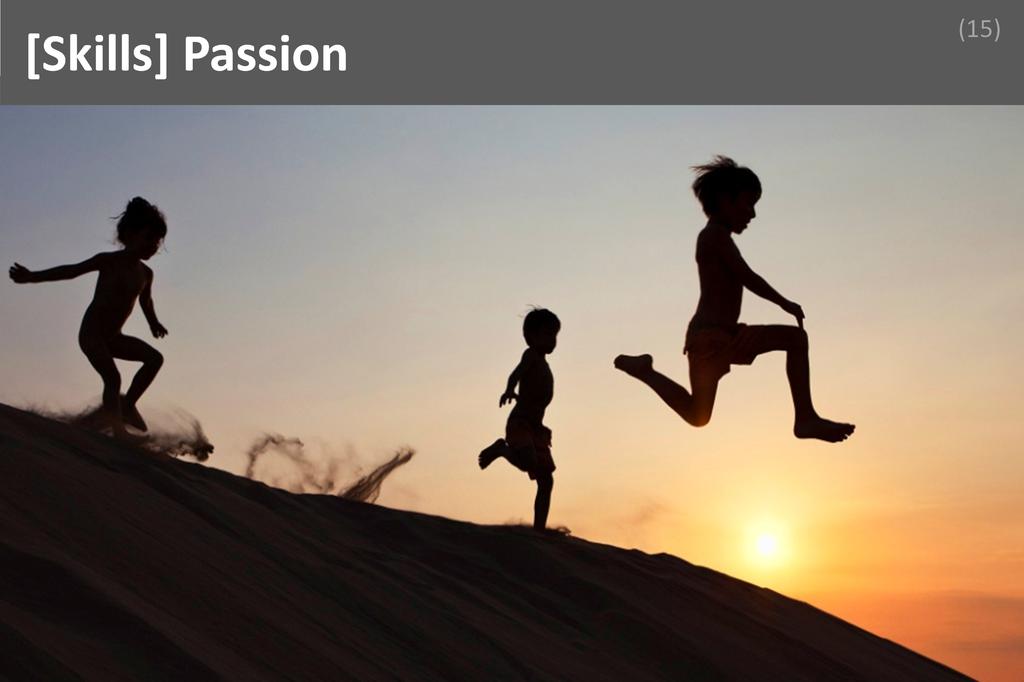
Passion is an intense enthusiasm and genuine love for a particular pursuit, driving individuals to invest energy, creativity, and resilience in their work. In outdoor activity professions, passion fuels commitment, inspires others, and sustains motivation through challenges, making it a foundational element for long-term success and personal fulfillment.
Passion directly enhances performance in outdoor activity roles by fostering a deep connection to the environment and the experiences being shared. Professionals who are passionate about their work are more likely to go the extra mile, whether that means meticulously planning safe and memorable adventures or continuously improving their skills. Clients and employers recognize and value this dedication, as it translates into more engaging, authentic, and reliable leadership. Passionate individuals are also more resilient in the face of setbacks, viewing obstacles as opportunities for growth. Cultivating passion involves immersing oneself in the outdoors, seeking new challenges, and connecting with like-minded peers, all of which reinforce a genuine enthusiasm for the field over time.
Imagine a wilderness guide leading a group through unpredictable weather in a remote mountain region. When a sudden storm threatens to dampen spirits and derail the expedition, the guide’s passion for the outdoors becomes a crucial asset. Instead of succumbing to frustration, the guide channels their enthusiasm to motivate the group, sharing stories of past adventures and highlighting the unique beauty of the stormy landscape. This infectious energy not only reassures the clients but also encourages them to embrace the experience as an adventure rather than a setback. The guide’s passion transforms a potentially negative situation into a memorable and positive learning opportunity, demonstrating how essential this core skill is for success in outdoor activity careers.
First Aid

First Aid is the immediate care given to someone who is injured or suddenly taken ill, using readily available materials, before professional medical help arrives. In outdoor activities, it is a crucial skill that enables professionals to manage emergencies, stabilize conditions, and potentially save lives in remote or challenging environments.
Mastering First Aid significantly enhances an outdoor activity professional’s effectiveness and reliability. The ability to respond swiftly and competently to injuries or medical emergencies reassures clients and builds trust, making the professional a valuable asset to employers and participants alike. Clients and organizations prioritize safety, and knowing that a guide or instructor is trained in First Aid can be a deciding factor when choosing who to hire or join. Developing this skill involves formal training, regular practice, and staying updated with the latest protocols. Over time, experience in real-world situations further refines judgment and confidence, ensuring that the professional can act decisively under pressure and adapt to the unique challenges presented by outdoor settings.
Imagine a group hiking in a remote mountain area when one participant slips on loose gravel, sustaining a deep cut and showing signs of shock. The outdoor activity professional immediately assesses the situation, applies pressure to control bleeding, cleans and dresses the wound, and keeps the injured person warm and calm. While awaiting evacuation, the professional monitors vital signs and communicates clearly with emergency services, ensuring accurate information is relayed. Thanks to their First Aid expertise, the professional not only prevents the situation from worsening but also maintains group morale and safety. This decisive action highlights how First Aid skills can turn a potentially life-threatening incident into a managed and controlled event, underscoring their indispensable value in outdoor careers.
Coordination

Coordination is the ability to organize people, resources, and activities efficiently to achieve a common goal, ensuring smooth communication and seamless execution. In outdoor activity professions, coordination is vital for managing groups, synchronizing tasks, and responding effectively to dynamic environments, making it a cornerstone of safe and successful operations.
Mastering coordination directly enhances performance in outdoor activities by enabling professionals to manage complex logistics, adapt to changing conditions, and ensure participant safety. Clients and employers highly value this skill because it minimizes risks, maximizes enjoyment, and ensures that activities run smoothly from start to finish. Developing coordination involves practice in planning, clear communication, and learning to anticipate challenges. Over time, professionals can refine their coordination abilities by seeking feedback, observing experienced colleagues, and participating in team-based scenarios. This ongoing development not only builds confidence but also fosters trust among clients and team members, elevating the overall quality of outdoor experiences.
Imagine a group leader guiding a multi-day hiking expedition when sudden weather changes threaten the planned route. The professional must quickly coordinate with co-leaders, communicate updates to participants, and reorganize supplies to ensure safety. By effectively aligning the team’s efforts and adjusting the itinerary, the leader maintains group morale and safety, turning a potential crisis into a successful adventure. This scenario highlights how strong coordination skills enable outdoor professionals to manage unexpected challenges, safeguard participants, and deliver memorable experiences, even under pressure.
Managing Skills

Managing skills refer to the ability to organize, coordinate, and oversee resources, people, and tasks to achieve specific goals efficiently and safely. In the context of outdoor activity, these skills enable professionals to plan, execute, and adapt activities while ensuring participant safety, resource allocation, and the overall success of the experience.
Strong managing skills directly enhance performance in outdoor activity roles by enabling professionals to handle logistics, anticipate challenges, and maintain group cohesion. Clients and employers highly value these abilities because they translate into well-organized, safe, and enjoyable experiences, which are crucial in environments where unpredictability is common. Cultivating managing skills involves gaining practical experience, seeking mentorship, and pursuing relevant training in leadership, risk assessment, and communication. Over time, professionals refine their ability to make quick decisions, delegate tasks, and adapt plans as situations evolve. This continuous development not only improves individual effectiveness but also builds trust with clients and colleagues, contributing to a reputation for reliability and professionalism in the field.
Imagine a group leader guiding a multi-day wilderness trek when unexpected severe weather threatens the planned route. Relying on managing skills, the leader quickly assesses the situation, reallocates resources, and communicates a revised plan to the group. They coordinate shelter arrangements, ensure everyone’s safety, and maintain morale despite the disruption. By effectively managing logistics and people under pressure, the leader turns a potential crisis into a learning opportunity, preserving the group’s trust and the integrity of the experience. This scenario highlights how managing skills are not only about planning but also about adapting and leading confidently when circumstances change, which is essential for success in outdoor activity careers.
Positives
Fun Job

A "Fun Job" is a role that consistently brings enjoyment, excitement, and personal satisfaction, blending passion with professional responsibilities. In outdoor activity careers, this means engaging in dynamic environments, embracing adventure, and fostering a sense of play while working. This positive energy enhances motivation, creativity, and overall well-being, making every day memorable.
The fun aspect of outdoor activity careers is a powerful driver of job satisfaction and personal growth. When work feels enjoyable, professionals are more likely to approach challenges with enthusiasm and resilience. This positive mindset not only reduces stress but also encourages continuous learning and skill development. The ever-changing nature of outdoor environments keeps routines fresh, preventing monotony and burnout. Professionals often find themselves inspired by the beauty of nature and the camaraderie of working with like-minded individuals. This daily infusion of fun transforms work into a source of joy, leading to higher retention rates and a deeper commitment to the profession.
Imagine a mountain guide leading a group of hikers through breathtaking trails. Each day brings new landscapes, weather conditions, and group dynamics, turning routine tasks into exciting adventures. The guide shares stories, teaches survival skills, and witnesses the awe and accomplishment on participants’ faces. This sense of fun and fulfillment is palpable—every trek is an opportunity to connect with nature, inspire others, and grow personally. The guide’s passion for the outdoors becomes contagious, creating memorable experiences for everyone involved. In this way, the fun inherent in the job not only enriches the guide’s life but also leaves a lasting positive impact on those they lead.
Peaceful

Peaceful describes a state of calmness, tranquility, and harmony with one’s surroundings, free from stress and chaos. In the context of outdoor activity careers, it means working in environments where nature’s serenity prevails, allowing individuals to experience mental clarity, emotional balance, and a deep sense of well-being throughout their professional journey.
The peaceful nature of outdoor activity careers is a profound advantage that shapes both personal and professional fulfillment. Working in tranquil environments reduces stress and fosters mindfulness, which enhances overall job satisfaction. This sense of peace encourages creativity, patience, and resilience, essential qualities for growth in this field. Professionals often find themselves more connected to their work and the natural world, leading to a greater sense of purpose and motivation. The daily experience of peace not only supports mental health but also cultivates a positive attitude, making challenges feel more manageable and successes more rewarding. Ultimately, the peaceful aspect of outdoor activity careers creates a nurturing space for both personal development and professional excellence.
Imagine a wilderness guide leading a small group through a quiet forest at sunrise. As the early light filters through the trees and birdsong fills the air, the guide feels a profound sense of peace. The gentle rhythm of walking, the fresh scent of pine, and the absence of urban noise create a calming atmosphere. In these moments, the guide is not only sharing knowledge and skills with others but also experiencing the restorative power of nature firsthand. This daily immersion in peaceful surroundings renews their passion for the profession, strengthens their connection to the environment, and reminds them why they chose a career in outdoor activity.
Continuous Learning

Continuous Learning is the ongoing process of acquiring new knowledge, skills, and experiences throughout one’s career, adapting to changes, and embracing challenges as opportunities for growth. In outdoor activity professions, this mindset fosters adaptability, resilience, and innovation, ensuring that professionals remain engaged, competent, and passionate about their evolving roles.
The dynamic nature of outdoor activity careers means that no two days are ever the same. Continuous Learning is essential because it keeps professionals alert, adaptable, and prepared for new challenges, whether it’s mastering new safety protocols, understanding environmental changes, or developing leadership skills. This constant evolution not only prevents monotony but also fuels personal and professional growth. As outdoor activity professionals expand their expertise, they gain confidence and satisfaction from overcoming obstacles and achieving new milestones. The sense of accomplishment that comes from learning something new or refining a skill is deeply motivating, leading to higher job satisfaction and a stronger connection to their work. Ultimately, Continuous Learning transforms each day into an opportunity for discovery and self-improvement.
Imagine a wilderness guide who has spent years leading hiking expeditions. One season, the guide decides to pursue advanced training in avalanche safety and rescue techniques. This new knowledge not only enhances the safety of their groups but also opens up opportunities to lead winter expeditions in challenging alpine environments. As the guide applies these new skills, they experience a renewed sense of purpose and excitement, knowing they are better equipped to handle emergencies and provide exceptional experiences for their clients. The process of learning, practicing, and mastering these advanced techniques brings a profound sense of fulfillment, illustrating how Continuous Learning enriches both the professional journey and the lives of those they lead.
Good Income

Good income refers to a level of earnings that not only covers basic living expenses but also provides financial security, opportunities for savings, and the ability to enjoy a comfortable lifestyle. In the outdoor activity profession, good income enables individuals to pursue their passion while ensuring stability and peace of mind for themselves and their families.
The prospect of earning a good income in outdoor activity careers is a significant motivator for many professionals. It allows them to focus on their work with enthusiasm, knowing that their financial needs are well taken care of. This security fosters greater job satisfaction, as individuals can invest in their personal growth, pursue further certifications, and even explore entrepreneurial ventures within the field. The assurance of a stable and rewarding income also encourages professionals to remain committed to their roles, leading to lower turnover rates and a more experienced workforce. Each day, outdoor activity professionals experience the benefit of good income through the freedom to plan for the future, support their loved ones, and enjoy the unique lifestyle that comes with working in nature.
Imagine a certified outdoor guide who leads adventure tours in national parks. Thanks to a good income, she is able to afford quality equipment, participate in advanced training courses, and take her family on memorable vacations. Her financial stability allows her to focus on creating exceptional experiences for her clients, knowing she can comfortably meet her personal and professional obligations. The satisfaction of earning well while doing what she loves not only boosts her confidence but also inspires her to continually improve her skills. This fulfilling balance of passion and prosperity exemplifies how good income can transform a career in outdoor activity into a truly rewarding journey.
Self Satisfaction

Self satisfaction is the deep sense of fulfillment and contentment that arises from achieving personal goals, overcoming challenges, and making a meaningful impact through one’s own efforts. In outdoor activity careers, this feeling is a powerful motivator, fueling passion and resilience while enhancing the overall sense of purpose and well-being.
Self satisfaction is a cornerstone of happiness and motivation for professionals in outdoor activity roles. When individuals witness the direct results of their hard work—whether it’s guiding a group safely through a challenging hike, teaching someone a new skill, or preserving natural spaces—they experience a unique sense of pride. This internal reward not only boosts daily job satisfaction but also encourages ongoing personal and professional growth. The ever-changing nature of outdoor environments means that each day brings new challenges and opportunities, allowing professionals to continually test their abilities and see tangible progress. This ongoing cycle of achievement and fulfillment fosters a positive mindset, reduces burnout, and inspires a lifelong commitment to the field.
Imagine a wilderness guide leading a group of beginners on their first mountain trek. The journey is demanding, requiring patience, expertise, and encouragement. As the group reaches the summit, the guide sees the joy and confidence on each participant’s face, knowing their guidance made this moment possible. The guide feels a profound sense of self satisfaction, not just from completing the task, but from empowering others to achieve something they never thought possible. This feeling lingers long after the trek ends, reinforcing the guide’s passion for their work and reminding them of the meaningful impact they have on others’ lives and their own personal growth.
Challenges
Safety

Safety in Outdoor Activity refers to the continuous effort to prevent accidents, injuries, and health risks while engaging in environments that are often unpredictable and remote. This challenge is demanding because it requires constant vigilance, rapid decision-making, and the ability to anticipate and respond to hazards that can change without warning.
The challenge of safety profoundly shapes the daily routines of outdoor professionals, influencing every decision from route planning to equipment checks. The unpredictable nature of weather, terrain, and group dynamics means that even the most experienced individuals must remain alert and adaptable. This constant pressure can be mentally and physically taxing, demanding resilience and a proactive mindset. Successful professionals manage these constraints by prioritizing thorough preparation, ongoing risk assessment, and clear communication with their teams. They cultivate a culture of safety, where protocols are respected and everyone feels empowered to voice concerns. By embracing continuous learning and adapting to new information, they not only protect themselves and others but also foster trust and confidence within their groups.
Consider a mountain guide leading a group through a high-altitude trek when an unexpected storm approaches. Recognizing the signs of deteriorating weather, the guide quickly reassesses the situation, communicates the risks to the group, and decides to alter the route to a safer, lower-altitude path. Throughout the process, the guide remains calm, monitors the group’s physical and emotional states, and ensures everyone stays together. By relying on training, experience, and clear communication, the guide successfully navigates the group away from danger, demonstrating how proactive safety management and adaptability are essential for overcoming the unpredictable challenges inherent in outdoor activities.
Organizing Groups

Organizing Groups in Outdoor Activity refers to the complex process of assembling, coordinating, and managing diverse participants to ensure safety, engagement, and achievement of objectives. This task is demanding due to varying skill levels, expectations, personalities, and logistical needs, all of which must be balanced in dynamic, often unpredictable environments.
The challenge of organizing groups significantly shapes the daily responsibilities of outdoor professionals. Coordinating individuals with different abilities and motivations can lead to logistical complications, communication breakdowns, and safety concerns. This constant balancing act requires resilience, adaptability, and strong interpersonal skills. Professionals must remain calm under pressure, anticipate group dynamics, and adjust plans on the fly. Successful practitioners rely on clear communication, thorough preparation, and the ability to foster trust and cooperation among participants. They often develop contingency plans and use their experience to read group energy, ensuring everyone feels included and safe. By cultivating these skills, outdoor leaders turn a potential obstacle into an opportunity for group cohesion and memorable experiences.
Imagine a wilderness guide leading a multi-day hiking trip with a group of mixed ages and fitness levels. Early on, the guide notices some participants struggling while others are eager to push ahead. Drawing on experience, the guide reorganizes the group, assigning a co-leader to the faster hikers and personally supporting those who need encouragement. The guide communicates openly about the day’s goals, checks in frequently with each participant, and adjusts the route to include more frequent rest stops. By remaining attentive and flexible, the guide ensures that everyone feels supported and valued, transforming a potentially divisive situation into a positive, inclusive adventure for all.
Climatic Conditions

Climatic conditions refer to the ever-changing weather elements—such as temperature, precipitation, wind, and humidity—that professionals encounter during outdoor activities. These factors are demanding because they are unpredictable, can shift rapidly, and directly impact safety, comfort, and the ability to perform essential tasks effectively in outdoor environments.
Climatic conditions influence every aspect of daily work for outdoor activity professionals, from planning routes to ensuring participant safety. Sudden storms, extreme heat, or biting cold can disrupt schedules, increase physical strain, and elevate risk. This challenge demands resilience, adaptability, and quick decision-making. Successful professionals prepare meticulously by monitoring forecasts, carrying appropriate gear, and developing contingency plans. They cultivate mental flexibility, remaining calm under pressure and adjusting activities as needed to prioritize safety. By building experience and learning from each encounter with adverse weather, they develop the judgment required to balance ambition with caution, ensuring both the success of the activity and the well-being of everyone involved.
Consider a mountain guide leading a group on a multi-day trek who faces an unexpected snowstorm. Recognizing the signs of deteriorating weather, the guide quickly assesses the situation, communicates clearly with the group, and decides to set up camp early in a sheltered area. Drawing on training and experience, the guide ensures everyone stays warm and dry, manages morale, and reassures participants. By monitoring conditions and waiting for the storm to pass, the guide avoids unnecessary risk and demonstrates how proactive planning, situational awareness, and decisive action can turn a potentially dangerous situation into a manageable challenge, ultimately safeguarding the group and the success of the expedition.
A Day Of
Outdoor Activity
There’s no snooze button on adventure. For outdoor activity professionals, the day begins before the sun crests the horizon and ends only when the last tent is packed or the final trail is cleared. The rhythm of their work is dictated by the pulse of nature itself—unpredictable weather, shifting landscapes, and the boundless energy of participants eager for discovery. Each day is a blend of meticulous preparation, hands-on leadership, and quick-thinking adaptability, all set against a backdrop of forests, rivers, mountains, or open skies. In this world, the “office” is ever-changing, and the rewards are measured in laughter, accomplishment, and the satisfaction of guiding others through unforgettable experiences.
As the first light filters through the trees, the outdoor activity professional is already in motion. The early morning is reserved for thorough equipment inspections, route planning, and a final review of weather conditions. This is the time to double-check harnesses, kayaks, or climbing ropes, ensuring every piece of gear is in top condition. Quiet moments are spent reviewing participant lists, assessing any special needs, and mentally rehearsing the day’s itinerary. The calm of the morning is both a sanctuary and a stage for the careful groundwork that makes every adventure possible.
By mid-morning, the energy shifts as participants arrive, buzzing with anticipation. The outdoor activity professional steps into the role of guide, instructor, and motivator, leading groups through the day’s main activities—whether it’s scaling a rock face, navigating a river, or trekking through dense woodland. This is the most dynamic part of the day, demanding constant vigilance, clear communication, and the ability to adapt to changing conditions or group dynamics. Every moment is an opportunity to teach new skills, foster teamwork, and ignite a passion for the outdoors.
The afternoon brings a blend of collaboration and execution. After a quick lunch, the focus turns to group challenges, debrief sessions, or more advanced activities. The professional may coordinate with other staff, troubleshoot unexpected issues like a sudden change in weather or a minor injury, and ensure that everyone remains engaged and safe. This phase is about maintaining momentum, supporting participants as fatigue sets in, and reinforcing the sense of accomplishment that comes from overcoming obstacles together.
As the sun dips lower, the pace slows and the day transitions into reflection and preparation for tomorrow. The outdoor activity professional leads a final debrief, gathering feedback from participants and celebrating the day’s achievements. Equipment is cleaned and stored, incident reports are filed, and notes are made about what worked well and what could be improved. With the landscape quieting around them, there’s time to review upcoming bookings, research new routes or activities, and ensure that every detail is in place for another day of adventure. The work may be physically demanding, but the sense of fulfillment lingers long after the last headlamp is turned off. |


 Home
Home Abroad
 Plan
Plan Philosophy
 Seminar
 Pages
Pages Advisors
 Testimonials















 Workshop
 Discuss
 Meet
Meet
 Advisor
 Story
Story
 Fine Print
 Links
Links
 Blog
Blog
 Follow
