The Journey of Teaching Kitesurfing
What Is Teaching Kitesurfing
Teaching Kitesurfing

Teaching kitesurfing involves instructing individuals or groups in the skills, safety procedures, and techniques required to master the sport of kitesurfing. Instructors guide students through equipment setup, wind assessment, kite control, and water navigation, ensuring a safe and enjoyable learning experience for all participants.
Teaching kitesurfing plays a crucial role in expanding the sport’s reach while promoting safety and environmental awareness. For professionals, it offers a dynamic and rewarding career that combines outdoor activity with skill development and interpersonal engagement. One major benefit is the opportunity to inspire and empower students, helping them overcome fears and achieve personal milestones. Another advantage is the chance to work in beautiful coastal locations, fostering a deep connection with nature. Additionally, teaching kitesurfing encourages continuous learning and professional growth, as instructors stay updated on the latest techniques and safety standards, ensuring their own skills remain sharp and relevant.
A professional kitesurfing instructor might begin their day by assessing weather conditions and preparing equipment for a group lesson. As students arrive, the instructor introduces them to the basics of kite control on land, emphasizing safety and communication. Once students demonstrate confidence, the instructor leads them into the water, providing hands-on guidance as they practice launching, steering, and riding. Throughout the session, the instructor offers personalized feedback, adapting teaching methods to suit each student’s learning pace. By the end of the lesson, students often achieve their first successful rides, leaving with a sense of accomplishment and enthusiasm for the sport. The instructor’s expertise and encouragement are key to creating a positive and memorable learning experience.
Education
Equipment Knowledge

Equipment Knowledge refers to a comprehensive understanding of the various tools, gear, and safety devices used in kitesurfing, including their functions, maintenance, and safe operation. In the context of teaching kitesurfing, it forms a crucial part of both academic study and professional expertise, ensuring effective and safe instruction.
Developing a deep understanding of equipment is essential for anyone preparing to teach kitesurfing. This knowledge enables instructors to select appropriate gear for different skill levels, weather conditions, and body types, ensuring both safety and optimal learning experiences. Mastery of equipment concepts also allows instructors to troubleshoot issues, perform routine maintenance, and educate students on proper handling and care. Over time, this expertise builds credibility and trust with students, reduces the risk of accidents, and enhances the overall quality of instruction. For professionals, staying updated on the latest equipment innovations and safety standards is a long-term investment that supports career advancement and adaptability in a rapidly evolving sport.
Imagine a kitesurfing instructor preparing for a lesson with a group of beginners. Drawing on their equipment knowledge, the instructor carefully selects kites with the appropriate size and safety features for the wind conditions and the students’ experience levels. Before launching, they inspect each kite, bar, and harness for wear or damage, explaining to students how to recognize potential issues. During the lesson, the instructor demonstrates how to set up and pack down the equipment, emphasizing the importance of correct procedures to prevent accidents. When a student encounters difficulty controlling the kite, the instructor quickly identifies a misadjusted line and corrects it, ensuring the student’s safety and confidence. This scenario highlights how theoretical understanding of equipment translates into practical, everyday teaching excellence.
Meteorology

Meteorology is the scientific study of the atmosphere, focusing on weather processes, patterns, and forecasting. For those teaching kitesurfing, meteorology is essential academic and professional knowledge, as it enables instructors to understand and predict wind conditions, weather changes, and environmental factors that directly impact safety and lesson planning.
A solid grasp of meteorology is vital for anyone preparing for or working in kitesurfing instruction. Understanding wind patterns, atmospheric pressure, and weather systems allows instructors to make informed decisions about when and where to conduct lessons. This knowledge not only ensures the safety of students but also enhances the quality of instruction by allowing for optimal lesson scheduling and location selection. Over the long term, proficiency in meteorology builds a reputation for professionalism and reliability, as students and clients trust instructors who can accurately interpret weather conditions. This expertise also opens doors to advanced certifications and career growth within the broader water sports industry.
Imagine a kitesurfing instructor preparing for a lesson on a seemingly calm morning. By analyzing meteorological data, such as wind forecasts and cloud formations, the instructor anticipates a sudden shift in wind direction and strength later in the day. Drawing on their meteorological knowledge, they decide to adjust the lesson schedule, briefing students on the expected changes and implementing additional safety measures. When the predicted weather shift occurs, the instructor’s foresight prevents potential accidents and ensures a smooth, enjoyable experience for everyone involved. This scenario highlights how theoretical meteorological understanding is applied daily, directly impacting safety, lesson effectiveness, and client satisfaction in the field of kitesurfing instruction.
Physiology

Physiology is the scientific study of how living organisms function, focusing on the physical and chemical processes that occur within the body. In the context of teaching kitesurfing, physiology provides essential insights into how the human body responds to physical activity, environmental stressors, and recovery, forming a crucial part of professional expertise.
Understanding physiology is vital for anyone preparing to teach kitesurfing because it enables instructors to recognize the physical demands placed on the body during the sport. This knowledge helps professionals design safe and effective lesson plans, monitor students for signs of fatigue or dehydration, and adapt instruction to suit individual fitness levels. By grasping how muscles, the cardiovascular system, and the respiratory system work together during kitesurfing, instructors can prevent injuries and promote optimal performance. Over the long term, a solid foundation in physiology enhances credibility, supports ongoing professional development, and ensures that teaching methods evolve with advances in sports science, ultimately leading to safer and more effective instruction.
Imagine a kitesurfing instructor leading a group lesson on a hot, windy day. Drawing on their understanding of physiology, the instructor recognizes the increased risk of dehydration and heat exhaustion. They schedule regular breaks, encourage students to hydrate, and observe participants for early signs of fatigue or overheating, such as dizziness or muscle cramps. When a student begins to show signs of muscle fatigue, the instructor modifies the activity, allowing for rest and recovery while explaining the importance of listening to one’s body. By applying physiological principles, the instructor not only ensures the safety and well-being of the students but also fosters a learning environment where participants can progress confidently and sustainably.
First Emergency Response

First Emergency Response refers to the immediate actions taken to assess, manage, and stabilize individuals in emergency situations before professional medical help arrives. In the context of Teaching Kitesurfing, it is an essential component of both academic study and professional practice, ensuring instructors can respond effectively to accidents or sudden health issues.
Understanding First Emergency Response is crucial for anyone preparing for or working in Teaching Kitesurfing because the sport inherently involves risks such as drowning, injury, or sudden illness. Mastery of this subject equips instructors with the confidence and competence to act swiftly and appropriately, safeguarding the well-being of students and colleagues. This foundational knowledge not only enhances the safety culture within kitesurfing schools but also builds trust with clients and employers. Over the long term, proficiency in emergency response can distinguish a professional in the field, opening doors to advanced certifications, leadership roles, and broader career opportunities within the watersports industry.
Imagine a kitesurfing lesson where a student is suddenly struck by a strong gust of wind, causing them to lose control and crash into the water. The instructor, drawing on their First Emergency Response training, quickly assesses the situation, ensures the area is safe, and approaches the student. Recognizing signs of possible concussion and shock, the instructor provides immediate care, keeps the student calm, and monitors their vital signs while alerting emergency services. By applying their theoretical knowledge in a real-world context, the instructor not only prevents the situation from worsening but also demonstrates professionalism and responsibility, reinforcing the importance of emergency preparedness in daily teaching operations.
Psychology

Psychology is the scientific study of the mind and behavior, exploring how individuals think, feel, and act in various situations. For those teaching kitesurfing, psychology provides essential insights into motivation, learning processes, and emotional responses, forming a crucial part of the academic and professional toolkit required for effective instruction and student engagement.
Understanding psychology is vital for kitesurfing instructors because it enables them to connect with students on a deeper level, recognizing individual learning styles, fears, and motivations. This knowledge helps instructors adapt their teaching methods, foster a positive learning environment, and address challenges such as anxiety or lack of confidence. Over time, a strong grasp of psychological principles enhances communication, builds trust, and increases student retention. It also supports the instructor’s own professional development by encouraging self-reflection and adaptability. Ultimately, integrating psychology into teaching practices leads to safer, more enjoyable, and more successful learning experiences for both students and instructors, establishing a foundation for long-term career growth and satisfaction in the field.
Imagine a kitesurfing instructor working with a beginner who is visibly anxious about entering the water. Drawing on their understanding of psychology, the instructor recognizes the signs of fear and employs calming communication techniques, offering reassurance and breaking down the lesson into manageable steps. The instructor uses positive reinforcement to build the student’s confidence and encourages them to visualize success before attempting new skills. By being attentive to the student’s emotional state and adjusting the pace accordingly, the instructor not only helps the student overcome their initial apprehension but also creates a supportive atmosphere that promotes learning and enjoyment. This practical application of psychological principles ensures that the student feels safe, motivated, and empowered to progress.
Skills
Proficiency

Proficiency is the advanced ability to perform tasks accurately, efficiently, and confidently, demonstrating deep understanding and skill mastery. In the context of teaching kitesurfing, proficiency means not only excelling at the sport itself but also being able to communicate techniques, ensure safety, and adapt to varying student needs with expertise.
Proficiency directly enhances a kitesurfing instructor’s effectiveness by enabling them to demonstrate techniques flawlessly, anticipate and prevent safety risks, and adapt lessons to suit individual learning styles. Clients and employers highly value this skill because it ensures reliable, high-quality instruction and minimizes the risk of accidents. To cultivate proficiency, instructors must commit to continuous practice, seek feedback from peers and students, and stay updated with the latest developments in equipment and teaching methodologies. Over time, this dedication leads to intuitive decision-making and the ability to handle unexpected challenges, setting proficient instructors apart in a competitive field.
Imagine a scenario where sudden weather changes create challenging conditions during a kitesurfing lesson. A proficient instructor quickly assesses the situation, adjusts the lesson plan, and demonstrates advanced control techniques to maintain safety. They calmly explain the new approach to students, ensuring everyone understands and feels confident. Because of their proficiency, the instructor not only keeps the session productive but also turns a potential setback into a valuable learning experience. This ability to adapt and maintain high standards under pressure exemplifies how proficiency is crucial for both student success and professional reputation in teaching kitesurfing.
Communication

Communication is the clear and effective exchange of information, ideas, and emotions through speaking, listening, writing, and non-verbal cues. In the context of teaching kitesurfing, communication enables instructors to convey safety instructions, technical guidance, and encouragement, ensuring students understand and perform skills confidently and safely.
Strong communication skills directly enhance a kitesurfing instructor’s ability to teach complex maneuvers, explain safety protocols, and adapt lessons to suit individual learning styles. Clients and employers highly value instructors who can articulate instructions clearly, provide constructive feedback, and foster a supportive learning environment. Effective communication builds trust, reduces misunderstandings, and accelerates student progress. To cultivate this skill, instructors can seek feedback from students, observe experienced teachers, and practice active listening. Over time, refining tone, clarity, and empathy in interactions helps instructors connect with diverse learners and respond to their needs, ultimately leading to better outcomes and a stronger professional reputation.
Imagine a scenario where a beginner kitesurfing student becomes anxious after a sudden gust of wind pulls them off balance. The instructor quickly assesses the situation and uses calm, reassuring language to guide the student back to a safe position. By clearly explaining what happened and demonstrating the correct response, the instructor helps the student regain confidence and composure. Through attentive listening, the instructor addresses the student’s concerns and adapts the lesson to reinforce safety techniques. This effective use of communication not only resolves the immediate issue but also strengthens the student’s trust in the instructor, leading to a more positive and productive learning experience.
Marketing

Marketing is the strategic process of identifying, communicating, and delivering value to customers, while managing relationships in ways that benefit both the organization and its audience. For a Teaching Kitesurfing professional, marketing is crucial for attracting new students, building a reputation, and ensuring the sustainability of their instructional business.
Mastering marketing directly enhances a kitesurfing instructor’s performance by increasing visibility and attracting a steady stream of students. Clients and employers highly value instructors who can promote lessons effectively, fill classes, and create a positive brand image. This skill also helps instructors differentiate themselves in a competitive market, ensuring their services stand out. To cultivate marketing expertise, instructors can start by learning about digital platforms, understanding their target audience, and experimenting with various promotional strategies. Over time, consistent engagement, feedback analysis, and adaptation to trends allow instructors to refine their approach, resulting in stronger client relationships and business growth.
Imagine a kitesurfing instructor facing a sudden drop in student enrollments during the off-season. By leveraging marketing skills, the instructor creates engaging social media content showcasing student progress, shares testimonials, and offers limited-time discounts. These efforts generate renewed interest and inquiries from potential students. The instructor also collaborates with local tourism businesses to cross-promote services, expanding their reach to new audiences. As a result, class bookings increase, and the instructor successfully navigates the seasonal slump. This scenario highlights how effective marketing not only solves immediate business challenges but also builds long-term resilience and reputation in the teaching kitesurfing profession.
Patience
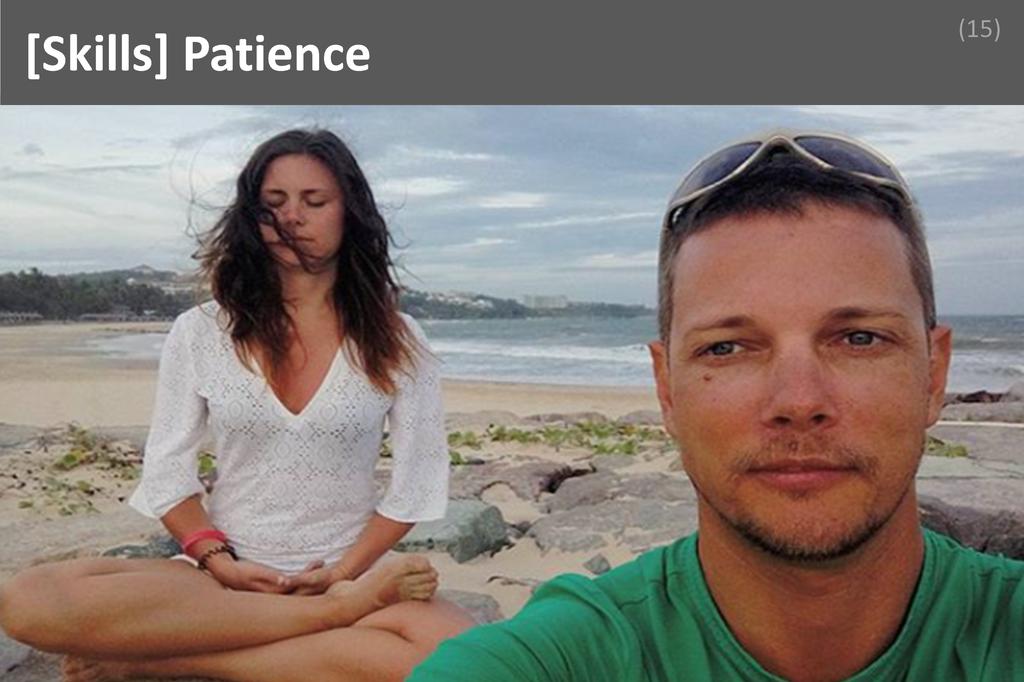
Patience is the ability to remain calm, composed, and persistent in the face of challenges, delays, or frustration, without becoming annoyed or giving up. In the context of teaching kitesurfing, patience allows instructors to support students through the learning process, adapting to individual progress and setbacks with understanding and encouragement.
Patience directly enhances a kitesurfing instructor’s effectiveness by fostering a supportive learning environment where students feel comfortable making mistakes and asking questions. Clients and employers value this quality because it leads to better student retention, safer lessons, and more positive experiences on the water. Instructors who demonstrate patience are able to break down complex maneuvers into manageable steps, repeat instructions as needed, and calmly address fears or frustrations. Over time, patience can be cultivated by practicing mindfulness, reflecting on personal triggers, and focusing on long-term goals rather than immediate results. By consistently applying patience, instructors build trust and rapport, ultimately contributing to their own professional growth and the success of their students.
Imagine a scenario where a beginner kitesurfing student repeatedly struggles to control the kite, becoming increasingly frustrated and anxious. Instead of showing irritation or rushing the lesson, the instructor patiently reassures the student, calmly revisits the basics, and offers gentle, constructive feedback. By maintaining composure and providing steady encouragement, the instructor helps the student regain confidence and gradually master the skill. This patient approach not only prevents potential accidents caused by panic but also fosters a positive learning experience, leading to greater student satisfaction and progress. In this way, patience proves to be a critical asset in overcoming obstacles and achieving successful outcomes in kitesurfing instruction.
General Teaching Skills

General Teaching Skills encompass the foundational abilities required to effectively communicate, demonstrate, assess, and adapt instructional methods to suit diverse learners. These skills enable instructors to create structured lessons, foster engagement, provide constructive feedback, and ensure safety. In kitesurfing, they form the backbone of every successful teaching session.
Possessing strong general teaching skills directly enhances a kitesurfing instructor’s ability to convey complex techniques in an understandable way, ensuring students progress safely and confidently. Clients and employers highly value instructors who can adapt their teaching style to different learning speeds and personalities, as this leads to better outcomes and higher satisfaction. To cultivate these skills, instructors should seek regular feedback, observe experienced teachers, and pursue ongoing professional development. Over time, consistent practice and reflection help refine lesson planning, communication, and classroom management, making the instructor more effective and sought after in the competitive world of kitesurfing instruction.
Imagine a kitesurfing instructor working with a group of beginners, some of whom are anxious about entering the water. By drawing on general teaching skills, the instructor breaks down the lesson into manageable steps, uses clear demonstrations, and checks for understanding after each segment. When a student struggles with kite control, the instructor adapts the explanation and provides hands-on guidance, ensuring the student feels supported. This approach not only resolves the immediate challenge but also builds trust and confidence within the group. The session concludes with all students making noticeable progress, a direct result of the instructor’s ability to teach effectively and responsively.
Positives
Travelling

Travelling is the act of moving from one place to another, often across cities, countries, or continents, to explore new environments, cultures, and experiences. In the context of teaching kitesurfing, travelling allows instructors to work in diverse locations, meet people from around the world, and continually expand their horizons. This dynamic movement is not just about changing scenery; it’s about embracing new challenges, adapting to different conditions, and growing both personally and professionally. Travelling enriches the teaching experience, making each day unique and full of learning opportunities, while fostering a deeper appreciation for the global kitesurfing community.
The opportunity to travel is a transformative benefit for those teaching kitesurfing. It injects excitement and variety into the daily routine, as instructors move between stunning coastal destinations, each offering unique wind and water conditions. This constant change keeps the job fresh and engaging, preventing monotony and sparking continual learning. Travelling also fosters cultural exchange, allowing instructors to connect with students and colleagues from diverse backgrounds, broadening their perspectives and communication skills. These experiences contribute to personal growth and resilience, while also enhancing professional expertise. The sense of adventure and discovery that comes with travelling boosts job satisfaction, making every day on the job feel like a new journey and a chance to inspire others.
Imagine a kitesurfing instructor who spends the summer months teaching in the turquoise waters of Greece, then migrates to the vibrant shores of Brazil for the winter season. Each location brings new students, different wind patterns, and unique local customs to learn and share. The instructor not only hones their technical skills by adapting to various environments but also builds lasting friendships with people from around the globe. Every day is an opportunity to explore a new beach, taste local cuisine, and immerse themselves in a different culture. This lifestyle transforms work into a continuous adventure, making the joy of travelling an integral and deeply rewarding part of their teaching career.
Good Work Environment

A good work environment is a setting where individuals feel supported, respected, and motivated, with open communication, safety, and a sense of community. In teaching kitesurfing, this means working outdoors in beautiful locations, collaborating with passionate colleagues, and fostering positive relationships with students, all of which enhance daily experiences.
A good work environment is a cornerstone of satisfaction and growth for kitesurfing instructors. When professionals feel valued and supported, their enthusiasm for teaching naturally increases, leading to more effective instruction and stronger connections with students. The camaraderie among instructors, the shared excitement of students learning new skills, and the invigorating outdoor atmosphere all contribute to a sense of fulfillment. This positive environment encourages personal and professional development, reduces stress, and makes each day enjoyable. Instructors are more likely to stay motivated, innovate in their teaching methods, and build lasting relationships within the kitesurfing community, all of which enhance career longevity and overall happiness.
Imagine a kitesurfing instructor arriving at the beach on a sunny morning, greeted by colleagues who share a genuine passion for the sport. The team collaborates to set up equipment, exchanging tips and laughter as they prepare for the day. As students arrive, the instructor feels a sense of purpose, knowing they are part of a supportive and enthusiastic community. Throughout the lessons, encouragement flows freely between instructors and students, creating an atmosphere of trust and excitement. At the end of the day, the instructor reflects on the positive energy, teamwork, and shared achievements, feeling deeply satisfied to be part of such a vibrant and uplifting work environment.
Networking

Networking is the process of building and nurturing professional relationships through meaningful interactions, shared experiences, and mutual support. In teaching kitesurfing, networking connects instructors with students, fellow teachers, and industry professionals, fostering a vibrant community. This web of connections enhances learning, opens opportunities, and creates a supportive environment for personal and professional growth.
The power of networking in teaching kitesurfing lies in its ability to create a sense of belonging and continuous development. Instructors who actively engage with others in the field often find themselves exposed to new teaching techniques, safety updates, and the latest equipment. This constant exchange of ideas not only keeps their skills sharp but also fuels their passion for the sport. Networking can lead to exciting collaborations, job offers, and invitations to international events, making the profession dynamic and full of possibilities. Daily interactions with a diverse community of enthusiasts and professionals ensure that no two days are ever the same, boosting job satisfaction and making every lesson an opportunity for growth.
Imagine a kitesurfing instructor who regularly attends local meetups and international workshops. Through these events, they connect with other instructors, equipment manufacturers, and passionate students. One day, a fellow instructor recommends them for a position at a prestigious kitesurfing school abroad. Later, a former student who became a friend invites them to co-host a kitesurfing retreat. These opportunities arise directly from the relationships built through networking. The instructor not only advances their career but also experiences the joy of being part of a global community, sharing knowledge, and inspiring others. This sense of connection and mutual support transforms their work into a deeply rewarding journey.
Personal Fitness

Personal fitness is the state of physical well-being achieved through regular exercise, balanced nutrition, and healthy lifestyle choices, resulting in strength, endurance, flexibility, and overall vitality. In the context of teaching kitesurfing, personal fitness enables instructors to perform demanding tasks, maintain energy, and set a positive example for students.
Personal fitness stands at the heart of a fulfilling career in teaching kitesurfing because it directly influences both professional effectiveness and personal well-being. Instructors who prioritize their fitness are better equipped to handle the physical demands of the sport, from launching and landing kites to spending hours in the water. This enhanced capability not only ensures safety for both teacher and student but also fosters confidence and enthusiasm in every lesson. Over time, maintaining a high level of fitness leads to increased job satisfaction, as instructors experience the joy of staying active, healthy, and engaged in their passion. The daily routine of teaching becomes a source of personal growth, as professionals witness their own physical progress and inspire others to pursue healthier, more active lifestyles.
Imagine a kitesurfing instructor starting a busy summer day on the beach. As the sun rises, they lead a group of eager beginners through warm-up exercises, demonstrating each movement with energy and precision. Throughout the day, the instructor repeatedly launches kites, assists students in the water, and navigates changing wind and wave conditions. Their personal fitness allows them to remain alert, agile, and supportive, even after hours of activity. At the end of the day, the instructor feels a deep sense of accomplishment, not only from helping students achieve their first rides but also from knowing that their own health and vitality have been strengthened through their work. This daily synergy between teaching and personal fitness creates a uniquely rewarding professional experience.
Challenges
Dealing with Different People

Dealing with different people in the context of teaching kitesurfing means adapting to a wide range of personalities, learning styles, backgrounds, and expectations among students. This is demanding because each individual brings unique needs and attitudes, requiring instructors to constantly adjust their communication and teaching approach.
This challenge significantly shapes the daily experience of a kitesurfing instructor. Navigating diverse personalities can lead to misunderstandings, frustration, or slower progress if not managed well. It demands resilience because instructors must remain patient, empathetic, and flexible, even when faced with difficult or uncooperative students. Successful professionals overcome this by developing strong interpersonal skills, actively listening to students, and tailoring their instruction to suit different learning preferences. They also cultivate a calm, encouraging atmosphere that helps build trust and rapport, making it easier to address individual concerns and motivate students. By embracing diversity and viewing each interaction as an opportunity to learn, instructors turn this challenge into a source of professional growth and satisfaction.
Imagine a kitesurfing instructor working with a group lesson that includes a confident, athletic adult and a nervous teenager with little water experience. The instructor quickly notices the adult’s eagerness to progress and the teenager’s hesitation. Rather than following a rigid lesson plan, the instructor adapts by offering the adult more advanced tips while patiently guiding the teenager through basic safety and comfort exercises. Through clear communication and encouragement, the instructor ensures both students feel supported and challenged at their own pace. By recognizing and responding to their differing needs, the instructor not only helps each student succeed but also fosters a positive, inclusive learning environment that enhances the overall teaching experience.
Injuries & Life Risks

Injuries & Life Risks in teaching kitesurfing refer to the constant exposure to physical harm, unpredictable weather, and equipment malfunctions that can endanger both instructors and students. This challenge is demanding because it requires acute awareness, rapid decision-making, and a commitment to safety in a dynamic, high-risk environment.
The reality of injuries and life risks shapes every aspect of a kitesurfing instructor’s daily routine. Each lesson involves assessing wind conditions, monitoring student abilities, and ensuring equipment is in optimal condition. The unpredictability of the ocean and weather demands resilience, as instructors must remain calm and decisive under pressure. Successful professionals mitigate these risks through rigorous safety protocols, ongoing training, and clear communication with students. They cultivate a culture of caution without dampening enthusiasm, balancing the thrill of the sport with the necessity of vigilance. By prioritizing preparation and fostering trust, they create an environment where both learning and safety are paramount, allowing them to manage the inherent dangers effectively.
Consider an experienced kitesurfing instructor who notices a sudden shift in wind direction during a lesson. Recognizing the potential danger, the instructor calmly signals the students to return to shore and quickly assists a beginner struggling with kite control. By maintaining composure and acting swiftly, the instructor prevents possible injuries and reassures the group. After the incident, the instructor debriefs the students, explaining the importance of reading weather patterns and responding promptly to changing conditions. This proactive approach not only averts harm but also reinforces essential safety habits, demonstrating how expertise and preparedness can transform a risky situation into a valuable learning experience for everyone involved.
Weather Dependencies

Weather Dependencies in Teaching Kitesurfing refer to the reliance on specific wind and weather conditions for safe and effective instruction. This challenge is demanding because unpredictable weather can disrupt lesson schedules, impact student progress, and require constant adaptation, making consistent planning and income stability difficult for instructors.
The unpredictability of weather profoundly shapes the daily routines of kitesurfing instructors. Lessons may be postponed or canceled at short notice due to unsuitable wind speeds or storms, leading to fluctuating work hours and income uncertainty. This reality demands resilience, flexibility, and strong communication skills, as instructors must frequently update students and reorganize schedules. Successful professionals mitigate these challenges by closely monitoring weather forecasts, maintaining open lines of communication with clients, and developing contingency plans such as theory lessons or equipment maintenance sessions during unfavorable conditions. By embracing adaptability and fostering trust with students, instructors can turn weather-related setbacks into opportunities for skill development and relationship building, ensuring continuity and satisfaction despite the inherent unpredictability.
Consider an experienced kitesurfing instructor working at a coastal school who faces a week of inconsistent wind patterns. Instead of canceling all sessions, the instructor proactively communicates with students, explaining the situation and offering alternative activities such as safety workshops, kite setup tutorials, and video analysis of previous sessions. When a brief window of favorable wind arises, the instructor quickly organizes practical lessons, maximizing the opportunity. Through transparent communication and creative lesson planning, the instructor not only maintains student engagement but also reinforces the importance of safety and preparation. This approach helps students appreciate the complexities of the sport while ensuring their learning continues, even when weather conditions are less than ideal.
Unstable Income

Unstable income in the context of teaching kitesurfing refers to the unpredictable and fluctuating earnings that instructors experience due to seasonal demand, weather conditions, and varying student interest. This inconsistency makes financial planning difficult and creates ongoing stress, demanding adaptability and resourcefulness from professionals in the field.
The challenge of unstable income deeply affects the daily lives of kitesurfing instructors, as their earnings can swing dramatically from one month to the next. This unpredictability requires instructors to be highly resilient, managing both financial uncertainty and the emotional strain that comes with it. Many professionals address this by diversifying their income streams, such as offering related services like equipment rental, private coaching, or online tutorials during off-peak seasons. Others develop strong relationships with local businesses or resorts to secure more consistent work. By maintaining flexibility and continuously seeking new opportunities, successful instructors are able to weather the lean periods and build a more stable financial foundation over time.
Consider the experience of a seasoned kitesurfing instructor based in a coastal town where tourism peaks only during summer months. Aware of the income fluctuations, she supplements her teaching by organizing weekend kitesurfing workshops for locals in the off-season and collaborating with a nearby surf shop to offer introductory courses. She also creates online content, such as instructional videos and virtual coaching sessions, which attract a global audience and provide additional revenue. Through these proactive steps, she not only smooths out her income throughout the year but also builds a loyal client base and enhances her professional reputation, demonstrating how adaptability and innovation can effectively counter the challenge of unstable income.
A Day Of
Teaching Kitesurfing
Salt hangs in the air and the wind hums with promise as the sun rises over the shoreline—a kitesurfing instructor’s day begins long before the first student sets foot on the sand. The rhythm of the workday is dictated by the tides, the weather, and the ever-changing moods of the sea, demanding adaptability, energy, and a deep passion for sharing the thrill of harnessing wind and water. Each day is a blend of physical preparation, hands-on teaching, and the subtle art of reading both the elements and the people eager to learn. For a teaching kitesurfing professional, the desk is the beach, the classroom is the open water, and every day brings new challenges and rewards.
As the first light spills across the beach, the instructor arrives early to assess the day’s conditions. This quiet hour is spent checking wind forecasts, inspecting kites and boards for wear, and laying out equipment for the morning’s lessons. The instructor walks the shoreline, noting any changes in the sandbars or currents that might affect the day’s sessions. There’s a meditative quality to these moments, a chance to mentally prepare and ensure that every detail is in place for a safe and successful day on the water.
With the wind picking up and students gathering, the beach transforms into a hive of activity. The instructor greets newcomers, reviews safety protocols, and demonstrates basic kite control on the sand before moving into the water. This is the most dynamic part of the day, requiring constant vigilance and encouragement as students wrestle with the kite’s power and learn to balance on the board. Each lesson is tailored to individual skill levels, demanding patience, quick thinking, and the ability to communicate complex techniques in simple, motivating terms.
By early afternoon, the focus shifts to group lessons and more advanced maneuvers. The instructor coordinates multiple students, offering feedback and troubleshooting common challenges as learners attempt their first rides or refine their turns. Collaboration is key, as the instructor manages equipment swaps, monitors changing wind conditions, and keeps a watchful eye on everyone’s safety. There’s a sense of camaraderie as students cheer each other on, and the instructor’s role becomes part coach, part mentor, and part lifeguard.
As the sun begins to dip, the instructor gathers students for a final debrief, celebrating progress and discussing areas for improvement. The day ends with rinsing and storing gear, logging student achievements, and reviewing notes for future lessons. There’s time for a quick check of tomorrow’s weather and a few messages to confirm bookings. With the beach growing quiet, the instructor reflects on the day’s successes and challenges, already anticipating the next sunrise and another day spent teaching the art of kitesurfing. |


 Home
Home Abroad
 Plan
Plan Philosophy
 Seminar
 Pages
Pages Advisors
 Testimonials
















 Workshop
 Discuss
 Meet
Meet
 Advisor
 Story
Story
 Fine Print
 Links
Links
 Blog
Blog
 Follow
