The Journey of Mountaineering
What Is Mountaineering
Mountaineering
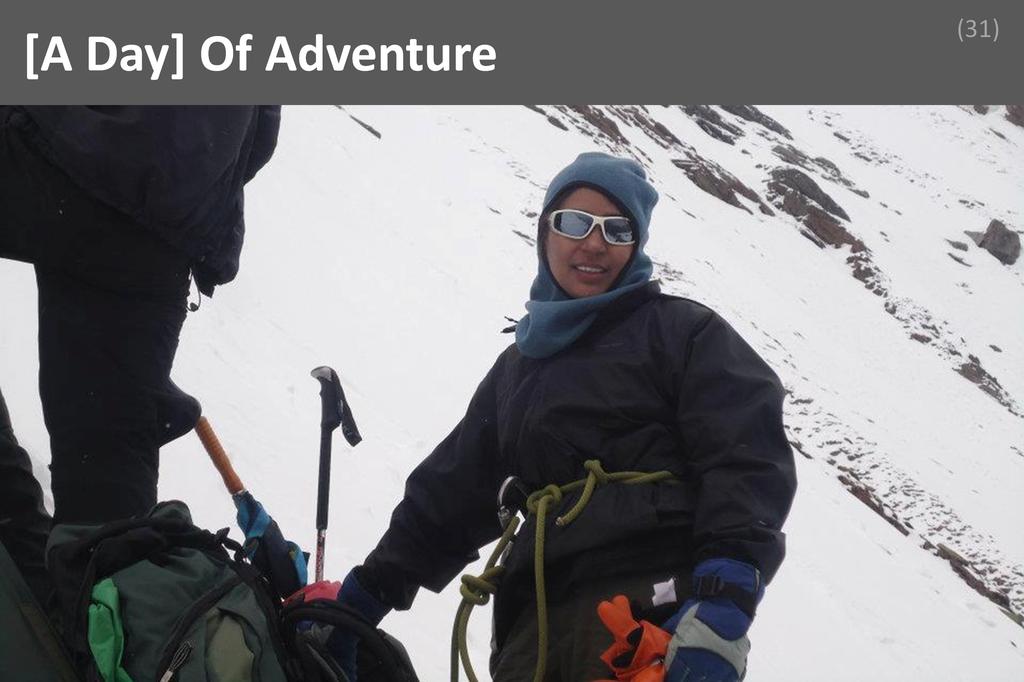
Mountaineering is the pursuit of climbing mountains, combining physical endurance, technical climbing skills, and navigation abilities to ascend challenging terrains. It involves traversing rock, snow, and ice, often in remote and high-altitude environments, requiring specialized equipment and knowledge to ensure safety and success during expeditions.
Mountaineering holds significant value for those who choose it as a profession, shaping both their physical and mental resilience. The field demands rigorous training, adaptability, and problem-solving skills, which contribute to personal growth and professional development. One major benefit is the opportunity to explore some of the world’s most breathtaking and remote landscapes, fostering a deep connection with nature. Another benefit is the sense of accomplishment and confidence gained from overcoming formidable challenges, which can translate into other aspects of life and work. Additionally, mountaineering often involves teamwork and leadership, enhancing communication and collaboration skills that are essential in any career.
A professional mountaineer may be hired to guide a group of climbers attempting to summit a renowned peak such as Mount Everest. In this role, the mountaineer is responsible for planning the expedition, assessing weather conditions, and ensuring the safety of the team throughout the ascent and descent. They use their expertise to navigate complex routes, manage risks associated with altitude and unpredictable weather, and provide instruction on technical climbing techniques. Their leadership and decision-making skills are constantly tested, especially in high-stress situations, making their role critical to the success and safety of the entire expedition. This real-world scenario highlights the multifaceted responsibilities and expertise required in a mountaineering career.
Education
Psychology
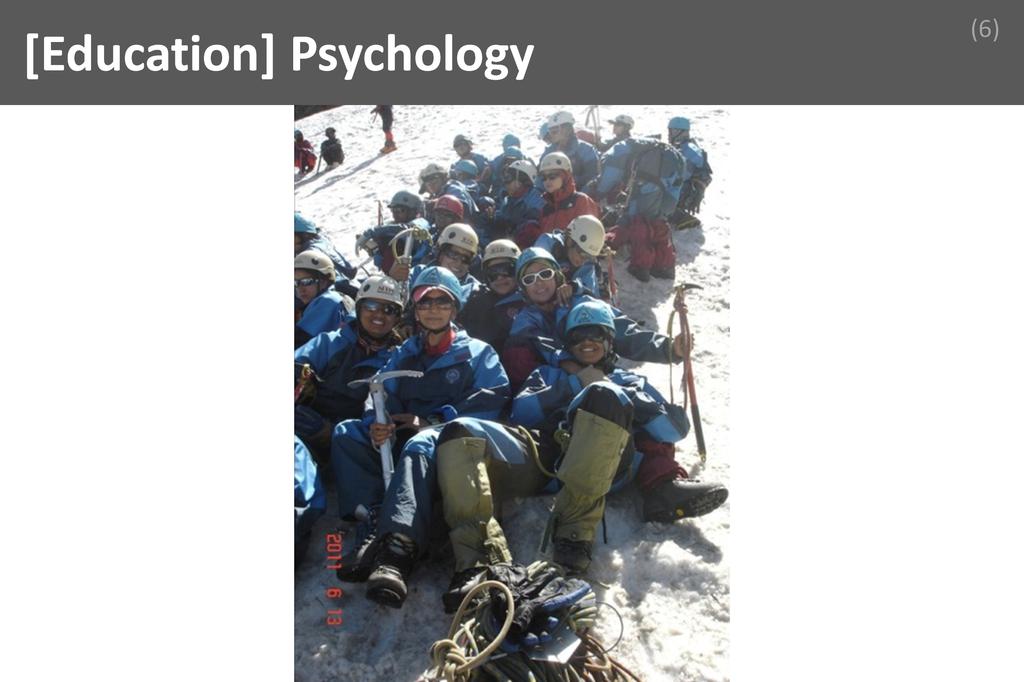
Psychology is the scientific study of the mind and behavior, exploring how individuals think, feel, and act in various situations. In mountaineering, understanding psychology is essential, as it helps professionals manage stress, make sound decisions, and foster teamwork, forming a crucial part of their academic and practical expertise.
Learning psychology is vital for mountaineers because the mental demands of high-altitude environments can be as challenging as the physical ones. Knowledge of psychological principles enables professionals to recognize and manage fear, anxiety, and fatigue, which are common in extreme conditions. This understanding also helps in building resilience, maintaining motivation, and enhancing communication within a team, all of which are critical for safety and success. Over the long term, a solid grasp of psychology supports career longevity by equipping mountaineers with the tools to cope with setbacks, adapt to changing circumstances, and lead others effectively in high-pressure situations.
Imagine a mountaineering guide leading a group through a difficult ascent when sudden weather changes trigger panic among less experienced climbers. Drawing on their understanding of psychology, the guide quickly assesses the group’s emotional state and uses calming communication techniques to reduce anxiety. They encourage open dialogue, validate the climbers’ fears, and redirect focus toward practical steps for safety. By applying psychological strategies, the guide not only stabilizes the group’s morale but also prevents rash decisions that could jeopardize the expedition. This scenario highlights how theoretical knowledge of psychology directly informs effective leadership and crisis management in the unpredictable world of mountaineering.
Geography
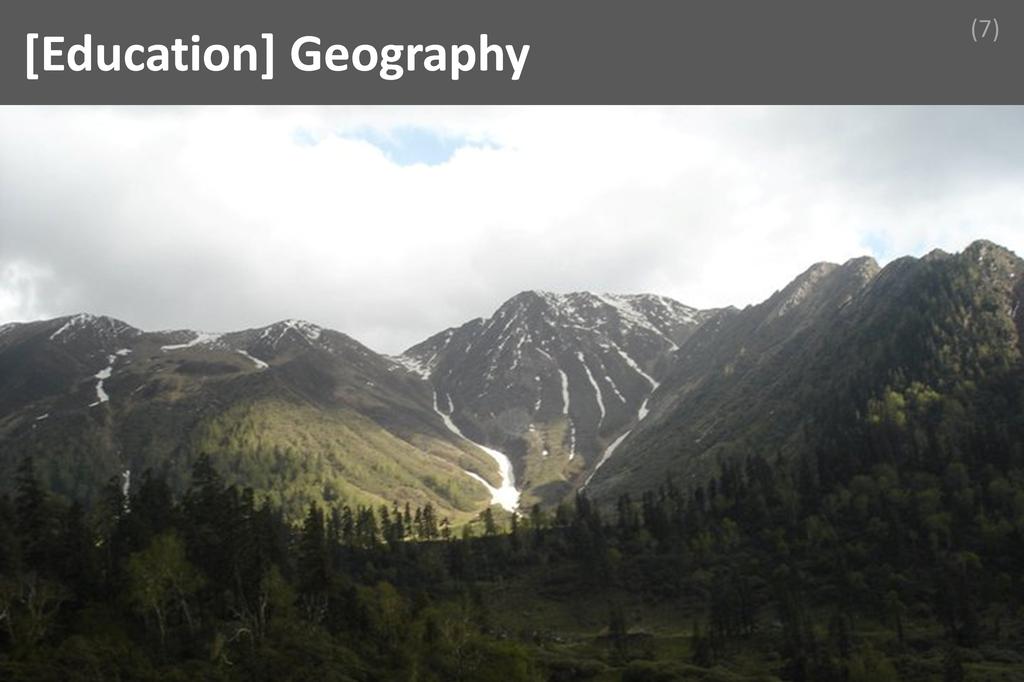
Geography is the scientific study of the Earth's physical features, climates, and human-environment interactions. It explores landscapes, spatial relationships, and the distribution of natural and human phenomena. In mountaineering, geography provides essential context, helping professionals understand terrain, weather patterns, and environmental risks, making it a crucial academic and practical discipline.
Understanding geography is vital for mountaineers because it equips them with the ability to interpret topographical maps, recognize landforms, and anticipate environmental changes. This foundational knowledge allows professionals to plan safe routes, assess potential hazards, and adapt to dynamic mountain environments. Mastery of geography also enhances decision-making skills, as mountaineers must often evaluate terrain, weather, and ecological factors in real time. Over the long term, a strong grasp of geographic principles supports career advancement by enabling mountaineers to lead expeditions, conduct environmental assessments, and contribute to sustainable outdoor practices. Ultimately, geography serves as the backbone for effective navigation, risk management, and environmental stewardship in the mountaineering profession.
A professional mountaineer preparing for an ascent in the Himalayas relies heavily on their understanding of geography. Before the expedition, they analyze topographic maps to identify the safest and most efficient routes, taking into account elevation changes, glacial formations, and potential avalanche zones. During the climb, their knowledge of local weather patterns and microclimates helps them anticipate sudden storms or temperature drops, allowing for timely adjustments to their plans. When encountering unfamiliar terrain, the mountaineer uses geographic reasoning to interpret natural features and make informed decisions about navigation and campsite selection. This practical application of geographic knowledge ensures both the safety and success of the expedition, demonstrating its indispensable role in daily mountaineering operations.
Flora and Fauna

Flora and fauna refer to the collective plant life (flora) and animal life (fauna) native to a particular region or environment. In mountaineering, understanding flora and fauna is essential for safety, environmental stewardship, and navigation, forming a crucial part of the academic and practical knowledge required by professionals in the field.
A thorough understanding of flora and fauna is vital for mountaineers because it directly impacts safety, environmental responsibility, and decision-making in the field. Recognizing local plant and animal species helps professionals avoid hazardous encounters, such as poisonous plants or aggressive wildlife. It also informs sustainable practices, ensuring minimal ecological disturbance and compliance with conservation regulations. This knowledge base supports effective route planning, risk assessment, and the ability to educate clients or team members about the natural environment. Over time, expertise in flora and fauna enhances a mountaineer’s credibility, fosters respect for natural habitats, and opens opportunities for leadership roles, environmental advocacy, and specialized guiding services within the outdoor industry.
Consider a mountaineering guide leading a group through a high-altitude forest. Their understanding of local flora allows them to identify edible plants in case of emergency and recognize poisonous species to avoid. Knowledge of fauna enables them to interpret animal tracks, anticipate wildlife behavior, and implement strategies to prevent dangerous encounters, such as with bears or snakes. This expertise also helps the guide educate clients about the ecosystem, fostering appreciation and responsible behavior. By applying their theoretical knowledge of flora and fauna, the guide ensures the group’s safety, minimizes environmental impact, and enriches the overall mountaineering experience, demonstrating the practical value of this foundational subject in daily professional operations.
Physics and Maths
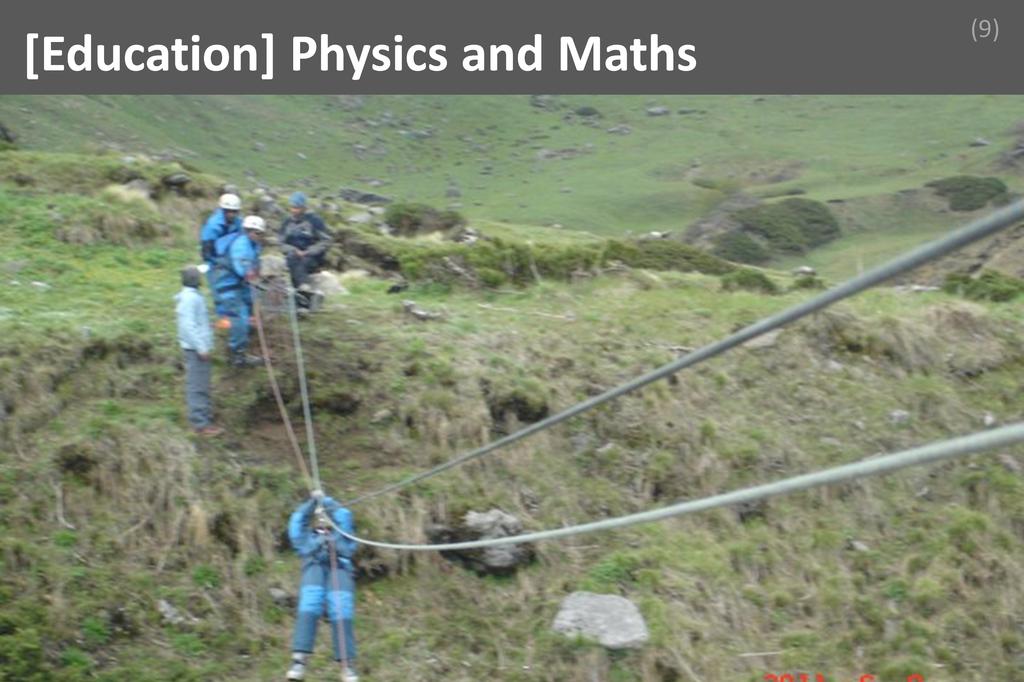
Physics and Maths encompass the scientific study of matter, energy, forces, and the quantitative relationships between them. In mountaineering, these disciplines provide essential frameworks for understanding natural phenomena, calculating risks, and making informed decisions. Mastery of Physics and Maths is fundamental for both academic preparation and professional practice in this field.
A solid grasp of Physics and Maths is indispensable for anyone pursuing a career in mountaineering. These subjects enable professionals to analyze terrain stability, predict weather patterns, and assess the forces acting on equipment and climbers. Understanding concepts such as gravity, friction, and leverage helps mountaineers make safe choices when navigating challenging environments. Mathematical skills are crucial for route planning, altitude calculations, and resource management. Over time, this foundational knowledge not only enhances personal safety but also fosters leadership and problem-solving abilities, both of which are highly valued in the mountaineering profession. Ultimately, proficiency in Physics and Maths supports continuous learning and adaptability, ensuring long-term success and credibility in the field.
Consider a mountaineer planning to cross a snow-covered crevasse using a rope bridge. Their understanding of Physics allows them to calculate the tension in the rope, ensuring it can support the combined weight of the climber and their gear. They use mathematical formulas to determine the optimal anchor points and the angle at which the rope should be secured to minimize stress and prevent slippage. By applying these principles, the mountaineer not only ensures their own safety but also that of their team, demonstrating how theoretical knowledge directly informs practical decision-making in high-risk environments. This integration of Physics and Maths is a daily necessity for professionals working in mountaineering.
Skills
Physical and Mental Fitness
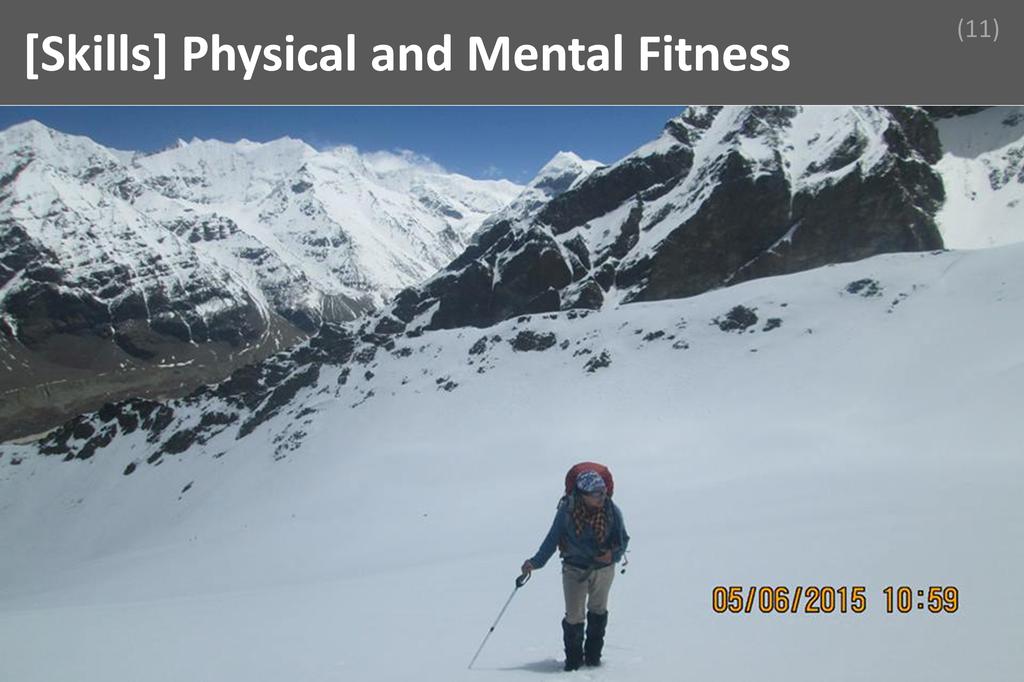
Physical and mental fitness refers to the combination of bodily strength, endurance, flexibility, and cardiovascular health, alongside psychological resilience, focus, and emotional stability. In mountaineering, this dual capability enables professionals to withstand extreme environments, make sound decisions under stress, and maintain safety and performance throughout challenging expeditions.
Physical and mental fitness directly enhances a mountaineer's ability to tackle demanding ascents, adapt to unpredictable weather, and manage the physical strain of high altitudes. Employers and clients value this skill because it ensures reliability, safety, and the capacity to lead or participate in expeditions without compromising group welfare. Cultivating this skill involves regular physical training, such as strength and endurance exercises, combined with mental conditioning practices like mindfulness, stress management, and scenario-based decision-making. Over time, consistent exposure to challenging environments and reflective learning from each experience further strengthens both physical and mental aspects, making the mountaineer more competent and trustworthy in the field.
Imagine a mountaineer leading a group up a steep, icy ridge when a sudden storm hits, reducing visibility and dropping temperatures rapidly. The leader’s physical fitness allows them to maintain stamina and dexterity while navigating treacherous terrain, ensuring they can assist others if needed. Simultaneously, their mental fitness enables them to stay calm, assess risks, and make quick decisions about whether to proceed or retreat. By managing their own stress and projecting confidence, they help the team remain focused and cohesive, ultimately guiding everyone safely to a sheltered area. In this scenario, the mountaineer’s physical and mental fitness is crucial for overcoming adversity and achieving a successful outcome.
Rock Climbing and River Crossing
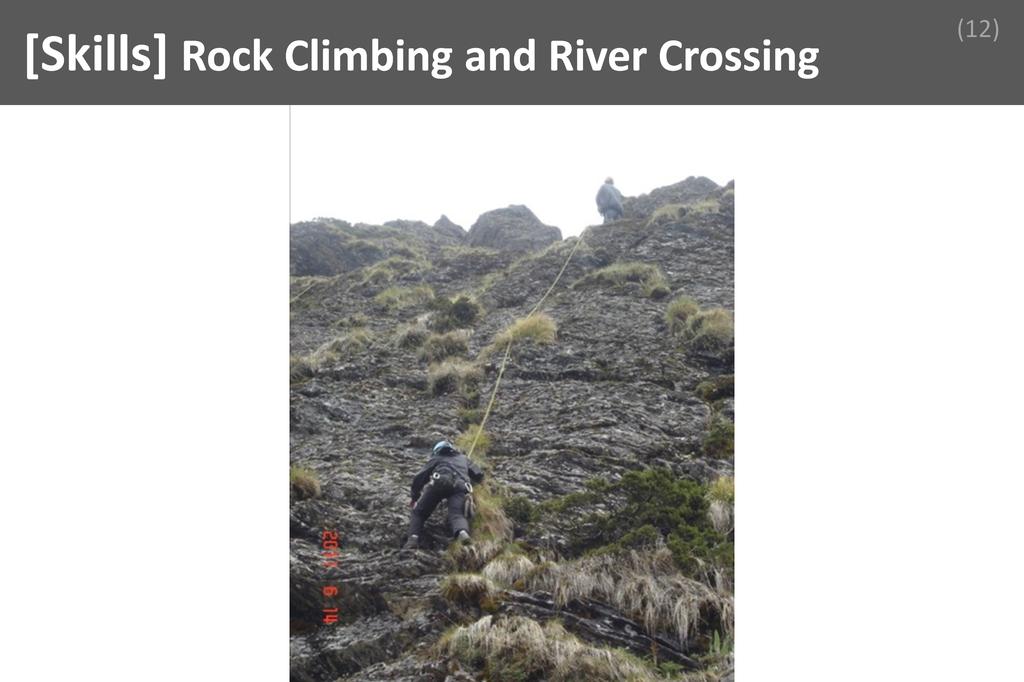
Rock Climbing and River Crossing refers to the technical ability to ascend or traverse rocky terrains and safely navigate across flowing water bodies using specialized techniques and equipment. This skill is fundamental in mountaineering, enabling professionals to overcome natural barriers, access remote areas, and ensure the safety and progress of expeditions in challenging environments.
Mastering rock climbing and river crossing significantly enhances a mountaineer’s adaptability and problem-solving abilities in unpredictable terrains. Employers and clients highly value this skill because it demonstrates competence in handling complex obstacles, ensuring group safety, and maintaining expedition momentum. Developing this expertise requires consistent practice, formal training, and real-world experience under varying conditions. Over time, mountaineers refine their judgment, technical proficiency, and confidence, allowing them to assess risks accurately and select the most effective techniques for each unique situation. This ongoing development not only improves individual performance but also builds trust within teams and with clients, establishing the mountaineer as a reliable and skilled professional in the field.
Imagine a mountaineering guide leading a group through a remote mountain range when an unexpected storm causes a river to swell, blocking the planned route. The guide’s proficiency in river crossing allows them to assess the safest point to cross, use ropes and anchors effectively, and instruct the group on proper techniques to minimize risk. Later, the team encounters a steep rock face that must be climbed to reach the next campsite before nightfall. Drawing on their rock climbing skills, the guide sets up secure anchors, demonstrates climbing methods, and assists less experienced members, ensuring everyone ascends safely. In this scenario, the guide’s expertise in rock climbing and river crossing is crucial for overcoming obstacles, maintaining safety, and achieving the expedition’s objectives.
Basic Cooking
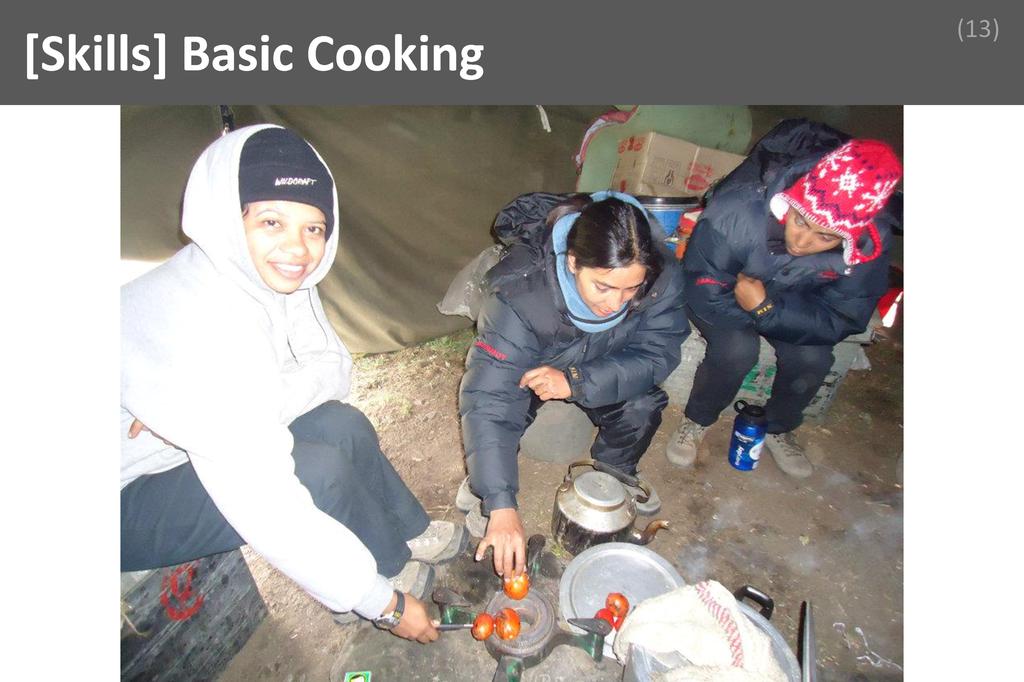
Basic Cooking refers to the ability to prepare simple, nutritious meals using limited ingredients and equipment, often in challenging environments. For mountaineering professionals, this skill ensures sustenance, energy, and morale during expeditions. It is a fundamental part of self-sufficiency and safety, supporting both individual climbers and group dynamics.
Mastering basic cooking directly enhances a mountaineer’s performance by ensuring consistent energy levels, preventing malnutrition, and reducing the risk of illness from improper food handling. Clients and employers highly value this skill because it demonstrates preparedness, resourcefulness, and the ability to maintain group well-being in remote settings. Over time, one can cultivate basic cooking abilities through practice in outdoor environments, learning to adapt recipes to available resources, and understanding nutritional needs at altitude. Participating in wilderness cooking courses and experimenting with different meal plans during training expeditions further refines this essential skill, making it second nature when it matters most.
Imagine a mountaineering guide leading a group through a multi-day ascent when a sudden storm forces an unplanned bivouac. With limited supplies and no access to pre-packaged meals, the guide’s basic cooking skills become crucial. By improvising a hot, energy-rich meal from available ingredients, the guide not only provides essential nourishment but also boosts the group’s morale and cohesion. This ability to prepare safe, satisfying food under pressure helps the team recover from fatigue, maintain body heat, and stay focused on safety, ultimately turning a potentially dangerous setback into a manageable challenge and reinforcing the guide’s leadership and competence.
Survival Skills
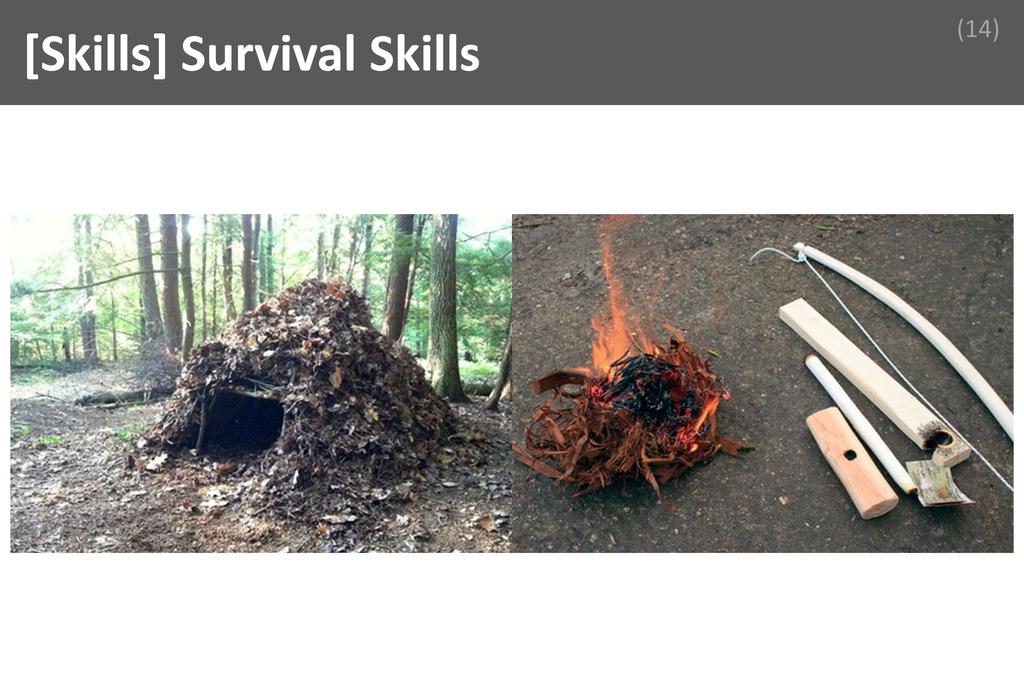
Survival skills encompass the knowledge and practical abilities required to stay safe, healthy, and resourceful in challenging or life-threatening environments. In mountaineering, these skills include navigation, first aid, shelter construction, water sourcing, and emergency response, forming a crucial foundation for managing risks and ensuring personal and group safety.
Mastering survival skills directly enhances a mountaineer's performance by enabling quick, effective responses to unpredictable situations such as sudden weather changes, injuries, or equipment failures. Clients and employers highly value these abilities because they demonstrate reliability, preparedness, and leadership under pressure, which are vital for group safety and expedition success. Cultivating survival skills involves a combination of formal training, hands-on practice, and continuous learning from real-world experiences. Regular participation in wilderness courses, scenario-based drills, and mentorship from seasoned professionals helps mountaineers refine their judgment and adaptability. Over time, this commitment to skill development builds confidence and resilience, making survival skills an indispensable asset for anyone pursuing a career in mountaineering.
Imagine a mountaineering guide leading a group when an unexpected snowstorm descends, reducing visibility and making the planned route impassable. Drawing on survival skills, the guide quickly assesses the situation, identifies a sheltered area, and constructs a temporary snow shelter to protect the group from the elements. Using knowledge of first aid, the guide treats a team member showing early signs of hypothermia, while rationing food and melting snow for water. By maintaining calm and making informed decisions, the guide ensures the group's safety until rescue is possible. This scenario highlights how survival skills are not just theoretical knowledge but practical tools that can mean the difference between disaster and a successful outcome in mountaineering.
Snow and Ice Craft
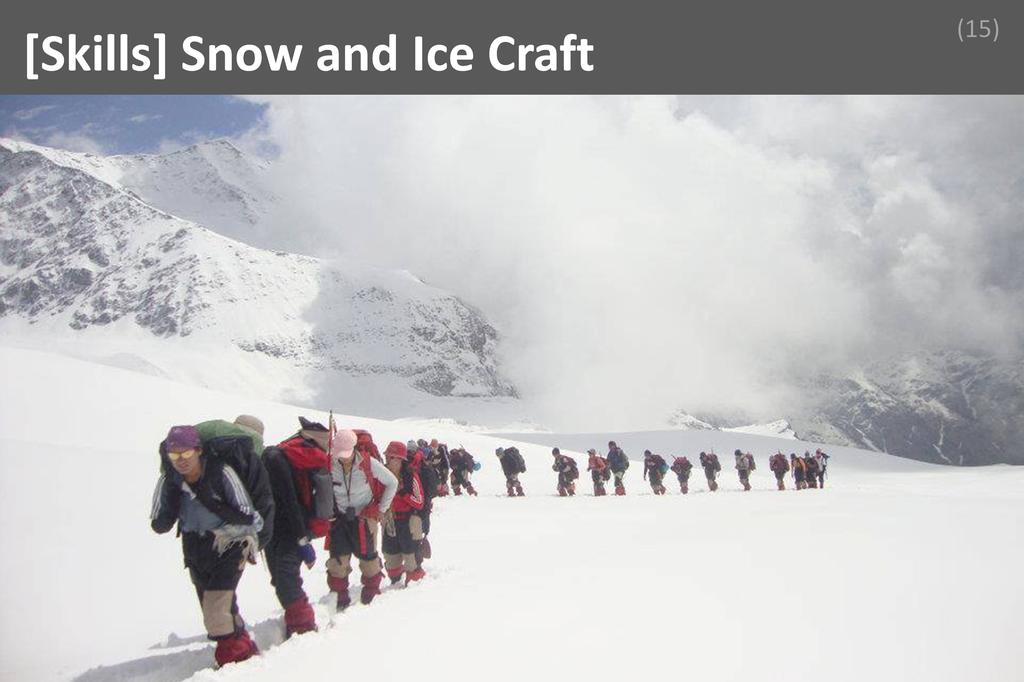
Snow and Ice Craft refers to the specialized set of techniques and knowledge required to safely navigate, ascend, and descend snowfields, glaciers, and icy terrain in mountainous environments. This skill encompasses the use of equipment, movement strategies, and safety practices, forming a crucial foundation for any mountaineering professional.
Mastery of Snow and Ice Craft significantly enhances a mountaineer's ability to tackle challenging alpine environments with confidence and efficiency. This expertise is highly valued by clients and employers because it directly impacts safety, route selection, and the overall success of expeditions. Professionals proficient in Snow and Ice Craft can assess hazards, manage risks, and adapt to rapidly changing conditions, which are essential qualities in high-stakes mountain settings. Developing this skill involves a combination of formal training, mentorship, and extensive hands-on experience in diverse snow and ice conditions. Over time, ongoing practice and exposure to different terrains allow mountaineers to refine their techniques and judgment, ensuring they remain competent and reliable in the field.
Imagine a mountaineering guide leading a group across a glacier riddled with hidden crevasses and unstable snow bridges. Suddenly, a client breaks through a snow bridge, partially falling into a crevasse. The guide’s expertise in Snow and Ice Craft becomes critical at this moment. Drawing on practiced rescue techniques, the guide quickly secures the client with a rope, establishes a solid anchor in the snow, and orchestrates a safe extraction using mechanical advantage systems. Throughout the incident, the guide’s calm assessment of snow conditions and precise use of equipment prevent further accidents. This scenario highlights how Snow and Ice Craft is not only a technical skill but also a decisive factor in ensuring safety and success in the mountains.
Equipment Knowledge
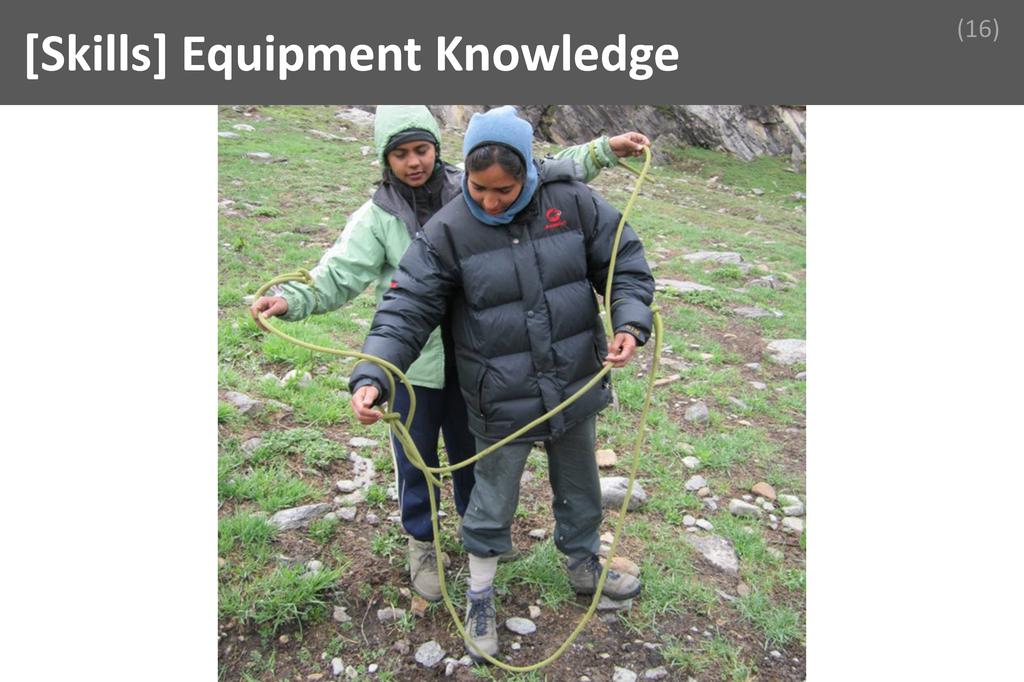
Equipment Knowledge refers to a comprehensive understanding of the function, use, maintenance, and limitations of all gear and tools required for mountaineering activities. This skill enables professionals to select, operate, and troubleshoot equipment efficiently, ensuring safety, efficiency, and adaptability in diverse and often unpredictable mountain environments.
Mastering Equipment Knowledge directly enhances a mountaineer’s performance by enabling quick decision-making and effective problem-solving in challenging conditions. Clients and employers highly value this skill because it minimizes risks, ensures the reliability of expeditions, and demonstrates professionalism. A mountaineer with strong equipment knowledge can prevent accidents, reduce downtime, and optimize the use of resources. Cultivating this skill involves hands-on experience, continuous learning about new technologies, attending workshops, and staying updated with industry standards. Over time, repeated exposure to different terrains and scenarios helps professionals internalize best practices, making them more competent and trustworthy leaders in the field.
During a high-altitude ascent, a mountaineering guide notices that a client’s crampon has become loose on an icy slope. Drawing on extensive equipment knowledge, the guide quickly assesses the issue, identifies a worn strap as the culprit, and uses a spare part from their kit to make a secure field repair. This swift intervention prevents a potentially dangerous slip, maintains the group’s momentum, and reassures the client of their safety. The guide’s expertise with gear not only averts an accident but also reinforces their credibility and the overall success of the expedition, demonstrating how vital equipment knowledge is in real-world mountaineering situations.
Rescue Technique
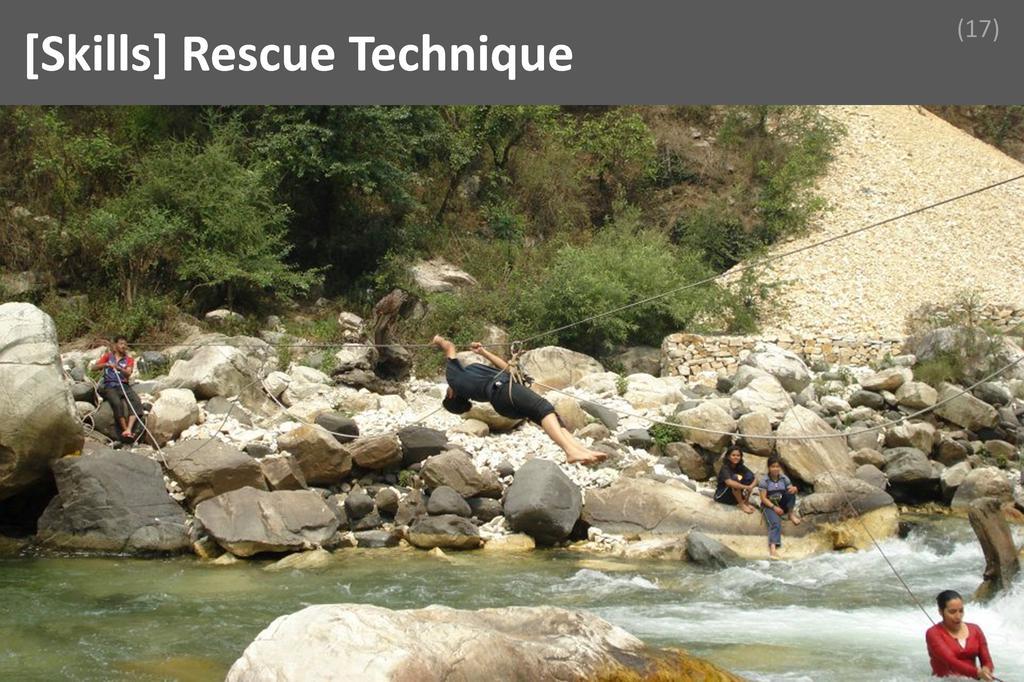
Rescue Technique in mountaineering refers to the specialized set of skills and procedures used to safely extract, assist, or stabilize individuals in distress during mountain expeditions. This includes rope work, first aid, navigation, and emergency response, forming a crucial part of a mountaineer's ability to manage unforeseen and hazardous situations effectively.
Mastering Rescue Technique significantly enhances a mountaineer’s performance by ensuring preparedness for emergencies and reducing risks during expeditions. Clients and employers highly value this skill because it demonstrates responsibility, leadership, and a commitment to safety, which are vital in high-risk environments. Developing Rescue Technique requires formal training, regular practice, and real-world experience. Attending certified rescue courses, participating in simulated rescue drills, and learning from seasoned professionals are effective ways to build competence. Over time, consistent exposure to challenging scenarios and ongoing education help refine these abilities, making the mountaineer a reliable asset in any team and increasing their professional credibility.
Imagine a mountaineering guide leading a group across a glacier when a team member suddenly falls into a concealed crevasse. The guide immediately assesses the situation, secures the area, and employs their Rescue Technique skills to set up a pulley system for extraction. By communicating clearly, administering first aid, and coordinating the rescue, the guide ensures the injured climber is safely retrieved and stabilized. This decisive action not only prevents further harm but also reassures the group, maintaining morale and trust. The guide’s proficiency in Rescue Technique transforms a potentially fatal incident into a managed emergency, highlighting the indispensable value of this core skill in mountaineering.
Positives
Close to Nature
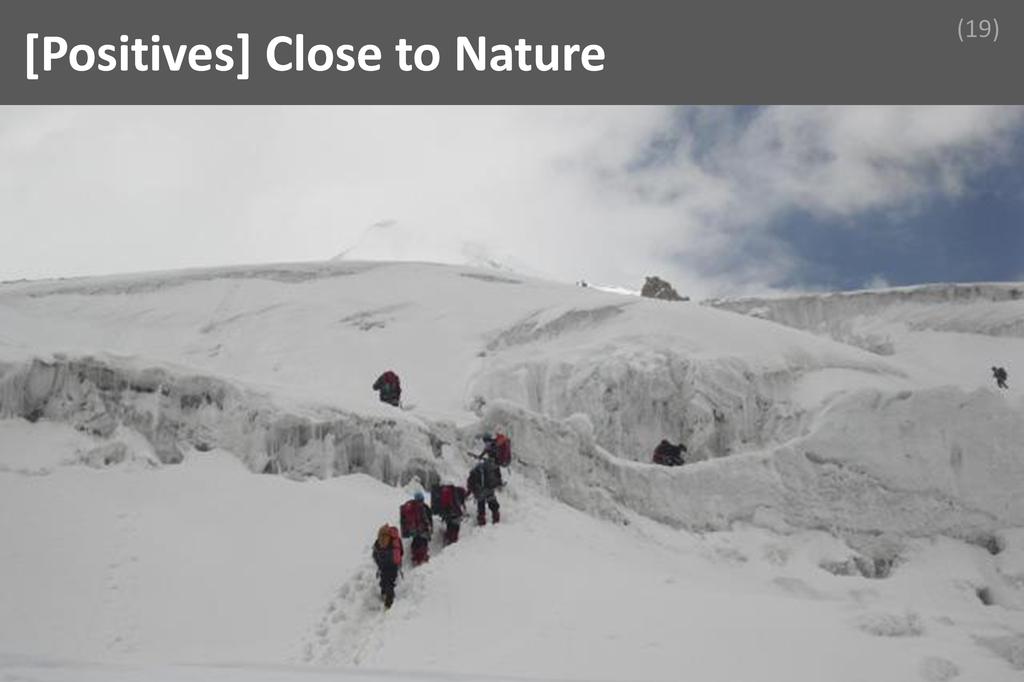
"Close to Nature" means being deeply immersed in the natural world, surrounded by mountains, forests, and untouched landscapes, far from urban distractions. In mountaineering, this connection fosters a sense of peace, wonder, and respect for the environment, enhancing both personal well-being and professional fulfillment through daily encounters with the wild.
Being close to nature is a profound advantage in mountaineering because it transforms every day into an adventure filled with awe and discovery. This constant exposure to pristine environments not only nurtures mental and physical health but also inspires a strong sense of purpose. Professionals in this field often find their work deeply meaningful, as they witness breathtaking sunrises, encounter diverse wildlife, and breathe crisp mountain air. These experiences foster resilience, creativity, and a unique perspective on life’s challenges. The natural setting also encourages continuous learning and growth, as each expedition presents new terrains and weather patterns to navigate. Ultimately, the daily immersion in nature elevates job satisfaction, making mountaineering not just a career, but a way of life.
Imagine a mountaineering guide leading a group up a remote alpine ridge at dawn. As the first light touches the snow-capped peaks, the guide pauses, allowing everyone to absorb the silence and beauty surrounding them. In that moment, the guide feels a profound connection to the landscape, a sense of belonging that no office environment could replicate. The crisp air, the distant call of an eagle, and the vastness of the wilderness remind the guide why they chose this path. This daily closeness to nature not only recharges their spirit but also inspires them to share their passion and knowledge with others, making each ascent a deeply rewarding experience.
Learning Process

The learning process is the ongoing journey of acquiring new knowledge, skills, and insights through experience, study, and reflection. In mountaineering, this process is continuous and dynamic, as each climb presents unique challenges and opportunities for growth. It fosters adaptability, resilience, and a deeper understanding of both the environment and oneself.
The learning process is a cornerstone of satisfaction and advancement in a mountaineering career. Every expedition offers fresh lessons, whether in technical climbing techniques, navigation, weather assessment, or teamwork. This constant evolution keeps the profession engaging and prevents stagnation, as there is always something new to master or discover. The sense of progress and achievement that comes from overcoming obstacles and acquiring new skills boosts confidence and motivation. Professionals in mountaineering experience this benefit daily, as each ascent and descent refines their abilities and deepens their appreciation for the mountains. The learning process not only enhances safety and performance but also cultivates a lifelong passion for exploration and self-improvement.
Imagine a seasoned mountaineer guiding a group up a challenging peak. Despite years of experience, unexpected weather forces the team to alter their route. The guide draws on previous knowledge but must also adapt quickly, learning to read new patterns in the snow and communicate effectively under pressure. After safely leading the group to camp, the guide reflects on the day’s events, recognizing how the experience has expanded their understanding of mountain weather and group dynamics. This moment of growth, born from real-world challenges, exemplifies how the learning process in mountaineering is both fulfilling and essential, reinforcing the guide’s expertise and passion for the profession.
Adventurous Life
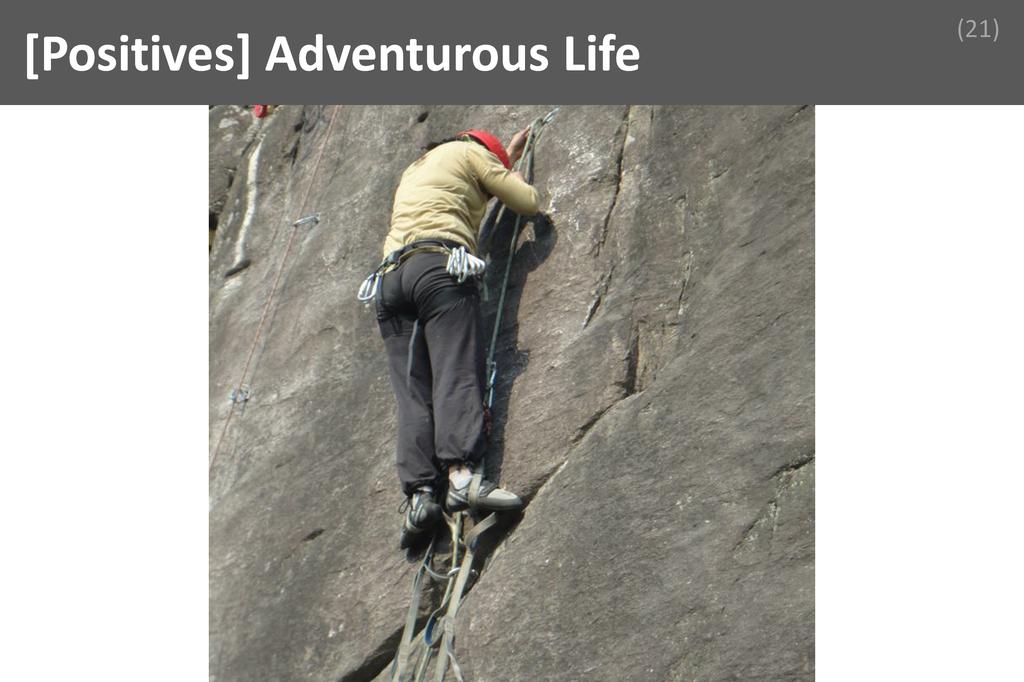
An "Adventurous Life" is a dynamic existence filled with exploration, uncertainty, and the thrill of overcoming challenges in unfamiliar environments. It involves embracing risk, seeking new experiences, and constantly pushing personal boundaries. In mountaineering, this spirit fuels passion, resilience, and growth, making every ascent a journey of self-discovery and achievement.
The adventurous life is a cornerstone of mountaineering, transforming each day into an opportunity for excitement and personal evolution. This aspect matters because it keeps the profession vibrant and deeply satisfying, preventing monotony and fostering a sense of purpose. Mountaineers thrive on the unpredictability of their work, which demands adaptability and courage. The constant exposure to new terrains, cultures, and physical challenges leads to continuous learning and self-improvement. This environment not only boosts job satisfaction but also encourages professional growth, as climbers develop problem-solving skills and mental fortitude. The adventurous life ensures that mountaineers are always engaged, motivated, and inspired, making their careers uniquely fulfilling.
Imagine a mountaineer setting out before dawn to summit a remote peak in the Himalayas. As the sun rises, painting the snow-capped mountains in golden hues, the climber navigates icy ridges and unpredictable weather. Each step is a blend of calculated risk and exhilaration, demanding focus and adaptability. Along the way, the mountaineer encounters breathtaking vistas, rare wildlife, and the camaraderie of fellow adventurers. The sense of accomplishment upon reaching the summit, after overcoming physical and mental obstacles, is profound. This real-world experience exemplifies how an adventurous life in mountaineering delivers daily fulfillment, unforgettable memories, and a deep connection to the world’s wildest places.
Monetary Potential

Monetary Potential refers to the capacity of a profession to provide significant financial rewards, both through direct earnings and additional income opportunities. In mountaineering, this means the possibility to earn a lucrative living by guiding expeditions, offering training, writing, or engaging in adventure tourism, which enhances the profession’s appeal and sustainability.
The monetary potential in mountaineering is a powerful motivator that elevates the profession beyond mere passion or adventure. Knowing that their expertise and dedication can translate into substantial financial rewards, mountaineers are inspired to hone their skills and pursue excellence. This financial incentive not only boosts job satisfaction but also encourages long-term commitment and professional growth. As mountaineers see their efforts rewarded through higher earnings, sponsorships, and diverse income streams, they gain confidence in the viability of their career choice. The daily experience of financial security and the ability to support their lifestyle through their passion creates a fulfilling and motivating work environment, making the challenges of the profession even more worthwhile.
Consider a seasoned mountaineer who has built a reputation for leading successful expeditions on challenging peaks. Through years of dedication, this professional now commands premium fees for guiding international clients, conducts specialized training workshops, and collaborates with outdoor brands for sponsorship deals. Each expedition not only brings the thrill of adventure but also substantial financial rewards, allowing the mountaineer to invest in better equipment, travel, and personal development. The steady stream of income from multiple sources provides peace of mind and the freedom to pursue new projects. This tangible monetary potential transforms the mountaineer’s passion into a sustainable and prosperous career, demonstrating the profound impact of financial opportunity in this exhilarating field.
Physical and Mental Agility
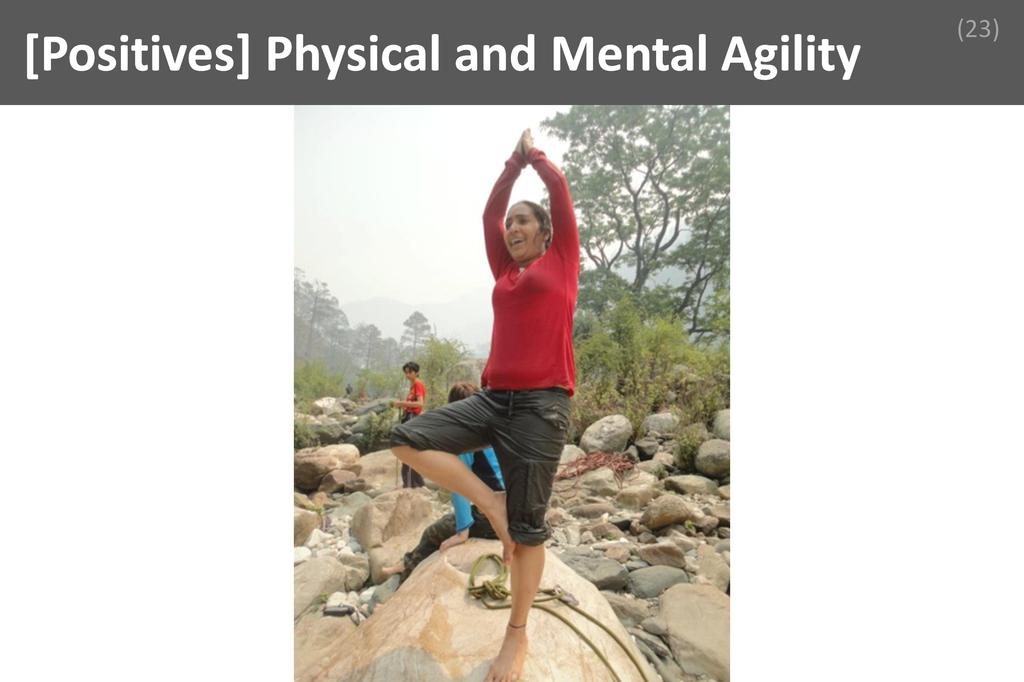
Physical and Mental Agility is the harmonious blend of bodily strength, flexibility, quick reflexes, and the ability to think clearly, adapt, and solve problems under pressure. In mountaineering, this dual agility empowers climbers to navigate unpredictable terrains and make swift, life-saving decisions, ensuring both safety and success.
The cultivation of physical and mental agility is a cornerstone of satisfaction and growth in a mountaineering career. Every ascent challenges the body and mind, demanding resilience, adaptability, and sharp focus. This constant engagement keeps the work dynamic and invigorating, fostering a deep sense of accomplishment. As mountaineers overcome obstacles and adapt to rapidly changing conditions, they develop confidence and self-reliance that extend beyond the mountains. The daily experience of pushing personal limits and mastering new skills not only enhances professional expertise but also creates a profound connection to nature and a supportive community of like-minded adventurers. This ongoing journey of growth and discovery is a key reason why mountaineering is so deeply rewarding.
Imagine a mountaineer leading a team up a remote, icy ridge when an unexpected storm rolls in. The climber must quickly assess the situation, recalibrate the route, and communicate new plans to the group—all while navigating treacherous footing and battling fatigue. In these moments, physical agility allows for swift, precise movements over unstable ground, while mental agility ensures calm, clear-headed decision-making under stress. Successfully guiding the team to safety, the mountaineer experiences a surge of fulfillment, knowing that their honed abilities made the difference. This real-world scenario highlights how physical and mental agility not only safeguard lives but also provide a deep sense of purpose and achievement in the profession.
Challenges
High Risk
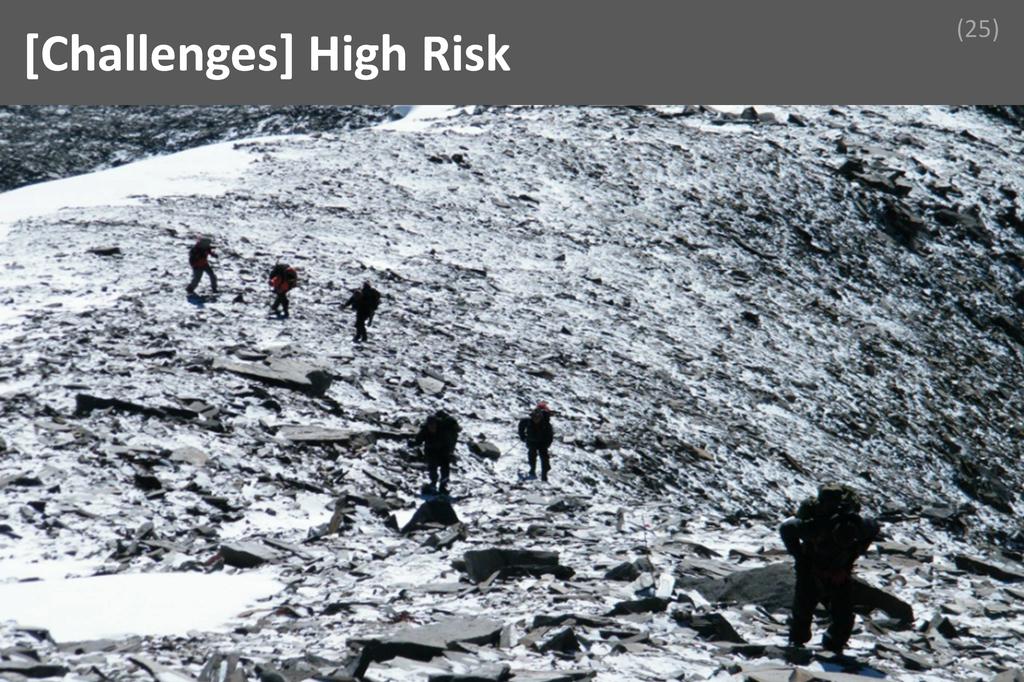
High Risk in mountaineering refers to the constant exposure to potentially life-threatening situations such as avalanches, falls, extreme weather, and altitude sickness. This challenge is demanding because it requires split-second decision-making, unwavering focus, and the ability to manage fear, all while operating in unpredictable and often hostile environments.
The presence of high risk in mountaineering profoundly shapes daily routines, influencing every decision from route selection to equipment checks. Professionals must remain vigilant, as even minor oversights can have severe consequences. This environment demands exceptional resilience, both mentally and physically, as climbers must cope with stress, fatigue, and the ever-present possibility of danger. Successful mountaineers manage these constraints by investing in rigorous training, continually updating their technical skills, and maintaining a strong awareness of their surroundings. They also foster a culture of open communication within their teams, ensuring that everyone is prepared to respond swiftly to emergencies. By embracing a mindset of preparedness and adaptability, professionals can navigate high-risk situations with greater confidence and safety.
Consider a mountaineer leading an expedition on a notoriously unstable glacier. Midway through the ascent, shifting weather patterns signal an increased avalanche risk. Drawing on experience and training, the leader quickly assesses the situation, communicates the danger to the team, and decides to alter the route, prioritizing safety over summit ambitions. The group moves to a safer path, setting up camp in a protected area until conditions improve. This decision, though difficult, demonstrates the professional’s ability to manage high risk by balancing ambition with caution, relying on expertise, and fostering trust within the team. Ultimately, the expedition’s success is measured not just by reaching the summit, but by ensuring everyone’s safe return.
Physically Fit
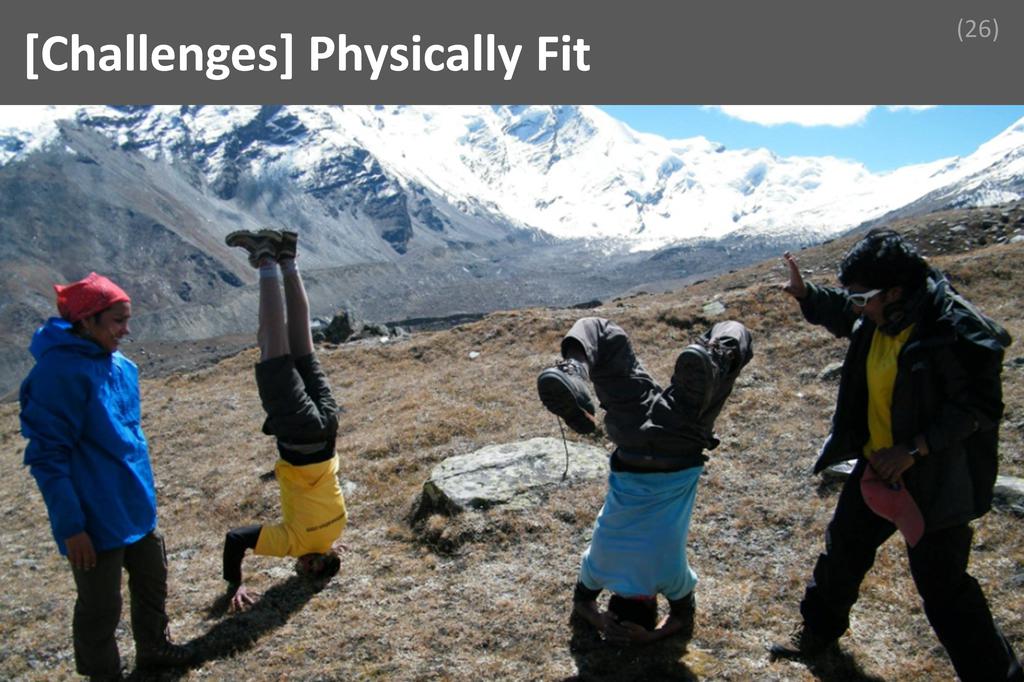
In mountaineering, being physically fit means possessing the strength, endurance, flexibility, and cardiovascular capacity required to tackle steep ascents, unpredictable weather, and high altitudes. This level of fitness is demanding because it involves sustained exertion, carrying heavy loads, and adapting to rapidly changing environments, often under extreme physical stress.
The challenge of maintaining physical fitness in mountaineering directly impacts a professional’s ability to perform daily tasks such as climbing, setting up camps, and ensuring personal safety. Fatigue, muscle strain, and altitude sickness can quickly compromise decision-making and increase the risk of accidents. This difficulty demands resilience, as climbers must consistently train, recover, and adapt to new physical demands. Successful professionals manage this constraint by integrating rigorous training regimens, focusing on both aerobic and strength conditioning, and prioritizing rest and nutrition. They also listen to their bodies, adjusting their pace and workload to prevent injury and optimize performance, which allows them to sustain high levels of activity over extended periods.
Consider a professional mountaineer preparing for an ascent of a Himalayan peak. Months before the expedition, she commits to a structured training program that includes long-distance running, weightlifting, and simulated climbs with a loaded backpack. During the expedition, she carefully monitors her energy levels, takes regular hydration breaks, and adjusts her pace to accommodate the thinning air. When faced with a particularly grueling section of the climb, she draws on her training and mental discipline to push through fatigue without compromising safety. By maintaining her physical fitness and listening to her body’s signals, she successfully reaches the summit and safely descends, demonstrating how preparation and self-awareness can overcome the formidable challenge of staying physically fit in mountaineering.
Unhygienic Living Conditions

Unhygienic living conditions in mountaineering refer to environments where access to clean water, sanitation, and personal cleanliness is severely limited due to harsh weather, remote locations, and minimal facilities. This challenge is demanding because it increases the risk of illness, discomfort, and distraction, directly impacting safety and performance on expeditions.
Unhygienic living conditions can significantly affect a mountaineer’s daily routine, leading to increased vulnerability to infections, reduced morale, and impaired physical performance. The inability to maintain basic hygiene can cause skin issues, gastrointestinal problems, and fatigue, all of which threaten the success of an expedition. Overcoming this challenge requires resilience, adaptability, and proactive planning. Successful professionals manage these constraints by prioritizing essential hygiene practices, such as using hand sanitizers, managing waste responsibly, and rationing clean water for critical needs. They also mentally prepare for discomfort, focusing on the larger goal and maintaining discipline in their routines. By accepting the inevitability of some discomfort and improvising with available resources, mountaineers can minimize health risks and maintain their effectiveness in extreme environments.
During a multi-week ascent of a remote Himalayan peak, a professional mountaineer faced persistent snowstorms that made setting up proper sanitation facilities impossible. Despite the lack of running water and the accumulation of waste near camp, she implemented strict routines: using alcohol-based wipes for personal cleaning, designating specific areas for waste disposal, and boiling snow for drinking water. She also encouraged her team to follow these practices, fostering a culture of mutual responsibility. By maintaining these standards, the group avoided illness and preserved morale, allowing them to focus on the climb. This disciplined approach to hygiene, even in the face of adversity, was crucial to the expedition’s ultimate success.
Physical Injuries

Physical injuries in mountaineering refer to bodily harm such as sprains, fractures, cuts, frostbite, or altitude-related trauma sustained during climbing activities. These injuries are demanding because they can occur suddenly in remote, harsh environments, often far from immediate medical help, and can jeopardize both personal safety and expedition success.
Physical injuries profoundly affect a mountaineer’s daily work by limiting mobility, reducing strength, and increasing vulnerability to environmental hazards. The unpredictable nature of injuries demands exceptional resilience, as professionals must adapt quickly to pain, restricted movement, and the psychological stress of potential evacuation or mission failure. Successful mountaineers manage these constraints through rigorous physical preparation, ongoing risk assessment, and mastery of first aid techniques. They cultivate mental fortitude to remain calm under pressure and make critical decisions, such as whether to continue or retreat. By fostering teamwork and clear communication, they ensure that injuries are addressed promptly and that the group’s safety remains the top priority, allowing for recovery and the possibility of future climbs.
Consider a professional mountaineer who suffers a severe ankle sprain while descending a glacier. Despite intense pain and swelling, the climber immediately applies a compression bandage and uses trekking poles to redistribute weight, preventing further injury. Drawing on prior training, the mountaineer communicates the situation to teammates, who adjust the pace and share equipment loads. The group collaboratively navigates the challenging terrain, ensuring the injured climber remains stable and safe. Upon reaching base camp, the mountaineer follows a strict regimen of rest, elevation, and icing, allowing for gradual recovery. This scenario highlights how preparedness, teamwork, and adaptability enable professionals to overcome physical injuries and continue pursuing their mountaineering goals.
Presence of Mind

Presence of Mind in mountaineering refers to the ability to remain calm, focused, and make quick, rational decisions under extreme pressure and unpredictable conditions. This mental state is demanding because high altitudes, harsh weather, and physical exhaustion constantly challenge a climber’s judgment, requiring unwavering alertness and adaptability to ensure safety.
The challenge of maintaining presence of mind deeply affects a mountaineer’s daily work, as every decision can have life-altering consequences. Fatigue, altitude sickness, and environmental hazards can cloud judgment, making it difficult to stay composed. This difficulty demands exceptional resilience, as climbers must continually manage stress and uncertainty. Successful professionals develop mental discipline through rigorous training, simulation of emergency scenarios, and mindfulness practices. They also rely on clear communication and trust within their teams to distribute cognitive load and maintain collective awareness. By fostering these habits, mountaineers can better navigate the unpredictable nature of their environment, ensuring that their responses remain measured and effective even in the most challenging moments.
During a sudden whiteout on a Himalayan ascent, a seasoned mountaineer found herself and her team disoriented and unable to see more than a few feet ahead. Instead of panicking, she drew on her training to calmly assess their position, recall the route, and communicate clearly with her teammates. She instructed everyone to halt, conserve energy, and wait for the weather to clear, rather than risk a dangerous descent. Her ability to maintain presence of mind under pressure prevented potentially fatal errors, kept morale steady, and ultimately ensured the team’s safe return once visibility improved. This scenario highlights how presence of mind, when cultivated and applied, can be the difference between disaster and survival in mountaineering.
A Day Of
Mountaineering
Long before the world’s office lights flicker on, mountaineering professionals are already awake, their day dictated not by the ticking of a clock, but by the rhythm of the mountains themselves. The air is crisp, the terrain unpredictable, and every decision can mean the difference between triumph and peril. In this world, the desk is replaced by a rocky outcrop, and the daily commute involves traversing glaciers, scaling ridges, and guiding others through nature’s most demanding classroom. Each day unfolds as a blend of meticulous preparation, physical endurance, and split-second judgment, all set against a backdrop of breathtaking vistas and ever-changing weather.
As the first hints of dawn color the horizon, a mountaineering professional begins the day with a thorough review of weather reports, route conditions, and client readiness. Equipment is double-checked in the dim light—ropes, harnesses, crampons, and emergency gear all meticulously inspected for any sign of wear or malfunction. There’s a quiet intensity in these moments, as the team gathers for a final briefing, reviewing the day’s objectives and safety protocols. Every detail matters, because once the ascent begins, there’s little room for error.
With the sun now cresting the peaks, the core work begins: leading clients up challenging terrain, navigating crevasses, and managing the group’s pace and morale. The mountain demands constant vigilance, as conditions can shift rapidly from serene to hazardous. Communication is key, whether it’s signaling across a wind-swept ridge or offering encouragement to a nervous climber. The physical and mental demands are immense, requiring not only technical expertise but also the ability to make quick, sound decisions under pressure.
By early afternoon, the group often approaches the most critical phase of the climb—reaching the summit or tackling the most technical sections. Here, the mountaineering professional’s role shifts to hands-on coaching, rope management, and real-time problem-solving. Collaboration is essential, as each team member’s safety depends on mutual trust and clear communication. The guide monitors everyone’s condition, adjusts plans as needed, and ensures that the group moves efficiently while respecting the mountain’s limits.
As the day winds down and the team descends to base camp or a safe resting point, the focus turns to debriefing and recovery. The mountaineering professional reviews the day’s events, noting successes and areas for improvement. Equipment is cleaned and stored, incident reports are written, and plans for the next day are discussed with both clients and support staff. This is also a time for reflection, research on upcoming routes, and ensuring that every detail is in place for another demanding day on the mountain. The work may be physically exhausting, but the sense of accomplishment and anticipation for tomorrow’s challenges keeps the spirit alive. |


 Home
Home Abroad
 Plan
Plan Philosophy
 Seminar
 Pages
Pages Advisors
 Testimonials














 Workshop
 Discuss
 Meet
Meet
 Advisor
 Story
Story
 Fine Print
 Links
Links
 Blog
Blog
 Follow
