The Journey of Motorcycling
What Is Motorcycling

Motorcycling
Motorcycling is the practice and profession of riding, racing, or performing stunts on motorcycles, often involving specialized skills, technical knowledge, and a passion for two-wheeled vehicles. It encompasses various disciplines, including road racing, motocross, touring, and stunt riding, offering both recreational enjoyment and professional career opportunities.
Motorcycling plays a significant role in the lives of professionals who pursue it as a career, offering a unique blend of excitement, skill development, and community engagement. It fosters a deep understanding of mechanics and vehicle dynamics, which can lead to innovation in motorcycle design and safety. The profession also provides opportunities for travel and cultural exchange, as riders often participate in international events and competitions. Additionally, motorcycling can be a source of personal fulfillment and mental resilience, as it requires focus, discipline, and adaptability. These benefits contribute to a rewarding and dynamic career path for those passionate about motorcycles and the lifestyle they represent.
A professional motorcycle racer exemplifies how motorcycling can be a full-time career. This individual spends countless hours training on various tracks, working closely with mechanics to fine-tune their bike for optimal performance. They travel to national and international competitions, representing sponsors and teams, and constantly analyze their riding techniques to gain a competitive edge. Off the track, they engage with fans, participate in promotional events, and sometimes mentor aspiring riders. Through dedication and expertise, the racer not only achieves personal milestones but also contributes to the advancement of motorcycling as a sport and industry, inspiring others to pursue similar paths.
Education
Basic Rider Course

The Basic Rider Course is a structured training program designed to teach fundamental motorcycle operation, safety, and traffic strategies to new and returning riders. It serves as an essential academic and professional foundation, equipping individuals with the core competencies necessary for safe and responsible motorcycling in both personal and professional contexts.
Understanding the Basic Rider Course is crucial for anyone preparing for or working in the field of motorcycling. This course imparts essential knowledge about motorcycle controls, safe riding techniques, risk management, and defensive driving strategies. Mastery of these concepts is not only vital for personal safety but also forms the bedrock of professional credibility in the industry. For motorcycle instructors, mechanics, or delivery riders, a solid grasp of these principles ensures compliance with legal standards and enhances their ability to mentor others or operate efficiently. Over time, this foundational knowledge fosters a culture of safety, reduces accident rates, and opens doors to advanced certifications and career advancement within the motorcycling sector.
Consider a motorcycle instructor working at a training center who relies daily on their understanding of the Basic Rider Course. When teaching new riders, the instructor demonstrates proper mounting, starting, and maneuvering techniques, emphasizing the importance of situational awareness and risk avoidance. If a student struggles with emergency braking, the instructor draws upon their theoretical knowledge to break down the process, offering step-by-step guidance and corrective feedback. This practical application not only helps students gain confidence and competence but also reinforces the instructor’s role as a safety advocate. By consistently applying the principles learned in the Basic Rider Course, the professional ensures a safer riding environment for all participants.
Technical Knowledge

Technical Knowledge refers to the understanding of mechanical principles, systems, and processes that govern the operation, maintenance, and repair of motorcycles. In the context of Motorcycling, it encompasses both theoretical and practical insights, forming a crucial part of the academic and professional foundation required for safe, efficient, and effective performance in the field.
Developing a strong grasp of Technical Knowledge is essential for anyone preparing for or working in Motorcycling because it underpins every aspect of the profession. This subject equips individuals with the ability to diagnose mechanical issues, perform routine maintenance, and optimize motorcycle performance. By mastering these concepts, professionals can ensure safety, reduce the risk of accidents, and extend the lifespan of motorcycles. Furthermore, a deep understanding of technical principles fosters innovation and adaptability, enabling professionals to keep pace with evolving technologies and industry standards. Over the long term, this expertise not only enhances job performance but also opens doors to advanced roles, such as technical trainers, service managers, or specialists in high-performance or electric motorcycles.
Consider a motorcycle technician working in a busy service center. Each day, they encounter a variety of issues, from engine misfires to braking problems. Drawing on their technical knowledge, the technician systematically diagnoses the root cause of a persistent engine stalling issue by analyzing fuel delivery, ignition timing, and electronic control systems. Their theoretical understanding allows them to interpret diagnostic codes, assess component wear, and apply manufacturer specifications to resolve the problem efficiently. This application of technical knowledge ensures that the motorcycle is returned to the customer in optimal condition, reinforcing safety and reliability. Through such daily operations, the technician’s expertise not only solves immediate problems but also builds trust and reputation within the motorcycling community.
Social Media

Social media refers to digital platforms and applications that enable users to create, share, and interact with content and communities online. In the context of Motorcycling, social media is an essential tool for communication, networking, brand building, and staying updated with industry trends, making it crucial for academic and professional growth.
Understanding social media is vital for anyone preparing for or working in the motorcycling industry because it serves as a primary channel for marketing, community engagement, and information dissemination. Professionals who master social media can effectively promote events, products, and services, while also building a loyal following and engaging with enthusiasts worldwide. This knowledge forms a foundational skill set, as the industry increasingly relies on digital presence to reach broader audiences and foster brand loyalty. Long-term, proficiency in social media can open doors to new career opportunities, enhance personal branding, and ensure professionals remain competitive and relevant in a rapidly evolving digital landscape.
A professional working for a motorcycle dealership leverages their understanding of social media by creating engaging posts about new bike arrivals, sharing maintenance tips, and broadcasting live events such as demo rides or customer appreciation days. By interacting with followers, answering questions, and responding to feedback, they build a vibrant online community that translates into increased showroom visits and sales. Their ability to analyze engagement metrics allows them to refine their content strategy, ensuring they reach the right audience with the most relevant information. This daily application of social media theory not only boosts the dealership’s visibility but also strengthens customer relationships and drives business growth.
Skills
Leadership Skills

Leadership skills refer to the ability to guide, motivate, and inspire individuals or teams toward achieving common goals, while effectively making decisions and managing challenges. In the world of motorcycling, these skills are crucial for coordinating group rides, leading teams in competitions, and ensuring safety and cohesion among riders.
Leadership skills directly enhance performance in motorcycling by fostering clear communication, trust, and strategic decision-making within a team or group. Employers and clients highly value these abilities because they ensure that projects, events, or rides are conducted smoothly, safely, and efficiently. A motorcycling professional with strong leadership skills can manage diverse personalities, resolve conflicts, and adapt to changing circumstances on the road or track. Cultivating leadership skills involves seeking opportunities to take initiative, learning from experienced mentors, and reflecting on both successes and setbacks. Over time, consistent practice in real-world situations, combined with feedback and self-assessment, helps individuals refine their leadership approach and become more effective in guiding others.
Imagine a professional motorcyclist leading a group ride through challenging terrain when unexpected severe weather hits. The leader quickly assesses the situation, communicates a revised route to avoid danger, and ensures every rider understands the new plan. By maintaining calm and providing clear instructions, the leader keeps the group organized and motivated, preventing panic and potential accidents. After safely reaching a rest stop, the leader checks on each rider’s well-being and gathers feedback to improve future rides. This scenario highlights how strong leadership skills enable a motorcycling professional to navigate unforeseen challenges, prioritize safety, and maintain group morale, ultimately achieving a successful and safe outcome for everyone involved.
Sincerity

Sincerity is the genuine and honest expression of thoughts, intentions, and actions, free from deceit or pretense. In the context of motorcycling, sincerity means being truthful about one’s abilities, transparent in communication, and committed to safety and integrity. This quality builds trust and reliability within the motorcycling community.
Sincerity directly enhances performance in motorcycling by fostering open communication and mutual respect among riders, mechanics, and clients. When a professional is sincere, they are more likely to admit mistakes, seek help when needed, and provide honest feedback about equipment or riding conditions. Employers and clients value this trait because it ensures that safety concerns are addressed promptly and that expectations are managed realistically. To cultivate sincerity, one should practice self-reflection, prioritize honest communication, and consistently align actions with stated values. Over time, this approach not only strengthens professional relationships but also contributes to a culture of trust and accountability, which is vital in the high-risk environment of motorcycling.
Imagine a motorcycle technician who discovers a critical flaw during a routine inspection before a major race. Instead of downplaying the issue to avoid extra work or disappointing the rider, the technician sincerely communicates the problem and its potential risks. This honesty allows the team to make an informed decision, possibly preventing an accident and ensuring the rider’s safety. The rider and team come to trust the technician’s judgment, knowing that their well-being is always prioritized over convenience or reputation. In this scenario, sincerity not only resolves a critical issue but also strengthens the professional bond and upholds the standards of the motorcycling profession.
Adopatibility

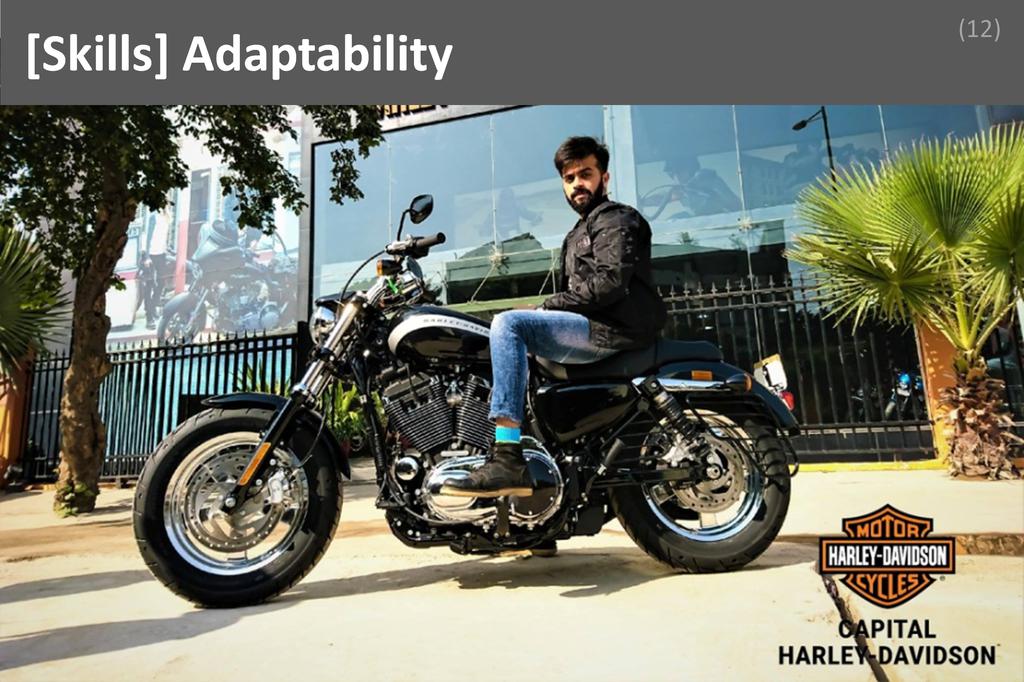
Adopatibility is the ability to swiftly adjust to new environments, technologies, and challenges while maintaining a positive and proactive mindset. In the world of motorcycling, this skill enables professionals to respond effectively to changing road conditions, evolving industry standards, and unexpected mechanical issues, ensuring safety and consistent performance.
Adopatibility directly enhances a motorcycling professional’s performance by allowing them to remain effective in unpredictable situations, such as sudden weather changes or mechanical failures during a ride. Clients and employers highly value this skill because it demonstrates reliability and resilience, ensuring that projects or journeys are completed regardless of obstacles. Cultivating adopatibility involves embracing continuous learning, seeking feedback, and exposing oneself to diverse riding conditions and technologies. Over time, professionals who prioritize this skill become more resourceful and confident, able to handle the dynamic nature of the motorcycling industry and deliver exceptional results under pressure.
Imagine a professional motorcycle tour guide leading a group through mountainous terrain when an unexpected landslide blocks the planned route. Relying on adopatibility, the guide quickly assesses alternative paths, communicates changes to the group, and adjusts the itinerary to ensure safety and enjoyment. By staying calm and resourceful, the guide not only overcomes the immediate challenge but also earns the trust and appreciation of the clients. This scenario highlights how adopatibility enables motorcycling professionals to navigate unforeseen obstacles, maintain high standards of service, and turn potential setbacks into opportunities for success.
Team Cordination

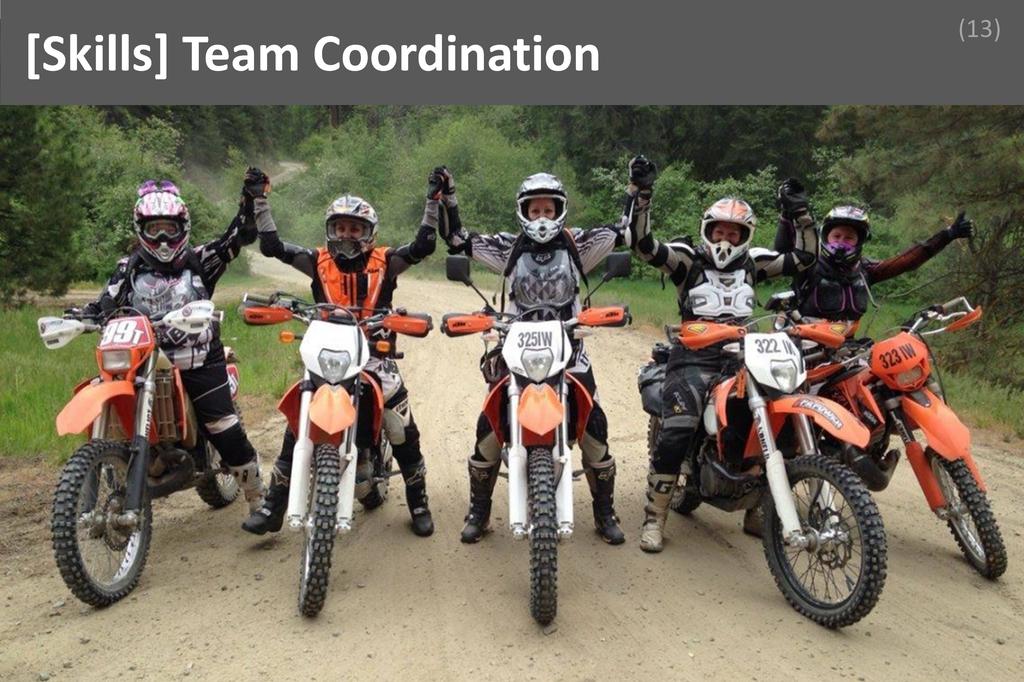
Team Cordination is the ability to effectively synchronize actions, communication, and responsibilities among all members of a group to achieve shared objectives. In motorcycling, this skill ensures that riders, mechanics, strategists, and support staff work seamlessly together, maximizing safety, efficiency, and performance on and off the track. Team Cordination is a cornerstone of success in the high-stakes environment of professional motorcycling, where split-second decisions and flawless execution can make the difference between victory and defeat.
Mastering Team Cordination directly enhances performance by fostering trust, minimizing errors, and enabling quick adaptation to changing circumstances. Employers and clients highly value this skill because it leads to smoother operations, fewer misunderstandings, and better overall results. In motorcycling, where every team member’s role is crucial, effective coordination ensures that technical adjustments, race strategies, and safety protocols are executed without delay or confusion. Developing this skill involves regular practice in clear communication, active listening, and mutual respect. Over time, participating in team meetings, debriefs, and collaborative problem-solving sessions helps individuals refine their ability to anticipate needs, delegate tasks appropriately, and maintain focus on collective goals.
Imagine a professional motorcycle racer experiencing unexpected engine trouble during a critical race. The rider immediately communicates the issue to the pit crew, who quickly analyze telemetry data and prepare necessary tools and replacement parts. Meanwhile, the team manager coordinates with race officials to ensure a safe and efficient pit stop. Thanks to seamless Team Cordination, the pit crew executes the repair in record time, allowing the rider to rejoin the race with minimal delay. This collaborative effort not only salvages the race but also demonstrates how synchronized teamwork can overcome high-pressure challenges and drive success in the competitive world of motorcycling.
Positives
Mental Peace

Mental Peace is a state of inner calm, emotional balance, and clarity of mind, free from anxiety, stress, and distraction. It allows individuals to remain focused, resilient, and content, even in challenging situations. In motorcycling, mental peace nurtures confidence, sharpens awareness, and fosters a deep sense of fulfillment and purpose.
Mental peace is a cornerstone of satisfaction and longevity in a motorcycling career. The unique blend of focus, freedom, and connection with the road helps riders shed daily stresses and immerse themselves in the present moment. This tranquility not only enhances concentration and safety but also fuels creativity and passion for the craft. Professionals who experience mental peace are more likely to find joy in their work, maintain motivation, and build meaningful relationships within the motorcycling community. Over time, this positive mindset leads to greater job satisfaction, personal growth, and a resilient attitude toward challenges, making the journey as rewarding as the destination.
Consider a professional motorcycle instructor who spends long hours guiding new riders. After a demanding day, they take their own bike out for a solitary ride through winding country roads. The rhythmic hum of the engine, the gentle breeze, and the open landscape create a meditative experience. In these moments, the instructor feels worries and fatigue melt away, replaced by a profound sense of calm and clarity. This mental peace not only rejuvenates their spirit but also deepens their love for motorcycling, reminding them why they chose this path. The next day, they return to their students with renewed energy, patience, and enthusiasm, ready to inspire others with the same sense of tranquility and joy.
Adventours

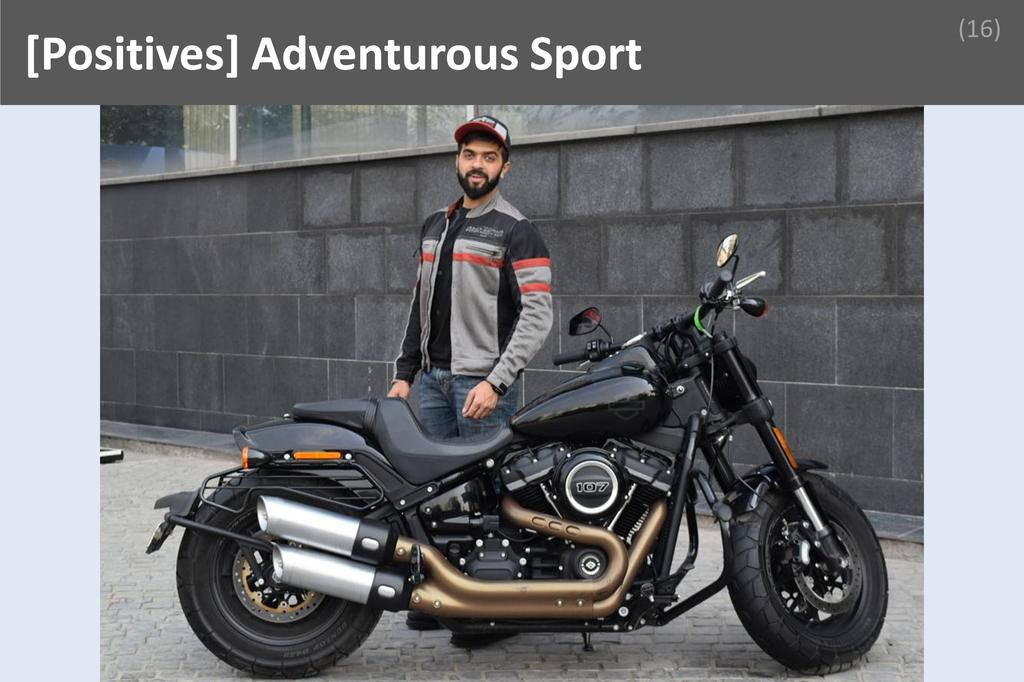
Adventours refers to the unique blend of adventure and touring that motorcycling professionals experience as they travel to new destinations, explore diverse terrains, and immerse themselves in different cultures while working. This dynamic aspect transforms routine work into exhilarating journeys, fostering personal growth, excitement, and a deep connection with the world.
The Adventours aspect of a motorcycling career is a powerful motivator, infusing each day with anticipation and purpose. It elevates job satisfaction by turning travel into an integral part of the profession, allowing riders to break free from monotony and embrace new challenges. This constant exposure to unfamiliar environments sharpens adaptability, problem-solving skills, and resilience. As professionals navigate scenic routes, interact with local communities, and discover hidden gems, they develop a profound appreciation for the world’s diversity. The sense of freedom and accomplishment gained from Adventours not only enhances personal fulfillment but also fuels professional growth, making every journey a source of inspiration and learning.
Imagine a motorcycle tour guide leading a group through the winding roads of the Himalayas. Each day brings breathtaking vistas, unpredictable weather, and encounters with local villagers eager to share their stories. The guide’s role extends beyond navigation; it involves fostering camaraderie, ensuring safety, and adapting to ever-changing conditions. Through these Adventours, the guide experiences a deep sense of achievement and connection, both with the riders and the environment. The thrill of discovery, the satisfaction of overcoming obstacles, and the joy of sharing unforgettable moments with others exemplify how Adventours transforms a motorcycling career into a truly rewarding and life-enriching journey.
Exposure

Exposure in motorcycling refers to the continuous interaction with diverse environments, people, cultures, and experiences that riders and professionals encounter through their journeys and work. This dynamic engagement broadens perspectives, enhances adaptability, and fosters personal and professional growth, making exposure a vital and enriching aspect of a career in motorcycling.
Exposure is a cornerstone of satisfaction and advancement in the motorcycling profession because it constantly introduces individuals to new challenges, ideas, and opportunities. Whether traveling to different regions, meeting fellow enthusiasts, or adapting to various terrains and weather conditions, professionals in this field are always learning and evolving. This constant influx of new experiences keeps the work exciting and prevents stagnation, fueling a sense of adventure and curiosity. The connections formed and knowledge gained through exposure often lead to career growth, as professionals become more versatile and open-minded. Daily, this benefit is felt in the form of increased confidence, broader networks, and a deeper appreciation for the diversity within the motorcycling community.
Imagine a motorcycle tour guide who leads groups across international borders. Each trip brings exposure to new landscapes, languages, and customs, requiring the guide to adapt and communicate effectively with people from all walks of life. This exposure not only sharpens their professional skills but also enriches their personal worldview. The guide returns from each journey with fresh stories, new friendships, and a deeper understanding of global cultures. This ongoing cycle of learning and connection makes their career deeply fulfilling, as every day offers a chance to grow, inspire others, and experience the world in ways few other professions can provide.
Connecting with Nature

Connecting with Nature means immersing oneself in the sights, sounds, and sensations of the natural world, fostering a deep appreciation for landscapes, weather, and wildlife. In motorcycling, this connection enhances the experience by allowing riders to feel the environment directly, making each journey more vivid, memorable, and personally meaningful.
The opportunity to connect with nature is a profound benefit for those pursuing a career in motorcycling. This aspect matters because it transforms routine travel into an adventure, infusing daily work with excitement and wonder. Exposure to changing scenery and fresh air can reduce stress, boost creativity, and improve mental well-being. Professionals in this field often find that their workdays are filled with moments of awe and inspiration, whether riding through mountain passes, coastal roads, or forest trails. This ongoing interaction with nature not only increases job satisfaction but also fosters a sense of freedom and personal growth, making the profession more fulfilling and sustainable over time.
Imagine a professional motorcycle tour guide leading a group through winding country roads at sunrise. As the mist lifts from the fields and the golden light filters through the trees, the guide feels a profound sense of connection to the world around them. The rhythmic hum of the engine blends with birdsong and the scent of wildflowers, creating a sensory experience that is both grounding and exhilarating. This daily immersion in nature not only energizes the guide but also allows them to share the beauty and serenity of the outdoors with others, turning each ride into a memorable journey and reinforcing their passion for the profession.
Challenges
Fitness

Fitness in motorcycling refers to the physical and mental conditioning required to handle the intense demands of riding, controlling, and maneuvering a motorcycle at high speeds or over long distances. It is demanding because it requires strength, endurance, flexibility, and sharp focus to maintain safety, performance, and consistency under pressure.
The challenge of fitness in motorcycling impacts daily work by pushing riders to their physical and mental limits, often leading to fatigue, slower reaction times, and increased risk of injury. This difficulty demands resilience, as professionals must maintain peak performance during long races or extended rides, often in harsh weather or challenging terrain. Successful motorcyclists manage this constraint by integrating structured fitness routines, focusing on cardiovascular health, core strength, and flexibility. They also prioritize recovery, nutrition, and mental conditioning to ensure sustained concentration and quick reflexes. By treating fitness as a non-negotiable aspect of their profession, they build the stamina and focus needed to excel, reduce injury risk, and maintain a competitive edge.
Consider a professional road racer preparing for a grueling multi-stage event. Recognizing the physical toll of hours spent on the bike, the racer commits to a comprehensive training regimen months in advance. This includes daily cardiovascular workouts, targeted strength training for the core and legs, and regular flexibility exercises to prevent cramps and injuries. The racer also works with a sports nutritionist to optimize diet and hydration, ensuring energy levels remain high throughout each stage. During the event, the racer practices mindfulness techniques to stay mentally sharp and manages rest periods effectively. By prioritizing fitness in every aspect of preparation and execution, the racer not only completes the event but consistently performs at a high level, demonstrating the critical role fitness plays in professional motorcycling.
Weather Conditions

Weather conditions in motorcycling refer to the varying and often unpredictable elements such as rain, wind, heat, cold, and fog that riders encounter on the road. These factors are demanding because they directly impact visibility, traction, comfort, and safety, requiring constant adaptation and heightened awareness from professionals.
The challenge of weather conditions significantly affects the daily routines and performance of motorcycling professionals. Rain can reduce tire grip and visibility, while extreme heat or cold can cause discomfort and fatigue, impacting concentration and reaction times. Wind gusts may destabilize the motorcycle, and fog can obscure hazards. These difficulties demand resilience, adaptability, and a proactive mindset. Successful professionals mitigate these risks by investing in high-quality, weather-appropriate gear, maintaining their motorcycles meticulously, and continuously monitoring weather forecasts. They also develop advanced riding techniques to handle slippery or unstable surfaces and adjust their schedules or routes when necessary. By embracing preparation and flexibility, experienced riders turn weather adversity into an opportunity to demonstrate skill and professionalism.
Consider a professional motorcycle courier in a bustling city who faces a sudden downpour during peak delivery hours. Instead of postponing work, the rider dons waterproof gear, ensures their helmet visor is treated to repel water, and reduces speed to maintain control on slick roads. They choose routes with better drainage and less traffic, using their knowledge of the city to avoid flooded areas. Throughout the journey, the rider remains alert for sudden stops and potential hazards, communicating with clients about possible delays. By adapting their approach and prioritizing safety, the courier not only completes deliveries efficiently but also reinforces their reputation for reliability, even under challenging weather conditions.
Mental Pressure

Mental Pressure in motorcycling refers to the intense psychological strain riders experience due to high-speed decision-making, physical risk, and the constant demand for peak performance. This pressure is demanding because it requires unwavering focus, emotional control, and the ability to manage fear and expectations under extreme and unpredictable conditions.
Mental pressure in motorcycling can significantly affect a professional’s daily routine, influencing everything from reaction times to overall confidence on the track. The constant need to perform at the highest level, combined with the ever-present risk of injury, demands exceptional mental resilience. Riders must cope with the expectations of teams, sponsors, and fans, all while maintaining their own motivation and composure. Successful professionals often rely on mental conditioning techniques such as visualization, mindfulness, and controlled breathing to manage stress. They also benefit from strong support networks, including coaches and sports psychologists, who help them process setbacks and maintain focus. By developing these coping mechanisms, riders are better equipped to handle the relentless psychological demands of their sport.
Consider a professional motorcycle racer preparing for a championship race after a recent crash. The memory of the accident lingers, creating anxiety and self-doubt. However, through dedicated mental training, the rider uses visualization to replay successful laps and practices mindfulness to remain present during each moment on the bike. With guidance from a sports psychologist, the racer learns to reframe negative thoughts and focus on controllable factors, such as technique and strategy. On race day, despite the pressure and high stakes, the rider channels nervous energy into heightened awareness and delivers a strong performance. This scenario illustrates how mental pressure, though formidable, can be managed with deliberate psychological strategies and support.
A Day Of
Motorcycle Riding

The roar of engines and the scent of oil hang in the air as the sun rises over the paddock, signaling the start of another high-octane day in the world of professional motorcycling. Here, every second counts and precision is everything, whether you’re a racer, mechanic, or team manager. The pace is relentless, the environment charged with adrenaline and camaraderie, and the nature of the work demands both technical mastery and split-second decision-making. From the first spark of ignition to the final debrief, a day in motorcycling is a seamless blend of preparation, performance, and passion.
As dawn breaks, the team gathers in the garage, surrounded by gleaming bikes and stacks of gear. The early hours are dedicated to meticulous preparation: checking tire pressures, inspecting engines, and reviewing the day’s track conditions. Riders and crew huddle over data sheets, discussing strategy and making last-minute adjustments. This quiet intensity sets the tone for the day, ensuring that every detail is accounted for before the action begins.
By mid-morning, the atmosphere shifts from anticipation to full-throttle focus. Riders suit up and take to the track, pushing themselves and their machines to the limit during practice sessions or qualifying laps. Mechanics monitor telemetry in real time, ready to make rapid adjustments in the pit lane. The air is thick with concentration and the sound of engines at peak performance, as every member of the team works in perfect sync to chase the fastest lap times and optimal setups.
After the intensity of the morning, the afternoon is a time for collaboration and execution. The team regroups to analyze performance data, debrief on the morning’s sessions, and refine strategies for upcoming heats or races. Engineers and riders exchange insights, while support staff ensure equipment is in top condition. This phase is marked by problem-solving and teamwork, as everyone works together to overcome challenges and seize every competitive advantage.
As the day winds down, the garage buzzes with a different kind of energy. Bikes are stripped down for maintenance, parts are cleaned and cataloged, and detailed notes are logged for future reference. The team gathers for a final debrief, reviewing what went well and identifying areas for improvement. Administrative tasks are wrapped up, and plans are laid for the next day’s objectives. Even as the sun sets, the commitment to excellence never wavers, ensuring that tomorrow’s performance will be even stronger. |