The Journey of Trekking
What Is Trekking
Trekking
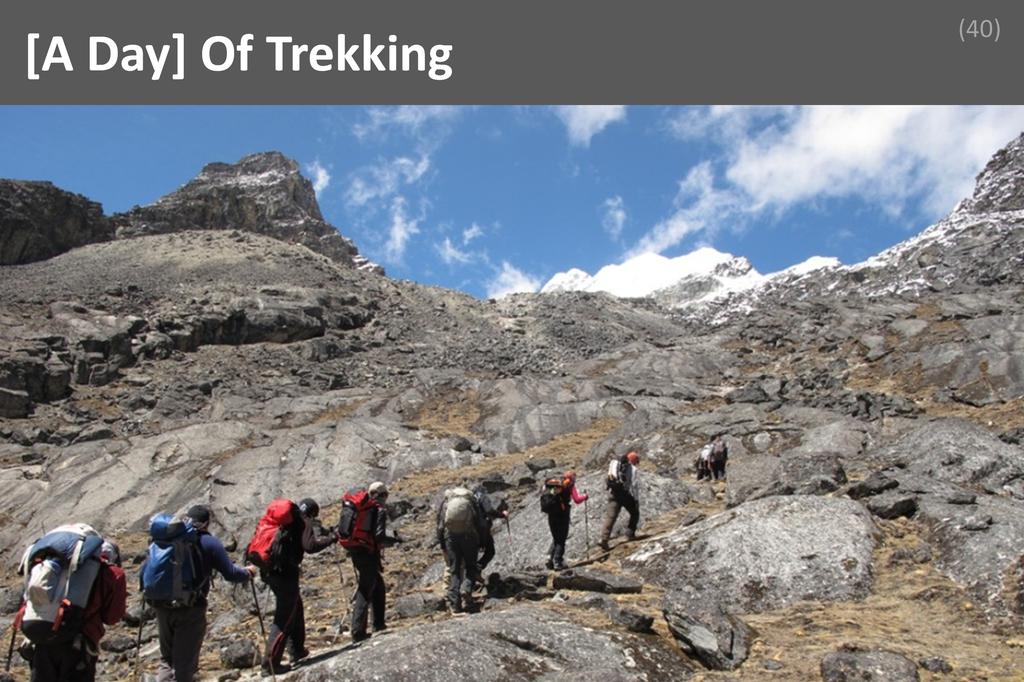
Trekking is a physically demanding outdoor activity that involves walking long distances, often on trails or paths in natural environments such as mountains, forests, or remote regions. It combines adventure, endurance, and exploration, offering participants the chance to experience diverse landscapes and cultures while challenging their physical and mental limits.
Trekking as a career holds significant importance for both individuals and communities. Professionals in this field, such as trekking guides and expedition leaders, play a crucial role in promoting sustainable tourism and environmental awareness. They help travelers safely navigate challenging terrains, fostering cross-cultural understanding and appreciation for nature. The benefits of a trekking career include personal growth through physical fitness and resilience, the opportunity to work in breathtaking natural settings, and the ability to inspire and educate others about conservation and responsible travel. These professionals often develop strong leadership and communication skills, making them valuable contributors to the outdoor and adventure tourism industry.
A professional trekking guide in Nepal might lead groups along the Annapurna Circuit, one of the world’s most renowned trekking routes. Their responsibilities include planning daily itineraries, ensuring the safety and well-being of trekkers, and sharing insights about local culture, flora, and fauna. They coordinate with local communities for accommodations and meals, manage emergencies such as altitude sickness, and foster a sense of camaraderie among participants. Through their expertise, they enable travelers to experience the region’s natural beauty and cultural richness while minimizing environmental impact. This hands-on role requires adaptability, deep knowledge of the terrain, and a passion for both adventure and education.
Education
Outdoor Medical

Outdoor Medical refers to the specialized field of medical knowledge and skills tailored for environments where conventional healthcare access is limited or unavailable, such as wilderness or remote trekking locations. It encompasses first aid, emergency response, and preventive care, forming a crucial part of the academic and professional toolkit for trekking practitioners.
Understanding Outdoor Medical is essential for anyone preparing for or working in trekking because it equips individuals with the ability to respond effectively to health emergencies far from traditional medical facilities. Mastery of this subject ensures that professionals can manage injuries, illnesses, and environmental hazards, safeguarding both their own well-being and that of their group. This foundational knowledge not only enhances personal confidence but also builds trust among clients and colleagues, which is vital in the trekking industry. Over the long term, proficiency in Outdoor Medical can open doors to advanced roles, such as expedition leadership or outdoor education, and demonstrates a commitment to safety and professionalism that is highly valued by employers and clients alike.
Imagine a trekking guide leading a group through a remote mountain trail when a participant suddenly experiences symptoms of altitude sickness. Drawing on their Outdoor Medical training, the guide quickly assesses the severity of the condition, administers appropriate first aid, and makes informed decisions about descent and evacuation. Their ability to remain calm and apply theoretical knowledge in a high-pressure situation not only prevents the condition from worsening but also reassures the group and maintains morale. This scenario highlights how Outdoor Medical expertise is not just theoretical, but a practical and indispensable asset in the daily operations of trekking professionals, directly impacting safety and the overall success of the expedition.
Altitude Knowledge

Altitude Knowledge refers to the comprehensive understanding of how elevation above sea level affects the human body, weather patterns, and environmental conditions. In trekking, it encompasses the science of acclimatization, altitude sickness prevention, and safe navigation. This knowledge is essential in both academic study and professional practice within the trekking industry.
Learning Altitude Knowledge is vital for anyone involved in trekking because it directly impacts safety, performance, and decision-making in high-altitude environments. Professionals must grasp how altitude influences physical health, such as the risks of acute mountain sickness, and how to recognize and respond to symptoms. This subject also covers the adaptation of trekking plans based on elevation changes, weather fluctuations, and the physiological needs of clients. Mastery of these concepts forms the foundation for responsible guiding, risk management, and client care. Over the long term, a deep understanding of altitude-related challenges enhances a trekker’s reputation, opens opportunities for advanced expeditions, and ensures a higher standard of professionalism in the field.
Imagine a trekking guide leading a group through a Himalayan trail that ascends rapidly from 2,500 to 4,000 meters. Drawing on their Altitude Knowledge, the guide monitors the group for early signs of altitude sickness, such as headaches or nausea, and adjusts the pace accordingly. They schedule acclimatization days, encourage proper hydration, and educate trekkers about the importance of gradual ascent. When one participant shows concerning symptoms, the guide confidently decides to descend to a safer altitude, prioritizing health over itinerary. This real-world application of theoretical knowledge not only safeguards the group but also demonstrates the guide’s expertise and commitment to best practices in high-altitude trekking.
Maps and Trails

Maps and Trails refers to the study and practical use of topographical maps, trail markers, and navigation techniques essential for safe and efficient movement through natural landscapes. This subject is a cornerstone of trekking education, equipping individuals with the skills to interpret terrain, plan routes, and navigate unfamiliar environments confidently.
Understanding Maps and Trails is crucial for anyone pursuing a career in trekking, as it underpins every aspect of safe outdoor travel. Mastery of this subject enables professionals to assess terrain, anticipate challenges, and make informed decisions that ensure the safety of themselves and their groups. It also fosters independence and adaptability, qualities highly valued in the field. Over time, proficiency in navigation builds credibility and trust with clients and colleagues, opening doors to advanced roles such as expedition leadership or outdoor education. Ultimately, a strong foundation in Maps and Trails not only enhances daily operations but also supports long-term career growth and professional development within the trekking industry.
Imagine a trekking guide leading a group through a remote mountain region where weather conditions suddenly change, obscuring familiar landmarks. Drawing on their knowledge of Maps and Trails, the guide consults a topographical map and uses a compass to reorient the group. By identifying contour lines and trail intersections, the guide safely adjusts the route to avoid hazardous areas and ensures the group remains on course. This practical application of theoretical skills not only prevents potential mishaps but also reassures clients, demonstrating the guide’s expertise and professionalism. Such scenarios highlight how essential navigation knowledge is for effective decision-making and the overall success of trekking operations.
Weather and Seasons

Weather refers to the day-to-day atmospheric conditions such as temperature, precipitation, and wind, while seasons are the recurring periods of climatic changes throughout the year. In trekking, understanding weather and seasons is essential for planning, safety, and adapting to environmental challenges, forming a core part of professional expertise.
A deep understanding of weather and seasons is crucial for anyone preparing for or working in trekking. This knowledge enables professionals to anticipate and respond to changing environmental conditions, ensuring both safety and efficiency during expeditions. Mastery of these concepts allows trekkers to select appropriate gear, plan optimal routes, and minimize risks associated with sudden weather changes or seasonal hazards like avalanches or monsoon rains. Over time, this expertise builds credibility and trust with clients and colleagues, as it demonstrates a commitment to safety and preparedness. Furthermore, it enhances decision-making skills, allowing professionals to adapt plans dynamically and maintain a high standard of service, which is essential for long-term career growth in the trekking industry.
Consider a trekking guide leading a group through the Himalayas during the transition from autumn to winter. By applying their understanding of weather patterns and seasonal shifts, the guide monitors forecasts for sudden snowfall and temperature drops. Recognizing early signs of an incoming storm, the guide decides to adjust the itinerary, choosing a safer, lower-altitude route and advising the group to don warmer clothing. This proactive approach not only prevents potential exposure to hazardous conditions but also reassures trekkers of their safety. The guide’s expertise in interpreting weather cues and seasonal risks directly impacts the success and safety of the expedition, highlighting the practical value of this foundational knowledge in real-world trekking operations.
Culture
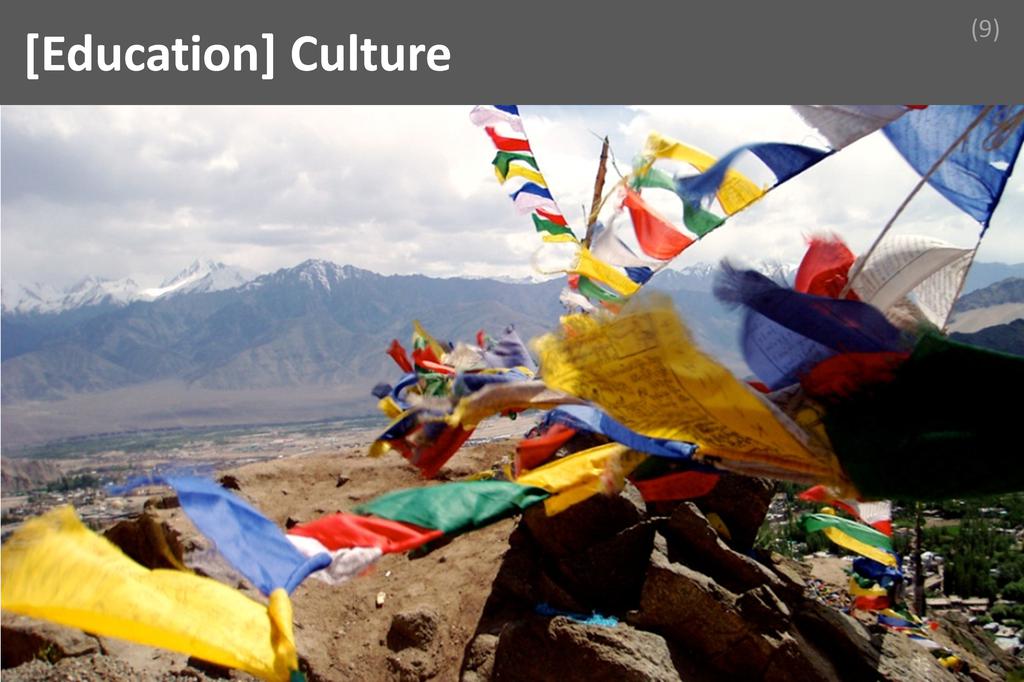
Culture refers to the shared beliefs, customs, values, languages, rituals, and social behaviors of a particular group or society. In the context of Trekking, understanding culture is essential, as it shapes interactions with local communities, influences ethical practices, and enriches the overall experience for both trekkers and guides.
Learning about culture is vital for anyone preparing for or working in Trekking because it enables professionals to engage respectfully and meaningfully with the diverse communities they encounter. A solid grasp of cultural norms and traditions helps prevent misunderstandings, fosters trust, and enhances the safety and enjoyment of all participants. This foundational knowledge is crucial for building positive relationships with local guides, porters, and residents, which can lead to more authentic and sustainable trekking experiences. Over the long term, cultural competence supports career growth by opening opportunities for collaboration, leadership, and specialization in international or culturally sensitive trekking environments, making professionals more adaptable and respected in their field.
Imagine a trekking guide leading a group through a remote Himalayan village. Drawing on their understanding of local culture, the guide instructs trekkers to greet villagers with a respectful gesture and to avoid certain behaviors considered disrespectful, such as entering homes with shoes on or photographing sacred sites without permission. By facilitating these culturally sensitive interactions, the guide not only ensures a positive relationship with the community but also enriches the trekkers’ experience through meaningful engagement. This approach minimizes potential conflicts, supports local customs, and demonstrates professionalism, ultimately contributing to the sustainability and reputation of the trekking operation.
Camp Setting

Camp Setting refers to the process of selecting, organizing, and maintaining a temporary outdoor living space during trekking expeditions. It encompasses site selection, shelter arrangement, safety protocols, and resource management. In both academic study and professional practice, Camp Setting is a fundamental skill, ensuring safety, comfort, and efficiency in remote or challenging environments.
Understanding Camp Setting is essential for anyone pursuing a career in trekking, as it directly impacts the safety, well-being, and overall experience of both trekkers and guides. Mastery of this subject enables professionals to assess terrain, anticipate environmental hazards, and optimize the use of available resources. This foundational knowledge supports effective decision-making under pressure, fosters leadership, and builds trust within trekking groups. Over time, expertise in Camp Setting enhances a professional’s reputation, opens opportunities for advancement, and is often a prerequisite for specialized roles such as expedition leader or outdoor educator. The ability to consistently establish secure and efficient campsites is a hallmark of a competent trekking professional and is highly valued in the industry.
Imagine a trekking guide leading a group through a mountainous region where weather conditions can change rapidly. Drawing on their knowledge of Camp Setting, the guide evaluates potential campsites for shelter from wind, proximity to water sources, and minimal environmental impact. They instruct the group on how to pitch tents securely, organize communal areas, and implement safety measures such as proper food storage to deter wildlife. When a sudden storm approaches, the guide’s foresight in choosing a well-protected site and establishing clear protocols ensures the group remains safe and comfortable. This scenario highlights how theoretical understanding of Camp Setting translates into practical actions that safeguard both people and the environment during trekking expeditions.
Supplies

Supplies in the context of trekking refer to the essential materials, equipment, and resources required to ensure safety, comfort, and self-sufficiency during outdoor expeditions. Understanding supplies is a fundamental aspect of both academic study and professional practice in trekking, as it underpins effective planning, risk management, and operational success.
A thorough grasp of supplies is vital for anyone pursuing a career in trekking, as it directly impacts the ability to plan, organize, and execute expeditions safely and efficiently. Mastery of this subject enables professionals to anticipate needs, allocate resources wisely, and adapt to changing environmental conditions. This foundational knowledge fosters confidence in decision-making and enhances the capacity to respond to emergencies or unexpected challenges. Over the long term, expertise in managing supplies contributes to a trek leader’s reputation, reliability, and employability, as clients and employers alike value those who can ensure well-prepared and successful journeys. Ultimately, understanding supplies is integral to minimizing risks and maximizing the overall trekking experience.
Consider a trekking guide leading a multi-day expedition through a remote mountain range. Before departure, the guide applies their knowledge of supplies by carefully calculating food, water, fuel, and medical provisions based on group size, route difficulty, and expected weather. During the trek, the guide monitors consumption rates, adjusts rationing as needed, and ensures critical items like first aid kits and navigation tools are always accessible. When an unexpected storm delays progress, the guide’s foresight in packing extra supplies allows the group to remain safe and comfortable until conditions improve. This scenario highlights how theoretical understanding of supplies translates into practical, real-world competence, ensuring both safety and client satisfaction.
Skills
Physical Fitness

Physical fitness is the state of having strong endurance, flexibility, strength, and cardiovascular health, enabling individuals to perform demanding physical activities efficiently and safely. For trekking professionals, physical fitness is fundamental because it allows them to navigate challenging terrains, adapt to changing weather, and support clients throughout strenuous journeys.
Physical fitness directly enhances a trekking professional’s ability to perform at high altitudes, carry heavy loads, and respond quickly to emergencies. Clients and employers value this skill because it ensures safety, reliability, and the ability to lead groups confidently through unpredictable environments. A physically fit trekker can maintain a steady pace, assist others, and minimize the risk of fatigue-related accidents. Cultivating this skill involves consistent cardiovascular training, strength exercises, flexibility routines, and proper nutrition. Over time, regular practice and gradual exposure to more demanding treks help build the stamina and resilience necessary for long-term success in the field. Commitment to ongoing fitness also demonstrates professionalism and dedication, qualities highly regarded in the trekking industry.
Imagine a trekking guide leading a group across a remote mountain pass when a sudden storm hits, making the trail slippery and visibility poor. The guide’s physical fitness becomes crucial as they must quickly scout a safer route, carry extra gear, and assist a fatigued client struggling with the ascent. Their endurance allows them to maintain energy levels, while strength and agility enable them to navigate obstacles and provide hands-on support. By staying composed and physically capable under pressure, the guide ensures the group’s safety and successfully leads everyone to shelter. This scenario highlights how physical fitness is not just about personal well-being but is essential for effective leadership and crisis management in trekking.
Leadership Skills
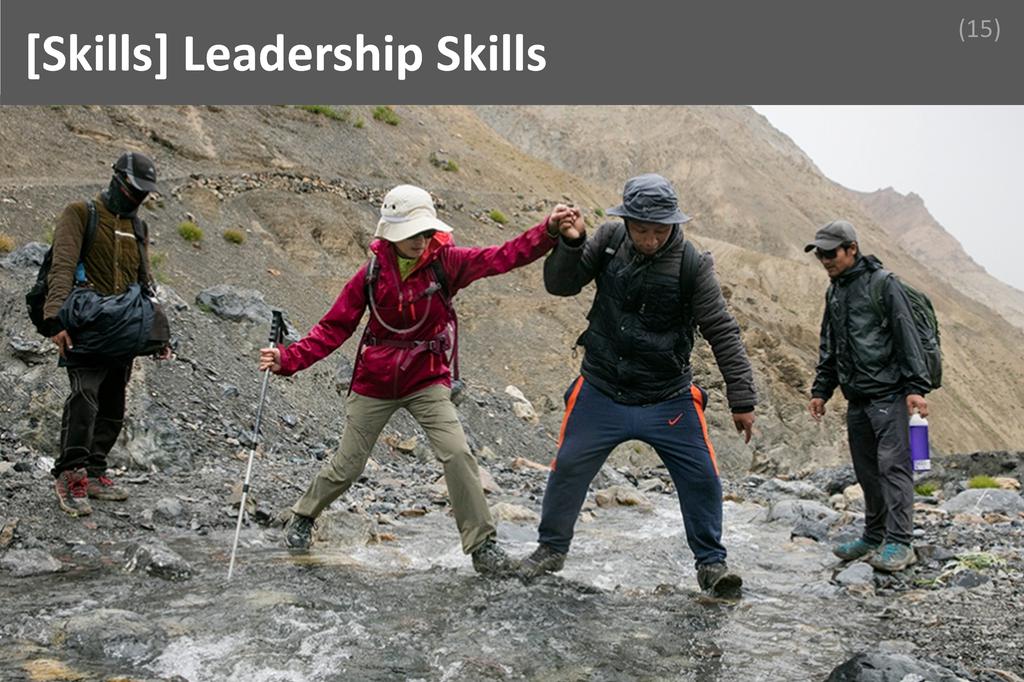
Leadership skills refer to the ability to guide, motivate, and inspire individuals or groups toward achieving common goals, while making effective decisions and managing challenges. In trekking, these skills are crucial for ensuring group safety, maintaining morale, and navigating unpredictable environments, making them indispensable for any trekking professional.
Leadership skills directly enhance a trekking professional’s performance by fostering trust, cohesion, and clear communication within the group. Clients and employers highly value leaders who can make sound decisions under pressure, adapt to changing circumstances, and keep teams motivated during physically and mentally demanding treks. Cultivating leadership skills involves gaining experience in group management, seeking feedback, learning from seasoned guides, and participating in leadership training programs. Over time, consistent practice in real-world scenarios helps trekking professionals refine their ability to assess risks, delegate tasks, and maintain a positive group dynamic, all of which are essential for successful expeditions.
Imagine a trekking guide leading a group through a remote mountain pass when sudden weather changes threaten the planned route. Relying on strong leadership skills, the guide quickly assesses the situation, communicates the risks and alternative options to the group, and makes a decisive plan to ensure everyone’s safety. By remaining calm and confident, the guide reassures anxious trekkers, delegates responsibilities such as checking equipment and monitoring group members, and successfully navigates the team to a safer path. This scenario highlights how effective leadership not only resolves critical issues but also builds trust and respect, ultimately leading to a successful and memorable trekking experience for all involved.
Camp Cooking

Camp Cooking refers to the ability to prepare safe, nutritious, and satisfying meals using portable equipment and limited resources in outdoor environments. For trekking professionals, this skill ensures sustenance, boosts morale, and supports physical endurance during expeditions, making it a fundamental component of effective wilderness leadership and group management.
Mastering camp cooking significantly enhances a trekking professional’s performance by ensuring that both guides and clients remain well-nourished and energized throughout demanding journeys. Clients and employers highly value this skill because it directly impacts group health, safety, and overall satisfaction, often turning a challenging trek into a memorable experience. Developing camp cooking expertise involves learning about nutrition, food safety, and efficient meal planning, as well as practicing with various outdoor cooking methods. Over time, professionals refine their abilities by experimenting with recipes, adapting to different dietary needs, and managing supplies efficiently, ultimately becoming more resourceful and dependable in the field.
Imagine a trekking guide leading a group through a remote mountain pass when unexpected weather delays progress, forcing the group to camp an extra night. With limited ingredients and basic equipment, the guide draws on camp cooking skills to prepare a warm, hearty meal that lifts spirits and provides essential energy. By improvising with available supplies and ensuring everyone’s dietary needs are met, the guide not only addresses hunger and fatigue but also reassures the group, maintaining morale and trust. This ability to adapt and deliver under pressure demonstrates the critical role of camp cooking in overcoming challenges and ensuring the success of any trekking expedition.
Confidence

Confidence is the assured belief in one’s abilities, decisions, and judgment, enabling individuals to face challenges, take initiative, and inspire trust in others. In trekking, confidence empowers professionals to navigate unpredictable terrains, make quick decisions under pressure, and provide reassurance to clients, making it a cornerstone of effective leadership and safety.
Confidence significantly enhances a trekking professional’s performance by allowing them to remain calm and decisive in high-pressure situations, such as sudden weather changes or unexpected obstacles. Clients and employers value this trait because it fosters trust and a sense of security, both of which are crucial when venturing into remote or challenging environments. A confident guide can motivate and reassure trekkers, ensuring group morale remains high even during difficult stretches. Cultivating confidence involves gaining experience through regular practice, learning from seasoned mentors, and continuously updating one’s knowledge of trekking routes, safety protocols, and emergency procedures. Over time, each successful trek and challenge overcome further reinforces a professional’s self-assurance, making confidence a skill that grows with dedication and reflection.
Imagine a trekking guide leading a group through a mountainous region when a sudden landslide blocks the planned path. The group looks to the guide for direction, and it is the guide’s confidence that becomes pivotal. Drawing on their training and experience, the guide calmly assesses the situation, communicates clearly with the group, and devises an alternative route. Their composed demeanor reassures anxious trekkers, preventing panic and maintaining group cohesion. By confidently making decisions and guiding the team through unfamiliar terrain, the professional not only ensures everyone’s safety but also strengthens the group’s trust in their leadership. This scenario highlights how confidence directly contributes to successful outcomes in the unpredictable world of trekking.
Survival Skills

Survival skills encompass the knowledge and abilities required to stay safe, healthy, and resourceful in challenging outdoor environments. For trekking professionals, these skills include navigation, first aid, shelter-building, water sourcing, and emergency response. Mastery of survival skills ensures preparedness for unforeseen situations, making them indispensable in the trekking profession.
Survival skills directly enhance a trekking professional’s performance by enabling quick, effective responses to unexpected challenges such as sudden weather changes, injuries, or getting lost. Clients and employers highly value these skills because they ensure group safety, minimize risks, and build trust in the guide’s leadership. Cultivating survival skills involves continuous learning through formal training, hands-on practice, and real-world experience. Trekking professionals often participate in wilderness courses, simulate emergency scenarios, and stay updated on the latest techniques and equipment. Over time, repeated exposure to diverse environments and situations helps refine judgment and adaptability, making survival skills second nature and reinforcing their critical role in a successful trekking career.
Imagine a trekking guide leading a group through a remote mountain trail when an unexpected storm hits, causing visibility to drop and the group to lose the marked path. Drawing on survival skills, the guide quickly assesses the situation, finds a safe location to set up temporary shelter, and uses navigation tools to reorient the group. The guide ensures everyone stays warm and hydrated, administers basic first aid to a member with a minor injury, and communicates calmly to maintain morale. By effectively applying survival skills, the guide not only safeguards the group but also demonstrates professionalism and competence, turning a potentially dangerous situation into a testament of leadership and expertise.
Positives
Travelling

Travelling is the act of journeying from one place to another, often across diverse landscapes and cultures, to explore, discover, and experience new environments. In the context of trekking, travelling means venturing into remote mountains, forests, and valleys, constantly encountering fresh challenges and breathtaking scenery that enrich the professional journey.
Travelling is a cornerstone of a trekking career because it transforms routine work into a series of adventures. Each expedition brings exposure to new terrains, climates, and cultures, fostering personal growth and adaptability. This constant movement keeps the job dynamic, preventing monotony and fueling a sense of wonder. Professionals in trekking often find that travelling enhances their problem-solving skills and resilience, as every destination presents unique obstacles and learning opportunities. The excitement of exploring uncharted paths and the satisfaction of guiding others through these experiences contribute significantly to job satisfaction. Travelling also broadens perspectives, deepens appreciation for nature, and creates lasting memories, making the profession not just a job, but a lifelong passion.
Imagine a trekking guide leading a group through the Annapurna Circuit in Nepal. Each day, the guide travels through changing landscapes, from lush subtropical forests to high-altitude deserts, interacting with local villagers and learning about their customs. The journey is physically demanding, but the constant movement and exposure to new sights and cultures invigorate the guide. Sharing these discoveries with trekkers, witnessing their awe at the scenery, and overcoming challenges together create a profound sense of fulfillment. The guide’s career is defined by these rich, varied experiences, making travelling not just a benefit, but the very essence of their professional happiness and growth.
Meeting New People

Meeting new people refers to the ongoing opportunity to connect with individuals from diverse backgrounds, cultures, and walks of life during trekking expeditions. This aspect enriches the trekking profession by fostering meaningful interactions, broadening perspectives, and creating lasting friendships, all of which contribute to personal growth and a deeper appreciation for the world.
The chance to meet new people is a cornerstone of job satisfaction in trekking. Every journey introduces professionals to fellow trekkers, guides, and locals, each bringing unique stories and insights. These encounters not only break the monotony of routine but also inspire learning and adaptability. Sharing experiences and overcoming challenges together builds camaraderie and trust, making each trek memorable. The diversity of people encountered encourages open-mindedness and empathy, essential qualities for personal and professional growth. For trekking professionals, these daily interactions transform the workplace into a vibrant, ever-changing environment, fueling motivation and passion for the job. The relationships formed often extend beyond the trail, leading to lifelong connections and a global network of friends.
Imagine a trekking guide leading a group through the Himalayas. Among the group are travelers from different continents, each with their own stories and reasons for embarking on the journey. As they navigate rugged paths and share campfire conversations, the guide learns about their cultures, dreams, and perspectives. One evening, a local villager joins the group, sharing traditional music and stories, deepening everyone’s appreciation for the region. Through these interactions, the guide not only enriches the experience for the trekkers but also gains new friendships and insights. This daily exchange of ideas and cultures makes the profession deeply fulfilling, reminding the guide that every trek is as much about human connection as it is about the mountains.
Joyful Profession

A "Joyful Profession" is a career path where personal happiness, passion, and fulfillment are seamlessly integrated into daily work, creating a sense of purpose and enthusiasm. In trekking, this means that professionals find genuine delight in their tasks, which enhances their motivation, resilience, and overall well-being, making the profession uniquely rewarding.
The concept of a Joyful Profession is especially significant in trekking because it transforms challenging work into a source of personal satisfaction. Trekking professionals often face demanding environments, unpredictable weather, and physical exertion. However, the joy derived from connecting with nature, guiding others, and witnessing breathtaking landscapes turns these challenges into opportunities for growth. This positive outlook not only boosts job satisfaction but also fosters long-term commitment and personal development. Professionals who experience joy in their work are more likely to inspire others, maintain high energy levels, and continuously seek improvement, making the trekking industry vibrant and resilient.
Imagine a trekking guide leading a group through a remote mountain trail at sunrise. As the first rays of light illuminate the peaks, the guide shares stories about the region’s history and ecology, watching the group’s awe and excitement grow. In that moment, the guide feels a profound sense of purpose and happiness, knowing their passion for the outdoors is creating unforgettable experiences for others. This daily immersion in nature, combined with the joy of sharing knowledge and fostering connections, exemplifies how a Joyful Profession in trekking brings fulfillment and meaning to every step of the journey.
Physically Healthy

Physically healthy means possessing strength, stamina, flexibility, and overall bodily wellness, allowing individuals to perform demanding physical activities with energy and resilience. In trekking, being physically healthy enables professionals to navigate challenging terrains, endure long journeys, and recover quickly, ensuring they can lead groups safely and enjoy the adventure themselves.
The physically healthy aspect of trekking is a cornerstone of both personal fulfillment and professional success. Trekking professionals who maintain robust physical health find themselves better equipped to handle the rigors of the outdoors, from steep ascents to unpredictable weather. This vitality not only enhances their own enjoyment but also instills confidence in the groups they lead. The daily experience of moving through breathtaking landscapes, feeling strong and capable, boosts morale and job satisfaction. Over time, the continuous improvement in physical fitness opens doors to more challenging expeditions, career advancement, and a deeper connection with nature. The sense of accomplishment that comes from overcoming physical challenges fosters resilience and a positive outlook, making every trek a rewarding journey.
Imagine a trekking guide leading a group through the rugged trails of the Himalayas. Each day, the guide wakes up energized, ready to tackle steep climbs and long distances. Their physical health allows them to carry essential gear, assist trekkers who may struggle, and respond swiftly to any emergencies. As the group reaches a breathtaking summit, the guide’s stamina and strength are evident, inspiring trust and admiration from the trekkers. The guide feels a profound sense of fulfillment, knowing their physical well-being not only enables them to enjoy the journey but also ensures the safety and enjoyment of others. This daily experience of vitality and capability is a powerful reward in itself.
Challenges
Exhausting

Exhausting in trekking refers to the intense physical and mental fatigue that accumulates during prolonged journeys over challenging terrains. This state is demanding because it tests endurance, depletes energy reserves, and can impair judgment, making it difficult for trekkers to maintain motivation, safety, and performance throughout their expedition.
Exhausting significantly impacts the daily work of trekking professionals by reducing their ability to make quick decisions, maintain pace, and ensure the safety of themselves and their group. The constant strain on the body and mind requires a high level of resilience, as fatigue can lead to mistakes or accidents in remote environments. Successful professionals manage this challenge by developing strong routines for rest, nutrition, and hydration, as well as pacing themselves and listening to their bodies. They also cultivate mental strategies such as mindfulness and positive self-talk to stay focused and motivated. By preparing thoroughly and adapting to changing conditions, they are able to sustain their performance and well-being even under the most exhausting circumstances.
Consider a professional trekking guide leading a group through a high-altitude mountain pass. After several days of continuous ascent, both the guide and the group begin to feel the effects of exhausting—slower movements, short tempers, and waning enthusiasm. Recognizing these signs, the guide implements longer rest breaks, encourages the group to eat energy-rich snacks, and adjusts the pace to accommodate everyone’s limits. The guide also shares stories and keeps spirits high, using humor and encouragement to maintain morale. By proactively addressing the symptoms of exhausting and fostering a supportive environment, the guide ensures the group safely completes the trek, demonstrating how experience and adaptability can overcome even the most demanding challenges.
Hectic Schedule

A hectic schedule in trekking refers to the relentless and tightly packed itinerary that professionals must follow, often involving early starts, long hours on the trail, and minimal downtime. This demanding pace is necessary to meet expedition goals, adapt to changing weather, and ensure group safety, making it physically and mentally taxing.
The pressure of a hectic schedule in trekking can lead to fatigue, decreased morale, and increased risk of mistakes or accidents. Professionals must maintain high energy levels and sharp focus despite limited rest and unpredictable conditions. This challenge demands resilience, adaptability, and strong time management skills. Successful trekkers prioritize essential tasks, delegate responsibilities when possible, and maintain open communication within their teams. They also practice self-care, ensuring adequate nutrition and hydration, and use brief moments of rest to recharge. By staying organized and flexible, they can adjust plans as needed without compromising safety or expedition objectives, ultimately turning a demanding schedule into a manageable and even rewarding experience.
Consider a trekking guide leading a multi-day expedition in the Himalayas, where each day’s route is dictated by weather forecasts and the group’s physical condition. Despite back-to-back early mornings and long treks, the guide carefully plans rest stops, encourages team bonding during breaks, and remains attentive to each member’s well-being. When unexpected delays occur, such as a sudden storm or a team member’s injury, the guide swiftly revises the schedule, reallocates tasks among the group, and communicates changes clearly. By balancing strict adherence to the itinerary with flexibility and empathy, the guide ensures the group stays motivated and safe, demonstrating how to effectively manage a hectic schedule in a challenging trekking environment.
Away from Family

In Trekking, "Away from Family" refers to the prolonged periods professionals spend separated from their loved ones due to remote expeditions and unpredictable schedules. This challenge is demanding because it tests emotional endurance, disrupts personal relationships, and often leads to feelings of isolation, making it a significant hurdle in the profession.
Being away from family profoundly affects a trekker’s daily work by introducing emotional strain and a sense of disconnection, which can diminish morale and focus. The unpredictable nature of trekking schedules means missing important family events and milestones, amplifying feelings of guilt or loneliness. This challenge demands resilience, as professionals must maintain motivation and mental well-being despite these pressures. Successful trekkers often rely on strong communication habits, using technology to stay in touch whenever possible. They also cultivate supportive relationships within their trekking teams, creating a sense of camaraderie that helps offset the absence of family. By setting clear expectations with loved ones and planning quality time during breaks, they manage to balance personal and professional commitments more effectively.
Consider a trekking guide who spends several weeks at a time leading groups through remote mountain regions, far from home and family. To manage the emotional toll, she schedules regular video calls with her partner and children whenever she has network access, sharing stories and daily updates to maintain a sense of connection. She also keeps a journal to process her experiences and emotions, which helps her stay grounded. Within her trekking team, she fosters a supportive environment, encouraging open conversations about homesickness and stress. By building these coping mechanisms and prioritizing meaningful communication, she successfully navigates the challenge of being away from family, sustaining both her professional performance and personal relationships.
Limited Supplies

Limited Supplies in trekking refers to the restricted availability of essential resources such as food, water, fuel, and equipment while navigating remote or rugged terrains. This constraint is demanding because it requires careful planning, resourcefulness, and adaptability to ensure safety, maintain energy, and achieve objectives in unpredictable environments.
The challenge of limited supplies profoundly shapes the daily routines and decision-making processes of trekking professionals. Every action, from meal preparation to route selection, must account for the finite resources on hand. This constraint demands resilience, as unexpected weather changes or delays can quickly deplete reserves, testing both physical endurance and mental fortitude. Successful trekkers manage this limitation by meticulously rationing provisions, prioritizing essential needs, and employing creative problem-solving to adapt to evolving circumstances. They also develop contingency plans, such as identifying natural water sources or carrying lightweight, high-calorie foods, to extend their operational range. Through experience and discipline, professionals learn to anticipate shortages and make informed choices that balance immediate requirements with long-term survival.
Consider a professional trek leader guiding a group through a high-altitude Himalayan pass when an unforeseen landslide blocks the planned route, forcing a two-day detour. With limited food and water, the leader reassesses the inventory, reduces meal portions, and encourages the group to conserve energy by moving at a steady, manageable pace. Utilizing knowledge of the terrain, the leader locates a nearby stream for water replenishment and forages for edible plants to supplement rations. By maintaining calm, communicating transparently, and adapting the plan, the leader not only ensures the group’s safety but also transforms a potentially dire situation into a valuable lesson in resourcefulness and teamwork.
Sleepless Nights

In trekking, "Sleepless Nights" refers to the frequent inability to achieve restful sleep due to harsh weather, unfamiliar environments, altitude changes, and physical discomfort. This challenge is demanding because it impairs recovery, reduces alertness, and tests both mental and physical endurance, making each subsequent day on the trail more taxing.
Sleepless nights can significantly hinder a trekker’s performance by causing fatigue, irritability, and decreased concentration, which are especially dangerous in challenging terrains. The lack of restorative sleep can slow reaction times and impair decision-making, increasing the risk of accidents. Overcoming this obstacle requires resilience, adaptability, and proactive self-care. Successful professionals develop routines that promote relaxation before bedtime, such as deep breathing or gentle stretching, and optimize their sleeping arrangements by selecting the best possible campsite and using quality gear. They also learn to manage their mindset, accepting occasional discomfort and focusing on the journey’s purpose. By prioritizing rest whenever possible and maintaining a positive outlook, trekkers can mitigate the impact of sleepless nights and sustain their performance over extended expeditions.
Consider an experienced trekking guide leading a group through the Himalayas, where unpredictable weather and high altitudes often disrupt sleep. Despite consecutive nights of poor rest, the guide remains attentive to safety and morale by using short rest breaks during the day and encouraging the group to share stories around the campfire, fostering camaraderie. The guide relies on practiced relaxation techniques, such as controlled breathing and visualization, to calm the mind before sleep. By accepting that perfect rest is rare in such conditions and focusing on small moments of recovery, the guide maintains both personal well-being and group cohesion, demonstrating how resilience and adaptability can turn sleepless nights into manageable, even meaningful, parts of the trekking experience.
A Day Of
Trekking
The day begins long before the sun crests the horizon, where the air is crisp and the world is painted in shades of blue and gray. For a trekking professional, the office is a living, breathing landscape—mountains, forests, and winding trails replace cubicles and conference rooms. Each day pulses with anticipation and unpredictability, shaped by the weather, the terrain, and the unique needs of every group. The pace is relentless yet invigorating, demanding both physical stamina and sharp decision-making. Here, every moment is a blend of preparation, leadership, and adaptability, as the journey unfolds step by step, far from the confines of a traditional desk job.
In the dim light of early morning, a trekking professional is already in motion. The day starts with a thorough review of the route, weather conditions, and group roster, ensuring that every detail is accounted for. Gear is meticulously checked—boots laced, packs weighed, first aid kits inventoried, and communication devices tested. There’s a quiet focus as breakfast is prepared and shared with the group, setting the tone for the day ahead. This is the time to address any last-minute concerns, offer encouragement, and make sure everyone is ready for the challenges that lie ahead.
As the sun climbs higher, the trek truly begins. The group moves out onto the trail, and the trekking professional steps fully into the role of guide, motivator, and problem-solver. Navigating rugged paths and unpredictable terrain, they monitor the group’s pace, keep spirits high, and ensure safety protocols are followed. This is the most physically demanding part of the day, requiring constant vigilance and adaptability. Along the way, the professional shares insights about the local environment, points out hidden wonders, and manages any issues that arise, from minor injuries to sudden changes in weather.
By early afternoon, the group pauses for a well-earned break. The trekking professional uses this time to assess everyone’s condition, address any fatigue or discomfort, and coordinate with co-guides or support staff if necessary. There’s an emphasis on hydration, nutrition, and morale, as well as a quick review of the next segment of the journey. This is also a prime opportunity to foster camaraderie, answer questions, and adjust plans based on the group’s energy and the day’s unfolding circumstances. The afternoon phase is all about teamwork and execution, ensuring that everyone is prepared for the final push.
As the day winds down and the group arrives at the designated campsite, the focus shifts to setting up tents, preparing meals, and tending to any blisters or sore muscles. The trekking professional leads the evening debrief, reflecting on the day’s achievements and challenges. Administrative tasks such as logging the day’s progress, checking equipment, and updating route plans for the next day are completed with care. There’s a sense of accomplishment in the air as stories are shared around the campfire, and the professional quietly prepares for tomorrow, ensuring that every detail is in place for another day beyond the desk. |


 Home
Home Abroad
 Plan
Plan Philosophy
 Seminar
 Pages
Pages Advisors
 Testimonials














 Workshop
 Discuss
 Meet
Meet
 Advisor
 Story
Story
 Fine Print
 Links
Links
 Blog
Blog
 Follow
