The Journey of Mountaineering
What Is Mountaineering
Mountaineering

Mountaineering is the pursuit of climbing mountains, combining physical endurance, technical skills, and navigation to ascend natural peaks. It involves traversing challenging terrains, often in extreme weather, and requires knowledge of safety, equipment, and environmental awareness. Mountaineering can be recreational or professional, demanding both mental and physical resilience.
Mountaineering holds significant value for professionals, as it fosters personal growth, teamwork, and environmental stewardship. The discipline demands rigorous training, strategic planning, and adaptability, which translate into enhanced problem-solving abilities and leadership skills. Professionals benefit from improved physical fitness, mental fortitude, and a deep appreciation for nature. The challenges faced during expeditions cultivate resilience and perseverance, qualities that are transferable to many aspects of life and work. Additionally, mountaineering often leads to opportunities in guiding, education, and conservation, allowing individuals to inspire others and contribute to the preservation of natural landscapes. The sense of accomplishment from reaching a summit can be profoundly rewarding, reinforcing confidence and a lifelong passion for exploration.
A professional mountaineer may work as an expedition leader, guiding teams up renowned peaks such as Mount Everest or Denali. In this role, they meticulously plan routes, assess weather conditions, and ensure the safety of all participants. Their expertise in technical climbing, first aid, and risk management is crucial for navigating unpredictable environments. Throughout the expedition, they teach clients essential skills, foster teamwork, and make critical decisions under pressure. By sharing their knowledge and passion, these professionals help others achieve personal goals while promoting responsible and sustainable mountaineering practices. This real-world application demonstrates how mountaineering expertise is vital for successful, safe, and memorable mountain adventures.
Education
First Aid

First Aid is the immediate, temporary care given to someone who is injured or suddenly ill, before professional medical help is available. In mountaineering, First Aid is a critical component of both academic study and professional practice, ensuring climbers can respond effectively to emergencies in remote, high-risk environments.
Understanding First Aid is essential for anyone involved in mountaineering because the activity inherently involves exposure to unpredictable and potentially hazardous conditions. Mastery of First Aid principles equips mountaineers with the ability to assess situations quickly, manage injuries, and stabilize individuals until further help arrives. This knowledge forms the bedrock of safety protocols and risk management strategies, which are fundamental to professional mountaineering. Over the long term, proficiency in First Aid not only enhances personal safety but also builds trust within teams and with clients, contributing to a reputation for reliability and preparedness. As careers progress, those with strong First Aid skills are often entrusted with leadership roles and greater responsibilities, making this expertise a valuable asset for advancement.
Imagine a mountaineering guide leading a group on a challenging ascent when one participant slips on loose scree, sustaining a deep laceration and possible ankle fracture. Drawing on their First Aid training, the guide quickly assesses the injuries, cleans and dresses the wound to prevent infection, and immobilizes the ankle using available materials. The guide monitors the injured climber for signs of shock and communicates clearly with the rest of the group to maintain calm and safety. By applying theoretical First Aid knowledge in this real-world scenario, the guide not only minimizes the risk of further harm but also ensures the group’s well-being until evacuation or professional medical assistance can be arranged.
Map reading

Map reading is the skill of interpreting and understanding the symbols, scales, contours, and features presented on topographical maps to navigate terrain accurately. In mountaineering, it is an essential academic and professional competency, enabling climbers to plan routes, assess risks, and make informed decisions in unfamiliar or challenging environments.
Learning map reading is vital for anyone pursuing a career in mountaineering because it underpins safe and effective navigation in remote and often hazardous landscapes. Mastery of this subject allows professionals to analyze terrain, identify potential hazards, and select optimal routes, even when visibility is poor or GPS devices fail. This foundational knowledge not only enhances personal safety but also builds confidence and independence, qualities highly valued in the field. Over the long term, strong map reading skills contribute to a mountaineer’s reputation for reliability and leadership, opening opportunities for advanced expeditions, guiding roles, and instructional positions within the outdoor industry.
Imagine a mountaineer leading a group through a mountainous region where sudden fog reduces visibility to just a few meters. Relying on their map reading expertise, the professional identifies their current location by matching visible landforms with map features and uses contour lines to determine the safest descent route, avoiding cliffs and avalanche-prone slopes. Throughout the journey, they continually reference the map to monitor progress, adjust their path as needed, and communicate upcoming terrain challenges to the team. This practical application of map reading not only ensures the group’s safety but also demonstrates the critical role this skill plays in daily mountaineering operations.
Weather Conditions

Weather conditions refer to the state of the atmosphere at a specific time and place, including factors such as temperature, wind, precipitation, humidity, and visibility. In mountaineering, understanding weather conditions is essential academic and professional knowledge, as it directly influences safety, planning, and decision-making in mountainous environments.
A thorough grasp of weather conditions is vital for anyone pursuing a career in mountaineering because the mountain environment is highly dynamic and often unpredictable. Mastery of this subject allows professionals to interpret forecasts, recognize signs of changing weather, and anticipate hazards such as storms, avalanches, or rapid temperature drops. This foundational knowledge is crucial for route planning, risk assessment, and ensuring the safety of both individuals and groups. Over the long term, expertise in weather conditions enhances a mountaineer’s ability to make informed decisions, reduces the likelihood of accidents, and increases the overall success rate of expeditions. It also establishes credibility and trust, which are essential for those leading or instructing others in the field.
Imagine a professional mountaineer leading a group on a multi-day ascent in the Alps. Before departure, they analyze detailed weather forecasts, noting a potential cold front expected to move in within forty-eight hours. During the climb, the mountaineer observes increasing wind speeds and a sudden drop in temperature, both classic indicators of an approaching storm. Drawing on their theoretical understanding of weather conditions, they decide to alter the route and establish camp earlier than planned, prioritizing a sheltered location. This decision, grounded in meteorological knowledge, helps the group avoid exposure to severe weather, demonstrating how expertise in weather conditions directly informs safe and effective mountaineering practices.
Equipment

Equipment refers to the specialized tools, gear, and protective devices essential for safe and effective mountaineering activities. This includes items such as ropes, harnesses, helmets, crampons, and clothing designed for extreme environments. In both academic study and professional practice, understanding equipment is fundamental to ensuring safety, efficiency, and success in mountaineering.
A deep understanding of equipment is vital for anyone pursuing a career in mountaineering because it directly impacts safety, performance, and decision-making in challenging environments. Mastery of equipment knowledge enables professionals to select, inspect, and maintain gear suited to specific terrains and weather conditions. This foundational expertise not only reduces the risk of accidents but also enhances the ability to respond effectively to emergencies. Over time, professionals who are adept at equipment management gain a reputation for reliability and competence, which can lead to leadership opportunities, advanced certifications, and the trust of clients or team members. Ultimately, equipment proficiency is a cornerstone of long-term success and professional growth in the mountaineering field.
Consider a mountaineering guide leading a group up a glaciated peak. Before the ascent, the guide carefully assesses the route and selects appropriate equipment, such as ice axes, crampons, and avalanche transceivers, based on current conditions. During the climb, the guide demonstrates proper use of each item, ensuring that clients are securely harnessed and roped together for glacier travel. When encountering a crevasse, the guide’s theoretical understanding of equipment allows for the swift setup of a pulley system to safely extract a team member who has fallen in. This scenario highlights how comprehensive equipment knowledge is applied daily to manage risks, solve problems, and maintain group safety in unpredictable mountain environments.
Physiology

Physiology is the scientific study of how living organisms function, focusing on the physical and chemical processes that occur within cells, tissues, and organs. In mountaineering, understanding physiology is essential because it explains how the human body responds and adapts to extreme environments, such as high altitudes and cold temperatures.
A solid grasp of physiology is crucial for anyone preparing for or working in mountaineering because it underpins the ability to manage the body’s responses to altitude, exertion, and environmental stress. Professionals must recognize symptoms of altitude sickness, dehydration, and hypothermia, all of which are rooted in physiological processes. This knowledge allows mountaineers to make informed decisions about pacing, acclimatization, nutrition, and emergency interventions. Over the long term, understanding physiology helps professionals maintain their health, optimize performance, and reduce the risk of injury or illness. It also enables them to educate and lead others safely, making it a foundational component of both personal competence and leadership in the field.
Imagine a mountaineering guide leading a group up a high-altitude peak. As the team ascends, one member begins to show signs of acute mountain sickness, such as headache and nausea. Drawing on their knowledge of physiology, the guide recognizes these symptoms as the body’s response to decreased oxygen levels at altitude. The guide immediately implements acclimatization protocols, such as slowing the ascent and encouraging hydration, while monitoring the affected climber for worsening symptoms. This application of physiological principles not only helps prevent a potentially life-threatening situation but also reassures the group and maintains morale. The guide’s expertise ensures that decisions are based on scientific understanding, directly impacting the safety and success of the expedition.
Professional Courses

Professional Courses are structured educational programs designed to impart specialized skills and knowledge relevant to a particular field or occupation. In the context of mountaineering, these courses provide both theoretical foundations and practical techniques essential for safety, leadership, and technical proficiency, bridging academic learning with real-world application in challenging environments.
Understanding and completing professional courses is crucial for anyone aspiring to excel in mountaineering. These courses cover essential topics such as navigation, rope management, rescue operations, and environmental stewardship, forming the backbone of a mountaineer’s expertise. By engaging in these structured learning experiences, individuals gain not only technical skills but also critical thinking abilities and decision-making strategies necessary for high-risk situations. Over time, this foundational knowledge enhances career prospects, as employers and expedition organizers prioritize candidates with formal training and certifications. Additionally, professional courses foster a culture of safety and responsibility, ensuring that mountaineers are equipped to handle emergencies, lead teams, and contribute positively to the broader outdoor community throughout their careers.
Imagine a mountaineering guide leading a group on a high-altitude expedition. During the ascent, sudden weather changes force the team to alter their planned route. Drawing on knowledge gained from professional courses, the guide quickly assesses the terrain, recalculates navigation points, and implements advanced rope techniques to ensure the group’s safety. The guide’s understanding of risk management and emergency response, developed through formal training, allows for calm and effective decision-making under pressure. This not only safeguards the team but also reinforces the guide’s credibility and leadership. Such real-world application of professional course content demonstrates how theoretical learning directly translates into practical, life-saving actions in the demanding field of mountaineering.
Skills
Physical fitness

Physical fitness is the condition of being physically healthy and strong, achieved through regular exercise, balanced nutrition, and adequate rest. It encompasses endurance, strength, flexibility, and cardiovascular health. In mountaineering, physical fitness is fundamental, enabling professionals to tackle demanding terrains, withstand harsh environments, and ensure both personal safety and group success.
Physical fitness directly enhances a mountaineer’s ability to perform under strenuous conditions, such as high altitudes, steep ascents, and unpredictable weather. Clients and employers highly value this skill because it reduces the risk of injury, increases efficiency, and ensures reliability during expeditions. A physically fit mountaineer can carry heavy loads, respond quickly to emergencies, and maintain stamina over long durations. Cultivating this skill requires consistent training, including aerobic and strength exercises, as well as activities that mimic real climbing scenarios. Over time, dedication to physical conditioning not only improves personal capability but also builds trust among team members and clients, making it a cornerstone of professional credibility in the field.
Imagine a mountaineering guide leading a group up a challenging alpine route when a sudden storm hits, forcing the team to take a longer, more strenuous detour to safety. The guide’s physical fitness becomes crucial, as they must carry extra gear, assist fatigued clients, and navigate difficult terrain quickly. Their endurance and strength allow them to remain calm and effective, ensuring everyone’s safety despite the increased demands. Without a high level of physical fitness, the guide would struggle to manage the situation, potentially putting the entire group at risk. This scenario highlights how physical fitness is not just an asset but a necessity for overcoming critical challenges and achieving success in mountaineering.
Climbing Skills

Climbing skills encompass the technical abilities, physical strength, balance, and mental focus required to ascend and descend challenging terrains safely and efficiently. In mountaineering, these skills are fundamental, enabling professionals to navigate rock faces, ice walls, and mixed routes, forming the backbone of safe and successful expeditions.
Mastering climbing skills directly enhances a mountaineer’s performance by increasing their ability to tackle diverse and demanding routes with confidence and precision. Employers and clients highly value these skills because they ensure safety, efficiency, and adaptability in unpredictable mountain environments. A mountaineer with strong climbing skills can lead teams, manage risks, and respond effectively to changing conditions. Cultivating this skill requires consistent practice on varied terrain, ongoing physical training, and learning from experienced mentors. Over time, exposure to different climbing scenarios and continuous self-assessment help refine technique, build endurance, and foster the decision-making abilities crucial for high-altitude success.
Imagine a mountaineering guide leading a group up a steep, icy couloir when sudden weather changes make the route more hazardous. The guide’s advanced climbing skills allow them to assess the safest line, set secure anchors, and assist less experienced climbers through technical sections. By efficiently managing rope systems and demonstrating proper footwork and tool placement, the guide not only ensures the group’s safety but also maintains morale under pressure. Their expertise in climbing techniques becomes the decisive factor in overcoming obstacles, preventing accidents, and successfully reaching the summit despite challenging conditions. This scenario highlights how essential climbing skills are in real-world mountaineering situations.
Team Spirit

Team Spirit is the shared sense of unity, trust, and collaboration among group members, fostering mutual support and collective effort toward common goals. In mountaineering, Team Spirit is crucial because it ensures that every member works harmoniously, communicates effectively, and prioritizes group safety and success over individual achievement, especially in challenging environments.
Team Spirit directly enhances performance in mountaineering by promoting seamless cooperation, efficient problem-solving, and resilience during high-pressure situations. Clients and employers highly value this skill because it leads to safer expeditions, stronger group morale, and a greater likelihood of achieving objectives. Cultivating Team Spirit requires consistent practice in active listening, empathy, and open communication, as well as participating in group activities that build trust and camaraderie. Over time, professionals can strengthen this skill by reflecting on team experiences, seeking feedback, and embracing diverse perspectives within the group. By prioritizing collective well-being and supporting teammates, mountaineers not only improve their own effectiveness but also contribute to the overall success and safety of every expedition.
Imagine a mountaineering team caught in rapidly deteriorating weather while ascending a challenging peak. One member begins to show signs of altitude sickness, threatening the safety and progress of the entire group. Relying on Team Spirit, the team quickly communicates the situation, redistributes gear, and adjusts their plan to prioritize the affected member’s well-being. Each person steps up to support the group, whether by offering encouragement, sharing responsibilities, or making critical decisions together. Through their unified effort and mutual trust, the team safely descends to a lower altitude, ensuring everyone’s safety and preserving morale. This scenario highlights how Team Spirit transforms individual strengths into collective resilience, enabling mountaineers to overcome adversity and achieve shared success.
Survival Skills

Survival skills encompass the knowledge, techniques, and mindset required to endure and overcome unexpected, life-threatening situations in remote or harsh environments. In mountaineering, these skills are crucial for managing risks, ensuring safety, and making informed decisions when faced with unpredictable weather, injuries, or equipment failures.
Mastering survival skills directly enhances a mountaineer's ability to navigate emergencies, adapt to rapidly changing conditions, and maintain composure under pressure. Clients and employers highly value these abilities because they translate to increased safety, reliability, and confidence during expeditions. A professional with strong survival skills can prevent minor setbacks from escalating into major crises, ensuring the well-being of the entire team. Developing these skills requires a combination of formal training, hands-on experience, and continuous learning. Regular practice in real-world scenarios, participation in survival courses, and learning from seasoned mountaineers all contribute to building a robust survival skillset. Over time, this foundation becomes second nature, allowing professionals to respond swiftly and effectively when challenges arise.
Imagine a mountaineer leading a group when a sudden snowstorm descends, drastically reducing visibility and dropping temperatures. The professional quickly assesses the situation, locates a sheltered area, and instructs the team to construct a makeshift snow shelter using available gear and natural resources. By applying survival skills, the leader ensures everyone conserves body heat, rations food and water, and maintains morale while waiting for the storm to pass. This decisive action not only prevents hypothermia and panic but also demonstrates the mountaineer’s ability to turn a potentially life-threatening scenario into a manageable challenge. The group’s safety and eventual successful descent highlight the indispensable value of survival skills in mountaineering.
Positives
Growing Opportunities

Growing Opportunities refers to the continual expansion of roles, skills, and experiences available within a profession, allowing individuals to advance, diversify, and adapt as the field evolves. In mountaineering, this means professionals can explore new terrains, develop specialized expertise, and embrace emerging trends, making the career dynamic and future-focused.
The presence of growing opportunities in mountaineering is a powerful motivator for those seeking a career that evolves alongside their ambitions. As the industry expands, professionals can transition from guiding expeditions to training others, engaging in environmental conservation, or even developing new adventure tourism ventures. This constant evolution ensures that mountaineers are never confined to a single path, which significantly boosts job satisfaction and personal growth. Each day brings the potential for new challenges and learning experiences, keeping the work engaging and meaningful. The ability to continually set and achieve new goals fosters a sense of accomplishment and resilience, making the profession not only sustainable but also deeply rewarding for those who thrive on progress and adventure.
Consider a mountaineer who began their career as an assistant guide, helping lead small groups up local peaks. As their skills and reputation grew, they seized opportunities to earn advanced certifications, eventually leading international expeditions to some of the world's most challenging summits. Along the way, they discovered a passion for environmental stewardship and began collaborating with conservation organizations to protect fragile mountain ecosystems. This journey illustrates how growing opportunities in mountaineering allow professionals to expand their horizons, take on new responsibilities, and find fulfillment in diverse roles. Each step forward is a testament to the dynamic nature of the field and the personal growth it inspires.
Research Opportunities

Research opportunities refer to the chance to systematically investigate, study, and explore new knowledge, techniques, or phenomena within the field of mountaineering. This involves gathering data, analyzing conditions, and developing innovative solutions to challenges faced in mountainous environments. Such opportunities foster continuous learning and contribute to the advancement of the profession.
The presence of research opportunities in mountaineering significantly enhances the profession by encouraging curiosity, innovation, and personal growth. Professionals are constantly exposed to new terrains, weather patterns, and ecological systems, which demand ongoing investigation and adaptation. This dynamic environment ensures that no two days are the same, keeping the work engaging and intellectually stimulating. The ability to contribute to scientific knowledge or develop safer climbing techniques provides a deep sense of purpose and accomplishment. As mountaineers collaborate with researchers, universities, and environmental organizations, they not only expand their own expertise but also help shape the future of the field. This ongoing cycle of discovery and improvement leads to greater job satisfaction and opens doors for career advancement.
Imagine a mountaineer leading an expedition in the Himalayas who notices unusual patterns in glacier movement. Driven by curiosity, they document their observations, collect samples, and collaborate with glaciologists to analyze the data. Their findings reveal new insights into climate change’s impact on the region, which are later published in a scientific journal. This experience not only deepens the mountaineer’s understanding of the environment but also allows them to contribute valuable knowledge to the global community. The sense of fulfillment from making a meaningful impact, combined with the excitement of discovery, exemplifies how research opportunities can transform a mountaineering career into a lifelong journey of exploration and contribution.
Rejuvenation

Rejuvenation is the process of restoring energy, vitality, and mental clarity through experiences that refresh both body and mind. In mountaineering, rejuvenation arises from immersion in nature, physical exertion, and the sense of accomplishment after overcoming challenges. This renewal fosters resilience, motivation, and a positive outlook, enhancing overall well-being and professional satisfaction.
The rejuvenating power of mountaineering is a cornerstone of its appeal as a career. Professionals in this field are constantly exposed to breathtaking landscapes, fresh air, and the rhythmic demands of physical activity, all of which contribute to a profound sense of renewal. This ongoing revitalization not only combats stress and fatigue but also sharpens focus and creativity, making each day on the mountain feel invigorating. As a result, mountaineers often report higher job satisfaction, a deeper connection to their work, and a greater capacity for personal and professional growth. The daily experience of rejuvenation becomes a sustaining force, allowing them to approach each new challenge with enthusiasm and resilience.
Imagine a seasoned mountaineering guide leading a group through a challenging ascent at dawn. After hours of climbing, the group reaches a tranquil summit bathed in golden sunlight, surrounded by panoramic views of untouched wilderness. In this moment, the guide feels a wave of rejuvenation—muscles relax, worries fade, and a deep sense of peace settles in. The exhaustion of the climb is replaced by a renewed sense of purpose and joy, reminding the guide why they chose this path. This experience not only refreshes their spirit but also strengthens their commitment to sharing the transformative power of the mountains with others.
Challenges
Climatic Conditions

Climatic conditions in mountaineering refer to the unpredictable and often extreme weather patterns encountered at high altitudes, including sudden storms, temperature fluctuations, high winds, and low visibility. These conditions are demanding because they directly impact safety, decision-making, and the physical endurance required to navigate mountainous terrain.
Climatic conditions profoundly shape the daily routines and safety protocols of mountaineering professionals. Unpredictable weather can halt progress, force route changes, or even necessitate emergency descents, making flexibility and quick thinking essential. The constant threat of hypothermia, frostbite, and altitude sickness requires climbers to be vigilant and prepared at all times. Resilience is demanded not only physically but also mentally, as professionals must remain calm and focused under pressure. Successful mountaineers mitigate these risks through meticulous planning, continuous weather monitoring, and adaptive strategies such as acclimatization and carrying specialized gear. Building experience in diverse environments also helps climbers develop the judgment needed to assess risks and make informed decisions, ensuring both their safety and the success of their expeditions.
During a summit attempt on Mount Denali, a professional mountaineer encountered a sudden blizzard that reduced visibility to near zero and dropped temperatures drastically. Instead of pushing forward, the climber relied on prior experience and training, quickly establishing a secure camp and reinforcing tents against the wind. By monitoring weather updates via satellite communication, the mountaineer waited out the storm, conserving energy and resources. Once conditions improved, the team resumed their ascent, ultimately reaching the summit safely. This scenario demonstrates how adaptability, preparedness, and respect for climatic conditions enable mountaineers to overcome severe weather challenges without compromising safety or mission objectives.
Constant Risk

Constant Risk in mountaineering refers to the ever-present possibility of danger from unpredictable weather, avalanches, rockfalls, altitude sickness, and equipment failure. This persistent threat demands unwavering vigilance, quick decision-making, and mental fortitude, making the profession exceptionally challenging and requiring climbers to be prepared for adversity at any moment.
The omnipresence of risk in mountaineering shapes every aspect of a professional’s daily routine, from route planning to equipment checks and team communication. This environment requires climbers to develop acute situational awareness and emotional resilience, as even minor lapses can have severe consequences. The psychological strain of constant vigilance can lead to fatigue and stress, demanding robust coping mechanisms. Successful mountaineers manage this constraint by cultivating a disciplined mindset, continuously updating their skills, and relying on thorough preparation. They also foster strong teamwork and trust, enabling quick, coordinated responses to emerging threats. By embracing a culture of safety and learning from past experiences, professionals can navigate the inherent dangers while maintaining focus on their objectives.
Consider an experienced mountaineer leading an expedition up a notoriously unstable peak. Midway through the ascent, sudden weather changes threaten to trigger avalanches. Drawing on years of training, the leader quickly assesses the situation, communicates the risks to the team, and decides to alter the route to a safer path. Throughout the ordeal, the climber remains calm, monitors team morale, and adapts plans as conditions evolve. By prioritizing safety over summit ambitions and maintaining clear communication, the mountaineer successfully guides the team through hazardous terrain. This scenario illustrates how constant risk is managed through preparation, adaptability, and decisive leadership, ultimately ensuring the safety and success of the expedition.
A Day Of
Mountaineering
Before the world below has even begun to stir, a mountaineering professional is already awake, feeling the crisp bite of alpine air and the weight of responsibility that comes with guiding others through some of the planet’s most unforgiving terrain. Each day is a blend of adrenaline and calculation, where the rhythm of work is dictated not by the ticking of a clock, but by the shifting moods of the mountain itself. The environment is both breathtaking and perilous, demanding constant vigilance, physical endurance, and a deep respect for nature’s unpredictability. In this world, the desk is replaced by rocky outcrops and snowfields, and the office view is a panorama of jagged peaks and endless sky.
Long before sunrise, the day begins with a meticulous review of weather reports, route conditions, and gear checks. The mountaineering professional moves quietly through the camp, ensuring that every harness, rope, and crampon is accounted for and in perfect working order. There is a palpable sense of anticipation as climbers gather for a safety briefing, where the guide outlines the day’s objectives, reviews emergency protocols, and answers last-minute questions. This early hour is all about preparation, setting the tone for a day where readiness can mean the difference between triumph and tragedy.
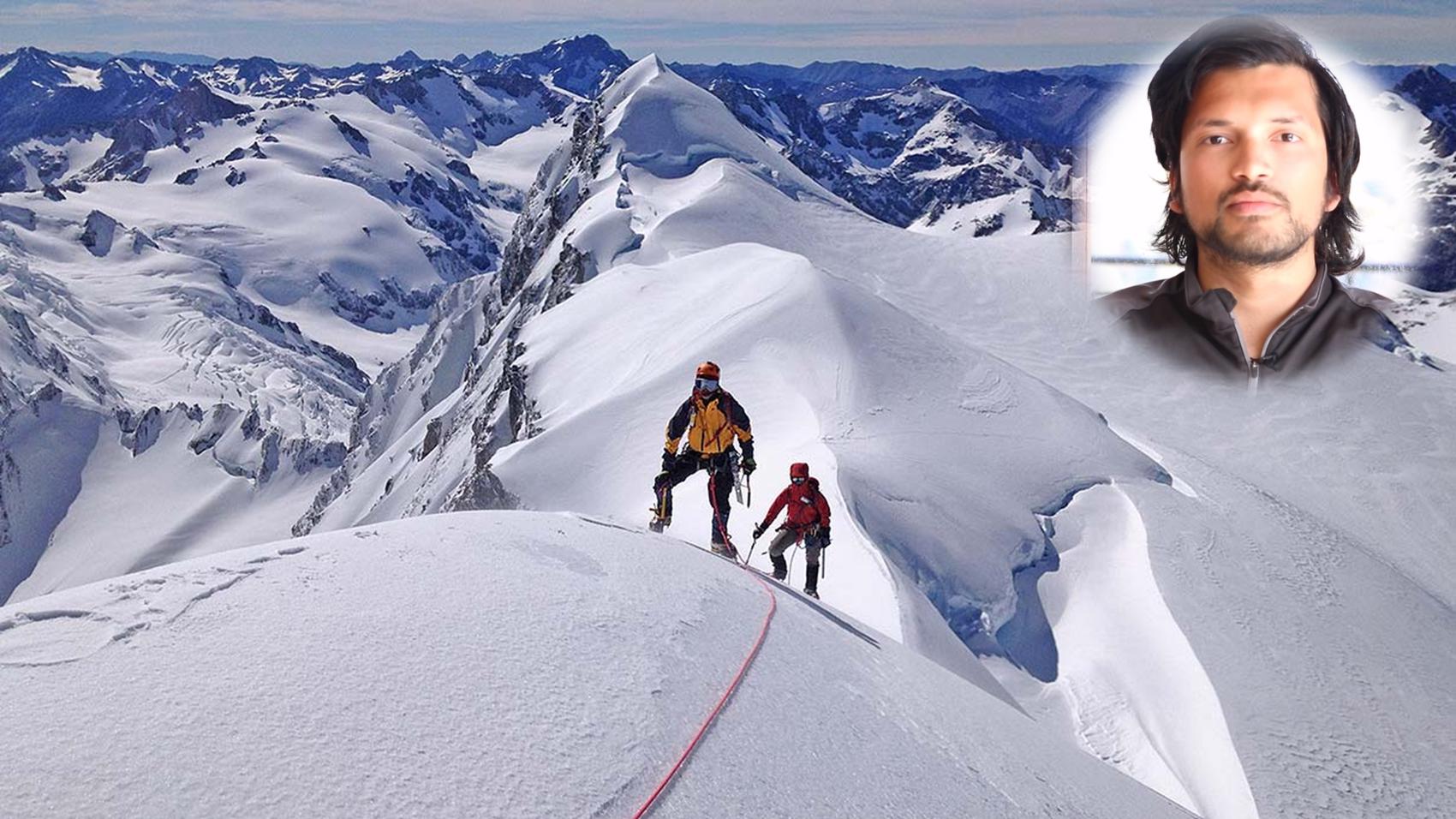
With the first light illuminating the slopes, the team sets out, roped together and moving as one. This is the heart of the day, where the mountaineering professional leads the group through challenging terrain, navigating crevasses, icefalls, and steep rock faces. Every step demands focus and expertise, as the guide assesses snow stability, places protection, and offers encouragement to climbers battling fatigue and altitude. The air is thin and the stakes are high, but this is where skill and experience shine, transforming daunting obstacles into exhilarating achievements.
By early afternoon, the group approaches the summit or reaches a critical waypoint. The guide’s role shifts to managing the team’s pace, monitoring for signs of altitude sickness, and making real-time decisions based on changing weather or group dynamics. Communication is constant, whether it’s coordinating with other guides, checking in with base camp, or rallying the climbers for the final push. The atmosphere is a mix of exhaustion and elation, as the team works together to achieve their shared goal, always mindful of the need to conserve energy for the descent.
As the sun dips toward the horizon, the focus turns to a safe descent. The guide leads the group back to camp, carefully managing the risks that come with tired legs and fading light. Once everyone is accounted for, there’s a thorough debrief, where successes and challenges are discussed, and lessons are shared. The day ends with administrative tasks—logging route details, updating weather forecasts, and preparing gear for the next adventure. Even as exhaustion sets in, the mountaineering professional is already planning tomorrow’s journey, knowing that every detail matters when the mountains are your workplace. |


 Home
Home Abroad
 Plan
Plan Philosophy
 Seminar
 Pages
Pages Advisors
 Testimonials














 Workshop
 Discuss
 Meet
Meet
 Advisor
 Story
Story
 Fine Print
 Links
Links
 Blog
Blog
 Follow
