The Journey of Communications Management
What Is Communications Management
Communications Management

Communications Management is the strategic planning, execution, monitoring, and evaluation of internal and external communications within an organization. It ensures that information is effectively shared among stakeholders, aligns messaging with organizational goals, and supports decision-making processes, reputation management, and overall business objectives through coordinated communication efforts.
Communications Management plays a crucial role in shaping how organizations interact with their audiences, both internally and externally. For professionals in this field, effective management of communications ensures clarity, consistency, and credibility in every message delivered. It helps prevent misunderstandings, fosters a positive organizational culture, and builds trust with stakeholders. One major benefit is the enhancement of organizational reputation, which can lead to increased customer loyalty and stakeholder confidence. Another benefit is the improvement of employee engagement, as clear communication helps align teams with company goals and values. Finally, Communications Management supports crisis mitigation by providing structured approaches to handle sensitive situations, ensuring that the right information reaches the right people at the right time.
Consider a large technology company launching a new product. The Communications Management team develops a comprehensive strategy to coordinate messaging across press releases, social media, internal newsletters, and customer support channels. They ensure that all departments are informed about the product’s features, launch dates, and talking points, so everyone communicates consistently. During the launch, the team monitors media coverage and social sentiment, quickly addressing any misinformation or negative feedback. After the launch, they gather feedback from stakeholders and analyze communication effectiveness to refine future strategies. Through this process, Communications Management professionals ensure the product’s messaging is clear, the brand’s reputation is protected, and all stakeholders remain informed and engaged.
Education
Media Studies

Media Studies is the interdisciplinary exploration of how media—such as television, radio, print, digital platforms, and social networks—shape, reflect, and influence society, culture, and communication. It examines production, content, audiences, and effects, providing essential insights for effective message creation and dissemination in Communications Management.
Understanding Media Studies is crucial for anyone entering or advancing in Communications Management because it equips professionals with the analytical tools to interpret media trends, audience behaviors, and the societal impact of communication channels. This knowledge forms the backbone of strategic decision-making, enabling managers to craft messages that resonate with diverse audiences and adapt to rapidly evolving media landscapes. By mastering media theories, ethics, and critical analysis, communications managers can anticipate public reactions, manage organizational reputation, and foster meaningful engagement. Over the long term, this expertise supports career growth by ensuring professionals remain adaptable, culturally aware, and capable of leveraging new media technologies to achieve organizational goals.
Consider a communications manager at a nonprofit organization who is tasked with launching a public awareness campaign about environmental sustainability. Drawing on their background in Media Studies, the manager analyzes which media platforms are most influential among their target demographic and tailors the campaign’s messaging to align with current media consumption habits. They critically assess the framing of environmental issues in the news and social media, ensuring their campaign counters misinformation and resonates emotionally with the audience. By applying media literacy and understanding audience segmentation, the manager successfully coordinates cross-platform content, measures public response, and adjusts strategies in real time, ultimately increasing engagement and advancing the organization’s mission.
English Literature & Language

English Literature & Language is the study of written works, linguistic structures, and the evolution of the English language. It encompasses analyzing texts, understanding literary devices, and exploring cultural contexts. For Communications Management, this discipline provides essential skills in critical reading, effective writing, and nuanced comprehension, forming a crucial academic and professional foundation.
A strong grasp of English Literature & Language is vital for anyone in Communications Management because it sharpens analytical thinking, enhances persuasive writing, and fosters cultural awareness. Mastery of this subject enables professionals to craft clear, impactful messages tailored to diverse audiences. It also cultivates the ability to interpret complex information and convey it with precision and creativity. Over time, these skills translate into more effective leadership, improved stakeholder engagement, and the capacity to navigate sensitive or high-stakes communication scenarios. Ultimately, a deep understanding of language and literature equips communications managers to build trust, inspire teams, and drive organizational success through the power of words.
Imagine a communications manager tasked with developing a campaign to address a company’s recent organizational changes. Drawing on their background in English Literature & Language, they analyze the emotional undertones of employee feedback and select language that acknowledges concerns while fostering optimism. Their literary training helps them craft narratives that resonate with different departments, using metaphors and storytelling techniques to make complex changes relatable. By understanding the subtleties of tone, context, and audience, the manager ensures that all communications are clear, empathetic, and motivating. This thoughtful approach not only minimizes resistance but also builds a sense of unity and shared purpose across the organization.
Mass Communication

Mass Communication is the process of creating, sending, receiving, and analyzing messages to large audiences through various media channels such as television, radio, newspapers, and digital platforms. It is a cornerstone of academic and professional training for Communications Management, providing essential frameworks for understanding audience dynamics, media effects, and message dissemination.
A deep understanding of Mass Communication is vital for anyone pursuing a career in Communications Management because it equips professionals with the ability to craft effective messages, select appropriate channels, and anticipate audience responses. This subject forms the bedrock of strategic communication planning, crisis management, and brand reputation efforts. By mastering Mass Communication theories and models, professionals can navigate the complexities of today’s media landscape, ensuring their messages are not only heard but also understood and acted upon. Over time, this expertise enhances credibility, fosters stakeholder trust, and supports organizational objectives, making it an indispensable asset for long-term career growth in the field.
Consider a Communications Manager at a large corporation tasked with launching a new product. Drawing on their knowledge of Mass Communication, they analyze target audience demographics, choose the most effective media channels, and tailor messages to resonate across diverse platforms. When a sudden issue arises, such as negative feedback going viral online, their theoretical grounding enables them to quickly assess the situation, predict public reactions, and implement a crisis communication strategy that addresses concerns transparently and maintains brand reputation. This daily application of Mass Communication principles ensures that both routine and unexpected challenges are managed with professionalism and strategic insight.
Journalism

Journalism is the practice of gathering, assessing, creating, and presenting news and information to the public through various media channels. It emphasizes accuracy, fairness, and ethical reporting. In Communications Management, journalism forms a critical academic and professional pillar, equipping practitioners with essential skills for effective information dissemination and public engagement.
Understanding journalism is vital for anyone in Communications Management because it instills a deep appreciation for credible information, ethical storytelling, and audience engagement. Mastery of journalistic principles ensures that communications professionals can craft clear, accurate, and compelling messages that resonate with diverse audiences. This foundation helps professionals navigate the complexities of media relations, crisis communication, and reputation management. Over the long term, a solid grounding in journalism enhances strategic thinking, fosters trust with stakeholders, and enables effective management of both internal and external communications. As the media landscape evolves, those with journalistic expertise are better equipped to adapt, ensuring their organizations maintain a positive public image and respond adeptly to emerging challenges.
Imagine a Communications Manager at a large corporation facing a sudden product recall. Drawing on their journalism background, they quickly gather all relevant facts, verify information with multiple sources, and craft a transparent press release that addresses public concerns. Their understanding of journalistic standards ensures the message is clear, factual, and timely, which helps maintain the company’s credibility. They also anticipate media questions and prepare spokespersons with key messages rooted in honesty and empathy. By applying journalistic principles, the manager not only manages the immediate crisis but also strengthens the organization’s long-term relationship with the media and the public, demonstrating the practical value of journalism in daily communications operations.
Graphic Design

Graphic Design is the art and practice of planning and projecting ideas and experiences with visual and textual content. It combines creativity, technology, and communication to convey messages effectively. In Communications Management, graphic design is a critical academic and professional discipline, enabling managers to craft compelling, visually engaging, and strategic communications.
Understanding graphic design is essential for anyone in Communications Management because it bridges the gap between message and audience. Mastery of design principles such as layout, color theory, typography, and visual hierarchy empowers professionals to create materials that not only inform but also persuade and inspire. This knowledge ensures that communications are not just functional, but also visually appealing and aligned with organizational branding. Over time, proficiency in graphic design enhances a manager’s ability to collaborate with creative teams, oversee brand consistency, and adapt to evolving digital platforms. Ultimately, it provides a competitive edge, as visually literate managers can better strategize, evaluate, and execute communication campaigns that resonate in today’s visually driven world.
Imagine a Communications Manager tasked with launching a new internal campaign to boost employee engagement. Drawing on their understanding of graphic design, they collaborate with designers to develop a series of posters, email templates, and infographics. Their knowledge allows them to provide informed feedback on color choices, font selection, and layout, ensuring the visuals align with the company’s brand identity and campaign goals. By applying design principles, the manager ensures that key messages are highlighted and information is easy to digest, increasing the likelihood of employee participation. This hands-on involvement not only streamlines the creative process but also results in more effective and cohesive communication materials that drive the campaign’s success.
Film Studies

Film Studies is the academic exploration of cinema as an art form, cultural product, and communication medium. It examines film history, theory, criticism, and production techniques. For Communications Management, Film Studies provides essential insights into visual storytelling, audience engagement, and media influence, forming a crucial part of the required interdisciplinary knowledge.
Understanding Film Studies is vital for communications professionals because it sharpens their ability to analyze and craft compelling visual narratives. By studying film theory, genre conventions, and cinematic techniques, professionals gain a deeper appreciation for how stories influence public perception and behavior. This knowledge enables them to create more effective campaigns, manage multimedia projects, and collaborate with creative teams. Over time, expertise in Film Studies enhances critical thinking, cultural literacy, and adaptability in a rapidly evolving media landscape. It also empowers professionals to anticipate trends, interpret visual messages accurately, and ensure that organizational communications resonate with diverse audiences, thereby strengthening their strategic impact and career longevity.
Imagine a Communications Manager tasked with launching a new brand campaign that includes a series of short promotional videos. Drawing on their background in Film Studies, they analyze successful film techniques such as pacing, shot composition, and narrative structure to ensure each video tells a cohesive and engaging story. They collaborate effectively with videographers and editors, articulating how specific visual elements can evoke desired emotions and reinforce key messages. Their understanding of audience reception, gained through film criticism studies, helps them tailor content to different demographic groups. As a result, the campaign achieves higher engagement rates and positive feedback, demonstrating how theoretical knowledge from Film Studies translates into practical, measurable success in communications management.
Creative Writing

Creative writing is the art of expressing ideas, emotions, and stories through imaginative and original use of language. It encompasses genres such as fiction, poetry, and narrative nonfiction. In Communications Management, creative writing is essential for crafting compelling messages, engaging diverse audiences, and shaping organizational narratives with clarity and impact.
Understanding creative writing is vital for anyone in Communications Management because it equips professionals with the ability to craft messages that resonate emotionally and intellectually with their target audiences. Mastery of creative writing techniques enhances storytelling, persuasive communication, and brand voice development, all of which are crucial in managing both internal and external communications. This foundational knowledge enables professionals to adapt their messaging across various platforms, ensuring consistency and engagement. Over the long term, creative writing skills foster innovation, adaptability, and strategic thinking, allowing communications managers to respond effectively to changing trends, crises, and opportunities. Ultimately, creative writing empowers professionals to build stronger relationships, influence public perception, and drive organizational success.
Imagine a Communications Manager at a nonprofit organization tasked with launching a fundraising campaign. Drawing on their creative writing expertise, they craft a series of emotionally engaging stories about individuals whose lives have been transformed by the organization’s work. These narratives are woven into press releases, social media posts, and donor newsletters, each tailored to the specific platform and audience. By using vivid imagery, authentic voices, and compelling calls to action, the manager not only captures attention but also inspires empathy and motivates supporters to contribute. This strategic application of creative writing transforms routine communications into powerful tools for advocacy, fundraising, and community building, demonstrating its essential role in daily professional practice.
Skills
Research & Analysis

Research & Analysis refers to the systematic process of gathering, evaluating, and interpreting information to inform decision-making and strategy. In Communications Management, this skill enables professionals to understand audiences, assess trends, and measure the effectiveness of campaigns, making it indispensable for crafting targeted and impactful communication strategies.
Mastering Research & Analysis directly enhances a Communications Manager’s ability to create data-driven strategies, anticipate challenges, and adapt messaging for maximum impact. Clients and employers highly value this skill because it ensures that communications are not based on guesswork but on solid evidence and insights. By consistently applying research methods, analyzing feedback, and staying updated on industry trends, professionals can refine their approach and demonstrate measurable results. Cultivating this skill involves ongoing learning, critical thinking, and practical experience with various research tools and analytical frameworks. Over time, a commitment to research and analysis builds credibility and positions a communications professional as a trusted advisor who can deliver results aligned with organizational goals.
Imagine a Communications Manager tasked with improving public perception after a company faces negative media coverage. By employing research and analysis, the manager conducts sentiment analysis across social media platforms, reviews stakeholder feedback, and benchmarks competitor responses. This comprehensive approach uncovers the root causes of public concern and identifies the most effective channels for outreach. Armed with these insights, the manager crafts a targeted communication plan that addresses specific issues, reassures stakeholders, and gradually rebuilds trust. The ability to analyze data and adapt strategies in real time not only resolves the immediate crisis but also strengthens the organization’s reputation for transparency and responsiveness.
Critical Thinking
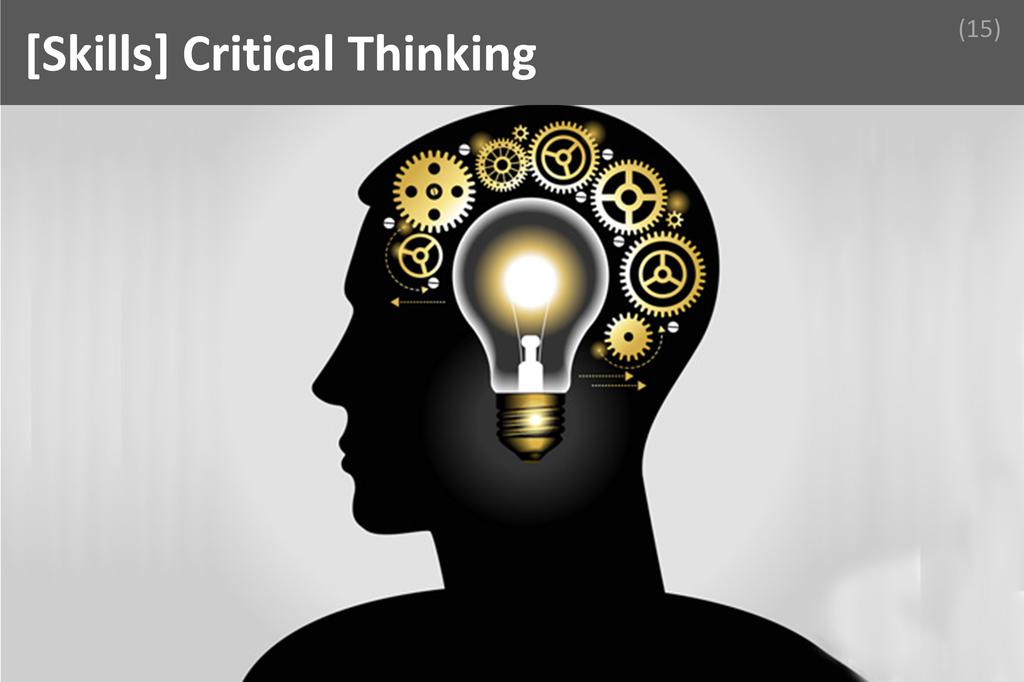
Critical Thinking is the disciplined process of actively analyzing, synthesizing, and evaluating information gathered from observation, experience, or communication. It involves questioning assumptions, identifying biases, and drawing reasoned conclusions. In Communications Management, critical thinking enables professionals to navigate complex information, make informed decisions, and craft effective strategies that resonate with diverse audiences.
Critical thinking directly enhances performance in Communications Management by enabling professionals to assess situations objectively, anticipate potential challenges, and develop clear, persuasive messaging. Employers and clients highly value this skill because it leads to more effective problem-solving, risk mitigation, and the ability to adapt strategies in dynamic environments. Cultivating critical thinking involves continuous learning, seeking diverse perspectives, and engaging in reflective practice. By regularly analyzing case studies, participating in discussions, and soliciting feedback, communications managers can sharpen their ability to evaluate information critically and make sound judgments. Over time, this skill becomes integral to managing crises, interpreting data, and ensuring that communication efforts align with organizational goals.
Imagine a Communications Manager facing a sudden public relations crisis due to a misinterpreted social media post. Instead of reacting impulsively, the manager applies critical thinking by gathering all relevant facts, analyzing the context, and considering the perspectives of both the audience and stakeholders. By questioning initial assumptions and evaluating the potential impact of various responses, the manager develops a thoughtful communication plan that addresses concerns transparently and restores trust. This approach not only resolves the immediate issue but also demonstrates the organization’s commitment to accountability and clear communication, ultimately strengthening its reputation and stakeholder relationships.
Language Fluency

Language fluency is the ability to communicate ideas clearly, accurately, and persuasively in both written and spoken forms, while adapting tone and style to suit different audiences and contexts. For Communications Management professionals, language fluency is fundamental, enabling them to convey messages effectively, build relationships, and navigate complex organizational environments.
Mastering language fluency directly enhances a Communications Manager’s ability to craft compelling narratives, resolve misunderstandings, and foster collaboration among diverse stakeholders. Clients and employers highly value this skill because it ensures that organizational messages are not only understood but also resonate with target audiences, supporting brand reputation and strategic goals. Cultivating language fluency requires consistent practice, exposure to varied communication styles, and a commitment to lifelong learning. Reading widely, seeking feedback, and engaging in public speaking or writing opportunities help refine this skill over time, making professionals more adaptable and effective in their roles.
Imagine a Communications Manager facing a crisis where a company’s product has been misrepresented in the media, causing public concern. Relying on language fluency, the manager quickly drafts a clear, empathetic statement that addresses the issue, corrects misinformation, and reassures stakeholders. By choosing precise words and an appropriate tone, the manager prevents escalation, restores trust, and demonstrates the organization’s commitment to transparency. This scenario highlights how language fluency enables professionals to respond swiftly and effectively under pressure, turning potential setbacks into opportunities for positive engagement and reputation management.
Interpersonal Skills

Interpersonal skills refer to the ability to effectively communicate, interact, and build relationships with others through empathy, active listening, and clear expression. In Communications Management, these skills are crucial for fostering collaboration, resolving conflicts, and ensuring that messages are accurately conveyed and understood among diverse stakeholders.
Interpersonal skills directly enhance a Communications Management professional’s performance by enabling them to navigate complex social dynamics, build trust, and facilitate open dialogue. Clients and employers highly value these abilities because they lead to stronger team cohesion, smoother project execution, and more persuasive messaging. To cultivate interpersonal skills, professionals should seek feedback, practice active listening, and engage in regular self-reflection. Participating in team projects, attending workshops, and observing effective communicators also contribute to ongoing development. Over time, these efforts help individuals become more adaptable, approachable, and effective in managing both internal and external communications, ultimately driving organizational success.
Imagine a Communications Manager overseeing a high-stakes product launch. Midway through the campaign, a misunderstanding arises between the marketing and design teams, threatening deadlines and project quality. Drawing on strong interpersonal skills, the manager brings both teams together, listens to each side’s concerns, and mediates a constructive conversation. By empathizing with each group and clarifying expectations, the manager diffuses tension and helps the teams find common ground. As a result, collaboration is restored, the project stays on track, and the final campaign is delivered successfully. This scenario highlights how interpersonal skills are indispensable for resolving conflicts and achieving goals in Communications Management.
Content Creation
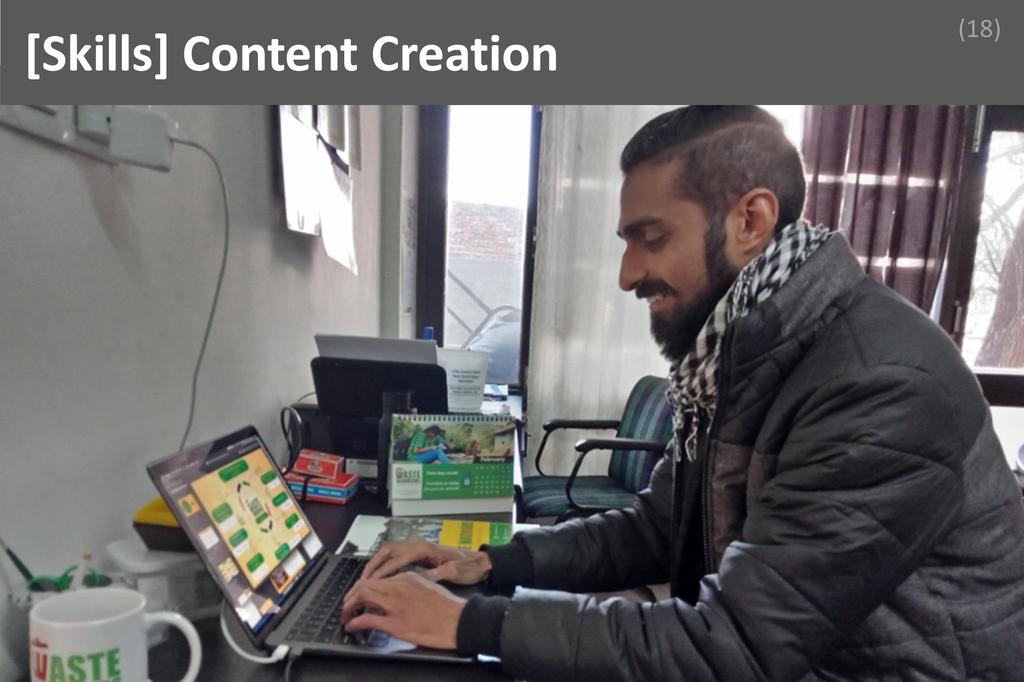
Content creation is the process of generating, editing, and sharing information in various formats—such as articles, videos, graphics, and social media posts—to engage, inform, or persuade a target audience. For Communications Management professionals, content creation is fundamental for shaping messages, building brand reputation, and fostering meaningful connections with stakeholders.
Mastering content creation directly enhances a Communications Manager’s ability to deliver clear, compelling messages that resonate with diverse audiences. This skill is highly valued by clients and employers because it drives engagement, supports organizational objectives, and differentiates brands in competitive markets. Effective content creators can adapt messaging to suit different platforms and audiences, ensuring consistency and impact across all communications channels. To cultivate this skill, professionals should practice writing and editing regularly, stay updated on digital trends, and seek feedback to refine their approach. Over time, developing a keen understanding of audience preferences and analytics will further strengthen one’s ability to produce relevant and effective content.
Imagine a Communications Manager at a nonprofit organization facing a sudden public relations challenge due to misinformation spreading online. By leveraging strong content creation skills, the manager quickly crafts a series of clear, factual updates across the organization’s website, social media, and email newsletters. These timely, well-designed messages address concerns, clarify the facts, and reinforce the organization’s values. As a result, stakeholders regain trust, the nonprofit’s reputation is protected, and the crisis is effectively managed. This scenario highlights how adept content creation not only solves immediate communication issues but also strengthens long-term relationships with the audience.
Software Skills

Software skills refer to the ability to efficiently use digital tools, platforms, and applications to accomplish tasks, manage information, and facilitate communication. In Communications Management, these skills empower professionals to streamline workflows, analyze data, create compelling content, and coordinate teams, making them indispensable in today’s technology-driven workplace.
Mastering software skills significantly enhances a Communications Management professional’s effectiveness by enabling them to leverage advanced tools for project coordination, content creation, and data analysis. Employers and clients highly value these abilities because they translate into faster turnaround times, improved accuracy, and more impactful communication strategies. As digital platforms evolve, professionals can cultivate software skills through continuous learning, such as online courses, webinars, and hands-on practice with new applications. Staying updated with the latest software trends and integrating them into daily workflows ensures that communications managers remain competitive and adaptable. Over time, this commitment to skill development not only boosts individual performance but also contributes to the overall success of communication initiatives within an organization.
Imagine a Communications Manager tasked with handling a company-wide crisis communication. The manager must quickly draft, approve, and distribute accurate information across multiple channels. By utilizing advanced software tools for content management, real-time collaboration, and analytics, the manager coordinates with stakeholders, monitors public sentiment, and adjusts messaging as needed. Their proficiency in using these digital platforms ensures timely and consistent communication, minimizes misinformation, and maintains the organization’s reputation. In this high-pressure scenario, strong software skills enable the manager to navigate complex workflows, respond to emerging issues, and demonstrate leadership, ultimately achieving a successful resolution to the crisis.
Data Management

Data Management refers to the systematic process of collecting, organizing, storing, and maintaining data to ensure its accuracy, accessibility, and security throughout its lifecycle. For Communications Management professionals, data management is crucial for making informed decisions, measuring campaign effectiveness, and ensuring that messaging strategies are based on reliable, up-to-date information.
Mastering data management significantly enhances a communications manager’s ability to analyze audience insights, track engagement metrics, and tailor messages for maximum impact. Clients and employers highly value this skill because it ensures that communication strategies are evidence-based and results-driven, reducing guesswork and increasing return on investment. Over time, professionals can cultivate data management expertise by learning to use analytics platforms, adopting best practices for data privacy, and staying updated on emerging technologies. Regularly reviewing and refining data processes also helps maintain data integrity, which is essential for building trust and achieving long-term communication goals.
Imagine a communications manager overseeing a nationwide public awareness campaign. Midway through, engagement rates begin to drop unexpectedly. By leveraging strong data management skills, the manager quickly analyzes real-time data from multiple channels, identifies a specific demographic where engagement has declined, and uncovers a messaging mismatch. Using these insights, the manager adjusts the campaign content and delivery methods for that audience segment. As a result, engagement rebounds and the campaign meets its objectives. This scenario illustrates how effective data management enables swift, informed decision-making, allowing communications professionals to address challenges proactively and demonstrate measurable success to stakeholders.
Time Management

Time management is the strategic process of planning, organizing, and controlling how much time is spent on specific activities to maximize efficiency and productivity. For a Communications Management professional, mastering time management ensures that projects are delivered on schedule, deadlines are met, and multiple tasks are balanced without sacrificing quality or clarity.
Effective time management directly enhances a Communications Manager’s ability to juggle competing priorities, coordinate with diverse teams, and respond swiftly to emerging issues. Clients and employers highly value this skill because it leads to reliable project delivery, improved stakeholder satisfaction, and a reputation for dependability. Cultivating time management involves setting clear priorities, learning to delegate, and consistently evaluating one’s workflow for improvement. Over time, professionals can refine their ability to estimate task durations, anticipate potential bottlenecks, and adapt to shifting demands. This ongoing development not only boosts individual performance but also contributes to the overall success of communication strategies and campaigns.
Imagine a Communications Manager overseeing a product launch with multiple moving parts, including press releases, social media campaigns, and media outreach. Suddenly, a last-minute change in product features requires all messaging to be updated within a tight timeframe. By relying on strong time management skills, the manager quickly reallocates resources, revises the project timeline, and communicates new deadlines to the team. This organized approach ensures that all materials are updated accurately and distributed on schedule, preventing confusion and maintaining the company’s professional image. The ability to manage time effectively in this high-pressure scenario not only resolves the immediate crisis but also reinforces trust among colleagues and stakeholders.
Positives
Creating Awareness

Creating Awareness is the strategic process of informing, educating, and engaging target audiences to ensure they understand key messages, issues, or initiatives. It involves shaping perceptions, clarifying information, and fostering understanding to drive informed decisions and positive change. In Communications Management, this process is central to building trust and influence.
The ability to create awareness is a cornerstone of Communications Management, offering professionals a profound sense of purpose and accomplishment. By effectively raising awareness, communicators empower organizations to connect with audiences, address misconceptions, and inspire action. This ongoing process not only elevates the visibility of important causes or brands but also fosters a culture of transparency and trust. Professionals in this field experience daily satisfaction as they witness the tangible results of their efforts—whether it’s increased public engagement, improved stakeholder relationships, or the successful launch of a new initiative. The dynamic nature of creating awareness also fuels personal and professional growth, as communicators continually adapt to new challenges and expand their influence.
Imagine a Communications Manager working for a nonprofit organization dedicated to environmental conservation. Through a carefully crafted awareness campaign, she educates the public about the impact of plastic pollution on marine life. By leveraging social media, press releases, and community events, she successfully captures public attention and motivates local businesses to reduce single-use plastics. As a result, community members become more conscious of their choices, and policy changes are proposed to support sustainability. Witnessing this shift in attitudes and behaviors, the Communications Manager feels a deep sense of fulfillment, knowing her efforts have sparked meaningful change and contributed to a healthier environment. This real-world impact exemplifies the rewarding nature of creating awareness in Communications Management.
Supporting Teams

Supporting Teams in Communications Management means actively enabling, guiding, and empowering colleagues to achieve shared goals through effective information flow, collaboration, and problem-solving. This involves fostering open dialogue, clarifying objectives, and ensuring everyone is aligned, which strengthens relationships and drives collective success within organizations. Supporting Teams is central to this profession because it transforms communication from a solitary task into a collaborative force that unites diverse talents and perspectives. By championing teamwork, communications managers create environments where individuals feel valued and motivated, leading to more innovative solutions and stronger organizational outcomes.
The act of supporting teams is a cornerstone of job satisfaction and professional growth in Communications Management. When professionals dedicate themselves to uplifting their colleagues, they witness firsthand the positive changes that clear, empathetic communication can bring. This daily engagement with team members fosters a sense of belonging and purpose, as communications managers become trusted advisors and facilitators. The collaborative atmosphere they nurture leads to higher morale, increased productivity, and a culture of mutual respect. Over time, these experiences not only enhance individual skills but also open doors to leadership opportunities, as organizations recognize the value of those who can unite and inspire teams to achieve their best work.
Imagine a communications manager working with a cross-functional team to launch a new company initiative. By organizing regular check-ins, clarifying messaging, and addressing concerns promptly, the manager ensures everyone feels heard and supported. As challenges arise, team members rely on the manager’s guidance to navigate misunderstandings and stay focused on shared objectives. The successful rollout of the initiative, marked by enthusiastic participation and clear communication, leaves the team feeling accomplished and connected. The communications manager experiences deep fulfillment, knowing their efforts in supporting the team not only contributed to the project’s success but also strengthened the bonds and trust among colleagues.
Bringing Clarity

Bringing Clarity means transforming complex, ambiguous, or overwhelming information into clear, concise, and understandable messages that resonate with diverse audiences. In Communications Management, this skill ensures that ideas, strategies, and goals are communicated effectively, reducing misunderstandings and fostering alignment. Clarity empowers teams, builds trust, and drives successful outcomes across organizations.
The ability to bring clarity is a cornerstone of effective Communications Management because it directly influences how well messages are received and acted upon. When professionals clarify objectives, expectations, and feedback, they create an environment where everyone feels informed and confident in their roles. This not only enhances job satisfaction by reducing confusion and frustration but also accelerates professional growth, as clear communication is highly valued in every industry. Professionals experience the benefit of bringing clarity daily, whether they are crafting internal memos, leading meetings, or managing crisis communications. The satisfaction of knowing that their work helps others understand, engage, and succeed is a powerful motivator and a key driver of career fulfillment.
Imagine a Communications Manager at a large organization facing a major change initiative. Employees are anxious, rumors are spreading, and productivity is slipping. By stepping in to bring clarity, the manager develops straightforward messaging, hosts open forums, and answers questions transparently. As a result, confusion dissipates and employees begin to understand the reasons behind the change, what is expected of them, and how they will be supported throughout the transition. The manager witnesses a shift in morale and engagement, knowing their efforts have replaced uncertainty with confidence. This real-world impact exemplifies the deep sense of purpose and accomplishment that comes from bringing clarity to complex situations in Communications Management.
Creative Satisfaction

Creative satisfaction is the deep sense of fulfillment and pride that comes from using imagination, originality, and innovation to solve problems, craft messages, and influence audiences. In communications management, this satisfaction arises when professionals develop compelling campaigns, shape narratives, and see their creative ideas resonate and make a tangible impact.
Creative satisfaction is a cornerstone of a rewarding career in communications management because it transforms routine tasks into opportunities for self-expression and innovation. When professionals are encouraged to think outside the box and bring fresh perspectives to their work, they feel more engaged and motivated. This sense of ownership and pride in their creative output not only boosts job satisfaction but also fuels continuous professional growth. Every day, communications managers experience this benefit as they brainstorm new strategies, design impactful messaging, and witness their creative efforts driving real results for their organizations. The ongoing cycle of ideation, execution, and positive feedback creates a dynamic and fulfilling work environment where creativity is both valued and celebrated.
Imagine a communications manager tasked with revitalizing a company’s brand image after a period of stagnation. Drawing on their creative instincts, they develop an innovative storytelling campaign that highlights the company’s values and connects emotionally with the target audience. As the campaign unfolds, the manager witnesses increased engagement across social media platforms, positive feedback from stakeholders, and a renewed sense of pride among employees. The success of the campaign is not just measured in numbers, but in the visible transformation of the company’s reputation and morale. This experience provides the manager with profound creative satisfaction, knowing their unique vision and creative efforts have made a meaningful difference.
Challenges
Delegating Creative Tasks

Delegating creative tasks in Communications Management involves assigning concept-driven, innovative responsibilities—such as campaign ideation, content creation, or brand storytelling—to team members. This is demanding because creativity is subjective, often deeply personal, and difficult to standardize, making it challenging to ensure consistent quality and alignment with strategic objectives.
The difficulty of delegating creative tasks can lead to bottlenecks, as managers may hesitate to relinquish control, fearing a loss of vision or inconsistency in messaging. This challenge requires resilience because it demands trust in team members’ abilities and the patience to guide them through feedback and revisions. Successful professionals address this by fostering a culture of open communication, providing clear briefs, and encouraging collaborative brainstorming. They set expectations while allowing creative freedom, understanding that mistakes are part of the process. By investing time in mentoring and constructive feedback, they gradually build a team’s creative confidence and capability, ultimately enabling more effective delegation and stronger project outcomes.
Consider a Communications Manager overseeing a rebranding campaign for a nonprofit organization. Initially, the manager struggled to delegate the design and messaging to her team, fearing the final product would not reflect the organization’s values. Recognizing the need to empower her staff, she organized a series of collaborative workshops where team members could pitch ideas and receive real-time feedback. By articulating the brand’s core message and providing examples of desired tone and style, she gave her team a clear framework while still encouraging their unique perspectives. Over time, the team produced creative assets that not only met but exceeded expectations, demonstrating that with the right guidance and trust, delegating creative tasks can lead to innovative and cohesive results.
Meeting Deadlines

Meeting deadlines in Communications Management means delivering messages, campaigns, or reports within strict timeframes, often while coordinating multiple stakeholders and adapting to shifting priorities. This is demanding because it requires balancing creativity, accuracy, and speed, all while ensuring alignment with organizational goals and audience expectations.
The pressure to meet deadlines in Communications Management can lead to stress, rushed work, and potential errors, impacting both the quality of communication and team morale. Professionals must demonstrate resilience by staying organized, prioritizing tasks, and anticipating potential obstacles. Successful communicators often rely on clear planning, proactive stakeholder engagement, and flexible workflows to adapt to last-minute changes. They also cultivate strong time management skills and maintain open lines of communication with their teams and clients. By fostering a culture of accountability and continuous feedback, they can navigate tight schedules without sacrificing the integrity or effectiveness of their communications.
Consider a communications manager responsible for launching a major product announcement. With only a week’s notice, they must coordinate press releases, social media content, and internal briefings. By immediately assembling a cross-functional team, setting clear expectations, and breaking the project into manageable phases, the manager ensures everyone understands their roles and deadlines. Regular check-ins help address issues as they arise, while contingency plans are developed for potential delays. Through focused leadership and transparent communication, the manager delivers all materials on time, achieving a successful launch and demonstrating how meeting deadlines, though challenging, is possible with strategic planning and adaptability.
Constructive Criticism

Constructive criticism in Communications Management refers to feedback aimed at improving messaging, strategy, or interpersonal communication, delivered with the intent to help rather than harm. It is demanding because it requires professionals to balance openness to feedback with confidence in their expertise, often under tight deadlines and high-visibility situations.
The challenge of constructive criticism can significantly affect daily work in Communications Management. Professionals often operate in environments where their output is highly visible and subject to scrutiny from multiple stakeholders. Receiving feedback, even when well-intentioned, can feel personal and may undermine confidence if not managed carefully. This dynamic demands resilience, as professionals must process feedback objectively, separate their personal identity from their work, and maintain motivation. Successful communicators develop emotional intelligence, actively seek diverse perspectives, and view criticism as an opportunity for growth rather than a setback. They foster open dialogue, clarify expectations, and use feedback to refine their strategies, ultimately enhancing both their own performance and the effectiveness of their communications.
Consider a communications manager responsible for launching a new internal campaign within a large organization. After presenting the initial strategy, the manager receives pointed feedback from senior leadership, suggesting that the messaging lacks clarity and fails to address certain employee concerns. Instead of reacting defensively, the manager listens attentively, asks clarifying questions, and acknowledges the validity of the concerns. She collaborates with her team to revise the campaign, incorporating the feedback while maintaining the core objectives. The revised campaign receives positive reception, and the manager’s willingness to embrace constructive criticism not only improves the outcome but also strengthens trust with leadership and her team, demonstrating professionalism and adaptability in a challenging situation.
Creative Block

Creative block in Communications Management is a temporary inability to generate fresh ideas, craft compelling messages, or develop innovative strategies. This challenge is demanding because professionals must consistently deliver clear, engaging, and persuasive communications, often under tight deadlines and high expectations, making creative stagnation a significant obstacle to success.
Creative block can disrupt the daily workflow of communications managers, leading to missed deadlines, uninspired campaigns, and diminished team morale. The pressure to produce original content and adapt to rapidly changing communication channels intensifies the challenge. Overcoming creative block requires resilience, adaptability, and a willingness to seek inspiration from diverse sources. Successful professionals often manage this constraint by stepping back to gain perspective, collaborating with colleagues for fresh insights, or temporarily shifting focus to less demanding tasks. They recognize the importance of self-care and mental breaks, understanding that creativity often returns when the mind is relaxed. By fostering a supportive environment and embracing flexibility, communications managers can navigate creative block and maintain consistent performance.
Consider a communications manager tasked with launching a major internal campaign to boost employee engagement. After several brainstorming sessions, the manager finds themselves unable to develop a unifying theme that resonates. Recognizing the onset of creative block, they decide to pause and engage with team members from different departments, gathering diverse perspectives on what motivates employees. This collaborative approach sparks new ideas and helps the manager reframe the campaign’s objectives. By integrating these insights, the manager crafts a compelling narrative that not only meets the campaign goals but also revitalizes their creative energy. This experience demonstrates how openness to collaboration and a willingness to seek input can effectively overcome creative block in communications management.
A Day Of
Communications Management
In the world of Communications Management, no two days are ever quite the same, but every morning begins with a sense of anticipation and urgency. The pace is brisk, the environment is dynamic, and the stakes are high—messages must be crafted, crises averted, and reputations managed, all while juggling a constant stream of emails, calls, and deadlines. Whether steering the narrative for a global brand or coordinating internal communications for a fast-growing startup, a Communications Management professional thrives on adaptability, strategic thinking, and the art of connecting people and ideas. The day unfolds in a series of carefully orchestrated phases, each demanding its own blend of creativity, precision, and diplomacy.
As the sun rises, the first order of business is a thorough scan of the media landscape, inbox, and internal channels. This early morning ritual is about more than just catching up; it’s a strategic assessment of what’s trending, what’s urgent, and what needs immediate attention. Reviewing overnight developments, monitoring news alerts, and checking for any brewing issues set the tone for the day. With a fresh cup of coffee in hand, the Communications Manager drafts a prioritized action list, ensuring that the most pressing matters—whether a potential PR issue or a high-profile announcement—are front and center.
Mid-morning is when the real action begins. This is the heart of the day, filled with back-to-back meetings, brainstorming sessions, and rapid-fire exchanges with colleagues, clients, and media contacts. The Communications Manager might be finalizing messaging for an upcoming campaign, coordinating with graphic designers and copywriters, or briefing executives ahead of a major press release. Every interaction is an opportunity to align messaging, clarify objectives, and ensure that all stakeholders are on the same page. The energy is palpable, and the focus is on delivering clear, consistent communication across all channels.
Afternoons are dedicated to putting plans into motion. This is when strategies are executed, content is published, and feedback is gathered. The Communications Manager might lead a cross-departmental meeting to align on project timelines, oversee the rollout of a new internal newsletter, or respond to media inquiries. Collaboration is key, as successful communication relies on seamless teamwork and the ability to adapt quickly to new information or shifting priorities. The pace remains steady, with an emphasis on delivering results and maintaining momentum.
As the day winds down, attention shifts to reflection and preparation. The Communications Manager reviews the day’s outcomes, analyzes engagement metrics, and compiles reports for leadership. This is also the time to catch up on industry research, draft communications for the following day, and update crisis management protocols if needed. With a final scan of the inbox and a quick debrief with the team, the day concludes with a sense of accomplishment and a clear plan for tomorrow’s challenges. The cycle of communication never truly stops, but each day ends with the satisfaction of having shaped the narrative and strengthened the organization’s voice. |


 Home
Home Abroad
 Plan
Plan Philosophy
 Seminar
 Pages
Pages Advisors
 Testimonials



















 Workshop
 Discuss
 Meet
Meet
 Advisor
 Story
Story
 Fine Print
 Links
Links
 Blog
Blog
 Follow
