The Journey of Corporate Communications
What Is Corporate Communications
Corporate Communications
Corporate Communications is the strategic management of all internal and external messaging within an organization. It involves crafting, delivering, and overseeing communications to ensure consistency, build reputation, foster engagement, and support business objectives, while effectively managing relationships with employees, stakeholders, media, and the public.
Corporate Communications plays a vital role in shaping how organizations are perceived both internally and externally. For professionals in this field, their work directly influences brand reputation, employee morale, and stakeholder trust. By ensuring clear and consistent messaging, they help organizations navigate crises, launch new initiatives, and maintain a positive public image. One major benefit is the ability to build and protect a company’s reputation, which is essential for long-term success. Another benefit is fostering employee engagement through transparent internal communication, which can boost productivity and retention. Additionally, effective Corporate Communications supports business growth by building trust with customers, investors, and partners, making it a cornerstone of organizational success.
Imagine a large technology company preparing to launch a groundbreaking product. Corporate Communications professionals coordinate messaging across departments, ensuring that employees are informed and aligned with the launch strategy. They draft press releases, organize media briefings, and prepare executives for interviews. When a rumor about a product flaw surfaces online, the team quickly develops a response plan, addressing concerns transparently and providing accurate information to the public and media. Their efforts not only protect the company’s reputation but also reassure customers and investors, demonstrating the critical role Corporate Communications plays in managing both opportunities and challenges in a dynamic business environment.
Education
Workplace Interaction

Workplace interaction refers to the verbal and nonverbal communication exchanges that occur among colleagues, teams, and departments within a professional setting. It encompasses formal and informal conversations, collaborative efforts, and conflict resolution, forming a crucial part of the academic and practical knowledge base for Corporate Communications professionals.
Understanding workplace interaction is essential for anyone pursuing a career in Corporate Communications because it underpins every aspect of organizational messaging and internal culture. Mastery of this subject enables professionals to navigate complex interpersonal dynamics, foster collaboration, and ensure clarity in both written and spoken communication. It also equips them to anticipate and manage misunderstandings, mediate conflicts, and build trust across diverse teams. Over time, these skills contribute to stronger leadership, more effective change management, and the ability to craft messages that resonate with various stakeholders. By grounding their expertise in the principles of workplace interaction, Corporate Communications specialists position themselves as invaluable assets capable of driving organizational cohesion and success.
Imagine a Corporate Communications manager tasked with rolling out a new company policy. Drawing on their understanding of workplace interaction, they recognize the importance of tailoring messages to different departments and anticipating potential concerns. They organize a series of meetings, encouraging open dialogue and feedback, and use active listening techniques to address employee questions. By fostering an environment of trust and transparency, the manager ensures that the policy is not only communicated clearly but also embraced by staff. This approach minimizes resistance, enhances morale, and demonstrates the practical value of applying theoretical knowledge of workplace interaction to real-world corporate challenges.
Research

Research is the systematic process of gathering, analyzing, and interpreting information to answer questions or solve problems. In Corporate Communications, research underpins strategic decision-making, message development, and audience understanding, serving as a bridge between academic theory and practical application within the professional landscape of organizational communication.
Understanding research is essential for anyone in Corporate Communications because it equips professionals with the ability to make informed decisions based on evidence rather than assumptions. Mastery of research methods enables communicators to identify audience needs, measure the effectiveness of campaigns, and anticipate industry trends. This foundational knowledge fosters credibility and supports the creation of targeted, impactful messages that align with organizational goals. Over the course of a career, strong research skills enhance adaptability, support crisis management, and contribute to ongoing professional growth by ensuring that communication strategies remain relevant and effective in a rapidly changing environment.
Imagine a Corporate Communications specialist tasked with launching a new internal employee engagement initiative. Before crafting messages or selecting communication channels, the specialist conducts research by surveying employees, analyzing feedback, and reviewing past engagement data. This research-driven approach reveals specific concerns and preferences among staff, allowing the specialist to tailor messages that resonate and address real issues. By applying their theoretical understanding of research, the professional not only increases the likelihood of the initiative’s success but also demonstrates the value of evidence-based communication within the organization. This daily integration of research ensures that communication efforts are strategic, measurable, and aligned with both employee needs and organizational objectives.
Self Learning

Self Learning is the process of independently acquiring new knowledge, skills, or competencies without direct supervision or formal instruction. In Corporate Communications, it enables professionals to stay current with industry trends, master new technologies, and adapt to evolving communication strategies, making it an essential component of both academic study and professional development.
Understanding and practicing self learning is vital for anyone in Corporate Communications because the field is constantly evolving with new platforms, tools, and audience expectations. Professionals who embrace self learning can proactively identify gaps in their knowledge, seek out resources, and adapt quickly to changes in the media landscape. This approach not only builds a strong foundation of expertise but also fosters resilience and innovation, qualities highly valued in corporate environments. Over the long term, self learners are better equipped to take on leadership roles, drive strategic initiatives, and maintain a competitive edge by continuously updating their skills and insights, ensuring sustained career growth and relevance.
Imagine a Corporate Communications specialist tasked with launching a campaign on a newly popular social media platform. Although the company has not yet provided formal training, the specialist leverages self learning by researching best practices, analyzing successful case studies, and experimenting with content creation on the platform. Through this proactive approach, the specialist quickly becomes proficient, enabling the company to engage audiences effectively and ahead of competitors. This scenario demonstrates how self learning empowers professionals to bridge knowledge gaps, respond to emerging opportunities, and deliver impactful results without waiting for structured guidance or instruction.
Public Relations

Public Relations is the strategic management of communication between an organization and its audiences to build, maintain, and protect its reputation. As a discipline, it encompasses media relations, crisis management, and stakeholder engagement, forming a critical component of the academic and professional toolkit for anyone in Corporate Communications.
Understanding Public Relations is essential for anyone entering or advancing in Corporate Communications because it provides the framework for managing how organizations are perceived by the public, media, and stakeholders. Mastery of PR principles enables professionals to craft clear messages, handle crises effectively, and foster positive relationships with diverse audiences. This foundational knowledge is vital for building trust, enhancing brand reputation, and ensuring organizational resilience in a rapidly changing media landscape. Over the long term, expertise in Public Relations opens doors to leadership roles, as organizations increasingly rely on skilled communicators to navigate complex issues, manage reputational risks, and support business objectives through strategic communication initiatives.
Consider a Corporate Communications professional working for a technology company during a product recall. Drawing on their understanding of Public Relations, they quickly develop a transparent communication plan, issue timely press releases, and coordinate with customer service teams to address public concerns. Their theoretical knowledge guides them in selecting appropriate messaging, anticipating media questions, and engaging stakeholders with empathy and clarity. By proactively managing the narrative and maintaining open channels of communication, the professional helps to preserve the company’s reputation, reassure customers, and demonstrate accountability. This real-world application of Public Relations theory not only mitigates potential damage but also strengthens the organization’s credibility and trustworthiness in the eyes of the public.
Skills
Communication

Communication is the process of exchanging information, ideas, or feelings through verbal, nonverbal, or written means to achieve mutual understanding. In Corporate Communications, it serves as the foundation for building relationships, managing reputation, and conveying key messages both internally and externally, ensuring organizational goals are clearly understood and achieved.
Strong communication skills directly enhance a Corporate Communications professional’s ability to craft clear, persuasive messages, manage crises, and foster trust with stakeholders. Employers and clients value this skill because it ensures that information is delivered accurately and consistently, reducing misunderstandings and protecting the organization’s image. Over time, communication can be cultivated by actively seeking feedback, practicing public speaking, refining writing abilities, and staying attuned to audience needs. Continuous learning and adapting to new communication technologies and platforms also play a crucial role in maintaining effectiveness. By honing this skill, professionals can navigate complex situations, influence perceptions, and drive organizational success.
Imagine a Corporate Communications specialist faced with a sudden product recall. The professional must quickly draft a press release, coordinate with internal teams, and address media inquiries. By leveraging strong communication skills, they ensure that messaging is transparent, empathetic, and consistent across all channels. This approach reassures customers, maintains public trust, and minimizes reputational damage. The ability to listen to concerns, respond thoughtfully, and adapt messaging to different audiences is critical in managing the crisis effectively. Through clear and strategic communication, the specialist not only resolves the immediate issue but also strengthens the organization’s credibility and stakeholder relationships for the future.
Writing Skills

Writing skills refer to the ability to convey ideas, information, and messages clearly, concisely, and persuasively through the written word, adapting tone and style for different audiences and purposes. In Corporate Communications, writing skills are fundamental for crafting messages that represent the organization’s voice, build trust, and drive engagement.
Strong writing skills directly enhance a Corporate Communications professional’s effectiveness by ensuring that messages are not only accurate but also compelling and aligned with organizational goals. Clients and employers highly value this skill because it minimizes misunderstandings, protects brand reputation, and fosters positive relationships with stakeholders. To cultivate writing skills, professionals should seek continuous feedback, read widely to understand various writing styles, and practice drafting different types of corporate content, such as press releases, internal memos, and executive speeches. Over time, consistent effort and a willingness to revise and refine one’s work lead to greater proficiency and confidence in handling complex communication challenges.
Imagine a scenario where a company faces a sudden public relations crisis due to a product recall. The Corporate Communications professional must quickly draft a press release that addresses customer concerns, provides clear instructions, and reassures the public about the company’s commitment to safety. In this high-pressure situation, strong writing skills enable the professional to choose precise language, maintain a calm and authoritative tone, and structure the message for maximum clarity and impact. The resulting communication helps to mitigate negative publicity, preserves customer trust, and demonstrates the company’s transparency and responsibility, ultimately turning a potential reputational threat into an opportunity to reinforce the brand’s values.
Attention to Details

Attention to details is the consistent ability to notice, process, and accurately manage small elements within information, tasks, or communications. In Corporate Communications, this skill ensures that every message, document, and campaign is precise, clear, and free from errors, thereby upholding the organization’s credibility and reputation.
Attention to details directly enhances performance in Corporate Communications by minimizing mistakes, ensuring consistency, and maintaining the integrity of messaging. Clients and employers highly value this skill because even minor errors can lead to misunderstandings, damage to brand image, or legal complications. Professionals can cultivate attention to details by developing habits such as double-checking work, seeking feedback, and practicing mindfulness during tasks. Over time, these habits become second nature, enabling individuals to spot inconsistencies, factual inaccuracies, or tone mismatches before they escalate. The ability to deliver flawless communications not only builds trust with stakeholders but also positions the professional as reliable and competent in a fast-paced corporate environment.
Imagine a Corporate Communications specialist preparing a press release for a major product launch. During the review process, they notice a discrepancy between the product specifications listed in the draft and the official product documentation. By catching this detail, the specialist prevents the dissemination of incorrect information to the media and public. This proactive attention to details averts potential confusion, negative press, and customer dissatisfaction. The specialist’s diligence ensures that the company’s messaging remains accurate and trustworthy, ultimately contributing to a successful launch and reinforcing the organization’s reputation for professionalism and reliability. This scenario highlights how attention to details can be the difference between a smooth campaign and a costly public relations issue.
International Mindset

An international mindset is the ability to understand, respect, and adapt to diverse cultural perspectives, practices, and communication styles across global contexts. In Corporate Communications, this skill enables professionals to craft messages that resonate with varied audiences, ensuring clarity, inclusivity, and effectiveness in a multicultural business environment.
Possessing an international mindset significantly enhances a Corporate Communications professional’s ability to navigate the complexities of global business. It allows for the creation of communication strategies that are sensitive to cultural nuances, reducing the risk of misunderstandings or offense. Clients and employers highly value this skill because it demonstrates adaptability, empathy, and a proactive approach to engaging with international stakeholders. To cultivate an international mindset, professionals should seek exposure to different cultures through travel, language learning, and collaboration with diverse teams. Continuous education on global trends and cultural etiquette further strengthens this skill, enabling communicators to anticipate challenges and tailor their approach for maximum impact in any market.
Imagine a Corporate Communications manager tasked with launching a global campaign for a new product. During the planning phase, they identify that certain imagery and slogans, while effective in one country, could be misinterpreted or even offensive in another. Drawing on their international mindset, the manager consults with local teams, researches cultural preferences, and adapts the campaign materials accordingly. As a result, the campaign achieves widespread acceptance and positive engagement across all target markets, avoiding potential backlash and reinforcing the company’s reputation as a culturally aware and inclusive brand. This scenario highlights how an international mindset is not just beneficial, but essential for success in today’s interconnected business world.
Creativity
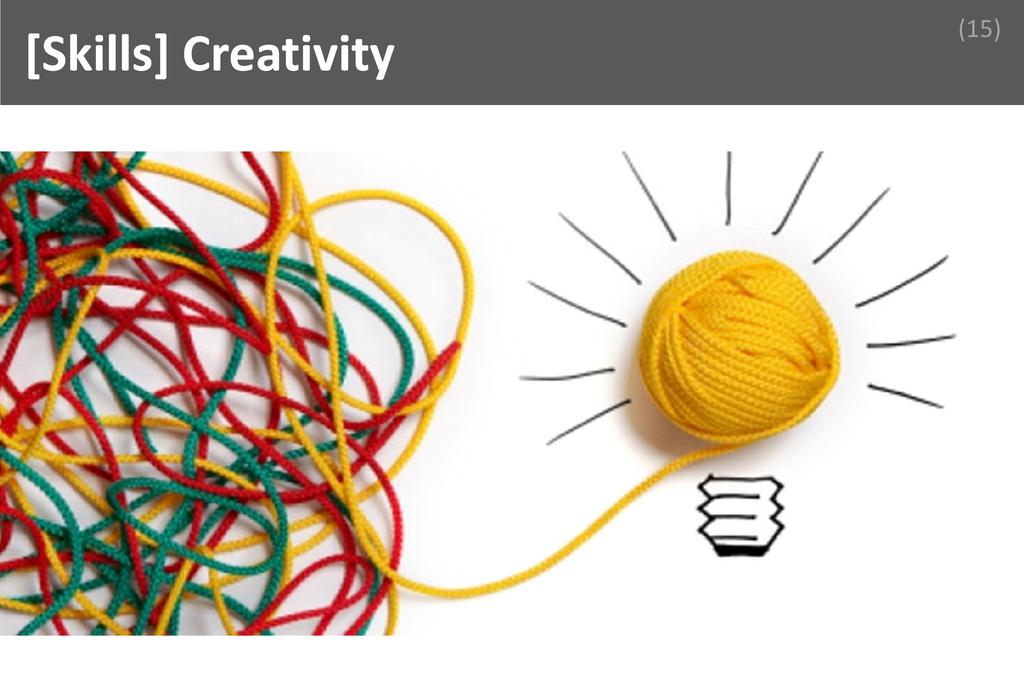
Creativity is the ability to generate original ideas, approaches, or solutions by thinking beyond conventional boundaries and combining information in novel ways. In Corporate Communications, creativity enables professionals to craft compelling messages, develop innovative campaigns, and adapt strategies to engage diverse audiences, making it an indispensable skill for success.
Creativity enhances performance in Corporate Communications by enabling professionals to differentiate their organization’s voice in a crowded marketplace. Clients and employers highly value this skill because it leads to memorable campaigns, effective crisis management, and stronger brand reputation. Creative communicators can turn complex information into engaging narratives, making messages more accessible and persuasive. To cultivate creativity, professionals should seek inspiration from various sources, embrace continuous learning, and practice brainstorming techniques. Regularly collaborating with colleagues from different backgrounds and experimenting with new communication channels also fosters creative thinking. Over time, these habits help individuals develop a flexible mindset, allowing them to respond to challenges with innovative solutions that drive organizational success.
Imagine a Corporate Communications manager facing a sudden public relations crisis due to a product recall. Instead of issuing a standard press release, the manager leverages creativity to design an interactive online platform where customers can ask questions and receive real-time updates. This approach not only addresses concerns transparently but also rebuilds trust by demonstrating empathy and responsiveness. The creative solution transforms a potentially damaging situation into an opportunity for positive engagement, earning praise from both the public and company leadership. By thinking beyond traditional methods, the manager successfully protects the brand’s reputation and strengthens stakeholder relationships, showcasing the critical role of creativity in navigating high-pressure scenarios.
Strategic Handing of Tools & Channels

Strategic Handing of Tools & Channels refers to the deliberate selection, integration, and management of communication platforms and technologies to deliver targeted messages effectively. In Corporate Communications, this skill ensures that information reaches the right audiences through the most appropriate mediums, maximizing engagement, minimizing misunderstandings, and supporting organizational objectives.
Mastering the strategic use of tools and channels directly enhances a professional’s ability to craft and disseminate messages that resonate with diverse stakeholders. Clients and employers highly value this skill because it leads to more efficient communication, stronger brand reputation, and measurable outcomes. By staying current with emerging technologies, analyzing audience preferences, and evaluating the effectiveness of various platforms, professionals can continually refine their approach. Cultivating this skill involves ongoing learning, experimentation, and a willingness to adapt strategies based on feedback and results. Over time, this adaptability and insight become integral to driving successful communication campaigns and fostering trust within and outside the organization.
Imagine a company facing a sudden product recall that could impact its reputation. A Corporate Communications professional with strong strategic handling of tools and channels quickly assesses the situation and determines the best mix of internal and external platforms to use. They craft tailored messages for employees via the intranet, inform customers through social media and email, and coordinate with journalists using press releases. By leveraging each channel’s strengths and timing communications appropriately, they ensure consistent, transparent messaging. This approach not only manages the immediate crisis but also reinforces the company’s commitment to accountability and customer care, ultimately preserving trust and minimizing reputational damage.
Positives
Interesting Job Prospects

Interesting Job Prospects refers to the wide variety of roles, industries, and challenges available to professionals, offering continuous learning and dynamic career paths. In corporate communications, this means engaging with diverse projects, audiences, and technologies, ensuring that each day brings new opportunities for creativity, problem-solving, and professional growth.
The allure of interesting job prospects in corporate communications lies in the ever-evolving nature of the field. Professionals are rarely confined to repetitive routines; instead, they find themselves tackling fresh challenges, from crisis management to brand storytelling. This diversity not only keeps the work engaging but also fosters rapid skill development and adaptability. As organizations increasingly value strategic communication, practitioners enjoy the chance to move across industries, from technology to healthcare or finance, expanding their expertise and networks. The dynamic environment boosts job satisfaction, as individuals see tangible impacts from their work and are motivated by the variety and significance of their contributions. Every day presents a new scenario, making the career both stimulating and rewarding.
Imagine a corporate communications specialist who starts their week preparing a press release for a product launch in the tech sector. By midweek, they are collaborating with HR to craft internal messaging about a new diversity initiative. Later, they pivot to managing a social media campaign for a sustainability project, engaging with both employees and the public. Each task requires different skills, creative approaches, and strategic thinking. This constant shift in focus and responsibility not only keeps the workday exciting but also allows the professional to build a versatile portfolio. The variety of projects and industries they touch makes their role deeply fulfilling, as they witness the real-world impact of their communication efforts across multiple spheres.
Challenging & Exciting Projects

Challenging & Exciting Projects in corporate communications are dynamic assignments that require creative problem-solving, strategic thinking, and adaptability to rapidly changing circumstances. These projects often involve high-stakes campaigns, crisis management, or innovative storytelling, pushing professionals to grow and excel. They foster engagement, learning, and a sense of accomplishment in this fast-paced field.
The presence of challenging and exciting projects is a defining feature that makes a career in corporate communications deeply rewarding. These projects ensure that no two days are ever the same, keeping professionals intellectually stimulated and motivated. Facing new challenges regularly encourages continuous learning and skill development, which is essential for career advancement. The excitement of working on high-impact initiatives, such as launching a global campaign or managing a sensitive issue, brings a sense of purpose and pride. This dynamic environment not only boosts job satisfaction but also helps professionals build resilience and confidence. Every day presents fresh opportunities to make a meaningful difference, reinforcing the value and impact of their work.
Imagine a corporate communications specialist tasked with leading the launch of a groundbreaking sustainability initiative for a multinational company. The project demands collaboration with diverse teams, crafting compelling narratives, and managing media relations under tight deadlines. As unexpected challenges arise, such as last-minute changes in regulations or public scrutiny, the professional must think quickly and adapt strategies on the fly. Successfully navigating these complexities, seeing the campaign resonate with audiences, and witnessing positive media coverage brings immense satisfaction. The experience not only sharpens their skills but also instills a deep sense of achievement, illustrating how challenging and exciting projects can transform daily work into a fulfilling and inspiring journey.
Working with Informed People

Working with informed people means collaborating with colleagues and stakeholders who possess up-to-date knowledge, keen insights, and a clear understanding of the organization’s goals, industry trends, and communication strategies. This environment fosters meaningful dialogue, encourages innovative thinking, and ensures that decisions are made based on accurate information and shared expertise.
The presence of informed people in corporate communications creates a dynamic and intellectually stimulating workplace. Professionals benefit from engaging discussions, constructive feedback, and the collective wisdom of a knowledgeable team. This not only accelerates personal and professional growth but also enhances the quality of work produced. Daily interactions with informed colleagues lead to more effective problem-solving, quicker adaptation to change, and a stronger sense of purpose. The ability to rely on others’ expertise boosts confidence and job satisfaction, as each team member feels valued and empowered to contribute. Ultimately, working with informed people cultivates a culture of trust, learning, and continuous improvement, making every project more impactful and rewarding.
Imagine a corporate communications specialist preparing a crisis response plan. Surrounded by informed colleagues from legal, public relations, and executive leadership, the specialist can quickly gather accurate facts, anticipate stakeholder concerns, and craft clear, effective messaging. Each team member brings their unique expertise, ensuring that the response is comprehensive and aligned with organizational values. The specialist feels supported and inspired, knowing that every decision is backed by collective knowledge and thoughtful analysis. This collaborative environment not only leads to a successful outcome but also reinforces the specialist’s sense of accomplishment and pride in their work. The experience highlights how working with informed people transforms challenges into opportunities for growth and excellence.
Travelling

Travelling refers to the act of journeying to different locations, both domestically and internationally, for work-related purposes such as meetings, events, conferences, and stakeholder engagements. In corporate communications, travelling enables professionals to build relationships, understand diverse perspectives, and represent their organization effectively in various cultural and business contexts.
The opportunity to travel is a significant advantage in corporate communications because it transforms routine work into a dynamic and enriching experience. Travelling exposes professionals to new ideas, cultures, and business practices, which broadens their understanding and sharpens their communication skills. This exposure fosters personal and professional growth, making each assignment unique and engaging. The excitement of new environments and the challenge of adapting messages for different audiences contribute to higher job satisfaction. Professionals often find themselves more motivated and inspired, as every trip presents a chance to learn, network, and make a tangible impact. The daily experience of preparing for travel, meeting new people, and representing their organization on a global stage makes the role both stimulating and rewarding.
Imagine a corporate communications manager who is tasked with launching a new product across several international markets. She travels to major cities in Europe and Asia, meeting with local teams, media representatives, and business partners. Each destination offers her a fresh perspective on how the product is perceived and what messages resonate best. She adapts her communication strategies to fit cultural nuances, ensuring the campaign’s success in each region. The experience of collaborating face-to-face with colleagues from different backgrounds not only strengthens her professional relationships but also deepens her appreciation for global diversity. This journey leaves her feeling accomplished, inspired, and more connected to her organization’s mission.
Sense of Achievement

A sense of achievement is the fulfilling emotion that arises when individuals accomplish meaningful goals, overcome challenges, and see tangible results from their efforts. In corporate communications, this feeling is amplified by the knowledge that one’s work shapes perceptions, builds trust, and drives organizational success, making every accomplishment deeply rewarding.
The sense of achievement in corporate communications is a powerful motivator that elevates both personal and professional satisfaction. When communicators see their strategies resonate with audiences, witness improved stakeholder relationships, or help navigate a crisis successfully, they experience a profound sense of purpose. This positive aspect fuels ongoing enthusiasm for the role, encouraging professionals to innovate and grow. It also fosters resilience, as each success reinforces confidence and a belief in one’s abilities. The daily experience of making a real difference—whether through crafting compelling messages or managing complex campaigns—translates into higher job satisfaction and a lasting commitment to excellence in the field.
Imagine a corporate communications specialist tasked with managing the rollout of a major organizational change. Through careful planning, transparent messaging, and responsive engagement, they help employees understand and embrace the transition. When feedback reveals increased morale and a smooth adaptation across teams, the specialist feels a deep sense of achievement. This fulfillment comes not only from the successful execution of a challenging project but also from knowing their work has positively impacted colleagues and the company’s future. Such moments become defining experiences, reinforcing why a career in corporate communications is both meaningful and immensely rewarding.
Meeting Interesting People

Meeting interesting people means regularly engaging with individuals from diverse backgrounds, industries, and cultures who bring unique perspectives, stories, and expertise. In corporate communications, this involves connecting with colleagues, clients, media professionals, and stakeholders, fostering dynamic interactions that spark creativity, broaden understanding, and enrich both professional and personal growth.
The opportunity to meet interesting people is a cornerstone of job satisfaction in corporate communications. Every day, professionals find themselves collaborating with thought leaders, creative minds, and experts from various fields. These interactions not only make the work environment vibrant and intellectually stimulating but also open doors to new ideas and innovative solutions. Building relationships with such a wide array of individuals enhances communication skills, cultural awareness, and adaptability. This constant exposure to fresh viewpoints fuels personal development and keeps the role engaging. Over time, these connections can lead to mentorship, partnerships, and career advancement, making the profession both rewarding and full of potential for growth.
Imagine a corporate communications specialist tasked with organizing a global conference for their company. In the process, they coordinate with international speakers, journalists, and industry influencers, each bringing their own stories and expertise to the table. Through these interactions, the specialist not only learns about emerging trends and best practices but also forms lasting professional relationships. The experience of exchanging ideas with such a diverse group is invigorating and leaves a lasting impression, reinforcing the value of their role. This daily exposure to fascinating individuals transforms routine tasks into meaningful opportunities, making each day on the job both exciting and deeply fulfilling.
Challenges
Long Working Hours

Long working hours in Corporate Communications refer to consistently extended workdays, often stretching into evenings and weekends, due to urgent deadlines, crisis management, and the need for rapid response. This environment is demanding because it requires constant availability, quick decision-making, and the ability to juggle multiple high-stakes projects simultaneously.
The pressure of long working hours can lead to fatigue, reduced creativity, and increased stress, impacting both productivity and personal well-being. Professionals in Corporate Communications must demonstrate resilience, as the unpredictable nature of media cycles and stakeholder demands can disrupt work-life balance. To navigate these challenges, successful communicators prioritize tasks, set boundaries where possible, and leverage teamwork to share the load. They also cultivate strong organizational skills and practice self-care, ensuring they remain effective under pressure. By proactively managing their time and seeking support from colleagues, they maintain both their performance and their health, turning a demanding schedule into an opportunity for professional growth.
Consider a communications manager at a global technology firm who faces a product recall crisis late on a Friday. Instead of succumbing to stress, she quickly assembles her team, delegates responsibilities, and establishes a clear action plan. By rotating shifts and using collaborative tools, the team maintains round-the-clock coverage without overwhelming any single member. The manager also ensures brief breaks and regular check-ins, fostering a supportive environment. Through strategic delegation and open communication, the team addresses media inquiries, crafts messaging, and manages stakeholder expectations efficiently. This approach not only resolves the crisis but also demonstrates how effective management and teamwork can help professionals in Corporate Communications successfully navigate the challenge of long working hours.
Ever Changing Field

The "Ever Changing Field" in Corporate Communications refers to the constant evolution of communication channels, technologies, audience expectations, and regulatory landscapes. This dynamic environment demands that professionals continuously adapt strategies, master new tools, and respond swiftly to emerging trends, making it a particularly challenging and fast-paced career domain.
The relentless pace of change in Corporate Communications can disrupt established workflows, requiring professionals to frequently update their knowledge and skills. This environment can create uncertainty and pressure, as yesterday’s best practices may quickly become obsolete. Resilience becomes essential, as professionals must embrace lifelong learning and remain open to experimentation. Successful communicators proactively monitor industry developments, invest in ongoing education, and cultivate networks for knowledge sharing. By fostering adaptability and maintaining a growth mindset, they transform uncertainty into opportunity, ensuring their strategies remain relevant and effective despite continuous change.
Consider a communications manager at a global technology firm who faces the sudden rise of a new social media platform popular among key stakeholders. Rather than resisting the shift, the manager quickly researches the platform’s features, consults with digital experts, and pilots a targeted campaign. By analyzing engagement metrics and gathering feedback, the manager refines the approach, ultimately integrating the new channel into the company’s broader communications strategy. This proactive response not only keeps the organization’s messaging current but also demonstrates the manager’s ability to thrive amid constant industry evolution, turning a potential disruption into a strategic advantage.
Competitive Career

A "Competitive Career" in Corporate Communications refers to the constant need to outperform peers, adapt to rapidly changing media landscapes, and consistently deliver impactful messaging. This environment is demanding because it requires professionals to balance creativity, strategic thinking, and relationship management while continuously proving their value to both internal and external stakeholders.
The pressure of a competitive career in Corporate Communications often manifests in tight deadlines, high expectations for innovation, and the necessity to stay ahead of industry trends. This environment can lead to stress and burnout if not managed properly, demanding resilience and adaptability from professionals. To navigate these challenges, successful communicators focus on continuous learning, building strong professional networks, and maintaining a proactive approach to problem-solving. They prioritize self-care and time management, ensuring they remain effective under pressure. By embracing feedback and seeking mentorship, they refine their skills and stay motivated, turning competition into an opportunity for personal and professional growth rather than a source of anxiety.
Consider a communications manager at a multinational company who faces intense competition both within their team and from external agencies. To stand out, they regularly attend industry workshops, stay updated on digital communication trends, and actively seek feedback from colleagues and supervisors. When tasked with launching a high-stakes internal campaign, they collaborate across departments, leveraging diverse perspectives to create a compelling narrative. Their willingness to adapt, learn, and engage with others not only leads to a successful campaign but also earns them recognition and new opportunities. By viewing competition as a catalyst for growth rather than a threat, they effectively manage the pressures of a competitive career in Corporate Communications.
Balance in Work

Balance in Work within Corporate Communications refers to the ongoing effort to manage multiple, often conflicting, priorities such as urgent media requests, internal messaging, crisis management, and strategic planning. This balance is demanding because it requires constant adaptability, rapid decision-making, and the ability to maintain clarity under pressure while meeting diverse stakeholder expectations.
The challenge of maintaining balance in Corporate Communications can lead to long hours, heightened stress, and the risk of burnout as professionals juggle simultaneous deadlines and shifting priorities. This environment demands resilience, as communicators must remain composed and effective even when unexpected crises arise. Successful professionals navigate these constraints by setting clear boundaries, prioritizing tasks based on impact, and leveraging strong organizational skills. They also cultivate supportive networks within their teams, enabling them to delegate effectively and share the workload during peak periods. By proactively managing their time and maintaining open communication with stakeholders, they are better equipped to adapt to sudden changes without sacrificing the quality or consistency of their messaging.
Consider a Corporate Communications manager at a large technology firm who is simultaneously preparing for a major product launch and responding to a sudden reputational crisis triggered by negative media coverage. To maintain balance, the manager quickly assesses the urgency and potential impact of each situation, reallocates resources, and communicates transparently with both the executive team and external partners. By delegating routine launch tasks to trusted team members and focusing personally on crisis response, the manager ensures that both priorities receive appropriate attention. Through effective time management, clear delegation, and open lines of communication, the manager successfully navigates the competing demands, demonstrating how balance in work can be achieved even in high-pressure environments.
A Day Of
Corporate Affairs

In the world of corporate communications, no two days are ever quite the same. The pace is brisk, the stakes are high, and the environment buzzes with a constant flow of information, deadlines, and collaboration. Whether crafting a press release under pressure, fielding urgent media inquiries, or aligning messaging across departments, a communications professional must balance creativity with precision, diplomacy with decisiveness. Each day unfolds as a dynamic blend of strategy, storytelling, and swift problem-solving, all set against the backdrop of a fast-moving corporate landscape where every word counts.
As the sun rises, the day begins with a quiet but focused review of the latest news, industry trends, and internal updates. This early hour is dedicated to scanning media coverage, monitoring social channels for brand mentions, and checking overnight emails for any urgent developments. It’s a time for gathering insights, updating briefing documents, and preparing talking points for executives who may face the press or internal stakeholders later in the day. The morning setup is all about laying a solid foundation, ensuring that the team is informed and ready to respond to whatever the day may bring.
By mid-morning, the tempo accelerates as the core work of the day takes center stage. This is when press releases are drafted, key messages are refined, and media pitches are tailored to target journalists. The phone rings with requests for comment, and inboxes fill with questions from both reporters and colleagues. Meetings with leadership or subject matter experts are common, as communicators gather quotes, clarify details, and align on strategy. The energy is palpable, with deadlines looming and the pressure to deliver clear, compelling narratives that reflect the company’s voice and values.
The afternoon is marked by a flurry of collaborative activity. Cross-functional meetings bring together marketing, HR, legal, and product teams to coordinate messaging for upcoming campaigns or address sensitive issues. Drafts of speeches, blog posts, or internal announcements are circulated for feedback and approval. It’s a time for executing on the plans set earlier, whether that means scheduling social media posts, finalizing event logistics, or briefing spokespeople ahead of interviews. The focus shifts from ideation to implementation, with teamwork and adaptability at the forefront.
As the day winds down, attention turns to wrapping up loose ends and preparing for tomorrow’s challenges. Reports are compiled to track media coverage and measure the impact of communications efforts. Notes from the day’s meetings are organized, and follow-up tasks are assigned. There’s time for a final scan of news alerts and social channels to ensure no late-breaking issues have emerged. The evening is also an opportunity to brainstorm fresh ideas, research upcoming trends, and set priorities for the next day, ensuring that the cycle of communication continues seamlessly and strategically. |


 Home
Home Abroad
 Plan
Plan Philosophy
 Seminar
 Pages
Pages Advisors
 Testimonials



















 Workshop
 Discuss
 Meet
Meet
 Advisor
 Story
Story
 Fine Print
 Links
Links
 Blog
Blog
 Follow
