The Journey of PR Management
What Is PR Management
PR Management

PR Management is the strategic process of shaping and maintaining a positive public image for organizations or individuals. It involves planning, executing, and evaluating communication efforts to build relationships with target audiences, manage reputations, and respond effectively to public opinion, media inquiries, and potential crises.
PR Management plays a crucial role in establishing trust and credibility for organizations and individuals. It enables professionals to proactively shape narratives, respond to challenges, and foster positive relationships with stakeholders. Effective PR Management helps organizations navigate crises, enhance brand reputation, and increase visibility in competitive markets. Professionals in this field benefit from the ability to influence public perception, build lasting partnerships, and drive organizational growth. By managing communication channels and media relations, PR managers ensure that key messages reach the right audiences, ultimately supporting business objectives and long-term success.
A PR manager at a technology company might oversee the launch of a new product. They would develop a comprehensive communication plan, coordinate press releases, arrange interviews with industry journalists, and monitor media coverage. If a negative review or unexpected issue arises, the PR manager quickly crafts a response to address concerns and protect the company’s reputation. Throughout the campaign, they analyze public feedback and adjust messaging as needed to maintain a positive image. This hands-on approach demonstrates how PR Management is essential for guiding public perception, managing potential risks, and ensuring that the organization’s story is told effectively in the marketplace.
Education
Brand

A brand is the collective perception, identity, and reputation of an organization, product, or individual, shaped by visual elements, messaging, values, and audience experiences. In PR Management, understanding brand is essential, as it underpins strategic communication, stakeholder engagement, and reputation management within both academic study and professional practice.
Grasping the concept of brand is crucial for anyone entering or advancing in PR Management because it serves as the foundation for all communication strategies and public interactions. A clear understanding of brand enables professionals to craft consistent messaging, build trust, and foster loyalty among stakeholders. It also empowers PR managers to anticipate and mitigate reputational risks, ensuring that every public statement or campaign aligns with the organization’s core values and long-term vision. Over time, this expertise not only enhances the effectiveness of PR initiatives but also positions professionals as strategic advisors within their organizations, opening doors to leadership roles and greater career advancement.
Imagine a PR manager at a technology company facing a product recall. Drawing on their deep understanding of the brand, the manager crafts public statements that reflect the company’s commitment to transparency, innovation, and customer care. They coordinate with internal teams to ensure that all communications, from press releases to social media updates, reinforce these brand values. By consistently aligning their crisis response with the established brand identity, the PR manager helps maintain public trust, minimizes reputational damage, and demonstrates the organization’s reliability. This scenario highlights how theoretical knowledge of brand directly informs practical decision-making and communication strategies in high-pressure situations.
Psychology

Psychology is the scientific study of human behavior and mental processes, exploring how individuals think, feel, and act in various situations. In the context of PR Management, psychology provides essential insights into audience motivations, perception, and communication, forming a crucial part of the academic and professional toolkit for effective relationship-building and message crafting.
Understanding psychology is vital for PR Management because it enables professionals to anticipate and influence public attitudes, behaviors, and responses. By grasping psychological principles such as persuasion, motivation, and group dynamics, PR managers can craft messages that resonate deeply with target audiences. This foundational knowledge helps in managing crises, building trust, and fostering positive relationships between organizations and the public. Over the long term, a strong grounding in psychology equips PR professionals to adapt to changing social trends, predict stakeholder reactions, and develop strategies that are both ethical and effective, ensuring sustained success and credibility in their field.
Imagine a PR manager tasked with handling a corporate crisis involving negative media coverage. Drawing on their understanding of psychology, the manager recognizes the importance of empathy and transparency in communication. They craft a public statement that acknowledges the audience’s concerns, addresses emotional responses, and provides clear, reassuring information. By applying psychological principles such as active listening and emotional intelligence, the manager not only diffuses tension but also rebuilds trust with stakeholders. This approach demonstrates how theoretical knowledge of psychology directly informs practical decision-making, allowing the PR professional to navigate complex situations with confidence and achieve positive outcomes for both the organization and its audience.
Consumer Behaviour

Consumer Behaviour is the study of how individuals, groups, or organizations select, purchase, use, and dispose of products, services, ideas, or experiences to satisfy their needs and desires. In PR Management, understanding consumer behaviour is essential for crafting effective communication strategies and building positive relationships with target audiences.
Grasping the intricacies of consumer behaviour is crucial for anyone pursuing or advancing a career in PR Management. This knowledge enables professionals to anticipate audience reactions, tailor messages that resonate, and foster trust between organizations and their publics. By understanding the motivations, attitudes, and decision-making processes of consumers, PR managers can design campaigns that not only capture attention but also influence perceptions and drive engagement. Over time, this foundational expertise enhances strategic thinking, supports crisis management, and improves the ability to measure and adapt communication efforts. Ultimately, mastering consumer behaviour equips PR professionals with a competitive edge, ensuring their messages are both relevant and impactful in a rapidly evolving media landscape.
Consider a PR manager working for a technology company launching a new smartphone. By applying their understanding of consumer behaviour, the manager identifies that the target audience values innovation, social status, and user-friendly features. This insight guides the development of press releases, influencer partnerships, and social media campaigns that highlight these specific attributes. During the launch, the manager monitors consumer feedback and adapts messaging to address concerns or misconceptions, ensuring the campaign remains aligned with audience expectations. Through this process, the PR manager not only increases product visibility but also builds a positive brand image, demonstrating how theoretical knowledge of consumer behaviour directly informs and enhances daily PR operations.
Marketing

Marketing is the strategic process of identifying, anticipating, and satisfying customer needs through the creation, communication, and delivery of value. It encompasses market research, product development, pricing, promotion, and distribution. In PR Management, marketing knowledge is essential for aligning communication strategies with organizational goals and ensuring messages resonate with target audiences.
Understanding marketing is crucial for anyone in PR Management because it provides the framework for crafting effective communication strategies that support business objectives. Marketing teaches professionals how to analyze audiences, position brands, and measure the impact of campaigns, all of which are integral to successful public relations. This foundational knowledge enables PR managers to collaborate seamlessly with marketing teams, ensuring consistency in messaging and maximizing the reach of campaigns. Over the long term, a strong grasp of marketing principles empowers PR professionals to adapt to changing market trends, leverage new communication channels, and demonstrate the value of their work in measurable business outcomes, thereby enhancing their career growth and organizational impact.
Consider a PR manager working for a technology company launching a new product. By applying their marketing knowledge, the manager conducts audience segmentation to identify key media outlets and influencers most likely to reach potential customers. They craft press releases and pitch stories that highlight the product’s unique value proposition, ensuring alignment with the broader marketing campaign. Throughout the launch, the PR manager monitors media coverage and audience engagement, using marketing analytics to adjust their strategy in real time. This integration of marketing theory into daily PR operations not only amplifies the product’s visibility but also ensures that all communications reinforce the company’s brand positioning and drive measurable business results.
Sociology
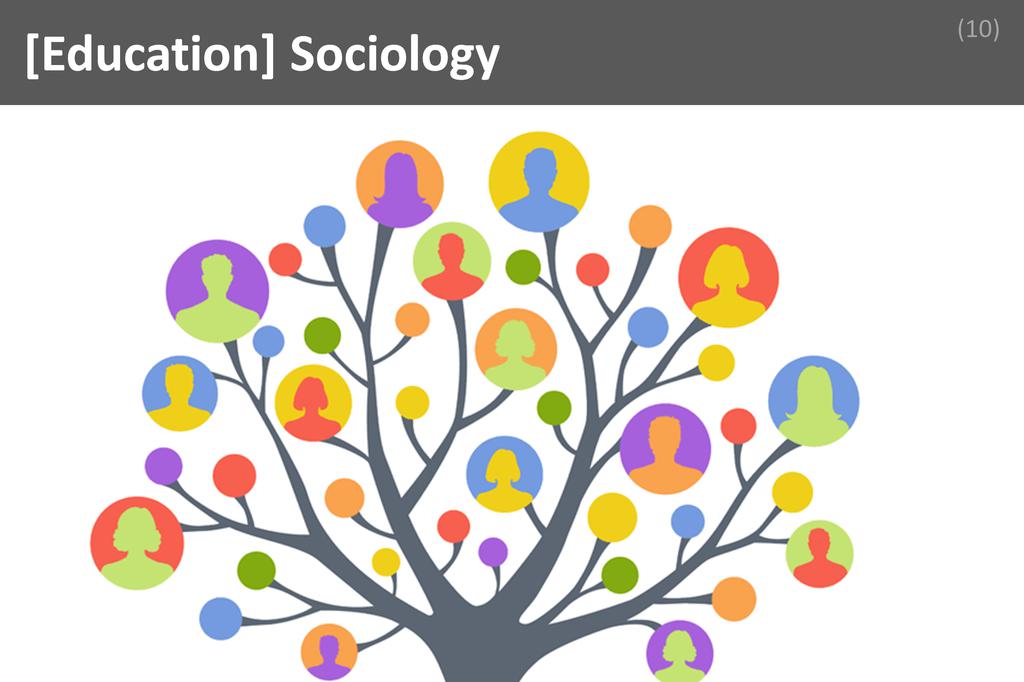
Sociology is the systematic study of society, social relationships, and the patterns of social behavior among individuals and groups. It explores how social structures, cultures, and institutions influence human interactions. For PR Management, sociology provides essential insights into audience behavior, group dynamics, and societal trends, forming a crucial part of professional expertise.
Understanding sociology is vital for PR Management because it equips professionals with the ability to analyze and interpret the complex social environments in which organizations operate. By grasping concepts such as social norms, cultural diversity, and group influence, PR managers can craft messages that resonate with diverse audiences and anticipate public reactions. This foundational knowledge helps professionals navigate crises, manage reputations, and build trust with stakeholders. Over the long term, a sociological perspective enables PR managers to adapt to societal changes, foster inclusive communication strategies, and maintain relevance in a rapidly evolving media landscape. Ultimately, sociology empowers PR professionals to make informed decisions that align organizational goals with the values and expectations of the communities they serve.
Imagine a PR manager working for a multinational company launching a new product in a culturally diverse market. Drawing on their understanding of sociology, the manager researches local customs, social hierarchies, and communication preferences. They identify key opinion leaders within the community and tailor the campaign to reflect local values and address potential concerns. When a misunderstanding arises due to cultural differences, the manager quickly recognizes the underlying social dynamics and implements a culturally sensitive response, preventing escalation. By applying sociological theories to real-world interactions, the PR manager not only enhances the effectiveness of the campaign but also strengthens the company’s reputation as a respectful and socially aware organization.
Skills
Communication
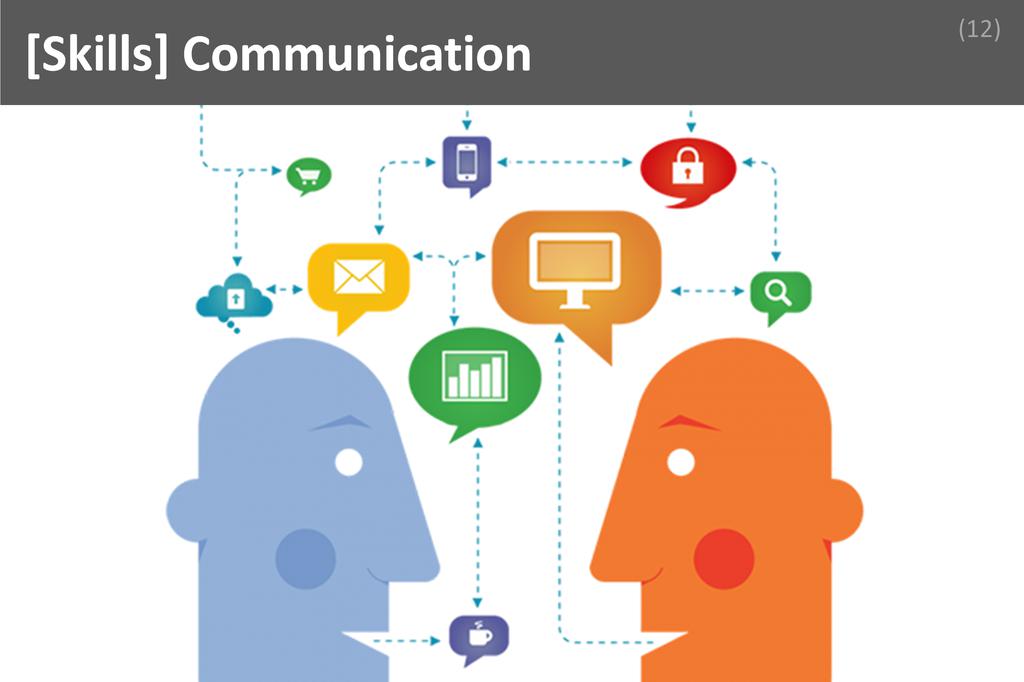
Communication is the process of effectively exchanging information, ideas, and emotions through verbal, non-verbal, and written means to foster understanding and collaboration. In PR Management, communication is the cornerstone that enables professionals to build relationships, manage reputations, and convey key messages to diverse audiences with clarity and impact.
Strong communication skills directly enhance a PR manager’s ability to craft compelling narratives, respond to crises, and maintain positive relationships with media, clients, and stakeholders. Employers and clients highly value this skill because it ensures that messages are delivered accurately and persuasively, protecting and elevating the organization’s public image. To cultivate communication skills, professionals should seek feedback, engage in active listening, and practice clear, concise writing and speaking. Over time, exposure to varied communication channels and challenging scenarios helps refine these abilities, making the PR manager more adaptable and effective in any situation.
Imagine a PR manager facing a sudden negative news story about their client. The manager must quickly gather facts, coordinate with the client, and draft a clear, empathetic public statement. By communicating transparently with both the media and internal teams, the manager helps control the narrative, reassures stakeholders, and minimizes reputational damage. Their ability to listen, interpret concerns, and respond thoughtfully ensures that the client’s perspective is understood and respected. This scenario highlights how adept communication not only resolves immediate crises but also strengthens trust and credibility for long-term success in PR management.
Team Work

Team Work is the collaborative effort of individuals working together towards a common goal, leveraging diverse skills, perspectives, and strengths to achieve optimal results. In PR Management, Team Work is indispensable because campaigns, crisis responses, and client relations demand seamless coordination, clear communication, and mutual support among colleagues to ensure success.
Team Work directly enhances performance in PR Management by fostering a culture of shared responsibility and creative problem-solving. When professionals collaborate effectively, they can brainstorm innovative strategies, anticipate challenges, and deliver cohesive messaging across channels. Clients and employers highly value this skill because it leads to more reliable outcomes, faster project turnaround, and a unified brand voice. To cultivate Team Work, individuals should actively seek feedback, participate in group projects, and develop empathy for colleagues’ perspectives. Over time, consistent practice in open communication, conflict resolution, and adaptability helps professionals become indispensable team players, ultimately driving both personal and organizational growth.
Imagine a PR agency facing a sudden crisis for a high-profile client whose product has received negative media attention. The PR manager quickly assembles a cross-functional team, including media relations specialists, content creators, and social media managers. Through effective Team Work, the group divides responsibilities, shares real-time updates, and crafts a unified response strategy. By pooling their expertise and supporting each other under pressure, they manage to control the narrative, reassure stakeholders, and restore the client’s reputation. This scenario highlights how Team Work enables PR professionals to respond swiftly and effectively to challenges, turning potential setbacks into opportunities for demonstrating reliability and competence.
Confidence

Confidence is the assured belief in one’s abilities, decisions, and value, enabling individuals to act decisively and communicate effectively, even in uncertain situations. In PR Management, confidence empowers professionals to represent clients assertively, handle crises with composure, and inspire trust among stakeholders, making it indispensable for career success.
Confidence directly enhances a PR manager’s performance by enabling clear communication, persuasive presentations, and decisive action during high-pressure situations. Clients and employers value this trait because it signals reliability and leadership, fostering trust in the manager’s ability to safeguard reputations and manage public perception. Cultivating confidence involves continuous learning, seeking feedback, and embracing new challenges to build competence and self-assurance. Over time, experience in handling diverse PR scenarios strengthens one’s belief in their skills, allowing them to approach each task with poise. By consistently reflecting on successes and learning from setbacks, PR professionals can gradually develop the confidence necessary to excel in their roles and earn the respect of clients and colleagues alike.
Imagine a PR manager facing a sudden media crisis where negative news about a client is rapidly spreading online. The manager must address the press, answer tough questions, and reassure both the client and the public. In this high-stakes moment, confidence becomes the cornerstone of success. The manager’s assured demeanor calms the client, while their clear and assertive communication reassures journalists and stakeholders. By confidently outlining the facts, acknowledging concerns, and presenting a proactive plan, the manager not only diffuses tension but also protects the client’s reputation. This scenario highlights how confidence enables PR professionals to navigate critical situations with authority, turning potential disasters into opportunities for positive engagement.
Agility

Agility is the ability to rapidly adapt to changing circumstances, think on one’s feet, and respond effectively to unexpected challenges or opportunities. In PR Management, agility empowers professionals to navigate fast-paced environments, manage crises, and seize timely opportunities, making it a cornerstone of effective communication and reputation management.
Agility enhances a PR manager’s performance by enabling swift, strategic responses to evolving news cycles, client needs, and public sentiment. Clients and employers highly value this skill because it ensures that campaigns remain relevant and resilient, even when plans are disrupted. To cultivate agility, professionals should actively seek diverse experiences, stay informed about industry trends, and practice scenario planning. Regularly reflecting on past responses and remaining open to feedback also sharpens one’s ability to pivot quickly. Over time, these habits foster a mindset that embraces change, allowing PR managers to confidently handle uncertainty and deliver consistent results, regardless of external pressures or shifting priorities.
Imagine a PR manager overseeing a product launch when a sudden, unrelated crisis dominates the news cycle, threatening to overshadow the campaign. Demonstrating agility, the manager quickly assesses the situation, consults with stakeholders, and revises the communication strategy to acknowledge the broader context while maintaining the brand’s message. By reallocating resources and adjusting the timing of key announcements, the manager ensures the campaign remains sensitive and relevant. This nimble approach not only protects the brand’s reputation but also positions the client as responsive and empathetic, ultimately turning a potential setback into an opportunity for positive engagement. Such adaptability is a clear testament to the power of agility in PR Management.
Listening
Listening is the active process of receiving, interpreting, and understanding spoken or unspoken messages from others, while withholding judgment and responding thoughtfully. In PR Management, listening is fundamental because it enables professionals to grasp client needs, anticipate public sentiment, and craft effective communication strategies that resonate with diverse audiences.
Mastering the art of listening directly enhances a PR manager’s ability to build trust, foster collaboration, and respond proactively to emerging issues. Clients and employers highly value this skill because it ensures their perspectives are genuinely understood and accurately represented. Effective listeners can identify subtle cues, underlying concerns, and potential opportunities that might otherwise be overlooked. Over time, one can cultivate listening by practicing mindfulness during conversations, seeking feedback, and engaging in active reflection after interactions. Consistently prioritizing the viewpoints of others not only strengthens relationships but also leads to more informed decision-making and successful campaign outcomes.
Imagine a PR manager handling a crisis for a major client facing negative media attention. Instead of immediately issuing a statement, the manager first listens attentively to the client’s concerns, the public’s reactions on social media, and the perspectives of internal stakeholders. By carefully absorbing all viewpoints, the manager identifies the root causes of the issue and uncovers key messages that resonate with both the client and the public. This approach enables the manager to craft a response that addresses concerns authentically, rebuilds trust, and ultimately turns a potential disaster into an opportunity for positive engagement. Listening, in this scenario, proves to be the cornerstone of effective crisis management and long-term reputation building.
Observation

Observation is the attentive and systematic process of noticing, interpreting, and understanding details, behaviors, and patterns in people, environments, and situations. In PR Management, observation enables professionals to detect subtle shifts in public sentiment, anticipate emerging trends, and recognize potential risks or opportunities before they become obvious, making it a foundational skill.
Strong observation skills empower PR professionals to read between the lines during client meetings, media interactions, and public events. This ability allows them to identify unspoken concerns, gauge audience reactions, and adapt strategies in real time. Clients and employers highly value this skill because it leads to proactive issue management and more effective communication campaigns. Cultivating observation involves practicing mindfulness, actively listening, and reflecting on interactions to recognize patterns and nuances. Over time, professionals can enhance their observational abilities by seeking feedback, staying curious, and consistently analyzing both verbal and nonverbal cues in various contexts.
Imagine a PR manager attending a press conference for a client launching a new product. While the event appears to be running smoothly, the manager notices a few journalists exchanging skeptical glances and whispering after a particular statement. Drawing on keen observation, the manager quickly identifies a potential misunderstanding about the product’s features. After the conference, the manager addresses the issue directly with the journalists, clarifies the confusion, and provides additional information. This timely intervention prevents negative press coverage and ensures the product launch is received positively, demonstrating how observation can be the key to managing perceptions and safeguarding a client’s reputation.
Patience

Patience is the ability to remain calm, composed, and persistent in the face of delays, challenges, or provocation, without becoming frustrated or reactive. In PR Management, patience allows professionals to navigate complex situations, build lasting relationships, and achieve long-term goals, making it a fundamental skill for sustainable success.
Patience directly enhances performance in PR Management by enabling professionals to thoughtfully handle crises, negotiate with stakeholders, and manage client expectations without succumbing to pressure. Clients and employers value patience because it fosters trust, ensures consistent communication, and leads to more strategic decision-making. Developing patience involves practicing active listening, embracing feedback, and maintaining a long-term perspective, especially when results are not immediate. Over time, professionals can cultivate this skill by reflecting on past experiences, learning to manage stress, and focusing on incremental progress rather than instant outcomes. By integrating patience into daily practice, PR managers become more resilient, adaptable, and effective in achieving both organizational and client objectives.
Imagine a PR manager overseeing a high-profile product launch that encounters unexpected negative media coverage. Instead of reacting impulsively or issuing a hasty statement, the manager exercises patience by thoroughly assessing the situation, consulting with the team, and gathering all relevant facts. This measured approach allows for the development of a well-crafted response that addresses concerns and rebuilds public trust. By patiently engaging with journalists, stakeholders, and the public, the manager gradually shifts the narrative and restores the brand’s reputation. In this scenario, patience proves crucial, as it prevents escalation, fosters thoughtful communication, and ultimately leads to a successful resolution that benefits both the client and the organization.
Decision Making

Decision Making is the process of evaluating information, weighing alternatives, and choosing the most effective course of action to achieve desired outcomes. In PR Management, this skill is vital for navigating complex situations, responding to crises, and shaping communication strategies that align with organizational goals and public expectations.
Strong decision making enhances a PR manager’s ability to respond swiftly and effectively to both opportunities and challenges. Clients and employers highly value this skill because it ensures that public messaging remains consistent, timely, and aligned with brand values, even under pressure. Effective decision makers can anticipate potential risks, adapt to changing circumstances, and maintain stakeholder trust. Cultivating this skill involves gaining experience in high-pressure environments, seeking feedback from mentors, and staying informed about industry trends. Over time, professionals can refine their judgment by analyzing past outcomes, learning from mistakes, and developing a structured approach to evaluating options before acting.
Imagine a PR manager faced with a sudden negative news story about their client. The manager must quickly assess the situation, gather accurate information, and decide whether to issue a public statement, remain silent, or take corrective action. By relying on sound decision making, the manager evaluates the potential impact of each option on the client’s reputation and chooses a response that addresses public concerns while protecting the client’s interests. This timely and thoughtful decision not only mitigates the immediate crisis but also reinforces the client’s credibility and trustworthiness in the eyes of the public and stakeholders.
Convincing Power

Convincing Power is the ability to influence others’ attitudes, beliefs, or actions through clear communication, credibility, and emotional intelligence. In PR Management, this skill enables professionals to shape public perception, secure stakeholder buy-in, and build trust, making it indispensable for navigating complex relationships and achieving organizational objectives.
Convincing Power directly enhances a PR manager’s effectiveness by enabling them to secure media coverage, manage crises, and foster positive relationships with stakeholders. Clients and employers highly value this skill because it translates to tangible results, such as increased brand visibility and reputation management. To cultivate Convincing Power, professionals should focus on honing their communication skills, understanding audience motivations, and practicing empathy. Continuous learning, seeking feedback, and observing persuasive communicators can further strengthen this ability over time. As PR landscapes evolve, those who master Convincing Power remain adaptable and influential, consistently delivering value to their organizations and clients.
Imagine a PR manager facing a sudden negative news story about their client. The manager must quickly convince skeptical journalists of the client’s commitment to transparency and ethical practices. Drawing on Convincing Power, the manager crafts a compelling narrative, presents verifiable facts, and addresses concerns with empathy and confidence. Through persistent, persuasive communication, the manager not only mitigates the immediate crisis but also strengthens the client’s reputation for honesty and accountability. This scenario highlights how Convincing Power enables PR professionals to turn challenges into opportunities, reinforcing trust and credibility in high-pressure situations.
Adaptability

Adaptability is the ability to adjust quickly and effectively to new situations, challenges, or changes in the environment. In PR Management, adaptability means staying flexible amid shifting client needs, evolving media landscapes, and unexpected crises. It empowers professionals to respond proactively, ensuring communication strategies remain relevant and effective.
Adaptability directly enhances a PR manager’s performance by enabling them to pivot strategies in response to unforeseen developments, such as sudden negative publicity or changes in client objectives. Employers and clients highly value this skill because it ensures that campaigns remain resilient and effective, even when circumstances shift unexpectedly. Cultivating adaptability involves embracing continuous learning, seeking feedback, and staying informed about industry trends. Over time, professionals can develop this skill by reflecting on past experiences, being open to new ideas, and practicing flexibility in their daily work. This ongoing process helps PR managers remain resourceful and responsive, which is crucial for building trust and achieving long-term success in a dynamic field.
Imagine a PR manager overseeing a product launch when a competitor unexpectedly releases a similar product with a controversial feature that dominates media coverage. The manager must quickly adapt the original campaign, shifting focus to highlight their client’s unique values and positive differentiators. By rapidly revising messaging and engaging with key journalists, the manager turns potential overshadowing into an opportunity for positive exposure. This ability to reassess the landscape, adjust strategies, and act decisively under pressure demonstrates how adaptability can transform a challenging situation into a successful outcome, reinforcing the client’s reputation and the manager’s value as a trusted advisor.
Positive Attitude

A positive attitude is the consistent practice of approaching situations, people, and challenges with optimism, resilience, and an open mind. It involves focusing on solutions rather than problems, maintaining enthusiasm, and encouraging others. In PR Management, this mindset is crucial for navigating high-pressure environments and fostering productive relationships.
A positive attitude directly enhances performance in PR Management by enabling professionals to remain calm and solution-oriented during crises, inspire confidence in clients, and motivate team members. Employers and clients highly value this trait because it translates into reliable, proactive communication and a collaborative work environment. Cultivating a positive attitude involves self-awareness, regular reflection, and consciously reframing setbacks as opportunities for growth. Over time, practicing gratitude, seeking constructive feedback, and surrounding oneself with supportive colleagues can reinforce this mindset. As a result, PR professionals with a positive attitude are better equipped to handle stress, adapt to industry changes, and consistently deliver results that exceed expectations.
Imagine a PR manager facing a sudden negative media story about a key client. Instead of reacting with panic or defensiveness, the manager maintains a positive attitude, reassuring the client and team that the situation is manageable. By focusing on potential solutions and encouraging open dialogue, the manager quickly coordinates a strategic response, including transparent communication with stakeholders and proactive outreach to journalists. This optimistic and resilient approach not only helps contain the crisis but also strengthens the client’s trust in the PR team. Ultimately, the manager’s positive attitude transforms a challenging moment into an opportunity to demonstrate professionalism and build lasting relationships.
Positives
Meeting People

Meeting People in PR Management refers to the continuous process of connecting, interacting, and building relationships with a diverse range of individuals, including clients, journalists, influencers, colleagues, and stakeholders. This dynamic exchange of ideas and perspectives not only enriches professional networks but also fosters creativity, collaboration, and personal growth within the field.
The opportunity to meet people is a cornerstone of PR Management, offering both personal and professional rewards. Engaging with a wide variety of individuals allows PR professionals to expand their perspectives, learn from different experiences, and develop a deeper understanding of the world around them. These interactions often lead to creative collaborations, innovative solutions, and lasting partnerships that can drive successful campaigns. The daily experience of meeting new people keeps the work environment vibrant and stimulating, preventing monotony and encouraging continuous learning. This aspect of the job also enhances communication skills and emotional intelligence, making each day unique and fulfilling. Ultimately, the relationships built through these connections often become invaluable assets that support career growth and job satisfaction.
Imagine a PR Manager organizing a major product launch event. In the weeks leading up to the event, they meet with journalists to pitch stories, collaborate with designers to perfect branding materials, and connect with influencers to generate buzz. During the event itself, the PR Manager interacts with clients, media representatives, and industry leaders, forging new relationships and strengthening existing ones. Each conversation brings fresh insights and opportunities, from discovering a new media contact to learning about emerging trends in the industry. The sense of accomplishment and fulfillment that comes from these meaningful interactions is a testament to how meeting people can transform daily work into a source of inspiration and professional pride.
Being Ambitious

Being ambitious means possessing a strong desire to achieve success, constantly striving for improvement, and setting high goals for oneself. It is the drive to go beyond the ordinary, embrace challenges, and seek out new opportunities for growth. In PR Management, ambition fuels creativity, innovation, and professional advancement.
Ambition is a powerful catalyst in PR Management because it inspires professionals to push boundaries and exceed expectations. This drive leads to the pursuit of innovative campaigns, the cultivation of influential networks, and the ability to navigate complex challenges with confidence. Ambitious PR managers are more likely to seize opportunities for leadership and personal development, which translates into greater job satisfaction and a sense of accomplishment. Each day, ambition motivates professionals to learn new skills, adapt to industry trends, and deliver outstanding results for their clients or organizations. The continuous pursuit of excellence not only accelerates career growth but also fosters a dynamic and rewarding work environment.
Imagine a PR manager who is determined to elevate their client’s brand to new heights. Fueled by ambition, they proactively research emerging media trends, pitch creative story angles to top-tier journalists, and orchestrate high-impact events that capture public attention. Their relentless pursuit of excellence leads to widespread media coverage, increased brand recognition, and a significant boost in client satisfaction. This ambitious approach not only earns them accolades from their team and clients but also opens doors to new career opportunities and professional recognition. The fulfillment they experience stems from knowing their ambition directly contributed to tangible, meaningful results and lasting industry impact.
Building Relations

Building Relations in PR Management refers to the ongoing process of creating, nurturing, and sustaining meaningful connections with clients, media representatives, stakeholders, and the public. This involves trust, open communication, and mutual respect, enabling professionals to foster goodwill, facilitate collaboration, and effectively manage reputations in an ever-evolving communications landscape.
The ability to build strong relationships is at the heart of PR Management, making the profession both rewarding and impactful. When professionals invest in genuine connections, they not only enhance their clients’ reputations but also create a supportive network that opens doors to new opportunities. These relationships foster trust, making it easier to navigate crises, pitch stories, and secure positive media coverage. The daily experience of collaborating with diverse individuals and organizations brings a sense of accomplishment and belonging, boosting job satisfaction. Over time, these connections become invaluable assets, supporting career growth and personal development. The sense of community and mutual support that arises from strong relationships is a key reason why many find PR Management a fulfilling and dynamic career path.
Imagine a PR Manager who has spent years cultivating relationships with journalists, industry influencers, and clients. When a client faces an unexpected crisis, the manager’s established network becomes a lifeline. Because of the trust and rapport built over time, journalists are more receptive to the manager’s perspective, ensuring fair and balanced coverage. The client feels supported, knowing their reputation is in capable hands. The PR Manager experiences firsthand the power of these relationships, not just in resolving the immediate crisis, but in strengthening long-term partnerships. This daily reliance on meaningful connections highlights the deeply rewarding nature of building relations in PR Management, turning professional challenges into opportunities for growth and collaboration.
Challenges
Work Life Balance

Work life balance in PR Management refers to the ongoing effort to maintain a healthy separation and integration between demanding professional responsibilities—such as crisis communications, client deadlines, and media relations—and personal life. The field’s unpredictable hours, urgent issues, and constant connectivity make achieving this balance particularly challenging for PR professionals.
The struggle to maintain work life balance in PR Management often leads to extended work hours, emotional exhaustion, and difficulty disconnecting from work-related stress. This constant pressure can diminish creativity and job satisfaction, making resilience essential for long-term success. Professionals who thrive in this environment typically set clear boundaries, prioritize tasks, and communicate openly with both clients and colleagues about expectations and availability. They also make a conscious effort to schedule downtime and delegate responsibilities when possible, understanding that sustainable productivity relies on personal well-being. By adopting these habits, PR managers can better manage stress, remain effective in high-pressure situations, and foster a healthier relationship between their work and personal lives.
Consider a PR manager overseeing a major product launch who faces last-minute media requests and a sudden client crisis during a family weekend. Instead of sacrificing personal time entirely, she communicates her availability to her team, delegates urgent tasks, and schedules specific windows to address critical issues. By leveraging her team’s strengths and trusting their capabilities, she ensures the campaign’s success while still attending important family events. After the launch, she takes a planned day off to recharge, demonstrating to her team the importance of self-care. This approach not only preserves her well-being but also sets a positive example for balancing professional dedication with personal priorities in a demanding industry.
De Motivation

De Motivation in PR Management refers to the gradual loss of enthusiasm, drive, and commitment due to constant high-pressure demands, frequent client rejections, and the unpredictable nature of public perception. This challenge is demanding because it erodes creativity, weakens communication, and undermines the ability to maintain positive stakeholder relationships essential for success.
De Motivation can subtly infiltrate daily routines, making even routine tasks feel burdensome and sapping the energy required for creative problem-solving. Professionals may find it harder to maintain the proactive mindset necessary for crisis management and strategic planning. The relentless pace and frequent setbacks inherent in PR can amplify feelings of frustration and self-doubt. Overcoming this challenge requires resilience, self-awareness, and a commitment to personal well-being. Successful PR managers often rely on strong support networks, regular reflection, and clear goal-setting to regain perspective. They also prioritize celebrating small wins and learning from setbacks, which helps to restore motivation and maintain a sense of purpose even during challenging periods.
Consider a PR manager who, after months of tireless work on a major campaign, faces unexpected negative media coverage that threatens the project’s success. Initially, the setback leads to feelings of de motivation and self-doubt. Instead of withdrawing, the manager seeks feedback from colleagues, revisits the campaign’s core objectives, and identifies areas for improvement. By focusing on actionable steps and drawing strength from team collaboration, the manager gradually regains confidence and enthusiasm. This renewed motivation not only helps to turn the campaign around but also strengthens the manager’s resilience for future challenges, demonstrating how proactive engagement and support can effectively counteract de motivation in PR management.
Competition

Competition in PR Management refers to the ongoing struggle among professionals and agencies to secure clients, media attention, and positive public perception. This challenge is demanding because it requires constant innovation, adaptability, and the ability to differentiate oneself in a crowded marketplace where reputation and results are always under scrutiny.
The pressure of competition in PR Management permeates daily work, influencing everything from client pitches to campaign execution. Professionals must consistently deliver creative solutions and measurable outcomes to retain clients and attract new business. This environment demands resilience, as setbacks and rejections are common. Successful PR managers navigate this constraint by cultivating strong industry relationships, staying informed about trends, and continuously refining their skills. They also focus on building a unique value proposition, leveraging their strengths to stand out. By maintaining adaptability and a proactive mindset, they turn competitive pressures into opportunities for growth and innovation, ensuring their relevance and success in a fast-paced industry.
Consider a PR manager at a mid-sized agency who faces stiff competition from larger firms when pitching to a high-profile client. Instead of relying solely on traditional tactics, the manager conducts in-depth research to uncover unique insights about the client’s brand and audience. She crafts a tailored campaign proposal that leverages emerging digital platforms and influencer partnerships, demonstrating a deep understanding of the client’s needs and industry trends. By presenting a fresh, data-driven approach and showcasing her agency’s agility, she successfully differentiates her team from competitors. The client is impressed by the personalized strategy and awards the contract to her agency, illustrating how innovation and adaptability can overcome the challenge of competition in PR Management.
A Day Of
PR Management
In the world of PR management, no two days are ever quite the same. The pace is relentless, the stakes are high, and the environment thrums with the energy of constant communication. Each day is a balancing act between proactive strategy and rapid-fire response, where a single email or trending hashtag can shift priorities in an instant. For PR professionals, the workday is a dynamic blend of creativity, crisis management, and relationship-building, all unfolding against the backdrop of a media landscape that never sleeps.
As the sun rises, a PR manager’s day begins with a quiet but crucial ritual: scanning the news, social media, and industry updates for any developments that could impact their clients or organization. This early morning window is dedicated to reviewing media coverage, monitoring for emerging issues, and prioritizing the day’s agenda. With a fresh cup of coffee in hand, the PR professional drafts key talking points, reviews scheduled press releases, and checks in with team members to ensure everyone is aligned before the day’s whirlwind begins.
By mid-morning, the tempo accelerates as the core activities of the day take center stage. This is when PR managers are deep in the trenches, pitching stories to journalists, coordinating interviews, and fielding media inquiries. The phone rings with requests for statements, and inboxes fill with questions from reporters seeking expert commentary. Crafting compelling narratives and ensuring consistent messaging across all channels becomes the primary focus, as the PR professional juggles deadlines, negotiates coverage, and works to secure positive exposure for their clients or brand.
The afternoon brings a shift toward collaboration and execution. PR managers convene with colleagues from marketing, digital, and executive teams to align on ongoing campaigns, brainstorm creative ideas, and troubleshoot any issues that have surfaced. This is the time for refining press materials, finalizing event logistics, and ensuring that all moving parts are coordinated for upcoming launches or announcements. The energy in the office is palpable as everyone works together to turn strategy into action, responding to real-time developments and making adjustments as needed.
As the day winds down, the focus turns to wrapping up and preparing for what’s next. PR managers compile media coverage reports, analyze the impact of the day’s efforts, and document key learnings for future reference. Administrative tasks, such as updating media lists and tracking campaign metrics, are handled with care. Before logging off, the PR professional reviews the next day’s schedule, anticipates potential challenges, and drafts a plan of action to stay ahead in the ever-evolving world of public relations. The day may be ending, but the cycle of communication and strategy is already gearing up to begin anew. |


 Home
Home Abroad
 Plan
Plan Philosophy
 Seminar
 Pages
Pages Advisors
 Testimonials




















 Workshop
 Discuss
 Meet
Meet
 Advisor
 Story
Story
 Fine Print
 Links
Links
 Blog
Blog
 Follow
