Career Counselling 2.0 HomeHomeCareer Counselling 2.0 AbroadAbroadCareer Counselling 2.0 PlanPlanCareer Counselling 2.0 | TalksTalksCareer Counselling 2.0 PhilosophyPhilosophyCareer Counselling 2.0 SeminarSeminarCareer Counselling 2.0 PagesPagesCareer Counselling 2.0 AdvisorsAdvisorsCareer Counselling 2.0 TestimonialsTestimonials

Computer Engineering

Computer Engineer Daniel Cohen talks about Computer Engineering course, what is Computer Engineering and other details about a Career in Computer Engineering.


Computer Engineering

Daniel Cohen | Computer Engineer | Facultad de Ciencias Exactas y Tecnologia, UNT


Career in Career-in-Computer-Engineering/spanish
Computer Engineering
Daniel Cohen
Computer Engineer | Facultad de Ciencias Exactas y Tecnologia, UNT
[ 30 years Experience ]
Career Counselling 2.0 Career Counselling 2.0 Career Counselling 2.0


What is Computer Engineering?


A Career in Computer Engineering is very intriguing. Internet is brimming with pages on How to get into Computer Engineering, while one should first understand What is a Career in Computer Engineering. The most authoritative source of information on Computer Engineering is someone with real experience in it.

Computer Engineer Daniel Cohen has 30 years of professional experience in Computer Engineering. Computer Engineer Daniel Cohen describes Computer Engineering as:

Computer engineering has an integral vision of the computer, from the layers related to the user, the apps, to the layers related to the computer, the hardware and even the ones related to the intercommunication between the computers, the internet. So computer engineering is just a career in engineering that achieves an integration of all the knowledge that is in computers so they are able to have a very widespread application. Including all the achievements that have been seen lately as cell phones, all machines applied to medicine and artificial intelligence. All of them are areas of application of computer engineering.


How Computer Engineer Daniel Cohen got into Computer Engineering?


I graduated first as an electronic engineer, because at that time when I studied, computer engineering did not exist in my country as a career. Soon after I graduated as an electronic engineer I won a scholarship to study in Israel where I did a master's degree in computer engineering at the Technological Institute of Israel called Technion. Since I returned I have been very active in my professional life, but I have never stopped being a teacher at UNT, at the beginen only part time because the rest of the time I used it in my own professional career.


Computer Engineer Daniel Cohen's Talk on Computer Engineering


Session Image
The Journey of Computer Engineering


What Is Computer Engineering


Computer Engineering

What is
Computer engineering is a discipline that combines principles of electrical engineering and computer science to design, develop, and maintain computer systems and hardware. It involves creating both the physical components and the software that powers computers, enabling seamless integration between hardware and software for various applications.

Concept
Computer engineering plays a crucial role in shaping the technology that drives modern society. Professionals in this field develop the hardware and embedded systems that power everything from smartphones to medical devices, making daily life more efficient and connected. The impact of computer engineering extends to innovation in artificial intelligence, automation, and communication technologies. One major benefit is the ability to solve complex problems by designing custom hardware solutions. Another benefit is the opportunity to work at the forefront of technological advancement, contributing to groundbreaking products. Additionally, computer engineers enjoy strong career prospects and versatility, as their skills are in high demand across multiple industries.

Real World Example
A computer engineer working in the automotive industry might be tasked with developing the embedded systems that control a car’s safety features, such as anti-lock braking or collision detection. This involves designing specialized microcontrollers, writing firmware, and ensuring the system integrates seamlessly with other vehicle electronics. The engineer collaborates with software developers and hardware designers to test and optimize the system for reliability and performance. Through their expertise, they help create safer, smarter vehicles that enhance the driving experience and meet rigorous industry standards. This example illustrates how computer engineering skills are applied to solve real-world challenges and improve everyday technology.

Education


Basic Sciences

### Basic Sciences Image
What is
Basic Sciences encompass the fundamental disciplines of physics, chemistry, mathematics, and biology that explain the natural laws governing the universe. In the context of Computer Engineering, these sciences provide the essential theoretical framework and analytical skills needed to understand, design, and optimize both hardware and software systems at a foundational level.

Concept
A solid grasp of Basic Sciences is crucial for anyone pursuing or advancing in Computer Engineering. These subjects cultivate analytical thinking, problem-solving abilities, and a deep understanding of the physical principles underlying electronic devices and computational processes. For example, physics explains how semiconductors function, while mathematics underpins algorithms and data structures. Mastery of these concepts enables professionals to innovate, troubleshoot complex systems, and adapt to emerging technologies. Over the course of a career, this foundational knowledge supports lifelong learning and the ability to bridge gaps between theoretical advancements and practical engineering solutions, ensuring continued relevance and competitiveness in a rapidly evolving field.

Real World Example
Consider a computer engineer tasked with designing a new microprocessor. Their understanding of physics allows them to analyze how electrons move through transistors, predict heat generation, and optimize energy efficiency. Mathematical knowledge helps them model circuit behavior and verify logical correctness. When troubleshooting unexpected hardware failures, their background in chemistry might help identify material degradation or corrosion issues. By drawing on these basic sciences, the engineer can make informed decisions, improve system reliability, and communicate effectively with multidisciplinary teams, demonstrating how theoretical knowledge directly informs practical, day-to-day engineering challenges.

Hardware

### Hardware Image
What is
Hardware refers to the physical components of a computer system, including processors, memory devices, storage units, input/output peripherals, and circuit boards. In Computer Engineering, understanding hardware is essential, as it forms the backbone of all computing systems and enables professionals to design, analyze, and optimize both devices and integrated systems.

Concept
A deep understanding of hardware is crucial for anyone pursuing a career in Computer Engineering because it provides the foundation upon which all computing technologies are built. Mastery of hardware concepts allows professionals to design efficient systems, troubleshoot complex issues, and innovate new solutions that integrate seamlessly with software. This knowledge is indispensable when working on embedded systems, developing new processors, or optimizing existing architectures for performance and energy efficiency. Over the long term, expertise in hardware empowers engineers to adapt to technological advancements, collaborate effectively with multidisciplinary teams, and contribute to the evolution of computing devices in industries ranging from consumer electronics to aerospace and healthcare.

Real World Example
Consider a Computer Engineer working for a company that designs smart home devices. During the development of a new smart thermostat, the engineer must select appropriate microcontrollers, design circuit layouts, and ensure compatibility with various sensors and wireless modules. Their theoretical understanding of hardware enables them to evaluate trade-offs between processing power, energy consumption, and cost. By applying this knowledge, the engineer can optimize the device for reliability and performance while meeting strict manufacturing constraints. This daily application of hardware expertise ensures the final product not only functions as intended but also stands out in a competitive market for its efficiency and innovation.

Software

### Software Image
What is
Software refers to the collection of programs, data, and instructions that enable computers and electronic devices to perform specific tasks. It encompasses operating systems, applications, and development tools. In Computer Engineering, understanding software is essential, as it bridges the gap between hardware functionality and user requirements, forming a core academic and professional competency.

Concept
A solid grasp of software is indispensable for anyone pursuing or advancing a career in Computer Engineering. Software knowledge allows professionals to design, develop, and optimize systems that integrate seamlessly with hardware components. This expertise is foundational, as it empowers engineers to troubleshoot, enhance performance, and ensure compatibility across platforms. Mastery of software concepts also fosters adaptability, enabling professionals to keep pace with rapid technological advancements and evolving industry standards. Over the long term, this proficiency opens doors to diverse roles, from embedded systems development to cybersecurity, and supports continuous professional growth. Ultimately, understanding software equips computer engineers to innovate, collaborate effectively with multidisciplinary teams, and contribute meaningfully to the advancement of technology.

Real World Example
Consider a computer engineer working on the development of a smart home device, such as a connected thermostat. Each day, this professional leverages their theoretical understanding of software to write and debug embedded code that controls temperature sensors and wireless communication modules. Their expertise ensures that the device’s firmware interacts reliably with hardware components, processes user inputs, and communicates securely with cloud services. By applying software principles, the engineer can optimize system performance, address security vulnerabilities, and implement updates efficiently. This real-world scenario highlights how a deep knowledge of software is essential for translating theoretical concepts into practical, reliable, and innovative solutions in the field of Computer Engineering.

Data Communication

### Data Communication Image
What is
Data Communication refers to the process of transmitting digital or analog data between two or more devices through a communication medium such as cables, wireless signals, or optical fibers. In Computer Engineering, it is a fundamental discipline that underpins network design, system integration, and the seamless exchange of information across computing environments.

Concept
Understanding data communication is essential for anyone pursuing or advancing a career in Computer Engineering. This subject forms the backbone of how computers, servers, and embedded systems interact within local and global networks. Mastery of data communication principles enables professionals to design robust, efficient, and secure communication protocols, troubleshoot connectivity issues, and optimize system performance. As technology evolves, the ability to adapt to new communication standards and integrate emerging technologies becomes increasingly valuable. Proficiency in data communication not only enhances problem-solving skills but also opens doors to specialized roles in networking, cybersecurity, and systems architecture, ensuring long-term career growth and adaptability in a rapidly changing industry.

Real World Example
Consider a computer engineer working for a company that develops smart home devices. Each device, such as thermostats, lights, and security cameras, must communicate reliably with a central hub and with each other over a wireless network. The engineer applies their knowledge of data communication to design protocols that minimize data loss, reduce latency, and ensure secure transmission of sensitive information. By understanding error detection, data encoding, and network topologies, the engineer can quickly diagnose and resolve issues such as interference or dropped connections. This expertise ensures that the smart home ecosystem operates smoothly, providing users with a seamless and secure experience while maintaining the integrity and efficiency of the overall system.

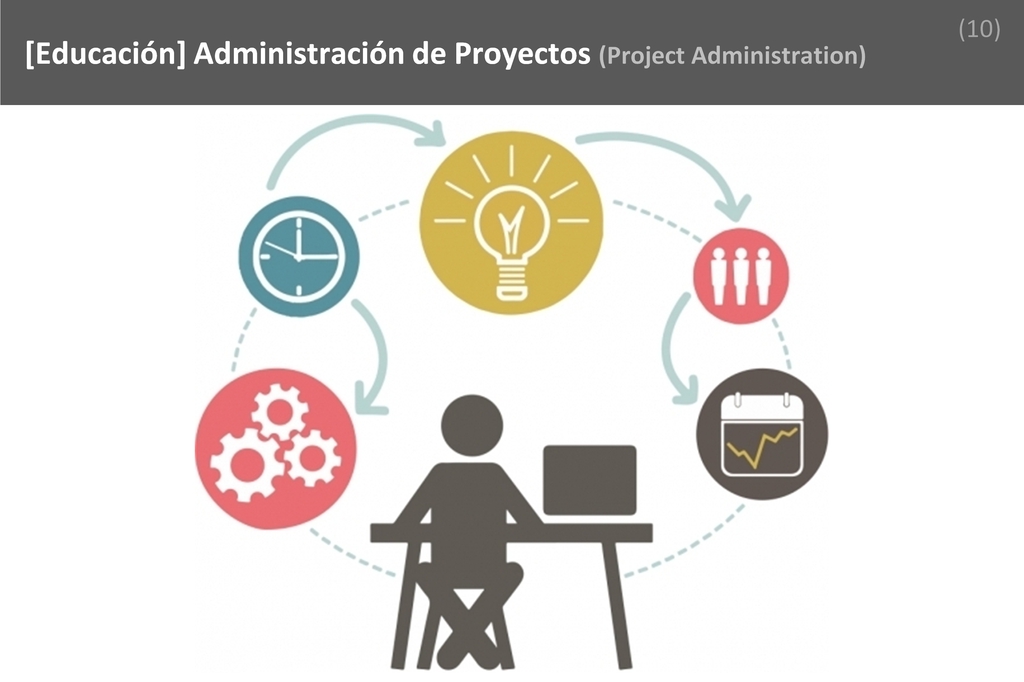
Project Administration

### Project Administration Image
What is
Project Administration is the systematic process of planning, organizing, directing, and controlling resources to achieve specific project goals within defined constraints such as time, cost, and quality. In Computer Engineering, it bridges technical expertise with managerial skills, ensuring that complex projects are executed efficiently and align with organizational objectives.

Concept
Understanding Project Administration is essential for computer engineers because it equips them with the ability to manage multifaceted projects, coordinate interdisciplinary teams, and deliver results within deadlines and budgets. Mastery of this subject ensures that engineers can translate technical solutions into actionable project plans, anticipate and mitigate risks, and communicate effectively with stakeholders. As technology projects grow in complexity, the ability to oversee timelines, allocate resources, and adapt to changing requirements becomes increasingly valuable. This foundational knowledge not only enhances immediate job performance but also opens pathways to leadership roles, as organizations seek professionals who can balance technical depth with project oversight. Over the long term, proficiency in project administration fosters career advancement and positions engineers as indispensable contributors to organizational success.

Real World Example
Consider a computer engineer tasked with developing a new embedded system for a consumer electronics company. Applying their knowledge of project administration, the engineer begins by defining project milestones, estimating resource requirements, and setting a realistic timeline. Throughout the project, they coordinate with hardware designers, software developers, and quality assurance teams, ensuring that each phase progresses smoothly and any issues are promptly addressed. When unexpected technical challenges arise, the engineer leverages risk management strategies learned through project administration to adjust the schedule and reallocate resources without compromising overall objectives. By maintaining clear documentation and facilitating regular progress meetings, the engineer ensures transparency and keeps all stakeholders informed, ultimately delivering a high-quality product on time and within budget.

Skills


Like for Change

### Like for Change Image
What is
"Like for Change" is the genuine enthusiasm for embracing new technologies, methodologies, and evolving industry standards. It means not only accepting change but actively seeking it out, staying curious, and adapting quickly. In Computer Engineering, this mindset is crucial for innovation, problem-solving, and maintaining relevance in a rapidly shifting landscape.

Concept
A strong "Like for Change" mindset directly enhances a computer engineer’s performance by fostering adaptability and resilience. Professionals who welcome change are more likely to experiment with emerging tools, optimize existing systems, and propose creative solutions. Employers and clients value this skill because it ensures projects remain competitive and future-proof, reducing the risk of obsolescence. Cultivating this skill involves regularly engaging with industry news, participating in professional communities, and seeking out challenging projects that push boundaries. Over time, this proactive approach builds confidence in navigating uncertainty and positions individuals as leaders who can guide teams through transitions smoothly.

Real World Example
Imagine a computer engineer working on a legacy system that suddenly requires integration with a new cloud-based platform. While some team members hesitate, the engineer who embodies "Like for Change" eagerly researches the latest integration frameworks and quickly prototypes a solution. Their willingness to embrace the unfamiliar enables the team to meet tight deadlines and deliver a seamless upgrade. This adaptability not only resolves the immediate technical challenge but also inspires colleagues to adopt a more open-minded approach, ultimately driving the organization’s success in a competitive market.

Logical Thinking

### Logical Thinking Image
What is
Logical thinking is the ability to analyze information, identify patterns, and draw reasoned conclusions through structured, step-by-step processes. In computer engineering, logical thinking enables professionals to design, troubleshoot, and optimize complex systems by breaking down intricate problems into manageable components and systematically addressing each part.

Concept
Logical thinking directly enhances a computer engineer’s performance by enabling efficient problem-solving, precise debugging, and the creation of robust, scalable solutions. Employers and clients highly value this skill because it leads to reliable project outcomes, fewer errors, and innovative approaches to technical challenges. Cultivating logical thinking involves regular practice with algorithmic puzzles, studying formal logic, and engaging in activities that require systematic reasoning. Over time, exposure to diverse engineering problems and collaboration with peers further sharpens this ability, making it an indispensable asset for career growth and professional credibility in the field.

Real World Example
Imagine a computer engineer tasked with resolving a critical system failure in a networked application used by thousands of users. By applying logical thinking, the engineer methodically isolates the malfunctioning component, analyzes recent code changes, and traces the flow of data through the system. This structured approach allows them to pinpoint a subtle bug in the authentication module that was causing intermittent outages. By logically deducing the root cause and implementing a targeted fix, the engineer restores system stability, minimizes downtime, and demonstrates the value of logical thinking in high-pressure, real-world scenarios. This not only solves the immediate issue but also reinforces trust with stakeholders and users.

Team Work

### Team Work Image
What is
Team Work is the collaborative effort of a group to achieve a common goal or complete a task in the most effective and efficient way. In computer engineering, it involves sharing knowledge, supporting colleagues, and integrating diverse skills to solve complex problems, making it indispensable for project success and innovation.

Concept
Team Work directly enhances performance in computer engineering by enabling professionals to tackle multifaceted challenges that are often too complex for any one individual. Clients and employers highly value this skill because it leads to more robust solutions, faster problem-solving, and smoother project delivery. Effective collaboration ensures that different perspectives are considered, reducing errors and increasing creativity. To cultivate Team Work, individuals should actively seek feedback, participate in group projects, and practice clear communication. Over time, consistently engaging with peers, respecting diverse viewpoints, and being open to constructive criticism help build trust and foster a collaborative environment, ultimately making Team Work a natural and integral part of one’s professional approach.

Real World Example
Imagine a computer engineering team tasked with developing a new embedded system for a medical device. Midway through the project, the team encounters a critical hardware-software integration issue that threatens the delivery timeline. Instead of working in isolation, the hardware and software engineers come together to analyze the problem, share insights, and brainstorm solutions. By leveraging each member’s expertise and maintaining open communication, they quickly identify the root cause and implement a fix. This collaborative approach not only resolves the issue efficiently but also strengthens team cohesion and trust, ensuring the project stays on track and meets the client’s high standards for quality and reliability.

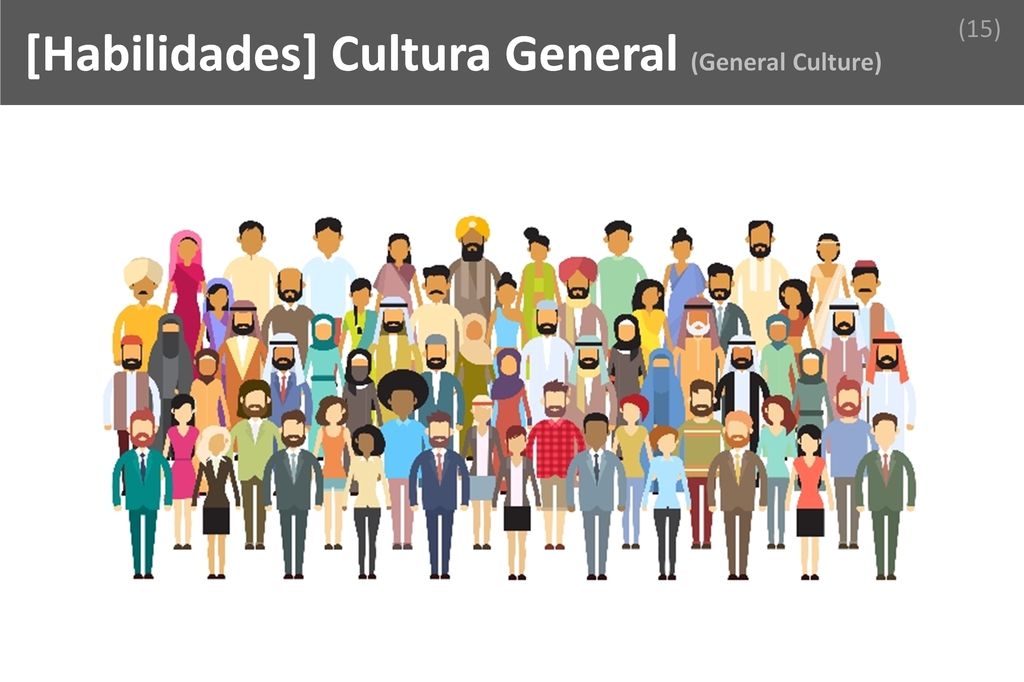
General Culture

### General Culture Image
What is
General Culture refers to a broad and well-rounded knowledge base encompassing history, science, arts, current events, and societal trends, enabling individuals to understand and navigate diverse contexts. In Computer Engineering, this skill enriches problem-solving, fosters innovation, and enhances communication by providing a wider perspective beyond technical expertise.

Concept
General Culture directly improves performance in Computer Engineering by allowing professionals to draw connections between technology and the broader world. This skill helps engineers anticipate user needs, understand global trends, and communicate effectively with multidisciplinary teams. Employers and clients value individuals who can contextualize technical solutions within societal, economic, and ethical frameworks, as this leads to more robust and relevant outcomes. Cultivating General Culture involves continuous learning through reading, engaging with diverse communities, and staying informed about global developments. Over time, this habit not only sharpens critical thinking but also builds adaptability, making professionals more versatile and valuable in dynamic work environments.

Real World Example
Imagine a computer engineer tasked with designing a secure payment system for an international e-commerce platform. By drawing on their General Culture, the engineer recognizes the importance of accommodating various cultural attitudes toward privacy, security, and user experience. This awareness prompts them to research regional regulations, payment preferences, and digital literacy levels, ensuring the system is accessible and compliant across different markets. Their broad understanding allows them to collaborate effectively with legal, marketing, and design teams, ultimately delivering a solution that resonates globally. In this scenario, General Culture proves crucial in bridging technical innovation with real-world application, leading to a successful and widely adopted product.

Empathy

### Empathy Image
What is
Empathy is the ability to understand and share the feelings, perspectives, and experiences of others, allowing for deeper connections and more effective communication. In computer engineering, empathy enables professionals to anticipate user needs, collaborate efficiently with colleagues, and design solutions that genuinely address real-world problems, making it an indispensable skill.

Concept
Empathy directly enhances performance in computer engineering by fostering better teamwork, clearer communication, and more user-centric solutions. Clients and employers highly value empathetic engineers because they can translate technical requirements into practical outcomes that truly benefit end-users. Empathy helps in understanding the challenges faced by non-technical stakeholders, leading to more effective problem-solving and smoother project management. To cultivate empathy, professionals should actively listen to others, seek feedback, and immerse themselves in diverse perspectives. Over time, engaging in cross-functional teams, participating in user research, and reflecting on personal interactions can further strengthen this skill, making engineers more adaptable and responsive to the evolving needs of their teams and clients.

Real World Example
Imagine a computer engineer tasked with developing a new software tool for healthcare workers. During initial meetings, the engineer listens attentively to the frustrations and daily challenges described by nurses and doctors. By empathizing with their workload and understanding the critical nature of their tasks, the engineer prioritizes features that streamline data entry and minimize interruptions. When a technical issue arises during deployment, the engineer communicates patiently, acknowledging the stress it causes for the medical staff and offering clear, supportive guidance. This empathetic approach not only resolves the immediate problem but also builds trust, resulting in a solution that genuinely improves workflow and enhances the reputation of both the engineer and their organization.

Imagination

### Imagination Image
What is
Imagination is the mental ability to form new ideas, concepts, or images not present to the senses, enabling creative problem-solving and innovation. In computer engineering, imagination empowers professionals to envision novel solutions, anticipate future challenges, and design systems that go beyond conventional boundaries, making it a vital component of their skillset.

Concept
Imagination enhances a computer engineer’s performance by fostering innovative thinking, which leads to unique solutions and more efficient designs. Employers and clients highly value this skill because it drives progress, differentiates products, and addresses complex problems that standard approaches cannot solve. Cultivating imagination involves exposing oneself to diverse technologies, engaging in creative projects, and collaborating with multidisciplinary teams. Over time, regularly challenging assumptions and exploring “what if” scenarios helps to strengthen imaginative thinking. By integrating imaginative approaches into daily work, computer engineers can anticipate emerging trends, adapt to rapidly changing technologies, and consistently deliver value that exceeds expectations.

Real World Example
Imagine a computer engineer tasked with optimizing a legacy system that is critical to a company’s operations but plagued by frequent outages and inefficiencies. Instead of applying routine fixes, the engineer envisions a modular redesign inspired by biological systems, where each component can self-diagnose and recover from faults. Drawing on imaginative thinking, the engineer proposes a hybrid architecture that integrates machine learning for predictive maintenance and dynamic resource allocation. This novel approach not only resolves the immediate issues but also future-proofs the system, impressing stakeholders and setting a new standard within the organization. In this scenario, imagination transforms a daunting challenge into an opportunity for lasting innovation and success.

Positives


Permanent Learning

### Permanent Learning Image
What is
Permanent Learning is the ongoing, never-ending process of acquiring new knowledge, skills, and insights throughout one’s career. In computer engineering, this means consistently adapting to technological advancements, exploring innovative solutions, and embracing change. Permanent Learning fuels curiosity, fosters adaptability, and ensures professionals remain relevant and effective in a rapidly evolving field.

Concept
The dynamic nature of computer engineering means that no two days are ever the same, and this constant evolution is what makes Permanent Learning so valuable. Professionals are continually exposed to new programming languages, emerging hardware, and groundbreaking methodologies. This perpetual growth not only keeps the work intellectually stimulating but also provides a sense of accomplishment as engineers master new challenges. The satisfaction of staying at the forefront of technology, combined with the confidence that comes from being adaptable, leads to greater job fulfillment and career longevity. As a result, computer engineers often find themselves more engaged and motivated, knowing that their skills are always in demand and that their expertise will never become obsolete.

Real World Example
Imagine a computer engineer working on a team tasked with integrating artificial intelligence into a legacy system. The project requires learning about the latest AI frameworks, understanding new data processing techniques, and collaborating with experts from different backgrounds. As the engineer dives into research, attends webinars, and experiments with prototypes, they experience firsthand the excitement and satisfaction that come from mastering unfamiliar territory. Each breakthrough not only advances the project but also adds to their personal toolkit, making them more versatile and confident. This journey of Permanent Learning transforms daily work into a continuous adventure, where every challenge is an opportunity for growth and every success is a testament to their evolving expertise.

Helping Others

### Helping Others Image
What is
Helping others means using your skills, knowledge, and resources to improve the lives of individuals or communities, solve their problems, and empower them to achieve their goals. In computer engineering, this involves designing, building, and maintaining technology that addresses real-world challenges, making a tangible difference in people’s everyday experiences.

Concept
The opportunity to help others is a powerful motivator for many computer engineers, infusing their work with a sense of purpose and meaning. When professionals see their innovations making healthcare more accessible, education more engaging, or communication more inclusive, they experience deep job satisfaction. This positive impact not only fuels personal growth but also fosters a collaborative and supportive work environment. Each day, computer engineers witness the direct results of their efforts, whether it’s through user feedback, improved system performance, or the knowledge that their creations are making life easier for countless people. This ongoing connection to the broader good inspires continual learning and dedication, making the profession both fulfilling and dynamic.

Real World Example
Imagine a computer engineer working on assistive technology for people with visual impairments. By developing software that translates written text into speech, this professional enables users to access books, websites, and essential information independently. The engineer receives messages from users expressing gratitude for newfound autonomy and confidence in daily tasks. Witnessing the transformative effect of their work, the engineer feels a profound sense of accomplishment and motivation to keep innovating. This real-world impact exemplifies how helping others is not just a byproduct of computer engineering, but a central, rewarding aspect that shapes both the profession and the lives it touches.

High Demand

### High Demand Image
What is
High demand refers to the consistent and growing need for skilled professionals in a particular field, resulting in abundant job opportunities, competitive salaries, and job security. In computer engineering, high demand means that employers actively seek out talent, ensuring that professionals are valued, respected, and consistently presented with new and exciting challenges.

Concept
The high demand for computer engineers translates into a dynamic and rewarding career landscape. Professionals benefit from a wealth of job opportunities across diverse industries, from technology and healthcare to finance and entertainment. This abundance of options allows individuals to pursue roles that align with their passions and strengths, fostering greater job satisfaction. High demand also drives competitive compensation and robust benefits, contributing to financial stability and personal growth. The constant need for innovation ensures that computer engineers are continually learning and advancing their skills, keeping their work engaging and relevant. Every day, professionals experience the reassurance that their expertise is essential, motivating them to excel and make meaningful contributions to their organizations and society.

Real World Example
Imagine a computer engineer named Priya working at a leading tech company. She regularly receives invitations to interview for exciting new projects and roles, both within her organization and from other industry leaders. Her expertise in designing efficient hardware systems is highly sought after, giving her the confidence to negotiate better terms and pursue projects that truly interest her. Priya’s daily work is filled with collaboration and problem-solving, knowing that her skills are indispensable to her team’s success. The high demand for her abilities not only provides her with job security but also fuels her passion for innovation, making her career both stable and deeply fulfilling.

Unlimited Field

### Unlimited Field Image
What is
"Unlimited Field" refers to the vast, ever-expanding range of opportunities, specializations, and applications available within computer engineering. This concept encompasses the continuous evolution of technology, the integration of new disciplines, and the limitless potential for innovation, allowing professionals to explore diverse paths and redefine their careers over time. In computer engineering, the unlimited field means that there are always new challenges to tackle, emerging technologies to master, and industries to impact. This dynamic environment fosters creativity, adaptability, and lifelong learning, making the profession both exciting and deeply rewarding. The sense of boundless possibility is a core reason why so many are drawn to and remain passionate about this field.

Concept
The unlimited field in computer engineering is a powerful motivator for professionals, as it ensures that their work remains relevant and engaging throughout their careers. This aspect matters because it allows individuals to continually reinvent themselves, pursue new interests, and stay at the forefront of technological advancements. The constant influx of novel problems and solutions means that boredom is rare, and there is always an opportunity to make a meaningful impact. As a result, job satisfaction is heightened, and personal growth is accelerated. Professionals experience this benefit daily by collaborating across disciplines, learning from peers in different sectors, and applying their skills to a wide array of projects, from artificial intelligence to embedded systems.

Real World Example
Imagine a computer engineer who began their career designing microprocessors for consumer electronics. Over time, they become fascinated by the rise of smart healthcare devices and transition into developing embedded systems for medical applications. Later, their curiosity leads them to work on cybersecurity solutions for autonomous vehicles. Each step in their journey is fueled by the unlimited field of computer engineering, allowing them to seamlessly shift focus, acquire new expertise, and contribute to groundbreaking innovations across industries. This professional not only enjoys a dynamic and fulfilling career but also experiences the satisfaction of knowing their skills are always in demand, and their work has a tangible, positive impact on the world.

Job Opportunity

### Job Opportunity Image
What is
Job opportunity refers to the availability and variety of positions, roles, and career paths open to individuals within a specific field. In computer engineering, job opportunity means that professionals have access to a wide range of employment options, industries, and specializations, ensuring stability, growth, and the ability to pursue meaningful and dynamic work.

Concept
The abundance of job opportunities in computer engineering is a significant advantage because it empowers professionals to shape their careers according to their interests and aspirations. This positive aspect fosters job satisfaction by allowing individuals to explore different industries, from healthcare to entertainment, and to transition between roles such as hardware designer, software developer, or systems architect. The constant demand for skilled computer engineers ensures job security and encourages continuous learning, which keeps the work engaging and relevant. Professionals benefit from the flexibility to seek new challenges, negotiate better compensation, and achieve personal and professional growth, making every day in the field both stimulating and rewarding.

Real World Example
Consider a computer engineer named Priya, who began her career designing embedded systems for automotive companies. After a few years, she discovered a passion for artificial intelligence and seamlessly transitioned into a role developing machine learning algorithms for a tech startup. The wealth of job opportunities in computer engineering enabled her to pivot her career without starting over, leveraging her existing skills while acquiring new expertise. Priya’s journey illustrates how the field’s diverse opportunities not only provide job security but also allow professionals to pursue their evolving interests, making their work both fulfilling and future-proof. This dynamic environment ensures that computer engineers like Priya can continually find roles that match their ambitions and talents.

International Work

### International Work Image
What is
International Work in computer engineering refers to the opportunity to collaborate with teams, clients, and organizations across different countries, cultures, and time zones, often involving travel, remote projects, or relocation. This global engagement enriches professional experiences, fosters cross-cultural understanding, and opens doors to diverse challenges and innovative solutions within the field.

Concept
The global nature of computer engineering means that professionals are rarely confined to a single geographic location or cultural perspective. Engaging in international work allows engineers to broaden their horizons, learn from diverse teams, and tackle complex problems that require creative, cross-border solutions. This exposure not only enhances technical skills but also cultivates adaptability, empathy, and communication abilities. The daily experience of working with international colleagues or clients brings fresh perspectives and new learning opportunities, making each project unique and intellectually stimulating. As a result, job satisfaction increases, career growth accelerates, and professionals often find themselves at the forefront of technological innovation, empowered by a truly global network.

Real World Example
Imagine a computer engineer based in Brazil who is part of a multinational team developing a cloud-based healthcare platform. Each day, she collaborates virtually with colleagues in Germany, India, and the United States, sharing ideas and integrating region-specific requirements into the project. Through video calls and collaborative coding sessions, she learns about different healthcare regulations, user expectations, and technical standards. This international collaboration not only sharpens her technical expertise but also deepens her appreciation for cultural diversity and global teamwork. The sense of accomplishment she feels when the platform successfully launches in multiple countries is amplified by knowing her work has made a positive impact on healthcare access worldwide.

Challenges


Adaptability

### Adaptability Image
What is
Adaptability in Computer Engineering is the ability to quickly learn, adjust, and apply new technologies, frameworks, and methodologies in a constantly evolving field. This is demanding because rapid advancements and shifting industry standards require professionals to continually update their skills, often outside their comfort zones and established expertise.

Concept
The challenge of adaptability permeates daily work in computer engineering, as professionals frequently encounter new programming languages, tools, and project requirements. This constant change can lead to stress, uncertainty, and a steep learning curve, demanding significant resilience and a proactive mindset. Successful professionals manage this constraint by cultivating a habit of continuous learning, seeking out mentorship, and embracing experimentation. They view change as an opportunity for growth rather than a threat, leveraging online resources, peer collaboration, and hands-on practice to stay ahead. By maintaining flexibility and a willingness to unlearn outdated practices, they transform adaptability from a source of anxiety into a competitive advantage, ensuring their relevance and effectiveness in a dynamic industry.

Real World Example
Consider a computer engineer working on embedded systems who is suddenly tasked with integrating machine learning capabilities into their projects. Initially unfamiliar with the required algorithms and tools, the engineer dedicates time to online courses, consults with colleagues experienced in artificial intelligence, and experiments with open-source libraries. Despite initial setbacks and a steep learning curve, the engineer gradually becomes proficient, successfully implementing a prototype that enhances the product’s functionality. This experience not only solves the immediate technical challenge but also broadens the engineer’s skill set, making them more versatile and valuable to their team. By embracing adaptability, the engineer turns a daunting transition into a career-defining achievement.

Languages

### Languages Image
What is
In Computer Engineering, “Languages” refers to the diverse programming, scripting, and markup languages that professionals must master to design, develop, and maintain software and hardware systems. The challenge lies in the constant evolution, variety, and complexity of these languages, demanding continuous learning and adaptation from engineers.

Concept
The difficulty of mastering multiple languages significantly shapes the daily workflow of computer engineers. Each project may require proficiency in a different language, and switching between them can be mentally taxing. This challenge demands resilience, as engineers must not only keep up with new languages but also maintain fluency in older ones for legacy systems. Successful professionals manage this constraint by cultivating a mindset of lifelong learning and adaptability. They allocate time for regular study, seek collaborative environments where knowledge sharing is encouraged, and leverage comprehensive documentation and community resources. By embracing the inevitability of change in programming languages, they turn a potential obstacle into an opportunity for growth and innovation.

Real World Example
Consider a computer engineer working on an embedded systems project for a smart home device. The project requires integrating low-level C code for hardware interaction, Python for automation scripts, and JavaScript for the device’s web interface. Initially, the engineer struggles to switch contexts and recall syntax differences, leading to slower progress and occasional errors. Recognizing this, the engineer dedicates time to refresh knowledge in each language, uses code editors with language-specific support, and participates in online forums to clarify doubts. Over time, the engineer becomes more comfortable navigating between languages, efficiently debugging issues, and even mentoring colleagues facing similar challenges. This adaptability not only ensures project success but also enhances the engineer’s value within the team.

General Knowledge

### General Knowledge Image
What is
In Computer Engineering, "General Knowledge" refers to the broad, foundational understanding of diverse technologies, programming paradigms, hardware concepts, and industry standards required to function effectively. This is demanding because the field evolves rapidly, requiring professionals to continuously update and integrate knowledge across multiple domains to remain competent.

Concept
The challenge of maintaining broad general knowledge affects daily work by making it difficult to keep pace with new tools, frameworks, and best practices. This can lead to uncertainty when troubleshooting unfamiliar systems or integrating new technologies. Professionals must be resilient, as the pressure to stay current can be overwhelming. Successful computer engineers manage this constraint by cultivating habits of continuous learning, leveraging peer networks, and focusing on adaptable problem-solving skills rather than memorizing every detail. They prioritize understanding core principles that remain stable over time, enabling them to adapt quickly when encountering new technologies. By embracing a growth mindset and seeking collaborative environments, they turn the challenge of general knowledge into an opportunity for ongoing professional development.

Real World Example
Consider a computer engineer tasked with optimizing a legacy embedded system while also integrating it with a modern cloud-based analytics platform. Initially, the engineer faces gaps in knowledge about both the aging hardware and the latest cloud technologies. Instead of being overwhelmed, the engineer systematically reviews documentation, consults with colleagues who have relevant expertise, and participates in online forums to fill knowledge gaps. By applying foundational engineering principles and drawing connections between old and new systems, the engineer successfully bridges the divide, ensuring seamless integration. This approach not only solves the immediate technical challenge but also enhances the engineer’s general knowledge, preparing them for future interdisciplinary projects.

Designing for the Future

### Designing for the Future Image
What is
Designing for the Future in Computer Engineering means creating systems, hardware, and software that remain relevant, scalable, and adaptable amid rapid technological evolution. This challenge is demanding because it requires anticipating emerging trends, accommodating unknown requirements, and ensuring long-term sustainability, all while balancing current constraints and user needs.

Concept
The challenge of designing for the future permeates daily work in computer engineering, often forcing professionals to make critical decisions with incomplete information about upcoming technologies or shifting user expectations. This uncertainty can lead to stress and the risk of obsolescence, demanding resilience and adaptability from engineers. Successful professionals manage this constraint by cultivating a mindset of continuous learning and flexible thinking. They invest time in understanding industry trends, modular architectures, and scalable solutions, allowing their designs to evolve as new requirements emerge. By fostering collaboration and open communication within multidisciplinary teams, they ensure that their solutions are robust and adaptable, ultimately turning the challenge of future-proofing into an opportunity for innovation and professional growth.

Real World Example
Consider a computer engineer tasked with designing the backend infrastructure for a rapidly growing fintech startup. Aware that user demand and regulatory requirements will evolve, the engineer avoids hard-coding business logic and instead implements a microservices architecture with well-defined APIs. This approach allows individual components to be updated or replaced without disrupting the entire system. As the company expands into new markets and integrates emerging technologies like blockchain, the engineer’s foresight in designing for scalability and flexibility ensures smooth transitions and minimal downtime. By anticipating change and building adaptability into the system from the outset, the engineer successfully navigates the uncertainty inherent in designing for the future.

Stepping off the Computer

### Stepping off the Computer Image
What is
"Stepping off the Computer" in Computer Engineering refers to the challenge of disengaging from continuous screen-based work to focus on broader problem-solving, collaboration, or personal well-being. This is demanding because the profession’s core tasks—coding, debugging, and system monitoring—are inherently computer-centric, making it difficult to disconnect without feeling unproductive.

Concept
The difficulty of stepping off the computer can lead to mental fatigue, reduced creativity, and even burnout, as professionals may feel pressured to remain constantly engaged with their machines. This persistent engagement can narrow perspective, hinder effective communication, and limit opportunities for reflection or innovation. Resilience is required to recognize when to pause, step back, and recharge. Successful professionals manage this constraint by intentionally scheduling breaks, participating in face-to-face discussions, and engaging in activities that foster holistic thinking. They understand that stepping away is not a sign of inefficiency but a strategic move to maintain clarity, prevent errors, and sustain long-term productivity in a demanding field.

Real World Example
Consider a software engineer working on a critical system update with a looming deadline. Initially, she spends long hours at her computer, troubleshooting complex bugs. Recognizing diminishing returns and mounting frustration, she decides to step away for a walk and later discusses the issue with a colleague over coffee. This brief period away from the screen allows her mind to reset and sparks a new perspective during the conversation. Upon returning, she quickly identifies the root cause of the problem and implements an effective solution. By consciously stepping off the computer, she not only preserves her well-being but also enhances her problem-solving abilities, ultimately delivering better results.

A Day Of


Teaching and Learning

### Teaching and Learning Image
What is
In the world of computer engineering, the hum of servers and the glow of monitors set the stage for a day that is anything but routine. Each morning, professionals in this field step into a dynamic environment where innovation and problem-solving are the norm, not the exception. The pace is brisk, driven by tight deadlines, evolving technologies, and the constant need to bridge the gap between hardware and software. Whether working in a bustling open-plan office, a quiet lab, or remotely from home, computer engineers navigate a landscape where collaboration and deep focus intertwine, and every day brings new technical puzzles to solve.

Concept
As the day begins, a computer engineering professional typically starts by reviewing system logs, checking overnight builds, and scanning emails for urgent updates or bug reports. This quiet window is ideal for assessing the status of ongoing projects, prioritizing tasks, and setting a clear agenda. With a fresh cup of coffee in hand, the engineer might update project management tools, review code changes submitted by colleagues, and mentally map out the technical challenges that lie ahead.

Real World Example
Mid-morning marks the transition into the heart of the workday, where focus sharpens and the most complex engineering tasks take center stage. This is the time for writing and debugging code, designing circuit schematics, or running simulations to test new algorithms. The engineer may be immersed in integrating new features, optimizing system performance, or troubleshooting elusive bugs. Interruptions are minimized as concentration peaks, and the satisfaction of solving intricate problems fuels momentum for the hours ahead.

After lunch, the afternoon often brings a shift toward collaboration and execution. Video calls or in-person meetings with cross-functional teams become the focus, where engineers discuss project milestones, align on technical decisions, and review progress. This is also when prototypes are tested, hardware is assembled, or code is merged into shared repositories. The energy in the workspace rises as ideas are exchanged, feedback is given, and solutions are implemented in real time, moving projects closer to completion.

As the day winds down, attention turns to documenting the day’s work, updating technical specifications, and responding to any outstanding communications. The engineer might spend time researching emerging technologies, reviewing industry trends, or outlining tasks for the next day. This reflective period is crucial for ensuring that knowledge is captured, progress is tracked, and tomorrow’s challenges are anticipated. With a sense of accomplishment, the computer engineering professional logs off, ready to tackle another day of innovation and discovery.


Install the LifePage App to:


  1. (for Free) Watch Computer Engineer Daniel Cohen’s full Computer Engineering Career Talk

  2. ₹ Do a Self Assessment on Computer Engineering to calculate your Dream Index, which is defined as:

    According to Daniel Cohen your chances of success in Computer Engineering is __%

  3. Access your personalized Dream Index Report which will have all your Dream Indices sorted in descending order.

Career Counselling 2.0


<?php echo $altimage; ?>


<?php echo $altimage; ?>


How to get into

Computer Engineering?


If you are want to get into Computer Engineering, start by investing in a Career Plan.

The 14 hour process, guided by a LifePage Career Advisor, will help you introspect and check whether your interest in Computer Engineering is merely an infatuation or is it truly something you wish to do for the rest of your life.

Next, your Career Advisor will help you document how you can get into Computer Engineering, what education and skills you need to succeed in Computer Engineering, and what positives and challenges you will face in Computer Engineering.

Finally, you will get a Career Plan stating which Courses, Certifications, Trainings and other Items you need to do in the next 7 years to become world’s best in Computer Engineering.


LifePage Career Plan

14 hour personalized guidance program


Your LifePage Career Advisor facilitates your guided introspection so that you systematically explore various Career options to arrive at a well thought out Career choice.

Next: your Advisor helps you figure out how you will get into your chosen Career and how will you develop the skills needed for success in your Chosen Career.

LifePage Plan will not stop at saying "to become an Architect study Architecture". It will guide you on which Certifications, Trainings and Other items you need to do along with your Architecture education to become the world's best Architect.


Links for this Talk


Computer Engineer Daniel Cohen's LifePage:


Career Counselling 2.0
[LifePage]
https://www.lifepage.in/page/danielcohen


LifePage Career Talk on Computer Engineering


Career Counselling 2.0
[Career]
https://www.lifepage.in/careers/computer-engineering-1


Career Counselling 2.0
[Full Talk]
https://lifepage.app.link/20171002-0001


(Computer Engineering, Daniel Cohen, Facultad de Ciencias Exactas y Tecnologia, UNT, Engineering, Computer Engineering, Software, Hardware, Internet, Professor, Computer Science)


Similar Talks



Career in Cloud Software Engineering
Cloud Software Engineering
Maanas Lal
Cloud Software Engineer | Infosys
[ 2 years Experience ]

Cloud computing is making use of shared pool of resources which are on remote server (e.g., computer networks, servers, storage, applications and services), which can be rapidly provisioned and released with minimal management effort.

"Cloud software engineer was my first job. After my B Tech I was campus placed in Infosys. There I had 4 months rigorous training in software and hardware and after that several programming assignment were allocated and as part of Infosys I picked up a series of assignments ranging from game programming to cloud software programming. "


Career Counselling 2.0 Career Counselling 2.0 Career Counselling 2.0 Career Counselling 2.0 Career Counselling 2.0


Career in Website Designing
Website Designing
Anubhav Gupta
Director | ISPL Academy
[ 18 years & 8 months Experience ]

Website designing is a technology through which websites are developed. Whatever websites are there now, are seen both on computers & phones. There was a time when websites were made only for computers, but now it is made for everything like tablets, laptops and desktops.

"I have completed my graduation in IT field and has been heading an IT Company in Dehradun since 2000."


Career Counselling 2.0 Career Counselling 2.0 Career Counselling 2.0 Career Counselling 2.0 Career Counselling 2.0


Career in Digital Forensic Investigation
Digital Forensic Investigation
Santosh Khadsare
Head | Digital Forensic Lab
[ 18 years & 9 months Experience ]

Digital forensics (sometimes known as digital forensic science) is a branch of forensic science encompassing the recovery and investigation of material found in digital devices, often in relation to computer crime. Digital forensics investigations have a variety of applications. The most common is to support or refute a hypothesis before criminal or civil courts.

"After completing my graduation, I did various courses in Digital Forensic Investigation and have been working since 2000 as the Investigator. Currently, I am heading the Digital Forensic Lab, Government of India, New Delhi."


Career Counselling 2.0 Career Counselling 2.0 Career Counselling 2.0 Career Counselling 2.0 Career Counselling 2.0


Career in Software Engineering
Software Engineering
Ujjwal Sonar
Senior Software Engineer | Tata Consultancy Services
[ 4 years & 4 months Experience ]

A software engineer is a person who applies the principles of software engineering to the design, development, maintenance, testing, and evaluation of the software that make computers or other devices containing software work.

"I have done my schooling from Sunrisers Rajiv Memorial Higher Secondary School in Vidisha in 2009. In 2013,I did my Electronic Engineering from Lakshmi Narain College of Technology (LNCT), Bhopal. I have worked with Tech Mahindra and currently with TCS as Senior Software Engineer."


Career Counselling 2.0 Career Counselling 2.0 Career Counselling 2.0 Career Counselling 2.0 Career Counselling 2.0


Career in Ethical Hacking
Ethical Hacking
Satyam Rastogi
Senior Manager | BAMKO
[ 3 years Experience ]

Ethical hacking and ethical hacker are terms used to describe hacking performed by a company or individual to help identify potential threats on a computer or network. An ethical hacker attempts to bypass system security and search for any weak points that could be exploited by malicious hackers. This information is then used by the organization to improve the system security, in an effort to minimize or eliminate any potential attacks.

"After completing my Engineering from Indian Cyber Defence Alliance, I worked at Koenig Solutions ltd Delhi for four years. I am working with BAMKO, Dehradun as the Senior Manager since Oct 2017."


Career Counselling 2.0 Career Counselling 2.0 Career Counselling 2.0 Career Counselling 2.0 Career Counselling 2.0


Career in Computer Engineering
Computer Engineering
Sergio Saade
Computer Engineer | Facultad de Ciencias Exactas y Tecnologia, UNT
[ 31 years & 2 months Experience ]

Computer engineering as its name says, works on computers, but not only within them, but also on their communication with the outside world, on the software that compose it and a very important part, that has had much development in the last years, on the embedded systems.

"I am Director of the computer engineering carrer, I am also titular professor of this faculty and my area of performance is the Data Networks and Communication Protocols. I graduated as an electronic engineer, here at the National University of Tucumán in 1986 and soon after that I went to do a master's degree at the University of California, in the specific subject of computer engineering. Then became a professor of this carrer in the National University of Tucumán."


Career Counselling 2.0 Career Counselling 2.0 Career Counselling 2.0 Career Counselling 2.0


Career in Software Development
Software Development
Akash Gaurav Singh
Technology Analyst | Infosys
[ 5 years & 3 months Experience ]

A software developer is a person concerned with facets of the software development process, including the research, design, programming, and testing of computer software

"After completing my schooling, I did B Tech in Electronics & Telecommunication from Symbiosis institute of Technology. I started my career with Synechron as a Junior Associate in 2012, then joined Cognizant. After that, I started working with Infosys and I have been working as a Technology Analyst with Infosys since 2016."


Career Counselling 2.0 Career Counselling 2.0 Career Counselling 2.0 Career Counselling 2.0 Career Counselling 2.0


Career in Cyber Security
Cyber Security
Smith Gonsalves
Director | Government Officials & Law Enforcement Agencies
[ 3 years & 9 months Experience ]

Cyber Security is the body of technologies, processes and practices designed to protect networks, computers, programs and data from attack, damage or unauthorized access.

"I have completed my schooling from Mumbai during which have horned my expertise in ethical Hacking & Forensic Investigator. Since 2014 I have been into Cyber Security and working with Government Officials & Law Enforcement Agencies."


Career Counselling 2.0 Career Counselling 2.0 Career Counselling 2.0 Career Counselling 2.0 Career Counselling 2.0


Career in Cyber Security
Cyber Security
Nitin Pandey
Chairman | National Information Security Counsel
[ 11 years Experience ]

Cyber security or information technology security are the techniques of protecting computers, networks, programs and data from unauthorized access or attacks that are aimed for exploitation.

"I did my BCA and MCA from Lucknow University and pursuing my Ph D from SGT, Gurgaon. I have been conducting workshops related to cyber security since 2007. I was the head of DEFCON & OWASP, Luchnow for four years. I am working as the Chairman of National Information Security Council (NISC) since 2017."


Career Counselling 2.0 Career Counselling 2.0 Career Counselling 2.0 Career Counselling 2.0 Career Counselling 2.0


Career in PHP Development
PHP Development
Jitendra Kumar
PHP Developer | M and P Technologies
[ 2 years Experience ]

PHP is a general-purpose scripting language that is especially suited to server-side web development, in which case PHP generally runs on a web server. Any PHP code in a requested file is executed by the PHP runtime, usually to create dynamic web page content or dynamic images used on websites or elsewhere.

"After completing my graduation, I did my MCA from DBIT, Dehrdaun. Currently, I am working as a PHP Developer at M and P Technologies, Dehradun."


Career Counselling 2.0 Career Counselling 2.0 Career Counselling 2.0 Career Counselling 2.0 Career Counselling 2.0


Career in Mobile App Development
Mobile App Development
Suyash Joshi
Senior Mobile Software Engineer | Oracle
[ 8 years Experience ]

Mobile application development is the act or process by which a mobile app is developed for mobile devices, such as personal digital assistants, enterprise digital assistants or mobile phones. These applications can be pre-installed on phones during manufacturing platforms, or delivered as web applications using server-side or client-side processing (e.g., JavaScript) to provide an "application-like" experience within a Web browser. Application software developers also must consider a long array of screen sizes, hardware specifications, and configurations because of intense competition in mobile software and changes within each of the platforms.

"I have a Bachelors in Computer Science from University of Michigan, USA. I am currently pursuing a Masters degree from Georgia Tech. Since 2010, I have been working at Oracle, San Francisco as a Senior Mobile Software Engineer."


Career Counselling 2.0 Career Counselling 2.0 Career Counselling 2.0 Career Counselling 2.0 Career Counselling 2.0


Career in Computer Coding
Computer Coding
Dipankar Tripathi
Head | Airvana Networks
[ 9 years & 5 months Experience ]

Computer coding is making computers do what one wants them to do. For making a computer do something we need to write something which the computer is able to understand and then perform that by itself.

"I did my Graduation from DAV and Masters in Computers from IP University. In 2009 I shifted to Bangalore and that is when I got a break in Computer coding. I started working for a company called Airvana Networks."


Career Counselling 2.0 Career Counselling 2.0 Career Counselling 2.0 Career Counselling 2.0 Career Counselling 2.0


Career in Machine Learning
Machine Learning
Pranav Dobhal
Consultant | Calliope Data
[ 4 years & 5 months Experience ]

Data Engineering is the gathering, collecting and storing of data, conducting batch processing or real-time processing on it, and evaluating data solutions within organisations.

"I did Schooling from The Doon School, Dehradun after which I pursued an Undergraduate Degree in Information Systems from Brock University in Canada. I did a Masters degree in Information System Management from Carnegie Mellon University in Pittsburgh, USA."


Career Counselling 2.0 Career Counselling 2.0 Career Counselling 2.0 Career Counselling 2.0 Career Counselling 2.0


Career in Software Engineering
Software Engineering
Rohit Verma
Senior Software Developer | ST Microelectronics
[ 6 years & 9 months Experience ]

Software engineering is a detailed study of engineering to the design, development and maintenance of software.

"I did my Bachelors in Computer Application from Kurukshetra University and Masters in Computer Application from YMCA, Faridabad. After completing studies in 2012 I joined ST Microelectronics as a Software Developer. I am Senior Software Developer in ST Microelectronics."


Career Counselling 2.0 Career Counselling 2.0 Career Counselling 2.0 Career Counselling 2.0 Career Counselling 2.0


Career in Website Design & Development
Website Design & Development
Kunal
Director Technology | Orbosys Co-operation
[ 7 years & 9 months Experience ]

Website design encompasses many different skills and disciplines in the production and maintenance of websites. The different areas of web design include web graphic design; interface design; authoring, including standardised code and proprietary software; user experience design; and search engine optimization.

"I did B Tech in Information Technology from NSIT, Kanpur. During college, I started a website design company by the name Biztech Work Solutions, which I had to close because of the limited market opportunities in Kanpur. I did a course in Linux from IIT, Kanpur. I then started a company in Dehradun with my cousin brother in 2012 by the name Orbosys Co-operation. I am Director-Technolgy at Orbosys."


Career Counselling 2.0 Career Counselling 2.0 Career Counselling 2.0 Career Counselling 2.0 Career Counselling 2.0


Career in Artificial Intelligence
Artificial Intelligence
Dr Kiran Kumar Ravulakollu
Assistant Dean - Research | UPES
[ 7 years & 1 month Experience ]

In computer science, artificial intelligence, sometimes called machine intelligence, is intelligence demonstrated by machines, in contrast to the natural intelligence displayed by humans and other animals.

"After graduating in B Tech from JNTU, Hyderabad, I went on to do M Sc in Artificial Intelligence from City University, London. I also did a Ph D in Neurorobotics from University of Sunderland, UK. I came to India and started teaching at Sharda University as an Assistant Professor. I switched to UPES and went on to become Assistant Dean - Research."


Career Counselling 2.0 Career Counselling 2.0 Career Counselling 2.0 Career Counselling 2.0 Career Counselling 2.0


Career in Software Development
Software Development
Amit Naithani
Module Lead | MothersonSumi Infotech & Design Limited
[ 9 years & 2 months Experience ]

Software development is the process of conceiving, specifying, designing, programming, documenting, testing, and bug fixing involved in creating and maintaining applications, frameworks, or other software components.

"After completing my Schooling from Dehradun, I did B Tech in Computer Science Engineering. I have worked with Infosys, KPIT and Infotech. I have also worked on Oracle, JD Edwards and ERP system. I am working as a Module Leader at Motherson Sumi, Delhi."


Career Counselling 2.0 Career Counselling 2.0 Career Counselling 2.0 Career Counselling 2.0 Career Counselling 2.0


Career in User Interface Development
User Interface Development
Prachi Pant
UI Developer | Snapdeal
[ 4 years Experience ]

User Interface Development combines programming, psychology and creative design to craft intuitive controls for software and hardware. The UI developer's mission is to create an interface that behaves as users would it expect it to, facilitating a seamless and efficient user experience.

"I did my B Tech (Information Technology) from Roorkee Engineering College after which I joined a Delhi-based startup called Cloudchowk Solutions Pvt Ltd. Later, I moved to Snapdeal. At both places I worked in the domain of user interface development."


Career Counselling 2.0 Career Counselling 2.0 Career Counselling 2.0 Career Counselling 2.0 Career Counselling 2.0


Career in Data Engineering
Data Engineering
Pranav Dobhal
Consultant | Calliope Data
[ 4 years & 5 months Experience ]

Data Engineering is the gathering, collecting and storing of data, conducting batch processing or real-time processing on it, and evaluating data solutions within organisations.

"I did my Schooling from The Doon School, Dehradun after which I pursued an undergraduate degree in Information Systems from Brock University in Canada. I did a Masters degree in Information System Management from Carnegie Mellon University in Pittsburgh, USA."


Career Counselling 2.0 Career Counselling 2.0 Career Counselling 2.0 Career Counselling 2.0 Career Counselling 2.0


Career in Teaching Computer Science
Teaching Computer Science
Ashish Saxena
Assistant Professor | DIT University
[ 15 years & 1 month Experience ]

Computer science and engineering (CSE) is an academic program that integrates the fields of computer engineering and computer science. It is a sub-field of electronics engineering. It covers the digital aspects of electronics engineering, specializing in hardware-systems areas like computer architecture, processor design, high-performance computing, parallel processing, computer networks and embedded systems.

"After completing B Sc, I did MCA from H N B Garhwal University and M Tech from UTU, Dehradun. I have taught in a school for 2 years and at Amrapali Institute, Haldwani for 3 years. I have been teaching at DIT University since 2008. I am Assistant Professor at DIT University."


Career Counselling 2.0 Career Counselling 2.0 Career Counselling 2.0 Career Counselling 2.0 Career Counselling 2.0


Career in Game Development
Game Development
Pankaj Badoni
Assistant Professor | Graphics & Gaming, UPES
[ 7 years & 2 months Experience ]

Game development is the process of creating a video game. The effort is undertaken by a game developer, who may range from a single person to an international team dispersed across the globe. Game programming requires substantial skill in software engineering as well as specialization in one or more of the following areas, which overlap heavily to create a game: simulation, computer graphics, artificial intelligence, physics, audio programming, and input.

"After doing B Tech in Computer Science & Engineering, I went on to do masters in IT with a specialisation in Human Computer Interaction. I worked as a Developer at Headstrong India for few years before switching to academia. I am an Assistant Professor at UPES and manage Graphics and Gaming branch there."


Career Counselling 2.0 Career Counselling 2.0 Career Counselling 2.0 Career Counselling 2.0 Career Counselling 2.0


Career in Software Engineering & Development
Software Engineering & Development
Harsh
Software Engineer and Developement | Hike Messenger
[ 3 years & 1 month Experience ]

In software engineering, a software development process is the process of dividing software development work into distinct phases to improve design, product management, and project management. It is also known as a software development life cycle. Software engineering is an engineering branch associated with development of software product using well-defined scientific principles, methods and procedures. The outcome of software engineering is an efficient and reliable software product.

"After completing B Tech (Hons) in Computer Science & Engineering from Dehradun Institute of Technology, I started working as a Software Engineer at Hike Messenger. My role as a software engineer was to explore and dive into various aspects of big-data technologies and machine learning, fixing regular issues/bug, developing content visualization console (WT-Forms, Python, Flask, HTML, CSS, JS) etc. I have also worked as a Software Developer Research Intern at Indian Institute of Remote Sensing (IIRS), Indian Space Research Organization (ISRO)."


Career Counselling 2.0 Career Counselling 2.0 Career Counselling 2.0 Career Counselling 2.0 Career Counselling 2.0


Career in Server Administration
Server Administration
Abhishek Mishra
Specialist | HCL
[ 1 year & 10 months Experience ]

A server administrator, or admin has the overall control of a server. This is usually in the context of a business organization, where a server administrator oversees the performance and condition of multiple servers in the business organization, or it can be in the context of a single person running a game server.

"After doing my schooling, I did my B Sc and MCA from Kanpur University. After that I started working as an IT Administrator in Amway and then I worked for various companies like Dell and Capgemini. I am working as a Specialist with HCL since 2016."


Career Counselling 2.0 Career Counselling 2.0 Career Counselling 2.0 Career Counselling 2.0 Career Counselling 2.0


Career in System Software Development
System Software Development
Anand Krishnaswamy
System Architect | IBM
[ 8 years Experience ]

In software engineering, a software development process is the process of dividing software development work into distinct phases to improve design, product management, and project management. It is also known as a software development life cycle. Software engineering is an engineering branch associated with development of software product using well-defined scientific principles, methods and procedures. The outcome of software engineering is an efficient and reliable software product.

"For 14+ years in the software industry, I played my role in teams that created business value in writing software, software consulting, inventing & creating patents & insightful articles. It drives my interest in data science & data analytics. Clean & pertinent design is the reward I work for. As a software consultant, I've focused on delivering exactly what the business needs. I've helped clients sift through & identify what they really want vs what they think they want & then led teams to deliver that. Tough conversations, but many a client has appreciated the effort put into gleaning that. Today, I focus this drive to create relevant & vital value in the effort to educate underprivileged children so that they are not left handicapped in competing in the world at large."


Career Counselling 2.0 Career Counselling 2.0 Career Counselling 2.0 Career Counselling 2.0 Career Counselling 2.0


Career in Code Analysis
Code Analysis
Neeti
Analyst | HCL Technologies
[ 3 years Experience ]

Code Analysis is the automated testing of source code for the purpose of debugging a computer program or application before it is distributed or sold.

"I did my schooling from St Thomas College, Dehradun and B Tech from Graphic Era University, Dehradun. After completing my education, I started working at HCL, Noida as an Analyst."


Career Counselling 2.0 Career Counselling 2.0 Career Counselling 2.0 Career Counselling 2.0 Career Counselling 2.0


Career in Cloud Software Engineering
Cloud Software Engineering
Shrinath K T
Cloud Development Manager | Revevol Technology
[ 5 years & 2 months Experience ]

Cloud computing or Cloud Software Engineering is an information technology (IT) paradigm that enables ubiquitous access to shared pools of configurable system resources and higher-level services that can be rapidly provisioned with minimal management effort, often over the Internet. Cloud computing relies on sharing of resources to achieve coherence and economies of scale, similar to a public utility.

"After completing my schooling from Cinmaya Vidyalaya Coimbatore, I did my BE in Computer Science from CIET, Coimbatore. I worked as a Tech Support Executive for CSS Corp, Chennai and after that I worked for Tata Communications, Chennai. I am working as a Cloud Development Manager with Revevol Technology, Delhi."


Career Counselling 2.0 Career Counselling 2.0 Career Counselling 2.0 Career Counselling 2.0 Career Counselling 2.0


Career in Database Administration
Database Administration
Varun Yadav
Sr Oracle Database Administrator | Motherson Sumi Infotech & Designs Ltd
[ 8 years & 3 months Experience ]

Database administration refers to the whole set of activities performed by a database administrator to ensure that a database is always available as needed. Other closely related tasks and roles are database security, database monitoring and troubleshooting, and planning for future growth. Database administration is an important function in any organization that is dependent on one or more databases. Database administrators (DBAs) use specialized software to store and organize data. The role may include capacity planning, installation, configuration, database design, migration, performance monitoring, security, troubleshooting, as well as backup and data recovery.

"After doing my schooling from Chandigarh, I did my BE & ME from Punjab Engineering College, PEC University of Technology, Chandigarh. Thereafter, I worked as a Sr. Oracle Data Base Administrator with different companies like Path InfoTech Ltd, Wipro Technologies and others on different projects like Financial, Banking Domain and Telecommunication. Later, I joined Motherson Sumi Infotech and Design, Noida as Sr. oracle Data Administrator."


Career Counselling 2.0 Career Counselling 2.0 Career Counselling 2.0 Career Counselling 2.0 Career Counselling 2.0


Career in Software Engineering
Software Engineering
Manish Kumar
Senior Consultant | HCL Technologies
[ 12 years & 9 months Experience ]

Software engineering is a detailed study of engineering to the design, development and maintenance of software.

"I did B Tech in Electronics & Communication from Birla Institute of Technology, Ranchi. I worked at Computer Science Corporation for some time as a consultant before switching to HCL Technologies in 2013. I am a Senior Consultant at HCL Technologies."


Career Counselling 2.0 Career Counselling 2.0 Career Counselling 2.0 Career Counselling 2.0 Career Counselling 2.0


Career in Software Development
Software Development
Raj Kumar Saini
Mentor & Central Head, Dehradun | Coding Blocks
[ 3 years & 5 months Experience ]

Software development is the process of conceiving, specifying, designing, programming, documenting, testing, and bug fixing involved in creating and maintaining applications, frameworks, or other software components.

"I did my graduation in B Tech in Computer Science from Delhi Technological University. I got a campus placement as Software Developer at Amazon. I worked there for some time before switching to D.E.Shaw. I have also worked at Adobe, Right Relevance and Caroobi. I am Mentor & Central Head at Coding Blocks, Dehradun."


Career Counselling 2.0 Career Counselling 2.0 Career Counselling 2.0 Career Counselling 2.0 Career Counselling 2.0


Career in UX/UI Designing
UX/UI Designing
Naina Jain
UX Designer | ImaginXP
[ 6 years & 2 months Experience ]

UX stands for user experience. A users experience of the app is determined by how they interact with it. User experience is determined by how easy or difficult it is to interact with the user interface elements that the UI designers have created. The UI in UI design stands for user interface.The user interface is the graphical layout of an application. It consists of the buttons users click on, the text they read, the images, sliders, text entry fields, and all the rest of the items the user interacts with.

"While I was in college and studying communication design, I started working as a designer. My first project was for a restaurant based out of Gurgaon. I have had done various projects such as with TedX, Govt of Uttarakhand as well as Karnataka and various other projects. I am also the co-founder of a design company known as NUTS India as well as I am working for ImaginXP which is into education sector for designing. Therefore, I am posted at DIT University, Dehradun and teaching designing there as well as running own design studio."


Career Counselling 2.0 Career Counselling 2.0 Career Counselling 2.0 Career Counselling 2.0 Career Counselling 2.0


Career in DevOps
DevOps
Monit Kapoor
Associate Professor & HoD Cybernetics | School of Computer Science, UPES
[ 19 years & 2 months Experience ]

DevOps is a software development methodology that combines software development with information technology operations. The goal of DevOps is to shorten the systems development life cycle while delivering features, fixes, and updates frequently in close alignment with business objectives.

"After completing my bachelors in engineering in electrical, I went on to do a masters in Computer Science & Engineering. Post that, I started working at Green Hills Engineering College as an HOD of IT. I then switched to Maharishi Markandeshwar University, Solan as an HoD of CSE & Computer Applications. I finally moved to UPES, Dehradun as an Assistant Professor in 2011. I did a Ph D in Mobile Ad Hoc Networks along with professorship. I am an Associate Professor and HoD Cybernetics at UPES."


Career Counselling 2.0 Career Counselling 2.0 Career Counselling 2.0 Career Counselling 2.0 Career Counselling 2.0


Career in Full Stack Development
Full Stack Development
Sagar Gurung
Full Stack Developer | Ifadvertisings
[ 7 years & 1 month Experience ]

A full stack developer is an engineer who can handle all the work of databases, servers, systems engineering, and clients. Depending on the project, what customers need may be a mobile stack, a Web stack, or a native application stack.

"After completing B Tech in EEE, I started my own company by the name Web Plan Solution Pvt Ltd. After running it for 2 years, I decided to shut it down and did certifications in Java, PHP, .Net & Robotics. I then worked with Mymind Infotech as a Senior Developer for 2 years. In 2018, one of my friends and me came together to work on an advertising mobile application called Ifadvertisings. I developed the application single handedly. I am Co-founder & Full Stack Developer at Ifadvertisings."


Career Counselling 2.0 Career Counselling 2.0 Career Counselling 2.0 Career Counselling 2.0 Career Counselling 2.0


Career in Application Development
Application Development
Amruta N
Senior Consultant | OpenText
[ 4 years Experience ]

Application development is the process of creating a computer program or a set of programs to perform the different tasks that a business requires. From calculating monthly expenses to scheduling sales reports, applications help businesses automate processes and increase efficiency.

"After completing my BCA & MCA from R V college, Bangalore in 2014, I began working as an Associate Software Consultant at Muraai Information Technology. I moved to Adnate IT Solutions as a Consultant in 2015. In 2017 I joined OpenText, where I am working as a Senior Consultant."


Career Counselling 2.0 Career Counselling 2.0 Career Counselling 2.0 Career Counselling 2.0 Career Counselling 2.0


Career in Software Development
Software Development
Gargi Gautam
IT Analyst | Tata Consultancy Services
[ 3 years & 9 months Experience ]

Software Development is a process followed for a software project, within a software organization. It consists of a detailed plan describing how to develop, maintain, replace and alter or enhance specific software. The life cycle defines a methodology for improving the quality of software and the overall development process

"After completing my graduation from Uttar Pradesh Technical University in Computer Science (GNIT) in 2012, I started working with Sears IT & Management Services private limited where I worked till 2015 while I was a System Engineer. After that I have joined Tata Consultancy Services where my designation is IT Analyst. Meanwhile in 2017 I had completed my Post Graduation Diploma in Management in Operations Management from All India Management Association."


Career Counselling 2.0 Career Counselling 2.0 Career Counselling 2.0 Career Counselling 2.0 Career Counselling 2.0


Career in Teaching & Research in Data Science
Teaching & Research in Data Science
Dr Kingshuk Srivastava
Assistant Professor | UPES
[ 9 years Experience ]

Teaching and Research in Data science of three words teaching, research and data science so first of all what is teaching so teaching is the art and science of helping others to grow in their knowledge and understanding. It is holding the hand of a young one and saying it's going to be OK. Teaching is being careful that you acknowledge every student ever. On the other hand research is a careful and detailed study into a specific problem, concern, or issue using the scientific method. It's the adult form of the science fair projects back in elementary school, where you try and learn something by performing an experiment. Data science is a multidisciplinary blend of data inference, algorithmm development, and technology in order to solve analytically complex problems. Data Science can be applied to a data set with one thousand lines, there is no problem with this.

"After completing my B Sc in Physics & M Sc in Electronics from Lalit Narayan Mithila University, I did M Tech in Information Technology & Ph D in Computer Science Engineering from University of Petroleum & Energy Studies (UPES). I am an Assistant Professor Selection Grade at University of Petroleum & Energy Studies, Dehradun."


Career Counselling 2.0 Career Counselling 2.0 Career Counselling 2.0 Career Counselling 2.0 Career Counselling 2.0


Career in Software Engineering
Software Engineering
Vikas Nokhwal
Founder & Senior Software Developer | Nokhwal Technologies
[ 5 years & 6 months Experience ]

Software engineering is a detailed study of engineering to the design, development and maintenance of software.

"I did B.Tech in Computer Science from Om group of Institutions, Hisar. I started working in SSN Ventures as Software Developer. After working for four years with the company, I started my own firm, Nokhwal Technologies in 2017. I am Senior Software Developer at Nokhwal Technologies."


Career Counselling 2.0 Career Counselling 2.0 Career Counselling 2.0 Career Counselling 2.0 Career Counselling 2.0


Career in Nature Inspired Computing
Nature Inspired Computing
Deepshikha Bhargava
Professor & HoD | UPES
[ 21 years & 2 months Experience ]

Nature-inspired computing is a very new discipline that strives to develop new computing techniques through observing how naturally occurring phenomena behave to solve complex problems in various environmental situations. This has produced groundbreaking research that has created new branches, like neural networks, swarm intelligence, evolutionary computation and artificial immune systems.

"After graduating from University of Rajasthan, I went on to do M Sc, MCA & M Tech (CS). I also hold a Ph D (Computer Science) with specialisation in Artificial Intelligence. I have been working in this area for over 20 years. I am Professor & HoD - Visualisation Dept at UPES."


Career Counselling 2.0 Career Counselling 2.0 Career Counselling 2.0 Career Counselling 2.0 Career Counselling 2.0


Career in Cloud Computing
Cloud Computing
Rajeev Tiwari
Associate Professor | UPES
[ 13 years & 2 months Experience ]

Cloud computing is shared pools of configurable computer system resources and higher-level services that can be rapidly provisioned with minimal management effort, often over the Internet. Cloud computing relies on sharing of resources to achieve coherence and economies of scale, similar to a public utility.

"I did bachelors and masters in Computer Science. Post that, I pursued a Ph D in Computer Science. I am aslo AWS certified. I have served as an Assistant Professor at Maharishi Markandeshwar University, Mullana & at HEC, Jagadhri. I am an Associate Professor at University of Petroleum & Energy Studies, Dehradun."


Career Counselling 2.0 Career Counselling 2.0 Career Counselling 2.0 Career Counselling 2.0 Career Counselling 2.0


Career in Information Technology
Information Technology
Manish Prateek
Dean & Professor | UPES
[ 22 years Experience ]

Information technology is the use of computers to store, retrieve, transmit, and manipulate data, or information, often in the context of a business or other enterprise.

"After completing my B Tech & M Tech in Computer Science Engineering from KURSK State Technical University, Russia, I did Ph D in Robotics. I joined Tirupati Enterprises as IT Manager in 2001. After working there for 4 years, I moved to academia with GRIET, Hyderabad. In 2010, I joined UPES. I am a Professor & Dean at UPES."


Career Counselling 2.0 Career Counselling 2.0 Career Counselling 2.0 Career Counselling 2.0 Career Counselling 2.0


Career in Software Engineering
Software Engineering
Devendra Dutt Bijalwan
Senior Analyst | Accenture
[ 9 years & 3 months Experience ]

Software Engineering is the process of analyzing user needs and designing, constructing, and testing end user applications that will satisfy these needs through the use of software programming languages. It is the application of engineering principles to software development. In contrast to simple programming, software engineering is used for larger and more complex software systems, which are used as critical systems for businesses and organizations.

"After completing my MCA, I started my Career as a Software Engineer by joining Avalon Information Systems. There, I worked with many NGOs. After spending 3 years with Avalon, I joined FIS Global Business Solutions in 2015 and worked on a lot of banking projects with them. After another 3 years, I joined Accenture as Senior Analyst in 2019."


Career Counselling 2.0 Career Counselling 2.0 Career Counselling 2.0 Career Counselling 2.0 Career Counselling 2.0


Career in Teaching Computer Science
Teaching Computer Science
Rajan Gupta
Assistant Professor | University of Delhi
[ 6 years & 2 months Experience ]

Computer Science is an academic program that integrates the fields of computer engineering and computer science. It covers the digital aspects of electronics engineering, specializing in hardware-system areas like computer architecture, processor design, high-performance computing, parallel processing, computer networks and software aspects.

"I am a Research & Data Analytics professional, learning new ways to deal with various business and research problems through technological and analytical tools. With the help of past experiences and academic exposure, following are the highlights of current capabilities. I have a substantial experience of working on research & analytics projects in the area of Information Systems, E-Governance and Public Schemes Assessment. I have working knowledge of application of various data science concepts through statistical techniques, operation research & optimization, data mining and machine learning across multiple industries (healthcare, retail, education, etc.) and domains. I have hands-on experience of using various analytical & development tools like SPSS, R, Tableau/MS Power BI and MATLAB and exposure of training and teaching in specialized areas of IT & Analytics. I am UGC NET-JRF Qualified and also possess management consulting certification from Government of India. I am one of the few Analytics professional in India to have CAP (INFORMS) and GStat (ASA) certification & accreditation, respectively and also serving as the Brand Ambassador of CAP in Asia Region for INFORMS. I am efficient in report preparation and article writing. I can prepare research proposals, research frameworks, data source identification, data collection framework and data preparations. I have experience of handling teams up to 50 people for project execution."


Career Counselling 2.0 Career Counselling 2.0 Career Counselling 2.0 Career Counselling 2.0 Career Counselling 2.0


Career in DevOps
DevOps
Sricharan Vadapalli
Practice Head | Pyramid Solutions
[ 7 years & 7 months Experience ]

DevOps is the combination of cultural philosophies, practices, and tools that increases an organization's ability to deliver applications and services at high velocity: evolving and improving products at a faster pace than organizations using traditional software development and infrastructure management processes.

"I did BTech in Mechanical Engineering from Nagarjuna University and M Tech in Mechanical Engineering from IIT Delhi. After that I joined TCS as product manager and worked there for 8 years. I have also worked with Infosys, CSC, Virtusa Polaris, Kogentix, Pyramid Consulting Inc and CTO for a startup, I was author at Packt and written books on Devops, Bigdata and Reality of Relations. I am currently working with Sunera Tech as VP and Practice Head of Data Monetization ( Analytics, Machine Learning, Devops on Cloud)."


Career Counselling 2.0 Career Counselling 2.0 Career Counselling 2.0 Career Counselling 2.0 Career Counselling 2.0


Career in Software Engineering
Software Engineering
Amit Ved
Application Development Manager | ST Microelectronics
[ 15 years & 7 months Experience ]

Software engineering is the application of engineering to the development of software in a systematic method.

"I did B Sc & M Sc in Statistics from Kanpur University. I then did an MCA from UPTU and started working at India Worldwide Software System as Software Tester. In 2004 I joined ST Microelectronics as Software Support Professional. I am now an Application Development Manager at ST Microelectronics."


Career Counselling 2.0 Career Counselling 2.0 Career Counselling 2.0 Career Counselling 2.0 Career Counselling 2.0


Career in Technology Sales
Technology Sales
Ankkit
Sales & Strategic Alliance Manager | Tejas Networks
[ 10 years & 1 month Experience ]

Technology sales professionals sell advanced devices such as computers to individuals and businesses. While many jobs exist in retail stores, some technology sales professionals travel to offices, workshops, and sales events such as conventions and expos.

"After completing BE & MBA, I started with Bharti Airtel and continued working with various MNC's. Post that, I joined Tejas Networks as the Sales & Strategic Alliance Manager."


Career Counselling 2.0 Career Counselling 2.0 Career Counselling 2.0 Career Counselling 2.0 Career Counselling 2.0


Career in DevOps & Unix Administration
DevOps & Unix Administration
Rahul Parsai
Team Lead | STMicroelectronics
[ 10 years & 1 month Experience ]

DevOps is a set of software development practices that combines software development and information technology operations to shorten the systems development life cycle while delivering features, fixes, and updates frequently in close alignment with business objectives.

"After completing my B Tech from NIT Bhopal, I worked at HCL as Engineer Trainee. I then worked at Supra Group of Industries as a Software Engineer and then at Steria Consulting Pvt Ltd as Senior Software Engineer. I am working at STMicroelectronics as Team Lead."


Career Counselling 2.0 Career Counselling 2.0 Career Counselling 2.0 Career Counselling 2.0 Career Counselling 2.0


Career in Emerging Technologies
Emerging Technologies
Munish Dhiman
CEO | Gesture Research International Ltd
[ 8 years & 6 months Experience ]

Technology entrepreneurship is an investment in a project that assembles and deploys specialized individuals and heterogeneous assets that are intricately related to advances in scientific and technological knowledge for the purpose of creating and capturing value for a firm.

"After completing my education, I worked as an Analyst at THEIKOS INDIA Pvt Ltd for 6 months. Later I worked as a Project Manager at V- Microsoft Crop United States. In 2010, I worked as Strategic Advisor and Consultant at Multiverse. In 2012, I started my own venture called Gesture Research International Ltd and I am also the Managing Partner with CivilCops Dubai, United Arab Emirates."


Career Counselling 2.0 Career Counselling 2.0 Career Counselling 2.0 Career Counselling 2.0 Career Counselling 2.0


[Install the LifePage App to access all Talks]


<?php echo $altimage; ?>


<?php echo $altimage; ?>


&mbsp;


Career Counselling 2.0 | Home   Home  
Career Counselling 2.0 | Abroad   Abroad  
Career Counselling 2.0 | Plan   Plan  
Career Counselling 2.0 | Talks   Talks  
Career Counselling 2.0 | Philosophy   Philosophy  
Career Counselling 2.0 | Seminar   Seminar  
Career Counselling 2.0 | Workshop   Workshop  
Career Counselling 2.0 | Pages   Pages  
Career Counselling 2.0 | Advisors   Advisors  
Career Counselling 2.0 | Discuss   Discuss  
Career Counselling 2.0 | Meet   Meet  
Career Counselling 2.0 | Advisor   Advisor  
Career Counselling 2.0 | Story   Story  
Career Counselling 2.0 | Fine Print   Fine Print  
Career Counselling 2.0 | Links   Links  
Career Counselling 2.0 | Blog   Blog  
Career Counselling 2.0 | Testimonials   Testimonials  
Career Counselling 2.0 | Follow   Follow  
 
[ Site Visits ]


Career Counselling 2.0