Career Counselling 2.0 HomeHomeCareer Counselling 2.0 AbroadAbroadCareer Counselling 2.0 PlanPlanCareer Counselling 2.0 | TalksTalksCareer Counselling 2.0 PhilosophyPhilosophyCareer Counselling 2.0 SeminarSeminarCareer Counselling 2.0 PagesPagesCareer Counselling 2.0 AdvisorsAdvisorsCareer Counselling 2.0 TestimonialsTestimonials

Digital Forensic Investigation

Head Santosh Khadsare talks about Digital Forensic Investigation course, what is Digital Forensic Investigation and other details about a Career in Digital Forensic Investigation.


Digital Forensic Investigation

Santosh Khadsare | Head | Digital Forensic Lab


What is Digital Forensic Investigation?


A Career in Digital Forensic Investigation is very intriguing. Internet is brimming with pages on How to get into Digital Forensic Investigation, while one should first understand What is a Career in Digital Forensic Investigation. Just like you would normally not trust a non Doctor with names of medicines, you should also not trust opinions about Digital Forensic Investigation from non professionals.

Head Santosh Khadsare has 18 years & 9 months of professional experience in Digital Forensic Investigation. Here is how Head Santosh Khadsare detailed Digital Forensic Investigation:

Digital forensics (sometimes known as digital forensic science) is a branch of forensic science encompassing the recovery and investigation of material found in digital devices, often in relation to computer crime. Digital forensics investigations have a variety of applications. The most common is to support or refute a hypothesis before criminal or civil courts.


How Head Santosh Khadsare got into Digital Forensic Investigation?


After completing my graduation, I did various courses in Digital Forensic Investigation and have been working since 2000 as the Investigator. Currently, I am heading the Digital Forensic Lab, Government of India, New Delhi.


Head Santosh Khadsare's Talk on Digital Forensic Investigation


Session Image
The Journey of Digital Forensic Investigation


What Is Digital Forensic Investigation


Digital Forensic Investigation

### Digital Forensic Investigation Image
What is
Digital Forensic Investigation is the process of identifying, preserving, analyzing, and presenting digital evidence from electronic devices. It supports legal or organizational inquiries by uncovering data related to cybercrimes, unauthorized access, or policy violations, ensuring that digital evidence is handled with integrity and admissibility in court or internal proceedings.

Concept
Digital Forensic Investigation plays a crucial role in today’s technology-driven world, where cybercrimes and digital misconduct are increasingly common. Professionals in this field help organizations and law enforcement agencies uncover the truth behind digital incidents, ensuring accountability and justice. One major benefit is the ability to recover and analyze data that may have been deleted or hidden, providing critical evidence for investigations. Another benefit is the prevention of future incidents by identifying vulnerabilities and recommending security improvements. Additionally, digital forensic experts help maintain the integrity of digital evidence, ensuring that it is admissible in court and can withstand legal scrutiny, which is essential for successful prosecutions or internal disciplinary actions.

Real World Example
Imagine a scenario where a company suspects an employee of stealing sensitive client data and leaking it to a competitor. A digital forensic investigator is called in to examine the employee’s computer, email accounts, and mobile devices. Through careful analysis, the investigator uncovers deleted files, traces of unauthorized data transfers, and communication records that confirm the data breach. The findings are meticulously documented and presented to the company’s legal team, who use the evidence to take appropriate action against the employee and strengthen the organization’s data security policies. This example highlights how digital forensic professionals use their expertise to solve complex cases, protect organizational assets, and support legal processes.

Education


Cardinal Rules

### Cardinal Rules Image
What is
Cardinal Rules are fundamental, non-negotiable principles that govern the practice of digital forensic investigation. These rules ensure the integrity, reliability, and admissibility of digital evidence. In both academic study and professional practice, understanding Cardinal Rules is essential for maintaining ethical standards and upholding the credibility of forensic findings in legal and organizational contexts.

Concept
Learning Cardinal Rules is vital for anyone entering or advancing in the field of digital forensic investigation because these principles form the backbone of all investigative processes. Mastery of these rules ensures that evidence is collected, preserved, and analyzed in a manner that withstands legal scrutiny and organizational review. Professionals who internalize these rules are better equipped to avoid procedural errors that could compromise cases or damage reputations. Over the long term, a strong grasp of Cardinal Rules enhances professional credibility, fosters trust with stakeholders, and opens doors to advanced roles and specialized certifications within the digital forensics domain.

Real World Example
Imagine a digital forensic investigator responding to a suspected data breach within a corporate environment. Applying their understanding of Cardinal Rules, the investigator carefully documents every step taken, maintains a strict chain of custody for all digital evidence, and avoids making any changes to original data sources. By following these foundational principles, the investigator ensures that the evidence remains admissible in court and that the investigation’s findings are beyond reproach. This disciplined approach not only protects the integrity of the investigation but also reinforces the organization’s confidence in the forensic process, demonstrating the real-world importance of mastering Cardinal Rules in daily operations.

Operating Systems

### Operating Systems Image
What is
Operating Systems are complex software platforms that manage computer hardware, software resources, and provide common services for computer programs. In Digital Forensic Investigation, understanding Operating Systems is essential because they govern how data is stored, accessed, and manipulated, forming the backbone of evidence acquisition and analysis in digital environments.

Concept
A thorough grasp of Operating Systems is indispensable for anyone pursuing a career in Digital Forensic Investigation. These systems dictate how files are organized, permissions are enforced, and logs are maintained, all of which are crucial when tracing digital activity or recovering deleted data. Mastery of Operating Systems enables professionals to recognize artifacts, interpret system logs, and identify anomalies that could indicate malicious activity. This foundational knowledge not only enhances investigative accuracy but also ensures that evidence is collected and preserved in a manner that stands up to legal scrutiny. Over the long term, expertise in Operating Systems allows forensic investigators to adapt to evolving technologies and remain effective as new platforms and threats emerge.

Real World Example
Consider a scenario where a digital forensic investigator is tasked with examining a compromised workstation suspected of being used in a cybercrime. The investigator’s understanding of the underlying Operating System allows them to navigate system directories, recover deleted files, and analyze user activity through system logs. By knowing how the Operating System manages file timestamps and user permissions, the investigator can reconstruct a timeline of events, identify unauthorized access, and determine how malware infiltrated the system. This theoretical knowledge is applied daily, enabling the investigator to extract and interpret critical evidence while ensuring the integrity and admissibility of their findings in a court of law.

Tools & Frameworks

### Tools & Frameworks Image
What is
Tools & Frameworks refers to the specialized software, hardware, and structured methodologies used to collect, analyze, and preserve digital evidence in forensic investigations. This knowledge is essential in both academic study and professional practice, forming a critical component of the digital forensic investigator’s toolkit and ensuring evidence integrity and investigative accuracy.

Concept
Understanding Tools & Frameworks is vital for anyone pursuing a career in digital forensic investigation because these resources enable professionals to systematically approach complex cases involving digital evidence. Mastery of industry-standard tools, such as forensic imaging software and data analysis platforms, ensures that investigators can efficiently extract and interpret data from a variety of digital devices. Familiarity with established frameworks, such as the Digital Forensic Process or the NIST guidelines, provides a structured methodology for conducting investigations, maintaining chain of custody, and ensuring legal admissibility of evidence. Over time, this foundational knowledge not only increases investigative accuracy but also enhances professional credibility, adaptability to new technologies, and career advancement opportunities in a rapidly evolving field.

Real World Example
Consider a digital forensic investigator tasked with examining a compromised corporate server suspected of data exfiltration. Drawing on their understanding of Tools & Frameworks, the investigator selects an appropriate forensic imaging tool to create a bit-by-bit copy of the server’s hard drive, ensuring the original data remains unaltered. They then use specialized analysis software to search for traces of unauthorized access, deleted files, and suspicious network activity. Throughout the process, the investigator adheres to a recognized forensic framework, meticulously documenting each step to maintain the chain of custody. This systematic approach, grounded in theoretical knowledge of tools and frameworks, enables the investigator to produce reliable findings that can withstand legal scrutiny.

Cyber Law

### Cyber Law Image
What is
Cyber Law refers to the body of legal rules, statutes, and regulations that govern activities conducted via digital networks, computers, and the internet. It addresses issues such as cybercrimes, data protection, privacy, intellectual property, and digital evidence. For digital forensic investigators, understanding Cyber Law is essential for lawful evidence handling and ethical practice.

Concept
A thorough grasp of Cyber Law is indispensable for anyone pursuing or advancing a career in digital forensic investigation. This knowledge ensures that professionals can collect, analyze, and present digital evidence in a manner that is legally admissible and ethically sound. Cyber Law forms the backbone of procedures related to search and seizure, chain of custody, and the protection of sensitive information. By mastering these legal frameworks, digital forensic investigators can avoid legal pitfalls, protect the rights of individuals, and maintain the integrity of their investigations. Over the long term, expertise in Cyber Law enhances professional credibility, opens doors to specialized roles, and ensures that practitioners remain compliant with evolving legal standards in a rapidly changing digital landscape.

Real World Example
Consider a scenario where a digital forensic investigator is called to examine a company’s compromised server following a suspected data breach. The investigator must first ensure that all actions comply with relevant Cyber Law statutes, such as obtaining proper legal authorization before accessing or imaging the server. During the investigation, the professional must handle digital evidence in strict accordance with chain of custody protocols to ensure its admissibility in court. If personal data is involved, the investigator must also adhere to data protection laws, ensuring that sensitive information is not disclosed or mishandled. By applying their knowledge of Cyber Law, the investigator not only strengthens the case but also safeguards the investigation from legal challenges.

Case Documents

### Case Documents Image
What is
Case Documents refer to the comprehensive collection of records, reports, evidence logs, and procedural notes generated and maintained throughout the lifecycle of a digital forensic investigation. These documents serve as the official record of investigative actions, findings, and decisions, forming a critical component of both academic study and professional practice in digital forensics.

Concept
Understanding Case Documents is essential for anyone pursuing a career in digital forensic investigation because these records ensure the integrity, transparency, and reproducibility of investigative work. Mastery of case documentation practices underpins the credibility of findings, supports legal admissibility, and protects professionals from challenges to their methodology or conclusions. In both academic and real-world contexts, the ability to create, interpret, and maintain thorough case documents is foundational, as it demonstrates attention to detail, adherence to legal and ethical standards, and a commitment to best practices. Over the long term, proficiency in managing case documents enhances a professional’s reputation, facilitates collaboration with legal teams, and is often a decisive factor in the successful prosecution or defense of cases involving digital evidence.

Real World Example
Consider a digital forensic investigator tasked with analyzing a compromised corporate server suspected of hosting malware. Throughout the investigation, the professional meticulously documents every step, from initial evidence acquisition to the analysis of file systems and network logs. These case documents include detailed chain-of-custody records, descriptions of forensic tools used, and summaries of findings. When the case proceeds to court, the investigator relies on these documents to provide a clear, chronological account of the investigation, ensuring that all actions are transparent and defensible. The thoroughness and accuracy of the case documents not only support the investigator’s testimony but also help legal counsel understand and present the technical evidence effectively, ultimately influencing the outcome of the case.

Human Resource Mgmt

### Human Resource Mgmt Image
What is
Human Resource Management (HRM) is the strategic approach to effectively recruiting, developing, managing, and supporting an organization’s workforce. In the context of Digital Forensic Investigation, HRM encompasses understanding personnel policies, ethical standards, and team dynamics, which are essential for maintaining professionalism and operational integrity in sensitive investigative environments.

Concept
Understanding Human Resource Management is crucial for digital forensic investigators because it equips them with the skills to navigate complex interpersonal and organizational challenges. Investigators often work in multidisciplinary teams, handle confidential information, and must adhere to strict ethical guidelines. Mastery of HRM principles ensures that professionals can foster a collaborative work environment, resolve conflicts, and uphold the highest standards of conduct. Over the long term, this knowledge supports career advancement by enabling investigators to take on leadership roles, mentor junior staff, and contribute to the development of robust organizational policies. Ultimately, a solid foundation in HRM enhances both individual performance and the overall effectiveness of digital forensic teams.

Real World Example
Consider a digital forensic investigator who is leading a team tasked with analyzing a major data breach. The investigator’s understanding of Human Resource Management becomes critical when assigning roles based on team members’ strengths, ensuring clear communication, and maintaining morale during high-pressure situations. When a conflict arises between two team members over evidence handling procedures, the investigator draws on HRM principles to mediate the dispute, reinforce ethical standards, and realign the team’s focus on the investigation’s objectives. By applying HRM knowledge, the investigator not only resolves interpersonal issues but also safeguards the integrity of the forensic process, demonstrating the practical value of these skills in daily operations.

Skills


Technical Skills

### Technical Skills Image
What is
Technical skills refer to the specialized knowledge and abilities required to operate digital tools, analyze electronic data, and understand complex computer systems. In digital forensic investigation, these skills enable professionals to efficiently collect, preserve, and interpret digital evidence, ensuring the integrity and accuracy of their findings throughout the investigative process.

Concept
Technical skills are fundamental to digital forensic investigators because they allow for the effective use of forensic software, hardware, and methodologies. Mastery of these skills leads to more accurate data recovery, faster analysis, and the ability to adapt to evolving technologies and cyber threats. Clients and employers highly value technical proficiency, as it directly impacts the reliability and credibility of investigative outcomes. To cultivate technical skills, professionals should engage in continuous learning through formal education, industry certifications, hands-on practice, and staying updated with the latest advancements in digital forensics. Over time, consistent application and exposure to real-world cases further refine these abilities, making the investigator more adept and resourceful in handling complex digital evidence.

Real World Example
Consider a scenario where a company suspects an internal data breach and hires a digital forensic investigator to uncover the source. The investigator uses advanced technical skills to create a forensic image of the compromised server, ensuring no data is altered during acquisition. By applying knowledge of file systems and network protocols, the investigator identifies hidden malware and traces unauthorized access to a specific employee account. The ability to interpret log files, decrypt communications, and recover deleted data enables the investigator to present clear, actionable evidence to the client. In this case, technical skills are crucial for uncovering the truth, preserving evidence integrity, and supporting legal proceedings.

Passion & Patience

### Passion & Patience Image
What is
Passion & Patience is the unwavering enthusiasm for uncovering digital truths, combined with the steady perseverance to methodically analyze complex data, even when progress is slow. In digital forensic investigation, this quality drives professionals to persist through intricate challenges, ensuring thoroughness, accuracy, and ethical integrity in every aspect of their work.

Concept
Passion & Patience directly enhances a digital forensic investigator’s performance by fueling their commitment to meticulous analysis, even when faced with tedious or repetitive tasks. Clients and employers highly value this trait because it ensures that no detail is overlooked and that investigations are conducted with both diligence and integrity. The digital forensic landscape is often fraught with obstacles, from encrypted files to fragmented data, requiring investigators to remain motivated and composed. Cultivating this skill involves nurturing a genuine interest in technology and justice, seeking continuous learning opportunities, and practicing mindfulness to manage frustration during lengthy or complex cases. Over time, these habits help professionals maintain their drive and composure, ultimately leading to more reliable and impactful results.

Real World Example
Imagine a digital forensic investigator tasked with recovering evidence from a damaged hard drive involved in a high-profile cybercrime case. The process is painstaking, requiring hours of careful data reconstruction and analysis, with frequent setbacks and dead ends. Rather than succumbing to frustration or rushing the process, the investigator draws on their passion for uncovering the truth and their patience to methodically test different recovery techniques. Their dedication pays off when they successfully retrieve a crucial piece of evidence that had been overlooked by others. This breakthrough not only advances the investigation but also demonstrates the vital role that passion and patience play in achieving success in digital forensic work.

Communication

### Communication Image
What is
Communication is the process of effectively exchanging information, ideas, and understanding between individuals or groups through speaking, writing, or other mediums. In Digital Forensic Investigation, communication enables professionals to convey complex technical findings clearly, collaborate with multidisciplinary teams, and ensure that evidence and conclusions are understood by both technical and non-technical stakeholders.

Concept
Strong communication skills directly enhance a digital forensic investigator’s ability to interpret and present technical evidence in a manner that is accessible to clients, legal professionals, and law enforcement. Employers and clients value this skill because it bridges the gap between intricate digital findings and actionable insights, ensuring that investigations are transparent and credible. Effective communication also fosters teamwork, reduces misunderstandings, and streamlines workflows during high-pressure investigations. To cultivate this skill, professionals should seek opportunities to present findings, write clear reports, and engage in active listening. Regular feedback from peers and mentors, as well as ongoing training in both verbal and written communication, can help refine these abilities over time.

Real World Example
Imagine a scenario where a digital forensic investigator uncovers crucial evidence of data exfiltration during a corporate breach investigation. The investigator must communicate these findings to company executives who lack technical expertise, as well as to the legal team preparing for potential litigation. By translating technical jargon into clear, concise language and providing context for the evidence, the investigator ensures that all parties understand the significance and implications of the breach. This effective communication not only aids decision-making but also builds trust and confidence in the investigator’s work, ultimately contributing to a successful resolution of the case.

Documentation Skills

### Documentation Skills Image
What is
Documentation Skills refer to the ability to accurately record, organize, and present information, findings, and processes in a clear, concise, and systematic manner. In Digital Forensic Investigation, these skills are crucial for maintaining the integrity of evidence, ensuring transparency, and supporting legal proceedings with reliable, traceable records.

Concept
Strong documentation skills directly enhance a digital forensic investigator’s performance by ensuring every step of an investigation is meticulously recorded and easily retrievable. This thoroughness allows for seamless collaboration among team members, facilitates audits, and upholds the chain of custody for digital evidence. Clients and employers highly value these skills because well-documented investigations minimize the risk of errors, misinterpretations, and legal challenges. To cultivate documentation skills, professionals should practice writing detailed reports, adopt standardized templates, and seek feedback from peers or mentors. Over time, consistent attention to detail and a commitment to clarity help investigators develop a disciplined approach to documentation, making their work more credible and defensible in both technical and legal contexts.

Real World Example
Consider a scenario where a digital forensic investigator is tasked with analyzing a compromised corporate server suspected of data exfiltration. Throughout the investigation, the professional meticulously documents every action taken, including the tools used, timestamps, and findings at each stage. When the case proceeds to court, the investigator’s comprehensive documentation enables them to clearly explain the investigative process, demonstrate the integrity of the evidence, and address any challenges from opposing counsel. The detailed records not only help reconstruct the timeline of the breach but also provide assurance to the client and legal authorities that the investigation was conducted methodically and ethically. In this way, documentation skills prove indispensable to achieving a successful outcome.

Presentation Skills

### Presentation Skills Image
What is
Presentation skills refer to the ability to effectively communicate information, ideas, and findings to an audience using clear speech, structured content, and engaging delivery. In digital forensic investigation, these skills enable professionals to convey complex technical evidence in understandable terms, ensuring clarity and credibility during legal proceedings or stakeholder briefings.

Concept
Strong presentation skills directly enhance a digital forensic investigator’s performance by enabling them to articulate their findings persuasively and accurately. Clients and employers highly value this skill because it ensures that technical evidence is not only discovered but also communicated in a way that is accessible to non-experts, such as juries, judges, or corporate executives. Cultivating presentation skills involves regular practice, seeking feedback, and studying effective communicators. Over time, professionals can refine their ability to structure information logically, use visual aids effectively, and maintain audience engagement, all of which are crucial when presenting sensitive or complex digital evidence.

Real World Example
Imagine a digital forensic investigator tasked with presenting evidence of a cyber breach to a court. The technical details are intricate, involving network logs and encrypted data. By leveraging strong presentation skills, the investigator translates these complexities into clear, concise explanations, using analogies and visual diagrams to illustrate key points. This approach not only helps the judge and jury understand the evidence but also strengthens the credibility of the investigation. As a result, the court is able to make informed decisions based on the investigator’s clear and compelling presentation, ultimately contributing to a successful legal outcome.

Research & Development

### Research & Development Image
What is
Research & Development is the systematic process of investigating new ideas, technologies, and methodologies to create innovative solutions or improve existing practices. In Digital Forensic Investigation, it empowers professionals to stay ahead of emerging cyber threats, adapt to evolving technologies, and develop effective strategies for uncovering digital evidence and solving complex cases.

Concept
Mastering Research & Development significantly enhances a digital forensic investigator’s ability to address novel challenges and adapt to rapidly changing digital environments. Clients and employers highly value this skill because it ensures that investigations remain effective even as technology evolves, and it demonstrates a commitment to continuous improvement. By actively engaging with academic literature, attending industry conferences, and experimenting with new forensic tools, professionals can cultivate this skill over time. Regularly collaborating with peers and participating in knowledge-sharing communities also fosters a culture of innovation, enabling investigators to anticipate trends and respond proactively to new types of cybercrime.

Real World Example
Imagine a digital forensic investigator tasked with analyzing a ransomware attack involving a previously unknown encryption method. Standard tools and techniques fail to decrypt the data or trace the attack’s origin. By leveraging Research & Development skills, the investigator reviews recent academic papers, consults with cybersecurity experts, and experiments with custom scripts to reverse-engineer the encryption. Through this process, the investigator discovers a vulnerability in the ransomware’s implementation, enabling the recovery of critical data and identification of the perpetrators. This scenario highlights how Research & Development is not just a theoretical skill but a practical necessity for overcoming unprecedented challenges and achieving successful outcomes in digital forensic investigations.

Positives


Assured Growth

### Assured Growth Image
What is
Assured Growth refers to the consistent and reliable advancement in skills, responsibilities, and career opportunities that professionals experience over time. In digital forensic investigation, this means that individuals can expect ongoing learning, increasing expertise, and upward mobility, driven by the ever-evolving nature of technology and the growing demand for digital security solutions. This steady progression ensures that professionals remain relevant, challenged, and valued in their field, fostering a sense of purpose and long-term career stability.

Concept
The promise of assured growth is a powerful motivator for those entering or advancing within digital forensic investigation. As technology continues to evolve and cyber threats become more sophisticated, the need for skilled investigators only intensifies. This constant demand translates into a wealth of opportunities for professional development, promotions, and specialization. Knowing that their expertise will always be in demand, digital forensic investigators experience heightened job satisfaction and confidence in their career trajectory. Each day brings new challenges and learning experiences, allowing professionals to expand their knowledge and refine their skills, which in turn opens doors to leadership roles and specialized positions. This dynamic environment keeps the work engaging and ensures that career stagnation is never a concern.

Real World Example
Consider a digital forensic investigator who begins their career analyzing basic cybercrime cases. Over time, as they encounter increasingly complex incidents and participate in advanced training, their expertise grows. Eventually, they are entrusted with leading high-profile investigations and mentoring new team members. This progression is not just a result of tenure, but a direct outcome of the assured growth inherent in the field. The investigator feels a deep sense of accomplishment as their responsibilities expand and their contributions are recognized. Each new challenge reinforces their value and motivates them to continue learning, knowing that their career will keep advancing as long as they remain committed to their professional development.

Field open for Everyone

### Field open for Everyone Image
What is
"Field open for Everyone" means that digital forensic investigation welcomes individuals from diverse backgrounds, educational paths, and experiences, not restricting entry to a specific degree or prior career. This inclusivity fosters a dynamic environment where varied perspectives and skills converge, enriching the profession and making it accessible to anyone with passion and curiosity.

Concept
The openness of digital forensic investigation to people from all walks of life is a powerful driver of innovation and satisfaction within the field. Professionals are not limited by traditional barriers, allowing them to bring unique insights and problem-solving approaches to their work. This diversity leads to more creative solutions and a collaborative atmosphere where everyone’s contribution is valued. As a result, individuals feel empowered to grow, learn, and advance regardless of their starting point. The sense of belonging and the opportunity to make a meaningful impact every day enhances job satisfaction, while the field’s inclusivity ensures a steady influx of fresh ideas and talent, fueling both personal and collective growth.

Real World Example
Imagine a digital forensic investigator who began their career as a graphic designer, drawn to the field by a fascination with technology and a desire to make a difference. Despite lacking a traditional computer science background, they find their creative thinking and attention to detail are highly valued by their team. Each day, they collaborate with colleagues from various disciplines, learning new technical skills while contributing unique perspectives to complex cases. This inclusive environment not only accelerates their professional development but also instills a deep sense of pride and fulfillment, knowing that their unconventional path is not just accepted but celebrated within the world of digital forensic investigation.

Monetary Potential

### Monetary Potential Image
What is
Monetary Potential refers to the capacity of a career to provide substantial financial rewards, competitive salaries, and opportunities for increased earnings through advancement, specialization, or high demand. In digital forensic investigation, this potential is a significant advantage, as it not only attracts skilled professionals but also motivates them to excel and innovate within the field.

Concept
The strong monetary potential in digital forensic investigation is a driving force behind the profession’s appeal and long-term satisfaction. As cyber threats become more sophisticated, organizations across industries are willing to invest heavily in experts who can protect their digital assets and uncover critical evidence. This demand translates into lucrative compensation packages, bonuses, and opportunities for rapid career progression. Professionals in this field often find that their specialized skills are highly valued, leading to a sense of financial security and recognition. The prospect of increasing earnings through certifications, consulting, or leadership roles further enhances motivation and commitment, making each day’s work not only intellectually stimulating but also financially rewarding.

Real World Example
Imagine a digital forensic investigator working for a major cybersecurity firm. After successfully leading a high-profile investigation that uncovers a multimillion-dollar fraud scheme, the investigator is recognized by both their employer and industry peers. As a result, they receive a significant salary increase, a performance bonus, and offers for consulting projects from other organizations. This tangible financial reward not only validates their expertise but also opens doors to further career advancement and personal growth. The investigator experiences firsthand how their dedication and skill translate into real monetary benefits, reinforcing their passion for the profession and inspiring them to continue making a meaningful impact in the digital world.

Work Life Balance

### Work Life Balance Image
What is
Work life balance is the ability to effectively manage professional responsibilities and personal commitments, ensuring neither is neglected. It means having the flexibility and support to pursue a fulfilling career while maintaining time for family, hobbies, and self-care. In digital forensic investigation, this balance fosters well-being and sustained professional excellence.

Concept
Work life balance is a cornerstone of job satisfaction in digital forensic investigation. The nature of the work often allows for flexible schedules, remote collaboration, and project-based tasks, enabling professionals to tailor their routines to fit personal needs. This flexibility reduces stress, prevents burnout, and encourages continuous learning and growth. When investigators can recharge outside of work, they return with sharper focus and greater motivation, leading to higher quality results and a more positive workplace culture. The ability to maintain personal interests and relationships alongside a meaningful career ensures that professionals remain passionate and committed, making digital forensic investigation a truly rewarding field.

Real World Example
Imagine a digital forensic investigator who is assigned to analyze evidence in a complex cybercrime case. Thanks to the organization’s commitment to work life balance, she is able to work remotely several days a week, allowing her to attend her child’s school events and pursue her passion for photography in the evenings. She schedules her most demanding tasks during her peak productivity hours and takes regular breaks to recharge. This flexibility not only enhances her job performance but also enriches her personal life. As a result, she feels valued and motivated, knowing she does not have to sacrifice her well-being for her career, and she approaches each case with renewed energy and dedication.

Employment Opportunities

### Employment Opportunities Image
What is
Employment opportunities refer to the availability and diversity of jobs within a particular field, offering professionals a range of positions, career paths, and advancement possibilities. In digital forensic investigation, robust employment opportunities mean that skilled individuals can find meaningful work across various sectors, ensuring career stability and continuous professional growth.

Concept
The abundance of employment opportunities in digital forensic investigation is a significant advantage because it provides professionals with a sense of security and purpose. Knowing that their expertise is in high demand across law enforcement, private corporations, government agencies, and consulting firms boosts confidence and motivation. This demand translates into greater job satisfaction, as individuals can choose roles that align with their interests and strengths, while also having the flexibility to shift sectors or advance into leadership positions. The dynamic nature of the field ensures that professionals are constantly learning and adapting, which fosters personal and professional growth. Every day, digital forensic investigators experience the reassurance that their skills are valued and that their career path offers both stability and exciting new challenges.

Real World Example
Consider a digital forensic investigator who begins their career in a local police department, analyzing cybercrime evidence. As they gain experience, they discover opportunities to transition into the private sector, joining a cybersecurity firm that specializes in corporate investigations. Later, they are recruited by a federal agency to work on high-profile national security cases. Throughout their journey, the investigator benefits from a steady stream of job offers and advancement possibilities, allowing them to pursue roles that match their evolving interests and expertise. This continuous flow of employment opportunities not only provides financial security but also brings a deep sense of fulfillment, knowing that their skills are always in demand and that their work makes a tangible difference in society.

Challenges


Accountability

### Accountability Image
What is
Accountability in Digital Forensic Investigation refers to the obligation of professionals to ensure that every action, decision, and analysis is transparent, traceable, and defensible in legal and organizational contexts. This is demanding because digital evidence is highly sensitive, and any misstep can compromise investigations, legal proceedings, or professional reputations.

Concept
The challenge of accountability permeates every aspect of a digital forensic investigator’s daily work. Every step, from evidence collection to reporting, must be meticulously documented and justified, often under the scrutiny of legal teams or regulatory bodies. This constant oversight can create pressure, as even minor errors may have significant consequences. Professionals must develop resilience to handle the weight of responsibility and the potential for high-stakes repercussions. Successful investigators manage this constraint by adhering strictly to established protocols, maintaining comprehensive records, and engaging in continuous professional development to stay updated on best practices. By fostering a culture of integrity and diligence, they ensure their findings withstand external examination and contribute to the credibility of their work.

Real World Example
Consider a digital forensic investigator tasked with analyzing a compromised corporate server suspected of data theft. Throughout the investigation, the professional meticulously logs every action, from imaging the server to analyzing file access logs, ensuring each step is reproducible and justified. When the case proceeds to court, the investigator is called to testify. Because of the thorough documentation and adherence to protocols, the professional confidently explains the investigative process, addresses challenges from opposing counsel, and demonstrates the integrity of the evidence. This careful management of accountability not only supports the legal process but also reinforces trust in the investigator’s expertise and the validity of the findings.

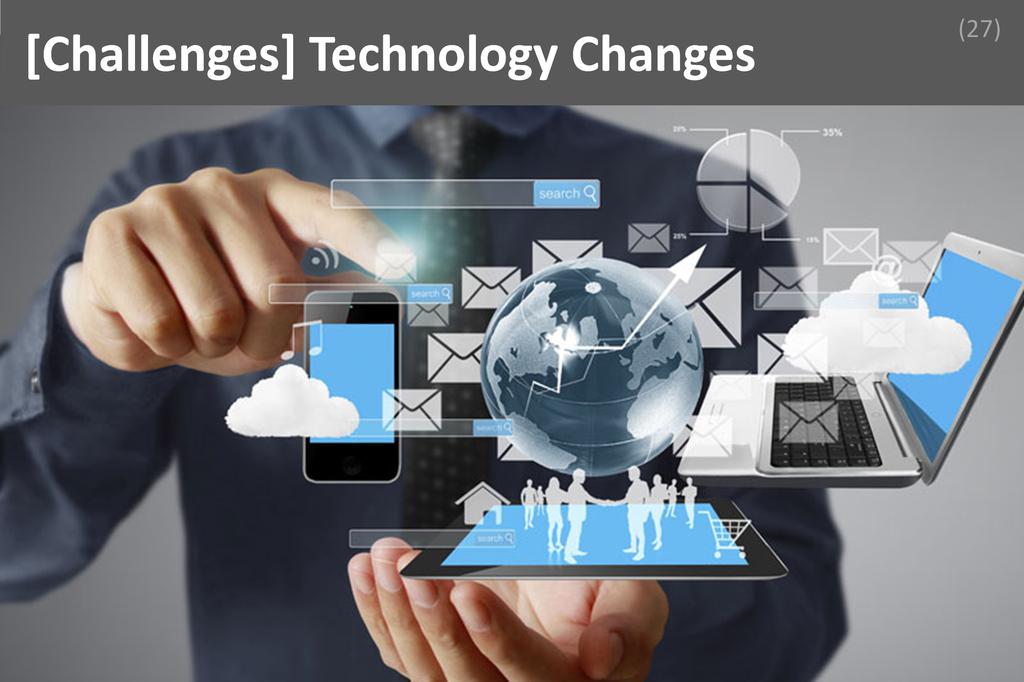
Tehnology Changes

### Tehnology Changes Image
What is
Tehnology Changes in Digital Forensic Investigation refer to the rapid evolution and constant emergence of new hardware, software, operating systems, and encryption methods. This relentless pace makes it challenging for professionals to keep their skills, tools, and methodologies up to date, demanding continuous learning and adaptation to remain effective.

Concept
The ongoing wave of tehnology changes directly impacts daily work in digital forensic investigation by introducing unfamiliar devices, file formats, and security measures that can hinder evidence collection and analysis. Professionals must exhibit resilience as they frequently encounter situations where their existing tools or knowledge are insufficient. This challenge requires a proactive approach, including regular training, participation in professional communities, and collaboration with peers to share insights and solutions. Successful investigators also invest time in researching emerging technologies and experimenting with new forensic tools, ensuring they can adapt quickly when faced with novel digital environments. By fostering a mindset of lifelong learning and flexibility, these professionals maintain their effectiveness despite the ever-shifting technological landscape.

Real World Example
Consider a digital forensic investigator tasked with analyzing a smartphone running a newly released operating system version that their current tools do not support. Instead of being stalled by this obstacle, the investigator reaches out to their professional network, consults online forums, and reviews recent research papers to identify alternative approaches. They experiment with beta versions of forensic tools and collaborate with software developers to create a custom script for data extraction. Through persistence and adaptability, the investigator successfully retrieves critical evidence, demonstrating how embracing continuous learning and resourcefulness enables professionals to overcome the challenges posed by rapid tehnology changes in their field.

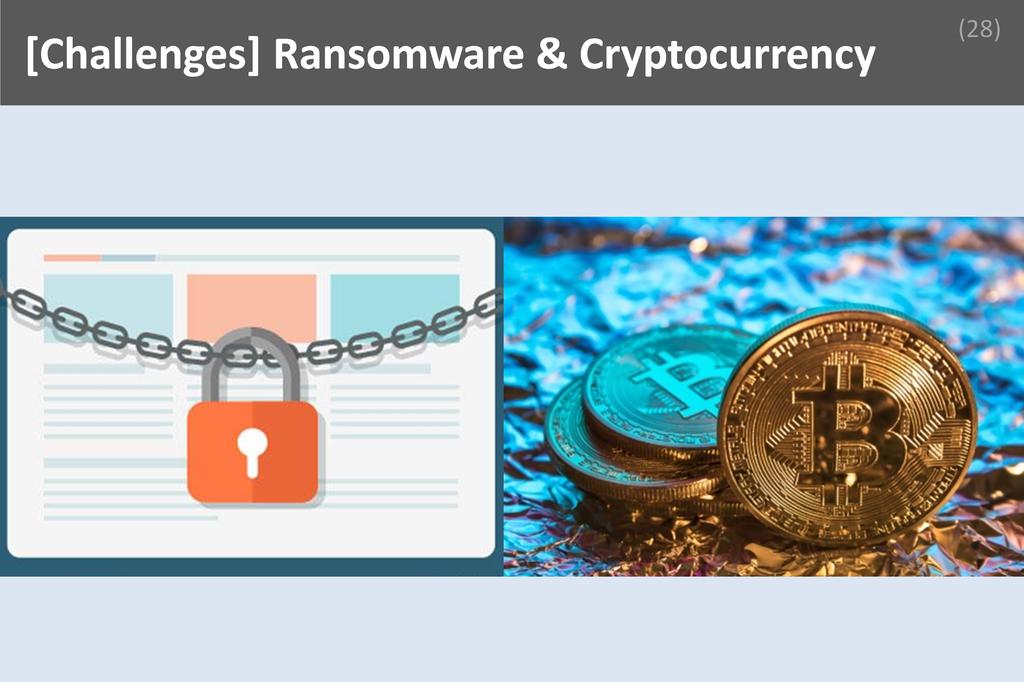
Ransomware & Cryptocurreny

### Ransomware & Cryptocurreny Image
What is
Ransomware and cryptocurrency, in the context of Digital Forensic Investigation, refer to malicious software that encrypts data for ransom, with payments demanded in digital currencies like Bitcoin. This combination complicates investigations, as tracing transactions and recovering encrypted data requires advanced technical skills and persistent effort, making it a particularly demanding challenge.

Concept
The prevalence of ransomware attacks demanding cryptocurrency payments has transformed the daily landscape for digital forensic investigators. These professionals must contend with encrypted systems, disrupted business operations, and the anonymity provided by cryptocurrencies, which hinders traditional tracing methods. The pressure to recover critical data quickly, often under intense scrutiny from stakeholders, demands both technical expertise and emotional resilience. Successful investigators stay updated on the latest encryption techniques and blockchain analysis tools, collaborate closely with law enforcement and cybersecurity teams, and maintain a methodical approach to evidence preservation. By leveraging specialized software and continuously refining their investigative strategies, they manage to navigate the evolving threat landscape, ensuring that even in the face of sophisticated attacks, valuable digital evidence can still be uncovered and interpreted.

Real World Example
A digital forensic investigator was called to assist a healthcare organization paralyzed by a ransomware attack, with the perpetrators demanding payment in Monero, a privacy-focused cryptocurrency. The investigator began by isolating affected systems to prevent further spread, then meticulously analyzed network logs and memory dumps to identify the ransomware variant and its entry point. Recognizing the complexity of tracing Monero transactions, the investigator collaborated with blockchain analysis experts and law enforcement to follow any ancillary Bitcoin transactions linked to the attackers. Through persistent effort, the team recovered partial backups and decrypted some files using a recently released decryption tool. Their methodical approach not only restored critical patient data but also preserved forensic evidence, aiding the ongoing criminal investigation.

Maintaining the Integrity

### Maintaining the Integrity Image
What is
Maintaining the integrity in Digital Forensic Investigation refers to the rigorous process of ensuring that digital evidence remains unaltered, authentic, and reliable from the moment of collection through analysis and presentation in court. This is demanding due to the fragile, easily manipulated nature of digital data and strict legal scrutiny.

Concept
The challenge of maintaining integrity permeates every aspect of a digital forensic investigator’s daily work. Even minor mishandling or technical oversight can render evidence inadmissible, potentially jeopardizing entire cases. This constant pressure requires professionals to be meticulous, patient, and resilient, as they must document every action, use validated tools, and follow strict protocols. Successful investigators develop a disciplined workflow, regularly update their knowledge of best practices, and foster a culture of accountability within their teams. By emphasizing transparency and continuous training, they reduce the risk of accidental data alteration and maintain the trust of legal authorities, ensuring that their findings withstand rigorous examination.

Real World Example
Consider a case where a digital forensic investigator is tasked with analyzing a suspect’s laptop in a high-profile cybercrime investigation. The professional begins by creating a bit-for-bit forensic image of the device, carefully documenting the process and verifying the hash values before and after imaging to confirm data integrity. Throughout the analysis, the investigator works exclusively on the copy, preserving the original evidence untouched. When presenting findings in court, the investigator provides detailed logs and technical explanations, demonstrating that every step was performed according to established protocols. This meticulous approach not only preserves the integrity of the evidence but also reinforces the credibility of the investigation, ultimately contributing to a successful prosecution.

A Day Of


Digital Forensic Investigation

What is
In the world of digital forensic investigation, the hum of computers and the glow of monitors set the stage for a day that is anything but routine. Each morning, investigators step into an environment where the digital and physical worlds collide, racing against time to uncover evidence hidden in the labyrinth of data. The pace is relentless, driven by the urgency of cyber incidents, legal deadlines, and the ever-present challenge of staying ahead of sophisticated threats. Here, curiosity meets precision, and every keystroke could be the difference between solving a case or letting a crucial clue slip away.

Concept
As the sun rises, the digital forensic investigator arrives early, greeted by the stillness of the lab and the soft whir of servers. This is a time for careful preparation: reviewing case notes from the previous day, checking emails for urgent updates, and scanning overnight alerts for any new incidents that demand immediate attention. The investigator methodically sets up specialized forensic workstations, ensuring that tools are updated and evidence storage is secure. This quiet hour is essential for organizing priorities and mentally mapping out the day’s investigative strategy.

Real World Example
By mid-morning, the pace accelerates as the investigator plunges into the core of their work: analyzing digital evidence. This is the most intense and focused part of the day, where attention to detail is paramount. The investigator may be imaging hard drives, extracting data from mobile devices, or sifting through logs to reconstruct timelines of suspicious activity. Collaboration with law enforcement or legal teams often occurs during this window, as findings are discussed and new leads are pursued. The digital landscape is vast, and every byte examined could reveal a hidden connection or a breakthrough in the case.

The afternoon brings a shift from solitary analysis to collaborative execution. The investigator joins team meetings to share progress, troubleshoot technical challenges, and coordinate next steps with colleagues from IT, legal, or law enforcement. Sometimes, this phase involves venturing into the field to collect new evidence, conduct interviews, or testify in court. The energy is dynamic, as the team works together to piece together the puzzle, ensuring that all findings are documented and that the chain of custody remains unbroken.

As the day winds down, the focus turns to meticulous documentation and planning. The investigator compiles detailed reports, logs evidence handling, and updates case files to ensure that every action is accounted for and defensible in court. This is also a time for research, catching up on the latest cyber threats or forensic techniques, and setting priorities for the next day. The lab grows quiet again, but the sense of purpose remains strong, as the investigator prepares to face tomorrow’s digital mysteries with renewed determination.


Install the LifePage App to:


  1. (for Free) Watch Head Santosh Khadsare’s full Digital Forensic Investigation Career Talk

  2. ₹ Do a Self Assessment on Digital Forensic Investigation to calculate your Dream Index, which is defined as:

    According to Santosh Khadsare your chances of success in Digital Forensic Investigation is __%

  3. Access your personalized Dream Index Report which will have all your Dream Indices sorted in descending order.

Career Counselling 2.0


<?php echo $altimage; ?>


<?php echo $altimage; ?>


How to get into

Digital Forensic Investigation?


If you are want to get into Digital Forensic Investigation, start by investing in a Career Plan.

The 14 hour process, guided by a LifePage Career Advisor, will help you introspect and check whether your interest in Digital Forensic Investigation is merely an infatuation or is it truly something you wish to do for the rest of your life.

Next, your Career Advisor will help you document how you can get into Digital Forensic Investigation, what education and skills you need to succeed in Digital Forensic Investigation, and what positives and challenges you will face in Digital Forensic Investigation.

Finally, you will get a Career Plan stating which Courses, Certifications, Trainings and other Items you need to do in the next 7 years to become world’s best in Digital Forensic Investigation.


LifePage Career Plan

14 hour personalized guidance program


Your LifePage Career Advisor facilitates your guided introspection so that you systematically explore various Career options to arrive at a well thought out Career choice.

Next: your Advisor helps you figure out how you will get into your chosen Career and how will you develop the skills needed for success in your Chosen Career.

LifePage Plan will not stop at saying "to become an Architect study Architecture". It will guide you on which Certifications, Trainings and Other items you need to do along with your Architecture education to become the world's best Architect.


Links for this Talk


LifePage Career Talk on Digital Forensic Investigation


Career Counselling 2.0
[Career]
https://www.lifepage.in/careers/digital-forensic-investigation


Career Counselling 2.0
[Full Talk]
https://lifepage.app.link/20180405-0004


Career Counselling 2.0
[Trailer]
https://www.youtube.com/watch?v=pr8Z4dQ26Tw


(Digital Fornesic Investigation, Santosh Khadsare, Digital Forensic Lab, Head, Investigation, Cyber Crime, Cyber Laws, Digital Forensic)


Similar Talks


Career in Cloud Software Engineering
Cloud Software Engineering
Maanas Lal
Cloud Software Engineer | Infosys
[ 2 years Experience ]

Cloud computing is making use of shared pool of resources which are on remote server (e.g., computer networks, servers, storage, applications and services), which can be rapidly provisioned and released with minimal management effort.

"Cloud software engineer was my first job. After my B Tech I was campus placed in Infosys. There I had 4 months rigorous training in software and hardware and after that several programming assignment were allocated and as part of Infosys I picked up a series of assignments ranging from game programming to cloud software programming. "


Career Counselling 2.0 Career Counselling 2.0 Career Counselling 2.0 Career Counselling 2.0 Career Counselling 2.0


Career in Website Designing
Website Designing
Anubhav Gupta
Director | ISPL Academy
[ 18 years & 8 months Experience ]

Website designing is a technology through which websites are developed. Whatever websites are there now, are seen both on computers & phones. There was a time when websites were made only for computers, but now it is made for everything like tablets, laptops and desktops.

"I have completed my graduation in IT field and has been heading an IT Company in Dehradun since 2000."


Career Counselling 2.0 Career Counselling 2.0 Career Counselling 2.0 Career Counselling 2.0 Career Counselling 2.0


Career in Software Engineering
Software Engineering
Ujjwal Sonar
Senior Software Engineer | Tata Consultancy Services
[ 4 years & 4 months Experience ]

A software engineer is a person who applies the principles of software engineering to the design, development, maintenance, testing, and evaluation of the software that make computers or other devices containing software work.

"I have done my schooling from Sunrisers Rajiv Memorial Higher Secondary School in Vidisha in 2009. In 2013,I did my Electronic Engineering from Lakshmi Narain College of Technology (LNCT), Bhopal. I have worked with Tech Mahindra and currently with TCS as Senior Software Engineer."


Career Counselling 2.0 Career Counselling 2.0 Career Counselling 2.0 Career Counselling 2.0 Career Counselling 2.0


Career in Ethical Hacking
Ethical Hacking
Satyam Rastogi
Senior Manager | BAMKO
[ 3 years Experience ]

Ethical hacking and ethical hacker are terms used to describe hacking performed by a company or individual to help identify potential threats on a computer or network. An ethical hacker attempts to bypass system security and search for any weak points that could be exploited by malicious hackers. This information is then used by the organization to improve the system security, in an effort to minimize or eliminate any potential attacks.

"After completing my Engineering from Indian Cyber Defence Alliance, I worked at Koenig Solutions ltd Delhi for four years. I am working with BAMKO, Dehradun as the Senior Manager since Oct 2017."


Career Counselling 2.0 Career Counselling 2.0 Career Counselling 2.0 Career Counselling 2.0 Career Counselling 2.0


Career in Computer Engineering
Computer Engineering
Sergio Saade
Computer Engineer | Facultad de Ciencias Exactas y Tecnologia, UNT
[ 31 years & 2 months Experience ]

Computer engineering as its name says, works on computers, but not only within them, but also on their communication with the outside world, on the software that compose it and a very important part, that has had much development in the last years, on the embedded systems.

"I am Director of the computer engineering carrer, I am also titular professor of this faculty and my area of performance is the Data Networks and Communication Protocols. I graduated as an electronic engineer, here at the National University of Tucumán in 1986 and soon after that I went to do a master's degree at the University of California, in the specific subject of computer engineering. Then became a professor of this carrer in the National University of Tucumán."


Career Counselling 2.0 Career Counselling 2.0 Career Counselling 2.0 Career Counselling 2.0


Career in Software Development
Software Development
Akash Gaurav Singh
Technology Analyst | Infosys
[ 5 years & 3 months Experience ]

A software developer is a person concerned with facets of the software development process, including the research, design, programming, and testing of computer software

"After completing my schooling, I did B Tech in Electronics & Telecommunication from Symbiosis institute of Technology. I started my career with Synechron as a Junior Associate in 2012, then joined Cognizant. After that, I started working with Infosys and I have been working as a Technology Analyst with Infosys since 2016."


Career Counselling 2.0 Career Counselling 2.0 Career Counselling 2.0 Career Counselling 2.0 Career Counselling 2.0


Career in Cyber Security
Cyber Security
Smith Gonsalves
Director | Government Officials & Law Enforcement Agencies
[ 3 years & 9 months Experience ]

Cyber Security is the body of technologies, processes and practices designed to protect networks, computers, programs and data from attack, damage or unauthorized access.

"I have completed my schooling from Mumbai during which have horned my expertise in ethical Hacking & Forensic Investigator. Since 2014 I have been into Cyber Security and working with Government Officials & Law Enforcement Agencies."


Career Counselling 2.0 Career Counselling 2.0 Career Counselling 2.0 Career Counselling 2.0 Career Counselling 2.0


Career in Cyber Security
Cyber Security
Nitin Pandey
Chairman | National Information Security Counsel
[ 11 years Experience ]

Cyber security or information technology security are the techniques of protecting computers, networks, programs and data from unauthorized access or attacks that are aimed for exploitation.

"I did my BCA and MCA from Lucknow University and pursuing my Ph D from SGT, Gurgaon. I have been conducting workshops related to cyber security since 2007. I was the head of DEFCON & OWASP, Luchnow for four years. I am working as the Chairman of National Information Security Council (NISC) since 2017."


Career Counselling 2.0 Career Counselling 2.0 Career Counselling 2.0 Career Counselling 2.0 Career Counselling 2.0


Career in PHP Development
PHP Development
Jitendra Kumar
PHP Developer | M and P Technologies
[ 2 years Experience ]

PHP is a general-purpose scripting language that is especially suited to server-side web development, in which case PHP generally runs on a web server. Any PHP code in a requested file is executed by the PHP runtime, usually to create dynamic web page content or dynamic images used on websites or elsewhere.

"After completing my graduation, I did my MCA from DBIT, Dehrdaun. Currently, I am working as a PHP Developer at M and P Technologies, Dehradun."


Career Counselling 2.0 Career Counselling 2.0 Career Counselling 2.0 Career Counselling 2.0 Career Counselling 2.0


Career in Mobile App Development
Mobile App Development
Suyash Joshi
Senior Mobile Software Engineer | Oracle
[ 8 years Experience ]

Mobile application development is the act or process by which a mobile app is developed for mobile devices, such as personal digital assistants, enterprise digital assistants or mobile phones. These applications can be pre-installed on phones during manufacturing platforms, or delivered as web applications using server-side or client-side processing (e.g., JavaScript) to provide an "application-like" experience within a Web browser. Application software developers also must consider a long array of screen sizes, hardware specifications, and configurations because of intense competition in mobile software and changes within each of the platforms.

"I have a Bachelors in Computer Science from University of Michigan, USA. I am currently pursuing a Masters degree from Georgia Tech. Since 2010, I have been working at Oracle, San Francisco as a Senior Mobile Software Engineer."


Career Counselling 2.0 Career Counselling 2.0 Career Counselling 2.0 Career Counselling 2.0 Career Counselling 2.0


Career in Computer Coding
Computer Coding
Dipankar Tripathi
Head | Airvana Networks
[ 9 years & 5 months Experience ]

Computer coding is making computers do what one wants them to do. For making a computer do something we need to write something which the computer is able to understand and then perform that by itself.

"I did my Graduation from DAV and Masters in Computers from IP University. In 2009 I shifted to Bangalore and that is when I got a break in Computer coding. I started working for a company called Airvana Networks."


Career Counselling 2.0 Career Counselling 2.0 Career Counselling 2.0 Career Counselling 2.0 Career Counselling 2.0


Career in Machine Learning
Machine Learning
Pranav Dobhal
Consultant | Calliope Data
[ 4 years & 5 months Experience ]

Data Engineering is the gathering, collecting and storing of data, conducting batch processing or real-time processing on it, and evaluating data solutions within organisations.

"I did Schooling from The Doon School, Dehradun after which I pursued an Undergraduate Degree in Information Systems from Brock University in Canada. I did a Masters degree in Information System Management from Carnegie Mellon University in Pittsburgh, USA."


Career Counselling 2.0 Career Counselling 2.0 Career Counselling 2.0 Career Counselling 2.0 Career Counselling 2.0


Career in Software Engineering
Software Engineering
Rohit Verma
Senior Software Developer | ST Microelectronics
[ 6 years & 9 months Experience ]

Software engineering is a detailed study of engineering to the design, development and maintenance of software.

"I did my Bachelors in Computer Application from Kurukshetra University and Masters in Computer Application from YMCA, Faridabad. After completing studies in 2012 I joined ST Microelectronics as a Software Developer. I am Senior Software Developer in ST Microelectronics."


Career Counselling 2.0 Career Counselling 2.0 Career Counselling 2.0 Career Counselling 2.0 Career Counselling 2.0


Career in Website Design & Development
Website Design & Development
Kunal
Director Technology | Orbosys Co-operation
[ 7 years & 9 months Experience ]

Website design encompasses many different skills and disciplines in the production and maintenance of websites. The different areas of web design include web graphic design; interface design; authoring, including standardised code and proprietary software; user experience design; and search engine optimization.

"I did B Tech in Information Technology from NSIT, Kanpur. During college, I started a website design company by the name Biztech Work Solutions, which I had to close because of the limited market opportunities in Kanpur. I did a course in Linux from IIT, Kanpur. I then started a company in Dehradun with my cousin brother in 2012 by the name Orbosys Co-operation. I am Director-Technolgy at Orbosys."


Career Counselling 2.0 Career Counselling 2.0 Career Counselling 2.0 Career Counselling 2.0 Career Counselling 2.0


Career in Artificial Intelligence
Artificial Intelligence
Dr Kiran Kumar Ravulakollu
Assistant Dean - Research | UPES
[ 7 years & 1 month Experience ]

In computer science, artificial intelligence, sometimes called machine intelligence, is intelligence demonstrated by machines, in contrast to the natural intelligence displayed by humans and other animals.

"After graduating in B Tech from JNTU, Hyderabad, I went on to do M Sc in Artificial Intelligence from City University, London. I also did a Ph D in Neurorobotics from University of Sunderland, UK. I came to India and started teaching at Sharda University as an Assistant Professor. I switched to UPES and went on to become Assistant Dean - Research."


Career Counselling 2.0 Career Counselling 2.0 Career Counselling 2.0 Career Counselling 2.0 Career Counselling 2.0


Career in Software Development
Software Development
Amit Naithani
Module Lead | MothersonSumi Infotech & Design Limited
[ 9 years & 2 months Experience ]

Software development is the process of conceiving, specifying, designing, programming, documenting, testing, and bug fixing involved in creating and maintaining applications, frameworks, or other software components.

"After completing my Schooling from Dehradun, I did B Tech in Computer Science Engineering. I have worked with Infosys, KPIT and Infotech. I have also worked on Oracle, JD Edwards and ERP system. I am working as a Module Leader at Motherson Sumi, Delhi."


Career Counselling 2.0 Career Counselling 2.0 Career Counselling 2.0 Career Counselling 2.0 Career Counselling 2.0


Career in User Interface Development
User Interface Development
Prachi Pant
UI Developer | Snapdeal
[ 4 years Experience ]

User Interface Development combines programming, psychology and creative design to craft intuitive controls for software and hardware. The UI developer's mission is to create an interface that behaves as users would it expect it to, facilitating a seamless and efficient user experience.

"I did my B Tech (Information Technology) from Roorkee Engineering College after which I joined a Delhi-based startup called Cloudchowk Solutions Pvt Ltd. Later, I moved to Snapdeal. At both places I worked in the domain of user interface development."


Career Counselling 2.0 Career Counselling 2.0 Career Counselling 2.0 Career Counselling 2.0 Career Counselling 2.0


Career in Computer Engineering
Computer Engineering
Daniel Cohen
Computer Engineer | Facultad de Ciencias Exactas y Tecnologia, UNT
[ 30 years Experience ]

Computer engineering has an integral vision of the computer, from the layers related to the user, the apps, to the layers related to the computer, the hardware and even the ones related to the intercommunication between the computers, the internet. So computer engineering is just a career in engineering that achieves an integration of all the knowledge that is in computers so they are able to have a very widespread application. Including all the achievements that have been seen lately as cell phones, all machines applied to medicine and artificial intelligence. All of them are areas of application of computer engineering.

"I graduated first as an electronic engineer, because at that time when I studied, computer engineering did not exist in my country as a career. Soon after I graduated as an electronic engineer I won a scholarship to study in Israel where I did a master's degree in computer engineering at the Technological Institute of Israel called Technion. Since I returned I have been very active in my professional life, but I have never stopped being a teacher at UNT, at the beginen only part time because the rest of the time I used it in my own professional career."


Career Counselling 2.0 Career Counselling 2.0 Career Counselling 2.0 Career Counselling 2.0


Career in Data Engineering
Data Engineering
Pranav Dobhal
Consultant | Calliope Data
[ 4 years & 5 months Experience ]

Data Engineering is the gathering, collecting and storing of data, conducting batch processing or real-time processing on it, and evaluating data solutions within organisations.

"I did my Schooling from The Doon School, Dehradun after which I pursued an undergraduate degree in Information Systems from Brock University in Canada. I did a Masters degree in Information System Management from Carnegie Mellon University in Pittsburgh, USA."


Career Counselling 2.0 Career Counselling 2.0 Career Counselling 2.0 Career Counselling 2.0 Career Counselling 2.0


Career in Teaching Computer Science
Teaching Computer Science
Ashish Saxena
Assistant Professor | DIT University
[ 15 years & 1 month Experience ]

Computer science and engineering (CSE) is an academic program that integrates the fields of computer engineering and computer science. It is a sub-field of electronics engineering. It covers the digital aspects of electronics engineering, specializing in hardware-systems areas like computer architecture, processor design, high-performance computing, parallel processing, computer networks and embedded systems.

"After completing B Sc, I did MCA from H N B Garhwal University and M Tech from UTU, Dehradun. I have taught in a school for 2 years and at Amrapali Institute, Haldwani for 3 years. I have been teaching at DIT University since 2008. I am Assistant Professor at DIT University."


Career Counselling 2.0 Career Counselling 2.0 Career Counselling 2.0 Career Counselling 2.0 Career Counselling 2.0


Career in Game Development
Game Development
Pankaj Badoni
Assistant Professor | Graphics & Gaming, UPES
[ 7 years & 2 months Experience ]

Game development is the process of creating a video game. The effort is undertaken by a game developer, who may range from a single person to an international team dispersed across the globe. Game programming requires substantial skill in software engineering as well as specialization in one or more of the following areas, which overlap heavily to create a game: simulation, computer graphics, artificial intelligence, physics, audio programming, and input.

"After doing B Tech in Computer Science & Engineering, I went on to do masters in IT with a specialisation in Human Computer Interaction. I worked as a Developer at Headstrong India for few years before switching to academia. I am an Assistant Professor at UPES and manage Graphics and Gaming branch there."


Career Counselling 2.0 Career Counselling 2.0 Career Counselling 2.0 Career Counselling 2.0 Career Counselling 2.0


Career in Software Engineering & Development
Software Engineering & Development
Harsh
Software Engineer and Developement | Hike Messenger
[ 3 years & 1 month Experience ]

In software engineering, a software development process is the process of dividing software development work into distinct phases to improve design, product management, and project management. It is also known as a software development life cycle. Software engineering is an engineering branch associated with development of software product using well-defined scientific principles, methods and procedures. The outcome of software engineering is an efficient and reliable software product.

"After completing B Tech (Hons) in Computer Science & Engineering from Dehradun Institute of Technology, I started working as a Software Engineer at Hike Messenger. My role as a software engineer was to explore and dive into various aspects of big-data technologies and machine learning, fixing regular issues/bug, developing content visualization console (WT-Forms, Python, Flask, HTML, CSS, JS) etc. I have also worked as a Software Developer Research Intern at Indian Institute of Remote Sensing (IIRS), Indian Space Research Organization (ISRO)."


Career Counselling 2.0 Career Counselling 2.0 Career Counselling 2.0 Career Counselling 2.0 Career Counselling 2.0


Career in Server Administration
Server Administration
Abhishek Mishra
Specialist | HCL
[ 1 year & 10 months Experience ]

A server administrator, or admin has the overall control of a server. This is usually in the context of a business organization, where a server administrator oversees the performance and condition of multiple servers in the business organization, or it can be in the context of a single person running a game server.

"After doing my schooling, I did my B Sc and MCA from Kanpur University. After that I started working as an IT Administrator in Amway and then I worked for various companies like Dell and Capgemini. I am working as a Specialist with HCL since 2016."


Career Counselling 2.0 Career Counselling 2.0 Career Counselling 2.0 Career Counselling 2.0 Career Counselling 2.0


Career in System Software Development
System Software Development
Anand Krishnaswamy
System Architect | IBM
[ 8 years Experience ]

In software engineering, a software development process is the process of dividing software development work into distinct phases to improve design, product management, and project management. It is also known as a software development life cycle. Software engineering is an engineering branch associated with development of software product using well-defined scientific principles, methods and procedures. The outcome of software engineering is an efficient and reliable software product.

"For 14+ years in the software industry, I played my role in teams that created business value in writing software, software consulting, inventing & creating patents & insightful articles. It drives my interest in data science & data analytics. Clean & pertinent design is the reward I work for. As a software consultant, I've focused on delivering exactly what the business needs. I've helped clients sift through & identify what they really want vs what they think they want & then led teams to deliver that. Tough conversations, but many a client has appreciated the effort put into gleaning that. Today, I focus this drive to create relevant & vital value in the effort to educate underprivileged children so that they are not left handicapped in competing in the world at large."


Career Counselling 2.0 Career Counselling 2.0 Career Counselling 2.0 Career Counselling 2.0 Career Counselling 2.0


Career in Code Analysis
Code Analysis
Neeti
Analyst | HCL Technologies
[ 3 years Experience ]

Code Analysis is the automated testing of source code for the purpose of debugging a computer program or application before it is distributed or sold.

"I did my schooling from St Thomas College, Dehradun and B Tech from Graphic Era University, Dehradun. After completing my education, I started working at HCL, Noida as an Analyst."


Career Counselling 2.0 Career Counselling 2.0 Career Counselling 2.0 Career Counselling 2.0 Career Counselling 2.0


Career in Cloud Software Engineering
Cloud Software Engineering
Shrinath K T
Cloud Development Manager | Revevol Technology
[ 5 years & 2 months Experience ]

Cloud computing or Cloud Software Engineering is an information technology (IT) paradigm that enables ubiquitous access to shared pools of configurable system resources and higher-level services that can be rapidly provisioned with minimal management effort, often over the Internet. Cloud computing relies on sharing of resources to achieve coherence and economies of scale, similar to a public utility.

"After completing my schooling from Cinmaya Vidyalaya Coimbatore, I did my BE in Computer Science from CIET, Coimbatore. I worked as a Tech Support Executive for CSS Corp, Chennai and after that I worked for Tata Communications, Chennai. I am working as a Cloud Development Manager with Revevol Technology, Delhi."


Career Counselling 2.0 Career Counselling 2.0 Career Counselling 2.0 Career Counselling 2.0 Career Counselling 2.0


Career in Database Administration
Database Administration
Varun Yadav
Sr Oracle Database Administrator | Motherson Sumi Infotech & Designs Ltd
[ 8 years & 3 months Experience ]

Database administration refers to the whole set of activities performed by a database administrator to ensure that a database is always available as needed. Other closely related tasks and roles are database security, database monitoring and troubleshooting, and planning for future growth. Database administration is an important function in any organization that is dependent on one or more databases. Database administrators (DBAs) use specialized software to store and organize data. The role may include capacity planning, installation, configuration, database design, migration, performance monitoring, security, troubleshooting, as well as backup and data recovery.

"After doing my schooling from Chandigarh, I did my BE & ME from Punjab Engineering College, PEC University of Technology, Chandigarh. Thereafter, I worked as a Sr. Oracle Data Base Administrator with different companies like Path InfoTech Ltd, Wipro Technologies and others on different projects like Financial, Banking Domain and Telecommunication. Later, I joined Motherson Sumi Infotech and Design, Noida as Sr. oracle Data Administrator."


Career Counselling 2.0 Career Counselling 2.0 Career Counselling 2.0 Career Counselling 2.0 Career Counselling 2.0


Career in Software Engineering
Software Engineering
Manish Kumar
Senior Consultant | HCL Technologies
[ 12 years & 9 months Experience ]

Software engineering is a detailed study of engineering to the design, development and maintenance of software.

"I did B Tech in Electronics & Communication from Birla Institute of Technology, Ranchi. I worked at Computer Science Corporation for some time as a consultant before switching to HCL Technologies in 2013. I am a Senior Consultant at HCL Technologies."


Career Counselling 2.0 Career Counselling 2.0 Career Counselling 2.0 Career Counselling 2.0 Career Counselling 2.0


Career in Software Development
Software Development
Raj Kumar Saini
Mentor & Central Head, Dehradun | Coding Blocks
[ 3 years & 5 months Experience ]

Software development is the process of conceiving, specifying, designing, programming, documenting, testing, and bug fixing involved in creating and maintaining applications, frameworks, or other software components.

"I did my graduation in B Tech in Computer Science from Delhi Technological University. I got a campus placement as Software Developer at Amazon. I worked there for some time before switching to D.E.Shaw. I have also worked at Adobe, Right Relevance and Caroobi. I am Mentor & Central Head at Coding Blocks, Dehradun."


Career Counselling 2.0 Career Counselling 2.0 Career Counselling 2.0 Career Counselling 2.0 Career Counselling 2.0


Career in UX/UI Designing
UX/UI Designing
Naina Jain
UX Designer | ImaginXP
[ 6 years & 2 months Experience ]

UX stands for user experience. A users experience of the app is determined by how they interact with it. User experience is determined by how easy or difficult it is to interact with the user interface elements that the UI designers have created. The UI in UI design stands for user interface.The user interface is the graphical layout of an application. It consists of the buttons users click on, the text they read, the images, sliders, text entry fields, and all the rest of the items the user interacts with.

"While I was in college and studying communication design, I started working as a designer. My first project was for a restaurant based out of Gurgaon. I have had done various projects such as with TedX, Govt of Uttarakhand as well as Karnataka and various other projects. I am also the co-founder of a design company known as NUTS India as well as I am working for ImaginXP which is into education sector for designing. Therefore, I am posted at DIT University, Dehradun and teaching designing there as well as running own design studio."


Career Counselling 2.0 Career Counselling 2.0 Career Counselling 2.0 Career Counselling 2.0 Career Counselling 2.0


Career in DevOps
DevOps
Monit Kapoor
Associate Professor & HoD Cybernetics | School of Computer Science, UPES
[ 19 years & 2 months Experience ]

DevOps is a software development methodology that combines software development with information technology operations. The goal of DevOps is to shorten the systems development life cycle while delivering features, fixes, and updates frequently in close alignment with business objectives.

"After completing my bachelors in engineering in electrical, I went on to do a masters in Computer Science & Engineering. Post that, I started working at Green Hills Engineering College as an HOD of IT. I then switched to Maharishi Markandeshwar University, Solan as an HoD of CSE & Computer Applications. I finally moved to UPES, Dehradun as an Assistant Professor in 2011. I did a Ph D in Mobile Ad Hoc Networks along with professorship. I am an Associate Professor and HoD Cybernetics at UPES."


Career Counselling 2.0 Career Counselling 2.0 Career Counselling 2.0 Career Counselling 2.0 Career Counselling 2.0


Career in Full Stack Development
Full Stack Development
Sagar Gurung
Full Stack Developer | Ifadvertisings
[ 7 years & 1 month Experience ]

A full stack developer is an engineer who can handle all the work of databases, servers, systems engineering, and clients. Depending on the project, what customers need may be a mobile stack, a Web stack, or a native application stack.

"After completing B Tech in EEE, I started my own company by the name Web Plan Solution Pvt Ltd. After running it for 2 years, I decided to shut it down and did certifications in Java, PHP, .Net & Robotics. I then worked with Mymind Infotech as a Senior Developer for 2 years. In 2018, one of my friends and me came together to work on an advertising mobile application called Ifadvertisings. I developed the application single handedly. I am Co-founder & Full Stack Developer at Ifadvertisings."


Career Counselling 2.0 Career Counselling 2.0 Career Counselling 2.0 Career Counselling 2.0 Career Counselling 2.0


Career in Application Development
Application Development
Amruta N
Senior Consultant | OpenText
[ 4 years Experience ]

Application development is the process of creating a computer program or a set of programs to perform the different tasks that a business requires. From calculating monthly expenses to scheduling sales reports, applications help businesses automate processes and increase efficiency.

"After completing my BCA & MCA from R V college, Bangalore in 2014, I began working as an Associate Software Consultant at Muraai Information Technology. I moved to Adnate IT Solutions as a Consultant in 2015. In 2017 I joined OpenText, where I am working as a Senior Consultant."


Career Counselling 2.0 Career Counselling 2.0 Career Counselling 2.0 Career Counselling 2.0 Career Counselling 2.0


Career in Software Development
Software Development
Gargi Gautam
IT Analyst | Tata Consultancy Services
[ 3 years & 9 months Experience ]

Software Development is a process followed for a software project, within a software organization. It consists of a detailed plan describing how to develop, maintain, replace and alter or enhance specific software. The life cycle defines a methodology for improving the quality of software and the overall development process

"After completing my graduation from Uttar Pradesh Technical University in Computer Science (GNIT) in 2012, I started working with Sears IT & Management Services private limited where I worked till 2015 while I was a System Engineer. After that I have joined Tata Consultancy Services where my designation is IT Analyst. Meanwhile in 2017 I had completed my Post Graduation Diploma in Management in Operations Management from All India Management Association."


Career Counselling 2.0 Career Counselling 2.0 Career Counselling 2.0 Career Counselling 2.0 Career Counselling 2.0


Career in Teaching & Research in Data Science
Teaching & Research in Data Science
Dr Kingshuk Srivastava
Assistant Professor | UPES
[ 9 years Experience ]

Teaching and Research in Data science of three words teaching, research and data science so first of all what is teaching so teaching is the art and science of helping others to grow in their knowledge and understanding. It is holding the hand of a young one and saying it's going to be OK. Teaching is being careful that you acknowledge every student ever. On the other hand research is a careful and detailed study into a specific problem, concern, or issue using the scientific method. It's the adult form of the science fair projects back in elementary school, where you try and learn something by performing an experiment. Data science is a multidisciplinary blend of data inference, algorithmm development, and technology in order to solve analytically complex problems. Data Science can be applied to a data set with one thousand lines, there is no problem with this.

"After completing my B Sc in Physics & M Sc in Electronics from Lalit Narayan Mithila University, I did M Tech in Information Technology & Ph D in Computer Science Engineering from University of Petroleum & Energy Studies (UPES). I am an Assistant Professor Selection Grade at University of Petroleum & Energy Studies, Dehradun."


Career Counselling 2.0 Career Counselling 2.0 Career Counselling 2.0 Career Counselling 2.0 Career Counselling 2.0


Career in Software Engineering
Software Engineering
Vikas Nokhwal
Founder & Senior Software Developer | Nokhwal Technologies
[ 5 years & 6 months Experience ]

Software engineering is a detailed study of engineering to the design, development and maintenance of software.

"I did B.Tech in Computer Science from Om group of Institutions, Hisar. I started working in SSN Ventures as Software Developer. After working for four years with the company, I started my own firm, Nokhwal Technologies in 2017. I am Senior Software Developer at Nokhwal Technologies."


Career Counselling 2.0 Career Counselling 2.0 Career Counselling 2.0 Career Counselling 2.0 Career Counselling 2.0


Career in Nature Inspired Computing
Nature Inspired Computing
Deepshikha Bhargava
Professor & HoD | UPES
[ 21 years & 2 months Experience ]

Nature-inspired computing is a very new discipline that strives to develop new computing techniques through observing how naturally occurring phenomena behave to solve complex problems in various environmental situations. This has produced groundbreaking research that has created new branches, like neural networks, swarm intelligence, evolutionary computation and artificial immune systems.

"After graduating from University of Rajasthan, I went on to do M Sc, MCA & M Tech (CS). I also hold a Ph D (Computer Science) with specialisation in Artificial Intelligence. I have been working in this area for over 20 years. I am Professor & HoD - Visualisation Dept at UPES."


Career Counselling 2.0 Career Counselling 2.0 Career Counselling 2.0 Career Counselling 2.0 Career Counselling 2.0


Career in Cloud Computing
Cloud Computing
Rajeev Tiwari
Associate Professor | UPES
[ 13 years & 2 months Experience ]

Cloud computing is shared pools of configurable computer system resources and higher-level services that can be rapidly provisioned with minimal management effort, often over the Internet. Cloud computing relies on sharing of resources to achieve coherence and economies of scale, similar to a public utility.

"I did bachelors and masters in Computer Science. Post that, I pursued a Ph D in Computer Science. I am aslo AWS certified. I have served as an Assistant Professor at Maharishi Markandeshwar University, Mullana & at HEC, Jagadhri. I am an Associate Professor at University of Petroleum & Energy Studies, Dehradun."


Career Counselling 2.0 Career Counselling 2.0 Career Counselling 2.0 Career Counselling 2.0 Career Counselling 2.0


Career in Information Technology
Information Technology
Manish Prateek
Dean & Professor | UPES
[ 22 years Experience ]

Information technology is the use of computers to store, retrieve, transmit, and manipulate data, or information, often in the context of a business or other enterprise.

"After completing my B Tech & M Tech in Computer Science Engineering from KURSK State Technical University, Russia, I did Ph D in Robotics. I joined Tirupati Enterprises as IT Manager in 2001. After working there for 4 years, I moved to academia with GRIET, Hyderabad. In 2010, I joined UPES. I am a Professor & Dean at UPES."


Career Counselling 2.0 Career Counselling 2.0 Career Counselling 2.0 Career Counselling 2.0 Career Counselling 2.0


Career in Software Engineering
Software Engineering
Devendra Dutt Bijalwan
Senior Analyst | Accenture
[ 9 years & 3 months Experience ]

Software Engineering is the process of analyzing user needs and designing, constructing, and testing end user applications that will satisfy these needs through the use of software programming languages. It is the application of engineering principles to software development. In contrast to simple programming, software engineering is used for larger and more complex software systems, which are used as critical systems for businesses and organizations.

"After completing my MCA, I started my Career as a Software Engineer by joining Avalon Information Systems. There, I worked with many NGOs. After spending 3 years with Avalon, I joined FIS Global Business Solutions in 2015 and worked on a lot of banking projects with them. After another 3 years, I joined Accenture as Senior Analyst in 2019."


Career Counselling 2.0 Career Counselling 2.0 Career Counselling 2.0 Career Counselling 2.0 Career Counselling 2.0


Career in Teaching Computer Science
Teaching Computer Science
Rajan Gupta
Assistant Professor | University of Delhi
[ 6 years & 2 months Experience ]

Computer Science is an academic program that integrates the fields of computer engineering and computer science. It covers the digital aspects of electronics engineering, specializing in hardware-system areas like computer architecture, processor design, high-performance computing, parallel processing, computer networks and software aspects.

"I am a Research & Data Analytics professional, learning new ways to deal with various business and research problems through technological and analytical tools. With the help of past experiences and academic exposure, following are the highlights of current capabilities. I have a substantial experience of working on research & analytics projects in the area of Information Systems, E-Governance and Public Schemes Assessment. I have working knowledge of application of various data science concepts through statistical techniques, operation research & optimization, data mining and machine learning across multiple industries (healthcare, retail, education, etc.) and domains. I have hands-on experience of using various analytical & development tools like SPSS, R, Tableau/MS Power BI and MATLAB and exposure of training and teaching in specialized areas of IT & Analytics. I am UGC NET-JRF Qualified and also possess management consulting certification from Government of India. I am one of the few Analytics professional in India to have CAP (INFORMS) and GStat (ASA) certification & accreditation, respectively and also serving as the Brand Ambassador of CAP in Asia Region for INFORMS. I am efficient in report preparation and article writing. I can prepare research proposals, research frameworks, data source identification, data collection framework and data preparations. I have experience of handling teams up to 50 people for project execution."


Career Counselling 2.0 Career Counselling 2.0 Career Counselling 2.0 Career Counselling 2.0 Career Counselling 2.0


Career in DevOps
DevOps
Sricharan Vadapalli
Practice Head | Pyramid Solutions
[ 7 years & 7 months Experience ]

DevOps is the combination of cultural philosophies, practices, and tools that increases an organization's ability to deliver applications and services at high velocity: evolving and improving products at a faster pace than organizations using traditional software development and infrastructure management processes.

"I did BTech in Mechanical Engineering from Nagarjuna University and M Tech in Mechanical Engineering from IIT Delhi. After that I joined TCS as product manager and worked there for 8 years. I have also worked with Infosys, CSC, Virtusa Polaris, Kogentix, Pyramid Consulting Inc and CTO for a startup, I was author at Packt and written books on Devops, Bigdata and Reality of Relations. I am currently working with Sunera Tech as VP and Practice Head of Data Monetization ( Analytics, Machine Learning, Devops on Cloud)."


Career Counselling 2.0 Career Counselling 2.0 Career Counselling 2.0 Career Counselling 2.0 Career Counselling 2.0


Career in Software Engineering
Software Engineering
Amit Ved
Application Development Manager | ST Microelectronics
[ 15 years & 7 months Experience ]

Software engineering is the application of engineering to the development of software in a systematic method.

"I did B Sc & M Sc in Statistics from Kanpur University. I then did an MCA from UPTU and started working at India Worldwide Software System as Software Tester. In 2004 I joined ST Microelectronics as Software Support Professional. I am now an Application Development Manager at ST Microelectronics."


Career Counselling 2.0 Career Counselling 2.0 Career Counselling 2.0 Career Counselling 2.0 Career Counselling 2.0


Career in Technology Sales
Technology Sales
Ankkit
Sales & Strategic Alliance Manager | Tejas Networks
[ 10 years & 1 month Experience ]

Technology sales professionals sell advanced devices such as computers to individuals and businesses. While many jobs exist in retail stores, some technology sales professionals travel to offices, workshops, and sales events such as conventions and expos.

"After completing BE & MBA, I started with Bharti Airtel and continued working with various MNC's. Post that, I joined Tejas Networks as the Sales & Strategic Alliance Manager."


Career Counselling 2.0 Career Counselling 2.0 Career Counselling 2.0 Career Counselling 2.0 Career Counselling 2.0


Career in DevOps & Unix Administration
DevOps & Unix Administration
Rahul Parsai
Team Lead | STMicroelectronics
[ 10 years & 1 month Experience ]

DevOps is a set of software development practices that combines software development and information technology operations to shorten the systems development life cycle while delivering features, fixes, and updates frequently in close alignment with business objectives.

"After completing my B Tech from NIT Bhopal, I worked at HCL as Engineer Trainee. I then worked at Supra Group of Industries as a Software Engineer and then at Steria Consulting Pvt Ltd as Senior Software Engineer. I am working at STMicroelectronics as Team Lead."


Career Counselling 2.0 Career Counselling 2.0 Career Counselling 2.0 Career Counselling 2.0 Career Counselling 2.0


Career in Emerging Technologies
Emerging Technologies
Munish Dhiman
CEO | Gesture Research International Ltd
[ 8 years & 6 months Experience ]

Technology entrepreneurship is an investment in a project that assembles and deploys specialized individuals and heterogeneous assets that are intricately related to advances in scientific and technological knowledge for the purpose of creating and capturing value for a firm.

"After completing my education, I worked as an Analyst at THEIKOS INDIA Pvt Ltd for 6 months. Later I worked as a Project Manager at V- Microsoft Crop United States. In 2010, I worked as Strategic Advisor and Consultant at Multiverse. In 2012, I started my own venture called Gesture Research International Ltd and I am also the Managing Partner with CivilCops Dubai, United Arab Emirates."


Career Counselling 2.0 Career Counselling 2.0 Career Counselling 2.0 Career Counselling 2.0 Career Counselling 2.0


[Install the LifePage App to access all Talks]


<?php echo $altimage; ?>


<?php echo $altimage; ?>


&mbsp;


Career Counselling 2.0 | Home   Home  
Career Counselling 2.0 | Abroad   Abroad  
Career Counselling 2.0 | Plan   Plan  
Career Counselling 2.0 | Talks   Talks  
Career Counselling 2.0 | Philosophy   Philosophy  
Career Counselling 2.0 | Seminar   Seminar  
Career Counselling 2.0 | Workshop   Workshop  
Career Counselling 2.0 | Pages   Pages  
Career Counselling 2.0 | Advisors   Advisors  
Career Counselling 2.0 | Discuss   Discuss  
Career Counselling 2.0 | Meet   Meet  
Career Counselling 2.0 | Advisor   Advisor  
Career Counselling 2.0 | Story   Story  
Career Counselling 2.0 | Fine Print   Fine Print  
Career Counselling 2.0 | Links   Links  
Career Counselling 2.0 | Blog   Blog  
Career Counselling 2.0 | Testimonials   Testimonials  
Career Counselling 2.0 | Follow   Follow  
 
[ Site Visits ]


Career Counselling 2.0