The Journey of Country Music
What Is Country Music
Country Music

Country music is a genre of popular music that originated in the southern United States in the early twentieth century. It blends folk, blues, and gospel influences, featuring storytelling lyrics, acoustic instruments, and distinctive vocal styles. Country music often explores themes of love, hardship, and rural life.
Country music holds a significant place in the cultural and economic landscape, offering professionals a platform for creative expression and connection with diverse audiences. For artists, songwriters, and producers, country music provides opportunities to share authentic stories and emotions, fostering a strong sense of community. The genre’s popularity translates into commercial success through album sales, streaming, and live performances, supporting sustainable careers. Additionally, country music’s deep roots in tradition and storytelling allow professionals to preserve and innovate within a rich musical heritage, ensuring both artistic fulfillment and ongoing relevance in the evolving music industry.
A professional country music artist might write and perform songs that reflect personal experiences or broader social themes, connecting with listeners on an emotional level. For instance, a songwriter could draw inspiration from rural life, crafting lyrics that resonate with audiences who share similar backgrounds. Through recording sessions, live concerts, and digital platforms, the artist shares their music, building a loyal fanbase and generating income from performances, merchandise, and royalties. This process not only sustains their career but also contributes to the ongoing evolution and popularity of country music, demonstrating how professionals actively shape and are shaped by the genre.
Education
History of American West

The History of the American West explores the settlement, culture, conflicts, and transformation of the western United States from the 19th century onward. This field examines the lives of pioneers, Native Americans, cowboys, and settlers, providing essential context for the themes, imagery, and storytelling that define Country Music’s roots and evolution.
Understanding the History of the American West is vital for anyone involved in Country Music because the genre’s identity is deeply intertwined with western narratives, values, and iconography. Knowledge of this history allows professionals to create authentic lyrics, melodies, and performances that resonate with audiences seeking genuine connections to American heritage. It also informs the interpretation of classic songs and the development of new material that honors tradition while remaining relevant. Over time, this expertise enhances credibility, enriches artistic expression, and opens opportunities for collaboration, education, and leadership within the industry. Ultimately, a solid grasp of western history empowers Country Music professionals to preserve and innovate within the genre.
Imagine a songwriter working on a new album inspired by the American frontier. Drawing on their understanding of the History of the American West, they craft lyrics that accurately reflect the struggles and triumphs of settlers, the cultural exchanges with Native Americans, and the realities of life on the open range. When collaborating with musicians and producers, this historical insight guides the selection of traditional instruments and arrangements that evoke the era authentically. During interviews and live performances, the songwriter confidently discusses the historical context behind their work, engaging audiences and critics alike. This depth of knowledge not only enhances the music’s impact but also establishes the artist as a thoughtful and credible voice in Country Music.
Lives of Country Musicians

"Lives of Country Musicians" refers to the study and understanding of the personal histories, cultural backgrounds, career trajectories, and artistic influences of notable figures in country music. This subject is essential in both academic and professional contexts, providing crucial context for interpreting the genre’s evolution, traditions, and creative processes.
Understanding the lives of country musicians is vital because it connects the music to its roots, revealing how personal experiences, social environments, and historical events shape artistic expression. For professionals, this knowledge forms a foundational base, enabling them to appreciate the genre’s authenticity and to communicate its stories more effectively. Whether working as a performer, songwriter, producer, or industry executive, a deep grasp of these biographies fosters empathy, creative inspiration, and informed decision-making. Over time, this expertise enhances credibility, supports meaningful collaborations, and helps professionals navigate the evolving landscape of country music with respect for its traditions and innovators.
Imagine a country music songwriter preparing to collaborate with a new artist. By drawing on their understanding of the lives of influential country musicians, the songwriter can identify themes and storytelling techniques that resonate with the genre’s legacy. This theoretical knowledge allows them to craft lyrics that authentically reflect the struggles, hopes, and values central to country music. In daily operations, such insight also aids in marketing decisions, as professionals can reference historical parallels or draw inspiration from past icons to shape an artist’s public image. Ultimately, this grounding in the lives of country musicians ensures that creative and business choices remain rooted in the genre’s rich heritage.
Technology

Technology refers to the application of scientific knowledge, tools, and systems to solve problems and enhance human capabilities. In the context of Country Music, technology encompasses everything from sound engineering and digital recording to music distribution and promotion. Mastery of technology is essential for both creative and business success in this field.
Understanding technology is crucial for anyone pursuing a career in Country Music because it underpins nearly every aspect of the industry. From songwriting and recording to live performance and audience engagement, technological tools and platforms shape how music is created, shared, and experienced. Professionals who are adept at using recording software, digital instruments, and online distribution channels can produce higher-quality music, reach wider audiences, and adapt to industry changes more effectively. Over time, this technological fluency not only enhances creative possibilities but also ensures long-term career sustainability by keeping artists and professionals competitive in an evolving market.
Consider a country music artist preparing to release a new single. Their understanding of technology allows them to record tracks using advanced digital audio workstations, collaborate with producers remotely, and fine-tune their sound with sophisticated editing tools. Once the song is ready, they utilize online platforms to distribute their music globally, engage with fans through social media, and analyze streaming data to inform future creative and marketing decisions. This seamless integration of technology into daily operations not only streamlines the production process but also maximizes the artist’s reach and impact in the modern music landscape.
Management & Marketing

Management & Marketing refers to the strategic planning, organization, promotion, and oversight of products, services, or talent to achieve business goals. In the context of Country Music, it encompasses the skills and knowledge needed to guide artists, manage careers, and effectively promote music to audiences, making it essential academically and professionally.
Understanding Management & Marketing is vital for anyone aspiring to succeed in Country Music because it bridges the gap between artistic talent and commercial success. Mastery of these concepts enables professionals to navigate the complexities of the music industry, from contract negotiations and brand development to audience engagement and revenue generation. This foundational knowledge empowers individuals to make informed decisions, adapt to industry trends, and build sustainable careers. Over time, those who excel in management and marketing are better equipped to foster long-term relationships, maximize opportunities, and maintain relevance in a competitive landscape. Ultimately, these skills are indispensable for transforming creative passion into a thriving professional journey within Country Music.
Consider a country music artist manager who leverages their expertise in management and marketing to orchestrate a successful album launch. Drawing on their theoretical knowledge, they develop a comprehensive release strategy that includes coordinating with record labels, scheduling promotional appearances, and crafting targeted social media campaigns. By analyzing market trends and audience demographics, the manager tailors messaging to resonate with fans and attract new listeners. Throughout the process, they monitor engagement metrics and adjust tactics to maximize reach and sales. This practical application of management and marketing principles not only boosts the artist’s visibility but also strengthens their brand, demonstrating how essential these skills are in the daily operations of the country music industry.
Language of Music
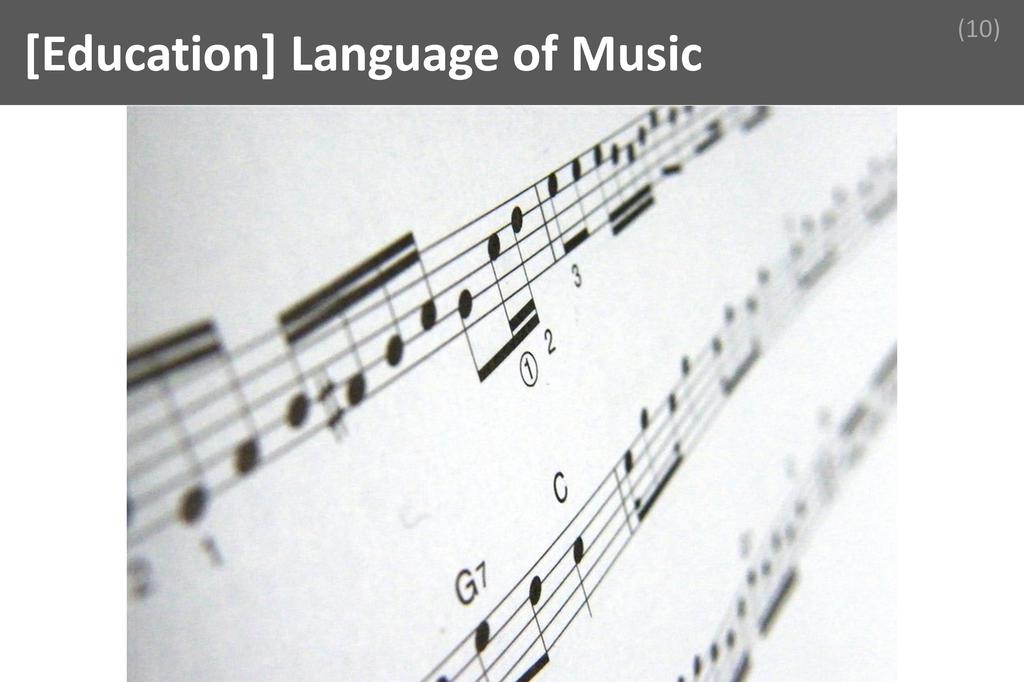
The "Language of Music" refers to the system of symbols, terms, and structures used to communicate musical ideas, including notation, harmony, rhythm, and dynamics. In Country Music, this language is essential for interpreting, composing, and performing, forming a core part of both academic study and professional practice in the genre.
Understanding the Language of Music is crucial for anyone pursuing a career in Country Music because it provides the foundation for all musical communication and collaboration. Mastery of this language enables musicians, songwriters, and producers to read and write music, interpret chord charts, and convey creative ideas with precision. It also allows professionals to adapt quickly in studio sessions, rehearsals, and live performances, ensuring seamless interaction with other musicians regardless of background or training. Over time, a strong grasp of the Language of Music enhances creative flexibility, supports lifelong learning, and opens doors to diverse opportunities within the industry, from songwriting and arranging to teaching and producing.
Imagine a session musician called to record guitar tracks for a new country album. The producer hands out Nashville Number System charts, a shorthand notation widely used in Country Music. Because the musician understands the Language of Music, they can instantly interpret the chord progressions, rhythmic cues, and dynamic markings. This knowledge allows them to communicate effectively with the band, suggest creative variations, and adapt to last-minute changes in key or arrangement. Their fluency in the Language of Music not only streamlines the recording process but also builds trust with producers and artists, establishing their reputation as a reliable and versatile professional in the country music scene.
Skills
Practice
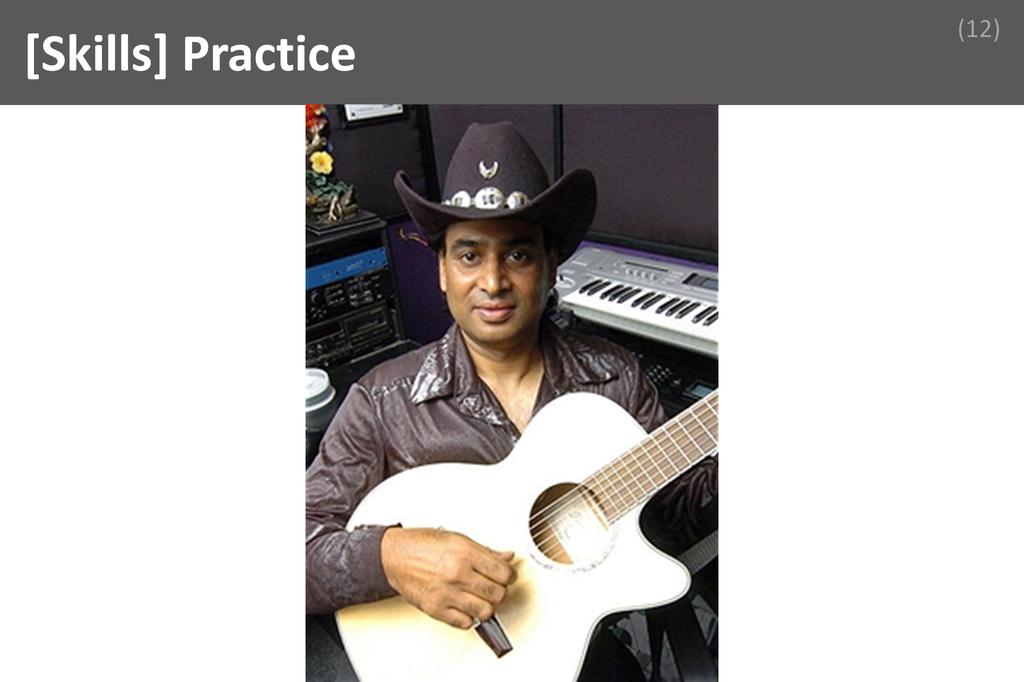
Practice is the deliberate and consistent repetition of musical techniques, performance routines, and creative processes to achieve mastery and continual improvement. In country music, practice forms the backbone of a musician’s development, enabling artists to refine their sound, perfect their craft, and deliver compelling performances that resonate with audiences.
The skill of practice directly enhances a country music professional’s technical abilities, stage presence, and creative output. Regular practice sharpens instrumental proficiency, hones vocal control, and fosters songwriting innovation, all of which are crucial for standing out in a competitive industry. Clients and employers value musicians who demonstrate dedication to their craft, as it signals reliability and a commitment to excellence. Cultivating this skill involves setting clear goals, maintaining a disciplined schedule, and seeking feedback from mentors or peers. Over time, consistent practice not only builds confidence but also prepares artists to adapt quickly to new opportunities and challenges, ensuring long-term career growth and success.
Imagine a country singer preparing for a high-profile televised performance. Despite years of experience, the artist encounters a challenging new arrangement that requires intricate guitar work and harmonies. Through focused daily practice, the singer gradually masters the complex sections, experimenting with phrasing and refining transitions. As the performance date approaches, the artist’s confidence grows, and muscle memory takes over, allowing for a seamless and emotive delivery on stage. The successful performance not only impresses the audience and industry professionals but also opens doors to future collaborations and opportunities, all made possible by the unwavering commitment to practice.
Musical Imagination

Musical Imagination is the ability to mentally conceive, manipulate, and innovate musical ideas, melodies, harmonies, and arrangements before they are performed or recorded. In country music, this skill empowers artists to create authentic, emotionally resonant songs that connect with audiences, setting them apart in a competitive and evolving industry.
Musical Imagination directly enhances a country music professional’s ability to craft original songs, adapt traditional sounds, and respond creatively to new trends. Clients and employers highly value this skill because it leads to fresh, compelling material that stands out in a crowded market. Artists with strong musical imagination can envision unique arrangements, experiment with storytelling, and bring a distinctive voice to their work. Cultivating this skill involves active listening, studying diverse musical influences, and regularly composing or improvising. Over time, consistent practice and collaboration with other musicians help refine one’s creative instincts, making musical imagination an indispensable asset for sustained success in country music.
Imagine a country songwriter in the studio facing a creative block while working on a new album. The producer requests a song that feels both modern and rooted in classic country tradition. Drawing on musical imagination, the songwriter mentally experiments with blending a traditional steel guitar riff with contemporary rhythmic patterns. By envisioning how these elements could interact, the songwriter quickly sketches a melody and lyric that capture both nostalgia and freshness. This imaginative leap not only solves the immediate creative challenge but also results in a standout track that resonates with both longtime fans and new listeners, demonstrating the transformative power of musical imagination in real-world country music production.
Accent Training

Accent Training is the deliberate practice of modifying, refining, or adopting specific speech patterns, intonations, and pronunciations to authentically represent a particular regional or cultural accent. In Country Music, this skill enables artists to connect with audiences, convey authenticity, and honor the genre’s roots, making it indispensable for professionals.
Mastering accent training enhances a country music artist’s ability to deliver lyrics with genuine emotion and regional authenticity, which resonates deeply with fans. Clients and employers value this skill because it demonstrates respect for the genre’s traditions and increases marketability across diverse audiences. Cultivating accent training involves attentive listening to native speakers, working with vocal coaches, and consistent practice to internalize subtle nuances. Over time, artists who invest in accent training can adapt their performances to suit different subgenres or regional influences, making them more versatile and appealing in the competitive country music industry. This ongoing commitment to accent mastery not only improves vocal delivery but also builds credibility and trust with listeners and industry professionals alike.
Imagine a country music singer from outside the American South is preparing for a high-profile performance at the Grand Ole Opry. The event’s organizers and audience expect an authentic Southern sound, both musically and vocally. The singer relies on their accent training to accurately capture the nuances of Southern speech, ensuring their performance feels genuine rather than forced or imitative. By applying their practiced accent, the artist bridges cultural gaps, wins over skeptical listeners, and receives positive reviews from critics who praise their authenticity. In this scenario, accent training is not just a technical skill but a vital tool for building rapport, enhancing stage presence, and achieving professional success in the heart of country music’s most revered venue.
Continuous Learning
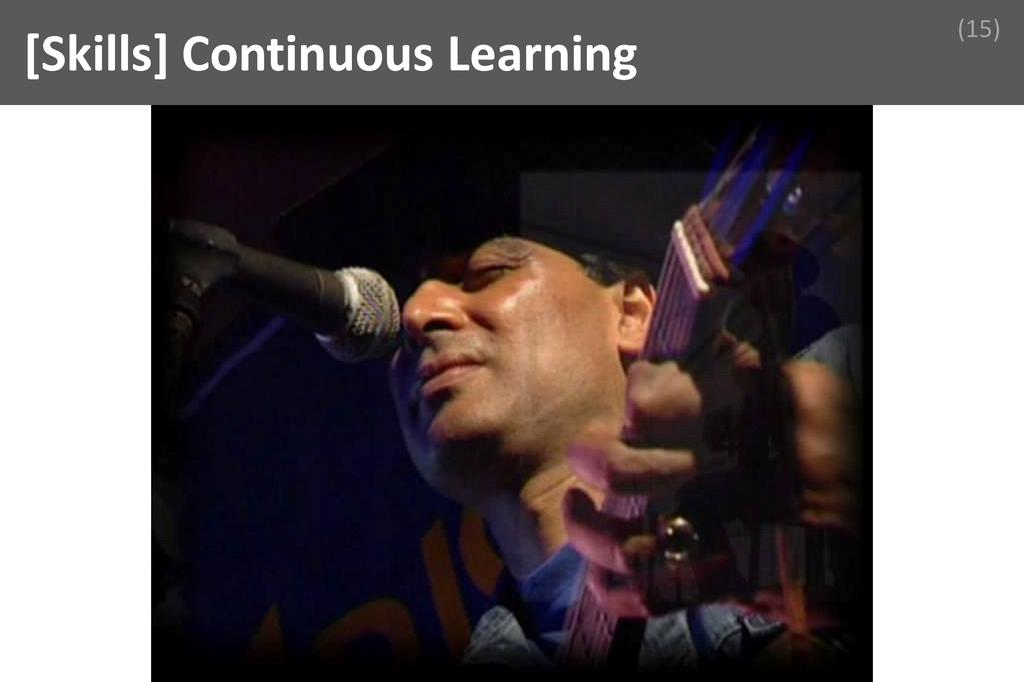
Continuous Learning is the ongoing process of acquiring new knowledge, skills, and insights to adapt to changing circumstances and evolving industry standards. In the world of Country Music, this means staying updated with musical trends, production techniques, and audience preferences, making it a vital asset for sustained growth and relevance.
Embracing Continuous Learning in Country Music directly enhances a professional’s creativity, adaptability, and technical proficiency. As the industry evolves, artists, producers, and songwriters who actively seek out new influences, technologies, and methods can deliver fresher, more compelling work. Clients and employers highly value individuals who demonstrate a commitment to learning, as it signals reliability and a forward-thinking mindset. Cultivating this skill involves regularly attending workshops, collaborating with diverse talents, and seeking feedback from peers. Over time, these habits foster a deeper understanding of the craft and ensure that one’s contributions remain innovative and competitive in a fast-paced musical landscape.
Imagine a country music songwriter who notices a shift in listener preferences toward more genre-blending sounds. Instead of relying solely on traditional techniques, the songwriter dedicates time to study pop and folk influences, attends virtual seminars on modern production, and experiments with new songwriting structures. When tasked with creating a lead single for a rising artist, the songwriter’s expanded skill set allows them to craft a track that resonates with both classic country fans and a younger, broader audience. This adaptability, rooted in Continuous Learning, not only solves the challenge of appealing to diverse listeners but also positions the songwriter as a valuable, innovative collaborator in the industry.
Finding the Right Master

"Finding the Right Master" refers to the ability to identify and connect with a mentor, producer, or industry leader whose expertise, vision, and values align with your artistic goals. This skill enables country music professionals to accelerate their growth, avoid common pitfalls, and gain access to invaluable industry knowledge and networks.
Mastering the art of finding the right mentor or collaborator can dramatically enhance a country music professional’s trajectory. When you align yourself with someone who understands the genre’s nuances and has a proven track record, your creative output and industry credibility both benefit. Employers and clients value this skill because it demonstrates initiative, discernment, and a commitment to excellence. Cultivating this ability involves researching potential mentors, attending industry events, and building genuine relationships based on mutual respect and shared artistic vision. Over time, consistently seeking guidance from the right sources helps you refine your craft, make informed decisions, and navigate the complexities of the country music business with greater confidence.
Imagine a talented songwriter struggling to break into the Nashville scene. Despite strong material, they face repeated rejections. By leveraging the skill of finding the right master, they identify a respected producer known for nurturing emerging talent. Through persistence and networking, the songwriter secures a mentorship, gaining insights into songwriting structure, industry expectations, and effective self-promotion. The producer’s guidance leads to a polished demo and key introductions, ultimately resulting in a publishing deal. In this scenario, the songwriter’s ability to find and learn from the right master transforms their career prospects, illustrating how this core skill can turn potential into tangible success in country music.
Listening to Learn

Listening to Learn is the intentional act of absorbing information, perspectives, and emotions from others with the goal of understanding and growth. In Country Music, this skill allows artists, songwriters, and industry professionals to connect authentically, adapt creatively, and respond meaningfully to collaborators, audiences, and evolving trends.
Mastering Listening to Learn elevates a Country Music professional’s ability to collaborate, innovate, and build lasting relationships. When artists and industry members truly listen, they pick up on subtle cues, audience feedback, and creative ideas that can shape their music and career trajectory. Clients and employers value this skill because it leads to more effective teamwork, fewer misunderstandings, and music that resonates deeply with listeners. Cultivating this skill involves practicing patience, asking thoughtful questions, and reflecting on feedback. Over time, consistent application of active listening fosters trust and opens doors to new opportunities, making it an indispensable asset in the competitive landscape of Country Music.
Imagine a songwriter in Nashville working with a new artist who struggles to articulate their vision for a debut album. By actively listening to the artist’s stories, influences, and emotional cues during their conversations, the songwriter uncovers themes and experiences that truly matter to the artist. This attentive approach enables the songwriter to craft lyrics and melodies that genuinely reflect the artist’s identity, resulting in songs that feel authentic and compelling. The project’s success stems from the songwriter’s commitment to Listening to Learn, which not only solves the initial communication barrier but also builds a strong creative partnership and sets the stage for future collaborations.
Positives
Satisfaction

Satisfaction is the deep sense of fulfillment and contentment that arises from pursuing meaningful work, achieving personal goals, and positively impacting others. In the world of country music, satisfaction stems from creative expression, connecting with audiences, and seeing one’s passion resonate with listeners. This feeling fuels motivation and personal growth.
Satisfaction is a cornerstone of a rewarding career in country music because it transforms daily work into a source of joy and purpose. When artists and professionals feel satisfied, they are more likely to remain dedicated, inspired, and resilient in the face of challenges. This positive outlook encourages continuous improvement, fosters creativity, and strengthens relationships within the industry. Satisfaction also enhances mental well-being, making the demanding aspects of the profession more manageable. As country music professionals experience the gratification of touching lives and sharing stories, their enthusiasm and commitment grow, leading to greater career longevity and personal fulfillment. Ultimately, satisfaction becomes a driving force that sustains both artistic and professional growth.
Imagine a country music songwriter who spends months crafting a heartfelt song inspired by personal experiences. After performing it at a local venue, the songwriter witnesses the audience singing along, moved to tears and laughter by the lyrics. This genuine connection and emotional response provide a profound sense of satisfaction, affirming the songwriter’s purpose and passion. The knowledge that their music has touched lives and created lasting memories motivates them to continue writing and performing. Each performance becomes more than just a job; it is a meaningful exchange that brings joy and fulfillment. This daily experience of satisfaction reinforces their love for country music and inspires them to keep sharing their stories with the world.
Instant Results

"Instant Results" refers to the immediate feedback, recognition, and emotional connection that country music professionals receive from their audience during live performances, songwriting sessions, or recording releases. This phenomenon allows artists to witness the direct impact of their work, fostering a sense of accomplishment and motivation that fuels their creative journey.
The presence of instant results in a country music career is a powerful motivator, as it provides artists with real-time validation and encouragement. When musicians perform on stage, they can instantly gauge the crowd’s reaction, whether it’s through applause, singing along, or emotional responses. This immediate feedback loop not only boosts confidence but also sharpens performance skills and inspires further creativity. The ability to see the tangible effects of their music on listeners enhances job satisfaction, making each day on the job uniquely rewarding. For many, this ongoing interaction and affirmation become a driving force for personal and professional growth, reinforcing their passion for the craft and their connection to the audience.
Imagine a country singer-songwriter debuting a new song at a local venue. As the first chorus rings out, the audience begins to sway, some even wiping away tears, while others cheer and clap along. The artist feels an overwhelming sense of fulfillment, knowing their music has touched people instantly. This immediate emotional response not only validates the hard work poured into writing and rehearsing but also inspires the artist to continue creating and sharing their stories. The energy exchanged in that moment becomes a lasting memory, fueling the artist’s motivation and deepening their love for country music. This is the magic of instant results—a benefit experienced every time they step onto the stage.
Paid to Pursue Hobby

"Paid to Pursue Hobby" means earning a living by engaging in activities that one genuinely enjoys and would likely do even without financial compensation. In country music, this concept allows artists and professionals to transform their passion for songwriting, performing, and connecting with audiences into a sustainable career, making work feel less like an obligation and more like a fulfilling pursuit. This positive aspect infuses daily tasks with enthusiasm and creativity, as individuals are motivated not just by income, but by the joy of doing what they love. Ultimately, it fosters a deep sense of purpose and satisfaction, making the profession uniquely rewarding.
The ability to be paid for pursuing a hobby is a cornerstone of satisfaction in the country music industry. When artists and professionals wake up each day knowing their work aligns with their personal interests, it fuels motivation and creativity. This alignment leads to higher job satisfaction, as individuals are less likely to experience burnout and more likely to embrace challenges as opportunities for growth. The daily experience of performing, writing, or producing music that resonates with their own tastes and values creates a powerful sense of accomplishment. Over time, this benefit not only enhances personal well-being but also contributes to professional longevity and success, as passion-driven work often leads to greater innovation and audience connection.
Consider a country music singer-songwriter who grew up strumming a guitar on their front porch, dreaming of sharing stories through song. Now, as a professional, they spend their days crafting lyrics, collaborating with fellow musicians, and performing on stage. Each moment is infused with the same excitement they felt as a hobbyist, but now their passion is their livelihood. The thrill of hearing a crowd sing along to a song they wrote, or the satisfaction of recording a new track in the studio, reinforces the joy of being paid to do what they love. This daily fulfillment not only sustains their career but also inspires them to continually grow as an artist.
Recognition

Recognition is the acknowledgment and appreciation of an individual’s talent, effort, and achievements by peers, audiences, and the industry at large. In country music, recognition validates an artist’s creative expression, fuels motivation, and fosters a sense of belonging. It transforms personal passion into shared celebration, making the journey deeply rewarding.
Recognition in country music is a powerful force that elevates both personal and professional fulfillment. When artists receive applause, awards, or heartfelt messages from fans, it affirms their hard work and dedication. This acknowledgment not only boosts self-esteem but also inspires continued artistic growth. The sense of being valued encourages musicians to push creative boundaries and connect more deeply with their audience. Daily, professionals in this field experience recognition through radio play, social media engagement, and live performances, all of which reinforce their purpose and drive. Ultimately, recognition cultivates a supportive environment where artists thrive, collaborate, and leave a lasting impact on the genre.
Imagine a country singer-songwriter performing at a local venue, pouring their heart into every lyric. After the show, fans approach to share how a particular song resonated with their own experiences. The artist receives messages online from listeners across the country, expressing gratitude for the music’s emotional impact. Later, a respected industry figure highlights the artist’s work in a prominent publication. These moments of recognition, both public and personal, validate the artist’s journey and reinforce their commitment to their craft. The encouragement and appreciation they receive not only fuel their passion but also inspire them to continue creating music that touches lives, illustrating the profound fulfillment recognition brings to a career in country music.
Networking
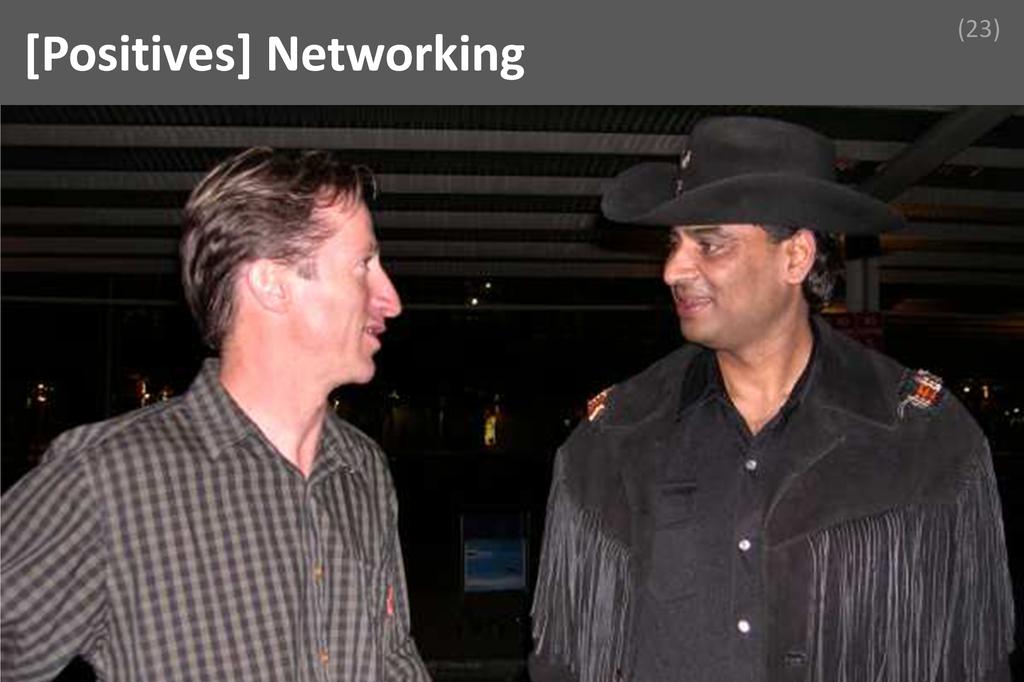
Networking is the process of building and nurturing professional relationships that foster collaboration, support, and shared opportunities. In country music, networking connects artists, songwriters, producers, and industry professionals, creating a vibrant community where ideas, resources, and inspiration flow freely. This interconnectedness enhances creativity, career growth, and personal fulfillment within the industry.
Networking is a cornerstone of success in country music because it opens doors to collaborations, mentorships, and new audiences. By forming genuine connections, professionals gain access to insider knowledge, performance opportunities, and creative partnerships that might otherwise remain out of reach. This sense of community not only accelerates career advancement but also provides emotional support and encouragement, making the journey less isolating. The daily interactions—whether at songwriting sessions, industry events, or informal gatherings—foster a sense of belonging and shared purpose. As a result, networking transforms the pursuit of a country music career into a rewarding experience, where growth is fueled by collective effort and mutual inspiration.
Imagine a young songwriter attending a local country music showcase. Through casual conversations, she meets a seasoned producer and a fellow artist looking for new material. Their connection leads to a collaborative songwriting session, where her lyrics resonate with the artist’s style. The producer, impressed by their chemistry, offers to record a demo. This partnership not only results in a polished track but also introduces the songwriter to a wider network of industry professionals. As her song gains traction, she receives invitations to perform at larger venues and participate in songwriting retreats. Each step of her journey is enriched by the relationships she has built, demonstrating how networking transforms ambition into tangible, fulfilling achievements in country music.
Challenges
Externalities

Externalities in Country Music refer to the unintended consequences—positive or negative—that arise from the actions of others in the industry or broader society, impacting artists, producers, and other professionals. These can include shifts in public taste, technological changes, or economic downturns, making career stability and growth especially demanding.
The presence of externalities in Country Music means that professionals often face unpredictable changes that can disrupt their creative process, promotional efforts, or financial security. For example, a sudden change in streaming algorithms or a viral trend outside their control can impact an artist’s visibility and income. This environment requires resilience, adaptability, and a willingness to continuously learn and pivot strategies. Successful professionals manage these constraints by building strong networks, staying informed about industry trends, and diversifying their skills and revenue streams. They also focus on cultivating a loyal fanbase and maintaining authenticity, which helps buffer against negative externalities and allows them to capitalize on positive shifts when they occur.
Consider a songwriter in Nashville who faces declining radio play due to a shift in audience preference toward pop-infused country. Instead of resisting the change, the songwriter collaborates with artists from different genres, blending traditional country storytelling with modern sounds. By embracing digital platforms and engaging directly with fans through social media, the songwriter adapts to the new landscape. This proactive approach not only mitigates the negative impact of changing tastes but also opens up new opportunities for creative partnerships and revenue. Through flexibility and strategic networking, the songwriter successfully navigates the externalities that might have otherwise stalled their career.
Popularity Cycles

Popularity Cycles in Country Music refer to the recurring rise and fall of an artist’s public appeal, radio play, and commercial success. These cycles are demanding because they create unpredictable periods of high and low visibility, making it difficult for professionals to maintain consistent momentum and long-term career stability.
The unpredictable nature of Popularity Cycles can make daily work in Country Music both exhilarating and stressful. Artists and industry professionals often face fluctuating demand for their music, shifting audience preferences, and changing media attention. This instability requires a high degree of resilience, as setbacks can feel personal and public. Successful professionals manage these cycles by diversifying their creative output, building strong relationships within the industry, and staying adaptable to new trends. They also focus on nurturing a loyal fan base and continually refining their craft, which helps them weather downturns and capitalize on upswings. By accepting the cyclical nature of popularity, they are better equipped to sustain their careers over time.
Consider a country artist who enjoyed a breakout hit early in their career, only to experience a decline in radio play and public attention a few years later. Rather than retreating, the artist took this as an opportunity to collaborate with emerging songwriters, experiment with new sounds, and engage directly with fans through social media and intimate live performances. Over time, this adaptability and willingness to evolve not only kept the artist relevant but also led to a resurgence in popularity when their refreshed style resonated with both old and new audiences. This scenario illustrates how embracing change and maintaining a proactive approach can help professionals successfully navigate the inevitable cycles of popularity in Country Music.
To be true to oneself
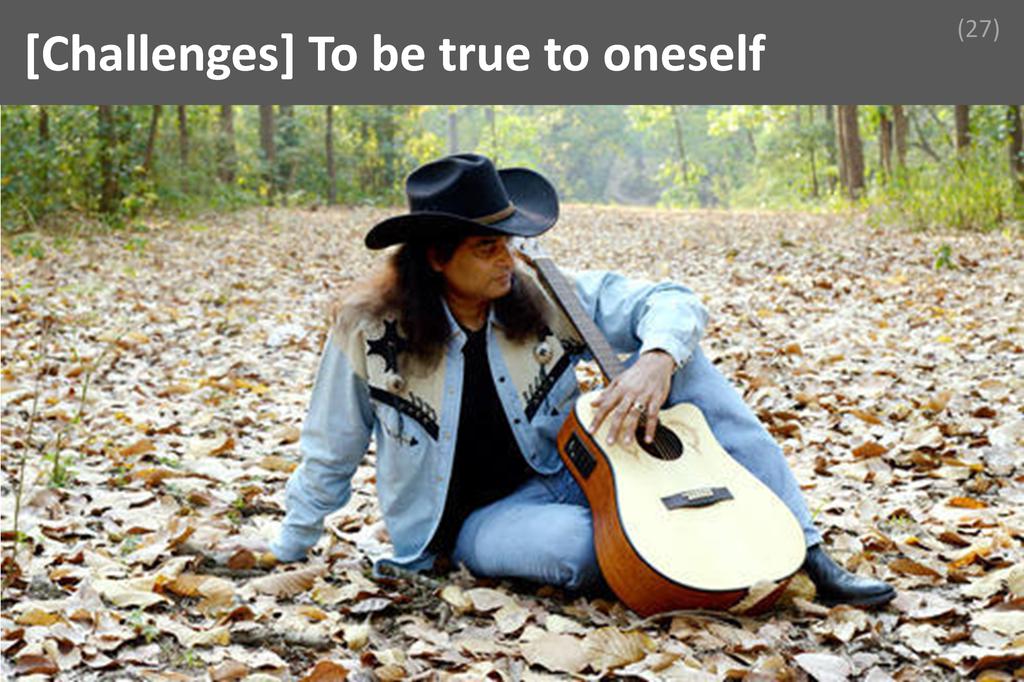
To be true to oneself in Country Music means maintaining personal authenticity, values, and artistic vision despite industry pressures to conform to trends, commercial expectations, or popular styles. This is demanding because the genre’s traditions and market forces often push artists to compromise their individuality for broader appeal or success.
The struggle to remain authentic can permeate every aspect of a country music professional’s daily work, from songwriting and performance to public image and business decisions. This ongoing tension requires significant resilience, as artists must balance personal expression with the realities of commercial viability. The pressure to fit a certain mold can lead to creative frustration or even burnout. Successful professionals navigate this by setting clear personal boundaries, seeking supportive collaborators, and finding ways to infuse their unique voice into their work, even when adapting to market demands. They often build a loyal fan base that values their authenticity, which can ultimately become a source of both creative freedom and career longevity.
Consider a country singer-songwriter who is passionate about addressing social issues in their lyrics, even though their label encourages more conventional, radio-friendly themes. Instead of abandoning their convictions, the artist carefully crafts songs that subtly weave in their message while maintaining the catchy melodies and relatable stories that define the genre. Over time, their authenticity resonates with listeners, earning respect from peers and fans alike. By staying true to their artistic vision while adapting their approach to fit industry expectations, the artist not only preserves their integrity but also carves out a distinctive place in the country music landscape, demonstrating that authenticity and success can coexist.
Self Critical
In the context of Country Music, being "self critical" means constantly evaluating and doubting one’s own creative output, performance, and authenticity. This mindset is demanding because it can stifle artistic growth, hinder risk-taking, and amplify the pressure to meet both personal and audience expectations in a genre deeply rooted in storytelling and emotion.
The challenge of being self critical can permeate every aspect of a country music professional’s daily work, from songwriting and recording to live performances. Persistent self-doubt may lead to creative blocks, reluctance to share new material, or even burnout. This difficulty demands resilience because the industry is highly competitive and emotionally charged, requiring artists to balance vulnerability with confidence. Successful professionals often learn to channel their self criticism constructively, using it as a tool for refinement rather than self-sabotage. They seek feedback from trusted collaborators, set realistic expectations, and practice self-compassion, allowing them to grow artistically while maintaining their well-being and motivation.
Consider a country singer-songwriter who, after receiving mixed reviews on a debut album, becomes intensely self critical and hesitant to write new songs. Instead of withdrawing, the artist chooses to join a songwriting circle with peers who provide honest yet supportive feedback. Through this collaborative environment, the artist learns to view self criticism as a natural part of the creative process rather than a barrier. By focusing on growth and embracing imperfections, the songwriter gradually regains confidence, produces new material, and ultimately releases a follow-up album that resonates more authentically with audiences. This experience demonstrates how managing self critical tendencies can lead to both personal and professional breakthroughs in country music.
Public Light

In Country Music, "Public Light" refers to the constant scrutiny, visibility, and judgment artists and professionals face from fans, media, and industry peers. This exposure demands authenticity, resilience, and adaptability, as every action, statement, and performance is subject to public opinion, often impacting reputation, career opportunities, and personal well-being.
The challenge of Public Light permeates daily work for country music professionals, influencing everything from creative decisions to personal interactions. The pressure to maintain a positive image and meet public expectations can be overwhelming, leading to stress and self-doubt. Resilience is essential, as criticism and rumors can quickly spread, affecting both morale and career trajectory. Successful professionals manage this constraint by setting clear personal boundaries, cultivating a strong support network, and focusing on their artistic vision rather than external validation. They often engage with their audience authentically, using transparency to build trust while protecting their private lives. By prioritizing mental health and staying grounded, they navigate the demands of constant visibility without losing their sense of self.
Consider a country music singer who, after a controversial performance, faced intense online backlash and media speculation. Instead of retreating or reacting defensively, the artist addressed the criticism openly in interviews, explaining their creative choices and expressing understanding for differing opinions. They continued to engage with fans through social media, sharing behind-the-scenes insights and personal reflections, which helped humanize their experience. By remaining authentic and transparent, the singer gradually rebuilt public trust and even gained new supporters who appreciated their honesty. This approach not only preserved their reputation but also reinforced their resilience, demonstrating how facing Public Light with openness and integrity can turn a challenging situation into an opportunity for growth.
A Day Of
Country Music
The sun rises over Nashville, but the city’s heartbeat is already pulsing with anticipation. In the world of country music, a workday is a whirlwind of creativity, collaboration, and hustle, where the line between passion and profession blurs. Whether you’re a songwriter, producer, artist manager, or performer, every day is a blend of early-morning inspiration, high-energy sessions, and late-night planning, all set against the backdrop of a genre that thrives on authenticity and connection. The pace is relentless, the environment is electric, and the stakes are as high as the dreams that fuel them.
As the first light spills across Music Row, a country music professional starts the day with a quiet moment of reflection and preparation. This is the time to review emails from collaborators, check the latest industry news, and revisit notes from previous sessions. Many use this peaceful window to listen to new demos, jot down lyrical ideas, or fine-tune setlists for upcoming gigs. The early morning hours are sacred, offering a rare chance to gather thoughts and set creative intentions before the day’s demands take over.
By mid-morning, the real action begins. The heart of the day is spent in the studio or writers’ rooms, where melodies are crafted, lyrics are debated, and tracks are recorded. This is the most intense and interactive part of the day, filled with brainstorming, improvisation, and the magic of collaboration. Whether working with fellow songwriters, musicians, or producers, every minute is dedicated to capturing the raw emotion and storytelling that define country music. The energy is palpable, and the pressure to create something memorable pushes everyone to dig deep.
As the afternoon unfolds, attention shifts to the business and logistical side of the industry. This is when meetings with managers, label representatives, or publicists take place, discussing everything from tour schedules to marketing strategies. For some, it’s time to oversee production details, coordinate with session musicians, or review mixes with engineers. The focus is on execution and teamwork, ensuring that the creative vision is translated into a polished, market-ready product. The pace remains brisk, with every decision shaping the trajectory of upcoming releases or performances.
As the day winds down, there’s a final push to tie up loose ends and prepare for what’s next. This is the moment to respond to outstanding messages, update project timelines, and reflect on the day’s progress. Many professionals spend this time researching trends, scouting new talent, or planning for tomorrow’s sessions. The evening brings a sense of accomplishment, but also the realization that in country music, the work is never truly done. With a last look at the calendar and a few notes for the morning, the day closes, ready to begin again with the next sunrise. |


 Home
Home Abroad
 Plan
Plan Philosophy
 Seminar
 Pages
Pages Advisors
 Testimonials




















 Workshop
 Discuss
 Meet
Meet
 Advisor
 Story
Story
 Fine Print
 Links
Links
 Blog
Blog
 Follow
