The Journey of Professional Singing
What Is Professional Singing
Professional Singing

Professional singing is the art and practice of performing vocal music as a primary occupation. It involves using trained vocal techniques to interpret songs across various genres, often in live performances, recordings, or broadcasts, and typically requires collaboration with other musicians, producers, and industry professionals to build a sustainable career.
Professional singing holds significant cultural and personal value, shaping entertainment, inspiring audiences, and preserving musical traditions. For professionals, it offers a platform for creative expression and emotional connection with listeners. One major benefit is the opportunity for artistic fulfillment, as singers bring stories and emotions to life through their voices. Another benefit is the potential for financial reward and recognition, with successful singers gaining fame and lucrative contracts. Additionally, professional singing fosters personal growth, discipline, and resilience, as performers continually refine their craft, adapt to industry changes, and overcome challenges in a competitive field.
A professional singer might spend their week rehearsing with a band for an upcoming concert, recording vocals in a studio for a new album, and attending meetings with a manager to discuss marketing strategies. During live performances, the singer engages audiences by interpreting songs with emotional depth and technical skill, creating memorable experiences for fans. Offstage, the singer maintains vocal health through regular practice and works on expanding their repertoire to stay relevant in the industry. This combination of performance, collaboration, and ongoing development illustrates how professional singers use their talents and training to build successful, dynamic careers.
Education
Harmonium

A harmonium is a free-reed keyboard instrument that produces sound as air flows past vibrating metal reeds, operated by hand-pumped bellows. Widely used in Indian classical and devotional music, it serves as a melodic and harmonic accompaniment, making it essential for singers to understand its mechanics and musical applications.
Understanding the harmonium is vital for professional singers, especially in genres like Indian classical, semi-classical, and devotional music, where it is a primary accompaniment instrument. Mastery of the harmonium enables singers to grasp the nuances of pitch, scale, and rhythm, which are foundational to vocal performance. It also aids in developing a strong sense of sur (tuning) and laya (tempo), both critical for delivering precise and expressive renditions. Familiarity with the harmonium allows singers to communicate effectively with accompanists, compose or improvise melodies, and lead rehearsals confidently. Over time, this knowledge enhances a singer’s versatility, broadens their repertoire, and increases their employability in diverse musical settings.
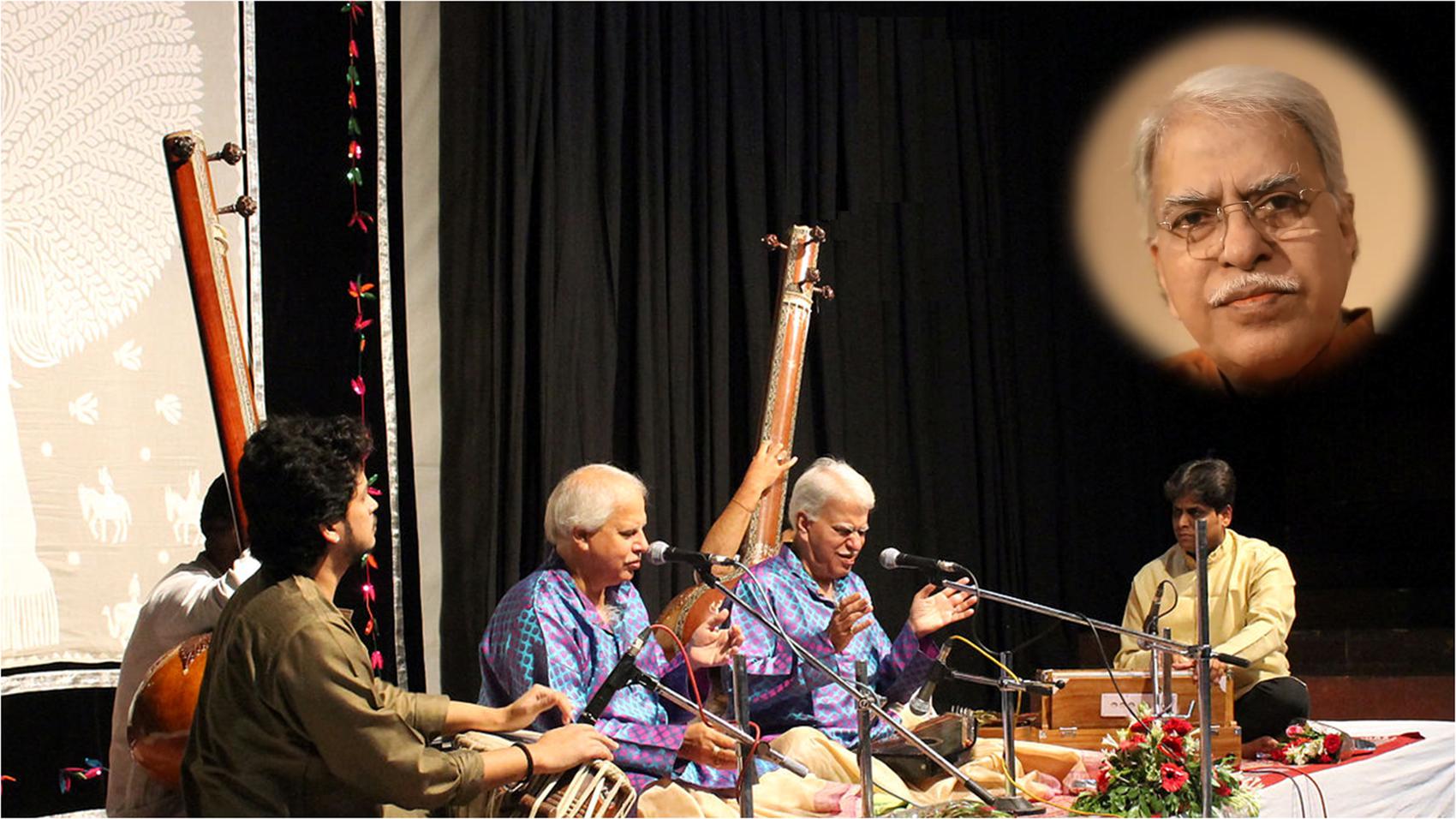
Consider a professional singer preparing for a live classical concert. Before the performance, the singer uses their knowledge of the harmonium to rehearse intricate ragas, ensuring accurate pitch and modulation. During the concert, the singer collaborates closely with the harmonium accompanist, signaling subtle changes in tempo or improvisational passages. This shared understanding allows for seamless transitions and dynamic interplay between voice and instrument, elevating the overall musical experience. Additionally, when teaching students or leading group practices, the singer uses the harmonium to demonstrate melodic patterns and guide vocal exercises, reinforcing theoretical concepts through practical demonstration. This integration of harmonium skills into daily routines exemplifies its indispensable role in a professional singing career.
Sargam, Alap, Taane

Sargam refers to the solfège or note syllables (Sa, Re, Ga, Ma, Pa, Dha, Ni) used in Indian classical music, Alap is the improvised, unmetered introduction to a raga, and Taane are fast, intricate melodic runs. Together, they form essential pillars of vocal technique and expression in professional singing.
A deep understanding of Sargam, Alap, and Taane is crucial for anyone aspiring to excel in professional singing, especially within Indian classical and contemporary fusion genres. Mastery of Sargam develops pitch accuracy and note recognition, which are fundamental for any vocalist. Alap nurtures creativity, emotional expression, and the ability to interpret and introduce a raga with depth and nuance. Taane, on the other hand, enhances agility, speed, and control over complex melodic patterns, showcasing technical prowess. Together, these elements provide a strong foundation for improvisation, performance versatility, and adaptability across genres. Long-term, this expertise not only elevates performance quality but also opens doors to teaching, composing, and collaborating with other musicians at a professional level.
Consider a professional singer preparing for a live classical concert. During the performance, the artist begins with an Alap, using their theoretical knowledge to explore the raga’s mood and structure, captivating the audience with expressive, unmetered phrases. As the composition progresses, the singer seamlessly integrates Sargam passages, demonstrating precise pitch and command over the scale. When the tempo increases, the artist executes Taane, delivering rapid, intricate melodic runs that highlight technical mastery and breath control. This application of Sargam, Alap, and Taane not only enhances the musical experience for listeners but also distinguishes the singer as a skilled, knowledgeable performer capable of handling the demands of professional singing with confidence and artistry.
Classical Music

Classical music refers to a broad tradition of Western art music composed from roughly the eleventh century to the present, characterized by highly structured forms, complex harmonies, and written notation. In professional singing, classical music forms the academic backbone, shaping vocal technique, interpretive skills, and repertoire knowledge essential for career advancement.
Understanding classical music is vital for anyone pursuing professional singing because it provides the technical and artistic foundation upon which all advanced vocal skills are built. Classical training develops breath control, diction, pitch accuracy, and expressive phrasing, all of which are transferable to other genres. Mastery of classical repertoire also demonstrates versatility and discipline, qualities highly valued in auditions and professional engagements. Furthermore, familiarity with classical music history and theory enables singers to interpret works authentically and collaborate effectively with conductors and instrumentalists. Over the long term, this deep-rooted knowledge opens doors to diverse performance opportunities, teaching roles, and leadership positions within the music industry, ensuring a sustainable and respected career.
Imagine a professional singer rehearsing for an opera production. Their understanding of classical music allows them to analyze the score, interpret the composer’s intentions, and deliver a performance that is both technically precise and emotionally compelling. During rehearsals, the singer applies knowledge of vocal technique to navigate challenging passages, uses historical context to inform stylistic choices, and communicates effectively with the conductor and fellow musicians. This theoretical grounding not only enhances their individual performance but also contributes to the overall artistic quality of the production. Such expertise ensures the singer is adaptable, respected, and consistently in demand for a wide range of professional singing opportunities.
Rythm & Sur

Rythm & Sur refers to the intricate understanding and application of rhythm (the timing and pattern of sounds) and sur (the pitch and tonal quality) in music. In professional singing, mastering these elements is essential, as they form the backbone of musical expression and performance accuracy, both academically and professionally.
A deep knowledge of Rythm & Sur is vital for anyone pursuing or advancing in professional singing. These concepts are foundational because they enable singers to interpret compositions authentically, maintain synchronization with accompanying musicians, and deliver emotionally resonant performances. Mastery of rhythm ensures precise timing, while sur allows for accurate pitch and tonal modulation, both of which are critical for vocal harmony and musical storytelling. Over time, a strong command of Rythm & Sur enhances a singer’s versatility, allowing them to adapt to various genres and collaborate effectively with other artists. This expertise not only improves performance quality but also opens doors to broader career opportunities, such as teaching, recording, and live stage work.
Consider a professional singer preparing for a live concert with a classical ensemble. During rehearsals, the singer must carefully listen to the orchestra, aligning their vocal entries and exits with the conductor’s cues. Their understanding of rhythm ensures they stay in perfect time with the instrumentalists, while their grasp of sur allows them to match pitch and maintain tonal consistency throughout complex passages. When unexpected changes occur, such as a tempo shift or a key modulation, the singer’s theoretical knowledge of Rythm & Sur enables them to adapt seamlessly, maintaining the integrity of the performance. This daily application not only showcases technical skill but also builds trust and cohesion within the musical group.
Skills
Practice

Practice is the deliberate, consistent repetition of vocal exercises, songs, and techniques with the aim of improving skill, accuracy, and artistry. For a professional singer, practice is the foundation that supports vocal health, technical mastery, and expressive performance, making it an indispensable part of their daily routine and long-term growth.
Regular practice directly enhances a singer’s vocal range, control, and stamina, allowing them to deliver confident and polished performances. Clients and employers value singers who demonstrate reliability and continuous improvement, as these qualities ensure high-quality results in both live and studio settings. Cultivating the habit of practice involves setting aside dedicated time each day, working with vocal coaches, and seeking feedback to refine technique. Over time, this commitment not only builds technical proficiency but also fosters adaptability, enabling singers to tackle diverse musical styles and challenging pieces with ease. The discipline of practice ultimately distinguishes professionals from amateurs, as it reflects dedication to the craft and a willingness to evolve.
Imagine a professional singer preparing for a high-profile concert where they must perform a demanding piece outside their usual repertoire. Despite initial struggles with certain passages, the singer commits to daily practice, breaking down the song into manageable sections and focusing on breath control and pitch accuracy. Through persistent effort and the guidance of a vocal coach, the singer gradually overcomes technical hurdles and gains confidence. On the night of the concert, their polished performance not only impresses the audience but also earns praise from industry professionals. This scenario highlights how dedicated practice enables singers to rise to challenges, deliver exceptional results, and advance their careers.
Listening

Listening is the focused and intentional act of receiving, interpreting, and understanding sounds, words, and musical nuances from others and the environment. In professional singing, listening enables artists to accurately perceive pitch, rhythm, and emotional cues, making it a foundational skill for collaboration, performance, and continuous improvement within the industry.
Listening is a vital asset for professional singers because it directly influences vocal accuracy, harmony, and the ability to blend with other musicians. Singers who listen attentively can adapt to changes in tempo, dynamics, and key, ensuring seamless performances. Clients and employers highly value this skill, as it demonstrates professionalism, adaptability, and respect for the artistic vision of a project. To cultivate listening skills, singers should engage in active listening exercises, participate in ensemble work, and seek constructive feedback. Over time, consistent practice and mindfulness help singers refine their auditory perception, allowing them to respond intuitively to musical cues and collaborate more effectively with others in rehearsals and live performances.
Imagine a professional singer rehearsing with a band for a live concert. During the rehearsal, the bandleader decides to improvise a new arrangement, altering the song’s tempo and introducing unexpected harmonies. The singer relies on keen listening to pick up on these changes in real time, adjusting their vocal delivery to match the new rhythm and harmonies. By attentively listening to the instrumentalists and the subtle cues from the bandleader, the singer ensures a cohesive and polished performance. This ability to listen and adapt not only prevents mistakes but also elevates the overall quality of the show, showcasing the singer’s professionalism and versatility to both the audience and fellow musicians.
Passion & Dedication

Passion & Dedication is the unwavering enthusiasm and persistent commitment to one’s craft, driving individuals to continually improve and overcome challenges. In professional singing, this quality fuels the relentless pursuit of excellence, enabling singers to refine their skills, connect emotionally with audiences, and sustain motivation through the demands of a competitive industry.
Passion & Dedication directly enhances a singer’s performance by fostering resilience, creativity, and a willingness to invest countless hours in practice and self-improvement. Clients and employers value this trait because it signals reliability, a strong work ethic, and the ability to deliver consistent, heartfelt performances. Cultivating this skill involves nurturing a genuine love for music, setting personal goals, and embracing feedback as an opportunity for growth. Over time, singers who remain dedicated to their art are more likely to develop a unique voice and stage presence, making them stand out in auditions and professional engagements. The continuous cycle of learning, performing, and reflecting helps singers maintain their passion, even in the face of setbacks or intense competition.
Imagine a professional singer preparing for a high-stakes audition after receiving critical feedback about their vocal technique. Instead of feeling discouraged, the singer’s passion for music and dedication to their craft drive them to seek additional coaching, practice diligently, and experiment with new vocal exercises. Despite long hours and moments of self-doubt, their commitment enables them to make noticeable improvements in a short period. On the day of the audition, this renewed confidence and refined skill set shine through, impressing the judges and securing a coveted role. In this scenario, passion and dedication not only help the singer overcome obstacles but also transform a potential setback into a pivotal moment of career advancement.
Strong Will Power

Strong Will Power is the unwavering mental strength to persist in the face of challenges, resist distractions, and maintain focus on long-term goals despite setbacks or fatigue. In professional singing, this quality empowers artists to overcome obstacles, endure rigorous training, and continually strive for excellence, making it indispensable for sustained success.
Strong Will Power directly enhances a singer’s performance by enabling them to push through demanding practice sessions, recover from vocal setbacks, and remain committed during periods of slow progress. Clients and employers highly value this trait because it signals reliability, resilience, and the ability to meet demanding schedules or adapt to last-minute changes. Cultivating strong will power involves setting clear goals, practicing self-discipline, and learning to manage stress effectively. Over time, singers can strengthen this skill by reflecting on their motivations, celebrating small achievements, and consistently challenging themselves to step outside their comfort zones. This ongoing development ensures they remain focused and driven, even when faced with the inevitable pressures and uncertainties of a professional singing career.
Imagine a professional singer preparing for a high-profile audition after recovering from a vocal injury. The recovery process is slow and filled with moments of doubt, as the singer must rebuild strength and technique while managing the fear of re-injury. Despite these challenges, the singer’s strong will power keeps them committed to a strict rehabilitation routine, daily vocal exercises, and mental conditioning. When the audition day arrives, their perseverance pays off as they deliver a confident, polished performance. The singer’s ability to push through adversity not only impresses the judges but also demonstrates to potential employers that they possess the resilience and determination essential for success in the demanding world of professional singing.
Patience

Patience is the ability to calmly endure delays, setbacks, or challenges without frustration, maintaining a steady focus on long-term goals. In professional singing, patience is crucial because progress often unfolds gradually, requiring consistent practice, resilience through rejection, and the willingness to refine skills over time to achieve artistic excellence.
Patience directly enhances a singer’s performance by allowing them to approach vocal training and rehearsal with persistence and composure. Clients and employers value this trait because it ensures reliability, professionalism, and a positive attitude during demanding projects or lengthy recording sessions. Singers who are patient can better handle constructive criticism, adapt to unexpected changes, and steadily improve their craft. Cultivating patience involves embracing the learning process, setting realistic expectations, and celebrating incremental progress. Over time, singers who practice patience develop greater emotional resilience, which helps them navigate the competitive and often unpredictable nature of the music industry, ultimately leading to sustained growth and long-term success.
Imagine a professional singer preparing for a major audition after months of rigorous training. Despite their dedication, they encounter vocal strain just days before the event. Instead of panicking or pushing their voice beyond its limits, the singer exercises patience by resting, consulting a vocal coach, and following a gentle recovery routine. This measured approach allows their voice to heal, and they enter the audition with renewed confidence and control. By relying on patience, the singer not only preserves their vocal health but also demonstrates professionalism and maturity, which impresses both the audition panel and potential collaborators. This scenario highlights how patience can turn a potential setback into an opportunity for success.
Positives
Respect & Recognition

Respect and recognition refer to the admiration, esteem, and acknowledgment received from audiences, peers, and the broader community for one’s talent, dedication, and achievements. In professional singing, this appreciation not only validates an artist’s hard work but also fosters a sense of belonging and purpose within the musical world.
The respect and recognition gained in professional singing are powerful motivators that elevate both personal and professional fulfillment. When singers are celebrated for their unique voices and performances, it boosts their confidence and encourages them to continue honing their craft. This positive feedback loop enhances job satisfaction, as artists feel valued and understood by those around them. The acknowledgment from fans, industry professionals, and fellow musicians often opens doors to new opportunities, collaborations, and creative growth. On a daily basis, singers experience this benefit through applause, supportive messages, and invitations to perform, all of which reinforce their sense of accomplishment and inspire them to reach new artistic heights.
Imagine a professional singer performing at a sold-out concert, where the audience rises in a standing ovation at the end of a moving performance. After the show, fans eagerly express their admiration, and fellow musicians offer heartfelt congratulations backstage. The singer is later invited to participate in a prestigious music festival, a direct result of their recognized talent and respected reputation. This outpouring of respect and recognition not only affirms the singer’s artistic choices but also fuels their passion for music. The experience leaves them feeling deeply appreciated, motivating them to continue sharing their gift with the world and striving for even greater achievements in their career.
Glamorous Life

A glamorous life is the experience of living with excitement, prestige, and allure, often surrounded by luxury, admiration, and unique opportunities. It includes attending exclusive events, traveling to vibrant destinations, and being in the public eye. In professional singing, this lifestyle elevates everyday experiences and brings a sense of accomplishment and joy.
The glamorous life associated with professional singing is a powerful motivator and a source of immense satisfaction. It transforms routine work into extraordinary adventures, allowing singers to enjoy recognition, travel, and access to exclusive circles. This aspect not only boosts self-esteem but also fuels creativity and ambition. The constant exposure to new places, cultures, and influential people enriches personal growth and opens doors to further opportunities. Singers often find themselves inspired by the admiration they receive, which encourages them to push their artistic boundaries. The glamorous lifestyle also provides a sense of reward for their hard work, making the challenges of the profession more worthwhile and enhancing overall job satisfaction.
Imagine a professional singer preparing for a major international awards show. They are flown to a dazzling city, stay in a luxurious hotel, and are styled by top designers. As they walk the red carpet, cameras flash and fans cheer, creating an electrifying atmosphere. Later, they perform on stage before a global audience, sharing their art with millions. After the show, they attend exclusive after-parties, networking with other celebrities and industry leaders. This experience not only validates their talent and dedication but also immerses them in the glamorous life that makes their career uniquely rewarding. The memories and connections formed during such events become cherished highlights of their professional journey.
Self Satisfaction

Self satisfaction is the deep sense of fulfillment and contentment that arises from achieving personal goals, expressing one’s true self, and making a meaningful impact through one’s work. In professional singing, self satisfaction emerges from the ability to connect with audiences, master challenging pieces, and witness personal artistic growth, fueling ongoing passion.
Self satisfaction is a cornerstone of a rewarding career in professional singing because it nurtures intrinsic motivation and resilience. When singers feel genuinely fulfilled by their performances and progress, they are more likely to embrace challenges, persist through setbacks, and continuously strive for excellence. This internal sense of achievement enhances overall job satisfaction, making each rehearsal and performance meaningful beyond external recognition. Singers who experience self satisfaction often develop a stronger sense of identity and purpose, which translates into more authentic and emotionally resonant performances. The daily pursuit of artistic goals and the joy of self-expression create a positive feedback loop, encouraging ongoing growth and a lifelong commitment to the craft.
Imagine a professional singer preparing for a solo concert after months of rigorous practice and self-reflection. As the final note echoes through the auditorium and the audience erupts in applause, the singer feels a profound sense of self satisfaction—not just from the external praise, but from knowing they have delivered their best performance. This feeling is rooted in the knowledge that their dedication, discipline, and passion have culminated in a moment of true artistic expression. The singer leaves the stage with renewed confidence and a deep sense of fulfillment, eager to continue honing their craft. This daily experience of self satisfaction becomes a powerful motivator, sustaining their enthusiasm and commitment to their musical journey.
Continuous Learning

Continuous Learning is the ongoing process of acquiring new knowledge, skills, and experiences throughout one’s career, rather than relying solely on initial training or education. In professional singing, this mindset allows artists to adapt to evolving musical styles, refine their vocal techniques, and remain relevant in a dynamic industry, fostering personal and artistic growth.
Embracing continuous learning in professional singing brings a sense of excitement and fulfillment to the career. Singers who are committed to growth find themselves constantly challenged and inspired, whether by mastering new genres, collaborating with diverse musicians, or exploring innovative vocal techniques. This ongoing development not only enhances their artistry but also opens doors to new opportunities, such as international performances or recording projects. The process of learning keeps the profession fresh and engaging, preventing stagnation and burnout. As singers witness their own progress and versatility, their confidence and job satisfaction soar, making each day on the stage or in the studio a chance to evolve and shine.
Imagine a professional singer who has spent years performing classical repertoire but decides to explore jazz. Through lessons, workshops, and immersion in jazz culture, she learns improvisation, new phrasing, and unique vocal stylings. This journey not only revitalizes her passion for music but also expands her performance opportunities and audience reach. The thrill of mastering a new genre, connecting with different musicians, and receiving enthusiastic feedback from fans fuels her motivation. Each rehearsal and performance becomes a testament to her growth, reminding her that the path of continuous learning is both rewarding and essential to a vibrant, lifelong career in singing.
Challenges
Criticism

Criticism in professional singing refers to the evaluation, feedback, or judgment—often public and sometimes harsh—regarding a singer’s vocal performance, artistic choices, or stage presence. This scrutiny can come from audiences, critics, peers, or industry professionals, making it a demanding challenge due to its frequency, subjectivity, and emotional impact.
Criticism can deeply affect a singer’s confidence, motivation, and creative expression, influencing daily rehearsals, performances, and even career decisions. The constant exposure to opinions, both constructive and negative, requires immense emotional resilience. Successful professionals learn to distinguish between helpful feedback and unconstructive negativity, using the former to refine their craft while not internalizing the latter. They develop coping mechanisms such as seeking mentorship, focusing on personal growth, and maintaining a supportive network. By viewing criticism as an inevitable part of artistic growth rather than a personal attack, singers can remain open to improvement while protecting their self-esteem. This balanced approach enables them to sustain their passion and continue evolving in a highly competitive industry.
Consider a professional singer who receives mixed reviews after a major concert—some critics praise her vocal technique, while others question her interpretive choices. Initially, the negative comments shake her confidence, making rehearsals feel daunting. However, she consults with her vocal coach and trusted colleagues, who help her objectively assess the feedback. By focusing on specific, actionable points rather than emotional reactions, she identifies areas for improvement without losing sight of her artistic vision. Over time, she incorporates constructive suggestions into her practice, leading to noticeable growth in her performances. This experience not only strengthens her resilience but also deepens her understanding of her craft, allowing her to face future criticism with greater composure and confidence.
Competition

Competition in professional singing refers to the constant presence of talented individuals vying for limited opportunities, recognition, and advancement within the industry. This environment is demanding because it requires singers to consistently deliver exceptional performances, adapt to evolving trends, and distinguish themselves in a field where many possess similar skills and aspirations.
The challenge of competition permeates every aspect of a professional singer’s daily life, from auditioning for roles to maintaining a loyal audience base. This relentless pressure can lead to self-doubt, stress, and burnout, making resilience an essential quality. Successful singers manage this constraint by focusing on personal growth, honing their unique artistic identity, and building supportive networks within the industry. They invest in continuous learning, embrace constructive feedback, and remain adaptable to changes in musical styles and audience preferences. By viewing competition as motivation rather than a threat, these professionals transform challenges into opportunities for improvement and innovation, ultimately sustaining their careers in a highly competitive landscape.
Consider a professional singer who, after facing repeated rejections at auditions for major productions, chose to analyze feedback and identify areas for improvement. Instead of becoming discouraged, she sought additional vocal coaching, diversified her repertoire, and began collaborating with other musicians to expand her network. Over time, her persistence and adaptability paid off when she was cast in a prominent role, which led to further opportunities. By embracing competition as a catalyst for self-improvement and maintaining a positive outlook, she not only overcame the immediate challenge but also established a reputation for professionalism and resilience, securing her place in the industry.
Initial Struggle

Initial Struggle in professional singing refers to the demanding phase when aspiring singers face limited opportunities, financial instability, and constant rejection. This period tests their commitment, as they must refine their skills, build networks, and gain recognition in a highly competitive industry, often without immediate rewards or validation for their efforts.
The initial struggle in professional singing can deeply affect daily work by creating uncertainty and self-doubt. Singers may juggle multiple jobs, invest in lessons, and attend endless auditions, all while facing frequent setbacks. This environment demands resilience, as the lack of immediate success can be discouraging. Successful professionals manage these constraints by maintaining a disciplined practice routine, seeking constructive feedback, and nurturing a supportive network of mentors and peers. They focus on incremental progress, celebrate small achievements, and remain adaptable to changing circumstances. By cultivating patience and perseverance, they gradually build the confidence and reputation needed to secure more stable opportunities and recognition in the industry.
Consider the journey of a young singer who moved to a major city with dreams of a music career. Despite initial enthusiasm, she faced months of unsuccessful auditions and financial hardship, often performing at small venues for little or no pay. Instead of giving up, she dedicated herself to daily vocal practice, attended workshops, and connected with other musicians. Over time, her persistence paid off as she was noticed by a local producer during a small gig. This opportunity led to more performances and eventually a recording contract. Her story illustrates how embracing the initial struggle with determination and adaptability can transform early setbacks into stepping stones for long-term success in professional singing.
A Day Of
Professional Singing
The world of professional singing is a whirlwind of preparation, performance, and persistence, where no two days are ever quite the same. From the moment the sun rises, a singer’s day is shaped by the rhythm of rehearsals, the pulse of live performances, and the quiet discipline of vocal care. The environment is a blend of creative energy and meticulous routine, with each hour demanding focus, adaptability, and a deep connection to both music and audience. Whether on stage, in the studio, or behind the scenes, the pace is relentless yet exhilarating, driven by the pursuit of artistic excellence and the thrill of sharing music with the world.
As dawn breaks, the professional singer’s day begins with gentle vocal warm-ups and mindful breathing exercises. This early morning ritual is essential for protecting the voice and setting a positive tone for the hours ahead. Alongside these physical preparations, singers often review their schedules, scan through sheet music, and mentally rehearse challenging passages. The quiet of the morning offers a rare moment of solitude, allowing for reflection and focus before the demands of the day take over.
By mid-morning, the heart of the workday is underway with intensive rehearsals, either solo or with accompanists and fellow performers. This is the time for refining technique, experimenting with interpretation, and receiving feedback from vocal coaches or directors. The rehearsal space buzzes with concentration and collaboration, as singers push their limits, perfect harmonies, and prepare for upcoming performances. Every note sung is a step closer to delivering a flawless show, and the energy in the room is both focused and electric.
Afternoons are often reserved for recording sessions, auditions, or collaborative meetings with composers, producers, or band members. In the studio, singers must translate emotion into every take, balancing technical precision with expressive storytelling. Outside the booth, they might discuss repertoire choices, plan setlists, or coordinate logistics for future gigs. This phase of the day is dynamic and interactive, requiring adaptability and strong communication skills to bring creative visions to life.
As evening approaches, the focus shifts to live performances, whether on stage, at a private event, or during a virtual concert. After the final encore, singers take time to cool down their voices, reflect on the day’s achievements, and jot down notes for improvement. Administrative tasks like responding to emails, updating social media, and scheduling future engagements round out the day. With the last echoes of applause still ringing, the professional singer looks ahead, planning tomorrow’s goals and nurturing the passion that keeps their artistry alive. |