Career Counselling 2.0 HomeHomeCareer Counselling 2.0 AbroadAbroadCareer Counselling 2.0 PlanPlanCareer Counselling 2.0 | TalksTalksCareer Counselling 2.0 PhilosophyPhilosophyCareer Counselling 2.0 SeminarSeminarCareer Counselling 2.0 PagesPagesCareer Counselling 2.0 AdvisorsAdvisorsCareer Counselling 2.0 TestimonialsTestimonials

Devotional Singing

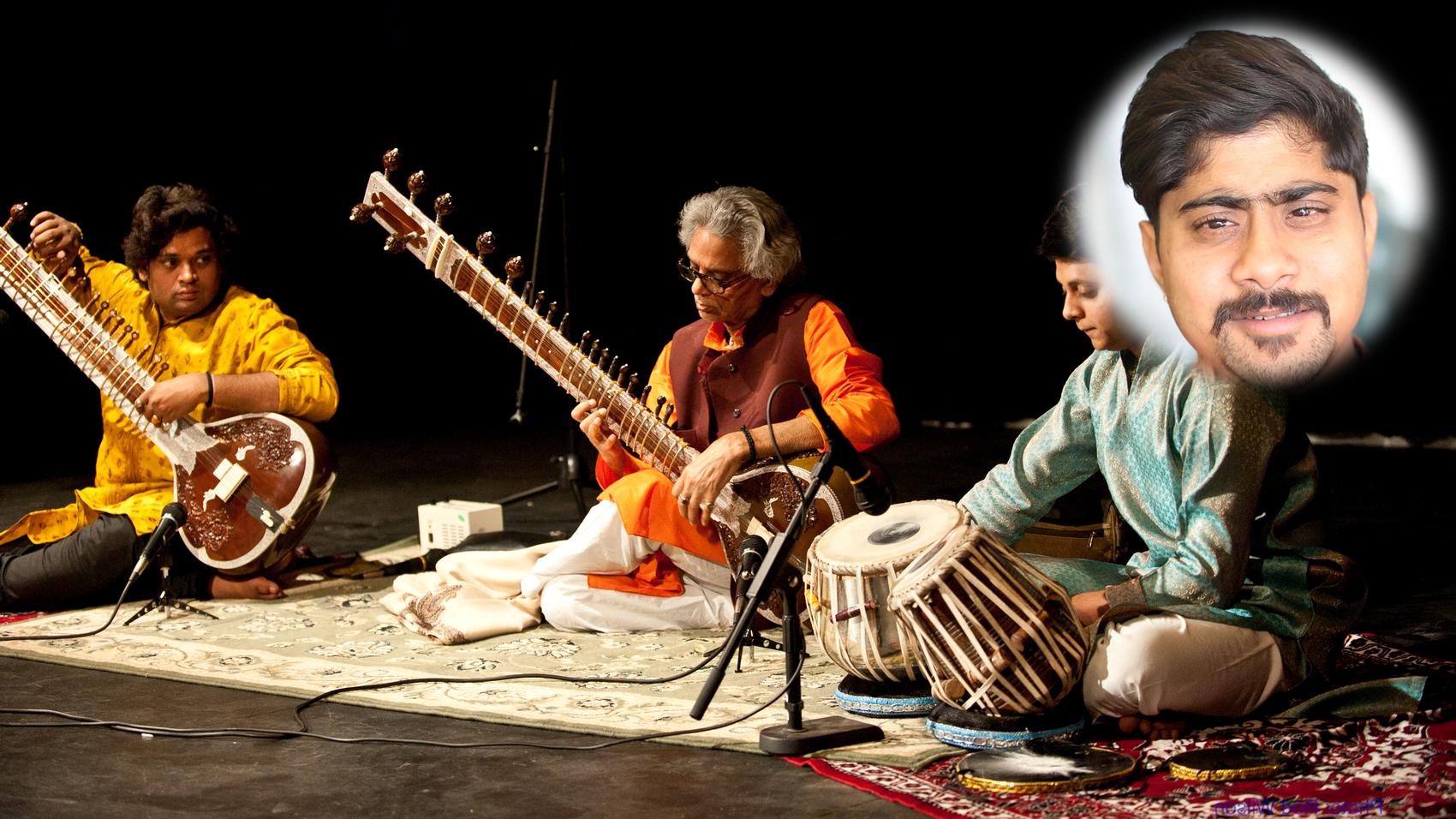
Singer & Co-ordinator Mukta talks about Devotional Singing course, what is Devotional Singing and other details about a Career in Devotional Singing.


Devotional Singing

Mukta | Singer & Co-ordinator | Awaken Love Band


Career in Career-in-Devotional-Singing/english
Devotional Singing
Mukta
Singer & Co-ordinator | Awaken Love Band
[ 5 years Experience ]
Career Counselling 2.0 Career Counselling 2.0 Career Counselling 2.0


What is Devotional Singing?


Devotional Singing is a great Career option. Internet is brimming with pages on How to get into Devotional Singing, while one should first understand What is a Career in Devotional Singing. Just like you would normally not trust a non Doctor with names of medicines, you should also not trust opinions about Devotional Singing from non professionals.

Singer & Co-ordinator Mukta has 5 years of professional experience in Devotional Singing. Singer & Co-ordinator Mukta outlines Devotional Singing as:

Devotional singing is singing that originates in the heart. It is the expression of the joyous thrill that wells up from the heart when the Glory of God is remembered. It is the spontaneous manifestation of inner ecstasy.


How Singer & Co-ordinator Mukta got into Devotional Singing?


I have a Bachelors in Naturopathy. I have also completed a course in Yoga Teacher Training. I met Prem Baba in 2013 and found my calling in music. Ever since, I have been working with Prem Baba in Awaken Love Movement. I am a Singer and Co-ordinator with Awaken Love Band.


Singer & Co-ordinator Mukta's Talk on Devotional Singing


Session Image
The Journey of Devotional Singing


What Is Devotional Singing


Devotional Singing

### Devotional Singing Image
What is
Devotional singing is the practice of performing songs or chants that express spiritual devotion, reverence, and love for a higher power or deity. It often involves traditional, sacred, or folk music and is performed in religious ceremonies, gatherings, or personal meditation to inspire spiritual connection and communal harmony.

Concept
Devotional singing holds a significant place in many cultures and religions, serving as a bridge between the performer, the audience, and the divine. For professionals, it offers a unique platform to blend musical talent with spiritual expression, fostering personal growth and emotional fulfillment. Engaging in devotional singing can enhance mental well-being by reducing stress and promoting inner peace. It also strengthens community bonds, as collective singing creates a sense of unity and shared purpose. Additionally, it provides opportunities for cultural preservation, allowing singers to keep traditional music and languages alive for future generations. Through these benefits, devotional singing becomes not only a career but also a meaningful life practice.

Real World Example
A professional devotional singer may be invited to lead bhajans at a temple during a major festival. In preparation, the singer selects appropriate songs, practices intricate melodies, and collaborates with instrumentalists to create a harmonious performance. On the day of the event, the singer guides the congregation through a series of devotional songs, encouraging participation and fostering a deeply spiritual atmosphere. The singer’s voice and presence help attendees connect emotionally and spiritually, transforming the gathering into a memorable and uplifting experience. Through such performances, the professional not only hones their craft but also plays a vital role in enriching the spiritual lives of the community.

Education


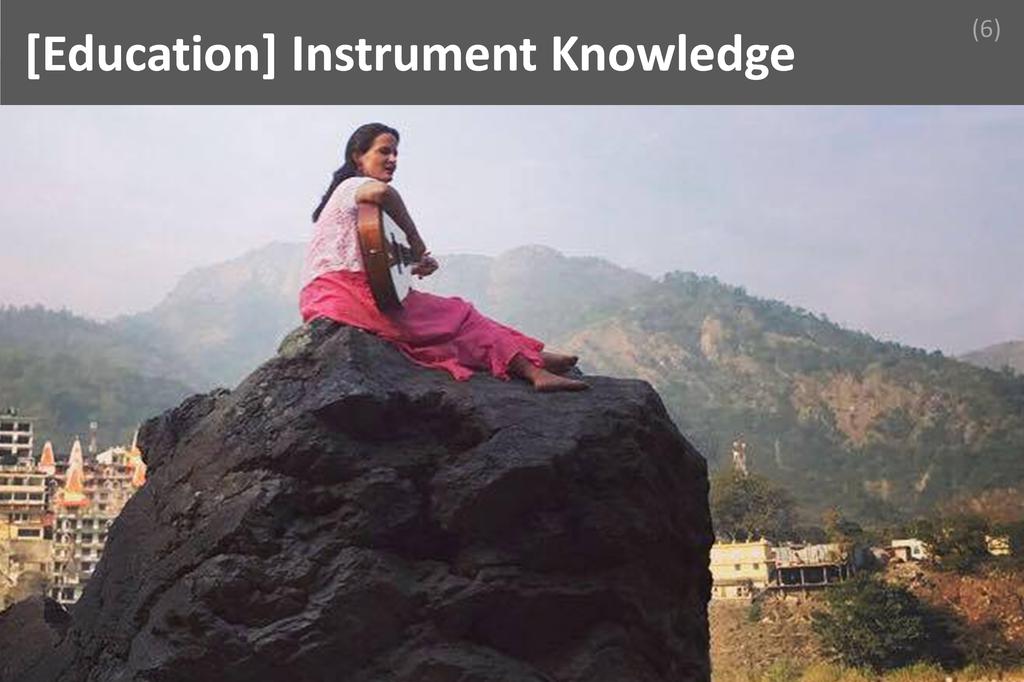
Instrument Knowledge

### Instrument Knowledge Image
What is
Instrument Knowledge refers to the comprehensive understanding of musical instruments, including their structure, sound production, tuning, maintenance, and role within an ensemble. In the context of Devotional Singing, it encompasses both theoretical and practical insights, forming a crucial part of the academic and professional foundation required for effective performance and collaboration.

Concept
Developing a strong grasp of Instrument Knowledge is essential for anyone pursuing a career in Devotional Singing. This expertise enables singers to communicate effectively with accompanying musicians, select appropriate instruments for various devotional contexts, and adapt their vocal techniques to complement different instrumental sounds. Mastery of this subject ensures that performers can maintain harmony, rhythm, and mood, which are vital for creating a spiritually uplifting atmosphere. Over time, this foundational knowledge enhances a singer’s versatility, fosters collaborative creativity, and opens opportunities for leadership roles within musical ensembles or spiritual communities. Ultimately, a deep understanding of instruments not only enriches personal musicianship but also elevates the collective devotional experience for audiences and participants alike.

Real World Example
Consider a devotional singer preparing for a temple performance where both the harmonium and tabla will accompany the vocals. Drawing on their Instrument Knowledge, the singer collaborates with the instrumentalists to determine the key and tempo that best suit the chosen bhajan. They understand how the harmonium’s tonal range can support their voice and how the tabla’s rhythmic patterns can enhance the song’s spiritual energy. During rehearsal, the singer communicates adjustments in dynamics and phrasing, ensuring that the instruments and vocals blend seamlessly. This practical application of theoretical knowledge allows the performance to flow harmoniously, creating an immersive and emotionally resonant devotional experience for the congregation.

Music Knowledge

### Music Knowledge Image
What is
Music Knowledge encompasses the understanding of musical theory, history, structure, and performance practices. It includes familiarity with rhythm, melody, harmony, notation, and cultural context. For Devotional Singing, Music Knowledge forms the academic and professional backbone, enabling singers to interpret, perform, and convey spiritual messages with authenticity and technical proficiency.

Concept
A strong grasp of Music Knowledge is essential for anyone pursuing Devotional Singing, as it provides the tools to understand and interpret the intricate structures of devotional compositions. This knowledge allows singers to appreciate the nuances of ragas, talas, and lyrical content, ensuring that each performance is both technically sound and emotionally resonant. Mastery of these concepts also aids in improvisation, adaptation to various devotional traditions, and collaboration with other musicians. Over time, a deep foundation in Music Knowledge enhances a singer’s versatility, credibility, and ability to innovate within the genre, supporting a sustainable and respected career in devotional music.

Real World Example
Consider a devotional singer preparing for a temple concert. Drawing on their Music Knowledge, they analyze the chosen bhajan’s raga, identify the appropriate tala, and adapt their vocal techniques to suit the spiritual mood. During rehearsal, they guide accompanying musicians, ensuring the harmonium and tabla align with the intended melodic and rhythmic framework. When performing, their understanding of musical structure allows them to improvise subtly, responding to the audience’s energy while maintaining the sanctity of the piece. This seamless integration of theory and practice not only elevates the performance but also deepens the spiritual experience for both the singer and the listeners.

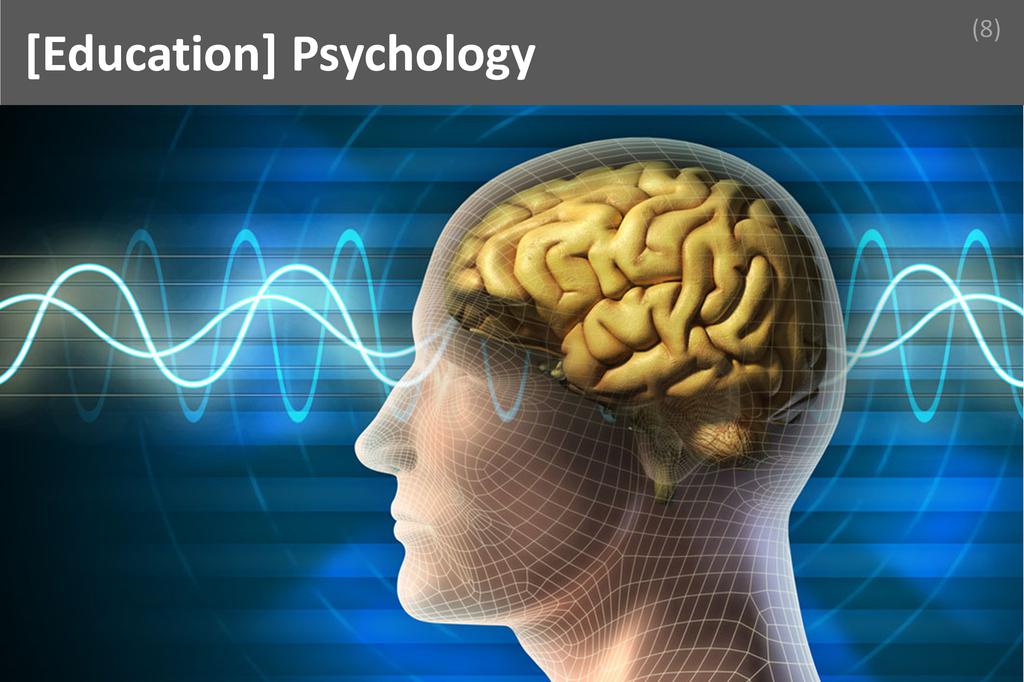
Psychology

### Psychology Image
What is
Psychology is the scientific study of the mind and behavior, exploring how individuals think, feel, and act in various situations. In the context of Devotional Singing, psychology provides insights into emotional expression, audience connection, and the mental processes that influence both the performer and listeners, enriching the overall spiritual experience.

Concept
Understanding psychology is essential for anyone preparing for or working in Devotional Singing because it enables a deeper connection with both the self and the audience. By grasping psychological principles, singers can better manage performance anxiety, interpret the emotional content of devotional music, and foster a more profound spiritual atmosphere. This knowledge helps professionals adapt their singing style to suit the emotional needs of diverse audiences, enhancing the impact of their performances. Over time, a strong foundation in psychology supports personal growth, resilience, and empathy, all of which are crucial for sustained success and fulfillment in a career centered on spiritual and emotional expression.

Real World Example
Imagine a devotional singer preparing for a large community event. Drawing on their understanding of psychology, they recognize that many attendees may arrive with stress or emotional burdens. The singer consciously selects compositions known to evoke calmness and hope, modulating their voice and expressions to create a soothing environment. During the performance, they observe the audience’s reactions, adjusting tempo and volume to maintain engagement and emotional resonance. By applying psychological insights, the singer not only delivers a technically sound performance but also facilitates a collective sense of peace and spiritual upliftment, demonstrating how theoretical knowledge translates into meaningful, real-world impact in devotional singing.

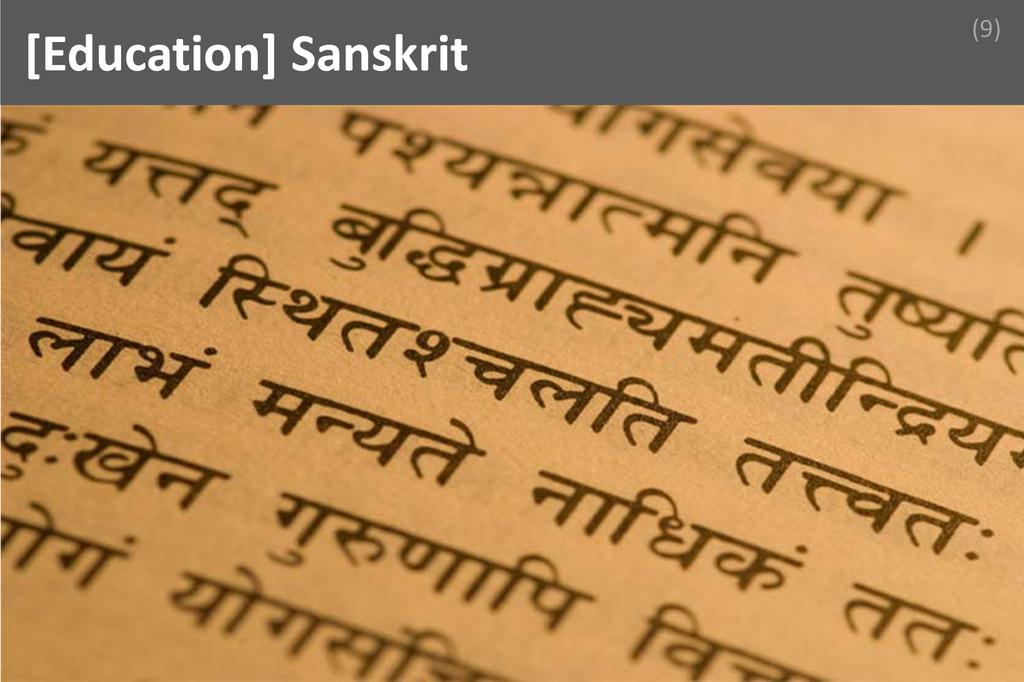
Sanskrit

### Sanskrit Image
What is
Sanskrit is an ancient Indo-Aryan language, revered as the liturgical language of Hinduism and foundational to many classical Indian texts, including scriptures, poetry, and music. For Devotional Singing, Sanskrit provides the original lyrics and meanings, making it essential for accurate interpretation, pronunciation, and emotional expression in performances.

Concept
Understanding Sanskrit is vital for anyone pursuing a career in Devotional Singing because much of the traditional repertoire, including bhajans, mantras, and hymns, is composed in this language. Mastery of Sanskrit enables singers to grasp the nuanced meanings and spiritual significance embedded in the lyrics, ensuring authenticity and depth in their renditions. This foundational knowledge not only enhances vocal delivery but also allows professionals to connect more profoundly with their audience, fostering a shared spiritual experience. Over the long term, proficiency in Sanskrit distinguishes a singer as a knowledgeable and credible artist, opening doors to advanced study, teaching opportunities, and participation in prestigious cultural events where linguistic accuracy and interpretive skill are highly valued.

Real World Example
Consider a devotional singer preparing for a performance at a major temple festival. The singer encounters a Sanskrit hymn with complex verses and layered meanings. Drawing on their theoretical understanding of Sanskrit, the singer carefully analyzes the grammar, pronunciation, and context of each word, ensuring the hymn is rendered with clarity and reverence. This attention to linguistic detail not only preserves the sanctity of the original composition but also allows the singer to convey the intended emotions and spiritual messages to the audience. As a result, the performance resonates deeply with listeners, elevating the collective devotional experience and reinforcing the singer’s reputation for authenticity and expertise in the field.

Skills


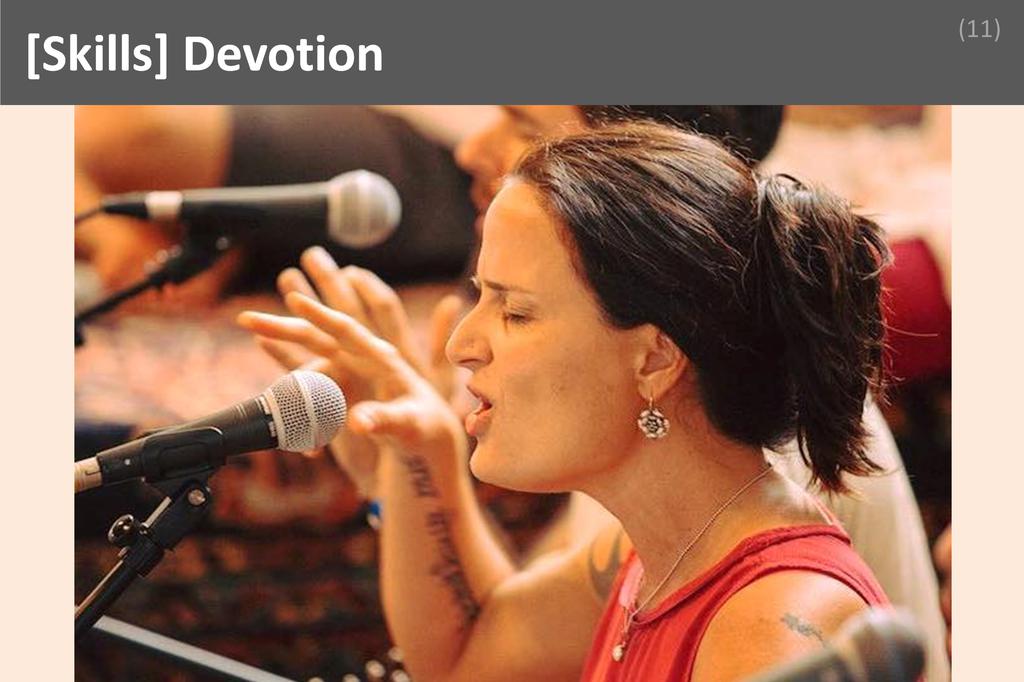
Devotion

### Devotion Image
What is
Devotion is a profound sense of dedication, love, and reverence toward a higher power or spiritual ideal, expressed through consistent thought, feeling, and action. In the context of Devotional Singing, devotion transforms technical skill into heartfelt expression, enabling singers to connect deeply with their audience and convey genuine spiritual emotion.

Concept
Devotion elevates a singer’s performance by infusing each note with sincerity and spiritual intent, making the music resonate on a deeper level. Clients and employers value this quality because it ensures that performances are not only technically sound but also emotionally moving and spiritually uplifting. Audiences are more likely to feel inspired and connected when the singer’s devotion is palpable. Cultivating devotion involves regular spiritual practice, self-reflection, and immersion in the meanings behind the songs. Over time, this commitment helps singers internalize the values and emotions they wish to express, allowing their performances to become authentic acts of worship rather than mere recitations.

Real World Example
Imagine a devotional singer preparing for a major festival performance, only to face unexpected technical difficulties with the sound system moments before going on stage. Instead of succumbing to stress or frustration, the singer draws upon their deep devotion, focusing inward and channeling calm, positive energy. This inner strength allows them to adapt, perhaps by leading the audience in an unamplified, acoustic rendition. The sincerity and spiritual intensity of their performance move the audience profoundly, turning a potential setback into a memorable, uplifting experience. In this way, devotion not only sustains the singer through challenges but also transforms obstacles into opportunities for deeper connection and success.

Sensitivity

### Sensitivity Image
What is
Sensitivity is the ability to perceive and respond to the emotions, needs, and spiritual atmosphere of others with empathy, awareness, and respect. In devotional singing, sensitivity enables performers to connect deeply with their audience, honor the sacredness of the occasion, and adapt their expression to enhance the collective spiritual experience.

Concept
Sensitivity directly enhances a devotional singer’s performance by allowing them to intuitively gauge the mood and receptivity of their audience, adjusting their tone, tempo, and song selection accordingly. Clients and employers value this skill because it ensures that the musical offering resonates with the spiritual intent of the gathering, fostering a sense of unity and devotion. Cultivating sensitivity involves active listening, mindfulness, and regular reflection on feedback from both mentors and participants. Over time, engaging in diverse devotional settings and remaining open to the emotional undercurrents present in each moment helps singers refine their ability to respond with grace and appropriateness, making their contributions more meaningful and impactful.

Real World Example
Imagine a devotional singer leading a group during a significant religious festival. Midway through the performance, the atmosphere shifts as some participants become visibly emotional, perhaps recalling personal struggles or moments of gratitude. Sensing this change, the singer gently transitions to a softer, more contemplative hymn, allowing space for reflection and healing. This sensitive response not only deepens the spiritual ambiance but also reassures the audience that their feelings are acknowledged and respected. By attuning to the collective mood and adapting in real time, the singer transforms a routine performance into a profound, shared experience, demonstrating how sensitivity is crucial for achieving both artistic and spiritual success in devotional singing.

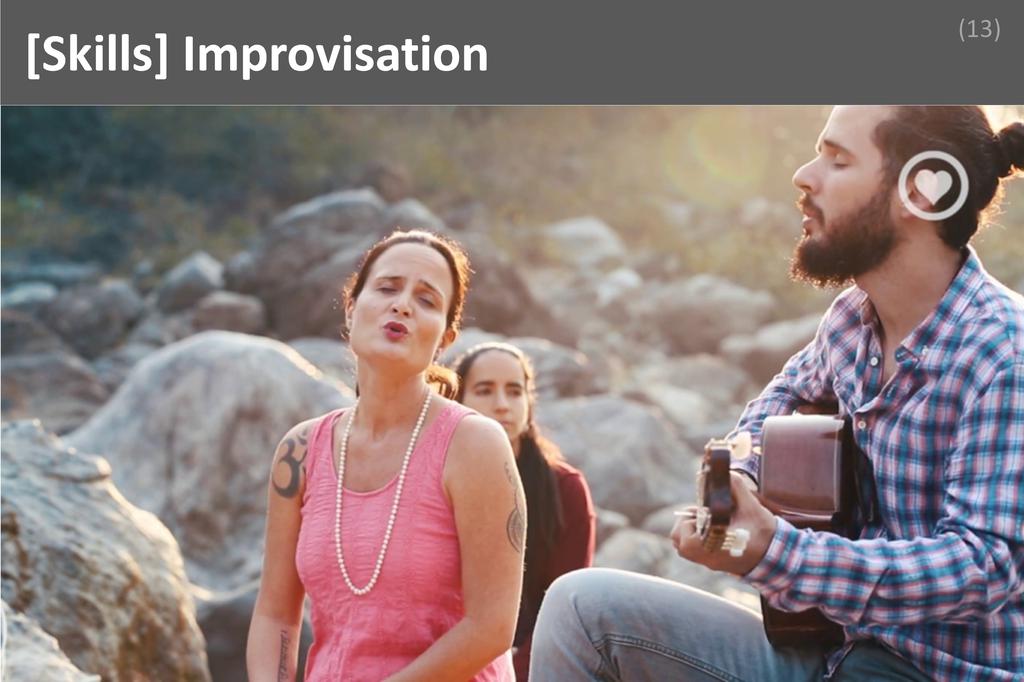
Improvisation

### Improvisation Image
What is
Improvisation is the spontaneous creation or alteration of music in real-time, adapting melodies, rhythms, or lyrics to suit the moment’s mood, audience, or context. In devotional singing, improvisation allows performers to respond authentically to spiritual energy, audience participation, and unforeseen circumstances, making each performance unique and deeply engaging.

Concept
Improvisation directly enhances a devotional singer’s performance by enabling them to adapt to the emotional atmosphere, respond to audience cues, and handle unexpected situations such as technical issues or changes in program flow. Clients and employers value this skill because it ensures that every event feels personal and meaningful, regardless of challenges. Cultivating improvisational ability involves regular practice, deep familiarity with various devotional styles, and a willingness to experiment during rehearsals. Over time, singers develop the confidence and intuition needed to make split-second musical decisions, enriching their artistry and reliability as performers.

Real World Example
Imagine a devotional singer leading a live event when a sudden power outage disrupts the planned instrumental accompaniment. Instead of pausing awkwardly, the singer immediately shifts to an a cappella rendition, inviting the audience to clap or chant along. By improvising the arrangement and engaging the crowd, the singer transforms a potential setback into a memorable, communal experience. This quick thinking not only maintains the spiritual atmosphere but also demonstrates professionalism and adaptability, leaving a lasting positive impression on both the audience and event organizers. Such moments highlight how improvisation is not just a creative asset but a vital skill for overcoming challenges in devotional singing.

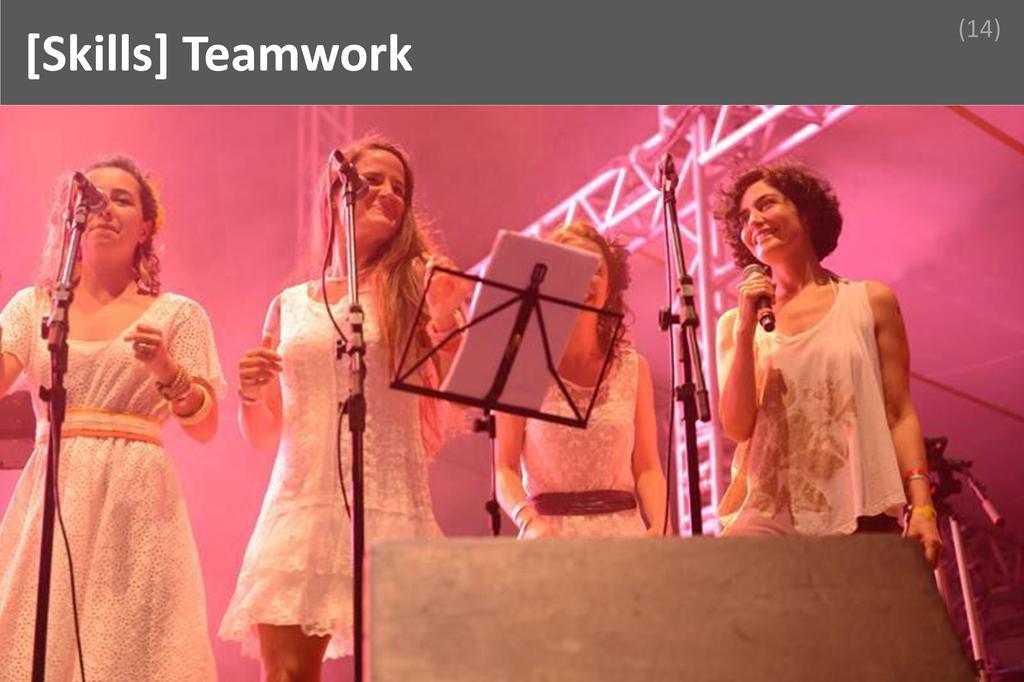
Teamwork

### Teamwork Image
What is
Teamwork is the collaborative effort of a group to achieve a common goal, where individuals contribute their unique skills, communicate effectively, and support each other to ensure collective success. In devotional singing, teamwork enables harmonious performances, fosters unity among singers and musicians, and enhances the spiritual experience for both performers and audiences.

Concept
Teamwork is fundamental in devotional singing because it ensures that every member of the group is attuned to one another, resulting in seamless coordination and a unified sound. Clients and employers value this skill as it leads to more polished performances, minimizes conflicts, and creates a supportive environment where creativity flourishes. To cultivate teamwork, individuals should actively listen to their peers, remain open to feedback, and participate in regular group rehearsals. Over time, these practices build trust and mutual respect, allowing each member to anticipate others’ needs and adapt quickly during live performances. The ability to work well within a team not only elevates the quality of the music but also strengthens the group’s reputation and reliability.

Real World Example
Imagine a devotional singing group preparing for a major festival performance when, at the last minute, one of the lead vocalists falls ill. The remaining members must quickly reorganize their parts and adjust harmonies to fill the gap. Through effective teamwork, they communicate openly, redistribute responsibilities, and support each other emotionally and musically. By relying on their established rapport and shared commitment, the group delivers a moving and cohesive performance despite the unexpected challenge. This scenario highlights how teamwork enables devotional singers to adapt under pressure, maintain high standards, and ensure the spiritual message of their music reaches the audience without disruption.

Ability to Serve

### Ability to Serve Image
What is
The "Ability to Serve" is the genuine willingness and commitment to place the needs of others above personal interests, offering one’s talents selflessly for the benefit of the community or a higher purpose. In devotional singing, this quality transforms performances into heartfelt acts of devotion, fostering deeper spiritual connections.

Concept
The ability to serve directly enhances a devotional singer’s performance by shifting the focus from personal acclaim to uplifting the audience and honoring the spiritual context. Clients and employers highly value this skill because it ensures that the singer is attuned to the needs of the congregation or event, creating a more meaningful and harmonious atmosphere. Cultivating this skill involves regular self-reflection, practicing empathy, and seeking feedback from mentors and peers. Over time, singers who prioritize service develop humility and a deeper sense of purpose, which resonates in their music and interactions. This ongoing commitment to serving others not only enriches their artistry but also builds trust and respect within the devotional community.

Real World Example
Imagine a devotional singer invited to lead a major festival where the audience is diverse, with varying musical preferences and spiritual backgrounds. During the event, the sound system fails, causing confusion and disappointment among attendees. Instead of focusing on personal frustration or technical difficulties, the singer draws upon their ability to serve. They calmly gather the audience, lead them in a simple, unaccompanied chant, and encourage participation. This act of selfless service transforms the atmosphere, uniting everyone in a shared spiritual experience despite the setback. The organizers and attendees deeply appreciate the singer’s dedication, and the event becomes memorable not for the technical mishap, but for the heartfelt connection fostered through service.

Positives


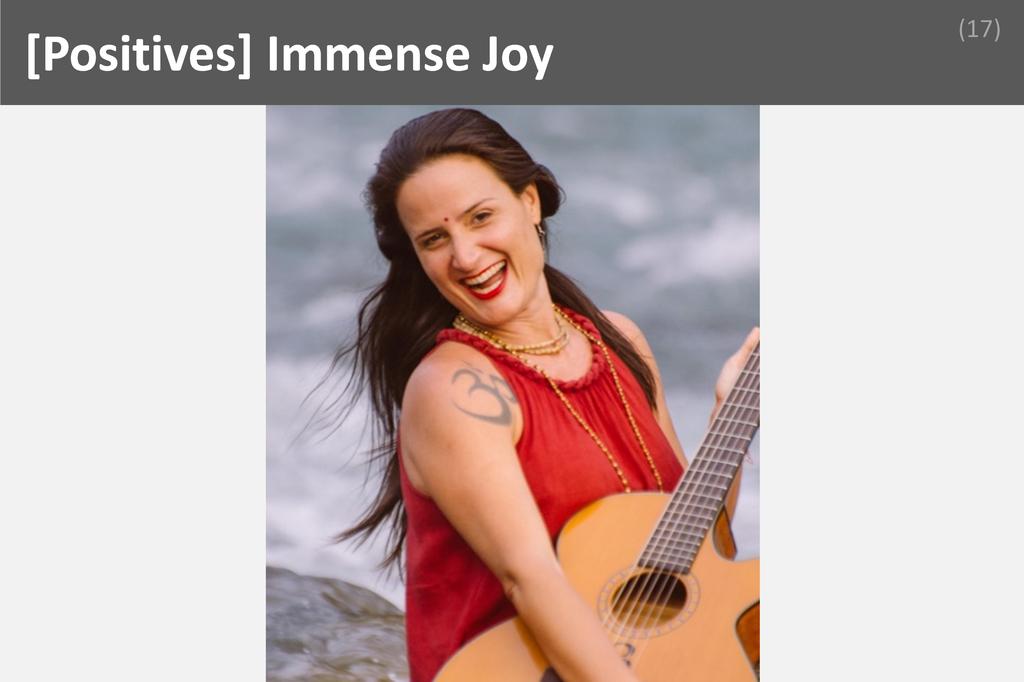
Immense Joy

### Immense Joy Image
What is
Immense Joy is a profound sense of happiness, fulfillment, and inner peace that arises from engaging deeply with one’s passion and purpose. In devotional singing, this joy is experienced through the heartfelt connection to spiritual music, the uplifting of souls, and the shared emotional resonance with listeners, creating a uniquely rewarding profession.

Concept
The presence of Immense Joy in devotional singing transforms daily work into a deeply satisfying journey. This joy fuels motivation, inspires creativity, and fosters resilience, making challenges feel lighter and achievements more meaningful. As devotional singers immerse themselves in sacred melodies, they experience a sense of purpose that transcends routine, nurturing both personal and professional growth. The emotional connection with audiences and the spiritual fulfillment derived from each performance create a positive feedback loop, enhancing job satisfaction and encouraging continuous improvement. Immense Joy becomes a sustaining force, allowing professionals to approach each day with enthusiasm and gratitude, making their career not just a job, but a calling filled with meaning and happiness.

Real World Example
Imagine a devotional singer preparing for a community event at a local temple. As she begins her performance, the serene atmosphere and the collective focus of the audience create a powerful sense of unity. With each note, she feels a wave of Immense Joy, knowing her voice is touching hearts and uplifting spirits. The smiles, tears, and silent prayers of the listeners become a testament to the impact of her art. After the performance, she is approached by individuals who share how her singing brought them comfort and inspiration. In that moment, the singer experiences a profound fulfillment, realizing that her passion not only enriches her own life but also brings light and hope to others.

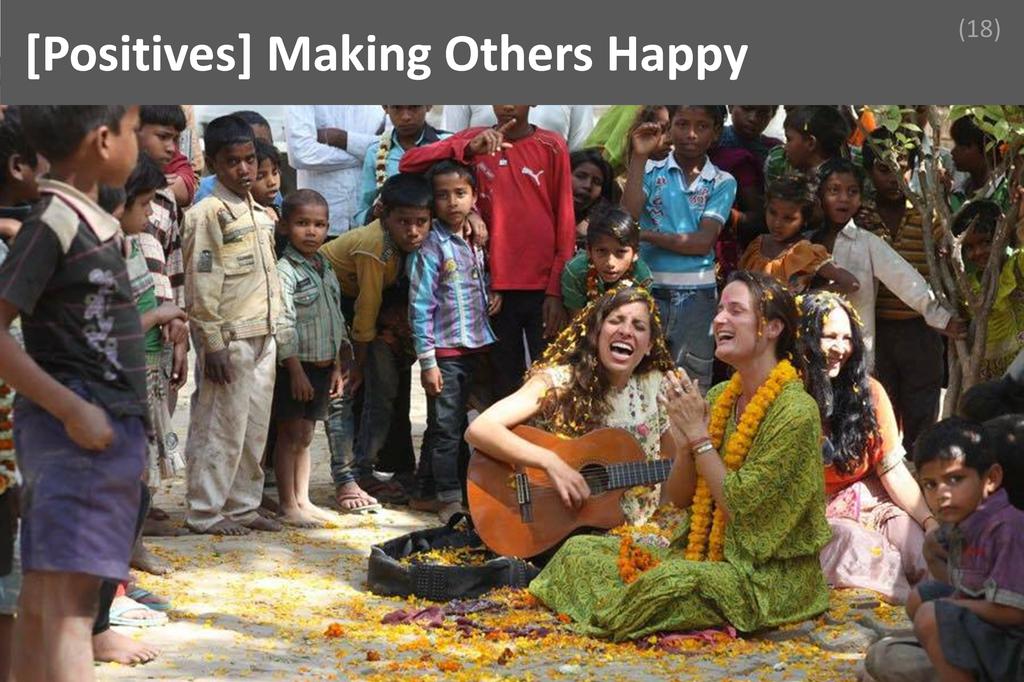
Making Others Happy

### Making Others Happy Image
What is
Making Others Happy means bringing joy, comfort, and a sense of peace to people through your actions or talents. In devotional singing, this involves uplifting listeners’ spirits, soothing their worries, and fostering a sense of unity and hope. This positive influence enriches both the audience and the singer’s own sense of purpose.

Concept
The ability to make others happy is a profound source of motivation and fulfillment for devotional singers. When singers witness the emotional transformation in their audience—smiles, tears of joy, or a peaceful silence—they experience a deep sense of accomplishment. This daily affirmation of their impact not only boosts job satisfaction but also encourages personal and professional growth. The joy reflected in the faces of listeners becomes a driving force, inspiring singers to continually refine their craft and connect more deeply with their audience. Over time, this ongoing exchange of happiness fosters a supportive community, strengthens spiritual bonds, and makes the profession of devotional singing uniquely rewarding.

Real World Example
Imagine a devotional singer performing at a community gathering during a festival. As the melodies fill the air, the audience gradually becomes immersed in the music, their worries fading away. Elderly listeners close their eyes in peaceful reflection, children sway with innocent delight, and families join in the chorus, united by a shared sense of devotion and happiness. After the performance, several people approach the singer, expressing how the music brought them comfort and renewed hope during challenging times. In that moment, the singer feels an overwhelming sense of fulfillment, knowing that their art has touched lives and made a meaningful difference. This experience reaffirms the true value of making others happy through devotional singing.

Challenges


Managing People

### Managing People Image
What is
Managing people in Devotional Singing involves guiding, coordinating, and motivating diverse individuals—such as musicians, vocalists, organizers, and volunteers—toward a harmonious performance. This is demanding because it requires balancing artistic vision with interpersonal dynamics, resolving conflicts, and ensuring everyone remains aligned with the spiritual and musical goals of the group.

Concept
The challenge of managing people in Devotional Singing can significantly affect daily work, as it often leads to misunderstandings, creative disagreements, and logistical complications. Professionals must invest time and emotional energy in communication, conflict resolution, and team building, which can be draining. This constant negotiation demands resilience, patience, and empathy, as each member may have different motivations and expectations. Successful devotional singers develop strong leadership skills, foster open dialogue, and create an inclusive environment where everyone feels valued. They set clear expectations, listen actively, and mediate disputes with sensitivity, ensuring the group remains focused on the collective purpose of devotional expression. By nurturing trust and mutual respect, they transform potential discord into a source of creative strength.

Real World Example
Consider a devotional singer leading a multi-generational choir for a major festival. The group includes seasoned musicians, enthusiastic youth, and volunteers with varying skill levels. Early rehearsals are marked by disagreements over song selection and rehearsal schedules, causing tension and frustration. The leader addresses these issues by organizing a group discussion, encouraging everyone to share their perspectives and preferences. By actively listening and acknowledging each member’s contribution, the leader finds common ground and proposes a balanced repertoire. She also delegates responsibilities according to individual strengths, fostering a sense of ownership and unity. Through patience, empathy, and clear communication, the leader transforms a fragmented group into a cohesive ensemble, delivering a moving and harmonious performance.

Focus

### Focus Image
What is
Focus in the context of Devotional Singing refers to the sustained mental and emotional concentration required to deliver spiritually resonant performances. This involves tuning out distractions, maintaining presence in the moment, and channeling devotion through music. Achieving such focus is demanding due to internal doubts and external interruptions.

Concept
The challenge of maintaining focus can significantly affect a devotional singer’s daily work, leading to inconsistent performances and diminished spiritual connection. This difficulty requires resilience, as singers must continually redirect their attention amidst personal anxieties, audience reactions, or environmental disturbances. Successful professionals develop routines that foster mindfulness, such as meditation or prayer before performances, and practice techniques that anchor their attention to the present moment. They also cultivate an awareness of their emotional states, allowing them to gently refocus when distractions arise. Over time, these strategies help singers maintain the depth and sincerity essential to devotional music, ensuring that their art remains both authentic and impactful.

Real World Example
Consider a devotional singer preparing for a major festival performance in a bustling temple environment. Despite the noise of the crowd and the pressure of expectations, she begins her preparation with a quiet moment of meditation, centering herself before stepping onto the stage. As she sings, she notices her mind drifting to worries about her voice and the audience’s reactions. Drawing on her training, she gently brings her attention back to the lyrics and the spiritual message of the song. By consciously reconnecting with the purpose of her music, she delivers a heartfelt performance that moves both herself and her listeners, demonstrating how focus can be reclaimed and maintained even in challenging circumstances.

Financial Security

### Financial Security Image
What is
Financial Security in the context of Devotional Singing refers to the consistent ability to meet personal and familial financial needs through income generated from devotional performances, recordings, and related activities. This is demanding because opportunities are often irregular, compensation may be modest, and the field lacks the structured support systems found in mainstream music industries.

Concept
The challenge of financial security deeply influences the daily lives of devotional singers. Unpredictable income streams can create stress, making it difficult to plan for essentials or invest in professional growth. This uncertainty demands resilience, as artists must balance their passion for spiritual music with practical financial concerns. Successful professionals often diversify their activities, such as offering music lessons, participating in community events, or producing digital content to reach wider audiences. They also cultivate strong networks within religious and cultural organizations, ensuring a steady flow of opportunities. By adapting to changing trends and embracing technology, these artists manage to create multiple revenue streams, thus reducing financial vulnerability and allowing them to focus on their art with greater peace of mind.

Real World Example
Consider the journey of a devotional singer who initially struggled with irregular performance opportunities and limited earnings. Recognizing the need for stability, she began offering online classes in devotional music, attracting students from different regions. She also started a YouTube channel, sharing renditions of traditional bhajans and kirtans, which gradually gained a loyal following. Collaborations with local temples and participation in virtual spiritual events further expanded her reach. Over time, these efforts provided her with a more predictable income, allowing her to support her family and invest in better recording equipment. Through adaptability and proactive engagement, she transformed financial insecurity into a sustainable and fulfilling career.

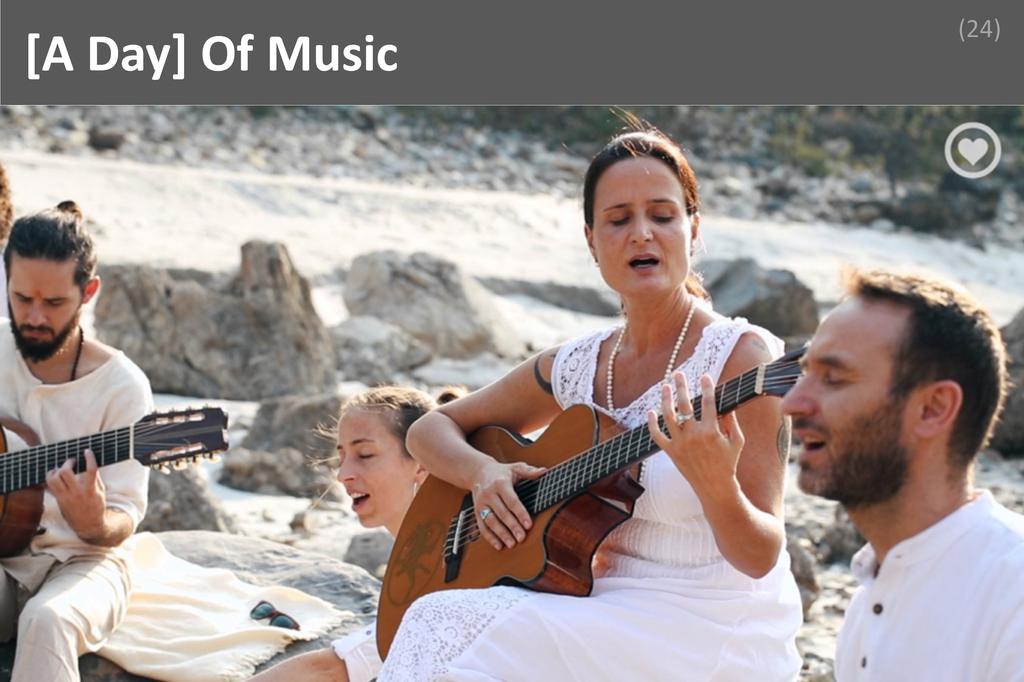
A Day Of


Devotional Singing

What is
Before the first rays of sunlight filter through stained glass or the hush of dawn settles over a temple courtyard, the world of a devotional singing professional is already stirring. This is a career where the rhythm of the day is set not by the ticking of a clock, but by the cadence of sacred melodies and the pulse of communal spirit. Each workday is a tapestry woven from moments of solitary reflection, vibrant collaboration, and the transcendent act of leading others in song. The environment is both serene and electric, filled with the subtle scent of incense, the gentle clatter of harmoniums, and the ever-present anticipation of spiritual connection. For those who devote their lives to this calling, the day is a journey—one that moves from quiet preparation to the soaring heights of collective devotion, and finally, to thoughtful closure and renewal.

Concept
As dawn breaks, the devotional singing professional begins their day in quiet solitude, often in a softly lit room or a tranquil corner of a temple. This early hour is dedicated to personal meditation, vocal exercises, and reviewing the day’s repertoire. The singer might spend time tuning instruments, practicing intricate ragas, or reading sacred texts to set the tone for the hours ahead. This period is as much about spiritual alignment as it is about technical readiness, ensuring that both voice and heart are attuned to the purpose of the day.

Real World Example
By mid-morning, the professional steps into their most vital role: guiding a congregation or community through a session of devotional singing. Whether in a bustling temple, a community center, or a virtual gathering, this is the moment when preparation meets performance. The air vibrates with the sound of harmoniums, tablas, and voices rising in unison. The singer leads chants, bhajans, or kirtans, responding to the energy of the group and weaving together music and meaning. This is the heart of the day, where the connection between singer and audience becomes a shared spiritual experience.

The afternoon brings a shift from public performance to behind-the-scenes collaboration. The devotional singing professional might meet with fellow musicians, choir members, or spiritual leaders to rehearse new compositions or refine upcoming performances. This is a time for creative exchange, troubleshooting musical arrangements, and deepening the collective understanding of the pieces to be performed. The atmosphere is one of camaraderie and mutual inspiration, as each participant contributes their unique skills and insights to the group’s shared mission.

As the day winds down, the focus turns inward once again. The professional reviews recordings from the day’s sessions, takes notes on what resonated with participants, and responds to messages or feedback from the community. Administrative tasks such as scheduling, repertoire planning, and coordinating with event organizers fill the final hours. There is also time for personal reflection, perhaps journaling about the day’s experiences or researching new devotional music. This thoughtful wrap-up ensures that each day ends with gratitude and intention, laying the groundwork for another day of inspired service.


Install the LifePage App to:


  1. (for Free) Watch Singer & Co-ordinator Mukta’s full Devotional Singing Career Talk

  2. ₹ Do a Self Assessment on Devotional Singing to calculate your Dream Index, which is defined as:

    According to Mukta your chances of success in Devotional Singing is __%

  3. Access your personalized Dream Index Report which will have all your Dream Indices sorted in descending order.

Career Counselling 2.0


<?php echo $altimage; ?>


<?php echo $altimage; ?>


How to get into

Devotional Singing?


If you are want to get into Devotional Singing, start by investing in a Career Plan.

The 14 hour process, guided by a LifePage Career Advisor, will help you introspect and check whether your interest in Devotional Singing is merely an infatuation or is it truly something you wish to do for the rest of your life.

Next, your Career Advisor will help you document how you can get into Devotional Singing, what education and skills you need to succeed in Devotional Singing, and what positives and challenges you will face in Devotional Singing.

Finally, you will get a Career Plan stating which Courses, Certifications, Trainings and other Items you need to do in the next 7 years to become world’s best in Devotional Singing.


LifePage Career Plan

14 hour personalized guidance program


Your LifePage Career Advisor facilitates your guided introspection so that you systematically explore various Career options to arrive at a well thought out Career choice.

Next: your Advisor helps you figure out how you will get into your chosen Career and how will you develop the skills needed for success in your Chosen Career.

LifePage Plan will not stop at saying "to become an Architect study Architecture". It will guide you on which Certifications, Trainings and Other items you need to do along with your Architecture education to become the world's best Architect.


Links for this Talk


Singer & Co-ordinator Mukta's LifePage:


Career Counselling 2.0
[LifePage]
https://www.lifepage.in/page/mukta


LifePage Career Talk on Devotional Singing


Career Counselling 2.0
[Career]
https://www.lifepage.in/careers/devotional-singing


Career Counselling 2.0
[Full Talk]
https://lifepage.app.link/20180228-0008


(Devotional Singing, Mukta, Awaken Love Band, Singer, Co-ordinator, Music, Lead Singer, Awaken Love Movement, Prem Baba, Bhajan, Mantra)


Similar Talks


Career in Professional Singing
Professional Singing
Ravi Vishnariya
Singer | Various Creative Assignments
[ 4 years & 8 months Experience ]

Singing is the act of producing musical sounds with the voice and augments regular speech by the use of sustained tonality, rhythm, and a variety of vocal techniques. A person who sings is called a singer or vocalist.

"I was interested in singing since my childhood and started practicing singing in the year 2014 at Saptak College of Performing Arts."


Career Counselling 2.0 Career Counselling 2.0 Career Counselling 2.0 Career Counselling 2.0 Career Counselling 2.0


Career in Country Music
Country Music
Bobby Cash
Country Music Artist | Several Musical Assignments
[ 23 years & 3 months Experience ]

Country Music is a music of pioneers, early settlers & cowboys who settlers the American West in 90s. It’s the music that come from roots and Rural music that tells a story.

"I am an Indian country music singer, songwriter, guitarist and composer. I live in Dehradun City, I am India's first international country music artist who has charted singles in Australia, and also for being the only Indian country music artist to be featured in a documentary film,The Indian Cowboy...One in a Billion, aired on ABC Television (Australia) in January 2004 and on Discovery channel in India in June 2004."


Career Counselling 2.0 Career Counselling 2.0 Career Counselling 2.0 Career Counselling 2.0 Career Counselling 2.0


Career in Professional Singing
Professional Singing
Sankalp Khetwal
Vocalist | Bhairavas Band
[ 4 years Experience ]

Singing is the act of producing musical sounds with the voice and augments regular speech by the use of sustained tonality, rhythm, and a variety of vocal techniques. A person who sings is called a singer or vocalist.

"I have done Visharat in Indian Classical Music from Bhatkhande Sangeet Vidalaya. I was inclined towards music since childhood and took up music as profession. I participated in Rising Star, a singing show on Colors. I have been performing with Bhairavas Band as a vocalist since 2013."


Career Counselling 2.0 Career Counselling 2.0 Career Counselling 2.0 Career Counselling 2.0 Career Counselling 2.0


Career in Indian Classical Singing
Indian Classical Singing
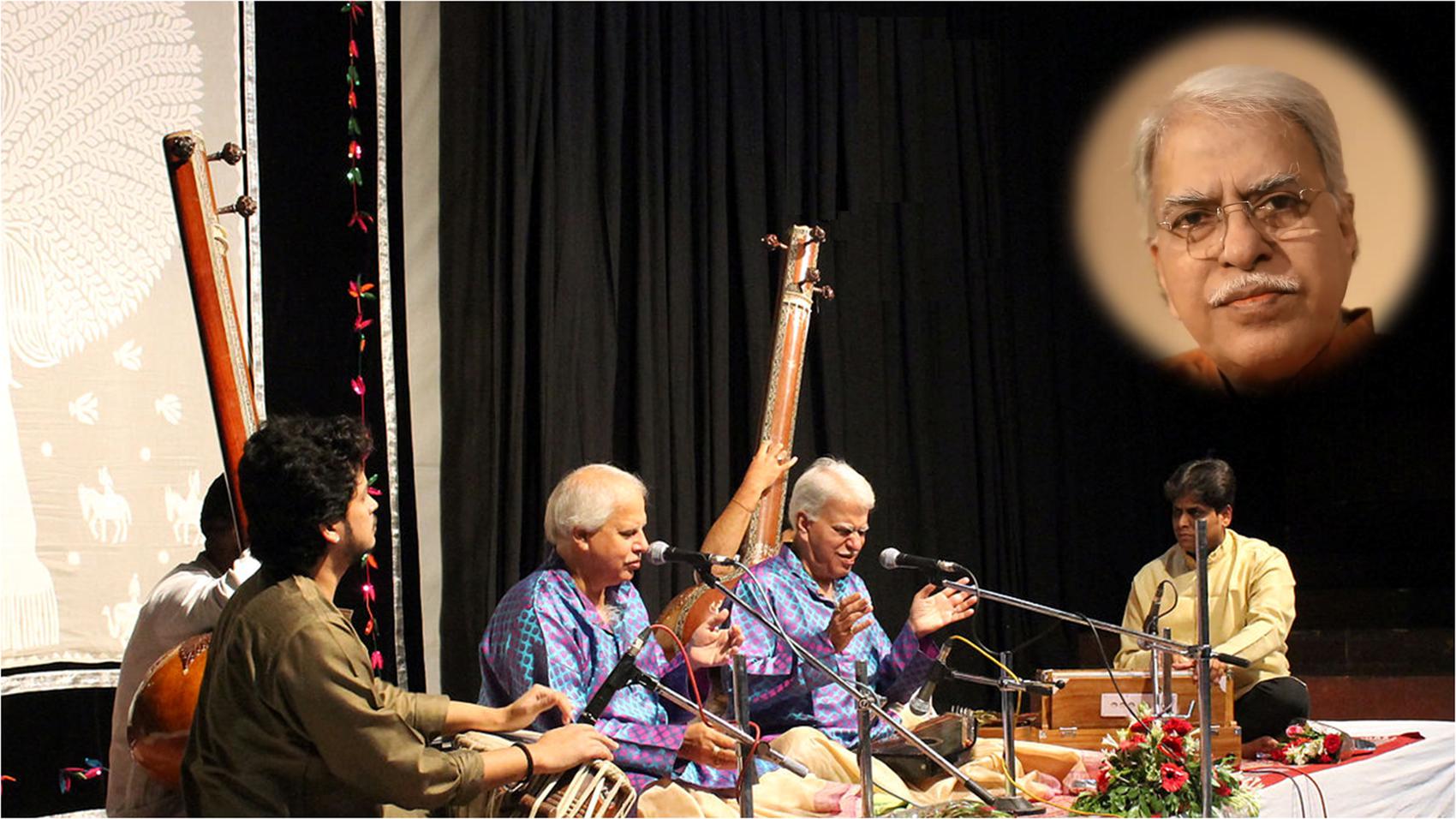
Late Pt Rajan Mishra
Music Artist | Various Creative Music Assignments
[ 44 years & 8 months Experience ]

Indian Classical Music is an ancient form of music, its establishment was done taking in account of nature and human emotions. Just like the nature is made of five elements similarly humans are also made up of these elements and indian classical music is also consisted in the same manner. The video describes the skills required for Indian Classical Music and also the positives and challenges one has to face if they go further ahead in Indian Classical Music.

"I was born and brought up in Varanasi. I received my initial musical training from my grandfather's brother, Bade Ram Das Ji Misra, and also their father, Hanuman Prasad Misra, and from their uncle, sarangi virtuoso, Gopal Prasad Misra, and started performing while I was still in teens. I moved to Ramesh Nagar in Delhi, in 1977, gave my first concert abroad, in Sri lanka in 1978, and soon went on to perform in many countries across the world including, Germany, France, Switzerland, Austria, USA, UK, The Netherlands, USSR, Singapore, Qatar, Bangladesh and Muscat."


Career Counselling 2.0 Career Counselling 2.0 Career Counselling 2.0 Career Counselling 2.0 Career Counselling 2.0


Career in Professional Singing
Professional Singing
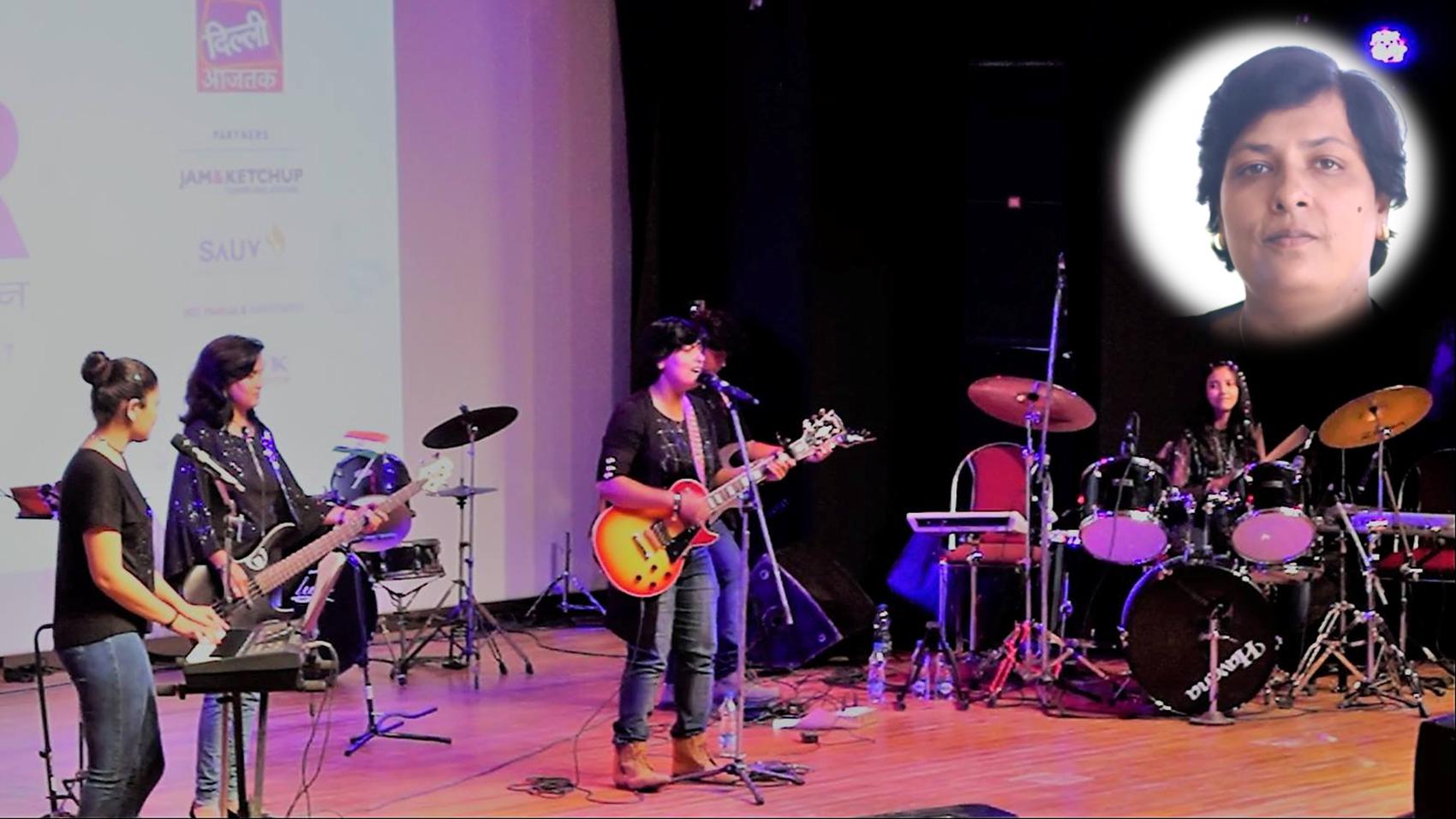
Swati Singh
Singer | Womania Band
[ 31 years Experience ]

Professional singers perform songs in front of live audiences and record music in recording studios

"I have been practicing singing since childhood and after working in school and banking field, I have started music institute called Saptak Institute of Performing Arts and also managing Womenia band."


Career Counselling 2.0 Career Counselling 2.0 Career Counselling 2.0 Career Counselling 2.0 Career Counselling 2.0


Career in Professional Singing
Professional Singing
Vivek Badoni
Singer | Independent Practice
[ 6 years & 11 months Experience ]

Singing is the act of producing musical sounds with the voice and augments regular speech by the use of sustained tonality, rhythm, and a variety of vocal techniques. A person who sings is called a singer or vocalist.

"After doing my B Tech from Tulas Institute Dehradun, I worked with HCL and did freelancing as a Web Designer in various assignments. I was always inclined towards music and joined Bhairavas, a Musical Band in 2012. I am also working on a project titled Maathu Re Dreamhouse which is an Urban Folk Independent Music initiative."


Career Counselling 2.0 Career Counselling 2.0 Career Counselling 2.0 Career Counselling 2.0 Career Counselling 2.0


Career in Folk Singing
Folk Singing
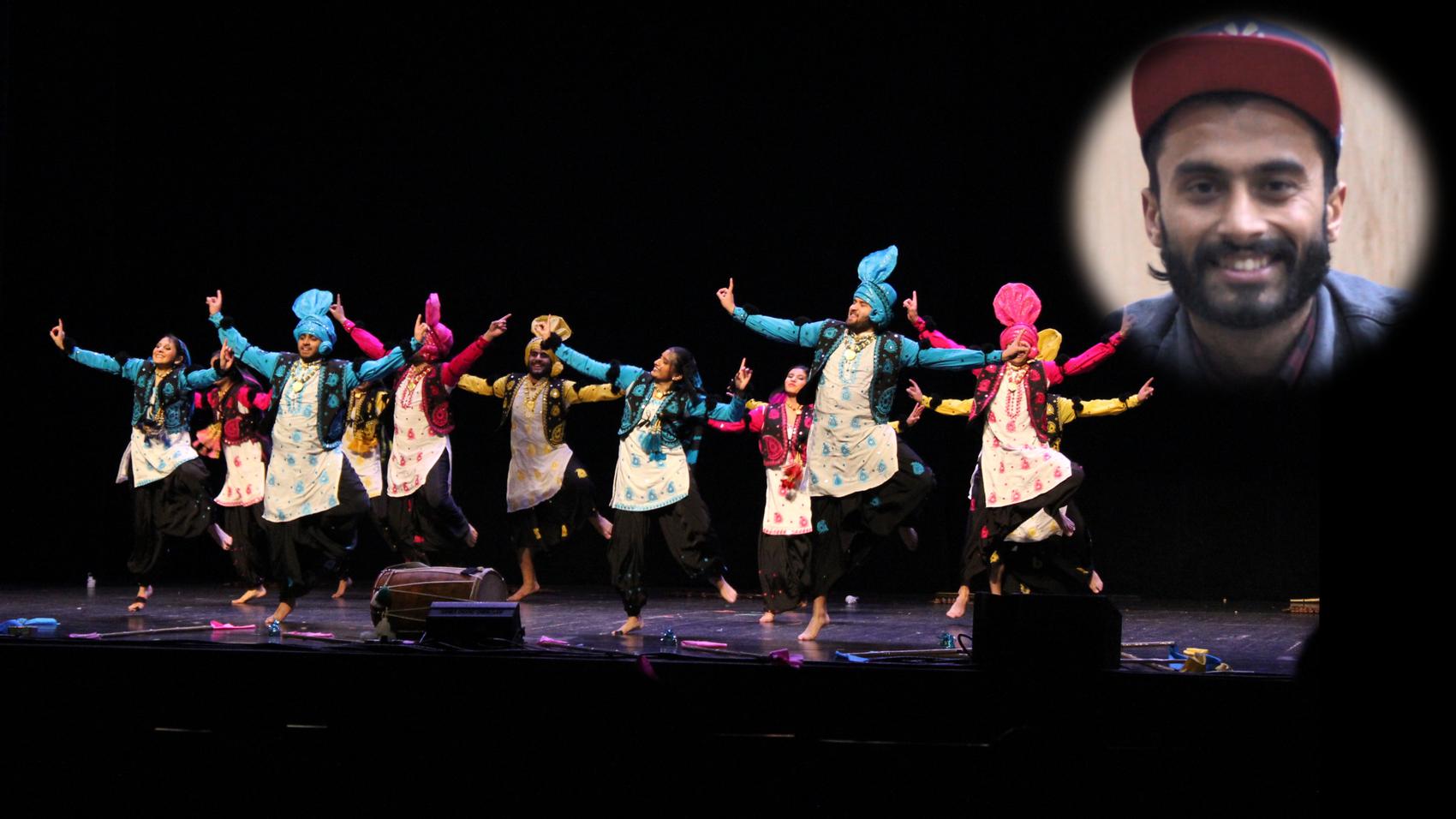
Harsh Sharma
Singer | Various Stage Shows
[ 4 years & 3 months Experience ]

Folk music includes both traditional music and the genre that evolved from it during the 20th century folk revival. India has a very rich tradition of folk music. The extreme cultural diversity creates endless varieties of folk styles. Each region has its own particular style.

"I did my schooling from KK International School and Bachelors in Arts from MM Modi College, Patiala. I have been involved in different singing assignments since 2015."


Career Counselling 2.0 Career Counselling 2.0 Career Counselling 2.0 Career Counselling 2.0 Career Counselling 2.0


Career in Singing
Singing
Kapil Verma
Solo Performer | Lodhi Hotel New Delhi
[ 6 years & 4 months Experience ]

Singing is the act of producing musical sounds with the voice and augments regular speech by the use of sustained tonality, rhythm, and a variety of vocal techniques. A person who sings is called a singer or vocalist.

"After completing my schooling from Guru Nanak School, I did B A from DAV College, Dehradun. I am a Vocalist at Rubab Band, and also working with Lodhi Hotel in Delhi as a Solo Performer."


Career Counselling 2.0 Career Counselling 2.0 Career Counselling 2.0 Career Counselling 2.0 Career Counselling 2.0


Career in Professional Singing
Professional Singing
Neeta Pandey Negi
Singer | Roohani Sisters
[ 5 years & 8 months Experience ]

Professional singers usually build their careers around one specific musical genre, such as classical or rock, although there are singers with crossover success (singing in more than one genre). They typically take voice training provided by voice teachers or vocal coaches throughout their careers.

"After completing my BA and MA in music from Miranda House, Delhi, I did M Phil and Ph D from music department of Delhi University. I have done music training from Kirana Gharana by Charanjeet Soni Ji and Ustad Iqbaal Ahmed Khan Saheb (Dilli Gharana). I have attended various National and International reality shows and since 2008, I am associated with my Band called Roohani Sisters which is a Sufi Jugalbandi Band and was empanelled by ICCR IN 2009."


Career Counselling 2.0 Career Counselling 2.0 Career Counselling 2.0 Career Counselling 2.0 Career Counselling 2.0


Career in Professional Singing
Professional Singing
Shekinah Mukhiya
Singer | Various Stage Shows
[ 4 years Experience ]

Singing is the act of producing musical sounds with the voice and augments regular speech by the use of sustained tonality, rhythm, and a variety of vocal techniques. A person who sings is called a singer or vocalist.

"I am a student of Colonel Brown School, Dehradun. I came into the spotlight after making it to the top ten of Voice of India Kids - the children's music reality show. I also perform at various stage shows with my father and actively take part in singing competitions."


Career Counselling 2.0 Career Counselling 2.0 Career Counselling 2.0 Career Counselling 2.0 Career Counselling 2.0


Career in Hindustani Classical Music
Hindustani Classical Music
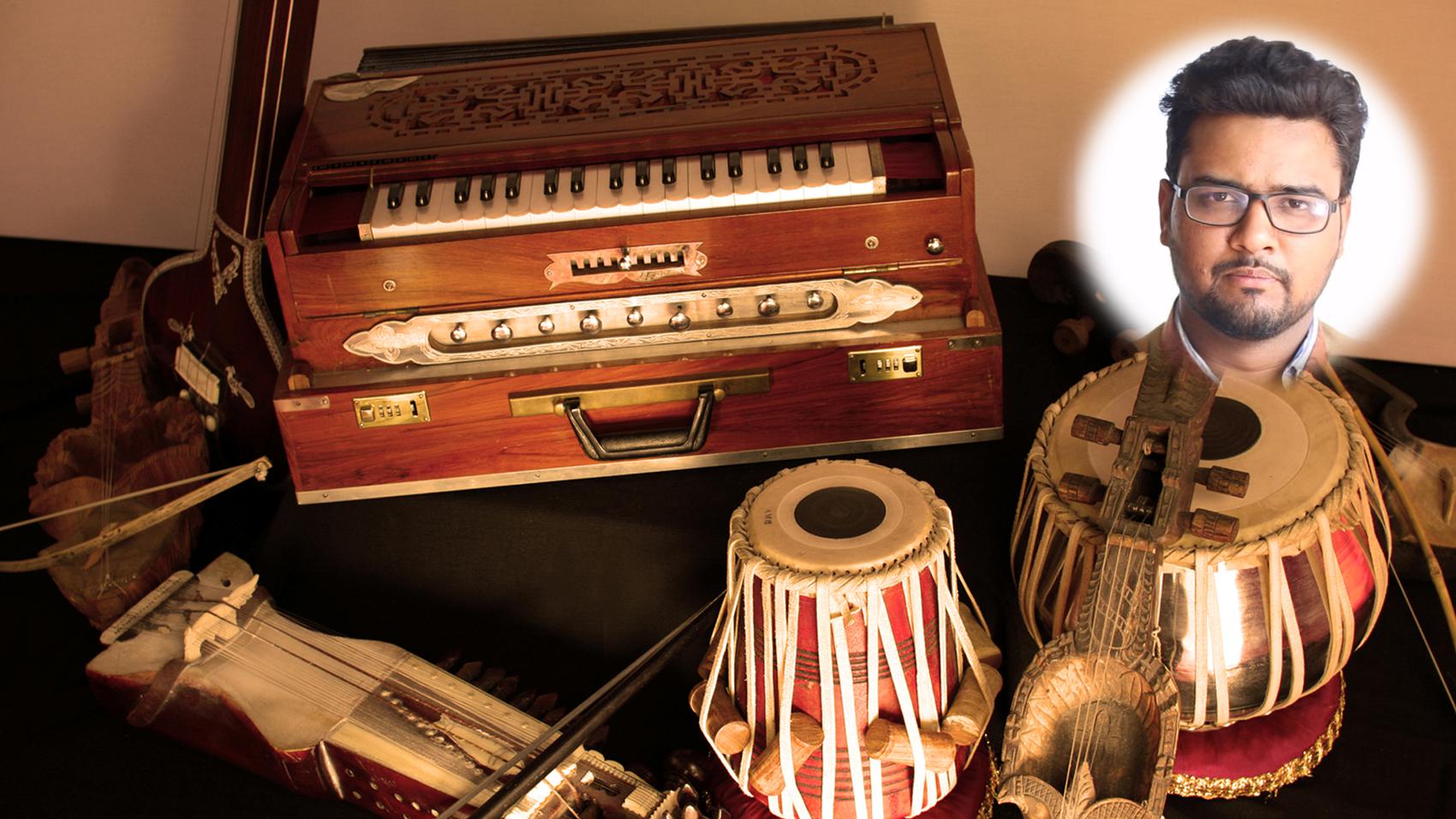
Himanshu Darmora
Classical Vocalist | Various Creative Assignments
[ 15 years Experience ]

Hindustani Classical Music is the traditional music of northern areas of the Indian subcontinent, including the modern states of India, Nepal, Bangladesh and Pakistan. Its main instruments are tabla, sitar, sarod, flute and modern guitars. Hindustani (north Indian) Classical Music can be divided into melody, rhythm and harmony.

"After doing my BA in Mass Comm & Journalism from IIMC Delhi, I did MA in Hindustani Vocal from Khairagarh University and then M Phil in Hindustani Music from Himachal University. I am also a Prabhakar in Classical Music from Allahabad University. I am a visiting faculty to RIMC, CJM, Shri Ram College of Commerce and many more. I also organise various musicial shows including Abhivyakti SAPA (Society for Advancement of performing Arts)."


Career Counselling 2.0 Career Counselling 2.0 Career Counselling 2.0 Career Counselling 2.0 Career Counselling 2.0


Career in Folk Singing
Folk Singing
Geeta Ram Kanswal
Singer | Various Creative Assignments
[ 4 years Experience ]

Folk music includes both traditional music and the genre that evolved from it during the 20th century folk revival. India has a very rich traditional Folk Music. The extreme cultural diversity creates endless varieties of folk styles. Each region has its own particular style.

"I have done B Sc from DAV PG College. I developed a keen interest in Folk Music in my childhood which encouraged me to take up singing at a very young age. I have sung 70-80 songs till date, the latest song Meri Reshma Chori Suniyal being a hit. I sing Garhwali songs."


Career Counselling 2.0 Career Counselling 2.0 Career Counselling 2.0 Career Counselling 2.0 Career Counselling 2.0


Career in Indian Classical Vocalist
Indian Classical Vocalist
Avinash Mishra
Indian Vocalist | Viram Gurukul
[ 10 years & 1 month Experience ]

It is the art of classical singing where we can perform a rag with particular notes like : sa re ga ma pa da ni sa and we have lots of thigs like thumeri , kajri , bhajan etc.

"I started learning music when I was 4 years old from my great grandfather Late Pandit Hanuman Prasad Mishra Ji. I have performed in Harsh Utsav in 2008 and I have also performed for few schools and recently I taught music at DPS Dehradun for their Annual function. I love to write and compose. I have composed few music like tarana in Rag jog. I have been teaching vocal at Viram Gurukul (its gurukul of Pandit Rajan Sajan Mishra Ji.) since 2007."


Career Counselling 2.0 Career Counselling 2.0 Career Counselling 2.0 Career Counselling 2.0 Career Counselling 2.0


Career in Singing
Singing
Jaspal Rana
Singer | Various Assignments
[ 21 years Experience ]

Make musical sounds with the voice, especially words with a set tune.

"I did my Schooling from Garhwal. I only did my education till 7th class. I have written several songs for Garhwali Movies and Albums. I have also worked as a singer in Song and Drama Division for 4 years. I have performed with various prominent artists."


Career Counselling 2.0 Career Counselling 2.0 Career Counselling 2.0 Career Counselling 2.0


Career in Professional Singing
Professional Singing
Suraj Bhandari
Singer | Various Singing Assignments
[ 4 years & 7 months Experience ]

Singing is the act of producing musical sounds with the voice and augments regular speech by the use of sustained tonality, rhythm, and a variety of vocal techniques. A person who sings is called a singer or vocalist.

"I am trained in Indian Classical Music from Saptak College of Performing Arts. I also teach music at the same institute. I sing at various stage shows."


Career Counselling 2.0 Career Counselling 2.0 Career Counselling 2.0 Career Counselling 2.0 Career Counselling 2.0


Career in Live Singing
Live Singing
Khek Ram
Singer | Various Music Assignments
[ 3 years Experience ]

On a night when a performer isn't feeling well or during sections of a concert that are physically taxing, a singer can rely on what's called guide vocals. At predetermined moments, an engineer controlling the concert's audio can smoothly mix down the artist's live singing and mix up a prerecorded vocal performance.

"I did my Schooling from Manali. After that did a computer course from Delhi and Ghaziabad. I worked with a Travel and tourism line for 3 to 4 years. I then shifted back to Manali and started live singing there."


Career Counselling 2.0 Career Counselling 2.0 Career Counselling 2.0 Career Counselling 2.0 Career Counselling 2.0


Career in Devotional Singing
Devotional Singing
Mukta
Singer & Co-ordinator | Awaken Love Band
[ 5 years Experience ]

Devotional singing is singing that originates in the heart. It is the expression of the joyous thrill that wells up from the heart when the Glory of God is remembered. It is the spontaneous manifestation of inner ecstasy.

"I have a Bachelors in Naturopathy. I have also completed a course in Yoga Teacher Training. I met Prem Baba in 2013 and found my calling in music. Ever since, I have been working with Prem Baba in Awaken Love Movement. I am a Singer and Co-ordinator with Awaken Love Band."


Career Counselling 2.0 Career Counselling 2.0 Career Counselling 2.0 Career Counselling 2.0


[Install the LifePage App to access all Talks]


<?php echo $altimage; ?>


<?php echo $altimage; ?>


&mbsp;


Career Counselling 2.0 | Home   Home  
Career Counselling 2.0 | Abroad   Abroad  
Career Counselling 2.0 | Plan   Plan  
Career Counselling 2.0 | Talks   Talks  
Career Counselling 2.0 | Philosophy   Philosophy  
Career Counselling 2.0 | Seminar   Seminar  
Career Counselling 2.0 | Workshop   Workshop  
Career Counselling 2.0 | Pages   Pages  
Career Counselling 2.0 | Advisors   Advisors  
Career Counselling 2.0 | Discuss   Discuss  
Career Counselling 2.0 | Meet   Meet  
Career Counselling 2.0 | Advisor   Advisor  
Career Counselling 2.0 | Story   Story  
Career Counselling 2.0 | Fine Print   Fine Print  
Career Counselling 2.0 | Links   Links  
Career Counselling 2.0 | Blog   Blog  
Career Counselling 2.0 | Testimonials   Testimonials  
Career Counselling 2.0 | Follow   Follow  
 
[ Site Visits ]


Career Counselling 2.0