Career Counselling 2.0 HomeHomeCareer Counselling 2.0 AbroadAbroadCareer Counselling 2.0 PlanPlanCareer Counselling 2.0 | TalksTalksCareer Counselling 2.0 PhilosophyPhilosophyCareer Counselling 2.0 SeminarSeminarCareer Counselling 2.0 PagesPagesCareer Counselling 2.0 AdvisorsAdvisorsCareer Counselling 2.0 TestimonialsTestimonials

Professional Singing

Singer Vivek Badoni talks about Professional Singing course, what is Professional Singing and other details about a Career in Professional Singing.


Professional Singing

Vivek Badoni | Singer | Independent Practice


What is Professional Singing?


A Career in Professional Singing is very intriguing. One should first understand What a Career in Professional Singing entails before investing time and effort to figure out How to start a Career in Professional Singing. It is best to learn about Professional Singing from a real professional, this is akin to getting it from the horse's mouth.

With 6 years & 11 months of professional experience, Singer Vivek Badoni understands Professional Singing. Singer Vivek Badoni outlines Professional Singing as:

Singing is the act of producing musical sounds with the voice and augments regular speech by the use of sustained tonality, rhythm, and a variety of vocal techniques. A person who sings is called a singer or vocalist.


How Singer Vivek Badoni got into Professional Singing?


After doing my B Tech from Tulas Institute Dehradun, I worked with HCL and did freelancing as a Web Designer in various assignments. I was always inclined towards music and joined Bhairavas, a Musical Band in 2012. I am also working on a project titled Maathu Re Dreamhouse which is an Urban Folk Independent Music initiative.


Singer Vivek Badoni's Talk on Professional Singing


Session Image
The Journey of Professional Singing


What Is Professional Singing


Professional Singing

### Professional Singing Image

Professional singing is the art and practice of performing vocal music as a paid occupation. It involves using trained vocal techniques to interpret songs across various genres, often in live performances, recordings, or media productions. Professional singers may work solo or as part of ensembles, bands, or choirs.

Professional singing holds significant cultural and personal value, shaping entertainment, arts, and even social movements. For singers, it offers a platform to express creativity, connect emotionally with audiences, and build a unique personal brand. The career provides opportunities for artistic fulfillment, financial rewards through performances and recordings, and the chance to travel and collaborate with other talented professionals. Additionally, professional singing can foster personal growth by developing discipline, confidence, and resilience. The impact extends beyond the individual, as singers often inspire, comfort, and unite listeners, making their work meaningful both personally and within society.

A professional singer might work as a lead vocalist in a touring band, performing at concerts, festivals, and private events. This role requires not only vocal excellence but also the ability to engage audiences, adapt to different venues, and collaborate with musicians and sound engineers. The singer spends time rehearsing, recording new material, and promoting their work through social media and interviews. They may also teach aspiring vocalists or participate in charity events, using their platform to support causes they care about. Through these activities, the singer builds a reputation, expands their network, and sustains a dynamic and rewarding career in the music industry.

Education


Classical Music

### Classical Music Image

Classical music refers to a broad tradition of Western art music spanning from the Medieval period to the present, with a particular emphasis on works from the Baroque, Classical, and Romantic eras. It is characterized by structured forms, complex harmonies, and written notation, forming a cornerstone of professional vocal training and performance.

Understanding classical music is essential for anyone pursuing a career in professional singing, as it provides the technical and theoretical foundation upon which vocal artistry is built. Mastery of classical repertoire develops a singer’s control, range, and expressive capabilities, while also instilling a deep appreciation for musical structure and historical context. This knowledge is not only crucial for performing classical works but also enhances versatility, enabling singers to adapt to various genres with greater skill and confidence. Over the long term, a solid grounding in classical music opens doors to diverse opportunities, from opera and concert performance to teaching and music direction, ensuring sustained professional growth and artistic credibility.

Consider a professional singer preparing for an audition with a renowned opera company. Their understanding of classical music allows them to interpret an aria by Mozart with stylistic accuracy, respecting phrasing, dynamics, and ornamentation as intended by the composer. During rehearsals, this theoretical knowledge enables effective communication with conductors and accompanists, as the singer can discuss tempo, articulation, and historical performance practices with authority. In daily practice, the singer applies classical vocal techniques such as breath control, resonance, and diction, all of which are rooted in classical training. This comprehensive grasp of classical music not only enhances the quality of their performance but also demonstrates professionalism and depth to potential employers.

Voice Culture

### Voice Culture Image

Voice Culture is the systematic study and practice of developing, refining, and maintaining the human voice for optimal performance. It encompasses techniques, exercises, and scientific understanding aimed at enhancing vocal quality, flexibility, and endurance. In professional singing, Voice Culture is a cornerstone of both academic training and ongoing professional development.

Understanding Voice Culture is essential for anyone pursuing a career in professional singing because it forms the bedrock of vocal health and artistic expression. Mastery of this subject enables singers to unlock their full vocal potential, prevent strain or injury, and adapt their voices to various musical styles and performance environments. By internalizing the principles of Voice Culture, professionals gain the ability to sustain long-term careers, as they are equipped to maintain vocal consistency and resilience even under demanding schedules. Furthermore, this knowledge fosters self-awareness and technical control, allowing singers to deliver emotionally compelling performances while safeguarding their instrument. Ultimately, Voice Culture is not just a technical requirement but a lifelong asset that supports both creative growth and professional longevity.

A professional singer preparing for a week-long series of live performances draws upon their understanding of Voice Culture to manage their vocal health and performance quality. Each day, they begin with targeted warm-up exercises learned through their training, focusing on breath control, resonance, and articulation. During rehearsals, they consciously monitor their posture and vocal placement to ensure efficient sound production without unnecessary tension. If they notice signs of fatigue or strain, they apply restorative techniques to recover and avoid potential injury. By integrating these practices into their daily routine, the singer maintains a consistent vocal tone and stamina throughout the demanding schedule, demonstrating how theoretical knowledge of Voice Culture directly supports practical success in a professional context.

Music Instruments

### Music Instruments Image

Music instruments are devices or tools created to produce musical sounds, encompassing a wide range of categories such as strings, percussion, woodwinds, brass, and electronic instruments. In the context of professional singing, understanding music instruments is essential for effective collaboration, arrangement, and interpretation within both academic study and professional performance environments.

A thorough understanding of music instruments is vital for professional singers because it enhances their ability to communicate with accompanists, composers, and producers. This knowledge allows singers to interpret scores more accurately, adapt their vocal delivery to complement different instrumental timbres, and participate meaningfully in ensemble settings. Familiarity with the capabilities and limitations of various instruments also aids in crafting more expressive performances and making informed artistic choices. Over the course of a career, this foundational knowledge opens doors to diverse opportunities, such as studio recording, live performance, and musical direction, while fostering a deeper appreciation for the collaborative nature of music-making.

Consider a professional singer preparing for a live concert with a jazz ensemble. Their understanding of music instruments enables them to anticipate the phrasing and dynamics of the saxophone, piano, and drums, allowing for seamless interaction during improvisational sections. When rehearsing, the singer communicates effectively with the pianist about chord voicings and with the drummer about rhythmic accents, ensuring the arrangement supports their vocal interpretation. This theoretical grounding empowers the singer to adjust their performance in real time, blending their voice harmoniously with the instruments and elevating the overall musical experience for both the ensemble and the audience.

Forms of Music

### Forms of Music Image

Forms of Music refers to the structural framework that organizes musical compositions, encompassing patterns such as verse-chorus, sonata, binary, ternary, and rondo forms. In professional singing, understanding these forms is essential, as it underpins the interpretation, memorization, and performance of diverse musical works across genres and historical periods.

A thorough grasp of Forms of Music is indispensable for anyone pursuing or advancing a career in professional singing. This knowledge enables singers to navigate complex compositions with confidence, anticipate musical transitions, and deliver performances that are both technically accurate and emotionally compelling. By internalizing musical structures, singers can collaborate more effectively with accompanists, conductors, and ensemble members, ensuring cohesive interpretations. Over time, this foundational understanding enhances a singer’s versatility, allowing them to adapt to various styles, genres, and performance settings. Ultimately, mastery of musical forms not only elevates artistic expression but also opens doors to broader professional opportunities, from solo recitals to ensemble work and teaching roles.

Consider a professional singer preparing for an audition that requires performing an aria from a classical opera. Drawing on their knowledge of Forms of Music, the singer identifies the aria’s structure, recognizing the exposition, development, and recapitulation sections. This awareness allows them to shape their vocal delivery, emphasizing thematic contrasts and emotional shifts at key moments. During rehearsals, the singer communicates effectively with the accompanist, ensuring seamless transitions between sections and maintaining the integrity of the piece. On stage, their understanding of the form guides their interpretation, resulting in a performance that is both musically coherent and emotionally resonant, impressing both the audition panel and the audience.

Skills


Emotions

### Emotions Image

Emotions refer to the ability to recognize, understand, and express feelings authentically, both personally and in response to others. In professional singing, emotions are crucial for conveying the intended message of a song, connecting with audiences, and delivering performances that resonate deeply and leave a lasting impact.

Mastering emotions enhances a singer’s ability to interpret lyrics and melodies with genuine feeling, transforming technical proficiency into memorable artistry. Audiences and employers value singers who can evoke strong emotional responses, as this creates a powerful connection and elevates the overall experience. Cultivating emotional skill involves self-reflection, empathy, and consistent practice in expressing a range of feelings through voice and body language. Singers can develop this skill by studying diverse musical genres, observing accomplished performers, and seeking feedback from mentors. Over time, this emotional awareness becomes second nature, allowing singers to adapt their performances to different contexts and audiences, ultimately making them more versatile and in demand within the industry.

Imagine a professional singer preparing for a live concert where the setlist includes a deeply personal ballad about loss. During rehearsal, the singer taps into their own experiences with grief, channeling those emotions into their vocal delivery. On stage, this authenticity resonates with the audience, many of whom have faced similar feelings. The singer’s emotional expression transforms the performance from a simple rendition into a shared, cathartic experience. As a result, the audience feels seen and understood, leading to a standing ovation and positive reviews. In this scenario, the singer’s ability to access and convey emotions not only solves the challenge of connecting with listeners but also elevates their professional reputation.

Focus & Practice

### Focus & Practice Image

Focus & Practice is the disciplined ability to concentrate fully on vocal technique, musical interpretation, and performance goals while engaging in consistent, purposeful rehearsal. In professional singing, this skill ensures that artists refine their craft, overcome challenges, and deliver high-quality performances, making it indispensable for sustained career growth and artistic excellence.

Focus & Practice directly enhances a singer’s technical precision, emotional expression, and stage presence. By dedicating time to deliberate practice, singers strengthen their vocal control, expand their repertoire, and build confidence for live performances or studio sessions. Clients and employers highly value this skill because it leads to reliable, polished results and minimizes costly mistakes during important engagements. Cultivating Focus & Practice involves setting clear goals, maintaining a structured rehearsal schedule, and seeking feedback from mentors or peers. Over time, this commitment transforms raw talent into professional mastery, enabling singers to adapt to new styles, handle demanding roles, and consistently meet the expectations of audiences and collaborators.

Imagine a professional singer preparing for a high-profile audition with only a week’s notice. The repertoire includes challenging pieces outside their usual genre. By applying Focus & Practice, the singer organizes daily sessions to break down each song, address technical hurdles, and internalize stylistic nuances. They record rehearsals, analyze their performance, and make targeted improvements. This concentrated effort not only helps them master the material quickly but also boosts their confidence under pressure. On audition day, the singer delivers a compelling, error-free performance, impressing the panel and securing the opportunity. Without Focus & Practice, such rapid and effective preparation would be nearly impossible, highlighting its critical role in professional success.

Listening

### Listening Image

Listening is the focused and intentional act of perceiving, interpreting, and understanding sounds, words, and musical nuances with accuracy and empathy. In professional singing, listening is crucial for tuning, blending with other musicians, interpreting feedback, and connecting emotionally with both the music and the audience, ensuring authentic and effective performances.

Listening is fundamental to a singer’s growth and artistry. By honing this skill, singers can accurately match pitch, adapt to changes in accompaniment, and respond to subtle cues from conductors or fellow performers. Clients and employers highly value singers who listen well because it leads to fewer mistakes, smoother rehearsals, and more cohesive performances. Over time, singers can cultivate listening by engaging in active ear training, participating in ensemble work, and seeking constructive feedback. Regularly recording and reviewing their own performances also sharpens their ability to self-assess and adjust. Ultimately, strong listening skills foster adaptability, professionalism, and a deeper musical connection, all of which are essential for a successful singing career.

Imagine a professional singer rehearsing with a live band for an important concert. During the rehearsal, the band unexpectedly changes the tempo and dynamics of a song. The singer, relying on keen listening skills, immediately notices these shifts and adjusts their phrasing, volume, and timing to match the new arrangement. By attentively listening to the instrumentalists and responding in real time, the singer not only prevents a potential breakdown in the performance but also enhances the overall musical experience. This adaptability impresses both the band and the event organizers, leading to a seamless show and future opportunities. In this scenario, listening proves to be the key to overcoming challenges and achieving artistic success.

Presentation Skills

### Presentation Skills Image

Presentation skills encompass the ability to effectively communicate, engage, and connect with an audience through verbal and non-verbal means, including body language, voice modulation, and stage presence. In professional singing, these skills are vital for captivating listeners, conveying emotion, and delivering memorable performances that resonate beyond vocal ability alone.

Mastering presentation skills can transform a singer’s performance from technically proficient to truly unforgettable. These skills help singers command the stage, maintain audience attention, and express the story behind each song. Clients and employers value singers who not only possess vocal talent but also have the charisma and confidence to engage diverse audiences, making every performance impactful. Developing presentation skills involves consistent practice, seeking feedback, and observing accomplished performers. Singers can refine these abilities by participating in workshops, recording and reviewing their performances, and experimenting with gestures, facial expressions, and movement. Over time, this conscious effort leads to a natural, authentic stage presence that enhances both live and recorded performances.

Imagine a professional singer preparing for a high-profile concert where the audience includes influential industry figures. Midway through the performance, a technical issue disrupts the sound system, causing a brief silence. Instead of appearing flustered, the singer uses strong presentation skills to maintain composure, engage the audience with humor and direct interaction, and smoothly transition into an a cappella segment. This confident handling of an unexpected challenge not only entertains the crowd but also demonstrates professionalism and adaptability. As a result, the singer leaves a lasting impression, turning a potential setback into a showcase of poise and connection, which can lead to further opportunities and career growth.

Coordination

### Coordination Image

Coordination is the harmonious integration of physical movements, mental focus, and vocal control to achieve precise and effective performance. In professional singing, coordination enables artists to synchronize breathing, pitch, rhythm, and stage presence, ensuring seamless delivery. This skill is fundamental for managing complex vocal techniques and collaborating with musicians or ensembles.

Coordination directly enhances a singer’s performance by allowing them to manage multiple technical and expressive elements simultaneously. Clients and employers highly value this skill because it results in consistent, polished performances and smooth collaboration with other performers. A singer with strong coordination can quickly adapt to changes in tempo, key, or arrangement, making them reliable in both rehearsals and live settings. Developing coordination requires regular practice, mindful repetition of vocal exercises, and active participation in group performances. Over time, singers can refine their ability to multitask, respond to cues, and maintain composure under pressure, all of which are essential for a successful career in professional singing.

Imagine a professional singer performing live with a band during a televised concert. Midway through a song, the bandleader signals an unexpected key change. The singer must instantly coordinate their breathing, adjust vocal placement, and modify pitch while maintaining engagement with the audience and staying in sync with the band. Thanks to well-developed coordination, the singer seamlessly adapts to the new key, delivers the performance without hesitation, and impresses both the audience and fellow musicians. This ability to respond fluidly to real-time changes not only prevents potential mishaps but also elevates the overall quality of the performance, showcasing the singer’s professionalism and versatility.

Pronunciation

### Pronunciation Image

Pronunciation is the precise articulation and enunciation of words, ensuring each syllable and sound is delivered accurately and clearly. In professional singing, pronunciation enables vocalists to convey lyrics intelligibly, connect emotionally with audiences, and honor the linguistic nuances of diverse musical genres, making it a vital skill for effective communication.

Mastering pronunciation significantly enhances a singer’s performance by ensuring that lyrics are understood and the intended message resonates with listeners. Audiences and employers alike value singers who articulate words clearly, as this fosters emotional engagement and maintains the integrity of the song’s story. Proper pronunciation is especially crucial when performing in different languages or dialects, as it demonstrates respect for the material and cultural authenticity. Singers can develop this skill through focused vocal exercises, language coaching, and attentive listening to native speakers or recordings. Over time, consistent practice and feedback help refine articulation, allowing singers to adapt seamlessly to various musical styles and linguistic demands, ultimately elevating their professional reputation and versatility.

Imagine a professional singer preparing for an international concert where they must perform a classic French chanson. Initially, the singer struggles with certain French vowel sounds, leading to mispronunciations that obscure the song’s meaning. Recognizing the issue, the singer works closely with a language coach, practicing each lyric until the pronunciation is authentic and clear. On the night of the performance, the singer’s precise articulation allows the audience, many of whom are native French speakers, to fully appreciate the emotional depth and narrative of the song. The positive audience reaction and critical acclaim highlight how mastering pronunciation not only solved a potential barrier but also elevated the singer’s artistry and professional standing.

Positives


Expression

### Expression Image

Expression is the ability to convey emotions, thoughts, and stories through vocal tone, dynamics, and performance style, transforming lyrics and melodies into deeply personal and relatable experiences. In professional singing, expression allows artists to connect with audiences on an emotional level, making each performance unique and memorable. This positive aspect enriches the profession by fostering creativity, authenticity, and a sense of purpose, as singers use their voices not just to entertain, but to communicate and inspire. Expression is the heart of professional singing, turning technical skill into genuine artistry and enabling singers to leave a lasting impact on listeners and themselves.

The power of expression in professional singing is a driving force behind job satisfaction and personal growth. When singers are able to infuse their performances with genuine emotion and individuality, they experience a profound sense of fulfillment. This creative freedom not only distinguishes them from others but also nurtures their artistic identity, encouraging continual development and exploration. Expression allows singers to process and share their own experiences, making their work deeply meaningful. Audiences respond to this authenticity, creating a feedback loop of appreciation and inspiration. Every day, professional singers benefit from the opportunity to express themselves, turning routine performances into moments of connection and self-discovery that fuel their passion for the craft.

Imagine a professional singer preparing for a live concert, choosing a song that resonates with a personal experience of heartbreak and healing. As the music begins, the singer channels raw emotion into every note, allowing vulnerability and honesty to shape the performance. The audience, sensing the authenticity, becomes visibly moved—some are brought to tears, others find comfort in shared feelings. After the show, listeners approach the singer to express how the performance touched their lives and helped them feel understood. In this moment, the singer experiences the true reward of expression: the ability to transform personal stories into universal connections, making a meaningful difference through the art of singing.

Satisfaction

### Satisfaction Image

Satisfaction is the deep sense of fulfillment and contentment that arises when personal goals, passions, and values align with one’s daily work and achievements. In professional singing, satisfaction emerges from expressing creativity, connecting with audiences, and witnessing the transformative power of music, making every performance and milestone deeply meaningful.

The satisfaction derived from a career in professional singing is a powerful motivator that fuels passion and perseverance. When singers feel genuinely fulfilled by their craft, they are more likely to invest time in honing their skills, exploring new genres, and pushing creative boundaries. This intrinsic reward not only enhances their overall well-being but also translates into more authentic and emotionally resonant performances. The daily experience of satisfaction encourages singers to embrace challenges, celebrate progress, and remain resilient through setbacks. As a result, satisfaction becomes a driving force behind sustained career growth, artistic innovation, and a lasting sense of purpose in the ever-evolving world of music.

Imagine a professional singer who has spent months preparing for a major concert. As the final note echoes through the auditorium, the audience erupts in applause, some even moved to tears. In that moment, the singer feels an overwhelming sense of satisfaction, knowing their hard work, dedication, and passion have touched lives and created unforgettable memories. This profound fulfillment is not just about public recognition, but about the realization that their voice has made a genuine difference. The singer leaves the stage inspired and motivated, eager to continue sharing their gift with the world, and confident that their career choice brings both personal joy and positive impact to others.

Recognition & Respect

### Recognition & Respect Image

Recognition & Respect refers to the admiration, appreciation, and esteem that singers receive from audiences, peers, and the broader community for their talent, dedication, and artistic contributions. This acknowledgment not only validates their hard work but also elevates their status, fostering a sense of pride and belonging within the music industry.

The presence of recognition and respect in a professional singing career is a powerful motivator that enhances both personal and professional fulfillment. When singers are celebrated for their unique voices and performances, it boosts their confidence and encourages them to continue honing their craft. This positive feedback loop leads to greater job satisfaction, as artists feel valued and understood. Recognition from fans and industry professionals can open doors to new opportunities, collaborations, and creative projects, fueling career growth. On a daily basis, singers experience this benefit through applause, positive reviews, and supportive interactions, all of which reinforce their sense of purpose and inspire them to reach new artistic heights.

Imagine a professional singer performing at a sold-out concert, where the audience rises in a standing ovation at the end of a heartfelt ballad. After the show, fans approach with words of admiration, and fellow musicians express their respect for the singer’s artistry and stage presence. This outpouring of recognition and respect leaves the singer feeling deeply fulfilled, knowing their hard work and passion have touched others. The experience not only boosts their confidence but also motivates them to continue pursuing excellence in their craft. Such moments become cherished memories, reminding the singer of the profound impact their music has on people’s lives and reinforcing their commitment to their profession.

Continuous Learning

### Continuous Learning Image

Continuous Learning is the ongoing process of acquiring new knowledge, skills, and experiences throughout one’s career, rather than relying solely on initial training or education. In professional singing, this mindset fosters artistic growth, adaptability, and resilience, enabling singers to evolve with changing musical styles, vocal techniques, and industry demands, ensuring sustained success.

Continuous Learning is a cornerstone of fulfillment and advancement in professional singing. It keeps the journey dynamic, allowing singers to explore new genres, master advanced vocal techniques, and collaborate with diverse musicians. This constant evolution prevents stagnation and burnout, making each day on the job fresh and exciting. Singers who embrace learning find themselves more adaptable to industry trends, which can lead to greater opportunities and recognition. The sense of achievement that comes from conquering new challenges boosts confidence and job satisfaction, while also inspiring creativity. Ultimately, continuous learning transforms a singing career into a lifelong adventure, where growth is both personal and professional, and every performance becomes a testament to ongoing development.

Imagine a professional singer who has spent years performing classical repertoire but decides to expand into jazz. Through dedicated study, vocal coaching, and collaboration with jazz musicians, she learns to improvise, adapt her technique, and interpret music in new ways. This journey not only enhances her vocal abilities but also reignites her passion for performing. Each rehearsal and performance becomes an opportunity to apply new skills and discover fresh artistic expression. The excitement of mastering a new genre and the positive feedback from audiences and peers reinforce her commitment to continuous learning. This experience enriches her career, making her a more versatile and fulfilled artist.

Challenges


Personal Challenges

### Personal Challenges Image

Personal challenges in professional singing refer to the internal struggles and life circumstances that affect a singer’s emotional well-being, mental health, and motivation. These may include self-doubt, performance anxiety, personal loss, or balancing family responsibilities, making it demanding due to the emotional vulnerability and consistency required in a high-pressure, public-facing career.

Personal challenges can significantly disrupt a singer’s daily routine, affecting focus, vocal performance, and creative output. The emotional toll may lead to missed opportunities or burnout, making resilience essential. Successful professionals often develop strong support networks, practice self-care, and seek professional guidance when needed. They learn to compartmentalize personal issues during performances and maintain routines that foster stability. By acknowledging their vulnerabilities and proactively addressing them, singers can sustain their passion and professionalism, even during difficult times. This adaptability not only preserves their artistry but also ensures longevity in a competitive industry where personal well-being is closely tied to professional success.

Consider a professional singer who experiences the loss of a loved one during a demanding concert tour. Despite overwhelming grief, she recognizes the importance of her commitments and seeks support from fellow musicians and a counselor. She allows herself time to process her emotions privately, while maintaining her rehearsal and performance schedule. By openly communicating her situation to her team, she receives understanding and flexibility, which helps her manage stress. Through this balance of vulnerability and professionalism, she delivers heartfelt performances that resonate deeply with audiences, turning personal adversity into artistic strength and demonstrating how personal challenges, when managed thoughtfully, can enrich both personal growth and professional artistry.

Ambience

### Ambience Image

In professional singing, "Ambience" refers to the acoustic environment and background conditions in which a performance takes place. This includes factors such as room acoustics, audience noise, reverberation, and external sounds. Ambience is demanding because it can unpredictably alter vocal projection, clarity, and the singer’s ability to hear themselves accurately.

Ambience significantly influences a singer’s daily work by introducing variables that can disrupt vocal performance and concentration. Unfavorable acoustics or intrusive background noise can make it difficult to maintain pitch, timing, and emotional connection with the audience. This challenge requires resilience, as singers must adapt quickly to environments that may not be acoustically ideal. Successful professionals develop techniques such as adjusting their vocal dynamics, relying on muscle memory, and using in-ear monitors when possible. They also practice in diverse settings to build adaptability, ensuring they can deliver consistent performances regardless of the surrounding conditions. By cultivating acute listening skills and maintaining flexibility, singers can transform challenging ambience into an opportunity to showcase their professionalism and artistry.

Consider a professional singer performing at an outdoor music festival, where wind, crowd chatter, and unpredictable sound reflections create a challenging ambience. Despite these obstacles, the singer remains focused, using in-ear monitors to stay on pitch and adjusting their vocal projection to cut through the noise. They engage with the audience, drawing energy from the environment rather than being distracted by it. Through experience and preparation, the singer adapts their technique in real-time, ensuring their performance remains compelling and emotionally resonant. This ability to thrive despite less-than-ideal ambience demonstrates not only technical skill but also the resilience and adaptability essential for success in professional singing.

Social Challenges

### Social Challenges Image

Social challenges in professional singing refer to the interpersonal difficulties and pressures that arise from constant public exposure, networking demands, and the need to maintain relationships within a competitive industry. These challenges are demanding because they require emotional intelligence, adaptability, and the ability to handle criticism and social scrutiny while sustaining a positive public image.

Social challenges can significantly affect a singer’s daily work by introducing stress, anxiety, and feelings of isolation. The need to constantly interact with fans, industry professionals, and peers can be overwhelming, especially when faced with criticism or misunderstandings. This environment demands resilience, as singers must balance authenticity with professionalism while navigating complex social dynamics. Successful professionals often manage these constraints by developing strong support networks, seeking mentorship, and practicing self-care. They learn to set boundaries, communicate effectively, and focus on their artistic goals, which helps them maintain emotional stability and continue thriving in their careers despite the social pressures inherent in the industry.

Consider a professional singer who, after gaining sudden popularity, found herself overwhelmed by constant attention and unsolicited advice from both fans and industry insiders. She experienced anxiety and self-doubt due to negative comments on social media and pressure to attend numerous industry events. Recognizing the toll on her well-being, she sought guidance from a trusted mentor and began working with a therapist to develop coping strategies. By prioritizing meaningful relationships, setting clear boundaries around her personal time, and focusing on her passion for music, she gradually regained confidence. This approach allowed her to manage social challenges effectively, maintain her artistic integrity, and continue building a successful career in professional singing.

A Day Of


Professional Singing


The world of professional singing is a whirlwind of preparation, performance, and persistence, where each day pulses with the rhythm of rehearsals, vocal exercises, and the ever-present anticipation of the next big moment on stage. Far from the glamour that audiences see under the spotlight, a singer’s workday is a carefully orchestrated blend of discipline and creativity, unfolding in studios, rehearsal halls, and sometimes even in the quiet solitude of a home practice room. The pace is dynamic, shaped by the demands of upcoming performances, recording sessions, and the constant need to maintain vocal health. Every hour is a step in a journey that demands both artistry and resilience, as singers navigate the intricate balance between their passion for music and the realities of a demanding profession.

As dawn breaks, a professional singer’s day often begins with gentle vocal warm-ups and mindful breathing exercises. This early morning ritual is essential for waking up the voice and body, ensuring that both are in optimal condition for the hours ahead. Many singers use this quiet time to review their schedule, mentally rehearse challenging passages, and set intentions for the day. Hydration and a nutritious breakfast are also prioritized, laying the groundwork for sustained energy and vocal clarity.

By mid-morning, the heart of the workday is underway with intensive rehearsals, either solo or with accompanists, bands, or ensembles. This is when singers dive deep into their repertoire, focusing on perfecting phrasing, diction, and emotional delivery. The rehearsal space is alive with music, feedback, and the collaborative energy of musicians working together to bring a piece to life. Whether preparing for a live performance, a recording session, or an audition, this period is marked by concentrated effort and a relentless pursuit of excellence.

The afternoon often brings a shift toward collaboration and execution, as singers participate in meetings with producers, directors, or fellow artists to discuss upcoming projects or performances. This is also a prime time for recording sessions, live performances, or dress rehearsals, where all the morning’s preparation is put into action. The environment is charged with anticipation and focus, as every note and nuance is scrutinized and refined in real time. The singer’s adaptability and professionalism are on full display, navigating the demands of the moment while maintaining vocal stamina.

As the day winds down, professional singers turn their attention to reflection and administrative tasks. This is the time to review recordings, respond to emails, and update social media or promotional materials. Many singers also use these quieter hours to research new repertoire, schedule future gigs, and plan the next day’s practice sessions. The evening is a blend of winding down and gearing up, ensuring that both voice and mind are ready for another day in the ever-evolving world of professional singing.


Install the LifePage App to:


  1. (for Free) Watch Singer Vivek Badoni’s full Professional Singing Career Talk

  2. ₹ Do a Self Assessment on Professional Singing to calculate your Dream Index, which is defined as:

    According to Vivek Badoni your chances of success in Professional Singing is __%

  3. Access your personalized Dream Index Report which will have all your Dream Indices sorted in descending order.

Career Counselling 2.0


<?php echo $altimage; ?>


<?php echo $altimage; ?>


How to get into

Professional Singing?


If you are want to get into Professional Singing, start by investing in a Career Plan.

The 14 hour process, guided by a LifePage Career Advisor, will help you introspect and check whether your interest in Professional Singing is merely an infatuation or is it truly something you wish to do for the rest of your life.

Next, your Career Advisor will help you document how you can get into Professional Singing, what education and skills you need to succeed in Professional Singing, and what positives and challenges you will face in Professional Singing.

Finally, you will get a Career Plan stating which Courses, Certifications, Trainings and other Items you need to do in the next 7 years to become world’s best in Professional Singing.


LifePage Career Plan

14 hour personalized guidance program


Your LifePage Career Advisor facilitates your guided introspection so that you systematically explore various Career options to arrive at a well thought out Career choice.

Next: your Advisor helps you figure out how you will get into your chosen Career and how will you develop the skills needed for success in your Chosen Career.

LifePage Plan will not stop at saying "to become an Architect study Architecture". It will guide you on which Certifications, Trainings and Other items you need to do along with your Architecture education to become the world's best Architect.


Links for this Talk


LifePage Career Talk on Professional Singing


Career Counselling 2.0
[Career]
https://www.lifepage.in/careers/professional-singing-3


Career Counselling 2.0
[Full Talk]
https://lifepage.app.link/20170921-0002


Career Counselling 2.0
[Trailer]
https://www.youtube.com/watch?v=TUXyl5a1kt8


(Professional Singing, Vivek Badoni, Bhairavas Band, Singer, Music, Live Singing, Musician, Music Band, Folk Songs)


Similar Talks


Career in Professional Singing
Professional Singing
Ravi Vishnariya
Singer | Various Creative Assignments
[ 4 years & 8 months Experience ]

Singing is the act of producing musical sounds with the voice and augments regular speech by the use of sustained tonality, rhythm, and a variety of vocal techniques. A person who sings is called a singer or vocalist.

"I was interested in singing since my childhood and started practicing singing in the year 2014 at Saptak College of Performing Arts."


Career Counselling 2.0 Career Counselling 2.0 Career Counselling 2.0 Career Counselling 2.0 Career Counselling 2.0


Career in Country Music
Country Music
Bobby Cash
Country Music Artist | Several Musical Assignments
[ 23 years & 3 months Experience ]

Country Music is a music of pioneers, early settlers & cowboys who settlers the American West in 90s. It’s the music that come from roots and Rural music that tells a story.

"I am an Indian country music singer, songwriter, guitarist and composer. I live in Dehradun City, I am India's first international country music artist who has charted singles in Australia, and also for being the only Indian country music artist to be featured in a documentary film,The Indian Cowboy...One in a Billion, aired on ABC Television (Australia) in January 2004 and on Discovery channel in India in June 2004."


Career Counselling 2.0 Career Counselling 2.0 Career Counselling 2.0 Career Counselling 2.0 Career Counselling 2.0


Career in Professional Singing
Professional Singing
Sankalp Khetwal
Vocalist | Bhairavas Band
[ 4 years Experience ]

Singing is the act of producing musical sounds with the voice and augments regular speech by the use of sustained tonality, rhythm, and a variety of vocal techniques. A person who sings is called a singer or vocalist.

"I have done Visharat in Indian Classical Music from Bhatkhande Sangeet Vidalaya. I was inclined towards music since childhood and took up music as profession. I participated in Rising Star, a singing show on Colors. I have been performing with Bhairavas Band as a vocalist since 2013."


Career Counselling 2.0 Career Counselling 2.0 Career Counselling 2.0 Career Counselling 2.0 Career Counselling 2.0


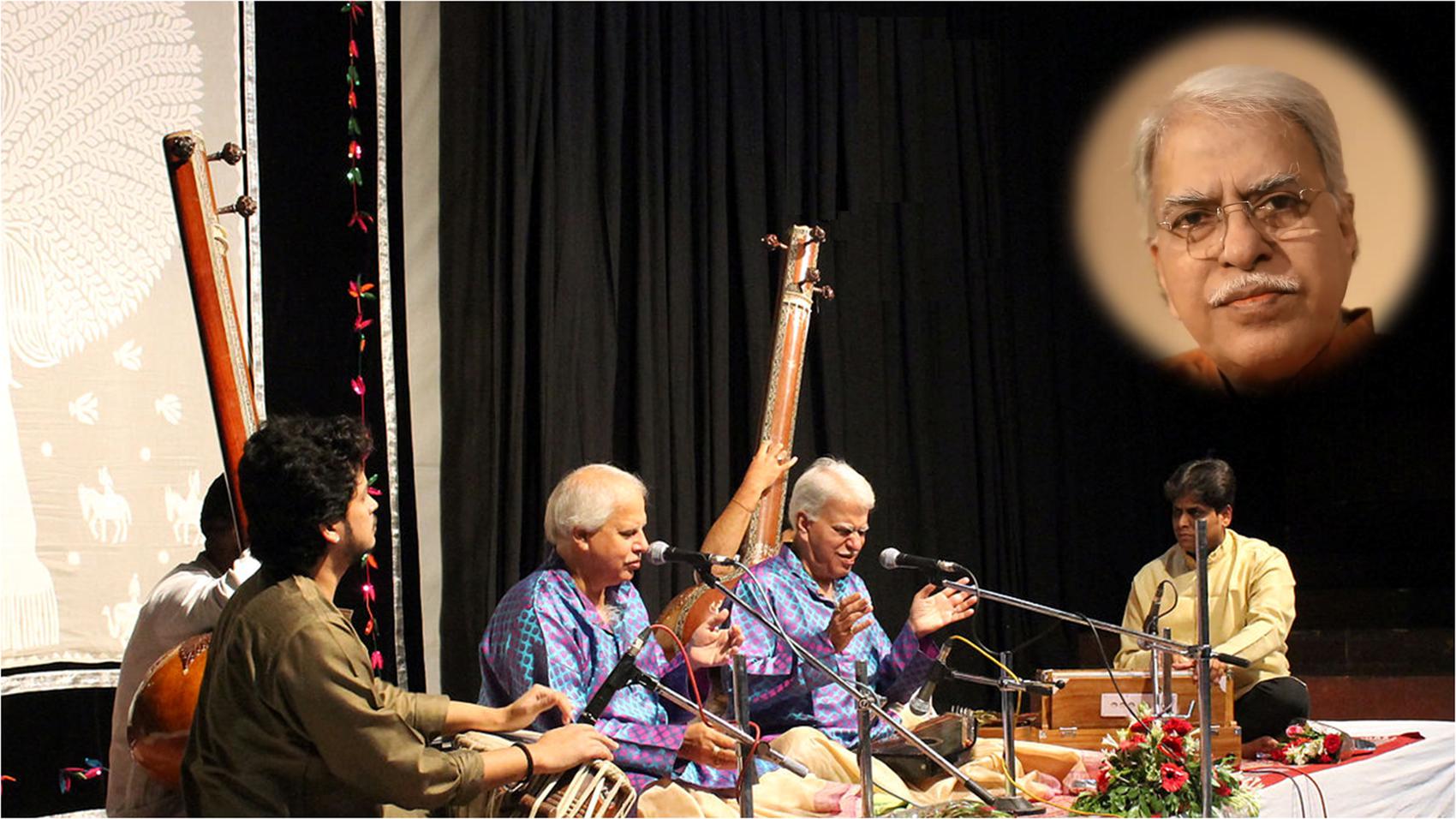
Career in Indian Classical Singing
Indian Classical Singing
Late Pt Rajan Mishra
Music Artist | Various Creative Music Assignments
[ 44 years & 8 months Experience ]

Indian Classical Music is an ancient form of music, its establishment was done taking in account of nature and human emotions. Just like the nature is made of five elements similarly humans are also made up of these elements and indian classical music is also consisted in the same manner. The video describes the skills required for Indian Classical Music and also the positives and challenges one has to face if they go further ahead in Indian Classical Music.

"I was born and brought up in Varanasi. I received my initial musical training from my grandfather's brother, Bade Ram Das Ji Misra, and also their father, Hanuman Prasad Misra, and from their uncle, sarangi virtuoso, Gopal Prasad Misra, and started performing while I was still in teens. I moved to Ramesh Nagar in Delhi, in 1977, gave my first concert abroad, in Sri lanka in 1978, and soon went on to perform in many countries across the world including, Germany, France, Switzerland, Austria, USA, UK, The Netherlands, USSR, Singapore, Qatar, Bangladesh and Muscat."


Career Counselling 2.0 Career Counselling 2.0 Career Counselling 2.0 Career Counselling 2.0 Career Counselling 2.0


Career in Professional Singing
Professional Singing
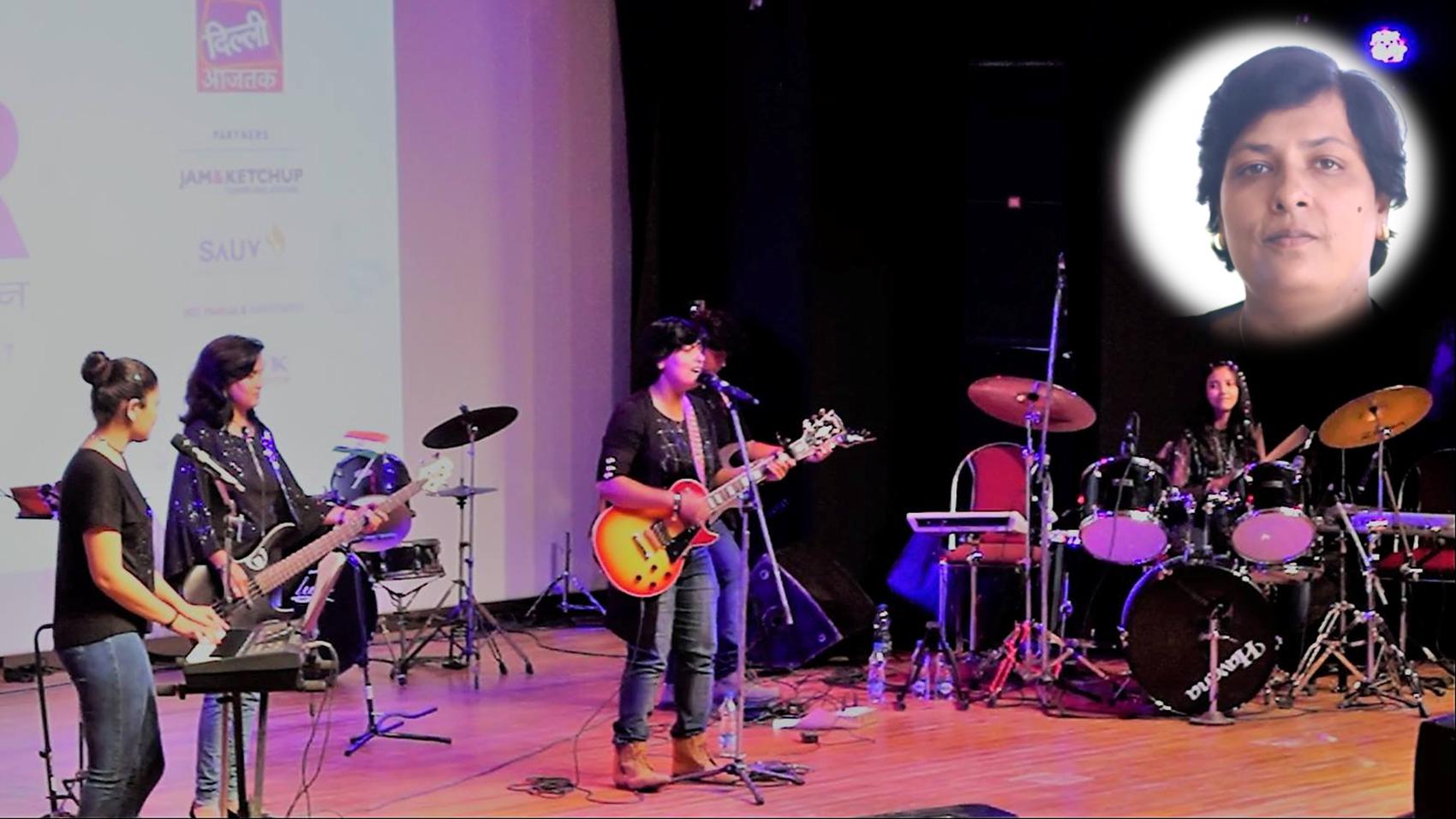
Swati Singh
Singer | Womania Band
[ 31 years Experience ]

Professional singers perform songs in front of live audiences and record music in recording studios

"I have been practicing singing since childhood and after working in school and banking field, I have started music institute called Saptak Institute of Performing Arts and also managing Womenia band."


Career Counselling 2.0 Career Counselling 2.0 Career Counselling 2.0 Career Counselling 2.0 Career Counselling 2.0


Career in Folk Singing
Folk Singing
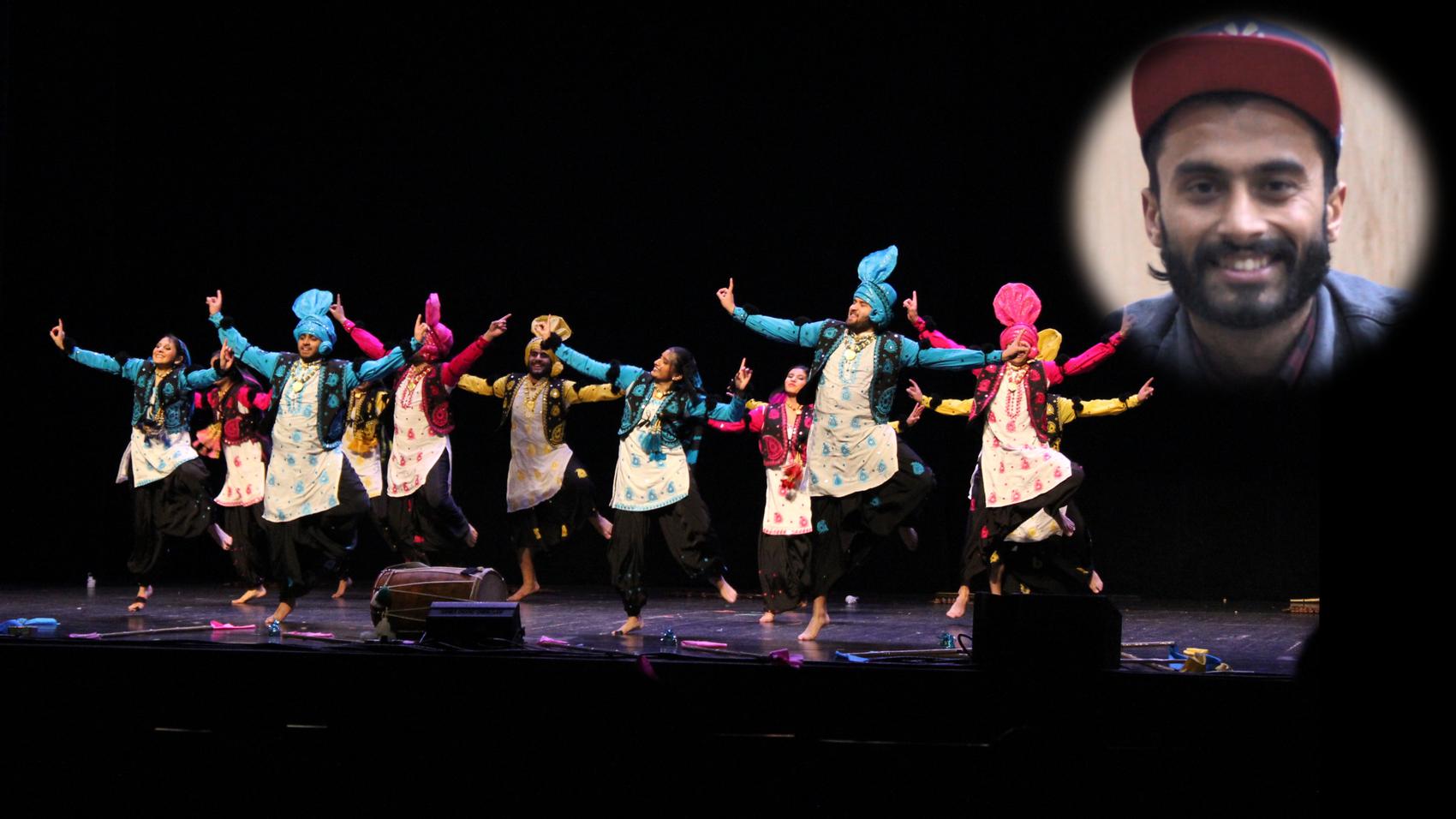
Harsh Sharma
Singer | Various Stage Shows
[ 4 years & 3 months Experience ]

Folk music includes both traditional music and the genre that evolved from it during the 20th century folk revival. India has a very rich tradition of folk music. The extreme cultural diversity creates endless varieties of folk styles. Each region has its own particular style.

"I did my schooling from KK International School and Bachelors in Arts from MM Modi College, Patiala. I have been involved in different singing assignments since 2015."


Career Counselling 2.0 Career Counselling 2.0 Career Counselling 2.0 Career Counselling 2.0 Career Counselling 2.0


Career in Singing
Singing
Kapil Verma
Solo Performer | Lodhi Hotel New Delhi
[ 6 years & 4 months Experience ]

Singing is the act of producing musical sounds with the voice and augments regular speech by the use of sustained tonality, rhythm, and a variety of vocal techniques. A person who sings is called a singer or vocalist.

"After completing my schooling from Guru Nanak School, I did B A from DAV College, Dehradun. I am a Vocalist at Rubab Band, and also working with Lodhi Hotel in Delhi as a Solo Performer."


Career Counselling 2.0 Career Counselling 2.0 Career Counselling 2.0 Career Counselling 2.0 Career Counselling 2.0


Career in Professional Singing
Professional Singing
Neeta Pandey Negi
Singer | Roohani Sisters
[ 5 years & 8 months Experience ]

Professional singers usually build their careers around one specific musical genre, such as classical or rock, although there are singers with crossover success (singing in more than one genre). They typically take voice training provided by voice teachers or vocal coaches throughout their careers.

"After completing my BA and MA in music from Miranda House, Delhi, I did M Phil and Ph D from music department of Delhi University. I have done music training from Kirana Gharana by Charanjeet Soni Ji and Ustad Iqbaal Ahmed Khan Saheb (Dilli Gharana). I have attended various National and International reality shows and since 2008, I am associated with my Band called Roohani Sisters which is a Sufi Jugalbandi Band and was empanelled by ICCR IN 2009."


Career Counselling 2.0 Career Counselling 2.0 Career Counselling 2.0 Career Counselling 2.0 Career Counselling 2.0


Career in Professional Singing
Professional Singing
Shekinah Mukhiya
Singer | Various Stage Shows
[ 4 years Experience ]

Singing is the act of producing musical sounds with the voice and augments regular speech by the use of sustained tonality, rhythm, and a variety of vocal techniques. A person who sings is called a singer or vocalist.

"I am a student of Colonel Brown School, Dehradun. I came into the spotlight after making it to the top ten of Voice of India Kids - the children's music reality show. I also perform at various stage shows with my father and actively take part in singing competitions."


Career Counselling 2.0 Career Counselling 2.0 Career Counselling 2.0 Career Counselling 2.0 Career Counselling 2.0


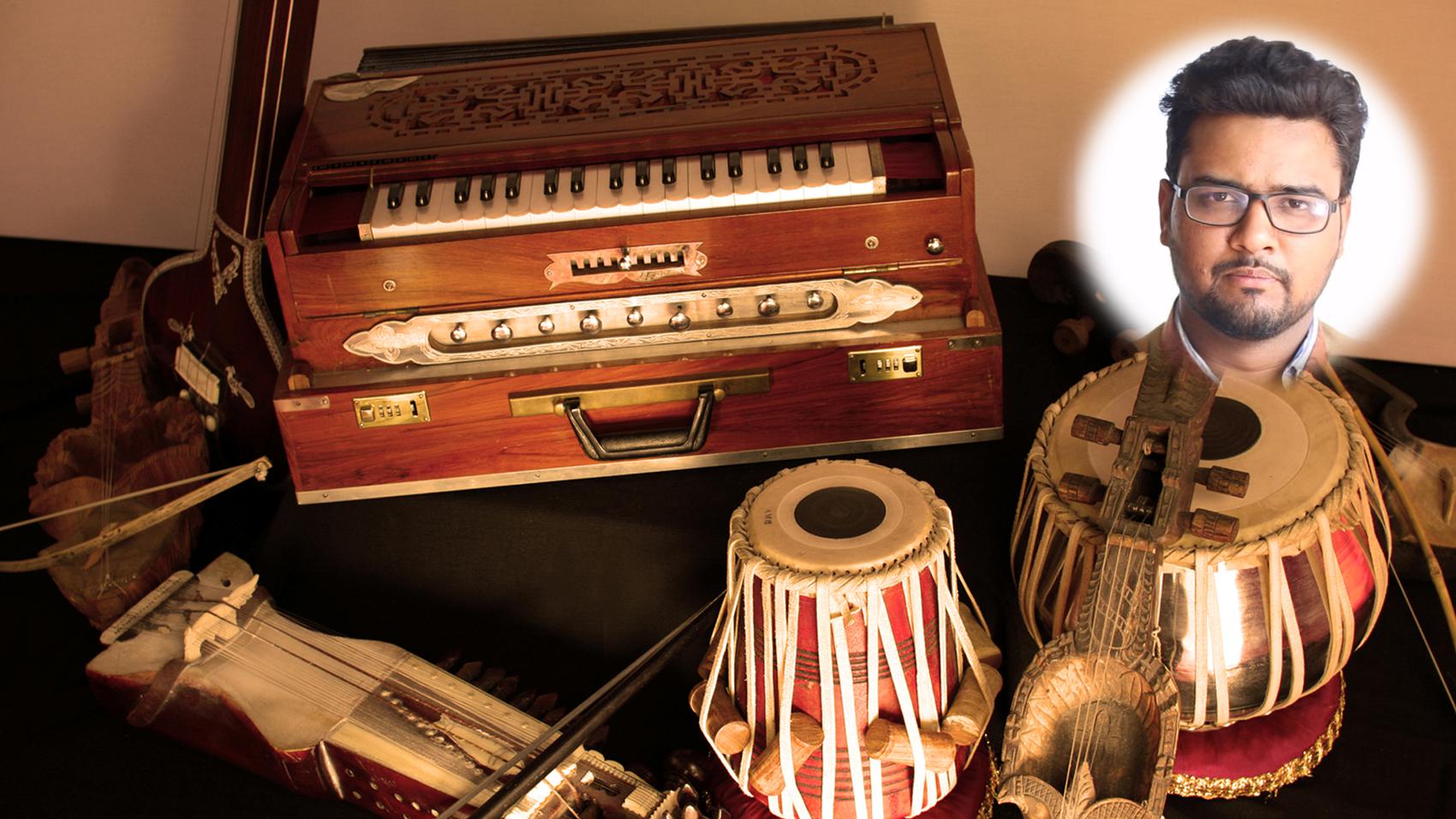
Career in Hindustani Classical Music
Hindustani Classical Music
Himanshu Darmora
Classical Vocalist | Various Creative Assignments
[ 15 years Experience ]

Hindustani Classical Music is the traditional music of northern areas of the Indian subcontinent, including the modern states of India, Nepal, Bangladesh and Pakistan. Its main instruments are tabla, sitar, sarod, flute and modern guitars. Hindustani (north Indian) Classical Music can be divided into melody, rhythm and harmony.

"After doing my BA in Mass Comm & Journalism from IIMC Delhi, I did MA in Hindustani Vocal from Khairagarh University and then M Phil in Hindustani Music from Himachal University. I am also a Prabhakar in Classical Music from Allahabad University. I am a visiting faculty to RIMC, CJM, Shri Ram College of Commerce and many more. I also organise various musicial shows including Abhivyakti SAPA (Society for Advancement of performing Arts)."


Career Counselling 2.0 Career Counselling 2.0 Career Counselling 2.0 Career Counselling 2.0 Career Counselling 2.0


Career in Folk Singing
Folk Singing
Geeta Ram Kanswal
Singer | Various Creative Assignments
[ 4 years Experience ]

Folk music includes both traditional music and the genre that evolved from it during the 20th century folk revival. India has a very rich traditional Folk Music. The extreme cultural diversity creates endless varieties of folk styles. Each region has its own particular style.

"I have done B Sc from DAV PG College. I developed a keen interest in Folk Music in my childhood which encouraged me to take up singing at a very young age. I have sung 70-80 songs till date, the latest song Meri Reshma Chori Suniyal being a hit. I sing Garhwali songs."


Career Counselling 2.0 Career Counselling 2.0 Career Counselling 2.0 Career Counselling 2.0 Career Counselling 2.0


Career in Indian Classical Vocalist
Indian Classical Vocalist
Avinash Mishra
Indian Vocalist | Viram Gurukul
[ 10 years & 1 month Experience ]

It is the art of classical singing where we can perform a rag with particular notes like : sa re ga ma pa da ni sa and we have lots of thigs like thumeri , kajri , bhajan etc.

"I started learning music when I was 4 years old from my great grandfather Late Pandit Hanuman Prasad Mishra Ji. I have performed in Harsh Utsav in 2008 and I have also performed for few schools and recently I taught music at DPS Dehradun for their Annual function. I love to write and compose. I have composed few music like tarana in Rag jog. I have been teaching vocal at Viram Gurukul (its gurukul of Pandit Rajan Sajan Mishra Ji.) since 2007."


Career Counselling 2.0 Career Counselling 2.0 Career Counselling 2.0 Career Counselling 2.0 Career Counselling 2.0


Career in Singing
Singing
Jaspal Rana
Singer | Various Assignments
[ 21 years Experience ]

Make musical sounds with the voice, especially words with a set tune.

"I did my Schooling from Garhwal. I only did my education till 7th class. I have written several songs for Garhwali Movies and Albums. I have also worked as a singer in Song and Drama Division for 4 years. I have performed with various prominent artists."


Career Counselling 2.0 Career Counselling 2.0 Career Counselling 2.0 Career Counselling 2.0


Career in Professional Singing
Professional Singing
Suraj Bhandari
Singer | Various Singing Assignments
[ 4 years & 7 months Experience ]

Singing is the act of producing musical sounds with the voice and augments regular speech by the use of sustained tonality, rhythm, and a variety of vocal techniques. A person who sings is called a singer or vocalist.

"I am trained in Indian Classical Music from Saptak College of Performing Arts. I also teach music at the same institute. I sing at various stage shows."


Career Counselling 2.0 Career Counselling 2.0 Career Counselling 2.0 Career Counselling 2.0 Career Counselling 2.0


Career in Live Singing
Live Singing
Khek Ram
Singer | Various Music Assignments
[ 3 years Experience ]

On a night when a performer isn't feeling well or during sections of a concert that are physically taxing, a singer can rely on what's called guide vocals. At predetermined moments, an engineer controlling the concert's audio can smoothly mix down the artist's live singing and mix up a prerecorded vocal performance.

"I did my Schooling from Manali. After that did a computer course from Delhi and Ghaziabad. I worked with a Travel and tourism line for 3 to 4 years. I then shifted back to Manali and started live singing there."


Career Counselling 2.0 Career Counselling 2.0 Career Counselling 2.0 Career Counselling 2.0 Career Counselling 2.0


Career in Devotional Singing
Devotional Singing
Mukta
Singer & Co-ordinator | Awaken Love Band
[ 5 years Experience ]

Devotional singing is singing that originates in the heart. It is the expression of the joyous thrill that wells up from the heart when the Glory of God is remembered. It is the spontaneous manifestation of inner ecstasy.

"I have a Bachelors in Naturopathy. I have also completed a course in Yoga Teacher Training. I met Prem Baba in 2013 and found my calling in music. Ever since, I have been working with Prem Baba in Awaken Love Movement. I am a Singer and Co-ordinator with Awaken Love Band."


Career Counselling 2.0 Career Counselling 2.0 Career Counselling 2.0 Career Counselling 2.0


Career in Devotional Singing
Devotional Singing
Mukta
Singer & Co-ordinator | Awaken Love Band
[ 5 years Experience ]

Devotional singing is singing that originates in the heart. It is the expression of the joyous thrill that wells up from the heart when the Glory of God is remembered. It is the spontaneous manifestation of inner ecstasy.

"I have a Bachelors in Naturopathy. I have also completed a course in Yoga Teacher Training. I met Prem Baba in 2013 and found my calling in music. Ever since, I have been working with Prem Baba in Awaken Love Movement. I am a Singer and Co-ordinator with Awaken Love Band."


Career Counselling 2.0 Career Counselling 2.0 Career Counselling 2.0 Career Counselling 2.0


[Install the LifePage App to access all Talks]


<?php echo $altimage; ?>


<?php echo $altimage; ?>


&mbsp;


Career Counselling 2.0 | Home   Home  
Career Counselling 2.0 | Abroad   Abroad  
Career Counselling 2.0 | Plan   Plan  
Career Counselling 2.0 | Talks   Talks  
Career Counselling 2.0 | Philosophy   Philosophy  
Career Counselling 2.0 | Seminar   Seminar  
Career Counselling 2.0 | Workshop   Workshop  
Career Counselling 2.0 | Pages   Pages  
Career Counselling 2.0 | Advisors   Advisors  
Career Counselling 2.0 | Discuss   Discuss  
Career Counselling 2.0 | Meet   Meet  
Career Counselling 2.0 | Advisor   Advisor  
Career Counselling 2.0 | Story   Story  
Career Counselling 2.0 | Fine Print   Fine Print  
Career Counselling 2.0 | Links   Links  
Career Counselling 2.0 | Blog   Blog  
Career Counselling 2.0 | Testimonials   Testimonials  
Career Counselling 2.0 | Follow   Follow  
 
[ Site Visits ]


Career Counselling 2.0