The Journey of Indian Classical Singing
What Is Indian Classical Singing
Indian Classical Music

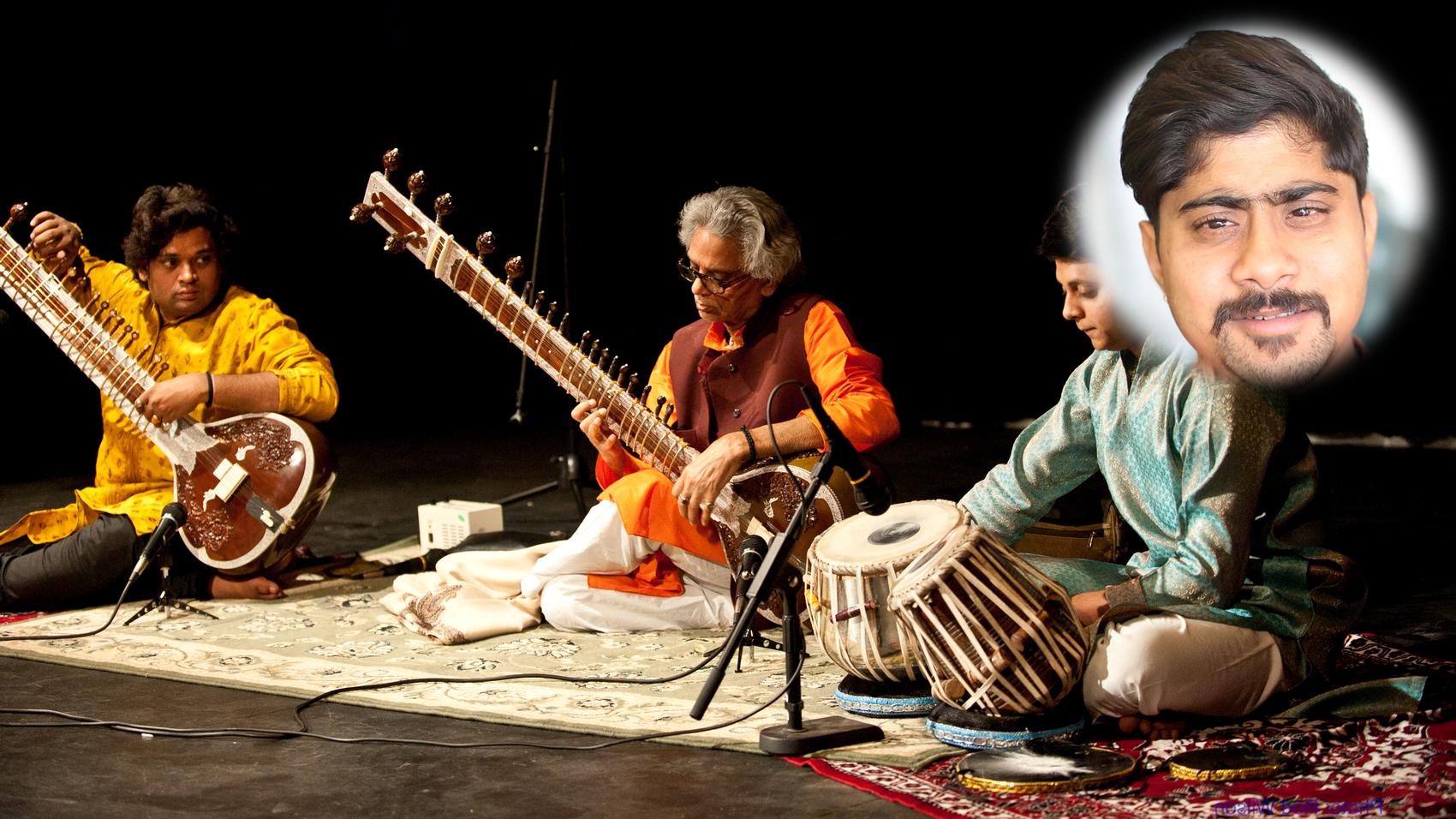
Indian Classical Music is a centuries-old musical tradition rooted in the Indian subcontinent, characterized by intricate melodic frameworks called ragas and rhythmic cycles known as talas. It encompasses two main styles, Hindustani and Carnatic, and emphasizes improvisation, emotional expression, and spiritual depth through vocal and instrumental performances.
Indian Classical Music holds immense cultural and artistic significance, shaping the identity and evolution of music in South Asia and beyond. For professionals in Indian Classical Singing, it serves as both a foundation and a lifelong journey of mastery. The rigorous training involved sharpens vocal technique, enhances creativity through improvisation, and deepens emotional intelligence by connecting performers to the spiritual and expressive aspects of music. Engaging with this tradition also fosters discipline and patience, as the learning process is gradual and immersive. Additionally, it opens doors to global collaborations and performances, allowing singers to share their art with diverse audiences while preserving and innovating within a rich musical heritage.
A professional Indian Classical singer may begin their day with hours of riyaz, or dedicated practice, focusing on perfecting a particular raga. During a concert, the singer might choose a raga based on the time of day or the mood of the audience, improvising intricate melodic patterns while adhering to the raga’s rules. The performance becomes a dynamic conversation between the singer, accompanying musicians, and listeners, with the artist drawing on years of training to evoke emotion and tell a story through music. This process not only showcases technical skill but also demonstrates the depth and versatility that Indian Classical Music offers to those pursuing a career in singing.
Education
Theory of Music

Theory of Music is the systematic study of the elements, structures, and principles that govern musical composition and performance. In Indian Classical Singing, it encompasses knowledge of ragas, talas, notation, and ornamentation, forming an essential academic and professional foundation for understanding, interpreting, and innovating within the tradition.
A deep understanding of Theory of Music is indispensable for anyone aspiring to excel in Indian Classical Singing. This subject provides the vocabulary and framework necessary to comprehend the intricate patterns of ragas and talas, enabling singers to interpret compositions authentically and creatively. Mastery of theory allows professionals to communicate effectively with accompanists, compose original pieces, and adapt to various performance contexts. Over the course of a career, theoretical knowledge supports lifelong learning, facilitates teaching, and enhances the ability to analyze and appreciate the nuances of both traditional and contemporary works. Ultimately, it empowers artists to maintain the integrity of the classical tradition while contributing to its evolution.
Consider a professional Indian Classical singer preparing for a concert featuring a rare raga. Their theoretical grounding enables them to analyze the raga’s structure, identify its characteristic phrases, and understand the permissible note sequences. During rehearsal, this knowledge guides their improvisation, ensuring that every melodic exploration remains true to the raga’s identity. When collaborating with tabla and harmonium players, the singer’s grasp of tala and notation ensures seamless coordination and dynamic interplay. In teaching settings, the singer draws upon theory to explain complex concepts to students, breaking down intricate compositions into understandable segments. Thus, theory is not just academic—it is woven into every aspect of a classical singer’s daily practice and performance.
Indian Classical Music
Indian Classical Music is a sophisticated art form rooted in ancient traditions, characterized by intricate ragas, talas, and improvisational techniques. It encompasses two major traditions: Hindustani and Carnatic. For Indian Classical Singing, mastery of this music is essential, forming the academic and professional foundation for performance, teaching, and research in the field.
Understanding Indian Classical Music is vital for anyone pursuing Indian Classical Singing because it provides the essential grammar and vocabulary of the art. Knowledge of ragas, talas, and compositional forms enables singers to interpret and improvise authentically, maintaining the integrity of the tradition. This foundational knowledge is not only crucial for performance but also for teaching, composing, and scholarly work. Mastery of these concepts allows professionals to communicate effectively with peers, adapt to various performance contexts, and contribute meaningfully to the evolution of the genre. Over the long term, a deep understanding of Indian Classical Music ensures career longevity, artistic growth, and the ability to innovate while respecting tradition.
A professional Indian Classical singer preparing for a concert draws upon their theoretical understanding of Indian Classical Music to select appropriate ragas for the occasion, considering the time of day and audience preferences. During the performance, the singer improvises within the chosen raga, skillfully navigating its melodic and rhythmic nuances, which requires a thorough grasp of its structure and emotional essence. When collaborating with instrumentalists, the singer communicates using technical terminology rooted in classical theory, ensuring a cohesive and authentic presentation. This daily application of theoretical knowledge not only enhances the quality of the performance but also reinforces the singer’s credibility and artistry within the classical music community.
Notation

Notation is a systematic method of visually representing musical sounds, rhythms, and compositions using specific symbols, signs, and scripts. In Indian Classical Singing, notation serves as a written language for music, enabling singers to read, interpret, and preserve compositions accurately, making it essential for both academic study and professional practice.
Understanding notation is vital for anyone pursuing Indian Classical Singing because it bridges the gap between oral tradition and structured learning. Mastery of notation allows singers to document intricate ragas, talas, and compositions, ensuring that musical knowledge is preserved and transmitted accurately across generations. For professionals, the ability to read and write notation enhances collaboration with other musicians, facilitates participation in workshops, and supports the learning of new compositions from written sources. Over time, proficiency in notation empowers singers to analyze complex pieces, create their own compositions, and contribute to the academic study of music. This foundational skill not only strengthens a singer’s technical abilities but also opens doors to teaching, research, and performance opportunities within the broader musical community.
Consider a professional Indian Classical singer preparing for a collaborative concert with instrumentalists from different gharanas. The singer receives a new bandish written in notation, complete with detailed rhythmic patterns and ornamentations. By interpreting the notation, the singer is able to understand the precise structure, nuances, and improvisational cues embedded in the composition. During rehearsals, the singer refers to the notated score to ensure accurate rendition and alignment with the instrumentalists, facilitating seamless communication and coordination. This daily application of notation not only streamlines the learning process but also enhances the quality of the performance, allowing the singer to confidently present complex pieces while maintaining the authenticity and integrity of the tradition.
Swar and Laya

Swar refers to the musical notes that form the melodic structure, while Laya denotes the rhythm or tempo that governs the timing of musical expressions. Together, Swar and Laya are fundamental elements in Indian Classical Singing, forming the essential academic and professional knowledge every aspiring or practicing vocalist must master.
A deep understanding of Swar and Laya is indispensable for anyone pursuing Indian Classical Singing, as these concepts form the bedrock of all musical compositions and performances. Mastery over Swar enables a singer to render ragas with precision, express emotion, and maintain the purity of notes. Laya, on the other hand, ensures that the singer’s performance is rhythmically coherent and synchronized with accompanying instruments. This foundational knowledge not only enhances a singer’s technical proficiency but also fosters creativity and improvisational skills, which are highly valued in professional settings. Over time, expertise in Swar and Laya opens doors to advanced learning, teaching opportunities, and successful stage performances, making it a crucial investment for long-term career growth.
Consider a professional Indian Classical singer preparing for a live concert. During the performance, the singer must accurately render each note of the chosen raga, ensuring that the Swar is pure and expressive. Simultaneously, the singer must maintain perfect alignment with the tabla and other percussion instruments, adhering to the established Laya throughout the performance. If the tempo shifts or the rhythm becomes complex, the singer’s theoretical and practical understanding of Laya allows for seamless adaptation, ensuring the performance remains captivating and technically sound. This daily application of Swar and Laya not only demonstrates the singer’s expertise but also enhances the overall musical experience for the audience.
Raag and Components

Raag and its components refer to the melodic framework and essential elements that define the structure, mood, and expression of a musical piece in Indian Classical Singing. Understanding Raag and its components is fundamental for both academic study and professional practice, as it forms the basis for performance, improvisation, and composition.
A deep understanding of Raag and its components is vital for anyone aspiring to excel in Indian Classical Singing. This knowledge enables singers to interpret and render compositions authentically, maintain the integrity of traditional forms, and innovate within established boundaries. Mastery of Raag provides the foundation for improvisation, which is a hallmark of classical performance, and allows singers to communicate nuanced emotions and stories through their music. For professionals, this expertise enhances credibility, opens opportunities for teaching, and supports participation in advanced collaborations and competitions. Over time, a strong grasp of Raag and its components ensures sustained artistic growth, adaptability to various performance contexts, and the ability to contribute meaningfully to the preservation and evolution of Indian Classical music.
Consider a professional Indian Classical singer preparing for a concert. Before the performance, they carefully select a Raag suited to the time of day and the mood they wish to evoke. Drawing on their theoretical knowledge, they plan the sequence of alap, bandish, and taans, ensuring each component aligns with the chosen Raag’s rules and emotional essence. During the performance, their understanding of the Raag’s structure allows them to improvise confidently, creating spontaneous melodic phrases that captivate the audience while maintaining the Raag’s identity. This application of theory to practice not only showcases their technical skill but also deepens the listener’s experience, demonstrating the indispensable role of Raag and its components in daily professional artistry.
Skills
Finding a Guru

Finding a Guru refers to the dedicated pursuit of a knowledgeable and experienced mentor who imparts not only technical skills but also the cultural, emotional, and philosophical depth of Indian Classical Singing. This relationship forms the cornerstone of a singer’s growth, ensuring authentic transmission of tradition and personal artistic development.
The skill of finding a Guru is fundamental because Indian Classical Singing is deeply rooted in oral tradition, where nuances, improvisation, and interpretation are best learned through direct guidance. A Guru provides tailored feedback, corrects subtle mistakes, and nurtures the unique voice of each student. Clients and employers highly value singers who have trained under respected Gurus, as it signals authenticity, discipline, and a strong foundation. Cultivating this skill involves researching lineages, attending performances, seeking recommendations, and demonstrating humility and commitment. Over time, the bond with a Guru shapes not only technical prowess but also the singer’s artistic identity, making it an ongoing journey of learning and self-discovery.
Consider a young vocalist preparing for a prestigious music competition. Despite technical proficiency, she struggles with the emotional depth required for a particular raga. By seeking guidance from an esteemed Guru, she learns subtle ornamentations and the underlying mood of the composition. The Guru’s insights help her internalize the raga’s essence, transforming her performance from technically correct to deeply moving. This mentorship not only resolves her immediate challenge but also instills confidence and a deeper understanding of the art form. Ultimately, her performance captivates the judges, illustrating how finding and learning from a Guru can be the decisive factor in achieving artistic and professional success.
Understanding Traditional Values

Understanding Traditional Values means possessing a deep appreciation for the cultural, historical, and philosophical foundations that shape Indian Classical Singing. This includes respecting the lineage of gurus, adhering to time-honored practices, and internalizing the spiritual and ethical codes that guide the art form. It ensures authenticity and continuity within the tradition.
Mastering the understanding of traditional values directly enhances a singer’s performance by grounding their artistry in authenticity and depth. Audiences, clients, and employers highly value performers who honor the roots of Indian Classical Singing, as it assures them of a genuine and respectful representation of the art. This skill can be cultivated through dedicated study with experienced gurus, immersion in classical texts, and active participation in traditional music communities. Over time, consistent practice and reflection help internalize these values, allowing singers to interpret compositions with both technical skill and cultural sensitivity. This ongoing process not only preserves the integrity of the tradition but also fosters trust and respect among peers and patrons.
Imagine a professional Indian Classical singer invited to perform at a prestigious cultural festival. The organizers request a rendition of a rare raga associated with a specific gharana. By drawing on their deep understanding of traditional values, the singer carefully researches the raga’s historical context, consults with senior musicians, and adheres to the stylistic nuances unique to that gharana. During the performance, the singer’s respect for tradition is evident in their choice of compositions, ornamentation, and presentation style. This not only earns admiration from connoisseurs and elders in the audience but also inspires younger musicians to value and uphold the rich heritage of Indian Classical Singing.
Patience and Trust

Patience and Trust is the ability to remain calm and persistent through long periods of learning and practice, while believing in the process and guidance of teachers. In Indian Classical Singing, this quality is vital as mastery unfolds slowly, requiring unwavering faith in oneself and the tradition’s gradual progression.
Patience and Trust directly enhance a singer’s performance by allowing them to focus on incremental improvement rather than immediate results. Employers and clients value artists who demonstrate resilience and dedication, as these traits ensure consistent quality and reliability over time. Cultivating this skill involves embracing the slow, methodical nature of riyaz (practice), accepting feedback with humility, and trusting the guru-shishya (teacher-student) tradition. Over years of disciplined practice, singers learn to appreciate subtle progress, which builds confidence and deepens their connection to the art form. This mindset not only sustains motivation but also fosters a reputation for maturity and professionalism, making the artist a dependable choice for performances and collaborations.
Consider a young vocalist preparing for their first major concert. Despite months of rigorous practice, they struggle with a complex raga that refuses to yield to quick mastery. Instead of succumbing to frustration, the singer relies on patience, continuing daily riyaz and trusting their guru’s advice to let the raga unfold naturally. On the day of the performance, their calm persistence pays off—the raga flows effortlessly, captivating the audience. The singer’s ability to trust the process and remain patient through setbacks not only resolves the immediate challenge but also marks a significant milestone in their artistic journey, earning respect from peers and mentors alike.
Practice

Practice is the consistent, focused repetition of vocal exercises, compositions, and techniques aimed at mastering the nuances of Indian Classical Singing. It involves disciplined daily routines that refine pitch, rhythm, and expression. For a professional singer, practice is the foundation that transforms raw talent into polished artistry and reliable performance.
Regular practice is the backbone of excellence in Indian Classical Singing. It sharpens technical abilities, strengthens vocal stamina, and deepens understanding of ragas and talas. Clients and employers value singers who demonstrate mastery and reliability, both of which stem from rigorous practice. This dedication ensures that performances are not only accurate but also emotionally resonant. Over time, cultivating this skill requires unwavering commitment, self-discipline, and a willingness to learn from feedback. By setting aside dedicated hours each day, seeking guidance from gurus, and recording one’s progress, singers gradually internalize complex musical structures and develop a unique artistic voice that stands out in the competitive world of classical music.
Imagine a professional Indian Classical singer preparing for a prestigious concert where they must present an intricate raga rarely performed live. Despite years of experience, the singer encounters difficulty with certain improvisational passages. Through intensive daily practice, revisiting foundational exercises, and analyzing recordings, the singer gradually overcomes these challenges. On the day of the performance, their confidence and technical command shine through, captivating the audience and earning critical acclaim. This scenario highlights how dedicated practice not only resolves specific technical issues but also empowers the artist to deliver memorable performances under pressure, reinforcing the indispensable role of practice in achieving sustained success.
Musical Observation

Musical Observation is the attentive and analytical listening to musical elements such as melody, rhythm, intonation, and expression, both in one’s own performance and in others’. In Indian Classical Singing, it enables artists to internalize complex ragas, understand subtle nuances, and adapt to live improvisation, making it indispensable for mastery and growth.
Musical Observation directly enhances a singer’s ability to interpret and render compositions with authenticity and creativity. Clients and employers value this skill because it ensures performances are not only technically accurate but also emotionally resonant and stylistically faithful. Through consistent listening to maestros, reflective practice, and mindful participation in live performances, singers gradually sharpen their observational abilities. Over time, this skill allows artists to anticipate musical cues, respond intuitively to accompanists, and innovate within the traditional framework, thereby elevating their artistry and professional reputation. The ongoing cultivation of Musical Observation transforms routine practice into a dynamic learning process, fostering both individual excellence and collaborative synergy.
Imagine a professional Indian Classical singer preparing for a prestigious concert where they must accompany a renowned tabla player known for intricate rhythmic improvisations. During rehearsal, the singer attentively observes the tabla player’s subtle tempo shifts and rhythmic patterns. By keenly listening and adapting their phrasing in real-time, the singer ensures seamless synchronization, enhancing the overall performance. When an unexpected rhythmic variation occurs during the live concert, the singer’s well-honed Musical Observation enables them to instantly adjust their improvisation, maintaining the integrity of the raga and captivating the audience. This scenario highlights how Musical Observation is not just a passive skill but an active, responsive tool essential for success in high-stakes musical environments.
Positives
Core Energy

Core Energy is the deep, intrinsic vitality and passion that fuels a singer’s dedication, creativity, and emotional expression. It is the inner force that drives continuous learning, resilience, and authentic performance. In Indian Classical Singing, Core Energy empowers artists to connect with their art, audience, and cultural heritage profoundly.
The presence of Core Energy in a career as an Indian Classical Singer transforms daily practice and performance into a deeply fulfilling journey. This positive force nurtures perseverance through rigorous training and inspires innovation within traditional frameworks. Singers with strong Core Energy experience heightened job satisfaction, as their work aligns with their personal values and artistic aspirations. This alignment fosters a sense of purpose and belonging, making challenges feel like opportunities for growth. The daily immersion in music, guided by Core Energy, leads to continuous self-discovery and emotional well-being. As a result, professionals not only excel artistically but also enjoy a meaningful and sustainable career, enriched by the joy of sharing their passion with others.
Imagine a dedicated Indian Classical Singer preparing for a major concert. Despite the pressure and long hours of practice, her Core Energy keeps her motivated and focused. She finds joy in perfecting intricate ragas and feels a deep connection to the centuries-old tradition she represents. On stage, her Core Energy radiates through her voice, captivating the audience and creating an unforgettable experience. After the performance, she feels a profound sense of fulfillment, knowing her passion and hard work have touched others. This daily experience of Core Energy not only sustains her through challenges but also continually renews her love for her art, making her career truly rewarding.
The Impact on Society

The Impact on Society refers to the profound influence that Indian Classical Singing has on cultural preservation, emotional well-being, and communal harmony. Through performances, teaching, and sharing this art form, singers inspire audiences, foster cultural pride, and contribute to the spiritual and emotional enrichment of society, making their work deeply meaningful.
The positive impact on society is a cornerstone of fulfillment for Indian Classical singers. Knowing that their art uplifts communities, preserves ancient traditions, and brings people together provides a sense of purpose that goes beyond personal achievement. This societal contribution enhances job satisfaction, as singers witness firsthand the transformative power of music in their audiences’ lives. The daily experience of connecting with listeners, mentoring students, and participating in cultural events allows these professionals to see the ripple effects of their work. Their role as cultural ambassadors not only supports personal growth but also ensures the continued relevance and appreciation of Indian Classical music, making their career both rewarding and impactful.
Imagine a seasoned Indian Classical singer performing at a community event in a small town. As the intricate melodies fill the air, the audience—spanning generations—becomes visibly moved, some even shedding tears of joy and nostalgia. After the performance, young students approach the singer, expressing their newfound interest in learning classical music. Elders share stories of how the music rekindled memories of their youth. In that moment, the singer realizes the immense societal impact of their craft: bridging generational gaps, inspiring the next wave of musicians, and nurturing a sense of unity and cultural pride. This experience reaffirms the singer’s commitment to their art and its enduring value to society.
Develops Power of Heart

"Develops Power of Heart" refers to the profound emotional strength, empathy, and resilience cultivated through the immersive practice and performance of Indian Classical Singing. This quality enables artists to connect deeply with themselves and their audiences, channeling genuine emotion and sensitivity into every note, thereby enriching both their art and personal growth.
The power of heart is a transformative force in the life of an Indian Classical singer. It fosters a sense of purpose and fulfillment, as artists learn to express complex emotions and stories through their music. This emotional depth not only enhances the authenticity of their performances but also creates a strong bond with listeners, making each concert a unique, shared experience. The daily practice of channeling heartfelt emotion into singing nurtures resilience and empathy, qualities that are invaluable for personal and professional growth. As singers witness the impact of their music on others, they experience a profound sense of satisfaction and motivation, driving them to continually refine their craft and deepen their connection to the art form.
Imagine a seasoned Indian Classical singer preparing for a performance dedicated to a cause close to their heart, such as supporting mental health awareness. As they sing a raga known for its soothing and healing qualities, they pour their own experiences and compassion into every phrase. The audience, moved by the sincerity and emotional depth of the performance, feels comforted and inspired. After the concert, several listeners approach the singer to share how the music touched them personally, providing solace during difficult times. In this moment, the singer experiences the true power of heart, realizing that their art has not only enriched their own life but has also made a meaningful difference in the lives of others.
Respect and Recognition

Respect and recognition refer to the admiration, esteem, and acknowledgment received from society, peers, and audiences for one’s skill, dedication, and contribution to the art form. In Indian Classical Singing, this appreciation not only validates the artist’s efforts but also enhances their sense of purpose and professional fulfillment.
The profound respect and recognition associated with Indian Classical Singing elevate the profession beyond mere performance. Artists are often revered as custodians of a rich cultural heritage, which instills a deep sense of pride and responsibility. This acknowledgment from audiences, fellow musicians, and the broader community fuels motivation and encourages continuous growth. The daily experience of being valued for one’s artistry leads to greater job satisfaction, as singers witness their influence on listeners and students alike. Such recognition often opens doors to new opportunities, collaborations, and platforms, further advancing their careers. Ultimately, the respect garnered in this field nurtures a lifelong passion for learning and sharing music, making every moment on stage or in the classroom deeply rewarding.
Imagine a classical vocalist performing at a prestigious music festival, where the audience includes seasoned maestros, aspiring students, and music lovers from diverse backgrounds. As the performance concludes, the hall resonates with applause, and respected gurus approach the artist to offer heartfelt praise. Later, students express how the rendition inspired them to pursue their own musical journeys. This outpouring of admiration and gratitude not only affirms the singer’s dedication but also strengthens their connection to the tradition and community. Such moments of respect and recognition become cherished milestones, motivating the artist to continue refining their craft and contributing to the legacy of Indian Classical Singing.
Bond with Nature

"Bond with Nature" refers to the deep connection and harmony that individuals develop with the natural world, drawing inspiration from its rhythms, sounds, and cycles. In Indian Classical Singing, this bond nurtures creativity, emotional depth, and spiritual fulfillment, enriching the artist’s journey and enhancing their musical expression in profound ways.
The bond with nature is a cornerstone of Indian Classical Singing, as many ragas are inspired by seasons, times of day, and natural phenomena. This connection allows singers to channel the beauty and serenity of nature into their performances, making their art more evocative and meaningful. Experiencing this harmony daily fosters a sense of peace and mindfulness, which not only enhances job satisfaction but also supports personal growth. Singers often find themselves more attuned to their surroundings, drawing strength and inspiration from the world outside. This ongoing relationship with nature becomes a source of renewal, helping artists overcome creative blocks and maintain a lifelong passion for their craft.
Imagine a classical vocalist preparing for a dawn concert, known as a "Pratah Sangeet." As the first rays of sunlight filter through the trees, the singer chooses a morning raga, feeling the gentle breeze and listening to the chorus of birds. Immersed in this natural setting, the artist’s voice resonates with the freshness and tranquility of the early hours. The audience, too, senses the seamless blend of music and environment, creating a shared experience of peace and inspiration. In such moments, the singer’s bond with nature is not just a backdrop but a living, breathing collaborator, elevating the performance and leaving a lasting impression on both artist and listener.
Autonomy

Autonomy is the freedom and independence to make choices, set personal goals, and direct one’s actions without external control. In Indian Classical Singing, autonomy allows artists to shape their musical journey, select their repertoire, and interpret compositions in unique ways, fostering creativity, self-expression, and a deep sense of ownership over their art.
The autonomy inherent in Indian Classical Singing is a powerful motivator and a source of immense satisfaction. Singers are not bound by rigid structures or external expectations; instead, they have the liberty to explore ragas, experiment with improvisation, and develop their own distinctive style. This freedom nurtures artistic growth and encourages lifelong learning, as musicians continually refine their skills and expand their understanding of the tradition. The ability to make independent choices leads to a profound connection with the music, enhancing both personal fulfillment and professional development. Every day, artists experience the joy of crafting performances that are true reflections of their individuality, making their careers deeply meaningful and rewarding.
Consider a professional Indian Classical singer preparing for a concert. She chooses the ragas she feels most connected to, decides the sequence of her performance, and improvises intricate patterns based on her mood and audience response. This level of autonomy allows her to present a concert that is not only technically proficient but also emotionally resonant and uniquely her own. The freedom to interpret compositions and interact spontaneously with accompanying musicians brings a sense of exhilaration and fulfillment. Through this process, she experiences firsthand how autonomy transforms her work into a personal artistic statement, reinforcing her passion for her craft and inspiring her continued growth as a musician.
Challenges
Inadequate Education System

In the context of Indian Classical Singing, an inadequate education system refers to outdated curricula, lack of qualified teachers, insufficient infrastructure, and limited access to authentic learning resources. This makes mastering the art form demanding, as students struggle to receive holistic training and exposure essential for professional growth and artistic excellence.
The inadequacies of the education system directly impact a singer’s daily practice and progress. Without structured guidance, learners often face confusion regarding technique, repertoire, and performance etiquette. This gap demands resilience, as professionals must independently seek knowledge, often relying on self-study, mentorship outside formal institutions, or digital resources. Successful artists navigate these constraints by building networks with experienced gurus, attending workshops, and leveraging online platforms to supplement their learning. They demonstrate adaptability, persistence, and a proactive approach to acquiring skills, ensuring their growth is not stunted by systemic limitations. Overcoming these challenges requires a continuous commitment to self-improvement and a willingness to seek knowledge beyond conventional classrooms.
Consider the journey of a young vocalist from a small town with limited access to reputed music schools. Despite the lack of formal infrastructure and experienced teachers, she sought guidance through online masterclasses and connected with established artists via social media. By recording her practice sessions and seeking feedback from distant mentors, she gradually refined her technique. She also participated in virtual competitions and workshops, gaining exposure and critical insights. Through determination and resourcefulness, she overcame the shortcomings of her local education system, eventually earning recognition at national music festivals. Her story exemplifies how embracing alternative learning avenues and building a supportive network can help professionals thrive despite systemic educational challenges.
Financial Insecurity

Financial insecurity in Indian Classical Singing refers to the persistent uncertainty and instability regarding income, caused by irregular performance opportunities, limited mainstream appeal, and fluctuating audience interest. This challenge is demanding because it threatens both livelihood and artistic growth, requiring singers to constantly adapt and seek sustainable sources of support.
The unpredictability of earnings in Indian Classical Singing can create significant stress, affecting not only the artist’s financial planning but also their creative focus and motivation. Daily work is often shaped by the need to balance artistic pursuits with practical concerns, such as securing teaching assignments, organizing concerts, or seeking sponsorships. This environment demands resilience, as setbacks and lean periods are common. Successful professionals often diversify their income streams by teaching, collaborating across genres, or leveraging digital platforms to reach wider audiences. They also build strong networks within the music community, which helps in finding new opportunities and maintaining visibility. By embracing adaptability and continuous learning, these artists manage to sustain their passion while gradually achieving financial stability.
Consider the journey of a classical vocalist who, after years of struggling with sporadic concert invitations, decided to supplement her income by offering online music lessons. She invested time in building a digital presence, sharing educational content, and connecting with students worldwide. This not only provided a steady income but also expanded her audience base. Over time, her reputation as a teacher led to more concert opportunities and collaborations, both in India and abroad. By diversifying her professional activities and embracing technology, she transformed financial insecurity into a manageable challenge, ensuring her artistic journey remained both sustainable and fulfilling.
Struggle Period

The "Struggle Period" in Indian Classical Singing refers to the prolonged phase where aspiring vocalists face limited recognition, financial instability, and intense competition. This period is demanding because it tests patience, dedication, and emotional strength, often without immediate rewards, making it a crucial yet challenging stage in a singer’s journey.
The struggle period deeply influences a singer’s daily life, often leading to self-doubt, financial stress, and wavering motivation. The absence of regular performance opportunities and recognition can make routine practice feel unrewarding. This phase demands immense resilience, as artists must persist through setbacks and uncertainty. Successful professionals manage these constraints by maintaining unwavering discipline, seeking mentorship, and focusing on continuous self-improvement rather than immediate success. They also build supportive networks within the music community, which provides encouragement and opportunities. By embracing the struggle as a formative experience, these artists gradually develop the emotional and technical strength necessary for a sustainable career, ultimately transforming adversity into artistic growth.
Consider the journey of a young vocalist who, after years of rigorous training, finds herself performing at small gatherings with little audience appreciation. Despite repeated rejections from prestigious festivals and minimal financial returns, she continues her daily riyaaz, attends workshops, and seeks feedback from senior musicians. Over time, her persistence pays off as she gains recognition from a respected guru, leading to more significant performance opportunities. Through this period, she learns to value the process over immediate results, builds resilience, and develops a unique artistic identity. Her experience exemplifies how embracing the struggle period with patience and dedication can eventually open doors to success in Indian Classical Singing.
Lack of Awareness

Lack of Awareness in Indian Classical Singing refers to the limited public understanding, appreciation, and recognition of this art form, both within and outside the music community. This challenge is demanding because it restricts opportunities, audience reach, and financial viability, making it difficult for artists to sustain and grow their careers.
This difficulty permeates the daily work of Indian Classical singers, often resulting in fewer performance opportunities, limited media coverage, and a smaller, less engaged audience. The lack of widespread appreciation can lead to feelings of isolation and undervaluation, requiring immense resilience and self-motivation to continue pursuing excellence. Successful professionals address this constraint by actively engaging in educational outreach, leveraging digital platforms to share their music, and collaborating with artists from other genres. They also invest in building personal brands and cultivating dedicated communities of listeners. By consistently demonstrating the depth and relevance of Indian Classical Singing, these artists gradually expand awareness and create new avenues for recognition and support.
Consider the journey of a young vocalist who, despite facing minimal recognition in her hometown, decided to start a YouTube channel dedicated to demystifying ragas and classical compositions. She regularly posted informative videos, live performances, and interactive sessions explaining the nuances of Indian Classical Singing. Over time, her channel attracted a diverse audience, including students, music enthusiasts, and even international listeners. Through persistent effort and creative content, she not only built a loyal following but also received invitations to perform and conduct workshops in various cities. By embracing digital outreach and education, she effectively overcame the obstacle of lack of awareness, transforming it into an opportunity for growth and connection.
A Day Of
Indian Classical Music
The world of Indian Classical Singing is a vibrant tapestry woven from discipline, devotion, and artistry. Each day unfolds with a rhythm as intricate as the ragas themselves, blending solitary practice with collaborative creation and public performance. Far from the confines of a typical desk job, a classical vocalist’s workday pulses with the energy of tradition and the thrill of improvisation, set against the backdrop of tanpura drones and the gentle hum of morning riyaaz. The pace is both meditative and dynamic, demanding unwavering focus, creative spontaneity, and a deep connection to centuries-old musical heritage.
As the first light filters through quiet streets, the day begins with the sacred ritual of riyaaz, or dedicated practice. In the stillness of early morning, when the mind is uncluttered and the air is fresh, the singer sits cross-legged before the tanpura, tuning both instrument and voice. This is a time for vocal exercises, slow and deliberate exploration of scales, and revisiting foundational ragas. The focus is on breath control, clarity of notes, and internalizing the subtle nuances that define Indian Classical music. This solitary session not only warms up the voice but also centers the mind, setting a contemplative tone for the hours ahead.
By mid-morning, the singer transitions into the heart of their craft. This is when the most demanding work takes place, whether it’s delving into complex raga improvisations, preparing for upcoming performances, or guiding students through the intricacies of classical compositions. The atmosphere is charged with concentration, as the singer experiments with new taans, refines compositions, and responds to the spontaneous demands of the music. If teaching, the guru-shishya tradition comes alive, with students gathered in person or online, absorbing lessons that blend technical mastery with philosophical insight. This phase is marked by intense focus, creative breakthroughs, and the joy of shared discovery.
The afternoon brings a shift toward collaboration and execution. The singer may meet with accompanists—tabla players, harmonium artists, or other vocalists—to rehearse for upcoming concerts or recordings. These sessions are a blend of meticulous planning and improvisational interplay, as the group works through transitions, cues, and the emotional arc of a performance. There may also be meetings with event organizers, discussions about concert logistics, or time spent reviewing feedback from previous performances. The energy is more outward-facing, as individual artistry merges with collective expression and practical details are ironed out.
As evening approaches, the pace slows and the focus turns inward once more. The singer reviews recordings from the day’s practice or teaching sessions, making notes on areas for improvement and cataloging new ideas. Administrative tasks come to the fore, such as responding to emails, updating schedules, and planning future lessons or performances. This is also a time for research—listening to legendary recordings, reading about musicology, or exploring new compositions. The day ends with a sense of fulfillment and anticipation, as the singer sets intentions for tomorrow, ensuring that the cycle of learning, teaching, and performing continues with renewed inspiration. |


 Home
Home Abroad
 Plan
Plan Philosophy
 Seminar
 Pages
Pages Advisors
 Testimonials



















 Workshop
 Discuss
 Meet
Meet
 Advisor
 Story
Story
 Fine Print
 Links
Links
 Blog
Blog
 Follow
