Career Counselling 2.0 HomeHomeCareer Counselling 2.0 AbroadAbroadCareer Counselling 2.0 PlanPlanCareer Counselling 2.0 | TalksTalksCareer Counselling 2.0 PhilosophyPhilosophyCareer Counselling 2.0 SeminarSeminarCareer Counselling 2.0 PagesPagesCareer Counselling 2.0 AdvisorsAdvisorsCareer Counselling 2.0 TestimonialsTestimonials

Singing

Solo Performer Kapil Verma talks about Singing course, what is Singing and other details about a Career in Singing.


Singing

Kapil Verma | Solo Performer | Lodhi Hotel New Delhi


What is Singing?


There are many nuances of a Career in Singing. Understanding Why one wants to choose a Career in Singing is phenomenally more important than figuring out How to get into Singing. Just like you would normally not trust a non Doctor with names of medicines, you should also not trust opinions about Singing from non professionals.

Solo Performer Kapil Verma has 6 years & 4 months of professional experience in Singing. Solo Performer Kapil Verma outlines Singing as:

Singing is the act of producing musical sounds with the voice and augments regular speech by the use of sustained tonality, rhythm, and a variety of vocal techniques. A person who sings is called a singer or vocalist.


How Solo Performer Kapil Verma got into Singing?


After completing my schooling from Guru Nanak School, I did B A from DAV College, Dehradun. I am a Vocalist at Rubab Band, and also working with Lodhi Hotel in Delhi as a Solo Performer.


Solo Performer Kapil Verma's Talk on Singing


Session Image
The Journey of Singing


What Is Singing


Singing

### Singing Image
What is
Singing is the act of producing musical sounds with the voice, using controlled pitch, rhythm, and tone. It involves vocal techniques and breath control to express melodies and lyrics, either solo or with others. Singing is both an art form and a means of communication, spanning diverse musical genres.

Concept
Singing holds significant importance for professionals, as it serves as both a creative outlet and a career path. It allows artists to connect emotionally with audiences, conveying stories and feelings through their voices. The impact of singing extends beyond entertainment, fostering cultural expression and community engagement. One major benefit is personal fulfillment, as singers often find joy and satisfaction in their craft. Another benefit is the development of discipline and resilience, since professional singing requires consistent practice and adaptability. Additionally, singing can lead to diverse opportunities, from live performances and recording sessions to teaching and collaborating with other musicians, making it a versatile and rewarding profession.

Real World Example
A professional singer preparing for a concert spends weeks rehearsing with a band, refining vocal techniques, and interpreting songs to suit the event’s theme. On performance night, the singer uses breath control and emotional expression to engage the audience, adjusting dynamics and tone in real time. After the show, the singer may interact with fans, receive feedback, and reflect on the performance to improve future shows. This process demonstrates how singing is not just about vocal ability, but also about preparation, adaptability, and connecting with listeners, all of which are essential for a successful career in singing.

Education


Listening to Music

### Listening to Music Image
What is
Listening to Music is the focused and analytical process of perceiving, interpreting, and understanding musical elements such as melody, harmony, rhythm, and dynamics. In Singing, it is essential for developing musicality, stylistic awareness, and interpretive skills, forming a crucial part of both academic study and professional practice in the field.

Concept
Developing the skill of listening to music is vital for anyone pursuing a career in singing because it enables singers to internalize musical structures, recognize stylistic nuances, and accurately interpret compositions. Through attentive listening, singers learn to identify phrasing, articulation, and emotional intent, which are essential for authentic and expressive performances. This foundational knowledge allows professionals to adapt to various genres, collaborate effectively with other musicians, and continually refine their technique. Over time, strong listening skills contribute to a singer’s versatility and longevity in the industry, supporting ongoing artistic growth and the ability to meet the evolving demands of diverse musical settings.

Real World Example
Consider a professional singer preparing for a live performance with a jazz ensemble. Before rehearsals, the singer spends time listening intently to recordings of the chosen repertoire, focusing on the subtle timing, improvisational phrasing, and dynamic shifts characteristic of jazz. By analyzing these elements, the singer gains insight into how to shape their own vocal delivery, synchronize with the rhythm section, and respond to spontaneous musical cues during the performance. This theoretical understanding, developed through active listening, enables the singer to deliver a nuanced and compelling interpretation, demonstrating both technical proficiency and deep musical empathy in a real-world context.

Music

### Music Image
What is
Music is the art and science of organizing sounds in time to produce a composition through elements such as melody, harmony, rhythm, and timbre. In the context of singing, music provides the structural and expressive framework that guides vocalists in interpreting, performing, and communicating artistic ideas both academically and professionally.

Concept
A deep understanding of music is essential for anyone pursuing a career in singing. Mastery of musical concepts such as pitch, rhythm, harmony, and dynamics enables singers to accurately interpret scores, collaborate with other musicians, and adapt to various genres and styles. This foundational knowledge allows vocalists to communicate effectively with conductors, composers, and accompanists, ensuring cohesive performances. Over time, a strong grasp of music theory and history enhances a singer’s versatility, opening doors to diverse opportunities such as teaching, composing, or performing in different settings. Ultimately, a comprehensive understanding of music empowers singers to express themselves more fully and sustain long-term professional growth in a competitive industry.

Real World Example
Consider a professional singer rehearsing for a classical concert. Their understanding of music allows them to read complex sheet music, interpret the composer’s intentions, and adjust their vocal technique to match the style and emotional tone required. During rehearsals, the singer collaborates with an accompanist, using shared musical terminology to discuss tempo, phrasing, and dynamics. When unexpected changes arise, such as a key modulation or tempo shift, the singer’s theoretical knowledge enables them to adapt seamlessly, maintaining the integrity of the performance. This daily application of music theory and practice not only ensures technical accuracy but also enriches the artistic quality of their singing, resulting in a compelling and professional presentation.

Sur and Taal

### Sur and Taal Image
What is
Sur refers to the accurate pitch or note, while Taal denotes the rhythmic cycle in music. Together, they form the backbone of Indian classical and contemporary singing. Mastery of Sur and Taal is essential in both academic study and professional practice, ensuring musical precision, expression, and effective performance.

Concept
Understanding Sur and Taal is vital for anyone pursuing singing because these elements are the foundation upon which all musical expression is built. Accurate pitch (Sur) ensures that the singer’s voice harmonizes with the instrumental accompaniment and resonates with the intended emotion of the piece. Rhythmic accuracy (Taal) allows the singer to maintain tempo, synchronize with other musicians, and deliver a cohesive performance. For professionals, a strong grasp of Sur and Taal not only enhances technical proficiency but also opens doors to advanced learning, improvisation, and collaboration. Over time, this foundational knowledge distinguishes accomplished singers, enabling them to adapt to diverse musical genres and excel in both solo and group settings.

Real World Example
Consider a professional singer preparing for a live concert. During rehearsals, they meticulously practice each composition, focusing on hitting every note (Sur) with precision and maintaining the correct rhythm (Taal) throughout the performance. When collaborating with a tabla player and a harmonium accompanist, the singer’s understanding of Taal ensures seamless synchronization with the percussion, while their command of Sur allows them to blend melodiously with the harmonium. This theoretical knowledge translates into confident, expressive singing on stage, where the artist can improvise within the framework of the raga and taal, respond to the audience’s energy, and deliver a memorable musical experience. Mastery of Sur and Taal thus becomes an integral part of their daily professional routine.

Passion

### Passion Image
What is
Passion is an intense, driving enthusiasm or devotion toward a particular activity or field. In the context of singing, passion fuels the commitment to practice, perform, and continually improve. It is an essential component of both academic study and professional success, inspiring singers to overcome challenges and pursue excellence.

Concept
Understanding passion is vital for anyone preparing for or working in singing because it serves as the underlying force that motivates sustained effort and resilience. Passion enables singers to dedicate countless hours to refining their craft, learning new techniques, and interpreting music with emotional depth. It forms the foundation upon which technical skills and artistic expression are built, ensuring that performances are not only technically proficient but also emotionally compelling. Over the long term, passion helps professionals navigate the inevitable setbacks and pressures of a singing career, fostering perseverance and adaptability. By cultivating a deep sense of passion, singers are more likely to experience fulfillment, maintain motivation, and achieve lasting success in the highly competitive world of music.

Real World Example
Consider a professional singer preparing for a major concert. Despite facing vocal fatigue and a demanding rehearsal schedule, their passion for singing drives them to persist through challenges. Drawing on their theoretical understanding of passion, they channel their emotions into each rehearsal, transforming technical exercises into meaningful artistic expression. This deep-seated enthusiasm not only enhances their own performance but also inspires fellow musicians and captivates the audience. By staying connected to their passion, the singer maintains high energy levels, overcomes performance anxiety, and delivers a memorable, heartfelt performance. In this way, passion becomes a practical tool that shapes daily routines, influences artistic choices, and sustains long-term career growth.

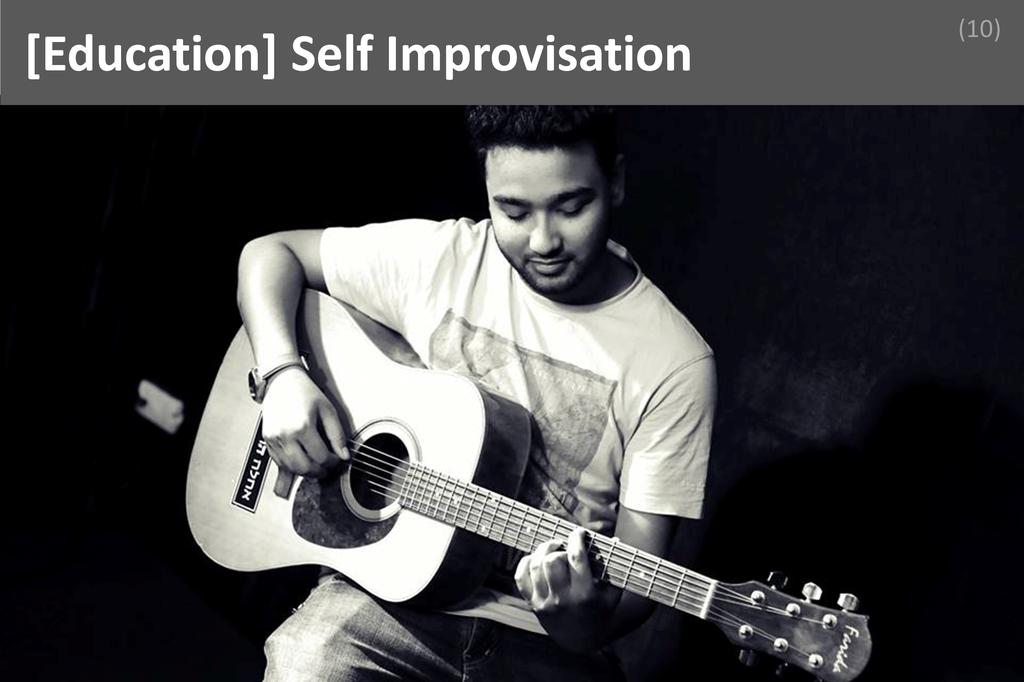
Self Improvsation

### Self Improvsation Image
What is
Self Improvsation is the personal ability to spontaneously create, adapt, and refine vocal performances in real time, drawing from one’s technical skills, emotional intuition, and creative instincts. In singing, it bridges structured training with expressive freedom, making it a crucial component of both academic study and professional artistic development.

Concept
Understanding and mastering self improvsation is vital for singers because it empowers them to navigate unexpected changes, connect authentically with audiences, and infuse performances with originality. This skill forms a foundational part of a singer’s knowledge base, enabling them to interpret music beyond the written score and respond dynamically to live situations. In the long term, self improvsation fosters artistic growth, versatility, and resilience, qualities that are highly valued in the competitive world of professional singing. Singers who excel in this area are better equipped to collaborate with other musicians, handle performance anxiety, and sustain a unique artistic identity throughout their careers.

Real World Example
Imagine a professional singer performing at a live jazz concert. Midway through a song, the pianist unexpectedly shifts the tempo and introduces a new chord progression. Drawing on their understanding of self improvsation, the singer quickly adapts their melody, rhythm, and phrasing to complement the new musical direction. They use their technical training to maintain vocal control while allowing their creative instincts to guide expressive choices. This seamless adaptation not only keeps the performance cohesive but also elevates the energy and engagement of the audience. By applying self improvsation, the singer transforms a potential challenge into an opportunity for artistic expression, demonstrating both professionalism and artistry in a real-world setting.

Instrumental Knowledge

### Instrumental Knowledge Image
What is
Instrumental Knowledge refers to the practical understanding and application of musical instruments, encompassing their mechanics, techniques, and expressive capabilities. In the context of Singing, it involves recognizing how instruments support, enhance, and interact with the human voice, forming an essential component of both academic study and professional performance in the field.

Concept
Developing a strong grasp of Instrumental Knowledge is crucial for anyone pursuing a career in Singing. This subject enables singers to communicate effectively with accompanists, arrangers, and other musicians, fostering seamless collaboration. It also allows vocalists to interpret scores more accurately, anticipate instrumental cues, and adapt their performances to different musical settings. Understanding the roles and limitations of various instruments helps singers make informed artistic choices, such as adjusting phrasing or dynamics to complement the accompaniment. Over time, this foundational knowledge enhances a singer’s versatility, broadens their repertoire, and increases their employability in diverse musical environments, from solo recitals to ensemble performances and studio recordings.

Real World Example
Consider a professional singer preparing for a live concert with a jazz ensemble. Their knowledge of how the piano, bass, and drums interact allows them to anticipate rhythmic changes, dynamic shifts, and harmonic progressions. During rehearsal, the singer communicates with the pianist about chord voicings and with the drummer about tempo adjustments, ensuring a cohesive performance. When improvising, the singer listens for instrumental cues to enter or exit phrases, blending their voice seamlessly with the ensemble. This practical application of Instrumental Knowledge not only elevates the musical experience for the audience but also fosters mutual respect and synergy among the performers, highlighting the indispensable role this knowledge plays in a singer’s daily professional life.

Skills


Practice

### Practice Image
What is
Practice is the deliberate, consistent repetition of vocal exercises, songs, and techniques with the goal of improving skill, accuracy, and artistry. For a singing professional, practice forms the backbone of their craft, enabling them to refine their voice, expand their range, and maintain vocal health. It is the foundation upon which confidence and mastery are built.

Concept
Regular practice directly enhances a singer’s technical abilities, such as pitch control, breath support, and tone quality. This ongoing improvement is crucial for delivering reliable and compelling performances, which is why clients and employers highly value singers who demonstrate a strong commitment to practice. A well-practiced singer can adapt to different musical styles, learn new material quickly, and perform under pressure. Cultivating this skill requires setting aside dedicated time each day, working with vocal coaches, and seeking constructive feedback. Over time, these habits foster discipline and resilience, ensuring that the singer’s voice remains strong and versatile throughout their career.

Real World Example
Imagine a professional singer preparing for a high-profile audition where the repertoire includes challenging pieces outside their usual genre. By engaging in focused daily practice, the singer works through difficult passages, refines their pronunciation, and adapts their vocal technique to suit the new style. This disciplined approach allows them to overcome initial struggles, build confidence, and deliver a polished performance during the audition. The commitment to practice not only helps them master the material but also demonstrates reliability and professionalism to potential employers, ultimately increasing their chances of success in a competitive environment.

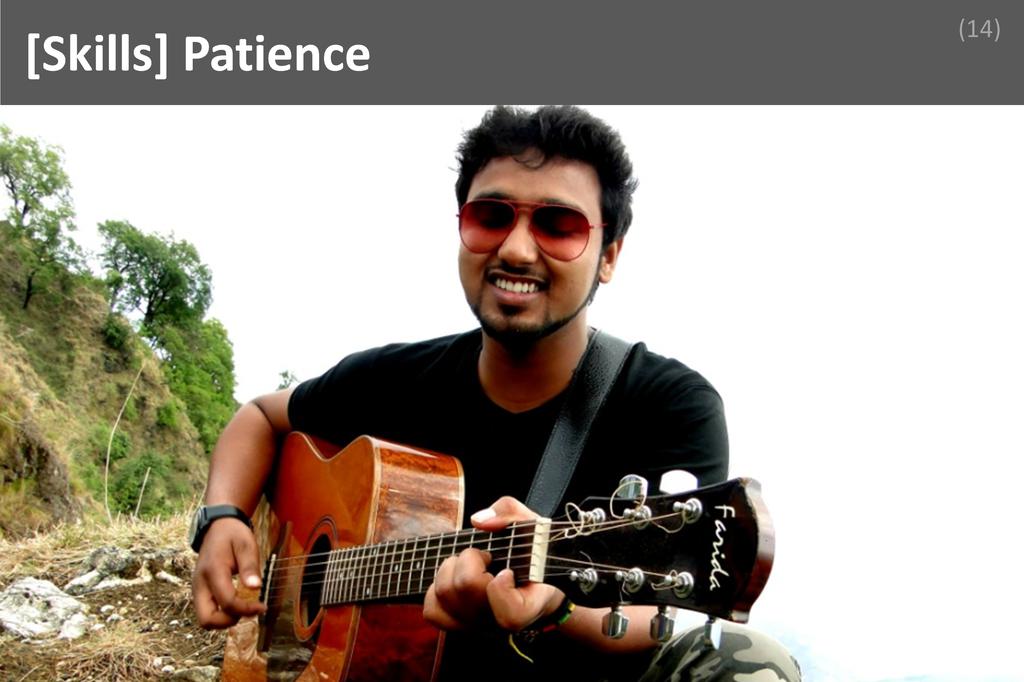
Patientce

### Patientce Image
What is
Patientce is the ability to remain calm, persistent, and composed while facing challenges, setbacks, or slow progress. It involves enduring difficulties without frustration, allowing for steady growth and improvement. In the context of singing, patientce enables artists to refine their craft, overcome obstacles, and achieve long-term success through consistent effort.

Concept
Patientce directly enhances a singer’s performance by allowing them to focus on gradual improvement rather than immediate perfection. This mindset helps vocalists manage the inevitable frustrations of mastering new techniques, recovering from vocal strain, or waiting for career opportunities. Clients and employers highly value patientce because it reflects reliability, professionalism, and a commitment to excellence. Singers who demonstrate patientce are more likely to persevere through rigorous practice schedules, adapt to feedback, and maintain a positive attitude during auditions or performances. Cultivating patientce involves setting realistic goals, celebrating small achievements, and embracing the learning process. Over time, this skill becomes a foundation for resilience, enabling singers to navigate the ups and downs of their careers with grace and determination.

Real World Example
Imagine a singer preparing for a major audition after months of training. Despite diligent practice, they struggle with a particular vocal passage that consistently challenges their range. Instead of becoming discouraged or rushing the process, the singer exercises patientce by breaking down the passage, working with a coach, and practicing daily. Over several weeks, their persistence pays off as they gradually master the technique. On audition day, their performance is confident and polished, impressing the judges. This scenario highlights how patientce allows singers to overcome obstacles, refine their abilities, and ultimately achieve their goals, demonstrating that success in singing often depends as much on enduring effort as on raw talent.

Clarity of Thoughts

### Clarity of Thoughts Image
What is
Clarity of thoughts is the ability to process information, emotions, and intentions with precision, enabling focused decision-making and effective communication. For a singing professional, this skill ensures that artistic expression is intentional, technical execution is accurate, and performance goals are clearly understood and pursued, leading to consistent and impactful artistry.

Concept
Clarity of thoughts directly enhances a singer’s performance by allowing them to interpret music with purpose, manage nerves, and make quick adjustments during rehearsals or live shows. Clients and employers value this skill because it leads to reliable, expressive performances and smooth collaboration with other musicians. Singers with clear thinking can internalize feedback, adapt to different genres, and maintain vocal health by making informed choices about technique and repertoire. Cultivating this skill involves regular self-reflection, mindfulness practices, and seeking constructive criticism, all of which help singers remain present and intentional in their craft. Over time, this clarity fosters confidence, resilience, and a deeper connection to both the music and the audience.

Real World Example
Imagine a singer preparing for a high-stakes audition where the panel requests an unexpected piece. In this moment, clarity of thoughts allows the singer to quickly recall the music, focus on their breathing, and interpret the song authentically despite the surprise. Instead of panicking, the singer assesses the situation, draws on their training, and delivers a confident performance. This mental clarity helps them manage anxiety, remember lyrics and cues, and communicate the song’s emotion effectively. As a result, the singer impresses the judges not only with technical skill but also with poise and adaptability, demonstrating how clarity of thoughts can turn a challenging situation into a successful opportunity.

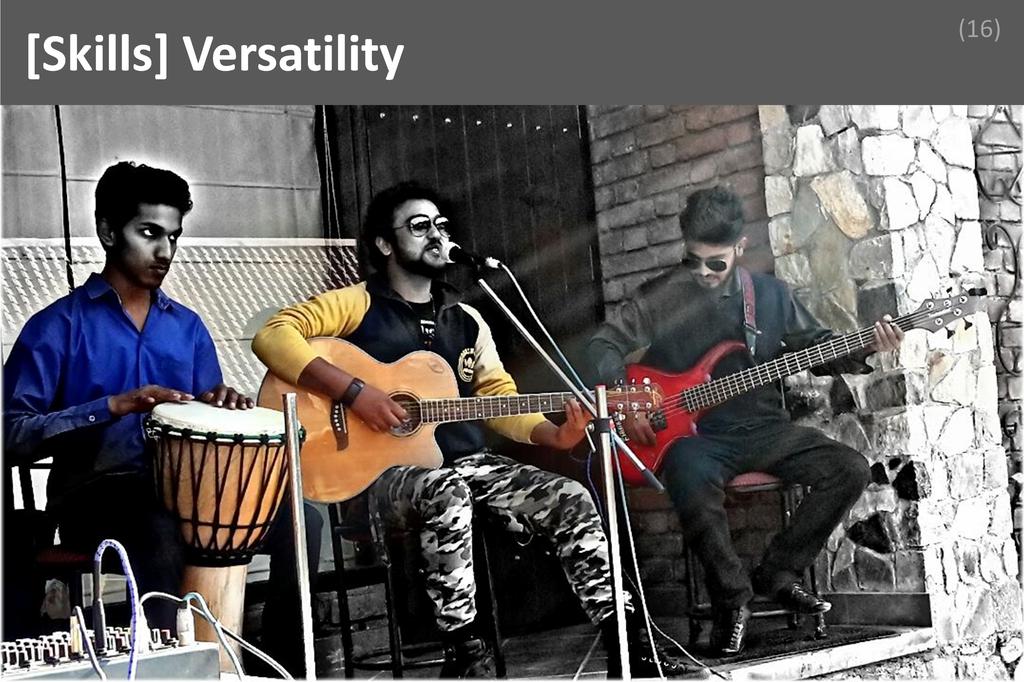
Verstality

### Verstality Image
What is
Verstality is the ability to adapt seamlessly to different musical genres, vocal techniques, and performance environments while maintaining high artistic quality. For a singing professional, verstality is crucial because it enables them to meet diverse audience expectations, collaborate with various artists, and remain relevant in a constantly evolving music industry.

Concept
Verstality directly enhances a singer’s performance by allowing them to interpret a wide range of musical styles, from classical to contemporary, with authenticity and skill. Clients and employers highly value this trait because it means the singer can handle varied repertoire, step into unexpected roles, and contribute creatively to different projects. To cultivate verstality, singers should consistently challenge themselves with new genres, participate in workshops, and seek feedback from mentors. Regularly performing in different settings, such as live concerts, studio recordings, and theatrical productions, also helps build the confidence and technical foundation needed to adapt quickly. Over time, this commitment to growth not only broadens a singer’s opportunities but also deepens their artistic expression.

Real World Example
Imagine a professional singer booked for a high-profile event where the program suddenly changes due to a guest artist’s cancellation. The singer is asked to perform both a jazz standard and a classical aria, genres that require distinct vocal approaches. Drawing on their verstality, the singer confidently transitions between the two styles, adjusting their technique, tone, and stage presence to suit each piece. Their ability to deliver compelling performances in both genres impresses the audience and event organizers, turning a potential setback into a memorable highlight. This scenario illustrates how verstality enables singers to navigate unexpected challenges and seize new opportunities, reinforcing their reputation as adaptable and reliable professionals.

Positives


Making Others Happy

### Making Others Happy Image
What is
Making Others Happy means using your voice and performance to uplift, inspire, and bring joy to listeners, creating emotional connections that brighten their lives. In singing, this involves sharing emotions, stories, and melodies that resonate with audiences, fostering a sense of unity and happiness that enriches both performer and listener.

Concept
The ability to make others happy is a profound motivator for singers, transforming every performance into a meaningful exchange. When singers see their audience smiling, singing along, or even moved to tears, it validates their hard work and passion. This emotional feedback fuels their creativity and commitment, making the profession deeply satisfying. The joy singers bring to others often translates into loyal fan bases, positive reputations, and more opportunities for growth. Each day, singers witness firsthand how their art can change moods, heal hearts, and create unforgettable moments, reinforcing their sense of purpose and fulfillment in their career.

Real World Example
Imagine a singer performing at a local hospital, where patients and staff gather for a midday concert. As the singer’s voice fills the room, faces light up, and even those struggling with illness find themselves smiling or tapping along to the rhythm. After the performance, a patient approaches to share how the music brought comfort and hope during a difficult time. In that moment, the singer experiences the true power of their craft—knowing that their talent has made a genuine difference in someone’s life. This heartfelt connection and the happiness created become the most rewarding aspects of their career, inspiring them to continue sharing their gift with the world.

Monetary Benefits

### Monetary Benefits Image
What is
Monetary benefits refer to the financial rewards and earnings that individuals receive as compensation for their work, including salaries, performance fees, royalties, endorsements, and other income streams. In the singing profession, these benefits provide not only financial security but also recognition of talent and hard work, enhancing overall career satisfaction.

Concept
Monetary benefits play a crucial role in making a singing career both attractive and sustainable. When singers are rewarded financially for their performances, recordings, and creative contributions, it validates their artistic efforts and encourages them to pursue their passion with greater dedication. The prospect of earning a stable income allows singers to invest in their professional development, such as vocal training, equipment, and promotional activities. This financial stability also reduces stress and enables artists to focus on their craft, leading to higher job satisfaction and personal fulfillment. Moreover, the potential for substantial earnings can motivate singers to strive for excellence, knowing that their talent can translate into tangible rewards and long-term growth.

Real World Example
Consider a professional singer who, after years of honing their skills and building a fan base, lands a contract to perform at major music festivals and releases a successful album. The monetary benefits from ticket sales, streaming royalties, and merchandise not only provide a comfortable lifestyle but also open doors to new opportunities, such as brand endorsements and international tours. This financial success allows the singer to support their family, invest in better production quality, and even give back to the community through charity performances. Experiencing these rewards firsthand, the singer feels a deep sense of accomplishment and motivation to continue growing artistically, knowing that their passion is both valued and well-compensated.

Respect & Recognition

### Respect & Recognition Image
What is
Respect and recognition refer to the admiration, appreciation, and acknowledgment received from audiences, peers, and the broader community for one’s talent, dedication, and achievements. In singing, this validation not only uplifts the performer’s spirit but also affirms their artistic contributions, fostering a sense of purpose and belonging.

Concept
The respect and recognition that singers receive are powerful motivators, fueling their passion and commitment to their craft. This positive aspect matters because it provides emotional rewards that go beyond financial compensation, making the journey deeply fulfilling. When singers are celebrated for their unique voices and performances, it enhances their confidence and encourages continuous growth. Daily, professionals in this field experience the joy of connecting with listeners, receiving applause, and being acknowledged for their hard work. This ongoing affirmation builds resilience, inspires creativity, and strengthens their resolve to pursue excellence, ultimately leading to greater job satisfaction and a lasting sense of achievement.

Real World Example
Imagine a singer performing at a local concert, pouring their heart into every note. As the final song ends, the audience rises in a standing ovation, their applause echoing throughout the venue. After the show, fans approach to express how the music touched their lives, while fellow musicians offer words of admiration and encouragement. In that moment, the singer feels a profound sense of respect and recognition, knowing their efforts have made a genuine impact. This experience not only validates their hard work but also inspires them to continue sharing their gift, reinforcing the meaningful connection between artist and audience that makes a singing career so rewarding.

Good Connections

### Good Connections Image
What is
Good Connections in singing refer to the meaningful relationships and networks formed with fellow musicians, mentors, industry professionals, and audiences. These connections foster collaboration, support, and inspiration, creating a vibrant community that nurtures artistic growth and career opportunities. They are essential for personal fulfillment and professional advancement in the singing world.

Concept
The presence of good connections in a singing career significantly enhances both personal and professional satisfaction. When singers build strong relationships within the industry, they gain access to valuable guidance, constructive feedback, and collaborative opportunities that can propel their careers forward. These connections often lead to invitations for performances, studio sessions, and creative projects, opening doors that might otherwise remain closed. On a daily basis, singers experience a sense of belonging and camaraderie, knowing they are part of a supportive network that understands the unique challenges and joys of their profession. This sense of community not only boosts confidence but also provides emotional resilience, making the journey in singing more rewarding and sustainable.

Real World Example
Imagine a talented singer who regularly attends local open mic nights and music workshops. Through these events, she befriends other artists, producers, and vocal coaches who share her passion. One day, a fellow musician recommends her for a recording session with a well-known band seeking a new vocalist. Thanks to this connection, she lands the opportunity, gains valuable studio experience, and expands her professional network even further. The encouragement and support she receives from her peers help her navigate the pressures of the industry, while the collaborative spirit fuels her creativity. This real-world scenario highlights how good connections can transform a singer’s career, providing both tangible opportunities and lasting fulfillment.

Challenges


Health

### Health Image
What is
Health in the context of singing refers to the physical and mental well-being required to maintain vocal quality, stamina, and emotional stability. Singers face unique demands on their respiratory system, vocal cords, and overall body, making consistent self-care and health management essential for sustained performance and career longevity.

Concept
Health challenges can significantly disrupt a singer’s daily routine, affecting rehearsal schedules, live performances, and recording sessions. Even minor illnesses, such as colds or allergies, can compromise vocal quality and endurance. This constant vulnerability demands resilience, as singers must adapt to fluctuating health conditions while maintaining high artistic standards. Successful professionals prioritize vocal rest, hydration, and proper nutrition, and they often work closely with vocal coaches and medical specialists to monitor and protect their voices. They also develop mental resilience to cope with the pressures of performance and the unpredictability of health setbacks, ensuring that their careers remain sustainable despite these ongoing challenges.

Real World Example
Consider a professional singer preparing for a major concert tour who develops laryngitis just weeks before opening night. Rather than risking further damage, the singer consults an otolaryngologist and follows a strict regimen of vocal rest, steam inhalation, and prescribed medications. During recovery, the singer maintains physical fitness through gentle exercise and practices mindfulness techniques to manage anxiety about the upcoming performances. By communicating openly with the tour management and adjusting rehearsal schedules, the singer ensures a gradual return to full vocal activity. This careful, disciplined approach not only preserves vocal health but also demonstrates the importance of proactive self-care and adaptability in overcoming health-related obstacles in a demanding singing career.

De Motivation

### De Motivation Image
What is
De Motivation in singing refers to a persistent decline in enthusiasm, energy, and commitment toward practice and performance. This often stems from repeated setbacks, lack of recognition, or creative stagnation. It is demanding because it undermines consistency, erodes self-confidence, and can threaten a singer’s long-term growth and career sustainability.

Concept
The effects of De Motivation can seep into every aspect of a singer’s daily routine, making rehearsals feel burdensome and performances less inspired. This emotional fatigue can lead to missed opportunities, diminished vocal quality, and even physical strain. Overcoming such a challenge requires significant resilience, as singers must continually reconnect with their passion despite external pressures and internal doubts. Successful professionals often manage this constraint by setting small, achievable goals, seeking constructive feedback, and surrounding themselves with supportive peers or mentors. They also prioritize self-care and mental well-being, recognizing that emotional health is as vital as vocal technique. By fostering a positive mindset and maintaining a sense of purpose, singers can gradually rebuild their motivation and sustain their artistic journey.

Real World Example
Consider a professional singer who, after a series of unsuccessful auditions and critical reviews, began to feel disheartened and questioned their abilities. Instead of withdrawing completely, they decided to join a local vocal ensemble, which provided a sense of community and renewed inspiration. Through collaborative rehearsals and shared performances, the singer rediscovered the joy of music-making and regained confidence in their skills. This supportive environment allowed them to experiment with new styles and receive encouragement from fellow musicians. Over time, the singer’s motivation returned, leading to improved performances and new opportunities. This scenario illustrates how proactive engagement and seeking support can help overcome the challenge of De Motivation in a singing career.

Cancellation of Shows

### Cancellation of Shows Image
What is
Cancellation of shows in singing refers to the unexpected termination or postponement of scheduled performances due to factors like low ticket sales, venue issues, or unforeseen circumstances. This challenge is demanding because it disrupts income, affects reputation, and undermines the stability and momentum essential for a singer’s professional growth.

Concept
The cancellation of shows can significantly disrupt a singer’s daily routine, leading to financial uncertainty, emotional stress, and a loss of motivation. Regular cancellations may erode confidence and make it difficult to maintain a consistent practice and performance schedule. This challenge demands resilience because singers must adapt quickly, manage disappointment, and remain focused on long-term goals despite setbacks. Successful professionals often diversify their income streams, maintain strong relationships with promoters and fans, and use downtime productively for skill development or creative projects. By staying adaptable and proactive, they transform cancellations into opportunities for growth, ensuring that their careers remain sustainable even in the face of unpredictability.

Real World Example
Consider a professional singer who faces the sudden cancellation of a major concert due to unforeseen venue issues. Instead of allowing disappointment to take over, the singer immediately communicates transparently with fans through social media, expressing regret and promising future engagements. During the unexpected free time, the singer organizes a virtual performance, inviting fans to join online. This not only maintains engagement but also showcases adaptability and commitment to the audience. By leveraging technology and staying connected, the singer turns a potential setback into a positive experience, reinforcing their reputation and demonstrating the resilience necessary to thrive in the unpredictable world of live performance.

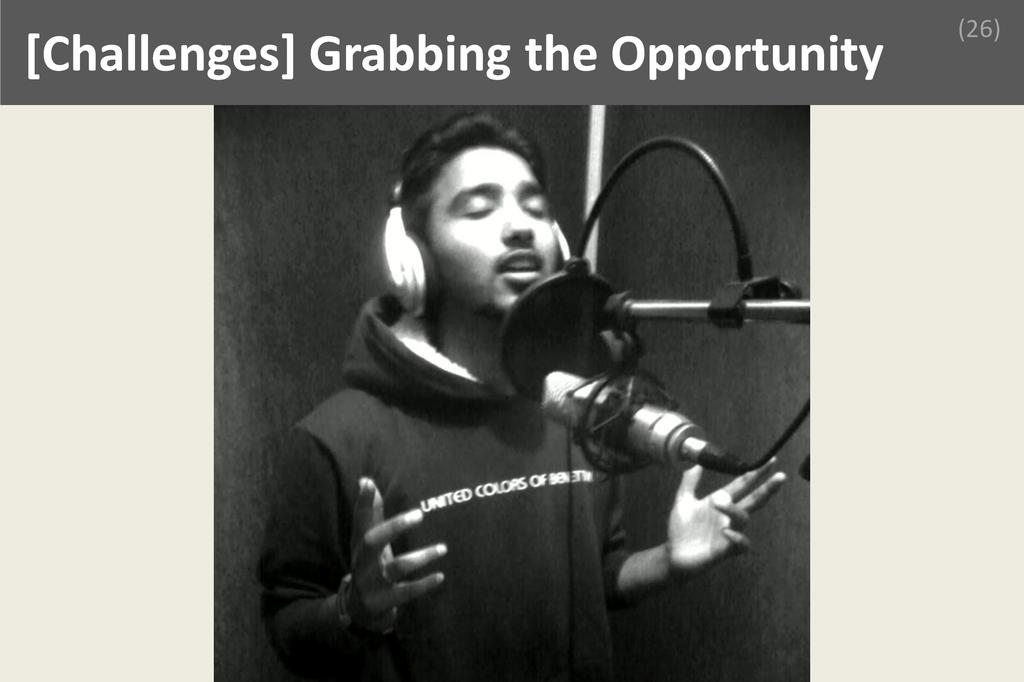
Grabing the Opportunity

### Grabing the Opportunity Image
What is
"Grabing the Opportunity" in singing refers to the ability to recognize, pursue, and make the most of rare and fleeting chances for advancement, such as auditions, collaborations, or performances. This is demanding because opportunities are unpredictable, highly competitive, and often require immediate action, preparation, and confidence under pressure.

Concept
The challenge of grabbing the opportunity deeply influences a singer’s daily routine, as it requires constant readiness and adaptability. Singers must balance ongoing practice, networking, and self-promotion while staying alert for sudden openings that could propel their careers forward. This environment can be stressful, demanding resilience to handle frequent rejection and uncertainty. Successful professionals manage this by maintaining a disciplined practice schedule, building strong industry relationships, and cultivating a mindset that embraces risk and learning from setbacks. They also prepare audition materials and performance pieces in advance, ensuring they are always ready to showcase their talent when an opportunity arises. By staying proactive and resilient, singers increase their chances of turning fleeting moments into lasting career milestones.

Real World Example
Consider a professional singer who learns about a last-minute audition for a major musical production. Despite having only a few hours to prepare, she draws on her regular practice routine and a repertoire of polished songs. She quickly adapts her schedule, contacts her vocal coach for a brief warm-up session, and arrives at the audition confident and well-prepared. Her readiness and willingness to seize the moment impress the casting directors, leading to a callback and eventually securing a role. This scenario illustrates how staying prepared, maintaining strong professional relationships, and acting decisively can help singers overcome the challenge of grabbing the opportunity and turn it into a significant career breakthrough.

A Day Of


Singing

What is
The world of a professional singer is a vibrant blend of artistry, discipline, and adaptability, where each day pulses with the rhythm of rehearsals, performances, and creative collaboration. Far from the static confines of a traditional desk job, a singer’s workday unfolds across rehearsal studios, recording booths, and bustling venues, demanding both vocal finesse and mental agility. The pace is dynamic, shifting from quiet moments of preparation to the exhilarating energy of live performance, all set against a backdrop of constant learning and connection with fellow musicians and audiences alike.

Concept
As dawn breaks, the singer’s day begins with gentle vocal warm-ups and mindful breathing exercises, laying the foundation for vocal health and stamina. This early morning ritual is often accompanied by a nourishing breakfast and a review of the day’s repertoire, allowing the singer to mentally map out challenging passages and performance cues. In these quiet hours, there’s a focus on hydration, physical stretches, and setting intentions, ensuring both body and mind are primed for the demands ahead.

Real World Example
By mid-morning, the singer steps into the heart of their craft, joining fellow musicians or accompanists for intensive rehearsals. This is the most demanding part of the day, filled with repeated runs through songs, fine-tuning vocal technique, and experimenting with interpretation under the guidance of a director or vocal coach. The rehearsal space buzzes with creative energy as the singer navigates harmonies, stage movements, and emotional delivery, pushing their voice to new heights while building synergy with the ensemble.

Afternoons are often reserved for recording sessions or collaborative work with composers, producers, or other artists. In the studio, the singer transitions from live rehearsal to the meticulous process of capturing the perfect take, adjusting phrasing and dynamics under the critical ear of sound engineers. Alternatively, this time might be spent in meetings to discuss upcoming performances, marketing strategies, or creative concepts, blending artistry with the practicalities of a professional music career.

As the day winds down, the singer prepares for an evening performance or wraps up with administrative duties such as responding to emails, updating social media, and reviewing feedback from coaches or audiences. After the final note is sung or the last task completed, there’s a moment of reflection—assessing what worked well and identifying areas for growth. The evening closes with planning for the next day’s engagements, ensuring that each new dawn brings fresh opportunities to refine their craft and connect with audiences anew.


Install the LifePage App to:


  1. (for Free) Watch Solo Performer Kapil Verma’s full Singing Career Talk

  2. ₹ Do a Self Assessment on Singing to calculate your Dream Index, which is defined as:

    According to Kapil Verma your chances of success in Singing is __%

  3. Access your personalized Dream Index Report which will have all your Dream Indices sorted in descending order.

Career Counselling 2.0


<?php echo $altimage; ?>


<?php echo $altimage; ?>


How to get into

Singing?


If you are want to get into Singing, start by investing in a Career Plan.

The 14 hour process, guided by a LifePage Career Advisor, will help you introspect and check whether your interest in Singing is merely an infatuation or is it truly something you wish to do for the rest of your life.

Next, your Career Advisor will help you document how you can get into Singing, what education and skills you need to succeed in Singing, and what positives and challenges you will face in Singing.

Finally, you will get a Career Plan stating which Courses, Certifications, Trainings and other Items you need to do in the next 7 years to become world’s best in Singing.


LifePage Career Plan

14 hour personalized guidance program


Your LifePage Career Advisor facilitates your guided introspection so that you systematically explore various Career options to arrive at a well thought out Career choice.

Next: your Advisor helps you figure out how you will get into your chosen Career and how will you develop the skills needed for success in your Chosen Career.

LifePage Plan will not stop at saying "to become an Architect study Architecture". It will guide you on which Certifications, Trainings and Other items you need to do along with your Architecture education to become the world's best Architect.


Links for this Talk


Solo Performer Kapil Verma's LifePage:


Career Counselling 2.0
[LifePage]
https://www.lifepage.in/page/kapilverma


LifePage Career Talk on Singing


Career Counselling 2.0
[Career]
https://www.lifepage.in/careers/singing


Career Counselling 2.0
[Full Talk]
https://lifepage.app.link/20171018-0001


Career Counselling 2.0
[Trailer]
https://www.youtube.com/watch?v=jTI0dRU-jQI


(Singing, Kapil Verma, Various Creative Assignments, Lodhi Hotel, Rubab, Music, Professional Singing, Artist)


Similar Talks


Career in Professional Singing
Professional Singing
Ravi Vishnariya
Singer | Various Creative Assignments
[ 4 years & 8 months Experience ]

Singing is the act of producing musical sounds with the voice and augments regular speech by the use of sustained tonality, rhythm, and a variety of vocal techniques. A person who sings is called a singer or vocalist.

"I was interested in singing since my childhood and started practicing singing in the year 2014 at Saptak College of Performing Arts."


Career Counselling 2.0 Career Counselling 2.0 Career Counselling 2.0 Career Counselling 2.0 Career Counselling 2.0


Career in Country Music
Country Music
Bobby Cash
Country Music Artist | Several Musical Assignments
[ 23 years & 3 months Experience ]

Country Music is a music of pioneers, early settlers & cowboys who settlers the American West in 90s. It’s the music that come from roots and Rural music that tells a story.

"I am an Indian country music singer, songwriter, guitarist and composer. I live in Dehradun City, I am India's first international country music artist who has charted singles in Australia, and also for being the only Indian country music artist to be featured in a documentary film,The Indian Cowboy...One in a Billion, aired on ABC Television (Australia) in January 2004 and on Discovery channel in India in June 2004."


Career Counselling 2.0 Career Counselling 2.0 Career Counselling 2.0 Career Counselling 2.0 Career Counselling 2.0


Career in Professional Singing
Professional Singing
Sankalp Khetwal
Vocalist | Bhairavas Band
[ 4 years Experience ]

Singing is the act of producing musical sounds with the voice and augments regular speech by the use of sustained tonality, rhythm, and a variety of vocal techniques. A person who sings is called a singer or vocalist.

"I have done Visharat in Indian Classical Music from Bhatkhande Sangeet Vidalaya. I was inclined towards music since childhood and took up music as profession. I participated in Rising Star, a singing show on Colors. I have been performing with Bhairavas Band as a vocalist since 2013."


Career Counselling 2.0 Career Counselling 2.0 Career Counselling 2.0 Career Counselling 2.0 Career Counselling 2.0


Career in Indian Classical Singing
Indian Classical Singing
Late Pt Rajan Mishra
Music Artist | Various Creative Music Assignments
[ 44 years & 8 months Experience ]

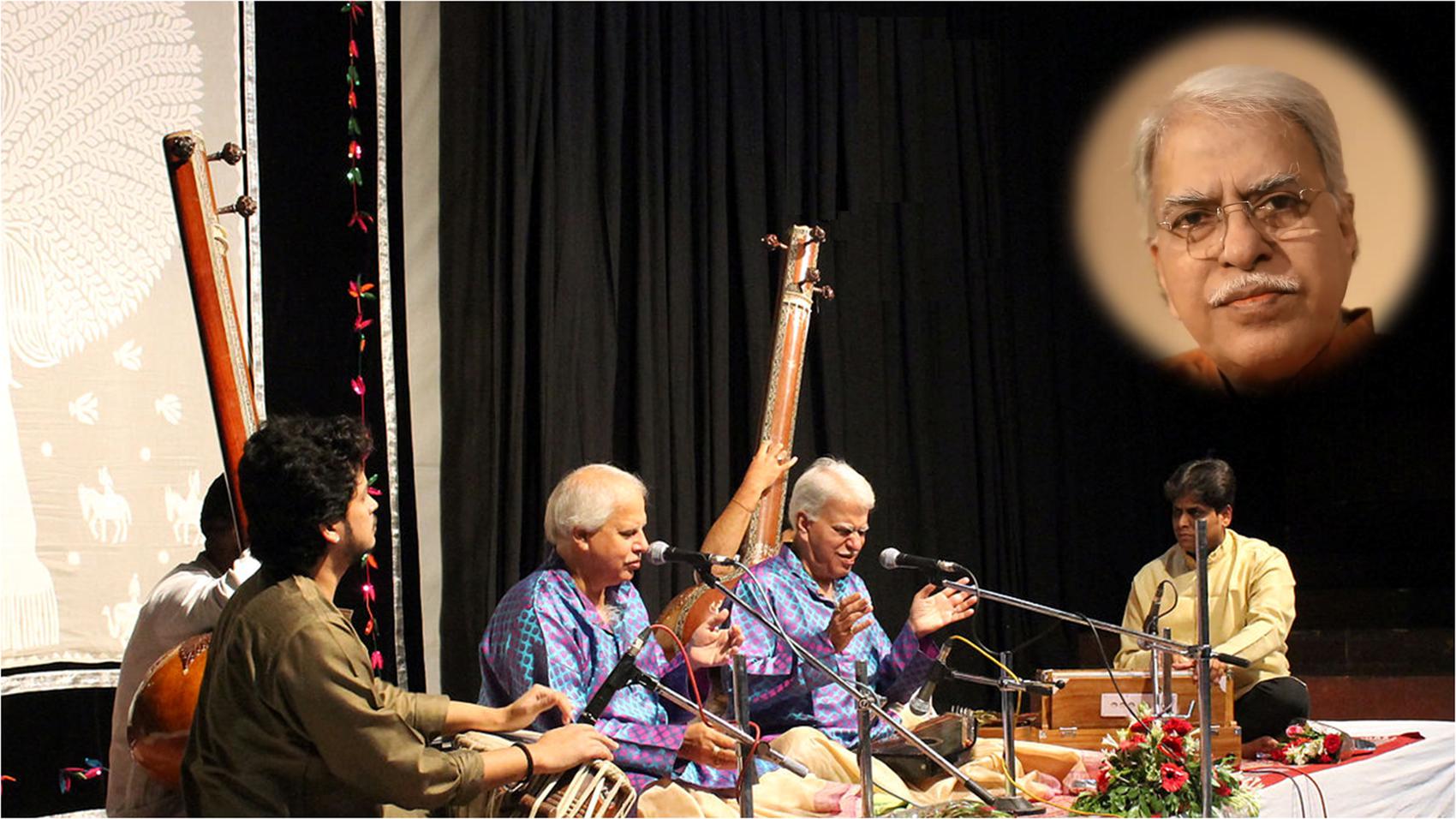
Indian Classical Music is an ancient form of music, its establishment was done taking in account of nature and human emotions. Just like the nature is made of five elements similarly humans are also made up of these elements and indian classical music is also consisted in the same manner. The video describes the skills required for Indian Classical Music and also the positives and challenges one has to face if they go further ahead in Indian Classical Music.

"I was born and brought up in Varanasi. I received my initial musical training from my grandfather's brother, Bade Ram Das Ji Misra, and also their father, Hanuman Prasad Misra, and from their uncle, sarangi virtuoso, Gopal Prasad Misra, and started performing while I was still in teens. I moved to Ramesh Nagar in Delhi, in 1977, gave my first concert abroad, in Sri lanka in 1978, and soon went on to perform in many countries across the world including, Germany, France, Switzerland, Austria, USA, UK, The Netherlands, USSR, Singapore, Qatar, Bangladesh and Muscat."


Career Counselling 2.0 Career Counselling 2.0 Career Counselling 2.0 Career Counselling 2.0 Career Counselling 2.0


Career in Professional Singing
Professional Singing
Swati Singh
Singer | Womania Band
[ 31 years Experience ]

Professional singers perform songs in front of live audiences and record music in recording studios

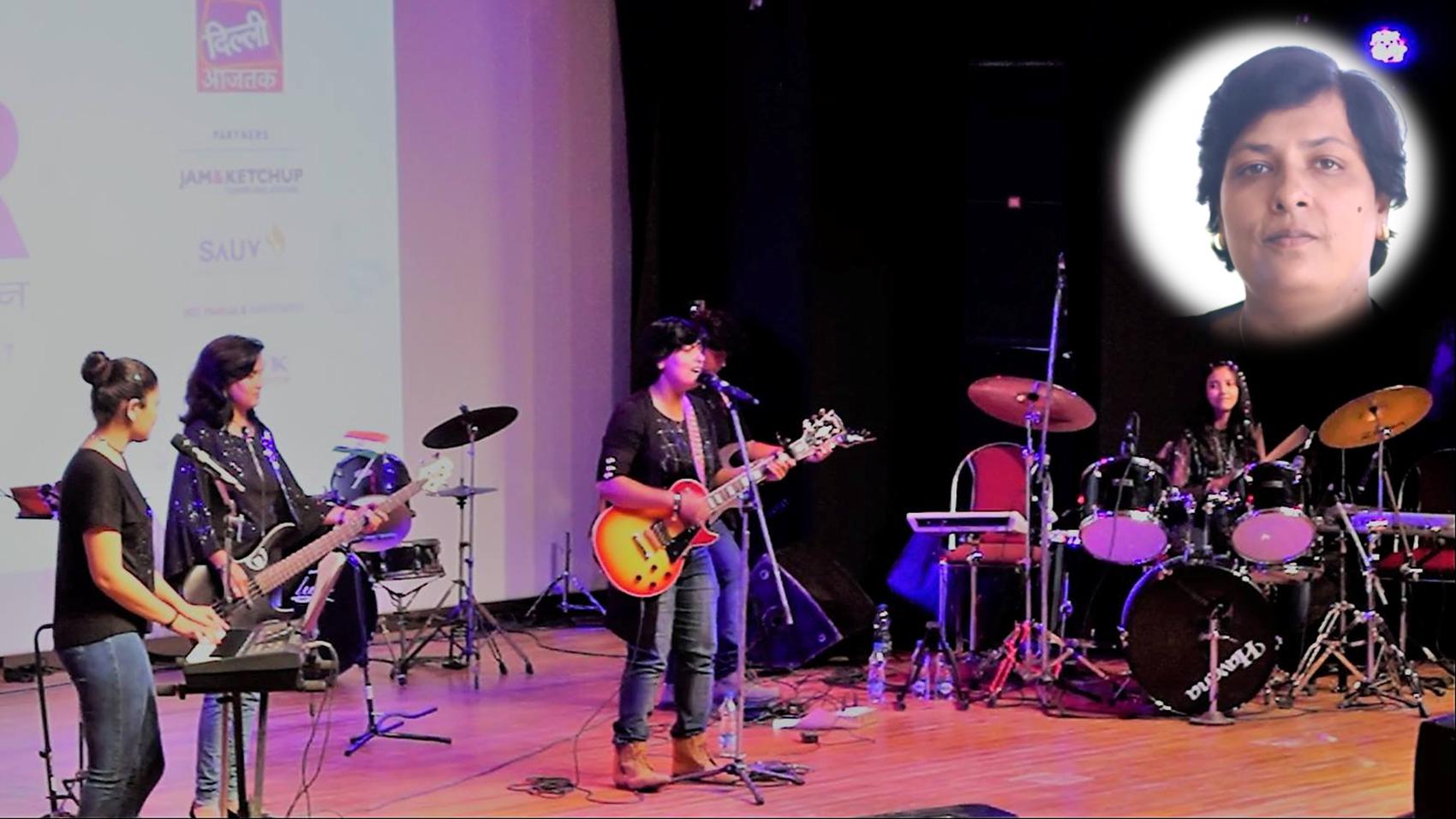
"I have been practicing singing since childhood and after working in school and banking field, I have started music institute called Saptak Institute of Performing Arts and also managing Womenia band."


Career Counselling 2.0 Career Counselling 2.0 Career Counselling 2.0 Career Counselling 2.0 Career Counselling 2.0


Career in Professional Singing
Professional Singing
Vivek Badoni
Singer | Independent Practice
[ 6 years & 11 months Experience ]

Singing is the act of producing musical sounds with the voice and augments regular speech by the use of sustained tonality, rhythm, and a variety of vocal techniques. A person who sings is called a singer or vocalist.

"After doing my B Tech from Tulas Institute Dehradun, I worked with HCL and did freelancing as a Web Designer in various assignments. I was always inclined towards music and joined Bhairavas, a Musical Band in 2012. I am also working on a project titled Maathu Re Dreamhouse which is an Urban Folk Independent Music initiative."


Career Counselling 2.0 Career Counselling 2.0 Career Counselling 2.0 Career Counselling 2.0 Career Counselling 2.0


Career in Folk Singing
Folk Singing
Harsh Sharma
Singer | Various Stage Shows
[ 4 years & 3 months Experience ]

Folk music includes both traditional music and the genre that evolved from it during the 20th century folk revival. India has a very rich tradition of folk music. The extreme cultural diversity creates endless varieties of folk styles. Each region has its own particular style.

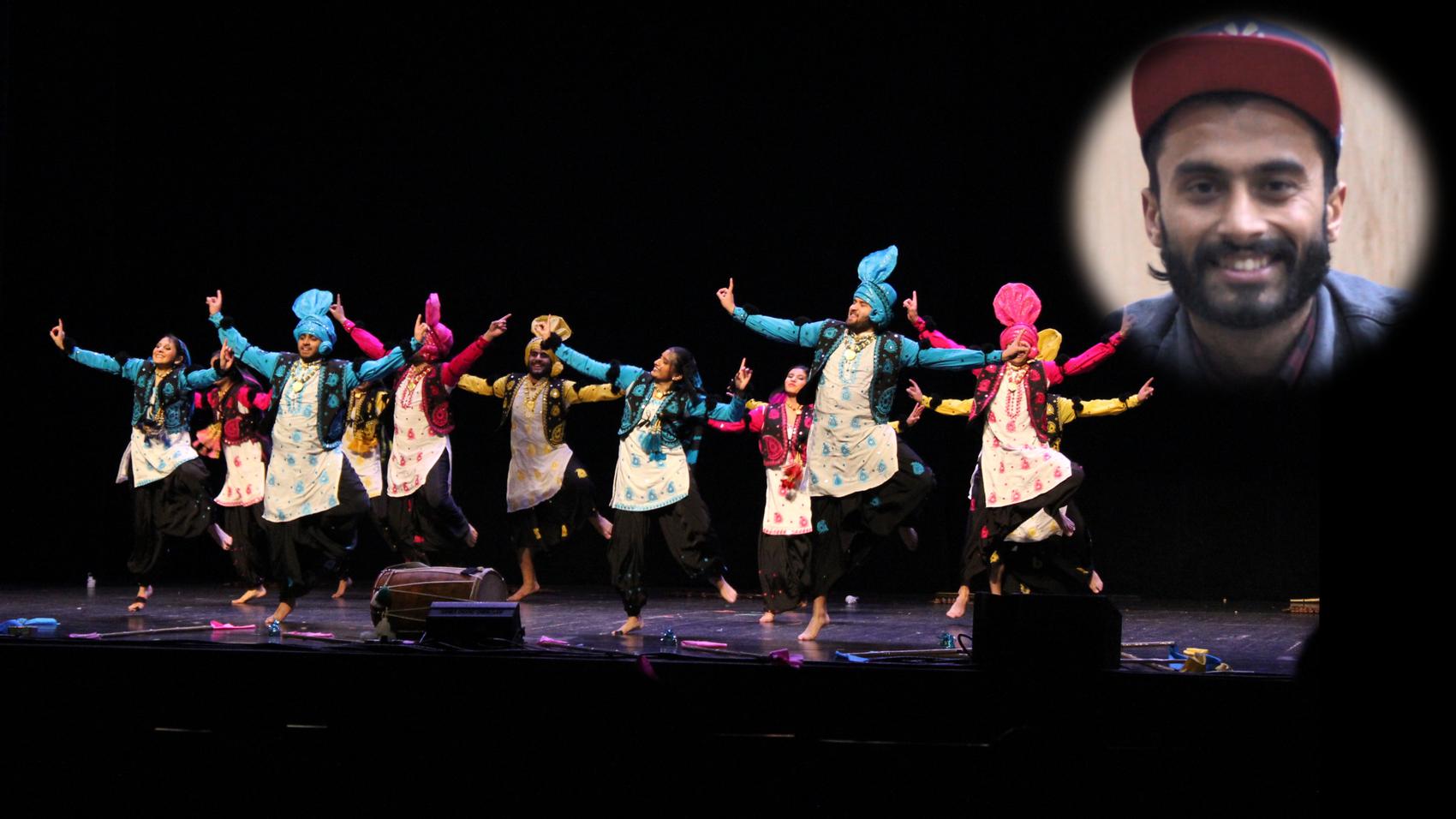
"I did my schooling from KK International School and Bachelors in Arts from MM Modi College, Patiala. I have been involved in different singing assignments since 2015."


Career Counselling 2.0 Career Counselling 2.0 Career Counselling 2.0 Career Counselling 2.0 Career Counselling 2.0


Career in Professional Singing
Professional Singing
Neeta Pandey Negi
Singer | Roohani Sisters
[ 5 years & 8 months Experience ]

Professional singers usually build their careers around one specific musical genre, such as classical or rock, although there are singers with crossover success (singing in more than one genre). They typically take voice training provided by voice teachers or vocal coaches throughout their careers.

"After completing my BA and MA in music from Miranda House, Delhi, I did M Phil and Ph D from music department of Delhi University. I have done music training from Kirana Gharana by Charanjeet Soni Ji and Ustad Iqbaal Ahmed Khan Saheb (Dilli Gharana). I have attended various National and International reality shows and since 2008, I am associated with my Band called Roohani Sisters which is a Sufi Jugalbandi Band and was empanelled by ICCR IN 2009."


Career Counselling 2.0 Career Counselling 2.0 Career Counselling 2.0 Career Counselling 2.0 Career Counselling 2.0


Career in Professional Singing
Professional Singing
Shekinah Mukhiya
Singer | Various Stage Shows
[ 4 years Experience ]

Singing is the act of producing musical sounds with the voice and augments regular speech by the use of sustained tonality, rhythm, and a variety of vocal techniques. A person who sings is called a singer or vocalist.

"I am a student of Colonel Brown School, Dehradun. I came into the spotlight after making it to the top ten of Voice of India Kids - the children's music reality show. I also perform at various stage shows with my father and actively take part in singing competitions."


Career Counselling 2.0 Career Counselling 2.0 Career Counselling 2.0 Career Counselling 2.0 Career Counselling 2.0


Career in Hindustani Classical Music
Hindustani Classical Music
Himanshu Darmora
Classical Vocalist | Various Creative Assignments
[ 15 years Experience ]

Hindustani Classical Music is the traditional music of northern areas of the Indian subcontinent, including the modern states of India, Nepal, Bangladesh and Pakistan. Its main instruments are tabla, sitar, sarod, flute and modern guitars. Hindustani (north Indian) Classical Music can be divided into melody, rhythm and harmony.

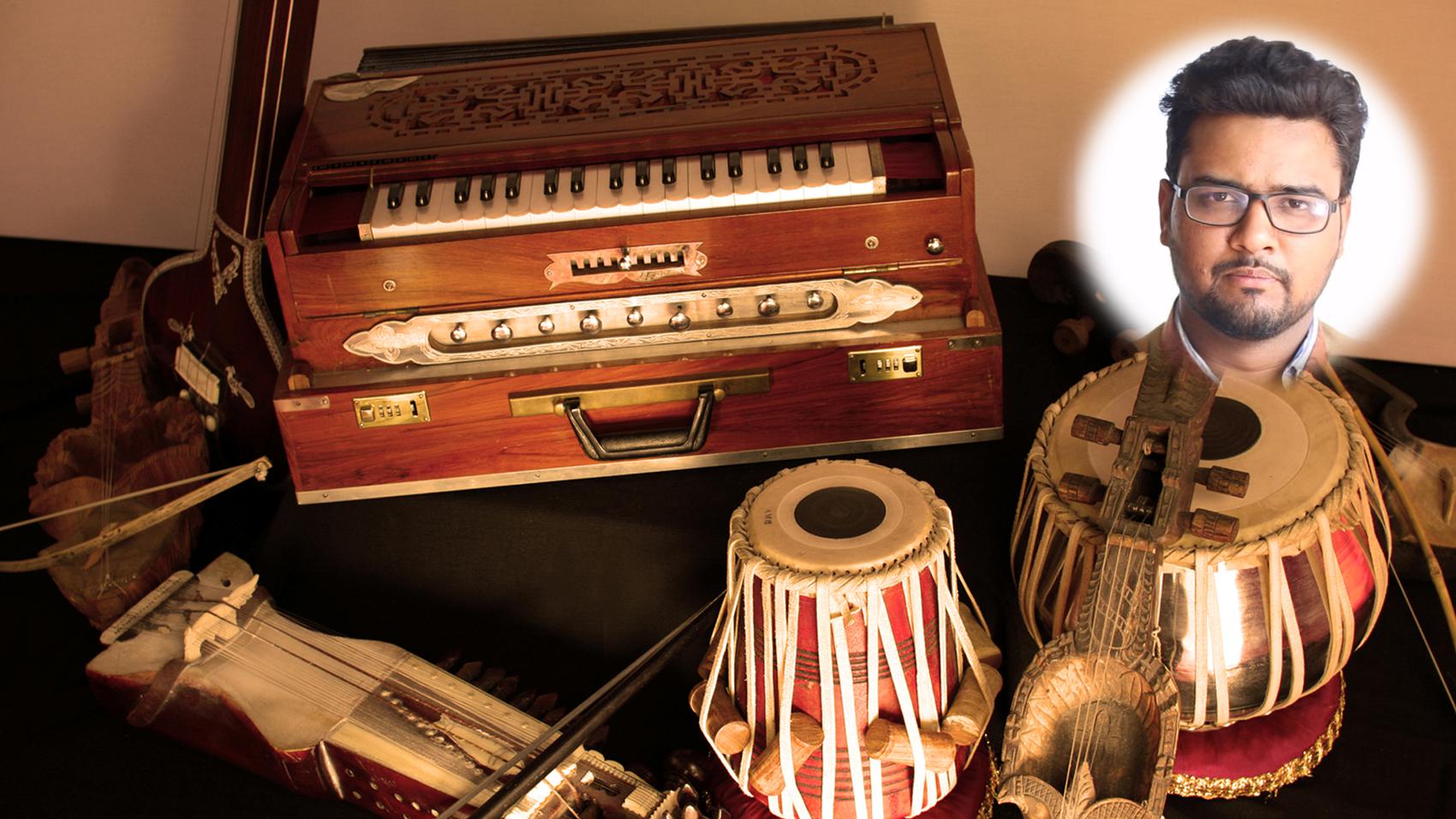
"After doing my BA in Mass Comm & Journalism from IIMC Delhi, I did MA in Hindustani Vocal from Khairagarh University and then M Phil in Hindustani Music from Himachal University. I am also a Prabhakar in Classical Music from Allahabad University. I am a visiting faculty to RIMC, CJM, Shri Ram College of Commerce and many more. I also organise various musicial shows including Abhivyakti SAPA (Society for Advancement of performing Arts)."


Career Counselling 2.0 Career Counselling 2.0 Career Counselling 2.0 Career Counselling 2.0 Career Counselling 2.0


Career in Folk Singing
Folk Singing
Geeta Ram Kanswal
Singer | Various Creative Assignments
[ 4 years Experience ]

Folk music includes both traditional music and the genre that evolved from it during the 20th century folk revival. India has a very rich traditional Folk Music. The extreme cultural diversity creates endless varieties of folk styles. Each region has its own particular style.

"I have done B Sc from DAV PG College. I developed a keen interest in Folk Music in my childhood which encouraged me to take up singing at a very young age. I have sung 70-80 songs till date, the latest song Meri Reshma Chori Suniyal being a hit. I sing Garhwali songs."


Career Counselling 2.0 Career Counselling 2.0 Career Counselling 2.0 Career Counselling 2.0 Career Counselling 2.0


Career in Indian Classical Vocalist
Indian Classical Vocalist
Avinash Mishra
Indian Vocalist | Viram Gurukul
[ 10 years & 1 month Experience ]

It is the art of classical singing where we can perform a rag with particular notes like : sa re ga ma pa da ni sa and we have lots of thigs like thumeri , kajri , bhajan etc.

"I started learning music when I was 4 years old from my great grandfather Late Pandit Hanuman Prasad Mishra Ji. I have performed in Harsh Utsav in 2008 and I have also performed for few schools and recently I taught music at DPS Dehradun for their Annual function. I love to write and compose. I have composed few music like tarana in Rag jog. I have been teaching vocal at Viram Gurukul (its gurukul of Pandit Rajan Sajan Mishra Ji.) since 2007."


Career Counselling 2.0 Career Counselling 2.0 Career Counselling 2.0 Career Counselling 2.0 Career Counselling 2.0


Career in Singing
Singing
Jaspal Rana
Singer | Various Assignments
[ 21 years Experience ]

Make musical sounds with the voice, especially words with a set tune.

"I did my Schooling from Garhwal. I only did my education till 7th class. I have written several songs for Garhwali Movies and Albums. I have also worked as a singer in Song and Drama Division for 4 years. I have performed with various prominent artists."


Career Counselling 2.0 Career Counselling 2.0 Career Counselling 2.0 Career Counselling 2.0


Career in Professional Singing
Professional Singing
Suraj Bhandari
Singer | Various Singing Assignments
[ 4 years & 7 months Experience ]

Singing is the act of producing musical sounds with the voice and augments regular speech by the use of sustained tonality, rhythm, and a variety of vocal techniques. A person who sings is called a singer or vocalist.

"I am trained in Indian Classical Music from Saptak College of Performing Arts. I also teach music at the same institute. I sing at various stage shows."


Career Counselling 2.0 Career Counselling 2.0 Career Counselling 2.0 Career Counselling 2.0 Career Counselling 2.0


Career in Live Singing
Live Singing
Khek Ram
Singer | Various Music Assignments
[ 3 years Experience ]

On a night when a performer isn't feeling well or during sections of a concert that are physically taxing, a singer can rely on what's called guide vocals. At predetermined moments, an engineer controlling the concert's audio can smoothly mix down the artist's live singing and mix up a prerecorded vocal performance.

"I did my Schooling from Manali. After that did a computer course from Delhi and Ghaziabad. I worked with a Travel and tourism line for 3 to 4 years. I then shifted back to Manali and started live singing there."


Career Counselling 2.0 Career Counselling 2.0 Career Counselling 2.0 Career Counselling 2.0 Career Counselling 2.0


Career in Devotional Singing
Devotional Singing
Mukta
Singer & Co-ordinator | Awaken Love Band
[ 5 years Experience ]

Devotional singing is singing that originates in the heart. It is the expression of the joyous thrill that wells up from the heart when the Glory of God is remembered. It is the spontaneous manifestation of inner ecstasy.

"I have a Bachelors in Naturopathy. I have also completed a course in Yoga Teacher Training. I met Prem Baba in 2013 and found my calling in music. Ever since, I have been working with Prem Baba in Awaken Love Movement. I am a Singer and Co-ordinator with Awaken Love Band."


Career Counselling 2.0 Career Counselling 2.0 Career Counselling 2.0 Career Counselling 2.0


Career in Devotional Singing
Devotional Singing
Mukta
Singer & Co-ordinator | Awaken Love Band
[ 5 years Experience ]

Devotional singing is singing that originates in the heart. It is the expression of the joyous thrill that wells up from the heart when the Glory of God is remembered. It is the spontaneous manifestation of inner ecstasy.

"I have a Bachelors in Naturopathy. I have also completed a course in Yoga Teacher Training. I met Prem Baba in 2013 and found my calling in music. Ever since, I have been working with Prem Baba in Awaken Love Movement. I am a Singer and Co-ordinator with Awaken Love Band."


Career Counselling 2.0 Career Counselling 2.0 Career Counselling 2.0 Career Counselling 2.0


[Install the LifePage App to access all Talks]


<?php echo $altimage; ?>


<?php echo $altimage; ?>


&mbsp;


Career Counselling 2.0 | Home   Home  
Career Counselling 2.0 | Abroad   Abroad  
Career Counselling 2.0 | Plan   Plan  
Career Counselling 2.0 | Talks   Talks  
Career Counselling 2.0 | Philosophy   Philosophy  
Career Counselling 2.0 | Seminar   Seminar  
Career Counselling 2.0 | Workshop   Workshop  
Career Counselling 2.0 | Pages   Pages  
Career Counselling 2.0 | Advisors   Advisors  
Career Counselling 2.0 | Discuss   Discuss  
Career Counselling 2.0 | Meet   Meet  
Career Counselling 2.0 | Advisor   Advisor  
Career Counselling 2.0 | Story   Story  
Career Counselling 2.0 | Fine Print   Fine Print  
Career Counselling 2.0 | Links   Links  
Career Counselling 2.0 | Blog   Blog  
Career Counselling 2.0 | Testimonials   Testimonials  
Career Counselling 2.0 | Follow   Follow  
 
[ Site Visits ]


Career Counselling 2.0