Career Counselling 2.0 HomeHomeCareer Counselling 2.0 AbroadAbroadCareer Counselling 2.0 PlanPlanCareer Counselling 2.0 | TalksTalksCareer Counselling 2.0 PhilosophyPhilosophyCareer Counselling 2.0 SeminarSeminarCareer Counselling 2.0 PagesPagesCareer Counselling 2.0 AdvisorsAdvisorsCareer Counselling 2.0 TestimonialsTestimonials

Data Migration

Data Migration Specialist Khushboo Garg talks about Data Migration course, what is Data Migration and other details about a Career in Data Migration .


Data Migration

Khushboo Garg | Data Migration Specialist | Tech Mahindra, Noida


What is Data Migration ?


You may be curious about a Career in Data Migration . One should first understand What a Career in Data Migration entails before investing time and effort to figure out How to start a Career in Data Migration . The most authoritative source of information on Data Migration is someone with real experience in it.

Data Migration Specialist Khushboo Garg invested 2 years in Data Migration . Data Migration Specialist Khushboo Garg defines Data Migration as:

In this growing era of technology, there are continuous upgrades and changes in the technology. With the changes in the technology there is always a requirement of data migration. Data migration is either from an old legacy system to a new implemented system or from a source to another destination.


How Data Migration Specialist Khushboo Garg got into Data Migration ?


I started my career as a business analyst in 2010 with Tech Mahindra Pvt. Ltd. and stayed with them till 2015. In my almost five years of experience I have played different roles, such as, data migration, data analyst, project manager, sales consultant and service consultant in the various CRM implementation projects.


Data Migration Specialist Khushboo Garg's Talk on Data Migration


Session Image
The Journey of Data Migration


What Is Data Migration


Data Migration

### Data Migration Image
What is
Data migration is the process of transferring data between different storage systems, formats, or computing environments. It involves planning, extraction, transformation, and loading of data to ensure accuracy, integrity, and minimal disruption. This process is essential during system upgrades, cloud adoption, or organizational mergers and acquisitions.

Concept
Data migration plays a crucial role in modern organizations as they adapt to new technologies and business needs. For professionals in this field, the work ensures that valuable information remains accessible, secure, and usable throughout transitions. One major benefit is improved system performance, as outdated platforms are replaced with more efficient solutions. Another advantage is enhanced data quality, since migration often involves cleaning and standardizing information. Additionally, successful data migration supports business continuity by minimizing downtime and preventing data loss, which is vital for maintaining operations and customer trust. As organizations increasingly rely on digital transformation, skilled data migration professionals are in high demand to manage these complex and impactful projects.

Real World Example
A multinational retail company decides to move its customer and sales data from legacy on-premises servers to a modern cloud-based platform. Data migration professionals are tasked with analyzing the existing data, mapping it to the new system’s structure, and developing scripts to extract, transform, and load the information. They conduct rigorous testing to ensure data accuracy and resolve compatibility issues. Throughout the process, they coordinate with IT teams to minimize disruption to daily operations and ensure compliance with data privacy regulations. After the migration, the company benefits from faster data access, improved analytics capabilities, and reduced infrastructure costs, all made possible by the expertise of data migration specialists.

Education


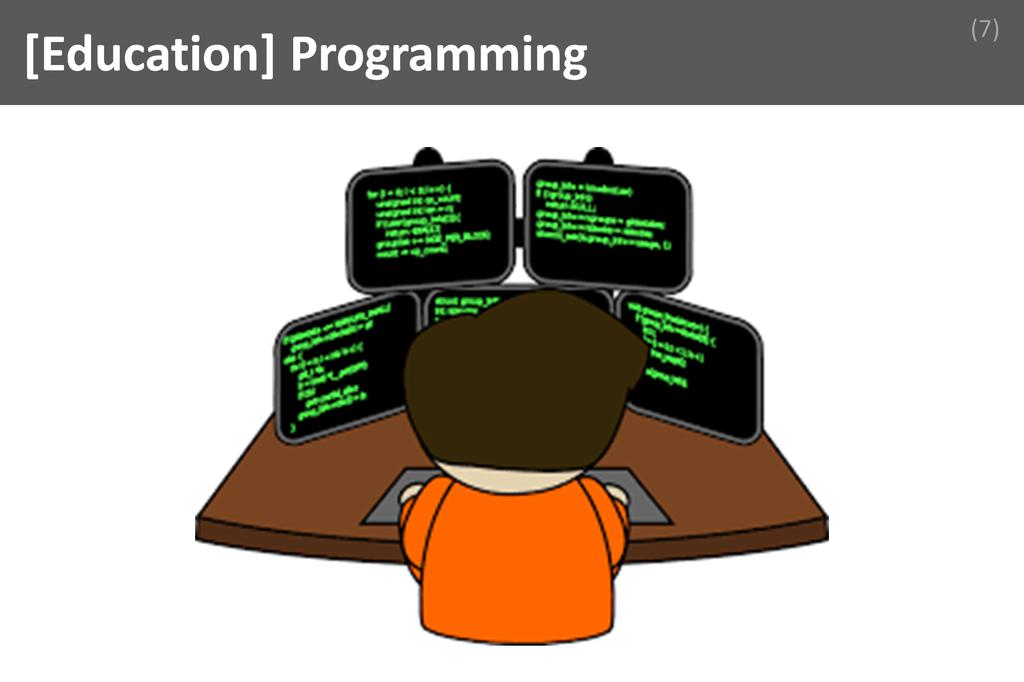
Programming

### Programming Image
What is
Programming is the process of designing, writing, testing, and maintaining code that instructs computers to perform specific tasks. In the context of data migration, programming enables professionals to automate, customize, and optimize the transfer of data between systems, ensuring accuracy, efficiency, and adaptability in complex migration projects.

Concept
Understanding programming is essential for anyone involved in data migration because it provides the technical foundation required to manipulate, transform, and validate data across diverse platforms. Mastery of programming languages allows professionals to create scripts and tools that automate repetitive tasks, handle exceptions, and ensure data integrity during transfers. As data environments grow in complexity, the ability to program becomes increasingly valuable, enabling practitioners to adapt to new technologies and evolving business requirements. Over the long term, programming skills open doors to advanced roles in data engineering, system integration, and analytics, making it a critical competency for sustained career growth in the data migration field.

Real World Example
Consider a data migration specialist tasked with moving customer records from an outdated legacy system to a modern cloud-based platform. By leveraging their programming expertise, the specialist writes custom scripts to extract data, transform it into the required format, and load it into the new system. During this process, they implement logic to handle inconsistencies, filter out duplicates, and log errors for review. Their programming knowledge allows them to automate these steps, reducing manual effort and minimizing the risk of human error. This practical application not only streamlines the migration process but also ensures that the transferred data is accurate, complete, and ready for immediate use in the new environment.

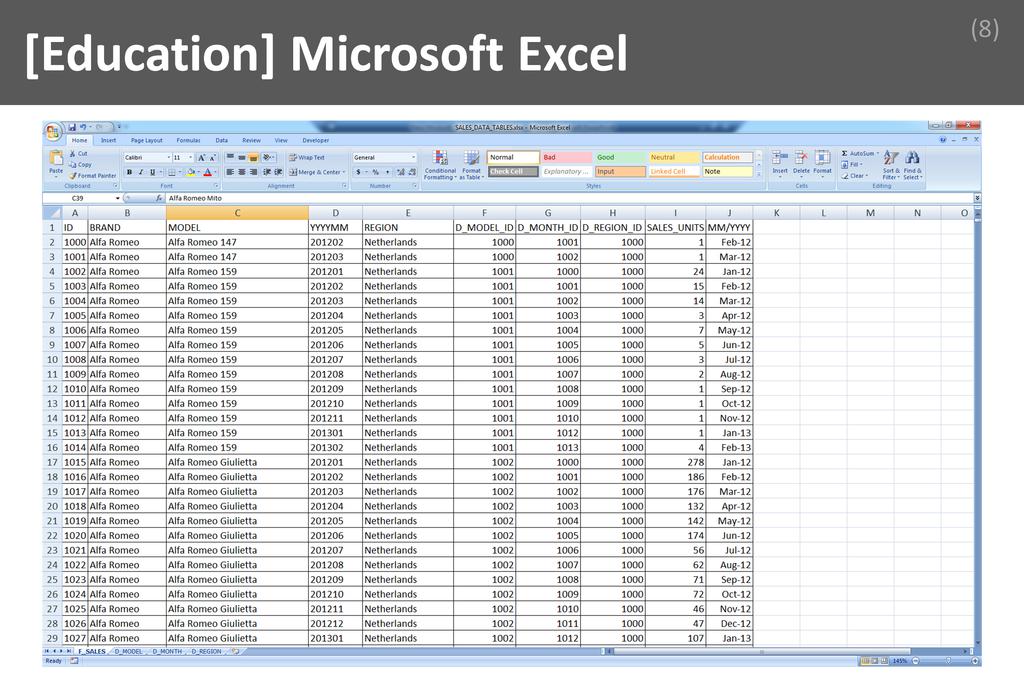
Microsoft Excel

### Microsoft Excel Image
What is
Microsoft Excel is a powerful spreadsheet application developed by Microsoft, widely used for data organization, analysis, and visualization. In the context of Data Migration, Excel serves as an essential tool for managing, transforming, and validating data, making it a critical component of both academic learning and professional practice in this field.

Concept
Understanding Microsoft Excel is vital for anyone preparing for or working in Data Migration because it provides the foundational skills needed to manipulate and analyze large datasets efficiently. Excel’s robust features, such as formulas, pivot tables, and data validation tools, enable professionals to clean, transform, and audit data before and after migration. Mastery of Excel not only streamlines the migration process but also reduces the risk of errors, ensuring data integrity and consistency. Over the long term, proficiency in Excel enhances problem-solving abilities, supports collaboration with stakeholders, and opens up opportunities for career advancement, as it is a universally recognized skill in data-centric roles across industries.

Real World Example
Consider a data migration specialist tasked with transferring customer records from an old CRM system to a new platform. Before the migration, the specialist uses Microsoft Excel to import raw data exports, identify and correct inconsistencies, and standardize formats such as dates and phone numbers. By applying advanced Excel functions, the specialist can quickly filter out duplicates, flag missing information, and generate summary reports for stakeholders. Throughout the migration process, Excel’s data validation features help ensure that only accurate and complete records are moved to the new system. This practical application of Excel not only accelerates the migration timeline but also minimizes costly errors, demonstrating the tool’s indispensable role in daily data migration operations.

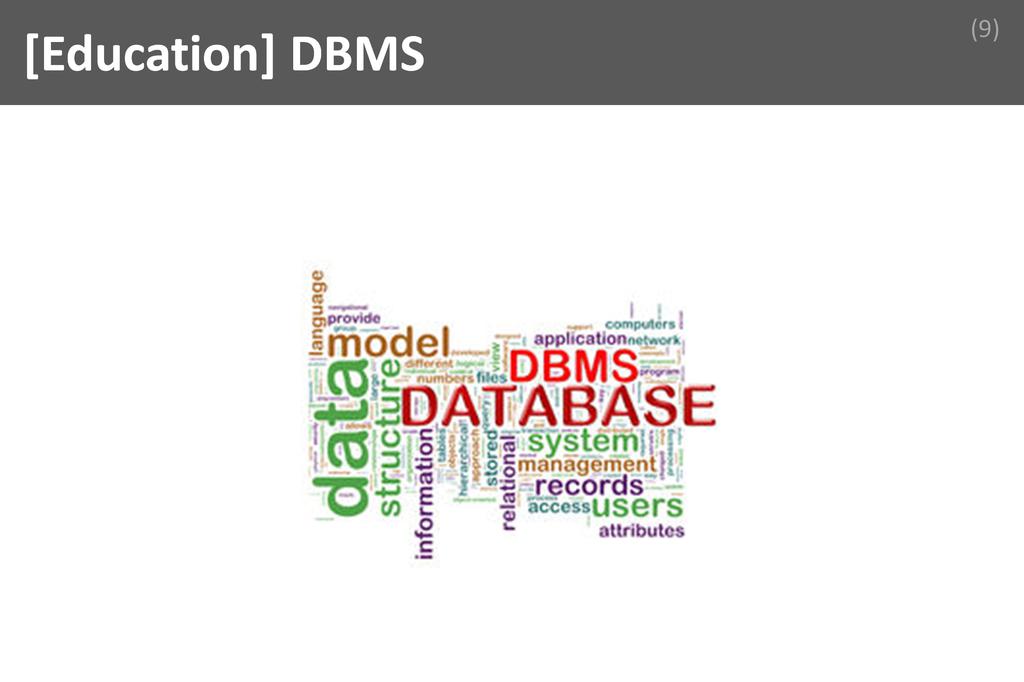
DBMS

### DBMS Image
What is
A Database Management System (DBMS) is software that enables users to define, create, maintain, and control access to databases. It provides mechanisms for data storage, retrieval, and manipulation, ensuring data integrity and security. In Data Migration, understanding DBMS is essential for managing and transferring structured data efficiently and accurately.

Concept
Grasping the fundamentals of DBMS is crucial for anyone involved in data migration because it underpins how data is organized, accessed, and manipulated within various systems. Professionals must understand data models, schema design, query languages, and transaction management to ensure seamless data transfer between legacy and modern platforms. This knowledge helps in identifying potential compatibility issues, optimizing data transformation processes, and maintaining data integrity throughout migration projects. Over the long term, expertise in DBMS empowers professionals to adapt to new technologies, troubleshoot complex migration challenges, and contribute to strategic decision-making in data-driven organizations. Mastery of DBMS concepts thus forms a critical foundation for a successful and sustainable career in data migration.

Real World Example
Consider a data migration specialist tasked with moving customer records from an on-premises relational database to a cloud-based system. Their understanding of DBMS allows them to analyze the source database schema, map relationships between tables, and write efficient queries to extract and transform data. During the migration, they use transaction controls to ensure that data is not lost or corrupted, and they apply integrity constraints to validate the accuracy of the transferred information. When unexpected data anomalies arise, their theoretical knowledge of DBMS helps them diagnose and resolve issues quickly, ensuring a smooth transition with minimal disruption to business operations. This practical application highlights the indispensable role of DBMS expertise in daily migration tasks.

Data Loader

### Data Loader Image
What is
Data Loader is a specialized software tool designed to facilitate the bulk import, export, update, and deletion of data between external sources and databases or cloud platforms. It is essential for efficiently managing large-scale data transfers, making it a fundamental component of academic and professional expertise in Data Migration.

Concept
Understanding Data Loader is crucial for anyone involved in Data Migration because it provides the technical foundation for moving, transforming, and managing data across different systems. Mastery of this tool ensures that professionals can handle complex data sets, maintain data integrity, and automate repetitive tasks, which are all critical for successful migration projects. As organizations increasingly rely on data-driven decision-making, the ability to efficiently migrate and manage data becomes a highly sought-after skill. Proficiency with Data Loader not only enhances immediate job performance but also opens doors to advanced roles in data engineering, system integration, and cloud computing, making it a long-term asset in a rapidly evolving field.

Real World Example
Consider a scenario where a data migration specialist is tasked with transferring customer records from a legacy on-premises database to a modern cloud-based CRM system. The professional uses Data Loader to extract the data, map fields between the two systems, and perform necessary data transformations to ensure compatibility. Throughout the process, the specialist leverages their understanding of Data Loader’s error handling and logging features to troubleshoot issues and validate the accuracy of the migration. By applying their theoretical knowledge in a practical setting, the professional ensures a seamless transition with minimal disruption to business operations, demonstrating the real-world value of mastering Data Loader in data migration projects.

Skills


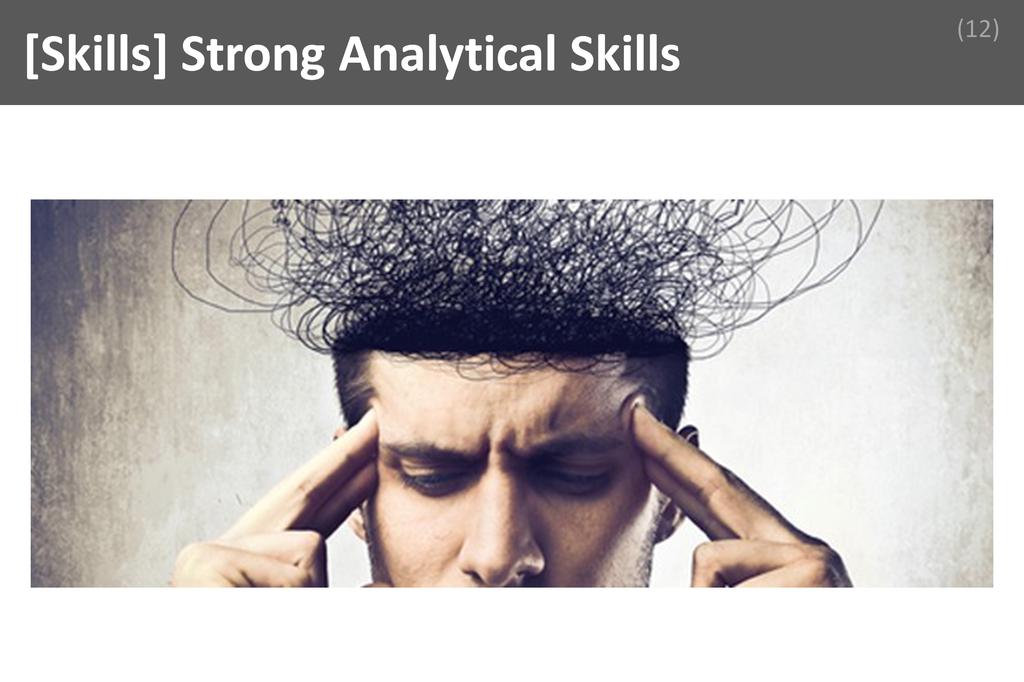
Strong Analytical Ability

### Strong Analytical Ability Image
What is
Strong Analytical Ability is the capacity to systematically examine complex information, identify patterns, interpret data, and draw logical conclusions to solve problems or make decisions. In data migration, this skill enables professionals to assess data structures, anticipate challenges, and ensure seamless transitions between systems, minimizing risks and maximizing data integrity.

Concept
Strong analytical ability directly enhances a data migration professional’s performance by enabling them to break down intricate migration processes, foresee potential obstacles, and devise effective solutions. Clients and employers highly value this skill because it ensures data is accurately transferred, business operations remain uninterrupted, and costly errors are avoided. Cultivating analytical ability involves continuous learning, practicing critical thinking, and engaging with increasingly complex migration projects. Over time, professionals can refine this skill by analyzing past migrations, seeking feedback, and staying updated on industry best practices. This ongoing development not only boosts confidence but also positions individuals as reliable experts capable of handling high-stakes data migration initiatives.

Real World Example
Imagine a data migration specialist tasked with transferring sensitive customer records from an outdated legacy system to a modern cloud-based platform. During the initial assessment, discrepancies in data formats and missing fields are discovered. Relying on strong analytical ability, the specialist systematically investigates the source and target systems, identifies the root causes of inconsistencies, and develops a mapping strategy to reconcile differences. By thoroughly analyzing the data and anticipating potential issues, the specialist ensures a smooth migration process, preserves data integrity, and avoids costly downtime. This analytical approach not only resolves immediate challenges but also builds trust with stakeholders, demonstrating the critical value of strong analytical ability in data migration projects.

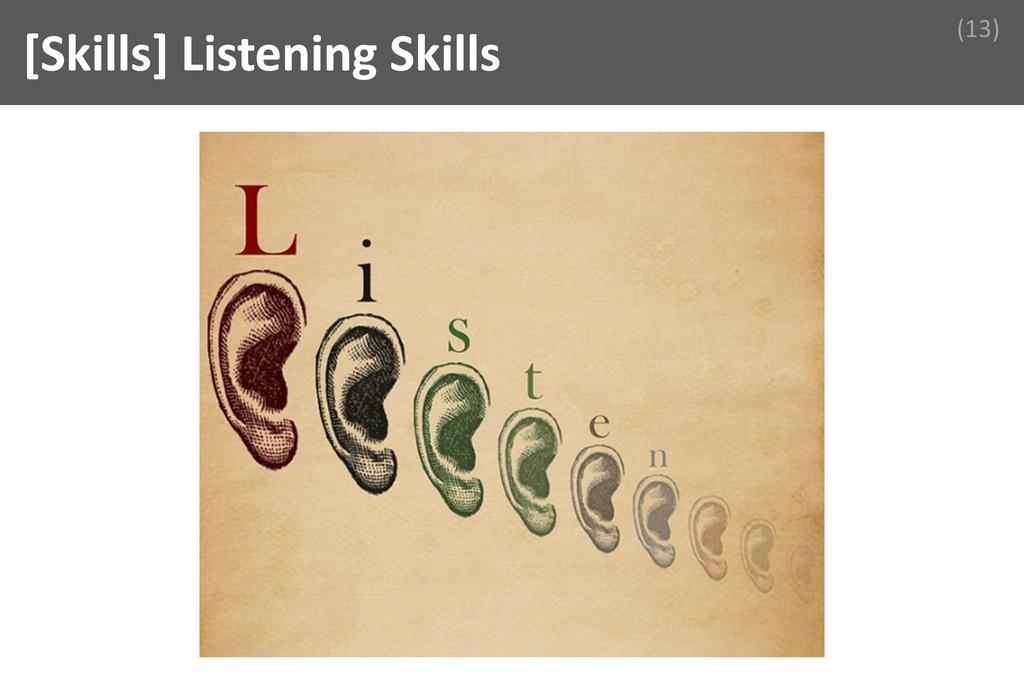
Listening

### Listening Image
What is
Listening is the active process of receiving, understanding, and interpreting spoken or written information with full attention and empathy. In data migration, it enables professionals to accurately grasp client requirements, technical constraints, and stakeholder concerns, ensuring that solutions are tailored, risks are minimized, and communication gaps are avoided throughout the project lifecycle.

Concept
Listening directly enhances performance in data migration by ensuring that all project requirements, data nuances, and stakeholder expectations are fully understood before any technical work begins. Clients and employers value this skill because it leads to fewer misunderstandings, more precise project scoping, and smoother collaboration between technical and non-technical teams. Effective listening helps identify hidden challenges early, reducing costly errors and rework. To cultivate this skill, professionals should practice active engagement during meetings, ask clarifying questions, and regularly seek feedback to confirm their understanding. Over time, consistently applying these habits builds trust with clients and colleagues, positioning the data migration specialist as a reliable and insightful partner in complex projects.

Real World Example
Imagine a data migration specialist working with a client who is transitioning from a legacy system to a modern cloud platform. During initial discussions, the client expresses concerns about data integrity and system downtime. By listening attentively, the specialist picks up on subtle hints about undocumented data dependencies and critical business processes that are not captured in the official documentation. Instead of making assumptions, the specialist asks follow-up questions and encourages the client to elaborate on these concerns. This attentive approach uncovers a potential risk that could have caused significant data loss if overlooked. By addressing the issue early, the migration proceeds smoothly, earning the client’s trust and ensuring project success.

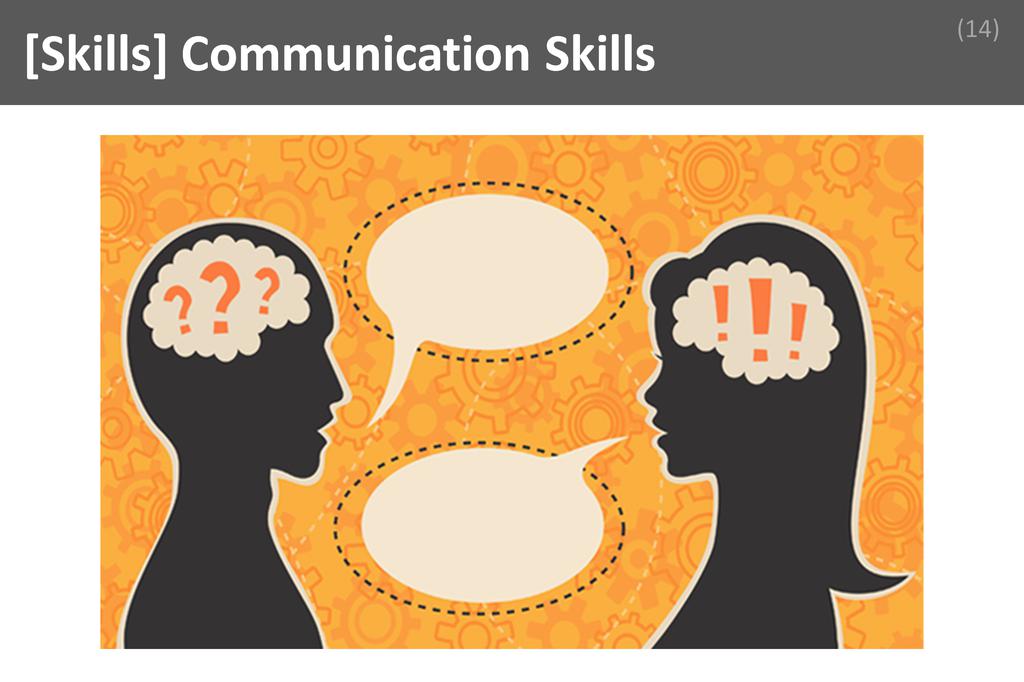
Communication Skills

### Communication Skills Image
What is
Communication skills encompass the ability to convey information clearly, listen actively, interpret feedback, and adapt messages for different audiences. In data migration, these skills enable professionals to bridge gaps between technical teams, stakeholders, and end-users, ensuring that project requirements, risks, and progress are understood and aligned throughout the migration process.

Concept
Strong communication skills directly enhance a data migration professional’s effectiveness by enabling them to translate complex technical concepts into language that clients and non-technical stakeholders can grasp. This fosters trust, reduces misunderstandings, and streamlines project workflows. Employers and clients highly value these abilities because successful data migration projects depend on clear requirements, timely updates, and collaborative problem-solving. To cultivate communication skills, professionals should seek feedback, practice active listening, and engage in regular discussions with both technical and non-technical colleagues. Over time, exposure to diverse teams and challenging scenarios helps refine the ability to tailor messages, ask clarifying questions, and present information confidently, all of which are crucial for delivering successful migration outcomes.

Real World Example
Imagine a data migration specialist overseeing the transfer of sensitive customer data to a new enterprise system. Midway through the project, the technical team encounters unexpected data compatibility issues that threaten the timeline. The specialist uses their communication skills to quickly organize a meeting with stakeholders, clearly explaining the nature of the problem and its potential impact. By translating technical jargon into accessible language, they ensure everyone understands the urgency and collaboratively explore possible solutions. Their ability to listen to concerns, address questions, and provide transparent updates reassures the client and motivates the team. As a result, the group agrees on a revised approach, minimizing delays and maintaining trust throughout the migration process.

Strong Concentration Power

### Strong Concentration Power Image
What is
Strong Concentration Power is the ability to maintain unwavering mental focus on a specific task or set of tasks for extended periods, resisting distractions and minimizing errors. In data migration, this skill is crucial because professionals must carefully manage complex processes, ensuring accuracy, consistency, and security while transferring vast amounts of data between systems.

Concept
Strong concentration power directly enhances a data migration professional’s performance by reducing the likelihood of mistakes during intricate tasks such as mapping data fields, validating records, and troubleshooting transfer errors. Employers and clients highly value this skill because even minor lapses in attention can lead to costly data loss, corruption, or compliance issues. Cultivating concentration involves practicing mindfulness, setting clear goals, and gradually increasing the duration of focused work sessions. Over time, professionals can train themselves to tune out distractions, prioritize critical tasks, and maintain high levels of accuracy and efficiency throughout the migration process, ultimately delivering reliable results that build trust and credibility.

Real World Example
Imagine a data migration specialist tasked with transferring sensitive customer information from a legacy system to a new cloud-based platform. During the process, a subtle inconsistency in data formatting threatens to derail the entire migration. By relying on strong concentration power, the specialist meticulously reviews thousands of records, identifies the exact point where the inconsistency occurs, and implements a precise correction without overlooking any details. This focused attention not only prevents potential data loss but also ensures the migration is completed on schedule, safeguarding the client’s operations and reputation. In such high-stakes scenarios, the ability to concentrate deeply becomes the defining factor between success and failure.

Positives


Learn New Business Process

### Learn New  Business Process Image
What is
"Learn New Business Process" refers to the continuous discovery and understanding of how different organizations operate, manage workflows, and achieve their objectives. In data migration, professionals must grasp these unique business processes to ensure seamless data transfer, system integration, and operational continuity, making this learning a core and rewarding part of the role.

Concept
The opportunity to learn new business processes is a significant advantage in a data migration career because it transforms each project into a fresh intellectual challenge. Professionals are exposed to diverse industries, from healthcare to finance, each with its own set of rules, workflows, and priorities. This constant learning keeps the work dynamic and engaging, preventing monotony and fostering a sense of accomplishment. As data migration specialists adapt to new business environments, they develop a versatile skill set and a broad perspective, which enhances their value in the job market. The ability to quickly understand and adapt to different business processes also builds confidence and opens doors to leadership roles, making every project a step forward in personal and professional growth.

Real World Example
Imagine a data migration specialist tasked with moving a retail company’s legacy inventory system to a modern cloud-based platform. To ensure a successful migration, the specialist must first immerse themselves in the company’s unique inventory management process, understanding how products are tracked, reordered, and reported. Through interviews with staff and hands-on analysis, they learn the nuances of seasonal stock fluctuations and promotional campaigns. This deep dive not only ensures a smooth technical transition but also gives the specialist a sense of achievement, knowing their efforts directly support the business’s operational success. Each new project brings similar opportunities, making the process of learning new business operations both fulfilling and essential to their role.

Interaction at Global Level

### Interaction at Global Level Image
What is
Interaction at Global Level refers to the dynamic engagement and collaboration with colleagues, clients, and stakeholders from diverse countries, cultures, and backgrounds. This global connectivity enriches the data migration profession by fostering cross-cultural understanding, broadening perspectives, and enabling professionals to solve complex challenges through international teamwork and shared expertise, ultimately enhancing project outcomes.

Concept
The opportunity to interact globally is a defining advantage in the field of data migration. Professionals are constantly exposed to new ideas, methodologies, and technologies from around the world, which accelerates personal and professional growth. This global engagement not only sharpens communication and problem-solving skills but also cultivates adaptability and cultural intelligence. As data migration projects often span multiple continents and time zones, professionals experience the excitement of working in a truly international environment. This diversity of thought and experience leads to more innovative solutions, higher job satisfaction, and a sense of belonging to a worldwide community. The daily exchange of knowledge and collaboration with global teams makes each project unique and rewarding, fueling continuous learning and career advancement.

Real World Example
Imagine a data migration specialist working for a multinational corporation tasked with consolidating data from offices in Europe, Asia, and North America. Each region has its own regulations, data formats, and business practices. The specialist regularly communicates with teams across these continents, learning to navigate cultural nuances and time zone differences. Through video conferences, collaborative platforms, and shared documentation, they build strong professional relationships and gain insights into global best practices. This experience not only enhances their technical skills but also provides a deep sense of accomplishment and connection. The successful completion of the project, achieved through seamless global collaboration, leaves the specialist with a profound appreciation for the power of international teamwork in driving success.

Challenges


High Risk

### High Risk Image
What is
High risk in data migration refers to the significant potential for data loss, corruption, downtime, or security breaches during the transfer of critical information between systems. This challenge is demanding because even minor errors can disrupt business operations, compromise sensitive data, and result in costly setbacks or regulatory violations.

Concept
The high-risk nature of data migration affects daily work by creating constant pressure to ensure accuracy, security, and minimal disruption. Professionals must be resilient, as they often face tight deadlines, complex legacy systems, and unpredictable technical issues. Navigating this environment requires a proactive mindset, meticulous planning, and the ability to adapt quickly to unforeseen challenges. Successful professionals mitigate risk by thoroughly testing migration processes, maintaining clear communication with stakeholders, and implementing robust backup and recovery plans. They also stay updated on best practices and emerging technologies, which helps them anticipate potential pitfalls and respond effectively when issues arise. This combination of technical expertise and emotional resilience enables them to deliver successful migrations despite the inherent risks.

Real World Example
Consider a scenario where a data migration specialist is tasked with moving sensitive financial records from an outdated on-premises database to a modern cloud platform. Recognizing the high risk involved, the professional begins by conducting a comprehensive risk assessment and developing a detailed migration plan. Throughout the process, they implement rigorous testing phases, including multiple dry runs, to identify and address potential data integrity issues. When an unexpected compatibility problem emerges during the final migration, the specialist quickly collaborates with both IT and business teams to troubleshoot and resolve the issue, minimizing downtime. By maintaining open communication, leveraging backup systems, and remaining calm under pressure, the professional ensures a seamless transition, safeguarding both data and business continuity.

External Dependencies

### External Dependencies Image
What is
External dependencies in data migration refer to factors, systems, teams, or processes outside the direct control of the migration team that influence project progress. These dependencies are demanding because they introduce uncertainty, potential delays, and coordination challenges, making it difficult to maintain timelines and ensure seamless data transfer between environments.

Concept
The presence of external dependencies can significantly disrupt the daily workflow of data migration professionals. Waiting on input from third-party vendors, relying on external system availability, or needing approvals from other departments can stall progress and create bottlenecks. This environment demands resilience, as professionals must adapt to shifting schedules and unexpected obstacles. Successful practitioners proactively communicate with stakeholders, set clear expectations, and build contingency plans to minimize the impact of delays. They also foster strong relationships with external partners, ensuring that dependencies are tracked and managed transparently. By anticipating potential roadblocks and maintaining flexibility, they keep projects moving forward despite factors beyond their immediate control.

Real World Example
Consider a data migration specialist tasked with moving sensitive customer data to a new cloud platform. The migration depends on a third-party security vendor to complete a critical compliance audit before data transfer can begin. When the vendor experiences staffing shortages, the audit is delayed, threatening the project timeline. The specialist responds by maintaining regular communication with the vendor, escalating the issue to management, and adjusting the migration schedule to focus on preparatory tasks that do not require the audit’s completion. By keeping stakeholders informed and reallocating resources, the specialist ensures that once the external dependency is resolved, the team can proceed efficiently, ultimately delivering the project with minimal disruption.

A Day Of


Data Migration

What is
The hum of servers and the steady rhythm of keystrokes set the backdrop for a data migration professional’s day—a world where precision meets pressure, and every decision can ripple across entire organizations. In this fast-paced environment, there’s little room for error as massive datasets are shepherded from legacy systems to modern platforms. Each day unfolds like a carefully orchestrated operation, demanding technical expertise, sharp problem-solving skills, and seamless collaboration. The stakes are high, but so is the satisfaction of seeing complex data landscapes transformed and future-proofed by your hands.

Concept
As the sun rises, the day begins with a quiet but critical ritual: reviewing overnight logs, monitoring automated migration scripts, and scanning for any anomalies that may have surfaced while the world slept. This is the time to recalibrate, ensuring that yesterday’s progress aligns with today’s objectives. With a fresh cup of coffee in hand, the data migration professional pores over dashboards, verifies data integrity, and updates the migration plan based on any new findings or business priorities. This early focus sets the tone for a day where vigilance and adaptability are key.

Real World Example
Mid-morning brings the heart of the action. This is when the practitioner dives deep into the technical trenches, mapping data fields between old and new systems, writing transformation scripts, and running test migrations. The work is intense and highly detailed, requiring both analytical thinking and creative problem-solving to resolve mismatches and ensure that data flows seamlessly. Communication with stakeholders is frequent, as clarifications about data definitions or business rules can make the difference between a flawless migration and a costly setback. The pace is brisk, and the sense of progress is palpable.

Afternoons are often dominated by collaboration and execution. The data migration professional joins cross-functional meetings with developers, business analysts, and project managers to review progress, address roadblocks, and align on next steps. This is the time to troubleshoot unexpected issues, coordinate cutover plans, and ensure that everyone is on the same page regarding timelines and deliverables. The energy in these sessions is dynamic, with ideas and solutions exchanged rapidly as the team works together to keep the migration on track.

As the day winds down, attention shifts to documenting the day’s work, updating migration logs, and noting any lessons learned. The professional reviews outstanding tasks, prioritizes issues for the next day, and communicates key updates to stakeholders. There’s a sense of accomplishment in seeing tangible progress, but also a keen awareness that tomorrow will bring new challenges. With systems secured and plans in place, the data migration specialist signs off, ready to tackle another day in the ever-evolving world of data transformation.


Install the LifePage App to:


  1. (for Free) Watch Data Migration Specialist Khushboo Garg’s full Data Migration Career Talk

  2. ₹ Do a Self Assessment on Data Migration to calculate your Dream Index, which is defined as:

    According to Khushboo Garg your chances of success in Data Migration is __%

  3. Access your personalized Dream Index Report which will have all your Dream Indices sorted in descending order.

Career Counselling 2.0


<?php echo $altimage; ?>


<?php echo $altimage; ?>


How to get into

Data Migration ?


If you are want to get into Data Migration , start by investing in a Career Plan.

The 14 hour process, guided by a LifePage Career Advisor, will help you introspect and check whether your interest in Data Migration is merely an infatuation or is it truly something you wish to do for the rest of your life.

Next, your Career Advisor will help you document how you can get into Data Migration , what education and skills you need to succeed in Data Migration , and what positives and challenges you will face in Data Migration .

Finally, you will get a Career Plan stating which Courses, Certifications, Trainings and other Items you need to do in the next 7 years to become world’s best in Data Migration .


LifePage Career Plan

14 hour personalized guidance program


Your LifePage Career Advisor facilitates your guided introspection so that you systematically explore various Career options to arrive at a well thought out Career choice.

Next: your Advisor helps you figure out how you will get into your chosen Career and how will you develop the skills needed for success in your Chosen Career.

LifePage Plan will not stop at saying "to become an Architect study Architecture". It will guide you on which Certifications, Trainings and Other items you need to do along with your Architecture education to become the world's best Architect.


Links for this Talk


Data Migration Specialist Khushboo Garg's LifePage:


Career Counselling 2.0
[LifePage]
https://www.lifepage.in/page/khushboogarg


LifePage Career Talk on Data Migration


Career Counselling 2.0
[Career]
https://www.lifepage.in/careers/data-migration-


Career Counselling 2.0
[Full Talk]
https://lifepage.app.link/20160917-0001


Career Counselling 2.0
[Trailer]
https://www.youtube.com/watch?v=owdcDkolwY0


(Data Migration, Khushboo Garg, Tech Mahindra, Noida, Business Process, Data Messaging, Data Migration, Data Loading, Data Quality and Accuracy, Data Validation )


Similar Talks



Career in Technology Consulting
Technology Consulting
Kanav Khurana
Senior Consultant | Big 4 Consulting Firm
[ 6 years Experience ]

Technology Consulting as a field of activity focuses on advising organizations on how best to use Information Technology (IT) in achieving their business objectives. In addition to providing advice, IT consultancies often estimate, manage, implement, deploy, and administer IT systems on behalf of their client organizations - a practice known as "outsourcing".

"After a Bachelors degree in Engineering, I started working in Technology Consulting with a startup in Delhi for Salesforce.com. Currently, I am working with one of the Big 4 companies in Technology Consulting as a Senior Consultant."


Career Counselling 2.0 Career Counselling 2.0 Career Counselling 2.0 Career Counselling 2.0 Career Counselling 2.0


Career in IT Broadcasting
IT Broadcasting
Kaushlendra Singh
IT Broadcast Head | HNN 24x7, Dehradun
[ 6 years & 10 months Experience ]

Broadcasting is the distribution of audio or video content or other messages to a dispersed audience via any electronic mass communications medium, but typically one using the electromagnetic spectrum, in a one-to-many model.

"After completing my B Tech in Information Technology from UPTU, I started my career with a media house. I have been working with HNN 24*7 as IT Broadcast Head since 2012."


Career Counselling 2.0 Career Counselling 2.0 Career Counselling 2.0 Career Counselling 2.0 Career Counselling 2.0


Career in Network Administration
Network Administration
Vikas Kundaliya
IT Manager | HNN 24*7
[ 13 years & 8 months Experience ]

Entertainmnet Anchoring is all about informing the public on, what is happing in the entertainment industry.Entertainment anchors, also referred to as news analysts, inform the public about news and events happening Local, National and International Entertainment Industry.

"After completing my graduation and post graduation in IT, I started working as a lab instructor at Jetking Info. Then I did some networking courses and joined HNN 24*7 as an IT Manager in 2016."


Career Counselling 2.0 Career Counselling 2.0 Career Counselling 2.0 Career Counselling 2.0 Career Counselling 2.0


Career in Agile Product Management
Agile Product Management
Marcus Evans
Agile Product Manager | BBC
[ 16 years & 11 months Experience ]

It is the part of the Agile Project Management methodology. Product managers are detached from the development teams, separated by process, department, and facility boundaries. They work to create products and work on the existing product. Their feature development and prioritization of the product for its future.

"After my degree in Philosophy, I started Agile Product Management in 2002. I have worked with various companies such as BBC in UK, Lonely Planet in Australia etc. I have worked on a variety of projects for Mobile devices, Websites etc. Some were traditional and some were quite experimental."


Career Counselling 2.0 Career Counselling 2.0 Career Counselling 2.0 Career Counselling 2.0 Career Counselling 2.0


Career in IT Consulting
IT Consulting
Eric Germain
IT Consultant | Various Assignments
[ 25 years & 2 months Experience ]

Information technology consulting as a field of activity focuses on advising organizations on how best to use information technology in achieving their business objectives.

"I did my graduation in Business Management from Mason University thereafter started working with Miller's Supplies in various profiles."


Career Counselling 2.0 Career Counselling 2.0 Career Counselling 2.0 Career Counselling 2.0 Career Counselling 2.0


Career in IT Consulting
IT Consulting
Lakshay Narang
IT Consultant | AWC Softwares
[ 4 years & 11 months Experience ]

IT Consultancy is all about knowing multiple technologies, software products and Industry domain knowledge.

"After completing my BTech from GGSIPU, I started working with IT start-up as a software trainee and currently working as a Business Analyst."


Career Counselling 2.0 Career Counselling 2.0 Career Counselling 2.0 Career Counselling 2.0 Career Counselling 2.0


Career in Network Administration
Network Administration
Khushboo Garg
Network Administrator | Tech Mahindra, Noida
[ 0 years & 5 months Experience ]

A network administrator maintains computer infrastructures with emphasis on networking. Responsibilities may vary between organizations, but on-site servers, software-network interactions as well as network integrity/resilience are the key areas of focus.

"I started my career as a Network Administrator with HCL Technologies, Noida. Later on moved as a Business Analyst with Tech Mahindra Pvt. Ltd. (Dec 2010 to May 2015) There I was Responsible to interact with the clients and to work upon the issue raised by them via tickets related to the network. "


Career Counselling 2.0 Career Counselling 2.0 Career Counselling 2.0 Career Counselling 2.0 Career Counselling 2.0


Career in Network Services
Network Services
Vishal Rajan
Network Administrator | Wipro Infotech
[ 4 years & 4 months Experience ]

A network service is an application running at the network application layer and above, that provides data storage, manipulation, presentation, communication or other capability which is often implemented using a client-server or peer-to-peer architecture based on application layer network protocols.

"I have done B Tech in Computer Science from Royal Institute of Management & Technology. I am a Network Administrator with Wipro Infotech working for International Airport, New Delhi."


Career Counselling 2.0 Career Counselling 2.0 Career Counselling 2.0 Career Counselling 2.0 Career Counselling 2.0


Career in Program Management
Program Management
Rahul Bajaj
Assistant Director | E Y
[ 11 years & 7 months Experience ]

Program management is the process of managing several related projects, often with the intention of improving an organization's performance.

"After completing my BTech from Kurukshetra University, I did my post graduation from ICFAI. I have 10 years of experience in this field and working with EY as an Assistant Director Program Management."


Career Counselling 2.0 Career Counselling 2.0 Career Counselling 2.0 Career Counselling 2.0 Career Counselling 2.0


Career in CRM Implementation
CRM Implementation
Khushboo Garg
Business Analyst | Tech Mahindra, Noida
[ 3 years & 5 months Experience ]

In this era of competition, it is very difficult for a company to manage all the data available and collected every day. This can result in a poor relationship with the customer, which s why CRM implementation is necessary. CRM manages all the data of the company with its automated features, which helps to analyse the performance of the company and build a better relationship with the customer.

"I started my career as a business analyst in 2010 with Tech Mahindra Pvt. Ltd. and stayed with them till 2015. In my almost five years of experience I have played different roles, such as, data migration, data analyst, project manager, sales consultant and service consultant in the various CRM implementation projects."


Career Counselling 2.0 Career Counselling 2.0 Career Counselling 2.0 Career Counselling 2.0 Career Counselling 2.0


Career in IT Product Management
IT Product Management
Ankur Awasthi
IT Product Manager | Shaadiwish
[ 3 years & 8 months Experience ]

Product management is an organizational lifecycle function within a company dealing with the planning, forecasting, and production, or marketing of a product or products at all stages of the product lifecycle.

"After finishing my graduation and post graduation from IP University, I started his career as a UI/UX Designer and Web Developer since then. Work with Shaadiwish.com as IT Product Manager."


Career Counselling 2.0 Career Counselling 2.0 Career Counselling 2.0 Career Counselling 2.0 Career Counselling 2.0


Career in Content Management System
Content Management System
Parmendar Chand
WordPress Developer | ISPL Academy
[ 3 years & 10 months Experience ]

There are various Content Management Systems such as Wordpress, Joomla, OpenCart & Drupal. WordPress is a free, (extremely) user friendly and a dynamic open-source Content Management System through which one can develop and design a website.

"I studied various programming languages such as C, C++, etc in school. I also took a web & graphic designing course. Thereafter, once I graduated from Garhwal University, I once again brushed up on my knowledge of the subject and took more such courses and learnt how to use WordPress & Joomla. It is also where and when I learnt about Content Management and since then I am working as a Word Press Developer with ISPL Academy."


Career Counselling 2.0 Career Counselling 2.0 Career Counselling 2.0 Career Counselling 2.0 Career Counselling 2.0


Career in Program Management
Program Management
Beth Bauer
Program Manager | Fulcrum Technologies
[ 16 years Experience ]

Program management or is the process of managing several related projects, time and again with the intention of improving an organization's performance.

"After completing BBA from City University, I started working as a Program Manager and I have been doing Program Management for the last 10 years."


Career Counselling 2.0 Career Counselling 2.0 Career Counselling 2.0 Career Counselling 2.0 Career Counselling 2.0


Career in Broadcast Content Management
Broadcast Content Management
Sumit Bahuguna
IT Manager | Zee Entertainment Enterprises Ltd
[ 11 years & 1 month Experience ]

Broadcasting is the simultaneous transmission of the same message to multiple recipients. In networking, broadcasting occurs when a transmitted data packet is received by all network devices. In non-networking or electronic broadcasting, the term broadcasting denotes the transfer of audio and video data between nodes and devices. Broadcast Content management (BCM) is a set of processes and technologies that supports the collection, managing, and publishing of information in any form or medium when stored and accessed via computers & servers.

"After doing my schooling from St. Gabriels Academy Roorkee, I did my B tech in Electronics & Instrumentation from Shobhit Institute of Engineering & Technology, Saharanpur, UP. Thereafter, I got an opportunity to work with NDTV India as Broadcast Engineer and worked with NDTV for 9 years. Later in 2014, I joined Zee Entertainment Enterprises Ltd as IT Manager."


Career Counselling 2.0 Career Counselling 2.0 Career Counselling 2.0 Career Counselling 2.0 Career Counselling 2.0


Career in Technical Content Management
Technical Content Management
Seema Khadsare
Editor in Chief | Council of Info Security
[ 3 years & 11 months Experience ]

Technical Content management (TCM) is a set of processes and technologies that supports the collection, managing, and publishing of information in any form or medium. When stored and accessed via computers, this information may be more specifically referred to as digital content, or simply as content.

"After completing my education, I started working as Computer teacher in schools. In 2015, I started working as Editor in chief for the 1st Digital Forensic Journal under Council of Information Security."


Career Counselling 2.0 Career Counselling 2.0 Career Counselling 2.0 Career Counselling 2.0 Career Counselling 2.0


Career in Operations Management
Operations Management
Abhishek Rautela
Sr Manager | Landis+Gyr Ltd
[ 13 years & 8 months Experience ]

Operations management is chiefly concerned with planning, organizing and supervising in the contexts of production, manufacturing or the provision of services. As such, it is delivery-focused, ensuring that an organization successfully turns inputs to outputs in an efficient manner. The inputs themselves could represent anything from materials, equipment and technology to human resources such as staff or workers.

"After completing my graduation, I worked as a software engineer for 1.5 years. From there I got an opportunity to work in quality management. I completed various certifications such as six sigma black belt, project management, OHSAS etc. I am currently working as Senior Manager, Process Excellence for Landis+Gyr Ltd."


Career Counselling 2.0 Career Counselling 2.0 Career Counselling 2.0 Career Counselling 2.0 Career Counselling 2.0


Career in Technical Operations Mgmt
Technical Operations Mgmt
Nitin Chandola
Co-founder | Sunfox Technologies Pvt Ltd
[ 2 years & 7 months Experience ]

Technical operations management is the technical department of an organization. In this individuals are responsible for planning, coordinating, and executing organizational technical processes from start to finish.

"After completing my education, I started working with GEU Motorsports as a Vehicle Dynamic Engineer for one year. In 2017, I Co-founded the Sunfox Technologies Pvt Ltd and I handle Technical Operations."


Career Counselling 2.0 Career Counselling 2.0 Career Counselling 2.0 Career Counselling 2.0 Career Counselling 2.0


Career in Technology Consulting
Technology Consulting
Karan Varshney
Solution Architect | Accenture Consulting
[ 9 years Experience ]

Technology consulting help in creating a new vision for your business to take a giant stride in the digital space. Enterprises look forward to uncover the best business technology solutions that can address their current challenges and remodel their organization with a futuristic vision.

"After completing BTech in CSE, I did MBA in Finance Strategy from MDI. After that I started working with Wipro Technologies."


Career Counselling 2.0 Career Counselling 2.0 Career Counselling 2.0 Career Counselling 2.0 Career Counselling 2.0


[Install the LifePage App to access all Talks]


<?php echo $altimage; ?>


<?php echo $altimage; ?>


&mbsp;


Career Counselling 2.0 | Home   Home  
Career Counselling 2.0 | Abroad   Abroad  
Career Counselling 2.0 | Plan   Plan  
Career Counselling 2.0 | Talks   Talks  
Career Counselling 2.0 | Philosophy   Philosophy  
Career Counselling 2.0 | Seminar   Seminar  
Career Counselling 2.0 | Workshop   Workshop  
Career Counselling 2.0 | Pages   Pages  
Career Counselling 2.0 | Advisors   Advisors  
Career Counselling 2.0 | Discuss   Discuss  
Career Counselling 2.0 | Meet   Meet  
Career Counselling 2.0 | Advisor   Advisor  
Career Counselling 2.0 | Story   Story  
Career Counselling 2.0 | Fine Print   Fine Print  
Career Counselling 2.0 | Links   Links  
Career Counselling 2.0 | Blog   Blog  
Career Counselling 2.0 | Testimonials   Testimonials  
Career Counselling 2.0 | Follow   Follow  
 
[ Site Visits ]


Career Counselling 2.0