The Journey of Program Management
What Is Program Management
Program Management

Program management is the coordinated organization, direction, and oversight of multiple related projects aligned with strategic business objectives. It ensures that these projects collectively deliver value, manage interdependencies, and achieve outcomes that would not be possible if managed separately, optimizing resources and stakeholder engagement throughout the process.
Program management plays a crucial role in helping organizations achieve their long-term goals by aligning projects with broader business strategies. For professionals in this field, it offers the opportunity to influence decision-making at a high level, foster cross-functional collaboration, and drive significant organizational change. One major benefit is the ability to manage complex initiatives more efficiently by overseeing multiple projects as a unified whole. Another advantage is improved risk management, as program managers can anticipate and mitigate issues across projects. Additionally, program management enhances communication and stakeholder satisfaction by providing clear direction and consistent progress updates, ensuring that all efforts contribute to the organization’s overall vision.
Consider a technology company launching a new suite of digital products. A program manager oversees several interrelated projects, such as software development, marketing campaigns, and customer support enhancements. By coordinating these projects, the program manager ensures that timelines align, resources are allocated effectively, and potential risks are addressed proactively. They facilitate communication between project teams, executives, and stakeholders, ensuring everyone is informed and working toward the same objectives. As a result, the company can deliver a cohesive product launch, maximize market impact, and achieve strategic goals more efficiently than if each project operated in isolation. This real-world scenario highlights the value program management brings to complex, multi-faceted initiatives.
Education
PMI Literature

PMI Literature refers to the body of knowledge, standards, frameworks, and best practices published by the Project Management Institute (PMI). It encompasses guides such as the PMBOK, articles, white papers, and research that collectively inform and shape the discipline of Program Management in both academic and professional contexts.
Understanding PMI Literature is essential for anyone aspiring to excel in Program Management because it provides a universally recognized foundation for managing complex initiatives. This literature introduces standardized terminology, methodologies, and ethical guidelines that ensure consistency and quality across projects and programs. By mastering these concepts, professionals can communicate effectively with stakeholders, align their work with global best practices, and navigate the complexities of multi-project environments. Over the long term, fluency in PMI Literature enhances credibility, supports career advancement, and opens doors to international opportunities, as many organizations and industries require or prefer adherence to PMI standards. Ultimately, it empowers program managers to deliver value, manage risks, and drive organizational success.
Consider a program manager overseeing a portfolio of technology projects within a multinational corporation. Drawing on their knowledge of PMI Literature, they implement standardized processes for risk management, stakeholder engagement, and resource allocation. When a critical project faces delays due to unforeseen technical challenges, the manager references PMI’s guidelines to conduct a structured risk assessment and develop a mitigation plan. By applying these established frameworks, the manager not only resolves the immediate issue but also fosters a culture of proactive problem-solving and continuous improvement. This theoretical grounding enables them to justify decisions to executives, maintain stakeholder confidence, and ensure that the program’s objectives remain aligned with the organization’s strategic goals.
Technology

Technology refers to the application of scientific knowledge, tools, systems, and processes to solve problems and achieve objectives efficiently. In the context of Program Management, technology encompasses the digital platforms, software, and methodologies that enable the planning, execution, and monitoring of complex projects across diverse industries.
Understanding technology is essential for program managers because it underpins nearly every aspect of modern project execution. Mastery of technological concepts allows professionals to select appropriate tools, streamline workflows, and facilitate communication among stakeholders. As organizations increasingly rely on digital solutions, program managers must be adept at integrating new technologies to maintain competitiveness and drive innovation. This foundational knowledge not only enhances decision-making but also equips managers to anticipate and mitigate risks associated with technological change. Over the long term, a strong grasp of technology ensures career resilience, as it enables professionals to adapt to evolving industry standards and lead teams through digital transformation initiatives with confidence.
Consider a program manager overseeing the rollout of a new enterprise resource planning (ERP) system across multiple departments. Their understanding of technology enables them to assess software compatibility, coordinate with IT specialists, and translate technical requirements into actionable project milestones. During implementation, they leverage project management software to track progress, identify bottlenecks, and facilitate real-time communication between cross-functional teams. By applying their theoretical knowledge, the program manager ensures that the technology aligns with organizational goals, minimizes disruption, and delivers measurable improvements in efficiency and data accuracy. This practical application of technology knowledge is critical for delivering successful outcomes in complex, technology-driven environments.
Project Management

Project Management is the discipline of planning, organizing, leading, and controlling resources to achieve specific goals within defined constraints such as time, budget, and scope. It is a fundamental area of study and practice that underpins the broader responsibilities of Program Management, providing essential frameworks and methodologies for success.
Understanding Project Management is crucial for anyone preparing for or working in Program Management because it establishes the essential skills and mindset required to oversee complex initiatives. Mastery of project management principles enables professionals to break down large objectives into manageable tasks, allocate resources efficiently, and mitigate risks proactively. This foundational knowledge ensures that program managers can coordinate multiple projects simultaneously, align them with organizational strategy, and deliver value consistently. Over the long term, proficiency in project management not only enhances credibility and leadership capabilities but also opens doors to advanced roles, greater responsibility, and the ability to drive transformative change within organizations.
Consider a program manager overseeing a portfolio of technology projects aimed at digital transformation within a company. Each project has its own timeline, budget, and deliverables, but all must contribute to the overarching program goals. Drawing on their project management expertise, the program manager establishes clear communication channels, monitors progress using project tracking tools, and anticipates potential bottlenecks. When one project faces delays due to resource constraints, the manager reallocates team members from another project, ensuring overall program continuity. By applying project management principles daily, the program manager maintains control over individual projects while steering the entire program toward successful completion, demonstrating the indispensable value of this foundational knowledge.
Operation Management
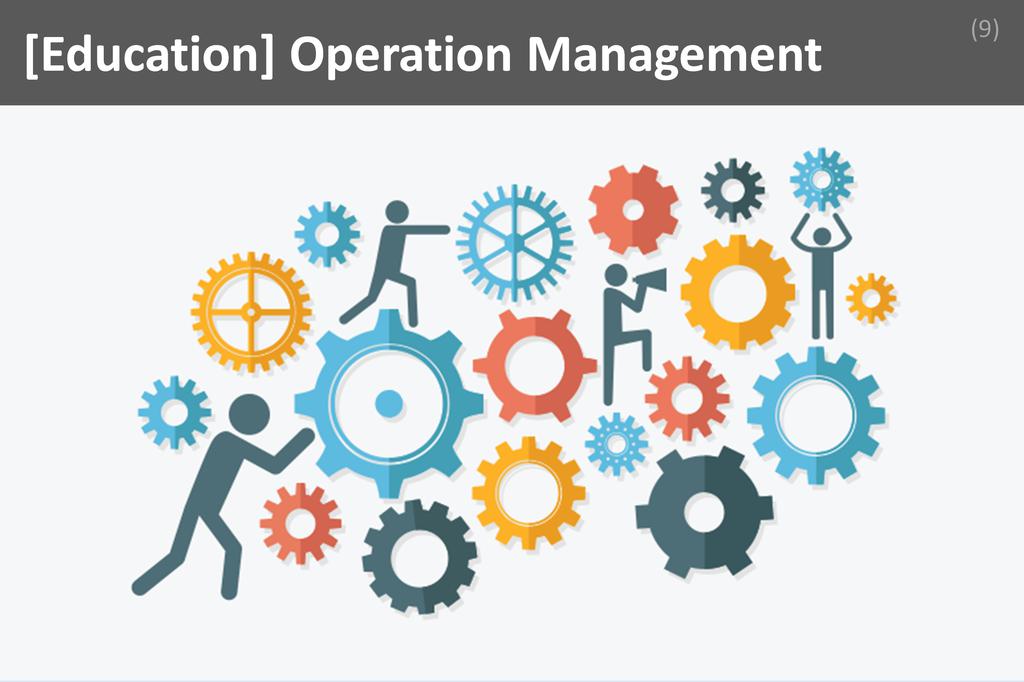
Operation Management is the discipline focused on designing, overseeing, and improving business processes to produce goods or deliver services efficiently. It encompasses resource allocation, workflow optimization, and quality control. For Program Management, understanding Operation Management is essential, as it bridges strategic objectives with effective execution across multiple projects and teams.
A solid grasp of Operation Management is indispensable for anyone in Program Management because it provides the analytical tools and frameworks necessary to streamline processes, allocate resources wisely, and ensure consistent quality. Mastery of these concepts enables professionals to anticipate bottlenecks, manage risks, and drive continuous improvement within complex programs. This foundational knowledge not only enhances day-to-day decision-making but also supports long-term strategic planning and adaptability in dynamic business environments. Over time, professionals who understand Operation Management are better equipped to align operational capabilities with organizational goals, foster cross-functional collaboration, and deliver value to stakeholders, making them invaluable assets to their organizations and positioning them for career advancement.
Consider a Program Manager overseeing the rollout of a new software platform across multiple departments in a large organization. By applying principles from Operation Management, the manager analyzes workflow processes to identify redundancies and inefficiencies, then implements standardized procedures to streamline deployment. They coordinate resource allocation, ensuring that technical teams, training staff, and support personnel are optimally scheduled to avoid delays. Throughout the project, the manager monitors key performance indicators and quality metrics, using this data to make informed adjustments and maintain alignment with organizational objectives. This practical application of Operation Management theory ensures the program is delivered on time, within budget, and meets the desired quality standards, ultimately contributing to the program’s overall success.
Finance

Finance is the discipline concerned with the management, creation, and study of money, investments, and other financial instruments. It encompasses budgeting, forecasting, risk assessment, and resource allocation. Within Program Management, finance is a core academic and professional pillar, enabling managers to make informed decisions that align with organizational goals and ensure project viability.
Understanding finance is essential for program managers because it equips them with the analytical skills to interpret financial statements, allocate resources efficiently, and assess the financial health of their programs. Mastery of financial concepts such as budgeting, cost-benefit analysis, and return on investment allows professionals to justify expenditures, prioritize initiatives, and anticipate financial risks. This knowledge forms the backbone of strategic planning and decision-making, ensuring that programs are not only delivered on time and within scope but also within budget. Over the long term, financial literacy enhances a program manager’s credibility, opens doors to senior leadership roles, and fosters a holistic understanding of how their work contributes to the organization’s overall success.
Consider a program manager overseeing the rollout of a new software platform across multiple departments. To ensure the project’s success, the manager must develop a comprehensive budget, forecast expenses, and monitor ongoing costs. When unexpected expenses arise, such as additional licensing fees or training costs, the manager draws upon their financial knowledge to reallocate funds, justify the changes to stakeholders, and maintain the program’s financial health. By regularly reviewing financial reports and adjusting plans accordingly, the manager ensures that the project remains financially viable and delivers value to the organization. This practical application of finance not only keeps the program on track but also builds trust with executives and team members.
Skills
Communication
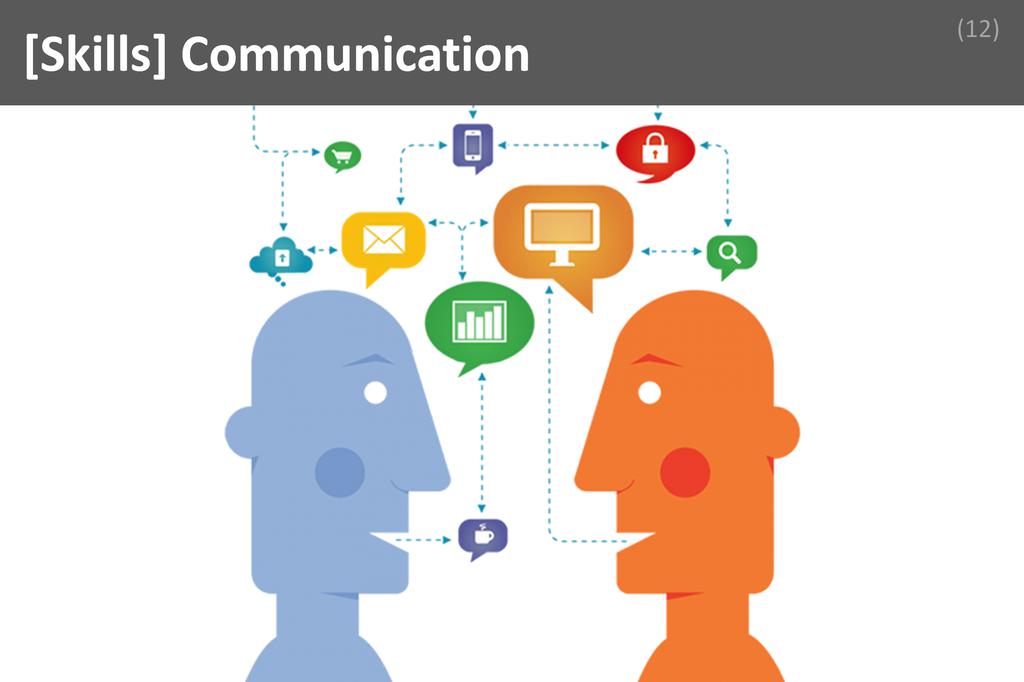
Communication is the clear and effective exchange of information, ideas, and expectations between individuals or groups, using verbal, written, and nonverbal methods. In program management, communication is the foundation for aligning teams, stakeholders, and resources, ensuring that objectives are understood and progress is transparent throughout the project lifecycle.
Strong communication skills directly enhance a program manager’s ability to coordinate complex initiatives, resolve conflicts, and keep all parties informed and engaged. Clients and employers highly value this skill because it minimizes misunderstandings, accelerates decision-making, and builds trust among stakeholders. Effective communicators can articulate project goals, manage expectations, and provide timely updates, which are crucial for successful program delivery. To cultivate this skill, professionals should seek feedback, practice active listening, and refine their ability to tailor messages to diverse audiences. Over time, consistent effort in these areas leads to greater confidence and proficiency, enabling program managers to navigate challenges and drive results more efficiently.
Imagine a program manager overseeing the rollout of a new software platform across multiple departments. Midway through the project, a critical integration issue threatens to delay the launch. The program manager organizes a cross-functional meeting, clearly explains the problem, and encourages open dialogue among technical teams, business leaders, and vendors. By facilitating transparent communication, the manager ensures that everyone understands the urgency and their roles in resolving the issue. Through regular updates and collaborative problem-solving, the team identifies a viable solution and implements it swiftly, keeping the project on track. This scenario highlights how effective communication enables program managers to unite diverse stakeholders, address challenges proactively, and achieve successful outcomes.
Cultural Sensitivity

Cultural sensitivity is the awareness, understanding, and respectful consideration of differences in values, beliefs, customs, and behaviors among people from diverse backgrounds. In program management, it enables professionals to navigate multicultural environments, build trust, and foster collaboration, ensuring that projects succeed across varied teams, stakeholders, and global contexts.
Cultural sensitivity directly enhances a program manager’s effectiveness by enabling clear communication, reducing misunderstandings, and building stronger relationships with stakeholders from diverse backgrounds. Clients and employers value this skill because it leads to smoother project execution, higher team morale, and better outcomes in international or cross-functional projects. To cultivate cultural sensitivity, professionals should seek exposure to different cultures through travel, language learning, or diverse team experiences. Continuous self-reflection, active listening, and openness to feedback also help in recognizing and overcoming personal biases. Over time, these efforts foster a more inclusive mindset, allowing program managers to adapt their leadership style and decision-making processes to suit the cultural context of each project.
Imagine a program manager leading a global software rollout involving teams from the United States, India, and Germany. During a critical phase, a conflict arises due to differing approaches to deadlines and communication styles. By drawing on cultural sensitivity, the program manager recognizes that direct feedback is valued in Germany, consensus is important in India, and individual initiative is prized in the United States. The manager facilitates a meeting where each team’s perspectives are acknowledged and respected, and adapts the project plan to incorporate culturally appropriate communication and decision-making processes. This approach not only resolves the conflict but also strengthens team cohesion, ensuring the project stays on track and meets its objectives.
Conflict Resolution
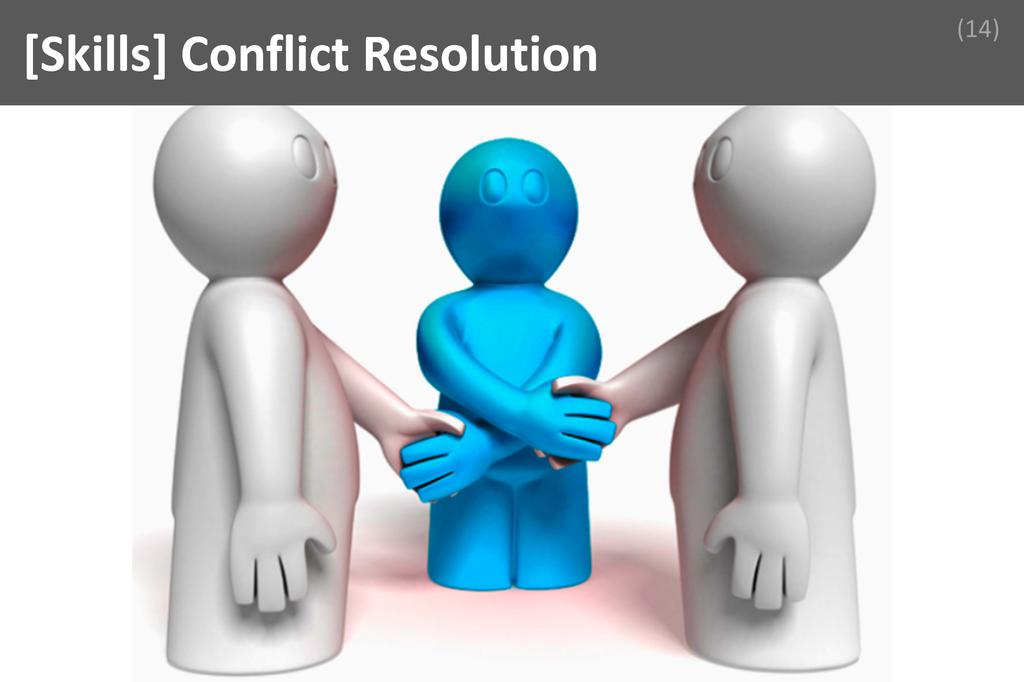
Conflict Resolution is the process of identifying, addressing, and resolving disagreements or disputes between individuals or groups in a constructive manner. It involves communication, negotiation, and problem-solving to reach mutually acceptable solutions. For Program Managers, Conflict Resolution is indispensable, ensuring collaboration, maintaining project momentum, and fostering a positive work environment.
Mastering Conflict Resolution directly enhances a Program Manager’s effectiveness by minimizing disruptions, improving team cohesion, and ensuring that projects stay on track despite differing viewpoints. Clients and employers highly value this skill because it leads to smoother project delivery, higher stakeholder satisfaction, and reduced risk of escalation. Cultivating Conflict Resolution involves practicing active listening, empathy, and assertive communication, as well as seeking feedback and learning from each challenging situation. Over time, experience and reflection help Program Managers anticipate potential conflicts, address them proactively, and turn disagreements into opportunities for innovation and stronger team relationships.
Imagine a Program Manager overseeing a complex software rollout where the development and marketing teams disagree on the product launch timeline. The development team cites technical challenges, while marketing is committed to a fixed promotional schedule. The Program Manager steps in to facilitate a structured discussion, ensuring each side’s concerns are heard and understood. By mediating the conversation, clarifying priorities, and encouraging compromise, the Program Manager helps both teams agree on a revised timeline that accommodates technical needs without jeopardizing marketing goals. This resolution not only keeps the project on track but also strengthens interdepartmental trust and collaboration, demonstrating the critical value of Conflict Resolution in achieving program success.
Team Work

Team Work is the collaborative effort of a group to achieve a common goal or complete a task in the most effective and efficient way. In Program Management, it involves open communication, mutual respect, and coordinated actions among diverse stakeholders, ensuring that complex projects are delivered successfully and objectives are met.
Team Work directly enhances performance in Program Management by fostering a culture of shared responsibility and collective problem-solving. When team members collaborate effectively, they pool their expertise, anticipate challenges, and develop innovative solutions that might not emerge in isolation. Clients and employers highly value this skill because it leads to smoother project execution, higher morale, and better outcomes. To cultivate Team Work, professionals should actively seek feedback, participate in cross-functional initiatives, and practice empathy and active listening. Over time, consistent engagement in collaborative environments helps individuals refine their ability to build trust, resolve conflicts, and motivate others, making them indispensable assets to any program management team.
Imagine a Program Manager overseeing the launch of a new software platform who encounters a critical integration issue days before the release. Instead of working in silos, the manager brings together developers, quality assurance specialists, and client representatives to openly discuss the problem. Through transparent communication and shared brainstorming, the team identifies the root cause and devises a workaround that satisfies both technical and business requirements. By leveraging each member’s unique perspective and expertise, the Program Manager not only resolves the issue swiftly but also strengthens team cohesion and trust. This scenario highlights how effective Team Work can turn potential setbacks into opportunities for collective achievement and long-term success.
Problem Solving

Problem Solving is the ability to identify, analyze, and resolve challenges by applying logical thinking, creativity, and resourcefulness to achieve effective solutions. In Program Management, this skill is indispensable because it enables professionals to navigate complex projects, address unforeseen obstacles, and ensure that objectives are met efficiently and successfully.
Mastering Problem Solving significantly enhances a program manager’s performance by enabling them to anticipate risks, adapt to changing circumstances, and implement solutions that keep projects on track. Clients and employers highly value this skill because it leads to smoother project execution, cost savings, and the ability to deliver results even under pressure. To cultivate Problem Solving abilities, professionals should seek diverse project experiences, actively reflect on past challenges, and engage in continuous learning through training or mentorship. Over time, this deliberate practice sharpens analytical thinking and fosters a proactive mindset, making program managers more effective and resilient in the face of adversity.
Imagine a program manager overseeing a multi-departmental software rollout who discovers, midway through the project, that a critical integration is failing due to incompatible systems. Instead of allowing the project to stall, the manager quickly assembles a cross-functional team to analyze the issue, brainstorm alternative solutions, and prioritize options based on feasibility and impact. By facilitating open communication and leveraging both technical and business expertise, the manager guides the team toward a creative workaround that maintains project momentum and satisfies stakeholder requirements. This scenario highlights how strong Problem Solving skills enable program managers to turn potential setbacks into opportunities for innovation and project success.
Positives
Well Paying

“Well Paying” refers to the consistent receipt of competitive salaries, bonuses, and financial incentives that reflect the high level of responsibility, expertise, and impact required in a role. In program management, this means professionals are compensated generously for their ability to lead complex projects, coordinate teams, and deliver organizational value. This financial recognition not only rewards their skills and dedication but also acknowledges the strategic importance of their contributions. The assurance of a well-paying career in program management attracts top talent, motivates continuous professional development, and fosters a sense of security and accomplishment, making it a highly desirable field for ambitious individuals seeking both personal and professional growth.
The well-paying nature of program management significantly enhances job satisfaction and long-term career growth. When professionals know their efforts are rewarded with competitive compensation, they feel valued and motivated to excel in their roles. This financial stability allows them to focus on delivering results, innovate, and take on challenging projects without the distraction of financial stress. The prospect of salary progression and performance-based bonuses further incentivizes continuous learning and skill development, which benefits both the individual and the organization. On a daily basis, program managers experience the tangible benefits of their compensation through improved quality of life, the ability to invest in their future, and the confidence to pursue ambitious goals within their careers.
Imagine a program manager leading a multi-million-dollar technology transformation for a global company. Their expertise in aligning cross-functional teams, managing risks, and delivering results on time directly contributes to the company’s success. As a result, the organization rewards them with a substantial salary, annual bonuses, and additional perks such as stock options and professional development allowances. This well-paying compensation package not only recognizes their pivotal role but also empowers them to provide for their family, invest in further education, and enjoy a comfortable lifestyle. The financial rewards reinforce their sense of achievement and inspire them to continue driving impactful change, making their career in program management both fulfilling and sustainable.
Sense of Accomplishment

A sense of accomplishment is the deep, personal satisfaction that comes from achieving meaningful goals, overcoming challenges, and seeing tangible results from one’s efforts. In program management, this feeling arises when complex projects are successfully delivered, stakeholders are satisfied, and teams grow under your leadership, reinforcing a positive professional identity.
The sense of accomplishment is a powerful motivator in program management, fueling both personal and professional growth. When program managers witness the direct results of their strategic planning, coordination, and problem-solving, it leads to heightened job satisfaction and a strong sense of purpose. This positive aspect matters because it transforms daily tasks into meaningful contributions, making even the most challenging days rewarding. As professionals navigate shifting priorities and guide teams toward shared objectives, the ongoing recognition of progress and achievement builds confidence and resilience. Over time, this continual reinforcement not only boosts morale but also inspires program managers to pursue greater challenges, fostering a cycle of growth and fulfillment in their careers.
Imagine a program manager overseeing the launch of a new software platform that will streamline operations for an entire organization. After months of coordinating cross-functional teams, managing risks, and adapting to unexpected setbacks, the platform goes live without major issues. Employees quickly adapt, productivity rises, and leadership expresses gratitude for the seamless transition. In that moment, the program manager experiences a profound sense of accomplishment, knowing their efforts directly contributed to the organization’s success. This feeling is not fleeting; it lingers, fueling pride and motivation for future projects. The knowledge that their leadership and perseverance made a real difference exemplifies the deeply rewarding nature of program management.
Continuous Learning

Continuous Learning is the ongoing process of acquiring new knowledge, skills, and competencies to adapt to evolving challenges and opportunities. In program management, this mindset fuels personal and professional growth, enabling individuals to stay ahead of industry trends, embrace innovation, and effectively navigate complex, ever-changing project landscapes. This dynamic approach ensures that program managers remain agile, resourceful, and capable of delivering successful outcomes in diverse environments.
Embracing continuous learning in program management transforms the role into a journey of constant growth and discovery. This commitment to learning keeps professionals intellectually engaged and motivated, as they regularly encounter new methodologies, technologies, and best practices. The ever-evolving nature of the field means that no two days are the same, which helps prevent stagnation and burnout. As program managers expand their expertise, they become more confident in tackling complex challenges and leading diverse teams. This not only enhances job satisfaction but also opens doors to career advancement and leadership opportunities. The daily experience of learning and adapting fosters a sense of accomplishment and purpose, making the profession both exciting and deeply rewarding.
Imagine a program manager overseeing a large-scale digital transformation initiative. As new software tools and agile frameworks emerge, the manager dedicates time to mastering these innovations through workshops, online courses, and peer collaboration. By integrating these fresh insights into the program’s strategy, the manager not only improves project outcomes but also inspires the team to embrace change and growth. This ongoing learning journey leads to successful project delivery, increased team morale, and recognition from leadership. The manager’s proactive approach to continuous learning not only elevates their own expertise but also drives the entire organization forward, demonstrating the profound and fulfilling impact of lifelong learning in program management.
Human Interactions

Human Interactions in program management refer to the daily engagement, collaboration, and communication with diverse stakeholders, including team members, clients, executives, and cross-functional partners. This dynamic exchange of ideas, feedback, and support fosters trust, alignment, and shared purpose, enabling program managers to drive projects forward while building meaningful professional relationships.
The centrality of human interactions in program management transforms the role into a deeply rewarding career. By working closely with people from various backgrounds and expertise, program managers develop strong interpersonal skills and emotional intelligence. These connections not only enhance teamwork and project outcomes but also create a sense of belonging and shared achievement. The opportunity to influence, motivate, and support others leads to higher job satisfaction and personal growth. Every day, professionals in this field witness the tangible results of their collaborative efforts, making their work both impactful and fulfilling. The relationships built through these interactions often become a source of inspiration, learning, and long-term professional networks.
Imagine a program manager leading a complex product launch involving multiple departments. Throughout the process, they facilitate open discussions, mediate conflicts, and celebrate team milestones. One day, a critical issue arises, threatening the timeline. Drawing on established trust and rapport, the program manager brings together key stakeholders for an honest conversation. Through empathy and clear communication, they help the team brainstorm solutions and re-align on goals. The crisis is averted, and the project moves forward successfully. In this scenario, the program manager experiences firsthand how meaningful human interactions not only solve problems but also strengthen team unity and personal fulfillment, making the challenges of the role truly worthwhile.
Growth Opportunities

Growth opportunities refer to the potential for continuous learning, skill development, and career advancement that professionals encounter within their roles. In program management, these opportunities arise from managing diverse projects, collaborating with cross-functional teams, and adapting to evolving business needs, fostering both personal and professional enrichment.
The presence of growth opportunities in program management is a powerful motivator that drives professionals to excel. This aspect matters because it ensures that no two days are the same; each project introduces new challenges, technologies, and stakeholders. As program managers navigate these complexities, they develop a broad skill set that enhances their value within the organization. The constant learning and exposure to different business functions lead to greater job satisfaction, as individuals feel their careers are progressing and their contributions are meaningful. This dynamic environment not only keeps professionals engaged but also opens doors to leadership roles and expanded responsibilities, making program management a truly rewarding career path.
Imagine a program manager who begins their career overseeing a small internal project. Over time, they are entrusted with larger, more complex initiatives that require coordination across multiple departments and regions. Each new assignment challenges them to master new technologies, refine their communication skills, and develop innovative solutions. As they successfully deliver results, they gain recognition from senior leadership and are offered opportunities to mentor junior colleagues or lead strategic company-wide programs. This journey exemplifies how growth opportunities in program management can transform a professional’s career, providing a sense of accomplishment, continuous learning, and the chance to make a lasting impact on the organization.
Challenges
Deadlines

In Program Management, deadlines are specific timeframes set for the completion of project milestones, deliverables, or phases. They are demanding because they require the coordination of multiple teams, resources, and tasks, often under tight schedules, making it challenging to balance quality, scope, and stakeholder expectations simultaneously.
The pressure of deadlines permeates every aspect of a program manager’s daily work, influencing decision-making, prioritization, and communication. Tight timelines can lead to stress, reduced flexibility, and the risk of compromised quality if not managed well. This challenge demands resilience, as professionals must adapt quickly to unforeseen changes, negotiate resource constraints, and maintain team morale. Successful program managers navigate this constraint by fostering transparent communication, setting realistic expectations, and proactively identifying potential bottlenecks. They leverage strong organizational skills and agile methodologies to adjust plans as needed, ensuring that progress continues without sacrificing critical outcomes. By building trust with stakeholders and empowering their teams, they create an environment where deadlines become achievable rather than overwhelming.
Consider a program manager overseeing the launch of a new software platform with a fixed go-live date driven by market demands. Midway through the project, a key vendor experiences delays, threatening the overall timeline. The program manager immediately convenes cross-functional teams to assess the impact, reprioritizes tasks, and reallocates resources to critical path activities. Through transparent updates to stakeholders and collaborative problem-solving, the team identifies alternative solutions, such as parallel development streams and temporary workarounds. By maintaining focus, clear communication, and adaptability, the program manager ensures that essential features are delivered on time, meeting the deadline without compromising the platform’s core value or team morale.
Dealing with Egos

Dealing with egos in Program Management refers to navigating interpersonal dynamics where individuals prioritize personal recognition, authority, or viewpoints over collective goals. This challenge is demanding because it can hinder collaboration, stall decision-making, and create tension, requiring program managers to balance diplomacy, assertiveness, and empathy to maintain project momentum.
The presence of strong egos in a program management environment can disrupt team cohesion, slow progress, and escalate conflicts, making daily work more complex and emotionally taxing. Program managers must demonstrate resilience as they mediate disputes, align diverse perspectives, and ensure that personal ambitions do not overshadow project objectives. Successful professionals address this challenge by fostering open communication, building trust, and emphasizing shared goals. They remain calm under pressure, listen actively to all parties, and use their influence to redirect conversations toward constructive outcomes. By modeling humility and respect, they set a tone that encourages collaboration and mutual respect, gradually reducing the negative impact of egos on the team’s performance.
Consider a program manager overseeing a cross-functional initiative where two senior stakeholders repeatedly clash over the direction of a critical deliverable. Each stakeholder is highly experienced and protective of their domain, leading to heated debates and stalled decisions. Recognizing the risk to project timelines, the program manager arranges a private meeting with both individuals, acknowledging their expertise and concerns while steering the conversation toward the project’s overarching objectives. By facilitating a candid yet respectful dialogue, the manager helps both parties see the value in compromise and collaboration. As a result, the stakeholders agree on a unified approach, and the project regains momentum, demonstrating the program manager’s skill in managing egos for the greater good.
Contingencies

In Program Management, contingencies refer to unforeseen events or circumstances that disrupt planned activities, timelines, or resources. These unexpected changes can arise from internal or external factors, making it challenging to maintain project momentum and deliver outcomes. Managing contingencies requires adaptability, quick decision-making, and proactive risk assessment.
Contingencies can significantly disrupt the daily workflow of program managers, forcing them to reassess priorities, reallocate resources, and communicate changes to stakeholders under pressure. This unpredictability can lead to stress, delays, and budget overruns if not handled effectively. The constant possibility of change demands resilience, as professionals must remain composed and solution-oriented despite setbacks. Successful program managers address these challenges by fostering a culture of flexibility within their teams, maintaining transparent communication, and developing robust risk management plans. They also invest in building strong relationships with stakeholders, which enables quicker consensus and smoother transitions when plans must shift. By anticipating potential disruptions and preparing adaptive strategies, they transform uncertainty into manageable opportunities for growth and improvement.
Consider a program manager overseeing a multi-phase software rollout across several departments. Midway through the project, a critical vendor unexpectedly goes out of business, threatening the delivery timeline and technical integration. Rather than panic, the program manager immediately convenes the project team and stakeholders to assess the impact and brainstorm alternatives. Drawing on pre-established contingency plans, the manager quickly identifies a secondary vendor and negotiates expedited onboarding. Throughout the process, the manager maintains open lines of communication, updating leadership and end-users about revised timelines and expectations. By acting decisively and leveraging prior risk planning, the manager not only keeps the project on track but also strengthens team cohesion and stakeholder trust, demonstrating the value of proactive contingency management.
Stressful Job

A stressful job in program management involves constant multitasking, high-stakes decision-making, and balancing competing priorities across multiple projects. The role demands exceptional coordination, communication, and problem-solving skills, as program managers are accountable for delivering results within tight deadlines, managing stakeholder expectations, and adapting to frequent changes in scope or resources.
The stress inherent in program management can manifest as mental fatigue, reduced productivity, and strained relationships with team members or stakeholders. Daily work often involves juggling urgent issues, mediating conflicts, and responding to shifting organizational goals, which can quickly become overwhelming. This environment requires resilience, adaptability, and emotional intelligence to maintain focus and motivation. Successful professionals manage stress by setting clear priorities, delegating tasks effectively, and maintaining open communication channels. They also invest in self-care and seek support from mentors or peers, recognizing that sustainable performance depends on both personal well-being and strong professional networks. By proactively addressing stress, program managers can sustain high performance and foster a positive, collaborative work environment.
Consider a program manager overseeing a critical product launch with tight deadlines and cross-functional teams spread across different time zones. As unexpected technical issues arise and stakeholder demands intensify, stress levels escalate. Instead of succumbing to pressure, the manager organizes daily check-ins to address concerns promptly, reallocates resources to tackle bottlenecks, and communicates transparently with stakeholders about progress and challenges. By fostering a supportive team culture and prioritizing tasks based on impact, the manager not only keeps the project on track but also maintains team morale. This approach demonstrates how proactive stress management and effective leadership can turn a high-pressure situation into a successful outcome for both the team and the organization.
Desk Job

A "Desk Job" in Program Management refers to the predominantly sedentary, computer-based nature of coordinating projects, managing stakeholders, and tracking deliverables. This role demands sustained mental focus, prolonged screen time, and constant digital communication, making it both mentally taxing and physically restrictive for professionals who thrive on dynamic, interactive environments.
The desk-bound nature of program management can lead to physical discomfort, mental fatigue, and a sense of isolation, as most interactions and decisions occur through digital channels. This environment requires resilience because professionals must maintain high productivity and engagement despite limited movement and face-to-face collaboration. Successful program managers address these challenges by intentionally structuring their workdays to include regular breaks, standing meetings, and opportunities for informal interaction. They also leverage collaborative tools to foster team connection and maintain visibility, ensuring that the monotony of desk work does not erode motivation or performance. By proactively managing their workspace and routines, they transform a static environment into one that supports sustained focus and well-being.
Consider a program manager overseeing a complex software rollout across multiple departments. Recognizing the toll of continuous desk work, she schedules brief walking meetings with team leads and sets reminders to stretch every hour. She also organizes weekly virtual coffee chats to maintain team morale and connection. By integrating these practices, she not only mitigates the physical and mental strain of a desk job but also enhances communication and collaboration within her team. Her proactive approach enables her to remain energized and attentive, ensuring that project milestones are met without sacrificing her own well-being or the cohesion of her team.
A Day Of
Program Management
The hum of anticipation fills the air before the first meeting even begins. In the world of program management, no two days are ever quite the same, yet each one pulses with a familiar rhythm—a blend of strategic oversight, rapid-fire problem-solving, and constant collaboration. Program managers are the conductors of complex orchestras, ensuring every moving part aligns to deliver results. Their days are a whirlwind of shifting priorities, stakeholder conversations, and critical decisions, all set against the backdrop of tight deadlines and high expectations. It’s a role that demands agility, foresight, and a knack for turning chaos into coordinated progress.
As the sun rises, a program manager’s day begins with a quiet moment of review and preparation. This early window is dedicated to scanning emails, reviewing project dashboards, and updating to-do lists. It’s a time to assess overnight developments, recalibrate priorities, and anticipate potential roadblocks. With a fresh cup of coffee in hand, the program manager maps out the day’s objectives, ensuring that the most pressing issues and opportunities are front and center before the first call or meeting.
By mid-morning, the pace accelerates as the program manager dives into the heart of the day’s work. This is when critical meetings take place—cross-functional standups, stakeholder check-ins, and status updates that demand both attention to detail and big-picture thinking. Here, the program manager navigates competing interests, resolves bottlenecks, and translates high-level goals into actionable next steps. The energy is palpable as teams align on deliverables, risks are surfaced, and solutions are forged in real time.
Afternoon hours are devoted to driving execution and fostering collaboration across teams. The program manager moves between project reviews, vendor calls, and working sessions, ensuring that tasks are progressing as planned and that any emerging issues are swiftly addressed. This is also a prime window for mentoring team members, clarifying expectations, and facilitating the flow of information between technical and business stakeholders. The focus is on keeping momentum high and ensuring that everyone is moving in sync toward shared milestones.
As the day winds down, the program manager shifts gears to wrap up loose ends and set the stage for tomorrow. This period is spent updating project documentation, preparing summary reports, and reflecting on lessons learned from the day’s challenges and successes. It’s also a chance to scan the horizon for upcoming deadlines, adjust timelines, and communicate any critical updates to leadership. With a final review of the next day’s agenda, the program manager closes out the day, ready to tackle whatever comes next with renewed focus and clarity. |


 Home
Home Abroad
 Plan
Plan Philosophy
 Seminar
 Pages
Pages Advisors
 Testimonials


























 Workshop
 Discuss
 Meet
Meet
 Advisor
 Story
Story
 Fine Print
 Links
Links
 Blog
Blog
 Follow
