The Journey of IT Consulting
What Is IT Consulting
IT Consulting
IT consulting is a professional service where experts advise organizations on how best to use information technology to achieve their business objectives, solve problems, and improve processes. Consultants analyze current systems, recommend solutions, and often assist with implementation, ensuring technology aligns with strategic goals and delivers measurable value.
IT consulting plays a crucial role in helping organizations navigate the rapidly evolving technology landscape. For professionals in this field, it offers the opportunity to work on diverse projects, develop expertise across industries, and drive meaningful change. One major benefit is the ability to solve complex business challenges using technology. Another is the chance to influence organizational strategy and decision-making, positioning consultants as trusted advisors. Additionally, IT consulting provides continuous learning and professional growth, as consultants must stay current with emerging technologies and best practices. The impact of their work can be seen in increased efficiency, reduced costs, and improved competitiveness for their clients.
A mid-sized retail company struggling with outdated inventory management systems might hire an IT consultant to assess their technology needs. The consultant would evaluate existing processes, identify inefficiencies, and recommend a modern, integrated software solution. They would then oversee the implementation, ensuring minimal disruption to daily operations. Throughout the project, the consultant would train staff, address technical issues, and measure improvements in inventory accuracy and order fulfillment speed. By the end of the engagement, the company would experience smoother operations, better data insights, and increased customer satisfaction, all thanks to the expertise and guidance provided by the IT consulting professional.
Education
IT Certifications

IT Certifications are formal credentials awarded by recognized organizations to individuals who demonstrate proficiency in specific information technology skills or knowledge areas. In IT Consulting, these certifications validate expertise, bridge academic learning with industry standards, and serve as benchmarks for professional competence, making them essential for career advancement and credibility.
Understanding IT Certifications is crucial for anyone preparing for or working in IT Consulting because these credentials establish a standardized measure of technical competence and industry knowledge. They not only demonstrate a consultant’s commitment to continuous learning but also assure clients and employers of their ability to deliver solutions aligned with current best practices. Mastery of certification content often forms the backbone of a consultant’s technical repertoire, enabling them to tackle complex challenges with confidence. Over time, holding relevant certifications can open doors to advanced roles, higher compensation, and greater professional recognition, as they signal both expertise and dedication to staying current in a rapidly evolving field.
Consider an IT consultant tasked with designing a secure cloud infrastructure for a client. Drawing on their knowledge from a cloud security certification, the consultant assesses potential risks, recommends industry-standard encryption protocols, and implements compliance measures tailored to the client’s regulatory environment. Their certified expertise not only streamlines the project’s technical execution but also reassures the client of the consultant’s qualifications. During meetings, the consultant references best practices learned during certification training, facilitating clear communication with both technical and non-technical stakeholders. This practical application of certification knowledge ensures the project’s success and strengthens the consultant’s professional reputation.
Management
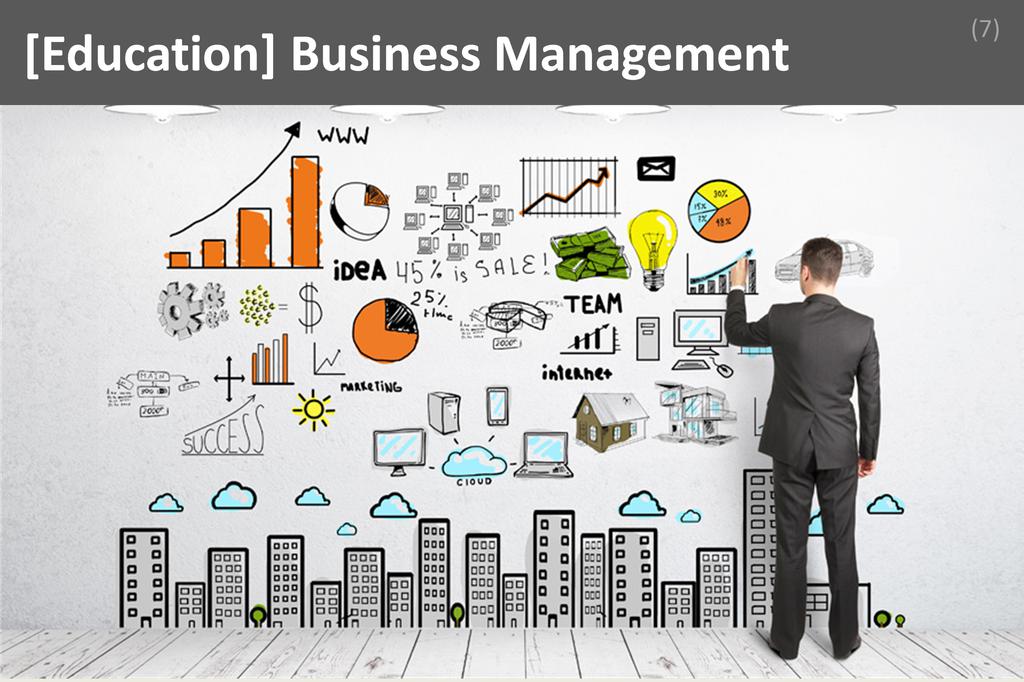
Management is the process of planning, organizing, leading, and controlling resources—human, financial, and technological—to achieve organizational goals efficiently and effectively. In IT Consulting, management knowledge bridges technical expertise with business objectives, making it an essential academic and professional discipline for guiding projects, teams, and client relationships toward successful outcomes.
Understanding management is crucial for IT consultants because it equips them with the skills to navigate complex organizational structures, align technology solutions with business strategies, and foster effective communication among stakeholders. Mastery of management principles enables consultants to lead teams, manage client expectations, and deliver projects on time and within budget. This foundational knowledge not only enhances problem-solving and decision-making abilities but also prepares professionals for leadership roles as their careers progress. Over the long term, a solid grasp of management concepts supports career advancement, as organizations increasingly seek consultants who can blend technical proficiency with strategic oversight and people management.
Imagine an IT consultant tasked with implementing a new enterprise software system for a large client. Drawing on their management knowledge, the consultant begins by assessing the client’s organizational structure and identifying key stakeholders. They develop a detailed project plan, allocate resources, and establish clear communication channels between technical teams and business leaders. Throughout the project, the consultant monitors progress, addresses risks, and adapts strategies to ensure alignment with the client’s goals. By applying management principles, the consultant not only delivers a successful technical solution but also builds trust and fosters long-term client relationships, demonstrating the practical value of management expertise in daily consulting operations.
Project Management

Project Management is the systematic application of knowledge, skills, tools, and techniques to project activities to meet specific objectives within defined constraints such as time, cost, and scope. In IT Consulting, it is a cornerstone discipline, bridging technical expertise with organizational goals to ensure successful project delivery and client satisfaction.
Understanding Project Management is essential for IT consultants because it provides the framework for planning, executing, and closing projects efficiently. Mastery of this subject enables professionals to align technical solutions with business objectives, manage resources effectively, and mitigate risks. It also fosters clear communication among stakeholders, ensuring that expectations are managed and deliverables are met. Over time, proficiency in Project Management enhances credibility and opens doors to leadership roles, as organizations increasingly seek consultants who can not only solve technical problems but also drive projects to successful completion. This foundational knowledge is indispensable for building a sustainable and rewarding career in IT Consulting.
Consider an IT consultant tasked with implementing a new enterprise resource planning (ERP) system for a client. Drawing on their Project Management knowledge, the consultant begins by defining the project scope, setting realistic timelines, and allocating resources. Throughout the project, they facilitate regular meetings to track progress, address issues, and adjust plans as needed. When unforeseen technical challenges arise, the consultant leverages risk management techniques to develop contingency plans, ensuring minimal disruption. By maintaining clear communication with both the client and the technical team, the consultant ensures that the project stays on track and meets the client’s strategic objectives. This practical application of Project Management principles is crucial for delivering successful outcomes in IT Consulting.
Industry Knowledge

Industry Knowledge refers to a comprehensive understanding of the trends, regulations, technologies, challenges, and best practices specific to a particular sector. In IT Consulting, it bridges the gap between technical expertise and business acumen, enabling consultants to tailor solutions that align with industry-specific needs and objectives, enhancing client value and credibility.
Developing strong Industry Knowledge is essential for IT consultants because it allows them to contextualize technical solutions within the unique landscape of each client’s sector. This subject forms the backbone of effective consulting, as it empowers professionals to anticipate industry shifts, comply with relevant regulations, and recommend innovations that drive competitive advantage. By mastering industry-specific concepts, consultants can communicate more effectively with stakeholders, build trust, and deliver tailored strategies that resonate with business goals. Over the long term, this expertise not only enhances problem-solving capabilities but also opens doors to leadership roles and specialized consulting opportunities, ensuring sustained career growth and professional relevance in a rapidly evolving marketplace.
Consider an IT consultant working with a healthcare organization to implement a new electronic health records (EHR) system. Drawing on their Industry Knowledge, the consultant understands the importance of HIPAA compliance, patient data privacy, and the workflow of healthcare professionals. This insight enables them to design and recommend solutions that not only meet technical requirements but also align with regulatory standards and the day-to-day realities of clinical operations. By applying their theoretical understanding to practical challenges, the consultant ensures a smoother implementation, minimizes disruptions, and delivers a system that genuinely supports the organization’s mission and operational needs. This approach demonstrates the tangible value of Industry Knowledge in achieving successful project outcomes.
Skills
Networking

Networking is the process of building and maintaining professional relationships that facilitate the exchange of information, resources, and opportunities. In IT Consulting, networking enables professionals to connect with peers, clients, and industry leaders, fostering collaboration and knowledge sharing that are crucial for staying current and delivering effective solutions.
Networking directly enhances an IT consultant’s performance by providing access to a broader pool of expertise, resources, and potential collaborators. Clients and employers highly value consultants who can leverage their networks to bring in specialized knowledge, recommend trusted partners, or quickly source solutions to complex problems. Cultivating this skill involves consistent engagement at industry events, active participation in professional communities, and maintaining meaningful connections through regular communication. Over time, these efforts build a reputation for reliability and resourcefulness, making the consultant a go-to expert in their field. By investing in genuine relationships and staying visible within the industry, IT consultants can ensure they are always positioned to seize new opportunities and deliver exceptional value.
Consider an IT consultant tasked with implementing a new cybersecurity framework for a client facing an urgent compliance deadline. Despite their expertise, the consultant encounters a unique technical challenge that threatens the project timeline. Drawing on their professional network, they quickly connect with a former colleague who specializes in the specific technology involved. Through this connection, they gain critical insights and practical advice that enable them to resolve the issue efficiently. The successful outcome not only saves the client time and resources but also strengthens the consultant’s reputation as a problem-solver who can mobilize the right expertise when it matters most. This scenario highlights how effective networking can be the key to overcoming obstacles and achieving project success in IT consulting.
Communication
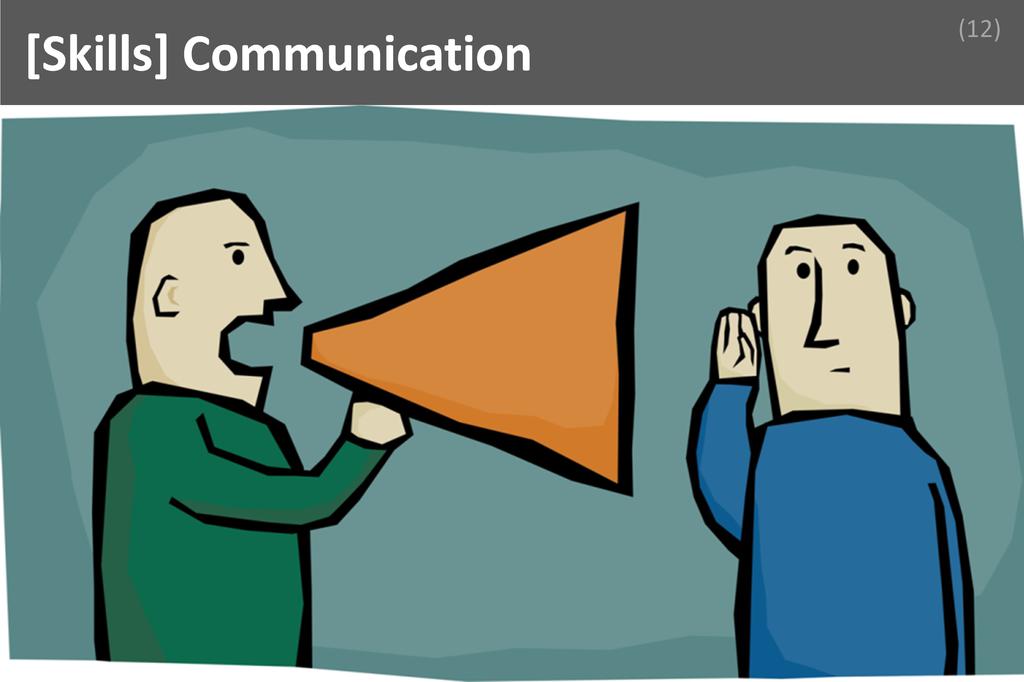
Communication is the clear and effective exchange of information, ideas, and feedback between individuals or groups, using verbal, non-verbal, and written methods. In IT Consulting, communication bridges the gap between technical experts and clients, ensuring that complex solutions are understood, requirements are accurately gathered, and expectations are managed throughout a project.
Strong communication skills directly enhance an IT consultant’s performance by enabling them to translate technical jargon into language clients can understand, facilitate productive meetings, and document project requirements precisely. Clients and employers highly value consultants who can listen actively, articulate solutions clearly, and foster collaboration among diverse stakeholders. Over time, communication can be cultivated through practice, seeking feedback, and engaging in continuous learning such as public speaking, writing, and active listening exercises. By consistently refining these abilities, consultants build trust, minimize misunderstandings, and ensure that projects stay aligned with client goals, ultimately leading to more successful outcomes and long-term professional relationships.
Imagine an IT consultant working with a client to implement a new enterprise software system. During a project review, the client expresses concerns about the system’s compatibility with existing workflows. The consultant listens attentively, asks clarifying questions, and rephrases the client’s concerns to confirm understanding. By communicating technical possibilities in relatable terms and outlining potential solutions, the consultant reassures the client and collaboratively develops a plan to address the issue. This open and effective communication not only resolves the immediate concern but also strengthens the client’s confidence in the consultant’s expertise, ensuring the project progresses smoothly and meets the client’s needs.
Problem Solving & Analysis

Problem Solving & Analysis is the ability to identify, understand, and dissect complex issues, then develop effective solutions using logical reasoning and data-driven insights. In IT Consulting, this skill enables professionals to tackle technical challenges, optimize processes, and deliver tailored recommendations that address clients’ unique business needs and objectives.
Mastering Problem Solving & Analysis significantly enhances an IT consultant’s effectiveness by enabling them to quickly diagnose issues, propose actionable solutions, and adapt to evolving project requirements. Clients and employers highly value this skill because it leads to efficient project delivery, minimized risks, and innovative outcomes that drive business success. Cultivating this ability involves continuous learning, seeking feedback, and engaging in diverse projects that challenge one’s analytical thinking. Over time, exposure to various technologies and industries sharpens a consultant’s capacity to break down problems, evaluate alternatives, and implement solutions that align with both technical and strategic goals.
Imagine an IT consultant working with a financial services client experiencing frequent system outages during peak transaction periods. By applying strong Problem Solving & Analysis skills, the consultant systematically investigates the root causes, analyzing server logs, network traffic, and application performance data. Through this process, they identify a bottleneck in the database configuration that triggers cascading failures. The consultant then designs and implements a solution that optimizes database queries and scales infrastructure resources, resulting in improved system stability and client satisfaction. This scenario highlights how adept analysis and problem-solving not only resolve immediate technical issues but also contribute to long-term business resilience and trust.
Team Work and Leadership

Team Work and Leadership is the ability to collaborate effectively with diverse individuals while guiding, motivating, and supporting them toward shared objectives. In IT Consulting, this skill ensures seamless project execution, fosters innovation, and builds trust, making it indispensable for delivering high-quality solutions and achieving client satisfaction.
Team Work and Leadership directly enhances performance in IT Consulting by enabling professionals to harness collective expertise, resolve conflicts efficiently, and adapt to rapidly changing project requirements. Clients and employers highly value this skill because it leads to cohesive teams that consistently deliver results, maintain clear communication, and uphold accountability. Cultivating this skill involves actively seeking feedback, participating in cross-functional projects, and embracing opportunities to lead initiatives, no matter how small. Over time, professionals can refine their approach by observing experienced leaders, engaging in mentorship, and reflecting on both successes and setbacks. This continuous development not only boosts individual effectiveness but also elevates the overall performance of the consulting team.
Imagine an IT consulting team facing a critical system outage at a client’s site, threatening business operations. A consultant with strong Team Work and Leadership skills quickly assembles the team, assigns roles based on each member’s strengths, and fosters open communication to diagnose the issue. By encouraging collaboration and maintaining a calm, solution-focused environment, the consultant ensures that everyone contributes their expertise efficiently. The team resolves the outage swiftly, minimizing downtime and demonstrating reliability to the client. This scenario highlights how Team Work and Leadership not only drives technical problem-solving but also builds client trust and reinforces the consulting firm’s reputation for excellence under pressure.
Resource Management
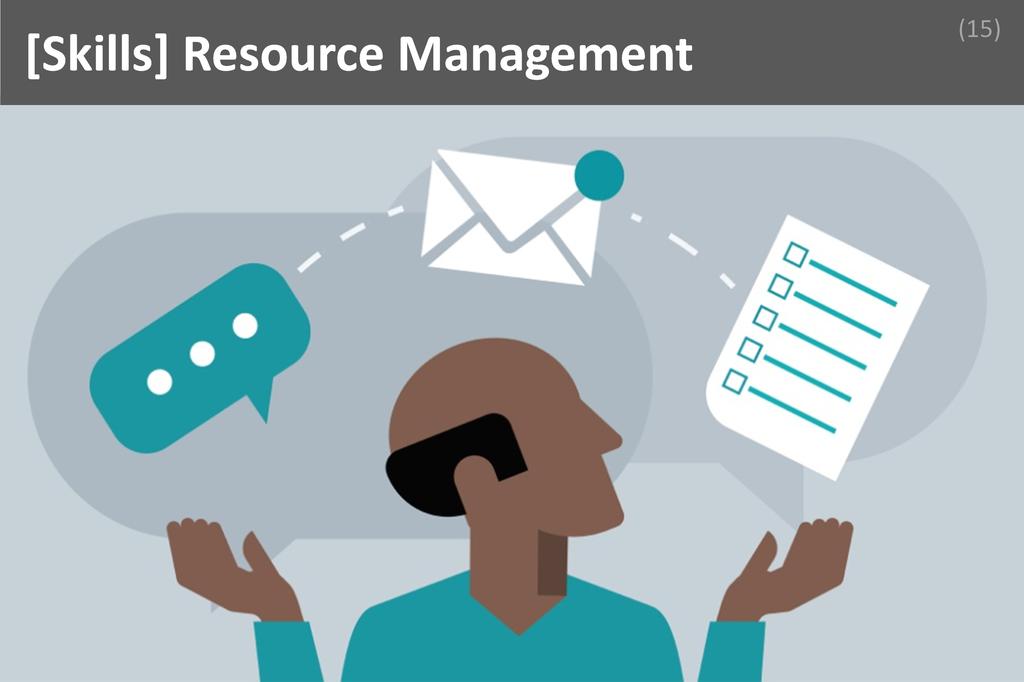
Resource Management is the strategic allocation and efficient utilization of people, time, technology, and budget to achieve project goals while minimizing waste and maximizing value. In IT Consulting, it ensures that the right expertise and tools are available when needed, enabling consultants to deliver solutions on time and within budget constraints.
Mastering Resource Management directly enhances an IT consultant’s ability to deliver projects efficiently and adapt to changing requirements. Clients and employers highly value this skill because it leads to predictable outcomes, cost savings, and optimal use of available assets. Consultants who excel in resource management can anticipate bottlenecks, balance workloads, and ensure that critical tasks are prioritized. Over time, this skill can be developed through experience, mentorship, and continuous learning, such as studying project management methodologies and leveraging resource planning tools. By reflecting on past projects and seeking feedback, professionals can refine their approach, becoming more adept at forecasting needs and adjusting plans proactively to meet evolving demands.
Imagine an IT consultant leading a digital transformation project for a large client. Midway through, the client requests additional features, threatening to derail the timeline and budget. The consultant draws on strong resource management skills to reassess team capacity, redistribute tasks, and negotiate revised deadlines with stakeholders. By reallocating underutilized team members and optimizing the use of available technology, the consultant ensures that the new requirements are met without sacrificing quality or exceeding budget. This proactive approach not only resolves the immediate challenge but also strengthens the client’s trust, demonstrating the consultant’s ability to manage complexity and deliver results under pressure.
Positives
Adding Value

Adding value means delivering meaningful improvements, solutions, or efficiencies that go beyond basic expectations, directly enhancing a client’s business outcomes. In IT consulting, this involves leveraging expertise to solve complex problems, optimize processes, and introduce innovations that drive measurable results, making a tangible difference for organizations and their stakeholders.
The ability to add value is a cornerstone of what makes a career in IT consulting so rewarding. When consultants see their recommendations and solutions transform a client’s operations, it brings a deep sense of accomplishment and purpose. This positive aspect not only boosts job satisfaction but also accelerates professional growth, as clients recognize and appreciate the consultant’s contributions. Each project presents new challenges and opportunities to make a difference, keeping the work dynamic and engaging. Professionals in this field experience the benefit of adding value daily, as their expertise directly influences business success, fosters trust, and builds long-term relationships with clients who rely on their insights to stay competitive.
Imagine an IT consultant working with a mid-sized retail company struggling with outdated inventory management. By analyzing the company’s processes and implementing a tailored cloud-based solution, the consultant streamlines operations, reduces errors, and improves data visibility. As a result, the client sees faster order fulfillment and increased customer satisfaction. The consultant witnesses firsthand how their expertise not only solves immediate technical issues but also empowers the client’s team to work more efficiently and confidently. This transformation, driven by the consultant’s ability to add value, brings a profound sense of fulfillment and reinforces the meaningful impact IT consulting can have on organizations and people.
Diversity of Work

Diversity of Work in IT consulting refers to the wide range of projects, industries, technologies, and challenges that professionals encounter regularly. This variety ensures that consultants are constantly exposed to new problems, innovative solutions, and different business environments, fostering continuous learning, adaptability, and professional growth throughout their careers.
The diversity of work in IT consulting is a powerful driver of job satisfaction and personal development. Each day brings new challenges, whether it’s working with a startup on cloud migration or helping a multinational optimize cybersecurity. This constant change keeps the work engaging and prevents monotony, allowing consultants to develop a broad skill set and deep expertise across multiple domains. The exposure to different industries and technologies accelerates learning and adaptability, making consultants more valuable and versatile. As a result, professionals often find themselves more motivated, inspired, and equipped to tackle complex problems, leading to a fulfilling and dynamic career journey.
Imagine an IT consultant who starts the week helping a healthcare provider implement a secure patient data system, then shifts midweek to advising a retail company on e-commerce platform optimization. By Friday, they are troubleshooting network issues for a financial services client. Each project demands unique technical skills, communication styles, and problem-solving approaches. This constant shift not only keeps the workday exciting but also allows the consultant to build a rich portfolio of experiences. Over time, the consultant becomes adept at quickly understanding new industries and technologies, gaining confidence and satisfaction from making a tangible impact in diverse business settings. This variety is both professionally rewarding and personally enriching.
Meeting New People

Meeting new people refers to the continuous opportunity to interact with diverse clients, colleagues, and stakeholders from various industries, backgrounds, and cultures. In IT consulting, this dynamic exchange fosters fresh perspectives, encourages collaboration, and builds lasting professional relationships, making each project unique and contributing to personal and professional growth.
The chance to meet new people is a cornerstone of what makes IT consulting both exciting and fulfilling. Every project introduces consultants to different teams, business leaders, and technical experts, creating a vibrant environment of learning and exchange. This constant interaction not only enhances communication and interpersonal skills but also broadens one’s understanding of different industries and business challenges. As consultants build rapport and trust with clients, they often find their work more meaningful and impactful. The relationships formed can lead to mentorship, networking opportunities, and even lifelong friendships, all of which contribute to greater job satisfaction and open doors for career advancement. Daily, IT consultants experience the energizing effect of fresh perspectives and the satisfaction of helping others achieve their goals.
Imagine an IT consultant starting a new project with a healthcare organization. On the first day, they are introduced to a multidisciplinary team, including doctors, nurses, administrators, and IT staff. Through collaborative workshops and problem-solving sessions, the consultant not only learns about the unique challenges of healthcare technology but also builds genuine connections with people passionate about improving patient care. These interactions spark innovative ideas and foster a sense of shared purpose. By the end of the project, the consultant has not only delivered a successful solution but also expanded their professional network and gained valuable insights from people they would never have met otherwise. This experience leaves a lasting impression, reinforcing the personal and professional rewards of meeting new people in IT consulting.
Continuous Learning

Continuous Learning is the ongoing process of acquiring new knowledge, skills, and competencies to adapt to evolving technologies and industry trends. In IT consulting, this mindset ensures professionals remain relevant, innovative, and effective in solving complex problems. Embracing continuous learning fosters adaptability, creativity, and long-term career growth within the dynamic technology landscape.
The ever-changing nature of technology means IT consultants are constantly exposed to new tools, frameworks, and methodologies. This environment makes continuous learning not just a necessity, but a source of excitement and motivation. Professionals who embrace this aspect find their work intellectually stimulating and rarely monotonous. The opportunity to master emerging technologies and tackle diverse challenges leads to a strong sense of accomplishment and personal growth. As consultants expand their expertise, they become more valuable to clients and employers, opening doors to advanced roles and leadership opportunities. The daily practice of learning and applying new concepts keeps their skills sharp, enhances problem-solving abilities, and ensures they remain at the forefront of the industry.
Imagine an IT consultant working with a client to migrate legacy systems to a cloud-based infrastructure. During the project, the consultant encounters a new cloud service that promises to optimize performance and reduce costs. Driven by a commitment to continuous learning, the consultant dedicates time to research, attend webinars, and experiment with the new technology. This proactive approach not only enables the consultant to deliver a superior solution for the client but also deepens their own expertise. The satisfaction of mastering a cutting-edge tool and witnessing its positive impact on the client’s business reinforces the consultant’s passion for learning and growth, making each project a rewarding journey.
Autonomy

Autonomy is the ability to make independent decisions, manage one’s own work, and exercise control over how tasks are approached and completed. In IT consulting, autonomy empowers professionals to shape their projects, choose problem-solving methods, and set their schedules, fostering a sense of ownership and personal responsibility in their work.
The autonomy found in IT consulting is a powerful driver of job satisfaction and professional growth. When consultants have the freedom to determine how they tackle challenges, they are more likely to feel trusted and valued by both clients and employers. This independence encourages creativity, innovation, and the development of unique solutions tailored to each client’s needs. Daily, consultants experience autonomy by managing their time, selecting tools and methodologies, and prioritizing tasks according to project goals. This level of control not only enhances motivation but also accelerates skill development, as professionals are constantly learning and adapting. Ultimately, autonomy transforms routine work into a dynamic and engaging career, where individuals can see the direct impact of their decisions and expertise.
Imagine an IT consultant tasked with improving a client’s cybersecurity infrastructure. Rather than following a rigid set of instructions, the consultant is trusted to assess the situation, research emerging threats, and design a custom solution. They decide when to meet with stakeholders, which technologies to implement, and how to roll out changes for minimal disruption. This freedom allows the consultant to draw on their experience, experiment with innovative tools, and deliver a solution that exceeds expectations. The sense of accomplishment and pride that comes from independently steering a project to success is a daily reality in IT consulting, making autonomy not just a benefit, but a cornerstone of a fulfilling career.
Challenges
No Employee Benefits
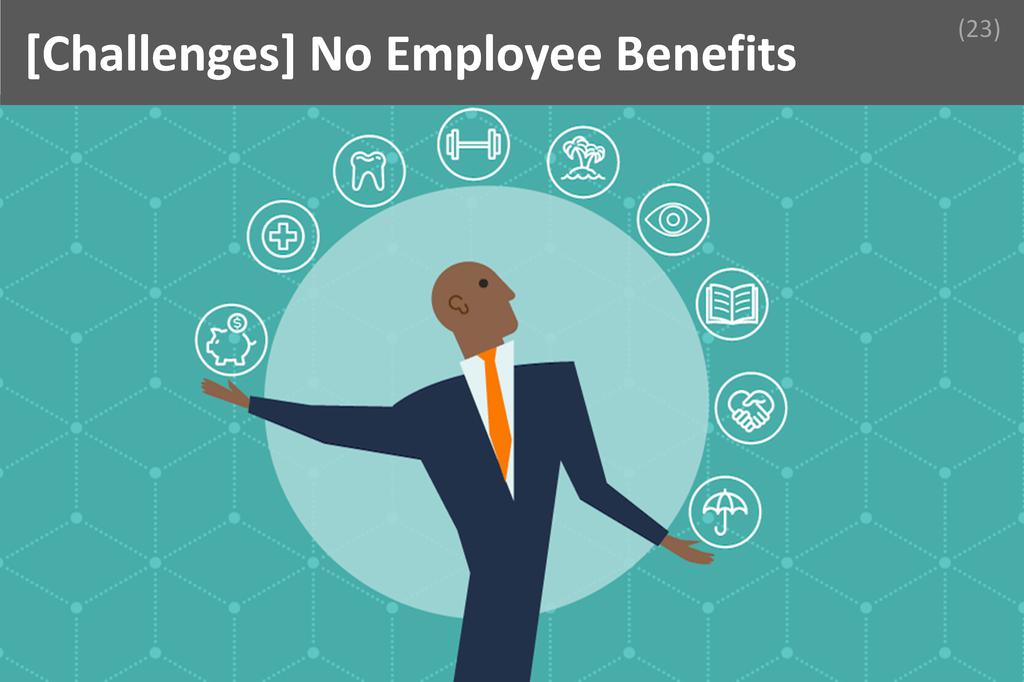
In IT Consulting, "No Employee Benefits" refers to the absence of traditional perks such as health insurance, paid leave, retirement plans, or wellness programs. This is demanding because consultants must independently secure these essentials, manage additional costs, and handle uncertainties, all while maintaining focus on demanding client projects.
The lack of employee benefits in IT Consulting directly impacts daily work by increasing financial and emotional pressures. Professionals must budget for healthcare, retirement, and time off, often without the safety net of employer-sponsored programs. This situation demands resilience, as consultants must remain productive and motivated despite these added responsibilities. Successful professionals overcome this challenge by proactively seeking private insurance, building emergency funds, and leveraging professional networks for support and advice. They also prioritize self-care and time management, ensuring that personal well-being is not neglected. By adopting a disciplined approach to financial planning and maintaining a strong support system, consultants can mitigate the impact of missing benefits and sustain long-term career growth.
Consider an IT consultant who transitioned from a full-time corporate role to independent contracting. Initially, the absence of employer-provided health insurance and paid leave was daunting. To address this, the consultant researched and purchased a comprehensive private health plan and set aside a portion of each paycheck for retirement savings and unexpected expenses. By networking with other consultants, they discovered group insurance options and shared resources for managing administrative tasks. This proactive approach allowed the consultant to maintain financial security and peace of mind, enabling them to focus on delivering high-quality work to clients. Over time, the consultant built a sustainable practice, demonstrating that the challenge of no employee benefits can be effectively managed with planning and resourcefulness.
Requires Flexibility

"Requires Flexibility" in IT Consulting refers to the constant need for professionals to adapt to shifting client demands, evolving technologies, and unpredictable project requirements. This challenge is demanding because it disrupts routines, requires rapid learning, and often forces consultants to balance competing priorities under tight deadlines, testing their adaptability and composure.
The necessity for flexibility in IT Consulting can significantly impact daily work by introducing frequent changes in project scope, technology stacks, and client expectations. This unpredictability can lead to stress and fatigue, as consultants must quickly pivot between tasks and learn new skills on the fly. Resilience becomes essential, as setbacks and shifting priorities are common. Successful professionals manage this constraint by cultivating a growth mindset, proactively communicating with stakeholders, and maintaining a willingness to embrace change. They invest in continuous learning and develop strong organizational habits, allowing them to respond to new challenges with confidence rather than frustration. By viewing change as an opportunity rather than a threat, they transform flexibility from a burden into a professional asset.
Consider an IT consultant working with a client who suddenly decides to migrate from an on-premises infrastructure to a cloud-based solution halfway through a project. The consultant must quickly familiarize themselves with the client’s chosen cloud platform, reassess the project timeline, and communicate the implications to both the client and their internal team. By drawing on previous experience with similar technologies and leveraging online resources, the consultant adapts the project plan, reallocates tasks, and ensures the team is up to speed. Through open communication and a proactive approach, the consultant not only meets the new requirements but also strengthens the client relationship, demonstrating the value of flexibility in delivering successful outcomes.
Temporary Positions

In IT Consulting, "Temporary Positions" refer to short-term roles or contracts that often last only a few months, requiring professionals to frequently adapt to new teams, technologies, and client environments. This constant transition can be demanding due to job insecurity, limited time for relationship-building, and the pressure to deliver immediate results.
The prevalence of temporary positions in IT Consulting can create a sense of instability, making it difficult for professionals to establish long-term connections with colleagues or fully integrate into a company’s culture. This environment demands resilience, as consultants must quickly learn new systems, understand client expectations, and prove their value within tight deadlines. Successful professionals manage this challenge by cultivating adaptability, maintaining a strong professional network, and continuously updating their technical skills. They focus on delivering consistent results, regardless of the contract’s duration, and view each assignment as an opportunity to expand their expertise and reputation. By embracing change and remaining proactive, they turn the uncertainty of temporary roles into a platform for growth and career advancement.
Consider a software consultant who is hired on a six-month contract to help a financial firm migrate its legacy systems to the cloud. Despite knowing the position is temporary, the consultant quickly builds rapport with the client’s IT team, identifies key project milestones, and delivers early wins to establish credibility. By documenting processes and sharing knowledge openly, the consultant ensures a smooth handover when the contract ends. This proactive approach not only earns positive feedback from the client but also leads to referrals and future contract opportunities. Through adaptability, strong communication, and a focus on delivering value, the consultant transforms the challenge of a temporary position into a stepping stone for continued professional success.
Time Away From Family
Time Away From Family in IT Consulting refers to the frequent and extended periods consultants spend traveling to client sites, working late hours, or relocating temporarily for projects. This demand arises from client needs, tight deadlines, and the global nature of IT projects, making it challenging to maintain regular family interactions and routines.
The strain of being away from family can lead to emotional fatigue, decreased motivation, and a sense of isolation, impacting both personal well-being and professional performance. This challenge requires resilience, as consultants must balance demanding schedules with personal commitments. Successful professionals address this by setting clear boundaries, leveraging technology to stay connected, and prioritizing quality time during home visits. They also communicate openly with both family members and employers to manage expectations and negotiate flexible arrangements when possible. By proactively planning and seeking support, IT consultants can mitigate the negative effects of time apart, maintaining both their career trajectory and family relationships.
Consider an IT consultant assigned to a year-long project in another city, requiring weekly travel and long hours on-site. Recognizing the strain on his family, he schedules regular video calls each evening and dedicates weekends exclusively to family activities when home. He communicates openly with his employer about his need for occasional remote work, which is accommodated during less critical project phases. By maintaining consistent communication and making the most of his time at home, he not only delivers on professional commitments but also preserves strong family bonds. This approach demonstrates how intentional planning and open dialogue can help IT consultants successfully navigate the challenge of time away from family.
Competing With Specialists

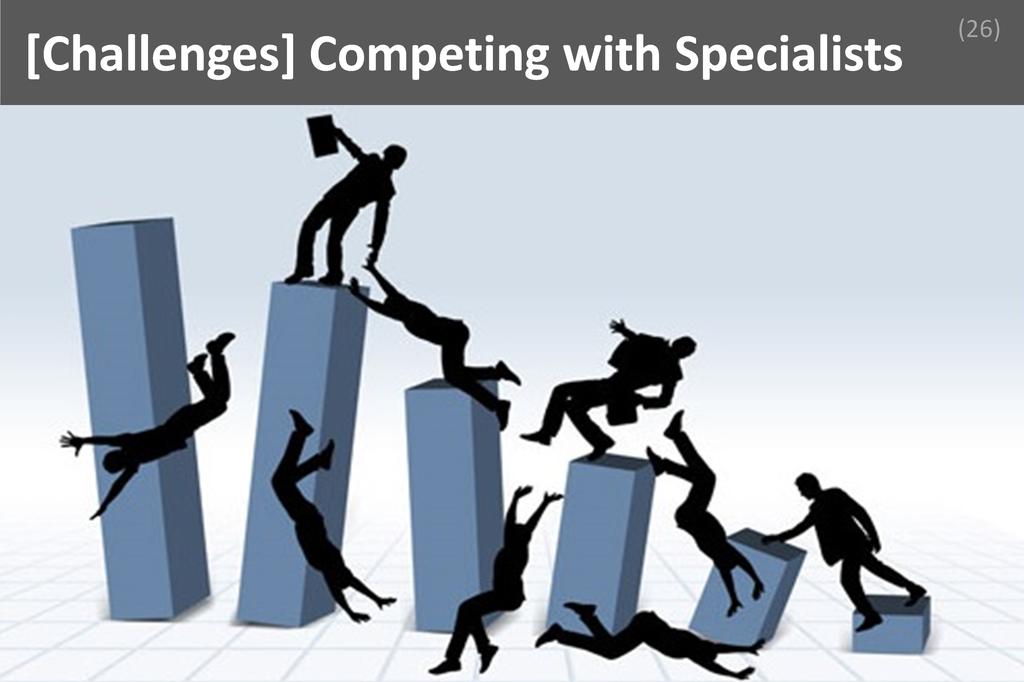
Competing With Specialists in IT Consulting refers to the challenge of vying for projects or roles against professionals who possess deep, focused expertise in a specific technology or domain. This is demanding because clients often favor specialists for their perceived mastery, making it harder for generalists or consultants with broader skill sets to stand out.
This challenge can impact daily work by creating pressure to constantly prove value beyond technical depth, leading to increased competition and the need for continuous learning. It demands resilience because consultants must adapt quickly, handle rejection, and persistently demonstrate their unique strengths. Successful professionals navigate this constraint by emphasizing their versatility, problem-solving abilities, and capacity to integrate diverse technologies. They build strong client relationships, communicate the benefits of a holistic approach, and stay updated on industry trends. By positioning themselves as strategic partners who can bridge gaps between different systems and teams, they create a compelling value proposition that complements, rather than competes directly with, the expertise of specialists.
Consider an IT consultant tasked with leading a digital transformation project for a mid-sized company. The client initially leans toward hiring a cloud migration specialist, believing that deep technical knowledge is paramount. However, the consultant demonstrates a broader understanding of the company’s business processes, legacy systems, and change management needs. By coordinating efforts between various technical teams, facilitating communication, and aligning technology solutions with business goals, the consultant delivers a seamless migration and improved operational efficiency. The client recognizes that while the specialist’s expertise was valuable, the consultant’s ability to integrate multiple perspectives and manage complexity was crucial to the project’s success, illustrating how competing with specialists can be overcome through adaptability and strategic insight.
A Day Of
IT Consulting
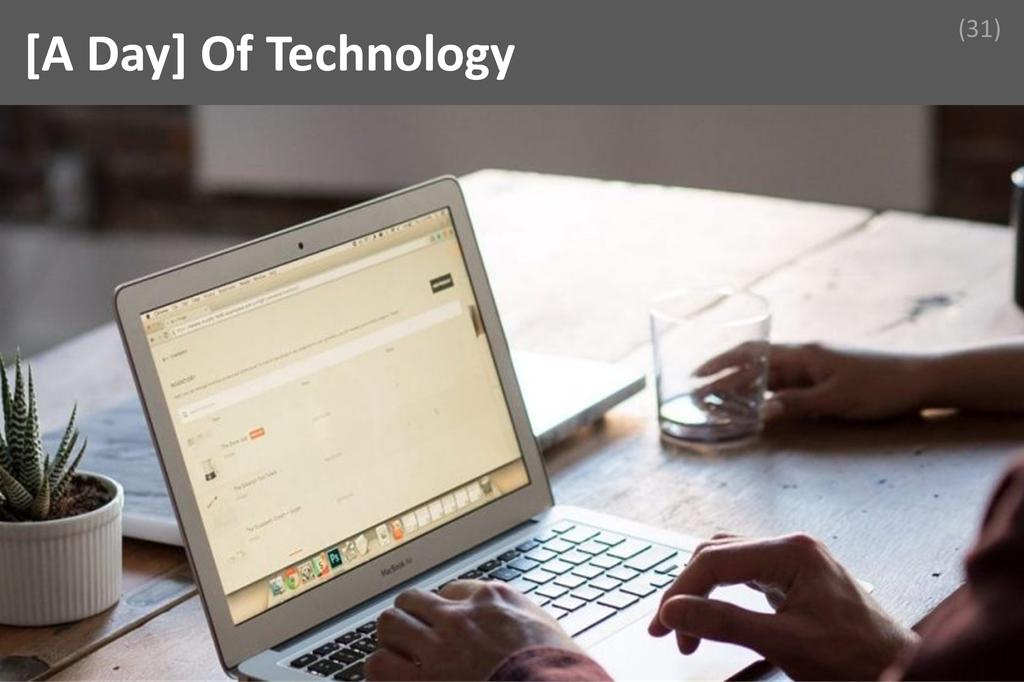
In the world of IT consulting, no two days are ever quite the same. The pace is brisk, the environment is a blend of high-stakes problem-solving and collaborative innovation, and the nature of the work demands both technical acuity and people skills. Each day unfolds as a dynamic mix of client interactions, technical deep-dives, and strategic planning, all set against the backdrop of ever-evolving technology landscapes. For IT consultants, the desk is just the starting point—success hinges on adaptability, clear communication, and the ability to translate complex challenges into actionable solutions.
The day begins with a quiet moment of focus before the rush. An IT consultant typically starts by reviewing emails, scanning overnight updates from clients or project teams, and checking the day’s schedule for meetings or deliverables. This is the time to prioritize tasks, catch up on industry news, and ensure all necessary documentation and tools are ready. Setting clear intentions for the day helps lay the groundwork for the fast-paced hours ahead.
By mid-morning, the energy shifts as the consultant dives into the core of their work. This is when client calls, technical workshops, or project status meetings take center stage. Whether troubleshooting a critical system issue, mapping out a cloud migration strategy, or presenting findings to stakeholders, the consultant is fully engaged—listening, analyzing, and offering expert guidance. The work is intense and interactive, requiring quick thinking and the ability to translate technical jargon into clear, actionable advice.
The afternoon is often dedicated to collaborative efforts and hands-on execution. This might involve working closely with internal teams to develop solutions, configuring systems, or conducting code reviews. There’s a strong emphasis on teamwork, as consultants coordinate with project managers, developers, and client representatives to ensure alignment and progress. The pace remains steady, with a focus on delivering tangible results and adapting to any new challenges that arise.
As the day winds down, attention turns to wrapping up ongoing tasks and preparing for what’s next. The consultant documents key decisions, updates project trackers, and drafts follow-up notes for clients. This is also a time for reflection—reviewing what went well, identifying areas for improvement, and setting priorities for the next day. By the time the laptop closes, the groundwork is laid for another day of innovation and impact in the ever-evolving world of IT consulting. |


 Home
Home Abroad
 Plan
Plan Philosophy
 Seminar
 Pages
Pages Advisors
 Testimonials


























 Workshop
 Discuss
 Meet
Meet
 Advisor
 Story
Story
 Fine Print
 Links
Links
 Blog
Blog
 Follow
