The Journey of Technology Consulting
What Is Technology Consulting
Technology Consulting
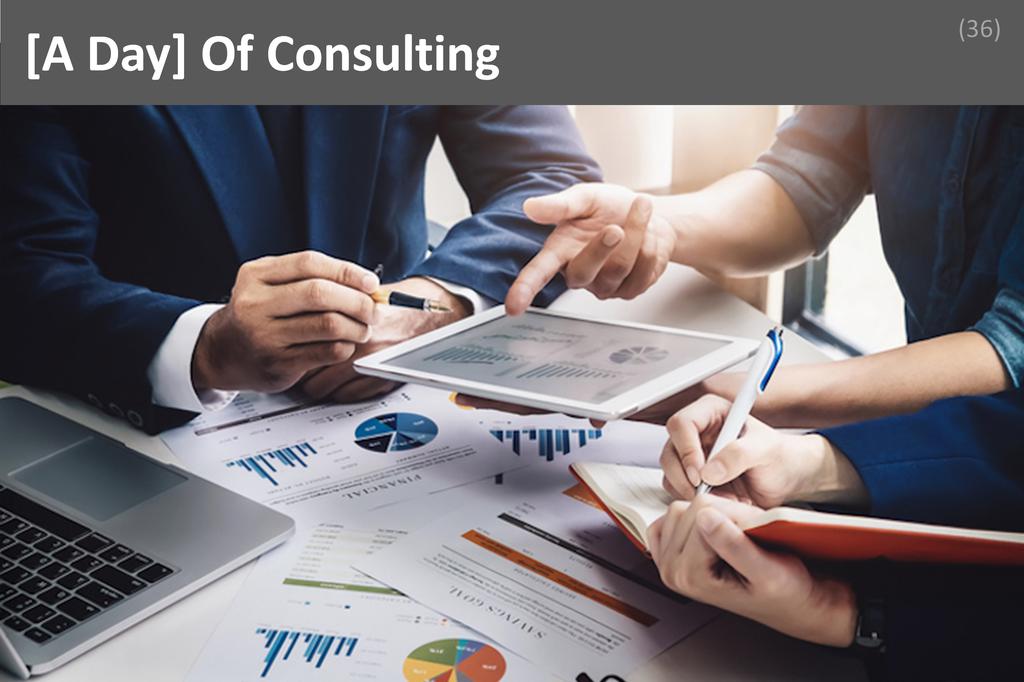
Technology consulting is a professional service that helps organizations leverage technology to solve business challenges, improve efficiency, and drive innovation. Consultants analyze current systems, recommend solutions, and guide implementation, ensuring technology aligns with business goals. This field bridges technical expertise and strategic planning for optimal organizational performance.
Technology consulting plays a crucial role in today’s rapidly evolving digital landscape. It empowers organizations to stay competitive by adopting the latest technologies and optimizing their operations. For professionals in this field, the work is dynamic and intellectually stimulating, offering opportunities to solve complex problems and make a tangible impact. One major benefit is the ability to work across diverse industries, gaining exposure to various business models and technologies. Another advantage is the continuous learning environment, as consultants must stay updated on emerging trends and tools. Additionally, technology consulting offers strong career growth prospects, with professionals often advancing into leadership roles or specializing in high-demand areas.
A global retail company facing declining sales and operational inefficiencies might engage a technology consulting firm to revamp its digital strategy. Consultants would assess the company’s existing IT infrastructure, identify gaps, and recommend solutions such as implementing a new e-commerce platform or integrating data analytics tools. They would then oversee the rollout of these technologies, ensuring seamless adoption and training staff on new systems. Throughout the process, consultants act as trusted advisors, helping the client navigate technical challenges and align technology investments with business objectives. This hands-on approach not only improves the client’s performance but also demonstrates the real-world value technology consultants bring to organizations.
Education
Technology Landscape

Technology Landscape refers to the comprehensive overview of current and emerging technologies, platforms, tools, and trends within a specific industry or market. In Technology Consulting, it serves as a critical framework for understanding how technological advancements influence business strategies, operations, and competitive positioning, forming a core component of both academic study and professional expertise.
Understanding the Technology Landscape is essential for anyone preparing for or working in Technology Consulting because it enables professionals to make informed recommendations and strategic decisions. By mastering this subject, consultants can identify opportunities for innovation, anticipate potential disruptions, and align technology solutions with business goals. This foundational knowledge empowers consultants to bridge the gap between technical possibilities and organizational needs, ensuring that their advice is both relevant and future-proof. Over the long term, a deep grasp of the Technology Landscape enhances credibility, adaptability, and the ability to lead clients through digital transformation, making it a cornerstone for sustained career growth and professional impact in the consulting field.
Consider a technology consultant working with a retail client aiming to enhance customer experience through digital transformation. The consultant leverages their understanding of the Technology Landscape to evaluate various solutions such as cloud platforms, artificial intelligence-driven analytics, and omnichannel integration tools. By assessing how these technologies fit within the client’s existing infrastructure and market trends, the consultant recommends a tailored strategy that incorporates scalable cloud services and AI-powered personalization. This approach not only addresses immediate business challenges but also positions the client to adapt to future technological shifts, demonstrating how theoretical knowledge of the Technology Landscape translates into practical, value-driven consulting outcomes.
Operations Management

Operations Management is the discipline focused on designing, overseeing, and improving business processes to efficiently produce goods or deliver services. It integrates resource management, workflow optimization, and quality control. For Technology Consulting, it forms a critical academic and professional foundation, enabling consultants to align technology solutions with organizational efficiency and strategic goals.
A solid grasp of Operations Management is essential for anyone entering or advancing in Technology Consulting. This subject provides the analytical frameworks and practical tools needed to assess, redesign, and optimize business processes. Consultants who understand operations can bridge the gap between technical solutions and business objectives, ensuring that technology implementations genuinely enhance organizational performance. Over time, this expertise enables professionals to identify inefficiencies, recommend process improvements, and support digital transformation initiatives. Mastery of Operations Management also fosters credibility with clients, as it demonstrates a holistic understanding of both business and technology. Ultimately, this knowledge base supports long-term career growth by equipping consultants to deliver measurable value and drive sustainable change within client organizations.
Consider a Technology Consultant tasked with implementing an enterprise resource planning (ERP) system for a manufacturing client. Drawing on their Operations Management knowledge, the consultant begins by mapping the client’s existing production workflows, identifying bottlenecks and redundancies. They collaborate with stakeholders to redesign processes that the new ERP system will automate or streamline, ensuring alignment with best practices in inventory management and quality control. Throughout the project, the consultant uses operations metrics to measure improvements in efficiency and output. By applying theoretical principles to real-world challenges, the consultant not only delivers a successful technology solution but also drives tangible operational improvements, demonstrating the practical value of Operations Management expertise in daily consulting work.
Data Analytics

Data Analytics is the systematic process of examining raw data to uncover patterns, draw conclusions, and support decision-making. In Technology Consulting, it serves as a critical discipline, bridging technical expertise and business strategy. Mastery of Data Analytics is essential for consultants to deliver data-driven solutions and actionable insights to clients.
Understanding Data Analytics is vital for anyone in Technology Consulting because it empowers professionals to interpret complex datasets, identify trends, and recommend evidence-based strategies. This knowledge forms the backbone of modern consulting, enabling practitioners to bridge the gap between technical solutions and business objectives. As organizations increasingly rely on data to inform their decisions, consultants who are proficient in Data Analytics are better equipped to design, implement, and optimize technology solutions that deliver measurable value. Over the long term, these skills enhance a consultant’s credibility, adaptability, and career prospects, as clients and employers alike prioritize data-driven expertise in an ever-evolving digital landscape.
Imagine a Technology Consultant working with a retail client seeking to improve their online sales performance. By leveraging their understanding of Data Analytics, the consultant collects and analyzes customer behavior data from the client’s e-commerce platform. Through this analysis, they identify key purchasing patterns, peak shopping times, and product preferences. The consultant then translates these insights into actionable recommendations, such as optimizing website layout, personalizing marketing campaigns, and refining inventory management. By applying their theoretical knowledge of Data Analytics in this real-world scenario, the consultant not only addresses the client’s immediate challenges but also demonstrates the tangible value of data-driven decision-making in achieving business goals.
Statistics

Statistics is the science of collecting, analyzing, interpreting, presenting, and organizing data to uncover patterns and inform decision-making. In Technology Consulting, statistics provides the analytical framework necessary to evaluate complex systems, optimize processes, and support evidence-based recommendations, making it an essential component of both academic study and professional practice.
A solid grasp of statistics is indispensable for anyone entering or advancing in Technology Consulting. This field demands the ability to interpret data accurately, assess risks, and validate the effectiveness of technological solutions. Understanding statistical concepts such as probability, correlation, regression, and hypothesis testing enables consultants to transform raw data into actionable insights. These skills not only enhance problem-solving capabilities but also foster credibility with clients who rely on data-driven recommendations. Over the long term, proficiency in statistics empowers professionals to adapt to evolving technologies, anticipate industry trends, and maintain a competitive edge in a rapidly changing landscape.
Imagine a technology consultant tasked with improving the efficiency of a client’s IT infrastructure. By applying statistical methods, the consultant analyzes system performance data to identify patterns of downtime and peak usage periods. Using regression analysis, they determine which variables most significantly impact system reliability. This statistical insight allows the consultant to recommend targeted upgrades and process changes, ultimately reducing downtime and optimizing resource allocation. Throughout the project, the consultant’s ability to interpret and communicate statistical findings ensures that stakeholders understand the rationale behind each recommendation, leading to more informed decision-making and measurable improvements in operational performance.
CRM
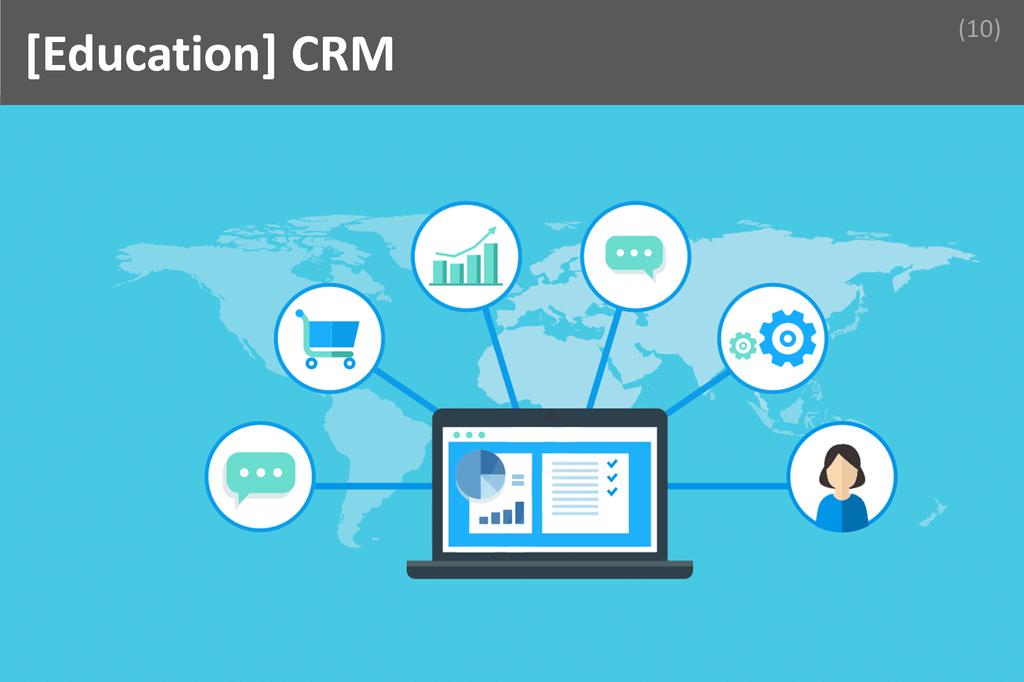
Customer Relationship Management (CRM) refers to the strategies, technologies, and practices that organizations use to manage and analyze customer interactions and data throughout the customer lifecycle. In Technology Consulting, CRM is a fundamental discipline, bridging business processes and digital solutions to optimize client engagement, retention, and overall organizational performance.
Understanding CRM is essential for anyone entering or advancing in Technology Consulting because it underpins how businesses interact with their customers and manage critical data. Mastery of CRM systems and methodologies enables consultants to design, implement, and optimize solutions that drive customer satisfaction and business growth. This knowledge is foundational, as many consulting projects involve evaluating or transforming client relationship processes, integrating CRM platforms, or leveraging CRM analytics for strategic decision-making. Over the long term, expertise in CRM not only enhances a consultant’s ability to deliver value but also opens doors to leadership roles, as organizations increasingly rely on data-driven customer insights to remain competitive in a digital economy.
Consider a technology consultant tasked with improving a retail client’s sales performance. Drawing on their CRM expertise, the consultant assesses the client’s existing customer data management practices and identifies gaps in customer segmentation and communication. By recommending and implementing a modern CRM platform, the consultant enables the client to automate personalized marketing campaigns, track customer interactions across channels, and generate actionable insights from sales data. Throughout the project, the consultant translates theoretical CRM concepts into practical solutions, ensuring seamless integration with existing systems and training staff on new workflows. This hands-on application of CRM knowledge not only streamlines the client’s operations but also demonstrates the consultant’s value as a trusted advisor in digital transformation initiatives.
Accounting

Accounting is the systematic process of recording, summarizing, analyzing, and reporting financial transactions of a business or organization. It provides critical insights into financial health, performance, and compliance. In Technology Consulting, accounting knowledge bridges technical solutions with business realities, ensuring that technology initiatives align with financial goals and regulatory requirements.
Understanding accounting is essential for technology consultants because it enables them to interpret financial statements, assess project viability, and communicate effectively with stakeholders from both technical and business backgrounds. Mastery of accounting principles allows consultants to evaluate the financial impact of technology investments, manage budgets, and ensure that projects deliver measurable value. This foundational knowledge supports informed decision-making, risk management, and strategic planning. Over the long term, proficiency in accounting enhances credibility, opens pathways to leadership roles, and equips professionals to contribute to broader business objectives. As technology and business become increasingly intertwined, the ability to navigate financial concepts becomes a key differentiator in a consultant’s career.
Consider a technology consultant tasked with recommending a new enterprise resource planning (ERP) system for a client. The consultant must analyze the client’s current financial statements to understand cost structures, revenue streams, and existing inefficiencies. By applying accounting knowledge, the consultant can forecast the return on investment, estimate implementation costs, and identify potential financial risks associated with the project. During stakeholder meetings, the consultant translates technical requirements into financial terms, ensuring that executives understand the budgetary implications and long-term benefits. This integration of accounting expertise with technology strategy enables the consultant to deliver solutions that are not only technically sound but also financially sustainable and aligned with the client’s business objectives.
M & A

Mergers and Acquisitions (M & A) refer to the consolidation of companies or assets through various financial transactions, including mergers, acquisitions, consolidations, and purchase of assets. In Technology Consulting, understanding M & A is essential, as it intersects with both business strategy and technology integration, forming a critical part of academic and professional expertise.
Grasping the intricacies of M & A is vital for technology consultants because these transactions often drive significant organizational change, requiring seamless integration of systems, processes, and cultures. Professionals must understand not only the financial and strategic motivations behind M & A but also the technological implications, such as data migration, system compatibility, and cybersecurity risks. This foundational knowledge enables consultants to anticipate challenges, propose effective solutions, and support clients through complex transitions. Over the long term, expertise in M & A enhances a consultant’s credibility, opens doors to high-impact projects, and positions them as trusted advisors who can bridge the gap between business objectives and technological execution.
Imagine a technology consultant working with a global corporation that has just acquired a smaller tech startup. The consultant leverages their understanding of M & A to assess both companies’ IT infrastructures, identify redundancies, and develop a roadmap for integrating critical systems without disrupting business operations. They collaborate with stakeholders to ensure that data privacy regulations are met and that the combined entity’s technology platforms support future growth. By applying their theoretical knowledge, the consultant not only streamlines the integration process but also helps the client realize the strategic value of the acquisition, demonstrating the real-world impact of mastering M & A concepts in technology consulting.
Strategy Alliances

Strategy Alliances refers to formal agreements between organizations to pursue shared objectives while remaining independent entities. In Technology Consulting, understanding these alliances is crucial, as consultants often facilitate or advise on partnerships that drive innovation, market expansion, and competitive advantage, making it a key component of both academic study and professional expertise.
Grasping the intricacies of Strategy Alliances is essential for anyone in Technology Consulting because it enables professionals to navigate complex business ecosystems where collaboration is often more valuable than competition. By mastering this subject, consultants can identify potential partners, assess mutual benefits, and structure alliances that maximize value for all parties involved. This knowledge forms a foundational pillar for advising clients on digital transformation, market entry, and technology integration strategies. Over the long term, expertise in Strategy Alliances enhances a consultant’s ability to foster sustainable business relationships, anticipate industry shifts, and deliver innovative solutions that align with both client and partner objectives, thereby elevating their professional credibility and career prospects.
Consider a Technology Consultant working with a mid-sized software company aiming to expand into the healthcare sector. Drawing on their understanding of Strategy Alliances, the consultant identifies a leading medical device manufacturer as a potential partner. They facilitate discussions to align both companies’ goals, ensuring the software firm’s data analytics platform complements the manufacturer’s devices. By structuring a strategic alliance, the consultant helps both organizations share resources, mitigate risks, and accelerate market entry. Throughout the process, the consultant applies theoretical knowledge to negotiate terms, manage stakeholder expectations, and establish governance frameworks, ultimately enabling both companies to achieve objectives that would be difficult to accomplish independently. This scenario highlights the practical value of mastering Strategy Alliances in daily consulting operations.
ERP

Enterprise Resource Planning (ERP) refers to integrated software systems that manage and automate core business processes such as finance, human resources, supply chain, and customer relations. In Technology Consulting, understanding ERP is essential, as it bridges technical solutions with business strategy, forming a cornerstone of both academic study and professional expertise.
Grasping ERP systems is crucial for anyone in Technology Consulting because these platforms underpin the operational efficiency of most modern organizations. Consultants are often tasked with evaluating, implementing, or optimizing ERP solutions to align technology with business goals. Mastery of ERP concepts enables professionals to analyze complex workflows, recommend best-fit solutions, and drive digital transformation initiatives. This foundational knowledge not only enhances problem-solving capabilities but also increases credibility with clients and stakeholders. Over the long term, expertise in ERP opens doors to leadership roles, as organizations seek consultants who can guide them through large-scale system integrations and process improvements, ensuring sustained business growth and competitive advantage.
Imagine a Technology Consultant working with a manufacturing company struggling with inventory inaccuracies and delayed order fulfillment. By leveraging their understanding of ERP systems, the consultant conducts a thorough assessment of the company’s existing processes and identifies gaps in data flow between departments. They recommend implementing a tailored ERP solution that integrates procurement, inventory management, and sales functions. Throughout the project, the consultant translates business requirements into technical specifications, oversees system configuration, and trains staff on new workflows. As a result, the company experiences improved inventory accuracy, faster order processing, and better decision-making capabilities. This scenario highlights how theoretical ERP knowledge is directly applied to solve real business challenges and deliver measurable value.
Program Management

Program Management is the coordinated organization, direction, and oversight of multiple related projects aligned with strategic business objectives. It ensures that projects collectively deliver value, manage risks, and achieve desired outcomes. In Technology Consulting, it bridges technical execution and business strategy, forming a critical component of both academic study and professional expertise.
Understanding Program Management is essential for anyone in Technology Consulting because it provides the framework for managing complex, multi-faceted initiatives that span across departments and technologies. Mastery of this discipline enables consultants to align technology solutions with broader business goals, ensuring that projects are not only completed on time and within budget but also deliver measurable value. This knowledge fosters the ability to anticipate and mitigate risks, manage stakeholder expectations, and adapt to evolving client needs. Over the course of a career, proficiency in Program Management distinguishes professionals as strategic thinkers and reliable leaders, opening doors to senior roles and larger, more impactful projects. It also cultivates a holistic perspective, allowing consultants to see beyond individual tasks and understand the interconnected nature of technology-driven change.
Consider a Technology Consultant tasked with overseeing the digital transformation of a large retail organization. Drawing on their understanding of Program Management, the consultant coordinates several interdependent projects, such as implementing a new e-commerce platform, upgrading inventory systems, and integrating customer analytics. By applying program management principles, the consultant ensures that project teams communicate effectively, resources are allocated efficiently, and milestones are achieved in alignment with the client’s strategic vision. When unforeseen challenges arise, such as supply chain disruptions or shifting market demands, the consultant leverages their program management skills to reassess priorities, manage stakeholder concerns, and realign project objectives. This approach not only delivers successful technical outcomes but also drives sustainable business value for the client.
Skills
Problem Solving Ability

Problem Solving Ability is the capacity to identify challenges, analyze situations, generate effective solutions, and implement them efficiently. In Technology Consulting, this skill enables professionals to navigate complex technical environments, address client needs, and deliver tailored solutions that drive business value, making it an indispensable part of their toolkit.
Problem Solving Ability directly enhances performance in Technology Consulting by enabling professionals to tackle unforeseen obstacles, adapt to rapidly changing project requirements, and deliver innovative solutions that align with client objectives. Clients and employers highly value this skill because it ensures that consultants can address both technical and business challenges, minimizing downtime and maximizing project success. Cultivating this ability involves continuous learning, seeking feedback, and engaging in diverse projects that present new and complex problems. Over time, exposure to various industries and technologies sharpens analytical thinking, fosters creativity, and builds confidence in making sound decisions under pressure.
Imagine a technology consultant working with a client whose legacy system is causing frequent outages, threatening critical business operations. The consultant must quickly assess the situation, identify the root cause, and devise a solution that minimizes disruption. Drawing on strong Problem Solving Ability, the consultant analyzes system logs, consults with stakeholders, and proposes a phased migration to a more stable platform. By implementing interim fixes and planning a long-term upgrade, the consultant not only resolves the immediate crisis but also sets the client on a path to greater reliability and efficiency. This scenario highlights how essential problem solving is to achieving successful outcomes in technology consulting.
Story Telling

Story Telling is the art of crafting and conveying information through engaging narratives that connect facts, emotions, and context to create meaning. In Technology Consulting, it transforms complex technical concepts into relatable, actionable insights, enabling professionals to bridge gaps between technical teams, business stakeholders, and clients for effective collaboration and decision-making.
Mastering Story Telling directly enhances a consultant’s ability to communicate solutions, influence stakeholders, and drive project momentum. Clients and employers highly value this skill because it clarifies technical recommendations, builds trust, and fosters alignment among diverse audiences. Over time, one can cultivate Story Telling by actively listening to client needs, practicing clear communication, and seeking feedback on presentations. Engaging in regular reflection on project outcomes and adapting narratives to different audiences also sharpens this ability. As consultants grow more adept, they become trusted advisors who can inspire action, simplify complexity, and lead teams through change, making Story Telling a cornerstone of long-term career success in technology consulting.
Imagine a technology consultant tasked with convincing a client’s executive team to invest in a costly digital transformation initiative. Rather than relying solely on technical jargon and data, the consultant weaves a narrative that begins with the company’s current challenges, illustrates the risks of inaction, and paints a vivid picture of the future state enabled by the new technology. By incorporating real-world analogies and success stories from similar organizations, the consultant makes the benefits tangible and relatable. This approach not only addresses the executives’ concerns but also builds enthusiasm and consensus, ultimately leading to project approval. In this scenario, Story Telling proves essential for translating technical solutions into compelling business value.
Communication Skills

Communication skills encompass the ability to convey information clearly, listen actively, interpret feedback, and adapt messages for diverse audiences. In technology consulting, these skills enable professionals to bridge the gap between technical teams and business stakeholders, ensuring that complex solutions are understood, requirements are accurately captured, and project goals are aligned for successful outcomes.
Strong communication skills directly enhance a technology consultant’s effectiveness by facilitating collaboration, reducing misunderstandings, and building trust with clients and colleagues. Employers and clients highly value consultants who can translate technical jargon into accessible language, present ideas persuasively, and respond thoughtfully to concerns. These abilities help projects run smoothly and foster long-term relationships. To cultivate communication skills, professionals should seek feedback, engage in active listening, participate in presentations, and practice writing clear documentation. Over time, consistent effort and exposure to diverse communication scenarios help consultants refine their approach, making them more adaptable and influential in their roles.
Imagine a technology consultant working with a client whose business processes are being disrupted by a new software implementation. The client’s team is frustrated and confused by technical terminology and system changes. The consultant leverages strong communication skills to listen empathetically, clarify the technical aspects in plain language, and address concerns with patience. By facilitating open dialogue between the client and the development team, the consultant ensures that feedback is incorporated into the project, misunderstandings are resolved, and the client feels supported throughout the transition. This approach not only resolves the immediate issue but also strengthens the client’s trust in the consultant’s expertise and commitment to their success.
Interpersonal Skills

Interpersonal skills refer to the ability to communicate, collaborate, and build positive relationships with others through empathy, active listening, and clear expression. In technology consulting, these skills enable professionals to bridge the gap between technical solutions and client needs, ensuring effective teamwork, stakeholder engagement, and successful project outcomes.
Interpersonal skills directly enhance a technology consultant’s performance by fostering trust, facilitating open communication, and enabling smooth collaboration among diverse teams. Clients and employers highly value these abilities because they lead to better understanding of business requirements, more effective problem-solving, and higher client satisfaction. Consultants who excel in interpersonal skills can navigate complex organizational dynamics, manage conflicts diplomatically, and present technical information in accessible ways. Cultivating these skills involves ongoing self-awareness, seeking feedback, practicing empathy, and engaging in active listening during every client interaction. Over time, consistent effort in these areas helps consultants build stronger professional relationships and deliver more impactful results.
Imagine a technology consultant working with a client whose business is struggling to adapt to a new software system. The client’s staff feels overwhelmed and resistant to change, causing project delays. By leveraging strong interpersonal skills, the consultant listens attentively to concerns, acknowledges frustrations, and communicates the benefits of the new system in relatable terms. Through empathetic dialogue and collaborative problem-solving, the consultant builds trust and encourages open feedback. This approach not only eases tensions but also uncovers specific obstacles, allowing the consultant to tailor training and support. As a result, the client’s team becomes more engaged and the project moves forward successfully, demonstrating how interpersonal skills are vital for overcoming challenges and achieving client satisfaction in technology consulting.
Business Processes

Business Processes refer to the structured set of activities or tasks that produce a specific service or product for customers or clients. In Technology Consulting, understanding and optimizing these processes is crucial, as it enables consultants to align technology solutions with organizational goals, drive efficiency, and ensure sustainable business transformation.
Mastering business processes significantly enhances a technology consultant’s effectiveness by enabling them to identify inefficiencies, recommend improvements, and implement technology that truly addresses client needs. Clients and employers highly value this skill because it bridges the gap between technical solutions and real business outcomes, ensuring that investments in technology deliver measurable value. Cultivating expertise in business processes involves continuous learning through formal education, on-the-job experience, and staying updated on industry best practices. Engaging with cross-functional teams, analyzing workflows, and leveraging process mapping tools also help consultants deepen their understanding and application of this essential skill over time.
Imagine a technology consultant working with a retail company experiencing frequent delays in order fulfillment. By thoroughly analyzing the company’s business processes, the consultant identifies redundant manual steps and communication breakdowns between departments. Leveraging this insight, the consultant designs and implements an integrated digital workflow that automates order tracking and streamlines communication. As a result, the company sees a significant reduction in delivery times and improved customer satisfaction. In this scenario, the consultant’s expertise in business processes was pivotal in diagnosing the root cause of the issue and ensuring the technology solution delivered tangible business benefits.
Team Work

Team Work is the collaborative effort of a group to achieve a common goal or complete a task in the most effective and efficient way. In Technology Consulting, it enables professionals to combine diverse skills, perspectives, and experiences, ensuring innovative solutions and seamless project delivery. Team Work is fundamental for navigating complex client challenges.
Team Work directly enhances performance in Technology Consulting by fostering open communication, encouraging knowledge sharing, and leveraging the strengths of each team member. Clients and employers highly value this skill because it leads to more robust solutions, faster problem-solving, and greater adaptability in dynamic project environments. Cultivating Team Work involves actively listening to colleagues, participating in collaborative discussions, and being open to feedback. Over time, professionals can further develop this skill by engaging in cross-functional projects, seeking mentorship, and reflecting on team experiences to identify areas for improvement. Consistent practice and a willingness to support others help build trust and cohesion, which are essential for high-performing teams.
Imagine a technology consultant working on a critical system integration project for a major client. Midway through the project, an unexpected compatibility issue arises that threatens the timeline and budget. Rather than attempting to resolve the problem alone, the consultant brings together developers, business analysts, and client stakeholders to brainstorm solutions. Through open dialogue and shared expertise, the team identifies a workaround that not only resolves the issue but also improves the system’s overall performance. By relying on Team Work, the consultant ensures the project stays on track, strengthens client trust, and demonstrates the value of collaborative problem-solving in high-pressure situations.
Positives
Industry Exposure

Industry exposure refers to the opportunity to work with a diverse range of organizations, sectors, and business challenges, allowing professionals to gain firsthand insights into various industries’ operations, technologies, and cultures. In technology consulting, this exposure enriches expertise, fosters adaptability, and cultivates a broad, valuable perspective on solving complex problems.
The significance of industry exposure in technology consulting lies in its ability to accelerate professional growth and satisfaction. By engaging with different clients and industries, consultants continuously expand their knowledge base and develop versatile problem-solving skills. This dynamic environment keeps daily work stimulating and prevents stagnation, as each project introduces new challenges and learning opportunities. The constant interaction with varied business models and technologies not only sharpens technical acumen but also enhances communication and leadership abilities. Over time, this breadth of experience translates into greater career mobility, increased confidence, and a reputation for adaptability—qualities highly prized in the ever-evolving technology landscape.
Imagine a technology consultant who begins the week advising a healthcare provider on digital transformation, then shifts midweek to help a financial services firm implement cybersecurity measures, and ends the week collaborating with a retail company to optimize their e-commerce platform. Each engagement exposes the consultant to unique industry standards, regulatory environments, and operational hurdles. Through these varied experiences, the consultant not only deepens their technical expertise but also gains a holistic understanding of how technology drives value across sectors. This constant immersion in new industries keeps the consultant intellectually engaged and professionally fulfilled, while building a robust, adaptable skill set that opens doors to future opportunities.
Direct Communication

Direct Communication is the clear, open, and immediate exchange of information, ideas, and feedback between consultants, clients, and team members. It eliminates unnecessary intermediaries, reduces misunderstandings, and fosters transparency. In technology consulting, this approach ensures that everyone involved is aligned, informed, and empowered to make timely, effective decisions together.
The emphasis on direct communication in technology consulting creates an environment where trust and collaboration thrive. Professionals benefit from immediate feedback, which accelerates learning and personal growth. This transparency allows consultants to address challenges proactively, resolve issues efficiently, and build stronger relationships with clients. The ability to communicate directly with decision-makers and stakeholders means that ideas are heard and valued, leading to a greater sense of ownership and accomplishment. Daily, consultants experience the satisfaction of seeing their input make a tangible difference, which not only boosts morale but also drives innovation and continuous improvement within teams and projects.
Imagine a technology consultant working with a client to implement a new software solution. Instead of relaying messages through multiple layers of management, the consultant communicates directly with the client’s IT lead and business stakeholders. This open dialogue allows the consultant to quickly understand the client’s needs, clarify requirements, and address concerns in real time. As a result, potential misunderstandings are minimized, project timelines are shortened, and the client feels genuinely heard and supported. The consultant, in turn, experiences the fulfillment of making a direct impact, building trust, and contributing to the project’s success through meaningful, transparent interactions.
Monetary Benefits

Monetary benefits refer to the financial rewards and compensation professionals receive for their work, including salary, bonuses, incentives, and other direct financial gains. In technology consulting, these benefits are often substantial, reflecting the high demand for expertise and the value consultants bring to organizations. This positive aspect motivates individuals to excel, fosters a sense of accomplishment, and provides tangible recognition for their skills and contributions. The promise of competitive pay and financial growth not only attracts top talent to the field but also encourages continuous learning and professional development, making monetary benefits a cornerstone of a rewarding career in technology consulting.
The significance of monetary benefits in technology consulting extends far beyond a simple paycheck. Competitive compensation packages empower professionals to achieve financial stability and pursue personal aspirations, such as home ownership, travel, or further education. This financial security enhances job satisfaction, as consultants feel their expertise is valued and rewarded appropriately. The prospect of performance-based bonuses and salary increases also drives motivation, encouraging consultants to deliver exceptional results for their clients. On a daily basis, professionals experience the positive impact of monetary benefits through recognition of their hard work, the ability to invest in their future, and the confidence that comes from being well-compensated in a dynamic and challenging industry.
Consider a technology consultant who has just completed a complex digital transformation project for a major client. The successful delivery not only earns praise from the client but also results in a significant performance bonus and a salary increase. This financial reward allows the consultant to pay off student loans faster, invest in professional certifications, and plan a well-deserved vacation. The tangible impact of these monetary benefits reinforces the consultant’s sense of achievement and motivates them to continue striving for excellence. In this way, the financial rewards of technology consulting translate directly into personal growth, satisfaction, and a fulfilling career journey.
Work Life Balance

Work Life Balance is the harmonious integration of professional responsibilities and personal life, allowing individuals to meet career goals while nurturing well-being, relationships, and personal interests. In technology consulting, this balance empowers professionals to deliver high-quality solutions without sacrificing their health or happiness, fostering both productivity and fulfillment.
The emphasis on work life balance in technology consulting is a transformative benefit that shapes the entire professional experience. When consultants can manage their time effectively, they are less likely to experience burnout and more likely to approach challenges with creativity and enthusiasm. This balance leads to higher job satisfaction, as individuals feel valued not just for their output but for their overall well-being. It also encourages continuous learning and growth, since professionals have the mental space to pursue new skills and interests outside of work. On a daily basis, consultants enjoy the flexibility to attend family events, pursue hobbies, or simply recharge, making their careers sustainable and deeply rewarding.
Imagine a technology consultant working on a major digital transformation project for a client. Thanks to a supportive company culture and flexible work arrangements, she is able to structure her day to accommodate both client meetings and her child’s school play. After a productive morning collaborating with her team remotely, she takes a break to attend the event, returning later to finalize project deliverables. This seamless integration of personal and professional commitments not only enhances her sense of accomplishment but also strengthens her loyalty to her employer. The ability to thrive at work while being present for important moments at home exemplifies the profound impact of work life balance in technology consulting.
Strong Networking

Strong Networking is the proactive cultivation of meaningful professional relationships, built on trust, collaboration, and mutual support, both within and outside an organization. In technology consulting, this network spans colleagues, clients, industry experts, and partners, enabling the sharing of knowledge, resources, and opportunities that drive innovation and career advancement.
The power of strong networking in technology consulting cannot be overstated. It opens doors to new projects, fosters collaboration across diverse teams, and provides access to a wealth of expertise and resources. Professionals who invest in building robust networks often find themselves at the forefront of industry trends, learning from peers and mentors alike. This constant exchange of ideas not only accelerates personal and professional growth but also enhances job satisfaction by creating a sense of belonging and shared purpose. Daily, consultants leverage their networks to solve complex problems, gain fresh perspectives, and identify new business opportunities, making their roles more dynamic and rewarding.
Consider a technology consultant working on a challenging digital transformation project for a major client. Through years of networking at industry events and within their firm, the consultant has built strong relationships with specialists in cybersecurity, cloud computing, and data analytics. When a critical issue arises, the consultant quickly reaches out to these contacts, who provide expert advice and innovative solutions. This collaborative effort not only resolves the client’s problem efficiently but also strengthens the consultant’s reputation as a trusted advisor. The consultant experiences firsthand how strong networking transforms obstacles into opportunities, leading to professional recognition, client satisfaction, and a deep sense of fulfillment in their work.
Challenges
Changing Business Scenarios

Changing Business Scenarios in Technology Consulting refers to the frequent and unpredictable shifts in client needs, market trends, regulatory requirements, and technological advancements. This environment demands rapid adaptation, as consultants must continuously realign strategies, solutions, and project goals to stay relevant and deliver value amidst constant transformation.
The dynamic nature of changing business scenarios profoundly impacts the daily work of technology consultants. Projects may pivot unexpectedly, requiring consultants to quickly absorb new information, reassess priorities, and adjust deliverables. This unpredictability can create stress and uncertainty, making resilience a crucial trait. Successful professionals manage these challenges by fostering adaptability, maintaining open communication with stakeholders, and cultivating a mindset of continuous learning. They proactively monitor industry trends and client feedback, allowing them to anticipate shifts and respond with agility. By embracing change as an opportunity rather than a setback, consultants can maintain momentum, ensure client satisfaction, and drive successful outcomes even in the face of ongoing disruption.
Consider a technology consultant working with a retail client who, midway through a digital transformation project, faces sudden changes in consumer behavior due to an unexpected economic downturn. The consultant quickly assesses the new market conditions, collaborates with the client to reprioritize project objectives, and proposes a revised roadmap focused on cost optimization and enhanced digital engagement. By leveraging data analytics and agile methodologies, the consultant helps the client pivot their strategy, ensuring the project remains aligned with evolving business goals. This proactive and flexible approach not only addresses the immediate challenge but also strengthens the client relationship, demonstrating the consultant’s ability to navigate and thrive amid changing business scenarios.
Data Security

Data Security in Technology Consulting refers to the protection of sensitive client information and digital assets from unauthorized access, breaches, or leaks. This is demanding because consultants handle diverse, confidential data across multiple clients and platforms, requiring constant vigilance, compliance with regulations, and adaptation to evolving cyber threats and security technologies.
The challenge of data security permeates every aspect of a technology consultant’s daily work, from designing solutions to interacting with client systems. Consultants must balance innovation with strict adherence to security protocols, often under tight deadlines and evolving requirements. This constant pressure can be stressful, demanding resilience and adaptability. Successful professionals stay informed about the latest security threats and best practices, foster a culture of security awareness within their teams, and collaborate closely with clients to implement robust safeguards. They also prioritize ongoing education and certifications, ensuring their knowledge remains current. By proactively identifying vulnerabilities and advocating for secure design principles, consultants not only protect client interests but also build trust and credibility in their professional relationships.
Consider a technology consultant tasked with migrating a financial services client’s data to a cloud platform. The client is concerned about regulatory compliance and the risk of data breaches. The consultant conducts a thorough risk assessment, recommends encryption for data at rest and in transit, and implements multi-factor authentication for all users. Throughout the project, the consultant leads regular security briefings, promptly addresses emerging threats, and documents every step to ensure audit readiness. By maintaining open communication with the client and adapting security measures as new risks arise, the consultant successfully completes the migration without incident. This approach not only safeguards sensitive information but also reassures the client, demonstrating the consultant’s expertise and commitment to data security.
Political Interferences

Political interferences in Technology Consulting refer to the influence of internal power dynamics, hidden agendas, and organizational politics on project decisions and outcomes. This challenge is demanding because it can undermine objective decision-making, disrupt project progress, and require consultants to balance technical recommendations with complex interpersonal relationships.
Political interferences can significantly disrupt the daily workflow of technology consultants by introducing ambiguity, shifting priorities, and conflicting stakeholder interests. Navigating these dynamics requires a high degree of resilience, as consultants must often adapt their communication and negotiation strategies to maintain project momentum without alienating key influencers. Successful professionals manage this constraint by building trust with stakeholders, understanding the underlying motivations driving political behavior, and maintaining a focus on shared organizational goals. They leverage emotional intelligence to read the room, anticipate potential conflicts, and diplomatically steer conversations toward constructive outcomes. By fostering transparency and aligning their technical expertise with the broader business context, consultants can mitigate the negative impact of political interferences and keep projects on track.
Consider a technology consultant tasked with leading a digital transformation project for a large corporation. Early in the engagement, the consultant notices that two senior executives have conflicting visions for the project’s direction, each lobbying for their preferred vendor and solution. Rather than taking sides, the consultant initiates a series of joint workshops to clarify the organization’s strategic objectives and facilitate open dialogue between the executives. By focusing discussions on measurable business outcomes and demonstrating how a unified approach benefits the entire organization, the consultant gradually builds consensus. Through patience, active listening, and transparent communication, the consultant successfully navigates the political landscape, ensuring the project moves forward with broad-based support and minimal disruption.
Knowledge Up-dation

Knowledge Up-dation in Technology Consulting refers to the continuous process of acquiring, assimilating, and applying the latest technological advancements, frameworks, and industry best practices. This is demanding because the technology landscape evolves rapidly, requiring consultants to stay current to provide relevant solutions, maintain credibility, and deliver value to clients.
The relentless pace of technological change means that consultants must constantly learn new tools, adapt to emerging methodologies, and anticipate shifts in client needs. This ongoing requirement can create stress, reduce confidence, and increase the risk of obsolescence. It demands resilience because professionals must balance project delivery with ongoing learning, often outside regular work hours. Successful consultants manage this by integrating learning into their routines, leveraging peer networks, and seeking out formal and informal educational opportunities. They view up-dation not as a burden, but as an integral part of their professional growth, using curiosity and adaptability to transform this challenge into a competitive advantage.
Consider a technology consultant specializing in cloud solutions who notices the rapid adoption of containerization and orchestration platforms like Kubernetes among clients. Recognizing the need to stay relevant, the consultant dedicates time each week to online courses and participates in community forums. When a client requests guidance on migrating legacy systems to a containerized environment, the consultant confidently leads the project, applying newly acquired knowledge to architect a robust solution. By proactively updating their expertise, the consultant not only meets client expectations but also positions themselves as a trusted advisor, demonstrating the tangible benefits of embracing continuous knowledge up-dation in a fast-evolving field.
Language Barriers

Language barriers in Technology Consulting refer to the difficulties professionals face when communicating with clients, colleagues, or stakeholders who speak different native languages. This challenge is demanding because it can hinder clear understanding, delay project timelines, and impact the accuracy of technical requirements, ultimately affecting the success of consulting engagements.
Language barriers can significantly disrupt daily operations in technology consulting by causing misunderstandings, misinterpretations of technical specifications, and confusion during collaborative discussions. These challenges require professionals to demonstrate resilience, patience, and adaptability, as even minor miscommunications can escalate into larger project risks. Successful consultants often overcome this constraint by proactively seeking clarification, leveraging translation tools, and fostering an environment of open communication. They may also invest time in learning key industry terms in the client’s language or collaborate closely with bilingual team members to bridge gaps. By prioritizing empathy and cultural awareness, professionals can build trust and ensure that all parties remain aligned, thereby minimizing the negative impact of language differences on project outcomes.
Consider a technology consultant working with a multinational client whose primary language is not English. During a critical project phase, the consultant notices recurring misunderstandings in requirements gathering sessions. Recognizing the language barrier, the consultant initiates regular follow-up meetings with a bilingual liaison, uses visual aids to clarify complex concepts, and encourages written summaries after each discussion. Over time, these efforts lead to improved mutual understanding and smoother collaboration. The consultant’s proactive approach not only resolves immediate communication issues but also strengthens the client relationship, demonstrating that language barriers, while challenging, can be effectively managed through persistence, resourcefulness, and a commitment to clear communication.
A Day Of
Technology Consulting
The hum of anticipation fills the air before the first video call even begins. In technology consulting, no two days are ever quite the same, yet each one pulses with a sense of urgency and innovation. The pace is brisk, the environment a blend of digital collaboration and strategic problem-solving, where practitioners juggle client expectations, shifting project scopes, and the relentless march of technological change. Here, adaptability is as essential as technical expertise, and every hour brings new challenges to decode and opportunities to drive transformation.
As the sun rises, a technology consultant’s day often begins with a quiet review of emails, project dashboards, and overnight updates from global teams. This early window is a chance to recalibrate priorities, digest client feedback, and scan for any urgent issues that may have surfaced. With a fresh cup of coffee in hand, consultants map out their schedules, set intentions for key deliverables, and mentally prepare for a day that promises both complexity and collaboration.
By mid-morning, the tempo accelerates as consultants dive into the heart of their work: client meetings, technical workshops, and solution brainstorming sessions. This is when the real magic happens—translating business challenges into actionable technology strategies. Whether leading a requirements-gathering session, presenting a prototype, or troubleshooting a critical system integration, consultants must think on their feet, communicate clearly, and build trust with stakeholders who rely on their expertise to navigate digital transformation.
The afternoon is dominated by teamwork and execution. Consultants regroup with internal teams to align on project milestones, share insights from client interactions, and tackle complex implementation tasks. Agile ceremonies, code reviews, and collaborative problem-solving sessions fill the calendar, as practitioners work together to ensure deliverables stay on track and quality remains uncompromised. It’s a time for rolling up sleeves, resolving blockers, and pushing projects closer to completion.
As the day winds down, consultants shift gears to reflect and prepare for what’s next. This late-afternoon stretch is dedicated to documenting progress, updating project trackers, and synthesizing lessons learned from the day’s activities. Consultants may draft follow-up notes for clients, research emerging technologies relevant to their projects, or outline tomorrow’s priorities. With inboxes cleared and plans set, they close their laptops knowing that tomorrow will bring a new set of challenges—and opportunities to make an impact. |


 Home
Home Abroad
 Plan
Plan Philosophy
 Seminar
 Pages
Pages Advisors
 Testimonials

























 Workshop
 Discuss
 Meet
Meet
 Advisor
 Story
Story
 Fine Print
 Links
Links
 Blog
Blog
 Follow
