Career Counselling 2.0 HomeHomeCareer Counselling 2.0 AbroadAbroadCareer Counselling 2.0 PlanPlanCareer Counselling 2.0 | TalksTalksCareer Counselling 2.0 PhilosophyPhilosophyCareer Counselling 2.0 SeminarSeminarCareer Counselling 2.0 PagesPagesCareer Counselling 2.0 AdvisorsAdvisorsCareer Counselling 2.0 TestimonialsTestimonials

Network Services

Network Administrator Vishal Rajan talks about Network Services course, what is Network Services and other details about a Career in Network Services.


Network Services

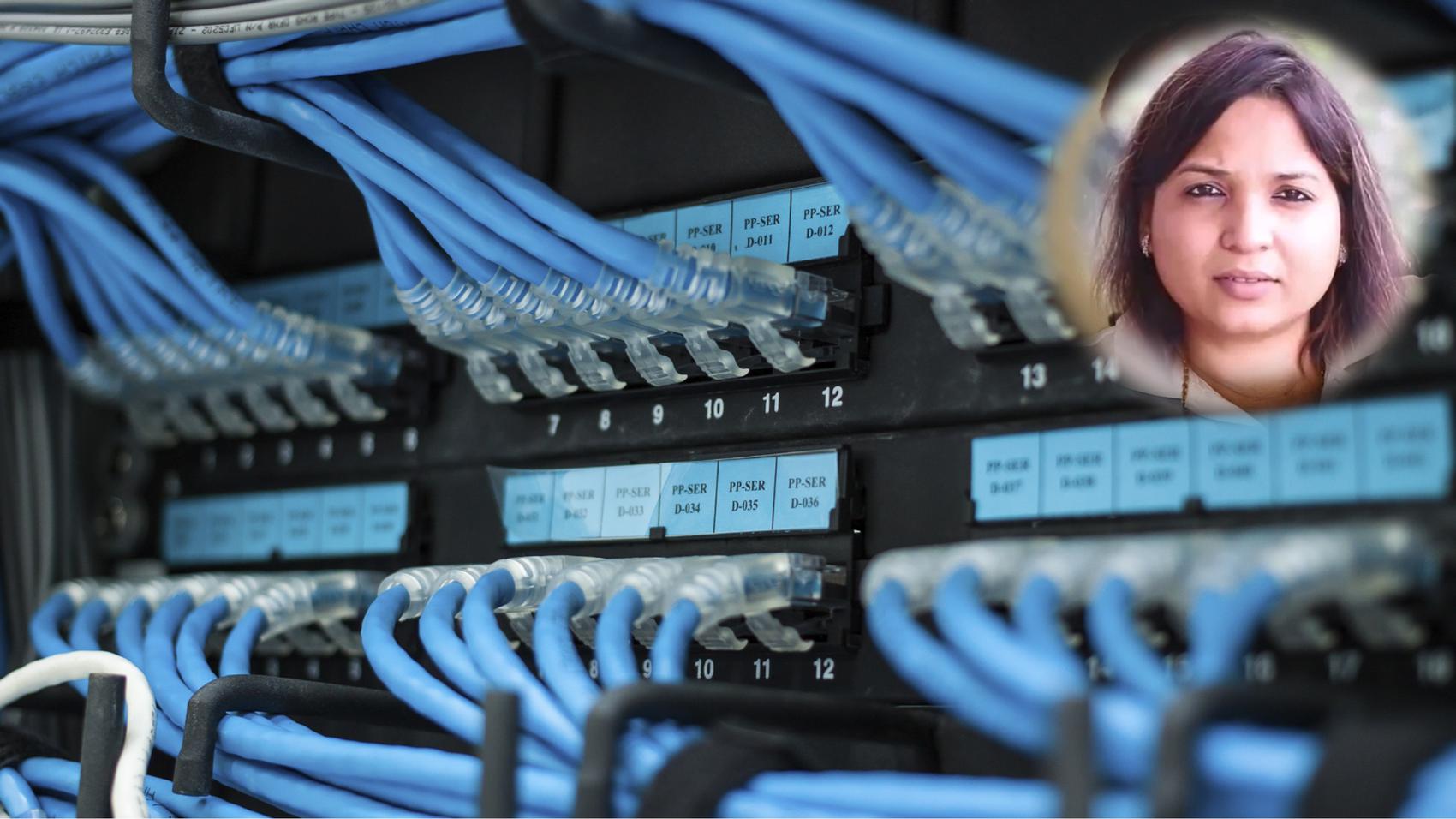
Vishal Rajan | Network Administrator | Wipro Infotech


What is Network Services?


Network Services is a great Career option. Unfortunately, it is very difficult to find information about What Network Services actually is. Most pages on the internet just talk about How to get into Network Services. While anyone can have an opinion on what Network Services entails; only a real professional can really explain it.

Network Administrator Vishal Rajan is an experienced professional with 4 years & 4 months in Network Services. Network Administrator Vishal Rajan describes Network Services as:

A network service is an application running at the network application layer and above, that provides data storage, manipulation, presentation, communication or other capability which is often implemented using a client-server or peer-to-peer architecture based on application layer network protocols.


How Network Administrator Vishal Rajan got into Network Services?


I have done B Tech in Computer Science from Royal Institute of Management & Technology. I am a Network Administrator with Wipro Infotech working for International Airport, New Delhi.


Network Administrator Vishal Rajan's Talk on Network Services


Session Image
The Journey of Network Services


What Is Network Services


Network Services

### Network Services Image
What is
Network Services refers to the suite of technical functions and support systems that enable communication, data transfer, and resource sharing across computer networks. This field encompasses the design, implementation, management, and troubleshooting of network infrastructure, ensuring reliable connectivity and secure access for organizations and their users.

Concept
Network Services play a critical role in the modern digital landscape, supporting the seamless flow of information within and between organizations. For professionals in this field, their work ensures that businesses remain connected, productive, and secure. One major benefit is the ability to maintain high network uptime, which is essential for business continuity. Another advantage is enhanced security, as network services professionals implement measures to protect sensitive data and prevent unauthorized access. Additionally, efficient network management allows organizations to scale their operations and adopt new technologies with minimal disruption, giving them a competitive edge in their industry.

Real World Example
A professional working in Network Services at a large hospital is responsible for ensuring that all departments, from emergency rooms to administrative offices, have uninterrupted access to digital records and communication tools. When the hospital expands with a new wing, the network services team designs and deploys additional network infrastructure, configures secure wireless access, and integrates new devices into the existing system. They monitor network performance, quickly address connectivity issues, and implement security protocols to protect patient data. Their expertise ensures that doctors, nurses, and staff can collaborate efficiently, access critical information in real time, and deliver high-quality patient care without technical interruptions.

Education


Computers

### Computers Image
What is
Computers are electronic devices that process, store, and retrieve data, enabling users to perform a wide range of tasks efficiently. In the context of Network Services, understanding computers is essential, as they serve as the primary endpoints, servers, and infrastructure components that facilitate communication, data exchange, and network management.

Concept
A solid grasp of computers is crucial for anyone pursuing a career in Network Services. This foundational knowledge encompasses hardware components, operating systems, and software applications, all of which interact within a networked environment. Professionals must understand how computers function, communicate, and handle data to effectively design, troubleshoot, and secure networks. Mastery of computer fundamentals enables network specialists to diagnose issues at both the device and network levels, ensuring seamless connectivity and optimal performance. Over time, this expertise not only enhances problem-solving abilities but also supports career advancement, as employers highly value individuals who can bridge the gap between computing devices and network infrastructure.

Real World Example
Consider a network services professional tasked with resolving connectivity issues within an organization. Their understanding of computers allows them to systematically check whether the problem stems from hardware failures, incorrect software configurations, or network interface issues on individual machines. By leveraging their theoretical knowledge, they can efficiently use diagnostic tools, interpret system logs, and apply appropriate fixes, such as updating drivers or reconfiguring network settings. This practical application ensures minimal downtime and maintains productivity across the organization. Furthermore, their ability to communicate technical findings to non-technical staff fosters a collaborative environment and reinforces the importance of computer literacy in network operations.

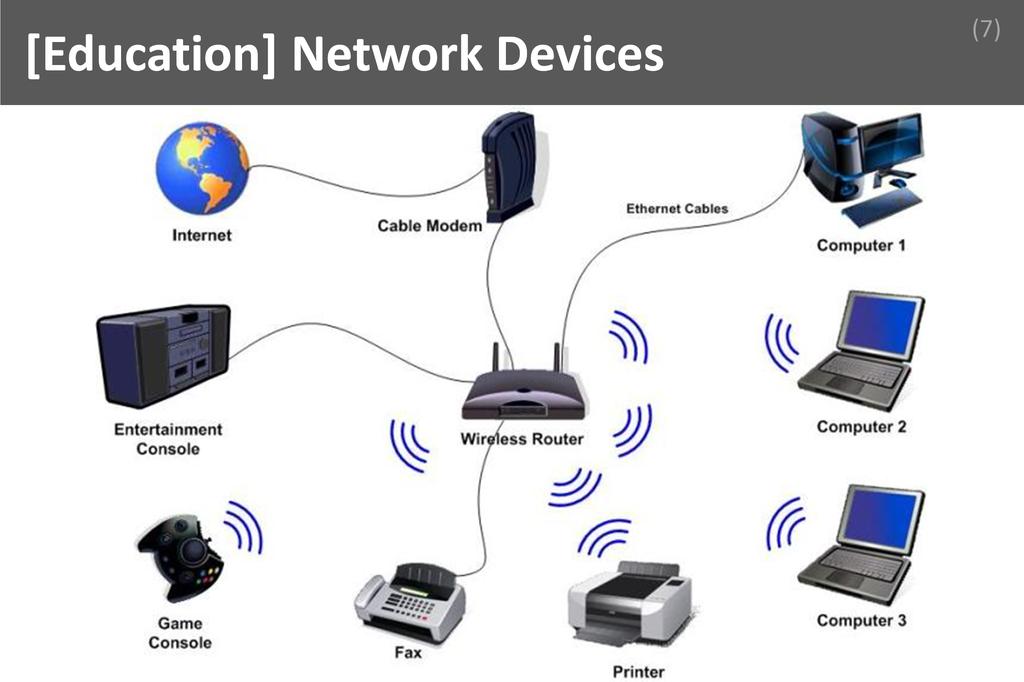
Network Devices

### Network Devices Image
What is
Network devices are specialized hardware components such as routers, switches, hubs, firewalls, and access points that enable, manage, and secure data communication across computer networks. Understanding these devices is essential in both academic study and professional practice within Network Services, as they form the backbone of any network infrastructure.

Concept
A thorough understanding of network devices is crucial for anyone pursuing a career in Network Services because these devices are the primary building blocks of all networked environments. Mastery of their functions, configurations, and interactions allows professionals to design, implement, and troubleshoot networks efficiently. This foundational knowledge is not only necessary for entry-level roles but also underpins advanced responsibilities such as network architecture, security management, and performance optimization. Over time, expertise in network devices enhances problem-solving skills, supports career advancement, and ensures adaptability as technologies evolve. Employers consistently seek professionals who can confidently manage and secure network devices, making this knowledge a long-term asset in the ever-changing field of information technology.

Real World Example
Consider a network services professional tasked with resolving intermittent connectivity issues in a corporate office. Drawing on their understanding of network devices, they systematically analyze the network topology, checking the configuration and status of switches and routers. They identify that a misconfigured switch is causing broadcast storms, leading to network congestion and dropped connections. By reconfiguring the switch and updating its firmware, the professional restores stable communication across the network. This scenario demonstrates how theoretical knowledge of network devices directly translates into practical troubleshooting and maintenance, ensuring reliable network performance and minimizing downtime for the organization.

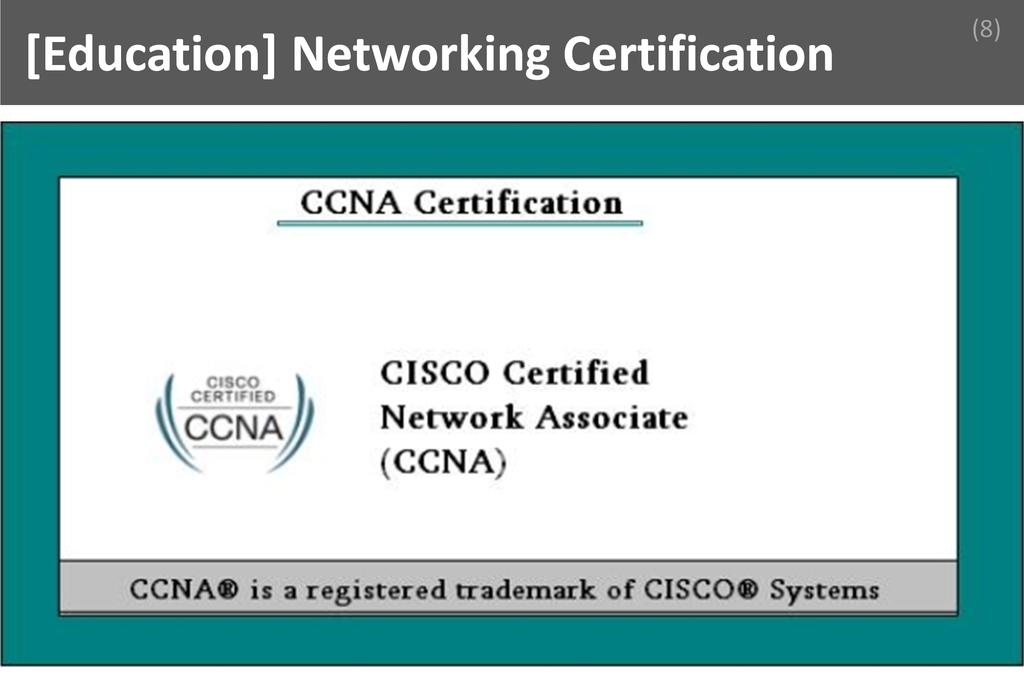
Networking Certification

### Networking Certification Image
What is
Networking Certification is a formal recognition awarded by industry organizations or vendors to individuals who demonstrate proficiency in networking concepts, protocols, and technologies. It validates essential skills in designing, implementing, managing, and troubleshooting network infrastructures, serving as a benchmark for academic achievement and professional competence in the field of Network Services.

Concept
Understanding networking certification is vital for anyone preparing for or working in Network Services because it establishes a standardized foundation of knowledge and skills. Mastery of networking principles, such as IP addressing, routing, switching, and security, is essential for building and maintaining robust network infrastructures. Certification ensures that professionals are up to date with industry best practices and emerging technologies, which is crucial in a rapidly evolving field. Earning a recognized certification not only enhances credibility and employability but also opens doors to advanced roles and higher salaries. Over the long term, certified professionals are better equipped to adapt to technological changes, troubleshoot complex issues efficiently, and contribute to the strategic goals of their organizations.

Real World Example
Consider a network administrator responsible for maintaining a large corporate network. During a sudden network outage, the administrator draws on their certified knowledge to systematically diagnose the problem. They analyze routing tables, check for misconfigured switches, and use protocol analyzers to pinpoint the issue. Their understanding of networking certification concepts allows them to quickly identify a faulty router configuration as the root cause. By applying best practices learned during certification training, they resolve the issue with minimal downtime, ensuring business continuity. This scenario demonstrates how theoretical knowledge gained from networking certification directly translates into effective, real-world problem-solving and reinforces the value of certification in daily network operations.

Technology

### Technology Image
What is
Technology refers to the application of scientific knowledge, tools, and systems to solve problems, improve processes, and enhance human capabilities. In the context of Network Services, technology encompasses the hardware, software, protocols, and infrastructure that enable communication, data transfer, and connectivity across digital networks, forming a critical academic and professional foundation.

Concept
A deep understanding of technology is essential for anyone preparing for or working in Network Services because it underpins every aspect of the field. Mastery of technology enables professionals to design, implement, and maintain robust network infrastructures that support organizational goals. This foundational knowledge allows individuals to adapt to rapidly evolving advancements, troubleshoot complex issues, and ensure the security and reliability of network operations. Over the long term, a strong grasp of technology not only enhances problem-solving skills but also opens doors to career advancement, specialization, and leadership opportunities within the ever-changing landscape of information technology and network management.

Real World Example
Consider a network services professional tasked with upgrading an organization’s local area network to support remote work. Their theoretical understanding of technology guides them in selecting appropriate hardware, configuring secure wireless access points, and implementing virtual private networks. During deployment, they apply their knowledge of protocols and network security to ensure seamless connectivity and data protection. When unexpected connectivity issues arise, their grasp of underlying technologies enables them to diagnose and resolve problems efficiently, minimizing downtime. This scenario highlights how a solid foundation in technology empowers professionals to make informed decisions, adapt to new requirements, and maintain the integrity and performance of critical network services in real-world environments.

Skills


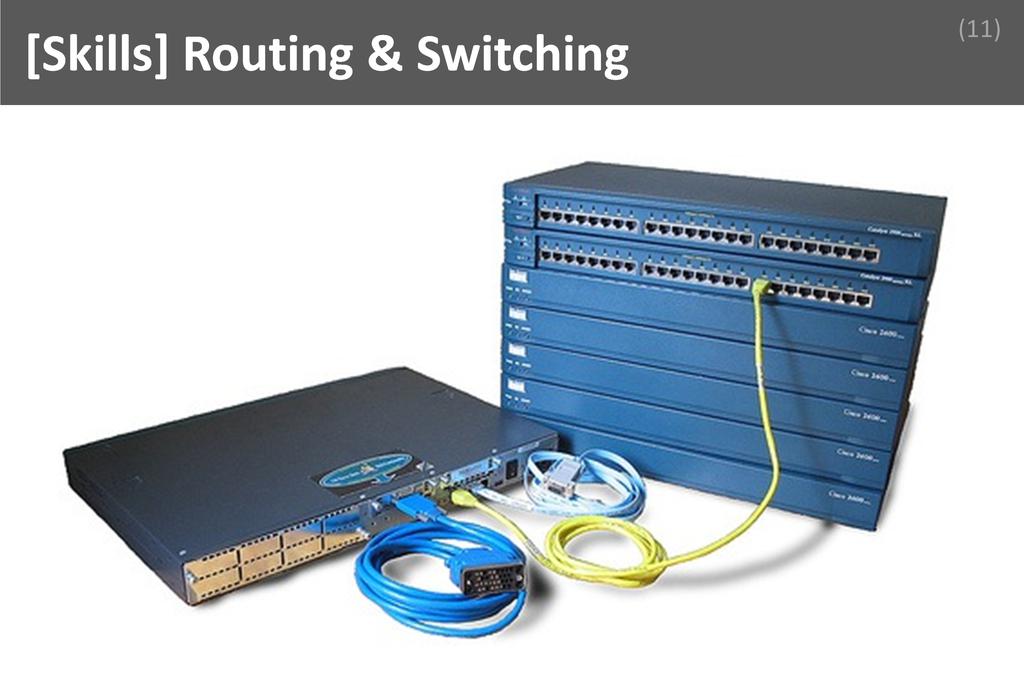
Routing & Switching

### Routing & Switching Image
What is
Routing & Switching refers to the processes and technologies that direct data traffic efficiently across networks, ensuring information reaches its intended destination. This core skill enables network professionals to design, implement, and manage the flow of data between devices, optimizing connectivity, performance, and security within complex digital infrastructures.

Concept
Mastering Routing & Switching directly enhances a network professional’s ability to maintain seamless communication across organizational systems. Employers and clients highly value this expertise because it ensures reliable network performance, minimizes downtime, and supports business continuity. Proficiency in this area demonstrates a deep understanding of network protocols, hardware configuration, and troubleshooting. To cultivate this skill, professionals should pursue industry certifications, engage in hands-on practice with real or simulated network environments, and stay updated with evolving technologies. Continuous learning and practical experience allow individuals to adapt to new challenges, making them indispensable assets in any network services team.

Real World Example
Imagine a large corporation experiencing intermittent connectivity issues that disrupt critical business operations. A network services professional leverages their Routing & Switching expertise to diagnose the root cause, identifying a misconfigured routing protocol that leads to data loops and packet loss. By reconfiguring the network’s routing tables and optimizing switch settings, the professional restores stable communication, significantly reducing downtime and preventing future disruptions. This intervention not only resolves the immediate crisis but also demonstrates the professional’s value in maintaining robust, high-performing network infrastructures. Their ability to apply Routing & Switching knowledge under pressure ensures the organization’s operations remain efficient and secure.

Network Security

### Network Security Image
What is
Network Security refers to the strategies, technologies, and processes designed to protect the integrity, confidentiality, and availability of computer networks and data. It encompasses measures that defend against unauthorized access, misuse, malfunction, modification, destruction, or improper disclosure, ensuring safe and reliable network operations for organizations and users.

Concept
In the toolkit of a Network Services professional, network security is indispensable. It safeguards sensitive data, maintains business continuity, and upholds trust between service providers and clients. Without robust security measures, networks become vulnerable to cyber threats, data breaches, and operational disruptions, making network security a foundational skill for anyone pursuing a successful career in this field.

Real World Example
Mastering network security directly enhances a professional’s ability to design, implement, and maintain resilient network infrastructures. Employers and clients highly value this skill because it minimizes the risk of costly security incidents, regulatory penalties, and reputational damage. A professional adept in network security can proactively identify vulnerabilities, respond swiftly to threats, and ensure compliance with industry standards. Cultivating this skill involves continuous learning, practical experience with security tools, and staying updated on emerging threats and technologies. Over time, professionals can deepen their expertise through certifications, hands-on projects, and collaboration with security teams, making themselves indispensable assets in any network services environment.

Imagine a network services professional managing the infrastructure for a mid-sized company when a sudden spike in network traffic triggers alerts. Drawing on their network security expertise, the professional quickly analyzes logs and identifies a distributed denial-of-service (DDoS) attack targeting the company’s public-facing servers. By implementing access controls, rerouting traffic, and deploying intrusion prevention systems, they mitigate the attack and restore normal operations with minimal downtime. Their swift, knowledgeable response not only protects sensitive data and business operations but also reassures stakeholders of the company’s resilience. This scenario highlights how essential network security skills are in addressing real-world threats and ensuring organizational success.

Wireless Knowledge

### Wireless Knowledge Image
What is
Wireless Knowledge refers to the comprehensive understanding of wireless communication technologies, protocols, standards, and security practices that enable devices to connect and exchange data without physical cables. In Network Services, this expertise is crucial for designing, implementing, troubleshooting, and optimizing wireless networks, ensuring seamless connectivity and robust performance across diverse environments.

Concept
Mastering Wireless Knowledge directly enhances a Network Services professional’s ability to deliver reliable, high-performance connectivity solutions. Clients and employers highly value this skill because wireless networks are foundational to modern business operations, supporting mobility, scalability, and flexibility. Professionals with strong wireless expertise can efficiently diagnose and resolve connectivity issues, optimize network coverage, and implement secure wireless infrastructures. To cultivate this skill, individuals should pursue continuous learning through certifications, hands-on experience with various wireless technologies, and staying updated with industry advancements. Engaging in real-world projects and collaborating with peers further deepens practical understanding, enabling professionals to adapt to evolving wireless standards and client needs.

Real World Example
Imagine a large corporate office experiencing frequent wireless connectivity drops, disrupting daily operations and employee productivity. A Network Services professional with advanced Wireless Knowledge is called in to assess the situation. By analyzing wireless signal patterns, identifying sources of interference, and evaluating network configurations, the professional pinpoints overlapping channels and outdated firmware as the root causes. They reconfigure access points, update firmware, and implement best practices for channel allocation and security. As a result, the wireless network stabilizes, providing seamless connectivity throughout the office. This scenario demonstrates how Wireless Knowledge enables professionals to quickly diagnose complex issues, implement effective solutions, and deliver tangible value to organizations relying on robust wireless infrastructure.

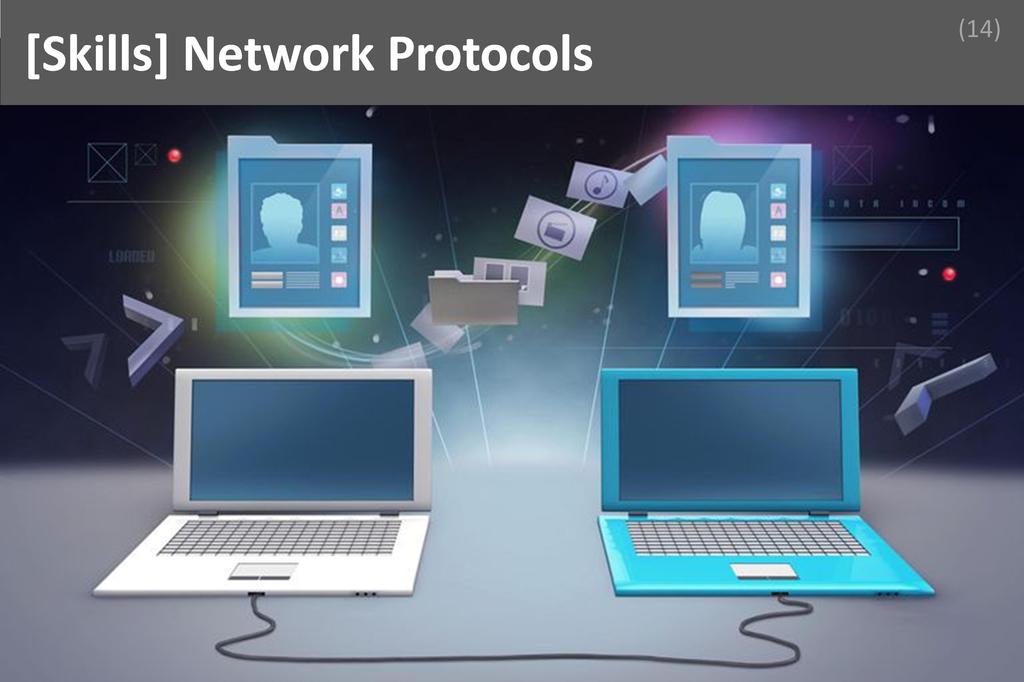
Network Protocol

### Network Protocol Image
What is
A network protocol is a standardized set of rules and conventions that govern how data is transmitted, received, and interpreted across computer networks. It ensures reliable, secure, and efficient communication between devices. For Network Services professionals, understanding network protocols is fundamental to designing, managing, and troubleshooting complex network infrastructures.

Concept
Mastering network protocols directly enhances a professional’s ability to diagnose and resolve connectivity issues, optimize network performance, and implement secure communication channels. Clients and employers highly value this expertise because it ensures seamless data flow, minimizes downtime, and protects sensitive information. Developing this skill involves continuous learning through hands-on experience, formal training, and staying updated with evolving standards. By analyzing network traffic, configuring devices, and simulating various scenarios, professionals deepen their understanding of how protocols interact and affect overall network behavior. Over time, this expertise enables them to anticipate potential problems, recommend improvements, and support the organization’s strategic goals with robust, scalable network solutions.

Real World Example
Imagine a scenario where a company’s remote employees suddenly experience frequent disconnections during video conferences. A Network Services professional investigates and identifies that mismatched protocol configurations between the company’s VPN and the remote devices are causing packet loss. By leveraging their knowledge of network protocols, the professional pinpoints the incompatibility and reconfigures both the VPN server and client devices to use a compatible protocol. This adjustment restores stable connectivity, allowing employees to collaborate effectively. The professional’s expertise not only resolves the immediate issue but also prevents future disruptions by documenting the solution and updating network guidelines. This demonstrates how critical network protocol knowledge is in maintaining reliable and efficient network services.

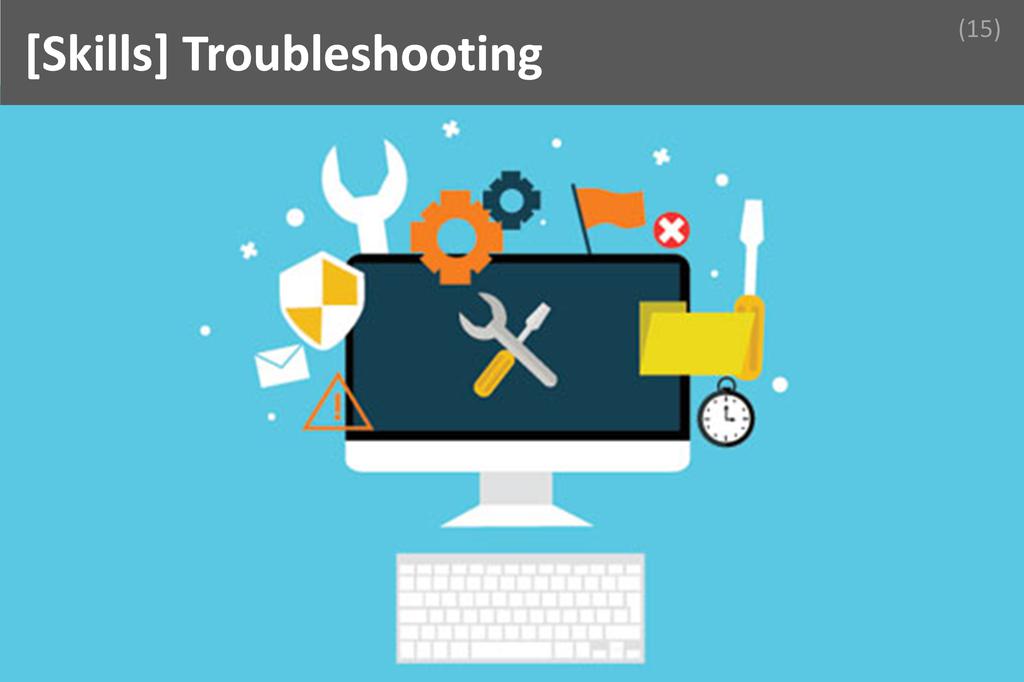
Troubleshooting

### Troubleshooting Image
What is
Troubleshooting is the systematic process of identifying, analyzing, and resolving problems or malfunctions within a system or network. It involves logical thinking, technical knowledge, and methodical testing to pinpoint the root cause of issues. In Network Services, troubleshooting is indispensable for maintaining seamless connectivity and minimizing downtime.

Concept
Mastering troubleshooting directly enhances a Network Services professional’s effectiveness by enabling swift identification and resolution of technical issues, which keeps networks running smoothly and efficiently. Clients and employers highly value this skill because it reduces costly outages, improves user satisfaction, and ensures business continuity. Developing troubleshooting expertise requires a blend of hands-on experience, continuous learning, and familiarity with a wide range of network devices and protocols. Over time, professionals can refine their approach by analyzing past incidents, staying updated on emerging technologies, and practicing structured problem-solving methods. This ongoing development not only boosts individual performance but also contributes to the overall reliability and security of the organization’s network infrastructure.

Real World Example
Imagine a scenario where a company’s remote employees suddenly lose access to critical applications. A Network Services professional is called in to investigate. By methodically troubleshooting, they examine network logs, verify device configurations, and test connectivity at various points. They discover a recent firewall update inadvertently blocked essential traffic. By identifying and correcting the misconfiguration, the professional restores access quickly, minimizing disruption to business operations. This example highlights how effective troubleshooting not only resolves immediate technical issues but also demonstrates the professional’s value in maintaining productivity and trust within the organization.

Positives


Continuous Learning

### Continuous Learning Image
What is
Continuous Learning is the ongoing process of acquiring new knowledge, skills, and competencies to adapt to evolving technologies and industry trends. In the field of Network Services, this mindset ensures professionals remain current, innovative, and effective. It fosters adaptability, encourages curiosity, and empowers individuals to solve complex challenges with confidence and creativity.

Concept
The dynamic nature of Network Services means that technology is always advancing, making continuous learning essential for career growth and satisfaction. Professionals who embrace this aspect find themselves constantly engaged, as each day brings new tools, protocols, and security challenges to master. This ongoing development not only keeps the work intellectually stimulating but also opens doors to advancement and specialization. The sense of achievement that comes from mastering new technologies and solving emerging problems enhances job satisfaction. Furthermore, organizations value employees who are proactive learners, often rewarding them with greater responsibilities and leadership opportunities. As a result, continuous learning becomes both a personal and professional asset, fueling long-term career success.

Real World Example
Imagine a network engineer who recently joined a team responsible for maintaining a large enterprise’s cloud infrastructure. When a new security vulnerability is discovered in a widely used protocol, the engineer quickly enrolls in an online course to understand the issue and its mitigation. Applying this fresh knowledge, they help the team implement a robust solution, preventing potential breaches. The engineer not only gains recognition from colleagues and management but also experiences a deep sense of fulfillment from having contributed meaningfully to the organization’s security. This real-world scenario highlights how continuous learning transforms daily challenges into opportunities for growth, making the profession both exciting and rewarding.

Team Work

### Team Work Image
What is
Team Work is the collaborative effort of individuals with diverse skills, working together toward a shared goal, communicating openly, supporting one another, and leveraging each member’s strengths to solve problems efficiently. In Network Services, this synergy ensures complex systems run smoothly, fosters innovation, and creates a positive, productive work environment.

Concept
Team Work is a cornerstone of success in Network Services because the field demands constant coordination, rapid problem-solving, and the ability to adapt to evolving technologies. When professionals unite their expertise, they can tackle intricate challenges more effectively, share knowledge, and learn from one another. This collective approach not only leads to more robust and reliable network solutions but also creates a sense of camaraderie and shared achievement. As a result, job satisfaction increases, motivation remains high, and opportunities for personal and professional growth multiply. Every day, network professionals experience the satisfaction of contributing to something greater than themselves, knowing their efforts directly impact the success of their team and organization.

Real World Example
Imagine a network outage affecting a large organization’s operations. A network engineer, instead of working in isolation, collaborates with security specialists, system administrators, and support staff. Each team member brings unique insights and skills, allowing them to quickly identify the root cause and implement a solution. Throughout the process, open communication and mutual support transform a stressful situation into an opportunity for learning and growth. The successful restoration of services is not just a technical victory but a testament to the power of Team Work. The engineer leaves the experience feeling valued, connected, and proud to be part of a team that rises to every challenge together.

Non-Monotonous Work

### Non-Monotonous Work Image
What is
Non-monotonous work refers to a dynamic professional environment where daily tasks and challenges are varied, unpredictable, and intellectually stimulating, rather than repetitive or routine. In network services, this means constantly adapting to new technologies, troubleshooting diverse issues, and collaborating with different teams, which keeps the role engaging and fosters continuous learning.

Concept
The ever-changing nature of network services ensures that professionals rarely face the same problem twice, making each day unique and stimulating. This variety not only prevents boredom but also encourages creative problem-solving and adaptability. As technology evolves, network professionals are exposed to new tools, protocols, and security challenges, which accelerates their professional growth and keeps their skills relevant. The satisfaction of overcoming fresh obstacles and contributing to critical infrastructure boosts morale and motivation, making the work deeply fulfilling. This dynamic environment also nurtures a sense of accomplishment, as each resolved issue or successful project becomes a testament to the professional’s expertise and resilience.

Real World Example
Imagine a network services engineer starting the week by optimizing a company’s wireless network for better performance. The next day, a sudden security breach demands immediate attention, requiring rapid diagnosis and collaboration with cybersecurity experts. Later in the week, the engineer participates in planning the rollout of a new cloud-based service, working closely with software developers and project managers. Each day brings a different challenge, from hands-on troubleshooting to strategic planning and cross-functional teamwork. This constant shift in focus not only keeps the workday exciting but also provides a sense of purpose and achievement, as the engineer sees the tangible impact of their efforts on the organization’s success and security.

Challenges


24*7 Work Environment

### 24*7 Work Environment Image
What is
A 24*7 work environment in Network Services means continuous, round-the-clock operations where network professionals must ensure systems are always available and secure. This setting is demanding because issues can arise at any hour, requiring immediate attention to prevent downtime, data loss, or security breaches, regardless of personal schedules.

Concept
The constant vigilance required in a 24*7 work environment can lead to disrupted sleep patterns, increased stress, and challenges in maintaining a healthy work-life balance. Professionals must be resilient, adapting to unpredictable hours and high-pressure situations. Successful individuals manage these demands by developing strong time management skills, leveraging automation tools to reduce manual intervention, and fostering teamwork to share on-call responsibilities. They also prioritize self-care, setting boundaries where possible and communicating openly with supervisors about workload. By cultivating adaptability and seeking support, network professionals can maintain performance and well-being despite the relentless pace of their environment.

Real World Example
Consider a network engineer at a global financial firm who is part of a rotating on-call schedule. When a critical server outage occurs at midnight, she quickly diagnoses the issue remotely, coordinates with her team across time zones, and restores service within an hour. To manage the stress and fatigue, she ensures she takes compensatory rest after her shift and regularly communicates with her manager about workload distribution. By relying on monitoring tools and clear escalation protocols, she minimizes disruptions to her personal life while maintaining high professional standards. Her proactive approach and effective teamwork enable her to thrive in the demanding 24*7 network services environment.

Client Pressure

### Client Pressure Image
What is
Client Pressure in Network Services refers to the persistent and often urgent demands from clients for rapid issue resolution, continuous uptime, and seamless performance. This pressure is demanding because it requires professionals to balance technical complexities, tight deadlines, and high expectations, often with limited resources and little room for error.

Concept
The intensity of client pressure in Network Services can significantly affect daily work by creating a high-stress environment where professionals must juggle multiple priorities and respond quickly to critical incidents. This constant demand for immediate solutions can lead to fatigue, reduced morale, and even burnout if not managed properly. Resilience becomes essential, as professionals must maintain composure and focus under pressure while delivering reliable results. Successful network specialists develop strong communication skills to set realistic expectations with clients, prioritize tasks effectively, and leverage teamwork to share the workload. By fostering transparent relationships and proactively addressing potential issues, they can reduce misunderstandings and build trust, ultimately transforming client pressure into an opportunity for professional growth and improved service delivery.

Real World Example
Consider a network engineer responsible for maintaining connectivity for a large financial institution. When a sudden outage disrupts critical services, the client demands immediate restoration, escalating the pressure on the engineer. Instead of succumbing to stress, the engineer calmly communicates the situation, outlines a clear action plan, and provides regular updates to the client. By systematically diagnosing the problem and coordinating with colleagues, the engineer restores service within the expected timeframe. The client’s anxiety is alleviated through transparent communication and visible progress. This scenario demonstrates how effective management of client pressure—through composure, collaboration, and proactive communication—not only resolves technical issues but also strengthens client relationships and professional credibility.

Changing Technology

### Changing Technology Image
What is
Changing Technology in Network Services refers to the rapid evolution and frequent introduction of new protocols, hardware, software, and security standards. This constant transformation requires professionals to adapt quickly, making it demanding due to the need for continuous learning, system upgrades, and the integration of emerging tools into existing network infrastructures.

Concept
The relentless pace of technological change in Network Services can disrupt established workflows, introduce compatibility issues, and require ongoing training. Professionals must regularly update their knowledge and skills to remain effective, which can be both time-consuming and stressful. This environment demands resilience, adaptability, and a proactive approach to learning. Successful network professionals often dedicate time to professional development, seek out industry certifications, and participate in knowledge-sharing communities. By staying informed about trends and best practices, they can anticipate changes rather than simply react to them. This forward-thinking mindset allows them to implement new technologies smoothly, minimize downtime, and maintain robust, secure networks despite the ever-shifting technological landscape.

Real World Example
Consider a network engineer at a large organization who faces the rollout of a new cloud-based networking platform. Initially, the engineer encounters unfamiliar interfaces and integration challenges with legacy systems. Instead of resisting the change, the engineer enrolls in specialized training, collaborates with colleagues to share insights, and participates in vendor-led webinars. Through this proactive approach, the engineer not only masters the new technology but also helps develop updated documentation and troubleshooting guides for the team. As a result, the transition is smoother, network performance improves, and the organization benefits from enhanced scalability and security. This scenario illustrates how embracing change and investing in continuous learning can turn a daunting challenge into a professional success.

A Day Of


Network Services

What is
The hum of servers and the glow of monitors set the backdrop for a day in the life of a Network Services professional—a world where every second counts and connectivity is king. Here, the pace is brisk and the stakes are high, as even the smallest hiccup can ripple across an entire organization. Each day unfolds as a blend of rapid-fire troubleshooting, strategic planning, and seamless collaboration, all underpinned by a relentless drive to keep the digital arteries of business flowing smoothly. In this environment, adaptability and vigilance are as essential as technical expertise, making every workday both a challenge and an opportunity.

Concept
As the office stirs to life, the first order of business is a thorough review of overnight alerts and system logs. The Network Services professional scans dashboards for anomalies, verifies that scheduled maintenance tasks completed successfully, and ensures that all critical infrastructure is operating within expected parameters. This early morning ritual is not just about catching issues before they escalate; it’s about setting the tone for a proactive, rather than reactive, approach to network management. With a fresh cup of coffee in hand, the day’s priorities are mapped out, and any urgent tickets are flagged for immediate attention.

Real World Example
By mid-morning, the tempo accelerates as user reports and automated alerts begin to stream in. This is the heart of the day, where the Network Services practitioner dives into diagnosing connectivity issues, resolving outages, and fine-tuning network performance. Whether it’s tracing the root cause of a sudden slowdown or coordinating with vendors to address hardware failures, this period demands sharp analytical skills and clear communication. The pressure is palpable, but so is the satisfaction that comes from restoring seamless access and keeping the organization’s operations running without a hitch.

Afternoons are often reserved for deeper project work and collaborative problem-solving. This might involve participating in cross-departmental meetings to plan network upgrades, working alongside cybersecurity teams to implement new security protocols, or configuring new equipment to support business growth. The focus shifts from immediate firefighting to longer-term improvements and innovation. Here, the ability to translate complex technical concepts into actionable plans is crucial, as is the willingness to share knowledge and mentor less experienced colleagues.

As the day winds down, attention turns to documenting changes, updating network diagrams, and closing out resolved tickets. This is also the time to review the day’s accomplishments, assess any lingering issues, and set priorities for tomorrow. Researching emerging technologies or drafting proposals for future enhancements often fills the quieter moments, ensuring that the network remains robust and future-ready. With a final sweep of monitoring tools and a quick check-in with the team, the Network Services professional signs off, knowing that the groundwork for another successful day has been laid.


Install the LifePage App to:


  1. (for Free) Watch Network Administrator Vishal Rajan’s full Network Services Career Talk

  2. ₹ Do a Self Assessment on Network Services to calculate your Dream Index, which is defined as:

    According to Vishal Rajan your chances of success in Network Services is __%

  3. Access your personalized Dream Index Report which will have all your Dream Indices sorted in descending order.

Career Counselling 2.0


<?php echo $altimage; ?>


<?php echo $altimage; ?>


How to get into

Network Services?


If you are want to get into Network Services, start by investing in a Career Plan.

The 14 hour process, guided by a LifePage Career Advisor, will help you introspect and check whether your interest in Network Services is merely an infatuation or is it truly something you wish to do for the rest of your life.

Next, your Career Advisor will help you document how you can get into Network Services, what education and skills you need to succeed in Network Services, and what positives and challenges you will face in Network Services.

Finally, you will get a Career Plan stating which Courses, Certifications, Trainings and other Items you need to do in the next 7 years to become world’s best in Network Services.


LifePage Career Plan

14 hour personalized guidance program


Your LifePage Career Advisor facilitates your guided introspection so that you systematically explore various Career options to arrive at a well thought out Career choice.

Next: your Advisor helps you figure out how you will get into your chosen Career and how will you develop the skills needed for success in your Chosen Career.

LifePage Plan will not stop at saying "to become an Architect study Architecture". It will guide you on which Certifications, Trainings and Other items you need to do along with your Architecture education to become the world's best Architect.


Links for this Talk


Network Administrator Vishal Rajan's LifePage:


Career Counselling 2.0
[LifePage]
https://www.lifepage.in/page/vishalrajan


LifePage Career Talk on Network Services


Career Counselling 2.0
[Career]
https://www.lifepage.in/careers/network-services


Career Counselling 2.0
[Full Talk]
https://lifepage.app.link/20171127-0006


Career Counselling 2.0
[Trailer]
https://www.youtube.com/watch?v=lT5NKnmE4yk


(Network Services, Vishal Rajan, Wipro Infotech, Network Protocols, Computer Science, Administration, User Interface, Airport Networking, Network Security)


Similar Talks



Career in Technology Consulting
Technology Consulting
Kanav Khurana
Senior Consultant | Big 4 Consulting Firm
[ 6 years Experience ]

Technology Consulting as a field of activity focuses on advising organizations on how best to use Information Technology (IT) in achieving their business objectives. In addition to providing advice, IT consultancies often estimate, manage, implement, deploy, and administer IT systems on behalf of their client organizations - a practice known as "outsourcing".

"After a Bachelors degree in Engineering, I started working in Technology Consulting with a startup in Delhi for Salesforce.com. Currently, I am working with one of the Big 4 companies in Technology Consulting as a Senior Consultant."


Career Counselling 2.0 Career Counselling 2.0 Career Counselling 2.0 Career Counselling 2.0 Career Counselling 2.0


Career in IT Broadcasting
IT Broadcasting
Kaushlendra Singh
IT Broadcast Head | HNN 24x7, Dehradun
[ 6 years & 10 months Experience ]

Broadcasting is the distribution of audio or video content or other messages to a dispersed audience via any electronic mass communications medium, but typically one using the electromagnetic spectrum, in a one-to-many model.

"After completing my B Tech in Information Technology from UPTU, I started my career with a media house. I have been working with HNN 24*7 as IT Broadcast Head since 2012."


Career Counselling 2.0 Career Counselling 2.0 Career Counselling 2.0 Career Counselling 2.0 Career Counselling 2.0


Career in Network Administration
Network Administration
Vikas Kundaliya
IT Manager | HNN 24*7
[ 13 years & 8 months Experience ]

Entertainmnet Anchoring is all about informing the public on, what is happing in the entertainment industry.Entertainment anchors, also referred to as news analysts, inform the public about news and events happening Local, National and International Entertainment Industry.

"After completing my graduation and post graduation in IT, I started working as a lab instructor at Jetking Info. Then I did some networking courses and joined HNN 24*7 as an IT Manager in 2016."


Career Counselling 2.0 Career Counselling 2.0 Career Counselling 2.0 Career Counselling 2.0 Career Counselling 2.0


Career in Agile Product Management
Agile Product Management
Marcus Evans
Agile Product Manager | BBC
[ 16 years & 11 months Experience ]

It is the part of the Agile Project Management methodology. Product managers are detached from the development teams, separated by process, department, and facility boundaries. They work to create products and work on the existing product. Their feature development and prioritization of the product for its future.

"After my degree in Philosophy, I started Agile Product Management in 2002. I have worked with various companies such as BBC in UK, Lonely Planet in Australia etc. I have worked on a variety of projects for Mobile devices, Websites etc. Some were traditional and some were quite experimental."


Career Counselling 2.0 Career Counselling 2.0 Career Counselling 2.0 Career Counselling 2.0 Career Counselling 2.0


Career in IT Consulting
IT Consulting
Eric Germain
IT Consultant | Various Assignments
[ 25 years & 2 months Experience ]

Information technology consulting as a field of activity focuses on advising organizations on how best to use information technology in achieving their business objectives.

"I did my graduation in Business Management from Mason University thereafter started working with Miller's Supplies in various profiles."


Career Counselling 2.0 Career Counselling 2.0 Career Counselling 2.0 Career Counselling 2.0 Career Counselling 2.0


Career in IT Consulting
IT Consulting
Lakshay Narang
IT Consultant | AWC Softwares
[ 4 years & 11 months Experience ]

IT Consultancy is all about knowing multiple technologies, software products and Industry domain knowledge.

"After completing my BTech from GGSIPU, I started working with IT start-up as a software trainee and currently working as a Business Analyst."


Career Counselling 2.0 Career Counselling 2.0 Career Counselling 2.0 Career Counselling 2.0 Career Counselling 2.0


Career in Network Administration
Network Administration
Khushboo Garg
Network Administrator | Tech Mahindra, Noida
[ 0 years & 5 months Experience ]

A network administrator maintains computer infrastructures with emphasis on networking. Responsibilities may vary between organizations, but on-site servers, software-network interactions as well as network integrity/resilience are the key areas of focus.

"I started my career as a Network Administrator with HCL Technologies, Noida. Later on moved as a Business Analyst with Tech Mahindra Pvt. Ltd. (Dec 2010 to May 2015) There I was Responsible to interact with the clients and to work upon the issue raised by them via tickets related to the network. "


Career Counselling 2.0 Career Counselling 2.0 Career Counselling 2.0 Career Counselling 2.0 Career Counselling 2.0


Career in Program Management
Program Management
Rahul Bajaj
Assistant Director | E Y
[ 11 years & 7 months Experience ]

Program management is the process of managing several related projects, often with the intention of improving an organization's performance.

"After completing my BTech from Kurukshetra University, I did my post graduation from ICFAI. I have 10 years of experience in this field and working with EY as an Assistant Director Program Management."


Career Counselling 2.0 Career Counselling 2.0 Career Counselling 2.0 Career Counselling 2.0 Career Counselling 2.0


Career in CRM Implementation
CRM Implementation
Khushboo Garg
Business Analyst | Tech Mahindra, Noida
[ 3 years & 5 months Experience ]

In this era of competition, it is very difficult for a company to manage all the data available and collected every day. This can result in a poor relationship with the customer, which s why CRM implementation is necessary. CRM manages all the data of the company with its automated features, which helps to analyse the performance of the company and build a better relationship with the customer.

"I started my career as a business analyst in 2010 with Tech Mahindra Pvt. Ltd. and stayed with them till 2015. In my almost five years of experience I have played different roles, such as, data migration, data analyst, project manager, sales consultant and service consultant in the various CRM implementation projects."


Career Counselling 2.0 Career Counselling 2.0 Career Counselling 2.0 Career Counselling 2.0 Career Counselling 2.0


Career in IT Product Management
IT Product Management
Ankur Awasthi
IT Product Manager | Shaadiwish
[ 3 years & 8 months Experience ]

Product management is an organizational lifecycle function within a company dealing with the planning, forecasting, and production, or marketing of a product or products at all stages of the product lifecycle.

"After finishing my graduation and post graduation from IP University, I started his career as a UI/UX Designer and Web Developer since then. Work with Shaadiwish.com as IT Product Manager."


Career Counselling 2.0 Career Counselling 2.0 Career Counselling 2.0 Career Counselling 2.0 Career Counselling 2.0


Career in Data Migration
Data Migration
Khushboo Garg
Data Migration Specialist | Tech Mahindra, Noida
[ 2 years Experience ]

In this growing era of technology, there are continuous upgrades and changes in the technology. With the changes in the technology there is always a requirement of data migration. Data migration is either from an old legacy system to a new implemented system or from a source to another destination.

"I started my career as a business analyst in 2010 with Tech Mahindra Pvt. Ltd. and stayed with them till 2015. In my almost five years of experience I have played different roles, such as, data migration, data analyst, project manager, sales consultant and service consultant in the various CRM implementation projects."


Career Counselling 2.0 Career Counselling 2.0 Career Counselling 2.0 Career Counselling 2.0 Career Counselling 2.0


Career in Content Management System
Content Management System
Parmendar Chand
WordPress Developer | ISPL Academy
[ 3 years & 10 months Experience ]

There are various Content Management Systems such as Wordpress, Joomla, OpenCart & Drupal. WordPress is a free, (extremely) user friendly and a dynamic open-source Content Management System through which one can develop and design a website.

"I studied various programming languages such as C, C++, etc in school. I also took a web & graphic designing course. Thereafter, once I graduated from Garhwal University, I once again brushed up on my knowledge of the subject and took more such courses and learnt how to use WordPress & Joomla. It is also where and when I learnt about Content Management and since then I am working as a Word Press Developer with ISPL Academy."


Career Counselling 2.0 Career Counselling 2.0 Career Counselling 2.0 Career Counselling 2.0 Career Counselling 2.0


Career in Program Management
Program Management
Beth Bauer
Program Manager | Fulcrum Technologies
[ 16 years Experience ]

Program management or is the process of managing several related projects, time and again with the intention of improving an organization's performance.

"After completing BBA from City University, I started working as a Program Manager and I have been doing Program Management for the last 10 years."


Career Counselling 2.0 Career Counselling 2.0 Career Counselling 2.0 Career Counselling 2.0 Career Counselling 2.0


Career in Broadcast Content Management
Broadcast Content Management
Sumit Bahuguna
IT Manager | Zee Entertainment Enterprises Ltd
[ 11 years & 1 month Experience ]

Broadcasting is the simultaneous transmission of the same message to multiple recipients. In networking, broadcasting occurs when a transmitted data packet is received by all network devices. In non-networking or electronic broadcasting, the term broadcasting denotes the transfer of audio and video data between nodes and devices. Broadcast Content management (BCM) is a set of processes and technologies that supports the collection, managing, and publishing of information in any form or medium when stored and accessed via computers & servers.

"After doing my schooling from St. Gabriels Academy Roorkee, I did my B tech in Electronics & Instrumentation from Shobhit Institute of Engineering & Technology, Saharanpur, UP. Thereafter, I got an opportunity to work with NDTV India as Broadcast Engineer and worked with NDTV for 9 years. Later in 2014, I joined Zee Entertainment Enterprises Ltd as IT Manager."


Career Counselling 2.0 Career Counselling 2.0 Career Counselling 2.0 Career Counselling 2.0 Career Counselling 2.0


Career in Technical Content Management
Technical Content Management
Seema Khadsare
Editor in Chief | Council of Info Security
[ 3 years & 11 months Experience ]

Technical Content management (TCM) is a set of processes and technologies that supports the collection, managing, and publishing of information in any form or medium. When stored and accessed via computers, this information may be more specifically referred to as digital content, or simply as content.

"After completing my education, I started working as Computer teacher in schools. In 2015, I started working as Editor in chief for the 1st Digital Forensic Journal under Council of Information Security."


Career Counselling 2.0 Career Counselling 2.0 Career Counselling 2.0 Career Counselling 2.0 Career Counselling 2.0


Career in Operations Management
Operations Management
Abhishek Rautela
Sr Manager | Landis+Gyr Ltd
[ 13 years & 8 months Experience ]

Operations management is chiefly concerned with planning, organizing and supervising in the contexts of production, manufacturing or the provision of services. As such, it is delivery-focused, ensuring that an organization successfully turns inputs to outputs in an efficient manner. The inputs themselves could represent anything from materials, equipment and technology to human resources such as staff or workers.

"After completing my graduation, I worked as a software engineer for 1.5 years. From there I got an opportunity to work in quality management. I completed various certifications such as six sigma black belt, project management, OHSAS etc. I am currently working as Senior Manager, Process Excellence for Landis+Gyr Ltd."


Career Counselling 2.0 Career Counselling 2.0 Career Counselling 2.0 Career Counselling 2.0 Career Counselling 2.0


Career in Technical Operations Mgmt
Technical Operations Mgmt
Nitin Chandola
Co-founder | Sunfox Technologies Pvt Ltd
[ 2 years & 7 months Experience ]

Technical operations management is the technical department of an organization. In this individuals are responsible for planning, coordinating, and executing organizational technical processes from start to finish.

"After completing my education, I started working with GEU Motorsports as a Vehicle Dynamic Engineer for one year. In 2017, I Co-founded the Sunfox Technologies Pvt Ltd and I handle Technical Operations."


Career Counselling 2.0 Career Counselling 2.0 Career Counselling 2.0 Career Counselling 2.0 Career Counselling 2.0


Career in Technology Consulting
Technology Consulting
Karan Varshney
Solution Architect | Accenture Consulting
[ 9 years Experience ]

Technology consulting help in creating a new vision for your business to take a giant stride in the digital space. Enterprises look forward to uncover the best business technology solutions that can address their current challenges and remodel their organization with a futuristic vision.

"After completing BTech in CSE, I did MBA in Finance Strategy from MDI. After that I started working with Wipro Technologies."


Career Counselling 2.0 Career Counselling 2.0 Career Counselling 2.0 Career Counselling 2.0 Career Counselling 2.0


[Install the LifePage App to access all Talks]


<?php echo $altimage; ?>


<?php echo $altimage; ?>


&mbsp;


Career Counselling 2.0 | Home   Home  
Career Counselling 2.0 | Abroad   Abroad  
Career Counselling 2.0 | Plan   Plan  
Career Counselling 2.0 | Talks   Talks  
Career Counselling 2.0 | Philosophy   Philosophy  
Career Counselling 2.0 | Seminar   Seminar  
Career Counselling 2.0 | Workshop   Workshop  
Career Counselling 2.0 | Pages   Pages  
Career Counselling 2.0 | Advisors   Advisors  
Career Counselling 2.0 | Discuss   Discuss  
Career Counselling 2.0 | Meet   Meet  
Career Counselling 2.0 | Advisor   Advisor  
Career Counselling 2.0 | Story   Story  
Career Counselling 2.0 | Fine Print   Fine Print  
Career Counselling 2.0 | Links   Links  
Career Counselling 2.0 | Blog   Blog  
Career Counselling 2.0 | Testimonials   Testimonials  
Career Counselling 2.0 | Follow   Follow  
 
[ Site Visits ]


Career Counselling 2.0