Career Counselling 2.0 HomeHomeCareer Counselling 2.0 AbroadAbroadCareer Counselling 2.0 PlanPlanCareer Counselling 2.0 | TalksTalksCareer Counselling 2.0 PhilosophyPhilosophyCareer Counselling 2.0 SeminarSeminarCareer Counselling 2.0 PagesPagesCareer Counselling 2.0 AdvisorsAdvisorsCareer Counselling 2.0 TestimonialsTestimonials

Entrepreneurship

Founder Vishal Kumar talks about Entrepreneurship course, what is Entrepreneurship and other details about a Career in Entrepreneurship.


Entrepreneurship

Vishal Kumar | Founder | Brainrock Consulting Services


What is Entrepreneurship?


A Career in Entrepreneurship is very interesting. Understanding Why one wants to choose a Career in Entrepreneurship is phenomenally more important than figuring out How to get into Entrepreneurship. The most authoritative source of information on Entrepreneurship is someone with real experience in it.

With 5 years & 9 months of professional experience, Founder Vishal Kumar understands Entrepreneurship. Here is how Founder Vishal Kumar detailed Entrepreneurship:

Entrepreneurship is a process through which person is able to give form to and launch his idea or project into the market. In other words, Entrepreneurship is a process through which one is able to create a startup. This not only helps the entrepreneur earn money for himself but also helps in empowering other people by providing them with opportunities of employment and thereby, helps in benefitting the Society at large. An entrepreneur is his own boss.


How Founder Vishal Kumar got into Entrepreneurship?


After completing my education, I started my own business of providing IT consultancy in the year 2013.


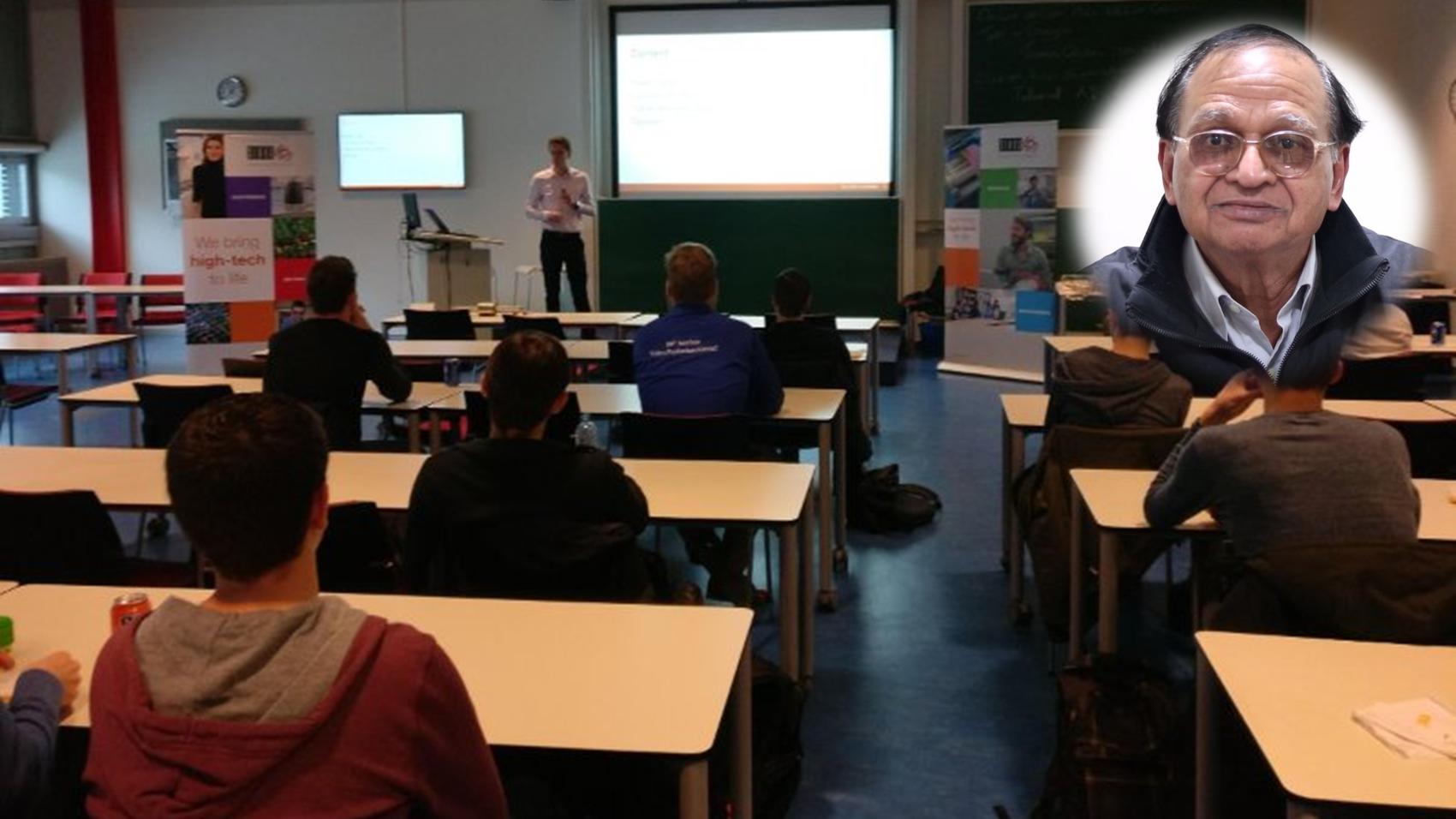
Founder Vishal Kumar's Talk on Entrepreneurship


Session Image
The Journey of Entrepreneurship


What Is Entrepreneurship


Entrepreneurship

### Entrepreneurship Image
What is
Entrepreneurship is the process of identifying opportunities, creating innovative solutions, and building new ventures to deliver value. It involves taking calculated risks, mobilizing resources, and managing uncertainty to launch and grow businesses. Entrepreneurs drive economic growth by introducing new products, services, or processes to the market.

Concept
Entrepreneurship plays a crucial role in shaping economies and societies by fostering innovation, creating jobs, and stimulating competition. For professionals in this field, it offers the chance to turn ideas into reality, develop leadership skills, and make a tangible impact on their communities. One major benefit is the autonomy to make strategic decisions and shape the direction of a business. Another advantage is the potential for significant financial rewards if the venture succeeds. Additionally, entrepreneurship provides continuous learning opportunities, as professionals must adapt to changing markets, technologies, and customer needs, ensuring personal and professional growth.

Real World Example
Consider a professional who notices a gap in the local food delivery market, such as a lack of healthy meal options. By leveraging entrepreneurship, they research customer preferences, design a unique menu, and partner with local chefs to create a new delivery service. They secure funding, develop a user-friendly app, and launch the business, constantly refining their offerings based on customer feedback. Through this process, the entrepreneur applies creativity, resource management, and strategic planning to address a real need, ultimately building a successful company that benefits both customers and the local economy. This example illustrates how entrepreneurship transforms ideas into impactful ventures through innovation and perseverance.

Education


Basic IT Knowledge

### Basic IT Knowledge Image
What is
Basic IT Knowledge encompasses the essential understanding of computer systems, software applications, internet usage, data management, and cybersecurity principles. For entrepreneurs, this knowledge forms a crucial part of both academic learning and professional expertise, enabling them to leverage technology effectively in business planning, operations, and growth strategies.

Concept
For aspiring and current entrepreneurs, mastering basic IT knowledge is indispensable. In today’s digital-driven marketplace, nearly every business process—from communication and marketing to sales and customer service—relies on technology. Understanding how to use productivity software, manage digital data, and maintain online security empowers entrepreneurs to operate efficiently, make informed decisions, and adapt to technological changes. This foundational knowledge also helps entrepreneurs communicate effectively with technical teams, evaluate digital tools, and implement cost-effective solutions. Over the long term, proficiency in basic IT concepts fosters innovation, enhances competitiveness, and supports sustainable business growth, making it a critical asset for anyone seeking success in entrepreneurship.

Real World Example
Consider an entrepreneur launching an online retail business. Their grasp of basic IT knowledge enables them to set up a secure e-commerce website, manage inventory using cloud-based tools, and analyze customer data to refine marketing strategies. Each day, they use email and collaboration platforms to coordinate with suppliers and employees, ensuring smooth operations. When faced with a technical issue, such as a website outage or a potential security threat, their foundational IT understanding allows them to troubleshoot effectively or communicate clearly with IT professionals. This practical application of basic IT skills not only streamlines daily business activities but also builds resilience and adaptability in a rapidly evolving digital landscape.

Marketing & Advertising

### Marketing & Advertising Image
What is
Marketing & Advertising encompasses the strategies and activities used to identify customer needs, develop products or services, communicate value, and persuade target audiences to take action. Within entrepreneurship, it is a critical academic and professional discipline, equipping individuals to effectively position offerings, build brand awareness, and drive business growth in competitive markets.

Concept
Understanding marketing and advertising is essential for entrepreneurs because it enables them to connect with their target audience, differentiate their offerings, and create sustainable demand. Mastery of these concepts forms the backbone of any successful business venture, as entrepreneurs must not only develop innovative products or services but also ensure that these solutions reach the right customers. Knowledge in this area empowers professionals to craft compelling messages, select appropriate channels, and measure campaign effectiveness, all of which are crucial for resource allocation and strategic planning. Over the long term, strong marketing and advertising skills contribute to brand loyalty, customer retention, and the ability to adapt to changing market trends, ultimately supporting business resilience and growth.

Real World Example
Consider an entrepreneur launching a new eco-friendly skincare line. Drawing on their understanding of marketing and advertising, they begin by researching their target demographic’s preferences and values. They then develop a brand message that emphasizes sustainability and natural ingredients, ensuring it resonates with environmentally conscious consumers. In daily operations, this entrepreneur selects digital advertising platforms popular among their audience, crafts engaging social media content, and monitors campaign analytics to refine their approach. By applying theoretical knowledge to real-world decisions, they not only increase product visibility but also foster trust and loyalty, directly impacting sales and long-term business success.

Finance & Budgeting

### Finance & Budgeting Image
What is
Finance & Budgeting refers to the process of managing, planning, and allocating financial resources to achieve business objectives. It encompasses understanding revenues, expenses, investments, and cash flow. In entrepreneurship, this discipline is essential for making informed decisions, ensuring sustainability, and driving growth, forming a core part of academic and professional expertise.

Concept
A solid grasp of finance and budgeting is indispensable for anyone pursuing entrepreneurship. This knowledge enables entrepreneurs to assess the viability of their ideas, forecast revenues, and control costs, which are crucial for survival and growth. Understanding financial statements, cash flow management, and budgeting techniques helps entrepreneurs make strategic decisions, secure funding, and communicate effectively with investors and stakeholders. Over time, these skills foster resilience, adaptability, and credibility in the business world. Mastery of finance and budgeting not only supports day-to-day operations but also provides the analytical tools necessary for long-term planning, risk management, and sustainable expansion, making it a foundational pillar for entrepreneurial success.

Real World Example
Consider an entrepreneur launching a tech startup who must allocate limited resources among product development, marketing, and operations. By applying their knowledge of finance and budgeting, they create a detailed budget, forecast cash flow, and monitor expenses against projections. When unexpected costs arise, such as a necessary software upgrade, their financial planning skills allow them to reallocate funds without jeopardizing other critical areas. This disciplined approach ensures the business remains solvent, can pay its employees, and is prepared to present accurate financial reports to potential investors. Ultimately, the entrepreneur’s ability to manage finances effectively is key to navigating uncertainty and steering the company toward growth.

Latest Trends

### Latest Trends Image
What is
Latest Trends refers to the most recent developments, innovations, and shifts in technology, consumer behavior, market dynamics, and industry practices. In the context of Entrepreneurship, understanding these trends is crucial for identifying opportunities, anticipating challenges, and maintaining a competitive edge in rapidly evolving markets. It is an essential component of both academic study and professional practice.

Concept
Grasping the latest trends is vital for entrepreneurs because it enables them to make informed decisions, adapt to changing environments, and innovate effectively. By staying updated, professionals can anticipate market needs, align their business strategies with emerging demands, and avoid obsolescence. This knowledge forms the backbone of strategic planning, product development, and marketing efforts. Over the long term, entrepreneurs who consistently monitor and respond to trends are better positioned to seize new opportunities, mitigate risks, and sustain business growth. Mastery of this subject not only enhances individual expertise but also contributes to the overall resilience and adaptability of their ventures in a competitive landscape.

Real World Example
Consider an entrepreneur running a digital marketing agency. By closely following the latest trends in social media algorithms and consumer engagement, they notice a growing preference for short-form video content among target audiences. Applying this insight, the entrepreneur shifts their agency’s focus to producing creative, high-impact video campaigns for clients. This proactive adaptation not only attracts new business but also strengthens client relationships by delivering measurable results. The entrepreneur’s ability to interpret and act on emerging trends ensures the agency remains relevant and competitive, demonstrating how theoretical understanding of trends translates into practical, day-to-day business success.

Local Area Knowledge

### Local Area Knowledge Image
What is
Local Area Knowledge refers to a comprehensive understanding of the unique social, economic, cultural, and regulatory characteristics of a specific geographic region. In the context of entrepreneurship, it encompasses insights into local consumer behavior, market trends, competition, and community needs, forming a crucial component of both academic study and professional practice.

Concept
Understanding local area knowledge is essential for entrepreneurs because it enables them to identify market gaps, anticipate customer needs, and tailor their products or services to fit the local context. This subject forms the foundation for effective business planning, risk assessment, and strategic decision-making. Entrepreneurs who invest time in mastering local area knowledge can build stronger relationships with stakeholders, navigate regulatory environments more efficiently, and adapt to changes in the local market landscape. Over the long term, this expertise supports sustainable business growth, fosters community trust, and enhances the entrepreneur’s ability to innovate in response to evolving local dynamics. Ultimately, it is a key driver of competitive advantage and resilience in the entrepreneurial journey.

Real World Example
Consider an entrepreneur launching a farm-to-table restaurant in a mid-sized city. By applying their local area knowledge, they identify which local farms produce high-quality, in-demand ingredients and understand the dietary preferences and cultural influences within the community. This insight allows them to design a menu that resonates with local tastes and source ingredients efficiently. They also navigate local health regulations and build partnerships with nearby suppliers, ensuring compliance and fostering goodwill. When marketing their restaurant, they leverage community events and local media channels, maximizing outreach and engagement. Through these daily operations, the entrepreneur’s deep understanding of the local area becomes a cornerstone of their business’s success and adaptability.

Law & Policies

### Law & Policies Image
What is
Law & Policies refers to the system of rules, regulations, and guidelines established by governments and organizations to govern behavior, protect rights, and ensure fair practices. In entrepreneurship, understanding these frameworks is essential for compliance, risk management, and ethical decision-making, forming a crucial part of both academic study and professional practice.

Concept
For entrepreneurs, a solid grasp of law and policies is indispensable. This knowledge ensures that business activities align with legal requirements, reducing the risk of costly disputes or penalties. It also empowers entrepreneurs to structure their ventures effectively, safeguard intellectual property, and negotiate contracts confidently. By mastering these concepts, professionals can anticipate regulatory changes, adapt business strategies proactively, and foster trust with investors, customers, and partners. Over the long term, this expertise not only protects the business but also enhances its reputation and sustainability. Ultimately, understanding law and policies forms the backbone of responsible entrepreneurship, enabling informed decision-making and supporting growth in a complex, ever-evolving marketplace.

Real World Example
Consider an entrepreneur launching a tech startup that develops a mobile application. Their understanding of law and policies guides them through the process of registering their business, drafting user agreements, and ensuring compliance with data privacy regulations such as GDPR. When negotiating with investors, they rely on their legal knowledge to structure equity agreements that protect both their interests and those of their stakeholders. If the startup expands internationally, the entrepreneur’s familiarity with different regulatory environments helps them adapt their product and operations to new markets. Each day, their theoretical understanding of law and policies translates into practical decisions that minimize risk, maintain compliance, and support sustainable business growth.

Skills


Analytical

### Analytical Image
What is
Analytical is the ability to systematically examine information, identify patterns, break down complex problems, and draw logical conclusions. In entrepreneurship, this skill enables professionals to assess opportunities, evaluate risks, and make data-driven decisions. It is crucial for navigating uncertainty, optimizing strategies, and ensuring sustainable business growth.

Concept
Analytical skills directly enhance an entrepreneur’s ability to make informed decisions, anticipate challenges, and identify growth opportunities. Clients and investors highly value this skill because it demonstrates a founder’s capacity to justify choices with evidence and adapt strategies based on real-world feedback. Entrepreneurs can cultivate analytical abilities by engaging in regular data analysis, seeking mentorship, and reflecting on both successes and failures. Over time, consistent practice in evaluating market trends, customer feedback, and financial reports sharpens one’s analytical mindset. This ongoing development not only improves business performance but also builds credibility and trust with stakeholders, making it a cornerstone of entrepreneurial success.

Real World Example
Imagine an entrepreneur facing declining sales in a newly launched product line. By applying analytical skills, they systematically review sales data, customer feedback, and market trends. They discover that a competitor’s recent innovation has shifted consumer preferences. Using this insight, the entrepreneur pivots the product’s features and marketing strategy to better align with current demand. As a result, sales rebound and the business regains its competitive edge. This scenario highlights how analytical thinking enables entrepreneurs to diagnose problems accurately, adapt quickly, and implement effective solutions, ultimately driving business resilience and growth.

Decision Making

### Decision Making Image
What is
Decision Making is the process of identifying options, evaluating possible outcomes, and selecting the most effective course of action to achieve specific goals. In entrepreneurship, this skill is crucial because founders and business leaders constantly face uncertainty and must make choices that shape the direction and success of their ventures.

Concept
Strong decision making directly enhances an entrepreneur’s ability to navigate challenges, seize opportunities, and allocate resources efficiently. Clients and investors highly value this skill because it demonstrates reliability, strategic thinking, and the capacity to drive a business forward even in ambiguous situations. Entrepreneurs can cultivate decision making by seeking diverse perspectives, analyzing data, reflecting on past outcomes, and embracing calculated risks. Over time, consistent practice and learning from both successes and failures help refine this skill, enabling entrepreneurs to act with greater confidence and agility. As decision making improves, so does the entrepreneur’s reputation for leadership and their ability to inspire trust among stakeholders.

Real World Example
Imagine an entrepreneur whose startup faces a sudden drop in sales due to a shift in market trends. The founder must quickly decide whether to pivot the business model, invest in new product development, or double down on marketing efforts. By gathering input from the team, analyzing customer feedback, and reviewing financial projections, the entrepreneur weighs the risks and potential rewards of each option. Ultimately, they choose to pivot and introduce a new service aligned with emerging customer needs. This decisive action not only stabilizes the business but also positions it for future growth, illustrating how effective decision making can turn a critical challenge into a strategic advantage.

Vision & Mission

### Vision & Mission Image
What is
Vision & Mission refers to the clear articulation of a long-term goal (vision) and the guiding principles or purpose (mission) that drive an entrepreneur’s actions. This skill enables entrepreneurs to define what they aim to achieve and why, providing direction, motivation, and a framework for decision-making in their ventures.

Concept
Mastering Vision & Mission significantly enhances an entrepreneur’s performance by providing a consistent sense of purpose and a roadmap for growth. Clients and employers value this skill because it demonstrates clarity, commitment, and the ability to inspire teams and stakeholders. Entrepreneurs with a strong vision and mission can align resources, attract investment, and build trust with partners. To cultivate this skill, one must regularly reflect on personal and business values, seek feedback from mentors, and adapt their vision and mission statements as the business evolves. Continuous learning, strategic thinking, and open communication are also essential in refining and applying this core competency over time.

Real World Example
Consider an entrepreneur whose tech startup faces declining user engagement and internal confusion about priorities. By revisiting and reaffirming the company’s vision to “empower small businesses through accessible technology” and its mission to “deliver intuitive, affordable digital tools,” the entrepreneur rallies the team around a shared purpose. This renewed focus guides product development, marketing strategies, and customer support initiatives, resulting in improved morale and a clear path forward. The entrepreneur’s ability to articulate and apply Vision & Mission not only resolves immediate challenges but also positions the company for sustainable growth and resilience in a competitive market.

Positive Attitude

### Positive Attitude Image
What is
A positive attitude is an optimistic and constructive mindset that focuses on opportunities, solutions, and growth, even in the face of challenges or setbacks. For entrepreneurs, this outlook is crucial because it fuels resilience, inspires teams, and fosters innovation, making it an indispensable part of any successful entrepreneurial toolkit.

Concept
A positive attitude directly enhances an entrepreneur’s performance by encouraging perseverance, adaptability, and creative problem-solving. Clients and employers highly value this trait because it creates a motivating work environment, builds trust, and helps maintain momentum during difficult times. Entrepreneurs with a positive outlook are more likely to attract investors, partners, and talented employees, as their enthusiasm is contagious and reassuring. To cultivate a positive attitude, one can practice gratitude, focus on learning from failures, and surround themselves with supportive individuals. Over time, consistently choosing to see possibilities rather than obstacles strengthens this skill, making it a natural part of daily interactions and decision-making.

Real World Example
Imagine an entrepreneur whose startup faces a sudden drop in sales due to unexpected market changes. Instead of succumbing to frustration or panic, they approach the situation with a positive attitude, viewing it as an opportunity to reassess their business model and explore new customer segments. Their optimism energizes the team, encouraging creative brainstorming sessions that lead to innovative product features and marketing strategies. By maintaining a constructive outlook, the entrepreneur not only navigates the crisis but also discovers new avenues for growth, ultimately turning a potential setback into a pivotal moment of success for the company. This scenario highlights how a positive attitude can transform challenges into opportunities and inspire collective achievement.

Patience

### Patience Image
What is
Patience is the ability to remain calm, composed, and persistent in the face of delays, setbacks, or prolonged challenges, without becoming frustrated or discouraged. In entrepreneurship, patience is a vital asset, enabling professionals to navigate uncertainty, build sustainable ventures, and foster long-term relationships with clients, partners, and stakeholders.

Concept
Patience directly enhances performance in entrepreneurship by allowing individuals to make thoughtful decisions, manage stress, and maintain focus during periods of uncertainty or slow progress. Clients and employers value patience because it demonstrates reliability, resilience, and a commitment to quality outcomes rather than quick fixes. Entrepreneurs who exhibit patience are more likely to build trust, nurture meaningful partnerships, and adapt to changing market conditions. Cultivating patience involves practicing mindfulness, setting realistic expectations, and learning from setbacks rather than reacting impulsively. Over time, entrepreneurs can develop this skill by embracing challenges as opportunities for growth and by consistently reflecting on their experiences to improve their approach.

Real World Example
Imagine an entrepreneur launching a new tech startup who faces repeated delays in product development due to unforeseen technical issues. Instead of rushing the process or cutting corners, the entrepreneur exercises patience by working closely with the development team, addressing problems methodically, and maintaining open communication with investors and early adopters. This patient approach not only ensures a higher-quality product but also builds credibility and trust among stakeholders. Ultimately, the entrepreneur’s patience leads to a successful launch, stronger team cohesion, and a loyal customer base, demonstrating how this core skill can turn potential setbacks into long-term advantages.

Leadership

### Leadership Image
What is
Leadership is the ability to inspire, guide, and influence individuals or groups toward achieving common goals, while fostering collaboration, innovation, and accountability. In entrepreneurship, leadership empowers professionals to set a clear vision, motivate teams, make strategic decisions, and navigate uncertainty, making it a cornerstone of sustainable business success.

Concept
Leadership directly enhances entrepreneurial performance by enabling founders to articulate a compelling vision, rally teams around shared objectives, and drive execution even in challenging circumstances. Clients and employers highly value this skill because it signals the capacity to manage resources, adapt to change, and deliver results through others. Effective leaders build trust, encourage creativity, and resolve conflicts, all of which are vital in the fast-paced world of entrepreneurship. Cultivating leadership involves continuous self-reflection, seeking feedback, learning from mentors, and embracing opportunities to lead projects or teams. Over time, entrepreneurs who invest in developing their leadership skills become more resilient, adaptable, and capable of steering their ventures toward long-term growth.

Real World Example
Imagine an entrepreneur whose startup faces a sudden market downturn, threatening the company’s survival. Instead of panicking, the entrepreneur demonstrates leadership by openly communicating the challenges to the team, soliciting input for solutions, and fostering a sense of shared responsibility. By setting a positive tone and encouraging innovative thinking, the entrepreneur guides the team to pivot their business model, identify new revenue streams, and implement cost-saving measures. This decisive and inclusive approach not only helps the company weather the crisis but also strengthens team cohesion and trust. Ultimately, the entrepreneur’s leadership transforms a potential failure into an opportunity for growth and renewed success.

Management

### Management Image
What is
Management is the process of planning, organizing, leading, and controlling resources—such as people, finances, and time—to achieve specific goals efficiently and effectively. For entrepreneurs, management is the backbone that transforms ideas into actionable plans, coordinates teams, allocates resources wisely, and ensures the business adapts and thrives in changing environments.

Concept
Mastering management significantly enhances an entrepreneur’s ability to steer their venture toward success. Effective management leads to better decision-making, streamlined operations, and the ability to respond swiftly to market changes. Clients and investors value entrepreneurs who demonstrate strong management skills because it signals reliability, foresight, and the capacity to deliver results. Cultivating management expertise involves continuous learning, seeking mentorship, and gaining hands-on experience in leading teams and projects. Over time, entrepreneurs refine their ability to delegate, prioritize tasks, and motivate others, which directly impacts business growth and sustainability. By embracing feedback and adapting their management style, entrepreneurs can build resilient organizations that attract talent and foster innovation.

Real World Example
Imagine an entrepreneur launching a tech startup that suddenly faces rapid user growth, straining its customer support and technical infrastructure. The entrepreneur relies on management skills to assess the situation, prioritize urgent needs, and reallocate resources to critical areas. By organizing cross-functional teams, setting clear objectives, and establishing communication channels, the entrepreneur ensures that customer issues are addressed promptly while technical upgrades are implemented. This proactive management approach not only resolves immediate challenges but also builds trust with customers and stakeholders. Ultimately, the entrepreneur’s ability to manage people, processes, and resources effectively turns a potential crisis into an opportunity for growth and improved reputation.

Positives


Growing Sector

### Growing Sector Image
What is
A "Growing Sector" refers to an industry or market segment experiencing rapid expansion, increased demand, and continuous innovation. This dynamic environment creates abundant opportunities for new businesses, fosters competition, and encourages creative solutions. For entrepreneurs, a growing sector means a fertile landscape where ideas can flourish and ventures can scale successfully.

Concept
The significance of a growing sector in entrepreneurship cannot be overstated. When entrepreneurs operate within a thriving industry, they benefit from a steady influx of customers, evolving market needs, and access to new technologies. This environment fuels motivation and job satisfaction, as professionals witness tangible progress and impact. The constant evolution keeps work exciting and challenging, pushing entrepreneurs to adapt and innovate. Every day, they experience the thrill of contributing to a sector that shapes the future, knowing their efforts are part of a larger wave of progress. This sense of purpose and relevance not only enhances personal fulfillment but also opens doors to networking, investment, and collaborative opportunities that further accelerate growth.

Real World Example
Imagine an entrepreneur launching a sustainable packaging startup within the rapidly expanding green technology sector. As consumer awareness and regulatory demands for eco-friendly solutions grow, the entrepreneur sees their business gain traction quickly. Each day brings new partnerships with retailers eager to reduce their environmental footprint, and the startup’s innovations are met with enthusiasm from both customers and investors. The entrepreneur feels a deep sense of accomplishment, knowing their work directly contributes to a global movement toward sustainability. The momentum of the growing sector provides constant encouragement, reinforcing the belief that their efforts are both impactful and valued. This daily experience of progress and recognition exemplifies the profound rewards of building a career in a flourishing industry.

Less Investment

### Less Investment Image
What is
Less Investment refers to the ability to start and grow a business with minimal financial resources, time, or material commitments. This approach allows entrepreneurs to test ideas, pivot quickly, and reduce risk. By requiring fewer upfront resources, it opens doors for more people to pursue their entrepreneurial dreams and innovate freely.

Concept
The benefit of less investment in entrepreneurship is transformative, as it lowers the barriers to entry and encourages experimentation. Entrepreneurs can launch ventures without the pressure of heavy financial commitments, which fosters creativity and resilience. This freedom enables individuals to iterate on their ideas, learn from failures, and adapt to market needs without the fear of significant loss. As a result, job satisfaction increases because entrepreneurs feel empowered to take calculated risks and pursue their passions. The daily experience of managing a lean operation also cultivates resourcefulness and sharpens problem-solving skills, which are invaluable for long-term growth and personal development.

Real World Example
Consider an aspiring entrepreneur who dreams of launching an online consultancy. With minimal investment, she leverages free digital tools, social media, and her existing network to attract clients. Instead of renting office space or hiring staff, she operates from home and collaborates with freelancers as needed. This approach allows her to focus on delivering value and refining her services without the stress of large financial obligations. As her business grows organically, she enjoys the satisfaction of building something meaningful on her own terms, proving that less investment can lead to greater fulfillment and sustainable success in entrepreneurship.

Own Boss

### Own Boss Image
What is
Being your own boss means having the autonomy to make decisions, set your own goals, and determine the direction of your business without answering to a higher authority. This independence empowers entrepreneurs to shape their professional journey, fostering creativity, accountability, and a sense of ownership that is unique to this career path.

Concept
The freedom of being your own boss is a cornerstone of entrepreneurial satisfaction. It allows individuals to align their work with personal values, passions, and ambitions, creating a deep sense of purpose. Entrepreneurs can design their schedules, choose their collaborators, and pivot strategies swiftly in response to market changes. This level of control not only enhances motivation but also accelerates personal and professional growth. The daily experience of making impactful decisions and witnessing the direct results of their efforts fuels a sense of accomplishment. Over time, this autonomy leads to greater resilience, adaptability, and fulfillment, making entrepreneurship a uniquely rewarding career choice.

Real World Example
Consider an entrepreneur who has launched a sustainable fashion startup. Each day, she decides which projects to prioritize, which suppliers to partner with, and how to market her brand. When a new eco-friendly fabric becomes available, she quickly adapts her product line without waiting for approval from a corporate hierarchy. This ability to act on her vision and values, while seeing immediate results from her decisions, brings immense satisfaction. She experiences firsthand the rewards of her hard work, learns from her mistakes, and celebrates her successes on her own terms. This daily empowerment exemplifies the profound impact of being your own boss in entrepreneurship.

Provide Employment

### Provide Employment Image
What is
"Provide Employment" refers to the ability of entrepreneurs to create job opportunities for others by establishing and growing businesses. This involves hiring employees, offering stable incomes, and fostering professional development. By generating employment, entrepreneurs contribute to economic growth, reduce unemployment, and empower individuals to achieve financial independence and personal growth.

Concept
The power to provide employment is a deeply rewarding aspect of entrepreneurship because it allows professionals to make a tangible difference in their communities. Entrepreneurs experience immense satisfaction knowing their ventures support families, nurture talent, and create pathways for others to succeed. This sense of responsibility and impact fuels personal growth and professional pride, as every new hire represents a step toward broader economic progress. Daily, entrepreneurs witness the positive effects of their efforts through the achievements and well-being of their employees, reinforcing their commitment to growth and innovation. The knowledge that their business is a source of livelihood for many adds a profound sense of purpose and fulfillment to their entrepreneurial journey.

Real World Example
Imagine an entrepreneur who starts a small technology company with just a handful of employees. As the business grows, the entrepreneur is able to hire more staff, offering roles to recent graduates and experienced professionals alike. Each new team member brings fresh ideas and energy, contributing to the company’s success. The entrepreneur sees firsthand how providing employment transforms lives, as employees gain financial stability, develop new skills, and support their families. The workplace becomes a thriving community where collaboration and innovation flourish. This daily experience of building a team and witnessing their growth gives the entrepreneur a deep sense of accomplishment, knowing their efforts have a lasting, positive impact on many lives.

Self Satisfaction

### Self Satisfaction Image
What is
Self satisfaction is the deep sense of fulfillment and contentment that arises from achieving personal goals, overcoming challenges, and making meaningful progress through one’s own efforts. In entrepreneurship, self satisfaction is a driving force, as it fuels motivation, resilience, and a positive outlook, making the journey both rewarding and sustainable.

Concept
Self satisfaction is a cornerstone of entrepreneurial success because it transforms hard work into a source of joy and personal pride. When entrepreneurs feel genuinely satisfied with their achievements, they are more likely to remain committed to their vision, even during difficult times. This internal reward system boosts job satisfaction, encourages continuous learning, and fosters a growth mindset. Entrepreneurs who regularly experience self satisfaction are more resilient, creative, and proactive in seeking new opportunities. The daily sense of accomplishment, whether from launching a new product, solving a customer’s problem, or reaching a milestone, reinforces their passion and drive. Ultimately, self satisfaction not only enhances personal well-being but also contributes to long-term business growth and professional fulfillment.

Real World Example
Imagine an entrepreneur who has spent months developing a unique eco-friendly product. After countless prototypes, late nights, and overcoming unexpected setbacks, the product finally launches and receives positive feedback from customers who appreciate its impact. The entrepreneur feels a profound sense of self satisfaction, knowing their hard work has made a difference. This feeling goes beyond financial gain or public recognition; it is the quiet pride in having turned an idea into reality and contributed something valuable to the world. Each day, as new customers share their stories and the business grows, the entrepreneur’s self satisfaction deepens, fueling their enthusiasm and inspiring them to pursue even greater challenges.

Challenges


Financial

### Financial Image
What is
Financial, in the context of entrepreneurship, refers to the ongoing challenge of securing, managing, and sustaining adequate capital to launch, operate, and grow a business. This involves balancing cash flow, covering operational expenses, and making strategic investments, all while facing uncertainty and limited access to traditional funding sources.

Concept
The financial challenge in entrepreneurship permeates every aspect of daily work, from making payroll to investing in product development or marketing. Constant pressure to maintain positive cash flow can lead to difficult decisions and heightened stress, demanding resilience and adaptability. Entrepreneurs often face setbacks such as delayed payments, unexpected costs, or funding rejections, which can threaten business continuity. Successful professionals address these constraints by developing robust financial plans, seeking diverse funding avenues, and maintaining transparent communication with stakeholders. They also cultivate strong relationships with investors, lenders, and advisors, enabling them to pivot quickly and make informed decisions. Through disciplined budgeting and creative problem-solving, they navigate financial uncertainty and keep their ventures on a path toward sustainability.

Real World Example
Consider an entrepreneur launching a tech startup who faces a sudden shortfall in expected investment. Instead of halting operations, she reassesses her financial plan and identifies non-essential expenses to cut, while negotiating extended payment terms with suppliers. She leverages her network to secure a small bridge loan and explores alternative funding sources, such as crowdfunding and government grants. By maintaining open communication with her team and investors, she preserves trust and morale. Through these actions, she not only overcomes the immediate financial hurdle but also builds a more resilient business model, demonstrating how adaptability and resourcefulness can turn a financial challenge into an opportunity for growth.

Resource Management

### Resource Management Image
What is
Resource management in entrepreneurship refers to the strategic allocation, utilization, and optimization of limited assets such as time, capital, personnel, and materials to achieve business goals. This is demanding because entrepreneurs must constantly balance competing priorities, adapt to changing circumstances, and make critical decisions with constrained resources.

Concept
The challenge of resource management permeates every aspect of an entrepreneur’s daily work, from budgeting and staffing to scheduling and procurement. Limited resources can lead to stress, difficult trade-offs, and the need for constant prioritization. This environment demands resilience, as setbacks and unexpected obstacles are common. Successful entrepreneurs navigate these constraints by fostering adaptability, leveraging creativity, and building strong networks. They often seek out partnerships, embrace lean methodologies, and remain focused on core objectives, allowing them to maximize impact with minimal resources. By continuously reassessing their resource allocation and staying agile, they turn limitations into opportunities for innovation and growth.

Real World Example
Consider a startup founder launching a tech platform with a small team and a tight budget. Facing the challenge of limited funds, the entrepreneur prioritizes essential product features and outsources non-core tasks to freelancers. By negotiating flexible payment terms with suppliers and leveraging free marketing channels like social media, the founder stretches every dollar. Regular team meetings ensure everyone is aligned and resources are allocated to the most impactful activities. Through disciplined planning and creative problem-solving, the entrepreneur successfully brings the product to market, attracts early users, and demonstrates value to potential investors, all while operating within strict resource constraints. This approach exemplifies effective resource management in action.

Knowledge Update

### Knowledge Update Image
What is
Knowledge Update in entrepreneurship refers to the ongoing need to acquire, adapt, and apply new information, skills, and trends relevant to business. This is demanding because the entrepreneurial landscape evolves rapidly, requiring professionals to continuously learn and unlearn, ensuring their ventures remain competitive and aligned with market expectations.

Concept
The challenge of keeping up with knowledge updates can significantly disrupt an entrepreneur’s daily operations. Constantly shifting technologies, regulations, and consumer preferences mean that yesterday’s expertise may quickly become obsolete. This relentless pace demands resilience, as entrepreneurs must juggle learning with running their businesses. Successful professionals manage this constraint by cultivating a growth mindset, actively seeking out new information, and integrating learning into their routines. They leverage networks, mentorship, and professional development resources to stay informed, while also fostering a culture of adaptability within their teams. By prioritizing continuous learning, they transform the challenge of knowledge update into a strategic advantage, ensuring their ventures remain agile and forward-thinking.

Real World Example
Consider a tech startup founder who recognizes the rapid evolution of artificial intelligence tools in their industry. Rather than being overwhelmed by the constant influx of new developments, they dedicate time each week to attend webinars, read industry reports, and participate in online forums. They also encourage their team to share insights from their own learning, creating an environment where knowledge is continuously refreshed and disseminated. When a significant update in AI regulations emerges, the founder is able to quickly adapt their business model and compliance strategies, ensuring the company remains ahead of competitors. This proactive approach to knowledge update not only mitigates risks but also positions the business as an industry leader.

Competition

### Competition Image
What is
Competition in entrepreneurship refers to the ongoing struggle among businesses to attract customers, secure market share, and achieve growth within the same industry or niche. It is demanding because it requires constant innovation, adaptability, and vigilance to differentiate offerings, maintain relevance, and respond to the evolving strategies of rival companies.

Concept
The presence of competition shapes nearly every aspect of an entrepreneur’s daily work, from product development and pricing decisions to marketing strategies and customer engagement. This relentless pressure can lead to stress and uncertainty, demanding resilience and a proactive mindset. Entrepreneurs must continuously analyze competitors, anticipate market shifts, and refine their value propositions to stay ahead. Successful professionals manage this constraint by fostering a culture of innovation, building strong customer relationships, and leveraging unique strengths that set their business apart. They view competition not as a threat, but as a catalyst for improvement, using it to identify gaps in the market and opportunities for differentiation. By embracing adaptability and learning from competitors, entrepreneurs can transform competition into a driving force for sustained growth.

Real World Example
Consider a tech startup entering the crowded field of mobile fitness applications. The founder recognizes that established competitors dominate the market with extensive features and loyal user bases. Instead of mimicking existing apps, the entrepreneur conducts thorough market research and identifies a niche: personalized fitness plans for individuals with chronic health conditions. By collaborating with healthcare professionals and integrating tailored content, the startup offers a unique value proposition. Through targeted marketing and exceptional customer support, the company gradually builds a dedicated user community. This strategic focus on differentiation and customer needs enables the entrepreneur to carve out a sustainable position in a competitive landscape, demonstrating how thoughtful innovation and resilience can turn competition into an opportunity for success.

A Day Of


Entrepreneurship

What is
The world of entrepreneurship is a whirlwind of energy, unpredictability, and relentless ambition. Each day unfolds at a breakneck pace, where the only constant is change and every decision can tip the scales between breakthrough and setback. The environment buzzes with possibility, fueled by caffeine, creativity, and the drive to turn vision into reality. For entrepreneurship professionals, the workday is a dynamic blend of strategy, hustle, and adaptability, demanding both big-picture thinking and hands-on problem-solving from the moment the sun rises until long after it sets.

Concept
As the city stirs awake, the entrepreneur’s day begins with a quiet moment of reflection and preparation. This early hour is reserved for reviewing key metrics, scanning overnight emails, and catching up on industry news. With a fresh cup of coffee in hand, the entrepreneur sketches out priorities, revisits the business plan, and mentally maps out the day’s objectives. This calm before the storm is essential for setting intentions and ensuring that every action aligns with the broader vision.

Real World Example
By mid-morning, the pace accelerates as the entrepreneur dives into the heart of the day’s operations. This is when the most critical meetings take place, whether it’s pitching to potential investors, negotiating with suppliers, or brainstorming with the core team. The energy is palpable, and every interaction is an opportunity to advance the business. Decisions are made quickly, challenges are tackled head-on, and the entrepreneur’s ability to pivot and problem-solve is put to the test.

The afternoon is a time for rolling up sleeves and turning ideas into action. Collaborative sessions with team members focus on refining product features, addressing customer feedback, or launching marketing campaigns. The entrepreneur may find themselves troubleshooting technical issues, overseeing logistics, or mentoring staff. The environment is hands-on and fast-moving, with everyone working in sync to push projects forward and meet ambitious deadlines.

As the day winds down, the entrepreneur shifts gears to wrap up ongoing tasks and reflect on the day’s progress. This is the moment to review financials, respond to outstanding emails, and document lessons learned. Attention turns to planning for tomorrow, setting new goals, and identifying emerging opportunities or threats. Even as the office lights dim, the entrepreneur’s mind remains active, always scanning the horizon for the next big breakthrough.


Install the LifePage App to:


  1. (for Free) Watch Founder Vishal Kumar’s full Entrepreneurship Career Talk

  2. ₹ Do a Self Assessment on Entrepreneurship to calculate your Dream Index, which is defined as:

    According to Vishal Kumar your chances of success in Entrepreneurship is __%

  3. Access your personalized Dream Index Report which will have all your Dream Indices sorted in descending order.

Career Counselling 2.0


<?php echo $altimage; ?>


<?php echo $altimage; ?>


How to get into

Entrepreneurship?


If you are want to get into Entrepreneurship, start by investing in a Career Plan.

The 14 hour process, guided by a LifePage Career Advisor, will help you introspect and check whether your interest in Entrepreneurship is merely an infatuation or is it truly something you wish to do for the rest of your life.

Next, your Career Advisor will help you document how you can get into Entrepreneurship, what education and skills you need to succeed in Entrepreneurship, and what positives and challenges you will face in Entrepreneurship.

Finally, you will get a Career Plan stating which Courses, Certifications, Trainings and other Items you need to do in the next 7 years to become world’s best in Entrepreneurship.


LifePage Career Plan

14 hour personalized guidance program


Your LifePage Career Advisor facilitates your guided introspection so that you systematically explore various Career options to arrive at a well thought out Career choice.

Next: your Advisor helps you figure out how you will get into your chosen Career and how will you develop the skills needed for success in your Chosen Career.

LifePage Plan will not stop at saying "to become an Architect study Architecture". It will guide you on which Certifications, Trainings and Other items you need to do along with your Architecture education to become the world's best Architect.


Links for this Talk


LifePage Career Talk on Entrepreneurship


Career Counselling 2.0
[Career]
https://www.lifepage.in/careers/entrepreneurship-2


Career Counselling 2.0
[Full Talk]
https://lifepage.app.link/20170616-0002


Career Counselling 2.0
[Trailer]
https://www.youtube.com/watch?v=UO40_Clhs_o


(Entrepreneurship, Vishal Kumar, Brainrock Consulting Services, IT Business, Commerce, New Idea, Business Idea, Startup, Commercial, Information Technology)


Similar Talks



Career in Entrepreneurship
Entrepreneurship
Gaurav Aggarwal
Founder and CEO | SYS Facilities Provider Pvt Ltd, Dehradun
[ 3 years Experience ]

Entrepreneurship has traditionally been defined as the process of designing, launching and running a new business, which typically begins as a small business, such as a start-up company, offering a product, process or service.

"I started a facility management company in the year 2013 by the name of SYS Facilities. My family business is catering and I thought that there is a need of a facility management company, because our clients were not so happy to outsource their work to other people, therefore I started SYS Facilities Provider Pvt Ltd as a solution."


Career Counselling 2.0 Career Counselling 2.0 Career Counselling 2.0 Career Counselling 2.0 Career Counselling 2.0


Career in Entrepreneurship
Entrepreneurship
Dhairya Arora
Owner | Doon Chaiwala
[ 1 year Experience ]

Entrepreneurship is taking your own concept and applying the idea to serve the whole mass, as in you want to have a target audience, you want to have a product and you want to give them that product. Doon Chaiwala is a tea delivery system which serves to banks,offices and schools. The tea is priced a very decent price.

"After completing my schooling from Asian School, Dehradun i worked in the film industry for 7 years.Now i am the owner of Doon Chaiwala which is located in Rajpur Road."


Career Counselling 2.0 Career Counselling 2.0 Career Counselling 2.0 Career Counselling 2.0


Career in Entrepreneurship
Entrepreneurship
Manish Mamgain
Founder | Manka Store
[ 3 years & 9 months Experience ]

Entrepreneurship is basically doing something new, coming up with a new idea and execute it successfully.

"After finishing my MBA, I started working with a Sales Promotion and Event Management Company in Delhi by the name of Kids Stuff Promo. Later me and my wife opened a interior designing store with the name of Manka in Dehradun, itself which has been running very successfully."


Career Counselling 2.0 Career Counselling 2.0 Career Counselling 2.0 Career Counselling 2.0 Career Counselling 2.0


Career in Entrepreneurship
Entrepreneurship
Alpika Sharma
Founder | Size Zero - The Weight Loss Cafe
[ 6 years Experience ]

Entrepreneurship is coming up with a new idea or expanding the existing idea. The activity of setting up a business or businesses, taking on financial risks in the hope of profit.

"After completing my MBA, I got married. After that I started to gain some weight and joined a slimming centre to loose it. While doing that I got an idea that how difficult it is to loose the weight and manage it. So I implemented my idea on weight management and started my own slimming centre named as Size Zero- The Weight Loss Centre in 2013."


Career Counselling 2.0 Career Counselling 2.0 Career Counselling 2.0 Career Counselling 2.0 Career Counselling 2.0


Career in Entrepreneurship
Entrepreneurship
Toral Sharan
Owner | LE Salon Luxiria
[ 6 years & 8 months Experience ]

Entrepreneurship is the process of designing, launching and running a new business. Entrepreneuship describes ownership, where one can use his/her own thought process. Basically it includes creativity and communication.

"I did my schooling and higher studies from England. I did various certificate courses from England such as Anthropology in Sociology. And since 2012 i own a salon."


Career Counselling 2.0 Career Counselling 2.0 Career Counselling 2.0 Career Counselling 2.0 Career Counselling 2.0


Career in Entrepreneurship
Entrepreneurship
Tanya Negi
Founder | Tayna Events
[ 5 years & 7 months Experience ]

The capacity and willingness to develop, organize and manage a business venture along with any of its risks in order to make a profit. The most obvious example of entrepreneurship is the starting of new businesses. In economics, entrepreneurship combined with land, labor, natural resources and capital can produce profit

"After completing my schooling, I went on to do my Bachelors in Mass Communication from Graphic Era University. It was during my second year of Bachelors that I decided to work in the line of events and started the company Tanya Events."


Career Counselling 2.0 Career Counselling 2.0 Career Counselling 2.0 Career Counselling 2.0 Career Counselling 2.0


Career in Entrepreneurship
Entrepreneurship
Monika Chaudhary
Founder | Seven Ventures
[ 5 years & 10 months Experience ]

The capacity and willingness to develop, organize and manage a business venture along with any of its risks in order to make a profit. The most obvious example of entrepreneurship is the starting of new businesses.

"After working in corporate sector for 10 years, I got an idea to start something of my own and started creating ethnic wear for kids. Clothes are sold out through various major e-commerce platforms and through my own website BownBee.com, it has been 5 years now when I started the company."


Career Counselling 2.0 Career Counselling 2.0 Career Counselling 2.0 Career Counselling 2.0 Career Counselling 2.0


Career in Entrepreneurship
Entrepreneurship
Chandra Mohan
CEO | Energias Market Research
[ 0 years & 7 months Experience ]

Entrepreneurship is the process by which an individual (or team) identifies a business opportunity and acquires and deploys the necessary resources required for its exploitation. Entrepreneurship is the process of designing, launching and running a new business, which is more often than not, initially a small business, offering a product, process or service for sale or hire.

"I did BSc from PGDAV College. I then did MBA (Upstream Asset Management) from UPES, Dehradun. After completing that I worked at Global Data as Associate Analyst, then at Industrial Info Resources as Petroleum Refinery Analyst and finally at Transparency Market Research as Assistant manager. After gaining experience in Market Research I founded my own company Energias Market Research in 2016."


Career Counselling 2.0 Career Counselling 2.0 Career Counselling 2.0 Career Counselling 2.0 Career Counselling 2.0


Career in Entrepreneurship
Entrepreneurship
Guneet Puri
Co-founder | Bohemian Adventures
[ 3 years Experience ]

Entrepreneurship is starting up or coming up with the new business idea for making profit. And also you convert your passion into profession.

"I was exposed to adventure sports at early age. My parents started taking me on trekking when I was 2 years old. Later on I went to Nehru Institute of Mountaineering from where I have done basic and advanced mountaineering courses. In the year 2014 I Co-Founded an adventure company called Bohemian Adventures. We organize climbing expedition, treks, cycling expedition, rock climbing, camping trips and day treks."


Career Counselling 2.0 Career Counselling 2.0 Career Counselling 2.0 Career Counselling 2.0 Career Counselling 2.0


Career in Media Entrepreneurship
Media Entrepreneurship
Suraj Kumar
Founder | The Dehradun Street
[ 2 years Experience ]

Media Entrepreneurship is the business model that works in Journalism. It is the creation and ownership of a small enterprise or organization whose activity adds at least one voice or innovation to the media marketplace. You must have a desire and it needs to be feasible. It always takes time to break even so you need to be patient. Sustainibility is a very important factor and weather the business model is sustainible in the near future.

"I completed my high school from Ann Marry and my post graduation from IIPM, Delhi. After which I interned with Johnson and Johnson and Godfrey Philips (TFS) and with O&M in client service. And then I finally completed a year with Tupperware Brands. After which i finally started with newspapers two years back."


Career Counselling 2.0 Career Counselling 2.0 Career Counselling 2.0 Career Counselling 2.0 Career Counselling 2.0


Career in Commercial Dairy Farming
Commercial Dairy Farming
Abhinav Singh
Owner | Vedic Farms
[ 4 years & 5 months Experience ]

Dairy farming is a class of agriculture for long-term production of milk, which is processed (either on the farm or at a dairy plant, either of which may be called a dairy) for eventual sale of a dairy product.

"After completing my education, I worked with Havells India Ltd for 2 years and then with Eureka Forbes for 9 years. In 2014, I started my own business of Commercial Dairy Farming with the name of Vedic Farms."


Career Counselling 2.0 Career Counselling 2.0 Career Counselling 2.0 Career Counselling 2.0 Career Counselling 2.0


Career in Bamboo Entrepreneurship
Bamboo Entrepreneurship
Ajay Thakur
Scientist (E) | Forest Research Institute
[ 20 years & 6 months Experience ]

Bamboo Industry is a growing industry, the markets for bamboo can be grouped into traditional and non-traditional or emerging markets. Demand remains strong in traditional markets such as handicrafts, blinds and bamboo shoots with profitable opportunities despite moderate growth. Other traditional markets, such as chopsticks, are highly commoditized with low growth and low profit margins. Emerging bamboo markets include flooring, building products and laminated furniture. These represent the largest growth opportunities for bamboo.

"I have done B Sc in Forestry from Pantnagar Agriculture University. Post that I did M Sc in Forestry from Punjab Agriculture University. I went on to do a PhD in Forest Genetics from Oxford University & University of Wales, Bangor, UK. I started my career from ICFRE as a Scientist (B). I am a Scientist (E) at Forest Research Institute, Dehradun."


Career Counselling 2.0 Career Counselling 2.0 Career Counselling 2.0 Career Counselling 2.0 Career Counselling 2.0


Career in Entrepreneurship
Entrepreneurship
Vidur Sikand
Managing Partner | The Palm Plates
[ 1 year Experience ]

The activity of setting up a business or businesses, taking on financial risks in the hope of profit.

"I did my schooling from St Josephs till class 8th. After that I went to Asian School. I did my graduation from GD Goenka World Institute, Delhi. I also went to New Zealand to do my Masters in Business Management. I have been working with Nine Palm Resort since 2016."


Career Counselling 2.0 Career Counselling 2.0 Career Counselling 2.0 Career Counselling 2.0 Career Counselling 2.0


Career in Entrepreneurship
Entrepreneurship
A K Narayanan
Owner | NYANZ Engineering
[ 4 years Experience ]

Entrepreneurship is starting, growing and managing a new business or any new idea.

"After completing diploma in Electrical Engineering I did Maintenance Engineer for 18 years at different places and my last assignment was at Indonesia. I returned to India in 1982 & became an Entrepreneur. I started an Engineering consulting company and I was Founder Director in 6 technology start ups."


Career Counselling 2.0 Career Counselling 2.0 Career Counselling 2.0 Career Counselling 2.0 Career Counselling 2.0


Career in Entrepreneurship
Entrepreneurship
Gigi Pathak
Owner | Oilcraft Naturals
[ 7 years Experience ]

The activity of setting up a business or businesses, taking on financial risks in the hope of profit.

"I am a Law Graduate from Punjab University. I have also done my MBA in HR from Symbiosis, Pune. I have also worked with Blue Star Pvt Ltd and After 4 years of gap, I started as working Oilcraft Naturals Distributor in 2010 and became an Entrepreneur."


Career Counselling 2.0 Career Counselling 2.0 Career Counselling 2.0 Career Counselling 2.0 Career Counselling 2.0


Career in Entrepreneurship
Entrepreneurship
Sachin Shestha
Co-Founder & Manager | The Local Project
[ 2 years & 10 months Experience ]

Entrepreneurship is the process of designing, launching, and running a new business which is often initially a small business. The people who create these businesses are called Entrepreneurs. Entrepreneurship has been described as the capacity and willingness to develop, organize and manage a business venture along with any of its risks in order to make a profit.

"After completing my education, I started working as a Manager for a clothing manufacturing and export company. After that, I started my own venture called The Local Project, in Kathmandu."


Career Counselling 2.0 Career Counselling 2.0 Career Counselling 2.0 Career Counselling 2.0


Career in Entrepreneurship
Entrepreneurship
Dimpy Lakhina
Proprietor | Lakhina Couture
[ 3 years & 10 months Experience ]

Entrepreneurship is the process of designing, launching and running a new business which is often initially a small business and the people who create these businesses are called entrepreneurs. Entrepreneurship has been described as the "capacity and willingness to develop, organize and manage a business venture along with any of its risks in order to make a profit.

"After doing my schooling from SD Girls Sr. Secondary School Panipat, I did my B Sc from IB College and thereafter I did my B Ed and Diploma in Computer Applications. I started my own boutique named Lakhina Couture in Noida."


Career Counselling 2.0 Career Counselling 2.0 Career Counselling 2.0 Career Counselling 2.0 Career Counselling 2.0


Career in Entrepreneurship
Entrepreneurship
Deepak Matta
Founder | Garage Master
[ 3 years & 11 months Experience ]

Entrepreneurship is the process of designing, launching and running a new business, which is often initially a small business. The people who create these businesses are called entrepreneurs.

"After completing my BBA from Graphic Era University, I did PG Diploma in Marketing & Finance from JRE School of Engineering. After that, I joined Tacky Minds as a Business Developer and later I was promoted to Team Lead. I worked there for 2 year. In 2016, I started my own venture by the name of Garage Master which provides After-Sales services to automobile users."


Career Counselling 2.0 Career Counselling 2.0 Career Counselling 2.0 Career Counselling 2.0 Career Counselling 2.0


Career in Entrepreneurship
Entrepreneurship
Rahul Bhatnagar
Head | Uprist Service Portal Pvt. Ltd.
[ 5 years & 2 months Experience ]

An Entreprenuer is a person who does something on his own based upon his or her passion wherin the person is providing a solution to a problem that the society faces as a whole.

"I did my schooling from St Josephs Academy Dehradun and graduated from University of Petroleum And Energy Studies. I have my own company called Uprist Service Portal Ltd."


Career Counselling 2.0 Career Counselling 2.0 Career Counselling 2.0 Career Counselling 2.0 Career Counselling 2.0


Career in Entrepreneurship
Entrepreneurship
Bhavna Kapoor
Founder | Health Nut
[ 4 years & 3 months Experience ]

Entrepreneurship is the process of designing, launching and running a new business which is often initially a small business and the people who create these businesses are called entrepreneurs.

"After doing BA Hons in Economics, I did PG Diploma in Social Communication. I was working in filmmaking industry when I realised my interest for generating awareness for healthy living. Then, I did a course in Health Coaching from Institute of Integrated Nutrition, New York. I gave Health Coaching for few years before starting my own business of Organic Health Products. I founded Health Nut in 2014."


Career Counselling 2.0 Career Counselling 2.0 Career Counselling 2.0 Career Counselling 2.0 Career Counselling 2.0


Career in Entrepreneurship Development
Entrepreneurship Development
A K Sharma
Head IIIC & EDC | DIT University
[ 9 years & 2 months Experience ]

Centre for Entrepreneurship Development and Incubation (CEDI), is set up to promote innovation and entrepreneurship by converting and translating technology ideas in various disciplines of science and engineering into products, processes and services for commercial exploitation and the benefit of society.

"I have done B Tech in Mechanical Engineering from Pant College of Technology, Pantnagar. I have an Industrial Experience of more than 47 years in India and Nepal. I have around 7 years of experience in Entrepreneurship. I established Entrepreneurship Development Cell at DIT University and have been Heading it ever since. I organized various FDPs, EACs, EADs on Entrepreneurship."


Career Counselling 2.0 Career Counselling 2.0 Career Counselling 2.0 Career Counselling 2.0 Career Counselling 2.0


Career in Entrepreneurship
Entrepreneurship
Gayatri Dewan
Owner | Affinity Express
[ 11 years & 8 months Experience ]

Entrepreneurship is the process of designing, launching and running a new business, which is often initially a small business. Entrepreneurship has been described as the "capacity and willingness to develop, organize and manage a business venture along with any of its risks in order to make a profit".

"After completing my education, I started my own Salon by the name of Mantra by Gayatri which became Affinity Express after joining hands with Affinity brand in Makeup and Hair."


Career Counselling 2.0 Career Counselling 2.0 Career Counselling 2.0 Career Counselling 2.0 Career Counselling 2.0


Career in Entrepreneurship
Entrepreneurship
Sushil Kumar
Owner | GE Projects
[ 10 years Experience ]

The activity of setting up a business or businesses, taking on financial risks in the hope of profit.

"I did my Schooling from various places and completed my 12th from SD Inter College, Saharanpur. After that I did an Advanced Diploma Course in Dies and Moulds from Chandigarh. He founded GE Projects in 2000."


Career Counselling 2.0 Career Counselling 2.0 Career Counselling 2.0 Career Counselling 2.0


Career in Entrpreneurship
Entrpreneurship
Kumar Manik
Co-Founder & Director | Recube Energy Pvt Ltd
[ 4 years & 2 months Experience ]

Entrepreneurship is the process of designing, launching and running a new business, which is often initially a small business. The people who create these businesses are called entrepreneurs.

"I have a B Tech degree in material science and metalurigical engineering from Kanpur University. After my graduation in 2011, I started working in the material & energy sector. After working for 4 years in the industry in 2015 I co-founded Recube Energy Pvt Ltd. I am currently working as Co-Founder & Director at Recube Energy Pvt Ltd."


Career Counselling 2.0 Career Counselling 2.0 Career Counselling 2.0 Career Counselling 2.0 Career Counselling 2.0


Career in Entrepreneurship
Entrepreneurship
Avdhesh Goyal
Technical Director | iGEN Networks Pvt Ltd
[ 12 years Experience ]

Entrepreneurship is the activity of setting up a business or businesses, taking on financial risks in the hope of profit.

"After my graduated in Commerce from DAV College, Dehradun, Idid Certification Courses in CCNA & MCSE. After that, I have worked in few companies for few years and later I started computer selling and purchasing business in 2006 but due to some unbeatable challenges I winded up the business in 2014 and started another business by the name iGEN Networks Pvt Ltd which provides internet services. I am Technical Director at iGEN Networks Pvt Ltd."


Career Counselling 2.0 Career Counselling 2.0 Career Counselling 2.0 Career Counselling 2.0 Career Counselling 2.0


Career in Entrepreneurship
Entrepreneurship
Bhavik Agarwal
Founder | Designoweb Technologies
[ 3 years & 9 months Experience ]

Entrepreneurship is the process of designing, launching and running a new business, which is often initially a small business. The people who create these businesses are called entrepreneurs.

"I did my B Tech in IT from DIT University. After that, I worked at Infosys for almost 2 years and then because of the passion for technology and to providing good IT solutions, in 2017, I started my own company with the name of Designoweb Technologies. I am currently working as CEO & Founder."


Career Counselling 2.0 Career Counselling 2.0 Career Counselling 2.0 Career Counselling 2.0 Career Counselling 2.0


Career in Entrepreneurship
Entrepreneurship
Shruti Mittal
Founder | Amore Store
[ 1 year & 7 months Experience ]

Entrepreneurship is the process of designing, launching and running a new business, which is often initially a small business. It has been described as the "capacity and willingness to develop, organize and manage a business venture along with any of its risks to make a profit.

"After completing my education, I started working with Dell Technologies as a Sales Accounts Manager for more than two years. In 2019, I founded my own venture Amore Store in Dehradun."


Career Counselling 2.0 Career Counselling 2.0 Career Counselling 2.0 Career Counselling 2.0 Career Counselling 2.0


[Install the LifePage App to access all Talks]


<?php echo $altimage; ?>


<?php echo $altimage; ?>


&mbsp;


Career Counselling 2.0 | Home   Home  
Career Counselling 2.0 | Abroad   Abroad  
Career Counselling 2.0 | Plan   Plan  
Career Counselling 2.0 | Talks   Talks  
Career Counselling 2.0 | Philosophy   Philosophy  
Career Counselling 2.0 | Seminar   Seminar  
Career Counselling 2.0 | Workshop   Workshop  
Career Counselling 2.0 | Pages   Pages  
Career Counselling 2.0 | Advisors   Advisors  
Career Counselling 2.0 | Discuss   Discuss  
Career Counselling 2.0 | Meet   Meet  
Career Counselling 2.0 | Advisor   Advisor  
Career Counselling 2.0 | Story   Story  
Career Counselling 2.0 | Fine Print   Fine Print  
Career Counselling 2.0 | Links   Links  
Career Counselling 2.0 | Blog   Blog  
Career Counselling 2.0 | Testimonials   Testimonials  
Career Counselling 2.0 | Follow   Follow  
 
[ Site Visits ]


Career Counselling 2.0