Commercial Dairy Farming
Abhinav Singh | Owner | Vedic FarmsWhat is Commercial Dairy Farming?
Commercial Dairy Farming is a great Career option. Internet is brimming with pages on How to get into Commercial Dairy Farming, while one should first understand What is a Career in Commercial Dairy Farming. The internet is a great source of information on Commercial Dairy Farming, but it is second best to learning about the same from a real professional.
Owner Abhinav Singh has worked in Commercial Dairy Farming for 4 years & 5 months. Owner Abhinav Singh defines Commercial Dairy Farming as:
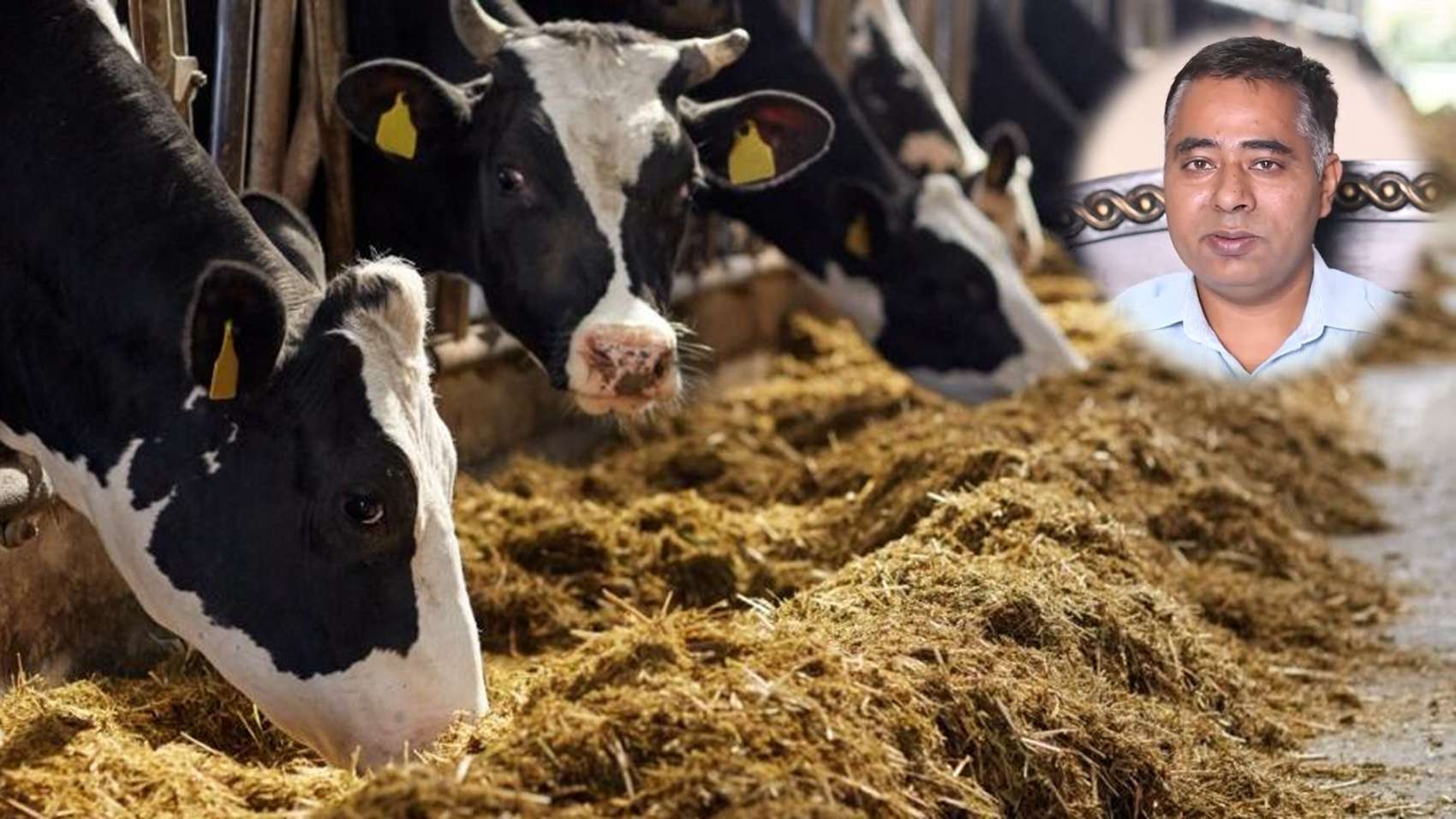
Dairy farming is a class of agriculture for long-term production of milk, which is processed (either on the farm or at a dairy plant, either of which may be called a dairy) for eventual sale of a dairy product.
How Owner Abhinav Singh got into Commercial Dairy Farming?
After completing my education, I worked with Havells India Ltd for 2 years and then with Eureka Forbes for 9 years. In 2014, I started my own business of Commercial Dairy Farming with the name of Vedic Farms.
Owner Abhinav Singh's Talk on Commercial Dairy Farming |
|
The Journey of Commercial Dairy Farming What Is Commercial Dairy Farming Commercial dairy farming is the large-scale production of milk and other dairy products using advanced technologies, specialized breeds, and systematic management practices. It focuses on maximizing productivity and profitability by efficiently raising dairy animals, ensuring animal health, and maintaining high standards of hygiene and product quality for the market. Commercial dairy farming plays a crucial role in the agricultural sector by providing a steady supply of milk and dairy products to meet growing consumer demand. For professionals in this field, it offers opportunities to apply scientific knowledge, modern equipment, and business strategies to improve yields and profitability. One major benefit is the creation of sustainable livelihoods for farmers and workers, supporting rural economies. Another significant advantage is the potential for technological innovation, which can lead to improved animal health and productivity. Additionally, commercial dairy farming contributes to food security by ensuring a consistent and reliable source of nutritious dairy products for the population. A professional dairy farmer operating a commercial dairy farm may manage a herd of several hundred cows, utilizing automated milking systems and computerized feeding schedules to optimize milk production. The farmer regularly monitors animal health using veterinary support and data analytics to detect early signs of illness or stress. By implementing best practices in breeding, nutrition, and waste management, the farm maintains high milk yields while minimizing environmental impact. The milk produced is collected, processed, and distributed to local markets, supermarkets, and dairy product manufacturers, ensuring a consistent supply chain. Through these efforts, the professional not only sustains a profitable business but also contributes to the broader agricultural economy and community well-being. Education Operations Management is the discipline focused on designing, overseeing, and improving processes that transform resources into finished goods or services. In commercial dairy farming, it encompasses managing resources, workflows, and systems to ensure efficient milk production, quality control, and cost-effectiveness, making it essential for both academic study and professional practice. Understanding operations management is vital for anyone entering or advancing in commercial dairy farming because it provides the tools and frameworks necessary to optimize every aspect of farm operations. Mastery of this subject enables professionals to streamline production, reduce waste, and ensure consistent product quality, all of which are crucial in a competitive agricultural market. By applying operations management principles, dairy farm managers can make informed decisions about resource allocation, labor scheduling, and supply chain coordination. This foundational knowledge not only improves day-to-day efficiency but also supports long-term strategic planning, risk management, and sustainable growth. Ultimately, expertise in operations management empowers individuals to adapt to industry changes, implement innovations, and achieve higher profitability throughout their careers. Consider a dairy farm manager who uses their knowledge of operations management to coordinate daily milking schedules, feed distribution, and equipment maintenance. By analyzing production data and workflow patterns, the manager identifies bottlenecks in the milking process and implements changes that reduce downtime and improve throughput. They also establish quality control checkpoints to monitor milk consistency and safety, ensuring compliance with industry standards. When faced with fluctuating feed prices, the manager applies cost analysis techniques to adjust purchasing strategies and maintain profitability. Through these actions, the manager demonstrates how theoretical principles of operations management translate into practical solutions that enhance productivity, product quality, and overall farm performance. Marketing is the process of identifying, anticipating, and satisfying customer needs profitably through the creation, promotion, and distribution of goods and services. In commercial dairy farming, marketing bridges the gap between production and consumption, making it an essential academic and professional discipline for achieving business sustainability and growth. Understanding marketing is crucial for anyone involved in commercial dairy farming because it enables professionals to connect their products with the right consumers, ensuring profitability and business longevity. Mastery of marketing concepts helps dairy farmers analyze market trends, set competitive prices, and develop effective promotional strategies. This knowledge forms the backbone of a successful dairy enterprise, allowing professionals to adapt to changing consumer preferences and market dynamics. Over the long term, a strong grasp of marketing empowers dairy farmers to build brand loyalty, expand their customer base, and respond proactively to competition. Ultimately, marketing expertise transforms dairy farming from a purely production-focused activity into a dynamic, customer-oriented business. Consider a commercial dairy farmer who notices a growing demand for organic milk in their region. Drawing on their marketing knowledge, the farmer conducts market research to understand consumer preferences and adjusts their production methods to meet organic certification standards. They then develop a branding strategy that highlights the health and environmental benefits of their organic milk, and use targeted advertising to reach health-conscious consumers. By leveraging distribution channels such as local farmers’ markets and specialty grocery stores, the farmer ensures their product is accessible to the target audience. This practical application of marketing principles not only increases sales but also strengthens the farm’s reputation and market position. Finance is the study and management of money, investments, and other financial instruments. It encompasses budgeting, forecasting, investing, and risk management. In commercial dairy farming, finance is essential for making informed decisions about resource allocation, operational costs, and long-term sustainability, forming a crucial part of the required professional expertise. Understanding finance is vital for anyone involved in commercial dairy farming because it underpins every business decision, from purchasing feed to expanding herd size. Mastery of financial principles enables professionals to analyze costs, forecast revenues, and manage cash flow effectively. This knowledge helps dairy farmers secure loans, invest in new technologies, and withstand market fluctuations. Over time, strong financial acumen supports strategic planning and risk mitigation, ensuring the long-term viability and growth of the dairy enterprise. By integrating finance into daily operations, professionals can make data-driven decisions that enhance profitability and competitiveness in an increasingly complex agricultural landscape. Consider a dairy farm manager who must decide whether to invest in automated milking systems. By applying financial knowledge, the manager evaluates the initial investment against projected labor savings, increased milk yield, and maintenance costs. Through careful budgeting and forecasting, the manager determines the break-even point and assesses the potential return on investment. This financial analysis guides the decision, ensuring that the farm’s resources are allocated efficiently and that the investment aligns with long-term business goals. Such practical application of finance not only supports sound decision-making but also positions the dairy operation for sustainable growth and resilience in a competitive market. Basic Science refers to the study of fundamental principles in biology, chemistry, and physics that explain natural phenomena. In the context of Commercial Dairy Farming, it provides the essential groundwork for understanding animal physiology, nutrition, genetics, and environmental interactions, forming a crucial part of the academic and professional knowledge required in the industry. A solid grasp of Basic Science is indispensable for anyone preparing for or working in Commercial Dairy Farming. This subject underpins every aspect of dairy operations, from animal health and nutrition to milk production and disease prevention. Understanding biological processes helps professionals make informed decisions about breeding, feeding, and managing livestock. Knowledge of chemistry is vital for formulating balanced diets and ensuring milk quality, while physics principles are applied in areas such as equipment operation and environmental control. Mastery of these concepts not only enhances daily efficiency but also supports long-term career growth by enabling professionals to adapt to technological advancements, implement evidence-based practices, and contribute to sustainable farming solutions. Consider a dairy farm manager who notices a decline in milk yield among a group of cows. Drawing on their knowledge of Basic Science, the manager examines possible causes such as nutritional deficiencies, metabolic disorders, or environmental stress. By understanding the biological requirements for lactation and the chemical composition of feed, the manager adjusts the cows’ diet to include essential nutrients and minerals. They also assess barn ventilation and temperature, applying physics concepts to optimize the environment. This scientific approach allows the manager to address the problem effectively, restore milk production, and maintain herd health, demonstrating how theoretical knowledge directly informs and improves practical decision-making in commercial dairy farming. NDRI Training refers to specialized education and skill development programs offered by the National Dairy Research Institute (NDRI) in India. It encompasses scientific, technical, and managerial aspects of dairy farming, equipping individuals with comprehensive knowledge essential for modern commercial dairy operations and forming a cornerstone of professional expertise in the field. Understanding NDRI Training is crucial for anyone aspiring to excel in commercial dairy farming because it delivers a blend of scientific principles and practical skills tailored to the dairy industry. The curriculum covers animal nutrition, breeding, health management, milk processing, and farm economics, ensuring that professionals are well-versed in every facet of dairy operations. This foundational knowledge not only enhances productivity and profitability but also fosters innovation and sustainability in farm management. Over the long term, NDRI Training empowers individuals to adapt to technological advancements, comply with regulatory standards, and implement best practices, thereby positioning them as leaders and problem-solvers in the competitive dairy sector. Consider a dairy farm manager who has completed NDRI Training and is responsible for overseeing a large-scale commercial operation. Drawing on their training, they implement scientifically balanced feeding regimens to optimize milk yield and animal health, while also applying advanced breeding techniques to improve herd genetics. When faced with an outbreak of disease, their understanding of animal health management enables them to quickly identify symptoms, isolate affected animals, and coordinate with veterinarians to contain the issue. Additionally, their knowledge of milk processing ensures that the farm consistently meets quality standards, resulting in higher market value and customer trust. This holistic application of NDRI-acquired skills directly contributes to the farm’s efficiency, profitability, and reputation. Skills Innovation is the ability to generate and implement new ideas, methods, or products that improve processes, solve problems, or create value. In commercial dairy farming, innovation enables professionals to adapt to changing market demands, enhance productivity, and address challenges such as animal health, sustainability, and operational efficiency. It is a vital skill that empowers dairy farmers to remain competitive and resilient in a rapidly evolving industry. Innovation directly improves performance in commercial dairy farming by encouraging the adoption of advanced technologies, optimizing resource use, and streamlining workflows. Clients and employers highly value this skill because it leads to increased profitability, reduced costs, and improved product quality. Innovative professionals are often able to anticipate industry trends and respond proactively to emerging challenges, making them indispensable assets to any dairy operation. Cultivating innovation involves staying informed about industry advancements, engaging in continuous learning, and fostering a mindset open to experimentation and calculated risk-taking. Over time, regularly collaborating with peers, attending workshops, and reflecting on both successes and failures can further strengthen one’s innovative capabilities. Consider a situation where a commercial dairy farm faces declining milk yields due to heat stress among cows during an unusually hot summer. An innovative professional analyzes the problem and researches climate-adaptive solutions. Instead of relying solely on traditional cooling methods, they design a system that integrates automated misting, improved ventilation, and real-time temperature monitoring. By implementing this creative approach, the farm not only restores milk production levels but also reduces water and energy consumption. This solution demonstrates how innovation enables dairy professionals to address critical issues effectively, ensuring both animal welfare and business sustainability in the face of unexpected challenges. HR Skills refer to the abilities required to effectively manage, motivate, and communicate with people within an organization. In commercial dairy farming, these skills enable professionals to build cohesive teams, resolve conflicts, and ensure a productive work environment, which is vital for operational efficiency and long-term business success. Mastering HR Skills in commercial dairy farming directly enhances team performance and operational outcomes. Effective human resource management ensures that staff members are well-trained, motivated, and aligned with the farm’s goals, leading to higher productivity and lower turnover rates. Employers and clients highly value professionals who can foster a positive workplace culture, as this translates into reliable labor, fewer disruptions, and improved animal care. Cultivating HR Skills involves ongoing learning through formal training, mentorship, and practical experience. Regular feedback, open communication, and a willingness to adapt management styles help professionals refine their approach, making them indispensable assets to any dairy operation. Imagine a commercial dairy farm facing high staff turnover and declining productivity. The farm manager, equipped with strong HR Skills, initiates open discussions with employees to understand their concerns, implements fair scheduling, and introduces training programs tailored to individual needs. By addressing grievances and recognizing achievements, the manager rebuilds trust and morale among the team. As a result, staff retention improves, operational efficiency increases, and the overall atmosphere becomes more collaborative. This scenario highlights how HR Skills enable a dairy farming professional to identify underlying issues, implement effective solutions, and drive the farm toward sustainable success. "Learn, Unlearn & Relearn" is the ongoing process of acquiring new knowledge, letting go of outdated practices, and adapting to innovative methods. In commercial dairy farming, this skill empowers professionals to stay current with evolving technologies, regulations, and market demands, ensuring long-term sustainability and competitive advantage in a rapidly changing industry. The ability to learn, unlearn, and relearn directly enhances a dairy farming professional’s adaptability and problem-solving capacity. As the industry evolves with advancements in animal health, automation, and sustainability practices, those who embrace this mindset can implement new techniques efficiently and retire ineffective habits. Employers and clients value this skill because it signals a commitment to continuous improvement and resilience in the face of change. Cultivating this ability involves staying informed through industry publications, attending workshops, and seeking feedback from peers and experts. Over time, consistently questioning established routines and being open to experimentation fosters a culture of innovation and growth, both at the individual and organizational level. Imagine a dairy farm manager who has relied on traditional feeding routines for years. When new research reveals that a different feed composition significantly boosts milk yield and animal health, the manager must unlearn old habits and relearn feeding strategies based on the latest evidence. By embracing this change, the manager not only improves herd productivity but also reduces costs and environmental impact. This willingness to adapt, driven by the learn, unlearn, and relearn approach, positions the farm as a leader in efficiency and sustainability. It also demonstrates to stakeholders that the operation is proactive, data-driven, and committed to best practices, ensuring continued success in a competitive market. Listening skills refer to the ability to actively receive, interpret, and respond to verbal and non-verbal messages with full attention and understanding. In commercial dairy farming, this skill is crucial for effective communication with team members, veterinarians, suppliers, and clients, ensuring smooth operations and timely problem-solving across all aspects of the business. Strong listening skills directly enhance performance in commercial dairy farming by fostering clear communication, reducing misunderstandings, and enabling quick responses to emerging issues. Employers and clients value professionals who listen attentively because it demonstrates respect, builds trust, and leads to more accurate decision-making. For instance, understanding a veterinarian’s detailed instructions or a client’s specific requirements can prevent costly mistakes and improve animal welfare. Cultivating this skill involves practicing patience, maintaining eye contact, asking clarifying questions, and reflecting on feedback. Over time, consistently applying these habits helps professionals become more approachable, collaborative, and effective in managing both people and livestock, ultimately contributing to the overall success of the dairy operation. Imagine a commercial dairy farm manager who notices a sudden drop in milk production. During a team meeting, a farmhand mentions subtle changes in cow behavior and feeding patterns. By actively listening and encouraging the team member to elaborate, the manager uncovers that a recent feed shipment was different from usual. Instead of dismissing the observation, the manager investigates further, consults with the nutritionist, and confirms that the new feed lacks essential nutrients. Promptly addressing the issue by switching back to the original feed restores production levels. In this scenario, the manager’s listening skills not only resolve a critical problem but also empower the team, reinforce open communication, and prevent future losses. Observational skills refer to the ability to notice, interpret, and accurately assess subtle changes and details in the environment, behaviors, or processes. In commercial dairy farming, these skills enable professionals to detect early signs of animal health issues, equipment malfunctions, or shifts in production trends, ensuring efficient and proactive management. Observational skills are fundamental in commercial dairy farming because they allow professionals to identify problems before they escalate, ensuring animal welfare and operational efficiency. Employers and clients highly value individuals who can spot early signs of illness in livestock, recognize irregularities in milk production, or notice equipment wear and tear. These abilities help prevent costly losses and maintain high standards of quality. Cultivating observational skills involves consistent practice, such as routinely monitoring animals, keeping detailed records, and reflecting on daily operations. Over time, experience sharpens one’s ability to distinguish between normal variations and potential issues, making the professional more reliable and effective in their role. Imagine a dairy farm manager conducting a routine morning inspection. Through keen observation, they notice a few cows are less active and have a slight decrease in appetite. Recognizing these subtle changes, the manager investigates further and discovers the early onset of a respiratory infection. By acting promptly, they isolate the affected animals and consult a veterinarian, preventing the illness from spreading to the rest of the herd. This timely intervention not only safeguards animal health but also avoids a significant drop in milk production and potential financial loss. The manager’s strong observational skills directly contribute to the farm’s overall success and reputation for quality. Leadership skills refer to the ability to guide, motivate, and influence individuals or teams toward achieving common goals, while fostering a positive and productive work environment. In commercial dairy farming, these skills are crucial for managing staff, coordinating operations, and ensuring that all aspects of the business run smoothly and efficiently. Strong leadership skills directly enhance performance in commercial dairy farming by enabling professionals to effectively manage teams, delegate tasks, and resolve conflicts. Employers and clients value these skills because they lead to higher productivity, improved employee morale, and better decision-making under pressure. A leader in dairy farming must inspire trust and communicate clearly, ensuring that everyone understands their roles and responsibilities. Cultivating leadership skills involves continuous learning, seeking feedback, and observing experienced leaders in action. Attending workshops, participating in industry associations, and taking on progressively challenging responsibilities also contribute to the development of effective leadership abilities over time. Imagine a commercial dairy farm facing a sudden outbreak of disease among the herd. The farm manager, equipped with strong leadership skills, quickly assembles the team, communicates the urgency of the situation, and delegates specific tasks such as isolating affected animals and contacting veterinarians. By maintaining calm and providing clear instructions, the manager ensures that everyone remains focused and efficient, minimizing losses and restoring normal operations swiftly. This scenario highlights how leadership skills enable a professional to coordinate resources, motivate staff under stress, and guide the team through a crisis, ultimately safeguarding the farm’s productivity and reputation. Positives Opportunities to integrate other business refers to the ability to diversify and expand commercial dairy operations by adding related ventures such as feed production, milk processing, agri-tourism, or organic fertilizer sales. This integration allows dairy professionals to create multiple revenue streams, enhance sustainability, and foster innovation, making the profession more dynamic and resilient. The chance to integrate other business ventures into commercial dairy farming is a powerful driver of professional satisfaction and long-term growth. By diversifying their operations, dairy farmers can reduce risks associated with market fluctuations and seasonal changes. This adaptability not only secures financial stability but also encourages continuous learning and creativity. Professionals in this field often find their daily work more engaging as they explore new markets, develop value-added products, and build partnerships across industries. The sense of ownership and accomplishment grows as they witness their business evolve beyond traditional boundaries, making each day both challenging and rewarding. This holistic approach to farming transforms routine tasks into opportunities for innovation and personal development. Imagine a commercial dairy farmer who decides to start producing artisanal cheeses using milk from their own herd. By integrating a small cheese-making facility, they not only increase the value of their raw product but also attract local restaurants and specialty shops as new customers. This expansion leads to collaborations with local bakers and wineries, creating a network of mutually beneficial relationships. The farmer’s daily routine now includes overseeing cheese production, marketing, and customer engagement, adding variety and excitement to their work. This integration brings a sense of pride and fulfillment, as the farmer sees their business flourish and their role in the community grow stronger. Being close to nature means living and working in direct connection with the natural world, surrounded by open landscapes, animals, plants, and the changing seasons. In commercial dairy farming, this connection fosters a deep appreciation for the environment, enhances well-being, and creates a meaningful sense of purpose in daily work. The opportunity to be close to nature is a profound advantage in commercial dairy farming, shaping both personal fulfillment and professional growth. Immersed in the rhythms of the land and the cycles of animal life, dairy farmers experience a unique sense of harmony and peace that is rare in many other careers. This daily interaction with nature reduces stress, boosts mental health, and instills a sense of accomplishment as farmers witness the tangible results of their care and stewardship. The natural environment also inspires innovation and resilience, as professionals learn to adapt to seasonal changes and environmental challenges. Ultimately, being close to nature transforms routine tasks into rewarding experiences, making each day on the farm both purposeful and satisfying. Imagine a commercial dairy farmer beginning the day before sunrise, stepping outside to the gentle sounds of cows and birds greeting the morning. As the sun rises over green pastures, the farmer checks on the herd, noticing the dew on the grass and the fresh, crisp air. Throughout the day, the farmer works alongside the animals, tending to their needs and observing the subtle changes in their behavior and the environment. This close relationship with nature not only brings a sense of tranquility but also deepens the farmer’s understanding of the land and livestock. The daily connection to the natural world provides a profound sense of fulfillment, making the hard work meaningful and the successes even more rewarding. Practical exposure to students refers to the hands-on learning experiences and direct involvement in real-world dairy farming operations that students receive as part of their education. This immersive approach allows students to apply theoretical knowledge, develop essential technical skills, and gain a deeper understanding of the daily challenges and innovations within commercial dairy farming. The opportunity for practical exposure is a significant advantage in commercial dairy farming because it bridges the gap between classroom learning and real-world application. When students actively participate in farm operations, they build confidence, adaptability, and problem-solving abilities that are crucial for success in this dynamic industry. This exposure not only enhances their technical expertise but also fosters a sense of responsibility and teamwork. Professionals who mentor students often find renewed motivation and satisfaction in sharing their knowledge, witnessing growth in the next generation, and contributing to the sustainability of the industry. The daily interaction with eager learners creates a vibrant, collaborative environment that drives continuous improvement and personal fulfillment. Imagine a dairy farm manager overseeing a group of agricultural students during their internship. Each day, the students assist with milking routines, animal health checks, and feed management, guided by the manager’s expertise. As the students ask questions and tackle real challenges, the manager sees their confidence and competence grow. This mentorship not only helps the students gain invaluable skills but also reinvigorates the manager’s passion for the profession. The collaborative atmosphere fosters innovation, as fresh perspectives lead to new ideas for improving farm operations. Through this process, the manager experiences the profound satisfaction of shaping future professionals and ensuring the continued success of commercial dairy farming. Corporate Social Responsibility (CSR) refers to a business’s commitment to operate ethically, contribute to economic development, and improve the quality of life for employees, local communities, and society at large. In commercial dairy farming, CSR means adopting sustainable practices, supporting animal welfare, and positively impacting the environment and community. This approach elevates the profession by aligning daily operations with broader societal values, fostering trust and respect among stakeholders. By integrating CSR, dairy professionals not only meet regulatory requirements but also drive meaningful change, ensuring that their work benefits both people and the planet. This sense of purpose transforms commercial dairy farming into a career that is both impactful and deeply rewarding. Embracing Corporate Social Responsibility in commercial dairy farming brings a profound sense of purpose to daily work. Professionals in this field find greater job satisfaction knowing their efforts contribute to environmental sustainability, animal welfare, and community well-being. This commitment often leads to stronger relationships with consumers and local communities, as transparency and ethical practices build trust. The positive reputation gained through CSR can also open doors for career advancement and business growth, as socially responsible companies are increasingly favored by partners and customers. Ultimately, the daily experience of making a tangible difference fosters pride and motivation, turning routine tasks into meaningful contributions to society and the environment. Imagine a dairy farm manager who implements water conservation techniques and invests in renewable energy to reduce the farm’s environmental footprint. She also partners with local schools to educate children about sustainable agriculture and donates surplus milk to food banks. Through these initiatives, she witnesses firsthand the gratitude of community members and the enthusiasm of students learning about responsible farming. Her team feels motivated by the farm’s positive reputation and the knowledge that their work supports both people and the planet. This daily experience of making a real difference exemplifies how Corporate Social Responsibility transforms commercial dairy farming into a truly fulfilling and impactful career. Giving Employment refers to the act of creating job opportunities and providing livelihoods for others through one’s professional activities. In commercial dairy farming, this means hiring workers for various roles such as animal care, milk processing, logistics, and administration. This contribution not only supports families but also strengthens local communities and economies. The ability to give employment is a deeply rewarding aspect of commercial dairy farming because it transforms the farm into a hub of opportunity and growth. By providing jobs, dairy farmers empower individuals with stable incomes and skill development, fostering a sense of purpose and community. This positive impact enhances job satisfaction for the farm owner or manager, as they witness firsthand the difference their enterprise makes in people’s lives. The daily interactions with employees, the shared challenges, and the collective achievements create a fulfilling work environment. Moreover, the ripple effect of employment extends beyond the farm, supporting local businesses and contributing to regional prosperity, making the profession both meaningful and impactful. Consider a dairy farm owner who expands operations to meet growing demand. As the business grows, she hires local residents as animal caretakers, drivers, and technicians. Each new employee brings unique skills and energy, and the owner takes pride in training and mentoring them. Over time, she observes her team members gaining confidence, supporting their families, and even pursuing further education. The farm becomes a source of stability and hope in the community, and the owner feels a profound sense of accomplishment knowing her efforts have created real, lasting change. This daily experience of giving employment transforms her work from a personal venture into a shared journey of growth and opportunity. Challenges Unskilled manpower in commercial dairy farming refers to workers who lack formal training, technical knowledge, or practical experience in handling livestock, operating machinery, and maintaining hygiene standards. This challenge is demanding because dairy operations require precision, consistency, and awareness of animal welfare, which untrained staff often struggle to provide. The presence of unskilled manpower can disrupt daily routines in commercial dairy farming, leading to inconsistent milking practices, improper animal care, and increased risk of disease outbreaks. These issues place extra pressure on professionals, demanding resilience and adaptability as they must constantly monitor, correct, and retrain staff. Successful professionals address this constraint by investing time in on-the-job training, fostering a culture of continuous learning, and implementing clear, simple protocols that are easy for all workers to follow. By patiently guiding their teams and setting achievable standards, they gradually build a more competent workforce, ensuring operational stability and improved productivity despite initial skill gaps. Consider a dairy farm manager who inherits a team of workers with little prior experience in animal husbandry. Recognizing the risks, the manager initiates daily briefings to demonstrate proper milking techniques and hygiene practices, patiently correcting mistakes and encouraging questions. Over several months, the manager introduces visual aids and hands-on workshops, making learning accessible and engaging. As workers gain confidence and competence, the farm experiences fewer incidents of mastitis and improved milk yields. The manager’s commitment to structured training and open communication transforms the team’s capabilities, turning an initial weakness into a foundation for long-term success and operational excellence. An unorganized dairy market refers to a fragmented system where milk production, collection, and distribution lack standardization, regulation, and reliable infrastructure. This environment poses significant challenges for commercial dairy farmers, including inconsistent pricing, unreliable payment cycles, quality control issues, and difficulty accessing formal markets, making sustainable business operations demanding. The unorganized dairy market complicates daily operations for commercial dairy professionals by introducing unpredictability in sales, fluctuating prices, and delayed payments. These factors make financial planning and investment decisions risky, demanding resilience and adaptability from farmers. Quality assurance becomes difficult, as there are limited mechanisms to enforce standards or traceability. Successful professionals overcome these obstacles by building direct relationships with local buyers, investing in on-farm processing or chilling facilities, and participating in cooperative networks. By diversifying their customer base and leveraging technology for record-keeping and quality monitoring, they create more stable revenue streams and reduce dependence on unreliable intermediaries. This proactive approach helps them maintain business continuity and gradually transition towards more organized market structures. Consider a dairy farmer in a semi-urban region who initially struggled with erratic payments and low prices from local agents in the unorganized market. Recognizing the need for change, the farmer invested in a small-scale milk chilling unit and began collaborating with neighboring farms to aggregate larger volumes of milk. By collectively negotiating with a regional dairy processor, they secured better prices and timely payments. The farmer also adopted digital record-keeping to track milk quality and supply, which further built trust with buyers. Through these efforts, the farmer not only stabilized income but also improved product quality and market access, demonstrating resilience and strategic adaptation in the face of an unorganized dairy market. In commercial dairy farming, "Time Consuming" refers to the extensive hours required for daily operations such as feeding, milking, cleaning, health monitoring, and record-keeping. The demanding nature arises from the need for constant attention to livestock and equipment, leaving little room for downtime or flexibility in scheduling. The time-consuming nature of commercial dairy farming significantly impacts daily routines, often leading to long workdays and limited personal time. This challenge requires resilience, as farmers must maintain consistent care for their herds regardless of holidays, weather, or personal circumstances. Successful professionals address this constraint by implementing efficient workflows, investing in automation where possible, and delegating tasks among well-trained staff. They prioritize tasks based on urgency and importance, ensuring that critical operations are never neglected. By fostering a culture of teamwork and continuous improvement, these professionals manage to balance productivity with animal welfare, ultimately sustaining both their business and personal well-being despite the demanding time commitments. Consider a dairy farm manager overseeing a herd of several hundred cows. Initially overwhelmed by the relentless schedule, she introduced automated milking systems and digital health monitoring tools. By training her team to use these technologies and organizing shifts strategically, she reduced manual labor and streamlined daily routines. This allowed her to allocate more time to herd health analysis and preventive care, rather than being consumed by repetitive tasks. As a result, not only did productivity increase, but the overall stress on both staff and animals decreased. Through embracing innovation and effective delegation, she transformed a time-consuming challenge into an opportunity for growth and improved work-life balance. Societal challenges in commercial dairy farming refer to the pressures and criticisms from the public, advocacy groups, and media regarding animal welfare, environmental impact, and food safety. These challenges are demanding because they require farmers to balance operational efficiency with evolving societal expectations, often under intense scrutiny and misinformation. Societal challenges can significantly affect the daily operations of commercial dairy farms by introducing uncertainty, regulatory changes, and public skepticism. Farmers may face protests, negative media coverage, or shifting consumer preferences, which can disrupt business and morale. This environment demands resilience, adaptability, and proactive communication. Successful professionals address these challenges by engaging transparently with their communities, adopting best practices in animal welfare and sustainability, and staying informed about public concerns. By building trust and demonstrating a commitment to ethical practices, they can mitigate negative perceptions and foster positive relationships with stakeholders, ensuring the long-term viability of their operations despite societal pressures. A dairy farm owner in a suburban area faced growing criticism from local residents concerned about environmental pollution and animal welfare. Instead of ignoring these concerns, the owner organized open farm days, inviting the community to observe daily operations and learn about sustainable practices firsthand. The farm also implemented visible improvements, such as advanced waste management systems and enhanced animal care protocols, and shared these updates through social media and local news outlets. Over time, transparency and engagement helped shift public perception, turning critics into advocates and strengthening the farm’s reputation. This proactive approach not only addressed societal challenges but also created new opportunities for community partnerships and business growth. Availing Government Schemes & Policies in commercial dairy farming refers to the process of accessing, understanding, and utilizing various government initiatives, subsidies, and support programs designed for the dairy sector. This is demanding due to complex eligibility criteria, bureaucratic procedures, and frequent policy changes, making it difficult for professionals to benefit fully. The challenge of availing government schemes and policies can significantly disrupt the daily operations of commercial dairy farms. Navigating intricate paperwork, meeting compliance requirements, and staying updated with policy amendments consume valuable time and resources. These hurdles can delay access to crucial financial support or technical assistance, impacting farm expansion, modernization, and profitability. Overcoming this challenge requires resilience, as professionals must persistently follow up with authorities, interpret policy language, and adapt to shifting regulations. Successful dairy professionals often build strong networks with local agricultural officers, seek guidance from industry associations, and invest in continuous learning to stay informed. By proactively engaging with government agencies and leveraging expert advice, they manage to turn bureaucratic obstacles into opportunities for growth. Consider a dairy entrepreneur aiming to expand operations by installing automated milking systems, a move eligible for a government subsidy. Initially, the entrepreneur faces confusion over documentation requirements and eligibility norms, leading to multiple visits to government offices and consultations with peers. Instead of giving up, the professional establishes regular communication with the local animal husbandry department and attends workshops organized by the dairy board. Through persistent follow-up and by seeking clarification on policy updates, the entrepreneur successfully submits a complete application. Eventually, the subsidy is approved, enabling the purchase of advanced equipment. This experience not only improves the farm’s productivity but also equips the entrepreneur with valuable knowledge to navigate future government schemes more efficiently. A Day Of Before the sun crests the horizon, the world of commercial dairy farming is already humming with life. The air is brisk, filled with the earthy scent of hay and the low murmur of cattle stirring in their stalls. Here, the pace is relentless yet deeply rhythmic, dictated by the needs of hundreds of animals and the unforgiving clock of production schedules. Every day is a blend of hands-on animal care, precise technical operations, and quick decision-making, all unfolding in a dynamic environment where nature and technology intersect. For the professionals who thrive here, each workday is a testament to endurance, adaptability, and a profound commitment to both animal welfare and agricultural excellence. As the first light seeps into the barns, the dairy professional’s day begins with a thorough walk-through of the facilities. This early morning phase is all about preparation and vigilance. The practitioner checks on the herd, ensuring that all animals are healthy, comfortable, and accounted for. Equipment inspections follow, with milking machines, feeding systems, and sanitation stations all requiring a careful once-over to prevent any disruptions. Feed rations are measured and distributed, and any overnight issues—such as a cow showing signs of illness or a mechanical fault—are addressed swiftly to set a smooth tone for the hours ahead. By mid-morning, the dairy farm is in full swing. This is the most operationally intense part of the day, as the milking process gets underway. The practitioner oversees the movement of cows into the milking parlor, ensuring each animal is handled with care to minimize stress and maximize yield. Automated systems are monitored closely, and any anomalies in milk output or animal behavior are logged for further review. Alongside the physical demands, there is a strong focus on data collection, with digital records updated in real time to track production, animal health, and equipment performance. The atmosphere is a blend of focused activity and constant troubleshooting, as every minute counts in maintaining both productivity and quality standards. The afternoon brings a shift toward collaboration and execution. The practitioner meets with farm staff to review the morning’s outcomes, discuss any challenges, and delegate tasks for the remainder of the day. This period often involves hands-on work such as cleaning stalls, repairing equipment, or assisting with veterinary procedures. There is also a focus on compliance, with checks to ensure that all operations meet regulatory and safety standards. The pace remains steady, but there is a palpable sense of teamwork as everyone works together to keep the farm running smoothly. As the day winds down, the practitioner conducts final rounds through the barns, double-checking that all animals are settled and that equipment is properly shut down or reset for the next cycle. Administrative duties come to the forefront, with time spent reviewing production data, updating health records, and responding to supplier or client communications. This is also when planning for the following day takes place, whether it’s scheduling maintenance, ordering feed, or preparing for a veterinary visit. The evening closes with a sense of accomplishment and readiness, as the practitioner ensures that every detail is in place for another demanding day ahead. | |
Install the LifePage App to:
- (for Free) Watch Owner Abhinav Singh’s full Commercial Dairy Farming Career Talk
- ₹ Do a Self Assessment on Commercial Dairy Farming to calculate your Dream Index, which is defined as:
According to Abhinav Singh your chances of success in Commercial Dairy Farming is __%
- Access your personalized Dream Index Report which will have all your Dream Indices sorted in descending order.
How to get into
Commercial Dairy Farming?
If you are want to get into Commercial Dairy Farming, start by investing in a Career Plan.
The 14 hour process, guided by a LifePage Career Advisor, will help you introspect and check whether your interest in Commercial Dairy Farming is merely an infatuation or is it truly something you wish to do for the rest of your life.
Next, your Career Advisor will help you document how you can get into Commercial Dairy Farming, what education and skills you need to succeed in Commercial Dairy Farming, and what positives and challenges you will face in Commercial Dairy Farming.
Finally, you will get a Career Plan stating which Courses, Certifications, Trainings and other Items you need to do in the next 7 years to become world’s best in Commercial Dairy Farming.
LifePage Career Plan
14 hour personalized guidance program
Your LifePage Career Advisor facilitates your guided introspection so that you systematically explore various Career options to arrive at a well thought out Career choice.
Next: your Advisor helps you figure out how you will get into your chosen Career and how will you develop the skills needed for success in your Chosen Career.
LifePage Plan will not stop at saying "to become an Architect study Architecture". It will guide you on which Certifications, Trainings and Other items you need to do along with your Architecture education to become the world's best Architect.
Links for this Talk
LifePage Career Talk on Commercial Dairy Farming
[Career]
https://www.lifepage.in/careers/commercial-dairy-farming
[Full Talk]
https://lifepage.app.link/20181005-0001
[Trailer]
https://www.youtube.com/watch?v=yObMCXL2XNg
(Commercial Dairy Farming, Abhinav Singh, Vedic Farms, Owner, Dairy Farming, Entrepreneurship, Mechanized Dairy Farming, Farmer, Business, Dairy Products, Marketing, Sales, Dairy Plant, Agriculture, Biological System, Agri Farming)
Similar Talks

Entrepreneurship
Gaurav Aggarwal
Founder and CEO | SYS Facilities Provider Pvt Ltd, Dehradun
[ 3 years Experience ]
Entrepreneurship has traditionally been defined as the process of designing, launching and running a new business, which typically begins as a small business, such as a start-up company, offering a product, process or service.
"I started a facility management company in the year 2013 by the name of SYS Facilities. My family business is catering and I thought that there is a need of a facility management company, because our clients were not so happy to outsource their work to other people, therefore I started SYS Facilities Provider Pvt Ltd as a solution."
|
|
Entrepreneurship is taking your own concept and applying the idea to serve the whole mass, as in you want to have a target audience, you want to have a product and you want to give them that product. Doon Chaiwala is a tea delivery system which serves to banks,offices and schools. The tea is priced a very decent price.
"After completing my schooling from Asian School, Dehradun i worked in the film industry for 7 years.Now i am the owner of Doon Chaiwala which is located in Rajpur Road."
|
Entrepreneurship
Vishal Kumar
Founder | Brainrock Consulting Services
[ 5 years & 9 months Experience ]
Entrepreneurship is a process through which person is able to give form to and launch his idea or project into the market. In other words, Entrepreneurship is a process through which one is able to create a startup. This not only helps the entrepreneur earn money for himself but also helps in empowering other people by providing them with opportunities of employment and thereby, helps in benefitting the Society at large. An entrepreneur is his own boss.
"After completing my education, I started my own business of providing IT consultancy in the year 2013."
|
|
Entrepreneurship is basically doing something new, coming up with a new idea and execute it successfully.
"After finishing my MBA, I started working with a Sales Promotion and Event Management Company in Delhi by the name of Kids Stuff Promo. Later me and my wife opened a interior designing store with the name of Manka in Dehradun, itself which has been running very successfully."
|
|
Entrepreneurship is coming up with a new idea or expanding the existing idea. The activity of setting up a business or businesses, taking on financial risks in the hope of profit.
"After completing my MBA, I got married. After that I started to gain some weight and joined a slimming centre to loose it. While doing that I got an idea that how difficult it is to loose the weight and manage it. So I implemented my idea on weight management and started my own slimming centre named as Size Zero- The Weight Loss Centre in 2013."
|
|
Entrepreneurship is the process of designing, launching and running a new business. Entrepreneuship describes ownership, where one can use his/her own thought process. Basically it includes creativity and communication.
"I did my schooling and higher studies from England. I did various certificate courses from England such as Anthropology in Sociology. And since 2012 i own a salon."
|
|
The capacity and willingness to develop, organize and manage a business venture along with any of its risks in order to make a profit. The most obvious example of entrepreneurship is the starting of new businesses. In economics, entrepreneurship combined with land, labor, natural resources and capital can produce profit
"After completing my schooling, I went on to do my Bachelors in Mass Communication from Graphic Era University. It was during my second year of Bachelors that I decided to work in the line of events and started the company Tanya Events."
|
|
The capacity and willingness to develop, organize and manage a business venture along with any of its risks in order to make a profit. The most obvious example of entrepreneurship is the starting of new businesses.
"After working in corporate sector for 10 years, I got an idea to start something of my own and started creating ethnic wear for kids. Clothes are sold out through various major e-commerce platforms and through my own website BownBee.com, it has been 5 years now when I started the company."
|
|
Entrepreneurship is the process by which an individual (or team) identifies a business opportunity and acquires and deploys the necessary resources required for its exploitation. Entrepreneurship is the process of designing, launching and running a new business, which is more often than not, initially a small business, offering a product, process or service for sale or hire.
"I did BSc from PGDAV College. I then did MBA (Upstream Asset Management) from UPES, Dehradun. After completing that I worked at Global Data as Associate Analyst, then at Industrial Info Resources as Petroleum Refinery Analyst and finally at Transparency Market Research as Assistant manager. After gaining experience in Market Research I founded my own company Energias Market Research in 2016."
|
|
Entrepreneurship is starting up or coming up with the new business idea for making profit. And also you convert your passion into profession.
"I was exposed to adventure sports at early age. My parents started taking me on trekking when I was 2 years old. Later on I went to Nehru Institute of Mountaineering from where I have done basic and advanced mountaineering courses. In the year 2014 I Co-Founded an adventure company called Bohemian Adventures. We organize climbing expedition, treks, cycling expedition, rock climbing, camping trips and day treks."
|
|
Media Entrepreneurship is the business model that works in Journalism. It is the creation and ownership of a small enterprise or organization whose activity adds at least one voice or innovation to the media marketplace. You must have a desire and it needs to be feasible. It always takes time to break even so you need to be patient. Sustainibility is a very important factor and weather the business model is sustainible in the near future.
"I completed my high school from Ann Marry and my post graduation from IIPM, Delhi. After which I interned with Johnson and Johnson and Godfrey Philips (TFS) and with O&M in client service. And then I finally completed a year with Tupperware Brands. After which i finally started with newspapers two years back."
|
|
Bamboo Entrepreneurship
Ajay Thakur
Scientist (E) | Forest Research Institute
[ 20 years & 6 months Experience ]
Bamboo Industry is a growing industry, the markets for bamboo can be grouped into traditional and non-traditional or emerging markets. Demand remains strong in traditional markets such as handicrafts, blinds and bamboo shoots with profitable opportunities despite moderate growth. Other traditional markets, such as chopsticks, are highly commoditized with low growth and low profit margins. Emerging bamboo markets include flooring, building products and laminated furniture. These represent the largest growth opportunities for bamboo.
"I have done B Sc in Forestry from Pantnagar Agriculture University. Post that I did M Sc in Forestry from Punjab Agriculture University. I went on to do a PhD in Forest Genetics from Oxford University & University of Wales, Bangor, UK. I started my career from ICFRE as a Scientist (B). I am a Scientist (E) at Forest Research Institute, Dehradun."
|
|
The activity of setting up a business or businesses, taking on financial risks in the hope of profit.
"I did my schooling from St Josephs till class 8th. After that I went to Asian School. I did my graduation from GD Goenka World Institute, Delhi. I also went to New Zealand to do my Masters in Business Management. I have been working with Nine Palm Resort since 2016."
|
|
Entrepreneurship is starting, growing and managing a new business or any new idea.
"After completing diploma in Electrical Engineering I did Maintenance Engineer for 18 years at different places and my last assignment was at Indonesia. I returned to India in 1982 & became an Entrepreneur. I started an Engineering consulting company and I was Founder Director in 6 technology start ups."
|
|
The activity of setting up a business or businesses, taking on financial risks in the hope of profit.
"I am a Law Graduate from Punjab University. I have also done my MBA in HR from Symbiosis, Pune. I have also worked with Blue Star Pvt Ltd and After 4 years of gap, I started as working Oilcraft Naturals Distributor in 2010 and became an Entrepreneur."
|
|
Entrepreneurship
Sachin Shestha
Co-Founder & Manager | The Local Project
[ 2 years & 10 months Experience ]
Entrepreneurship is the process of designing, launching, and running a new business which is often initially a small business. The people who create these businesses are called Entrepreneurs. Entrepreneurship has been described as the capacity and willingness to develop, organize and manage a business venture along with any of its risks in order to make a profit.
"After completing my education, I started working as a Manager for a clothing manufacturing and export company. After that, I started my own venture called The Local Project, in Kathmandu."
|
Entrepreneurship is the process of designing, launching and running a new business which is often initially a small business and the people who create these businesses are called entrepreneurs. Entrepreneurship has been described as the "capacity and willingness to develop, organize and manage a business venture along with any of its risks in order to make a profit.
"After doing my schooling from SD Girls Sr. Secondary School Panipat, I did my B Sc from IB College and thereafter I did my B Ed and Diploma in Computer Applications. I started my own boutique named Lakhina Couture in Noida."
|
|
Entrepreneurship is the process of designing, launching and running a new business, which is often initially a small business. The people who create these businesses are called entrepreneurs.
"After completing my BBA from Graphic Era University, I did PG Diploma in Marketing & Finance from JRE School of Engineering. After that, I joined Tacky Minds as a Business Developer and later I was promoted to Team Lead. I worked there for 2 year. In 2016, I started my own venture by the name of Garage Master which provides After-Sales services to automobile users."
|
|
Entrepreneurship
Rahul Bhatnagar
Head | Uprist Service Portal Pvt. Ltd.
[ 5 years & 2 months Experience ]
An Entreprenuer is a person who does something on his own based upon his or her passion wherin the person is providing a solution to a problem that the society faces as a whole.
"I did my schooling from St Josephs Academy Dehradun and graduated from University of Petroleum And Energy Studies. I have my own company called Uprist Service Portal Ltd."
|
|
Entrepreneurship is the process of designing, launching and running a new business which is often initially a small business and the people who create these businesses are called entrepreneurs.
"After doing BA Hons in Economics, I did PG Diploma in Social Communication. I was working in filmmaking industry when I realised my interest for generating awareness for healthy living. Then, I did a course in Health Coaching from Institute of Integrated Nutrition, New York. I gave Health Coaching for few years before starting my own business of Organic Health Products. I founded Health Nut in 2014."
|
|
Entrepreneurship Development
A K Sharma
Head IIIC & EDC | DIT University
[ 9 years & 2 months Experience ]
Centre for Entrepreneurship Development and Incubation (CEDI), is set up to promote innovation and entrepreneurship by converting and translating technology ideas in various disciplines of science and engineering into products, processes and services for commercial exploitation and the benefit of society.
"I have done B Tech in Mechanical Engineering from Pant College of Technology, Pantnagar. I have an Industrial Experience of more than 47 years in India and Nepal. I have around 7 years of experience in Entrepreneurship. I established Entrepreneurship Development Cell at DIT University and have been Heading it ever since. I organized various FDPs, EACs, EADs on Entrepreneurship."
|
|
Entrepreneurship is the process of designing, launching and running a new business, which is often initially a small business. Entrepreneurship has been described as the "capacity and willingness to develop, organize and manage a business venture along with any of its risks in order to make a profit".
"After completing my education, I started my own Salon by the name of Mantra by Gayatri which became Affinity Express after joining hands with Affinity brand in Makeup and Hair."
|
|
The activity of setting up a business or businesses, taking on financial risks in the hope of profit.
"I did my Schooling from various places and completed my 12th from SD Inter College, Saharanpur. After that I did an Advanced Diploma Course in Dies and Moulds from Chandigarh. He founded GE Projects in 2000."
|
Entrpreneurship
Kumar Manik
Co-Founder & Director | Recube Energy Pvt Ltd
[ 4 years & 2 months Experience ]
Entrepreneurship is the process of designing, launching and running a new business, which is often initially a small business. The people who create these businesses are called entrepreneurs.
"I have a B Tech degree in material science and metalurigical engineering from Kanpur University. After my graduation in 2011, I started working in the material & energy sector. After working for 4 years in the industry in 2015 I co-founded Recube Energy Pvt Ltd. I am currently working as Co-Founder & Director at Recube Energy Pvt Ltd."
|
|
Entrepreneurship is the activity of setting up a business or businesses, taking on financial risks in the hope of profit.
"After my graduated in Commerce from DAV College, Dehradun, Idid Certification Courses in CCNA & MCSE. After that, I have worked in few companies for few years and later I started computer selling and purchasing business in 2006 but due to some unbeatable challenges I winded up the business in 2014 and started another business by the name iGEN Networks Pvt Ltd which provides internet services. I am Technical Director at iGEN Networks Pvt Ltd."
|
|
Entrepreneurship is the process of designing, launching and running a new business, which is often initially a small business. The people who create these businesses are called entrepreneurs.
"I did my B Tech in IT from DIT University. After that, I worked at Infosys for almost 2 years and then because of the passion for technology and to providing good IT solutions, in 2017, I started my own company with the name of Designoweb Technologies. I am currently working as CEO & Founder."
|
|
Entrepreneurship is the process of designing, launching and running a new business, which is often initially a small business. It has been described as the "capacity and willingness to develop, organize and manage a business venture along with any of its risks to make a profit.
"After completing my education, I started working with Dell Technologies as a Sales Accounts Manager for more than two years. In 2019, I founded my own venture Amore Store in Dehradun."
|
|
[Install the LifePage App to access all Talks]