Career Counselling 2.0 HomeHomeCareer Counselling 2.0 AbroadAbroadCareer Counselling 2.0 PlanPlanCareer Counselling 2.0 | TalksTalksCareer Counselling 2.0 PhilosophyPhilosophyCareer Counselling 2.0 SeminarSeminarCareer Counselling 2.0 PagesPagesCareer Counselling 2.0 AdvisorsAdvisorsCareer Counselling 2.0 TestimonialsTestimonials

Entrepreneurship

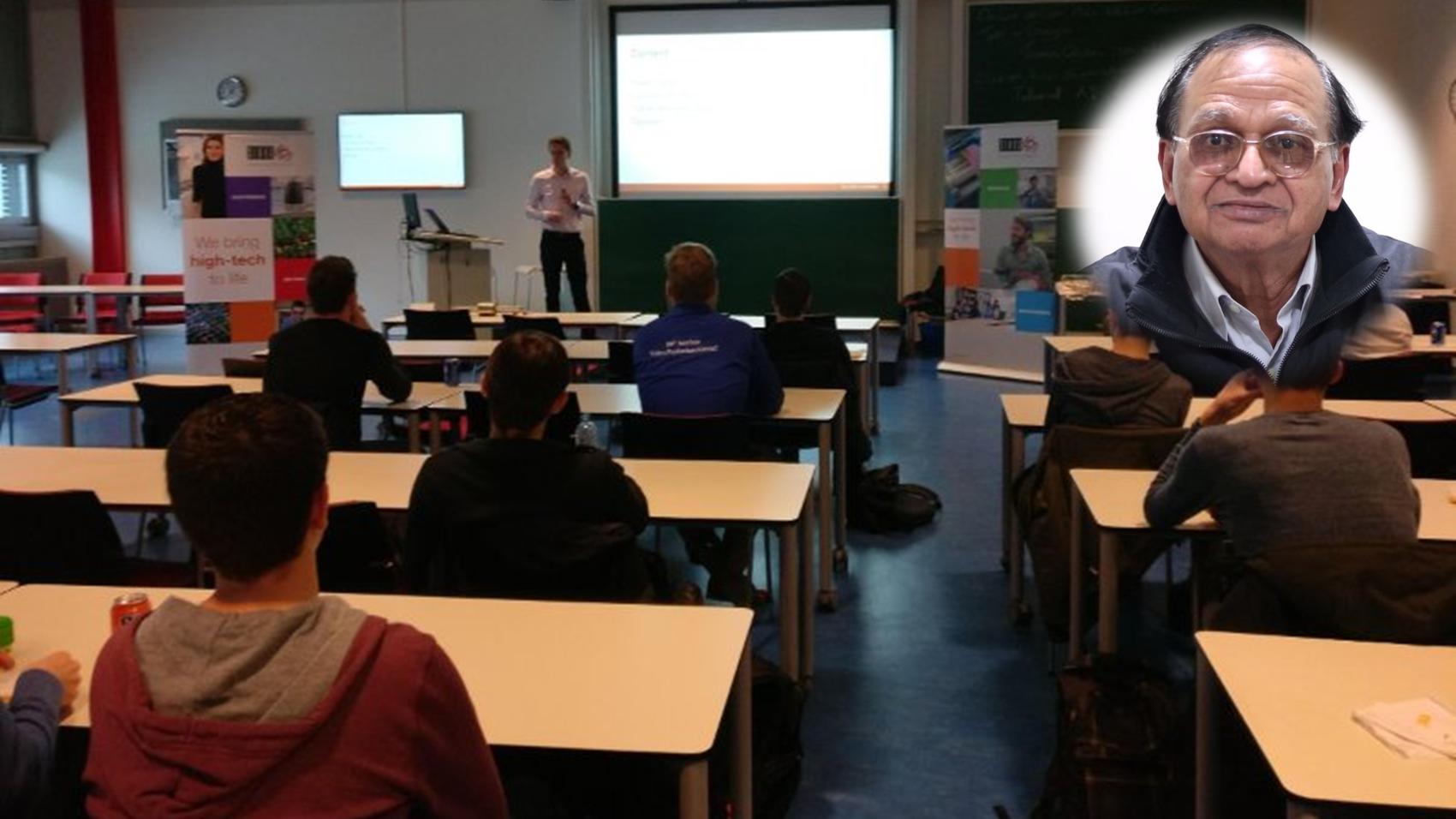
CEO Chandra Mohan talks about Entrepreneurship course, what is Entrepreneurship and other details about a Career in Entrepreneurship.


Entrepreneurship

Chandra Mohan | CEO | Energias Market Research


What is Entrepreneurship?


There are many nuances of a Career in Entrepreneurship. Internet is brimming with pages on How to get into Entrepreneurship, while one should first understand What is a Career in Entrepreneurship. Just like you would normally not trust a non Doctor with names of medicines, you should also not trust opinions about Entrepreneurship from non professionals.

With 0 years & 7 months of professional experience, CEO Chandra Mohan understands Entrepreneurship. Here is how CEO Chandra Mohan detailed Entrepreneurship:

Entrepreneurship is the process by which an individual (or team) identifies a business opportunity and acquires and deploys the necessary resources required for its exploitation. Entrepreneurship is the process of designing, launching and running a new business, which is more often than not, initially a small business, offering a product, process or service for sale or hire.


How CEO Chandra Mohan got into Entrepreneurship?


I did BSc from PGDAV College. I then did MBA (Upstream Asset Management) from UPES, Dehradun. After completing that I worked at Global Data as Associate Analyst, then at Industrial Info Resources as Petroleum Refinery Analyst and finally at Transparency Market Research as Assistant manager. After gaining experience in Market Research I founded my own company Energias Market Research in 2016.


CEO Chandra Mohan's Talk on Entrepreneurship


Session Image
The Journey of Entrepreneurship


What Is Entrepreneurship


Entrepreneurship

### Entrepreneurship Image
What is
Entrepreneurship is the process of identifying opportunities, creating innovative solutions, and building new ventures to deliver value. Entrepreneurs assume the risks and rewards of developing products or services, organizing resources, and launching businesses. This dynamic career path drives economic growth, fosters innovation, and shapes industries through creative problem-solving and leadership.

Concept
Entrepreneurship plays a vital role in shaping economies and societies by fostering innovation, creating jobs, and driving competition. For professionals in this field, entrepreneurship offers the chance to turn ideas into reality, exercise creative freedom, and make a tangible impact. One major benefit is the autonomy to set your own direction and vision, allowing for personal and professional growth. Another significant advantage is the potential for financial rewards, as successful ventures can yield substantial returns. Additionally, entrepreneurship cultivates resilience and adaptability, as professionals learn to navigate uncertainty, solve complex problems, and respond to changing market conditions. These benefits make entrepreneurship an appealing and rewarding career choice for those who thrive on challenge and innovation.

Real World Example
Consider an entrepreneur who notices a growing demand for sustainable packaging in the food industry. Drawing on market research and industry insights, they develop a biodegradable packaging solution and establish a startup to bring the product to market. Throughout this process, the entrepreneur leverages their skills in product development, fundraising, and marketing to build a viable business. They collaborate with suppliers, pitch to investors, and adapt their strategy based on customer feedback. By identifying a market need and creating an innovative solution, the entrepreneur not only builds a successful company but also contributes to environmental sustainability. This example illustrates how entrepreneurship involves recognizing opportunities, taking calculated risks, and driving positive change.

Education


Data Mining

### Data Mining Image
What is
Data mining is the process of discovering patterns, correlations, and useful information from large datasets using statistical, computational, and machine learning techniques. In entrepreneurship, it serves as a critical academic and professional skill, enabling founders and business leaders to make informed decisions based on data-driven insights and market trends.

Concept
Understanding data mining is essential for entrepreneurs because it empowers them to extract actionable insights from vast amounts of information, such as customer behavior, market trends, and operational performance. Mastery of this subject allows professionals to identify new business opportunities, optimize marketing strategies, and predict future trends with greater accuracy. By integrating data mining into their knowledge base, entrepreneurs can make evidence-based decisions that reduce risk and enhance competitiveness. Over the long term, this expertise supports sustainable growth, fosters innovation, and provides a significant advantage in rapidly evolving markets. As data becomes increasingly central to business success, proficiency in data mining remains a foundational skill for any entrepreneur aiming to thrive in the digital economy.

Real World Example
Imagine an entrepreneur running an e-commerce startup who leverages data mining techniques to analyze customer purchase histories, website interactions, and feedback. By applying clustering algorithms and predictive analytics, they identify distinct customer segments and forecast which products are likely to become popular. This insight enables the entrepreneur to tailor marketing campaigns, optimize inventory management, and personalize the shopping experience for different customer groups. As a result, the business experiences increased sales, improved customer satisfaction, and more efficient operations. The entrepreneur’s ability to translate theoretical knowledge of data mining into practical strategies directly contributes to the company’s growth and competitive edge in the marketplace.

Domain Expertise

### Domain Expertise Image
What is
Domain expertise refers to a deep and comprehensive understanding of a specific industry, market, or field, gained through education, experience, and continuous learning. In entrepreneurship, domain expertise bridges academic theory and practical application, enabling entrepreneurs to identify opportunities, solve industry-specific problems, and make informed decisions that drive business success.

Concept
Understanding domain expertise is vital for entrepreneurs because it forms the bedrock upon which innovative ideas and sustainable businesses are built. Entrepreneurs with strong domain expertise can anticipate industry trends, recognize unmet needs, and develop solutions that resonate with their target market. This specialized knowledge not only enhances credibility with investors, partners, and customers but also reduces the risk of costly mistakes. Over the long term, domain expertise empowers entrepreneurs to adapt to changes, maintain a competitive edge, and foster growth within their ventures. It also facilitates effective networking and collaboration, as peers and stakeholders are more likely to trust and support individuals who demonstrate genuine mastery of their field.

Real World Example
Consider an entrepreneur launching a tech startup focused on cybersecurity solutions. Their domain expertise, developed through years of working in IT security and staying updated on emerging threats, allows them to design products that address real vulnerabilities faced by businesses. During daily operations, this expertise guides their decisions on product features, marketing strategies, and customer engagement. When meeting with potential clients, the entrepreneur confidently explains how their solution mitigates specific risks, earning trust and closing deals. Additionally, their deep understanding of regulatory requirements ensures compliance and builds a reputation for reliability. In this way, domain expertise is not just theoretical knowledge but a practical asset that shapes every aspect of entrepreneurial activity.

Management

### Management Image
What is
Management is the process of planning, organizing, leading, and controlling resources—including people, finances, and information—to achieve organizational goals efficiently and effectively. In both academic and professional contexts, management provides entrepreneurs with essential frameworks and tools to navigate complex business environments and drive sustainable growth.

Concept
Understanding management is crucial for anyone pursuing entrepreneurship because it equips individuals with the ability to coordinate diverse resources, make informed decisions, and adapt to changing market conditions. Mastery of management principles forms the backbone of effective leadership, strategic planning, and operational efficiency. For entrepreneurs, this knowledge is not only foundational but also transformative, enabling them to build resilient organizations, foster innovation, and respond proactively to challenges. Over the long term, strong management skills enhance credibility with investors, attract talented team members, and support scalable business models. By integrating management theory with entrepreneurial practice, professionals can create value, sustain competitive advantage, and achieve lasting success in their ventures.

Real World Example
Consider an entrepreneur launching a technology startup. Each day, they draw upon management principles to allocate tasks among team members, set clear objectives, and monitor progress toward milestones. When faced with unexpected technical setbacks, their understanding of management enables them to reassess priorities, reallocate resources, and communicate transparently with stakeholders. By applying management theories such as delegation, motivation, and performance evaluation, the entrepreneur fosters a collaborative work environment and maintains team morale. This practical application of management not only helps the startup navigate daily challenges but also positions the business for long-term growth and adaptability in a competitive industry.

Technical Knowledge

### Technical Knowledge Image
What is
Technical knowledge refers to the specialized understanding and practical skills required to perform specific tasks, use tools, or operate within a particular industry or field. In entrepreneurship, it encompasses the know-how needed to develop products, manage technology, and solve operational challenges, forming a crucial part of both academic learning and professional expertise.

Concept
Understanding technical knowledge is essential for entrepreneurs because it enables them to make informed decisions about product development, process optimization, and resource management. Mastery of technical concepts allows entrepreneurs to communicate effectively with engineers, designers, and other specialists, bridging the gap between business strategy and practical implementation. This foundational knowledge not only helps in identifying opportunities for innovation but also in troubleshooting problems and adapting to technological changes. Over the long term, entrepreneurs with strong technical knowledge are better equipped to lead teams, attract investment, and sustain competitive advantages in rapidly evolving markets. Their ability to grasp and leverage new technologies often determines the success and scalability of their ventures.

Real World Example
Consider an entrepreneur launching a tech startup focused on developing a mobile application. Their technical knowledge enables them to understand the software development lifecycle, evaluate programming frameworks, and assess the feasibility of proposed features. During daily operations, this understanding allows them to collaborate closely with developers, set realistic project timelines, and make informed decisions about technology stacks. When technical challenges arise, such as performance bottlenecks or security vulnerabilities, the entrepreneur’s grasp of technical concepts helps them prioritize solutions and allocate resources efficiently. This practical application of technical knowledge ensures that the business remains agile, competitive, and capable of delivering high-quality products to the market.

Skills


Communication

### Communication Image
What is
Communication is the clear and effective exchange of ideas, information, and intentions through speaking, writing, listening, and non-verbal cues. For entrepreneurs, communication is the foundation for building relationships, persuading stakeholders, sharing vision, and leading teams. It enables entrepreneurs to articulate goals, negotiate deals, and foster collaboration, making it indispensable.

Concept
Strong communication skills directly enhance an entrepreneur’s ability to pitch ideas, secure funding, and inspire teams. Clients and investors value entrepreneurs who can clearly express their vision, listen to feedback, and adapt messaging to different audiences. Effective communication builds trust, reduces misunderstandings, and accelerates decision-making. Entrepreneurs can cultivate this skill by seeking feedback, practicing public speaking, engaging in active listening, and refining their writing abilities. Over time, consistent effort in diverse situations helps entrepreneurs become more persuasive, empathetic, and adaptable communicators, which in turn drives business growth and strengthens professional relationships.

Real World Example
Imagine an entrepreneur whose startup faces a sudden drop in customer satisfaction due to a product flaw. By leveraging strong communication skills, the entrepreneur quickly organizes a team meeting to address the issue, listens to team members’ insights, and crafts a transparent message for customers explaining the situation and outlining corrective actions. This open and honest approach reassures customers, maintains their trust, and motivates the team to collaborate on a solution. The entrepreneur’s ability to communicate effectively not only resolves the immediate crisis but also strengthens the company’s reputation and internal culture, demonstrating how essential communication is to entrepreneurial success.

Leadership

### Leadership Image
What is
Leadership is the ability to inspire, guide, and influence individuals or groups toward achieving common goals, while fostering collaboration, innovation, and accountability. In entrepreneurship, leadership is crucial because it empowers founders to set a vision, motivate teams, make strategic decisions, and navigate uncertainty in dynamic business environments.

Concept
Leadership directly enhances an entrepreneur’s performance by enabling them to rally teams around a shared mission, drive productivity, and adapt to changing circumstances. Clients and investors value leadership because it signals reliability, vision, and the capacity to turn ideas into actionable results. Effective leaders build trust, communicate clearly, and resolve conflicts, which are all vital for business growth. Cultivating leadership involves continuous self-reflection, seeking feedback, learning from mentors, and embracing challenges that require decisive action. Over time, entrepreneurs who invest in their leadership skills become more resilient, better at managing resources, and more adept at seizing opportunities, making them indispensable to their ventures.

Real World Example
Imagine an entrepreneur whose startup faces a sudden market downturn, threatening the company’s survival. Instead of panicking, the entrepreneur demonstrates leadership by openly communicating the challenges to the team, soliciting input for solutions, and setting a clear action plan. By fostering a sense of unity and purpose, the leader encourages innovation, such as pivoting the business model or exploring new revenue streams. The team, inspired by the entrepreneur’s confidence and direction, works collaboratively to implement changes, ultimately stabilizing the business. This scenario highlights how strong leadership not only navigates crises but also transforms obstacles into opportunities for growth and long-term success.

Patience

### Patience Image
What is
Patience is the ability to remain calm, composed, and persistent in the face of delays, setbacks, or challenges, without becoming frustrated or giving up. In entrepreneurship, patience is crucial because building a successful business often involves navigating uncertainty, overcoming obstacles, and waiting for results that may take time to materialize.

Concept
Patience directly enhances an entrepreneur’s performance by fostering resilience and thoughtful decision-making. When entrepreneurs are patient, they are less likely to make impulsive choices, allowing them to evaluate opportunities and risks more thoroughly. Clients and employers value patience because it signals reliability and a long-term commitment to goals, even when immediate results are not visible. Cultivating patience involves practicing mindfulness, setting realistic expectations, and learning from setbacks rather than reacting emotionally. Over time, entrepreneurs who consistently exercise patience develop a reputation for steadiness and perseverance, which can attract investors, partners, and loyal customers who appreciate a measured and strategic approach.

Real World Example
Imagine an entrepreneur launching a new tech startup. After months of development, the product receives lukewarm feedback from early users. Instead of rushing to overhaul the entire product or abandoning the idea, the entrepreneur exercises patience by carefully analyzing user feedback, making incremental improvements, and engaging with the community for deeper insights. This patient approach allows the entrepreneur to refine the product based on real needs rather than assumptions. Over several months, the product gradually gains traction, and positive word-of-mouth begins to spread. By resisting the urge to react hastily and instead trusting the process, the entrepreneur ultimately achieves a successful market fit and builds a loyal customer base.

Pressure-Handling Abilities

### Pressure-Handling Abilities Image
What is
Pressure-Handling Abilities refer to the capacity to remain calm, focused, and effective when faced with high-stress situations, tight deadlines, or unexpected challenges. In entrepreneurship, this skill enables professionals to make sound decisions, maintain productivity, and inspire confidence in their teams, even when circumstances become unpredictable or demanding.

Concept
Mastering pressure-handling abilities directly enhances an entrepreneur’s performance by enabling them to navigate crises, adapt to rapid changes, and maintain clear judgment when stakes are high. Clients and investors highly value this skill because it signals reliability and resilience, qualities essential for steering ventures through uncertainty. Entrepreneurs can cultivate this ability by regularly exposing themselves to challenging situations, practicing mindfulness techniques, and reflecting on past stressful experiences to identify effective coping strategies. Over time, these practices build emotional resilience, allowing entrepreneurs to approach future pressures with greater confidence and composure, ultimately fostering trust and stability within their organizations.

Real World Example
Imagine an entrepreneur whose startup faces a sudden cash flow crisis due to a delayed investment. Team morale dips, and suppliers demand immediate payment. Instead of panicking, the entrepreneur draws on their pressure-handling abilities to calmly assess the situation, prioritize urgent expenses, and negotiate extended terms with suppliers. They communicate transparently with their team, outlining a clear action plan and reassuring everyone of the steps being taken. By maintaining composure and decisive leadership under pressure, the entrepreneur not only averts immediate disaster but also strengthens the trust and loyalty of both employees and partners, turning a potential setback into an opportunity for growth and resilience.

Client Management

### Client Management Image
What is
Client management refers to the strategic process of building, nurturing, and maintaining relationships with clients to ensure their needs are met, expectations are exceeded, and loyalty is fostered. In entrepreneurship, it is a foundational skill that enables professionals to drive business growth, secure repeat business, and establish a strong reputation.

Concept
Mastering client management directly enhances an entrepreneur’s performance by fostering trust, encouraging open communication, and ensuring client satisfaction. Clients and employers highly value this skill because it leads to long-term partnerships, positive referrals, and increased revenue. Entrepreneurs who excel in client management are adept at anticipating client needs, resolving conflicts swiftly, and adapting to changing demands. Cultivating this skill involves active listening, empathy, and consistent follow-up, as well as seeking feedback and continuously refining one’s approach. Over time, entrepreneurs can develop stronger client relationships by being proactive, transparent, and responsive, which ultimately sets them apart in competitive markets.

Real World Example
Imagine an entrepreneur who has just launched a digital marketing agency and secures a major client with high expectations. Midway through a campaign, the client expresses dissatisfaction with the results and threatens to terminate the contract. Relying on strong client management skills, the entrepreneur arranges a meeting to listen to the client’s concerns, provides transparent data on campaign performance, and collaboratively develops a revised strategy tailored to the client’s goals. By demonstrating accountability, adaptability, and a genuine commitment to the client’s success, the entrepreneur not only salvages the relationship but also earns the client’s trust and loyalty, leading to further referrals and long-term collaboration.

Discipline and Time Management

### Discipline and Time Management Image
What is
Discipline and Time Management is the ability to consistently regulate actions, prioritize tasks, and allocate resources efficiently to achieve goals within set deadlines. For entrepreneurs, this skill is fundamental, as it ensures focus, maximizes productivity, and enables the effective handling of multiple responsibilities in a fast-paced, unpredictable environment.

Concept
Mastering discipline and time management directly enhances an entrepreneur’s performance by enabling them to meet deadlines, maintain quality, and adapt to changing priorities. Clients and investors value this skill because it signals reliability and professionalism, which are crucial for building trust and sustaining business relationships. Entrepreneurs can cultivate discipline and time management by setting clear objectives, creating structured routines, and regularly evaluating their progress. Over time, consistently practicing self-control and refining scheduling techniques helps entrepreneurs stay organized, reduce stress, and make informed decisions. This ongoing development not only improves individual productivity but also positively influences team dynamics and overall business growth.

Real World Example
Imagine an entrepreneur launching a new tech startup who faces the simultaneous demands of product development, investor meetings, and marketing campaigns. By applying discipline and time management, the entrepreneur creates a detailed daily schedule, allocates focused time blocks for each priority, and resists distractions. When a critical product bug threatens a major launch, the entrepreneur’s disciplined approach allows them to quickly assess the situation, delegate tasks efficiently, and coordinate the team’s efforts to resolve the issue before the deadline. This ability to manage time and maintain composure under pressure not only saves the launch but also strengthens the entrepreneur’s reputation for reliability and leadership in the eyes of clients and stakeholders.

Positives


Employee Contribution

### Employee Contribution Image
What is
Employee Contribution refers to the meaningful input, ideas, and efforts that individuals bring to their workplace, directly influencing the success and growth of the organization. In entrepreneurship, this concept highlights the value of every team member’s unique skills and perspectives, fostering innovation, collaboration, and a shared sense of purpose within the business.

Concept
The significance of Employee Contribution in entrepreneurship cannot be overstated. When employees feel empowered to share their ideas and take initiative, it creates a dynamic and innovative work environment. Entrepreneurs benefit from a diverse pool of insights, which often leads to creative solutions and improved business strategies. This collaborative atmosphere not only accelerates business growth but also enhances job satisfaction for everyone involved. Employees experience a sense of ownership and pride in their work, knowing their contributions are valued and impactful. For entrepreneurs, witnessing the collective progress driven by their team’s efforts is both motivating and rewarding, reinforcing the importance of nurturing a culture where every voice matters.

Real World Example
Consider a startup founder who encourages open communication and regularly seeks input from their small team. During a brainstorming session, a junior employee proposes a novel approach to reaching new customers. The founder recognizes the potential of this idea and supports its implementation. As the strategy unfolds, the business sees a significant increase in customer engagement and revenue. The employee feels a deep sense of accomplishment, knowing their contribution made a tangible difference. The founder, in turn, experiences the profound satisfaction of seeing their team’s talents flourish and drive the company forward. This scenario exemplifies how employee contribution transforms daily work into a shared journey of growth and achievement in entrepreneurship.

Good Income

### Good Income Image
What is
Good income refers to earning a level of financial compensation that not only covers basic needs but also provides comfort, security, and the ability to invest in future opportunities. In entrepreneurship, good income is a direct reflection of business success and personal initiative, offering tangible rewards for innovation, risk-taking, and hard work.

Concept
The prospect of good income is a powerful motivator for entrepreneurs, fueling ambition and perseverance through the inevitable challenges of building a business. Achieving a strong financial return validates the entrepreneur’s vision and efforts, providing a sense of accomplishment and independence. This financial stability allows entrepreneurs to reinvest in their ventures, pursue personal goals, and support their families. The daily experience of earning a good income brings confidence and peace of mind, enabling entrepreneurs to focus on growth and innovation rather than financial stress. Over time, this benefit enhances job satisfaction, fosters a positive work environment, and encourages continuous professional development, making entrepreneurship a deeply rewarding career path.

Real World Example
Consider a young entrepreneur who launches a tech startup after years of planning and dedication. As the business grows, she begins to see her income surpass what she could have earned in a traditional job. This good income allows her to expand her team, invest in new technology, and even take time off to recharge without financial worry. She feels empowered to support her family, contribute to her community, and pursue personal passions. The steady, rewarding income not only validates her decision to become an entrepreneur but also inspires her to set higher goals, knowing that her hard work directly translates into financial and personal fulfillment.

Job-Creation

### Job-Creation Image
What is
Job-creation refers to the process of generating new employment opportunities by establishing and growing businesses, thereby enabling individuals to earn livelihoods and contribute to the economy. In entrepreneurship, job-creation is a core outcome, as entrepreneurs launch ventures that require teams, foster innovation, and stimulate local and global economic development.

Concept
The ability to create jobs is a deeply rewarding aspect of entrepreneurship because it allows professionals to make a tangible difference in their communities and beyond. Entrepreneurs experience a unique sense of purpose and satisfaction knowing their efforts directly support others’ livelihoods. This impact fosters a positive work environment, encourages collaboration, and drives personal growth. As businesses expand, entrepreneurs witness firsthand the ripple effect of their leadership, as new roles are filled and employees develop their own skills and careers. The daily experience of seeing a team grow and thrive under their guidance provides ongoing motivation and a profound sense of accomplishment, making entrepreneurship not just a career, but a meaningful journey.

Real World Example
Consider an entrepreneur who starts a small tech company with a vision to solve a pressing problem. Initially working alone, they soon realize the need for diverse skills and begin hiring developers, marketers, and support staff. Each new hire brings fresh energy and expertise, transforming the company’s capabilities. Over time, the entrepreneur witnesses their employees flourish, take on new responsibilities, and even mentor others. The office buzzes with creativity and ambition, all stemming from the entrepreneur’s initial leap of faith. This daily interaction with a growing team, and the knowledge that their business is providing stable jobs and opportunities, becomes a powerful source of pride and fulfillment, reinforcing the true value of job-creation in entrepreneurship.

Challenges


Infrastructure and Capital

### Infrastructure and Capital Image
What is
Infrastructure and capital in entrepreneurship refer to the essential physical resources, technology, and financial assets required to launch and sustain a business. This challenge is demanding because limited access to funding and foundational facilities can restrict growth, hinder operations, and make it difficult for entrepreneurs to compete or innovate effectively.

Concept
The lack of adequate infrastructure and capital can significantly disrupt an entrepreneur’s daily operations, forcing them to make difficult choices about resource allocation, staffing, and scaling. This constraint often leads to increased stress and requires a high degree of resilience, as setbacks are frequent and solutions are rarely straightforward. Successful professionals manage these limitations by leveraging creative problem-solving, building strategic partnerships, and seeking alternative funding sources such as grants, angel investors, or crowdfunding. They also prioritize investments that yield the highest impact, often starting small and scaling gradually as resources allow. By maintaining flexibility and a willingness to adapt, entrepreneurs can navigate these obstacles and lay the groundwork for sustainable growth.

Real World Example
Consider a tech startup founder who lacks the capital to rent office space or purchase high-end equipment. Instead of waiting for perfect conditions, she operates from a co-working space and utilizes cloud-based tools to minimize upfront costs. She networks extensively, forming partnerships with local universities for access to research facilities and interns. By pitching her idea to angel investors and participating in startup competitions, she secures modest funding that allows her to develop a prototype. Through resourcefulness and strategic decision-making, she overcomes the initial infrastructure and capital barriers, ultimately positioning her business for future investment and expansion. This approach demonstrates how determination and adaptability can turn constraints into opportunities for growth.

Relevant Skills

### Relevant Skills Image
What is
Relevant skills in entrepreneurship refer to the specific abilities, knowledge, and competencies required to identify opportunities, launch ventures, and sustain business growth. This challenge is demanding because entrepreneurs must constantly adapt, learn new disciplines, and master diverse tasks, often outside their original expertise, to remain competitive and innovative.

Concept
The challenge of acquiring and maintaining relevant skills can significantly affect an entrepreneur’s daily operations. Without up-to-date expertise, decision-making becomes riskier, and the ability to respond to market changes is compromised. This ongoing need for learning demands resilience, as entrepreneurs must juggle running their business while filling skill gaps. Successful professionals manage this constraint by embracing continuous education, seeking mentorship, and leveraging networks to access knowledge they lack. They also develop a growth mindset, viewing skill deficiencies as opportunities for development rather than insurmountable barriers. By prioritizing adaptability and resourcefulness, entrepreneurs can turn the challenge of relevant skills into a catalyst for personal and business growth.

Real World Example
Consider a tech entrepreneur who launches a startup with a strong background in software development but limited experience in marketing and finance. As the business grows, the entrepreneur recognizes that lacking these relevant skills could hinder progress. Instead of being overwhelmed, they enroll in online courses, attend industry workshops, and actively seek advice from experienced mentors. By dedicating time to learn essential marketing strategies and financial management, the entrepreneur gradually builds competence in these areas. This proactive approach not only fills critical skill gaps but also instills confidence, enabling the entrepreneur to make informed decisions and drive the business forward despite initial limitations.

Competition

### Competition Image
What is
Competition in entrepreneurship refers to the ongoing struggle among businesses to attract customers, secure market share, and achieve growth in a landscape filled with similar offerings. It is demanding because it requires constant innovation, adaptability, and vigilance, as rivals continually seek to outperform each other and capture emerging opportunities.

Concept
The presence of competition shapes nearly every aspect of an entrepreneur’s daily work, from product development and pricing decisions to marketing strategies and customer engagement. This relentless pressure can lead to stress and uncertainty, demanding resilience and a proactive mindset. Entrepreneurs must remain agile, learning from competitors while differentiating their own offerings. Successful professionals manage this constraint by focusing on their unique value proposition, building strong customer relationships, and continuously improving their products or services. They also invest in market research to anticipate trends and respond swiftly to changes, ensuring they stay relevant and competitive. By embracing competition as a catalyst for growth rather than a threat, entrepreneurs can turn challenges into opportunities for innovation and long-term success.

Real World Example
Consider a tech startup entering the crowded field of mobile fitness applications. The founder recognizes that established brands dominate the market, but instead of competing solely on features, she identifies a niche: personalized workout plans for people with disabilities. By engaging directly with this underserved community, gathering feedback, and tailoring the app’s functionality, she creates a unique offering that stands out. Despite aggressive marketing from larger competitors, her startup gains traction through word-of-mouth and partnerships with advocacy groups. By focusing on a specific need and delivering exceptional value, she successfully navigates the competitive landscape, demonstrating how targeted innovation and customer-centric strategies can overcome even the most daunting competition.

Stability

### Stability Image
What is
Stability in entrepreneurship refers to the consistent ability to maintain financial security, operational continuity, and emotional equilibrium despite unpredictable market forces, fluctuating revenues, and evolving business demands. This challenge is demanding because entrepreneurs must constantly adapt, make critical decisions under uncertainty, and balance risk with the need for sustainable growth.

Concept
The instability inherent in entrepreneurship can lead to unpredictable income, shifting priorities, and frequent changes in workload, all of which can disrupt daily routines and create ongoing stress. This environment requires a high degree of resilience, as entrepreneurs must remain focused and motivated even when facing setbacks or uncertainty. Successful professionals manage this constraint by cultivating adaptability, building strong support networks, and maintaining clear long-term goals. They often develop flexible business models and diversify revenue streams to cushion against market volatility. By embracing uncertainty as part of the entrepreneurial journey, they learn to respond proactively rather than reactively, turning potential instability into opportunities for innovation and growth.

Real World Example
Consider a tech startup founder who, after launching a promising app, faces sudden changes in user demand and investor expectations. Instead of panicking, the founder regularly reviews financial projections, adjusts marketing strategies, and seeks feedback from mentors and peers. By remaining agile and open to pivoting the business model, the founder secures a new partnership that stabilizes cash flow and opens up additional revenue channels. Through proactive planning and a willingness to adapt, the entrepreneur transforms an unstable situation into a foundation for long-term sustainability, demonstrating how resilience and strategic thinking can effectively address the challenge of stability in entrepreneurship.

A Day Of


Entrepreneurship

What is
The world of entrepreneurship is a whirlwind of energy, uncertainty, and relentless ambition. Each day unfolds like a high-stakes chess match, where every move can spark new opportunities or demand quick pivots. Far from the predictability of a traditional nine-to-five, the pace is set by the pulse of the market, the urgency of innovation, and the drive to turn vision into reality. In this dynamic environment, entrepreneurship professionals must balance strategic thinking with hands-on problem-solving, all while navigating the ever-shifting landscape of customer needs, investor expectations, and competitive pressures.

Concept
As dawn breaks, the entrepreneurial day begins with a quiet moment of reflection and preparation. This is the time to review overnight emails from global partners, scan industry news for emerging trends, and revisit the day’s priorities. Many entrepreneurs use this early window to recalibrate their goals, update their to-do lists, and mentally map out the critical decisions that lie ahead. With a fresh cup of coffee in hand, they set the tone for a day that demands both agility and focus.

Real World Example
Mid-morning marks the transition from planning to action, as the entrepreneur dives into the heart of the day’s work. This is when the most crucial meetings take place—whether it’s pitching to potential investors, negotiating with suppliers, or brainstorming with the core team. The energy is palpable as ideas are tested, feedback is absorbed, and rapid decisions are made. Every conversation is an opportunity to advance the business, secure resources, or refine the product, making this the most intense and interactive stretch of the day.

The afternoon is all about execution and collaboration. Entrepreneurs shift gears to oversee ongoing projects, troubleshoot operational challenges, and check in with different departments or partners. This phase often involves hands-on work—reviewing prototypes, analyzing customer feedback, or coordinating marketing campaigns. It’s a time for rolling up sleeves, solving problems in real time, and ensuring that the team stays aligned and motivated as they push toward shared goals.

As the day winds down, the focus turns to reflection and preparation for what’s next. Entrepreneurs review the day’s achievements and setbacks, update progress on key milestones, and handle administrative tasks like responding to emails or updating financial records. This is also a crucial moment for strategic thinking—researching competitors, exploring new markets, or sketching out tomorrow’s agenda. With the office quieting and the pace slowing, the entrepreneur takes stock, learns from the day’s lessons, and lays the groundwork for another round of innovation and growth.


Install the LifePage App to:


  1. (for Free) Watch CEO Chandra Mohan’s full Entrepreneurship Career Talk

  2. ₹ Do a Self Assessment on Entrepreneurship to calculate your Dream Index, which is defined as:

    According to Chandra Mohan your chances of success in Entrepreneurship is __%

  3. Access your personalized Dream Index Report which will have all your Dream Indices sorted in descending order.

Career Counselling 2.0


<?php echo $altimage; ?>


<?php echo $altimage; ?>


How to get into

Entrepreneurship?


If you are want to get into Entrepreneurship, start by investing in a Career Plan.

The 14 hour process, guided by a LifePage Career Advisor, will help you introspect and check whether your interest in Entrepreneurship is merely an infatuation or is it truly something you wish to do for the rest of your life.

Next, your Career Advisor will help you document how you can get into Entrepreneurship, what education and skills you need to succeed in Entrepreneurship, and what positives and challenges you will face in Entrepreneurship.

Finally, you will get a Career Plan stating which Courses, Certifications, Trainings and other Items you need to do in the next 7 years to become world’s best in Entrepreneurship.


LifePage Career Plan

14 hour personalized guidance program


Your LifePage Career Advisor facilitates your guided introspection so that you systematically explore various Career options to arrive at a well thought out Career choice.

Next: your Advisor helps you figure out how you will get into your chosen Career and how will you develop the skills needed for success in your Chosen Career.

LifePage Plan will not stop at saying "to become an Architect study Architecture". It will guide you on which Certifications, Trainings and Other items you need to do along with your Architecture education to become the world's best Architect.


Links for this Talk


LifePage Career Talk on Entrepreneurship


Career Counselling 2.0
[Career]
https://www.lifepage.in/careers/entrepreneurship-9


Career Counselling 2.0
[Full Talk]
https://lifepage.app.link/20170725-0001


Career Counselling 2.0
[Trailer]
https://www.youtube.com/watch?v=8632BZknIds


(Entrepreneurship, Chandra Mohan, Energias Market Research, Business, Startup, Success Story, New Idea, Market Research, Information Technology)


Similar Talks



Career in Entrepreneurship
Entrepreneurship
Gaurav Aggarwal
Founder and CEO | SYS Facilities Provider Pvt Ltd, Dehradun
[ 3 years Experience ]

Entrepreneurship has traditionally been defined as the process of designing, launching and running a new business, which typically begins as a small business, such as a start-up company, offering a product, process or service.

"I started a facility management company in the year 2013 by the name of SYS Facilities. My family business is catering and I thought that there is a need of a facility management company, because our clients were not so happy to outsource their work to other people, therefore I started SYS Facilities Provider Pvt Ltd as a solution."


Career Counselling 2.0 Career Counselling 2.0 Career Counselling 2.0 Career Counselling 2.0 Career Counselling 2.0


Career in Entrepreneurship
Entrepreneurship
Dhairya Arora
Owner | Doon Chaiwala
[ 1 year Experience ]

Entrepreneurship is taking your own concept and applying the idea to serve the whole mass, as in you want to have a target audience, you want to have a product and you want to give them that product. Doon Chaiwala is a tea delivery system which serves to banks,offices and schools. The tea is priced a very decent price.

"After completing my schooling from Asian School, Dehradun i worked in the film industry for 7 years.Now i am the owner of Doon Chaiwala which is located in Rajpur Road."


Career Counselling 2.0 Career Counselling 2.0 Career Counselling 2.0 Career Counselling 2.0


Career in Entrepreneurship
Entrepreneurship
Vishal Kumar
Founder | Brainrock Consulting Services
[ 5 years & 9 months Experience ]

Entrepreneurship is a process through which person is able to give form to and launch his idea or project into the market. In other words, Entrepreneurship is a process through which one is able to create a startup. This not only helps the entrepreneur earn money for himself but also helps in empowering other people by providing them with opportunities of employment and thereby, helps in benefitting the Society at large. An entrepreneur is his own boss.

"After completing my education, I started my own business of providing IT consultancy in the year 2013."


Career Counselling 2.0 Career Counselling 2.0 Career Counselling 2.0 Career Counselling 2.0 Career Counselling 2.0


Career in Entrepreneurship
Entrepreneurship
Manish Mamgain
Founder | Manka Store
[ 3 years & 9 months Experience ]

Entrepreneurship is basically doing something new, coming up with a new idea and execute it successfully.

"After finishing my MBA, I started working with a Sales Promotion and Event Management Company in Delhi by the name of Kids Stuff Promo. Later me and my wife opened a interior designing store with the name of Manka in Dehradun, itself which has been running very successfully."


Career Counselling 2.0 Career Counselling 2.0 Career Counselling 2.0 Career Counselling 2.0 Career Counselling 2.0


Career in Entrepreneurship
Entrepreneurship
Alpika Sharma
Founder | Size Zero - The Weight Loss Cafe
[ 6 years Experience ]

Entrepreneurship is coming up with a new idea or expanding the existing idea. The activity of setting up a business or businesses, taking on financial risks in the hope of profit.

"After completing my MBA, I got married. After that I started to gain some weight and joined a slimming centre to loose it. While doing that I got an idea that how difficult it is to loose the weight and manage it. So I implemented my idea on weight management and started my own slimming centre named as Size Zero- The Weight Loss Centre in 2013."


Career Counselling 2.0 Career Counselling 2.0 Career Counselling 2.0 Career Counselling 2.0 Career Counselling 2.0


Career in Entrepreneurship
Entrepreneurship
Toral Sharan
Owner | LE Salon Luxiria
[ 6 years & 8 months Experience ]

Entrepreneurship is the process of designing, launching and running a new business. Entrepreneuship describes ownership, where one can use his/her own thought process. Basically it includes creativity and communication.

"I did my schooling and higher studies from England. I did various certificate courses from England such as Anthropology in Sociology. And since 2012 i own a salon."


Career Counselling 2.0 Career Counselling 2.0 Career Counselling 2.0 Career Counselling 2.0 Career Counselling 2.0


Career in Entrepreneurship
Entrepreneurship
Tanya Negi
Founder | Tayna Events
[ 5 years & 7 months Experience ]

The capacity and willingness to develop, organize and manage a business venture along with any of its risks in order to make a profit. The most obvious example of entrepreneurship is the starting of new businesses. In economics, entrepreneurship combined with land, labor, natural resources and capital can produce profit

"After completing my schooling, I went on to do my Bachelors in Mass Communication from Graphic Era University. It was during my second year of Bachelors that I decided to work in the line of events and started the company Tanya Events."


Career Counselling 2.0 Career Counselling 2.0 Career Counselling 2.0 Career Counselling 2.0 Career Counselling 2.0


Career in Entrepreneurship
Entrepreneurship
Monika Chaudhary
Founder | Seven Ventures
[ 5 years & 10 months Experience ]

The capacity and willingness to develop, organize and manage a business venture along with any of its risks in order to make a profit. The most obvious example of entrepreneurship is the starting of new businesses.

"After working in corporate sector for 10 years, I got an idea to start something of my own and started creating ethnic wear for kids. Clothes are sold out through various major e-commerce platforms and through my own website BownBee.com, it has been 5 years now when I started the company."


Career Counselling 2.0 Career Counselling 2.0 Career Counselling 2.0 Career Counselling 2.0 Career Counselling 2.0


Career in Entrepreneurship
Entrepreneurship
Guneet Puri
Co-founder | Bohemian Adventures
[ 3 years Experience ]

Entrepreneurship is starting up or coming up with the new business idea for making profit. And also you convert your passion into profession.

"I was exposed to adventure sports at early age. My parents started taking me on trekking when I was 2 years old. Later on I went to Nehru Institute of Mountaineering from where I have done basic and advanced mountaineering courses. In the year 2014 I Co-Founded an adventure company called Bohemian Adventures. We organize climbing expedition, treks, cycling expedition, rock climbing, camping trips and day treks."


Career Counselling 2.0 Career Counselling 2.0 Career Counselling 2.0 Career Counselling 2.0 Career Counselling 2.0


Career in Media Entrepreneurship
Media Entrepreneurship
Suraj Kumar
Founder | The Dehradun Street
[ 2 years Experience ]

Media Entrepreneurship is the business model that works in Journalism. It is the creation and ownership of a small enterprise or organization whose activity adds at least one voice or innovation to the media marketplace. You must have a desire and it needs to be feasible. It always takes time to break even so you need to be patient. Sustainibility is a very important factor and weather the business model is sustainible in the near future.

"I completed my high school from Ann Marry and my post graduation from IIPM, Delhi. After which I interned with Johnson and Johnson and Godfrey Philips (TFS) and with O&M in client service. And then I finally completed a year with Tupperware Brands. After which i finally started with newspapers two years back."


Career Counselling 2.0 Career Counselling 2.0 Career Counselling 2.0 Career Counselling 2.0 Career Counselling 2.0


Career in Commercial Dairy Farming
Commercial Dairy Farming
Abhinav Singh
Owner | Vedic Farms
[ 4 years & 5 months Experience ]

Dairy farming is a class of agriculture for long-term production of milk, which is processed (either on the farm or at a dairy plant, either of which may be called a dairy) for eventual sale of a dairy product.

"After completing my education, I worked with Havells India Ltd for 2 years and then with Eureka Forbes for 9 years. In 2014, I started my own business of Commercial Dairy Farming with the name of Vedic Farms."


Career Counselling 2.0 Career Counselling 2.0 Career Counselling 2.0 Career Counselling 2.0 Career Counselling 2.0


Career in Bamboo Entrepreneurship
Bamboo Entrepreneurship
Ajay Thakur
Scientist (E) | Forest Research Institute
[ 20 years & 6 months Experience ]

Bamboo Industry is a growing industry, the markets for bamboo can be grouped into traditional and non-traditional or emerging markets. Demand remains strong in traditional markets such as handicrafts, blinds and bamboo shoots with profitable opportunities despite moderate growth. Other traditional markets, such as chopsticks, are highly commoditized with low growth and low profit margins. Emerging bamboo markets include flooring, building products and laminated furniture. These represent the largest growth opportunities for bamboo.

"I have done B Sc in Forestry from Pantnagar Agriculture University. Post that I did M Sc in Forestry from Punjab Agriculture University. I went on to do a PhD in Forest Genetics from Oxford University & University of Wales, Bangor, UK. I started my career from ICFRE as a Scientist (B). I am a Scientist (E) at Forest Research Institute, Dehradun."


Career Counselling 2.0 Career Counselling 2.0 Career Counselling 2.0 Career Counselling 2.0 Career Counselling 2.0


Career in Entrepreneurship
Entrepreneurship
Vidur Sikand
Managing Partner | The Palm Plates
[ 1 year Experience ]

The activity of setting up a business or businesses, taking on financial risks in the hope of profit.

"I did my schooling from St Josephs till class 8th. After that I went to Asian School. I did my graduation from GD Goenka World Institute, Delhi. I also went to New Zealand to do my Masters in Business Management. I have been working with Nine Palm Resort since 2016."


Career Counselling 2.0 Career Counselling 2.0 Career Counselling 2.0 Career Counselling 2.0 Career Counselling 2.0


Career in Entrepreneurship
Entrepreneurship
A K Narayanan
Owner | NYANZ Engineering
[ 4 years Experience ]

Entrepreneurship is starting, growing and managing a new business or any new idea.

"After completing diploma in Electrical Engineering I did Maintenance Engineer for 18 years at different places and my last assignment was at Indonesia. I returned to India in 1982 & became an Entrepreneur. I started an Engineering consulting company and I was Founder Director in 6 technology start ups."


Career Counselling 2.0 Career Counselling 2.0 Career Counselling 2.0 Career Counselling 2.0 Career Counselling 2.0


Career in Entrepreneurship
Entrepreneurship
Gigi Pathak
Owner | Oilcraft Naturals
[ 7 years Experience ]

The activity of setting up a business or businesses, taking on financial risks in the hope of profit.

"I am a Law Graduate from Punjab University. I have also done my MBA in HR from Symbiosis, Pune. I have also worked with Blue Star Pvt Ltd and After 4 years of gap, I started as working Oilcraft Naturals Distributor in 2010 and became an Entrepreneur."


Career Counselling 2.0 Career Counselling 2.0 Career Counselling 2.0 Career Counselling 2.0 Career Counselling 2.0


Career in Entrepreneurship
Entrepreneurship
Sachin Shestha
Co-Founder & Manager | The Local Project
[ 2 years & 10 months Experience ]

Entrepreneurship is the process of designing, launching, and running a new business which is often initially a small business. The people who create these businesses are called Entrepreneurs. Entrepreneurship has been described as the capacity and willingness to develop, organize and manage a business venture along with any of its risks in order to make a profit.

"After completing my education, I started working as a Manager for a clothing manufacturing and export company. After that, I started my own venture called The Local Project, in Kathmandu."


Career Counselling 2.0 Career Counselling 2.0 Career Counselling 2.0 Career Counselling 2.0


Career in Entrepreneurship
Entrepreneurship
Dimpy Lakhina
Proprietor | Lakhina Couture
[ 3 years & 10 months Experience ]

Entrepreneurship is the process of designing, launching and running a new business which is often initially a small business and the people who create these businesses are called entrepreneurs. Entrepreneurship has been described as the "capacity and willingness to develop, organize and manage a business venture along with any of its risks in order to make a profit.

"After doing my schooling from SD Girls Sr. Secondary School Panipat, I did my B Sc from IB College and thereafter I did my B Ed and Diploma in Computer Applications. I started my own boutique named Lakhina Couture in Noida."


Career Counselling 2.0 Career Counselling 2.0 Career Counselling 2.0 Career Counselling 2.0 Career Counselling 2.0


Career in Entrepreneurship
Entrepreneurship
Deepak Matta
Founder | Garage Master
[ 3 years & 11 months Experience ]

Entrepreneurship is the process of designing, launching and running a new business, which is often initially a small business. The people who create these businesses are called entrepreneurs.

"After completing my BBA from Graphic Era University, I did PG Diploma in Marketing & Finance from JRE School of Engineering. After that, I joined Tacky Minds as a Business Developer and later I was promoted to Team Lead. I worked there for 2 year. In 2016, I started my own venture by the name of Garage Master which provides After-Sales services to automobile users."


Career Counselling 2.0 Career Counselling 2.0 Career Counselling 2.0 Career Counselling 2.0 Career Counselling 2.0


Career in Entrepreneurship
Entrepreneurship
Rahul Bhatnagar
Head | Uprist Service Portal Pvt. Ltd.
[ 5 years & 2 months Experience ]

An Entreprenuer is a person who does something on his own based upon his or her passion wherin the person is providing a solution to a problem that the society faces as a whole.

"I did my schooling from St Josephs Academy Dehradun and graduated from University of Petroleum And Energy Studies. I have my own company called Uprist Service Portal Ltd."


Career Counselling 2.0 Career Counselling 2.0 Career Counselling 2.0 Career Counselling 2.0 Career Counselling 2.0


Career in Entrepreneurship
Entrepreneurship
Bhavna Kapoor
Founder | Health Nut
[ 4 years & 3 months Experience ]

Entrepreneurship is the process of designing, launching and running a new business which is often initially a small business and the people who create these businesses are called entrepreneurs.

"After doing BA Hons in Economics, I did PG Diploma in Social Communication. I was working in filmmaking industry when I realised my interest for generating awareness for healthy living. Then, I did a course in Health Coaching from Institute of Integrated Nutrition, New York. I gave Health Coaching for few years before starting my own business of Organic Health Products. I founded Health Nut in 2014."


Career Counselling 2.0 Career Counselling 2.0 Career Counselling 2.0 Career Counselling 2.0 Career Counselling 2.0


Career in Entrepreneurship Development
Entrepreneurship Development
A K Sharma
Head IIIC & EDC | DIT University
[ 9 years & 2 months Experience ]

Centre for Entrepreneurship Development and Incubation (CEDI), is set up to promote innovation and entrepreneurship by converting and translating technology ideas in various disciplines of science and engineering into products, processes and services for commercial exploitation and the benefit of society.

"I have done B Tech in Mechanical Engineering from Pant College of Technology, Pantnagar. I have an Industrial Experience of more than 47 years in India and Nepal. I have around 7 years of experience in Entrepreneurship. I established Entrepreneurship Development Cell at DIT University and have been Heading it ever since. I organized various FDPs, EACs, EADs on Entrepreneurship."


Career Counselling 2.0 Career Counselling 2.0 Career Counselling 2.0 Career Counselling 2.0 Career Counselling 2.0


Career in Entrepreneurship
Entrepreneurship
Gayatri Dewan
Owner | Affinity Express
[ 11 years & 8 months Experience ]

Entrepreneurship is the process of designing, launching and running a new business, which is often initially a small business. Entrepreneurship has been described as the "capacity and willingness to develop, organize and manage a business venture along with any of its risks in order to make a profit".

"After completing my education, I started my own Salon by the name of Mantra by Gayatri which became Affinity Express after joining hands with Affinity brand in Makeup and Hair."


Career Counselling 2.0 Career Counselling 2.0 Career Counselling 2.0 Career Counselling 2.0 Career Counselling 2.0


Career in Entrepreneurship
Entrepreneurship
Sushil Kumar
Owner | GE Projects
[ 10 years Experience ]

The activity of setting up a business or businesses, taking on financial risks in the hope of profit.

"I did my Schooling from various places and completed my 12th from SD Inter College, Saharanpur. After that I did an Advanced Diploma Course in Dies and Moulds from Chandigarh. He founded GE Projects in 2000."


Career Counselling 2.0 Career Counselling 2.0 Career Counselling 2.0 Career Counselling 2.0


Career in Entrpreneurship
Entrpreneurship
Kumar Manik
Co-Founder & Director | Recube Energy Pvt Ltd
[ 4 years & 2 months Experience ]

Entrepreneurship is the process of designing, launching and running a new business, which is often initially a small business. The people who create these businesses are called entrepreneurs.

"I have a B Tech degree in material science and metalurigical engineering from Kanpur University. After my graduation in 2011, I started working in the material & energy sector. After working for 4 years in the industry in 2015 I co-founded Recube Energy Pvt Ltd. I am currently working as Co-Founder & Director at Recube Energy Pvt Ltd."


Career Counselling 2.0 Career Counselling 2.0 Career Counselling 2.0 Career Counselling 2.0 Career Counselling 2.0


Career in Entrepreneurship
Entrepreneurship
Avdhesh Goyal
Technical Director | iGEN Networks Pvt Ltd
[ 12 years Experience ]

Entrepreneurship is the activity of setting up a business or businesses, taking on financial risks in the hope of profit.

"After my graduated in Commerce from DAV College, Dehradun, Idid Certification Courses in CCNA & MCSE. After that, I have worked in few companies for few years and later I started computer selling and purchasing business in 2006 but due to some unbeatable challenges I winded up the business in 2014 and started another business by the name iGEN Networks Pvt Ltd which provides internet services. I am Technical Director at iGEN Networks Pvt Ltd."


Career Counselling 2.0 Career Counselling 2.0 Career Counselling 2.0 Career Counselling 2.0 Career Counselling 2.0


Career in Entrepreneurship
Entrepreneurship
Bhavik Agarwal
Founder | Designoweb Technologies
[ 3 years & 9 months Experience ]

Entrepreneurship is the process of designing, launching and running a new business, which is often initially a small business. The people who create these businesses are called entrepreneurs.

"I did my B Tech in IT from DIT University. After that, I worked at Infosys for almost 2 years and then because of the passion for technology and to providing good IT solutions, in 2017, I started my own company with the name of Designoweb Technologies. I am currently working as CEO & Founder."


Career Counselling 2.0 Career Counselling 2.0 Career Counselling 2.0 Career Counselling 2.0 Career Counselling 2.0


Career in Entrepreneurship
Entrepreneurship
Shruti Mittal
Founder | Amore Store
[ 1 year & 7 months Experience ]

Entrepreneurship is the process of designing, launching and running a new business, which is often initially a small business. It has been described as the "capacity and willingness to develop, organize and manage a business venture along with any of its risks to make a profit.

"After completing my education, I started working with Dell Technologies as a Sales Accounts Manager for more than two years. In 2019, I founded my own venture Amore Store in Dehradun."


Career Counselling 2.0 Career Counselling 2.0 Career Counselling 2.0 Career Counselling 2.0 Career Counselling 2.0


[Install the LifePage App to access all Talks]


<?php echo $altimage; ?>


<?php echo $altimage; ?>


&mbsp;


Career Counselling 2.0 | Home   Home  
Career Counselling 2.0 | Abroad   Abroad  
Career Counselling 2.0 | Plan   Plan  
Career Counselling 2.0 | Talks   Talks  
Career Counselling 2.0 | Philosophy   Philosophy  
Career Counselling 2.0 | Seminar   Seminar  
Career Counselling 2.0 | Workshop   Workshop  
Career Counselling 2.0 | Pages   Pages  
Career Counselling 2.0 | Advisors   Advisors  
Career Counselling 2.0 | Discuss   Discuss  
Career Counselling 2.0 | Meet   Meet  
Career Counselling 2.0 | Advisor   Advisor  
Career Counselling 2.0 | Story   Story  
Career Counselling 2.0 | Fine Print   Fine Print  
Career Counselling 2.0 | Links   Links  
Career Counselling 2.0 | Blog   Blog  
Career Counselling 2.0 | Testimonials   Testimonials  
Career Counselling 2.0 | Follow   Follow  
 
[ Site Visits ]


Career Counselling 2.0