Career Counselling 2.0 HomeHomeCareer Counselling 2.0 AbroadAbroadCareer Counselling 2.0 PlanPlanCareer Counselling 2.0 | TalksTalksCareer Counselling 2.0 PhilosophyPhilosophyCareer Counselling 2.0 SeminarSeminarCareer Counselling 2.0 PagesPagesCareer Counselling 2.0 AdvisorsAdvisorsCareer Counselling 2.0 TestimonialsTestimonials

Entrepreneurship

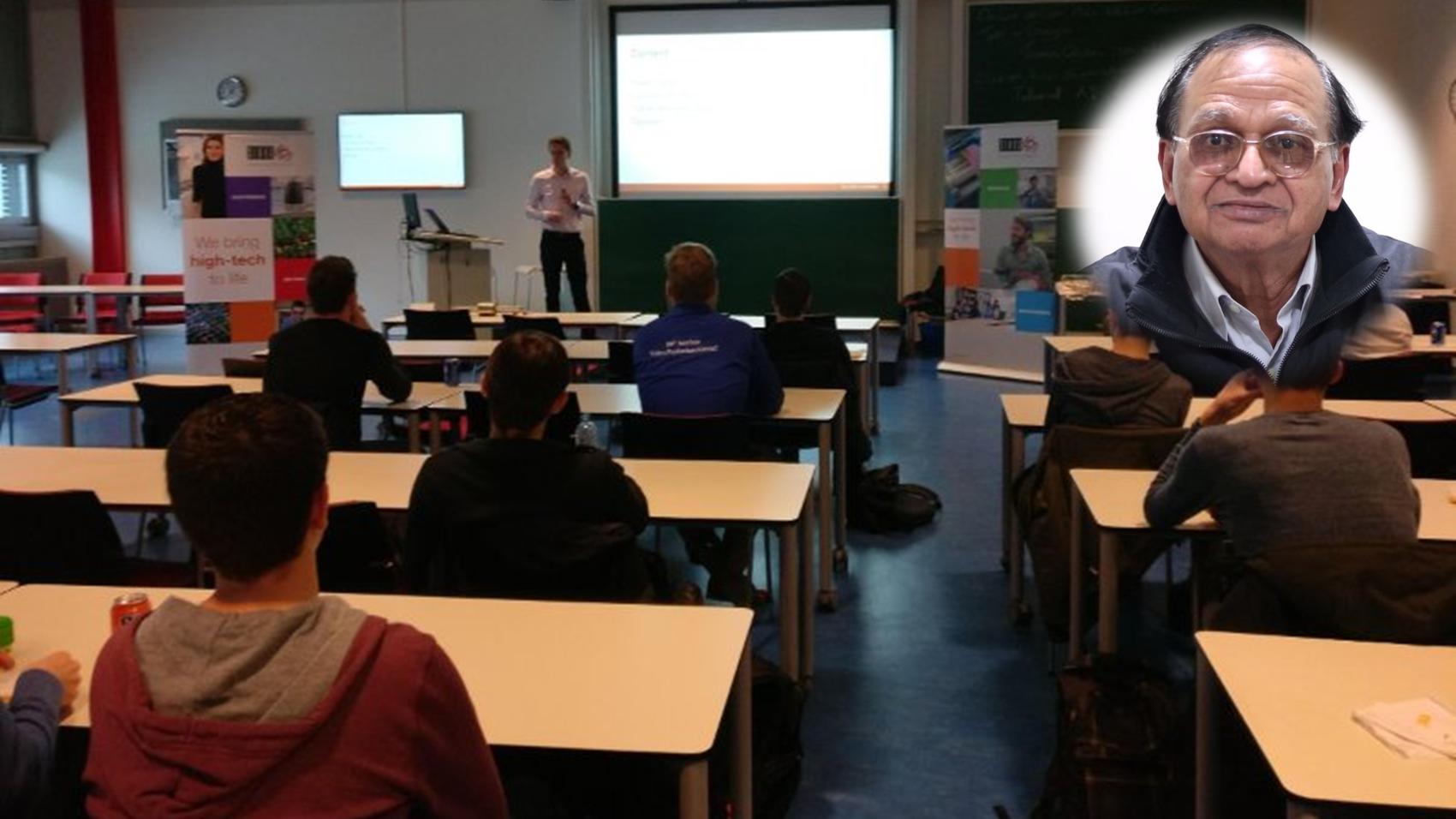
Technical Director Avdhesh Goyal talks about Entrepreneurship course, what is Entrepreneurship and other details about a Career in Entrepreneurship.


Entrepreneurship

Avdhesh Goyal | Technical Director | iGEN Networks Pvt Ltd


What is Entrepreneurship?


Entrepreneurship is a great Career option. Understanding Why one wants to choose a Career in Entrepreneurship is phenomenally more important than figuring out How to get into Entrepreneurship. Just like you would normally not trust a non Doctor with names of medicines, you should also not trust opinions about Entrepreneurship from non professionals.

With 12 years of professional experience, Technical Director Avdhesh Goyal understands Entrepreneurship. Technical Director Avdhesh Goyal defines Entrepreneurship as:

Entrepreneurship is the activity of setting up a business or businesses, taking on financial risks in the hope of profit.


How Technical Director Avdhesh Goyal got into Entrepreneurship?


After my graduated in Commerce from DAV College, Dehradun, Idid Certification Courses in CCNA & MCSE. After that, I have worked in few companies for few years and later I started computer selling and purchasing business in 2006 but due to some unbeatable challenges I winded up the business in 2014 and started another business by the name iGEN Networks Pvt Ltd which provides internet services. I am Technical Director at iGEN Networks Pvt Ltd.


Technical Director Avdhesh Goyal's Talk on Entrepreneurship


Session Image
The Journey of Entrepreneurship


What Is Entrepreneurship


Entrepreneurship

### Entrepreneurship Image
What is
Entrepreneurship is the process of identifying opportunities, creating innovative solutions, and building businesses to address market needs. It involves taking calculated risks, organizing resources, and driving growth through new products or services. Entrepreneurs play a vital role in shaping economies by fostering innovation, generating employment, and contributing to societal progress.

Concept
Entrepreneurship is a driving force behind economic development and societal advancement. It empowers individuals to transform ideas into viable businesses, fostering a culture of innovation and adaptability. For professionals in this field, entrepreneurship offers the chance to shape their own destinies, pursue their passions, and make a tangible impact on their communities. One major benefit is the potential for financial independence, as successful ventures can yield significant rewards. Another advantage is the opportunity for personal growth, as entrepreneurs continually learn and adapt to overcome challenges. Additionally, entrepreneurship allows for creative freedom, enabling professionals to bring unique visions to life and differentiate themselves in the marketplace.

Real World Example
Consider a professional who notices a gap in the local food delivery market, particularly for healthy and affordable meal options. Drawing on their background in nutrition and business, they develop a startup that partners with local chefs to prepare nutritious meals and deliver them efficiently to customers. Through market research, strategic partnerships, and innovative marketing, the entrepreneur grows the business, creating jobs and meeting a community need. This example illustrates how entrepreneurship enables individuals to identify problems, devise solutions, and build sustainable ventures that benefit both themselves and society. The entrepreneur’s journey involves risk-taking, resilience, and adaptability, all hallmarks of a successful career in entrepreneurship.

Education


Certification Courses

### Certification Courses Image
What is
Certification courses are structured educational programs that provide specialized training and credentials in a specific field or skill. For aspiring or current entrepreneurs, these courses offer targeted knowledge that complements formal education, bridging gaps in expertise and validating proficiency. They are essential for staying competitive and credible in the evolving business landscape.

Concept
Understanding certification courses is crucial for entrepreneurs because they offer a pathway to acquire up-to-date, industry-relevant skills that may not be covered in traditional degree programs. These courses often focus on practical, actionable knowledge, such as digital marketing, financial management, or project leadership, which are directly applicable to running a business. By pursuing certifications, entrepreneurs demonstrate a commitment to continuous learning and professional development, which can enhance their credibility with investors, partners, and clients. Over the long term, holding relevant certifications can open doors to new opportunities, foster innovation, and provide a competitive edge in crowded markets. The knowledge gained through certification courses also enables entrepreneurs to adapt quickly to changing industry trends and regulatory requirements.

Real World Example
Consider an entrepreneur launching a tech startup who enrolls in a certification course on agile project management. Through this course, they gain a deep understanding of agile methodologies, learning how to structure workflows, manage teams, and deliver products efficiently. In their daily operations, they apply these principles by organizing regular sprint meetings, setting clear project goals, and using feedback loops to refine their product. This structured approach not only improves team productivity but also ensures that the startup can respond swiftly to customer feedback and market changes. The entrepreneur’s certification signals to investors and clients that they possess the expertise needed to lead projects successfully, thereby increasing trust and opening doors to new business opportunities.

Marketing

### Marketing Image
What is
Marketing is the strategic process of identifying, creating, communicating, and delivering value to customers to satisfy their needs and wants, while building strong customer relationships and driving organizational growth. In entrepreneurship, marketing is a core discipline, bridging product development and customer engagement, and is essential for business success and sustainability.

Concept
Understanding marketing is crucial for entrepreneurs because it equips them with the ability to analyze markets, identify opportunities, and position their offerings effectively. Mastery of marketing concepts enables professionals to craft compelling value propositions, reach target audiences, and adapt to changing consumer behaviors. This knowledge forms the backbone of business strategy, influencing decisions from product design to pricing and promotion. Over the long term, entrepreneurs with strong marketing acumen are better positioned to build brand loyalty, foster customer retention, and achieve sustainable growth. The ability to interpret market trends and respond proactively ensures that entrepreneurial ventures remain competitive and relevant in dynamic business environments.

Real World Example
Consider an entrepreneur launching a new eco-friendly skincare line. Drawing on their marketing knowledge, they conduct market research to understand consumer preferences and identify a niche audience concerned with sustainability. They then develop a brand message emphasizing natural ingredients and ethical sourcing, and select digital platforms frequented by their target demographic for promotion. By monitoring customer feedback and sales data, the entrepreneur refines their marketing strategies, adjusting product offerings and communication tactics to better meet customer needs. This practical application of marketing theory not only drives initial sales but also helps establish a loyal customer base, demonstrating how marketing expertise directly influences the daily operations and long-term success of an entrepreneurial venture.

Hardware & Software

### Hardware & Software Image
What is
Hardware refers to the physical components of a computer system, such as processors, memory, and storage devices, while software encompasses the programs and applications that run on this hardware. In entrepreneurship, understanding both is essential for leveraging technology to drive innovation, streamline operations, and maintain a competitive edge.

Concept
A solid grasp of hardware and software is crucial for entrepreneurs because technology underpins nearly every aspect of modern business. From selecting the right devices and platforms to ensuring data security and optimizing workflow, entrepreneurs must make informed decisions that directly impact efficiency and scalability. This foundational knowledge enables professionals to communicate effectively with technical teams, evaluate technology investments, and adapt quickly to emerging trends. Over time, this expertise not only reduces operational risks but also empowers entrepreneurs to identify new opportunities for automation, digital transformation, and product development, ultimately supporting sustainable business growth and long-term success.

Real World Example
Consider an entrepreneur launching an e-commerce startup. Their understanding of hardware allows them to choose reliable servers and networking equipment to ensure their website remains accessible and responsive. Simultaneously, their software knowledge helps them select the right content management system, integrate payment gateways, and implement cybersecurity measures. When technical issues arise, such as website downtime or data breaches, their foundational knowledge enables them to troubleshoot effectively or communicate requirements clearly to IT specialists. This practical application of hardware and software concepts not only keeps daily operations running smoothly but also positions the entrepreneur to scale their business confidently as demand grows.

Latest Trends

### Latest Trends Image
What is
Latest Trends refers to the most current developments, innovations, and shifts within industries, markets, and consumer behaviors. In the context of Entrepreneurship, it encompasses emerging technologies, business models, and market dynamics. Understanding these trends is essential for entrepreneurs to remain competitive, anticipate changes, and make informed decisions in a rapidly evolving landscape.

Concept
Grasping the latest trends is crucial for anyone pursuing or advancing a career in entrepreneurship because it enables professionals to identify new opportunities, mitigate risks, and adapt to changing market conditions. By staying informed about technological advancements, consumer preferences, and industry disruptions, entrepreneurs can innovate proactively rather than reactively. This knowledge forms a foundational pillar for strategic planning, product development, and competitive positioning. Over the long term, entrepreneurs who consistently monitor and leverage the latest trends are better equipped to sustain business growth, attract investment, and build resilient organizations. Ultimately, mastering this subject ensures that entrepreneurial ventures remain relevant and successful in an ever-changing business environment.

Real World Example
Consider an entrepreneur running a direct-to-consumer skincare brand. By closely following the latest trends in consumer wellness, ingredient innovation, and digital marketing, they notice a rising demand for sustainable packaging and personalized skincare solutions. Leveraging this insight, the entrepreneur collaborates with suppliers to introduce eco-friendly packaging and invests in AI-driven online skin assessments. These strategic moves, rooted in an understanding of current trends, not only attract environmentally conscious customers but also differentiate the brand in a crowded market. This proactive approach demonstrates how theoretical knowledge of the latest trends directly informs daily business decisions, leading to increased customer loyalty, positive brand reputation, and sustained growth.

Government Guidelines

### Government Guidelines Image
What is
Government Guidelines refer to the official rules, regulations, and recommendations issued by governmental bodies that dictate how businesses must operate within a legal framework. In the context of entrepreneurship, these guidelines shape business practices, compliance standards, and ethical considerations, forming a critical component of both academic study and professional expertise.

Concept
Understanding government guidelines is essential for entrepreneurs because it ensures that their ventures operate within the boundaries of the law, minimizing legal risks and fostering trust with stakeholders. Mastery of these guidelines forms the foundation for making informed decisions about business registration, taxation, employment practices, and industry-specific regulations. This knowledge not only helps entrepreneurs avoid costly penalties and legal disputes but also enhances their credibility with investors, partners, and customers. Over the long term, a strong grasp of government guidelines enables entrepreneurs to adapt to regulatory changes, seize new opportunities in compliance-driven markets, and build resilient, sustainable businesses that can thrive in complex regulatory environments.

Real World Example
Consider an entrepreneur launching a food delivery startup. Their understanding of government guidelines allows them to navigate health and safety regulations, secure the necessary permits, and implement food handling protocols that comply with local laws. When hiring delivery staff, they ensure adherence to labor laws regarding wages, working hours, and benefits. During daily operations, this knowledge helps them respond proactively to regulatory inspections, update business practices in line with new health advisories, and maintain transparent records for tax purposes. By applying their theoretical understanding of government guidelines, the entrepreneur not only avoids legal pitfalls but also builds a reputation for reliability and responsibility, which is crucial for long-term business growth.

Skills


Networking Skills

### Networking Skills Image
What is
Networking skills refer to the ability to build, maintain, and leverage relationships with individuals and organizations for mutual benefit. In entrepreneurship, these skills enable professionals to connect with potential partners, investors, mentors, and customers, fostering opportunities for growth, collaboration, and support throughout the business journey.

Concept
Networking skills directly enhance an entrepreneur’s performance by opening doors to resources, knowledge, and opportunities that might otherwise remain inaccessible. Clients and employers value these skills because they lead to strategic partnerships, increased visibility, and access to new markets or funding sources. Entrepreneurs who excel at networking can quickly identify and connect with key stakeholders, which is crucial for business development and problem-solving. Cultivating networking skills involves consistent engagement in industry events, active participation in professional communities, and a genuine interest in helping others. Over time, entrepreneurs can refine their approach by seeking feedback, learning from experienced networkers, and embracing digital platforms to expand their reach.

Real World Example
Consider an entrepreneur facing a sudden supply chain disruption that threatens to delay product delivery. Instead of panicking, the entrepreneur taps into their professional network, reaching out to contacts made at previous industry conferences. Through these connections, they quickly identify an alternative supplier willing to expedite orders. This swift solution not only resolves the immediate crisis but also strengthens the entrepreneur’s reputation for resourcefulness and reliability. The ability to leverage established relationships in critical moments demonstrates how networking skills are not just about making contacts, but about building a resilient support system that can be activated when challenges arise or new opportunities present themselves.

Ability to Work under Pressure

### Ability to Work under Pressure Image
What is
The "Ability to Work under Pressure" refers to maintaining composure, focus, and effectiveness when facing tight deadlines, high stakes, or unexpected challenges. For entrepreneurs, this skill is crucial because the journey is filled with uncertainty, rapid changes, and constant demands that require quick thinking and resilience to succeed.

Concept
The ability to work under pressure directly enhances an entrepreneur’s performance by enabling them to make sound decisions swiftly, adapt to unforeseen obstacles, and keep their team motivated during challenging times. Clients and investors highly value this trait because it signals reliability and the capacity to deliver results even when circumstances are less than ideal. Cultivating this skill involves embracing stressful situations as learning opportunities, practicing mindfulness to manage stress, and gradually increasing one’s exposure to high-pressure environments. Over time, entrepreneurs who actively seek feedback and reflect on their responses to pressure can build greater confidence and resilience, making them more effective leaders and problem-solvers.

Real World Example
Imagine an entrepreneur whose startup faces a sudden technical failure hours before a major product launch. With investors, media, and customers awaiting the event, panic could easily set in. Instead, the entrepreneur remains calm, quickly assembles the team, and delegates tasks efficiently. By focusing on immediate solutions and maintaining clear communication, the entrepreneur guides the team through troubleshooting, manages stakeholder expectations, and ensures the launch proceeds with minimal delay. This ability to work under pressure not only salvages the event but also strengthens the team’s trust and the company’s reputation for reliability in the face of adversity.

Analytical Skills

### Analytical Skills Image
What is
Analytical skills refer to the ability to collect, interpret, and evaluate complex information to make informed decisions and solve problems efficiently. In entrepreneurship, these skills enable professionals to break down challenges, identify patterns, and develop strategic solutions, making them indispensable for navigating uncertainty and driving business growth.

Concept
Analytical skills directly enhance an entrepreneur’s performance by enabling them to assess market trends, evaluate risks, and make data-driven decisions that foster business success. Clients and employers highly value these skills because they lead to more accurate forecasting, resource optimization, and innovative problem-solving. Entrepreneurs can cultivate analytical skills by engaging in continuous learning, seeking feedback, and practicing critical thinking in real-world situations. Regularly analyzing business metrics, studying case studies, and using analytical tools also contribute to sharpening this core competency over time, ensuring entrepreneurs remain adaptable and competitive in a rapidly changing business environment.

Real World Example
Consider an entrepreneur facing declining sales in a newly launched product line. By leveraging analytical skills, they systematically review sales data, customer feedback, and market trends to pinpoint the root causes of the downturn. Through careful analysis, they discover that a competitor’s recent product launch has shifted customer preferences. Armed with these insights, the entrepreneur adapts their marketing strategy and product features to better meet customer needs, ultimately reversing the sales decline. This scenario highlights how analytical skills empower entrepreneurs to make informed decisions, respond proactively to challenges, and achieve sustained business success.

Decision Making

### Decision Making Image
What is
Decision making is the process of identifying and choosing the best course of action among several alternatives based on logic, analysis, and available information. For entrepreneurs, this skill is fundamental, as it enables them to navigate uncertainty, allocate resources wisely, and steer their ventures toward growth and sustainability in dynamic markets.

Concept
Strong decision making directly enhances an entrepreneur’s ability to respond swiftly and effectively to challenges, seize new opportunities, and minimize risks. Clients and investors value this skill because it demonstrates reliability, strategic thinking, and the capacity to drive a business forward even in ambiguous situations. Entrepreneurs can cultivate decision making by actively seeking feedback, analyzing past outcomes, and staying informed about industry trends. Regularly engaging in reflective practices and scenario planning also sharpens judgment, helping entrepreneurs to weigh options more objectively and make choices that align with long-term goals. Over time, consistent application and learning from both successes and failures build confidence and expertise in making sound decisions.

Real World Example
Imagine an entrepreneur whose startup faces a sudden drop in sales due to a new competitor entering the market. The entrepreneur must quickly decide whether to pivot the business model, invest in marketing, or develop a new product feature. By gathering data on customer preferences, analyzing competitors’ strengths, and consulting with their team, the entrepreneur evaluates the potential outcomes of each option. Ultimately, they decide to enhance their product with a unique feature that addresses unmet customer needs, differentiating their offering. This decisive action not only stabilizes sales but also positions the company for future growth, illustrating how effective decision making can turn a critical challenge into an opportunity for success.

Problem Solving

### Problem Solving Image
What is
Problem solving is the ability to identify challenges, analyze their root causes, generate effective solutions, and implement them efficiently. In entrepreneurship, this skill is indispensable because entrepreneurs constantly face uncertainty, obstacles, and evolving market demands. Problem solving empowers them to navigate setbacks, seize opportunities, and drive innovation within their ventures.

Concept
Mastering problem solving directly enhances an entrepreneur’s performance by enabling swift, informed decisions that keep businesses agile and competitive. Clients and employers highly value this skill because it ensures resilience and adaptability in the face of unforeseen challenges, ultimately safeguarding business interests. Entrepreneurs can cultivate problem solving by embracing continuous learning, seeking diverse perspectives, and reflecting on past experiences to refine their approach. Engaging in brainstorming sessions, analyzing case studies, and soliciting feedback from mentors or peers also contribute to sharpening this skill. Over time, consistent practice and a willingness to learn from both successes and failures help entrepreneurs develop the confidence and creativity necessary to tackle complex issues effectively.

Real World Example
Imagine an entrepreneur who launches a tech startup only to discover that their initial product fails to gain traction with users. Instead of giving up, they analyze user feedback and identify that the interface is too complex for their target audience. Applying strong problem solving skills, the entrepreneur collaborates with their team to redesign the product, simplifying its features and improving usability. They then test the revised version with a small group of users, gather additional feedback, and make further adjustments. As a result, the product’s adoption rate increases significantly, attracting new customers and investors. This scenario highlights how effective problem solving can turn setbacks into opportunities for growth and long-term success in entrepreneurship.

Team Work

### Team Work Image
What is
Team work is the collaborative effort of a group of individuals working together toward a common goal, leveraging diverse skills, perspectives, and strengths to achieve shared objectives. In entrepreneurship, team work is vital because it enables founders and their teams to innovate, solve complex problems, and adapt quickly in a competitive environment.

Concept
Team work directly enhances performance in entrepreneurship by fostering open communication, trust, and the efficient division of responsibilities. Clients and employers highly value this skill because it leads to better decision-making, increased productivity, and the ability to deliver high-quality results under pressure. Entrepreneurs who excel at team work can build strong, motivated teams that are resilient in the face of challenges. Cultivating this skill involves actively listening to others, being open to feedback, and consistently supporting team members. Over time, entrepreneurs can further develop their team work abilities by participating in collaborative projects, seeking mentorship, and reflecting on group dynamics to identify areas for improvement.

Real World Example
Imagine an entrepreneur leading a startup that suddenly faces a major product failure just days before launch. Instead of tackling the problem alone, the entrepreneur brings the team together to brainstorm solutions, drawing on each member’s expertise in engineering, marketing, and customer support. Through open dialogue and mutual support, the team rapidly identifies the root cause, devises a fix, and communicates transparently with stakeholders. By relying on team work, the entrepreneur not only resolves the immediate crisis but also strengthens the team’s cohesion and trust, ultimately turning a potential setback into an opportunity for growth and learning. This scenario highlights how essential team work is in navigating high-stakes challenges in entrepreneurship.

Management

### Management Image
What is
Management is the process of planning, organizing, leading, and controlling resources—such as people, finances, and operations—to achieve specific goals efficiently and effectively. In entrepreneurship, management is the backbone that transforms innovative ideas into viable businesses by ensuring that every aspect of the venture is coordinated and aligned with strategic objectives.

Concept
Strong management skills directly enhance an entrepreneur’s ability to steer a business toward growth and sustainability. Effective management ensures that resources are allocated wisely, teams are motivated and productive, and operations run smoothly even in the face of uncertainty. Clients and investors value entrepreneurs who demonstrate management expertise because it signals reliability, foresight, and the capacity to deliver results. Cultivating management skills involves continuous learning through experience, mentorship, and formal education. Entrepreneurs can refine their abilities by seeking feedback, embracing leadership opportunities, and staying updated on best practices in organizational behavior and project management. Over time, these efforts build a foundation of trust and competence that is essential for long-term success.

Real World Example
Imagine an entrepreneur launching a tech startup who suddenly faces rapid growth after a successful product launch. Orders surge, and the small team is overwhelmed. By applying management skills, the entrepreneur quickly assesses workflow bottlenecks, reallocates responsibilities, and implements new processes to streamline operations. They communicate clearly with the team, set achievable targets, and monitor progress closely. This proactive approach not only resolves the immediate crisis but also positions the company for sustainable expansion. Through effective management, the entrepreneur transforms chaos into opportunity, ensuring customer satisfaction and maintaining the confidence of investors and employees alike. This scenario highlights how management is indispensable in navigating challenges and capitalizing on success.

Positives


High Demand

### High Demand Image
What is
High demand refers to the consistent and growing need for innovative products, services, and solutions that entrepreneurs provide in the marketplace. This demand is driven by evolving consumer needs, technological advancements, and global challenges, creating abundant opportunities for entrepreneurs to launch, grow, and sustain successful ventures that make a meaningful impact.

Concept
The high demand for entrepreneurial solutions is a powerful motivator and a key driver of job satisfaction. Entrepreneurs thrive in environments where their ideas and efforts are valued and sought after. This constant need for innovation ensures that entrepreneurs are rarely stagnant; instead, they are continuously challenged to adapt, create, and lead. The sense of purpose that comes from meeting real-world needs boosts confidence and professional fulfillment. High demand also translates into greater opportunities for business growth, financial rewards, and personal development. Entrepreneurs experience the satisfaction of knowing their work is essential and impactful, which fuels their passion and commitment every day.

Real World Example
Imagine an entrepreneur who has developed a sustainable packaging solution in response to increasing environmental concerns. As more companies and consumers seek eco-friendly alternatives, the demand for this innovative product surges. The entrepreneur finds themselves fielding inquiries from major retailers, negotiating partnerships, and scaling production to meet the growing interest. Each day brings new challenges and opportunities, reinforcing the importance of their work. The high demand not only validates their vision but also provides a sense of accomplishment and excitement. This dynamic environment keeps the entrepreneur motivated, knowing their efforts are making a tangible difference and that their expertise is truly needed in the marketplace.

Continuous Learning

### Continuous Learning Image
What is
Continuous Learning is the ongoing process of acquiring new knowledge, skills, and insights to adapt to changing environments and challenges. In entrepreneurship, it means constantly seeking out information, experimenting with new ideas, and refining strategies. This commitment to growth fuels innovation, resilience, and adaptability, making entrepreneurs more effective and fulfilled in their roles.

Concept
Continuous Learning is a cornerstone of entrepreneurial success because it transforms every challenge into an opportunity for growth. Entrepreneurs face rapidly shifting markets, evolving technologies, and unpredictable customer needs. By embracing continuous learning, they stay ahead of trends, discover creative solutions, and build confidence in their decision-making. This ongoing development not only enhances their expertise but also keeps their work engaging and meaningful. The sense of progress and mastery that comes from learning new skills boosts job satisfaction and personal fulfillment. Entrepreneurs experience this benefit daily as they adapt to feedback, explore new business models, and connect with diverse mentors and peers, ensuring their ventures remain dynamic and competitive.

Real World Example
Imagine an entrepreneur launching a tech startup who encounters unexpected obstacles with user engagement. Instead of feeling defeated, they dive into online courses about user experience design, attend industry webinars, and seek advice from experienced founders. Through this process, they gain fresh perspectives and practical tools to redesign their product. As a result, user satisfaction improves and the business grows. This journey of continuous learning not only solves immediate problems but also instills a deep sense of accomplishment and motivation. The entrepreneur feels empowered, knowing that every challenge is an invitation to learn, adapt, and ultimately succeed in an ever-evolving landscape.

Social Networking

### Social Networking Image
What is
Social networking is the process of building and nurturing relationships with individuals, groups, and organizations to exchange information, ideas, and resources. In entrepreneurship, social networking fosters collaboration, opens doors to new opportunities, and provides access to valuable knowledge and support, making it an essential driver of personal and professional growth.

Concept
Social networking is a cornerstone of entrepreneurial success because it connects individuals to a vibrant ecosystem of mentors, peers, investors, and customers. These connections often lead to new business opportunities, partnerships, and collaborations that would be difficult to achieve in isolation. Entrepreneurs who actively engage in social networking find themselves exposed to diverse perspectives and innovative ideas, which can spark creativity and drive business growth. The daily interactions and shared experiences within a supportive network also enhance job satisfaction, as entrepreneurs feel less isolated and more empowered to tackle challenges. Ultimately, the relationships built through social networking become a source of encouragement, inspiration, and practical assistance, fueling both personal fulfillment and professional advancement.

Real World Example
Imagine an entrepreneur attending a local startup event, where they strike up a conversation with a fellow founder. Through this connection, they are introduced to a potential investor who is passionate about their industry. Over time, this relationship blossoms into a mentorship, providing the entrepreneur with invaluable guidance and support. The investor’s network further opens doors to new clients and strategic partners, accelerating the growth of the entrepreneur’s business. This experience not only boosts the entrepreneur’s confidence but also reinforces the sense of community and shared purpose that makes the journey of entrepreneurship so rewarding. Social networking, in this scenario, becomes the catalyst for both business success and personal satisfaction.

Challenges


High Capital Investment

### High Capital Investment Image
What is
High Capital Investment in entrepreneurship refers to the substantial financial resources required to launch, operate, or scale a business. This demand for significant upfront funding is challenging because it increases risk, limits flexibility, and often creates barriers to entry, making it difficult for entrepreneurs to turn ideas into viable ventures.

Concept
The necessity for high capital investment can weigh heavily on entrepreneurs, influencing every aspect of daily operations. It often means that founders must devote considerable time to securing funding, managing cash flow, and making difficult decisions about resource allocation. This pressure can lead to stress and uncertainty, demanding resilience and adaptability. Successful entrepreneurs address this challenge by seeking diverse funding sources, such as angel investors, venture capital, or strategic partnerships. They may also adopt lean startup methodologies, focusing on minimum viable products to test ideas before committing large sums. By carefully planning expenditures and maintaining transparent communication with stakeholders, these professionals manage to balance ambition with financial prudence, ensuring their ventures remain sustainable despite the high capital requirements.

Real World Example
Consider an entrepreneur launching a tech startup that requires expensive hardware and specialized talent. Initially, the founder faces the daunting prospect of raising significant capital to cover equipment, salaries, and development costs. Instead of seeking a single large investment, the entrepreneur breaks the project into phases, securing seed funding for a prototype. By demonstrating early traction and customer interest, the founder attracts additional investors for subsequent rounds. Throughout the process, the entrepreneur negotiates favorable terms, leverages government grants, and forms partnerships with suppliers to defer costs. This strategic approach allows the business to grow steadily, overcoming the high capital barrier while minimizing financial risk and maintaining operational control.

Competition

### Competition Image
What is
Competition in entrepreneurship refers to the ongoing struggle among businesses to attract customers, secure market share, and deliver superior value. It is demanding because it requires constant innovation, adaptability, and vigilance, as rivals continually seek to outperform each other, making it challenging to maintain relevance and achieve sustainable growth.

Concept
The presence of competition shapes nearly every aspect of an entrepreneur’s daily work, from product development to marketing and customer service. It can create pressure to innovate quickly, respond to market trends, and differentiate offerings, often leading to long hours and rapid decision-making. This environment demands resilience, as setbacks and failures are common when rivals introduce new features or undercut prices. Successful professionals manage this constraint by focusing on their unique strengths, building strong customer relationships, and staying agile in their strategies. They continuously monitor competitors, learn from industry shifts, and invest in personal and team growth to maintain a competitive edge, turning the challenge of competition into an opportunity for ongoing improvement.

Real World Example
Consider a tech startup entering the crowded field of mobile app development. The founder notices that established competitors dominate the market with similar features. Instead of mimicking these offerings, the entrepreneur conducts in-depth user research and identifies a niche segment with unmet needs. By tailoring the app’s functionality and user experience to this specific audience, the startup quickly gains traction and positive reviews. The founder also invests in responsive customer support, building loyalty and word-of-mouth referrals. Through strategic differentiation and a focus on customer satisfaction, the entrepreneur not only survives but thrives, demonstrating how competition can be managed through innovation, adaptability, and a deep understanding of the target market.

Work-Life Balance

### Work-Life Balance Image
What is
Work-life balance in entrepreneurship refers to the ongoing effort to allocate time and energy between building a business and maintaining personal well-being, relationships, and health. This balance is demanding because entrepreneurs often face unpredictable workloads, blurred boundaries, and the pressure to succeed, making it difficult to disconnect from work responsibilities.

Concept
The challenge of work-life balance in entrepreneurship can lead to long working hours, constant stress, and neglect of personal life, which may result in burnout and decreased productivity. Entrepreneurs must develop resilience to handle setbacks and uncertainty while remaining committed to their vision. Successful professionals often set clear boundaries, delegate tasks, and prioritize self-care to sustain their energy and creativity. They recognize the importance of downtime and intentionally schedule breaks, family time, or hobbies to recharge. By fostering a supportive network and leveraging technology for efficiency, entrepreneurs can better manage their workload and maintain a healthier equilibrium between their professional and personal lives.

Real World Example
Consider an entrepreneur who launched a tech startup and initially struggled with overwhelming demands, often working late into the night and missing family events. Realizing the toll on his health and relationships, he implemented a structured daily routine, designating specific hours for work and personal time. He hired a small team to share responsibilities and used project management tools to streamline operations. By communicating his boundaries to clients and colleagues, he ensured uninterrupted family dinners and regular exercise. Over time, this approach not only improved his well-being but also enhanced his business performance, demonstrating that intentional strategies can help entrepreneurs achieve a sustainable work-life balance.

Natural Calamity

### Natural Calamity Image
What is
A natural calamity in entrepreneurship refers to unforeseen environmental disasters such as earthquakes, floods, hurricanes, or wildfires that disrupt business operations, supply chains, and markets. These events are demanding because they strike without warning, threaten assets and livelihoods, and require rapid, strategic responses to ensure business continuity and survival.

Concept
Natural calamities can halt daily operations, damage infrastructure, and sever connections with customers and suppliers. Entrepreneurs must quickly adapt to shifting circumstances, often making critical decisions under pressure. The unpredictability of such events tests resilience, as professionals must manage stress, financial losses, and uncertainty. Successful entrepreneurs prepare by developing contingency plans, diversifying supply chains, and investing in insurance. They also foster strong communication channels with stakeholders and leverage technology to maintain operations remotely when possible. By staying agile and resourceful, they can minimize downtime, protect their teams, and recover more swiftly, turning adversity into an opportunity for innovation and growth.

Real World Example
Consider a small business owner running a chain of organic food stores in a coastal city suddenly hit by a severe hurricane. The disaster causes power outages, damages inventory, and disrupts deliveries. Instead of succumbing to the setback, the entrepreneur activates an emergency plan, quickly contacts suppliers for alternative routes, and uses social media to update customers on store hours and available products. By collaborating with local authorities and community groups, the business helps distribute essential goods, reinforcing its reputation and customer loyalty. Through decisive action and adaptability, the entrepreneur not only sustains the business during the crisis but also emerges with stronger community ties and a more resilient operational model.

High Taxes

### High Taxes Image
What is
High taxes in entrepreneurship refer to the significant portion of business income that must be paid to government authorities, including corporate, income, and sales taxes. This burden reduces available capital for growth, innovation, and operations, making it a demanding challenge that requires careful financial planning and strategic decision-making to ensure business sustainability.

Concept
High taxes can significantly affect an entrepreneur’s daily operations by reducing cash flow, limiting reinvestment opportunities, and increasing the complexity of financial management. Entrepreneurs must remain resilient as they navigate fluctuating tax regulations and compliance requirements, which can be both time-consuming and stressful. Successful professionals overcome this constraint by proactively seeking expert tax advice, leveraging available deductions and credits, and adopting efficient accounting practices. They often restructure their business models or explore tax-friendly jurisdictions to optimize their tax liabilities. By staying informed about legislative changes and maintaining meticulous records, entrepreneurs can minimize the negative impact of high taxes and focus on driving their ventures forward.

Real World Example
Consider an entrepreneur who runs a rapidly growing technology startup in a country with high corporate tax rates. Initially, the heavy tax burden threatened to stifle expansion plans and reduce profitability. To address this, the entrepreneur consulted with a tax advisor to identify eligible deductions for research and development expenses and restructured the business to take advantage of tax incentives for startups. By implementing robust accounting systems and staying updated on tax law changes, the entrepreneur managed to reduce the effective tax rate significantly. This strategic approach not only preserved capital for reinvestment but also ensured compliance, allowing the business to thrive despite the challenging tax environment.

A Day Of


Entrepreneurship

What is
The world of entrepreneurship is anything but predictable. Each day unfolds with a unique blend of adrenaline, uncertainty, and opportunity, demanding quick thinking and relentless adaptability. The pace is fast, the environment is ever-shifting, and the stakes are high—whether you’re pitching to investors, refining a business model, or troubleshooting unexpected hurdles. For entrepreneurship professionals, the workday is a dynamic journey that blurs the lines between strategy and execution, creativity and pragmatism, vision and action.

Concept
As dawn breaks, an entrepreneurship professional typically starts the day with a quiet moment of reflection and review. This early morning phase is dedicated to scanning emails for urgent updates, reviewing key performance metrics from the previous day, and revisiting the day’s agenda. It’s a time to recalibrate priorities, digest industry news, and mentally prepare for the challenges ahead. Whether sipping coffee at home or heading into a co-working space, this period sets the tone for a day that will demand both focus and flexibility.

Real World Example
By mid-morning, the energy shifts into high gear. This is when the core activities of entrepreneurship come alive—leading team stand-ups, engaging in brainstorming sessions, or meeting with potential clients and investors. The hours are packed with negotiations, product demos, and rapid-fire decision-making. Every interaction is an opportunity to advance the business, whether it’s refining a pitch deck, troubleshooting a product issue, or closing a critical deal. The intensity is palpable, and the ability to pivot quickly is essential.

Afternoons are often reserved for collaborative execution. This is when entrepreneurs roll up their sleeves and dive into the nuts and bolts of building the business. Meetings with partners, developers, or marketing teams take center stage, as ideas are translated into actionable plans. Product prototypes are tested, marketing campaigns are launched, and operational challenges are addressed head-on. The focus is on moving projects forward, solving problems in real time, and ensuring that the team remains aligned and motivated.

As the day winds down, entrepreneurship professionals shift gears to wrap up loose ends and plan for tomorrow. This phase involves reviewing progress against goals, responding to outstanding emails, and documenting lessons learned from the day’s wins and setbacks. There’s often time set aside for researching new trends, connecting with mentors, or updating business strategies based on fresh insights. The evening is a chance to recharge, reflect on the day’s achievements, and lay the groundwork for another round of innovation and hustle.


Install the LifePage App to:


  1. (for Free) Watch Technical Director Avdhesh Goyal’s full Entrepreneurship Career Talk

  2. ₹ Do a Self Assessment on Entrepreneurship to calculate your Dream Index, which is defined as:

    According to Avdhesh Goyal your chances of success in Entrepreneurship is __%

  3. Access your personalized Dream Index Report which will have all your Dream Indices sorted in descending order.

Career Counselling 2.0


<?php echo $altimage; ?>


<?php echo $altimage; ?>


How to get into

Entrepreneurship?


If you are want to get into Entrepreneurship, start by investing in a Career Plan.

The 14 hour process, guided by a LifePage Career Advisor, will help you introspect and check whether your interest in Entrepreneurship is merely an infatuation or is it truly something you wish to do for the rest of your life.

Next, your Career Advisor will help you document how you can get into Entrepreneurship, what education and skills you need to succeed in Entrepreneurship, and what positives and challenges you will face in Entrepreneurship.

Finally, you will get a Career Plan stating which Courses, Certifications, Trainings and other Items you need to do in the next 7 years to become world’s best in Entrepreneurship.


LifePage Career Plan

14 hour personalized guidance program


Your LifePage Career Advisor facilitates your guided introspection so that you systematically explore various Career options to arrive at a well thought out Career choice.

Next: your Advisor helps you figure out how you will get into your chosen Career and how will you develop the skills needed for success in your Chosen Career.

LifePage Plan will not stop at saying "to become an Architect study Architecture". It will guide you on which Certifications, Trainings and Other items you need to do along with your Architecture education to become the world's best Architect.


Links for this Talk


Technical Director Avdhesh Goyal's LifePage:


Career Counselling 2.0
[LifePage]
https://www.lifepage.in/page/avdheshgoyal


LifePage Career Talk on Entrepreneurship


Career Counselling 2.0
[Career]
https://www.lifepage.in/careers/entrepreneurship-34


Career Counselling 2.0
[Full Talk]
https://lifepage.app.link/20180606-0001


Career Counselling 2.0
[Trailer]
https://www.youtube.com/watch?v=2aiu7bj6AWE


(Entrepreneurship, Avdesh Goyal, iGEN Networks Pvt Ltd, Technical Director, Entrepreneur, Network Services, Broadband, Internet, CCNA)


Similar Talks



Career in Entrepreneurship
Entrepreneurship
Gaurav Aggarwal
Founder and CEO | SYS Facilities Provider Pvt Ltd, Dehradun
[ 3 years Experience ]

Entrepreneurship has traditionally been defined as the process of designing, launching and running a new business, which typically begins as a small business, such as a start-up company, offering a product, process or service.

"I started a facility management company in the year 2013 by the name of SYS Facilities. My family business is catering and I thought that there is a need of a facility management company, because our clients were not so happy to outsource their work to other people, therefore I started SYS Facilities Provider Pvt Ltd as a solution."


Career Counselling 2.0 Career Counselling 2.0 Career Counselling 2.0 Career Counselling 2.0 Career Counselling 2.0


Career in Entrepreneurship
Entrepreneurship
Dhairya Arora
Owner | Doon Chaiwala
[ 1 year Experience ]

Entrepreneurship is taking your own concept and applying the idea to serve the whole mass, as in you want to have a target audience, you want to have a product and you want to give them that product. Doon Chaiwala is a tea delivery system which serves to banks,offices and schools. The tea is priced a very decent price.

"After completing my schooling from Asian School, Dehradun i worked in the film industry for 7 years.Now i am the owner of Doon Chaiwala which is located in Rajpur Road."


Career Counselling 2.0 Career Counselling 2.0 Career Counselling 2.0 Career Counselling 2.0


Career in Entrepreneurship
Entrepreneurship
Vishal Kumar
Founder | Brainrock Consulting Services
[ 5 years & 9 months Experience ]

Entrepreneurship is a process through which person is able to give form to and launch his idea or project into the market. In other words, Entrepreneurship is a process through which one is able to create a startup. This not only helps the entrepreneur earn money for himself but also helps in empowering other people by providing them with opportunities of employment and thereby, helps in benefitting the Society at large. An entrepreneur is his own boss.

"After completing my education, I started my own business of providing IT consultancy in the year 2013."


Career Counselling 2.0 Career Counselling 2.0 Career Counselling 2.0 Career Counselling 2.0 Career Counselling 2.0


Career in Entrepreneurship
Entrepreneurship
Manish Mamgain
Founder | Manka Store
[ 3 years & 9 months Experience ]

Entrepreneurship is basically doing something new, coming up with a new idea and execute it successfully.

"After finishing my MBA, I started working with a Sales Promotion and Event Management Company in Delhi by the name of Kids Stuff Promo. Later me and my wife opened a interior designing store with the name of Manka in Dehradun, itself which has been running very successfully."


Career Counselling 2.0 Career Counselling 2.0 Career Counselling 2.0 Career Counselling 2.0 Career Counselling 2.0


Career in Entrepreneurship
Entrepreneurship
Alpika Sharma
Founder | Size Zero - The Weight Loss Cafe
[ 6 years Experience ]

Entrepreneurship is coming up with a new idea or expanding the existing idea. The activity of setting up a business or businesses, taking on financial risks in the hope of profit.

"After completing my MBA, I got married. After that I started to gain some weight and joined a slimming centre to loose it. While doing that I got an idea that how difficult it is to loose the weight and manage it. So I implemented my idea on weight management and started my own slimming centre named as Size Zero- The Weight Loss Centre in 2013."


Career Counselling 2.0 Career Counselling 2.0 Career Counselling 2.0 Career Counselling 2.0 Career Counselling 2.0


Career in Entrepreneurship
Entrepreneurship
Toral Sharan
Owner | LE Salon Luxiria
[ 6 years & 8 months Experience ]

Entrepreneurship is the process of designing, launching and running a new business. Entrepreneuship describes ownership, where one can use his/her own thought process. Basically it includes creativity and communication.

"I did my schooling and higher studies from England. I did various certificate courses from England such as Anthropology in Sociology. And since 2012 i own a salon."


Career Counselling 2.0 Career Counselling 2.0 Career Counselling 2.0 Career Counselling 2.0 Career Counselling 2.0


Career in Entrepreneurship
Entrepreneurship
Tanya Negi
Founder | Tayna Events
[ 5 years & 7 months Experience ]

The capacity and willingness to develop, organize and manage a business venture along with any of its risks in order to make a profit. The most obvious example of entrepreneurship is the starting of new businesses. In economics, entrepreneurship combined with land, labor, natural resources and capital can produce profit

"After completing my schooling, I went on to do my Bachelors in Mass Communication from Graphic Era University. It was during my second year of Bachelors that I decided to work in the line of events and started the company Tanya Events."


Career Counselling 2.0 Career Counselling 2.0 Career Counselling 2.0 Career Counselling 2.0 Career Counselling 2.0


Career in Entrepreneurship
Entrepreneurship
Monika Chaudhary
Founder | Seven Ventures
[ 5 years & 10 months Experience ]

The capacity and willingness to develop, organize and manage a business venture along with any of its risks in order to make a profit. The most obvious example of entrepreneurship is the starting of new businesses.

"After working in corporate sector for 10 years, I got an idea to start something of my own and started creating ethnic wear for kids. Clothes are sold out through various major e-commerce platforms and through my own website BownBee.com, it has been 5 years now when I started the company."


Career Counselling 2.0 Career Counselling 2.0 Career Counselling 2.0 Career Counselling 2.0 Career Counselling 2.0


Career in Entrepreneurship
Entrepreneurship
Chandra Mohan
CEO | Energias Market Research
[ 0 years & 7 months Experience ]

Entrepreneurship is the process by which an individual (or team) identifies a business opportunity and acquires and deploys the necessary resources required for its exploitation. Entrepreneurship is the process of designing, launching and running a new business, which is more often than not, initially a small business, offering a product, process or service for sale or hire.

"I did BSc from PGDAV College. I then did MBA (Upstream Asset Management) from UPES, Dehradun. After completing that I worked at Global Data as Associate Analyst, then at Industrial Info Resources as Petroleum Refinery Analyst and finally at Transparency Market Research as Assistant manager. After gaining experience in Market Research I founded my own company Energias Market Research in 2016."


Career Counselling 2.0 Career Counselling 2.0 Career Counselling 2.0 Career Counselling 2.0 Career Counselling 2.0


Career in Entrepreneurship
Entrepreneurship
Guneet Puri
Co-founder | Bohemian Adventures
[ 3 years Experience ]

Entrepreneurship is starting up or coming up with the new business idea for making profit. And also you convert your passion into profession.

"I was exposed to adventure sports at early age. My parents started taking me on trekking when I was 2 years old. Later on I went to Nehru Institute of Mountaineering from where I have done basic and advanced mountaineering courses. In the year 2014 I Co-Founded an adventure company called Bohemian Adventures. We organize climbing expedition, treks, cycling expedition, rock climbing, camping trips and day treks."


Career Counselling 2.0 Career Counselling 2.0 Career Counselling 2.0 Career Counselling 2.0 Career Counselling 2.0


Career in Media Entrepreneurship
Media Entrepreneurship
Suraj Kumar
Founder | The Dehradun Street
[ 2 years Experience ]

Media Entrepreneurship is the business model that works in Journalism. It is the creation and ownership of a small enterprise or organization whose activity adds at least one voice or innovation to the media marketplace. You must have a desire and it needs to be feasible. It always takes time to break even so you need to be patient. Sustainibility is a very important factor and weather the business model is sustainible in the near future.

"I completed my high school from Ann Marry and my post graduation from IIPM, Delhi. After which I interned with Johnson and Johnson and Godfrey Philips (TFS) and with O&M in client service. And then I finally completed a year with Tupperware Brands. After which i finally started with newspapers two years back."


Career Counselling 2.0 Career Counselling 2.0 Career Counselling 2.0 Career Counselling 2.0 Career Counselling 2.0


Career in Commercial Dairy Farming
Commercial Dairy Farming
Abhinav Singh
Owner | Vedic Farms
[ 4 years & 5 months Experience ]

Dairy farming is a class of agriculture for long-term production of milk, which is processed (either on the farm or at a dairy plant, either of which may be called a dairy) for eventual sale of a dairy product.

"After completing my education, I worked with Havells India Ltd for 2 years and then with Eureka Forbes for 9 years. In 2014, I started my own business of Commercial Dairy Farming with the name of Vedic Farms."


Career Counselling 2.0 Career Counselling 2.0 Career Counselling 2.0 Career Counselling 2.0 Career Counselling 2.0


Career in Bamboo Entrepreneurship
Bamboo Entrepreneurship
Ajay Thakur
Scientist (E) | Forest Research Institute
[ 20 years & 6 months Experience ]

Bamboo Industry is a growing industry, the markets for bamboo can be grouped into traditional and non-traditional or emerging markets. Demand remains strong in traditional markets such as handicrafts, blinds and bamboo shoots with profitable opportunities despite moderate growth. Other traditional markets, such as chopsticks, are highly commoditized with low growth and low profit margins. Emerging bamboo markets include flooring, building products and laminated furniture. These represent the largest growth opportunities for bamboo.

"I have done B Sc in Forestry from Pantnagar Agriculture University. Post that I did M Sc in Forestry from Punjab Agriculture University. I went on to do a PhD in Forest Genetics from Oxford University & University of Wales, Bangor, UK. I started my career from ICFRE as a Scientist (B). I am a Scientist (E) at Forest Research Institute, Dehradun."


Career Counselling 2.0 Career Counselling 2.0 Career Counselling 2.0 Career Counselling 2.0 Career Counselling 2.0


Career in Entrepreneurship
Entrepreneurship
Vidur Sikand
Managing Partner | The Palm Plates
[ 1 year Experience ]

The activity of setting up a business or businesses, taking on financial risks in the hope of profit.

"I did my schooling from St Josephs till class 8th. After that I went to Asian School. I did my graduation from GD Goenka World Institute, Delhi. I also went to New Zealand to do my Masters in Business Management. I have been working with Nine Palm Resort since 2016."


Career Counselling 2.0 Career Counselling 2.0 Career Counselling 2.0 Career Counselling 2.0 Career Counselling 2.0


Career in Entrepreneurship
Entrepreneurship
A K Narayanan
Owner | NYANZ Engineering
[ 4 years Experience ]

Entrepreneurship is starting, growing and managing a new business or any new idea.

"After completing diploma in Electrical Engineering I did Maintenance Engineer for 18 years at different places and my last assignment was at Indonesia. I returned to India in 1982 & became an Entrepreneur. I started an Engineering consulting company and I was Founder Director in 6 technology start ups."


Career Counselling 2.0 Career Counselling 2.0 Career Counselling 2.0 Career Counselling 2.0 Career Counselling 2.0


Career in Entrepreneurship
Entrepreneurship
Gigi Pathak
Owner | Oilcraft Naturals
[ 7 years Experience ]

The activity of setting up a business or businesses, taking on financial risks in the hope of profit.

"I am a Law Graduate from Punjab University. I have also done my MBA in HR from Symbiosis, Pune. I have also worked with Blue Star Pvt Ltd and After 4 years of gap, I started as working Oilcraft Naturals Distributor in 2010 and became an Entrepreneur."


Career Counselling 2.0 Career Counselling 2.0 Career Counselling 2.0 Career Counselling 2.0 Career Counselling 2.0


Career in Entrepreneurship
Entrepreneurship
Sachin Shestha
Co-Founder & Manager | The Local Project
[ 2 years & 10 months Experience ]

Entrepreneurship is the process of designing, launching, and running a new business which is often initially a small business. The people who create these businesses are called Entrepreneurs. Entrepreneurship has been described as the capacity and willingness to develop, organize and manage a business venture along with any of its risks in order to make a profit.

"After completing my education, I started working as a Manager for a clothing manufacturing and export company. After that, I started my own venture called The Local Project, in Kathmandu."


Career Counselling 2.0 Career Counselling 2.0 Career Counselling 2.0 Career Counselling 2.0


Career in Entrepreneurship
Entrepreneurship
Dimpy Lakhina
Proprietor | Lakhina Couture
[ 3 years & 10 months Experience ]

Entrepreneurship is the process of designing, launching and running a new business which is often initially a small business and the people who create these businesses are called entrepreneurs. Entrepreneurship has been described as the "capacity and willingness to develop, organize and manage a business venture along with any of its risks in order to make a profit.

"After doing my schooling from SD Girls Sr. Secondary School Panipat, I did my B Sc from IB College and thereafter I did my B Ed and Diploma in Computer Applications. I started my own boutique named Lakhina Couture in Noida."


Career Counselling 2.0 Career Counselling 2.0 Career Counselling 2.0 Career Counselling 2.0 Career Counselling 2.0


Career in Entrepreneurship
Entrepreneurship
Deepak Matta
Founder | Garage Master
[ 3 years & 11 months Experience ]

Entrepreneurship is the process of designing, launching and running a new business, which is often initially a small business. The people who create these businesses are called entrepreneurs.

"After completing my BBA from Graphic Era University, I did PG Diploma in Marketing & Finance from JRE School of Engineering. After that, I joined Tacky Minds as a Business Developer and later I was promoted to Team Lead. I worked there for 2 year. In 2016, I started my own venture by the name of Garage Master which provides After-Sales services to automobile users."


Career Counselling 2.0 Career Counselling 2.0 Career Counselling 2.0 Career Counselling 2.0 Career Counselling 2.0


Career in Entrepreneurship
Entrepreneurship
Rahul Bhatnagar
Head | Uprist Service Portal Pvt. Ltd.
[ 5 years & 2 months Experience ]

An Entreprenuer is a person who does something on his own based upon his or her passion wherin the person is providing a solution to a problem that the society faces as a whole.

"I did my schooling from St Josephs Academy Dehradun and graduated from University of Petroleum And Energy Studies. I have my own company called Uprist Service Portal Ltd."


Career Counselling 2.0 Career Counselling 2.0 Career Counselling 2.0 Career Counselling 2.0 Career Counselling 2.0


Career in Entrepreneurship
Entrepreneurship
Bhavna Kapoor
Founder | Health Nut
[ 4 years & 3 months Experience ]

Entrepreneurship is the process of designing, launching and running a new business which is often initially a small business and the people who create these businesses are called entrepreneurs.

"After doing BA Hons in Economics, I did PG Diploma in Social Communication. I was working in filmmaking industry when I realised my interest for generating awareness for healthy living. Then, I did a course in Health Coaching from Institute of Integrated Nutrition, New York. I gave Health Coaching for few years before starting my own business of Organic Health Products. I founded Health Nut in 2014."


Career Counselling 2.0 Career Counselling 2.0 Career Counselling 2.0 Career Counselling 2.0 Career Counselling 2.0


Career in Entrepreneurship Development
Entrepreneurship Development
A K Sharma
Head IIIC & EDC | DIT University
[ 9 years & 2 months Experience ]

Centre for Entrepreneurship Development and Incubation (CEDI), is set up to promote innovation and entrepreneurship by converting and translating technology ideas in various disciplines of science and engineering into products, processes and services for commercial exploitation and the benefit of society.

"I have done B Tech in Mechanical Engineering from Pant College of Technology, Pantnagar. I have an Industrial Experience of more than 47 years in India and Nepal. I have around 7 years of experience in Entrepreneurship. I established Entrepreneurship Development Cell at DIT University and have been Heading it ever since. I organized various FDPs, EACs, EADs on Entrepreneurship."


Career Counselling 2.0 Career Counselling 2.0 Career Counselling 2.0 Career Counselling 2.0 Career Counselling 2.0


Career in Entrepreneurship
Entrepreneurship
Gayatri Dewan
Owner | Affinity Express
[ 11 years & 8 months Experience ]

Entrepreneurship is the process of designing, launching and running a new business, which is often initially a small business. Entrepreneurship has been described as the "capacity and willingness to develop, organize and manage a business venture along with any of its risks in order to make a profit".

"After completing my education, I started my own Salon by the name of Mantra by Gayatri which became Affinity Express after joining hands with Affinity brand in Makeup and Hair."


Career Counselling 2.0 Career Counselling 2.0 Career Counselling 2.0 Career Counselling 2.0 Career Counselling 2.0


Career in Entrepreneurship
Entrepreneurship
Sushil Kumar
Owner | GE Projects
[ 10 years Experience ]

The activity of setting up a business or businesses, taking on financial risks in the hope of profit.

"I did my Schooling from various places and completed my 12th from SD Inter College, Saharanpur. After that I did an Advanced Diploma Course in Dies and Moulds from Chandigarh. He founded GE Projects in 2000."


Career Counselling 2.0 Career Counselling 2.0 Career Counselling 2.0 Career Counselling 2.0


Career in Entrpreneurship
Entrpreneurship
Kumar Manik
Co-Founder & Director | Recube Energy Pvt Ltd
[ 4 years & 2 months Experience ]

Entrepreneurship is the process of designing, launching and running a new business, which is often initially a small business. The people who create these businesses are called entrepreneurs.

"I have a B Tech degree in material science and metalurigical engineering from Kanpur University. After my graduation in 2011, I started working in the material & energy sector. After working for 4 years in the industry in 2015 I co-founded Recube Energy Pvt Ltd. I am currently working as Co-Founder & Director at Recube Energy Pvt Ltd."


Career Counselling 2.0 Career Counselling 2.0 Career Counselling 2.0 Career Counselling 2.0 Career Counselling 2.0


Career in Entrepreneurship
Entrepreneurship
Bhavik Agarwal
Founder | Designoweb Technologies
[ 3 years & 9 months Experience ]

Entrepreneurship is the process of designing, launching and running a new business, which is often initially a small business. The people who create these businesses are called entrepreneurs.

"I did my B Tech in IT from DIT University. After that, I worked at Infosys for almost 2 years and then because of the passion for technology and to providing good IT solutions, in 2017, I started my own company with the name of Designoweb Technologies. I am currently working as CEO & Founder."


Career Counselling 2.0 Career Counselling 2.0 Career Counselling 2.0 Career Counselling 2.0 Career Counselling 2.0


Career in Entrepreneurship
Entrepreneurship
Shruti Mittal
Founder | Amore Store
[ 1 year & 7 months Experience ]

Entrepreneurship is the process of designing, launching and running a new business, which is often initially a small business. It has been described as the "capacity and willingness to develop, organize and manage a business venture along with any of its risks to make a profit.

"After completing my education, I started working with Dell Technologies as a Sales Accounts Manager for more than two years. In 2019, I founded my own venture Amore Store in Dehradun."


Career Counselling 2.0 Career Counselling 2.0 Career Counselling 2.0 Career Counselling 2.0 Career Counselling 2.0


[Install the LifePage App to access all Talks]


<?php echo $altimage; ?>


<?php echo $altimage; ?>


&mbsp;


Career Counselling 2.0 | Home   Home  
Career Counselling 2.0 | Abroad   Abroad  
Career Counselling 2.0 | Plan   Plan  
Career Counselling 2.0 | Talks   Talks  
Career Counselling 2.0 | Philosophy   Philosophy  
Career Counselling 2.0 | Seminar   Seminar  
Career Counselling 2.0 | Workshop   Workshop  
Career Counselling 2.0 | Pages   Pages  
Career Counselling 2.0 | Advisors   Advisors  
Career Counselling 2.0 | Discuss   Discuss  
Career Counselling 2.0 | Meet   Meet  
Career Counselling 2.0 | Advisor   Advisor  
Career Counselling 2.0 | Story   Story  
Career Counselling 2.0 | Fine Print   Fine Print  
Career Counselling 2.0 | Links   Links  
Career Counselling 2.0 | Blog   Blog  
Career Counselling 2.0 | Testimonials   Testimonials  
Career Counselling 2.0 | Follow   Follow  
 
[ Site Visits ]


Career Counselling 2.0