The Journey of Event Management
What Is Event Management
Event Management

Event management is the process of planning, organizing, and executing events such as conferences, weddings, festivals, and corporate meetings. It involves coordinating logistics, managing budgets, overseeing vendors, and ensuring that every aspect of the event runs smoothly to meet the objectives and expectations of clients or stakeholders.
Event management plays a crucial role in bringing people together for shared experiences, fostering networking, and promoting brands or causes. For professionals in this field, it offers the opportunity to develop strong organizational and communication skills while working in dynamic environments. One major benefit is the ability to create memorable experiences that leave lasting impressions on attendees. Another advantage is the potential for career growth, as successful events can lead to repeat business and referrals. Additionally, event management professionals often enjoy a diverse workday, engaging with different clients, venues, and creative challenges, which keeps the career both stimulating and rewarding.
A professional event manager might be tasked with organizing a large-scale corporate conference. This involves selecting an appropriate venue, negotiating contracts with suppliers, and coordinating schedules for speakers and entertainment. The manager must also oversee the setup of audiovisual equipment, manage registration processes, and ensure that catering meets the dietary needs of attendees. Throughout the event, the manager troubleshoots any issues that arise, keeps the program running on time, and adapts to last-minute changes. By the end of the conference, the event manager’s careful planning and quick decision-making ensure that both the client and attendees have a seamless and successful experience, demonstrating the value of skilled event management.
Education
Consumer Behavior

Consumer Behavior is the study of how individuals, groups, and organizations select, purchase, use, and dispose of goods, services, ideas, or experiences to satisfy their needs and desires. In Event Management, understanding consumer behavior is essential for designing experiences that resonate with target audiences and drive successful event outcomes.
A deep understanding of consumer behavior is vital for anyone in Event Management because it enables professionals to anticipate and respond to the preferences, motivations, and expectations of attendees. By mastering this subject, event managers can craft experiences that are not only engaging but also tailored to the specific needs of their audience, leading to higher satisfaction and loyalty. This knowledge forms a foundational pillar for strategic planning, marketing, and on-site decision-making. Over the long term, professionals who excel in interpreting consumer behavior are better equipped to adapt to changing trends, innovate in event design, and achieve consistent success in a competitive industry.
Imagine an event manager organizing a large-scale music festival. By applying their understanding of consumer behavior, they analyze data on attendee demographics, past feedback, and social media trends to curate a lineup and onsite experiences that align with audience preferences. They might notice a growing interest in sustainable practices and incorporate eco-friendly vendors and waste reduction initiatives, knowing these factors influence ticket purchase decisions. During the event, they observe attendee movement and engagement, making real-time adjustments to crowd flow and entertainment schedules. This proactive approach, grounded in consumer behavior insights, ensures the event not only meets but exceeds participant expectations, resulting in positive reviews and increased attendance at future events.
Marketing

Marketing is the strategic process of identifying, anticipating, and satisfying customer needs through the creation, communication, and delivery of value. It encompasses market research, branding, promotion, and relationship management. In Event Management, marketing is a core academic and professional discipline, essential for attracting audiences, sponsors, and ensuring event success.
Understanding marketing is crucial for anyone pursuing a career in Event Management because it equips professionals with the skills to effectively promote events, engage target audiences, and build lasting relationships with stakeholders. Mastery of marketing principles enables event managers to craft compelling messages, select appropriate communication channels, and analyze market trends, all of which are vital for maximizing attendance and achieving organizational goals. Over time, a strong foundation in marketing not only enhances an individual’s ability to deliver successful events but also opens doors to leadership roles, as strategic marketing is often at the heart of business growth and innovation within the events industry.
Consider an event manager tasked with organizing a large-scale music festival. Drawing on their marketing knowledge, they begin by researching the target demographic to understand preferences and behaviors. They then develop a branding strategy that resonates with potential attendees and design a promotional campaign using social media, influencer partnerships, and email newsletters. Throughout the process, the event manager monitors engagement metrics and adjusts tactics to optimize ticket sales and sponsorship interest. By applying marketing theory to real-world challenges, the manager not only increases the event’s visibility and profitability but also strengthens relationships with artists, vendors, and the community, ensuring long-term success and reputation in the industry.
Management

Management is the process of planning, organizing, leading, and controlling resources—such as people, finances, and materials—to achieve organizational goals efficiently and effectively. In Event Management, understanding management is essential, as it provides the academic and professional framework for coordinating complex activities and ensuring successful event outcomes.
Learning management is vital for anyone in Event Management because it equips professionals with the skills to oversee teams, allocate resources, and make strategic decisions under pressure. Management principles form the backbone of every successful event, guiding everything from budgeting and scheduling to risk assessment and stakeholder communication. By mastering these concepts, event managers can anticipate challenges, adapt to changing circumstances, and deliver seamless experiences for clients and attendees. Over the long term, a strong foundation in management not only enhances job performance but also opens doors to leadership roles and greater career advancement within the industry, as employers value individuals who can combine creativity with organizational acumen.
Imagine an event manager tasked with organizing a large-scale conference. Drawing on their management knowledge, they begin by developing a detailed project plan, assigning responsibilities to team members based on their strengths, and setting clear deadlines. Throughout the planning process, they monitor progress, adjust schedules as needed, and communicate regularly with vendors and stakeholders to ensure alignment. When unexpected issues arise, such as a last-minute venue change or a technical glitch, the manager applies problem-solving and decision-making skills to resolve the situation efficiently. By leveraging their understanding of management, the event manager not only keeps the project on track but also fosters a collaborative environment, ensuring the event’s success and client satisfaction.
Finance& Acccounting
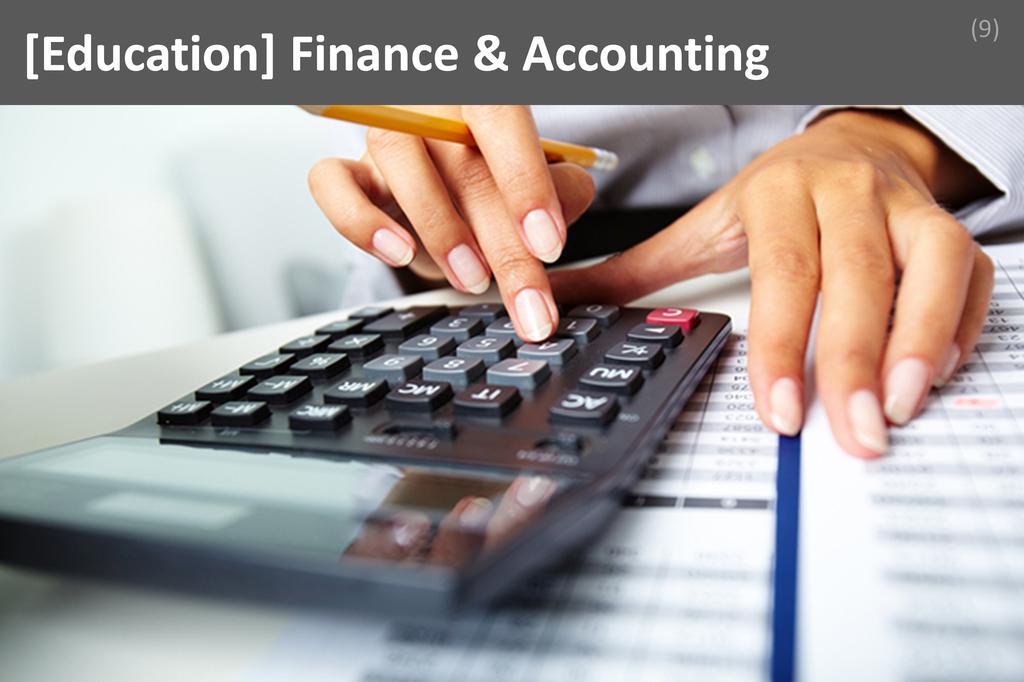
Finance& Acccounting is the discipline focused on managing, analyzing, and reporting financial transactions and resources. It encompasses budgeting, forecasting, cost control, and financial reporting. In Event Management, this knowledge is essential for planning, executing, and evaluating events within budgetary constraints, ensuring financial sustainability, and demonstrating accountability to stakeholders.
A solid grasp of Finance& Acccounting is crucial for anyone in Event Management because it underpins every financial decision, from initial budgeting to final reconciliation. Understanding these concepts allows professionals to allocate resources efficiently, negotiate contracts confidently, and anticipate potential financial risks. Mastery of financial principles ensures that events are not only creative and engaging but also profitable and sustainable. Over the long term, this expertise enhances credibility with clients and employers, supports career advancement, and opens doors to leadership roles. The ability to interpret financial data and make informed decisions distinguishes successful event managers and enables them to deliver value while maintaining fiscal responsibility.
Consider an event manager tasked with organizing a large corporate conference. Their knowledge of Finance& Acccounting enables them to create a detailed budget, forecast expenses, and set realistic ticket prices to achieve profitability. Throughout the planning process, they monitor actual spending against projections, adjusting allocations as needed to avoid overspending. When negotiating with vendors, they analyze cost structures to secure the best deals without compromising quality. After the event, they prepare financial reports that detail income, expenses, and overall financial performance, providing transparency to stakeholders. This practical application of financial principles ensures the event’s success and builds trust with clients, paving the way for future opportunities.
Skills
Ability to Work Hard

The "Ability to Work Hard" refers to consistently applying sustained effort, determination, and resilience to accomplish demanding tasks, even under pressure or when faced with setbacks. In event management, this quality is vital because the field requires unwavering commitment, long hours, and the capacity to handle multiple responsibilities simultaneously to ensure successful outcomes.
The ability to work hard directly enhances performance in event management by enabling professionals to meet tight deadlines, manage unexpected challenges, and deliver high-quality results regardless of obstacles. Clients and employers highly value this trait because it demonstrates reliability, dedication, and a willingness to go the extra mile to achieve event objectives. Cultivating this skill involves building stamina, practicing effective time management, and maintaining a positive attitude during stressful periods. Over time, professionals can strengthen their work ethic by setting personal goals, seeking feedback, and reflecting on their progress after each event. This ongoing commitment to improvement not only boosts individual capability but also contributes to the overall success and reputation of the event management team.
Imagine an event manager overseeing a large corporate conference when, just hours before the opening, a key vendor cancels unexpectedly. Relying on their ability to work hard, the manager quickly mobilizes their team, contacts alternative suppliers, and personally coordinates logistics late into the night. Despite exhaustion and mounting pressure, their determination and relentless effort ensure that the replacement vendor delivers on time and the event proceeds seamlessly. The client is impressed by the manager’s dedication and problem-solving skills, recognizing that such hard work was crucial in turning a potential disaster into a successful event. This scenario highlights how the ability to work hard can be the defining factor in overcoming critical challenges in event management.
Communication

Communication is the process of exchanging information, ideas, and emotions through verbal, non-verbal, and written means to achieve mutual understanding. In event management, communication serves as the foundation for coordinating teams, aligning with client expectations, and ensuring seamless execution. It is indispensable for building trust and delivering successful events.
Effective communication enhances an event manager’s ability to convey ideas clearly, delegate tasks efficiently, and resolve conflicts swiftly. Clients and employers highly value this skill because it minimizes misunderstandings, fosters collaboration, and ensures that every stakeholder is informed and engaged throughout the planning and execution phases. Over time, communication can be cultivated by actively seeking feedback, practicing attentive listening, and adapting one’s style to suit different audiences. Regularly participating in meetings, writing concise emails, and presenting ideas confidently all contribute to honing this essential skill. As communication improves, so does the ability to manage complex events, anticipate challenges, and deliver memorable experiences that meet or exceed expectations.
Imagine an event manager overseeing a large corporate conference when a keynote speaker cancels unexpectedly. The manager must quickly communicate with the client, propose alternative solutions, and coordinate with the technical team to adjust the schedule. By clearly articulating the situation and offering reassurance, the manager maintains the client’s trust and keeps the team focused. Through timely updates and transparent dialogue, the manager secures a replacement speaker and ensures all stakeholders are informed of the changes. This effective use of communication not only resolves the crisis but also demonstrates professionalism and reliability, ultimately contributing to the event’s overall success.
Interpersonal

Interpersonal refers to the ability to effectively communicate, collaborate, and build positive relationships with others through empathy, active listening, and clear expression. In event management, this skill is crucial for coordinating teams, understanding client needs, negotiating with vendors, and ensuring seamless interactions among all stakeholders involved in an event.
Interpersonal skills directly enhance an event manager’s ability to foster trust, resolve conflicts, and motivate teams, leading to smoother event execution and higher client satisfaction. Clients and employers highly value professionals who can navigate diverse personalities, mediate disagreements, and maintain a positive atmosphere under pressure. To cultivate this skill, one should seek feedback, practice active listening, and engage in collaborative projects. Over time, exposure to varied social situations and reflection on communication styles help refine interpersonal abilities, making the professional more adaptable and effective in managing complex events.
Imagine an event manager overseeing a high-profile conference when a miscommunication arises between the catering team and the venue staff, threatening to delay the meal service. By leveraging strong interpersonal skills, the manager calmly listens to both parties, acknowledges their concerns, and facilitates a constructive dialogue to clarify expectations. Through empathy and clear communication, the manager quickly resolves the misunderstanding, restores cooperation, and ensures the event schedule remains on track. This not only averts a potential crisis but also strengthens relationships among the teams, demonstrating how essential interpersonal skills are in achieving successful outcomes in event management.
Creativity

Creativity is the ability to generate original ideas, envision unique solutions, and approach challenges with fresh perspectives. In event management, creativity empowers professionals to design memorable experiences, solve unexpected problems, and differentiate their events from the competition. It is a vital asset that drives innovation and client satisfaction.
Creativity directly enhances performance in event management by enabling professionals to craft distinctive themes, engaging activities, and innovative solutions to logistical challenges. Clients and employers highly value this skill because it leads to events that stand out, attract attention, and leave lasting impressions. Creative event managers are adept at adapting to changing circumstances, finding resourceful ways to meet client needs, and maximizing available resources. Cultivating creativity involves staying curious, seeking inspiration from diverse sources, and regularly brainstorming with colleagues. Over time, exposure to new trends, continuous learning, and embracing feedback help professionals refine their creative abilities, making them more effective and adaptable in their roles.
Imagine an event manager organizing a high-profile corporate gala when, just hours before the event, the main entertainment act cancels unexpectedly. Relying on creativity, the manager quickly reimagines the program, transforming a networking segment into an interactive experience with live artists and audience participation. By leveraging local talent and improvising with available resources, the manager not only fills the entertainment gap but also creates a unique and memorable highlight for attendees. This inventive approach not only salvages the event but also impresses the client, demonstrating the manager’s ability to think on their feet and deliver exceptional results under pressure.
Eye for design
An “Eye for design” is the intuitive ability to recognize, create, and harmonize visual elements such as color, layout, lighting, and spatial arrangement to produce aesthetically pleasing and functional environments. In event management, this skill ensures every detail aligns with the event’s purpose, brand identity, and guest experience, elevating the overall impact.
Possessing an eye for design directly enhances an event manager’s ability to transform concepts into memorable experiences. Clients and employers highly value this skill because it ensures that every event feels unique, cohesive, and visually engaging, which can set their brand or occasion apart from competitors. A well-developed design sense helps anticipate potential issues, such as clashing colors or awkward layouts, before they become problems. To cultivate this skill, professionals should immerse themselves in design trends, study successful events, seek feedback, and practice visualizing and executing different themes. Over time, consistent exposure and critical analysis of various design elements help sharpen this instinct, making it an indispensable asset in the fast-paced world of event management.
Imagine an event manager overseeing a high-profile product launch. Just days before the event, the client expresses concern that the venue’s décor feels uninspired and fails to reflect the brand’s innovative image. Relying on their eye for design, the manager quickly assesses the space, identifies the disconnect, and envisions a new layout with bold lighting, branded color schemes, and interactive displays. By swiftly coordinating with vendors and the setup team, the manager transforms the venue overnight, creating a visually stunning environment that impresses both the client and attendees. This ability to recognize and execute a cohesive design solution under pressure not only salvages the event but also strengthens the manager’s reputation for creativity and professionalism.
Good Decision Making

Good Decision Making is the ability to assess situations, weigh available options, anticipate outcomes, and choose the most effective course of action with confidence and clarity. In event management, this skill is crucial for navigating complex logistics, responding to unexpected challenges, and ensuring seamless execution from planning through to completion.
Good Decision Making directly enhances performance in event management by enabling professionals to handle high-pressure situations, allocate resources efficiently, and maintain client satisfaction even when faced with unforeseen obstacles. Clients and employers highly value this skill because it minimizes risks, ensures smooth event flow, and upholds the reputation of the organization. Cultivating good decision making involves gaining experience, seeking feedback, learning from past events, and staying informed about industry best practices. Over time, professionals can refine their judgment by reflecting on outcomes, analyzing what worked or failed, and continuously adapting their approach to new challenges.
Imagine an event manager overseeing a large corporate conference when a keynote speaker cancels at the last minute due to illness. Relying on good decision making, the manager quickly evaluates alternative speakers, considers the audience’s expectations, and consults with the client to select the best replacement. By acting decisively and communicating transparently, the manager ensures the event remains engaging and on schedule. This ability to make sound decisions under pressure not only salvages the event but also strengthens the client’s trust and demonstrates the manager’s professionalism, ultimately contributing to the event’s overall success.
Team Work

Team work is the collaborative effort of a group to achieve a common goal or complete a task in the most effective and efficient way. In event management, team work is crucial because it enables professionals to coordinate complex logistics, share responsibilities, and ensure every aspect of an event runs smoothly.
Team work directly enhances performance in event management by fostering open communication, mutual support, and the seamless integration of diverse skills. Clients and employers highly value this skill because successful events depend on the synchronized efforts of planners, vendors, technicians, and staff. When team members work well together, they can anticipate challenges, adapt quickly to changes, and deliver exceptional results. To cultivate team work, professionals should actively seek feedback, participate in group projects, and practice clear communication. Over time, building trust and understanding among colleagues leads to stronger collaboration and more successful events, making team work an indispensable asset in the industry.
Imagine an event manager overseeing a large conference when a keynote speaker cancels unexpectedly. Instead of panicking, the manager quickly gathers the team to brainstorm solutions. The marketing lead suggests a local expert as a replacement, while the technical crew adjusts the schedule and updates signage. The catering manager coordinates with staff to rearrange meal times, ensuring guests remain engaged. Through effective team work, the group communicates openly, divides tasks based on expertise, and supports one another under pressure. Their combined efforts not only resolve the crisis but also impress the client with their professionalism and adaptability, demonstrating how essential team work is to achieving success in event management.
Challenges
Late working hours
Late working hours in Event Management refer to the extended and irregular work periods that often stretch well beyond the standard nine-to-five schedule. This is particularly demanding because events frequently occur during evenings, weekends, or holidays, requiring professionals to adapt their routines and maintain high energy levels during unconventional hours.
The challenge of late working hours significantly influences the daily lives of event management professionals, often leading to fatigue, disrupted personal routines, and increased stress. This demanding schedule requires resilience, as professionals must remain alert, organized, and responsive even after long hours. Successful event managers overcome this by prioritizing self-care, delegating tasks, and setting clear boundaries when possible. They also develop strong time management skills, ensuring that essential rest and recovery are built into their schedules. By fostering a supportive team environment and maintaining open communication, they can share responsibilities and avoid burnout. Ultimately, adaptability and a proactive approach to well-being enable professionals to thrive despite the demands of late working hours.
Consider an event manager overseeing a large corporate gala scheduled for a Saturday night. In the week leading up to the event, she anticipates late nights and prepares by adjusting her personal schedule, ensuring she gets adequate rest beforehand. During the event, she delegates specific responsibilities to trusted team members, allowing her to focus on critical tasks without becoming overwhelmed. After the event concludes late at night, she arranges for a lighter workload the following day to recover. By planning ahead, communicating effectively with her team, and prioritizing her well-being, she successfully manages the challenge of late working hours while delivering a seamless event experience for her clients.
No room for mistake
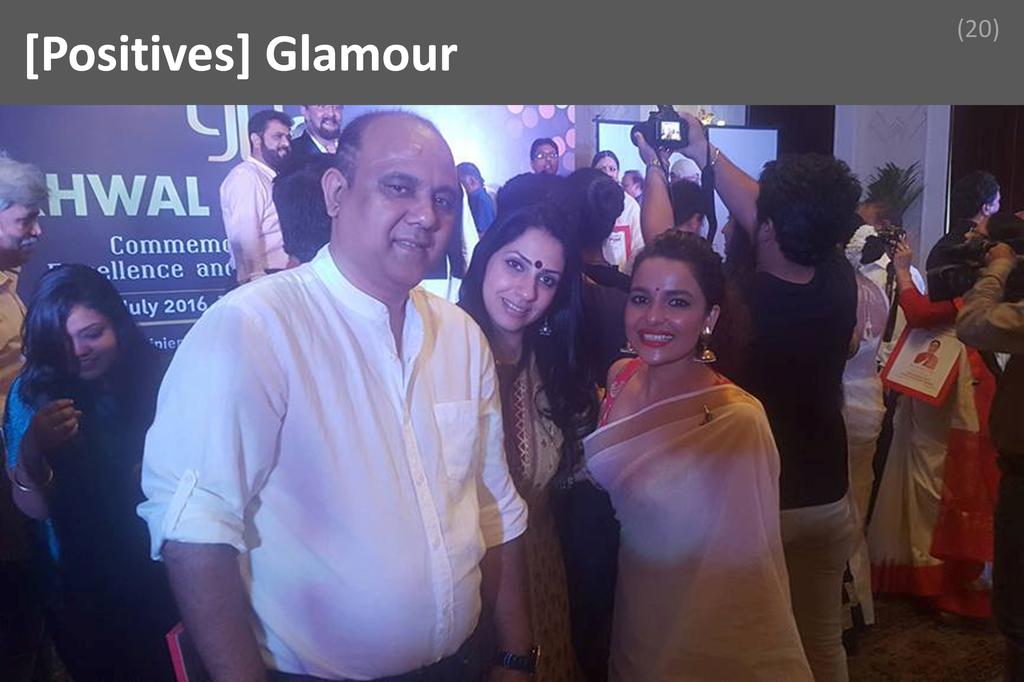
In Event Management, "No room for mistake" means every detail must be executed flawlessly, as even minor errors can disrupt the entire event. This standard is demanding because events are often live, time-bound, and highly visible, leaving little opportunity for correction once proceedings are underway.
The pressure of having no margin for error permeates every aspect of an event manager’s daily responsibilities. Each decision, from vendor coordination to guest logistics, carries significant consequences. This environment requires professionals to be exceptionally resilient, as they must anticipate potential issues and remain composed under stress. Successful event managers develop meticulous planning habits, double-checking every arrangement and maintaining clear communication with all stakeholders. They also cultivate adaptability, preparing contingency plans for unforeseen challenges. By fostering strong teamwork and leveraging experience, they transform high-pressure situations into seamless experiences, ensuring that the event’s objectives are met without visible disruption.
Consider an event manager overseeing a high-profile product launch with live media coverage. Minutes before the event, a technical glitch threatens the audio-visual presentation. Drawing on thorough preparation, the manager quickly coordinates with the technical team, implements a backup system, and communicates calmly with the client. The audience remains unaware of the issue, and the event proceeds smoothly. This scenario illustrates how the professional’s attention to detail, readiness with contingency plans, and ability to manage stress ensure that the standard of “no room for mistake” is upheld, preserving both the client’s reputation and the event’s success.
High Expectations

High Expectations in Event Management refer to the consistent pressure from clients, stakeholders, and attendees to deliver flawless, innovative, and memorable experiences. This demand is relentless, as every detail is scrutinized and any misstep can impact reputation, making the role both exhilarating and exceptionally challenging for professionals in the field.
The weight of high expectations permeates every aspect of an event manager’s daily work, from initial planning to execution and post-event evaluation. This pressure can lead to stress, long hours, and a constant drive for perfection. Resilience becomes essential, as setbacks are inevitable and must be handled with composure and adaptability. Successful professionals manage this constraint by setting realistic boundaries, communicating transparently with clients, and prioritizing tasks to focus on what truly matters. They also cultivate strong support networks within their teams and invest in continuous learning to stay ahead of trends and anticipate challenges. By embracing flexibility and maintaining a solutions-oriented mindset, they transform high expectations into opportunities for growth and excellence.
Consider an event manager tasked with organizing a high-profile product launch for a major tech company, where expectations for innovation and flawless execution are sky-high. Despite last-minute changes in the guest list and unexpected technical glitches during rehearsals, the professional remains calm and resourceful. By quickly reallocating responsibilities among team members, maintaining open lines of communication with the client, and leveraging trusted vendor relationships, the manager ensures that every issue is addressed promptly. The event unfolds seamlessly, impressing both the client and attendees. This scenario illustrates how resilience, adaptability, and proactive problem-solving enable event managers to not only meet but exceed high expectations, turning potential stressors into moments of professional triumph.
A Day Of
Event Management
The world of event management is a whirlwind of energy, anticipation, and split-second decision-making. Each day unfolds at a relentless pace, where no two hours are ever quite the same. The environment buzzes with the hum of collaboration, the clatter of logistics, and the quiet intensity of professionals who know that every detail matters. Whether orchestrating a high-profile conference or a dazzling gala, event managers thrive in the eye of the storm, balancing creativity with precision, and transforming chaos into seamless experiences.
As dawn breaks, the event manager is already on-site, moving briskly through the venue with a clipboard in hand and a keen eye for detail. This is the time for last-minute walkthroughs, ensuring that every table is set, every technical element is in place, and all vendors have arrived as scheduled. The early hours are filled with quiet focus, as the manager double-checks floor plans, reviews the day’s timeline, and addresses any overnight changes or surprises. It’s a crucial window to catch potential issues before guests arrive, setting the tone for a successful event.
By mid-morning, the venue is alive with activity. Guests begin to arrive, speakers and performers check in, and the event manager shifts into high gear. This is the most intense phase of the day, requiring constant movement and communication. The manager coordinates with catering, audiovisual teams, and security, troubleshooting any hiccups in real time. They greet VIPs, manage the flow of the agenda, and keep a watchful eye on every aspect of the event, ready to pivot at a moment’s notice. The adrenaline is palpable, and the stakes are high, but this is where the event manager’s expertise truly shines.
As the afternoon unfolds, the focus turns to seamless execution and teamwork. The manager gathers with staff and volunteers for quick debriefs, ensuring everyone is aligned on upcoming sessions or transitions. They oversee room resets, coordinate breakout activities, and handle any unexpected requests from clients or attendees. Collaboration is key, as the manager delegates tasks, motivates the team, and maintains a calm, solutions-oriented presence. The event is in full swing, and every decision made in these hours contributes to the overall guest experience.
As the event winds down, the manager’s attention shifts to wrap-up and reflection. They supervise the breakdown of equipment, confirm that vendors are packing up according to schedule, and conduct a final sweep of the venue to ensure nothing is overlooked. Back at the office or on the go, the manager reviews feedback, updates event reports, and begins outlining improvements for future events. Even as the day ends, their mind is already on the next challenge, drafting emails, updating checklists, and setting the stage for another day in the fast-paced world of event management. |


 Home
Home Abroad
 Plan
Plan Philosophy
 Seminar
 Pages
Pages Advisors
 Testimonials














 Workshop
 Discuss
 Meet
Meet
 Advisor
 Story
Story
 Fine Print
 Links
Links
 Blog
Blog
 Follow
