The Journey of Event Management
What Is Event Management
Event Management

Event management is the process of planning, organizing, and executing events such as conferences, weddings, festivals, and corporate meetings. It involves coordinating logistics, managing budgets, liaising with vendors, and ensuring every detail aligns with the client’s vision to create memorable and successful experiences for attendees.
Event management plays a crucial role in bringing people together, fostering connections, and creating impactful experiences. For professionals in this field, it offers opportunities to develop organizational, communication, and problem-solving skills. One major benefit is the ability to work in diverse industries, from entertainment to corporate sectors. Another advantage is the dynamic and creative nature of the work, which keeps professionals engaged and challenged. Additionally, successful event management can significantly enhance a company’s reputation, drive business growth, and build lasting relationships with clients and stakeholders.
A professional event manager might be tasked with organizing a large-scale product launch for a technology company. This involves selecting a venue, coordinating with caterers and audiovisual teams, managing invitations, and ensuring the event runs smoothly. Throughout the process, the event manager must adapt to last-minute changes, solve unexpected issues, and maintain clear communication with the client and vendors. By meticulously handling every detail, the event manager ensures that the product launch not only impresses attendees but also generates positive media coverage and strengthens the client’s brand presence in the market.
Education
Management

Management is the process of planning, organizing, leading, and controlling resources—such as people, finances, and materials—to achieve organizational goals efficiently and effectively. In Event Management, understanding management is essential, as it provides the academic and professional framework for coordinating complex activities and ensuring successful event execution.
A solid grasp of management principles is crucial for anyone entering or advancing in the field of Event Management. This subject equips professionals with the ability to strategize, allocate resources, and lead teams, all of which are fundamental to orchestrating successful events. By mastering management concepts, event managers can anticipate challenges, make informed decisions, and adapt to dynamic environments. Over time, these skills foster professional growth, enhance leadership capabilities, and open doors to higher-level positions. Furthermore, a deep understanding of management ensures that event professionals can deliver value to clients and stakeholders, maintain operational efficiency, and build a reputation for reliability and excellence in a competitive industry.
Consider an event manager tasked with organizing a large-scale conference. Drawing on their management knowledge, they begin by developing a detailed project plan, assigning roles to team members based on individual strengths, and setting clear timelines for each phase of the event. Throughout the planning and execution stages, the manager monitors progress, addresses unforeseen issues, and motivates the team to stay focused on objectives. By applying management theories such as delegation, communication, and problem-solving, the event manager ensures that all logistical elements—from venue setup to guest registration—run smoothly. This practical application of management principles not only leads to a successful event but also demonstrates the value of strong leadership and organizational skills in daily operations.
Decoration

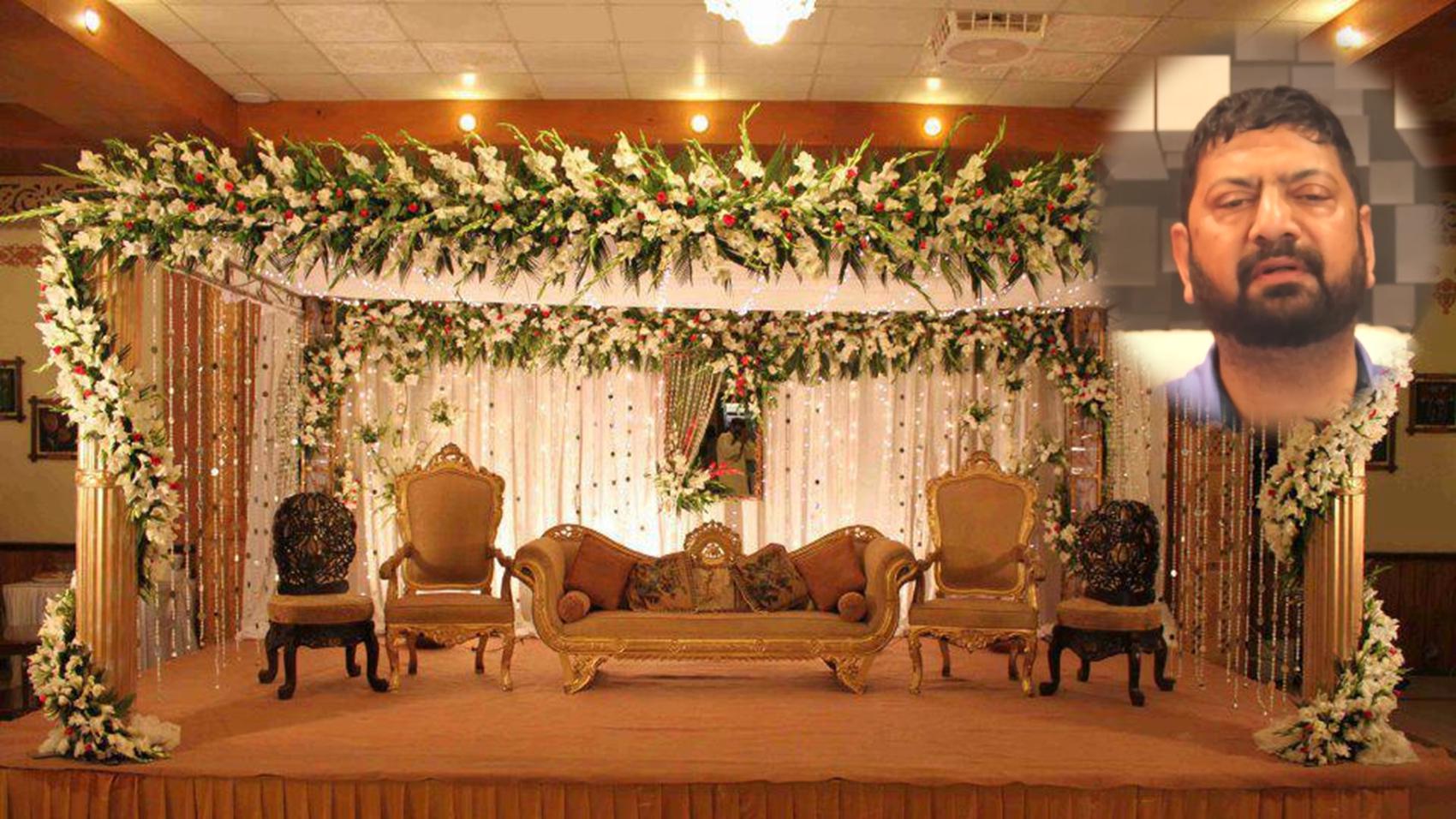
Decoration refers to the intentional selection and arrangement of visual elements, such as colors, fabrics, lighting, and props, to enhance the aesthetic appeal and atmosphere of an event. In Event Management, decoration is a critical discipline, blending creativity with logistical planning to create memorable experiences and support the event’s objectives.
Understanding decoration is essential for anyone pursuing a career in Event Management because it directly influences the mood, perception, and overall success of any gathering. Mastery of decorative principles enables professionals to translate client visions into tangible realities, ensuring that every event is visually cohesive and emotionally impactful. This knowledge forms a foundational pillar in the event planning process, as it requires an understanding of spatial design, color theory, and thematic consistency. Over time, expertise in decoration not only enhances a professional’s creative portfolio but also increases their value to clients and employers. It fosters adaptability, allowing event managers to tailor environments for diverse occasions, from corporate functions to weddings, thus ensuring long-term career growth and client satisfaction.
Consider an event manager tasked with organizing a corporate gala for a technology company. Drawing on their knowledge of decoration, the manager selects a modern color palette, integrates sleek metallic accents, and uses innovative lighting to reflect the company’s brand identity. They coordinate with florists and rental companies to source centerpieces and furniture that align with the event’s futuristic theme. During setup, the manager oversees the placement of each decorative element, ensuring harmony and flow throughout the venue. By applying their theoretical understanding of decoration, the manager transforms a generic banquet hall into a sophisticated, immersive environment that impresses attendees and reinforces the client’s brand, demonstrating the tangible impact of decoration expertise in daily event operations.
Logistics

Logistics refers to the detailed planning, coordination, and management of resources, people, and information to ensure the smooth execution of activities. In Event Management, logistics encompasses transportation, scheduling, venue setup, equipment handling, and contingency planning, making it a critical academic and professional discipline for organizing successful events of any scale.
Understanding logistics is essential for anyone pursuing a career in Event Management because it forms the backbone of every event’s operational success. Mastery of logistics enables professionals to anticipate challenges, allocate resources efficiently, and ensure seamless coordination among teams and vendors. This knowledge not only minimizes risks and reduces costs but also enhances the attendee experience by ensuring that every element of the event runs smoothly. Over time, proficiency in logistics builds a reputation for reliability and professionalism, opening doors to more complex projects and leadership roles. As the events industry continues to evolve, those with a strong grasp of logistics remain adaptable and competitive, making this subject a cornerstone of long-term career growth.
Imagine an event manager tasked with organizing a large corporate conference. Their understanding of logistics allows them to create a detailed timeline for deliveries, coordinate with suppliers for audio-visual equipment, and arrange transportation for keynote speakers. On the day of the event, they monitor the setup, troubleshoot unexpected delays, and communicate with catering staff to ensure meals are served on time. When a last-minute change occurs, such as a speaker’s flight delay, their logistical expertise enables them to quickly adjust the schedule and inform all stakeholders. This real-world application of logistics ensures the event proceeds without major disruptions, demonstrating the critical role logistics plays in daily event management operations.
Photography

Photography is the art and science of capturing light to create images, either digitally or on film. It involves technical skills, creative vision, and an understanding of composition, lighting, and equipment. In Event Management, photography is essential for documenting events, promoting future activities, and enhancing the overall experience for clients and attendees.
A solid grasp of photography is crucial for anyone in Event Management because visual documentation is a key deliverable for most events. Understanding photography enables professionals to communicate effectively with photographers, ensure that important moments are captured, and maintain a consistent visual narrative that aligns with the event’s branding. This knowledge also empowers event managers to make informed decisions about lighting, staging, and timing, which directly impact the quality of event photos. Over time, proficiency in photography helps build a compelling portfolio, attracts new clients, and supports marketing efforts by providing high-quality images for promotional materials and social media. Mastery of this subject ultimately enhances an event manager’s reputation and opens doors to more prestigious projects.
Imagine an event manager overseeing a corporate gala. With a strong understanding of photography, the manager collaborates with the hired photographer to identify key moments that must be captured, such as award presentations and guest interactions. They adjust the event schedule to optimize lighting conditions and ensure that the décor and branding elements are positioned for maximum visual impact. During the event, the manager quickly identifies and resolves issues like harsh lighting or cluttered backgrounds, ensuring every photo reflects the event’s professionalism. Afterward, the high-quality images are used in press releases, social media posts, and future promotional materials, demonstrating the event’s success and the manager’s attention to detail.
Hospitality

Hospitality is the art and science of creating a welcoming, comfortable, and enjoyable environment for guests, clients, or attendees. It encompasses attentive service, thoughtful amenities, and a genuine focus on guest satisfaction. In Event Management, hospitality is a core discipline, blending customer service principles with logistical expertise to ensure memorable experiences.
Understanding hospitality is essential for anyone entering or advancing in Event Management because it underpins every aspect of guest interaction and event delivery. Mastery of hospitality principles enables professionals to anticipate needs, resolve issues gracefully, and foster positive relationships with clients and attendees. This knowledge forms the backbone of successful event execution, as it ensures that every detail, from registration to post-event follow-up, is handled with care and professionalism. Over time, a strong foundation in hospitality not only enhances client satisfaction and repeat business but also builds a reputation for excellence, opening doors to higher-profile projects and leadership roles within the industry.
Imagine an event manager overseeing a corporate conference. Drawing on their hospitality training, they greet attendees warmly, ensure signage is clear, and that refreshments are tailored to dietary needs. When a guest expresses concern about seating arrangements, the manager listens empathetically and quickly finds a suitable solution. Throughout the day, they monitor the atmosphere, proactively addressing any discomfort or confusion. By applying their theoretical understanding of hospitality, the manager transforms routine logistics into a seamless, personalized experience, leaving attendees feeling valued and eager to participate in future events. This approach not only elevates the event’s success but also strengthens the organization’s reputation for thoughtful, guest-centered service.
Sound Systems

Sound systems refer to the integrated collection of audio equipment and technologies used to amplify, distribute, and control sound in various environments. In event management, understanding sound systems is essential for ensuring clear communication, effective presentations, and immersive experiences, making it a critical component of both academic study and professional practice.
A solid grasp of sound systems is indispensable for anyone pursuing a career in event management. This knowledge enables professionals to design and implement audio solutions that suit the unique requirements of each event, whether it is a corporate conference, live concert, or wedding reception. Mastery of sound systems ensures that speeches are intelligible, music is balanced, and technical issues are minimized, directly impacting the success of an event. Over time, expertise in this area enhances a manager’s ability to collaborate with technical teams, troubleshoot problems efficiently, and deliver seamless experiences for clients and audiences. Ultimately, proficiency in sound systems elevates a professional’s reputation and opens doors to more complex and high-profile projects within the industry.
Imagine an event manager overseeing a large-scale product launch in a convention center. Drawing on their understanding of sound systems, they coordinate with audio technicians to position speakers for optimal coverage, select appropriate microphones for presenters, and adjust sound levels to prevent feedback or distortion. When a last-minute change requires an additional presenter, the manager quickly assesses the available equipment and integrates a wireless microphone into the setup without disrupting the event’s flow. Their theoretical knowledge allows them to communicate effectively with the technical team, anticipate potential issues, and ensure that every attendee can hear the presentation clearly. This practical application of sound system expertise is crucial for delivering a successful and memorable event.
Cuisines

Cuisines refer to distinctive styles of cooking, characterized by specific ingredients, techniques, traditions, and cultural influences unique to particular regions or communities. In Event Management, understanding cuisines is essential, as it enables professionals to design menus, cater to diverse audiences, and create memorable dining experiences that align with event themes and client expectations.
A deep understanding of cuisines is vital for anyone in Event Management because food is a central element of most events, from corporate gatherings to weddings and cultural festivals. Mastery of this subject allows professionals to curate menus that respect dietary restrictions, cultural preferences, and thematic requirements, ensuring guest satisfaction and event success. Knowledge of cuisines also enhances collaboration with chefs, caterers, and suppliers, enabling effective communication and creative menu planning. Over time, this expertise builds a reputation for delivering exceptional, culturally sensitive events, opening doors to broader client bases and more prestigious projects. Ultimately, proficiency in cuisines is a foundational skill that supports both operational excellence and strategic growth in the event management industry.
Imagine an event manager tasked with organizing an international business conference attended by delegates from various countries. Drawing on their knowledge of cuisines, the manager collaborates with catering teams to design a menu that features dishes from different regions, ensuring inclusivity and respect for cultural dietary practices. They anticipate and accommodate vegetarian, vegan, halal, and gluten-free options, demonstrating cultural sensitivity and attention to detail. During the event, the diverse menu becomes a talking point, enhancing the overall guest experience and reflecting positively on the event’s organization. This practical application of culinary knowledge not only satisfies attendees but also strengthens the manager’s professional reputation for delivering thoughtful, world-class events.
Latest Trends

Latest Trends refers to the most current developments, innovations, and shifts within the event management industry, including technology, attendee engagement strategies, sustainability practices, and design aesthetics. Understanding these trends is essential for both academic study and professional practice, as it ensures event managers remain competitive, relevant, and effective in a rapidly evolving field.
Learning about the latest trends is vital for anyone pursuing a career in event management because the industry is dynamic and constantly influenced by new technologies, changing audience expectations, and global events. Mastery of this subject allows professionals to anticipate shifts in client demands, integrate innovative solutions, and deliver memorable experiences that stand out in a crowded market. Staying informed about trends forms the foundation for strategic decision-making, risk management, and creative problem-solving. Over the long term, this knowledge enhances career growth by positioning professionals as forward-thinking leaders who can adapt to change, drive organizational success, and maintain a competitive edge in the industry.
Imagine an event manager tasked with organizing a large-scale conference. By staying updated on the latest trends, they recognize the growing importance of hybrid event formats that combine in-person and virtual participation. Applying this knowledge, the manager incorporates interactive live streaming, virtual networking lounges, and real-time audience polling into the event plan. This approach not only increases accessibility and engagement but also demonstrates adaptability to current industry standards. As a result, the event attracts a wider audience, receives positive feedback, and sets a benchmark for future conferences. The manager’s ability to apply theoretical understanding of trends directly impacts the event’s success and their professional reputation.
Skills
Creativity

Creativity is the ability to generate original ideas, approach challenges from new perspectives, and develop innovative solutions that are both effective and engaging. In event management, creativity enables professionals to design memorable experiences, solve unexpected problems, and differentiate their events from competitors, making it a vital component of success.
Creativity directly enhances performance in event management by allowing professionals to craft unique themes, engaging activities, and visually striking environments that captivate attendees. Clients and employers highly value this skill because it leads to events that stand out, foster positive brand associations, and often exceed expectations. Cultivating creativity involves staying curious, seeking inspiration from diverse sources, and embracing experimentation. Over time, event managers can refine their creative abilities by collaborating with others, reflecting on past experiences, and remaining open to feedback. This ongoing development ensures that their approach remains fresh and adaptable, enabling them to consistently deliver innovative solutions that address client needs and industry trends.
Imagine an event manager overseeing a large outdoor festival when an unexpected storm threatens to disrupt the entire schedule. Relying on creativity, the professional quickly reimagines the event layout, transforming indoor spaces into vibrant activity zones and incorporating interactive digital experiences to maintain attendee engagement. By thinking outside the box, the manager not only salvages the event but also creates a unique atmosphere that guests remember fondly. This inventive approach not only resolves a critical issue but also demonstrates the value of creativity in adapting to unforeseen challenges and ensuring the event’s overall success.
Leadership

Leadership is the ability to inspire, guide, and influence individuals or teams toward achieving common goals by fostering collaboration, making informed decisions, and adapting to changing circumstances. In event management, leadership is crucial because professionals must coordinate diverse teams, manage resources, and ensure seamless execution under pressure, all while maintaining client satisfaction.
Leadership directly enhances performance in event management by enabling professionals to motivate teams, delegate tasks effectively, and resolve conflicts swiftly. Clients and employers highly value this skill because it ensures events run smoothly, even when unexpected challenges arise. A strong leader can maintain morale, keep projects on track, and deliver exceptional results, which builds trust and reputation. Cultivating leadership involves seeking feedback, learning from experienced mentors, and embracing opportunities to lead projects, no matter the scale. Over time, consistent practice, self-reflection, and a willingness to adapt help professionals refine their leadership abilities, making them indispensable assets in the fast-paced world of event management.
Imagine an event manager overseeing a large corporate conference when a key supplier suddenly cancels on the day of the event. Instead of panicking, the manager quickly assesses the situation, communicates transparently with the team, and delegates tasks to secure alternative vendors. By maintaining composure and providing clear direction, the manager reassures both staff and clients, ensuring everyone remains focused and solutions-oriented. The event proceeds successfully, and attendees are unaware of the behind-the-scenes crisis. This scenario highlights how effective leadership enables event professionals to navigate high-pressure situations, inspire confidence, and deliver outstanding results, even when faced with unexpected obstacles.
Analytical & Observation

Analytical & Observation refers to the ability to carefully notice details, patterns, and trends, then interpret and evaluate information to make informed decisions. In event management, this skill enables professionals to anticipate challenges, assess situations accurately, and devise effective solutions, making it a cornerstone of successful planning and execution.
Analytical & Observation skills directly enhance an event manager’s ability to identify potential risks, streamline logistics, and ensure seamless coordination among teams and vendors. Clients and employers highly value this skill because it leads to proactive problem-solving and efficient resource allocation, ultimately resulting in memorable and well-executed events. To cultivate this skill, professionals should practice active listening, regularly review event outcomes for insights, and seek feedback to refine their observational abilities. Over time, consistently analyzing data, trends, and feedback helps sharpen one’s capacity to notice subtle cues and make strategic decisions, setting them apart in a competitive industry.
Imagine an event manager overseeing a large corporate conference. During setup, they notice that the seating arrangement does not match the expected flow of attendees, potentially causing congestion. Drawing on their analytical and observational skills, they quickly assess the situation, consult the floor plan, and coordinate with the venue staff to reconfigure the layout. This swift, informed action prevents bottlenecks and ensures a smooth registration process. By observing the environment and analyzing the implications of the setup, the event manager not only resolves a critical issue before it escalates but also demonstrates reliability and foresight, earning the trust of both the client and the attendees.
People Skills

People skills refer to the ability to communicate, collaborate, empathize, and build positive relationships with others, both individually and in groups. In event management, these skills are crucial for coordinating teams, understanding client needs, negotiating with vendors, and ensuring seamless interactions among all stakeholders involved in an event.
Mastering people skills significantly enhances an event manager’s effectiveness by fostering trust, minimizing misunderstandings, and encouraging teamwork. Clients and employers highly value professionals who can listen actively, resolve conflicts diplomatically, and motivate diverse teams toward a common goal. These abilities lead to smoother event execution and higher client satisfaction. To cultivate people skills, aspiring event managers should seek opportunities for collaboration, actively solicit feedback, and practice empathy in daily interactions. Over time, consistent self-reflection and a willingness to adapt communication styles to different personalities help refine these skills, making the professional more adaptable and resilient in high-pressure environments.
Imagine an event manager overseeing a large corporate conference when a key speaker cancels at the last minute. Rather than panicking, the manager uses people skills to calmly reassure the client, quickly mobilize the team, and diplomatically negotiate with alternative speakers. By maintaining open communication and demonstrating empathy for the client’s concerns, the manager not only finds a suitable replacement but also preserves the client’s trust and satisfaction. This ability to navigate stressful situations, keep stakeholders informed, and motivate the team under pressure showcases how essential people skills are in achieving successful outcomes in event management.
Interpersonal Skills

Interpersonal skills refer to the ability to communicate, interact, and build relationships effectively with others through empathy, active listening, and clear expression. In event management, these skills are crucial for fostering collaboration, resolving conflicts, and ensuring smooth coordination among diverse stakeholders, including clients, vendors, and team members.
Interpersonal skills directly enhance an event manager’s performance by enabling clear communication, building trust, and facilitating teamwork. Clients and employers highly value these abilities because they lead to stronger relationships, smoother negotiations, and more successful event outcomes. An event manager with strong interpersonal skills can anticipate needs, address concerns diplomatically, and motivate teams under pressure. Cultivating these skills involves self-awareness, seeking feedback, practicing active listening, and engaging in regular, open communication. Over time, exposure to diverse people and situations helps refine these abilities, making professionals more adaptable and effective in high-stress environments where collaboration is key.
Imagine an event manager overseeing a large corporate conference when a major vendor suddenly cancels at the last minute. Relying on strong interpersonal skills, the manager quickly communicates the issue to the client with transparency and reassurance, while simultaneously reaching out to alternative vendors using established relationships. By remaining calm, empathetic, and solution-focused, the manager is able to negotiate a replacement service, coordinate the team’s response, and maintain the client’s confidence. This scenario highlights how interpersonal skills not only resolve immediate crises but also preserve trust and ensure the event’s overall success.
Communication Skills

Communication skills refer to the ability to convey information clearly, listen actively, interpret messages accurately, and adapt language or tone to suit different audiences and situations. In event management, these skills are vital for coordinating teams, negotiating with vendors, understanding client needs, and ensuring seamless execution of every event detail.
Strong communication skills directly enhance an event manager’s effectiveness by enabling clear instructions, reducing misunderstandings, and fostering collaboration among diverse stakeholders. Clients and employers highly value professionals who can articulate ideas, manage expectations, and resolve conflicts diplomatically, as these abilities contribute to smooth event planning and execution. To cultivate communication skills, aspiring event managers should practice active listening, seek feedback, and engage in public speaking or negotiation exercises. Over time, consistent self-reflection and exposure to varied communication scenarios help refine both verbal and written abilities, making professionals more adaptable and confident in high-pressure situations. This ongoing development ensures that event managers remain responsive and proactive, building trust and credibility with clients and colleagues alike.
Imagine an event manager overseeing a large corporate conference when a keynote speaker cancels unexpectedly. The manager must quickly communicate the situation to the client, propose alternative solutions, and coordinate with the technical team to adjust the schedule. By calmly explaining the issue, listening to the client’s concerns, and clearly outlining backup options, the manager reassures the client and maintains their confidence. Simultaneously, the manager relays precise instructions to staff, ensuring everyone understands the revised plan. Through effective communication, the event manager not only resolves a potential crisis but also demonstrates professionalism and reliability, ultimately turning a challenging situation into a successful outcome for all parties involved.
Pressure Handling

Pressure Handling is the ability to remain calm, focused, and effective when faced with high-stress situations, tight deadlines, or unexpected challenges. In event management, this skill ensures professionals can make sound decisions, adapt quickly, and maintain productivity, ultimately safeguarding the success and smooth execution of any event.
Mastering pressure handling directly enhances an event manager’s performance by enabling them to think clearly and act decisively during moments of crisis or change. Clients and employers highly value this skill because it translates to reliability and trustworthiness, especially when stakes are high and reputations are on the line. Cultivating pressure handling involves deliberate exposure to challenging situations, practicing mindfulness or stress reduction techniques, and reflecting on past experiences to build resilience. Over time, professionals who actively seek feedback and learn from each event become more adept at anticipating stressors and responding with composure, which not only improves their own effectiveness but also inspires confidence in their teams and clients.
Imagine an event manager overseeing a high-profile conference when, minutes before the keynote speech, the audio-visual system suddenly fails. With hundreds of attendees and a prominent speaker waiting, the manager must quickly assess the situation, coordinate with technical staff, and communicate updates to stakeholders. By handling the pressure calmly, the manager reassures the team, delegates tasks efficiently, and implements a backup plan, ensuring the event continues with minimal disruption. This ability to manage stress and act decisively under pressure not only resolves the immediate crisis but also strengthens the manager’s reputation for reliability and professionalism, turning a potential disaster into a demonstration of exceptional competence.
Patience

Patience is the ability to remain calm, composed, and persistent in the face of delays, obstacles, or frustration, without becoming anxious or reactive. In event management, patience is crucial because projects often involve complex logistics, unpredictable changes, and collaboration with diverse stakeholders, requiring steady perseverance and thoughtful problem-solving.
Patience directly enhances performance in event management by enabling professionals to handle unexpected challenges, last-minute changes, and demanding clients with grace and composure. Clients and employers highly value this skill because it ensures that the event manager can maintain professionalism under pressure, make thoughtful decisions, and foster positive relationships with vendors, teams, and attendees. Cultivating patience involves practicing mindfulness, setting realistic expectations, and learning to manage stress effectively. Over time, experience in the field helps individuals recognize that setbacks are a natural part of the process, allowing them to approach each situation with a calm and solution-oriented mindset.
Imagine an event manager overseeing a large corporate conference when a key speaker’s flight is unexpectedly delayed. Instead of panicking or expressing frustration, the manager patiently communicates with the speaker, coordinates with the airline, and calmly updates the event schedule. By maintaining patience, the manager reassures the client, keeps the team focused, and finds an interim solution, such as rearranging the agenda or introducing a backup speaker. This composed approach not only resolves the immediate crisis but also builds trust with the client and demonstrates the manager’s reliability, ultimately contributing to the event’s overall success.
Positives
Growth Opportunities

Growth opportunities refer to the potential for personal and professional advancement, skill development, and increased responsibility within a career. In event management, these opportunities are abundant, allowing individuals to continually learn, adapt, and expand their expertise. This dynamic environment fosters ambition and motivates professionals to reach new heights.
The presence of growth opportunities in event management is a significant driver of job satisfaction and long-term career fulfillment. Professionals in this field are constantly exposed to new challenges, diverse clients, and evolving trends, which encourages continuous learning and innovation. As they take on more complex projects and leadership roles, their confidence and capabilities grow. This ongoing development not only enhances their value within the industry but also keeps their work engaging and meaningful. The ability to see tangible progress in skills and responsibilities provides a sense of achievement and motivates event managers to strive for excellence every day.
Consider an event coordinator who starts by assisting with small corporate meetings. Through dedication and a willingness to learn, she gradually takes on larger projects, such as international conferences and high-profile product launches. Each new assignment brings unique challenges, requiring her to develop new skills in logistics, negotiation, and creative problem-solving. Over time, she earns the trust of her clients and colleagues, leading to promotions and opportunities to lead her own team. The satisfaction of seeing her career evolve, coupled with the excitement of tackling increasingly ambitious events, exemplifies how growth opportunities in event management can transform a job into a truly rewarding profession.
Glamorous Field

A "Glamorous Field" refers to an industry or profession characterized by high-profile events, stylish venues, celebrity interactions, and a vibrant, visually appealing atmosphere. In event management, this glamour infuses daily work with excitement and prestige, making every project feel special and elevating the professional status of those in the field.
The glamorous nature of event management is a significant advantage because it transforms routine work into extraordinary experiences. Professionals are constantly exposed to creative environments, exclusive gatherings, and influential personalities, which fosters a sense of pride and excitement. This dynamic setting not only enhances job satisfaction but also opens doors to unique networking opportunities and career advancement. The constant buzz and anticipation surrounding high-profile events keep motivation levels high, encouraging professionals to push creative boundaries and deliver memorable experiences. As a result, the glamour associated with the field becomes a daily source of inspiration, making each project more than just a job—it becomes a passion-driven pursuit.
Imagine an event manager orchestrating a prestigious film awards ceremony at a renowned city venue. Surrounded by celebrities, media, and dazzling décor, the professional feels the palpable excitement and energy that only a glamorous field can offer. Every detail, from coordinating red carpet arrivals to managing backstage logistics, is infused with a sense of importance and spectacle. The manager’s role is not just operational but also creative and influential, as their work directly shapes the event’s success and public image. At the end of the night, witnessing the seamless execution and the awe of attendees, the event manager experiences a profound sense of accomplishment, knowing they played a pivotal role in creating an unforgettable, high-profile occasion.
Continuous Learning

Continuous Learning is the ongoing process of acquiring new knowledge, skills, and insights throughout one’s career, adapting to changes, and embracing innovation. In event management, this mindset ensures professionals stay ahead of trends, master emerging technologies, and refine their abilities, making them more effective, adaptable, and resilient in a dynamic industry.
The ever-evolving nature of event management means that no two days are the same, and this constant change fuels a culture of continuous learning. Professionals are regularly exposed to new challenges, from adopting the latest event technologies to understanding shifting audience expectations. This ongoing growth not only keeps the work engaging but also fosters a sense of accomplishment and personal development. As event managers expand their expertise, they become more confident in their abilities, opening doors to career advancement and leadership opportunities. The satisfaction derived from mastering new skills and successfully applying them to real-world events creates a rewarding feedback loop, making each project a chance to learn and excel.
Imagine an event manager tasked with organizing a hybrid conference for the first time. To ensure success, they dive into learning about virtual event platforms, digital engagement tools, and best practices for blending in-person and online experiences. Through webinars, industry forums, and hands-on experimentation, they quickly acquire new technical and creative skills. As the event unfolds seamlessly, the manager experiences a profound sense of achievement, knowing their commitment to continuous learning directly contributed to the event’s success. This experience not only boosts their confidence but also inspires them to seek out further learning opportunities, reinforcing the value and fulfillment that continuous learning brings to their career in event management.
Monetary Potential

Monetary Potential refers to the capacity for individuals to earn substantial financial rewards and achieve upward income mobility within their chosen field. In event management, this potential is realized through diverse revenue streams, lucrative contracts, and opportunities for advancement, making the profession both financially attractive and highly motivating for ambitious professionals.
The promise of strong monetary potential is a driving force behind the appeal of event management as a career. It not only provides financial security but also serves as a powerful motivator for professionals to excel and innovate in their roles. The ability to command higher fees, negotiate better contracts, and receive performance-based bonuses directly impacts job satisfaction and personal growth. Professionals in this field often experience a sense of accomplishment as their expertise and reputation translate into increased earnings. This financial recognition fuels their passion, encourages continuous learning, and inspires them to deliver exceptional results for clients, making every project an opportunity to further their career and financial goals.
Consider an event manager who starts by organizing small local gatherings and gradually builds a reputation for excellence. As their portfolio grows, they begin to attract high-profile clients and larger-scale events, such as corporate conferences and luxury weddings. With each successful project, their earning potential increases through higher fees, commissions, and referrals. Eventually, they are able to expand their business, hire a team, and take on multiple events simultaneously. This progression not only brings financial rewards but also instills a deep sense of pride and fulfillment. The tangible impact of monetary potential becomes evident as their hard work and dedication are rewarded with both professional recognition and significant financial gains.
Challenges
Competition

Competition in Event Management refers to the constant presence of rival professionals and agencies striving to secure the same clients, venues, and resources. This challenge is demanding because it requires continuous innovation, adaptability, and differentiation to stand out in a saturated market where client expectations and industry standards are always evolving.
The pressure of competition in Event Management permeates daily operations, influencing everything from client acquisition to vendor negotiations and creative planning. Professionals must consistently deliver unique value and maintain high standards to retain clients and attract new business. This environment demands resilience, as setbacks and lost opportunities are inevitable. Successful event managers navigate this constraint by building strong networks, investing in ongoing professional development, and staying attuned to industry trends. They also focus on cultivating a distinct brand identity and delivering exceptional customer experiences, which helps them stand out despite the crowded marketplace. By embracing adaptability and learning from competitors, they turn the challenge of competition into an opportunity for growth and innovation.
Consider an event manager tasked with organizing a high-profile corporate gala, only to discover that several competitors are pitching to the same client. Instead of relying solely on price reductions, the professional leverages their established relationships with premium vendors to secure exclusive services and unique entertainment options. They also present a creative event concept tailored specifically to the client’s brand values and objectives, demonstrating a deep understanding of the client’s needs. By maintaining open communication, showcasing past successes, and delivering a personalized proposal, the event manager not only wins the contract but also strengthens their reputation for excellence. This scenario illustrates how strategic thinking and relationship-building can help overcome the challenge of competition in the industry.
Client Satisfaction

Client satisfaction in event management refers to the degree to which clients’ expectations, preferences, and objectives are met or exceeded throughout the planning and execution of an event. This is demanding because clients often have evolving visions, high standards, and unique requirements, making it challenging to consistently deliver outcomes that align perfectly with their desires.
The challenge of client satisfaction permeates every aspect of an event manager’s daily work, from initial consultations to post-event feedback. Professionals must constantly adapt to shifting client expectations, manage unforeseen complications, and maintain clear communication under pressure. This ongoing demand for flexibility and emotional intelligence can be mentally taxing, requiring resilience and a proactive mindset. Successful event managers overcome this by setting realistic expectations early, fostering transparent communication, and demonstrating empathy toward client concerns. They also rely on meticulous planning and contingency strategies to address last-minute changes, ensuring that clients feel heard and valued throughout the process. By consistently delivering on promises and remaining solution-oriented, they build trust and long-term relationships, turning satisfied clients into loyal advocates.
Consider an event manager tasked with organizing a corporate gala for a high-profile client who requests several last-minute changes to the event program and décor. Instead of reacting with frustration, the professional listens attentively, reassures the client, and quickly mobilizes their team to accommodate the new requests. By leveraging strong vendor relationships and creative problem-solving, the manager delivers the revised event seamlessly. Afterward, the client expresses gratitude for the manager’s flexibility and dedication, highlighting how their needs were not only met but exceeded. This scenario illustrates how prioritizing communication, adaptability, and client-centric service can transform a potentially stressful situation into a memorable success, ultimately enhancing client satisfaction and professional reputation.
Imbalanced Work Life

Imbalanced Work Life in Event Management refers to the persistent struggle to maintain personal well-being and relationships due to the industry’s unpredictable hours, high-pressure deadlines, and frequent after-hours commitments. The demanding nature of coordinating events often blurs boundaries between work and personal time, making balance exceptionally difficult to achieve.
The challenge of imbalanced work life in event management can lead to chronic stress, fatigue, and diminished job satisfaction. Professionals often find themselves working late nights, weekends, and holidays, which can strain personal relationships and impact mental health. This environment demands resilience, adaptability, and strong organizational skills. Successful event managers learn to set clear boundaries, delegate tasks, and prioritize self-care, even during peak periods. They also leverage technology to streamline communication and planning, allowing for more efficient workflows. By fostering supportive team dynamics and proactively managing workloads, these professionals are able to navigate the intense demands of the industry while preserving their well-being and sustaining long-term career growth.
Consider an event manager tasked with organizing a week-long international conference. Facing long hours and last-minute changes, she recognized early signs of burnout. To address this, she communicated her availability clearly to both her team and clients, scheduled regular breaks, and delegated responsibilities to trusted colleagues. She also set aside time each evening for personal activities, such as exercise and connecting with family, which helped her recharge. By maintaining open communication and trusting her team, she ensured the event’s success without sacrificing her health or personal life. This approach not only improved her own work-life balance but also fostered a more supportive and productive team environment.
Uncertainities

Uncertainities in event management refer to unpredictable factors and sudden changes that can disrupt planning, execution, or outcomes. These may include weather shifts, vendor cancellations, technical failures, or fluctuating attendee numbers. Such unpredictability is demanding because it requires constant vigilance, rapid problem-solving, and the ability to adapt plans without compromising event quality.
Uncertainities can significantly disrupt the daily workflow of event managers, introducing stress and forcing last-minute adjustments. The need to juggle multiple variables, often outside one’s control, demands a high degree of resilience and composure. Professionals must anticipate potential disruptions and develop contingency plans, while maintaining clear communication with stakeholders. Successful event managers cultivate flexibility, resourcefulness, and a proactive mindset, enabling them to pivot quickly when faced with unexpected challenges. By fostering strong relationships with vendors and team members, and by staying informed about possible risks, they can minimize the impact of uncertainities. Ultimately, the ability to remain calm under pressure and to make swift, informed decisions distinguishes those who thrive in this demanding field.
Consider an event manager organizing an outdoor corporate retreat when, just hours before the event, an unexpected storm threatens to derail the entire schedule. Instead of panicking, the manager quickly assesses alternative indoor venues, coordinates with vendors to relocate equipment, and communicates the changes to attendees. By leveraging established relationships and maintaining a clear head, the manager ensures a seamless transition, preserving the event’s objectives and attendee experience. This scenario illustrates how adaptability, quick decision-making, and effective communication enable professionals to overcome uncertainities, turning potential setbacks into opportunities for demonstrating competence and reliability in the face of unpredictability.
A Day Of
Event Management
The hum of anticipation fills the air long before the first guest arrives. In the world of event management, every day is a high-wire act, balancing meticulous planning with the unpredictable energy of live experiences. The pace is relentless, the environment ever-changing—one moment, you’re orchestrating a flurry of last-minute changes, the next, you’re calming nerves and ensuring every detail aligns perfectly. For an event management professional, the workday is a dynamic blend of creativity, logistics, and people skills, where no two days are ever quite the same and every moment counts.
As dawn breaks, the event manager is already on-site, moving through the venue with a practiced eye. This early morning phase is all about preparation—reviewing floor plans, confirming vendor arrivals, and double-checking that every element, from signage to seating, matches the master plan. It’s a quiet but crucial window, allowing for last-minute adjustments before the day’s momentum builds. The manager coordinates with staff, ensures technical setups are on track, and troubleshoots any overnight surprises, setting the stage for a seamless event.
By mid-morning, the venue buzzes with activity as guests begin to arrive and the event springs to life. This is the most intense period, where the event manager is everywhere at once—welcoming VIPs, directing staff, and responding to real-time challenges. Communication is constant, whether it’s relaying updates to the catering team or resolving unexpected hiccups with the audiovisual crew. The manager’s focus is on maintaining flow and energy, ensuring that every attendee’s experience is smooth and memorable, all while keeping a cool head under pressure.
As the afternoon unfolds, the event manager shifts gears to oversee ongoing sessions, coordinate with speakers, and manage transitions between activities. This phase is highly collaborative, involving quick huddles with team members to address evolving needs, adjust schedules, or implement feedback from participants. The manager keeps a close watch on logistics, monitors attendee engagement, and steps in wherever needed—whether that means solving a technical glitch or facilitating a networking session. The focus remains on flawless execution and adaptability as the event progresses.
With the event winding down, the manager leads the wrap-up process, ensuring a smooth departure for guests and a systematic breakdown of the venue. This is the time for debriefs with staff, collecting feedback, and documenting lessons learned. Administrative tasks come to the forefront, from reconciling invoices to updating event reports. Even as the day ends, the manager is already looking ahead—reviewing what worked, identifying areas for improvement, and laying the groundwork for the next big event. The cycle of creativity and precision never truly stops, making each day in event management both challenging and deeply rewarding. |


 Home
Home Abroad
 Plan
Plan Philosophy
 Seminar
 Pages
Pages Advisors
 Testimonials













 Workshop
 Discuss
 Meet
Meet
 Advisor
 Story
Story
 Fine Print
 Links
Links
 Blog
Blog
 Follow
