The Journey of Wedding Planning
What Is Wedding Planning
Wedding Planning

Wedding planning is the professional process of organizing, coordinating, and managing all aspects of a wedding event. It involves working closely with couples to design, schedule, and execute their vision, ensuring every detail, from venue selection to vendor management, aligns seamlessly for a memorable and stress-free celebration.
Wedding planning plays a crucial role in transforming a couple’s vision into reality while alleviating the stress that often accompanies such significant life events. For professionals, this career offers the opportunity to blend creativity with organizational skills, fostering strong client relationships and building a reputable portfolio. The benefits of working in wedding planning include the satisfaction of creating unforgettable experiences, the potential for flexible work arrangements, and the ability to collaborate with a diverse range of vendors and clients. These advantages not only enhance professional growth but also contribute to a dynamic and rewarding work environment.
A wedding planner might be hired by a couple who dreams of an outdoor ceremony but faces challenges with unpredictable weather and multiple vendor schedules. The planner coordinates with florists, caterers, and rental companies, develops contingency plans for rain, and manages the event timeline. On the wedding day, the planner oversees setup, handles last-minute issues, and ensures everything runs smoothly, allowing the couple and their guests to enjoy the celebration without worry. Through careful planning and expert problem-solving, the wedding planner turns potential chaos into a seamless, joyous occasion, showcasing the value and expertise they bring to the event.
Education
Event Planning

Event Planning is the process of organizing, coordinating, and managing all aspects of an event, from conception to execution, including budgeting, logistics, vendor management, and guest experience. In both academic and professional contexts, it forms the backbone of Wedding Planning, providing essential frameworks and methodologies for successful event execution.
Understanding event planning is crucial for anyone aspiring to excel in wedding planning because it encompasses the essential skills and knowledge required to orchestrate seamless celebrations. Mastery of event planning principles ensures that wedding planners can anticipate challenges, manage resources efficiently, and deliver memorable experiences for clients. This subject forms the foundation upon which all specialized wedding planning knowledge is built, including vendor negotiations, timeline management, and contingency planning. Over the long term, a strong grasp of event planning not only enhances professional credibility but also opens doors to broader career opportunities within the events industry. It enables professionals to adapt to evolving client expectations and industry trends, ensuring sustained success and growth in a competitive field.
Imagine a wedding planner tasked with organizing a large outdoor wedding. Drawing on their event planning expertise, they begin by developing a comprehensive timeline, coordinating with multiple vendors, and securing necessary permits. When unexpected weather threatens the event, their planning background allows them to quickly implement a backup plan, such as relocating to a tented area and adjusting logistics for guests and suppliers. Throughout the process, their understanding of event planning principles ensures clear communication, efficient problem-solving, and a seamless experience for the couple and their guests. This scenario highlights how theoretical knowledge of event planning directly translates into practical, real-world solutions that uphold the success and reputation of a wedding planning professional.
Commerce

Commerce is the study of the exchange of goods and services, encompassing trade, finance, economics, and business management. In wedding planning, commerce provides the essential framework for understanding financial transactions, vendor negotiations, and resource allocation, making it a critical academic and professional foundation for success in this dynamic industry.
A solid grasp of commerce is indispensable for anyone preparing for or working in wedding planning. This subject equips professionals with the ability to manage budgets, analyze costs, and make informed financial decisions, all of which are crucial when orchestrating complex events. Understanding commerce also fosters strong negotiation skills, enabling planners to secure the best deals with vendors and suppliers. Over time, this knowledge helps build a reputation for reliability and fiscal responsibility, which is highly valued by clients. Furthermore, commerce principles support long-term business growth, allowing wedding planners to adapt to market trends, optimize their services, and ensure profitability in a competitive industry.
Imagine a wedding planner tasked with organizing a large-scale event within a specific budget. Their understanding of commerce allows them to break down the budget into categories such as venue, catering, décor, and entertainment. By applying concepts like cost-benefit analysis and supplier negotiation, the planner can allocate resources efficiently, ensuring each aspect of the wedding meets client expectations without overspending. When unexpected expenses arise, their commercial knowledge enables them to quickly reassess priorities and adjust allocations, maintaining financial control. This practical application of commerce not only ensures the event’s success but also strengthens the planner’s professional credibility and client trust.
Accounting

Accounting is the systematic process of recording, summarizing, analyzing, and reporting financial transactions of a business or individual. In wedding planning, accounting provides the essential framework for managing budgets, tracking expenses, and ensuring financial transparency. It is a critical academic and professional skill that supports effective decision-making and client trust.
Understanding accounting is vital for wedding planners because it enables them to create accurate budgets, monitor spending, and allocate resources efficiently. Mastery of accounting principles allows professionals to forecast costs, avoid overspending, and maintain profitability, which is crucial in an industry where financial mismanagement can quickly erode client confidence. By grasping accounting fundamentals, wedding planners can communicate transparently with clients about costs, negotiate better deals with vendors, and ensure that every financial aspect of an event is meticulously tracked. Over the long term, these skills not only help in building a reputable business but also provide the foundation for scaling operations, managing multiple events simultaneously, and making informed strategic decisions that drive sustainable growth.
Imagine a wedding planner working with a couple who has set a strict budget for their event. The planner uses their accounting knowledge to create a detailed budget spreadsheet, categorizing expenses such as venue, catering, décor, and entertainment. As invoices and receipts come in, the planner records each transaction, regularly reconciling actual expenses against the projected budget. When unexpected costs arise, such as last-minute floral arrangements, the planner analyzes the financial impact and reallocates funds from less critical areas without exceeding the overall budget. This careful financial management not only ensures the event stays within budget but also demonstrates professionalism and reliability, strengthening the planner’s reputation and client relationships.
Human Resources

Human Resources refers to the management of people within an organization, encompassing recruitment, training, performance evaluation, conflict resolution, and employee well-being. In wedding planning, understanding Human Resources is essential, as it equips professionals to effectively coordinate teams, manage vendors, and foster positive working relationships, ensuring seamless event execution.
Learning Human Resources is vital for wedding planners because their role extends far beyond organizing logistics and aesthetics. Wedding planners must build and lead diverse teams, including caterers, florists, photographers, and support staff. Mastery of Human Resources principles enables planners to recruit the right talent, resolve interpersonal conflicts, and motivate teams to deliver exceptional service. This foundational knowledge ensures that all contributors work harmoniously, which is crucial for the success of complex events. Over the long term, strong Human Resources skills help wedding planners develop a reputation for professionalism, reliability, and leadership, opening doors to larger projects and career advancement within the event planning industry.
Consider a wedding planner overseeing a large event with multiple vendors and staff members. During the preparations, a disagreement arises between the catering team and the venue staff regarding kitchen access and scheduling. Drawing on their Human Resources knowledge, the planner mediates the conflict by facilitating open communication, clarifying roles, and negotiating a workable schedule. By applying conflict resolution techniques and fostering mutual respect, the planner ensures that both teams feel heard and valued. This not only resolves the immediate issue but also maintains a positive working environment, allowing the event to proceed smoothly and leaving all parties satisfied with the collaboration.
Skills
Communication

Communication is the clear and effective exchange of information, ideas, and emotions between individuals or groups, using verbal, nonverbal, and written methods. In wedding planning, communication ensures that all parties—clients, vendors, and team members—understand expectations, timelines, and responsibilities, making it a foundational skill for success.
Strong communication skills directly enhance a wedding planner’s ability to coordinate complex events, manage client expectations, and resolve conflicts efficiently. Clients and employers value planners who can listen attentively, articulate ideas clearly, and provide timely updates, as this builds trust and reduces misunderstandings. To cultivate communication skills, professionals should seek feedback, practice active listening, and engage in regular self-reflection. Over time, adapting communication styles to suit different personalities and situations becomes second nature, allowing planners to foster positive relationships and ensure that every detail is executed flawlessly. Mastery of communication not only improves workflow but also elevates the overall client experience, leading to repeat business and glowing referrals.
Imagine a wedding planner who discovers, just days before the event, that the florist has misunderstood the color scheme for the floral arrangements. The planner immediately contacts the florist to clarify the client’s vision, listens to the vendor’s concerns, and negotiates a solution that meets the timeline and budget. Simultaneously, the planner reassures the couple, explaining the steps being taken to resolve the issue and keeping them informed throughout the process. By communicating clearly and calmly with all parties, the planner prevents a potential disaster, maintains trust, and ensures the wedding day unfolds as envisioned. This scenario highlights how effective communication can turn a challenge into a success.
Calm & Cool

"Calm & Cool" refers to the ability to maintain composure, think clearly, and act decisively under pressure or in stressful situations. In wedding planning, this skill ensures that professionals can handle unexpected challenges, manage emotions, and provide steady guidance, making it an indispensable part of their professional toolkit.
The ability to remain calm and cool directly enhances a wedding planner’s performance by allowing them to navigate high-pressure moments with clarity and confidence. Clients and employers deeply value this trait because weddings are emotionally charged events where unforeseen issues often arise. A planner who can stay composed reassures clients, fosters trust, and keeps the event running smoothly. Cultivating this skill involves practicing mindfulness, learning stress management techniques, and gaining experience in handling complex situations. Over time, exposure to various challenges helps professionals build resilience, enabling them to approach each event with a steady hand and a clear mind, which ultimately leads to more successful outcomes and satisfied clients.
Imagine a wedding day where the florist is delayed, threatening the ceremony’s timeline. The wedding planner, drawing on their calm and cool demeanor, quickly assesses the situation, communicates transparently with the couple, and coordinates with the venue staff to adjust the schedule. Instead of panicking, the planner reassures everyone involved, finds alternative decorative options, and ensures the guests remain comfortable. By staying composed, the planner not only resolves the immediate crisis but also preserves the joyful atmosphere of the day. This ability to manage stress and adapt under pressure highlights why calm and cool is such a vital skill in wedding planning, turning potential disasters into seamless celebrations.
Planning

Planning is the process of thoughtfully organizing tasks, resources, and timelines to achieve specific goals efficiently and effectively. In wedding planning, it involves coordinating every detail, anticipating challenges, and ensuring seamless execution. This skill is fundamental for wedding planners, as it underpins their ability to deliver memorable, stress-free events for clients.
Mastering planning significantly enhances a wedding planner’s performance by enabling them to manage complex logistics, coordinate multiple vendors, and adhere to strict deadlines. Clients and employers highly value this skill because it translates to reliability, reduced risk of errors, and the ability to handle unexpected changes with confidence. Over time, planning can be cultivated through experience, reflection, and continuous learning. By analyzing past events, seeking feedback, and staying updated on industry trends, professionals can refine their approach, develop contingency strategies, and improve their ability to foresee and address potential issues before they arise.
Imagine a wedding planner overseeing a large outdoor ceremony when an unexpected weather forecast threatens rain on the big day. Relying on strong planning skills, the planner quickly reviews backup arrangements previously coordinated with vendors, such as securing tents and adjusting the event timeline. By having anticipated this possibility and prepared alternative solutions in advance, the planner seamlessly transitions the event, communicates changes to all parties, and ensures the couple’s vision is preserved. This proactive approach not only averts disaster but also reassures the clients, demonstrating the planner’s professionalism and commitment to delivering a flawless celebration regardless of unforeseen challenges.
Creativity

Creativity is the ability to generate original ideas, envision unique solutions, and approach challenges with fresh perspectives. In wedding planning, creativity empowers professionals to design memorable experiences, tailor events to each couple’s vision, and adapt to unexpected changes. It transforms ordinary celebrations into extraordinary, personalized occasions that leave lasting impressions.
Creativity directly enhances a wedding planner’s performance by enabling them to craft distinctive themes, solve problems resourcefully, and deliver personalized experiences that exceed client expectations. Clients and employers highly value this skill because it ensures their event stands out and feels truly special. To cultivate creativity, professionals can seek inspiration from diverse sources, stay updated on trends, and practice brainstorming innovative ideas regularly. Engaging in collaborative projects, attending workshops, and reflecting on past experiences also help nurture creative thinking. Over time, consistent effort and openness to new concepts allow wedding planners to refine their creative abilities, making them more adaptable and effective in delivering exceptional results.
Imagine a wedding planner facing a last-minute venue change due to unforeseen weather conditions. With limited time, the planner must quickly reimagine the event’s layout and décor to suit the new indoor location. Drawing on creativity, they repurpose outdoor elements, incorporate unexpected design touches, and seamlessly blend the couple’s original vision with the new setting. By thinking outside the box, the planner transforms a potential disaster into a stunning, intimate celebration that delights the couple and guests. This scenario highlights how creativity enables wedding planners to adapt under pressure, find innovative solutions, and ensure the event’s success despite challenging circumstances.
Pleasing Behaviour

Pleasing Behaviour is the consistent practice of being courteous, adaptable, and attentive to others’ needs, ensuring interactions are positive and solutions are tailored to individual preferences. In wedding planning, this skill fosters trust, diffuses tension, and creates memorable experiences, making it indispensable for building strong client and vendor relationships.
Pleasing Behaviour directly enhances a wedding planner’s performance by enabling seamless communication and fostering a sense of reassurance among clients and vendors. Clients and employers value this skill because it transforms stressful situations into manageable ones, ensuring everyone feels heard and respected. By actively listening, maintaining a calm demeanor, and anticipating needs, planners can exceed expectations and build lasting reputations. Cultivating this skill involves self-awareness, empathy, and a willingness to adapt one’s approach to suit different personalities and situations. Over time, consistent practice and reflection on interactions help refine one’s ability to please, making it a natural part of professional conduct.
Imagine a wedding planner facing a last-minute crisis: the florist has delivered the wrong flowers, and the bride is visibly upset. Instead of reacting defensively or panicking, the planner employs Pleasing Behaviour by calmly acknowledging the bride’s disappointment, expressing genuine empathy, and assuring her that a solution will be found. The planner quickly contacts alternative vendors, negotiates a timely replacement, and keeps the bride updated throughout the process. By remaining composed, attentive, and solution-oriented, the planner not only resolves the issue but also reassures the client, turning a potential disaster into a testament of professionalism and care. This approach strengthens trust and leaves a lasting positive impression.
Positives
Being a Part iof Happiness
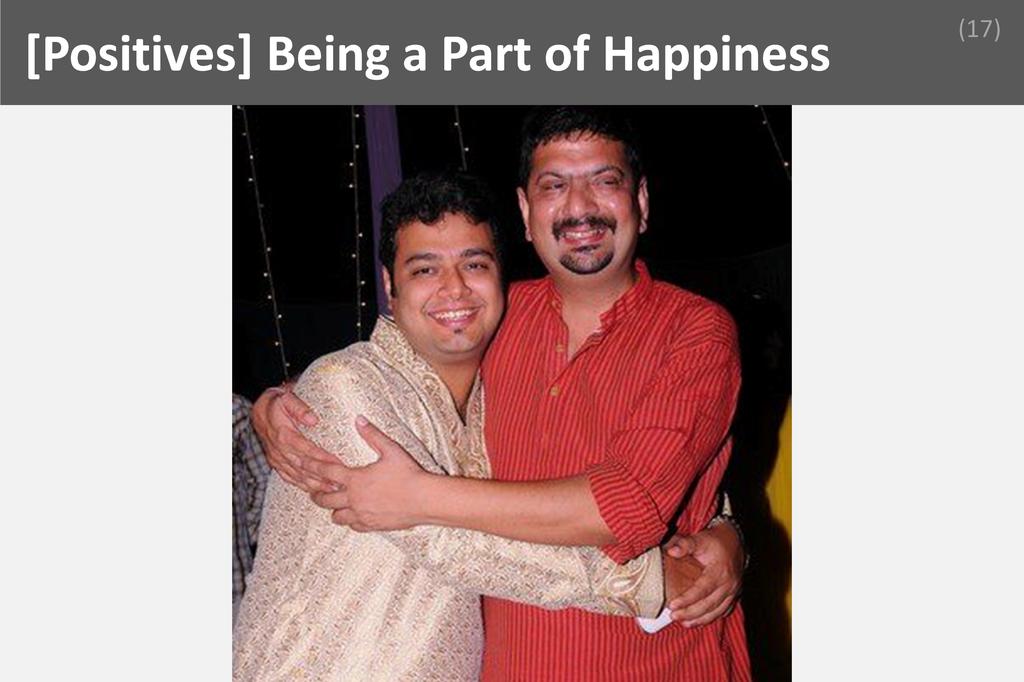
Being a Part iof Happiness means actively contributing to the most joyful and memorable moments in people’s lives, sharing in their excitement, and helping create lasting memories. In wedding planning, this involves guiding couples through their journey, transforming dreams into reality, and witnessing the pure joy that comes from a perfect celebration. This sense of shared happiness is a cornerstone of the profession, infusing every event with meaning and purpose. It fosters a deep connection between the planner and the clients, making each wedding not just a job, but a heartfelt experience. Ultimately, being a part of happiness elevates the role from a service provider to a cherished participant in life’s most treasured milestones.
The opportunity to be a part of happiness is a powerful motivator for wedding planners, infusing their work with purpose and fulfillment. This unique aspect of the profession means that every day is spent surrounded by love, excitement, and anticipation, which naturally boosts morale and job satisfaction. The emotional rewards of seeing a couple’s vision come to life and knowing you played a pivotal role in their happiness can be deeply gratifying. This positive environment encourages creativity, resilience, and personal growth, as planners continually strive to exceed expectations. The constant exposure to joyful moments also fosters strong client relationships and a sense of community, making the career not only professionally rewarding but personally enriching as well.
Imagine a wedding planner working closely with a couple who have dreamed of a unique, intimate ceremony that reflects their personalities. Throughout months of planning, the planner listens to their stories, understands their vision, and meticulously coordinates every detail. On the wedding day, as the couple exchanges vows surrounded by loved ones, the planner observes their radiant smiles and tears of joy. In that moment, the planner feels an overwhelming sense of accomplishment and connection, knowing their efforts have contributed to a memory that will be cherished forever. This direct involvement in creating happiness transforms the planner’s work into a meaningful and uplifting experience, reinforcing why they chose this career path.
Different Culture & Rituals

Different Culture & Rituals refers to the diverse traditions, customs, and ceremonial practices that couples bring from their unique backgrounds and heritages. In wedding planning, this means orchestrating events that honor and celebrate these distinctions, creating meaningful experiences. Embracing this diversity enriches the profession, fostering creativity, empathy, and a deeper connection with clients.
The exposure to different cultures and rituals is a profound advantage in wedding planning because it transforms each event into a unique, memorable celebration. This diversity ensures that no two weddings are ever the same, keeping the work exciting and dynamic. Planners continually learn and grow, broadening their understanding of the world and enhancing their cultural competence. This not only boosts job satisfaction but also opens doors to new markets and client bases. By honoring and integrating various traditions, wedding planners build trust and rapport with clients, making their role more meaningful. Every day, professionals in this field experience the joy of helping couples celebrate their love in ways that are authentic and deeply personal.
Imagine a wedding planner working with a couple from different cultural backgrounds—one Indian, the other Irish. The planner collaborates closely with both families to incorporate a vibrant baraat procession alongside a traditional Celtic handfasting ceremony. Navigating the nuances of each ritual, the planner ensures every detail is respected and beautifully executed. Witnessing the joy and pride on the families’ faces as their traditions are honored side by side is incredibly fulfilling. The planner not only gains invaluable knowledge about new customs but also feels a deep sense of accomplishment in uniting two worlds. This experience exemplifies how embracing different cultures and rituals elevates the profession, making every wedding a celebration of love and heritage.
Positive Vibes

Positive Vibes refers to the uplifting energy, optimism, and genuine happiness that permeate the atmosphere during wedding celebrations. In wedding planning, this means being surrounded by joy, love, and excitement as couples and their families prepare for one of the most significant days of their lives. This environment fosters enthusiasm and emotional fulfillment, making each day at work feel meaningful and inspiring. Positive Vibes in this profession not only enhance personal well-being but also create a supportive and collaborative atmosphere, allowing planners to thrive both professionally and personally.
The presence of Positive Vibes in wedding planning is a powerful motivator that transforms routine tasks into joyful experiences. When surrounded by happiness and anticipation, planners find themselves energized and motivated to go the extra mile for their clients. This uplifting environment leads to higher job satisfaction, as professionals witness firsthand the impact of their work on people’s lives. The constant exposure to love and celebration also encourages creativity and resilience, helping planners navigate challenges with a positive outlook. Over time, these experiences foster personal growth, strengthen relationships with clients, and build a reputation for excellence in the industry. Ultimately, Positive Vibes make every day on the job feel rewarding and purposeful.
Imagine a wedding planner working closely with a couple who have dreamed of their perfect day for years. As the big day approaches, the planner witnesses the couple’s excitement and the heartfelt gratitude from their families. On the wedding day itself, the planner sees tears of joy, laughter, and moments of pure happiness as everything comes together seamlessly. The positive energy in the air is contagious, filling the planner with a sense of accomplishment and pride. This experience not only reaffirms their passion for the profession but also leaves them feeling uplifted and inspired, ready to bring the same joy to future clients. In this way, Positive Vibes become a daily source of motivation and fulfillment.
Monetary Potential

Monetary Potential refers to the capacity for significant financial gain and income growth within a chosen profession, based on demand, expertise, and entrepreneurial opportunities. In wedding planning, this potential is a driving force, allowing professionals to earn lucrative fees, expand their services, and build a thriving business in a vibrant industry.
The monetary potential in wedding planning is a powerful motivator that elevates both job satisfaction and career growth. As wedding planners gain experience and build a reputation, they can command higher fees, attract premium clients, and diversify their offerings. This financial reward not only acknowledges their creativity and hard work but also provides the freedom to invest in personal and professional development. The ability to set their own rates and scale their business means wedding planners can directly influence their earning capacity. This daily experience of seeing their efforts translate into tangible financial success fosters a sense of accomplishment and inspires continued excellence in their craft.
Imagine a wedding planner who started with small, intimate events and gradually built a portfolio of stunning, high-profile weddings. As her reputation grew, so did her client base and the scale of her projects. She began to offer specialized services, such as destination weddings and luxury event design, which allowed her to increase her fees substantially. With each successful event, she not only received heartfelt gratitude from her clients but also saw her income rise, enabling her to hire a team and expand her business. This tangible financial growth, rooted in her passion and expertise, provided her with both security and the confidence to pursue even more ambitious projects, making the monetary potential of her career deeply fulfilling.
Challenges
Finincky Guest
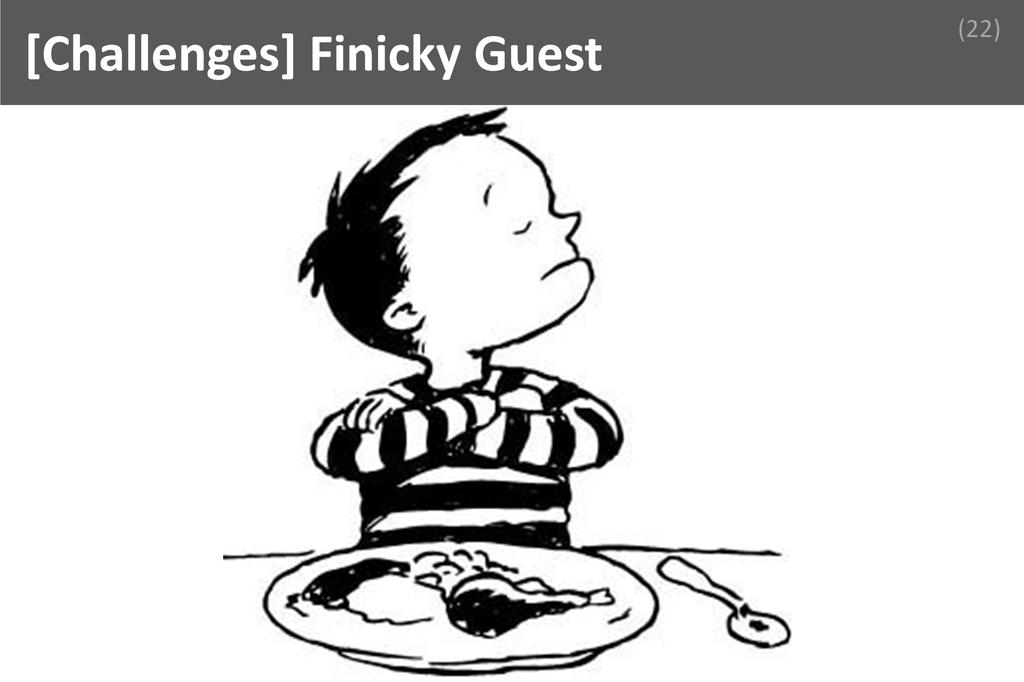
A "Finincky Guest" in wedding planning refers to an attendee who is exceptionally particular, often expressing strong preferences or objections regarding food, seating, décor, or event flow. Their demands can be unpredictable and persistent, making it challenging for planners to maintain harmony and satisfaction among all guests while upholding the couple’s vision.
Dealing with finincky guests can disrupt the smooth execution of wedding plans, as their specific requests may conflict with established arrangements or the preferences of the couple. This challenge requires planners to exercise patience, adaptability, and strong communication skills. The emotional labor involved can be significant, as professionals must balance empathy for the guest’s concerns with the practicalities of event logistics. Successful wedding planners often rely on proactive communication, setting clear expectations, and offering thoughtful compromises to address concerns without compromising the overall experience. By maintaining professionalism and composure, they transform potential disruptions into opportunities for exceptional service, ultimately reinforcing their reputation for reliability and care.
Consider a scenario where a wedding planner is approached by a guest with strict dietary restrictions and a strong aversion to the planned menu. Rather than viewing the guest as a problem, the planner listens attentively, reassures the guest, and collaborates with the caterer to create a custom meal. The planner discreetly arranges for the special dish to be served without drawing attention, ensuring the guest feels valued while the event proceeds seamlessly. This thoughtful approach not only resolves the immediate issue but also demonstrates the planner’s commitment to guest satisfaction, leaving a lasting positive impression on both the guest and the couple.
Seasonal

In wedding planning, "Seasonal" refers to the fluctuating demand for services based on the time of year, with peak seasons bringing overwhelming workloads and off-seasons resulting in reduced business. This cyclical nature is demanding because it creates instability, requiring planners to adapt quickly to changing schedules, client expectations, and financial pressures.
The seasonal nature of wedding planning significantly shapes daily operations, often leading to intense periods of back-to-back events followed by stretches of minimal activity. This unpredictability can cause stress, burnout, and financial uncertainty, demanding resilience and adaptability from professionals. To navigate these cycles, successful wedding planners diversify their offerings, such as providing event planning for corporate functions or milestone celebrations during slower months. They also use quieter periods for professional development, marketing, and networking, ensuring their business remains visible and relevant year-round. By anticipating seasonal fluctuations and planning accordingly, these professionals maintain stability, manage client expectations, and sustain their passion for the industry despite its inherent unpredictability.
Consider a wedding planner based in a region where most weddings occur between May and September. During the busy season, she meticulously schedules consultations, vendor meetings, and event setups, often working long hours to meet client demands. Aware of the impending slow season, she proactively markets her services for holiday parties and corporate events, securing bookings that fill her calendar during the winter months. She also dedicates time to updating her portfolio, attending industry workshops, and strengthening vendor relationships. By leveraging the off-season for growth and diversification, she not only maintains a steady income but also enhances her skills and reputation, turning a seasonal challenge into an opportunity for long-term success.
Handling Staff

Handling staff in wedding planning refers to the complex task of recruiting, training, coordinating, and supervising a diverse team of vendors, assistants, and service providers. This challenge is demanding because it requires constant communication, conflict resolution, and adaptability to ensure seamless collaboration and high-quality service during high-pressure, emotionally charged events.
The difficulty of handling staff in wedding planning can significantly impact daily operations, as miscommunication or lack of coordination may lead to delays, errors, or dissatisfied clients. This challenge demands resilience because professionals must remain calm and solution-oriented amidst shifting priorities and personalities. Successful wedding planners manage this constraint by fostering a culture of respect and accountability, setting clear expectations, and maintaining open lines of communication. They invest time in understanding each team member’s strengths and limitations, delegating tasks accordingly, and providing constructive feedback. By building trust and encouraging collaboration, they are able to anticipate potential issues and resolve conflicts quickly, ensuring that the event runs smoothly and client expectations are met.
Consider a wedding planner overseeing a large outdoor wedding with multiple vendors, including caterers, florists, and entertainment staff. On the event day, unexpected rain threatens the setup, causing stress among the team. The planner quickly gathers everyone, reassures them, and reallocates tasks to adapt to the new circumstances, such as moving decorations and coordinating with the tent rental company. By remaining composed and communicating clearly, the planner keeps the staff focused and motivated, ensuring that each team member knows their revised responsibilities. As a result, the event transitions smoothly to the backup plan, and the couple enjoys their special day without being aware of the behind-the-scenes challenges. This scenario highlights the importance of effective staff management in wedding planning.
A Day Of
Wedding Planning
The world of wedding planning is a whirlwind of creativity, precision, and emotion, where no two days are ever quite the same. From the moment the sun rises, a wedding planner is already orchestrating a symphony of details, balancing the dreams of couples with the realities of logistics. The pace is relentless yet exhilarating, as each hour brings new challenges and opportunities to transform visions into unforgettable celebrations. In this dynamic environment, adaptability and grace under pressure are as essential as a keen eye for design and a knack for problem-solving. A typical workday is a blend of early preparation, high-energy coordination, collaborative execution, and thoughtful reflection, all set against the backdrop of love stories waiting to unfold.
As dawn breaks, the wedding planner’s day begins with a quiet moment of preparation. This is the time to review the day’s schedule, confirm vendor arrivals, and double-check every detail against the master timeline. Emails are scanned for last-minute updates from florists, caterers, or the couple themselves. The planner might also use this time to organize emergency kits, print out seating charts, and ensure that all contracts and checklists are in order. This early morning calm is essential, providing a brief window to anticipate potential hiccups and set a confident tone for the busy hours ahead.
By mid-morning, the pace accelerates as the planner heads to the venue for a comprehensive walkthrough. Here, they oversee the arrival of vendors, direct the setup of tables, décor, and lighting, and troubleshoot any unexpected issues that arise. Communication is constant, whether it’s guiding the florist on centerpiece placement, confirming the DJ’s equipment setup, or reassuring a nervous bride. This is the most intense part of the day, demanding quick thinking, diplomacy, and an unwavering focus on the couple’s vision. Every decision made in these hours shapes the flow and feel of the entire event.
The afternoon is a flurry of collaborative activity as the planner works closely with their team and vendors to execute the final touches. This might involve coordinating with the catering staff on the timing of meal service, ensuring the photographer captures key moments, or managing the bridal party’s movements for the ceremony. The planner is everywhere at once, solving problems on the fly and keeping everyone on schedule. It’s a time when teamwork and clear communication are crucial, as even the smallest oversight can ripple through the day’s events.
As the evening approaches and the event unfolds, the planner shifts into a supervisory role, discreetly overseeing the proceedings to ensure everything runs smoothly. Once the festivities are underway, attention turns to wrapping up administrative tasks, such as logging feedback, updating client files, and noting any lessons learned for future events. The planner also begins preparing for the next day, reviewing upcoming timelines and reaching out to vendors for follow-ups. This final phase is both a moment of reflection and a springboard into the next celebration, as the cycle of planning, execution, and improvement continues. |


 Home
Home Abroad
 Plan
Plan Philosophy
 Seminar
 Pages
Pages Advisors
 Testimonials















 Workshop
 Discuss
 Meet
Meet
 Advisor
 Story
Story
 Fine Print
 Links
Links
 Blog
Blog
 Follow
