The Journey of Event Management
What Is Event Management
Event Management

Event management is the process of planning, organizing, and executing events such as conferences, weddings, festivals, and corporate meetings. It involves coordinating logistics, managing budgets, liaising with vendors, and ensuring every detail aligns with the client’s vision to create memorable and successful experiences for attendees.
Event management plays a crucial role in bringing people together, fostering connections, and creating impactful experiences. For professionals in this field, it offers opportunities to develop organizational, communication, and problem-solving skills. The profession is dynamic, requiring adaptability and creativity to meet diverse client needs. One major benefit is the ability to work on a wide variety of events, which keeps the job engaging and ever-changing. Another benefit is the satisfaction of seeing a project come to life from concept to completion, providing a tangible sense of achievement. Additionally, event management professionals often build extensive networks, opening doors to new opportunities and collaborations within the industry.
A professional event manager might be hired by a technology company to organize an annual product launch. The manager begins by understanding the client’s objectives and target audience, then selects a suitable venue, coordinates with caterers, audio-visual teams, and decorators, and manages invitations and registrations. Throughout the planning process, the event manager troubleshoots issues, keeps the project on schedule and within budget, and ensures all elements align with the company’s branding. On the day of the event, the manager oversees setup, manages the flow of activities, and handles any last-minute challenges, ensuring a seamless experience for both the client and attendees. This hands-on approach exemplifies the multifaceted nature of event management.
Education
Professional Course

A Professional Course is a structured educational program designed to impart specialized knowledge, practical skills, and industry-specific competencies required for a particular profession. In Event Management, such courses bridge the gap between theoretical concepts and real-world application, ensuring individuals are equipped with the essential tools to excel in dynamic event environments.
Understanding Professional Course is vital for anyone pursuing a career in Event Management because it provides a comprehensive foundation in both the theoretical and practical aspects of the field. These courses cover essential topics such as project planning, budgeting, risk management, and client relations, which are crucial for orchestrating successful events. By mastering these core concepts, professionals gain the confidence to handle complex situations, adapt to industry trends, and maintain high standards of professionalism. Over time, the knowledge and skills acquired through a Professional Course not only enhance job performance but also open doors to advanced career opportunities, leadership roles, and greater industry recognition, making it an indispensable part of long-term professional growth.
Consider an event manager tasked with organizing a large-scale corporate conference. Drawing from their Professional Course training, they systematically develop a project timeline, allocate resources efficiently, and implement risk mitigation strategies learned during their studies. When unexpected challenges arise, such as last-minute venue changes or technical issues, their theoretical understanding enables them to remain calm, communicate effectively with stakeholders, and devise practical solutions. This ability to seamlessly integrate academic knowledge with hands-on problem-solving not only ensures the event’s success but also strengthens the manager’s reputation for professionalism and reliability within the industry.
Marketing & Promotion

Marketing & Promotion refers to the strategic activities and communication efforts designed to identify, attract, and engage target audiences, ultimately driving participation and awareness for events. In Event Management, it is a critical academic and professional discipline, ensuring events achieve their objectives by reaching the right people through effective messaging and channels.
Understanding Marketing & Promotion is essential for anyone pursuing a career in Event Management because it directly influences an event’s success. Mastery of this subject enables professionals to craft compelling value propositions, select appropriate promotional channels, and analyze audience behavior. This knowledge forms the backbone of event planning, as it ensures that every event is not only well-organized but also well-attended and memorable. Over time, expertise in marketing and promotion allows event managers to build strong reputations, foster lasting relationships with stakeholders, and adapt to evolving trends in audience engagement. Ultimately, it empowers professionals to maximize event impact, secure repeat business, and advance their careers in a competitive industry.
Consider an event manager tasked with organizing a regional music festival. Drawing on their understanding of Marketing & Promotion, they begin by researching the target demographic’s preferences and habits. They develop a tailored promotional campaign that leverages social media influencers, local radio partnerships, and engaging email newsletters to generate buzz. Throughout the campaign, they monitor engagement metrics and adjust their strategies to optimize ticket sales and audience reach. On the day of the event, their efforts are evident in the high turnout and enthusiastic participation, demonstrating how theoretical knowledge of marketing and promotion translates into tangible results in daily event operations.
Production

Production in event management refers to the comprehensive process of planning, organizing, and executing all technical and logistical elements that bring an event to life, such as staging, lighting, sound, and audiovisual components. It is a critical academic and professional discipline, forming a core pillar of effective event planning and delivery.
Understanding production is essential for anyone pursuing a career in event management because it bridges the gap between creative vision and practical execution. Mastery of production concepts ensures that an event manager can translate ideas into tangible experiences, coordinate diverse teams, and anticipate technical challenges. This knowledge is foundational, as it empowers professionals to communicate effectively with vendors, technicians, and creative partners, ensuring seamless integration of all event elements. Over time, expertise in production enhances problem-solving skills, increases efficiency, and builds a reputation for reliability and innovation. As events grow in scale and complexity, those with a solid grasp of production are better positioned to lead projects, adapt to new technologies, and advance into senior management roles within the industry.
Imagine an event manager tasked with organizing a large-scale corporate conference. Their understanding of production allows them to oversee the setup of the main stage, coordinate lighting and sound checks, and ensure that all audiovisual presentations run smoothly. When a last-minute change requires a speaker to present remotely, the manager’s production knowledge enables them to quickly arrange live streaming and adjust the technical setup without disrupting the event’s flow. By anticipating potential issues and collaborating effectively with technical crews, the manager ensures a seamless experience for both in-person and virtual attendees. This practical application of production expertise not only guarantees the event’s success but also demonstrates the manager’s value as a skilled and adaptable professional.
Sound & Lighting Systems

Sound & Lighting Systems refer to the integrated technologies and equipment used to control audio and visual elements during events, including microphones, speakers, mixers, lighting rigs, and control consoles. In Event Management, understanding these systems is essential for designing immersive experiences and ensuring technical reliability throughout any event or production.
A solid grasp of Sound & Lighting Systems is crucial for anyone pursuing a career in Event Management. This knowledge enables professionals to collaborate effectively with technical teams, make informed decisions about equipment rentals or purchases, and troubleshoot issues that may arise during live events. Mastery of these systems ensures that an event’s atmosphere aligns with its objectives, whether it’s energizing a concert crowd or creating an intimate ambiance for a corporate gala. Over time, proficiency in sound and lighting not only enhances an event manager’s versatility but also increases their value to employers and clients, as they can guarantee seamless execution and memorable experiences for attendees.
Imagine an event manager overseeing a high-profile product launch in a large conference hall. Drawing on their understanding of Sound & Lighting Systems, they coordinate with audio engineers to ensure the keynote speaker’s voice is clear and audible throughout the venue, adjusting microphone placements and speaker outputs as needed. Simultaneously, they work with lighting technicians to design a dynamic lighting sequence that highlights the product reveal, synchronizing spotlights and color changes to build anticipation and excitement. By applying their theoretical knowledge in real time, the event manager ensures that both sound and lighting contribute to a flawless, impactful presentation, leaving a lasting impression on the audience and the client.
Designing
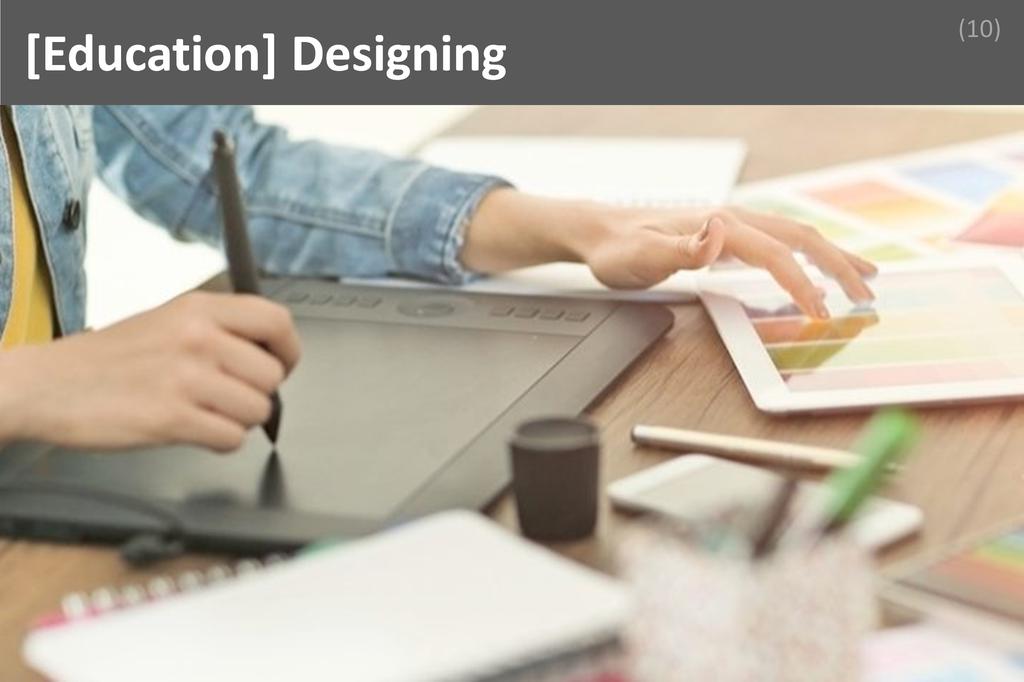
Designing is the creative and strategic process of conceptualizing, planning, and organizing visual and experiential elements to achieve specific objectives. In Event Management, designing encompasses the layout, aesthetics, and functional flow of events, integrating branding, audience engagement, and logistical considerations into cohesive experiences that fulfill both client and attendee expectations.
Understanding designing is essential for anyone pursuing a career in Event Management because it bridges creativity with practicality. Mastery of design principles enables professionals to translate client visions into tangible experiences, ensuring every event is visually appealing, functional, and memorable. This knowledge forms a foundational pillar, allowing event managers to collaborate effectively with vendors, decorators, and technical teams. Over time, strong design skills enhance a professional’s reputation, opening doors to higher-profile projects and leadership roles. The ability to innovate within design constraints also fosters adaptability, a crucial trait in the ever-evolving events industry. Ultimately, expertise in designing not only elevates the quality of events but also drives client satisfaction and business growth.
Imagine an event manager tasked with organizing a corporate gala. Drawing on their understanding of designing, they begin by conceptualizing a theme that aligns with the company’s brand identity. They carefully plan the spatial layout to optimize guest flow, ensuring that key areas like the stage, dining, and networking zones are both accessible and visually harmonious. By selecting color schemes, lighting, and décor that reinforce the event’s message, the manager creates an immersive atmosphere. Throughout the planning process, they anticipate logistical challenges, such as accommodating technical equipment without disrupting the aesthetic. This holistic approach, grounded in design principles, ensures the event is not only beautiful but also seamlessly executed, leaving a lasting impression on attendees.
Artist Management

Artist Management refers to the strategic planning, representation, and coordination of an artist’s professional activities, including negotiations, scheduling, and career development. In the context of Event Management, it is a crucial discipline that bridges creative talent with logistical execution, ensuring seamless collaboration and successful event outcomes within the entertainment industry.
Understanding Artist Management is vital for anyone in Event Management because it equips professionals with the skills to effectively liaise between artists and event stakeholders. Mastery of this subject ensures that event managers can anticipate and address the unique needs of performers, negotiate contracts, and manage expectations on both sides. This foundational knowledge fosters trust and reliability, which are essential for building long-term relationships with artists, agents, and production teams. Over time, proficiency in Artist Management enhances a professional’s reputation, opens doors to higher-profile projects, and increases the likelihood of repeat business, making it a cornerstone of sustainable success in the event industry.
Imagine an event manager organizing a large music festival. Their understanding of Artist Management enables them to coordinate artist arrivals, manage hospitality requirements, and ensure technical riders are fulfilled. When a headline act requests last-minute changes to their schedule, the event manager draws on their knowledge of artist relations to negotiate a solution that satisfies the artist while maintaining the event timeline. This ability to balance the interests of artists and event logistics not only prevents disruptions but also strengthens professional relationships, ensuring the event runs smoothly and all parties leave satisfied.
Project Management

Project Management is the systematic application of processes, methods, skills, knowledge, and experience to achieve specific objectives within defined parameters such as time, budget, and scope. In Event Management, it forms a critical academic and professional pillar, ensuring events are planned, executed, and evaluated efficiently and effectively.
Understanding Project Management is essential for anyone entering or advancing in Event Management because it provides the structured approach needed to handle complex, multifaceted events. Mastery of this discipline equips professionals with the ability to break down large tasks into manageable components, allocate resources wisely, and anticipate potential risks. This foundational knowledge not only enhances the ability to deliver successful events but also fosters leadership, communication, and problem-solving skills. Over the long term, proficiency in Project Management increases employability, supports career progression, and enables professionals to take on larger, more ambitious projects with confidence and competence.
Consider an event manager tasked with organizing a large-scale conference. Drawing on their Project Management expertise, they begin by defining the event’s objectives, setting a timeline, and establishing a budget. They then coordinate with vendors, assign responsibilities to team members, and monitor progress through regular check-ins. When unexpected challenges arise, such as a last-minute venue change or a technical issue, their project management training enables them to quickly assess the situation, communicate effectively with stakeholders, and implement contingency plans. This structured, proactive approach ensures the event runs smoothly, meets client expectations, and stays within budget, demonstrating the practical value of Project Management in daily event operations.
Trends in Industry

Trends in Industry refers to the evolving patterns, innovations, and shifts that shape how businesses and sectors operate over time. In Event Management, understanding these trends is crucial for anticipating changes, adopting best practices, and maintaining competitiveness. It forms a key component of both academic study and professional expertise in the field.
Grasping trends in the industry is essential for anyone pursuing a career in Event Management because it enables professionals to stay ahead in a rapidly changing environment. By understanding emerging technologies, shifting consumer preferences, and new regulatory landscapes, event managers can design experiences that resonate with audiences and meet current standards. This foundational knowledge supports strategic planning, risk management, and innovation, ensuring that events are not only successful but also relevant and impactful. Over the long term, professionals who are adept at identifying and leveraging industry trends are better positioned for career advancement, as they can anticipate market needs and deliver value to clients and stakeholders.
Consider an event manager tasked with organizing a large-scale conference. By applying their understanding of industry trends, they recognize the growing importance of hybrid events that combine in-person and virtual experiences. Drawing on this knowledge, the manager integrates advanced streaming technology and interactive digital platforms, ensuring remote attendees are fully engaged. They also implement sustainable practices, such as digital ticketing and eco-friendly materials, reflecting the industry’s shift toward environmental responsibility. This proactive approach not only enhances attendee satisfaction but also positions the event as innovative and forward-thinking, demonstrating how theoretical insights into industry trends translate into practical, day-to-day decision-making and operational excellence.
Skills
Creativity

Creativity is the ability to generate original ideas, think outside conventional boundaries, and approach challenges with innovative solutions. In event management, creativity enables professionals to design memorable experiences, solve unexpected problems, and differentiate their events from competitors. It is a vital skill that transforms ordinary gatherings into extraordinary occasions.
Creativity directly enhances performance in event management by enabling professionals to craft unique themes, engaging activities, and visually stunning environments that captivate attendees. Clients and employers highly value this skill because it leads to events that stand out, foster positive brand associations, and encourage repeat business. Cultivating creativity involves staying curious, seeking inspiration from diverse sources, and embracing experimentation. Over time, professionals can develop their creative abilities by collaborating with others, attending industry workshops, and reflecting on both successes and setbacks. By consistently challenging themselves to innovate, event managers can ensure their work remains fresh, relevant, and impactful in a competitive industry.
Imagine an event manager overseeing a high-profile corporate gala when a sudden power outage threatens to derail the evening. Relying on creativity, the manager quickly transforms the situation by organizing an impromptu candlelit dinner, using available resources to create an intimate and memorable atmosphere. Musicians are encouraged to perform acoustically, and guests are invited to participate in interactive storytelling sessions. This inventive response not only salvages the event but also impresses attendees with its originality and adaptability. The manager’s creative thinking turns a potential disaster into a unique experience, reinforcing their reputation for resourcefulness and ensuring client satisfaction.
Communication Skills

Communication skills refer to the ability to convey information clearly and effectively, both verbally and in writing, while also actively listening and interpreting messages from others. In event management, these skills are vital for coordinating teams, negotiating with vendors, and ensuring that all stakeholders are aligned toward a common goal.
Strong communication skills directly enhance an event manager’s performance by streamlining collaboration, minimizing misunderstandings, and fostering positive relationships with clients, vendors, and team members. Employers and clients highly value professionals who can articulate ideas, provide clear instructions, and respond promptly to inquiries or concerns, as this ensures smooth event execution. To cultivate communication skills, aspiring event managers should seek opportunities to practice public speaking, participate in team projects, and solicit feedback on their interactions. Over time, consistent practice, self-reflection, and a willingness to adapt communication styles to different audiences will help professionals become more effective communicators, ultimately contributing to their success in the fast-paced world of event management.
Imagine an event manager overseeing a large corporate conference when a keynote speaker cancels at the last minute. The manager must quickly communicate the situation to the client, reassure them, and propose alternative solutions. Simultaneously, they need to coordinate with the technical team to adjust the schedule and inform attendees of the change. By remaining calm, listening to concerns, and providing clear, concise updates, the event manager maintains trust and ensures the event continues smoothly. This scenario highlights how adept communication skills enable professionals to navigate unexpected challenges, keep all parties informed, and deliver successful outcomes even under pressure.
Observation Skills

Observation skills refer to the ability to notice, interpret, and accurately recall details in one’s environment, including people’s behaviors, physical settings, and subtle changes or cues. In event management, this skill enables professionals to anticipate needs, identify potential issues, and ensure seamless execution, making it indispensable for success.
Observation skills directly enhance an event manager’s performance by enabling them to detect small but significant details that could impact the success of an event. Clients and employers highly value this skill because it leads to proactive problem-solving, improved guest experiences, and the ability to adapt quickly to unforeseen circumstances. Cultivating observation skills involves practicing mindfulness, regularly reflecting on past events to identify overlooked details, and actively engaging with every aspect of the planning and execution process. Over time, consistent attention to detail and a conscious effort to remain present in the moment help professionals sharpen their observational abilities, making them more effective and reliable in high-pressure environments.
Imagine an event manager overseeing a large corporate conference. During the setup, they notice a subtle but growing line at the registration desk, while nearby staff seem idle. By observing this, the manager quickly reallocates staff to the registration area, preventing long wait times and guest frustration. Later, they spot a flickering light above the main stage, which could distract speakers and attendees. Acting on this observation, they arrange for immediate maintenance, ensuring the event proceeds smoothly. In both instances, the manager’s keen observation skills allow them to address issues before they escalate, demonstrating their value in creating a seamless and professional event experience.
Patience

Patience is the ability to remain calm, composed, and persistent in the face of delays, obstacles, or frustration, without becoming anxious or reactive. In event management, patience enables professionals to navigate complex logistics, handle unexpected changes, and maintain positive relationships with clients, vendors, and team members throughout the planning and execution process.
Patience directly enhances performance in event management by allowing professionals to thoughtfully address challenges, negotiate effectively, and make sound decisions under pressure. Clients and employers value patience because it leads to smoother communication, better conflict resolution, and a more enjoyable planning experience. A patient event manager can calmly manage last-minute changes, vendor delays, or demanding clients without compromising the quality of the event. Cultivating patience involves practicing mindfulness, setting realistic expectations, and learning to pause before reacting to stressful situations. Over time, experience in managing diverse events and reflecting on past challenges helps professionals build greater resilience and patience, making them more effective and reliable in their roles.
Imagine an event manager overseeing a large corporate conference when a key speaker cancels just hours before their scheduled presentation. Instead of panicking or expressing frustration, the event manager patiently listens to the concerns of the organizing committee, reassures the client, and methodically explores alternative solutions. By calmly coordinating with other speakers, adjusting the schedule, and communicating transparently with attendees, the manager ensures the event continues smoothly. This patient approach not only resolves the immediate crisis but also strengthens trust with the client and team, demonstrating the critical role patience plays in achieving successful outcomes in event management.
Interpersonal Skills

Interpersonal skills refer to the ability to communicate, interact, and work effectively with others through empathy, active listening, and clear expression. In event management, these skills are crucial for building relationships, resolving conflicts, and ensuring seamless collaboration among diverse teams, clients, and vendors, ultimately driving successful event outcomes.
Interpersonal skills directly enhance an event manager’s performance by fostering trust, encouraging open communication, and enabling smooth coordination among all parties involved. Clients and employers highly value these skills because they lead to better client satisfaction, efficient teamwork, and the ability to handle unexpected challenges with composure. To cultivate interpersonal skills, professionals should seek feedback, practice active listening, and engage in regular self-reflection. Attending workshops, observing experienced colleagues, and embracing diverse perspectives also contribute to ongoing development. Over time, these efforts help event managers build rapport, negotiate effectively, and maintain positive working relationships, all of which are essential for delivering memorable and successful events.
Imagine an event manager overseeing a high-profile conference when a key speaker cancels at the last minute. Relying on strong interpersonal skills, the manager quickly communicates the issue to the client with empathy and reassurance, listens to their concerns, and collaborates with the team to identify alternative speakers. By maintaining calm, demonstrating understanding, and facilitating open dialogue, the manager not only resolves the immediate crisis but also strengthens trust with the client and team. This ability to navigate stressful situations diplomatically ensures the event’s success and reinforces the manager’s reputation as a reliable and resourceful professional.
Social Media Handling

Social Media Handling refers to the strategic management, creation, scheduling, and monitoring of content across various social media platforms to engage audiences, promote events, and manage brand reputation. In event management, this skill is indispensable for building anticipation, driving attendance, and maintaining real-time communication with stakeholders before, during, and after events.
Mastering social media handling significantly enhances an event manager’s ability to reach wider audiences, foster engagement, and create memorable experiences. Clients and employers highly value this skill because it directly influences event visibility, attendee participation, and overall brand perception. Effective social media management can turn a local event into a trending topic, attract sponsors, and generate valuable feedback. To cultivate this skill, professionals should stay updated on platform algorithms, trends, and analytics, while consistently practicing content creation and audience interaction. Over time, analyzing campaign results and adapting strategies based on insights will refine one’s expertise, making them a more versatile and indispensable asset to any event management team.
Imagine an event manager overseeing a large-scale product launch. Days before the event, a sudden change in venue occurs due to unforeseen circumstances. The manager quickly crafts clear, engaging updates across all social media channels, ensuring attendees are informed in real time. By monitoring comments and direct messages, they address concerns and provide directions, minimizing confusion and frustration. During the event, live updates, photos, and interactive polls keep the audience engaged, while post-event highlights and feedback requests sustain momentum. Through adept social media handling, the manager not only averts a potential crisis but also transforms the challenge into an opportunity to showcase professionalism, adaptability, and commitment to attendee satisfaction.
Management Skills

Management skills refer to the ability to plan, organize, coordinate, and oversee resources, people, and processes to achieve specific objectives efficiently and effectively. In event management, these skills are crucial for orchestrating complex events, ensuring smooth operations, and delivering memorable experiences that meet or exceed client expectations.
Strong management skills directly enhance an event manager’s ability to handle multiple tasks, deadlines, and stakeholders with confidence and precision. Clients and employers highly value these skills because they translate into well-executed events, minimized risks, and optimized use of resources. Effective management ensures that every detail, from budgeting to vendor coordination, is handled seamlessly, reducing the likelihood of costly errors or last-minute crises. To cultivate management skills, professionals should seek opportunities to lead projects, pursue relevant certifications, and actively reflect on their experiences to identify areas for improvement. Over time, consistent practice, mentorship, and feedback help refine these abilities, making the event manager more adaptable and reliable in high-pressure situations.
Imagine an event manager overseeing a large corporate conference when a key speaker cancels unexpectedly hours before their scheduled presentation. Relying on strong management skills, the professional quickly assesses the situation, communicates transparently with the client, and mobilizes the team to identify a suitable replacement or adjust the agenda. By delegating tasks efficiently and maintaining composure, the manager ensures the event continues smoothly, minimizing disruption for attendees. This ability to coordinate resources, make swift decisions, and keep all parties informed demonstrates how essential management skills are in navigating unforeseen challenges and delivering successful outcomes in event management.
Positives
Action Oriented Profession

An "Action Oriented Profession" is a career path characterized by dynamic, hands-on tasks that require quick thinking, adaptability, and continuous engagement with real-world challenges. In event management, this means professionals are constantly on the move, making decisions, solving problems, and bringing creative visions to life, which keeps the work stimulating and meaningful.
The action-oriented nature of event management is a major advantage because it transforms each day into a new adventure, filled with diverse challenges and opportunities for growth. Professionals in this field rarely experience monotony; instead, they thrive on the excitement of orchestrating live events, collaborating with teams, and responding to unexpected changes. This constant engagement fosters a strong sense of accomplishment and personal development, as every project brings new skills and experiences. The immediate feedback from seeing an event come to life and witnessing the impact on attendees provides immense job satisfaction. For those who crave variety, creativity, and a fast-paced environment, the action-oriented aspect of event management is both motivating and deeply rewarding.
Imagine an event manager overseeing a large corporate conference. From the early morning hours, they coordinate with vendors, troubleshoot technical issues, and ensure speakers are prepared. When a last-minute change occurs—such as a keynote speaker’s delayed arrival—the manager quickly adapts the schedule, communicates updates, and keeps the event running smoothly. Throughout the day, they witness the seamless flow of activities, the engaged audience, and the successful execution of months of planning. This hands-on involvement, rapid problem-solving, and visible results exemplify the action-oriented nature of the profession. The sense of fulfillment comes not just from overcoming challenges, but from seeing the tangible impact of their efforts in real time.
Meeting People

Meeting people refers to the continuous interaction, networking, and relationship-building with diverse individuals, clients, vendors, and attendees that occurs throughout the planning and execution of events. This dynamic exchange fosters collaboration, creativity, and learning, making it a cornerstone of the event management profession and a source of personal and professional enrichment.
The opportunity to meet people is a defining advantage in event management, as it transforms each project into a unique journey of connection and discovery. Engaging with a wide range of personalities and backgrounds not only enhances communication skills but also opens doors to new ideas and perspectives. This constant interaction fuels creativity, strengthens professional networks, and often leads to lasting friendships or valuable partnerships. For many event managers, the daily experience of collaborating with clients, coordinating with vendors, and welcoming guests brings a sense of accomplishment and joy. The relationships built along the way contribute to job satisfaction, foster personal growth, and can even lead to new career opportunities, making every event a chance to expand one’s horizons.
Imagine an event manager tasked with organizing an international conference. Throughout the planning process, they connect with speakers from different countries, negotiate with local suppliers, and coordinate with a multicultural team. On the day of the event, they greet attendees from around the world, facilitating introductions and witnessing new collaborations form. The event manager not only ensures the event’s success but also gains invaluable insights from each interaction, builds a global network, and experiences the profound satisfaction of bringing people together. This daily immersion in diverse human connections exemplifies how meeting people in event management is both professionally rewarding and personally fulfilling.
Strong Networking

Strong Networking is the ability to build, nurture, and maintain meaningful professional relationships with a diverse range of individuals and organizations. In event management, this skill enables professionals to connect with clients, vendors, sponsors, and attendees, fostering collaboration, trust, and mutual support that drive successful events and career growth.
The power of strong networking in event management cannot be overstated. It opens doors to new opportunities, resources, and partnerships that might otherwise remain out of reach. Professionals who excel at networking often find themselves at the center of a vibrant community, where information, referrals, and support flow freely. This sense of connection not only enhances job satisfaction but also accelerates career advancement, as trusted relationships lead to repeat business and exciting projects. On a daily basis, event managers experience the tangible benefits of networking through smoother negotiations, creative collaborations, and increased visibility within the industry, all of which contribute to a more dynamic and fulfilling professional life.
Imagine an event manager tasked with organizing a large-scale conference. Through years of cultivating strong relationships with venue owners, caterers, and keynote speakers, she is able to secure exclusive deals, last-minute favors, and top-tier talent that elevate the event’s quality. When unexpected challenges arise, her network steps in with solutions and support, ensuring the event’s success. After the conference, satisfied clients and partners enthusiastically recommend her services, leading to new projects and collaborations. This cycle of trust and reciprocity, built on a foundation of strong networking, not only makes her job more enjoyable but also fuels her professional growth and reputation in the industry.
Recognition

Recognition is the acknowledgment and appreciation of an individual’s efforts, achievements, and contributions by peers, clients, or the wider community. In event management, recognition fuels motivation, builds confidence, and validates the hard work invested in orchestrating successful events. It transforms routine tasks into meaningful accomplishments, fostering a sense of pride and belonging.
The power of recognition in event management cannot be overstated. When professionals are acknowledged for their creativity, problem-solving, and dedication, it significantly boosts their job satisfaction and morale. This positive reinforcement encourages them to strive for excellence and embrace new challenges. Recognition also enhances career growth by building a strong professional reputation and expanding networks. On a daily basis, event managers experience this benefit through client testimonials, public praise, and the visible success of their events. These moments of acknowledgment not only affirm their skills but also inspire them to continue delivering memorable experiences, making their work deeply rewarding.
Imagine an event manager who has spent months planning a high-profile corporate gala. On the night of the event, everything unfolds seamlessly—the décor dazzles, the schedule runs perfectly, and guests are visibly delighted. As the evening concludes, the client publicly thanks the event manager, highlighting their attention to detail and creative vision. Colleagues and attendees offer heartfelt compliments, and positive feedback floods in the next day. This outpouring of recognition leaves the event manager feeling valued and accomplished, reinforcing their passion for the profession. The acknowledgment not only validates their hard work but also motivates them to continue pursuing excellence in future projects, illustrating how recognition is a powerful and fulfilling aspect of a career in event management.
Travelling

Travelling, in the context of event management, refers to the frequent movement to various cities, regions, or even countries to plan, coordinate, and oversee events. This dynamic aspect allows professionals to explore new places, cultures, and venues, enriching their personal and professional lives while expanding their global perspective.
The opportunity to travel is a defining feature of a career in event management, offering both excitement and growth. Each journey exposes professionals to diverse cultures, innovative event trends, and unique logistical challenges, fostering adaptability and creativity. This constant change of scenery keeps the work fresh and engaging, preventing monotony and fueling a sense of adventure. Travelling also enables event managers to build a vast network of contacts worldwide, opening doors to new collaborations and career opportunities. The exposure to different markets and client expectations sharpens their expertise, making them more versatile and competitive in the industry. Ultimately, the chance to travel not only enhances job satisfaction but also accelerates personal and professional development.
Imagine an event manager tasked with organizing an international conference in Barcelona. From scouting picturesque venues along the Mediterranean coast to collaborating with local vendors and experiencing Spanish culture firsthand, each step is an adventure. The professional navigates language barriers, samples regional cuisine, and adapts event plans to suit local customs, all while ensuring the client’s vision comes to life. This immersive experience not only delivers a successful event but also leaves the manager with unforgettable memories, new friendships, and a deeper appreciation for global diversity. The sense of accomplishment and personal enrichment gained from such travel experiences is a powerful motivator, making the career truly rewarding.
Challenges
Hectic Schedule

A "Hectic Schedule" in Event Management refers to the relentless pace of coordinating multiple tasks, vendors, and stakeholders within tight deadlines. Professionals must juggle overlapping responsibilities, frequent last-minute changes, and high client expectations, making the role exceptionally demanding and requiring constant adaptability and attention to detail.
The pressure of a hectic schedule in event management can lead to long working hours, frequent multitasking, and increased stress, which may affect both productivity and personal well-being. This environment demands resilience, as professionals must remain composed and solution-oriented even when plans shift unexpectedly. Successful event managers develop strong organizational skills, prioritize tasks efficiently, and delegate responsibilities where possible. They also rely on clear communication and proactive planning to anticipate challenges before they escalate. By setting realistic expectations with clients and team members, and by building a reliable support network, these professionals are able to maintain control over their workload and deliver successful events despite the constant demands on their time.
Consider an event manager overseeing a week-long conference with multiple sessions, speakers, and vendors. Unexpectedly, a keynote speaker cancels, and a shipment of materials is delayed. Rather than succumbing to stress, the manager quickly reallocates tasks among team members, communicates transparently with stakeholders, and sources a replacement speaker from their professional network. By maintaining composure and leveraging established contingency plans, the manager ensures the event proceeds smoothly. This real-world scenario highlights how adaptability, quick decision-making, and effective delegation enable event professionals to overcome the challenges of a hectic schedule and deliver successful outcomes, even in the face of unforeseen disruptions.
Meeting Clients' Expectations

Meeting clients' expectations in Event Management means understanding, interpreting, and delivering on clients’ visions, preferences, and requirements for their events. This is demanding because expectations can be ambiguous, evolve rapidly, and often exceed practical or budgetary constraints, requiring professionals to balance creativity, resources, and communication under pressure.
The challenge of meeting clients’ expectations permeates every stage of event planning and execution, often leading to stress, extended hours, and the need for constant adaptability. Professionals must interpret vague requests, manage last-minute changes, and align diverse stakeholder interests, all while maintaining high standards. This ongoing pressure demands resilience, strong communication skills, and the ability to set realistic boundaries without disappointing clients. Successful event managers navigate these constraints by fostering transparent dialogue, managing expectations early, and providing regular updates. They also anticipate potential issues and offer creative alternatives, ensuring clients feel heard and valued while keeping projects on track. Through experience and empathy, they transform this challenge into an opportunity for trust-building and professional growth.
Consider an event manager tasked with organizing a corporate gala where the client envisions a “unique, unforgettable experience” but provides minimal specifics. The manager initiates a series of detailed consultations to clarify the client’s vision, budget, and priorities. When the client requests a last-minute change to the entertainment lineup, the manager calmly explains the logistical and financial implications, offering alternative solutions that align with the original vision. By maintaining open communication, demonstrating flexibility, and proactively addressing concerns, the manager not only delivers a successful event but also earns the client’s trust and appreciation. This scenario illustrates how skillful expectation management can turn potential obstacles into lasting professional relationships.
Work Life Balance

Work life balance in event management refers to the ongoing effort to maintain a healthy separation between demanding professional responsibilities and personal life. The field is particularly challenging due to irregular hours, high-pressure deadlines, and the need for constant availability, making it difficult for professionals to prioritize self-care and family commitments.
The struggle to achieve work life balance in event management often leads to long workdays, frequent weekend commitments, and unpredictable schedules. This constant demand can cause fatigue, stress, and even burnout, requiring professionals to develop significant resilience. Successful event managers recognize the importance of setting boundaries, delegating tasks, and prioritizing their workload. They often rely on strong organizational skills and proactive communication with both clients and team members to manage expectations and avoid last-minute crises. By carving out dedicated personal time and practicing self-discipline, they are able to recharge and maintain their passion for the industry, ultimately sustaining both their productivity and well-being.
Consider an event manager overseeing a week-long international conference. With client calls spanning multiple time zones and on-site coordination required from early morning until late at night, the risk of exhaustion is high. To maintain balance, the manager schedules brief daily breaks, delegates specific tasks to trusted team members, and communicates clear availability windows to clients. By planning personal downtime before and after peak event days, the manager ensures time for rest and family, preventing burnout. This approach not only preserves their energy and focus but also sets a positive example for their team, demonstrating that professional dedication and personal well-being can coexist, even in the most demanding environments.
A Day Of
Event Management
The world of event management is a whirlwind of energy, anticipation, and split-second decision-making. Each day unfolds like a live performance, where the script is only half-written and the rest depends on adaptability and a keen eye for detail. From the moment the sun rises, event professionals are already orchestrating a symphony of logistics, creativity, and communication, all while navigating the unpredictable challenges that come with bringing people together. The pace is relentless, the environment ever-changing, and the nature of the work demands both precision and passion—because in this field, every day is showtime.
As dawn breaks, the event manager is often among the first to arrive at the venue, coffee in hand and checklist in mind. The early morning hours are dedicated to walking through the space, ensuring that every table, chair, and piece of equipment is exactly where it should be. This is the time for last-minute adjustments, confirming deliveries, and touching base with vendors as they begin to set up. The quiet before the storm is filled with anticipation, as the manager reviews the event timeline, double-checks guest lists, and addresses any overnight changes or emergencies that may have arisen.
By mid-morning, the venue is buzzing with activity. The event manager is in constant motion, coordinating with staff, greeting early arrivals, and troubleshooting unexpected issues as they arise. This is the most intense part of the day, where communication skills and quick thinking are put to the test. Whether it’s handling a last-minute change in the program, managing VIP arrivals, or ensuring that catering is on schedule, the manager is the central point of contact, keeping everything running smoothly and maintaining a calm, professional demeanor under pressure.
As the event progresses into the afternoon, the focus shifts to seamless execution and collaboration. The manager leads briefings with team members, checks in with vendors, and monitors the flow of the event to ensure that every detail aligns with the client’s vision. This phase often involves troubleshooting technical issues, coordinating transitions between activities, and making real-time decisions to enhance the guest experience. The ability to delegate, motivate, and adapt is crucial, as the manager balances hands-on tasks with strategic oversight.
As the event winds down in the late afternoon or evening, the manager’s attention turns to wrap-up and reflection. This involves overseeing the breakdown of the venue, ensuring that all equipment is accounted for, and addressing any immediate post-event concerns. Once the physical work is complete, the manager reviews feedback from clients and team members, documents lessons learned, and begins planning for upcoming events. Administrative tasks, such as updating budgets and sending thank-you notes, round out the day, setting the stage for another round of creative challenges tomorrow. |


 Home
Home Abroad
 Plan
Plan Philosophy
 Seminar
 Pages
Pages Advisors
 Testimonials













 Workshop
 Discuss
 Meet
Meet
 Advisor
 Story
Story
 Fine Print
 Links
Links
 Blog
Blog
 Follow
