The Journey of Event Management
What Is Event Management
Event Management

Event management is the process of planning, organizing, and executing events such as conferences, weddings, festivals, or corporate meetings. It involves coordinating logistics, managing budgets, overseeing vendors, and ensuring every detail aligns with the client’s vision to create memorable and successful experiences for attendees.
Event management plays a crucial role in bringing people together, fostering connections, and creating lasting impressions. For professionals in this field, it offers the opportunity to showcase creativity, problem-solving skills, and organizational expertise. The impact of effective event management is seen in the seamless execution of complex gatherings, which can enhance brand reputation, boost client satisfaction, and generate significant economic value. Professionals benefit from diverse work environments, the chance to build extensive networks, and the satisfaction of seeing their meticulous planning come to life. The ability to adapt quickly, manage stress, and deliver exceptional results under pressure are key advantages that make event management a rewarding career choice.
A professional event manager might be tasked with organizing a large-scale corporate conference. This involves selecting a suitable venue, negotiating contracts with suppliers, and coordinating schedules for speakers and entertainment. The manager must also oversee marketing efforts, manage registration, and ensure all technical requirements are met. On the day of the event, the professional supervises setup, handles last-minute changes, and ensures that everything runs smoothly. By anticipating potential issues and responding quickly to challenges, the event manager ensures that attendees have a positive experience and that the client’s objectives are achieved, demonstrating the essential role of event management in delivering successful outcomes.
Education
Marketing

Marketing is the strategic process of identifying, anticipating, and satisfying customer needs through the creation, communication, and delivery of value. It encompasses research, branding, promotion, and relationship management. In Event Management, marketing is a core academic and professional discipline, essential for attracting audiences, sponsors, and ensuring the overall success of events.
Understanding marketing is crucial for anyone entering or advancing in the field of Event Management. It provides the foundational knowledge needed to analyze target audiences, position events effectively, and craft compelling messages that resonate with stakeholders. Mastery of marketing principles enables professionals to develop strategies that maximize attendance, engagement, and sponsorship opportunities. Over the long term, these skills contribute to building a strong professional reputation, fostering client loyalty, and ensuring repeat business. As the events industry becomes increasingly competitive and digitally driven, a solid grasp of marketing concepts empowers event managers to adapt to changing trends, leverage new promotional channels, and measure the impact of their efforts, ultimately driving sustained career growth and organizational success.
Consider an event manager tasked with organizing a large-scale music festival. Drawing on their marketing knowledge, they begin by conducting market research to identify the target demographic and understand their preferences. This insight informs the selection of artists, the design of promotional materials, and the choice of advertising platforms. The event manager then develops a comprehensive marketing plan, utilizing social media campaigns, influencer partnerships, and email newsletters to generate buzz and drive ticket sales. Throughout the process, they monitor engagement metrics and adjust strategies to optimize results. By applying marketing theory to real-world challenges, the event manager ensures the festival attracts a large, enthusiastic audience and achieves its financial and experiential goals.
Planning & Management

Planning & Management refers to the systematic process of setting objectives, organizing resources, coordinating activities, and monitoring progress to achieve specific goals efficiently. In Event Management, it forms a core academic and professional discipline, equipping individuals with the skills to design, execute, and oversee successful events of any scale or complexity.
Understanding Planning & Management is essential for anyone pursuing a career in Event Management because it provides the structural framework upon which all successful events are built. Mastery of this subject enables professionals to anticipate challenges, allocate resources wisely, and ensure seamless coordination among teams and stakeholders. It also fosters critical thinking, adaptability, and decision-making skills, which are crucial in the fast-paced and unpredictable environment of event planning. Over time, these competencies not only enhance the quality and impact of events but also contribute to career advancement, reputation building, and the ability to manage increasingly complex projects with confidence and professionalism.
Consider an event manager tasked with organizing a large-scale corporate conference. Drawing on their knowledge of Planning & Management, they begin by defining clear objectives and developing a comprehensive timeline. They coordinate with vendors, manage budgets, and assign responsibilities to team members, ensuring every detail aligns with the event’s goals. When unexpected challenges arise, such as last-minute changes in the venue or technical issues, their planning skills allow them to adapt quickly and implement effective solutions. By applying these principles daily, the event manager not only delivers a successful event but also builds trust with clients and stakeholders, demonstrating the tangible value of strong planning and management expertise.
Finance & Budgeting

Finance & Budgeting involves planning, organizing, directing, and controlling financial activities, including the allocation of resources and management of expenditures. In Event Management, it encompasses forecasting costs, setting budgets, monitoring spending, and ensuring financial accountability. Mastery of this discipline is essential for academic study and professional practice in the field.
Understanding Finance & Budgeting is crucial for anyone pursuing a career in Event Management because it underpins every decision made throughout the event lifecycle. Professionals must be able to estimate costs accurately, allocate resources efficiently, and ensure that events are delivered within financial constraints. This knowledge safeguards against overspending, maximizes profitability, and supports transparent reporting to stakeholders. Over time, expertise in finance and budgeting enhances credibility, opens doors to senior roles, and empowers professionals to manage larger, more complex events. It also fosters strategic thinking, enabling event managers to make informed decisions that balance creativity with fiscal responsibility, ultimately contributing to the long-term success and sustainability of their careers.
Consider an event manager tasked with organizing a large-scale conference. Drawing on their knowledge of Finance & Budgeting, they begin by developing a comprehensive budget that covers venue hire, catering, marketing, staffing, and contingency funds. As the planning progresses, they continuously track actual expenses against projected figures, adjusting allocations as needed to avoid overspending. When a last-minute change requires additional audiovisual equipment, the manager reviews the budget, reallocates funds from less critical areas, and negotiates with vendors to secure the best rates. This practical application of financial principles ensures the event remains within budget, satisfies client expectations, and demonstrates the manager’s professionalism and financial acumen.
Colors & Fabrics

Colors & Fabrics refers to the study of color theory, fabric types, textures, and their interplay in design. In Event Management, this knowledge is essential for creating visually appealing environments, selecting appropriate materials, and ensuring cohesive aesthetics. It bridges creative vision with practical execution, forming a core component of event design expertise.
Understanding Colors & Fabrics is vital for event management professionals because it directly influences the ambiance, mood, and overall success of any event. Mastery of color theory allows professionals to evoke specific emotions and reinforce event themes, while knowledge of fabrics ensures the selection of materials that are both functional and visually pleasing. This expertise helps in making informed decisions about drapery, table linens, stage backdrops, and attire, ensuring that every element aligns with the client’s vision and the event’s purpose. Over time, a strong grasp of these concepts enhances a professional’s reputation, enabling them to deliver memorable experiences and stand out in a competitive industry.
Imagine an event manager tasked with organizing a high-profile corporate gala. Drawing on their understanding of Colors & Fabrics, they select a sophisticated palette of navy and gold to convey professionalism and luxury. They choose velvet tablecloths for a rich texture, complemented by sheer organza drapes that add elegance without overwhelming the space. Their knowledge ensures that the chosen fabrics are not only visually stunning but also practical for the venue’s lighting and climate. By harmonizing colors and materials, the event manager creates a cohesive, immersive atmosphere that impresses attendees and fulfills the client’s expectations, demonstrating the real-world value of mastering these foundational concepts.
Designing

Designing is the creative and strategic process of planning, conceptualizing, and organizing visual and experiential elements to achieve specific objectives. In Event Management, designing encompasses the layout, aesthetics, and functional aspects of events, forming a crucial component of both academic study and professional practice to ensure memorable and effective experiences.
Understanding designing is essential for anyone pursuing a career in Event Management because it bridges creativity with practical execution. Mastery of design principles enables professionals to craft environments that not only captivate audiences but also fulfill logistical and branding requirements. This knowledge forms the backbone of successful event planning, allowing managers to translate client visions into tangible realities. Over time, proficiency in designing enhances adaptability, problem-solving, and innovation, which are highly valued in the dynamic events industry. As professionals advance, their ability to integrate design thinking into every stage of event production sets them apart, ensuring sustained career growth and the ability to deliver consistently exceptional experiences.
Consider an event manager tasked with organizing a corporate gala. Drawing on their understanding of designing, they begin by conceptualizing a theme that aligns with the client’s brand identity. They then plan the spatial layout to optimize guest flow, select color schemes and lighting to evoke the desired atmosphere, and coordinate décor elements for visual harmony. Throughout the process, they anticipate challenges such as accommodating technical equipment or ensuring accessibility, making informed adjustments based on their design knowledge. By applying these principles, the event manager not only creates an aesthetically pleasing environment but also ensures the event runs smoothly, leaving a lasting impression on attendees and fulfilling the client’s objectives.
Skills
Ability to Take Pressure

The "Ability to Take Pressure" refers to maintaining composure, clear thinking, and effective decision-making when faced with high-stress situations, tight deadlines, or unexpected challenges. In event management, this skill is crucial because professionals must consistently deliver seamless experiences despite unpredictable circumstances, ensuring client satisfaction and event success.
The ability to take pressure directly enhances performance in event management by enabling professionals to remain calm and resourceful when plans change or problems arise. Clients and employers highly value this skill because it ensures that events run smoothly, even when faced with last-minute changes or emergencies. Professionals who can handle pressure are trusted to safeguard the reputation of the event and the organization. Cultivating this skill involves gradually exposing oneself to challenging situations, practicing mindfulness or stress-reduction techniques, and reflecting on past experiences to build resilience. Over time, individuals learn to anticipate potential issues, prioritize tasks effectively, and maintain a positive attitude, all of which contribute to their reliability and effectiveness in high-stakes environments.
Imagine an event manager overseeing a large corporate conference when, just hours before the keynote speech, the main audio-visual system fails unexpectedly. With hundreds of attendees and a high-profile speaker, the stakes are enormous. Instead of panicking, the event manager quickly assesses the situation, communicates calmly with the technical team, and implements a backup plan using alternative equipment. By staying composed and decisive under intense pressure, the manager not only resolves the crisis but also reassures the client and attendees, preserving the event’s professionalism and success. This scenario highlights how the ability to take pressure is not just about enduring stress, but about transforming it into effective action and positive outcomes.
Leadership

Leadership is the ability to inspire, guide, and influence individuals or teams toward achieving common goals while fostering collaboration, accountability, and motivation. In event management, leadership is crucial because professionals must coordinate diverse teams, manage complex logistics, and ensure seamless execution, all while adapting to dynamic environments and client expectations.
Leadership directly enhances performance in event management by enabling professionals to unify teams, delegate tasks effectively, and maintain clear communication under pressure. Clients and employers value this skill because it ensures that projects run smoothly, challenges are addressed proactively, and objectives are met efficiently. Strong leaders can anticipate potential issues, motivate staff, and create a positive work environment, all of which contribute to successful events. Cultivating leadership involves seeking feedback, learning from mentors, embracing responsibility, and continuously developing interpersonal and decision-making abilities. Over time, experience in handling diverse situations and reflecting on outcomes further strengthens one’s leadership capabilities, making them indispensable in the fast-paced world of event management.
Imagine an event manager overseeing a large corporate conference when a key vendor suddenly cancels hours before the event. Relying on leadership, the manager quickly assesses the situation, communicates transparently with the team, and delegates urgent tasks to secure a replacement. By remaining calm and decisive, the manager reassures both staff and clients, fostering trust and collaboration. The team, motivated by the manager’s confidence and direction, works efficiently to resolve the issue, ensuring the event proceeds smoothly. This scenario highlights how leadership enables professionals to navigate crises, maintain morale, and deliver successful outcomes even under challenging circumstances.
Practical

Practical is the ability to apply knowledge, skills, and resources effectively to real-world situations, focusing on actionable solutions and efficient problem-solving. In event management, being practical means making sound decisions under pressure, adapting plans to changing circumstances, and ensuring that every detail contributes to the seamless execution of an event.
Practical skills are fundamental in event management because they enable professionals to turn creative ideas into actionable plans and deliver successful outcomes. Clients and employers highly value this skill as it ensures reliability, minimizes risks, and keeps projects on track despite unforeseen challenges. A practical event manager can anticipate potential issues, allocate resources wisely, and make quick, informed decisions that keep events running smoothly. To cultivate this skill, individuals should seek hands-on experience, learn from real-world scenarios, and reflect on outcomes to improve future performance. Regularly working on live events, shadowing experienced professionals, and staying updated on industry best practices all contribute to developing a practical approach that enhances both confidence and competence.
Imagine an event manager overseeing a large outdoor festival when an unexpected storm threatens to disrupt the schedule. Relying on their practical skills, the manager quickly assesses the situation, communicates with vendors and staff, and implements a contingency plan to relocate key activities to sheltered areas. They coordinate with the technical team to ensure equipment is protected and keep attendees informed about changes. By staying calm and focused on actionable solutions, the manager prevents chaos, maintains safety, and ensures the event continues with minimal disruption. This practical approach not only salvages the event but also demonstrates professionalism and earns the trust of clients and participants.
Communication
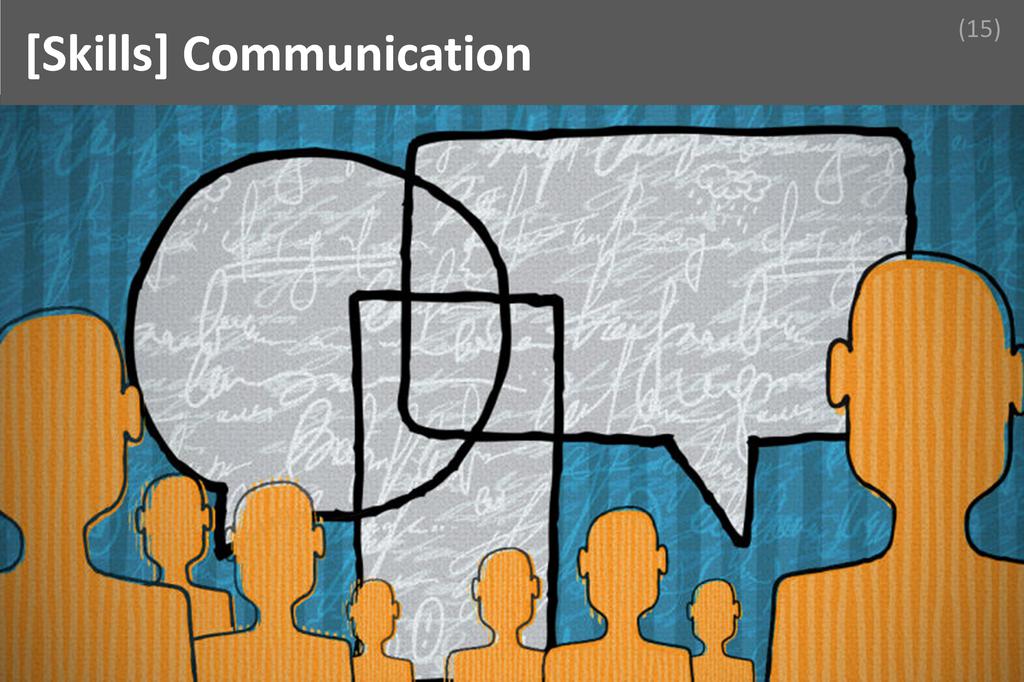
Communication is the process of exchanging information, ideas, and emotions through verbal, nonverbal, and written means to achieve mutual understanding. In event management, communication is the foundation for coordinating teams, aligning with client expectations, and ensuring every detail is executed flawlessly. It enables professionals to build trust, resolve conflicts, and deliver memorable experiences.
Strong communication skills directly enhance an event manager’s ability to coordinate logistics, delegate tasks, and maintain clear expectations among all stakeholders. Clients and employers highly value this skill because it minimizes misunderstandings, fosters collaboration, and ensures that the event vision is realized as planned. Effective communicators can anticipate issues, provide timely updates, and adapt messaging for diverse audiences, which is crucial in the dynamic environment of event management. To cultivate this skill, professionals should seek feedback, practice active listening, and engage in regular public speaking or writing exercises. Over time, consistent reflection and adaptation help refine both clarity and empathy, making communication a powerful asset in any event manager’s toolkit.
Imagine an event manager overseeing a large corporate conference when a key speaker cancels unexpectedly. The manager immediately communicates the situation to the client, reassuring them and outlining alternative solutions. Simultaneously, they coordinate with the technical team to adjust the schedule and inform attendees of the change through clear, timely announcements. By maintaining open and transparent communication, the manager not only resolves the crisis efficiently but also preserves the client’s trust and the event’s professional atmosphere. This scenario highlights how adept communication enables event professionals to navigate challenges, keep stakeholders informed, and ensure the event’s overall success despite unforeseen obstacles.
Passion

Passion is an intense enthusiasm and dedication toward a particular activity or field, driving individuals to invest energy, creativity, and resilience in their work. In event management, passion fuels the commitment to deliver memorable experiences, motivates professionals to overcome challenges, and inspires innovation in planning and execution, making it indispensable.
Passion directly enhances performance in event management by fostering a proactive attitude, attention to detail, and a willingness to go above and beyond for clients and attendees. Employers and clients value passionate professionals because their enthusiasm translates into higher quality events, creative solutions, and a positive atmosphere. Passionate event managers are more likely to anticipate problems, adapt quickly, and maintain motivation during long hours or high-pressure situations. To cultivate passion, individuals can seek inspiration from successful events, connect with like-minded professionals, and continuously learn about new trends and technologies in the industry. Over time, immersing oneself in the vibrant world of events and celebrating each success helps sustain and deepen this essential quality.
Imagine an event manager overseeing a large corporate conference when, just hours before the keynote speech, a major technical failure threatens to disrupt the entire schedule. Instead of succumbing to stress, the manager’s passion for creating seamless experiences drives them to rally the team, brainstorm creative alternatives, and communicate transparently with stakeholders. Their enthusiasm and determination inspire confidence in both staff and clients, leading to swift problem-solving and the successful implementation of a backup plan. The event proceeds smoothly, and attendees remain unaware of the crisis. In this scenario, passion not only motivates the manager to persevere but also energizes the entire team, turning a potential disaster into a demonstration of professionalism and dedication.
Good Listener

A good listener is someone who attentively receives, understands, and processes information shared by others, responding thoughtfully and without interruption. In event management, this skill ensures that every detail, concern, and expectation from clients, vendors, and team members is accurately captured and addressed, leading to successful event outcomes.
Being a good listener directly enhances an event manager’s performance by fostering clear communication, minimizing misunderstandings, and building trust with stakeholders. Clients and employers highly value this skill because it demonstrates respect, attention to detail, and a commitment to delivering exactly what is needed. By actively listening, event managers can anticipate issues, clarify objectives, and adapt plans to meet evolving requirements. Cultivating this skill involves practicing patience, maintaining eye contact, asking clarifying questions, and reflecting on feedback. Over time, consistent effort to truly hear and understand others’ perspectives leads to stronger relationships and more effective collaboration, which are critical in the fast-paced, detail-oriented world of event management.
Imagine an event manager meeting with a client who is anxious about a product launch. The client expresses concerns about guest experience and brand messaging. By being a good listener, the event manager picks up on subtle cues and underlying worries, asking follow-up questions to clarify expectations. This attentive approach uncovers specific needs, such as customized signage and interactive elements, that the client had not explicitly mentioned. By addressing these details, the event manager not only reassures the client but also delivers an event that exceeds expectations. This scenario highlights how good listening transforms vague concerns into actionable solutions, ensuring both client satisfaction and event success.
Positives
Travel

Travel, in the context of event management, refers to the opportunity to journey to diverse locations, both domestically and internationally, for the planning, coordination, and execution of events. This dynamic aspect allows professionals to immerse themselves in new cultures, environments, and experiences, fostering personal growth and expanding professional horizons.
The ability to travel is a transformative benefit in event management, infusing each project with excitement and fresh perspectives. Traveling for work means that no two days are ever the same, as professionals encounter new venues, clients, and logistical challenges. This constant change keeps the work engaging and prevents monotony, which significantly boosts job satisfaction. Exposure to different cultures and practices also enhances creativity and adaptability, essential skills in this fast-paced industry. As event managers build a global network and gain firsthand knowledge of international trends, their expertise and marketability grow. The daily experience of travel not only enriches their professional lives but also contributes to personal fulfillment, making every event an adventure and every destination a new opportunity for learning and connection.
Imagine an event manager tasked with organizing a high-profile conference in Barcelona. From the moment they arrive, they are immersed in the city’s vibrant culture, collaborating with local vendors, exploring unique venues, and sampling regional cuisine to create an authentic experience for attendees. Each day brings new discoveries, from navigating historic streets to understanding local customs, all of which inform the event’s design and execution. The professional not only delivers a memorable event but also returns home with a wealth of new ideas, contacts, and inspiration. This journey exemplifies how travel in event management transforms routine work into a series of enriching, unforgettable experiences that fuel both career growth and personal satisfaction.
Meeting New People

Meeting new people refers to the ongoing opportunity to connect with individuals from diverse backgrounds, industries, and cultures through professional interactions. In event management, this means engaging with clients, vendors, attendees, and collaborators, fostering relationships that enrich both personal and professional growth. These connections create a dynamic and stimulating work environment, fueling creativity and expanding perspectives. The constant influx of fresh ideas and experiences not only enhances the quality of events but also contributes to a sense of fulfillment and excitement in the profession.
The ability to meet new people is a cornerstone of job satisfaction in event management. Every event brings together a unique mix of personalities, offering professionals the chance to learn, network, and build lasting relationships. This exposure to different viewpoints and expertise can spark innovation and open doors to new opportunities, whether it’s discovering a creative solution to a challenge or forming partnerships that lead to future projects. The daily interactions with a wide array of individuals keep the work engaging and prevent monotony, making each day distinct and rewarding. Ultimately, these connections not only enhance career prospects but also contribute to personal development, making event management a truly enriching field.
Imagine an event manager organizing an international conference. Throughout the planning process, they collaborate with speakers from various countries, coordinate with local vendors, and interact with attendees from all walks of life. During the event, a chance conversation with a keynote speaker leads to an invitation to assist with another high-profile event abroad. Meanwhile, feedback from attendees provides fresh insights that inspire new approaches for future projects. These meaningful encounters not only expand the manager’s professional network but also instill a sense of accomplishment and excitement, highlighting how meeting new people can transform everyday work into a series of memorable and impactful experiences.
Independent Worker

An "Independent Worker" is a professional who thrives on self-direction, confidently making decisions, solving problems, and managing responsibilities without constant supervision. In event management, this quality empowers individuals to take ownership of projects, adapt quickly to changing circumstances, and deliver creative solutions, ultimately driving successful and memorable events.
Being an independent worker in event management is a powerful advantage because it allows professionals to take initiative and shape the direction of their projects. This autonomy fosters a sense of ownership and pride in their work, which directly boosts job satisfaction. Independent workers are trusted to make important decisions, manage their time efficiently, and respond proactively to unexpected challenges. This level of responsibility accelerates personal and professional growth, as each event becomes an opportunity to refine skills and showcase creativity. On a daily basis, event managers experience the freedom to implement their ideas, collaborate with diverse teams, and see their vision come to life, making their role both dynamic and deeply fulfilling.
Imagine an event manager tasked with organizing a large corporate conference. With minimal supervision, they independently coordinate logistics, negotiate with vendors, and develop a unique event theme. When a last-minute venue issue arises, their ability to think on their feet and make swift decisions ensures the event stays on track. The manager’s independence allows them to adapt quickly, communicate solutions confidently to stakeholders, and maintain a positive atmosphere among the team. As the event unfolds seamlessly, the manager experiences immense satisfaction, knowing their independent approach was key to overcoming obstacles and delivering a memorable experience for all attendees. This real-world scenario highlights how independence transforms challenges into rewarding achievements.
Monetary Potential

Monetary potential refers to the capacity for significant financial gain and income growth within a profession, driven by factors such as demand, expertise, and successful project outcomes. In event management, this potential is a powerful motivator, as it enables professionals to translate their creativity and organizational skills into tangible financial rewards, fostering both personal and professional advancement.
The monetary potential in event management is a compelling reason why many are drawn to this dynamic field. High-profile events, corporate functions, and large-scale festivals often command substantial budgets, allowing skilled professionals to earn impressive fees and bonuses. This financial incentive not only boosts job satisfaction but also encourages continuous learning and innovation, as event managers strive to deliver exceptional results for their clients. The prospect of increasing earnings with experience and reputation motivates individuals to refine their craft and expand their networks. Each successful event can lead to more lucrative opportunities, creating a cycle of growth and achievement that is both professionally and financially rewarding. The daily experience of seeing hard work translate into financial success is a powerful affirmation of one’s value in the industry.
Imagine an event manager who has spent years building a reputation for orchestrating seamless, memorable experiences. After successfully executing a high-profile corporate gala, the client is so impressed that they offer a generous bonus on top of the agreed fee. Word spreads quickly, and soon, other organizations seek out this manager’s expertise, willing to pay premium rates for their services. With each new project, the manager’s income grows, allowing them to invest in their business, hire additional staff, and even take on more ambitious events. This cycle of recognition and reward not only enhances their financial stability but also brings a deep sense of accomplishment, proving that the monetary potential in event management is both real and profoundly fulfilling.
Challenges
Experience

In Event Management, "Experience" refers to the practical knowledge and skills gained through direct involvement in planning, organizing, and executing events. It is demanding because each event presents unique challenges, requiring adaptability, quick decision-making, and a deep understanding of logistics, client expectations, and crisis management, which only experience can truly develop.
The lack of experience in Event Management can lead to uncertainty in decision-making, increased stress, and a higher likelihood of mistakes during high-pressure situations. This challenge affects daily work by making it harder to anticipate problems, manage vendors, and deliver seamless events. Professionals must demonstrate resilience, learning quickly from setbacks and seeking feedback to improve. Successful event managers often overcome this constraint by actively seeking mentorship, volunteering for diverse projects, and reflecting on each event to identify lessons learned. By embracing continuous learning and maintaining a proactive attitude, they gradually build the confidence and expertise needed to handle complex events with composure and efficiency.
Consider a junior event coordinator tasked with managing a corporate conference for the first time. Initially overwhelmed by the scale and complexity, she faced unexpected issues such as last-minute speaker cancellations and technical glitches. Instead of panicking, she reached out to more experienced colleagues for advice, delegated tasks effectively, and maintained open communication with vendors. By staying calm and resourceful, she navigated the challenges, ensuring the event ran smoothly. This experience not only enhanced her problem-solving skills but also boosted her confidence for future projects, demonstrating how perseverance and a willingness to learn can help overcome the hurdle of limited experience in event management.
Last Minute Demands

Last minute demands in event management refer to unexpected requests, changes, or requirements that arise shortly before or even during an event. These demands are challenging because they require immediate attention, rapid problem-solving, and often disrupt carefully laid plans, putting significant pressure on resources, timelines, and the event team.
The presence of last minute demands can significantly disrupt the daily workflow of event managers, forcing them to shift priorities, reallocate resources, and make quick decisions under pressure. This constant state of readiness can be mentally and physically taxing, demanding a high level of resilience and adaptability. Successful professionals in the field develop strong organizational skills, maintain clear communication channels, and foster a flexible mindset. They anticipate potential issues by building contingency plans and nurturing reliable vendor relationships. By staying calm and solution-focused, they are able to address urgent needs without compromising the overall quality of the event, turning potential crises into opportunities for creative problem-solving and client satisfaction.
Consider an event manager overseeing a large corporate conference who, just hours before the event, learns that a keynote speaker’s flight has been delayed, threatening the schedule. Instead of panicking, the manager quickly coordinates with the speaker’s team, rearranges the agenda to move another session forward, and communicates the changes to attendees and staff. Simultaneously, they arrange for a live video call as a backup in case the speaker cannot arrive in time. Through swift decision-making, clear communication, and leveraging technology, the manager ensures the event proceeds smoothly, demonstrating the ability to handle last minute demands with professionalism and composure.
Misconceptions

Misconceptions in Event Management refer to the widespread misunderstandings or inaccurate beliefs about the profession’s complexity, value, and required skill set. These misconceptions often lead to the assumption that event planning is simple, glamorous, or secondary, making it demanding for professionals to gain recognition and support for their expertise and efforts.
The prevalence of misconceptions can significantly affect the daily work of event management professionals. Colleagues, clients, or stakeholders may underestimate the strategic planning, problem-solving, and logistical coordination involved, leading to unrealistic expectations or undervaluing of their contributions. This environment demands resilience, as professionals must constantly advocate for their role and educate others about the intricacies of their work. Successful event managers navigate this challenge by proactively communicating the scope of their responsibilities, demonstrating the impact of their decisions, and building trust through consistent delivery of high-quality events. By fostering transparency and engaging stakeholders in the planning process, they gradually reshape perceptions and establish credibility within their organizations and networks.
Consider an event manager tasked with organizing a large corporate conference. Initially, company leadership views the event as a straightforward task, expecting flawless execution with minimal resources and time. The event manager recognizes this misconception and addresses it by inviting key stakeholders to planning meetings, sharing detailed timelines, and outlining potential risks and contingency plans. Through open communication and visible problem-solving, the manager demonstrates the complexity and value of their expertise. As the event unfolds smoothly, leadership gains a new appreciation for the behind-the-scenes work, leading to increased trust and recognition for the event manager’s role in future projects. This proactive approach transforms misconceptions into opportunities for professional growth and respect.
A Day Of
Event Management
The world of event management is a whirlwind of energy, anticipation, and split-second decision-making. From the moment the sun rises, event professionals are already orchestrating a symphony of logistics, creativity, and people skills, all while racing against the clock. The environment is fast-paced and ever-changing, with each day presenting new challenges and opportunities to turn vision into reality. Whether coordinating with vendors, managing last-minute changes, or ensuring every detail aligns perfectly, event managers thrive on the adrenaline and satisfaction that comes from bringing unforgettable experiences to life.
As dawn breaks, the event manager is often among the first to arrive at the venue, clipboard or tablet in hand, ready to oversee the initial setup. This early morning phase is all about ensuring that every element—from seating arrangements to audiovisual equipment—is in its rightful place. The manager walks the floor, cross-checking layouts, confirming deliveries, and troubleshooting any overnight surprises. It’s a quiet but crucial window to address potential issues before the day’s momentum builds, setting the tone for a seamless event.
By mid-morning, the venue buzzes with activity as guests begin to arrive and the event officially kicks off. The event manager is now in the thick of the action, acting as the central point of contact for staff, vendors, and attendees alike. This is the most intense part of the day, requiring quick thinking and calm under pressure as the manager juggles live coordination, addresses unexpected challenges, and ensures that the schedule runs like clockwork. Every detail, from speaker transitions to catering timing, is monitored closely to guarantee a flawless experience.
As the afternoon unfolds, the focus shifts to collaboration and execution. The event manager leads briefings with team members, checks in with vendors, and monitors guest engagement. This is the time for hands-on problem-solving, whether it’s adjusting room layouts for breakout sessions or handling special requests from VIPs. The manager’s ability to communicate clearly and adapt quickly is put to the test, as they work to keep the event running smoothly while maintaining a positive atmosphere for both staff and guests.
As the event winds down in the late afternoon or evening, the manager transitions into wrap-up mode. This involves overseeing the breakdown of equipment, ensuring the venue is left in pristine condition, and conducting debriefs with the team to discuss what went well and what could be improved. Administrative tasks such as updating reports, sending thank-you notes, and reviewing feedback are tackled with an eye toward continuous improvement. Before calling it a day, the manager begins planning for upcoming events, leveraging lessons learned to make the next experience even more memorable. |


 Home
Home Abroad
 Plan
Plan Philosophy
 Seminar
 Pages
Pages Advisors
 Testimonials














 Workshop
 Discuss
 Meet
Meet
 Advisor
 Story
Story
 Fine Print
 Links
Links
 Blog
Blog
 Follow
