The Journey of Event Management
What Is Event Management
Event Management

Event management is the process of planning, organizing, and executing events such as conferences, weddings, festivals, and corporate gatherings. It involves coordinating logistics, managing budgets, liaising with vendors, and ensuring that every aspect of the event runs smoothly to achieve the desired objectives and create memorable experiences.
Event management plays a crucial role in bringing people together, fostering connections, and creating impactful experiences. For professionals in this field, it offers the opportunity to develop strong organizational, communication, and problem-solving skills. The profession is dynamic, requiring adaptability and creativity to handle diverse events and unexpected challenges. One major benefit is the ability to work on a wide variety of projects, which keeps the work engaging and fresh. Another advantage is the potential for networking, as event managers interact with clients, vendors, and attendees from various industries. Additionally, successful event management can significantly enhance a company’s brand image and reputation, making it a valuable asset for businesses and organizations.
A professional event manager might be tasked with organizing a large-scale technology conference. This involves securing a venue, coordinating with speakers and sponsors, managing registration, and overseeing logistics such as catering, audio-visual equipment, and transportation. Throughout the process, the event manager must anticipate potential issues, adapt to last-minute changes, and ensure that all stakeholders are informed and satisfied. On the day of the event, the manager supervises the setup, monitors the schedule, and troubleshoots any problems that arise, ensuring a seamless experience for attendees. By the end of the event, the manager evaluates feedback and measures success against objectives, using these insights to improve future events.
Education
Marketing

Marketing is the strategic process of identifying, anticipating, and satisfying customer needs through the creation, communication, and delivery of value. It encompasses market research, branding, promotion, and relationship management. In Event Management, marketing is a core discipline, bridging academic theory and practical skills essential for attracting audiences and ensuring event success.
Understanding marketing is crucial for anyone pursuing a career in Event Management because it equips professionals with the ability to analyze target audiences, craft compelling messages, and position events effectively in competitive markets. Mastery of marketing principles enables event managers to design campaigns that maximize attendance, sponsorship, and engagement. This foundational knowledge not only helps in planning and executing successful events but also fosters long-term professional growth by building a reputation for delivering value to clients and stakeholders. As the industry evolves, those with strong marketing acumen are better positioned to adapt to trends, leverage digital platforms, and create memorable experiences that drive repeat business and career advancement.
Consider an event manager tasked with organizing a large-scale music festival. Drawing on their marketing expertise, they begin by researching the target demographic to understand preferences and behaviors. They then develop a unique brand identity for the festival, craft engaging promotional content, and select the most effective channels for advertising, such as social media and influencer partnerships. Throughout the planning process, they monitor ticket sales data and audience feedback, adjusting their strategies to optimize reach and engagement. By applying marketing theory to every stage of the event, the manager ensures not only high attendance but also a positive experience that encourages future participation and strengthens the event’s brand in the marketplace.
Finance
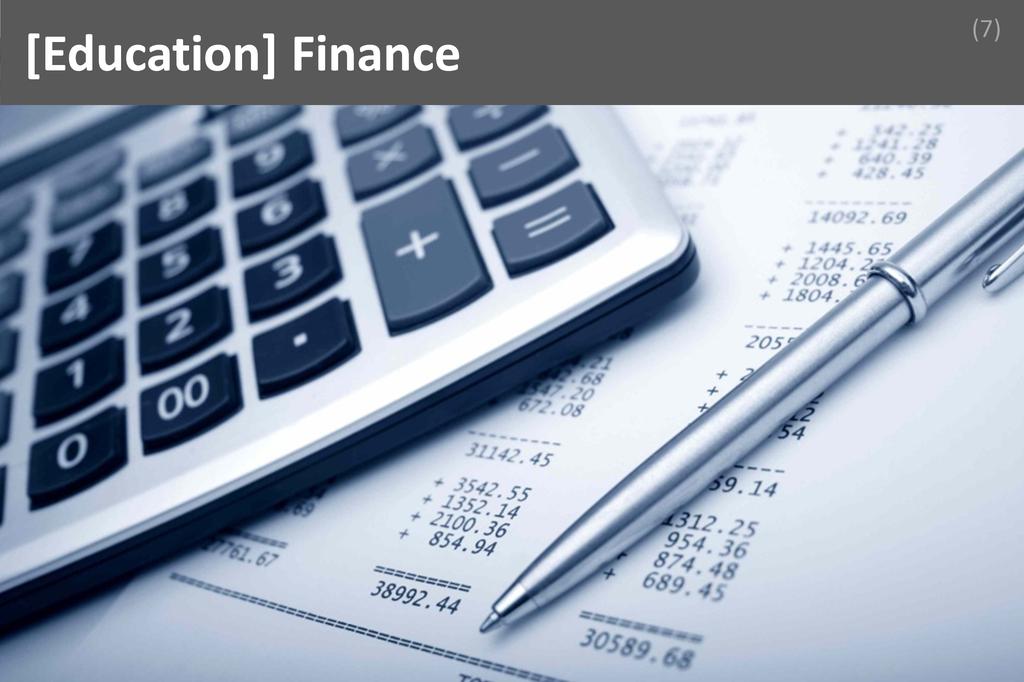
Finance is the study and management of money, investments, and other financial instruments. It involves budgeting, forecasting, analyzing financial statements, and making strategic decisions to ensure the effective allocation of resources. In Event Management, finance is essential for planning, executing, and evaluating the financial aspects of events to ensure profitability and sustainability.
Understanding finance is crucial for anyone in Event Management because it underpins every decision related to budgeting, resource allocation, and risk management. Mastery of financial principles allows professionals to create realistic budgets, negotiate contracts, and forecast revenues and expenses accurately. This knowledge helps event managers avoid costly mistakes, maximize returns, and ensure that events are financially viable. Over the long term, strong financial acumen enhances credibility with stakeholders, supports career advancement, and enables professionals to take on larger, more complex projects. It also equips them to adapt to changing market conditions and make informed decisions that contribute to the overall success and growth of their organization.
Consider an event manager tasked with organizing a large-scale conference. Using their financial knowledge, they develop a detailed budget that accounts for venue costs, catering, marketing, and staffing. They analyze past event data to forecast ticket sales and sponsorship revenue, adjusting their spending to ensure the event remains profitable. Throughout the planning process, they monitor actual expenses against projections, making real-time adjustments to avoid overspending. When negotiating with vendors, their understanding of financial statements helps them secure better deals and payment terms. After the event, they conduct a financial review to assess profitability and identify areas for improvement, using these insights to plan even more successful events in the future.
Operation Management

Operation Management is the discipline focused on designing, overseeing, and improving business processes to efficiently produce goods or deliver services. In Event Management, it encompasses the planning, coordination, and execution of all logistical elements, ensuring seamless event delivery. Mastery of this field is essential for academic and professional success in event-related roles.
Understanding Operation Management is crucial for anyone pursuing a career in Event Management because it provides the tools and frameworks necessary to handle complex logistical challenges. This subject teaches professionals how to optimize resources, manage time effectively, and anticipate potential risks, all of which are vital for delivering successful events. By mastering these concepts, event managers can ensure smooth operations, enhance client satisfaction, and build a reputation for reliability. Over time, this foundational knowledge supports career advancement, as employers and clients alike value individuals who can consistently deliver high-quality results while adapting to changing circumstances and demands within the dynamic events industry.
Imagine an event manager tasked with organizing a large-scale conference. Drawing on their knowledge of Operation Management, they begin by mapping out all required resources, from venue selection and vendor coordination to staffing and scheduling. Throughout the planning phase, they use forecasting techniques to estimate attendance and allocate resources efficiently, ensuring neither shortages nor excesses. On the event day, their operational expertise allows them to monitor workflows, quickly address unexpected issues such as equipment malfunctions or last-minute changes, and maintain clear communication among team members. This practical application of Operation Management principles ensures the event runs smoothly, meets client expectations, and leaves a lasting positive impression on attendees.
Logistics
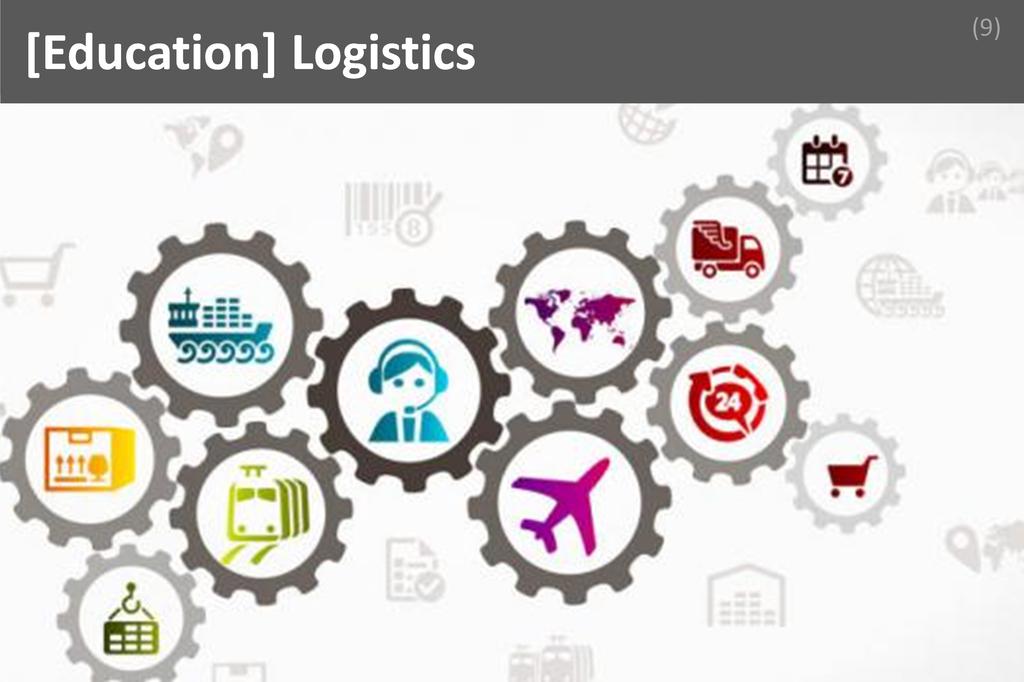
Logistics refers to the detailed planning, coordination, and management of resources, people, and information to ensure the smooth execution of complex operations. In Event Management, logistics encompasses everything from transportation and scheduling to equipment handling and venue setup, forming a critical component of both academic study and professional practice in the field.
A deep understanding of logistics is essential for anyone pursuing a career in Event Management because it underpins the successful delivery of any event, regardless of size or complexity. Mastery of logistics enables professionals to anticipate challenges, allocate resources efficiently, and maintain seamless communication among stakeholders. This knowledge forms the backbone of event planning, ensuring that every element, from vendor coordination to guest flow, is executed with precision. Over time, strong logistical skills contribute to a reputation for reliability and professionalism, opening doors to larger projects and leadership roles. As the industry evolves, those with a solid grasp of logistics are better equipped to adapt to new technologies and changing client expectations, ensuring long-term career growth and success.
Consider an event manager tasked with organizing a large-scale corporate conference. Their understanding of logistics is put to the test as they coordinate the arrival and setup of audiovisual equipment, manage transportation schedules for speakers and guests, and oversee the timely delivery of catering services. By applying logistical principles, the manager creates detailed timelines, communicates effectively with vendors, and anticipates potential disruptions such as traffic delays or last-minute changes in attendee numbers. This proactive approach ensures that every aspect of the event runs smoothly, from registration to closing remarks, resulting in a positive experience for all participants and reinforcing the manager’s reputation for excellence in event execution.
Public Relations
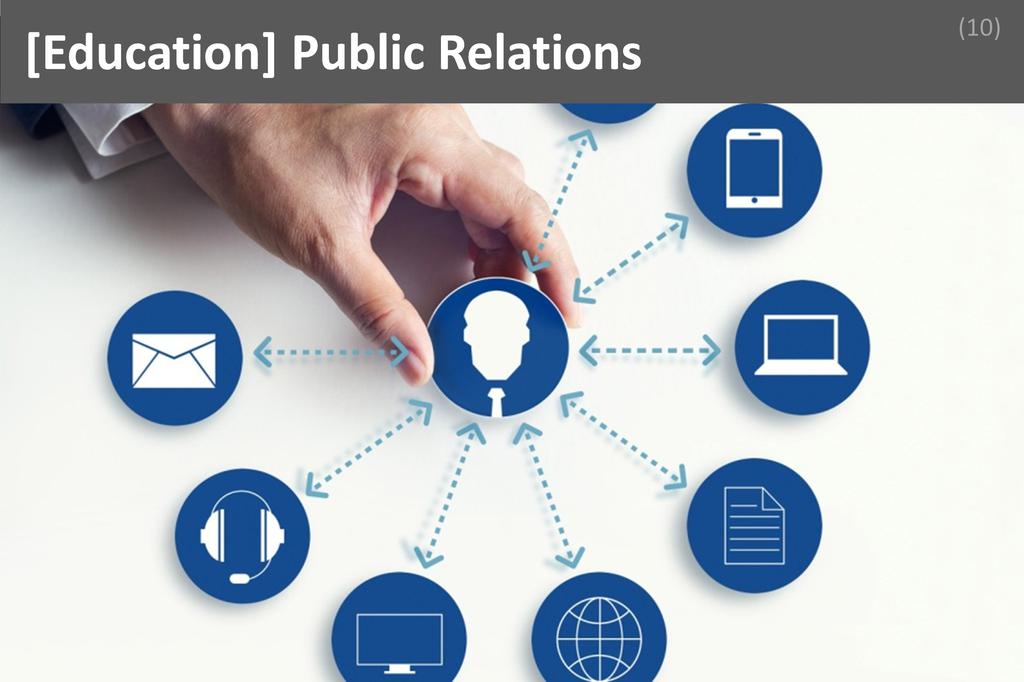
Public Relations is the strategic management of communication between an organization and its audiences to build, maintain, and enhance a positive reputation. In Event Management, it is an essential academic and professional discipline, equipping practitioners with the skills to shape public perception, manage media relations, and handle communication during both routine and crisis situations.
Understanding Public Relations is crucial for anyone pursuing a career in Event Management because it underpins the ability to create and sustain a favorable image for both events and their organizers. Mastery of PR concepts enables professionals to craft compelling narratives, engage stakeholders, and foster trust among attendees, sponsors, and the wider community. This knowledge is foundational, as successful events often hinge on positive public perception and effective communication strategies. Over the long term, proficiency in Public Relations can open doors to leadership roles, enhance professional credibility, and ensure resilience in the face of challenges such as negative publicity or unforeseen crises. Ultimately, it empowers event managers to not only deliver memorable experiences but also to safeguard and elevate their organization’s reputation.
Imagine an event manager organizing a high-profile charity gala. In the weeks leading up to the event, a negative news story emerges about one of the sponsors. Drawing on their Public Relations expertise, the event manager quickly assesses the situation, crafts a clear and empathetic statement, and coordinates with the sponsor to address concerns transparently. They proactively engage with media outlets, provide timely updates to attendees, and monitor public sentiment across social media platforms. By applying PR principles, the manager is able to mitigate reputational damage, reassure stakeholders, and maintain the event’s positive image. This approach not only preserves the event’s success but also demonstrates the critical role of Public Relations in effective Event Management.
Psychology

Psychology is the scientific study of the mind and behavior, exploring how individuals think, feel, and act in various situations. In the context of Event Management, psychology provides essential insights into human motivation, group dynamics, and decision-making, forming a crucial part of the academic and professional toolkit for successful event planning and execution.
Understanding psychology is vital for anyone in Event Management because it equips professionals with the ability to anticipate and influence attendee behavior, foster positive interactions, and create memorable experiences. Knowledge of psychological principles helps event managers design environments that cater to diverse needs, manage stress, and resolve conflicts effectively. This foundational understanding enhances communication, negotiation, and leadership skills, all of which are indispensable in coordinating teams and engaging stakeholders. Over the long term, a strong grasp of psychology supports career growth by enabling professionals to adapt to changing trends, understand cultural differences, and build stronger relationships with clients and audiences, ultimately leading to more successful and impactful events.
Imagine an event manager organizing a large corporate conference. By applying psychological principles, they arrange the seating to encourage networking, use color schemes that promote calmness and focus, and schedule breaks to prevent attendee fatigue. When a guest speaker cancels unexpectedly, the manager draws on their understanding of group psychology to communicate transparently, manage disappointment, and quickly adapt the agenda to maintain enthusiasm. Their ability to read the mood of the crowd and respond empathetically ensures that participants remain engaged and satisfied, demonstrating how theoretical knowledge of psychology translates into practical solutions that enhance the overall event experience.
Skills
Creativity

Creativity is the ability to generate original ideas, approach challenges from unique perspectives, and devise innovative solutions that go beyond conventional thinking. In event management, creativity is indispensable because it transforms ordinary gatherings into memorable experiences, helping professionals design engaging themes, solve unexpected problems, and exceed client expectations with fresh concepts.
Creativity directly enhances an event manager’s performance by enabling them to craft distinctive experiences that stand out in a competitive industry. Clients and employers highly value this skill because it leads to events that are not only well-organized but also captivating and memorable, increasing satisfaction and positive word-of-mouth. To cultivate creativity, professionals should expose themselves to diverse sources of inspiration, seek feedback, and continuously experiment with new ideas. Over time, regular brainstorming, collaboration with creative peers, and staying updated on industry trends help event managers refine their creative instincts and apply them effectively in their work.
Imagine an event manager overseeing a high-profile corporate gala when, hours before the event, the main entertainment act cancels unexpectedly. Relying on creativity, the manager quickly repurposes available resources, transforming a networking lounge into an interactive experience with live artists and immersive digital displays. This spontaneous solution not only fills the entertainment gap but also delights attendees with an unexpected and engaging activity. The client is impressed by the manager’s ability to turn a potential disaster into a highlight of the evening, demonstrating how creativity can resolve critical issues and elevate the overall success of an event.
Convincing

Convincing is the ability to influence others’ opinions, decisions, or actions through clear communication, logical reasoning, and emotional appeal. In event management, this skill enables professionals to secure approvals, negotiate with vendors, inspire teams, and reassure clients, making it a cornerstone for successful project execution and stakeholder satisfaction.
Convincing is a vital asset in event management because it empowers professionals to align diverse stakeholders toward a common goal. Clients and employers value this skill as it ensures smooth negotiations, fosters trust, and helps overcome objections or resistance. For example, when proposing innovative ideas or negotiating contracts, the ability to present arguments persuasively can lead to better deals and more creative outcomes. Developing this skill involves practicing active listening, understanding the motivations of others, and refining communication techniques. Over time, experience and feedback help professionals adapt their approach, making their persuasive efforts more effective and authentic. Ultimately, a convincing event manager can turn challenges into opportunities and drive projects to successful completion.
Imagine an event manager facing a last-minute venue cancellation just days before a major corporate event. The only available alternative is more expensive and slightly outside the client’s preferred location. The manager must quickly convince the client that this new venue not only meets the event’s requirements but also offers unique advantages, such as better amenities and enhanced guest experience. By confidently presenting the benefits, addressing concerns transparently, and demonstrating commitment to the event’s success, the manager reassures the client and secures their approval. This ability to persuade under pressure ensures the event proceeds smoothly, preserves client trust, and showcases the manager’s professionalism and problem-solving capabilities.
Time Management
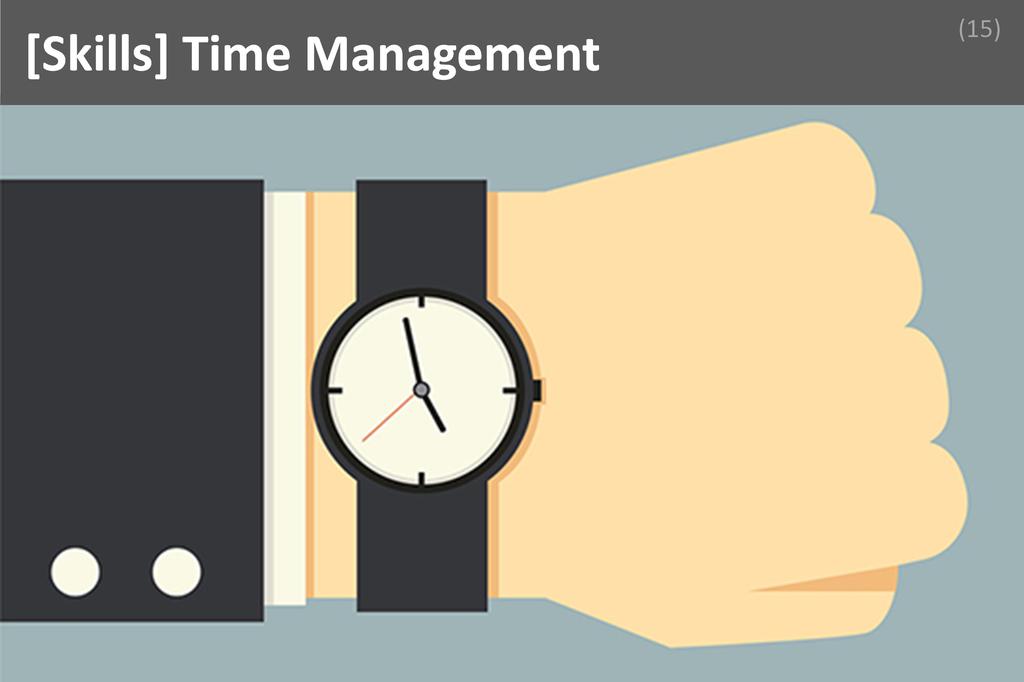
Time management is the ability to plan, organize, and control how much time is spent on specific activities to maximize efficiency and productivity. In event management, this skill is crucial for coordinating multiple tasks, meeting strict deadlines, and ensuring that every aspect of an event runs smoothly from start to finish.
Mastering time management directly enhances an event manager’s performance by enabling them to juggle competing priorities, anticipate potential delays, and allocate resources effectively. Clients and employers highly value this skill because it leads to seamless event execution, minimizes costly mistakes, and builds trust through reliability. Cultivating time management involves setting clear goals, breaking projects into manageable tasks, and regularly reviewing progress to adjust plans as needed. Over time, professionals can refine their ability to estimate how long tasks will take, delegate appropriately, and remain adaptable when unexpected challenges arise. Consistent practice and reflection help event managers develop a keen sense of timing, which is essential for delivering successful events under pressure.
Imagine an event manager overseeing a large corporate conference with multiple speakers, breakout sessions, and catering requirements. On the day of the event, a keynote speaker’s flight is delayed, threatening the entire schedule. Relying on strong time management skills, the manager quickly reorganizes the agenda, communicates changes to staff and attendees, and coordinates with other speakers to fill the gap. By efficiently reallocating time and resources, the manager ensures that the event continues smoothly, minimizing disruption and maintaining a positive experience for all participants. This scenario highlights how effective time management allows professionals to respond calmly and strategically to unforeseen challenges, ultimately safeguarding the event’s success.
Multitasking

Multitasking is the ability to efficiently handle multiple tasks, responsibilities, or projects at the same time, seamlessly shifting focus as needed without sacrificing quality or accuracy. In event management, multitasking is indispensable because professionals must coordinate logistics, manage vendors, communicate with clients, and solve problems simultaneously to ensure seamless execution.
Mastering multitasking directly enhances an event manager’s performance by enabling them to juggle competing demands and deadlines with composure. Clients and employers highly value this skill because it ensures that no detail is overlooked, even when unexpected challenges arise. The ability to multitask reassures stakeholders that their event is in capable hands, fostering trust and satisfaction. Developing this skill involves practicing time management, prioritizing tasks, and learning to delegate effectively. Over time, exposure to increasingly complex events helps professionals refine their multitasking abilities, allowing them to anticipate needs, adapt quickly, and maintain control under pressure. Continuous self-reflection and feedback also contribute to ongoing improvement in this critical area.
Imagine an event manager overseeing a large corporate conference. While coordinating the arrival of keynote speakers, they receive a call about a technical issue with the audio-visual setup. Simultaneously, a catering delivery arrives earlier than scheduled, and a client requests last-minute changes to the seating arrangement. The event manager must quickly assess priorities, delegate tasks to team members, communicate with the AV technicians, and reassure the client—all within a tight timeframe. By skillfully multitasking, the manager ensures that each issue is addressed promptly, the event stays on schedule, and the client remains confident in the team’s ability to handle any situation. This scenario highlights how multitasking is not just beneficial but essential for success in event management.
Problem Solving

Problem solving is the ability to identify challenges, analyze situations, generate effective solutions, and implement them efficiently. In event management, this skill is crucial because unexpected issues often arise, requiring quick thinking and decisive action. It enables professionals to maintain seamless operations and deliver successful events despite unforeseen obstacles.
Problem solving directly enhances an event manager’s performance by enabling them to navigate complex situations with confidence and creativity. Clients and employers highly value this skill because it ensures that events run smoothly, even when plans change or complications occur. A professional who excels in problem solving can adapt to shifting circumstances, minimize disruptions, and maintain client satisfaction. Cultivating this skill involves seeking out challenging projects, reflecting on past experiences, and learning from both successes and setbacks. Over time, exposure to diverse scenarios and a proactive mindset help event managers become more resourceful and resilient, making them indispensable assets to any team or organization.
Imagine an event manager overseeing a large outdoor festival when an unexpected thunderstorm threatens to disrupt the schedule. With little time to spare, the manager quickly assesses the situation, coordinates with vendors to move equipment under cover, communicates changes to performers and guests, and rearranges the program to prioritize indoor activities. By thinking on their feet and implementing effective solutions, the manager not only prevents chaos but also reassures clients and attendees. This ability to resolve critical issues under pressure demonstrates the true value of problem solving in event management, turning potential disasters into opportunities for success and client trust.
Administrative
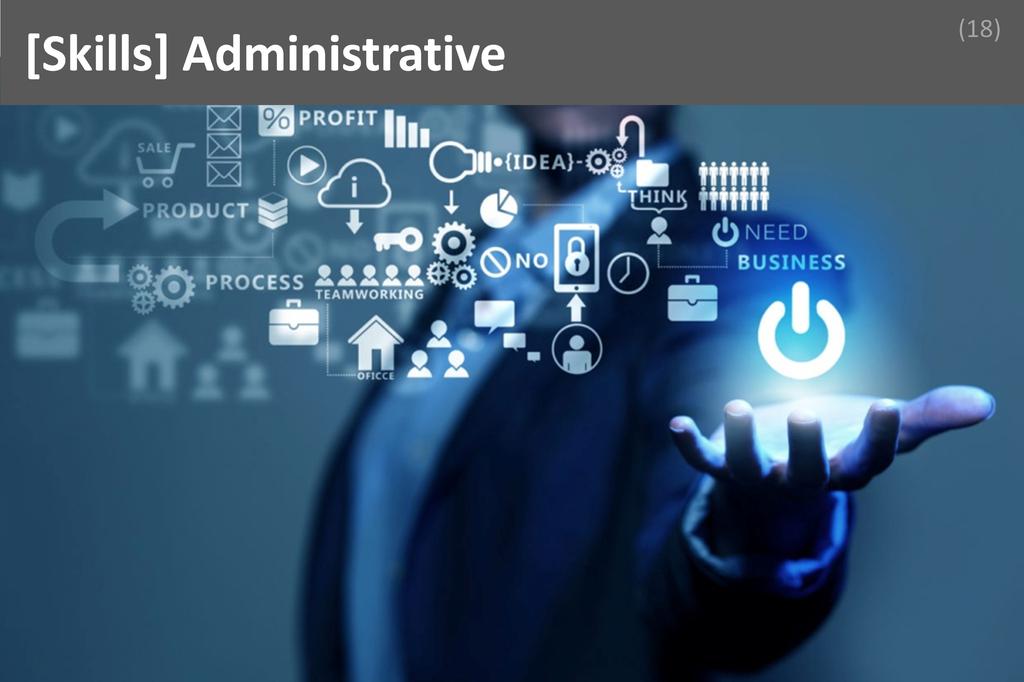
Administrative refers to the ability to efficiently organize, coordinate, and oversee tasks, resources, and information to ensure smooth operations. In event management, this skill is vital for handling logistics, managing schedules, maintaining records, and facilitating communication among stakeholders, making it a cornerstone of successful event execution and client satisfaction.
Mastering administrative skills directly enhances an event manager’s ability to juggle multiple responsibilities, meet tight deadlines, and prevent costly mistakes. Clients and employers highly value this competence because it ensures that every aspect of an event, from vendor contracts to guest lists, is meticulously managed. Strong administrative abilities foster trust, as stakeholders can rely on the event manager to keep everything on track and respond swiftly to changes. To cultivate this skill, professionals should practice time management, utilize organizational tools, and seek feedback on their processes. Over time, consistent attention to detail and proactive planning help refine administrative capabilities, making them second nature and significantly boosting overall performance in the fast-paced world of event management.
Imagine an event manager overseeing a large corporate conference. Days before the event, a key speaker’s flight is unexpectedly canceled, threatening the schedule. Relying on strong administrative skills, the manager quickly reviews the master schedule, contacts alternative speakers, and coordinates with transportation and accommodation providers. By efficiently updating all stakeholders and adjusting the event timeline, the manager ensures the conference proceeds smoothly without disruption. This scenario highlights how administrative expertise enables professionals to respond calmly and effectively to unforeseen challenges, safeguarding the event’s success and maintaining client confidence. Such proficiency not only resolves immediate issues but also reinforces the manager’s reputation for reliability and excellence in event management.
Communication

Communication is the process of exchanging information, ideas, and emotions through verbal, non-verbal, and written means to ensure mutual understanding. In event management, communication is the foundation for coordinating teams, aligning with client expectations, and delivering seamless experiences. It enables professionals to convey vision, resolve conflicts, and build strong stakeholder relationships.
Strong communication skills directly enhance an event manager’s ability to coordinate complex logistics, delegate tasks, and manage diverse teams under pressure. Clients and employers highly value professionals who can articulate ideas clearly, listen actively, and provide timely updates, as this minimizes misunderstandings and builds trust. Effective communication also ensures that all parties are aligned with the event’s objectives, reducing the risk of costly errors. To cultivate this skill, aspiring event managers should seek feedback, practice public speaking, and engage in active listening. Over time, exposure to varied situations and stakeholders helps refine one’s ability to adapt messaging styles, handle challenging conversations, and foster collaborative environments, all of which are crucial for career advancement in event management.
Imagine an event manager overseeing a high-profile corporate conference when a keynote speaker cancels unexpectedly. The manager must quickly communicate with the client, propose alternative solutions, and coordinate with the technical team to adjust the schedule. By calmly relaying the situation, listening to the client’s concerns, and clearly outlining next steps, the manager reassures stakeholders and maintains confidence in the event’s success. Simultaneously, the manager’s ability to give concise instructions to staff ensures that signage, programs, and announcements are updated promptly. Through effective communication, the manager transforms a potential crisis into a demonstration of professionalism and adaptability, ultimately preserving the event’s reputation and client satisfaction.
Positives
Self Satisfaction

Self satisfaction is the deep sense of fulfillment and pride that comes from achieving personal and professional goals, knowing that one’s efforts have made a meaningful impact. In event management, this feeling arises when professionals see their meticulous planning and creativity come to life, resulting in successful, memorable experiences for others. Self satisfaction motivates event managers to continually improve, fuels their passion, and helps them overcome challenges with resilience. It transforms hard work into a source of joy, making the profession not just a job, but a rewarding journey of personal growth and accomplishment.
Self satisfaction is a cornerstone of lasting success and happiness in event management. When professionals feel genuinely proud of their work, it enhances their motivation and commitment, leading to higher job satisfaction and a positive work environment. This sense of fulfillment encourages them to take on new challenges, innovate, and strive for excellence in every project. The daily experience of seeing ideas materialize and witnessing the joy of clients and attendees reinforces their sense of purpose. Over time, this intrinsic reward becomes a driving force for career growth, helping event managers build confidence, develop new skills, and maintain enthusiasm even during demanding times.
Imagine an event manager who has spent months organizing a large charity gala. From coordinating vendors to designing the event’s theme and managing last-minute changes, every detail demands attention and creative problem-solving. On the night of the event, as guests arrive and the atmosphere buzzes with excitement, the manager observes the seamless flow of activities and the genuine enjoyment of attendees. When the event concludes successfully, with positive feedback from clients and participants, the manager feels an overwhelming sense of self satisfaction. This moment of fulfillment validates all the hard work, late nights, and dedication, making the entire journey worthwhile and inspiring them to take on future challenges with renewed passion.
Recognition

Recognition is the acknowledgment and appreciation of an individual’s efforts, achievements, and contributions by peers, clients, or the wider community. In event management, recognition serves as a powerful motivator, validating the hard work and creativity invested in orchestrating memorable experiences. It fosters a sense of accomplishment and professional pride, fueling ongoing passion.
The positive impact of recognition in event management cannot be overstated. When professionals receive acknowledgment for their dedication and ingenuity, it significantly enhances job satisfaction and personal fulfillment. Recognition often leads to increased confidence, inspiring event managers to take on new challenges and innovate further. This appreciation can also open doors to career advancement, as satisfied clients and colleagues are more likely to recommend or rehire recognized professionals. On a daily basis, event managers experience this benefit through client testimonials, team celebrations, and industry awards, all of which reinforce their value and encourage continued excellence. Ultimately, recognition creates a supportive environment where creativity thrives and professionals feel genuinely valued for their contributions.
Imagine an event manager who has spent months meticulously planning a large-scale corporate conference. After the event concludes successfully, the client publicly praises the manager’s attention to detail and seamless execution during a company-wide meeting. The team also celebrates with a small gathering, expressing gratitude for the manager’s leadership and vision. This recognition not only boosts the manager’s morale but also strengthens their reputation within the industry. The positive feedback inspires them to pursue even more ambitious projects, knowing their efforts are seen and appreciated. Such moments of acknowledgment become lasting memories, reinforcing the rewarding nature of a career in event management and motivating professionals to continue striving for excellence.
Travel

Travel is the act of moving from one location to another, often across cities, countries, or continents, for work or leisure. In event management, travel means exploring new destinations, cultures, and venues while coordinating and executing events. This dynamic movement enriches professionals with fresh perspectives, adaptability, and global connections, enhancing their expertise.
The opportunity to travel is a defining benefit of a career in event management. It transforms routine work into an adventure, offering exposure to diverse cultures, ideas, and practices. This constant change of scenery keeps the job exciting and prevents monotony, fueling creativity and innovation. Travel also enables professionals to build a global network, learn from international peers, and adapt to various environments, which accelerates personal and professional growth. The sense of discovery and the challenge of managing events in unfamiliar settings foster resilience and confidence. Ultimately, the travel aspect elevates job satisfaction, making each project a unique journey and every day a chance to experience something new.
Imagine an event manager tasked with organizing an international conference in Barcelona. From the moment they land, they immerse themselves in the city’s vibrant culture, scouting venues with stunning architecture and sampling local cuisine to craft an authentic experience for attendees. Navigating language barriers and collaborating with local vendors, the manager learns new customs and business practices, expanding their professional toolkit. Each day brings fresh challenges and discoveries, from coordinating logistics across time zones to exploring hidden gems for memorable off-site activities. The thrill of transforming a foreign city into a seamless event backdrop not only delivers a sense of accomplishment but also deepens their passion for the profession, making travel an invaluable and inspiring part of their career.
Good Income & Growth

Good Income & Growth refers to the potential for earning a competitive salary while consistently advancing in one’s career. In event management, this means professionals can expect financial rewards that reflect their skills and dedication, along with clear opportunities for promotion, increased responsibility, and personal development as they gain experience.
The promise of good income and growth is a powerful motivator for those entering the field of event management. Knowing that hard work and creativity are rewarded with both financial stability and career advancement brings a deep sense of purpose to daily tasks. This positive aspect fosters job satisfaction, as professionals see tangible results from their efforts and can plan for a secure future. The dynamic nature of the industry ensures that there are always new challenges to tackle, and with each successful event, individuals build their reputation and open doors to higher-profile projects and leadership roles. This ongoing progression not only boosts confidence but also encourages continuous learning and innovation, making each day both rewarding and inspiring.
Imagine a young event manager who starts out coordinating small local gatherings. Through dedication, attention to detail, and creative problem-solving, she quickly earns recognition from clients and her employer. Within a few years, she is promoted to lead larger corporate events and international conferences, each offering higher compensation and greater responsibility. The financial rewards allow her to invest in professional development courses and expand her network, further accelerating her career. Every successful event not only brings a sense of accomplishment but also tangible growth in her income and professional standing. This journey exemplifies how good income and growth transform a passion for event management into a thriving, fulfilling career.
Networking

Networking is the process of building and nurturing professional relationships that foster mutual support, knowledge sharing, and collaboration. In event management, networking connects individuals with industry peers, clients, vendors, and influencers, creating a dynamic web of contacts. This interconnectedness opens doors to new opportunities, resources, and insights, fueling both personal and professional growth.
The power of networking in event management cannot be overstated. It is the foundation upon which successful events and careers are built. By cultivating strong relationships, professionals gain access to valuable resources, insider knowledge, and trusted partners who can help overcome challenges and deliver exceptional results. Networking also enhances job satisfaction by creating a sense of belonging within a vibrant community, where ideas and inspiration flow freely. Each interaction can lead to new collaborations, referrals, or even lifelong friendships, making every day on the job more engaging and rewarding. This continuous exchange of support and expertise not only accelerates career growth but also instills confidence and resilience in the face of industry changes.
Imagine an event manager tasked with organizing a large-scale conference on short notice. Through years of networking, she has built strong relationships with reliable vendors, talented speakers, and experienced logistics teams. With a few phone calls and messages, she assembles a dream team, secures last-minute deals, and fills the agenda with high-profile guests. The event’s success is a testament to the power of her network, as each connection contributes expertise and resources that would have been impossible to access alone. The gratitude and camaraderie she experiences reinforce her passion for the profession, proving that networking is not just a tool, but a deeply fulfilling aspect of her career.
Personality Development

Personality development is the continuous process of enhancing one’s character, communication skills, confidence, emotional intelligence, and adaptability to become a more effective and well-rounded individual. In event management, this growth is not just beneficial but essential, as professionals must interact with diverse people, solve problems creatively, and lead teams efficiently. The dynamic nature of the industry ensures that every day presents new challenges and opportunities, pushing individuals to refine their interpersonal skills, resilience, and leadership abilities. As a result, personality development becomes a cornerstone of success, enabling event managers to thrive in high-pressure environments and build lasting professional relationships.
The emphasis on personality development in event management is a major reason why this career path is so rewarding. As professionals navigate the fast-paced world of organizing and executing events, they are constantly required to communicate clearly, negotiate effectively, and adapt to rapidly changing circumstances. This ongoing personal growth leads to increased self-confidence and a greater sense of accomplishment, both of which are crucial for job satisfaction. Moreover, the skills developed through personality enhancement—such as empathy, patience, and assertiveness—are highly transferable, opening doors to new opportunities and career advancement. Every day, event managers witness their own transformation as they handle complex situations with poise, making their work not just a job, but a journey of self-improvement.
Imagine an event manager tasked with organizing a large international conference. As the event approaches, unexpected challenges arise: a keynote speaker cancels, a technical glitch threatens the schedule, and a client expresses last-minute concerns. Drawing on their developed personality traits, the manager remains calm and composed, communicates transparently with all stakeholders, and motivates the team to find creative solutions. Through this experience, the manager not only ensures the event’s success but also feels a deep sense of fulfillment, recognizing how much they have grown in confidence, leadership, and emotional intelligence. This real-world scenario highlights how personality development transforms everyday challenges into opportunities for personal and professional growth in event management.
Continuous Learning

Continuous Learning is the ongoing process of acquiring new skills, knowledge, and insights to adapt to changing environments and emerging trends. In event management, this means staying updated with the latest technologies, creative concepts, and industry best practices. It fosters adaptability, innovation, and personal growth, making the profession dynamic and engaging.
Continuous learning is a cornerstone of job satisfaction and professional growth in event management. The industry is ever-evolving, with new technologies, audience expectations, and logistical challenges emerging regularly. Professionals who embrace continuous learning find themselves better equipped to handle these changes, which leads to greater confidence and competence. This ongoing development keeps the work fresh and exciting, preventing stagnation and burnout. As event managers master new tools and strategies, they unlock opportunities for career advancement and creative expression. The sense of achievement that comes from overcoming challenges and implementing innovative solutions is deeply rewarding, making each day on the job unique and fulfilling.
Imagine an event manager tasked with organizing a large-scale hybrid conference. While experienced in traditional event planning, she recognizes the need to master virtual event platforms and audience engagement tools. Through webinars, online courses, and peer collaboration, she quickly learns to integrate live streaming, interactive polls, and virtual networking spaces. The event’s success, marked by high attendee satisfaction and seamless execution, is a direct result of her commitment to continuous learning. Not only does she feel a sense of accomplishment, but she also gains recognition from her peers and clients. This experience reinforces her passion for the profession and motivates her to keep learning, knowing that each new skill opens doors to even greater achievements.
Challenges
Budget

In event management, “Budget” refers to the financial framework that dictates the allocation and limitation of resources for an event. It is demanding because it requires balancing creative vision with financial realities, ensuring every aspect of the event is executed within strict monetary constraints while still meeting client expectations and maintaining quality.
Budget limitations significantly influence the daily responsibilities of event managers, affecting decisions from venue selection to catering and entertainment options. This challenge demands resilience because unexpected costs and last-minute changes are common, requiring professionals to adapt quickly without compromising the event’s success. Successful event managers navigate this constraint by prioritizing essential elements, negotiating favorable terms with vendors, and continuously monitoring expenses. They often rely on creative problem-solving to deliver memorable experiences within financial boundaries, leveraging strong relationships and resourcefulness to maximize value. By maintaining transparency with clients and stakeholders about what is feasible, they set realistic expectations and foster trust, ensuring that even with limited funds, the event achieves its core objectives.
Consider an event manager tasked with organizing a corporate conference on a tight budget due to company-wide cost-cutting measures. Instead of booking a high-end venue, the manager identifies a local community center that offers flexible rental rates and negotiates discounts with suppliers by bundling services. To further stretch the budget, the manager opts for digital invitations and leverages in-house talent for event entertainment and photography. Throughout the planning process, the manager tracks expenses meticulously, reallocating funds as needed to cover unexpected costs without exceeding the overall limit. By creatively reimagining the event’s format and making strategic compromises, the manager delivers a successful conference that meets the client’s goals and receives positive feedback, all while staying within budget.
Getting Sponsorship

Getting Sponsorship in Event Management refers to the process of securing financial or in-kind support from external organizations to fund or enhance an event. This task is demanding because it requires persuasive communication, strategic alignment with sponsors’ interests, and the ability to demonstrate clear value, all within competitive and time-sensitive environments.
The challenge of getting sponsorship significantly shapes the daily responsibilities of event managers. Without adequate sponsorship, budgets become constrained, limiting creative possibilities and potentially impacting the quality of the event. This ongoing pressure requires professionals to be resilient, adaptable, and persistent, as rejection is common and negotiations can be lengthy. Successful event managers overcome this constraint by building strong relationships with potential sponsors, thoroughly researching their needs, and tailoring proposals to align with sponsors’ brand objectives. They also maintain a proactive approach, continuously seeking new partnerships and leveraging past successes to build credibility. By staying organized and maintaining open communication, they manage setbacks and keep the event planning process moving forward, even when sponsorship acquisition proves challenging.
Consider an event manager tasked with organizing a large-scale community festival who initially struggles to secure sponsorship due to limited brand recognition. Instead of accepting defeat, the manager researches local businesses and identifies those with a vested interest in community engagement. By crafting personalized proposals that highlight the festival’s alignment with these businesses’ values and offering creative promotional opportunities, the manager gradually wins their support. Through persistent follow-up and transparent communication, the manager not only secures the necessary funding but also establishes long-term partnerships. This approach not only ensures the festival’s success but also demonstrates how strategic thinking and resilience can turn sponsorship challenges into opportunities for growth and collaboration.
Venue

In Event Management, "Venue" refers to the physical location where an event takes place, encompassing factors such as accessibility, capacity, facilities, and ambiance. Securing the right venue is demanding because it directly influences guest experience, logistics, budget, and event success, often requiring negotiation, adaptability, and creative problem-solving.
The challenge of securing an appropriate venue impacts nearly every aspect of an event manager’s daily work. Limited availability, budget constraints, and last-minute changes can disrupt planning and execution, demanding quick thinking and adaptability. Professionals must often juggle multiple options, negotiate with venue owners, and anticipate potential issues such as accessibility or compliance with regulations. This constant pressure requires resilience, as setbacks are common and solutions are rarely straightforward. Successful event managers build strong relationships with venue providers, maintain a flexible mindset, and develop contingency plans to ensure that, even if the ideal venue is unavailable, the event can proceed smoothly and meet client expectations.
Consider an event manager tasked with organizing a corporate conference during peak season, only to discover that all preferred venues are booked. Instead of compromising on quality, the manager leverages industry contacts to secure a lesser-known but suitable location. They creatively reimagine the event layout to maximize the space and negotiate with vendors to adapt services to the new setting. By communicating transparently with the client and providing innovative solutions, the manager not only overcomes the venue challenge but also delivers a memorable event that exceeds expectations. This scenario highlights the importance of resourcefulness, flexibility, and strong professional networks in overcoming venue-related obstacles in event management.
Odd Working Hours

Odd Working Hours in Event Management refer to the irregular, extended, or late-night shifts that professionals often endure to accommodate event schedules, client needs, and last-minute changes. This demanding aspect requires flexibility, as events frequently occur outside standard business hours, including weekends and holidays, challenging work-life balance.
The unpredictability of odd working hours can disrupt personal routines, strain relationships, and lead to fatigue, making it a significant challenge for event management professionals. This environment demands resilience, adaptability, and strong time-management skills. Successful professionals often set clear boundaries, prioritize self-care, and communicate proactively with their teams and families. They learn to anticipate peak periods and schedule downtime in advance, ensuring they recharge between events. By embracing flexibility and maintaining a support network, they can mitigate the negative effects of irregular hours. Over time, these strategies help professionals sustain their passion for the industry while maintaining their well-being and productivity.
Consider an event manager overseeing a week-long international conference. The event requires her presence early in the morning for setup and late into the night for post-event wrap-ups, with little time in between. To manage these odd hours, she arranges her personal schedule to include midday rest periods and healthy meals. She communicates her availability to her family and delegates certain tasks to trusted team members, ensuring she is not overwhelmed. By planning ahead and practicing self-care, she maintains her energy and focus throughout the demanding week, delivering a successful event while minimizing the personal toll of irregular working hours.
Client Satisfaction

Client satisfaction in event management refers to consistently meeting or exceeding client expectations throughout the planning and execution of events. This is demanding because clients often have unique, evolving visions and high standards, requiring event professionals to balance creativity, logistics, and communication while adapting to last-minute changes and unforeseen challenges.
The challenge of client satisfaction permeates every aspect of an event manager’s daily work, from initial consultations to post-event feedback. Professionals must juggle shifting client expectations, tight deadlines, and budget constraints, all while maintaining a positive relationship. This ongoing pressure demands resilience, adaptability, and strong interpersonal skills. Successful event managers navigate these constraints by establishing clear communication channels, setting realistic expectations early, and remaining flexible when plans change. They also proactively anticipate potential issues, offer creative solutions, and consistently check in with clients to ensure alignment. By fostering trust and demonstrating reliability, they transform client satisfaction from a daunting challenge into a manageable, integral part of their professional routine.
Consider an event manager tasked with organizing a corporate gala. Midway through planning, the client requests a complete change in theme and guest list, threatening timelines and budgets. Instead of reacting defensively, the professional calmly reassesses the situation, communicates the implications, and proposes alternative solutions that maintain the event’s integrity. By transparently discussing costs, timelines, and creative options, the manager reassures the client and adapts the plan accordingly. On the event day, the client’s vision is realized, and guests are impressed. The manager’s proactive communication, flexibility, and problem-solving skills not only salvage the event but also strengthen the client relationship, turning a potential setback into a testament to their expertise.
A Day Of
Event Management
The world of event management is a whirlwind of energy, anticipation, and adaptability, where no two days are ever quite the same. From the moment the sun rises, event professionals are already juggling logistics, client expectations, and last-minute changes, all while keeping a cool head and a sharp eye for detail. The pace is relentless, the environment is dynamic, and the stakes are high—every decision can shape the success of an event that hundreds or even thousands will remember. In this field, multitasking is second nature, and the ability to pivot at a moment’s notice is essential. For those drawn to fast-paced, people-centric work, a day in event management is as exhilarating as it is demanding.
As dawn breaks, the event manager is often among the first to arrive at the venue, clipboard in hand and phone already buzzing. The early morning hours are dedicated to overseeing the setup, ensuring that every table, chair, and piece of equipment is exactly where it should be according to the meticulously crafted floor plan. Vendors begin to arrive, and the manager checks in with each team—catering, audio-visual, decorators—to confirm that deliveries are on schedule and any overnight changes have been addressed. This is the time for troubleshooting, last-minute adjustments, and a final walkthrough before the doors open.
By mid-morning, the event is in full swing, and the manager’s role shifts into high gear. Guests begin to arrive, and the atmosphere buzzes with excitement and expectation. The event manager is everywhere at once—welcoming VIPs, coordinating with staff, and monitoring the schedule to ensure that every segment runs seamlessly. Any hiccup, from a delayed speaker to a technical glitch, is handled swiftly and discreetly. Communication is constant, whether through walkie-talkies or quick huddles, as the manager orchestrates the flow of activities and keeps the event on track.
As the afternoon unfolds, the focus turns to collaborative problem-solving and hands-on execution. The event manager checks in with team leads, reviews feedback from attendees, and addresses any emerging issues. This is often when breakout sessions, workshops, or entertainment segments take place, requiring the manager to coordinate transitions and ensure that all elements are executed flawlessly. The ability to think on one’s feet and maintain composure under pressure is crucial, as the manager balances the needs of clients, guests, and staff while keeping an eye on the overall experience.
As the event winds down, the manager’s attention shifts to wrap-up tasks and forward planning. This includes overseeing the breakdown of equipment, ensuring that all vendors fulfill their obligations, and conducting a final sweep of the venue to confirm nothing has been overlooked. The day isn’t over until post-event reports are started, feedback is gathered, and notes are made for future improvements. Even as the last guest departs, the event manager is already thinking ahead—reviewing what worked, what didn’t, and how to make the next event even better. |


 Home
Home Abroad
 Plan
Plan Philosophy
 Seminar
 Pages
Pages Advisors
 Testimonials
















 Workshop
 Discuss
 Meet
Meet
 Advisor
 Story
Story
 Fine Print
 Links
Links
 Blog
Blog
 Follow
