The Journey of Event Decoration
What Is Event Decoration
Event Decoration

Event decoration is the creative process of designing, planning, and arranging visual elements to enhance the atmosphere and aesthetics of events such as weddings, parties, corporate gatherings, and celebrations, using themes, colors, lighting, and props to create memorable experiences that reflect the purpose and personality of each occasion.
Event decoration plays a crucial role in shaping the overall experience and mood of any gathering. For professionals in this field, it offers the opportunity to transform ordinary spaces into extraordinary environments, leaving a lasting impression on guests. The impact of thoughtful decoration extends beyond visual appeal; it can influence emotions, encourage social interaction, and reinforce the event’s theme or message. Among the major benefits are the ability to express creativity, the satisfaction of bringing clients’ visions to life, and the potential for a dynamic, ever-evolving career. Additionally, successful event decoration can lead to positive word-of-mouth, repeat business, and a strong professional reputation within the industry.
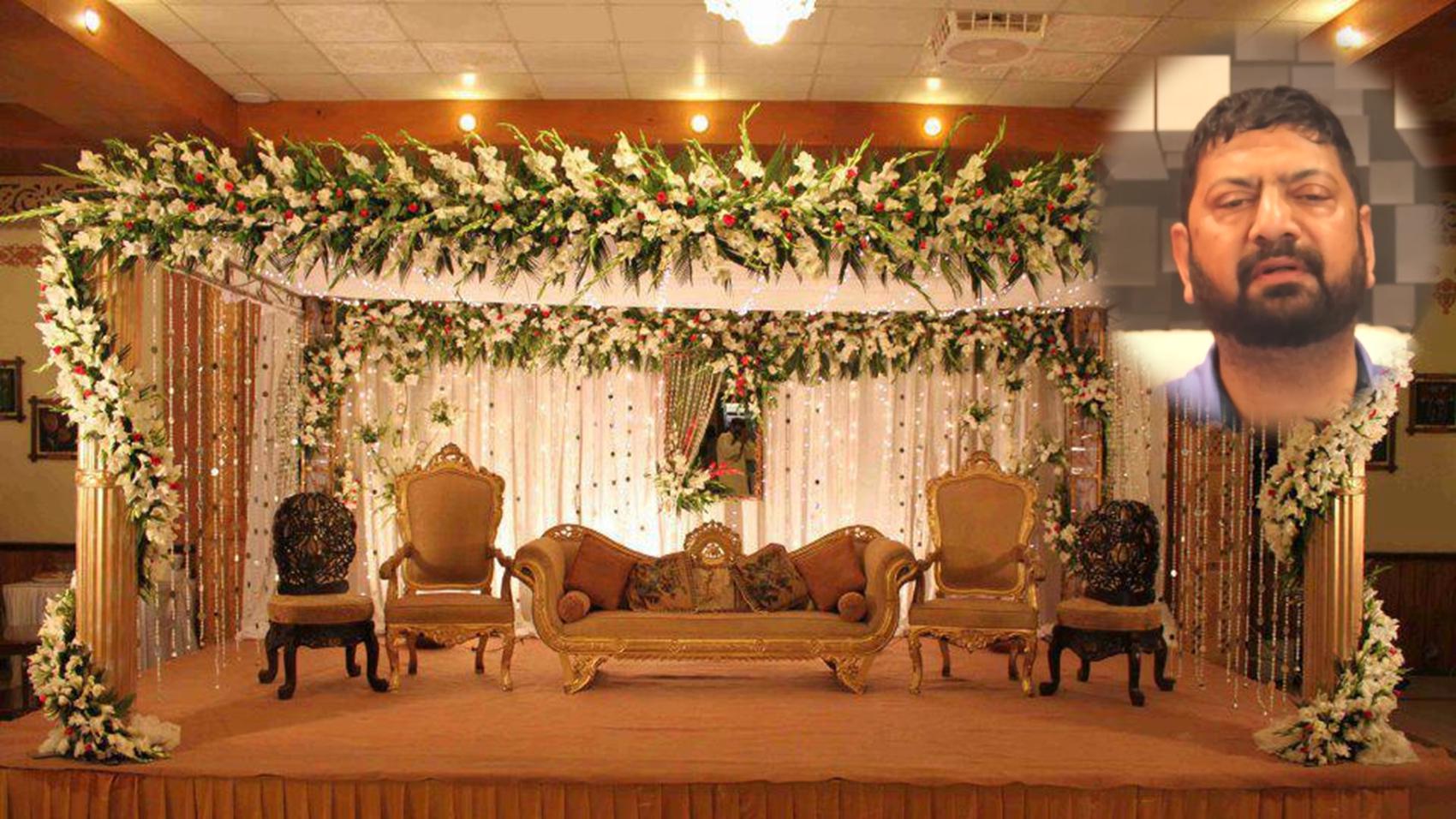
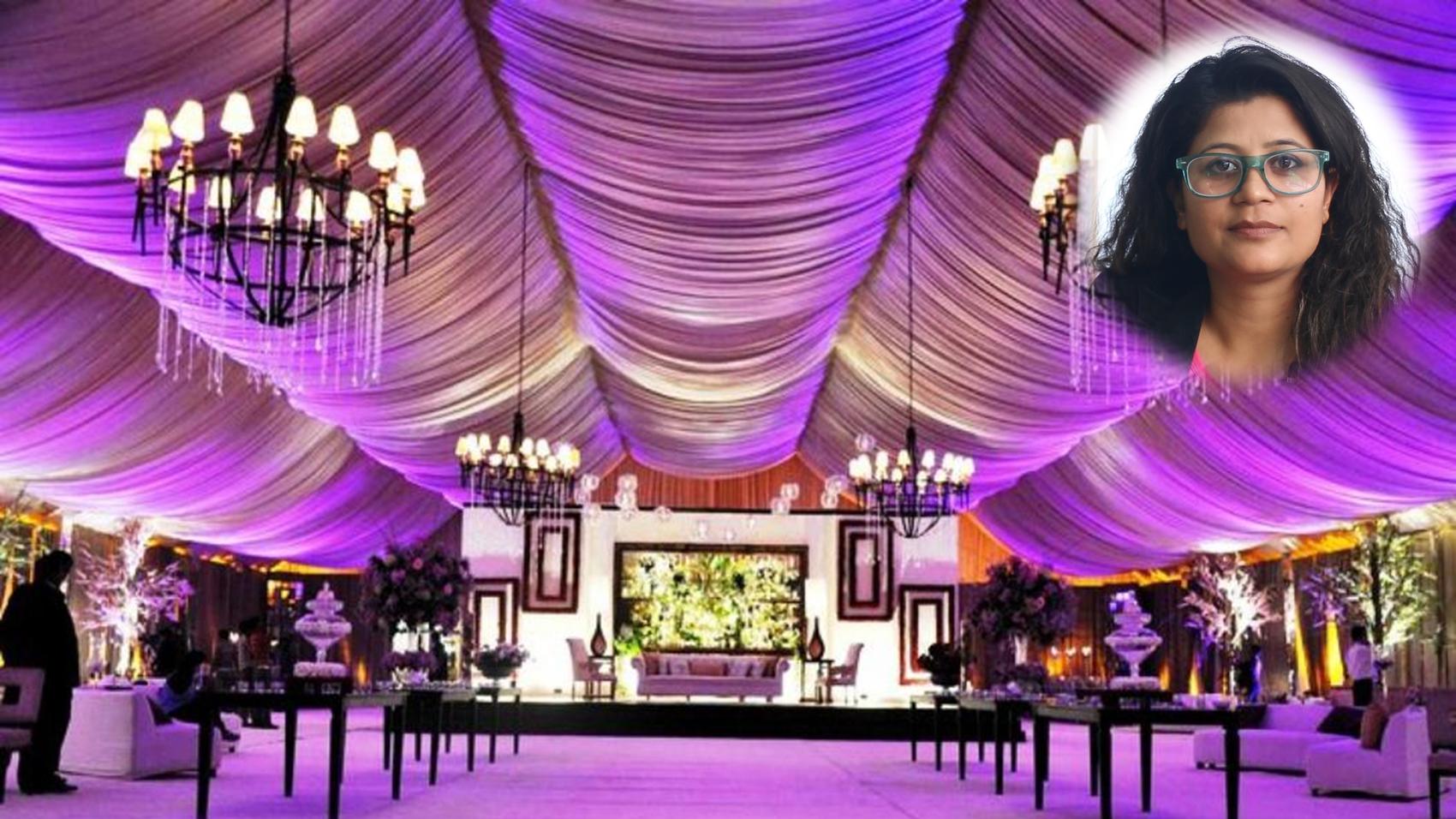
A professional event decorator might be hired to design the ambiance for a corporate gala. After consulting with the client to understand the event’s objectives and desired mood, the decorator selects a color palette, arranges elegant centerpieces, and incorporates branded elements throughout the venue. They coordinate lighting to highlight key areas, such as the stage and dining tables, and use drapery and floral arrangements to soften the space and create a cohesive look. Throughout the process, the decorator collaborates with vendors, manages installation timelines, and ensures every detail aligns with the client’s vision. The result is a visually stunning event that impresses attendees and reinforces the company’s brand identity.
Education
Psychology

Psychology is the scientific study of the mind and behavior, exploring how individuals think, feel, and act in various situations. In the context of Event Decoration, psychology helps professionals understand guests’ emotional responses, preferences, and interactions, making it an essential part of the academic and practical toolkit for creating impactful experiences.
Understanding psychology is vital for event decorators because it enables them to design environments that resonate emotionally with attendees. By grasping how colors, spatial arrangements, and sensory elements influence mood and perception, professionals can craft atmospheres that align with the event’s purpose and audience expectations. This foundational knowledge allows decorators to anticipate and address diverse client needs, fostering creativity and adaptability. Over time, a strong psychological insight enhances communication with clients, supports effective teamwork, and leads to more memorable and successful events. Mastery of psychological principles not only elevates the quality of work but also contributes to long-term career growth and client satisfaction in the competitive field of event decoration.
Imagine an event decorator tasked with designing a wedding reception for a couple who want their guests to feel relaxed and joyful. Drawing on psychological principles, the decorator selects calming pastel colors, arranges seating to encourage social interaction, and incorporates soft lighting to create a warm, welcoming atmosphere. During setup, the decorator observes guest flow and adjusts décor elements to reduce congestion and promote comfort. By understanding how environmental cues affect emotions and behaviors, the decorator ensures that every detail supports the desired mood. This thoughtful application of psychology not only enhances the guest experience but also demonstrates the decorator’s expertise, leading to positive feedback and future referrals.
Follow Other Decorators

"Follow Other Decorators" refers to the practice of observing, understanding, and sometimes replicating the techniques, styles, and workflows of fellow event decorators. This concept is essential in both academic study and professional practice, as it encourages learning from industry peers, fostering innovation, and maintaining high standards in event decoration.
Understanding "Follow Other Decorators" is vital because it allows professionals to stay updated with current trends, techniques, and best practices within the industry. By learning from others, decorators can expand their creative repertoire, avoid common mistakes, and adapt successful strategies to their own work. This foundational knowledge not only enhances technical skills but also cultivates a collaborative mindset, which is crucial in the event decoration field where teamwork and adaptability are often required. Over the long term, professionals who actively engage with the work of others are better positioned to innovate, build strong industry networks, and advance their careers through continuous learning and professional development.
Imagine an event decorator preparing for a large wedding. By following the work of other decorators, they notice a trending floral arrangement technique that enhances visual impact while optimizing costs. Drawing on this observation, the decorator adapts the technique to suit the client’s theme, ensuring the event feels fresh and contemporary. Throughout the setup, the decorator collaborates with other vendors, referencing shared industry standards and methods learned from peers. This approach not only streamlines the workflow but also ensures a cohesive and professional result. By applying their understanding of "Follow Other Decorators," the professional delivers an event that meets client expectations and reflects current industry excellence.
Flowers

Flowers are the reproductive structures of flowering plants, celebrated for their diverse colors, shapes, and fragrances. In the context of event decoration, flowers encompass both the botanical science and the artistic use of blooms to enhance visual appeal, set moods, and convey themes, making them essential knowledge for decorators.
Understanding flowers is crucial for anyone in event decoration because it combines botanical knowledge with creative design. Mastery of flower types, seasonal availability, color theory, and symbolism allows professionals to select and arrange blooms that complement the event’s purpose and aesthetic. This expertise ensures that arrangements are not only visually stunning but also appropriate for the occasion, whether it be a wedding, corporate event, or celebration. Over time, a deep knowledge of flowers enables decorators to work efficiently with suppliers, anticipate trends, and offer clients innovative solutions. This foundational skill set enhances credibility, broadens career opportunities, and supports long-term success in the competitive event decoration industry.
Imagine an event decorator tasked with designing floral arrangements for a spring wedding. Drawing on their understanding of flowers, the decorator selects blooms that are in season, such as tulips and peonies, ensuring both freshness and cost-effectiveness. They consider the symbolic meanings of each flower, choosing varieties that represent love and new beginnings to align with the couple’s wishes. The decorator skillfully combines colors and textures to create harmonious centerpieces and bouquets that complement the venue’s décor and the wedding’s color palette. Throughout the process, their expertise in flower care ensures that arrangements remain vibrant and beautiful throughout the event, demonstrating how theoretical knowledge directly translates into practical, professional excellence.
Trends & Fashion

Trends & Fashion refers to the evolving styles, colors, materials, and design preferences that influence how people decorate and experience events. In the context of Event Decoration, it encompasses the study and application of current and emerging aesthetics, ensuring that events feel contemporary, appealing, and relevant to their audiences.
Understanding Trends & Fashion is essential for anyone pursuing a career in Event Decoration because it enables professionals to create visually compelling and memorable environments. By staying informed about the latest styles and cultural shifts, decorators can anticipate client preferences and deliver innovative solutions that stand out in a competitive market. This knowledge forms the backbone of creative decision-making, allowing decorators to blend timeless elegance with modern flair. Over time, mastery of trends not only enhances a professional’s reputation but also ensures adaptability, as the ability to pivot with changing tastes is crucial for sustained success in the industry. Ultimately, a deep grasp of Trends & Fashion empowers decorators to exceed client expectations and build a loyal clientele.
Imagine an event decorator tasked with designing a wedding reception. Drawing on their understanding of current trends, they recognize that minimalist floral arrangements and muted pastel palettes are in vogue. Instead of traditional, elaborate centerpieces, they opt for simple, elegant table settings with subtle metallic accents, creating a sophisticated atmosphere that feels both modern and timeless. Throughout the planning process, the decorator consults fashion forecasts and social media inspiration to refine their choices, ensuring every detail aligns with the couple’s vision and the latest industry standards. This thoughtful application of trend knowledge not only delights the clients but also positions the decorator as a forward-thinking professional in the eyes of guests and potential future clients.
Colors

Colors refer to the visual perceptions created by the way objects reflect or emit light, resulting in hues such as red, blue, yellow, and countless variations. In event decoration, understanding colors is essential, as it involves both the science of color theory and the art of creating visually appealing environments that evoke specific emotions and themes.
A deep understanding of colors is crucial for anyone pursuing a career in event decoration. Mastery of color theory enables professionals to create harmonious and impactful designs that resonate with clients and guests. Knowledge of color psychology helps decorators influence mood and atmosphere, ensuring that each event aligns with its intended purpose, whether it is a joyful celebration or a formal gathering. Over time, expertise in color selection and coordination becomes a distinguishing skill, allowing decorators to adapt to trends, satisfy diverse client preferences, and consistently deliver memorable experiences. This foundational knowledge not only enhances creative expression but also builds a reputation for professionalism and excellence in the competitive events industry.
Imagine an event decorator tasked with designing a wedding reception. Drawing on their understanding of colors, they select a palette of soft pastels to create a romantic and serene atmosphere. They carefully coordinate table linens, floral arrangements, and lighting to ensure that each element complements the chosen color scheme. When unexpected changes arise, such as a last-minute venue with different wall colors, the decorator quickly adapts by adjusting accent hues to maintain visual harmony. Their theoretical knowledge of color relationships and contrasts allows them to make confident decisions, resulting in a cohesive and visually stunning event that delights the couple and their guests.
Visual Merchandising

Visual Merchandising is the strategic art and science of designing and arranging physical spaces, products, and displays to attract attention, communicate messages, and enhance the overall experience. In Event Decoration, it serves as a crucial academic and professional discipline, guiding how environments are crafted to influence perception and engagement.
Understanding visual merchandising is essential for anyone in event decoration because it provides the foundational principles for creating visually compelling and purposeful spaces. Mastery of this subject enables professionals to craft environments that not only look aesthetically pleasing but also communicate a specific theme or message, aligning with the event’s objectives. This knowledge is vital for developing spatial awareness, color theory, lighting, and the psychological impact of design elements. Over time, expertise in visual merchandising enhances a decorator’s ability to adapt to diverse client needs, innovate with trends, and deliver memorable experiences. It also supports career growth by establishing a reputation for professionalism and creativity, making individuals more competitive and versatile in the event industry.
Imagine an event decorator tasked with transforming a conference hall for a product launch. Drawing on their understanding of visual merchandising, they strategically position branded displays and lighting to guide guests’ attention toward the main stage. They use color schemes that reflect the brand’s identity and arrange seating to maximize visibility and comfort. Every decorative element, from floral arrangements to signage, is placed with intention, ensuring a cohesive and immersive experience. By applying visual merchandising principles, the decorator not only enhances the event’s visual appeal but also reinforces the client’s branding and messaging, resulting in a more engaging and successful event for both attendees and organizers.
Skills
Theme Based Presentation

Theme Based Presentation is the strategic design and arrangement of event decor elements to reflect a specific concept, mood, or story, ensuring visual coherence and emotional impact. In event decoration, this skill transforms ordinary spaces into immersive experiences, making each event memorable and tailored to the client’s vision and objectives.
Mastering Theme Based Presentation elevates an event decorator’s work by ensuring every detail aligns with the chosen theme, from color palettes and floral arrangements to lighting and props. Clients and employers highly value this skill because it demonstrates creativity, attention to detail, and the ability to deliver a cohesive experience that resonates with guests. Developing this skill involves studying design principles, staying updated on trends, and practicing the art of storytelling through decor. Over time, decorators refine their ability to interpret client briefs, conceptualize unique themes, and execute them flawlessly, setting themselves apart in a competitive industry.
Imagine an event decorator tasked with transforming a corporate gala into a “Roaring Twenties” celebration. Midway through planning, the client requests a last-minute shift to a more modern, minimalist theme. Relying on their expertise in Theme Based Presentation, the decorator quickly reimagines the decor, selecting sleek furniture, monochromatic color schemes, and subtle lighting to evoke sophistication. By skillfully adapting the presentation to the new theme, the professional not only meets the client’s expectations but also ensures the event’s atmosphere feels intentional and harmonious. This adaptability and thematic coherence impress both the client and attendees, highlighting the decorator’s value and expertise.
Communication

Communication is the process of exchanging information, ideas, and feelings through speaking, writing, or other mediums to achieve mutual understanding. In the context of event decoration, communication is a vital skill that enables professionals to interpret client visions, coordinate with vendors, and ensure seamless execution of creative concepts.
Strong communication skills directly enhance an event decorator’s performance by ensuring that every detail of a client’s vision is understood and accurately translated into the final design. Clients and employers highly value professionals who can clearly articulate ideas, listen attentively, and respond promptly to feedback or changes. Effective communication reduces misunderstandings, prevents costly mistakes, and fosters trust between all parties involved. To cultivate this skill, one should practice active listening, seek feedback, and engage in regular discussions with clients, team members, and suppliers. Over time, experience and reflection help refine the ability to convey ideas clearly and adapt communication styles to suit different audiences, making it an indispensable asset in the event decoration industry.
Imagine an event decorator working on a high-profile wedding where the client requests a last-minute change to the floral arrangements. The decorator must quickly communicate with the florist, clarify the new requirements, and confirm availability of the desired flowers. By maintaining clear and open communication, the decorator ensures that the changes are understood and implemented without delay. This proactive approach not only resolves the issue efficiently but also reassures the client that their wishes are being prioritized. In this scenario, the decorator’s communication skills are crucial in managing expectations, coordinating logistics, and ultimately delivering a successful event that meets or exceeds the client’s vision.
Crisis Management

Crisis Management is the ability to swiftly identify, assess, and resolve unexpected problems or emergencies with minimal disruption. In event decoration, it involves staying calm under pressure, making quick decisions, and implementing solutions that maintain the event’s quality and timeline. This skill ensures seamless experiences for clients and guests.
Crisis Management directly enhances performance in event decoration by enabling professionals to handle unforeseen challenges, such as last-minute changes, supply shortages, or weather disruptions, without compromising the event’s success. Clients and employers highly value this skill because it demonstrates reliability, adaptability, and a commitment to delivering results regardless of obstacles. Cultivating Crisis Management involves gaining hands-on experience, learning from past incidents, and developing strong communication and problem-solving abilities. Over time, professionals can refine this skill by staying organized, anticipating potential issues, and building a network of reliable vendors and team members who can assist in emergencies. Continuous learning and reflection after each event help further strengthen one’s ability to manage crises effectively.
Imagine an event decorator arriving at a wedding venue only to discover that a key shipment of floral arrangements has been delayed due to transportation issues. With the ceremony just hours away, the professional quickly assesses available resources, contacts local florists, and creatively repurposes existing decorations to fill the gaps. By communicating transparently with the client and coordinating with the team, the decorator ensures the venue still looks stunning and the event proceeds as planned. This scenario highlights how effective Crisis Management not only salvages the event but also builds trust and demonstrates professionalism, ultimately contributing to a successful outcome and a satisfied client.
Improvisation

Improvisation is the ability to think and act quickly, adapting to unexpected situations by creating effective solutions on the spot, often with limited resources or time. In event decoration, improvisation allows professionals to handle unforeseen challenges, ensuring that the event’s visual appeal and atmosphere are maintained regardless of last-minute changes or obstacles.
Improvisation directly enhances an event decorator’s performance by enabling them to respond confidently to sudden changes, such as missing materials, weather disruptions, or venue restrictions. Clients and employers highly value this skill because it ensures that the event will proceed smoothly, no matter what surprises arise. Cultivating improvisation involves practicing creative problem-solving, staying calm under pressure, and learning from each unique event experience. Over time, decorators become more adept at quickly assessing situations, utilizing available resources, and making swift decisions that uphold the event’s vision. This adaptability not only builds trust with clients but also sets professionals apart in a competitive industry where flexibility and resourcefulness are crucial.
Imagine an event decorator arriving at a wedding venue to discover that a key floral delivery has been delayed, threatening the entire design plan. Instead of panicking, the decorator assesses the available materials and quickly reimagines the centerpieces using local greenery and candles sourced from nearby vendors. By improvising, they maintain the event’s elegance and ensure the couple’s vision is realized. This quick thinking not only saves the day but also impresses the client, who appreciates the decorator’s ability to adapt seamlessly. Such scenarios highlight how improvisation is not just a backup plan, but a vital skill that transforms challenges into opportunities for creativity and success.
Aesthetics

Aesthetics refers to the appreciation and application of beauty, harmony, and visual appeal in design. In event decoration, it involves understanding how colors, shapes, textures, and spatial arrangements interact to create pleasing environments. This skill enables professionals to transform ordinary spaces into memorable experiences that resonate with guests and clients.
A strong sense of aesthetics allows event decoration professionals to envision and execute designs that captivate and delight. This skill directly enhances performance by ensuring that every element, from floral arrangements to lighting, contributes to a cohesive and attractive atmosphere. Clients and employers highly value this ability because it elevates the perceived quality and uniqueness of their events, making them stand out. Cultivating aesthetics involves studying design principles, observing trends, and practicing with different materials and layouts. Over time, professionals refine their eye for detail and develop an intuitive understanding of what combinations work best, enabling them to consistently deliver visually stunning results.
Imagine an event decorator faced with a last-minute venue change that introduces awkward architectural features and clashing wall colors. Drawing on their aesthetic expertise, the professional quickly assesses the space and selects drapery, lighting, and decor elements that harmonize with the new environment. By thoughtfully layering textures and adjusting color schemes, they transform the challenging venue into an elegant setting that aligns with the client’s vision. The guests are impressed by the seamless look, and the client is delighted that the event’s atmosphere feels intentional and beautiful despite the unexpected change. This scenario highlights how aesthetics is not just about making things look good, but about problem-solving and creating cohesive experiences under pressure.
Trustworthy

Trustworthy means being consistently reliable, honest, and dependable, ensuring others can count on you to fulfill promises and act with integrity. In event decoration, this quality is vital because clients entrust professionals with their visions, budgets, and timelines, expecting flawless execution and transparent communication throughout the planning and delivery process.
Being trustworthy directly enhances performance in event decoration by fostering strong, lasting relationships with clients and colleagues. Clients and employers highly value this trait because it assures them that their events are in capable hands, reducing anxiety and building confidence in the decorator’s abilities. Trustworthiness is cultivated through clear communication, honoring commitments, and demonstrating accountability, even when challenges arise. Over time, consistently delivering on promises and being transparent about limitations or setbacks helps establish a reputation for reliability. This reputation not only leads to repeat business and referrals but also creates a collaborative environment where teamwork and creativity can flourish, ultimately elevating the quality and success of every event.
Imagine an event decorator who discovers, just hours before a wedding, that a key floral shipment has been delayed. Instead of hiding the issue or making excuses, the decorator immediately informs the client, explains the situation honestly, and proposes alternative solutions using available resources. By acting transparently and taking responsibility, the decorator reassures the client and swiftly coordinates with vendors to create a beautiful backup arrangement. The event proceeds seamlessly, and the client feels valued and respected, knowing the decorator prioritized their trust and the event’s success. This scenario highlights how trustworthiness not only resolves critical issues but also strengthens professional credibility and client satisfaction.
Positives
Continuous Learning

Continuous Learning is the ongoing process of acquiring new knowledge, skills, and insights throughout one’s career, driven by curiosity and the desire for personal and professional growth. In event decoration, continuous learning ensures that professionals stay updated with evolving trends, innovative techniques, and client preferences, fostering creativity and adaptability.
The dynamic nature of event decoration means that no two projects are ever the same, making continuous learning an essential and rewarding aspect of the profession. By constantly expanding their knowledge and mastering new techniques, decorators remain at the forefront of industry trends, which not only enhances their creative repertoire but also increases their value to clients. This ongoing growth leads to greater job satisfaction, as professionals feel empowered to tackle fresh challenges and deliver unique, memorable experiences. The sense of accomplishment that comes from mastering new skills and seeing them reflected in successful events fuels motivation and pride in one’s work, making each day both exciting and fulfilling.
Imagine an event decorator who has recently attended a workshop on sustainable design practices. Inspired by what they learned, they begin incorporating eco-friendly materials and innovative upcycling techniques into their projects. When a client requests a green-themed wedding, the decorator confidently proposes creative solutions that impress both the client and their guests. The positive feedback and the knowledge that their skills are making a meaningful impact on the environment reinforce the decorator’s passion for learning. This experience not only strengthens their professional reputation but also deepens their sense of purpose, illustrating how continuous learning transforms everyday work into a journey of growth and inspiration.
Creative Satisfaction

Creative satisfaction is the deep sense of fulfillment and joy that arises from expressing original ideas, solving challenges artistically, and witnessing one’s vision come to life. In event decoration, this feeling is a driving force, as professionals transform spaces into memorable experiences, making every project a unique reflection of their creativity.
The pursuit of creative satisfaction in event decoration elevates the profession beyond routine tasks, turning each assignment into an opportunity for artistic expression and innovation. This intrinsic reward fuels motivation, making work feel meaningful and enjoyable. As decorators see their imaginative concepts materialize and delight clients, their confidence and passion for the craft grow. The constant demand for fresh ideas ensures that no two projects are ever the same, fostering continuous learning and personal growth. This dynamic environment not only keeps professionals engaged but also encourages them to push boundaries, refine their skills, and build a reputation for originality. Ultimately, creative satisfaction is a cornerstone of job fulfillment and long-term career development in event decoration.
Imagine an event decorator tasked with transforming a plain banquet hall into a whimsical garden for a spring wedding. Drawing inspiration from nature, they design custom floral installations, handcraft centerpieces, and carefully select color palettes that evoke the freshness of the season. As the event unfolds, guests marvel at the enchanting atmosphere, and the couple is moved to tears by the beauty of the space. Witnessing these genuine reactions, the decorator feels a profound sense of accomplishment and pride, knowing their creativity has made a lasting impact. This moment of recognition and appreciation encapsulates the essence of creative satisfaction, making all the effort and imagination invested in the project truly worthwhile.
Dynamic Work Environment

A dynamic work environment is a setting characterized by constant change, variety, and adaptability, where tasks, locations, and challenges shift regularly. In event decoration, this environment fosters creativity, encourages problem-solving, and ensures that no two days are ever the same. It keeps professionals engaged, inspired, and continually learning.
The dynamic nature of event decoration means that professionals are always encountering new themes, venues, and client visions. This variety prevents monotony and keeps the workday exciting, fueling both personal and professional growth. The need to adapt quickly to changing circumstances sharpens organizational and creative skills, making each project a unique learning opportunity. As decorators collaborate with diverse teams and clients, they build strong communication abilities and expand their professional networks. This ever-changing landscape leads to high job satisfaction, as individuals see the tangible results of their creativity and adaptability in each successful event. The sense of accomplishment from overcoming fresh challenges and delivering memorable experiences is a powerful motivator that keeps passion for the work alive.
Imagine an event decorator preparing for a weekend wedding at a historic mansion, only to receive a last-minute request to transform the space for a surprise birthday party the following day. The decorator must quickly reimagine the décor, source new materials, and coordinate with vendors, all within tight deadlines. This fast-paced shift from one event to another showcases the dynamic work environment, demanding flexibility and creative problem-solving. As the decorator watches guests marvel at the transformed venue and the client expresses heartfelt gratitude, the professional feels a deep sense of fulfillment. The excitement of overcoming challenges and delivering unforgettable experiences highlights why a dynamic work environment is such a rewarding aspect of a career in event decoration.
Creating Memories

Creating Memories means crafting unique, meaningful experiences that linger in the hearts and minds of people long after an event ends. In event decoration, this involves transforming spaces into magical settings that evoke emotion, foster connection, and become cherished moments for clients and their guests. This positive contribution elevates the profession by turning ordinary occasions into unforgettable milestones.
The ability to create lasting memories is a powerful motivator for event decorators, fueling their passion and creativity. Knowing that their work becomes part of someone’s most treasured life moments brings immense job satisfaction and a sense of purpose. This aspect encourages professionals to continually innovate, refine their skills, and strive for excellence, leading to personal and professional growth. Each project offers a new opportunity to touch lives, making daily tasks more meaningful and rewarding. The emotional gratitude from clients and the visible joy on guests’ faces reinforce the value of their work, inspiring decorators to invest their best efforts into every event.
Imagine an event decorator tasked with designing a couple’s wedding reception. Through thoughtful color choices, personalized centerpieces, and enchanting lighting, the decorator transforms a simple hall into a romantic wonderland. As the couple enters the venue, their eyes light up with joy and awe, and guests are visibly moved by the ambiance. Later, the couple expresses heartfelt thanks, sharing how the décor made their special day even more magical and memorable. The decorator leaves the event knowing their creativity helped create a cherished memory that will be revisited in stories and photographs for years to come, making all the hard work worthwhile.
Challenges
Demanding Clients

In Event Decoration, "Demanding Clients" are individuals or organizations with exceptionally high expectations, frequent change requests, and a desire for perfection in every detail. Their demands often exceed standard service levels, requiring constant attention, adaptability, and communication, making the process more complex and time-consuming for event decorators.
Dealing with demanding clients can significantly affect the daily workflow of event decorators, often leading to increased stress, longer working hours, and the need for rapid problem-solving. This challenge requires resilience, as professionals must balance client satisfaction with practical limitations such as budget, time, and available resources. Successful event decorators manage this constraint by setting clear expectations from the outset, maintaining transparent communication, and demonstrating empathy toward client concerns. They also develop strong negotiation skills and a flexible mindset, allowing them to adapt to changes without compromising the overall vision or quality of the event. By building trust and showing professionalism, decorators can turn challenging client relationships into opportunities for growth and reputation enhancement.
Consider an event decorator hired for a high-profile wedding where the client continually requests last-minute changes to the floral arrangements and color schemes. Instead of becoming frustrated, the decorator listens attentively, reassures the client, and explains the implications of each change on the timeline and budget. By offering creative alternatives that align with the client’s vision while respecting logistical constraints, the decorator maintains control of the project and delivers a stunning result. The client feels heard and valued, and the decorator’s ability to remain calm and solution-oriented under pressure not only ensures the event’s success but also earns glowing recommendations for future business.
Miscommunication

Miscommunication in event decoration refers to the breakdown or distortion of information between clients, team members, or vendors, leading to misunderstandings about design concepts, timelines, or expectations. This challenge is demanding because it can result in costly errors, unmet client visions, and last-minute changes that disrupt the smooth execution of events.
Miscommunication can significantly disrupt the workflow of event decoration professionals, causing delays, rework, and strained relationships with clients or collaborators. It often leads to confusion over design details, incorrect material orders, or misaligned schedules, all of which can compromise the quality of the final event. Navigating this challenge requires resilience, as professionals must remain adaptable and solution-oriented even when plans go awry. Successful event decorators manage miscommunication by fostering open dialogue, confirming details in writing, and regularly checking in with all parties involved. They prioritize clarity, actively listen to client needs, and use visual aids or mock-ups to ensure everyone shares the same vision, thereby minimizing misunderstandings and maintaining trust throughout the project.
Consider an event decorator tasked with transforming a venue for a wedding reception. The client initially described a “rustic chic” theme, but during setup, the decorator noticed that the client’s family was expecting a more traditional, elegant look. Recognizing the signs of miscommunication, the decorator quickly arranged a meeting with the client and family to clarify expectations. By presenting mood boards and sample décor elements, the decorator facilitated a constructive conversation that revealed the differing interpretations of the theme. Through active listening and clear communication, the decorator was able to adjust the design plan on the spot, blending rustic elements with elegant touches. This proactive approach not only salvaged the event’s aesthetic but also strengthened the client’s trust in the decorator’s professionalism.
External Dependencies

External Dependencies in Event Decoration refer to the reliance on third parties such as suppliers, venues, logistics providers, and subcontractors for timely delivery of materials, access to spaces, and essential services. This is demanding because professionals have limited control over these factors, yet their outcomes directly impact event success.
The challenge of external dependencies can disrupt schedules, create last-minute stress, and threaten the quality of event setups. Professionals often face delays in deliveries, unexpected venue restrictions, or miscommunications with vendors, which can derail even the most meticulous plans. This reality demands resilience, adaptability, and proactive communication. Successful event decorators build strong relationships with reliable partners, maintain contingency plans, and stay flexible to adjust designs or timelines as needed. They also develop clear contracts and maintain open channels of communication to anticipate and address issues early. By staying organized and solution-oriented, they transform potential setbacks into opportunities for creative problem-solving, ensuring that the event vision is realized despite external pressures.
Consider an event decorator preparing for a large wedding reception who learns, just hours before setup, that a key floral delivery is delayed due to transportation issues. Instead of panicking, the professional quickly contacts alternative local florists, negotiates for available blooms, and creatively reimagines the original design to incorporate the new materials. Simultaneously, they communicate transparently with the client and coordinate with the venue staff to adjust the setup timeline. Through resourcefulness, strong vendor relationships, and calm under pressure, the decorator not only overcomes the external dependency but delivers a beautiful, memorable event that meets the client’s expectations. This scenario highlights how adaptability and proactive problem-solving are essential in managing external dependencies.
Delay Of Payments

Delay Of Payments in Event Decoration refers to the postponement or late receipt of agreed-upon fees from clients after services have been rendered. This challenge is demanding because it disrupts cash flow, strains supplier relationships, and creates uncertainty, making it difficult for professionals to plan, invest, and sustain their operations effectively.
The issue of delayed payments can significantly disrupt the daily operations of event decorators. Without timely funds, professionals may struggle to purchase materials, pay staff, or secure venues, leading to increased stress and operational bottlenecks. This challenge requires resilience, as decorators must continue delivering high-quality work despite financial uncertainty. Successful professionals often navigate this constraint by fostering transparent communication with clients, setting clear payment terms in contracts, and building strong relationships with suppliers who may offer flexible payment arrangements. Additionally, maintaining a financial buffer and diversifying client portfolios can help cushion the impact of late payments, allowing decorators to remain focused on creativity and service delivery rather than financial strain.
Consider an event decorator who, after completing a large wedding project, faces a delay in receiving the final payment from the client. Instead of halting operations or expressing frustration, the decorator refers to the signed contract outlining payment timelines and politely follows up with the client, emphasizing the importance of timely settlement. Meanwhile, the decorator leverages a positive relationship with a key supplier to negotiate extended payment terms for upcoming projects, ensuring that work continues smoothly. By maintaining professionalism, clear communication, and strategic financial planning, the decorator successfully manages the cash flow gap, preserves client trust, and sustains business momentum despite the temporary setback.
Misconceptions

Misconceptions in event decoration refer to the widespread misunderstandings or false beliefs about the skills, effort, and creativity required in this profession. Many people assume event decoration is simply about arranging flowers or placing decorations, overlooking the complex planning, design expertise, and logistical coordination involved, making it a particularly demanding challenge.
The prevalence of misconceptions can significantly affect the daily work of event decorators. Clients may undervalue their expertise, expect quick turnarounds, or question pricing, leading to frustration and strained professional relationships. This environment demands resilience, as decorators must constantly educate clients and advocate for the value of their work. Successful professionals address this challenge by communicating transparently about their process, sharing portfolios that highlight the depth of their skills, and setting clear expectations from the outset. By patiently guiding clients through the creative and logistical aspects of event decoration, they build trust and demonstrate the true scope of their expertise, ultimately elevating the perception of their profession.
Consider a professional event decorator hired for a corporate gala. The client initially believes that decoration is a simple, last-minute task and questions the proposed timeline and costs. Instead of becoming defensive, the decorator invites the client to a planning session, walking them through the detailed design concepts, sourcing challenges, and the coordination required with vendors and venue staff. By sharing mood boards, sample materials, and a breakdown of the event timeline, the decorator helps the client understand the intricacies involved. As a result, the client gains a new appreciation for the profession, trusts the decorator’s recommendations, and the event is executed flawlessly. This experience not only dispels misconceptions but also strengthens the professional relationship.
A Day Of
Event Decoration
The world of event decoration is a whirlwind of color, creativity, and constant motion. Each day begins before the sun rises and ends long after the last guest has departed, with every hour packed with problem-solving, hands-on artistry, and the thrill of transforming ordinary spaces into unforgettable experiences. The pace is relentless, the environment ever-changing, and the satisfaction of seeing a vision come to life is matched only by the camaraderie of a team united by passion and precision. For an event decoration professional, no two days are ever the same, but each one is a testament to the power of imagination and meticulous planning.
As the city slowly wakes, the event decorator is already on-site or at the studio, reviewing the day’s schedule and double-checking inventory. This early morning phase is all about preparation: loading vans with carefully labeled boxes of linens, floral arrangements, lighting fixtures, and custom props. The decorator meticulously cross-references lists to ensure nothing is forgotten, all while coordinating with suppliers for any last-minute deliveries. The quiet of the morning offers a brief moment of calm before the creative storm, allowing for a final review of floor plans and design sketches to guarantee that every detail aligns with the client’s vision.
By mid-morning, the real magic begins as the team arrives at the venue, ready to turn blank spaces into immersive environments. This is the most intense and dynamic part of the day, where ladders are scaled, drapes are hung, and centerpieces are assembled with practiced hands. The decorator orchestrates a symphony of activity, directing florists, lighting technicians, and furniture movers while troubleshooting unexpected challenges, such as a missing backdrop or a sudden change in weather for outdoor events. Communication is constant, creativity is at its peak, and every minute counts as the countdown to event time accelerates.
The afternoon brings a shift from high-energy setup to focused collaboration and execution. The decorator gathers the team for a walkthrough, ensuring every element is perfectly placed and making adjustments on the fly to accommodate last-minute client requests. This phase often involves working closely with caterers, audio-visual crews, and event planners to synchronize timing and logistics. Attention to detail is paramount, as the decorator inspects each table setting, adjusts lighting for optimal ambiance, and adds finishing touches that elevate the overall aesthetic. The atmosphere is charged with anticipation as the event’s start time draws near.
As the event unfolds and guests begin to arrive, the decorator shifts into a support role, discreetly handling any issues that arise and ensuring the décor remains flawless throughout the evening. Once the celebration concludes, the team swiftly transitions to breakdown mode, carefully packing up décor elements and restoring the venue to its original state. The day ends back at the studio or office, where the decorator reviews notes, updates inventory, and begins planning for the next project. Reflection on the day’s successes and challenges fuels the creative process, ensuring that tomorrow’s event will be even more spectacular. |


 Home
Home Abroad
 Plan
Plan Philosophy
 Seminar
 Pages
Pages Advisors
 Testimonials










 Workshop
 Discuss
 Meet
Meet
 Advisor
 Story
Story
 Fine Print
 Links
Links
 Blog
Blog
 Follow
