The Journey of Fashion Designing
What Is Fashion Designing
Fashion Designing

Fashion designing is the art and science of creating clothing, accessories, and footwear that are both functional and aesthetically pleasing. It involves conceptualizing ideas, sketching designs, selecting fabrics, and overseeing the production process to bring innovative and stylish garments to life for various markets and audiences.
Fashion designing plays a significant role in shaping cultural trends, personal identities, and the global economy. For professionals in this field, it offers a platform to express creativity, influence societal norms, and respond to consumer needs. The impact of fashion designing extends to setting trends that define eras and inspire confidence in individuals. One major benefit is the opportunity for creative fulfillment, as designers bring their visions to life and see them appreciated by others. Another benefit is the potential for global recognition, allowing designers to build influential brands and reach diverse audiences. Additionally, fashion designing can offer financial rewards and career advancement, especially for those who innovate and adapt to changing market demands.
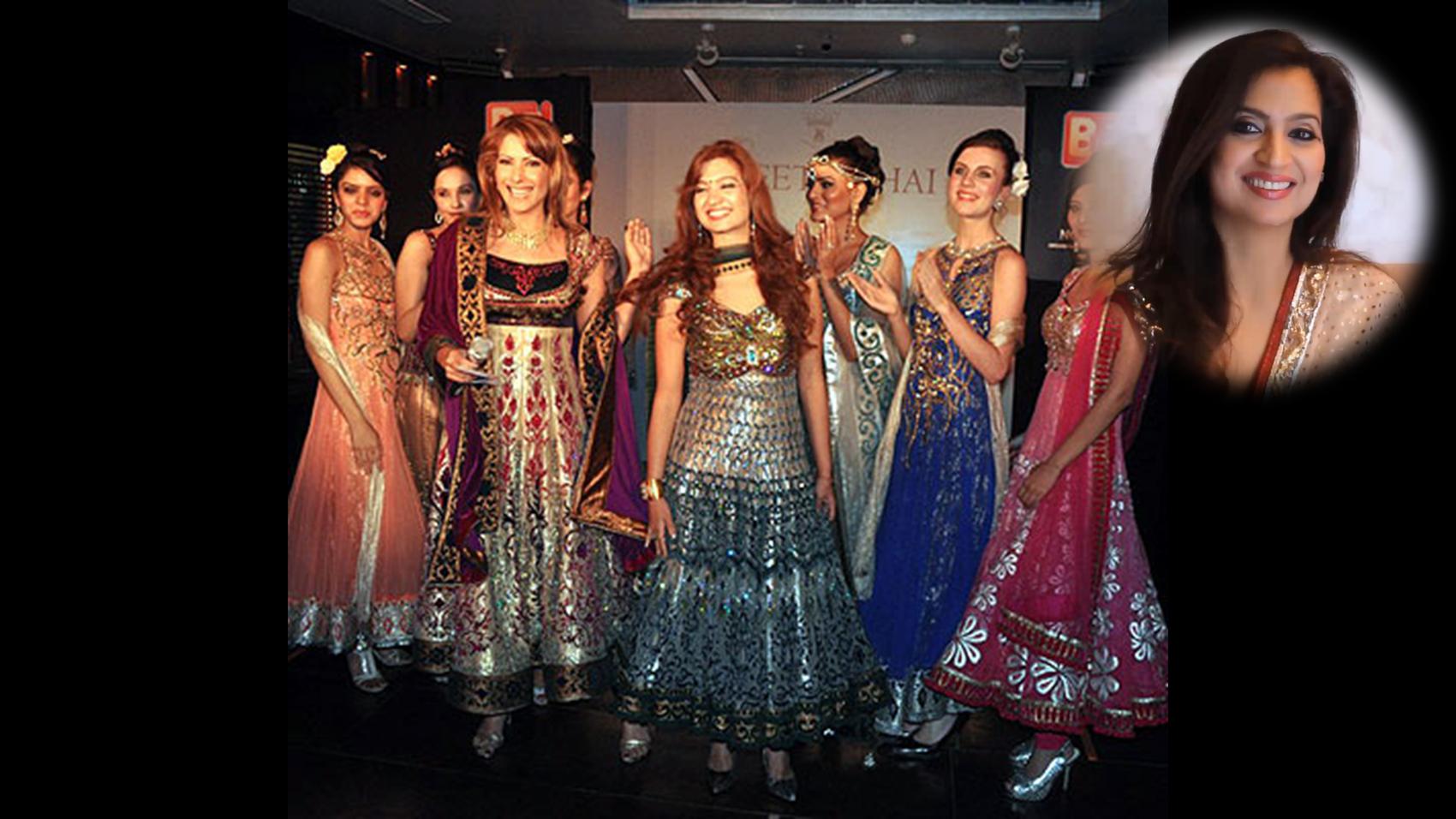
A professional fashion designer working for a major fashion house might begin by researching upcoming trends and drawing inspiration from art, history, or street style. They sketch initial concepts and select fabrics that align with their vision. Collaborating with pattern makers and seamstresses, the designer oversees the creation of prototypes, making adjustments to ensure the garments fit perfectly and reflect the intended style. During fashion week, the designer presents the new collection on the runway, receiving feedback from buyers, critics, and the public. This process not only showcases the designer’s creativity but also influences what will be available in stores, demonstrating how fashion designing shapes both industry offerings and consumer choices.
Education
Elements of Designing

Elements of Designing refers to the fundamental visual components—such as line, shape, color, texture, and form—that serve as the building blocks for creating any design. In Fashion Designing, these elements are essential academic and professional tools, guiding designers in crafting visually appealing, functional, and innovative garments and collections.
Understanding the Elements of Designing is crucial for anyone pursuing a career in Fashion Designing because it provides the language and framework for creative expression. Mastery of these elements allows designers to communicate ideas effectively, solve design problems, and develop a personal style. This foundational knowledge is not only vital for academic success but also for professional growth, as it underpins every stage of the design process—from conceptualization to execution. Over time, a strong grasp of these elements enables designers to adapt to changing trends, collaborate with multidisciplinary teams, and maintain relevance in a competitive industry, ensuring long-term career sustainability and creative fulfillment.
Consider a fashion designer tasked with creating a new seasonal collection for a well-known brand. Drawing on their understanding of the Elements of Designing, the designer carefully selects harmonious color palettes to evoke specific moods, manipulates lines and shapes to flatter different body types, and experiments with textures to add depth and interest to the garments. During fittings and presentations, the designer articulates their choices to clients and colleagues, referencing the elements to justify design decisions and adjustments. This theoretical foundation not only streamlines the creative process but also enhances the designer’s ability to innovate, ensuring the final collection is both aesthetically pleasing and commercially viable.
Fashion Model Drawing

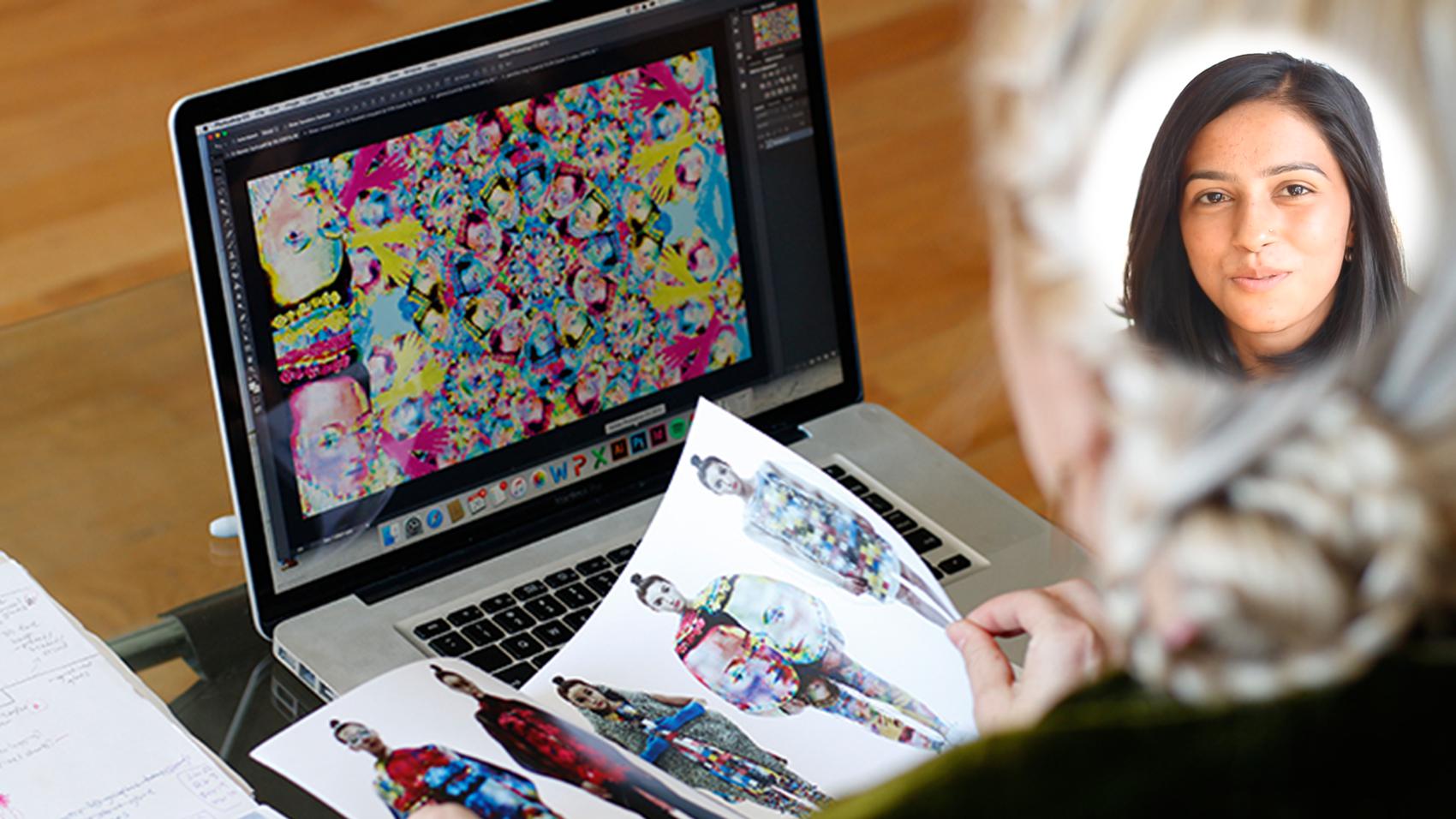
Fashion Model Drawing is the art and technique of illustrating the human figure in stylized poses to showcase clothing designs. It serves as a visual communication tool, bridging creative ideas and tangible garments. In both academic and professional fashion design, mastering this skill is essential for effective concept presentation and development.
Understanding Fashion Model Drawing is fundamental for anyone aspiring to excel in fashion design. This discipline enables designers to accurately translate their creative visions onto paper, ensuring that proportions, movement, and garment fit are realistically represented. By mastering model drawing, professionals can communicate their ideas clearly to colleagues, clients, and manufacturers, reducing misinterpretations and costly production errors. It also fosters a deeper comprehension of how fabrics interact with the human form, which is crucial for innovative design. Over time, proficiency in model drawing enhances a designer’s portfolio, increases employability, and supports career advancement by demonstrating technical skill and artistic sensibility. Ultimately, it forms the backbone of effective fashion communication and creative expression within the industry.
Consider a fashion designer working in a busy design studio, tasked with developing a new collection for an upcoming season. Each day, they rely on their expertise in Fashion Model Drawing to quickly sketch out ideas during brainstorming sessions, ensuring that their concepts are visually compelling and easy for the team to understand. When presenting these sketches to pattern makers and seamstresses, the designer’s precise model drawings help clarify garment details, intended fit, and fabric drape, streamlining the production process. Additionally, when meeting with clients or buyers, the designer uses these illustrations to convey the mood and style of the collection, making it easier to secure approvals and generate excitement. This daily application of Fashion Model Drawing transforms abstract ideas into actionable designs, driving the creative and commercial success of the fashion business.
Garment Manufacturing Techniques

Garment Manufacturing Techniques encompass the systematic processes, methods, and technologies involved in transforming raw textiles into finished clothing. This field covers pattern making, cutting, sewing, assembling, and finishing garments. In fashion designing, it bridges creative concepts with practical execution, forming a crucial part of both academic study and professional expertise.
Understanding garment manufacturing techniques is essential for anyone pursuing a career in fashion designing because it provides the technical foundation necessary to bring creative ideas to life. Mastery of these techniques enables designers to communicate effectively with production teams, ensuring that their designs are feasible, cost-effective, and manufacturable at scale. This knowledge helps professionals anticipate and solve construction challenges, select appropriate materials, and maintain quality standards throughout the production process. Over time, expertise in garment manufacturing enhances a designer’s credibility, opens opportunities for leadership roles, and fosters innovation by allowing them to experiment confidently with new forms and technologies. Ultimately, it empowers fashion designers to create garments that are not only visually appealing but also functional and commercially viable.
Consider a fashion designer working on a new seasonal collection for a retail brand. During the design phase, the designer’s understanding of garment manufacturing techniques allows them to create sketches and technical drawings that account for fabric behavior, seam placement, and construction methods. When collaborating with pattern makers and sample makers, the designer can provide precise instructions and quickly address any issues that arise, such as fabric stretching or seam puckering. This expertise ensures that the prototypes closely match the original vision while remaining practical for mass production. By applying their knowledge of manufacturing processes, the designer streamlines communication across departments, reduces costly errors, and helps deliver high-quality garments to market on schedule.
Drafting & Pattern Making

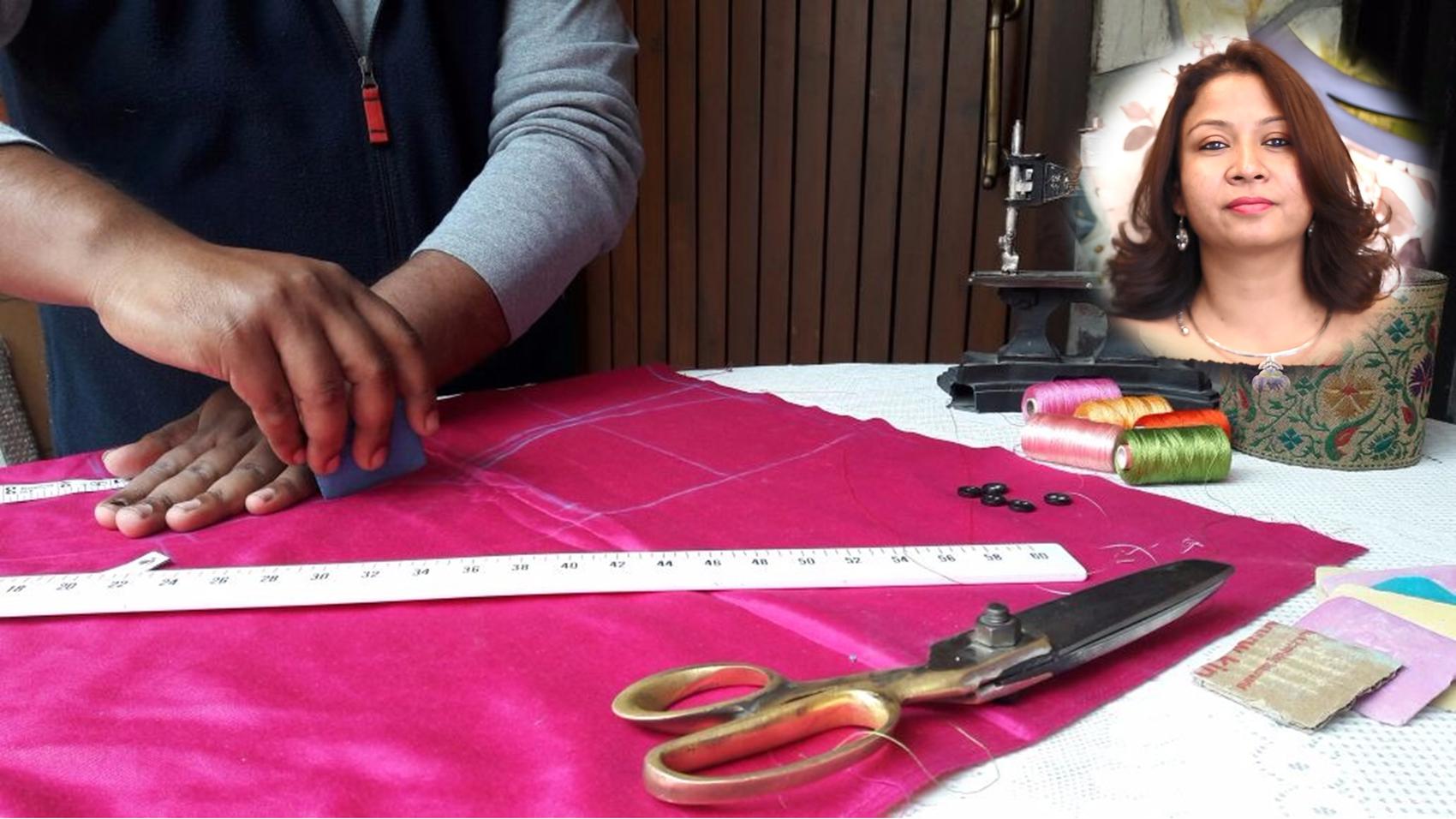
Drafting & Pattern Making is the process of creating precise templates or blueprints for garments, translating design concepts into flat patterns that guide fabric cutting and assembly. This discipline bridges creative vision and technical execution, forming a core component of both academic study and professional practice in Fashion Designing.
Understanding Drafting & Pattern Making is essential for anyone pursuing a career in Fashion Designing because it provides the technical foundation required to transform imaginative ideas into wearable garments. Mastery of these skills ensures that designers can accurately interpret sketches, develop patterns that fit the human body, and troubleshoot construction issues before production. This knowledge not only enhances creativity but also improves communication with manufacturers, pattern makers, and tailors. Over time, proficiency in drafting and pattern making leads to greater efficiency, innovation, and quality control, making designers more versatile and valuable in the competitive fashion industry. It empowers professionals to create custom fits, adapt to new trends, and maintain consistency across collections.
Consider a fashion designer working on a new collection for an upcoming runway show. Each garment must reflect the designer’s unique vision while fitting models perfectly and allowing for movement. The designer begins by drafting patterns based on initial sketches, carefully measuring and adjusting to ensure accuracy. Throughout the process, the designer applies theoretical knowledge to modify patterns for different sizes, experiment with fabric drape, and solve construction challenges. By understanding the principles of drafting and pattern making, the designer can quickly make adjustments, communicate effectively with the sewing team, and ensure that the final garments meet both aesthetic and functional requirements. This expertise ultimately results in a polished, professional collection that stands out on the runway.
Latest Trends & Market Research
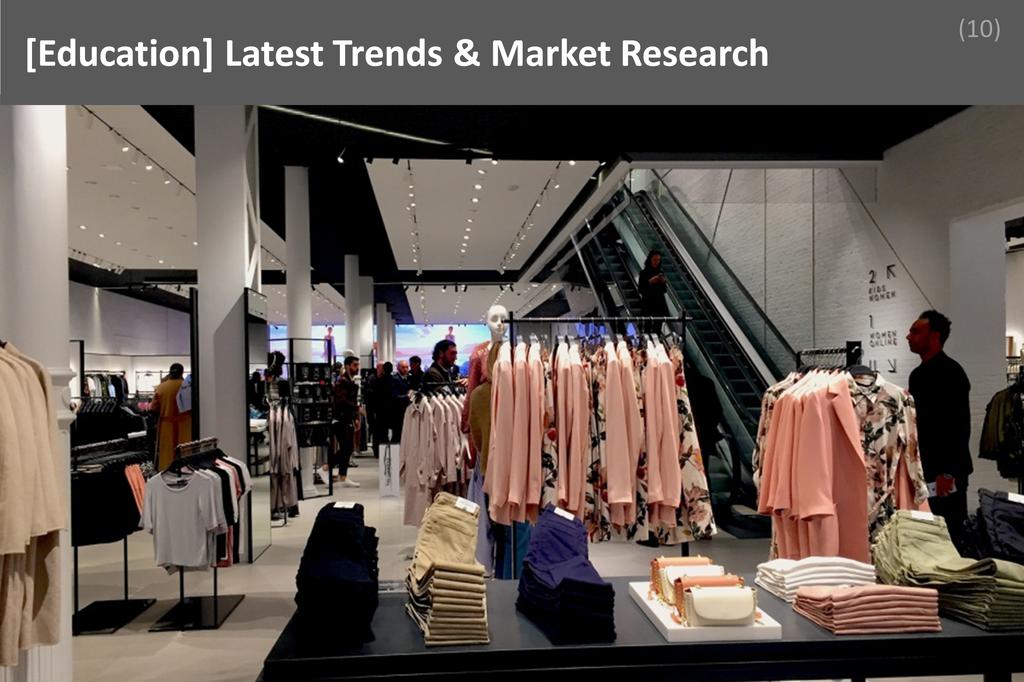
Latest Trends & Market Research refers to the systematic study and analysis of current styles, consumer preferences, and market dynamics within the fashion industry. It involves tracking emerging trends, understanding shifts in consumer behavior, and evaluating competitors. This knowledge is essential for both academic study and professional practice in fashion designing.
Understanding latest trends and conducting market research is crucial for anyone pursuing a career in fashion designing. This subject equips professionals with the ability to anticipate changes in consumer tastes, adapt to evolving market demands, and create collections that resonate with target audiences. By mastering these concepts, designers can make informed decisions about fabrics, colors, silhouettes, and marketing strategies, ensuring their work remains relevant and competitive. Over time, this expertise fosters innovation, enhances brand value, and opens up opportunities for collaboration and growth within the industry. Ultimately, a strong grasp of trends and market research forms the backbone of a successful, sustainable career in fashion.
Imagine a fashion designer working for a contemporary womenswear brand. Each season, the designer reviews global trend reports, analyzes social media conversations, and studies sales data from previous collections. By synthesizing this information, they identify that sustainable fabrics and pastel colors are gaining popularity among their target demographic. The designer then incorporates these insights into the new collection, selecting eco-friendly materials and developing fresh color palettes. Throughout the design process, they continuously monitor competitor launches and customer feedback, adjusting their approach as needed. This application of trend analysis and market research ensures the final collection not only aligns with current market expectations but also positions the brand as a forward-thinking leader in the industry.
Skills
Sketching

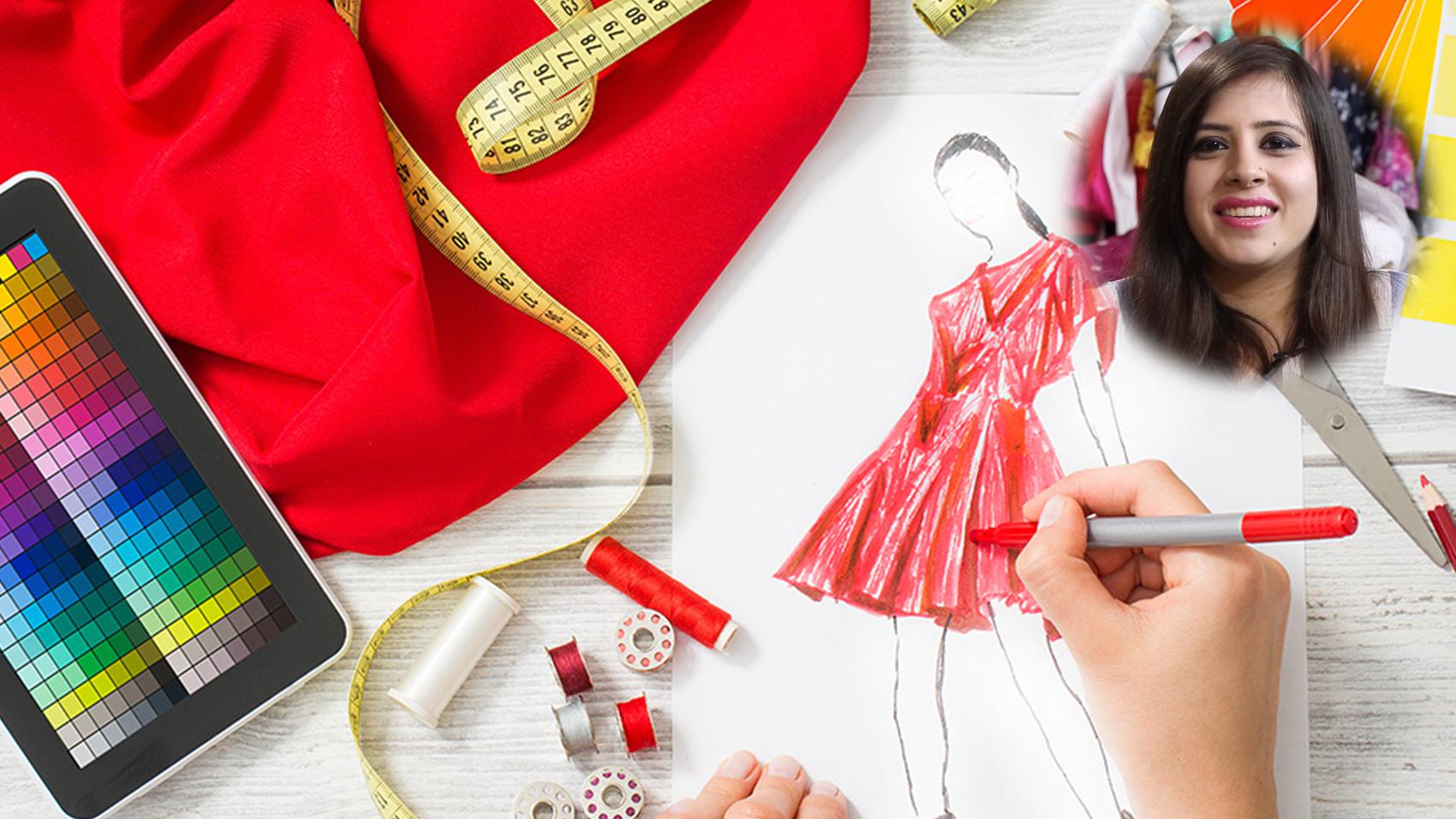
Sketching is the art of visually representing ideas, garments, or concepts using lines, shapes, and shading, typically on paper or digital platforms. In fashion designing, sketching serves as the primary method for translating creative visions into tangible forms, enabling designers to communicate their ideas clearly and efficiently to others.
Mastering sketching significantly enhances a fashion designer’s ability to conceptualize and refine designs before moving to the production stage. This skill allows designers to quickly iterate on ideas, visualize proportions, and experiment with details, which streamlines the creative process. Clients and employers highly value sketching because it provides a clear, immediate understanding of proposed designs, reducing miscommunication and ensuring that expectations align early in the project. Over time, designers can cultivate this skill through consistent practice, studying anatomy and garment construction, and seeking feedback from mentors or peers. As proficiency grows, so does the designer’s confidence in presenting and defending their creative choices, making sketching an indispensable asset in a competitive industry.
Imagine a fashion designer working with a client who requests a unique evening gown for a high-profile event. During the initial consultation, the client struggles to articulate her vision, leading to confusion and uncertainty. The designer quickly sketches several variations based on the client’s preferences, adjusting silhouettes, necklines, and embellishments in real time. This immediate visual feedback helps the client clarify her desires and make informed decisions. As a result, the designer not only resolves the ambiguity but also builds trust and rapport with the client. The final sketch becomes the blueprint for the gown, guiding the pattern-making and construction phases, and ensuring the finished piece aligns perfectly with the client’s expectations.
Communication Skills

Communication skills refer to the ability to convey ideas, information, and emotions clearly and effectively through verbal, non-verbal, and written means. In fashion designing, these skills enable professionals to articulate creative visions, collaborate with teams, and understand client needs, making them indispensable for successful project execution.
Strong communication skills directly enhance a fashion designer’s performance by ensuring that creative concepts are understood and executed accurately by colleagues, clients, and manufacturers. Employers and clients highly value designers who can present their ideas persuasively, provide constructive feedback, and listen actively to requirements or concerns. This skill fosters smoother workflows, minimizes misunderstandings, and builds trust within professional relationships. To cultivate communication skills, aspiring designers should seek opportunities to present their work, participate in collaborative projects, and practice active listening. Over time, consistent feedback and reflection help refine these abilities, making designers more adaptable and effective in diverse professional settings.
Imagine a fashion designer working on a high-profile collection for a major client. During the development phase, the client expresses dissatisfaction with the initial prototypes, citing that the designs do not reflect their brand identity. The designer relies on strong communication skills to listen attentively, ask clarifying questions, and interpret the client’s feedback accurately. By articulating their own creative intentions and proposing thoughtful adjustments, the designer bridges the gap between their vision and the client’s expectations. This open and effective exchange not only resolves the immediate issue but also strengthens the professional relationship, ultimately leading to a successful collection that satisfies both parties.
Patience

Patience is the ability to remain calm, composed, and persistent when faced with delays, challenges, or setbacks, without becoming frustrated or giving up. In fashion designing, patience is crucial because the creative process often involves numerous revisions, unexpected obstacles, and the need for meticulous attention to detail at every stage.
Patience directly enhances a fashion designer’s performance by allowing them to thoughtfully refine their ideas, carefully execute intricate designs, and navigate the inevitable setbacks that arise during production. Clients and employers highly value patience because it leads to higher-quality outcomes, fosters better collaboration, and ensures deadlines are met without compromising creativity or craftsmanship. Cultivating patience involves embracing a growth mindset, practicing mindfulness, and learning to view challenges as opportunities for improvement rather than sources of frustration. Over time, designers who consistently exercise patience develop resilience, adaptability, and a reputation for reliability, all of which are essential for long-term success in the fast-paced fashion industry.
Imagine a fashion designer working on a custom gown for a high-profile client. During the fitting, the client requests significant changes to the design, requiring the designer to alter patterns, source new materials, and rework intricate details. Instead of reacting with frustration, the designer patiently listens to the client’s feedback, carefully plans the adjustments, and methodically implements each change. This patient approach not only ensures the final gown meets the client’s expectations but also strengthens the designer’s professional relationship with the client. By remaining calm and persistent throughout the process, the designer transforms a potentially stressful situation into a successful outcome, demonstrating how patience is indispensable in overcoming challenges and achieving excellence in fashion designing.
Observation & Visualization
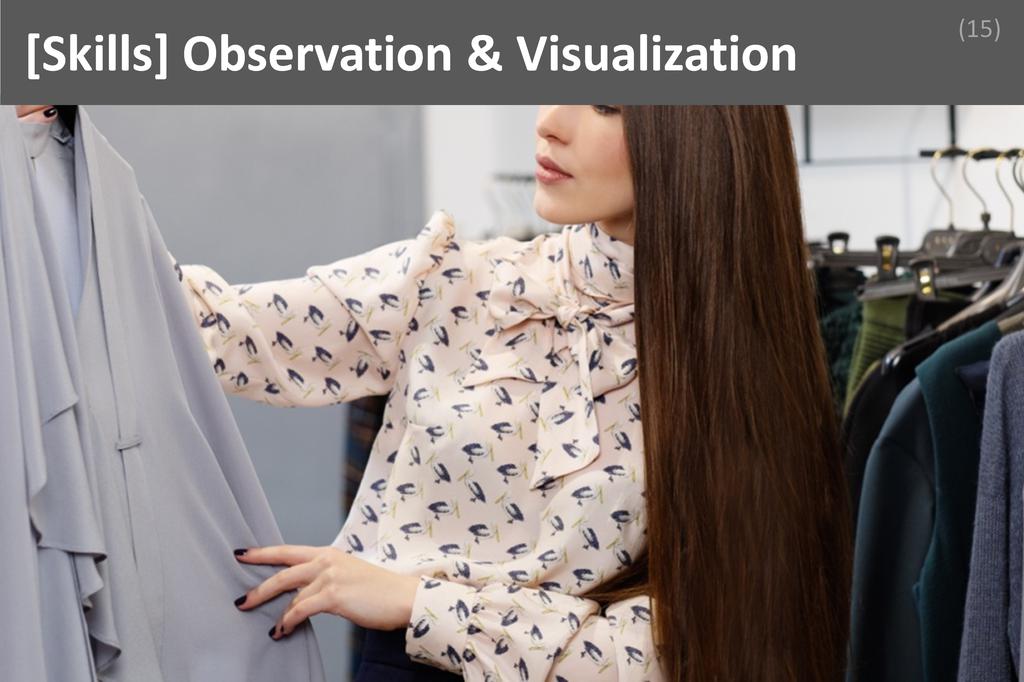
Observation & Visualization refers to the ability to keenly notice details, patterns, and trends in the environment, and mentally transform these insights into creative concepts or tangible designs. In fashion designing, this skill enables professionals to draw inspiration from the world around them and translate abstract ideas into innovative, wearable art.
Mastering observation and visualization significantly enhances a fashion designer’s creative process and problem-solving abilities. Designers who excel in this area can anticipate trends, identify subtle shifts in consumer preferences, and create garments that resonate with their audience. Employers and clients highly value this skill because it leads to original, marketable collections that stand out in a competitive industry. Cultivating observation and visualization involves regularly analyzing fashion shows, street styles, art, and nature, while practicing sketching and mood board creation to strengthen the mind’s eye. Over time, this habit sharpens intuition and enables designers to quickly conceptualize and refine ideas, making them more efficient and innovative in their work.
Imagine a fashion designer tasked with creating a collection inspired by urban architecture. During a city walk, the designer attentively observes the interplay of light and shadow on buildings, the geometric lines of bridges, and the textures of concrete and glass. Back in the studio, the designer visualizes how these elements could be translated into fabric choices, garment silhouettes, and embellishments. By relying on keen observation and strong visualization skills, the designer successfully develops a unique collection that captures the essence of the cityscape, impressing both the client and the audience with originality and relevance. This scenario highlights how observation and visualization are indispensable for transforming inspiration into successful fashion outcomes.
Creativity

Creativity is the ability to generate original ideas, envision new possibilities, and transform inspiration into innovative solutions. In fashion designing, creativity fuels the process of conceptualizing unique garments, experimenting with materials, and setting trends. It empowers designers to stand out in a competitive industry and continually push the boundaries of style.
Creativity directly enhances a fashion designer’s performance by enabling them to craft distinctive collections that capture attention and resonate with diverse audiences. Clients and employers highly value this skill because it leads to fresh, trendsetting designs that can define a brand’s identity and market appeal. To cultivate creativity, designers should immerse themselves in various artistic disciplines, stay updated with global trends, and seek inspiration from everyday life. Engaging in regular brainstorming, sketching, and collaborative projects also helps refine creative thinking. Over time, consistent practice and openness to experimentation allow designers to develop a unique creative voice, making them indispensable assets in the fast-evolving world of fashion.
Imagine a fashion designer preparing for a major runway show when a key fabric shipment is delayed unexpectedly. Instead of panicking, the designer taps into their creativity to reimagine the collection using alternative materials available locally. By experimenting with unconventional fabrics and innovative construction techniques, the designer not only salvages the show but also garners praise for originality and adaptability. This creative problem-solving not only impresses clients and critics but also sets new trends, demonstrating how essential creativity is for overcoming challenges and achieving lasting success in fashion designing.
Team Management

Team management is the ability to organize, motivate, and guide a group of individuals to achieve common goals efficiently and harmoniously. In fashion designing, this skill ensures that creative visions are translated into reality through effective collaboration, timely execution, and the seamless integration of diverse talents and perspectives within a team.
Mastering team management directly enhances a fashion designer’s performance by fostering a productive and positive work environment where ideas flow freely and tasks are completed efficiently. Clients and employers highly value this skill because it leads to smoother project execution, fewer misunderstandings, and higher-quality outcomes. A designer who manages their team well can coordinate between pattern makers, seamstresses, marketers, and suppliers, ensuring everyone works towards the same vision. Over time, one can cultivate this skill by seeking feedback, observing experienced leaders, and taking on increasing responsibility in collaborative projects. Continuous learning and self-reflection also play a crucial role in refining one’s approach to managing diverse personalities and resolving conflicts constructively.
Imagine a fashion designer preparing for a major runway show when a key fabric shipment is delayed unexpectedly. Instead of panicking, the designer leverages team management skills to quickly assemble the team, delegate urgent tasks, and brainstorm alternative solutions. By maintaining clear communication and motivating each member to contribute their expertise, the designer ensures that adjustments are made efficiently, and the collection is completed on time. This collaborative approach not only resolves the immediate crisis but also strengthens team morale and trust, ultimately leading to a successful show that impresses both clients and industry peers. The ability to manage the team effectively turns a potential setback into a demonstration of professionalism and adaptability.
Leadership

Leadership is the ability to inspire, guide, and influence others toward achieving common goals, while making informed decisions and fostering a positive, collaborative environment. In fashion designing, leadership empowers professionals to drive creative vision, manage diverse teams, and navigate the fast-paced, ever-evolving demands of the industry with confidence and clarity.
Leadership is a transformative skill that elevates a fashion designer’s effectiveness and reputation. By demonstrating strong leadership, designers can coordinate teams, streamline workflows, and ensure that creative concepts are executed flawlessly from sketch to runway. Clients and employers highly value leadership because it signals reliability, accountability, and the capacity to deliver results under pressure. Cultivating this skill involves seeking feedback, learning from mentors, and embracing opportunities to manage projects or lead collaborations. Over time, consistent practice and self-reflection help designers build trust, communicate vision persuasively, and adapt to challenges, making them indispensable assets in any fashion house or design studio.
Imagine a fashion designer leading a team through the final stages of preparing for a major fashion show when a key fabric shipment is delayed. Instead of panicking, the designer quickly assesses alternative materials, delegates tasks efficiently, and motivates the team to adapt the designs without compromising quality. By maintaining clear communication and a positive attitude, the designer ensures everyone stays focused and productive. The collection is completed on time, impressing both clients and the audience. This scenario highlights how leadership enables a fashion professional to turn potential setbacks into opportunities for innovation and team cohesion, ultimately securing success in a high-stakes environment.
Effective Problem Solving

Effective Problem Solving is the ability to identify challenges, analyze underlying causes, generate creative solutions, and implement them efficiently to achieve desired outcomes. In fashion designing, this skill is indispensable for navigating the complexities of design, production, and client expectations, ensuring that innovative ideas become successful, wearable realities.
Effective Problem Solving enhances a fashion designer’s performance by enabling them to address unexpected challenges, such as fabric shortages, design flaws, or shifting market trends, with agility and creativity. Clients and employers highly value this skill because it ensures projects stay on track, budgets are respected, and final products meet or exceed expectations. Cultivating this skill involves a commitment to continuous learning, seeking feedback, and embracing new perspectives. Designers can improve by analyzing past projects, collaborating with diverse teams, and staying informed about industry advancements. Over time, consistent practice in real-world situations sharpens a designer’s ability to think critically and act decisively, making them a reliable asset in any fashion environment.
Imagine a fashion designer preparing a collection for a major runway show when a key fabric shipment is delayed due to unforeseen circumstances. With tight deadlines and high stakes, the designer must quickly assess available resources, consult with suppliers, and explore alternative materials that maintain the collection’s aesthetic integrity. By applying effective problem solving, the designer adapts the original designs, communicates transparently with the team, and ensures the collection is completed on time without compromising quality. This ability to remain calm, resourceful, and innovative under pressure not only salvages the show but also strengthens the designer’s reputation for reliability and creativity in the fast-paced world of fashion.
Presentation

Presentation in fashion designing refers to the art of visually and verbally communicating design concepts, collections, or ideas in a compelling and organized manner to an audience. It encompasses everything from mood boards and sketches to runway shows and client meetings, serving as a bridge between creative vision and professional recognition.
Mastering presentation skills directly enhances a fashion designer’s ability to convey their creative ideas with clarity and impact. Clients and employers highly value designers who can articulate their concepts, as it builds trust and ensures that the vision aligns with expectations. Effective presentation can set a designer apart in a competitive industry, making their work memorable and persuasive. To cultivate this skill, designers should practice storytelling, refine their visual communication techniques, and seek feedback from peers and mentors. Over time, consistent effort in improving presentation abilities leads to greater confidence, more successful collaborations, and increased opportunities for career advancement.
Imagine a fashion designer preparing for a pivotal meeting with a potential investor. The designer must present a new collection, highlighting its inspiration, unique features, and market potential. By skillfully organizing sketches, fabric samples, and digital lookbooks, and delivering a confident, engaging narrative, the designer captures the investor’s interest. The clear, professional presentation not only showcases the collection’s strengths but also demonstrates the designer’s commitment and professionalism. As a result, the investor feels assured of the designer’s capability to deliver and promote their work, leading to a successful partnership. This scenario illustrates how strong presentation skills can be the deciding factor in achieving critical business goals within the fashion industry.
Positives
Self Satisfaction

Self satisfaction is the deep sense of fulfillment and contentment that arises from achieving personal goals, expressing creativity, and making a meaningful impact through one’s work. In fashion designing, self satisfaction emerges when designers see their ideas come to life, influencing trends and empowering individuals to express themselves confidently through clothing.
Self satisfaction is a powerful motivator in the world of fashion designing. It fuels creativity and encourages designers to push boundaries, knowing their efforts lead to tangible, beautiful results. This sense of fulfillment enhances job satisfaction, making daily challenges feel worthwhile and inspiring ongoing growth. When designers experience self satisfaction, they are more likely to remain passionate and committed to their craft, which leads to higher productivity and innovation. The positive feedback from clients and the public further reinforces this feeling, creating a cycle of motivation and achievement. Ultimately, self satisfaction transforms fashion designing from just a job into a meaningful and rewarding lifelong pursuit.
Imagine a fashion designer who spends weeks developing a new collection, pouring their heart and soul into every sketch, fabric choice, and stitch. When the collection debuts on the runway, the audience’s enthusiastic response and the sight of models confidently wearing the creations provide an overwhelming sense of pride and accomplishment. The designer witnesses firsthand how their vision has inspired others and contributed to the world of fashion. This moment of recognition and the knowledge that their hard work has made a difference bring a profound sense of self satisfaction, motivating the designer to continue innovating and striving for excellence in their career.
Growth

Growth is the continuous process of learning, evolving, and expanding one’s skills, creativity, and professional capabilities over time. In fashion designing, growth means embracing new trends, mastering innovative techniques, and constantly pushing creative boundaries. This dynamic evolution fosters personal fulfillment and professional advancement, making the journey truly rewarding.
The positive aspect of growth in fashion designing is deeply significant because it transforms the profession into a lifelong journey of discovery and improvement. Designers are constantly exposed to new materials, technologies, and cultural influences, which keeps their work fresh and exciting. This ongoing development not only enhances their creative abilities but also opens doors to new opportunities, such as collaborations and leadership roles. The sense of progress and achievement that comes from overcoming challenges and mastering new skills leads to high job satisfaction. Every day, fashion designers experience growth as they adapt to changing trends, experiment with new ideas, and see their visions come to life, making their careers both stimulating and deeply rewarding.
Imagine a fashion designer who began their career focusing on traditional garment construction. Over the years, they embrace digital design tools, sustainable materials, and global fashion influences. With each new project, they learn and adapt, gaining recognition for their innovative collections. This journey of growth not only enhances their technical expertise but also fuels their passion for the craft. As they mentor younger designers and lead creative teams, they experience the satisfaction of personal and professional development. The constant evolution in their work keeps them inspired, ensuring that each day brings new challenges and opportunities for creative expression, making their career in fashion designing truly fulfilling.
Being Independent

Being independent means having the freedom to make creative choices, set your own direction, and take responsibility for your work without relying on constant supervision or approval from others. In fashion designing, this independence empowers professionals to express their unique vision, experiment with new ideas, and shape their own career paths.
Independence in fashion designing is a powerful driver of personal and professional fulfillment. It allows designers to cultivate their own style, select projects that resonate with their values, and innovate without constraints. This autonomy leads to greater job satisfaction, as designers see their original ideas come to life and receive recognition for their individual contributions. The ability to make decisions and solve problems independently also accelerates professional growth, fostering confidence and resilience. On a daily basis, fashion designers experience the benefit of independence by managing their schedules, collaborating with chosen partners, and steering their creative process. This sense of control and ownership over their work not only enhances productivity but also nurtures a deep sense of pride and accomplishment.
Imagine a fashion designer who has launched her own label. Each day, she decides which fabrics to source, what themes to explore, and how to present her collections. She is not bound by the rigid expectations of a corporate hierarchy, so she can experiment with sustainable materials and bold designs that reflect her personal values. When her collection is showcased at a local fashion week, the positive feedback she receives is a direct result of her independent choices and vision. This experience reinforces her confidence and passion, illustrating how independence in fashion designing leads to both creative fulfillment and professional recognition.
Respect & Recognition

Respect & Recognition refers to the admiration, appreciation, and acknowledgment received from peers, clients, and the public for one’s creativity, skills, and contributions. In fashion designing, this means being valued for innovative ideas, craftsmanship, and the ability to influence trends, which fosters a sense of pride and accomplishment.
The presence of respect and recognition in a fashion designer’s career is a powerful motivator that elevates both personal and professional fulfillment. When designers see their work celebrated on runways, in magazines, or worn by influential personalities, it validates their creative vision and hard work. This acknowledgment not only boosts self-esteem but also opens doors to new opportunities, collaborations, and career advancement. The daily experience of being appreciated by clients, colleagues, and the broader fashion community creates a positive work environment where creativity thrives. As designers gain recognition, their reputation grows, leading to increased demand for their work and a lasting impact on the industry. This cycle of respect and recognition fuels continuous growth and innovation, making the profession deeply rewarding.
Imagine a young fashion designer who spends months developing a unique collection inspired by cultural heritage. When the collection debuts at a major fashion week, it receives enthusiastic applause from the audience and glowing reviews from critics. Influential fashion icons and celebrities begin wearing the designer’s pieces, and social media buzzes with admiration for the originality and craftsmanship. The designer is invited to collaborate with established brands and speak at industry events, further solidifying their reputation. This outpouring of respect and recognition not only validates the designer’s creative journey but also inspires them to push boundaries and continue making meaningful contributions to the world of fashion.
Travelling

Travelling, in the context of fashion designing, refers to the act of journeying to different cities, countries, and cultural hubs to explore trends, attend fashion events, source materials, and collaborate with global talent. This exposure enriches creativity, broadens perspectives, and fosters innovation, making it an invaluable aspect of the profession.
The opportunity to travel is a defining advantage in a fashion designer’s career, offering both personal and professional enrichment. By visiting diverse locations, designers gain firsthand insight into global styles, textiles, and craftsmanship, which directly influences their creative process. This constant exposure to new cultures and ideas keeps their work fresh and relevant, fueling inspiration and originality. Travelling also enables designers to build international networks, attend prestigious fashion weeks, and collaborate with artisans and brands worldwide. These experiences not only enhance their portfolios but also boost job satisfaction, as each journey brings new learning and excitement. The dynamic nature of travel ensures that no two days are the same, making the profession both stimulating and deeply rewarding.
Imagine a fashion designer based in Milan who travels to Tokyo for a major fashion week. During the trip, they immerse themselves in the city’s vibrant street style, visit traditional fabric markets, and connect with local designers. Inspired by the unique blend of modern and traditional Japanese aesthetics, the designer incorporates these elements into their next collection. The experience not only sparks fresh creativity but also leads to a collaboration with a renowned Japanese textile artist. This journey not only elevates the designer’s work but also expands their professional network and opens doors to new markets. Such fulfilling experiences exemplify how travelling transforms a fashion designer’s career and personal growth.
Challenges
Balanced Work Life

Balanced Work Life in fashion designing means maintaining a healthy equilibrium between demanding creative projects, tight deadlines, and personal well-being. The industry’s fast-paced nature, irregular hours, and constant need for innovation make it especially challenging for designers to separate professional commitments from personal time, often leading to stress and burnout.
The struggle to achieve a balanced work life in fashion designing can manifest as long hours in the studio, last-minute changes before shows, and the pressure to stay ahead of trends. This relentless pace can erode personal relationships and lead to exhaustion, making resilience essential for survival. Successful professionals recognize the importance of setting boundaries, prioritizing tasks, and delegating responsibilities when possible. They also cultivate supportive networks and practice self-care to recharge creatively and emotionally. By consciously managing their schedules and learning to say no to non-essential commitments, they create space for both professional growth and personal fulfillment, ultimately sustaining their passion for design without sacrificing their well-being.
Consider a senior fashion designer preparing for a major runway event. Faced with back-to-back fittings, client meetings, and looming deadlines, she feels the pressure mounting. Instead of succumbing to the chaos, she establishes clear working hours, communicates her limits to her team, and schedules short breaks throughout her day. She also dedicates evenings to family and personal hobbies, using this downtime to recharge. By delegating certain tasks to trusted assistants and relying on a well-organized calendar, she maintains control over her workload. This approach not only ensures the quality of her creative output but also preserves her enthusiasm for her craft, demonstrating that balanced work life is achievable even in the high-stakes world of fashion design.
Client Expectations

Client Expectations in Fashion Designing refer to the specific desires, preferences, and standards clients hold regarding design outcomes, timelines, and quality. This is demanding because clients often have unique visions that may conflict with practical limitations, industry trends, or the designer’s creative direction, requiring careful negotiation and adaptability.
The challenge of client expectations permeates every stage of a fashion designer’s daily work, from initial consultations to final fittings. Designers must balance their creative instincts with the client’s vision, often revising sketches and prototypes multiple times. This ongoing negotiation can be emotionally taxing and time-consuming, demanding resilience and strong communication skills. Successful professionals manage this constraint by setting clear boundaries, maintaining open dialogue, and educating clients about the design process. They also develop the ability to interpret feedback constructively, turning criticism into opportunities for refinement. By fostering trust and demonstrating expertise, designers can guide clients toward realistic outcomes that satisfy both parties, ensuring a smoother workflow and more rewarding collaborations.
Consider a fashion designer commissioned to create a bespoke evening gown for a high-profile event. The client arrives with a collection of inspiration images and a desire for a dress that combines elements from several different styles, some of which are impractical for the event’s setting. The designer listens attentively, asks clarifying questions, and gently explains the limitations of certain fabrics and silhouettes. Through a series of collaborative meetings, the designer presents sketches that honor the client’s preferences while incorporating professional insights about fit and function. By maintaining transparency and offering creative alternatives, the designer successfully delivers a gown that delights the client and meets the event’s requirements, exemplifying how to navigate and exceed client expectations.
Quality Control

Quality Control in Fashion Designing refers to the systematic process of ensuring that garments meet established standards for fit, finish, durability, and aesthetics before reaching consumers. This is demanding because it requires constant vigilance, technical expertise, and coordination across design, production, and supply chain teams to maintain consistency and brand reputation.
The challenge of quality control permeates every stage of a fashion designer’s daily work, from initial sketches to final production runs. Small lapses can lead to costly recalls, dissatisfied clients, or damage to a brand’s image. This ongoing pressure demands resilience, as professionals must balance creativity with rigorous attention to detail and technical specifications. Successful designers develop robust communication channels with manufacturers, conduct regular inspections, and implement feedback loops to catch errors early. They also invest in training and clear documentation to ensure that everyone involved understands quality expectations. By fostering a culture of accountability and continuous improvement, these professionals transform quality control from a hurdle into a cornerstone of their brand’s success.
Consider a designer overseeing the launch of a new clothing line who discovers inconsistencies in stitching and fabric quality during a pre-shipment inspection. Rather than rushing to meet deadlines, the designer collaborates closely with the production team to identify the root cause—an uncalibrated sewing machine and a batch of subpar fabric. The designer halts the shipment, retrains staff, and sources better materials, even though this means delaying the launch. By prioritizing quality over speed, the designer not only prevents potential customer complaints but also strengthens relationships with suppliers and builds a reputation for reliability. This proactive approach demonstrates how effective quality control can safeguard both product integrity and brand trust.
A Day Of
Fashion Designing
In the world of fashion design, no two days are ever quite the same. The studio hums with creative energy, where sketches, swatches, and inspiration boards compete for space alongside the ever-present hum of sewing machines. Each day is a whirlwind of artistry and precision, where vision meets reality under tight deadlines and shifting trends. The pace is relentless but exhilarating, demanding both creative flair and meticulous attention to detail. For a fashion designer, the workday is a dynamic blend of solitary creativity and vibrant collaboration, all set against the backdrop of an industry that never stands still.
As the sun rises, a fashion designer’s day often begins with a quiet moment of reflection and review. The early hours are reserved for gathering inspiration, whether from mood boards, fabric samples, or the latest runway shows. This is the time to revisit sketches from the previous day, refine concepts, and organize the workspace for the tasks ahead. With a fresh cup of coffee in hand, the designer reviews the day’s agenda, checks emails from suppliers or clients, and sets priorities, ensuring that creative ideas are aligned with practical deadlines.
By mid-morning, the studio comes alive with focused activity. This is when the heart of the creative process unfolds: sketching new designs, draping fabrics on dress forms, and experimenting with color palettes and textures. The designer may consult with pattern makers or seamstresses, making adjustments to prototypes and troubleshooting technical challenges. It’s an intense period of hands-on work, where ideas are transformed into tangible garments, and every detail—from stitching to silhouette—demands careful attention.
The afternoon shifts toward collaboration and execution. Meetings with team members, such as merchandisers, stylists, or marketing professionals, fill the schedule. The designer might oversee fittings with models, making real-time alterations and gathering feedback to perfect each piece. There’s often a buzz of discussion about upcoming collections, production timelines, and client presentations. This phase is all about teamwork, communication, and ensuring that the creative vision is seamlessly translated into finished products.
As the day winds down, the focus turns to wrapping up ongoing tasks and setting the stage for tomorrow. The designer reviews the day’s progress, updates project timelines, and documents any changes made during fittings or meetings. There’s time for research—scanning trend reports, exploring new materials, or seeking inspiration for future collections. Administrative duties, such as responding to emails and organizing files, are handled before the designer sketches out a plan for the next day, ensuring that creativity and productivity remain in perfect balance. |


 Home
Home Abroad
 Plan
Plan Philosophy
 Seminar
 Pages
Pages Advisors
 Testimonials












 Workshop
 Discuss
 Meet
Meet
 Advisor
 Story
Story
 Fine Print
 Links
Links
 Blog
Blog
 Follow
