The Journey of Fashion Designing
What Is Fashion Designing
Fashion Designing

Fashion designing is the art and science of creating clothing, accessories, and footwear that are both functional and aesthetically pleasing. It involves conceptualizing ideas, sketching designs, selecting fabrics, and overseeing the production process to bring innovative and stylish garments to life for various markets and audiences.
Fashion designing plays a significant role in shaping cultural trends, personal identity, and the global economy. For professionals in this field, it offers a platform to express creativity while solving practical challenges related to comfort, sustainability, and style. The impact of fashion designing extends to influencing consumer behavior and setting trends that resonate worldwide. One major benefit is the opportunity for creative expression, allowing designers to translate their visions into wearable art. Another benefit is the potential for professional growth, as the industry offers diverse career paths in design, merchandising, and entrepreneurship. Additionally, fashion designing contributes to economic development by generating employment and supporting related industries such as textiles, marketing, and retail.
A professional fashion designer working for a contemporary clothing brand might begin by researching current trends and consumer preferences. They sketch initial concepts, select suitable fabrics, and collaborate with pattern makers to develop prototypes. Throughout the process, the designer balances creativity with practical considerations such as cost, comfort, and manufacturability. After finalizing the designs, they oversee the production of sample garments and make necessary adjustments based on feedback from colleagues or focus groups. The designer then works with marketing teams to present the new collection at fashion shows or through digital campaigns. This hands-on involvement from concept to launch demonstrates how fashion designers use their skills to create products that appeal to target audiences and drive brand success.
Education
Colours And Fabrics

Colours and fabrics refer to the study of color theory, textile properties, and the interplay between hues and materials in garment creation. This subject encompasses understanding how colors influence perception and mood, as well as how different fabrics behave, drape, and interact with design elements, forming a core aspect of fashion education.
A deep understanding of colours and fabrics is essential for anyone aspiring to excel in fashion designing. Mastery of this subject allows designers to make informed choices that enhance both the visual appeal and functionality of their creations. Knowledge of color theory enables professionals to evoke specific emotions, create harmonious collections, and respond to seasonal trends. Familiarity with fabric characteristics ensures that designs are not only aesthetically pleasing but also practical, comfortable, and durable. This foundational expertise supports effective communication with suppliers, manufacturers, and clients, fostering innovation and problem-solving. Over time, proficiency in colours and fabrics distinguishes successful designers, enabling them to anticipate market needs, adapt to evolving styles, and build a recognizable signature in the competitive fashion industry.
Consider a fashion designer tasked with creating a spring collection for a luxury brand. Drawing on their expertise in colours and fabrics, the designer selects a palette of soft pastels to evoke freshness and renewal, aligning with the season’s mood. They choose lightweight, breathable fabrics such as cotton voile and silk chiffon, ensuring comfort and fluid movement in the garments. During fittings, the designer observes how each fabric drapes and interacts with the chosen colors under different lighting conditions, making adjustments to enhance the overall effect. Their theoretical knowledge guides decisions on fabric sourcing, color matching, and garment construction, resulting in a cohesive, market-ready collection that resonates with both the brand’s identity and consumer expectations.
Trims

Trims refer to the decorative or functional components added to garments, such as buttons, zippers, lace, ribbons, and labels. In fashion designing, trims are essential elements that enhance aesthetics, functionality, and garment identity. Academic and professional mastery of trims is crucial for creating innovative, market-ready, and technically sound fashion products.
Understanding trims is vital for anyone pursuing a career in fashion designing because trims directly influence both the appearance and performance of garments. Mastery of trims enables designers to make informed decisions about material selection, cost, and garment construction, ensuring that the final product meets both creative and practical requirements. Knowledge of trims also helps professionals communicate effectively with manufacturers, suppliers, and clients, bridging the gap between design vision and production realities. Over time, expertise in trims can set designers apart in a competitive industry, allowing them to innovate with new materials and techniques, anticipate trends, and deliver garments that stand out in terms of quality, functionality, and style.
A fashion designer working on a new collection for a high-street brand must select appropriate trims for each garment, balancing aesthetics, durability, and cost. For a denim jacket, the designer chooses metal buttons for their rugged appeal and durability, while opting for a branded woven label to reinforce the brand identity. The designer collaborates with suppliers to ensure the trims meet quality standards and are compatible with the chosen fabrics. During fittings, the designer assesses how the trims affect garment fit and comfort, making adjustments as needed. This process demonstrates how theoretical knowledge of trims is applied daily, ensuring the final product is both visually appealing and commercially viable.
Human Anatomy

Human Anatomy is the scientific study of the structure of the human body, including its bones, muscles, organs, and tissues. For fashion designers, understanding human anatomy is essential, as it provides the foundational knowledge necessary to create garments that fit, enhance, and move harmoniously with the human form.
A deep understanding of human anatomy is vital for anyone pursuing a career in fashion designing because it directly influences how clothing is conceptualized, constructed, and tailored. Designers must know how the body’s proportions, posture, and movement affect the way garments drape and fit. This knowledge allows them to anticipate how different fabrics will interact with the body’s curves and joints, ensuring both comfort and aesthetic appeal. Mastery of anatomy also empowers designers to innovate with silhouettes, accommodate diverse body types, and solve practical design challenges. Over time, this expertise leads to more refined, functional, and inclusive fashion, enhancing a designer’s reputation and adaptability in a competitive industry.
Consider a fashion designer working on a new collection of evening gowns. During the design process, they rely on their understanding of human anatomy to ensure that the dresses not only look elegant but also allow for ease of movement and comfort. By applying anatomical knowledge, the designer strategically places seams and darts to follow the body’s natural lines, ensuring the fabric contours smoothly over the shoulders, bust, and hips. They also consider the placement of armholes and necklines to avoid restriction and discomfort. This attention to anatomical detail results in garments that flatter the wearer’s figure, move gracefully with the body, and stand out for their superior fit and functionality.
Design Process

The design process is a structured sequence of steps that guides the transformation of creative ideas into tangible fashion products. It encompasses research, conceptualization, development, and refinement, ensuring that each design is purposeful and functional. In fashion designing, mastering this process is essential for both academic excellence and professional competency.
Understanding the design process is crucial for anyone aspiring to excel in fashion designing because it provides a systematic approach to creativity. This knowledge forms the backbone of a designer’s workflow, enabling them to translate inspiration into wearable art while meeting industry standards. By internalizing these concepts, professionals can efficiently manage time, resources, and client expectations, leading to higher quality outcomes. Mastery of the design process also fosters innovation, as designers learn to iterate and refine their ideas, adapting to trends and technological advancements. Over the course of a career, this foundational skill set supports professional growth, enhances problem-solving abilities, and opens doors to leadership roles within the fashion industry.
Consider a fashion designer working for a contemporary clothing brand who is tasked with creating a new seasonal collection. Drawing on their understanding of the design process, the designer begins by researching current trends, target market preferences, and fabric innovations. They then sketch initial concepts, select materials, and develop prototypes, continually refining their ideas based on feedback from colleagues and clients. Throughout this process, the designer balances creativity with practical constraints such as budget, production timelines, and sustainability goals. By applying the design process, the designer ensures that the final collection is not only visually appealing but also commercially viable and aligned with the brand’s identity, demonstrating the real-world value of this essential knowledge.
Latest Trends

Latest Trends refers to the most current styles, colors, fabrics, and design elements that are popular within the fashion industry at a given time. In both academic and professional contexts, understanding Latest Trends is essential for fashion designers to create relevant, appealing collections and to remain competitive in a rapidly evolving market.
Learning about Latest Trends is vital for anyone pursuing a career in fashion designing because the industry thrives on change and innovation. Staying updated with what is trending allows designers to anticipate consumer preferences, respond to market demands, and align their creative vision with contemporary aesthetics. This knowledge forms a foundational base, enabling professionals to make informed decisions about materials, silhouettes, and color palettes. Over the long term, mastering the analysis and application of trends helps designers build a reputation for relevance and adaptability, ensuring sustained career growth. It also fosters the ability to forecast future trends, which is a highly valued skill in both design houses and independent fashion enterprises.
Imagine a fashion designer working for a contemporary clothing brand. Each season, the designer reviews fashion week reports, analyzes social media influencers, and studies consumer feedback to identify the latest trends in fabrics, colors, and silhouettes. Drawing on this theoretical understanding, the designer incorporates trending elements such as oversized blazers or pastel hues into the brand’s new collection. During daily operations, this knowledge guides decisions on sourcing materials, collaborating with pattern makers, and presenting concepts to the marketing team. By skillfully applying insights about Latest Trends, the designer ensures the collection resonates with current consumer tastes, increases sales potential, and strengthens the brand’s position in a competitive marketplace.
Skills
Sketching

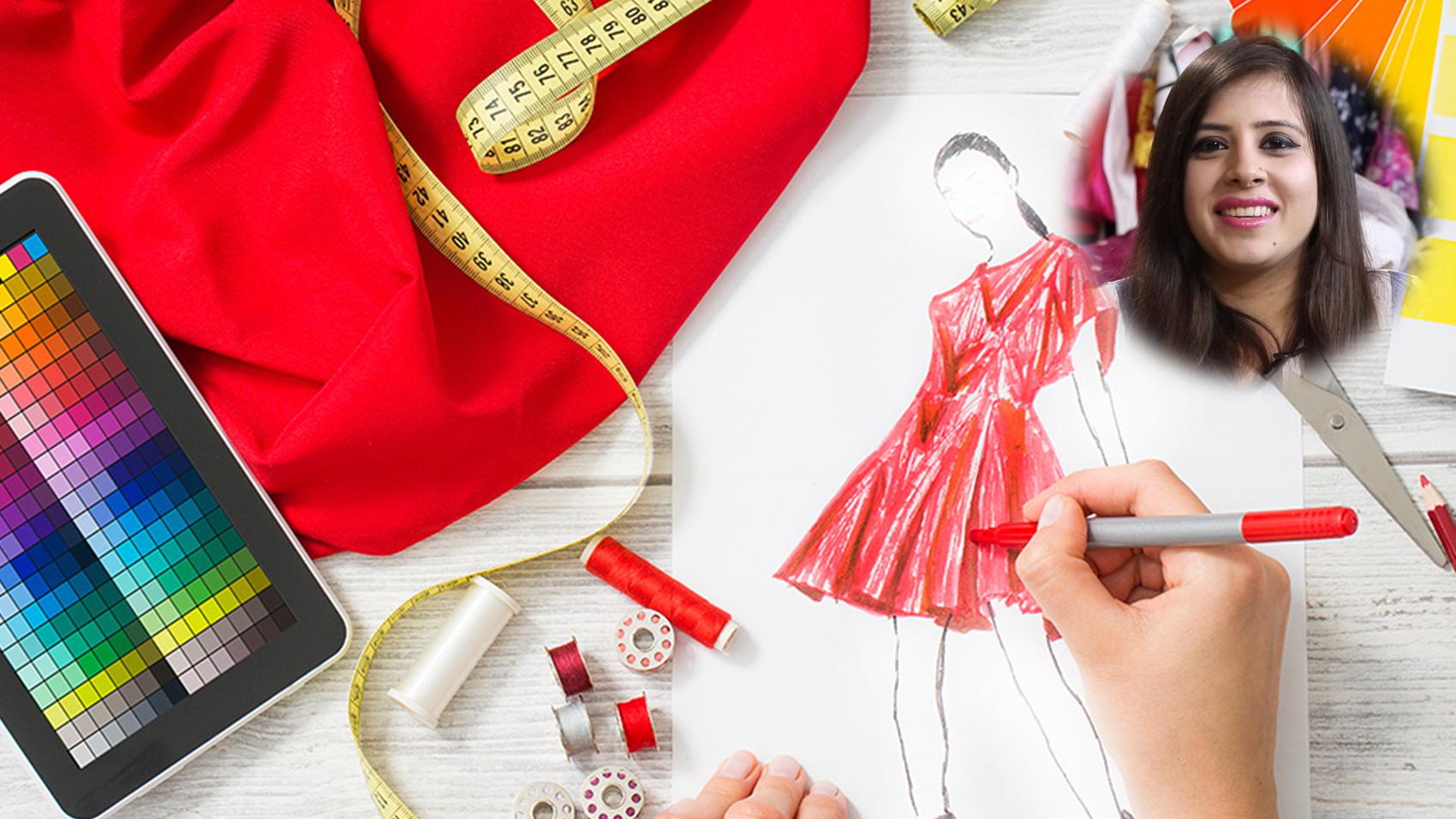
Sketching is the art of visually representing ideas, concepts, or designs using lines, shapes, and shading, typically on paper or digitally. In fashion designing, sketching serves as the primary means of translating creative thoughts into tangible visuals, enabling designers to communicate their vision clearly and efficiently to others.
Mastering sketching significantly enhances a fashion designer’s ability to conceptualize and refine ideas quickly, making the design process more efficient and innovative. Clients and employers highly value this skill because it allows for immediate visualization of concepts, facilitating better communication and faster decision-making. A well-executed sketch can bridge the gap between abstract ideas and practical garments, ensuring that everyone involved in the project shares a unified vision. To cultivate this skill, aspiring designers should practice regularly, study anatomy and garment construction, and seek feedback from mentors or peers. Over time, consistent effort and exposure to various styles and techniques will help designers develop a unique sketching style that sets them apart in the competitive fashion industry.
Imagine a fashion designer working with a high-profile client who requests a last-minute change to a collection just days before a major runway show. The client describes a new silhouette and fabric preference, but time is limited. The designer quickly sketches several revised options, incorporating the client’s feedback in real time. These sketches allow the client to immediately visualize the proposed changes and select the most appealing design. The production team then uses the approved sketch as a blueprint to make rapid adjustments. In this scenario, the designer’s sketching ability not only solves a critical issue under pressure but also ensures client satisfaction and the successful presentation of the collection.
Research

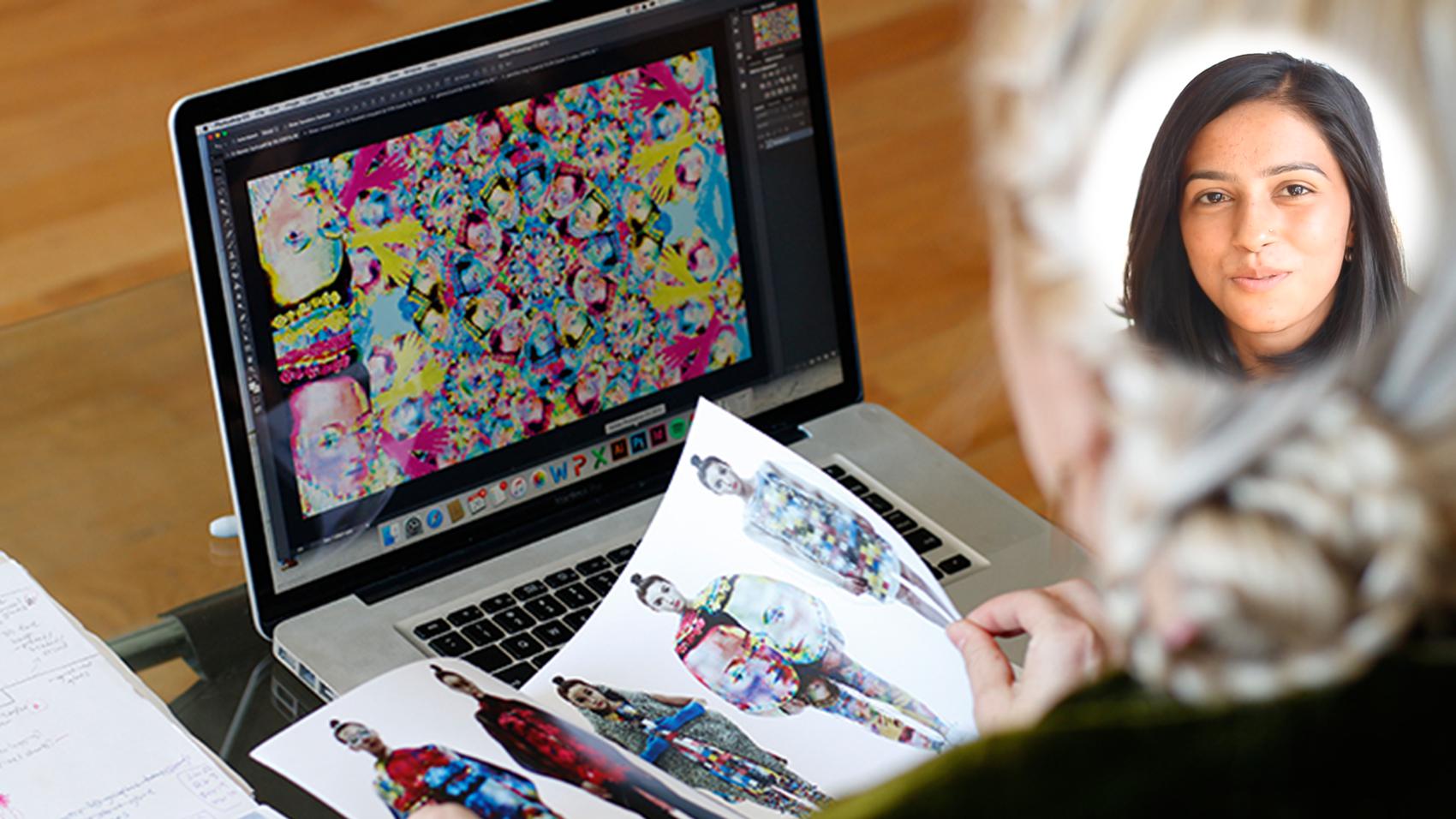
Research is the systematic process of gathering, analyzing, and interpreting information to increase understanding, solve problems, or inform decisions. In fashion designing, research enables professionals to stay ahead of trends, understand consumer preferences, and draw inspiration from diverse sources, making it a fundamental tool for innovation and relevance.
Mastering research as a fashion designer directly enhances creative output and decision-making. By investigating historical styles, current market trends, and emerging technologies, designers can create collections that resonate with target audiences and anticipate shifts in demand. Clients and employers highly value this skill because it leads to informed, strategic designs that minimize risk and maximize appeal. Cultivating research skills involves consistent curiosity, critical analysis, and the habit of seeking out new information from varied sources such as fashion archives, cultural studies, and technological advancements. Over time, designers who prioritize research become adept at identifying opportunities, avoiding creative stagnation, and delivering work that stands out in a competitive industry.
Imagine a fashion designer tasked with creating a sustainable clothing line for a major retailer. The designer embarks on thorough research, examining eco-friendly materials, studying consumer attitudes toward sustainability, and analyzing successful green initiatives in the industry. Through this process, the designer uncovers innovative fabrics and production methods that align with both environmental goals and market demand. By integrating these findings into the design process, the designer not only solves the challenge of sustainability but also positions the collection as both fashionable and responsible. This research-driven approach leads to a successful launch, earning praise from the client and setting a new standard for future projects.
Communication

Communication is the process of exchanging information, ideas, and emotions through verbal, non-verbal, and written means to achieve mutual understanding. In fashion designing, communication is vital for expressing creative visions, collaborating with teams, understanding client needs, and ensuring that design concepts are accurately interpreted and executed throughout the production process.
Effective communication enhances a fashion designer’s ability to articulate their ideas clearly, whether presenting a new collection to stakeholders or instructing pattern makers and seamstresses. Clients and employers highly value this skill because it minimizes misunderstandings, streamlines workflow, and fosters strong professional relationships. Designers who communicate well can better negotiate contracts, manage feedback, and adapt to changing project requirements. To cultivate this skill, aspiring professionals should practice active listening, seek constructive feedback, and engage in collaborative projects. Over time, consistent effort in refining both verbal and written communication, as well as developing empathy and cultural awareness, will lead to greater confidence and proficiency in conveying complex creative concepts.
Imagine a fashion designer working with an international client who has a specific vision for a new clothing line. During the initial meetings, the client’s expectations are not entirely clear, leading to confusion among the design team. The designer steps in to facilitate a detailed discussion, asking clarifying questions and summarizing the client’s ideas to ensure mutual understanding. By actively listening and providing visual sketches, the designer bridges the communication gap, allowing the team to align on the project’s direction. As a result, the final designs not only meet but exceed the client’s expectations, demonstrating how strong communication skills can resolve critical misunderstandings and drive a project to successful completion.
Open to New Ideas

Being "Open to New Ideas" means embracing fresh perspectives, experimenting with unconventional concepts, and welcoming feedback without resistance. In fashion designing, this mindset enables professionals to innovate, adapt to evolving trends, and respond creatively to challenges. It is a vital skill that fuels originality and keeps designers relevant in a dynamic industry.
Open to New Ideas directly enhances a fashion designer’s performance by fostering creativity and adaptability. Designers who actively seek inspiration from diverse sources, cultures, and technologies are better equipped to create unique collections that stand out in a crowded market. Clients and employers highly value this skill because it signals a willingness to evolve, collaborate, and respond to changing consumer preferences. Cultivating openness involves regularly exploring new materials, attending industry events, and engaging in constructive dialogue with peers. Over time, this habit of curiosity and experimentation leads to a broader creative repertoire and the confidence to take calculated risks, both of which are essential for long-term success in fashion.
Imagine a fashion designer tasked with creating a new line for a brand that wants to appeal to a younger, eco-conscious audience. Initially, the designer’s traditional approach does not resonate with the target demographic. By being open to new ideas, the designer researches sustainable materials, consults with environmental experts, and studies youth fashion trends. This willingness to step outside their comfort zone results in a collection that not only meets the brand’s sustainability goals but also captures the attention of the intended audience. The designer’s openness transforms a potential setback into a breakthrough, demonstrating how embracing new ideas can lead to innovative solutions and career advancement.
Positives
Good Lifestyle

A "Good Lifestyle" refers to a harmonious blend of financial stability, creative freedom, flexible work schedules, social recognition, and personal well-being that enables individuals to enjoy both their professional and personal lives. In fashion designing, this balance fosters inspiration, motivation, and a sense of fulfillment, making the profession uniquely rewarding.
The allure of a good lifestyle is a significant reason why many are drawn to fashion designing. This profession often allows for flexible working hours, which means designers can structure their days to suit their creative rhythms and personal commitments. The industry’s emphasis on creativity and self-expression ensures that work rarely feels monotonous, and the opportunity to travel, attend exclusive events, and collaborate with diverse talents adds excitement to daily routines. Financial rewards and public recognition further enhance job satisfaction, while the ability to influence trends and inspire others brings a deep sense of accomplishment. Altogether, these factors create an environment where professionals thrive, grow, and genuinely enjoy their careers.
Consider a fashion designer who has established her own boutique. She begins her mornings with yoga and breakfast at a local café, then spends her afternoons sketching new designs in her sunlit studio. Her flexible schedule allows her to attend her children’s school events and network at evening fashion shows. The financial success of her boutique provides her with the means to travel for inspiration, while her creative work brings her recognition in her community. Each day, she experiences the satisfaction of balancing her personal passions with professional achievements, embodying the good lifestyle that makes fashion designing such a fulfilling career.
Good Networking

Good Networking is the process of building and nurturing genuine relationships with peers, mentors, clients, and industry leaders through meaningful interactions, collaboration, and mutual support. In fashion designing, it opens doors to new opportunities, fosters creativity, and provides access to valuable insights, resources, and collaborations that drive professional growth and success.
Good networking is a cornerstone of success in fashion designing because it connects professionals with a vibrant community of creative minds and industry experts. These relationships often lead to collaborative projects, mentorship opportunities, and early access to trends and resources. By engaging with others, designers can gain fresh perspectives, constructive feedback, and inspiration, which enhances their creative process and personal development. Networking also increases visibility within the industry, making it easier to secure job offers, freelance gigs, or partnerships. The daily experience of exchanging ideas and support with like-minded individuals not only boosts confidence but also creates a sense of belonging and motivation, making the journey in fashion both rewarding and sustainable.
Imagine a young fashion designer attending an industry event where she strikes up a conversation with an established designer. Through this connection, she is invited to collaborate on a small collection for an upcoming fashion week. The partnership not only allows her to showcase her talent to a wider audience but also introduces her to influential buyers and stylists. As a result, she receives valuable feedback, gains new clients, and forms lasting friendships with other creatives. This experience demonstrates how good networking can transform a single interaction into a cascade of opportunities, personal growth, and professional fulfillment, making her career in fashion designing truly enriching.
Travelling

Travelling, in the context of fashion designing, refers to the act of journeying to different cities, countries, and cultural hubs to explore trends, attend fashion events, source materials, and collaborate with global talent. This exposure to diverse environments and perspectives enriches creativity, broadens horizons, and fosters innovation within the profession.
The opportunity to travel is a transformative benefit for fashion designers, as it allows them to immerse themselves in new cultures, observe unique styles, and draw inspiration from the world’s fashion capitals. This constant exposure to fresh ideas and aesthetics not only fuels creativity but also keeps designers ahead of trends, making their work more relevant and innovative. Travelling also opens doors to networking with international peers, attending exclusive shows, and discovering rare fabrics or techniques. These experiences contribute to personal and professional growth, enhancing job satisfaction by breaking the monotony of routine and offering a sense of adventure and discovery in daily work.
Imagine a fashion designer who travels to Milan for Fashion Week. While there, she attends runway shows, visits local ateliers, and explores vibrant street fashion. Inspired by the city’s blend of classic elegance and modern flair, she collects unique textiles and sketches new designs influenced by her experiences. Upon returning home, she incorporates these fresh ideas into her latest collection, impressing clients and colleagues with her innovative approach. The journey not only enriches her creative process but also strengthens her professional network, making her feel fulfilled and motivated. Through travelling, she transforms inspiration into tangible success, demonstrating how this aspect of the career brings both personal joy and professional advancement.
Challenges
Resources

In fashion designing, "Resources" refers to the availability and accessibility of essential materials, tools, finances, skilled labor, and time required to conceptualize, develop, and produce garments. The challenge is demanding because limited resources can restrict creativity, slow down production, and hinder the ability to compete in a fast-paced, ever-evolving industry.
The scarcity or unpredictability of resources can significantly disrupt the daily workflow of fashion designers. Limited access to quality fabrics, insufficient funding for prototypes, or a lack of skilled collaborators can delay projects and stifle innovation. This challenge demands resilience, as professionals must constantly adapt to shifting circumstances and make the most of what is available. Successful designers often cultivate strong relationships with suppliers, seek alternative materials, and leverage digital tools to streamline processes. They also prioritize tasks, manage budgets meticulously, and remain flexible in their creative approach, ensuring that resource constraints do not compromise the integrity or originality of their work. By embracing adaptability and resourcefulness, they turn limitations into opportunities for unique design solutions.
Consider a young designer preparing for their first independent collection with a limited budget and restricted access to premium fabrics. Instead of being deterred, the designer explores local markets for surplus textiles and repurposes vintage garments to create new pieces. They collaborate with emerging artisans, exchanging skills and services rather than relying solely on monetary transactions. By utilizing digital sketching tools and virtual fittings, the designer minimizes material waste and production costs. This approach not only allows the collection to come to life despite resource constraints but also results in a distinctive, sustainable aesthetic that garners attention from both consumers and industry professionals. Through ingenuity and determination, the designer transforms resource limitations into a creative advantage.
Competition

Competition in fashion designing refers to the constant rivalry among designers and brands to capture attention, set trends, and secure opportunities in a saturated market. It is demanding because it requires continuous innovation, adaptability, and self-promotion, all while meeting the ever-evolving tastes and expectations of consumers and industry stakeholders.
The intense competition in fashion designing can make daily work both exhilarating and exhausting. Designers must consistently produce original ideas, meet tight deadlines, and maintain relevance in a fast-paced environment. This pressure can lead to creative fatigue and self-doubt, making resilience an essential trait. Successful professionals manage this constraint by focusing on their unique strengths, building a distinct personal brand, and staying informed about industry trends without losing their creative identity. They also foster strong professional networks, seek constructive feedback, and remain adaptable to change. By embracing lifelong learning and viewing competition as motivation rather than a threat, they turn challenges into opportunities for growth and innovation.
Consider a young designer launching her first independent collection in a city renowned for its fashion scene. Surrounded by established brands and emerging talent, she initially struggles to gain recognition. Instead of imitating popular styles, she draws inspiration from her cultural heritage, infusing her designs with unique patterns and sustainable materials. She actively engages with local fashion communities, collaborates with artisans, and leverages social media to showcase her story and process. Over time, her authenticity and commitment to ethical practices attract a loyal following and media attention. By embracing her individuality and building genuine connections, she successfully navigates the competitive landscape and establishes a distinct presence in the industry.
Plagiarism

Plagiarism in fashion designing refers to the unauthorized copying or imitation of another designer’s original work, including patterns, silhouettes, prints, or concepts, and presenting them as one’s own. This issue is demanding because it undermines creativity, threatens intellectual property, and can damage reputations and business prospects within a highly competitive industry.
The prevalence of plagiarism in fashion designing can create a climate of mistrust and anxiety, making designers wary of sharing their ideas or showcasing their work. This challenge affects daily operations, from sketching new concepts to presenting collections, as professionals must constantly safeguard their originality. It demands resilience because designers need to persistently innovate while also protecting their intellectual property through legal means or strategic branding. Successful professionals often navigate this constraint by cultivating a distinctive signature style, staying informed about copyright laws, and building strong industry networks that recognize and respect authentic creativity. By fostering transparency and maintaining meticulous records of their design process, they can more effectively defend their work and reputation if disputes arise.
Consider a fashion designer who discovers that a fast-fashion retailer has released garments strikingly similar to her recent collection. Instead of retreating, she documents her creative process, including sketches, fabric choices, and timestamps, to establish clear authorship. She consults with legal experts to understand her rights and initiates a dialogue with the retailer, presenting her evidence. Simultaneously, she leverages social media to share her story and highlight her original designs, garnering support from the fashion community. Through these actions, she not only protects her work but also strengthens her brand’s identity, demonstrating resilience and proactive problem-solving in the face of plagiarism.
A Day Of
Fashion Designing
The world of fashion design is a whirlwind of creativity, precision, and constant motion, where no two days ever feel quite the same. From the moment the studio lights flicker on, the air is charged with anticipation—sketches are scattered across worktables, bolts of fabric await transformation, and the hum of sewing machines signals the start of another day where inspiration must meet deadlines. In this fast-paced environment, a fashion designer balances artistry with practicality, navigating a landscape where trends shift overnight and every detail matters. The rhythm of the day is dictated by the pulse of the industry, demanding both vision and adaptability from those who bring garments to life.
As the sun rises, a fashion designer’s day often begins with a quiet moment of reflection and preparation. This early hour is dedicated to reviewing mood boards, sketchbooks, and the latest trend reports, setting the creative tone for the day ahead. The designer might sip coffee while revisiting ongoing projects, making quick notes on color palettes or fabric choices, and organizing the workspace to ensure that inspiration flows freely. This is a time for gathering thoughts, prioritizing tasks, and mentally mapping out the day’s objectives before the studio buzz intensifies.
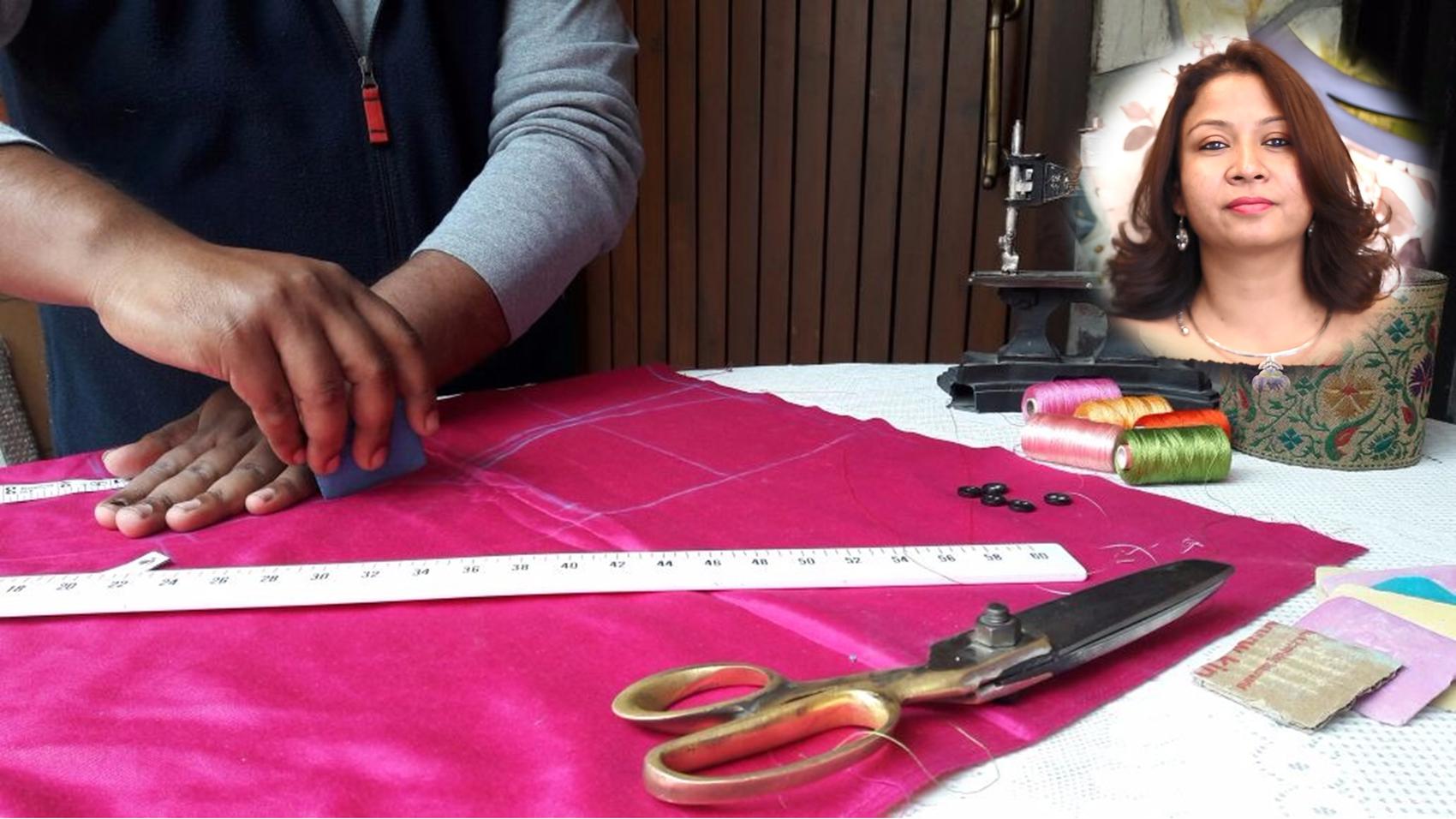
Mid-morning marks the transition from planning to action, as the designer dives into the heart of their craft. This is when sketches are refined, patterns are drafted, and fabric samples are examined with a critical eye. The studio becomes a hive of activity, with fittings scheduled for models or clients, and collaborative discussions with pattern makers or seamstresses. Whether it’s adjusting a hemline, selecting the perfect trim, or presenting concepts to a client, this period is defined by hands-on creativity and high-stakes decision-making, where every choice shapes the final collection.
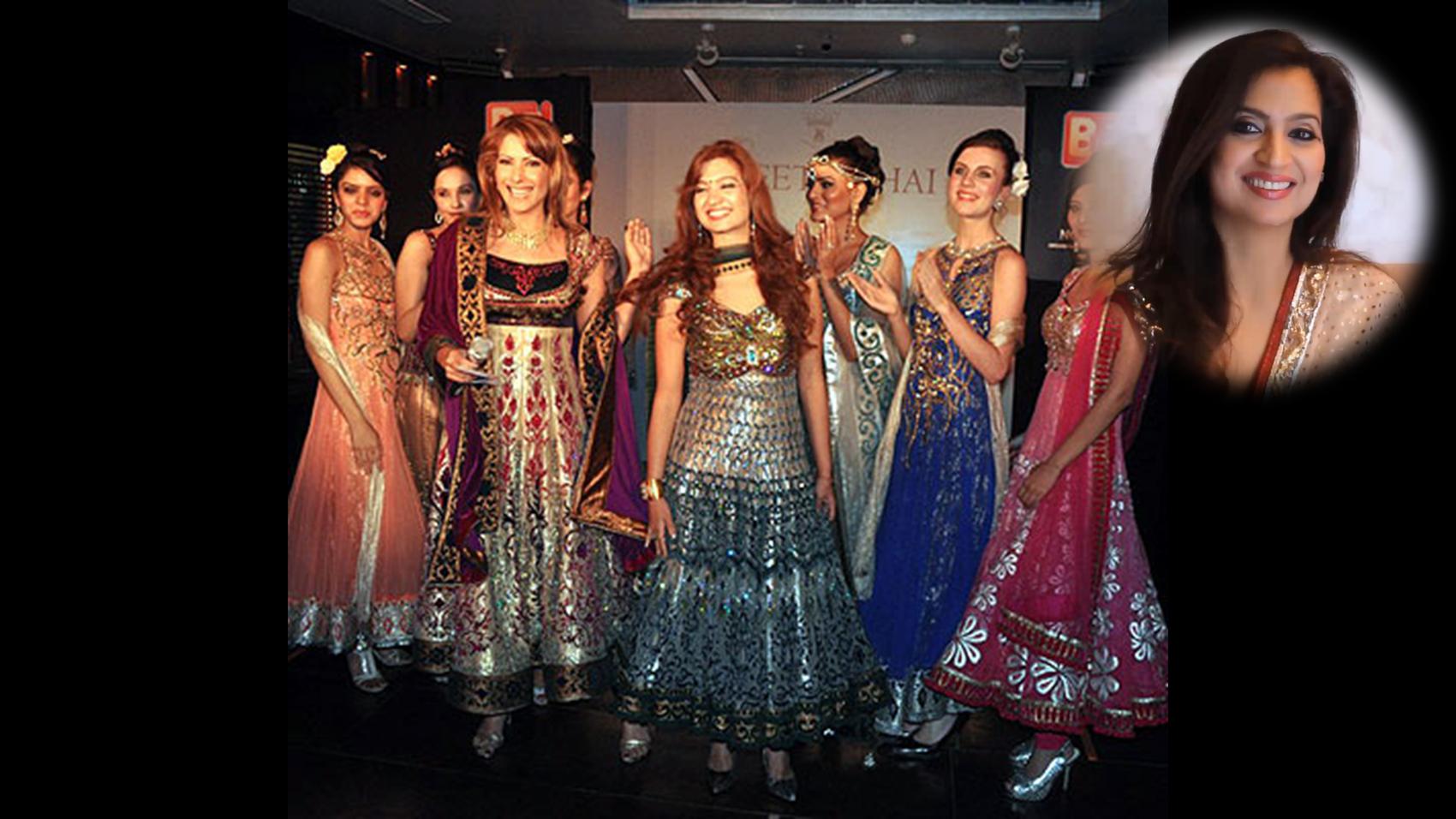
The afternoon is often reserved for teamwork and execution, as the designer works closely with colleagues to bring ideas to life. This might involve overseeing the assembly of garments, troubleshooting technical challenges, or participating in production meetings to ensure timelines are met. The designer may move between the cutting table and sewing machines, offering guidance and feedback, or step into meetings with marketing and merchandising teams to discuss upcoming launches. The energy is collaborative and focused, with everyone working in concert to transform sketches into tangible pieces ready for the runway or showroom.
As the day winds down, the designer shifts gears to wrap up ongoing tasks and prepare for tomorrow’s challenges. This is a time for reviewing the day’s progress, updating project boards, and responding to emails or client feedback. The designer might spend a few moments researching emerging trends, sourcing new materials, or sketching out fresh ideas sparked by the day’s work. Before leaving the studio, there’s a final check of the to-do list and a quick tidy-up of the creative space, ensuring that everything is in place for another inspired day in the ever-evolving world of fashion design. |


 Home
Home Abroad
 Plan
Plan Philosophy
 Seminar
 Pages
Pages Advisors
 Testimonials












 Workshop
 Discuss
 Meet
Meet
 Advisor
 Story
Story
 Fine Print
 Links
Links
 Blog
Blog
 Follow
