The Journey of Fashion Designing
What Is Fashion Designing
Fashion Designing

Fashion designing is the art and profession of creating clothing, accessories, and footwear that blend aesthetics, functionality, and cultural influences. It involves conceptualizing ideas, sketching designs, selecting fabrics, and overseeing the production process to bring innovative and stylish garments to life for various markets and audiences.
Fashion designing plays a significant role in shaping cultural trends, personal expression, and the global economy. For professionals, it offers a dynamic platform to showcase creativity and innovation while responding to evolving consumer preferences. The field encourages continuous learning and adaptation, fostering personal growth and resilience. Fashion designers also benefit from the opportunity to influence societal perceptions of beauty and identity, making their work both impactful and meaningful. Additionally, the industry provides diverse career paths, from haute couture to sustainable fashion, allowing individuals to specialize according to their interests and values. The collaborative nature of fashion design further enhances networking and teamwork skills, contributing to a rewarding and multifaceted professional journey.
A professional fashion designer working for a contemporary fashion house might begin by researching current trends and drawing inspiration from art, history, or street style. They sketch initial concepts, select suitable fabrics, and collaborate with pattern makers and seamstresses to develop prototypes. Throughout the process, the designer refines their ideas based on feedback and practical considerations, ensuring the final collection is both visually appealing and commercially viable. During fashion week, the designer presents their collection to buyers, media, and influencers, gaining valuable exposure and feedback. This real-world scenario highlights how fashion designing combines creativity, technical skill, and business acumen to bring innovative designs to the market and shape the future of style.
Education
Design Process

The Design Process is a structured sequence of steps that guides the transformation of creative ideas into tangible fashion products. It encompasses research, conceptualization, development, and refinement. In fashion designing, mastering this process is essential academically and professionally, as it underpins effective problem-solving, innovation, and the realization of original design concepts.
Understanding the Design Process is crucial for anyone pursuing a career in fashion designing because it provides a systematic approach to creativity. This knowledge ensures that designers can consistently produce work that is both innovative and practical, balancing artistic vision with technical feasibility. By internalizing the stages of research, ideation, prototyping, and evaluation, professionals can navigate complex design challenges and respond effectively to client or market demands. Over time, this foundational skill set enhances adaptability, fosters collaboration within multidisciplinary teams, and supports continuous professional growth. Ultimately, a strong grasp of the Design Process empowers fashion designers to create collections that are not only aesthetically compelling but also commercially viable and aligned with industry standards.
Consider a fashion designer tasked with creating a new seasonal collection for a well-known brand. Drawing on their understanding of the Design Process, the designer begins by researching current trends, target demographics, and sustainable materials. They then sketch initial concepts, refine these ideas through feedback sessions, and develop prototypes. Throughout this journey, the designer evaluates each piece for functionality, style, and manufacturability, making adjustments as needed. By systematically applying the Design Process, the designer ensures that the final collection is cohesive, innovative, and ready for production, demonstrating how theoretical knowledge translates into effective, real-world design solutions within the fast-paced fashion industry.
Fabric Knowledge

Fabric Knowledge refers to the comprehensive understanding of textile types, their properties, construction methods, and behavior under various conditions. In Fashion Designing, it forms a crucial academic and professional foundation, enabling designers to make informed choices about materials, garment construction, and the overall functionality and aesthetics of their creations.
Developing a deep understanding of fabric knowledge is essential for anyone pursuing a career in fashion design. This expertise allows designers to select appropriate materials for specific designs, ensuring that garments not only look appealing but also perform as intended in terms of comfort, durability, and care requirements. Mastery of fabric properties, such as drape, stretch, and breathability, empowers designers to innovate and solve practical challenges during the design and production process. Over time, this foundational knowledge enhances a designer’s credibility, supports effective communication with suppliers and manufacturers, and opens doors to advanced roles in textile innovation, sustainable fashion, and technical design. Ultimately, fabric knowledge is a cornerstone that supports both creative expression and practical execution in the fashion industry.
Imagine a fashion designer tasked with creating a summer dress collection. Their fabric knowledge guides them in choosing lightweight, breathable fabrics like cotton or linen, ensuring comfort for the wearer in warm weather. During the design phase, they consider how each fabric drapes and moves, selecting materials that complement the intended silhouette and style. When collaborating with pattern makers and manufacturers, the designer’s understanding of fabric shrinkage, colorfastness, and finishing techniques helps prevent costly production errors. By applying their theoretical knowledge in these daily operations, the designer not only achieves the desired aesthetic but also delivers garments that meet quality standards and customer expectations, demonstrating the practical value of fabric expertise in real-world fashion design.
Rendering of Fabric

Rendering of Fabric refers to the artistic and technical process of visually representing different textiles, textures, and fabric behaviors on paper or digital platforms. This skill is essential in fashion designing, as it bridges the gap between conceptual ideas and tangible garments, allowing designers to communicate their visions accurately to clients and production teams.
Understanding how to render fabric is fundamental for anyone pursuing a career in fashion designing. This knowledge enables designers to illustrate the drape, sheen, weight, and movement of various textiles, which is crucial for effective communication with pattern makers, manufacturers, and clients. Mastery of fabric rendering ensures that design concepts are not only visually appealing but also technically feasible, reducing misinterpretations during the production process. Over time, this skill enhances a designer’s credibility and efficiency, as it demonstrates professionalism and attention to detail. Furthermore, the ability to render fabric convincingly can set a designer apart in a competitive industry, opening doors to advanced roles and creative collaborations.
Consider a fashion designer preparing a presentation for a new eveningwear collection. The designer must illustrate how silk chiffon will flow in a gown or how velvet will catch the light in a tailored jacket. By applying their knowledge of fabric rendering, the designer creates sketches that accurately depict the unique qualities of each textile. These detailed illustrations help clients visualize the final garments and assist the production team in selecting appropriate materials and construction techniques. The designer’s expertise in rendering fabric ensures that the creative vision is maintained throughout the design process, from initial concept to finished product, resulting in garments that meet both aesthetic and functional expectations.
Flat Sketch

A Flat Sketch, also known as a technical flat, is a two-dimensional, scaled drawing of a garment that accurately depicts its construction, proportions, and design details. It serves as a visual blueprint in fashion design, bridging creative concepts and technical execution, and is essential in both academic learning and professional practice.
Understanding Flat Sketch is vital for anyone pursuing a career in fashion design because it forms the backbone of effective communication within the industry. Mastery of this skill allows designers to translate their creative ideas into precise, standardized visuals that can be easily interpreted by pattern makers, manufacturers, and other stakeholders. This foundational knowledge ensures that design intentions are maintained throughout the production process, minimizing errors and misinterpretations. Over time, proficiency in Flat Sketch enhances a designer’s ability to collaborate efficiently, meet industry standards, and adapt to various roles within the fashion sector. It also supports career growth by demonstrating technical competence and attention to detail, qualities highly valued by employers and clients alike.
Consider a fashion designer working in a busy design studio who is tasked with developing a new collection. After conceptualizing the initial ideas, the designer creates detailed Flat Sketches for each garment, illustrating every seam, pocket, and fastening. These sketches are then shared with the pattern-making team, who rely on the accuracy of the drawings to construct prototypes. Throughout the process, the designer refers back to the Flat Sketches to ensure that the samples align with the original vision. This daily application of Flat Sketch knowledge not only streamlines communication but also helps maintain consistency and quality from concept to finished product, ultimately contributing to the success of the collection.
Pattern Making
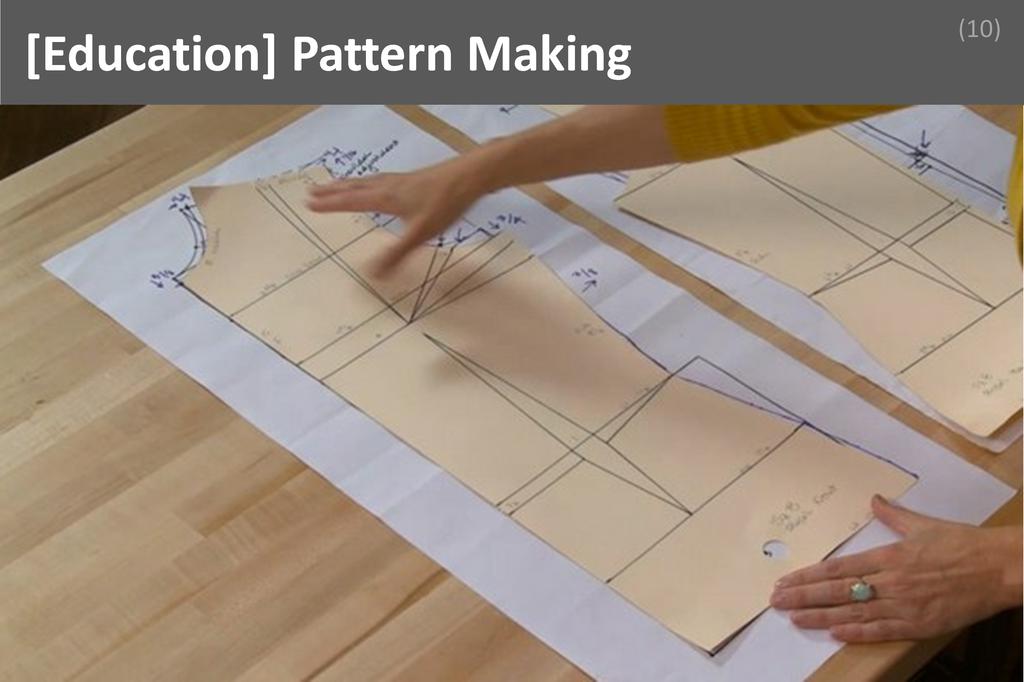
Pattern making is the technical process of translating a designer’s sketch or concept into a template from which garments are constructed. It involves drafting, measuring, and adjusting paper or digital patterns to ensure proper fit and style. In fashion design education and practice, pattern making is a fundamental, indispensable skill.
Understanding pattern making is essential for anyone pursuing a career in fashion design because it bridges the gap between creative ideas and tangible garments. Mastery of this subject allows designers to accurately interpret their visions, ensuring that their designs are not only aesthetically pleasing but also wearable and functional. Pattern making forms the backbone of garment construction, enabling professionals to experiment with silhouettes, proportions, and fabric behavior. Over time, proficiency in this area enhances a designer’s ability to innovate, collaborate with production teams, and solve complex fitting challenges. It also increases employability and opens doors to specialized roles within the industry, such as technical designer or pattern cutter, making it a long-term asset in any fashion career.
Consider a fashion designer working in a studio who receives a commission to create a custom evening gown. The designer begins by sketching the concept, then applies their knowledge of pattern making to draft a pattern that reflects the client’s measurements and the desired silhouette. During fittings, the designer uses their pattern making expertise to make precise adjustments, ensuring the gown fits perfectly and drapes as intended. This process involves interpreting fabric properties, modifying darts and seams, and sometimes creating multiple pattern iterations. Through this hands-on application, the designer transforms a creative vision into a finished garment, demonstrating how theoretical understanding of pattern making is crucial in daily professional practice.
Sewing

Sewing is the craft of joining fabrics, materials, or other flexible substances using a needle and thread, either by hand or machine. In Fashion Designing, sewing is a fundamental skill, bridging creative design concepts with tangible garments, and is essential in both academic training and professional practice within the industry.
Understanding sewing is crucial for anyone pursuing a career in fashion designing because it transforms abstract ideas into wearable art. Mastery of sewing techniques allows designers to experiment with fabric manipulation, garment construction, and finishing details, ensuring their creations are both aesthetically pleasing and structurally sound. This knowledge forms the backbone of the fashion design process, enabling professionals to communicate effectively with pattern makers, tailors, and production teams. Over time, proficiency in sewing enhances a designer’s ability to innovate, troubleshoot construction challenges, and maintain quality control. It also empowers designers to create prototypes, make adjustments on the fly, and understand the limitations and possibilities of various materials, all of which are invaluable for long-term career growth and success in the fashion industry.
Imagine a fashion designer preparing for a runway show who notices that a prototype dress does not drape as intended. Drawing on their sewing expertise, the designer quickly assesses the issue, adjusts the seam allowances, and reinforces the hem to improve the garment’s fit and flow. This hands-on intervention not only salvages the piece but also ensures it meets the envisioned aesthetic and functional standards. By applying their theoretical and practical knowledge of sewing, the designer can efficiently communicate necessary changes to the production team, maintain the integrity of their design, and meet tight deadlines. This scenario highlights how a deep understanding of sewing is indispensable in the fast-paced, detail-oriented world of fashion design.
Design Software

Design software refers to specialized computer programs that enable users to create, modify, and visualize digital representations of garments, textiles, and fashion concepts. In fashion designing, it serves as a critical academic and professional tool, bridging creative ideas with technical execution, and is essential for modern design processes and industry standards.
Understanding design software is vital for anyone pursuing a career in fashion designing because it equips professionals with the ability to translate creative visions into precise, editable, and shareable digital formats. Mastery of these tools forms the foundation for efficient workflow, collaboration, and innovation in the industry. As fashion continues to evolve with technology, proficiency in design software ensures designers remain competitive and adaptable, enabling them to experiment with patterns, textures, and silhouettes without the constraints of physical materials. Over the long term, this expertise enhances employability, supports sustainable practices through virtual prototyping, and opens opportunities for working with global teams and clients, making it an indispensable skill in the modern fashion landscape.
A fashion designer working for a contemporary apparel brand begins their day by opening a design software suite to sketch new ideas for an upcoming collection. Using digital tools, they experiment with fabric drapes, color palettes, and garment construction, instantly visualizing changes and refining details. The designer then collaborates with pattern makers by sharing editable files, ensuring accurate communication of design intent. Later, they present realistic 3D renderings to the marketing team, allowing for immediate feedback and adjustments before any physical samples are produced. This seamless integration of design software into daily operations not only accelerates the creative process but also minimizes material waste and enhances the overall efficiency of the fashion development cycle.
Skills
Creativity

Creativity is the ability to generate original ideas, envision new possibilities, and combine concepts in innovative ways. In fashion designing, creativity fuels the transformation of inspiration into unique garments and collections. It enables designers to break conventions, set trends, and express individuality, making it an indispensable part of their professional toolkit.
Creativity directly enhances a fashion designer’s performance by enabling them to produce distinctive designs that stand out in a competitive market. Clients and employers highly value this skill because it leads to fresh, trendsetting collections that can capture consumer interest and drive brand success. To cultivate creativity, designers can immerse themselves in diverse artistic influences, experiment with unconventional materials, and continually seek inspiration from art, culture, and everyday life. Over time, consistent practice, openness to feedback, and a willingness to take risks help sharpen creative thinking, allowing designers to adapt to changing trends and client preferences while maintaining their unique voice.
Imagine a fashion designer preparing for a major runway show when a key fabric shipment is delayed, threatening the completion of the collection. Relying on creativity, the designer quickly reimagines the garments using alternative materials available in the studio, incorporating unexpected textures and colors. This inventive approach not only resolves the immediate crisis but also results in a collection that garners critical acclaim for its originality and resourcefulness. The designer’s creative problem-solving turns a potential setback into an opportunity for innovation, demonstrating how essential creativity is for overcoming challenges and achieving success in the fast-paced world of fashion design.
Visualisation

Visualisation is the mental process of forming vivid, detailed images or concepts of garments and collections before they are physically created. In fashion designing, it enables professionals to conceptualise ideas, anticipate design challenges, and communicate their vision clearly to clients, teams, and manufacturers, making it a foundational creative skill.
The ability to visualise designs enhances a fashion designer’s performance by allowing them to foresee the final outcome of their ideas, make informed decisions about fabrics, colors, and silhouettes, and quickly adapt to feedback or constraints. Clients and employers highly value this skill because it leads to more efficient workflows, fewer costly mistakes, and stronger alignment between initial concepts and finished products. Cultivating visualisation involves regular sketching, studying fashion history, experimenting with digital design tools, and seeking inspiration from art and culture. Over time, consistent practice and exposure to diverse styles sharpen a designer’s imagination and ability to translate abstract ideas into tangible, innovative designs.
Imagine a fashion designer preparing for a high-profile runway show who encounters a last-minute change in the collection’s theme. With strong visualisation skills, the designer quickly reimagines how existing pieces can be adapted to fit the new concept, mentally picturing alterations in color, fabric, and embellishments. This ability allows them to confidently direct their team, communicate adjustments to pattern makers, and reassure the client that the collection will still deliver the intended impact. By visualising the end result before any physical changes are made, the designer saves valuable time, avoids unnecessary material waste, and ensures the final presentation is cohesive and compelling, ultimately achieving success under pressure.
Sketching

Sketching is the art of visually representing ideas, concepts, or designs on paper or digitally, using lines, shapes, and shading to communicate form, structure, and detail. In fashion designing, sketching serves as the primary means of translating creative visions into tangible, shareable concepts, bridging imagination and practical execution.
Mastering sketching significantly enhances a fashion designer’s ability to communicate ideas clearly and efficiently, both within design teams and to clients. Employers and clients highly value this skill because it allows for rapid visualization and iteration of concepts, reducing misunderstandings and streamlining the design process. A well-developed sketch can convey mood, silhouette, fabric flow, and intricate details that words alone cannot capture. Over time, designers can cultivate this skill through consistent practice, studying anatomy and garment construction, and analyzing the work of established designers. By integrating sketching into their daily workflow, professionals not only refine their technical abilities but also develop a unique visual language that sets their work apart in a competitive industry.
Imagine a fashion designer preparing for an important client presentation. The client requests a last-minute change to a garment’s neckline and sleeve design, seeking a more contemporary look. With strong sketching skills, the designer quickly drafts several new options on the spot, visually communicating the proposed changes in real time. This immediate response reassures the client, fosters collaboration, and allows for instant feedback, ultimately leading to a design that meets the client’s expectations. Without the ability to sketch effectively, the designer would struggle to convey ideas clearly, potentially causing delays or miscommunication. In this scenario, sketching proves indispensable for problem-solving and achieving professional success.
Colour Theory

Colour Theory is the study of how colours interact, the visual effects of colour combinations, and the psychological impact colours have on perception. In fashion designing, it forms the foundation for creating harmonious, appealing, and emotionally resonant collections. Mastery of Colour Theory enables designers to communicate moods, highlight features, and set trends effectively.
A strong grasp of Colour Theory elevates a fashion designer’s work by ensuring that every garment or collection resonates visually and emotionally with its intended audience. Clients and employers highly value designers who can select and combine colours that enhance brand identity, flatter diverse skin tones, and align with seasonal trends. This skill is developed through formal education, hands-on experimentation, and continuous observation of both historical and contemporary fashion. Over time, designers refine their intuition for colour by analyzing successful collections, studying art and nature, and staying updated on global colour trends. The ability to apply Colour Theory not only improves the aesthetic quality of designs but also increases their commercial appeal and marketability.
Imagine a fashion designer tasked with creating a spring collection for a luxury brand. Midway through development, the client expresses concern that the initial colour palette feels too subdued and fails to evoke the desired sense of renewal and optimism. Drawing on Colour Theory, the designer reassesses the palette, introducing vibrant greens and soft pastels that symbolize growth and freshness. By adjusting the balance of warm and cool tones, the designer creates visually dynamic outfits that capture the essence of spring. The revised collection receives enthusiastic approval from the client and garners positive attention at launch, demonstrating how expertise in Colour Theory can resolve creative challenges and drive success in the competitive fashion industry.
Regular Updation

Regular Updation refers to the continuous process of acquiring new knowledge, skills, and awareness about trends, technologies, and materials relevant to fashion design. It involves staying informed about industry changes and integrating fresh ideas into one’s work. This skill ensures a designer remains competitive, innovative, and professionally relevant.
Embracing Regular Updation significantly enhances a fashion designer’s performance by ensuring their creations align with current trends and consumer preferences. Clients and employers highly value professionals who demonstrate this skill, as it reflects adaptability and a commitment to excellence. Designers who consistently update their knowledge are better equipped to anticipate shifts in the market, adopt sustainable practices, and utilize advanced technologies. Cultivating this skill involves actively seeking inspiration from global fashion weeks, subscribing to industry publications, participating in workshops, and networking with peers. Over time, these habits foster a mindset of lifelong learning, enabling designers to confidently introduce innovative concepts and maintain a strong professional reputation.
Imagine a fashion designer working for a leading apparel brand who notices a sudden surge in demand for eco-friendly fabrics. By regularly updating her knowledge, she is already aware of the latest sustainable materials and suppliers. When the brand’s creative director requests a new collection that aligns with this trend, she quickly proposes designs using innovative, biodegradable textiles. Her ability to respond swiftly and knowledgeably not only impresses her team but also positions the brand as a market leader in sustainability. This scenario highlights how Regular Updation empowers designers to address emerging challenges, seize new opportunities, and deliver solutions that resonate with both clients and consumers.
Persistence

Persistence is the unwavering commitment to continue striving toward goals despite obstacles, setbacks, or repeated failures. It involves maintaining focus, motivation, and effort over time, even when progress seems slow or challenges appear insurmountable. In fashion designing, persistence is vital for overcoming creative blocks, industry competition, and evolving trends.
Persistence directly enhances a fashion designer’s performance by enabling them to push through creative challenges, refine their techniques, and consistently deliver innovative work. Clients and employers highly value this trait because it ensures reliability and a strong work ethic, even under pressure or when facing repeated rejections. Persistent designers are more likely to see projects through to completion, adapt to feedback, and continually improve their craft. Cultivating persistence involves setting clear goals, embracing failures as learning opportunities, and developing resilience through practice and self-reflection. Over time, these habits help designers remain motivated and adaptable, which are essential qualities in the fast-paced and ever-changing world of fashion.
Imagine a fashion designer preparing a collection for a major runway show. Despite months of hard work, several prototypes fail to meet the designer’s vision, and last-minute fabric shortages threaten the timeline. Instead of giving up or compromising on quality, the designer draws on persistence, working late nights to source alternative materials and reworking designs until they align with the original concept. Through repeated trial and error, the designer finally achieves the desired results. The collection receives acclaim at the show, not just for its creativity but also for the dedication and resilience demonstrated throughout the process. This scenario highlights how persistence can turn setbacks into stepping stones for success in fashion designing.
Positives
Interesting Field

"Interesting Field" refers to the dynamic, ever-evolving nature of fashion designing, where creativity, innovation, and cultural trends intersect to create new styles and concepts. This field constantly presents fresh challenges, diverse inspirations, and opportunities to experiment, ensuring that professionals remain engaged, motivated, and passionate about their work every single day.
The interesting nature of fashion designing is a powerful motivator for those who thrive on creativity and change. This aspect ensures that no two days are ever the same, as designers are continually exposed to new materials, techniques, and global influences. The excitement of working in such a vibrant environment fuels personal and professional growth, encouraging designers to push boundaries and develop unique perspectives. This constant stimulation leads to higher job satisfaction, as professionals feel their work is meaningful and impactful. The engaging atmosphere also fosters collaboration and learning, making it easier for designers to stay inspired and adapt to industry shifts, ultimately leading to a more fulfilling and successful career.
Imagine a fashion designer working in a bustling design studio, where each season brings a new theme and inspiration. One day, they might be researching traditional textiles from distant cultures, while the next, they are experimenting with sustainable materials or digital design tools. The designer collaborates with artists, photographers, and marketers, drawing inspiration from art, music, and street style. This ever-changing landscape keeps their creativity alive and their passion ignited. The sense of discovery and the thrill of transforming ideas into wearable art make every project an exciting journey, proving that the interesting field of fashion designing is not just a career, but a lifelong adventure.
Constant Improvement

Constant Improvement is the ongoing process of learning, adapting, and refining skills, techniques, and creative vision to achieve higher standards of excellence. In fashion designing, this means consistently seeking new inspirations, mastering emerging technologies, and evolving with trends. This dedication to growth fuels innovation, keeps creativity alive, and ensures lasting relevance in a dynamic industry.
The commitment to constant improvement is a cornerstone of fulfillment and success in fashion designing. It transforms daily work into a journey of discovery, where each project offers opportunities to learn something new or perfect a technique. This continual growth keeps the profession exciting and prevents stagnation, as designers are always challenged to push boundaries and exceed their previous achievements. The sense of progress and mastery that comes from constant improvement boosts confidence and job satisfaction, making every accomplishment more meaningful. As designers evolve, they become more adaptable and resilient, opening doors to new career opportunities and creative collaborations. Ultimately, the pursuit of constant improvement ensures that fashion designers remain passionate, inspired, and at the forefront of their craft.
Imagine a fashion designer working on a new collection who decides to experiment with sustainable materials and advanced digital design tools for the first time. Through research, trial, and error, the designer refines their techniques, learning how to blend eco-friendly fabrics with innovative patterns. Each day brings fresh challenges and small victories, from mastering a new software feature to discovering a unique way to drape fabric. As the collection comes together, the designer feels a profound sense of accomplishment, knowing that their skills have grown and their creative vision has expanded. This experience of constant improvement not only enhances the quality of their work but also deepens their passion for the craft, making their career in fashion designing truly rewarding.
Exposure

Exposure in fashion designing refers to the continuous interaction with diverse cultures, trends, people, and creative ideas through events, collaborations, and global platforms. This dynamic environment allows designers to broaden their perspectives, refine their skills, and gain recognition, ultimately fueling innovation and personal growth within the industry.
Exposure is a cornerstone of success in fashion designing because it opens doors to new inspirations, techniques, and professional networks. By regularly engaging with different markets, clients, and creative minds, designers stay ahead of trends and develop a unique voice. This constant influx of fresh ideas and feedback not only enhances creativity but also builds confidence and adaptability. As designers showcase their work in fashion shows, exhibitions, or digital platforms, they receive valuable recognition and constructive criticism, which accelerates their professional growth. The excitement of being part of a global community and the opportunity to influence style on a large scale make the daily experience in this field deeply satisfying and motivating.
Imagine a young fashion designer who participates in an international fashion week. Through this event, she interacts with designers from various countries, observes innovative techniques, and presents her collection to a global audience. The exposure she gains not only boosts her confidence but also attracts attention from influential buyers and media outlets. She returns home inspired by new trends and cultural influences, which she incorporates into her next collection. This experience not only expands her creative horizons but also opens up new professional opportunities, making her journey in fashion designing both fulfilling and transformative. Exposure, in this context, becomes the catalyst for her personal and career growth, reinforcing her passion for the industry.
Social Networking

Social networking is the process of building and maintaining relationships with individuals, groups, and organizations through personal interactions, digital platforms, and professional events. In fashion designing, social networking fosters collaboration, idea exchange, and access to opportunities, enabling designers to stay inspired, informed, and connected within a dynamic, ever-evolving industry.
Social networking is a cornerstone of success in fashion designing because it opens doors to collaboration, mentorship, and exposure to new trends. By connecting with peers, industry leaders, and clients, designers gain valuable insights and feedback that fuel creativity and innovation. These relationships often lead to exciting projects, partnerships, and invitations to exclusive events, which can significantly enhance a designer’s professional profile. The daily interactions foster a sense of belonging and community, making the work environment more stimulating and supportive. As designers share experiences and resources, they not only grow their own skills but also contribute to the collective advancement of the industry, resulting in greater job satisfaction and sustained career growth.
Imagine a young fashion designer attending a local fashion week event. Through casual conversations and introductions, she connects with a renowned textile supplier and a fellow designer who specializes in sustainable materials. These new relationships lead to a collaborative capsule collection that garners attention from influential bloggers and boutique owners. The designer’s network expands rapidly, and she is soon invited to showcase her work at international exhibitions. This chain of events, sparked by social networking, not only elevates her career but also provides a sense of fulfillment and excitement as she realizes the power of meaningful connections in shaping her journey in fashion designing.
Vast Career Options

Vast Career Options refers to the wide array of professional paths, specializations, and roles available within the fashion industry, ranging from design and merchandising to marketing, styling, and beyond. This diversity allows individuals to tailor their careers to their unique talents and interests, fostering creativity and long-term engagement.
The presence of vast career options in fashion designing significantly enhances job satisfaction and personal growth. Professionals are not confined to a single trajectory; instead, they can explore various roles, switch specializations, or even combine multiple interests. This flexibility keeps the work dynamic and prevents stagnation, ensuring that creativity and passion remain at the forefront. As the industry evolves, new opportunities continually emerge, allowing designers to adapt and thrive. This sense of possibility fuels motivation, encourages lifelong learning, and empowers individuals to carve out unique career journeys. Every day, fashion professionals experience the excitement of choosing projects and paths that align with their evolving aspirations, making their work both meaningful and rewarding.
Consider a fashion designer who begins their career creating ready-to-wear collections for a local brand. Over time, they discover a passion for sustainable materials and pivot to work as a textile innovator, collaborating with eco-friendly manufacturers. Later, their expertise leads them to become a fashion consultant, advising emerging designers on ethical production. Throughout this journey, the designer enjoys the freedom to explore new interests, develop diverse skills, and make a tangible impact in various sectors of the industry. This ability to shift roles and embrace fresh challenges not only keeps their career exciting but also allows them to grow professionally and personally, illustrating the true value of vast career options in fashion designing.
Challenges
Competition

Competition in fashion designing refers to the constant rivalry among designers and brands to capture attention, set trends, and secure opportunities in a saturated market. This challenge is demanding because it requires continuous innovation, adaptability, and self-promotion to stand out, while facing relentless pressure from both established and emerging talents.
The intense competition in fashion designing affects daily work by pushing professionals to consistently deliver fresh ideas, maintain high standards, and respond quickly to changing trends. This environment can be stressful, demanding resilience and adaptability to avoid burnout and discouragement. Successful designers manage this constraint by cultivating a unique creative voice, building strong professional networks, and staying informed about industry shifts. They invest in personal branding and continuously refine their skills, allowing them to differentiate themselves and remain relevant. By embracing collaboration and learning from peers, they turn competition into motivation for growth rather than a source of anxiety, ultimately fostering a mindset that values perseverance and innovation.
Consider a young designer launching their first independent collection in a city known for its vibrant fashion scene. Surrounded by established labels and fellow emerging talents, the designer initially struggles to gain recognition. Instead of imitating popular trends, they focus on their distinct aesthetic, drawing inspiration from local culture and sustainable materials. By actively engaging with the community through social media, pop-up events, and collaborations with local artisans, the designer gradually builds a loyal following. Their commitment to originality and authenticity sets them apart, attracting attention from both customers and industry insiders. Through perseverance and strategic networking, the designer transforms competition into an opportunity for creative expression and professional growth, ultimately carving out a unique space in the competitive fashion landscape.
High Investment

High Investment in Fashion Designing refers to the substantial financial resources required for materials, production, marketing, and brand development. This demand is particularly challenging because it often necessitates significant upfront capital, making it difficult for emerging designers to compete, innovate, and sustain their businesses in a highly competitive industry.
The challenge of high investment permeates every aspect of a fashion designer’s daily work, from sourcing quality fabrics to funding runway shows and marketing campaigns. This financial pressure can limit creative freedom, slow down production, and increase stress, demanding resilience and adaptability. Successful professionals often navigate this constraint by seeking alternative funding sources, such as investors, grants, or crowdfunding platforms. They may also adopt lean business models, focusing on small, curated collections or made-to-order pieces to minimize waste and upfront costs. Building strong industry networks and partnerships can further help share resources and reduce expenses. Ultimately, overcoming high investment requires a blend of financial acumen, strategic planning, and unwavering determination.
Consider a young designer launching her first independent label with limited funds. Instead of producing a full seasonal collection, she opts for a capsule wardrobe of versatile pieces, manufactured in small batches to reduce inventory risk. She leverages social media and digital marketing to reach her audience directly, bypassing costly traditional advertising. By collaborating with local artisans and suppliers, she negotiates favorable terms and builds mutually beneficial relationships. Through crowdfunding, she secures initial capital while also generating buzz and pre-orders for her designs. This approach allows her to manage high investment requirements, gradually scale her business, and establish a sustainable presence in the fashion industry.
Long Working Hours

Long working hours in fashion designing refer to extended periods spent on tasks such as conceptualizing, sketching, sourcing materials, and overseeing production, often stretching late into the night or across weekends. This is demanding because tight deadlines, last-minute changes, and high expectations require constant attention, creativity, and adaptability from designers.
The challenge of long working hours in fashion designing can lead to fatigue, reduced creativity, and increased stress, making it difficult to maintain a healthy work-life balance. This relentless pace demands significant resilience, as professionals must consistently deliver high-quality results under pressure. Successful designers manage this by setting clear priorities, delegating tasks when possible, and establishing boundaries to protect their personal time. They also learn to pace themselves during intense periods, ensuring they take short breaks to recharge. By cultivating strong organizational skills and seeking support from colleagues or mentors, fashion designers can navigate demanding schedules while maintaining their passion and productivity.
Consider a fashion designer preparing for a major runway show, facing twelve-hour days filled with fittings, revisions, and client meetings. Recognizing the risk of burnout, she organizes her workload by breaking large projects into manageable tasks and schedules brief moments for rest and reflection. She communicates openly with her team about deadlines and expectations, allowing for collaborative problem-solving when unexpected challenges arise. By maintaining a structured routine and prioritizing self-care, she not only meets the show’s tight deadlines but also preserves her creative energy. This balanced approach enables her to deliver exceptional designs while sustaining her enthusiasm for the craft, demonstrating that long working hours can be managed with thoughtful strategies and determination.
A Day Of
Fashion Designing
The hum of sewing machines, the rustle of fabric swatches, and the constant buzz of creative energy set the tone for a fashion designer’s day—a world where inspiration meets deadlines and artistry is balanced by business acumen. In the fast-paced environment of fashion design, no two days are exactly alike, yet each one pulses with the anticipation of transforming sketches into wearable statements. From the first flicker of morning light to the final review of the day’s work, a fashion designer navigates a whirlwind of creativity, collaboration, and meticulous attention to detail, all against the backdrop of an industry that never stands still.
As the city stirs awake, a fashion designer’s day often begins with a quiet moment of reflection and review. This early hour is dedicated to scanning trend reports, revisiting mood boards, and sketching out fresh ideas sparked by overnight inspiration. The designer might sift through fabric samples, organize their workspace, and review the day’s agenda, ensuring that every detail is in place before the creative storm begins. This is a time for setting intentions, aligning with ongoing projects, and fueling the imagination for the hours ahead.
By mid-morning, the studio is alive with activity as the designer dives into the heart of their craft. This is when sketches are refined, patterns are drafted, and prototypes begin to take shape. The designer collaborates closely with pattern makers and sample sewers, making real-time adjustments to fabrics, cuts, and embellishments. Whether it’s draping fabric on a dress form or troubleshooting a challenging seam, this period is marked by intense focus and hands-on problem-solving, as the vision for the collection starts to materialize.
The afternoon brings a shift toward teamwork and execution. Designers often meet with marketing teams, buyers, or clients to present concepts, gather feedback, and discuss production timelines. There may be fittings with models, where garments are scrutinized for fit and finish, or consultations with textile suppliers to finalize material choices. This phase is a blend of creative dialogue and practical decision-making, ensuring that every element aligns with the brand’s vision and the market’s demands.
As the day winds down, the designer turns to reviewing progress, updating project notes, and addressing any outstanding administrative tasks. This is also a prime time for researching emerging trends, exploring new techniques, or sketching ideas for future collections. The designer reflects on the day’s achievements and challenges, setting priorities for tomorrow and ensuring that the creative momentum continues. With the studio lights dimming, the sense of accomplishment is matched only by the anticipation of what the next day will bring in the ever-evolving world of fashion design. |


 Home
Home Abroad
 Plan
Plan Philosophy
 Seminar
 Pages
Pages Advisors
 Testimonials











 Workshop
 Discuss
 Meet
Meet
 Advisor
 Story
Story
 Fine Print
 Links
Links
 Blog
Blog
 Follow
