The Journey of Fashion Styling
What Is Fashion Styling
Fashion Styling

Fashion styling is the art and practice of selecting clothing, accessories, and overall looks to create a desired visual appearance for individuals, brands, or media projects. Stylists combine creativity, trend awareness, and client needs to craft compelling images for photoshoots, events, advertising campaigns, and public appearances.
Fashion styling plays a crucial role in shaping personal and brand identities, influencing public perception, and driving trends within the fashion industry. For professionals, it offers the opportunity to express creativity while collaborating with designers, photographers, and clients. The benefits of a career in fashion styling include the ability to work in diverse settings such as editorial shoots, runway shows, and celebrity events. Stylists also gain access to exclusive industry networks and the chance to leave a lasting impact on fashion culture. Additionally, the dynamic nature of the field encourages continuous learning and adaptation, making it both challenging and rewarding for those passionate about style and visual storytelling.
A professional fashion stylist might be hired to prepare a celebrity for a major red carpet event. The stylist begins by researching current trends and the event’s dress code, then collaborates with designers to source unique garments and accessories. After selecting the perfect ensemble, the stylist oversees fittings, ensures every detail is flawless, and coordinates hair and makeup with other professionals. On the day of the event, the stylist manages last-minute adjustments and ensures the client feels confident and camera-ready. Through their expertise, the stylist not only enhances the celebrity’s appearance but also helps shape public perception and media coverage, demonstrating the significant influence fashion styling has in high-profile settings.
Education
Make up and Body type

Make up and Body type refers to the study and application of cosmetic techniques and the analysis of individual body shapes to enhance personal appearance. In Fashion Styling, this knowledge is essential for creating harmonious looks, ensuring that clothing, accessories, and makeup choices complement each client’s unique features and proportions.
Understanding make up and body type is crucial for anyone pursuing a career in Fashion Styling because it enables professionals to tailor their styling choices to each individual. Mastery of this subject allows stylists to highlight strengths, minimize perceived flaws, and create balanced, flattering ensembles. This foundational knowledge ensures that stylists can work effectively with diverse clients, adapting trends and looks to suit different face shapes, skin tones, and body proportions. Over time, this expertise builds a stylist’s reputation for delivering personalized, confidence-boosting results, which is invaluable for career growth. Additionally, it fosters strong client relationships, as clients feel understood and valued, leading to repeat business and positive referrals in a competitive industry.
A fashion stylist preparing a client for a high-profile photoshoot begins by assessing the client’s body type and facial features. Drawing on their theoretical knowledge, the stylist selects garments that accentuate the client’s best attributes and chooses makeup techniques that enhance natural beauty while aligning with the shoot’s theme. For instance, if the client has a pear-shaped body, the stylist might opt for structured jackets and lighter-colored tops to balance proportions. Simultaneously, makeup is applied to highlight the client’s cheekbones and eyes, ensuring the overall look is cohesive and camera-ready. This thoughtful, individualized approach not only achieves the desired visual impact but also boosts the client’s confidence throughout the shoot.
Photography

Photography is the art and science of capturing light to create images, either digitally or on film, using a camera. In the context of fashion styling, photography is a crucial discipline, as it bridges creative vision and visual communication, forming a core component of both academic study and professional practice in the industry.
Understanding photography is essential for anyone pursuing a career in fashion styling because it enables professionals to effectively communicate their creative ideas through visual storytelling. Mastery of photographic concepts such as composition, lighting, color, and perspective allows stylists to collaborate seamlessly with photographers and other creatives, ensuring that their styling choices are accurately represented in images. This knowledge also empowers stylists to anticipate how garments, textures, and accessories will appear under different lighting conditions and camera settings, leading to more informed decisions during shoots. Over time, a strong grasp of photography enhances a stylist’s ability to curate compelling portfolios, adapt to evolving industry trends, and maintain a competitive edge in the fast-paced world of fashion.
Consider a fashion stylist preparing for a high-profile editorial photoshoot. Drawing on their understanding of photography, the stylist selects outfits and accessories that will complement the planned lighting setup and camera angles. They anticipate how certain fabrics will reflect or absorb light, ensuring that textures and colors appear vibrant and true-to-life in the final images. During the shoot, the stylist collaborates closely with the photographer, making real-time adjustments to the model’s pose or garment arrangement to optimize the composition. This synergy between styling and photography not only elevates the visual impact of the shoot but also ensures that the stylist’s creative vision is faithfully captured and communicated to the audience.
Fashion Forecast

Fashion Forecast is the systematic process of predicting future trends in clothing, colors, fabrics, and styles based on cultural, social, and market analysis. It is a crucial academic and professional discipline for Fashion Styling, providing the foresight needed to anticipate and respond to evolving consumer preferences and industry directions.
Understanding Fashion Forecast is essential for anyone preparing for or working in Fashion Styling because it equips professionals with the ability to anticipate and interpret upcoming trends. This knowledge forms the backbone of effective styling decisions, ensuring that stylists remain relevant and innovative in a rapidly changing industry. By mastering forecasting, stylists can confidently curate looks that resonate with current and future market demands, positioning themselves as forward-thinking experts. Over the long term, this expertise not only enhances creative credibility but also opens doors to leadership roles, collaborations with designers, and opportunities in editorial, commercial, and celebrity styling. Ultimately, proficiency in Fashion Forecast empowers stylists to shape trends rather than simply follow them, ensuring sustained career growth and influence.
Imagine a fashion stylist preparing for a major magazine photoshoot scheduled for the upcoming season. Drawing on their knowledge of Fashion Forecast, the stylist researches upcoming color palettes, fabric innovations, and silhouette trends predicted to dominate the next year. They then select garments and accessories that align with these forecasts, ensuring the shoot’s visuals feel fresh and ahead of the curve. By doing so, the stylist not only meets the creative brief but also positions the magazine as a trendsetter, attracting readers and advertisers eager to stay ahead. This daily application of forecasting knowledge demonstrates how theoretical insights directly inform practical styling choices, reinforcing the stylist’s value in a competitive industry.
Color sense

Color sense is the intuitive and technical ability to perceive, understand, and harmonize colors effectively in visual compositions. In Fashion Styling, it encompasses knowledge of color theory, trends, and psychological impact, forming a crucial part of both academic study and professional expertise required to create visually compelling and cohesive looks.
Developing a strong color sense is essential for anyone pursuing a career in Fashion Styling because it directly influences the visual appeal and emotional resonance of styled outfits. Mastery of color relationships, contrasts, and harmonies enables stylists to craft looks that flatter clients, communicate specific moods, and align with brand identities. This foundational knowledge supports creative decision-making, allowing professionals to adapt to evolving trends and diverse client needs. Over time, a refined color sense distinguishes stylists in a competitive industry, enhancing their credibility and expanding their opportunities for collaboration with designers, photographers, and brands. Ultimately, it is a lifelong asset that underpins both the artistry and the commercial success of a fashion stylist.
Imagine a fashion stylist preparing a client for a high-profile magazine photoshoot. Drawing on their understanding of color sense, the stylist selects garments that not only complement the client’s skin tone but also harmonize with the shoot’s theme and background setting. They consider how different hues will appear under studio lighting and how color combinations will be perceived in print. By thoughtfully layering shades and textures, the stylist ensures the final look is visually striking and cohesive, enhancing the overall narrative of the editorial spread. This practical application of color sense transforms theoretical knowledge into tangible results, demonstrating its indispensable role in achieving professional excellence in Fashion Styling.
Skills
Sketching and Stitching

Sketching and Stitching refers to the ability to visually conceptualize fashion ideas through hand-drawn illustrations and to physically construct or alter garments using sewing techniques. In fashion styling, this dual skill bridges creative vision and practical execution, enabling stylists to communicate ideas clearly and bring unique looks to life.
Mastering Sketching and Stitching empowers fashion stylists to translate imaginative concepts into tangible results. This skill enhances a stylist’s ability to customize garments, quickly prototype ideas, and communicate effectively with designers, clients, and production teams. Employers and clients highly value stylists who can visualize and realize bespoke looks, as it demonstrates both creativity and technical proficiency. Cultivating this skill involves regular practice in drawing fashion figures, experimenting with fabric manipulation, and learning sewing techniques. Over time, exposure to different styles, fabrics, and garment constructions deepens a stylist’s understanding, making them more versatile and resourceful in their work.
Imagine a stylist preparing for a high-profile editorial shoot when a key garment arrives with an ill-fitting silhouette. Relying on their Sketching and Stitching expertise, the stylist quickly sketches a revised design to communicate the necessary alterations to the team. They then make precise adjustments to the garment, ensuring it flatters the model and aligns with the creative vision. This ability to adapt and execute on the spot not only saves the shoot but also impresses the client with the stylist’s resourcefulness and technical skill, ultimately contributing to the success of the project and strengthening the stylist’s professional reputation.
Creativity & Innovation

Creativity & Innovation is the ability to generate original ideas, envision new possibilities, and implement fresh approaches to challenges. In fashion styling, this skill enables professionals to craft unique looks, set trends, and adapt to ever-changing industry demands, making it a cornerstone of a stylist’s professional toolkit.
Creativity & Innovation directly enhances a fashion stylist’s performance by allowing them to conceptualize distinctive ensembles, reinterpret classic trends, and respond inventively to client needs or unexpected challenges. Clients and employers highly value this skill because it leads to memorable, impactful styling that stands out in a competitive market. To cultivate creativity and innovation, stylists should regularly seek inspiration from diverse sources, experiment with unconventional combinations, and remain open to feedback. Over time, consistent practice, exposure to new experiences, and a willingness to take calculated risks help stylists refine their creative instincts and develop a signature style that resonates with audiences and clients alike.
Imagine a fashion stylist preparing for a high-profile editorial shoot when a shipment of key wardrobe pieces is delayed. Instead of panicking, the stylist taps into their creativity and innovation by reimagining the available clothing, mixing unexpected textures and accessories to create fresh, editorial-worthy looks. By thinking outside the box, the stylist not only salvages the shoot but also impresses the client and photographer with inventive solutions. This ability to adapt and innovate under pressure not only saves the project but also enhances the stylist’s reputation as a resourceful and imaginative professional, demonstrating how essential creativity and innovation are in achieving success in fashion styling.
Communication

Communication is the ability to clearly express ideas, intentions, and information through speaking, writing, and nonverbal cues, while also actively listening and understanding others. In Fashion Styling, communication is vital for conveying creative visions, collaborating with teams, understanding client needs, and ensuring every detail aligns with the intended outcome.
Effective communication enhances a Fashion Stylist’s performance by ensuring that creative concepts are understood and executed as intended. Clients and employers value stylists who can articulate their ideas, listen to feedback, and adapt quickly to changing requirements. This skill fosters trust, minimizes misunderstandings, and streamlines the styling process, leading to successful projects. To cultivate communication skills, aspiring stylists should practice active listening, seek feedback, and engage in collaborative projects. Over time, exposure to diverse teams and clients helps refine the ability to tailor messages for different audiences, making the stylist a more versatile and reliable professional.
Imagine a Fashion Stylist preparing for a high-profile photoshoot when a last-minute change in the theme is announced. The stylist must quickly communicate with photographers, models, makeup artists, and wardrobe assistants to realign everyone’s efforts. By clearly explaining the new vision and listening to team concerns, the stylist ensures everyone understands their roles and the desired outcome. This open exchange prevents confusion, maintains morale, and allows the team to adapt seamlessly, resulting in a cohesive and successful shoot. Without strong communication, the project could easily descend into chaos, but with it, the stylist leads the team to deliver exceptional results under pressure.
Presentation

Presentation in fashion styling refers to the art of arranging, displaying, and communicating clothing, accessories, and overall looks in a visually compelling and coherent manner. It involves attention to detail, creativity, and the ability to convey a specific mood or message, making it a vital skill for fashion professionals.
Mastering presentation elevates a fashion stylist’s work by ensuring that every ensemble or collection is showcased to its fullest potential. Clients and employers highly value this skill because it directly influences how garments are perceived, both in person and through media. A stylist with strong presentation abilities can transform ordinary pieces into memorable statements, enhancing brand image and consumer appeal. Cultivating this skill requires consistent practice, studying visual trends, and seeking feedback from peers and mentors. Over time, stylists learn to adapt their presentation techniques to suit various contexts, such as editorial shoots, runway shows, or personal styling sessions, ultimately setting themselves apart in a competitive industry.
Imagine a fashion stylist preparing for a high-profile magazine shoot where the theme is modern elegance. On the day of the shoot, the lighting is harsh and the set design clashes with the clothing. The stylist quickly assesses the situation and rearranges the outfits, selects complementary accessories, and works with the photographer to adjust angles and poses. Through skillful presentation, the stylist ensures that each look aligns with the intended theme and photographs beautifully, despite the initial setbacks. The final images capture the essence of modern elegance, impressing both the client and the editorial team. This scenario highlights how effective presentation can overcome challenges and lead to a successful outcome in fashion styling.
Passion

Passion is an intense enthusiasm and genuine love for one’s craft, driving individuals to pursue excellence, embrace challenges, and continuously grow. In fashion styling, passion fuels creativity, inspires innovation, and sustains motivation through demanding projects. It transforms routine tasks into meaningful work, elevating both personal fulfillment and professional achievement.
Passion directly enhances a fashion stylist’s performance by fostering a deep commitment to their work, encouraging them to stay updated with trends, experiment with new ideas, and deliver unique results. Clients and employers highly value passionate stylists because their enthusiasm translates into inspired looks and memorable experiences. Passionate professionals are more likely to go the extra mile, ensuring every detail aligns with the client’s vision and the project’s goals. Cultivating passion involves immersing oneself in the world of fashion, seeking inspiration from diverse sources, and continuously learning. Over time, engaging with mentors, attending industry events, and reflecting on personal achievements can help sustain and deepen this essential drive.
Imagine a fashion stylist preparing for a high-profile runway show when a key designer piece is unexpectedly unavailable. Instead of succumbing to stress, the stylist’s passion for fashion propels them to think creatively and resourcefully. Drawing on their love for the craft, they quickly reimagine the look using alternative garments and accessories, ensuring the overall aesthetic remains cohesive and striking. Their enthusiasm reassures the team and inspires confidence in the models and designers. Ultimately, the stylist’s passion not only resolves the crisis but also results in a standout presentation that garners praise, demonstrating how this core skill can turn challenges into opportunities for success.
Planning and Decision making

Planning and Decision making is the ability to thoughtfully organize tasks, anticipate challenges, and choose the best course of action among alternatives. In Fashion Styling, this skill ensures that every creative vision is executed efficiently, deadlines are met, and resources are used wisely, making it indispensable for delivering polished, impactful results.
Mastering Planning and Decision making allows fashion stylists to manage complex projects, coordinate with teams, and adapt quickly to changes. Clients and employers highly value this skill because it leads to seamless productions, minimizes costly errors, and ensures that the stylist’s creative direction aligns with the client’s goals. To cultivate this skill, aspiring stylists should practice setting clear objectives, analyzing options, and reflecting on outcomes to improve future decisions. Over time, experience and feedback help stylists refine their judgment, enabling them to anticipate industry trends, manage budgets, and handle last-minute changes with confidence and professionalism.
Imagine a fashion stylist preparing for a high-profile magazine shoot when a key garment fails to arrive on time. Relying on strong Planning and Decision making, the stylist quickly assesses available wardrobe options, consults with the creative team, and sources an alternative outfit that maintains the intended aesthetic. By swiftly evaluating the situation and making informed choices, the stylist not only saves the shoot from potential disaster but also impresses the client with their resourcefulness and composure. This scenario highlights how essential it is for fashion stylists to plan meticulously and make decisive choices under pressure to achieve successful outcomes.
Analytical

Analytical refers to the ability to systematically examine information, identify patterns, and draw meaningful conclusions to inform decisions. In fashion styling, this skill enables professionals to assess trends, understand client needs, and create cohesive looks. Analytical thinking ensures that every styling choice is intentional, relevant, and tailored for maximum impact.
Analytical skills directly enhance a fashion stylist’s performance by enabling them to interpret complex briefs, anticipate trends, and make data-driven decisions about color, silhouette, and accessory choices. Clients and employers value this skill because it leads to more strategic, personalized styling solutions that align with brand identity or individual preferences. Cultivating analytical ability involves regularly reviewing fashion publications, studying market trends, and reflecting on past styling outcomes to identify what worked and why. Over time, consistent practice in evaluating visual information, client feedback, and industry shifts sharpens a stylist’s analytical edge, making them more adaptable and effective in a fast-paced, ever-changing environment.
Imagine a fashion stylist preparing a lookbook for a client launching a new clothing line. The client wants to appeal to a specific demographic while standing out in a crowded market. The stylist uses analytical skills to research competitors, identify gaps in the market, and interpret data on consumer preferences. By carefully analyzing the client’s brand values and target audience, the stylist selects outfits, colors, and accessories that not only reflect current trends but also differentiate the collection. When the lookbook is released, it resonates with the intended audience and garners positive attention, demonstrating how analytical thinking was crucial in achieving both creative and commercial success.
Positives
Travelling

Travelling is the act of journeying to different locations, whether locally or internationally, to explore new environments, cultures, and experiences. In the world of fashion styling, travelling opens doors to diverse inspirations, unique trends, and fresh perspectives, enriching a stylist’s creative vision and expanding their professional horizons in meaningful ways.
The opportunity to travel is a transformative benefit for fashion stylists, as it allows them to immerse themselves in a variety of cultures, aesthetics, and fashion scenes. This exposure not only sparks creativity but also keeps stylists ahead of global trends, making their work more relevant and innovative. Travelling fosters valuable industry connections and collaborations, which can lead to exciting projects and career advancement. The constant change of scenery prevents monotony, ensuring that each assignment feels new and invigorating. For many professionals, the thrill of discovering new places and working with diverse teams significantly enhances job satisfaction, making every day on the job an adventure filled with learning and growth.
Imagine a fashion stylist who is flown to Paris for a high-profile editorial shoot. While there, they explore local markets, observe street style, and visit renowned fashion houses, absorbing the city’s unique blend of classic and avant-garde influences. This experience not only informs their styling choices for the shoot but also inspires future projects with fresh ideas and techniques. The stylist returns home with a renewed sense of creativity, a broader professional network, and unforgettable memories. Such journeys become a source of pride and motivation, reminding them why they chose a career that allows them to see the world while doing what they love.
Career oppurtunities

Career opportunities refer to the diverse range of job roles, advancement paths, and professional experiences available within a particular field. In fashion styling, career opportunities encompass positions in editorial styling, personal shopping, commercial advertising, runway shows, and celebrity image consulting. This variety enables professionals to explore, specialize, and grow within the industry, fostering both creativity and ambition.
The abundance of career opportunities in fashion styling is a significant advantage because it allows individuals to carve out unique professional journeys that align with their passions and strengths. This diversity not only keeps the work dynamic and engaging but also ensures that stylists can continually challenge themselves and expand their skill sets. As professionals encounter new projects and clients, they gain exposure to different facets of the fashion world, which enhances their expertise and adaptability. The constant evolution of trends and the global nature of the industry mean that stylists are rarely confined to a single role, making their careers both resilient and exciting. This ongoing growth and variety contribute greatly to job satisfaction and long-term career fulfillment.
Consider a fashion stylist who begins their career assisting on editorial shoots for a local magazine. As they gain experience, they are offered opportunities to style for commercial advertising campaigns, collaborate with designers during fashion weeks, and eventually work with high-profile celebrities for red carpet events. Each new role brings fresh challenges and learning experiences, allowing the stylist to build a diverse portfolio and a broad professional network. The ability to move between different sectors of the industry keeps their work stimulating and rewarding, while also opening doors to leadership positions or even launching their own styling consultancy. This journey exemplifies how career opportunities in fashion styling can lead to a deeply fulfilling and ever-evolving professional life.
Meeting New People

Meeting new people refers to the ongoing process of interacting with individuals from diverse backgrounds, cultures, and professions, often forming new relationships and expanding one’s social and professional network. In fashion styling, this dynamic exchange fosters creativity, broadens perspectives, and opens doors to unique opportunities, making the profession vibrant and ever-evolving.
The opportunity to meet new people is a cornerstone of a fulfilling career in fashion styling. Each day brings fresh collaborations with models, photographers, designers, and clients, creating an environment where inspiration flows freely. These interactions not only spark creative ideas but also help stylists stay ahead of trends and industry shifts. Building a diverse network can lead to exciting projects and partnerships, fueling both personal and professional growth. The constant influx of new personalities and stories keeps the workday engaging and unpredictable, which significantly boosts job satisfaction. For many fashion stylists, the relationships they form become invaluable sources of support, mentorship, and friendship, enriching their careers and lives in countless ways.
Imagine a fashion stylist preparing for a high-profile editorial shoot. As she steps onto the set, she is introduced to a renowned photographer she has long admired, a model from another country, and a creative director with a fresh vision. Throughout the day, they share ideas, discuss inspirations, and collaborate closely to bring the concept to life. By the end of the shoot, not only has she contributed to a stunning visual story, but she has also formed meaningful connections with professionals she might work with again in the future. This experience leaves her feeling energized and inspired, reminding her that meeting new people is one of the most rewarding aspects of her career.
Deep Understanding of fashion

A deep understanding of fashion is the comprehensive knowledge of historical trends, cultural influences, fabric properties, color theory, and the evolving language of style. This expertise allows fashion stylists to create visually compelling looks, anticipate trends, and communicate ideas through clothing, making them invaluable in the fashion industry.
Possessing a deep understanding of fashion transforms the role of a stylist from simply assembling outfits to becoming a true creative visionary. This depth of knowledge enables stylists to craft unique, meaningful looks that resonate with clients and audiences alike. It fosters confidence in decision-making, as stylists can justify their choices with a solid foundation of expertise. This mastery leads to greater job satisfaction, as professionals see their creative ideas come to life and influence trends. It also opens doors for career growth, as clients and collaborators seek out those with proven insight and taste. Every day, stylists with this understanding experience the joy of solving creative challenges and making a lasting impact on the world of fashion.
Imagine a fashion stylist preparing a high-profile editorial shoot for a major magazine. Drawing on their deep understanding of fashion, they blend vintage silhouettes with modern accessories, referencing iconic eras while introducing fresh elements. Their choices are not random but rooted in knowledge of fabric drape, color harmony, and cultural symbolism. As the shoot unfolds, the stylist’s expertise becomes evident—models feel confident, the creative team is inspired, and the final images capture a narrative that resonates with readers. The stylist experiences immense fulfillment, knowing their deep understanding has elevated the project, set new trends, and left a memorable mark on the fashion landscape.
Challenges
Raw Materials

In Fashion Styling, "Raw Materials" refers to the fundamental fabrics, trims, accessories, and components required to create or assemble styled looks. Sourcing these materials is demanding due to fluctuating availability, quality inconsistencies, budget limitations, and the need to align with creative visions and client expectations within tight deadlines.
The challenge of securing appropriate raw materials can disrupt the entire styling process, leading to delays, compromised creative outcomes, and increased stress. Professionals must often adapt quickly when preferred materials are unavailable or unaffordable, which tests their resourcefulness and resilience. Successful stylists develop strong supplier relationships, maintain a versatile inventory, and stay informed about alternative materials and emerging trends. They also cultivate flexibility in their creative approach, allowing them to pivot and reimagine concepts without sacrificing quality or originality. By anticipating potential shortages and proactively seeking solutions, these professionals turn material constraints into opportunities for innovation and unique styling outcomes.
Consider a fashion stylist preparing for a high-profile editorial shoot who discovers that a key fabric for the main look is suddenly out of stock. Instead of panicking, the stylist leverages their network to source a similar material from a local supplier, adjusting the design to suit the new texture and color. By communicating transparently with the creative team and embracing the unexpected change, the stylist not only meets the deadline but also introduces a fresh element to the shoot that garners positive attention. This scenario illustrates how adaptability, quick thinking, and industry connections enable professionals to overcome raw material challenges and deliver exceptional results under pressure.
Plagarism
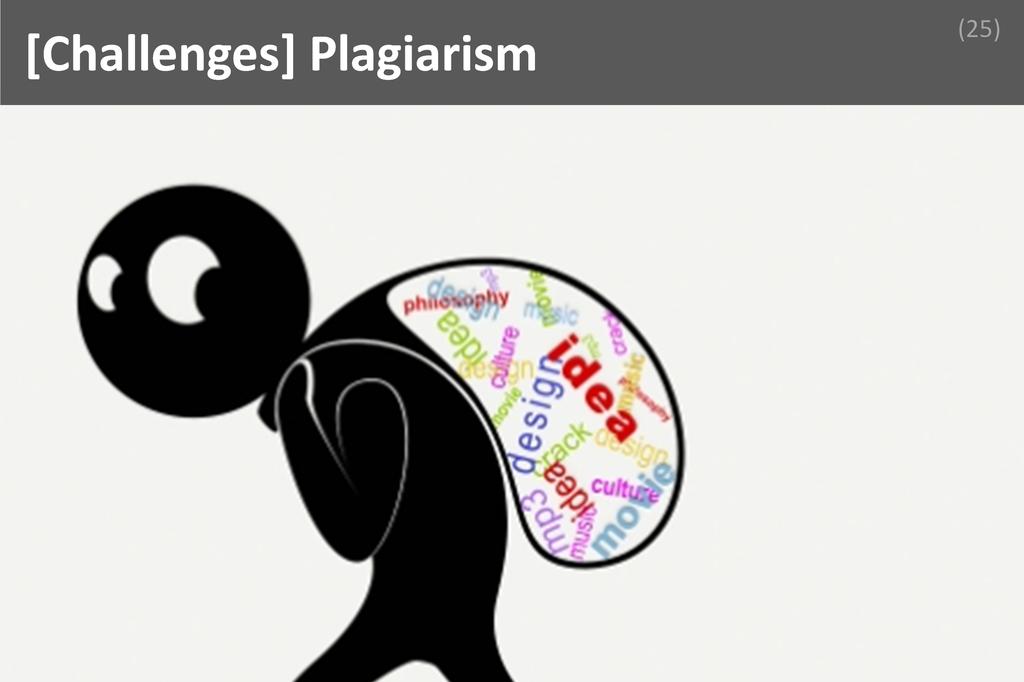
Plagarism in Fashion Styling refers to the unauthorized imitation or direct copying of another stylist’s creative concepts, outfit combinations, or visual presentations without proper acknowledgment. This challenge is demanding because it undermines originality, damages professional credibility, and can lead to legal and ethical complications within a highly competitive and visually-driven industry.
The threat of plagarism affects fashion stylists daily, as their unique ideas and signature looks can be easily replicated and circulated online without consent. This reality requires constant vigilance and resilience, as stylists must protect their creative output while continuing to innovate. The emotional toll of seeing one’s work copied can be significant, leading to frustration and discouragement. Successful professionals manage this constraint by documenting their creative process, building a strong personal brand, and fostering relationships within the industry that value authenticity. They also stay informed about intellectual property rights and may seek legal advice when necessary, ensuring their work is both protected and respected.
Consider a stylist who notices that a prominent influencer has replicated her signature editorial look, down to the accessories and color palette, without credit. Instead of reacting publicly, she gathers evidence of her original work, including sketches, mood boards, and dated photographs. She reaches out to the influencer privately, sharing her documentation and expressing her concerns professionally. The influencer acknowledges the oversight and credits her in subsequent posts, while the stylist uses the experience to educate her followers about the importance of originality in fashion. By handling the situation diplomatically and proactively, she not only safeguards her reputation but also reinforces her commitment to creative integrity.
No time schedule

In Fashion Styling, "No time schedule" refers to the unpredictable, often erratic work hours and last-minute demands that disrupt any sense of routine. Stylists must adapt to changing client needs, sudden photoshoots, and tight deadlines, making it difficult to plan personal time or maintain a consistent daily structure.
The absence of a fixed schedule in fashion styling can lead to long, irregular hours, frequent late nights, and unexpected calls to action. This unpredictability can cause stress, fatigue, and challenges in balancing personal commitments. It demands resilience because stylists must remain creative and focused despite exhaustion or shifting priorities. Successful professionals manage this by developing strong organizational skills, setting boundaries when possible, and cultivating flexibility in their routines. They prioritize self-care, communicate clearly with clients about availability, and build reliable support networks. By embracing adaptability and maintaining a proactive mindset, they transform the lack of structure into an opportunity for growth and creative problem-solving, rather than a source of constant stress.
Consider a fashion stylist preparing for a major editorial shoot. The client suddenly changes the concept the night before, requiring a complete overhaul of the wardrobe and accessories. Instead of panicking, the stylist quickly contacts designers and showrooms, arranges last-minute pickups, and reorganizes the styling plan overnight. By staying calm and leveraging industry relationships, the stylist manages to deliver a cohesive look by morning. This ability to pivot under pressure, fueled by experience and resourcefulness, not only impresses the client but also reinforces the stylist’s reputation for reliability in chaotic situations. Through adaptability and quick thinking, the stylist turns the challenge of having no set schedule into a demonstration of professional excellence.
Competition

Competition in Fashion Styling refers to the constant presence of numerous talented individuals vying for limited opportunities, clients, and recognition within the industry. This environment is demanding because it requires stylists to consistently innovate, maintain relevance, and differentiate themselves, all while navigating rapidly changing trends and client expectations.
The intense competition in fashion styling can make daily work both exhilarating and stressful. Stylists often face pressure to secure clients, deliver unique concepts, and stay ahead of trends, which can lead to self-doubt and burnout. This environment demands resilience, adaptability, and a proactive approach to personal growth. Successful professionals manage this constraint by continuously refining their skills, building strong networks, and cultivating a distinct personal brand. They embrace feedback, learn from setbacks, and remain open to collaboration, understanding that persistence and authenticity are key to standing out. By focusing on their unique strengths and consistently delivering value, they transform competition from a threat into a motivating force for professional development.
Consider a stylist working in a major fashion capital, where competition is fierce and opportunities are scarce. Despite facing rejection from several high-profile clients, the stylist chooses to focus on developing a signature aesthetic and actively engages with emerging designers and photographers. By showcasing creative work on social media and attending industry events, the stylist gradually builds a reputation for originality and reliability. Over time, this dedication attracts the attention of influential clients who appreciate the stylist’s unique perspective. Through perseverance, networking, and a commitment to personal growth, the stylist not only overcomes the challenge of competition but also establishes a sustainable and rewarding career.
A Day Of
Fashion Styling
The world of fashion styling is a whirlwind of creativity, precision, and adaptability, where no two days are ever quite the same. From the moment the sun rises, stylists are immersed in a fast-paced environment that demands both artistic vision and logistical finesse. Whether prepping for a high-profile editorial shoot or curating looks for a celebrity client, each day unfolds with a blend of anticipation and adrenaline. The studio buzzes with energy, racks of clothing line the walls, and every detail—from the perfect accessory to the right shade of lipstick—can make or break the final look. In this dynamic field, success hinges on the ability to juggle countless moving parts while maintaining an unwavering eye for style.
As dawn breaks, a fashion stylist’s day often begins with a quiet moment of inspiration and meticulous preparation. This is the time to review mood boards, confirm call sheets, and double-check the day’s schedule. Stylists might sift through lookbooks, pull key pieces from their wardrobe archives, and coordinate with assistants to ensure every garment and accessory is ready for transport. The early morning hours are all about setting the stage, laying out outfits, and mentally mapping out the creative direction for the day ahead.
By mid-morning, the real action begins as stylists dive into the heart of their work. The studio or on-location set comes alive with models, photographers, hair and makeup artists, and a flurry of creative collaborators. This is when stylists meticulously assemble outfits, make last-minute adjustments, and ensure every detail aligns with the vision for the shoot or event. The pressure is palpable as they pin, tuck, and layer garments, all while keeping a keen eye on how each look translates on camera or in person. Quick thinking and adaptability are essential, as unexpected challenges—like a missing accessory or a wardrobe malfunction—can arise at any moment.
The afternoon is marked by a spirit of collaboration and hands-on execution. Stylists move seamlessly between directing models, consulting with photographers, and liaising with designers or brand representatives. They may oversee outfit changes, troubleshoot fit issues, and adjust styling elements to accommodate lighting or creative shifts. This phase is all about bringing the collective vision to life, ensuring that every ensemble is camera-ready and that the client’s expectations are not only met but exceeded. The pace remains brisk, with stylists constantly on their feet, orchestrating the flow of the shoot or event.
As the day winds down, stylists shift gears to focus on wrap-up tasks and planning for what comes next. This is the time to review the day’s work, pack up garments, and return borrowed pieces to showrooms or designers. Administrative duties take center stage, from updating inventory lists to responding to client emails and organizing receipts. Stylists also take a moment to reflect on what worked well and what could be improved, jotting down notes for future projects. With an eye always on the next opportunity, they begin researching trends, sourcing new pieces, and sketching out ideas for upcoming assignments, ensuring they’re ready to hit the ground running when the sun rises again. |


 Home
Home Abroad
 Plan
Plan Philosophy
 Seminar
 Pages
Pages Advisors
 Testimonials











 Workshop
 Discuss
 Meet
Meet
 Advisor
 Story
Story
 Fine Print
 Links
Links
 Blog
Blog
 Follow
