The Journey of Garment Designing
What Is Garment Designing
Garment Designing

Garment designing is the creative and technical process of conceptualizing, developing, and producing clothing and apparel. It involves selecting fabrics, creating patterns, and constructing garments that are both functional and aesthetically appealing, while considering trends, comfort, and the needs of the target audience.
Garment designing plays a crucial role in the fashion industry, shaping trends and influencing how people express themselves through clothing. For professionals, it offers the opportunity to blend creativity with technical skills, resulting in unique and marketable apparel. One major benefit is the ability to bring innovative ideas to life, setting new trends and responding to consumer demands. Another advantage is the potential for personal and professional growth, as designers continually learn new techniques and adapt to changing styles. Additionally, garment designing can lead to entrepreneurial opportunities, allowing professionals to launch their own brands or collaborate with established fashion houses, thereby expanding their influence and reach in the industry.
A professional garment designer working for a contemporary fashion label might begin by researching current trends and forecasting upcoming styles. They sketch initial concepts, select suitable fabrics, and create detailed patterns. Collaborating with pattern makers and seamstresses, the designer oversees the construction of prototypes, making adjustments for fit and style. Once satisfied, the designer presents the final garment to the creative team for feedback and refinement. This process ensures that the finished product not only aligns with the brand’s vision but also meets the practical needs of consumers. Through this hands-on approach, garment designers transform abstract ideas into tangible, wearable pieces that define seasonal collections and influence the broader fashion landscape.
Education
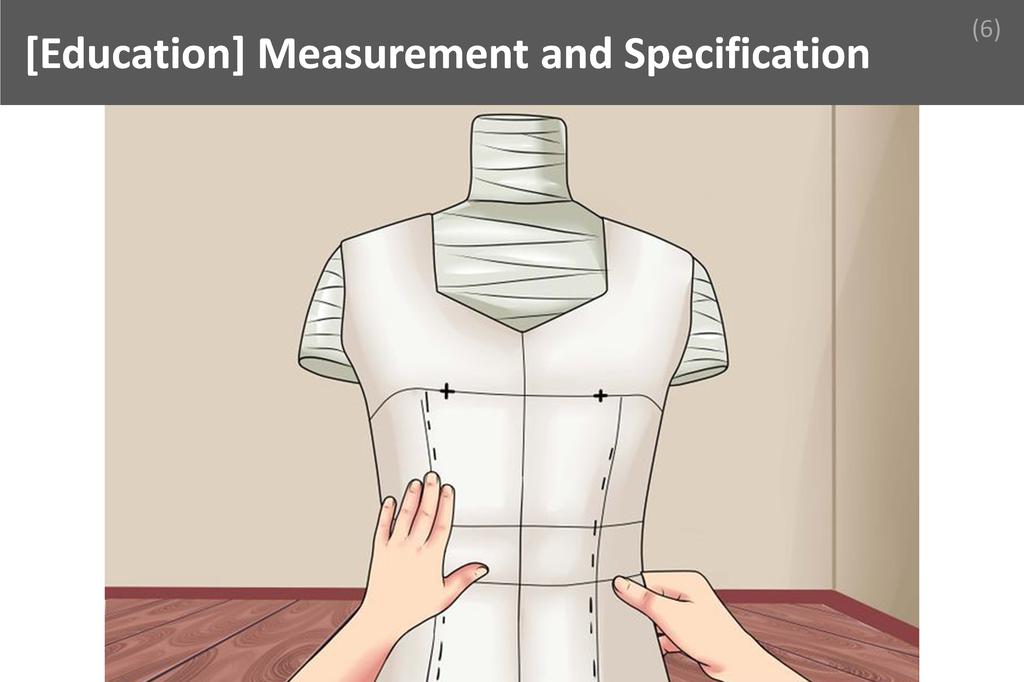
Measurement and Specification

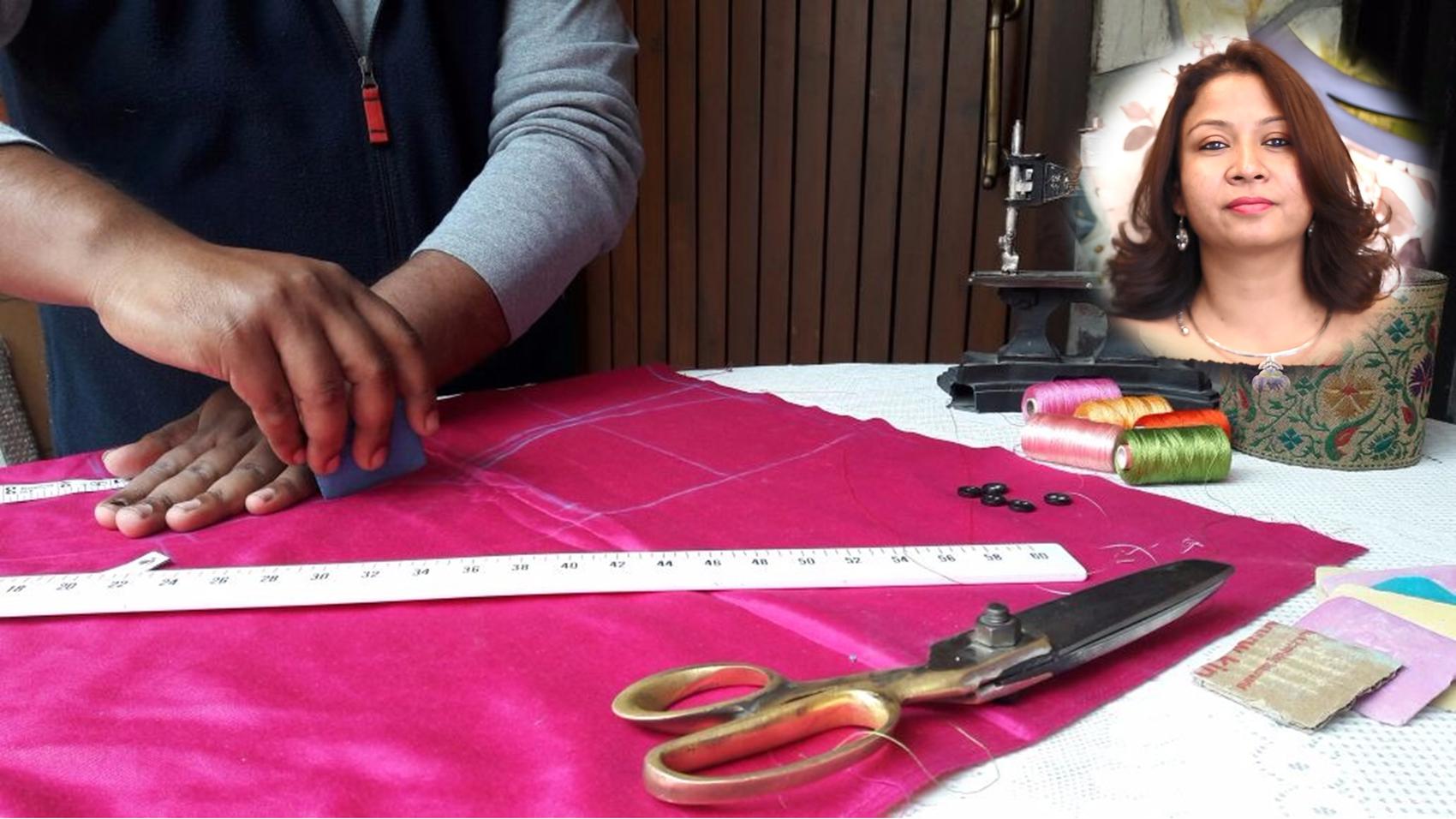
Measurement and Specification refers to the precise process of determining, recording, and communicating the dimensions, tolerances, and technical requirements for garments. This discipline ensures that every piece of clothing meets design intentions and fits the intended wearer. It is a fundamental component in both academic study and professional practice within Garment Designing.
Understanding measurement and specification is essential for anyone aspiring to excel in garment designing. This knowledge forms the backbone of creating garments that are not only aesthetically pleasing but also functionally accurate and comfortable. Mastery of these concepts allows designers to translate creative ideas into tangible products that meet industry standards and customer expectations. It also minimizes costly errors, reduces material waste, and streamlines communication between designers, pattern makers, and manufacturers. Over time, proficiency in measurement and specification enhances a designer’s reputation for reliability and quality, opening doors to advanced roles and specialized opportunities within the fashion industry.
Consider a garment designer tasked with developing a new line of tailored jackets for a fashion brand. Each jacket must fit a range of body types while maintaining the brand’s signature silhouette. The designer begins by referencing standardized measurement charts and drafting detailed specifications for each size. Throughout the production process, they collaborate closely with pattern makers and sample makers, using their expertise in measurement and specification to ensure that every prototype aligns with the original design intent. By meticulously checking seam allowances, garment lengths, and fit tolerances, the designer guarantees that the final product not only looks impeccable but also fits comfortably, thereby upholding the brand’s reputation for quality and consistency.
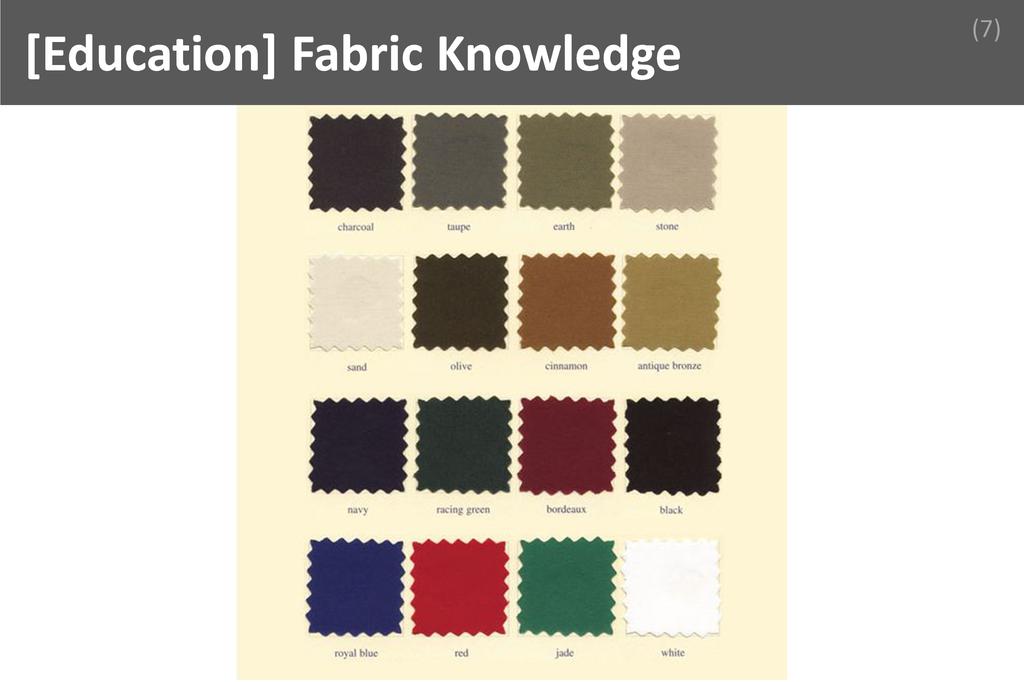
Fabric Knowledge

Fabric Knowledge refers to the comprehensive understanding of textile materials, including their properties, construction, behavior, and suitability for various applications. In the context of Garment Designing, it forms a crucial part of both academic study and professional expertise, enabling designers to make informed decisions about material selection and garment construction.
A deep grasp of Fabric Knowledge is essential for anyone pursuing a career in Garment Designing because it underpins every stage of the design and production process. Understanding the characteristics of different fabrics—such as drape, texture, stretch, and durability—allows designers to select materials that align with their creative vision and functional requirements. This knowledge also aids in predicting how fabrics will react to various construction techniques, treatments, and wear conditions. Over time, professionals who master fabric knowledge are better equipped to innovate, solve design challenges, and communicate effectively with suppliers and manufacturers. This expertise not only enhances the quality and appeal of finished garments but also contributes to a designer’s reputation and career longevity in a competitive industry.
Consider a garment designer tasked with creating a summer dress collection. Drawing on their fabric knowledge, the designer evaluates options like cotton, linen, and rayon, considering factors such as breathability, weight, and ease of care. They understand that cotton offers comfort and absorbency, while linen provides a crisp, airy feel ideal for hot climates. Rayon, on the other hand, drapes beautifully and adds a touch of elegance. By applying this theoretical understanding, the designer selects the most suitable fabric for each design, ensuring the garments not only look appealing but also meet the practical needs of the wearer. This informed decision-making process directly impacts the collection’s success and customer satisfaction.
Colors Knowledge

Colors Knowledge refers to the comprehensive understanding of color theory, color psychology, and the technical aspects of color application in design. In garment designing, it encompasses the study of color harmonies, contrasts, and the impact of colors on perception and mood, forming a crucial part of both academic learning and professional practice.
A deep grasp of Colors Knowledge is essential for anyone aspiring to excel in garment designing. This subject underpins the ability to create visually appealing and marketable clothing collections. Understanding how colors interact, influence emotions, and suit different skin tones or occasions allows designers to make informed decisions that enhance the desirability and functionality of their garments. Mastery of color theory enables professionals to predict trends, cater to diverse client preferences, and avoid costly design errors. Over time, this expertise becomes a distinguishing factor, helping designers build a strong personal brand and adapt to evolving industry demands. Ultimately, Colors Knowledge is a foundational skill that supports creativity, innovation, and commercial success in the competitive world of fashion.
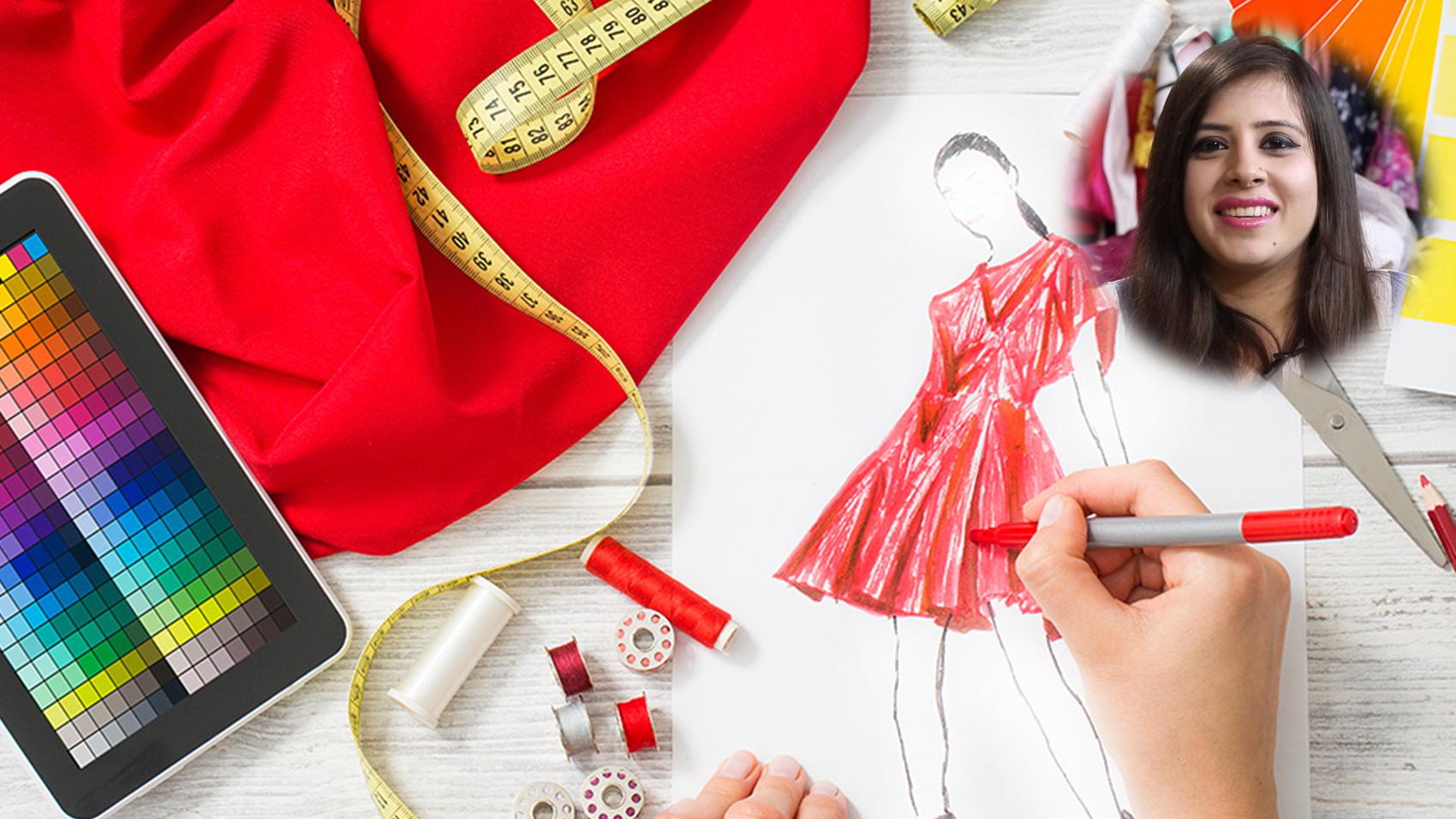
Consider a garment designer tasked with creating a spring collection for a fashion label. Drawing on their Colors Knowledge, the designer selects a palette of pastel hues, understanding that these colors evoke freshness and renewal, which align with the season’s mood. During the design process, they carefully balance complementary and analogous colors to ensure visual harmony across the collection. When presenting their ideas, the designer explains how certain shades will flatter different skin tones and appeal to the brand’s target audience. By applying theoretical color principles, the designer not only enhances the aesthetic appeal of the garments but also increases their commercial viability, demonstrating the practical value of Colors Knowledge in everyday professional scenarios.
Marketing

Marketing is the strategic process of identifying, anticipating, and satisfying customer needs through the creation, promotion, and distribution of products or services. In the context of Garment Designing, marketing bridges the gap between creative design and consumer demand, making it an essential component of both academic study and professional practice in the fashion industry.
Understanding marketing is crucial for anyone pursuing a career in Garment Designing because it transforms creative ideas into commercially viable products. By mastering marketing principles, designers learn how to analyze market trends, identify target audiences, and position their collections effectively. This knowledge empowers professionals to make informed decisions about pricing, branding, and distribution, ensuring their designs reach the right consumers. Over time, a strong foundation in marketing enhances a designer’s ability to build a recognizable brand, adapt to changing consumer preferences, and sustain a competitive edge in the dynamic fashion industry. Ultimately, marketing skills are indispensable for long-term career growth, entrepreneurial success, and the ability to influence and shape market trends.
Imagine a garment designer preparing to launch a new collection. Drawing on their marketing knowledge, they conduct market research to understand current fashion trends and consumer preferences. They use this information to tailor their designs, ensuring the collection appeals to their target demographic. During the launch, the designer develops a compelling brand story and leverages social media platforms to generate buzz and engage potential customers. By strategically selecting retail partners and setting appropriate price points, the designer maximizes the collection’s visibility and sales potential. Through these daily activities, the designer’s grasp of marketing principles directly influences the commercial success of their creative work, demonstrating the practical value of marketing in garment designing.
Skills
Creativity

Creativity is the ability to generate original ideas, envision new possibilities, and transform inspiration into innovative solutions. In garment designing, creativity empowers professionals to break away from conventional patterns, experiment with fabrics, colors, and styles, and craft unique pieces that stand out in a competitive industry. It is the driving force behind trendsetting designs and memorable collections.
Creativity directly enhances a garment designer’s performance by enabling them to conceptualize fresh, appealing designs that capture attention and set trends. Clients and employers highly value this skill because it leads to distinctive products that can define a brand’s identity and boost market appeal. To cultivate creativity, designers should immerse themselves in diverse artistic influences, regularly sketch new ideas, and stay updated with fashion trends. Experimenting with unconventional materials, collaborating with other creative professionals, and seeking feedback can also help refine and expand creative abilities. Over time, consistent practice and an open-minded approach allow designers to develop a unique creative voice, making them indispensable assets to any fashion house or design team.
Imagine a garment designer tasked with creating a collection for a high-profile fashion show, only to discover that a key fabric shipment has been delayed. Instead of resorting to standard alternatives, the designer taps into their creativity, reimagining the collection using available materials in unexpected ways. They combine textures, layer fabrics, and introduce hand-painted elements, transforming the setback into an opportunity for innovation. The resulting collection not only meets the deadline but also receives acclaim for its originality and resourcefulness. This scenario highlights how creativity enables garment designers to adapt, solve problems, and achieve success even under challenging circumstances, ultimately elevating their professional reputation.
Communication Skills

Communication skills refer to the ability to convey ideas, information, and emotions clearly and effectively through verbal, non-verbal, and written means. In garment designing, these skills enable professionals to collaborate with clients, colleagues, and suppliers, ensuring that creative visions are accurately understood and executed throughout the design process.
Strong communication skills directly enhance a garment designer’s performance by facilitating clear exchanges of ideas, feedback, and expectations. Clients and employers highly value designers who can articulate their concepts, listen actively to requirements, and negotiate solutions, as this minimizes misunderstandings and streamlines project workflows. Effective communication also builds trust and fosters long-term professional relationships. To cultivate this skill, designers should practice active listening, seek feedback, and engage in regular discussions with peers and clients. Over time, participating in presentations, networking events, and collaborative projects helps refine both verbal and written communication abilities, making designers more adaptable and responsive to the dynamic needs of the fashion industry.
Imagine a garment designer working with a client who has a vague idea for a custom dress but struggles to express their preferences. The designer uses strong communication skills to ask clarifying questions, interpret non-verbal cues, and present fabric samples and sketches for feedback. Through patient dialogue and attentive listening, the designer uncovers the client’s true vision and addresses concerns about fit and style. By maintaining open and clear communication throughout the process, the designer not only delivers a garment that exceeds expectations but also earns the client’s trust and loyalty, demonstrating how essential communication skills are in achieving successful outcomes in garment designing.
Observation

Observation is the focused and attentive process of noticing details, patterns, and nuances in the environment, materials, and human behavior. In garment designing, observation enables professionals to identify trends, understand fabric characteristics, and interpret client preferences, making it a fundamental skill for creating innovative and relevant designs that resonate with the market.
The ability to observe keenly allows garment designers to spot emerging trends, assess the quality of materials, and recognize subtle differences in color, texture, and fit. Clients and employers highly value this skill because it ensures that designs are both aesthetically pleasing and functionally appropriate. Designers who excel in observation can anticipate client needs, avoid costly mistakes, and deliver products that stand out in a competitive market. Cultivating observation involves consistent practice, such as studying fashion shows, analyzing street styles, and paying close attention to feedback from clients and colleagues. Over time, this habit sharpens a designer’s eye, enabling them to make informed decisions and continuously improve their craft.
Imagine a garment designer working on a custom evening gown for a high-profile client. During the initial fitting, the designer notices that the fabric drapes differently than expected due to the client’s posture and movement. By carefully observing these subtle cues, the designer adjusts the pattern and selects a more suitable lining, ensuring the gown fits perfectly and moves gracefully. This attention to detail not only solves a potential issue before it becomes a problem but also impresses the client with the designer’s professionalism and expertise. Through observation, the designer transforms a challenging situation into a successful outcome, reinforcing their reputation for quality and reliability.
Positives
Close to Nature

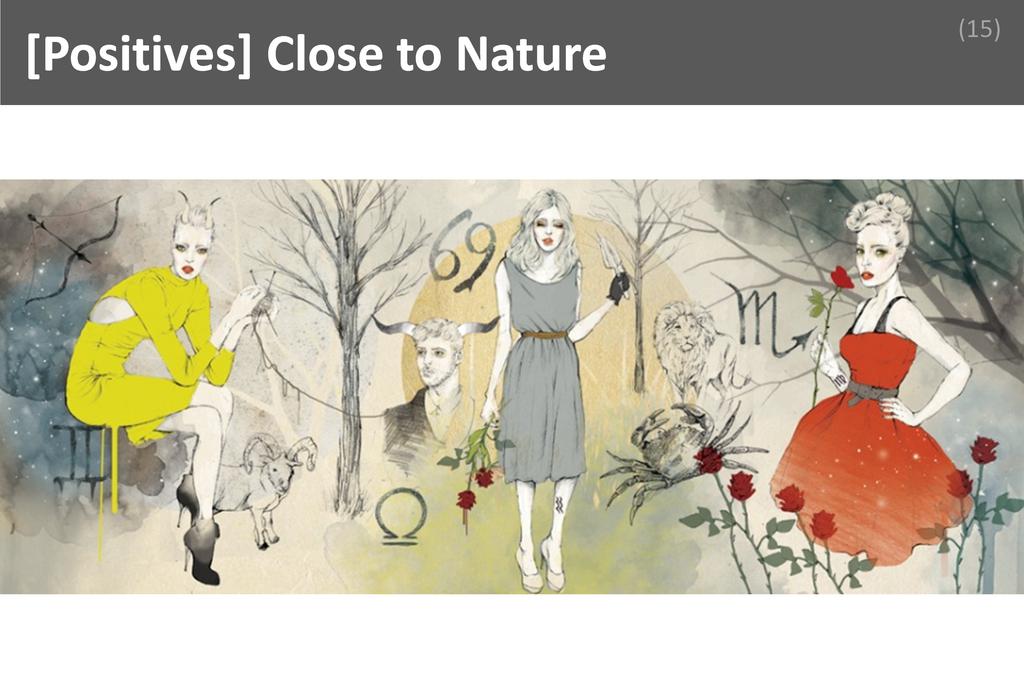
"Close to Nature" in garment designing refers to the deep connection designers develop with natural materials, organic inspirations, and sustainable processes. This bond encourages creativity rooted in the environment, fostering a sense of responsibility and appreciation for the world’s resources. It positively shapes the profession by nurturing mindful, innovative, and eco-conscious creators.
Being close to nature in garment designing offers a profound sense of fulfillment and purpose. Designers who work with natural fibers, botanical dyes, and eco-friendly techniques often find their work more meaningful, knowing they contribute to environmental preservation. This connection inspires continuous learning and innovation, as nature’s endless variety fuels fresh ideas and unique designs. Daily, professionals experience the satisfaction of transforming raw, natural elements into wearable art, which not only delights customers but also supports a sustainable future. This alignment with nature enhances job satisfaction, as designers see their values reflected in their creations, and it opens doors to growth in the expanding field of sustainable fashion.
Imagine a garment designer who sources organic cotton from local farmers and uses plant-based dyes to create a new clothing line. Each day, she visits the fields, feeling the texture of raw cotton and observing the vibrant colors of flowers used for dyes. This hands-on interaction with nature sparks her creativity and deepens her respect for the environment. As she crafts garments, she feels immense pride knowing her work supports local communities and reduces environmental impact. Customers appreciate the story and authenticity behind each piece, and the designer finds joy in blending artistry with sustainability. This daily closeness to nature not only enriches her professional journey but also makes her contributions truly meaningful.
Work Satisfaction

Work satisfaction is the sense of fulfillment, pride, and contentment individuals feel when their daily efforts align with their passions, values, and skills, resulting in meaningful achievements and personal growth. In garment designing, this satisfaction emerges from the creative process, problem-solving, and the tangible results that reflect the designer’s unique vision. When professionals in this field see their ideas come to life and positively impact others, it fosters a deep sense of accomplishment. This positive feeling not only enhances motivation but also encourages continuous learning and innovation, making garment designing a truly rewarding career choice.
The significance of work satisfaction in garment designing cannot be overstated. When designers feel genuinely fulfilled by their work, they are more likely to invest energy, creativity, and dedication into every project. This intrinsic motivation leads to higher quality designs, greater innovation, and a stronger personal connection to their creations. As a result, professionals experience a sense of pride each time their garments are worn, appreciated, or showcased, reinforcing their passion for the craft. This ongoing satisfaction also supports career growth, as it inspires designers to refine their skills, embrace new challenges, and build lasting relationships within the industry. Ultimately, work satisfaction transforms daily tasks into meaningful experiences, making every achievement more rewarding.
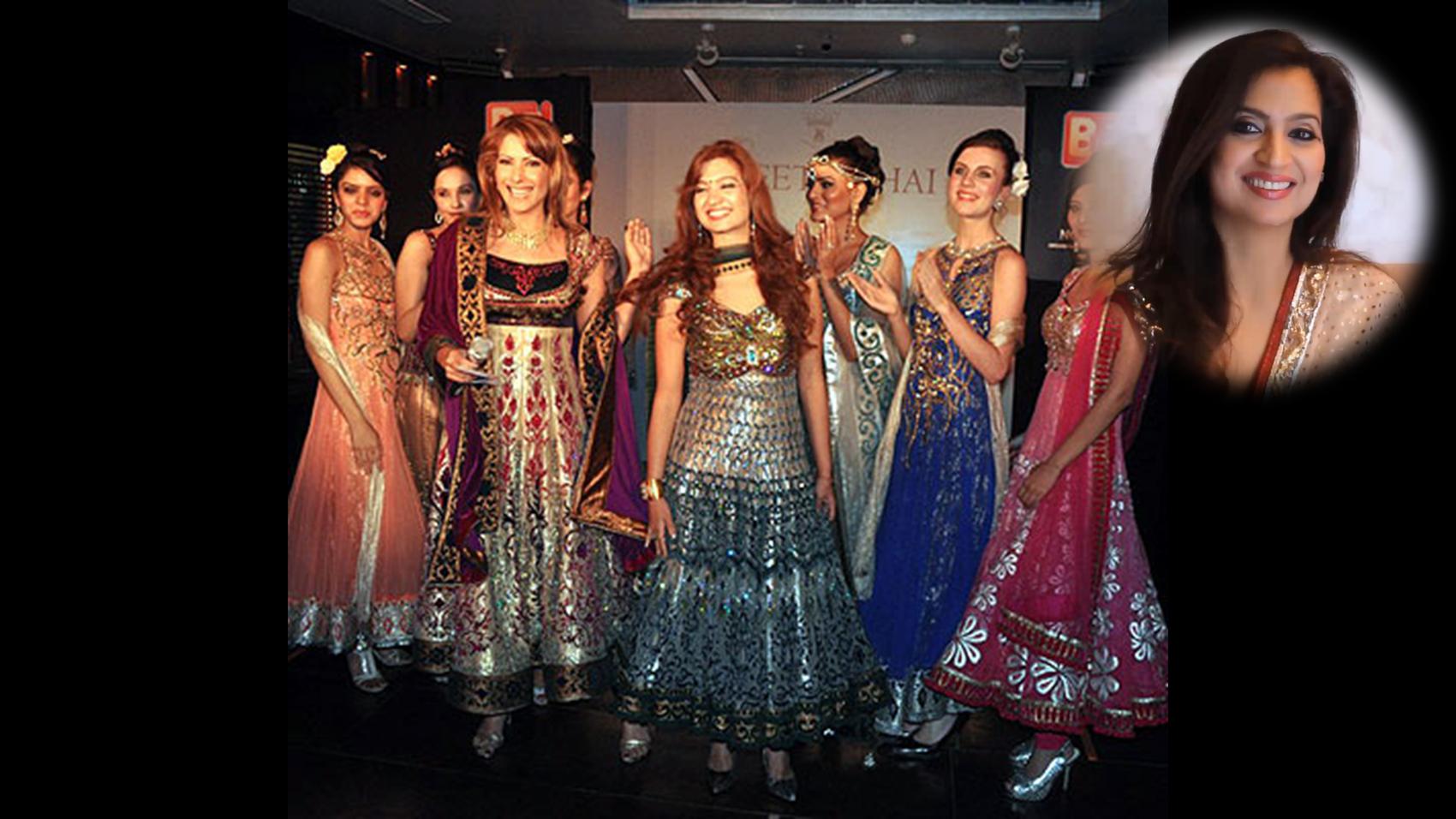
Imagine a garment designer who spends weeks conceptualizing and crafting a collection for a local fashion show. From sketching initial ideas to selecting fabrics and overseeing the final stitches, every step is infused with creativity and personal investment. When the collection debuts on the runway, the designer witnesses the audience’s admiration and the models’ confidence, realizing that their vision has come to life. This moment of recognition and the tangible impact of their work provide a profound sense of satisfaction. The designer leaves the event feeling inspired, validated, and eager to embark on new projects, knowing that their passion and effort have made a meaningful difference.
Opportunity to Innovate

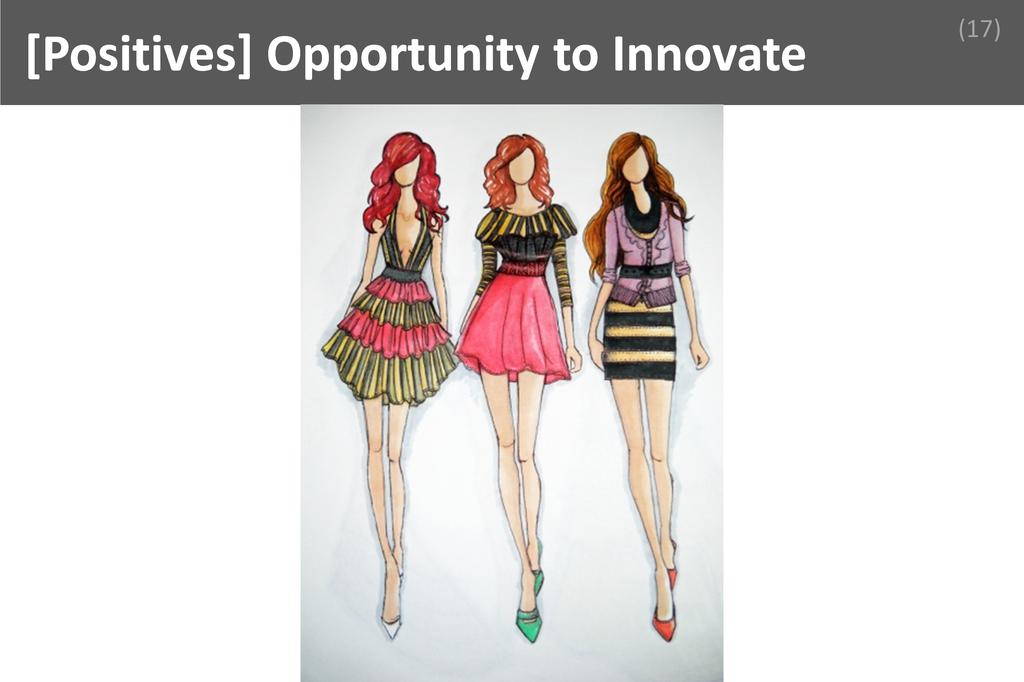
Opportunity to Innovate refers to the freedom and encouragement to create new ideas, experiment with materials, and develop original solutions within a professional context. In garment designing, this means constantly pushing boundaries, reimagining styles, and setting trends, which keeps the profession dynamic, engaging, and highly rewarding for creative individuals.
The chance to innovate is a cornerstone of job satisfaction in garment designing. It allows designers to express their unique vision, respond to evolving fashion trends, and address practical challenges such as sustainability or comfort. This ongoing creative process not only keeps daily work exciting but also fosters personal and professional growth. Designers who embrace innovation often find themselves at the forefront of the industry, gaining recognition and opening doors to new opportunities. The ability to see one’s ideas come to life and influence the market provides a deep sense of accomplishment, making each project more meaningful and motivating designers to continually strive for excellence.
Imagine a garment designer tasked with creating a new line for an eco-conscious brand. Instead of following traditional methods, the designer experiments with upcycled fabrics and biodegradable dyes, developing a collection that is both stylish and environmentally friendly. Throughout the process, the designer collaborates with textile engineers, tests new techniques, and refines prototypes. The final collection not only meets the client’s sustainability goals but also garners positive attention from the fashion community. This experience highlights how the opportunity to innovate transforms daily work into a platform for creative expression and real-world impact, leaving the designer with a profound sense of pride and fulfillment.
Challenges
Competition

Competition in garment designing refers to the constant rivalry among designers and brands to create innovative, appealing, and marketable clothing. This challenge is demanding because it requires professionals to continuously evolve their skills, anticipate trends, and differentiate their work in a saturated market where consumer preferences shift rapidly.
The pressure of competition in garment designing permeates daily work, influencing everything from creative decisions to marketing strategies. Designers must consistently produce original concepts while meeting tight deadlines and adapting to evolving trends. This environment demands resilience, as setbacks and rejections are common. Successful professionals manage this constraint by cultivating a unique design identity, staying informed about industry developments, and building strong networks. They also invest in continuous learning, embracing new technologies and sustainable practices to stand out. By focusing on quality, authenticity, and customer engagement, they transform competition from a threat into motivation for growth and innovation.
Consider a young garment designer launching her own label in a city renowned for its fashion industry. Facing established brands and emerging talents, she initially struggled to gain recognition. Instead of imitating popular styles, she focused on eco-friendly materials and incorporated traditional craftsmanship into her designs. By sharing her creative process and values on social media, she attracted a loyal customer base appreciative of her authenticity. Collaborating with local artisans and participating in niche fashion events, she gradually built a distinct brand identity. Through perseverance and strategic differentiation, she not only survived but thrived amid intense competition, demonstrating how embracing one’s uniqueness can turn a challenging market into an opportunity for success.
A Day Of
Garment Designing
The hum of sewing machines blends with the rustle of fabric swatches as sunlight streams through the studio windows, illuminating sketches pinned to every available surface. In the world of garment designing, each day is a vibrant tapestry woven from creativity, precision, and collaboration. The pace is brisk but exhilarating, as designers balance the demands of artistic vision with the realities of production schedules and client expectations. From the first cup of coffee to the final review of the day’s work, a garment designer’s routine is a dynamic dance between inspiration and execution, where no two days are ever quite the same.
As the day begins, a garment designer typically arrives early to a quiet studio, taking advantage of the calm to review sketches, mood boards, and fabric samples. This is a time for reflection and planning, where the designer revisits ongoing projects, checks emails for client feedback, and organizes the workspace for the day ahead. Sipping coffee, they might make quick adjustments to designs or jot down fresh ideas sparked by overnight inspiration, setting the creative tone for the hours to come.
By mid-morning, the studio buzzes with activity as the designer dives into the heart of their work. This is when they translate concepts into reality, sketching new designs, draping fabrics on mannequins, and experimenting with color palettes. Meetings with clients or team members often take place during this window, where ideas are presented, feedback is gathered, and design directions are refined. The energy is high, with hands-on creation and lively discussion fueling the momentum of the day.
The afternoon brings a shift toward collaboration and execution. Designers work closely with pattern makers, seamstresses, and production teams to bring their visions to life. This stage involves overseeing the creation of prototypes, troubleshooting construction challenges, and making real-time adjustments to patterns or materials. The studio becomes a hive of focused activity, as everyone works together to ensure that each garment meets both aesthetic and technical standards.
As the day winds down, the designer turns to reviewing the progress made, documenting changes, and updating project files. This is also a crucial time for research, whether exploring new trends, sourcing innovative materials, or studying feedback from earlier fittings. Administrative tasks are handled with care, ensuring that everything is in order for the next day. Before leaving, the designer often sketches out a plan for tomorrow’s priorities, closing the day with a sense of accomplishment and anticipation for the creative challenges ahead. |