The Journey of Fashion Designing
What Is Fashion Designing
Fashion Designing

Fashion designing is the art and practice of creating clothing, accessories, and footwear that are both functional and aesthetically pleasing. It involves conceptualizing ideas, selecting materials, and transforming concepts into wearable pieces, reflecting cultural trends, individual expression, and innovation within the fashion industry.
Fashion designing plays a significant role in shaping cultural identities and influencing global trends. For professionals, it offers a platform to express creativity, solve design challenges, and contribute to the evolution of style. The field fosters innovation by encouraging experimentation with fabrics, techniques, and technology. It also provides opportunities for personal branding and entrepreneurship, allowing designers to build unique labels and reach diverse markets. Additionally, fashion designing can drive economic growth by supporting related industries such as textiles, retail, and marketing. The profession’s dynamic nature ensures continuous learning and adaptation, making it both rewarding and intellectually stimulating for those passionate about design and self-expression.
A professional fashion designer might begin by researching current trends and drawing inspiration from art, history, or street style. They sketch initial concepts, select suitable fabrics, and create prototypes to test their ideas. Throughout the process, they collaborate with pattern makers, tailors, and manufacturers to refine their designs and ensure quality production. For instance, a designer working on a new seasonal collection will oversee every stage, from conceptualization to runway presentation, ensuring that each piece aligns with their creative vision and brand identity. This hands-on involvement allows designers to respond to market feedback, adapt to consumer preferences, and ultimately bring innovative, stylish garments to the public.
Education
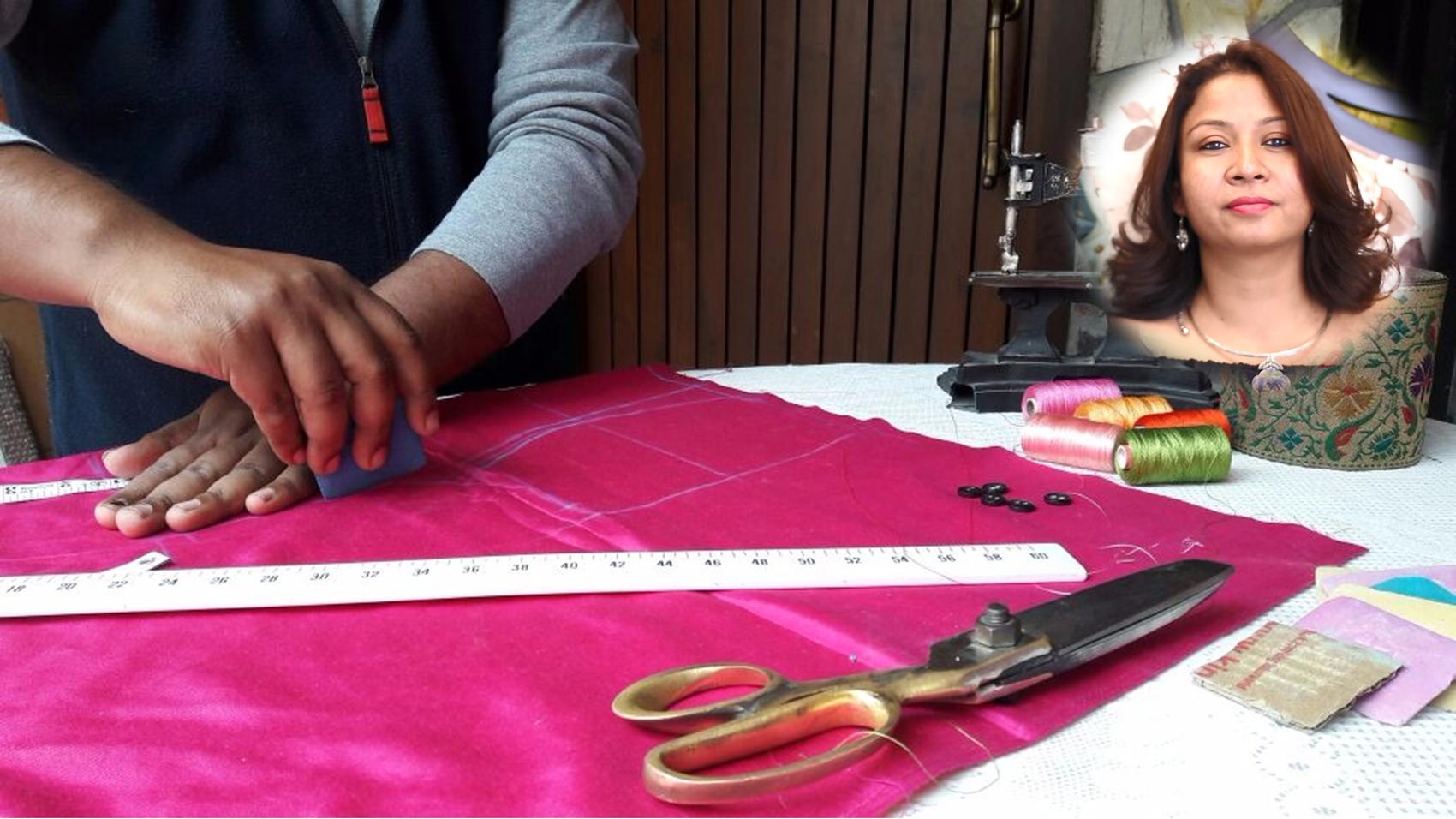
Drafting, Pattern Making & Cutting

Drafting, Pattern Making & Cutting refers to the technical process of creating templates and blueprints for garments, translating design concepts into precise, workable patterns, and then cutting fabric accordingly. This discipline is fundamental in both academic study and professional practice, forming the backbone of garment construction in Fashion Designing.
Understanding Drafting, Pattern Making & Cutting is essential for anyone pursuing a career in Fashion Designing because it bridges the gap between creative ideas and tangible products. Mastery of these skills allows designers to accurately interpret their visions, ensuring that garments fit well and are structurally sound. This knowledge not only enhances creativity but also improves communication with production teams, enabling designers to troubleshoot issues and make informed decisions throughout the manufacturing process. Over time, proficiency in these areas leads to greater efficiency, higher quality outcomes, and increased professional credibility, making it a cornerstone for long-term success in the fashion industry.
Consider a fashion designer working on a new collection for an upcoming runway show. After sketching initial concepts, the designer uses their expertise in drafting to create detailed patterns for each garment. They meticulously adjust measurements to ensure a perfect fit, then oversee the cutting of fabrics based on these patterns. During fittings, the designer identifies minor adjustments needed for comfort and style, quickly modifying the patterns and recutting fabric as necessary. This seamless integration of drafting, pattern making, and cutting ensures that the final garments not only reflect the original vision but also meet the high standards required for professional presentation, demonstrating the critical role these skills play in daily fashion design operations.
Textile Chemistry

Textile Chemistry is the scientific study of fibers, yarns, and fabrics, focusing on their chemical structures, properties, and interactions with dyes, finishes, and environmental factors. In Fashion Designing, it bridges the gap between material science and creative design, forming a crucial part of both academic learning and professional expertise.
Understanding Textile Chemistry is essential for anyone pursuing a career in Fashion Designing because it provides the scientific foundation for selecting, manipulating, and innovating with fabrics. Knowledge of fiber composition, dyeing processes, and finishing techniques enables designers to predict how materials will behave, ensuring that their creative visions are both practical and sustainable. This expertise allows professionals to make informed decisions about fabric suitability, durability, and care, directly impacting the quality and longevity of their designs. Over time, mastery of textile chemistry opens doors to advanced roles in textile innovation, sustainable fashion, and product development, making it a long-term asset for career growth and adaptability in a rapidly evolving industry.
Imagine a fashion designer tasked with creating a new line of eco-friendly sportswear. Their understanding of textile chemistry guides them in selecting moisture-wicking, biodegradable fibers and choosing dyes that are both vibrant and non-toxic. During prototyping, they anticipate how different fabric blends will react to repeated washing and exposure to sweat, adjusting their material choices to ensure comfort and durability. When collaborating with manufacturers, their knowledge of finishing processes helps them specify treatments that enhance stain resistance without compromising environmental standards. This daily application of textile chemistry ensures that the final garments meet performance expectations, align with sustainability goals, and maintain the designer’s creative intent.
Texture, Fabric and Colours

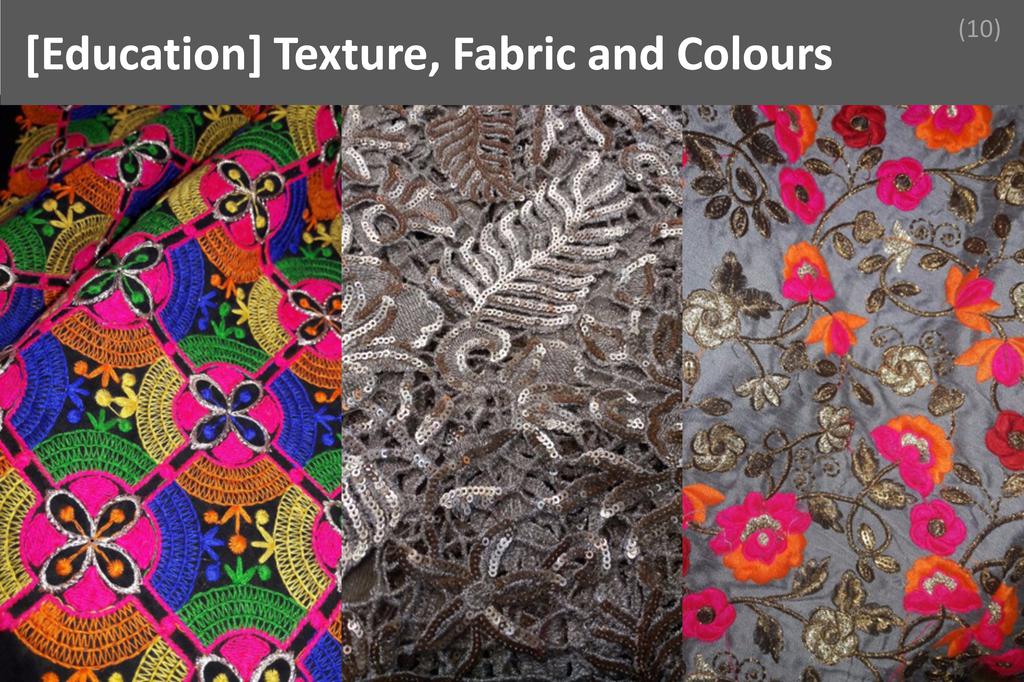
Texture, fabric and colours refer to the tactile quality of materials, the specific types of textiles used, and the visual impact of hues and shades in fashion design. This trio forms a fundamental part of both academic study and professional practice, shaping the aesthetics, functionality, and emotional appeal of garments.
Understanding texture, fabric and colours is essential for anyone aspiring to excel in fashion designing. These elements influence how a garment looks, feels, and performs, directly affecting consumer perception and satisfaction. Mastery of these concepts enables designers to create visually compelling and comfortable clothing, select appropriate materials for different purposes, and anticipate trends. In the professional world, this knowledge allows designers to communicate ideas effectively with clients, manufacturers, and marketing teams. Over time, a deep grasp of texture, fabric and colours fosters innovation, supports sustainable choices, and enhances a designer’s ability to adapt to evolving industry demands, ensuring long-term career growth and relevance.
Consider a fashion designer working on a spring collection for a luxury brand. Drawing on their knowledge of texture, fabric and colours, the designer selects lightweight, breathable fabrics such as linen and silk to ensure comfort and elegance. They experiment with textures by combining smooth and slightly rough materials, creating visual interest and tactile contrast. The designer carefully chooses a palette of pastel colours to evoke freshness and sophistication, aligning with seasonal trends and the brand’s identity. Throughout the process, their theoretical understanding guides decisions on fabric sourcing, garment construction, and final presentation, resulting in a cohesive collection that resonates with both clients and consumers.
Skills
Highly Creative and Artistic
Highly creative and artistic refers to the ability to generate original ideas, visualize concepts, and express them through unique designs, colors, and forms. In fashion designing, this skill enables professionals to craft innovative garments and accessories that stand out, set trends, and resonate emotionally with diverse audiences and markets.
Being highly creative and artistic directly enhances a fashion designer’s ability to produce fresh, compelling collections that capture attention and inspire consumers. Clients and employers value this skill because it drives brand differentiation and commercial success in a highly competitive industry. Designers who consistently deliver imaginative work help brands stay relevant and ahead of trends. To cultivate this skill, aspiring professionals should immerse themselves in art, culture, and fashion history, practice sketching and experimenting with materials, and seek feedback from mentors. Regularly challenging oneself with new techniques and staying open to inspiration from various sources fosters ongoing creative growth, ensuring that a designer’s work remains innovative and impactful.
Imagine a fashion designer tasked with creating a new collection for a brand facing declining sales due to outdated styles. The designer draws upon their highly creative and artistic abilities to research emerging cultural trends, experiment with unconventional fabrics, and develop bold, original silhouettes. By presenting a collection that breaks away from the brand’s traditional aesthetic while still honoring its core identity, the designer revitalizes the brand’s image and attracts a new, enthusiastic customer base. This scenario demonstrates how creativity and artistry not only solve critical business challenges but also drive lasting success in the fashion industry.
Drawing

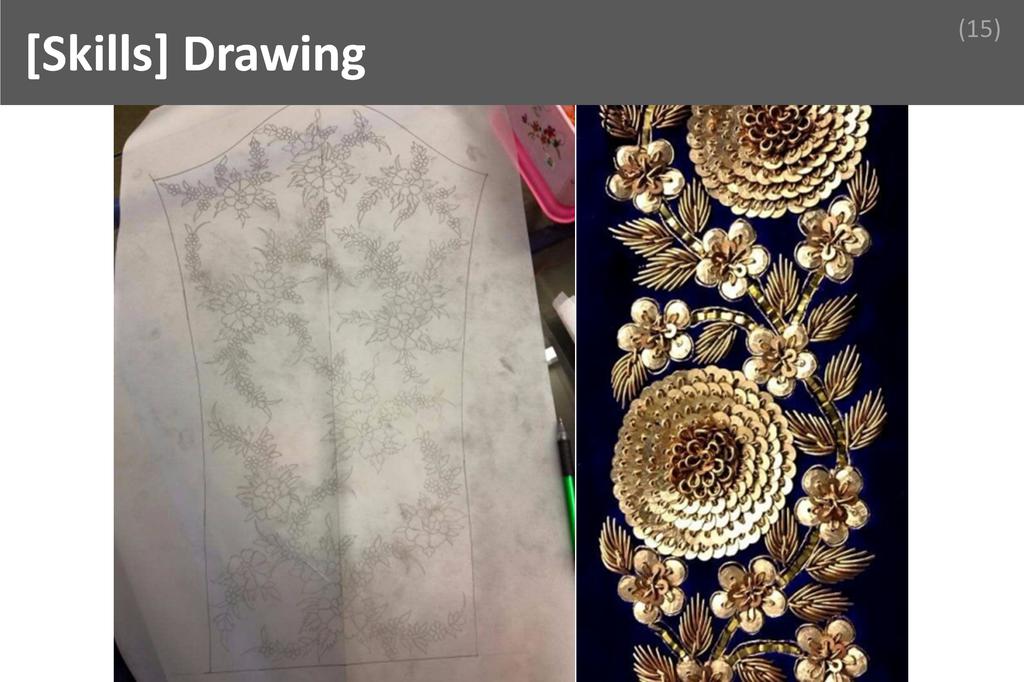
Drawing is the art and technique of representing ideas, objects, or concepts visually using lines, shapes, and shading, typically on paper or digitally. In fashion designing, drawing serves as the primary means of translating creative visions into tangible forms, enabling designers to communicate their ideas clearly and effectively to others.
Mastering drawing significantly enhances a fashion designer’s ability to conceptualize and refine original designs. This skill allows professionals to quickly sketch ideas, make adjustments, and visualize garments before production begins. Clients and employers highly value designers who can articulate their concepts visually, as it streamlines communication and reduces misunderstandings. Drawing also facilitates collaboration with pattern makers, seamstresses, and manufacturers, ensuring that everyone involved shares a unified vision. To cultivate this skill, aspiring designers should practice regularly, study anatomy and garment construction, and experiment with various drawing techniques and tools. Over time, consistent effort leads to increased confidence and proficiency, making drawing an indispensable asset in a competitive industry.
Imagine a fashion designer working on a tight deadline for a major runway show. During a fitting, the client requests significant changes to a dress’s silhouette and detailing. The designer quickly sketches the revised concept, incorporating the client’s feedback in real time. This immediate visual representation helps the client understand the proposed changes and approve them on the spot. The drawing also serves as a precise reference for the tailoring team, minimizing errors and ensuring the final garment matches the client’s expectations. In this scenario, the designer’s drawing skills not only resolve a critical issue efficiently but also foster trust and satisfaction, ultimately contributing to the project’s success.
Good Eye for detailing

A "Good Eye for detailing" refers to the ability to notice, analyze, and perfect the smallest elements in design, such as stitching, fabric texture, embellishments, and finishing touches. This skill ensures that every aspect of a garment is thoughtfully considered, resulting in polished, cohesive, and innovative fashion creations that stand out.
Having a good eye for detailing directly enhances a fashion designer’s performance by elevating the overall quality and uniqueness of their work. Clients and employers highly value this skill because it leads to garments that not only look aesthetically pleasing but also demonstrate superior craftsmanship and durability. Designers who master this ability can anticipate and address potential flaws before they become issues, ensuring that every piece meets high standards. Cultivating this skill involves continuous observation, practice, and learning from both successful designs and mistakes. By regularly analyzing trends, studying construction techniques, and seeking feedback, designers can refine their attention to detail and consistently deliver exceptional results.
Imagine a fashion designer preparing a collection for a major runway show. During the final fitting, the designer notices that the placement of a row of buttons slightly disrupts the symmetry of a tailored jacket. Relying on their good eye for detailing, the designer quickly adjusts the alignment, ensuring the jacket maintains its intended silhouette and visual harmony. This meticulous attention not only prevents a potential critique from fashion editors but also impresses the client, who appreciates the designer’s commitment to perfection. In this scenario, the designer’s keen observation and swift action transform a minor flaw into a testament of professionalism and artistry, ultimately contributing to the collection’s success.
Visualization and Imagination

Visualization and Imagination is the ability to mentally picture concepts, shapes, colors, and styles that do not yet exist, and to creatively combine these elements into new, innovative designs. In fashion designing, this skill enables professionals to conceptualize garments and collections before they are physically produced, guiding the entire creative process.
A strong sense of visualization and imagination allows fashion designers to transform abstract ideas into tangible, wearable art. This skill enhances performance by enabling designers to anticipate how fabrics, patterns, and silhouettes will interact, resulting in more cohesive and innovative collections. Clients and employers highly value this ability because it leads to original, trend-setting designs that stand out in a competitive market. Cultivating this skill involves regular sketching, studying art and fashion history, experimenting with materials, and staying open to inspiration from diverse sources. Over time, consistent practice and exposure to different creative stimuli help sharpen a designer’s imaginative faculties, making it easier to translate visions into reality.
Imagine a fashion designer tasked with creating a show-stopping gown for a high-profile red carpet event. The client requests something unique that has never been seen before. Relying on visualization and imagination, the designer mentally assembles various elements—an unconventional silhouette, unexpected fabric combinations, and intricate embellishments. By picturing how the gown will move and catch the light, the designer refines the concept before sketching it out. When production challenges arise, such as sourcing rare materials or adjusting the fit, the designer’s imaginative approach helps devise creative solutions that maintain the original vision. Ultimately, the finished gown dazzles on the red carpet, earning acclaim for its originality and craftsmanship, all rooted in the designer’s ability to visualize and imagine.
Observant and Curious

Being observant and curious means having a keen eye for detail, noticing subtle trends, and asking insightful questions to understand the world of fashion more deeply. This skill enables designers to draw inspiration from their surroundings, anticipate shifts in consumer preferences, and innovate by exploring new materials, techniques, and cultural influences.
Observant and curious fashion designers consistently outperform their peers by identifying emerging trends before they become mainstream and by noticing small details that can elevate a design from ordinary to extraordinary. Clients and employers highly value this skill because it leads to fresh, relevant, and marketable collections. To cultivate this ability, designers should make a habit of exploring diverse environments, studying art and culture, and engaging in conversations with people from various backgrounds. Regularly attending fashion shows, visiting museums, and traveling can further sharpen one’s observational skills and curiosity. Over time, this approach helps designers develop a unique perspective, enabling them to create innovative designs that resonate with a wide audience and keep their work ahead of the curve.
Imagine a fashion designer tasked with creating a new collection for a brand aiming to appeal to a younger demographic. By being observant, the designer notices subtle shifts in streetwear trends, such as the resurgence of vintage logos and sustainable fabrics. Their curiosity drives them to research the origins of these trends, attend local pop-up events, and interview young consumers about their fashion choices. Drawing on these insights, the designer incorporates recycled materials and retro-inspired graphics into the collection. The result is a line that not only captures the attention of the target audience but also positions the brand as forward-thinking and environmentally conscious, demonstrating how observant and curious thinking leads to both creative and commercial success.
Optimistic
Optimistic refers to maintaining a positive outlook, expecting favorable outcomes, and viewing challenges as opportunities for growth. In fashion designing, optimism empowers professionals to embrace creative risks, recover from setbacks, and inspire confidence in their teams. This mindset is crucial for navigating the ever-changing and competitive nature of the fashion industry.
Optimism directly enhances a fashion designer’s performance by fostering resilience and encouraging innovative thinking, even when faced with criticism or failure. Clients and employers highly value optimistic designers because they bring energy and motivation to collaborative projects, helping teams stay focused on solutions rather than problems. Optimism also improves client relationships, as designers who remain positive under pressure are more likely to deliver creative solutions and maintain trust. To cultivate optimism, designers can practice reframing negative situations, seek inspiration from past successes, and surround themselves with supportive peers. Over time, this mindset becomes a natural part of their professional approach, enabling them to handle industry challenges with grace and determination.
Imagine a fashion designer preparing for a major runway show when a key fabric shipment is delayed at the last minute. Instead of succumbing to panic or frustration, the designer draws on their optimistic outlook, viewing the setback as an opportunity to experiment with alternative materials. Their positive attitude reassures the team and encourages creative brainstorming, resulting in a unique collection that impresses both the audience and critics. By remaining optimistic, the designer not only overcomes a critical issue but also demonstrates adaptability and leadership, turning a potential disaster into a memorable success that elevates their reputation in the industry.
Positives
Recognition

Recognition is the acknowledgment and appreciation of an individual’s creativity, effort, and achievements by peers, clients, or the wider public. In fashion designing, recognition validates a designer’s vision and hard work, fostering a sense of accomplishment and pride. It motivates professionals to innovate, excel, and continue pursuing their creative passions.
The power of recognition in fashion designing extends far beyond personal satisfaction. When designers receive acknowledgment for their work, it fuels their confidence and inspires them to push creative boundaries. This positive reinforcement not only enhances job satisfaction but also opens doors to new opportunities, collaborations, and career advancement. Recognition can come from industry awards, media coverage, or positive client feedback, each reinforcing the designer’s value and contribution. Experiencing recognition on a regular basis helps professionals feel seen and appreciated, which is essential in a field driven by creativity and innovation. Ultimately, this sense of validation encourages designers to keep evolving, knowing their unique perspective is valued and celebrated.
Imagine a young fashion designer who spends months developing a unique collection for a major fashion week. When the collection debuts, it receives enthusiastic applause from the audience, glowing reviews from fashion critics, and widespread attention on social media. The designer is invited for interviews and approached by potential collaborators, all eager to work with someone whose talent has been publicly recognized. This experience not only boosts the designer’s confidence but also affirms the countless hours of dedication and creativity invested in the project. The recognition received becomes a powerful motivator, inspiring the designer to continue innovating and striving for excellence in future collections.
Highly Lucrative

"Highly lucrative" refers to the exceptional potential for earning significant financial rewards and achieving substantial monetary success within a profession. In fashion designing, this means that creative talent and innovative ideas can translate into impressive income, lucrative contracts, and valuable brand partnerships, making the field financially attractive and professionally fulfilling.
The highly lucrative nature of fashion designing is a powerful motivator for aspiring and established professionals alike. Knowing that their creative efforts can lead to substantial financial gain encourages designers to push boundaries and innovate. This financial reward not only enhances job satisfaction but also provides the freedom to invest in personal growth, advanced training, and new ventures. The promise of high earnings attracts top talent, fosters healthy competition, and drives the industry forward. Designers experience this benefit daily as their work is recognized, their brands grow, and their income reflects their dedication and skill, reinforcing their passion and commitment to the craft.
Consider a fashion designer who launches a unique clothing line that quickly gains popularity among celebrities and influencers. As demand surges, the designer secures exclusive deals with major retailers and collaborates with global brands. The financial rewards from these opportunities allow the designer to expand their business, hire a talented team, and invest in cutting-edge technology. Each successful collection not only brings creative satisfaction but also delivers impressive profits, enabling the designer to enjoy a luxurious lifestyle and reinvest in their passion. This real-world scenario highlights how the highly lucrative aspect of fashion designing transforms hard work and creativity into tangible, life-changing rewards.
Career Opportunity

Career opportunity refers to the availability and diversity of professional paths, roles, and advancement options within a field, allowing individuals to explore, grow, and achieve their ambitions. In fashion designing, career opportunity means access to a dynamic industry where creativity, innovation, and talent are constantly in demand, opening doors to varied roles and global platforms. This abundance of options empowers designers to shape their own journeys, whether they aspire to launch their own labels, work with renowned brands, or specialize in areas like sustainable fashion, styling, or merchandising. The ever-evolving nature of fashion ensures that new opportunities continually emerge, making the profession both exciting and rewarding for those who pursue it.
The presence of abundant career opportunities in fashion designing significantly enhances job satisfaction and personal growth. Professionals in this field are not confined to a single trajectory; instead, they can pivot between roles such as design, marketing, retail, or even entrepreneurship. This flexibility allows individuals to align their careers with their evolving interests and strengths, fostering a sense of autonomy and fulfillment. The constant influx of new trends and technologies ensures that learning and innovation are integral to daily work, keeping the profession stimulating and relevant. As designers witness their ideas come to life and influence culture, the sense of achievement and recognition further fuels their passion. Ultimately, the breadth of career opportunities in fashion designing enables professionals to envision and realize a future that matches their aspirations, making every day on the job meaningful and inspiring.
Imagine a fashion designer who begins their career as an assistant in a local boutique, learning the fundamentals of garment construction and customer preferences. Over time, their exposure to different aspects of the business sparks an interest in sustainable fashion. Leveraging the industry’s vast career opportunities, they transition into a role with an eco-friendly brand, where they contribute to innovative, environmentally conscious collections. As their expertise grows, they are invited to collaborate with international designers and participate in global fashion weeks. This journey, marked by diverse roles and continuous advancement, exemplifies how the wealth of career opportunities in fashion designing not only supports professional growth but also allows individuals to pursue their passions and make a meaningful impact in the industry.
Immense Satisfaction

Immense satisfaction is the profound sense of fulfillment and joy that arises from seeing one’s creative vision come to life and positively impact others. In fashion designing, this feeling stems from transforming ideas into tangible garments that inspire confidence, self-expression, and admiration, making every effort feel meaningful and rewarding.
The immense satisfaction found in fashion designing is a driving force behind the passion and dedication professionals bring to their work. This sense of fulfillment not only enhances daily job satisfaction but also fuels creativity and innovation, encouraging designers to push boundaries and grow in their craft. When designers witness their creations being embraced by individuals or showcased on runways, it validates their hard work and unique perspective. This ongoing cycle of creation and appreciation fosters a deep connection to the profession, making challenges feel worthwhile and motivating designers to continually evolve. Ultimately, immense satisfaction transforms fashion designing from a mere occupation into a lifelong, rewarding journey.
Imagine a fashion designer who spends months developing a new collection, pouring their heart and soul into every sketch, fabric choice, and stitch. When the collection debuts at a major fashion show, the audience’s enthusiastic response and the sight of models confidently wearing the designs create an overwhelming sense of pride and accomplishment. Later, seeing everyday people wearing those pieces on the street, expressing their individuality through the designer’s work, brings a lasting sense of purpose and joy. This real-world experience of immense satisfaction not only validates the designer’s creative efforts but also inspires them to continue pursuing excellence and innovation in their career.
Challenges
Erratic Working Hours

Erratic working hours in fashion designing refer to unpredictable, often extended work schedules that fluctuate based on project deadlines, fashion shows, and client demands. This inconsistency is demanding because it disrupts personal routines, challenges work-life balance, and requires designers to adapt quickly to changing priorities and last-minute requests.
Erratic working hours can make daily life unpredictable, leading to fatigue, stress, and difficulty maintaining personal commitments. The pressure to meet tight deadlines, attend late-night fittings, or respond to urgent client feedback can be overwhelming. This environment demands resilience, flexibility, and strong time management skills. Successful professionals in fashion design often set clear boundaries when possible, prioritize tasks, and communicate proactively with their teams and clients. They also learn to maximize productivity during quieter periods and practice self-care to maintain their well-being. By embracing adaptability and seeking support from colleagues or mentors, they manage to thrive despite the inherent unpredictability of their schedules.
Consider a fashion designer preparing for a major runway show, facing last-minute alterations and unexpected client requests that extend work into late nights and weekends. Instead of succumbing to stress, the designer organizes her workflow by breaking tasks into manageable segments and delegating responsibilities to her team. She communicates transparently with her family about her schedule and ensures she takes short breaks to recharge, even during the busiest periods. By maintaining open communication with clients and setting realistic expectations, she successfully delivers high-quality work on time. This approach not only helps her manage erratic hours but also strengthens her professional reputation and personal resilience.
Work life balance

Work life balance in Fashion Designing refers to the ongoing effort to maintain a healthy separation between demanding professional responsibilities—such as tight deadlines, creative pressures, and irregular hours—and personal well-being, relationships, and self-care. The industry’s fast pace and high expectations make achieving this balance particularly challenging for designers.
The struggle for work life balance in fashion designing often leads to long hours, frequent overtime, and the blurring of boundaries between personal and professional life. This can result in stress, burnout, and diminished creativity, making resilience essential. Successful professionals recognize the importance of setting boundaries, prioritizing tasks, and delegating responsibilities when possible. They also learn to communicate their limits to clients and colleagues, ensuring that expectations are managed realistically. By embracing time management techniques and scheduling regular breaks, designers can protect their mental and physical health. Ultimately, those who thrive in the industry are those who proactively address these challenges, fostering both productivity and personal fulfillment.
Consider a senior fashion designer preparing for a major runway show while also managing family commitments. She faces back-to-back fittings, last-minute alterations, and constant communication with suppliers. Recognizing the risk of burnout, she establishes a clear daily schedule, allocating specific hours for work and family. She communicates her availability to her team and delegates certain tasks to trusted assistants. By prioritizing essential work and setting aside time for relaxation and exercise, she maintains her creative energy and emotional well-being. This approach not only ensures the successful completion of her professional obligations but also preserves her personal life, demonstrating that work life balance in fashion designing, though difficult, is achievable with conscious effort.
Criticism

Criticism in fashion designing refers to the evaluation, feedback, or judgment of a designer’s work by clients, peers, or the public. It is demanding because fashion is subjective, trends change rapidly, and personal taste varies widely, making it difficult to satisfy everyone and maintain creative confidence.
The constant presence of criticism in fashion designing can affect a professional’s confidence, motivation, and creative process. Designers often face public scrutiny, client dissatisfaction, or harsh industry reviews, which can be emotionally taxing and hinder productivity. This environment demands resilience, as professionals must separate constructive feedback from negativity and use it to improve their craft. Successful designers develop a thick skin, viewing criticism as an opportunity for growth rather than a personal attack. They actively seek feedback, reflect on it objectively, and adapt their designs while staying true to their vision. By embracing criticism as part of the creative journey, they maintain their passion and continue to evolve in a competitive industry.
A young fashion designer debuts her collection at a local fashion week, only to receive mixed reviews from critics and social media. Instead of feeling defeated, she carefully analyzes the feedback, identifying recurring themes about fit and color choices. She consults with mentors and revises her designs, incorporating suggestions without compromising her unique style. At her next show, her improved collection receives praise for its innovation and attention to detail. By approaching criticism as a learning tool rather than a setback, she not only enhances her skills but also builds a reputation for professionalism and adaptability, essential qualities for long-term success in the fashion industry.
Financial Backup

Financial Backup in Fashion Designing refers to having sufficient monetary resources or support to sustain creative projects, manage production costs, and handle unpredictable expenses. This is demanding because the industry requires significant upfront investment, ongoing operational funds, and the ability to weather market fluctuations, all while maintaining creative and business momentum.
The lack of financial backup can significantly hinder a fashion designer’s ability to source quality materials, hire skilled artisans, and market their collections effectively. Daily work becomes a balancing act between creative vision and budgetary constraints, often leading to stress and difficult compromises. This challenge demands resilience, adaptability, and strategic thinking, as designers must constantly seek innovative ways to stretch limited resources. Successful professionals often diversify their income streams, build strong relationships with suppliers, and leverage digital platforms to reduce costs. They may also seek mentorship, collaborate with other creatives, or participate in competitions and grants to secure additional funding, ensuring their creative pursuits remain viable despite financial limitations.
Consider a young fashion designer launching her first independent label with limited savings and no external investors. She faces the daunting task of producing a debut collection on a tight budget. By carefully selecting versatile fabrics, negotiating favorable terms with local manufacturers, and utilizing social media for cost-effective marketing, she manages to minimize expenses. She also collaborates with emerging photographers and models, offering mutual portfolio development instead of traditional fees. Through resourcefulness and strategic networking, she successfully showcases her collection at a local fashion event, attracting the attention of buyers and securing pre-orders. This practical approach allows her to overcome the financial backup challenge and establish a foothold in the competitive fashion industry.
Unending Patience

Unending patience in fashion designing refers to the persistent need to wait for creative breakthroughs, client approvals, fabric deliveries, and production timelines, all while maintaining high standards. This challenge is demanding because it tests a designer’s ability to stay motivated and focused despite frequent delays and unpredictable obstacles inherent in the industry.
The challenge of unending patience permeates every aspect of a fashion designer’s daily work. Delays in sourcing materials, waiting for feedback from clients or collaborators, and the iterative nature of design revisions can create frustration and sap creative energy. This ongoing demand for patience requires resilience, as designers must balance their artistic vision with the realities of slow-moving processes. Successful professionals manage this constraint by developing strong time management skills, setting realistic expectations, and cultivating a mindset that embraces the journey rather than fixating solely on the outcome. They often use waiting periods as opportunities for research, skill enhancement, or exploring new inspirations, transforming idle time into productive intervals that ultimately enrich their work.
Consider a fashion designer preparing a collection for a major runway show. After submitting initial sketches, the designer faces weeks of waiting for fabric samples to arrive from overseas suppliers. During this period, rather than succumbing to frustration, the designer channels energy into refining accessory designs and experimenting with alternative materials. When client feedback is delayed, the designer uses the time to research emerging trends and update their portfolio. By embracing the necessity of unending patience, the designer not only maintains momentum but also discovers unexpected creative directions, ultimately delivering a collection that is both innovative and meticulously crafted. This approach transforms waiting into a strategic advantage, demonstrating how patience can be harnessed for professional growth.
A Day Of
Fashion Designing
The world of fashion design is a whirlwind of creativity, precision, and relentless energy, where no two days ever feel quite the same. From the moment the studio lights flicker on, the air buzzes with anticipation—sketches are unfurled, fabrics are draped, and the pulse of inspiration sets the pace. Amidst the hum of sewing machines and the quiet intensity of design critique, a fashion designer’s day is a seamless blend of artistry and strategy, demanding both vision and adaptability. In this fast-moving environment, every hour brings new challenges and opportunities, shaping not just garments, but the very trends that will define tomorrow.
As the sun rises, a fashion designer’s day often begins with a quiet moment of reflection and review. This is the time to revisit mood boards, sift through fabric swatches, and sketch out fresh ideas that may have surfaced overnight. The early hours are ideal for organizing the day’s priorities, reviewing client feedback, and preparing materials for upcoming meetings or fittings. With a cup of coffee in hand and the studio still calm, designers set the creative tone for the day, ensuring that inspiration is balanced with a clear plan of action.
By mid-morning, the studio comes alive with the core activities that define the profession. This is when designers immerse themselves in hands-on work, translating sketches into patterns and experimenting with draping techniques on dress forms. The energy intensifies as clients arrive for consultations or fittings, prompting lively discussions about silhouettes, colors, and textures. Collaboration with pattern makers and seamstresses is in full swing, as every detail is scrutinized to ensure the vision is coming to life. This phase is marked by creative problem-solving and the thrill of seeing concepts evolve into tangible pieces.
The afternoon is dedicated to teamwork and execution, as designers coordinate with production teams to oversee the creation of samples or finalize garment construction. Meetings with textile suppliers, merchandisers, or marketing teams often take place during this window, ensuring that every aspect of the collection aligns with deadlines and quality standards. The studio is a hive of activity, with fittings, adjustments, and last-minute tweaks all happening simultaneously. This collaborative environment demands quick decision-making and effective communication, as designers juggle multiple projects and keep the creative momentum going.
As the day winds down, designers shift their focus to wrapping up ongoing tasks and preparing for what lies ahead. This is the time to document progress, update digital portfolios, and respond to emails or administrative requests. Many designers use the quieter evening hours to research emerging trends, review feedback from the day’s meetings, and outline goals for tomorrow. The studio gradually empties, but the creative process never truly stops—ideas are noted for future collections, and plans are set in motion to ensure that the next day begins with the same spark of inspiration. |


 Home
Home Abroad
 Plan
Plan Philosophy
 Seminar
 Pages
Pages Advisors
 Testimonials










 Workshop
 Discuss
 Meet
Meet
 Advisor
 Story
Story
 Fine Print
 Links
Links
 Blog
Blog
 Follow
