The Journey of Fashion Designing
What Is Fashion Designing
Fashion Designing

Fashion designing is the art and science of creating clothing, accessories, and footwear that are both functional and aesthetically pleasing. It involves conceptualizing ideas, sketching designs, selecting fabrics, and overseeing the production process to bring innovative and stylish garments to life for various markets and occasions.
Fashion designing plays a significant role in shaping cultural trends, personal identity, and the global economy. It empowers professionals to express creativity while addressing practical needs, such as comfort and sustainability. The field offers the benefit of creative fulfillment, as designers see their visions materialize into wearable art. It also provides opportunities for global recognition, allowing designers to influence trends and reach diverse audiences. Additionally, fashion designing fosters collaboration, as professionals work with teams of artisans, marketers, and manufacturers, enhancing both personal growth and industry innovation.
A professional fashion designer working for a major fashion house might begin by researching upcoming trends and drawing inspiration from art, history, or street style. They sketch initial concepts and select fabrics that align with their vision and the brand’s identity. After refining their designs, they collaborate with pattern makers and seamstresses to create prototypes. Throughout the process, the designer oversees fittings and adjustments to ensure the final garments are both stylish and functional. Their finished collection is then showcased at fashion shows, where it can influence seasonal trends and attract buyers from around the world, demonstrating the designer’s ability to blend creativity with market demands.
Education
Knowledge of Fabrics

Knowledge of Fabrics refers to the comprehensive understanding of textile materials, their properties, construction, behavior, and suitability for various design purposes. In fashion designing, this expertise is fundamental, bridging the gap between creative vision and practical execution, and is an essential component of both academic study and professional practice.
A deep understanding of fabrics is crucial for anyone pursuing a career in fashion designing because it directly influences the quality, functionality, and aesthetics of the final garment. Mastery of fabric knowledge allows designers to select appropriate materials that align with their creative intentions, ensuring that the drape, texture, and durability of the clothing meet both design and consumer expectations. This foundational knowledge also empowers professionals to innovate with new materials, anticipate production challenges, and communicate effectively with suppliers and manufacturers. Over time, expertise in fabrics enhances a designer’s credibility, supports sustainable practices, and opens opportunities for specialization in areas such as textile innovation or technical design, making it a long-term asset in a competitive industry.
Consider a fashion designer tasked with creating a summer dress collection. Drawing on their knowledge of fabrics, the designer evaluates various textiles for breathability, weight, and comfort, ultimately selecting a lightweight cotton blend that offers both structure and ease. During the design process, this understanding helps the designer anticipate how the fabric will behave when cut and sewn, ensuring the final garments maintain their intended silhouette and movement. When collaborating with pattern makers and manufacturers, the designer’s expertise allows for clear communication about fabric requirements, minimizing production errors and ensuring consistency across the collection. This practical application of fabric knowledge not only streamlines the workflow but also results in garments that meet both aesthetic and functional goals.
Understanding Body Type

Understanding Body Type refers to the study and recognition of the various shapes, proportions, and physical characteristics that define individual human bodies. In fashion designing, this knowledge is essential for creating garments that enhance, flatter, and fit diverse body types, forming a crucial part of both academic training and professional expertise.
Learning about body types is fundamental for anyone pursuing a career in fashion designing because it directly influences the effectiveness and appeal of their creations. Designers who grasp the nuances of body shapes can craft clothing that not only fits well but also accentuates the wearer’s best features, ensuring comfort and confidence. This expertise allows professionals to address the needs of a diverse clientele, making their designs more inclusive and marketable. Over time, a deep understanding of body types helps designers anticipate trends, personalize collections, and build a loyal customer base. Ultimately, this knowledge elevates a designer’s credibility and adaptability in a competitive industry, supporting long-term career growth and creative innovation.
Consider a fashion designer working with a client who has a pear-shaped body, characterized by wider hips and a smaller upper body. Drawing on their understanding of body types, the designer selects fabrics and silhouettes that balance proportions, such as structured shoulders and A-line skirts. During fittings, the designer makes precise adjustments to ensure the garment flatters the client’s unique shape, enhancing comfort and style. This tailored approach not only results in a satisfied client but also demonstrates the designer’s professionalism and attention to detail. By applying theoretical knowledge of body types in daily practice, the designer consistently delivers garments that celebrate individuality and foster client loyalty.
Marketing & Finance

Marketing & Finance refers to the study and application of strategies for promoting, selling, and managing the financial aspects of products or services. In Fashion Designing, it encompasses understanding market trends, consumer behavior, pricing, budgeting, and financial planning, making it an essential component of both academic learning and professional practice.
A solid grasp of Marketing & Finance is crucial for anyone pursuing a career in Fashion Designing because it bridges the gap between creative vision and commercial success. Designers must not only create appealing garments but also understand how to position their collections in the marketplace, identify target audiences, and develop effective promotional strategies. Financial literacy enables designers to budget for materials, manage production costs, and set profitable price points. Over time, these skills empower professionals to make informed business decisions, secure funding, and sustain their brands in a competitive industry. Mastery of Marketing & Finance thus transforms creative talent into entrepreneurial capability, ensuring long-term growth and adaptability in the ever-evolving world of fashion.
Consider a fashion designer launching a new clothing line. Using their knowledge of Marketing & Finance, they begin by researching current market trends and analyzing competitors to identify a unique selling proposition for their collection. They then develop a marketing plan that includes social media campaigns and collaborations with influencers to reach their target audience. Simultaneously, the designer creates a detailed budget, accounting for fabric costs, labor, and distribution expenses, ensuring the collection remains profitable. Throughout the process, they monitor sales data and adjust pricing strategies as needed to maximize revenue. This integration of marketing insight and financial management enables the designer to successfully introduce their line, build brand recognition, and achieve sustainable business growth.
Skills
Visualization
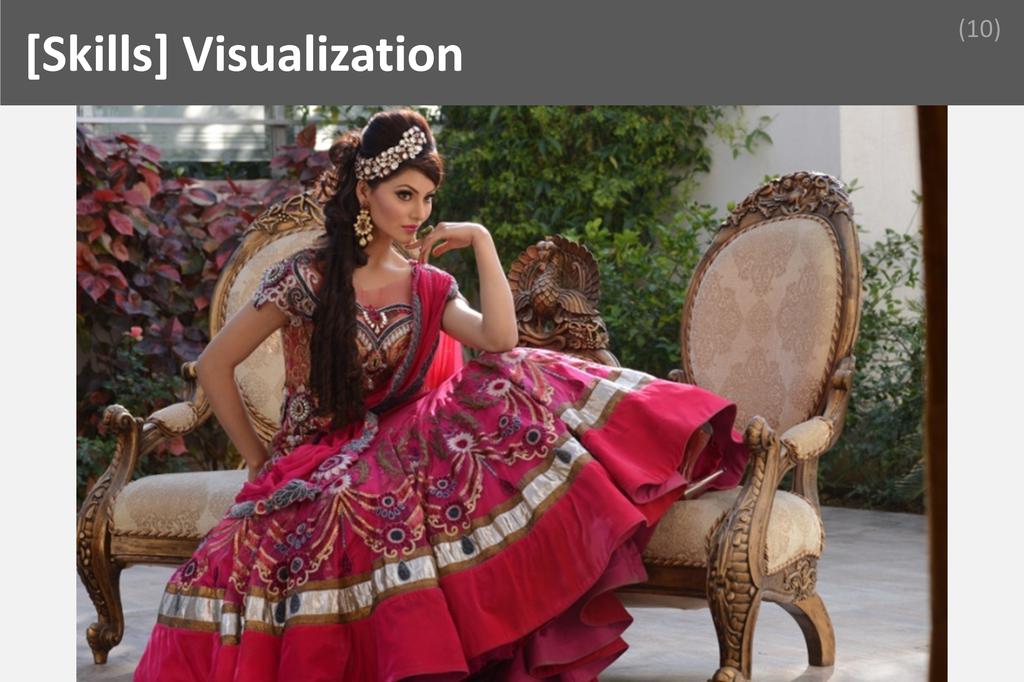
Visualization is the mental process of forming vivid, detailed images or concepts before they are physically created. In fashion designing, it involves imagining garments, patterns, and collections in the mind’s eye, allowing designers to experiment creatively and anticipate the final outcome before any material is cut or sewn. This skill is fundamental for transforming abstract ideas into tangible designs, bridging the gap between inspiration and execution. Visualization empowers designers to communicate their concepts clearly, make informed decisions, and innovate with confidence, making it an indispensable part of a fashion designer’s toolkit.
The ability to visualize effectively enhances a fashion designer’s performance by enabling them to foresee how fabrics, colors, and silhouettes will interact in a finished piece. This foresight minimizes costly mistakes, streamlines the design process, and leads to more cohesive and innovative collections. Clients and employers highly value this skill because it ensures that a designer can translate briefs and trends into compelling, market-ready products. Cultivating visualization skills involves regular sketching, studying fashion history, and using digital design tools to experiment with different styles and combinations. Over time, consistent practice and exposure to diverse influences sharpen a designer’s ability to mentally construct and refine their ideas before bringing them to life.
Imagine a fashion designer tasked with creating a show-stopping gown for a high-profile event, but the client is unsure about the desired silhouette and fabric. The designer relies on visualization to mentally assemble various combinations of materials, colors, and shapes, quickly assessing which options will best flatter the client and suit the occasion. By mentally previewing the finished look, the designer confidently presents a few refined sketches that capture the client’s vision. This not only saves time and resources but also builds trust, as the client feels understood and inspired. In this scenario, visualization is the key to transforming uncertainty into a successful, memorable design outcome.
Detailing

Detailing in fashion designing refers to the meticulous attention given to every aspect of a garment, from stitching and fabric selection to embellishments and finishing touches. It ensures that each element is thoughtfully considered, resulting in cohesive, high-quality designs. This skill distinguishes exceptional designers and elevates their work above the ordinary.
Mastering the art of detailing directly enhances a fashion designer’s performance by ensuring garments are not only visually appealing but also functional and durable. Clients and employers highly value this skill because it reflects professionalism, reliability, and a commitment to excellence. A designer who excels in detailing can anticipate and resolve potential issues before they arise, leading to fewer mistakes and higher client satisfaction. Cultivating this skill involves continuous observation, practice, and learning from both successes and failures. Designers can refine their eye for detail by studying high-quality garments, seeking feedback, and dedicating time to perfecting techniques such as hand-finishing, pattern making, and fabric manipulation. Over time, this dedication results in a reputation for quality and innovation.
Imagine a fashion designer preparing a couture gown for a high-profile runway show. During the final fitting, the designer notices that the placement of the beadwork slightly disrupts the intended silhouette. Relying on their keen sense of detailing, the designer quickly adjusts the embellishments, ensuring they enhance rather than detract from the garment’s lines. This careful attention not only saves the piece from potential criticism but also impresses the client and audience with its flawless execution. The designer’s ability to identify and correct such subtle issues demonstrates how detailing can be the difference between mediocrity and excellence, ultimately contributing to the success of both the collection and the designer’s career.
Drawing

Drawing is the art of visually representing ideas, concepts, or objects on a surface using lines, shapes, and shading. In fashion designing, drawing serves as the primary means of translating creative visions into tangible forms. It enables designers to communicate their ideas clearly, laying the foundation for garment creation and collaboration.
Mastering drawing significantly enhances a fashion designer’s ability to express original concepts, experiment with silhouettes, and refine details before moving to production. Clients and employers highly value this skill because it ensures clear communication of design intent, reducing misunderstandings and costly errors. Drawing also accelerates the design process, allowing for quick iterations and feedback. To cultivate this skill, aspiring designers should practice regularly, study anatomy and garment construction, and observe fashion illustrations from industry leaders. Over time, consistent effort leads to improved accuracy, creativity, and confidence, making drawing an indispensable asset in a designer’s professional toolkit.
Imagine a fashion designer working on a high-profile runway collection who encounters a last-minute request from a client to modify a signature dress. With limited time, the designer quickly sketches the revised design, highlighting changes in neckline and fabric drape. This drawing becomes the blueprint for the pattern maker and seamstress, ensuring everyone understands the new vision. The ability to produce a clear, detailed illustration under pressure not only resolves the client’s concerns but also maintains the project’s timeline. In this scenario, drawing is the critical skill that bridges creative ideas and practical execution, ultimately leading to a successful outcome and client satisfaction.
Leadership

Leadership is the ability to inspire, guide, and influence individuals or teams toward achieving common goals, while fostering collaboration, innovation, and accountability. In fashion designing, leadership empowers professionals to navigate creative challenges, manage diverse teams, and drive projects from concept to completion, ensuring vision and quality are maintained throughout the process.
Leadership significantly enhances a fashion designer’s performance by enabling them to coordinate teams, communicate ideas effectively, and make decisive choices under pressure. Clients and employers highly value this skill because it ensures projects are delivered efficiently, teams remain motivated, and creative visions are realized without compromise. Cultivating leadership involves seeking feedback, observing industry mentors, and embracing opportunities to manage projects or mentor peers. Over time, consistent practice in decision-making, conflict resolution, and clear communication helps designers build confidence and earn trust, making them indispensable assets in any fashion organization.
Imagine a fashion designer leading a team during a high-stakes runway show preparation. When unexpected delays threaten the timeline, the designer steps in to reorganize tasks, motivate anxious team members, and communicate transparently with stakeholders. By demonstrating calm authority and clear direction, the designer ensures everyone remains focused and productive. The team overcomes obstacles, meets the deadline, and delivers a successful show. This scenario highlights how effective leadership not only resolves critical issues but also inspires confidence, fosters teamwork, and ultimately drives the project to success, reinforcing the designer’s reputation as a reliable and visionary professional.
Communication

Communication is the process of exchanging information, ideas, and emotions through verbal, non-verbal, and written means to achieve mutual understanding. In fashion designing, communication enables professionals to articulate creative visions, collaborate with teams, and interpret client needs, making it a fundamental skill for delivering successful design outcomes.
Strong communication skills directly enhance a fashion designer’s performance by ensuring that creative concepts are clearly conveyed to clients, colleagues, and manufacturers. Employers and clients highly value designers who can listen attentively, provide constructive feedback, and present ideas persuasively, as these abilities minimize misunderstandings and streamline project workflows. Over time, communication can be cultivated through active listening, participating in collaborative projects, and seeking feedback on both verbal and written interactions. By consistently practicing these habits, fashion designers become more adept at expressing their ideas, understanding others’ perspectives, and building productive professional relationships, all of which are essential for career advancement in the dynamic fashion industry.
Imagine a fashion designer working with a high-profile client who requests a custom gown for a major event. The client has a specific vision but struggles to articulate it. The designer uses effective communication by asking clarifying questions, actively listening, and sketching ideas in real time to confirm understanding. Through open dialogue and visual aids, the designer ensures the client’s preferences are accurately captured. When production challenges arise, the designer communicates promptly with the tailoring team, explaining adjustments and deadlines. As a result, the final gown not only meets the client’s expectations but is delivered on time, showcasing how strong communication skills can resolve issues, foster trust, and lead to professional success.
Social Media
Social media refers to digital platforms and applications that enable users to create, share, and interact with content and communities online. For a fashion designer, social media serves as a dynamic space to showcase portfolios, engage with audiences, monitor trends, and build a personal or brand identity in a highly visual industry.
Mastering social media as a fashion designer directly enhances visibility, networking, and brand influence. Clients and employers highly value this skill because it demonstrates an ability to connect with target markets, promote collections, and respond to real-time feedback. Designers who skillfully use social media can attract collaborations, press coverage, and new clients. Cultivating this skill involves staying updated with platform trends, understanding audience engagement strategies, and consistently producing high-quality, relevant content. Over time, designers can refine their voice, analyze performance metrics, and adapt their approach to maximize reach and impact. This ongoing process not only boosts professional credibility but also ensures designers remain competitive in a rapidly evolving digital landscape.
Imagine a fashion designer preparing to launch a new collection but facing limited traditional marketing resources. By leveraging social media, the designer creates a series of visually compelling posts and behind-the-scenes stories, generating anticipation among followers. When a production delay threatens the launch, the designer uses live updates to communicate transparently with the audience, turning a potential setback into an opportunity for engagement. Influencers and fashion bloggers, drawn by the buzz, share the content, expanding the collection’s reach far beyond the designer’s immediate network. Ultimately, the collection garners significant attention, leading to increased sales and new business opportunities, all driven by strategic and authentic use of social media.
Positives
Glamorous Life

Glamorous Life in fashion designing refers to a lifestyle marked by creativity, prestige, and excitement, where professionals are immersed in high-profile events, exclusive circles, and the latest trends. This allure of sophistication and visibility elevates daily work, making the profession not only artistically fulfilling but also socially and culturally vibrant. The glamorous aspect of fashion designing contributes positively by infusing each day with inspiration, motivation, and a sense of belonging to an influential community. It encourages designers to push creative boundaries, knowing their work will be celebrated and admired. This dynamic environment fosters personal growth, confidence, and a unique sense of accomplishment, making the journey in fashion design both rewarding and exhilarating.
The glamorous life associated with fashion designing significantly enhances job satisfaction by providing constant exposure to innovation, beauty, and recognition. Professionals in this field often find themselves attending fashion shows, collaborating with celebrities, and seeing their creations featured in prestigious magazines or on runways. This visibility not only boosts their professional reputation but also opens doors to new opportunities and collaborations. The excitement of unveiling new collections and the anticipation of industry events keep the work environment lively and inspiring. As designers interact with influential figures and trendsetters, they gain valuable insights and feedback, further fueling their passion and ambition. The daily experience of glamour transforms routine tasks into memorable moments, making every achievement feel extraordinary and reinforcing a deep sense of pride in their craft.
Imagine a fashion designer preparing for a major international fashion week. As the event approaches, the designer is invited to exclusive pre-show parties, mingling with celebrities, models, and industry leaders. On the day of the show, their collection is showcased on a grand runway, with photographers capturing every detail and media outlets praising their creativity. The designer receives instant recognition, interviews, and social media buzz, all while experiencing the thrill of seeing their vision come to life in front of a global audience. This immersive, glamorous experience not only validates their hard work but also inspires them to reach even greater heights, making the journey in fashion designing truly unforgettable and deeply rewarding.
Personal Growth

Personal growth is the ongoing process of self-improvement, learning, and development in skills, mindset, and emotional intelligence. It involves embracing challenges, adapting to change, and expanding one’s creative and professional boundaries. In fashion designing, personal growth fuels innovation, resilience, and confidence, empowering designers to reach their fullest potential.
Personal growth is a cornerstone of a fulfilling career in fashion designing because it transforms daily work into a journey of self-discovery and achievement. As designers constantly learn new techniques, adapt to trends, and overcome creative obstacles, they experience a sense of accomplishment and purpose. This ongoing evolution not only enhances their technical abilities but also builds confidence and adaptability, essential traits in a fast-paced industry. The satisfaction of seeing one’s ideas come to life and positively impact others’ lives further boosts motivation and engagement. Ultimately, personal growth in fashion designing leads to greater job satisfaction, career advancement, and a deep sense of pride in one’s work.
Consider a fashion designer who begins their career with basic skills and a passion for creativity. Over time, they face challenges such as tight deadlines, evolving trends, and demanding clients. By embracing these experiences, the designer learns to manage stress, communicate effectively, and innovate under pressure. As they master new techniques and develop a unique design voice, their confidence grows. Eventually, they see their creations featured on runways or in magazines, realizing how much they have evolved both professionally and personally. This journey of continuous learning and self-improvement exemplifies the profound sense of fulfillment and empowerment that personal growth brings to a career in fashion designing.
Monetary Potential

Monetary Potential refers to the capacity for significant financial gain and income growth within a chosen career path, based on skills, creativity, and market demand. In fashion designing, this potential is a powerful motivator, as it allows professionals to transform their artistic vision into lucrative opportunities, fostering both personal and professional advancement.
The monetary potential in fashion designing is a compelling reason why many are drawn to this dynamic field. It not only promises financial stability but also offers the possibility of exponential income growth as designers build their reputation and clientele. This aspect is crucial for job satisfaction, as it rewards creativity and innovation with tangible financial success. Professionals in this industry experience the thrill of seeing their unique ideas valued in the marketplace, which in turn motivates them to push boundaries and refine their craft. The daily experience of earning well from one’s passion instills confidence and encourages continuous professional development, making the journey in fashion designing both fulfilling and sustainable.
Consider a fashion designer who starts by creating custom pieces for local clients. As their designs gain popularity, they begin to attract attention from larger boutiques and eventually launch their own label. With each successful collection, their earnings grow, allowing them to invest in better materials and expand their business. The designer experiences firsthand how their creativity and hard work translate into increasing financial rewards. This tangible success not only provides a comfortable lifestyle but also fuels their ambition to innovate further. The sense of accomplishment that comes from turning artistic talent into substantial income exemplifies the powerful impact of monetary potential in the world of fashion designing.
Inexpensive Startup

Inexpensive Startup refers to the ability to begin a professional journey or launch a business with minimal financial investment, utilizing accessible resources and basic tools. In fashion designing, this means aspiring designers can start creating and showcasing their work without needing significant capital, making the field more inclusive and accessible. This positive aspect allows individuals to focus on creativity and innovation rather than being hindered by financial barriers, fostering a diverse and dynamic industry.
The inexpensive startup nature of fashion designing is a powerful motivator for many entering the field. It removes the daunting obstacle of high initial costs, allowing talent and passion to take center stage. Designers can experiment, learn, and grow without the pressure of large financial risks, which leads to greater job satisfaction and confidence. This accessibility encourages a wider range of voices and perspectives, enriching the industry with fresh ideas. On a daily basis, professionals benefit from the freedom to test new concepts, collaborate with peers, and build their portfolios organically. The low barrier to entry ensures that ambition and creativity are the primary drivers of success, making the profession both fulfilling and sustainable.
Consider a young designer who dreams of launching her own fashion line but has limited funds. She starts by purchasing affordable fabrics and basic sewing equipment, working from a small corner of her apartment. Through social media, she showcases her designs, attracting a growing audience without spending heavily on marketing or retail space. As orders come in, she reinvests her modest profits into new materials and gradually expands her collection. This journey, made possible by the inexpensive startup nature of fashion designing, allows her to pursue her passion, develop her skills, and build a loyal customer base—all without the burden of overwhelming financial risk. The sense of accomplishment and creative freedom she experiences is both empowering and deeply rewarding.
Work Life Balance

Work life balance is the harmonious integration of professional responsibilities and personal life, allowing individuals to fulfill career goals while nurturing well-being, relationships, and personal interests. In fashion designing, this balance fosters creativity, reduces stress, and enhances productivity, making it a cornerstone for sustained passion and innovation within the industry.
The positive aspect of work life balance in fashion designing is transformative, as it empowers professionals to thrive both personally and professionally. When designers can manage their schedules and workloads effectively, they experience greater job satisfaction and are more likely to stay motivated and inspired. This balance encourages continuous learning and creative exploration, which are essential for growth in such a dynamic field. By having time for personal pursuits and relaxation, designers return to their work with renewed energy and fresh perspectives, ultimately leading to higher quality output and a more fulfilling career. The daily experience of this benefit is evident as professionals feel less burnout, maintain healthier relationships, and enjoy a sense of accomplishment in both their work and personal lives.
Imagine a fashion designer who manages her own boutique and collaborates with clients on custom pieces. She structures her workday to accommodate client meetings in the morning, dedicates afternoons to sketching and fabric selection, and reserves evenings for family and hobbies. This intentional approach allows her to meet professional deadlines without sacrificing personal time. As a result, she feels energized and inspired, bringing her best ideas to her designs. Her clients notice her enthusiasm and creativity, while her family appreciates her presence and engagement at home. This real-world scenario highlights how work life balance in fashion designing leads to a more rewarding and sustainable career, where personal fulfillment and professional success go hand in hand.
Challenges
Immense Competition

Immense competition in fashion designing refers to the constant rivalry among a vast number of talented designers, brands, and creative minds all striving for recognition, clients, and market share. This environment is demanding because trends shift rapidly, consumer preferences evolve, and only the most innovative and persistent professionals can stand out.
The intense competition in fashion designing permeates every aspect of daily work, from conceptualizing original ideas to pitching collections and securing clients or retail space. Designers often face rejection, creative burnout, and pressure to constantly innovate, which can be emotionally and mentally taxing. This environment demands resilience, adaptability, and a willingness to learn from setbacks. Successful professionals manage this constraint by continuously refining their skills, staying updated with industry trends, and building strong networks. They also focus on developing a unique design identity, which helps them carve out a niche and attract loyal clients. By embracing collaboration and feedback, they turn challenges into opportunities for growth and differentiation.
Consider a young designer launching their first independent label in a city renowned for its fashion scene. Surrounded by established brands and emerging talent, the designer initially struggles to gain attention at local fashion events. Instead of becoming discouraged, they invest time in understanding their target audience and refining their signature style. By leveraging social media to showcase behind-the-scenes processes and collaborating with local artisans, the designer gradually builds a loyal following. Their persistence pays off when a well-known boutique offers to feature their collection, validating their unique vision. This scenario illustrates how determination, adaptability, and strategic self-promotion can help a professional not only survive but thrive amid immense competition in the fashion industry.
Handling Staff

Handling staff in fashion designing involves managing diverse teams of creative and technical professionals, ensuring collaboration, motivation, and productivity while balancing personalities, deadlines, and high-pressure environments. This is demanding because it requires strong leadership, clear communication, and the ability to resolve conflicts swiftly without compromising the creative process or project timelines.
The challenge of handling staff in fashion designing can significantly affect daily operations, as miscommunication or unresolved conflicts may delay projects, lower morale, and hinder creativity. Professionals must demonstrate resilience by adapting to different working styles, mediating disputes, and fostering a positive atmosphere. Successful designers often invest time in understanding their team members’ strengths and motivations, providing constructive feedback, and setting clear expectations. By cultivating trust and open communication, they create an environment where staff feel valued and empowered, which in turn enhances productivity and innovation. Consistent leadership and emotional intelligence are essential in navigating the complexities of team dynamics, ensuring that the collective effort aligns with the creative vision and business goals.
Consider a lead designer preparing for a major runway show who faces tension between pattern makers and seamstresses over last-minute changes. Instead of allowing frustration to escalate, the designer calls a meeting to openly discuss concerns and clarify the reasons behind the adjustments. By listening to each team member and acknowledging their expertise, the designer fosters mutual respect and encourages collaborative problem-solving. She delegates tasks based on individual strengths and sets realistic deadlines, ensuring everyone feels included and motivated. As a result, the team overcomes the initial discord, works efficiently, and delivers a cohesive collection on time. This scenario illustrates how proactive communication and empathetic leadership can transform staff management challenges into opportunities for team growth and project success.
Meeting Deadlines

Meeting deadlines in fashion designing refers to the ability to complete creative tasks, from initial sketches to final garments, within strict timeframes set by clients, fashion weeks, or production schedules. This is demanding because it requires balancing creativity, technical precision, and coordination with multiple stakeholders under constant time pressure.
The pressure to meet deadlines in fashion designing can significantly affect daily work, often leading to long hours, creative fatigue, and the risk of compromised quality. This challenge demands resilience, adaptability, and strong organizational skills, as designers must juggle multiple projects, unexpected changes, and last-minute client requests. Successful professionals manage these constraints by setting realistic timelines, prioritizing tasks, and maintaining open communication with their teams and collaborators. They also develop contingency plans to address unforeseen delays, ensuring that creativity is not sacrificed for speed. By fostering a disciplined workflow and embracing flexibility, designers can consistently deliver high-quality work on time, building a reputation for reliability in a fast-paced industry.
Consider a fashion designer preparing a collection for a major runway show, with only six weeks to finalize designs, source materials, and oversee production. Midway through the process, a key fabric shipment is delayed, threatening the entire timeline. Instead of panicking, the designer quickly assesses alternative materials, consults with suppliers, and reallocates tasks among team members to keep progress steady. By maintaining clear communication with the event organizers and her team, she manages expectations and adjusts the schedule accordingly. Through decisive action and adaptability, the designer not only meets the original deadline but also delivers a collection that receives critical acclaim, demonstrating how effective deadline management can turn a potential setback into a professional triumph.
Work gets Copied

"Work gets Copied" in fashion designing refers to the unauthorized replication of original designs by others, often without credit or compensation. This challenge is demanding because it undermines creative ownership, devalues innovation, and can erode a designer’s competitive edge in a fast-paced, trend-driven industry.
The reality of having one’s work copied can be disheartening and disruptive to daily operations. Designers may feel their creative efforts are wasted when their unique concepts appear in mass-market collections or rival portfolios. This challenge requires resilience, as it can lead to financial losses and diminished motivation. Successful professionals address this by continually innovating, building a strong personal brand, and leveraging legal protections like copyrights or trademarks where possible. They also foster loyal client relationships and use their authenticity and storytelling to distinguish their work. By staying ahead of trends and maintaining a signature style, designers can make imitation less damaging and reinforce their reputation as original creators.
Consider a fashion designer who discovers that a fast-fashion retailer has replicated her signature dress design. Instead of reacting publicly or withdrawing, she documents her creative process and shares behind-the-scenes stories on social media, highlighting the craftsmanship and inspiration behind her work. She consults with a legal expert to understand her rights and, where feasible, sends a cease-and-desist letter. Simultaneously, she launches a limited-edition collection that emphasizes her unique techniques and personal narrative, deepening her connection with loyal customers. Through these actions, she not only protects her intellectual property but also transforms the challenge into an opportunity to reinforce her brand identity and foster greater appreciation for original design.
A Day Of
Fashion Designing
The world of fashion design is a whirlwind of creativity, precision, and relentless energy, where no two days ever look quite the same. From the moment the studio lights flicker on, the air hums with anticipation—sketches are scattered across worktables, fabrics spill in vibrant cascades, and the steady rhythm of sewing machines sets the tempo. In this fast-paced environment, a fashion designer must balance artistic vision with practical execution, constantly adapting to shifting trends, tight deadlines, and the collaborative pulse of the industry. Every day is a blend of inspiration and perspiration, where each decision shapes not just a garment, but the very essence of a brand’s identity.
As the sun rises, the fashion designer’s day begins with a quiet moment of reflection and preparation. This early hour is dedicated to reviewing mood boards, sketchbooks, and the latest trend reports, setting the creative tone for the day ahead. The designer might sip coffee while revisiting client briefs or upcoming collection themes, mentally mapping out priorities and visualizing new concepts. This is also the time to organize the workspace, ensuring that fabrics, tools, and reference materials are within easy reach, laying the groundwork for a productive and inspired day.
By mid-morning, the studio comes alive with focused activity as the designer dives into the heart of their craft. This is when sketches are transformed into detailed technical drawings, fabric swatches are matched and layered, and initial prototypes begin to take shape. The designer may consult with pattern makers, drape fabric on dress forms, or experiment with color palettes, all while keeping a keen eye on both aesthetic appeal and functional wearability. This phase demands intense concentration and creative problem-solving, as ideas are refined and brought closer to reality.
The afternoon ushers in a collaborative spirit, as the designer meets with seamstresses, sample makers, and other team members to review progress and address challenges. Fittings are conducted with models, adjustments are made to patterns, and feedback is exchanged in a dynamic, hands-on environment. The designer might oversee the assembly of garments, troubleshoot technical issues, or coordinate with suppliers to ensure materials arrive on schedule. This period is marked by teamwork and execution, where vision and craftsmanship merge to bring designs to life.
As the day winds down, the designer shifts focus to reflection and forward planning. Notes are taken on the day’s successes and setbacks, and any unfinished tasks are prioritized for tomorrow. The designer may spend time researching emerging trends, reviewing fashion shows, or updating digital portfolios. Administrative duties such as responding to emails, managing budgets, and scheduling future meetings are also addressed. With the studio gradually quieting, the designer takes a final look at the day’s creations, ensuring that every detail aligns with their vision before preparing for another day in the ever-evolving world of fashion. |


 Home
Home Abroad
 Plan
Plan Philosophy
 Seminar
 Pages
Pages Advisors
 Testimonials












 Workshop
 Discuss
 Meet
Meet
 Advisor
 Story
Story
 Fine Print
 Links
Links
 Blog
Blog
 Follow
