The Journey of Fitness Training
What Is Fitness Training
Fitness Training

Fitness training is the process of guiding individuals or groups through structured physical exercise programs to improve health, strength, flexibility, and overall well-being. It involves assessing clients’ needs, designing personalized routines, providing motivation, and ensuring safe, effective workouts to help clients achieve their specific fitness and lifestyle goals.
Fitness training plays a crucial role in promoting healthier lifestyles and preventing chronic diseases. For professionals in this field, it offers the opportunity to make a tangible difference in clients’ lives by improving their physical and mental health. One major benefit is the ability to foster long-term client relationships through personalized coaching. Another advantage is the flexibility in work environments, ranging from gyms to private studios or even virtual platforms. Additionally, fitness trainers often experience personal fulfillment and growth as they witness clients achieve milestones, overcome challenges, and build confidence through consistent training and support.
A certified fitness trainer working in a community gym meets with a new client who wants to lose weight and increase energy levels. The trainer conducts an initial assessment, discusses the client’s goals, and develops a tailored workout plan combining cardiovascular exercises, strength training, and flexibility routines. Over several months, the trainer monitors progress, adjusts the program as needed, and provides ongoing encouragement. Through regular sessions, the client not only loses weight but also gains confidence and adopts healthier habits. The trainer’s expertise and support are instrumental in helping the client achieve sustainable results, demonstrating the real-world impact of fitness training on individual well-being.
Education
Courses

Courses are structured educational programs or modules designed to impart specific knowledge and skills within a particular field. In Fitness Training, courses cover essential topics such as anatomy, exercise physiology, nutrition, and program design, forming the backbone of both academic preparation and ongoing professional development for aspiring and practicing fitness trainers.
Understanding and completing relevant courses is crucial for anyone entering or advancing in the field of Fitness Training. These courses provide the theoretical foundation and practical skills necessary to design safe and effective fitness programs, assess client needs, and adapt to evolving industry standards. By engaging in comprehensive coursework, fitness professionals gain credibility and confidence, ensuring they are well-versed in the latest scientific principles and best practices. Over time, this commitment to structured learning not only enhances professional competence but also opens doors to advanced certifications, specialized roles, and leadership opportunities within the fitness industry. Continuous education through courses fosters adaptability and lifelong learning, both of which are essential for sustained success in a dynamic and competitive field.
Imagine a fitness trainer who has completed a series of courses in exercise science, nutrition, and client assessment. During a typical workday, this trainer meets with a new client seeking to improve overall health and manage weight. Drawing on knowledge gained from their courses, the trainer conducts a thorough assessment, identifies the client’s unique needs, and develops a personalized exercise and nutrition plan. The trainer’s understanding of anatomy and physiology ensures that exercises are both safe and effective, while their background in nutrition allows them to offer evidence-based dietary guidance. This seamless integration of theoretical knowledge and practical application, acquired through structured courses, enables the trainer to deliver high-quality, results-driven service to clients.
Anatomy

Anatomy is the scientific study of the structure of living organisms, focusing on the organization of body parts such as muscles, bones, and organs. In fitness training, anatomy provides essential knowledge for understanding how the body moves, functions, and adapts, forming a crucial part of both academic study and professional practice.
A deep understanding of anatomy is indispensable for anyone pursuing a career in fitness training. It enables professionals to design safe and effective exercise programs tailored to individual needs by recognizing how muscles, joints, and bones interact during movement. This foundational knowledge helps trainers prevent injuries, optimize performance, and address specific client goals, such as rehabilitation or athletic improvement. Over time, mastery of anatomy enhances a trainer’s credibility and adaptability, allowing them to communicate more effectively with clients and other health professionals. It also supports ongoing professional development, as advanced training techniques and certifications often require a solid grasp of anatomical principles.
Consider a fitness trainer working with a client recovering from a shoulder injury. By applying their knowledge of anatomy, the trainer identifies which muscles and joints are involved in shoulder movement and selects exercises that strengthen the rotator cuff without causing strain. The trainer monitors the client’s form, ensuring that compensatory movements do not occur, which could lead to further injury. This anatomical understanding allows the trainer to modify routines as the client progresses, promoting safe recovery and improved function. In daily operations, such expertise ensures that every exercise recommendation is grounded in scientific knowledge, leading to better outcomes and higher client satisfaction.
Gym Equipment

Gym equipment refers to the various machines, free weights, and tools specifically designed to facilitate physical exercise, strength training, cardiovascular conditioning, and flexibility improvement. In fitness training, understanding gym equipment is essential both academically and professionally, as it underpins safe, effective program design and client instruction within diverse training environments.
A comprehensive understanding of gym equipment is crucial for anyone pursuing a career in fitness training. Mastery of this subject ensures that professionals can select appropriate equipment for different fitness goals, demonstrate correct usage, and adapt exercises to suit individual client needs. This foundational knowledge helps prevent injuries, maximizes workout efficiency, and builds client trust. Over time, expertise in gym equipment enables trainers to innovate with exercise programming, stay current with industry advancements, and maintain a competitive edge in the job market. Ultimately, this knowledge supports career longevity and progression, as it is integral to both client outcomes and professional credibility within the fitness industry.
Consider a fitness trainer working with a new client who has limited experience in the gym. The trainer assesses the client’s goals and physical limitations, then selects suitable equipment such as resistance machines for controlled strength training and a treadmill for cardiovascular work. By demonstrating proper setup and technique, the trainer ensures the client’s safety and confidence. Throughout the session, the trainer adjusts machine settings and explains the purpose of each piece of equipment, reinforcing best practices and fostering independence. This practical application of theoretical knowledge not only enhances the client’s experience but also exemplifies the trainer’s expertise, ultimately contributing to client retention and professional reputation.
Body Transformation

Body Transformation refers to the process of significantly altering an individual’s physique through structured exercise, nutrition, and lifestyle changes, resulting in improved muscle tone, fat loss, or overall health. In Fitness Training, understanding Body Transformation is essential, as it integrates exercise science, nutrition, and behavioral change into a comprehensive approach for client success.
A deep understanding of Body Transformation is crucial for fitness professionals because it underpins the ability to design effective, individualized programs that address diverse client goals. Mastery of this subject ensures trainers can assess starting points, set realistic objectives, and monitor progress using evidence-based strategies. This knowledge forms the foundation for safe and sustainable results, helping clients achieve lasting changes rather than temporary fixes. For professionals, expertise in Body Transformation enhances credibility, expands career opportunities, and fosters long-term client relationships. It also enables trainers to adapt to evolving industry trends and scientific advancements, ensuring their methods remain current and effective. Ultimately, this expertise is a cornerstone for building a successful and respected career in fitness training.
Consider a fitness trainer working with a client whose primary goal is to lose body fat while maintaining muscle mass. The trainer begins by conducting an initial assessment, gathering data on the client’s current body composition, lifestyle habits, and nutritional intake. Drawing on their understanding of Body Transformation, the trainer creates a tailored program that combines resistance training, cardiovascular exercise, and dietary adjustments. Throughout the process, the trainer monitors progress, adjusts the plan as needed, and educates the client on the science behind each change. This approach not only helps the client achieve visible results but also empowers them with knowledge and habits for long-term health, demonstrating the practical value of mastering Body Transformation concepts in daily fitness training operations.
Skills
Client Satisfaction

Client satisfaction refers to the degree to which a fitness professional meets or exceeds the expectations, needs, and goals of their clients, resulting in positive experiences and ongoing loyalty. In fitness training, client satisfaction is crucial because it fosters trust, encourages consistent participation, and drives long-term success for both clients and trainers.
Mastering client satisfaction directly enhances a fitness trainer’s performance by ensuring clients feel heard, supported, and motivated throughout their fitness journey. Clients and employers highly value this skill because satisfied clients are more likely to remain committed, refer others, and contribute to a positive reputation for the trainer or facility. To cultivate client satisfaction, trainers must actively listen to client feedback, personalize training programs, and demonstrate genuine care for individual progress. Over time, consistently delivering results and maintaining open communication help build strong relationships, making client satisfaction an integral part of professional growth and career longevity in the fitness industry.
Imagine a fitness trainer working with a client who feels discouraged by a lack of visible progress after several weeks. Instead of dismissing the client’s concerns, the trainer listens attentively, reassesses the client’s goals, and adjusts the training plan to better align with their needs and preferences. By providing encouragement, tracking small achievements, and offering tailored advice, the trainer restores the client’s motivation and confidence. As a result, the client regains enthusiasm, continues training, and eventually achieves their desired outcomes. This scenario highlights how prioritizing client satisfaction not only resolves immediate issues but also strengthens the client-trainer relationship and leads to lasting success.
Good Behaviour

Good Behaviour refers to consistently demonstrating respect, integrity, patience, and professionalism in all interactions, both with clients and colleagues. In fitness training, it means treating everyone fairly, maintaining a positive attitude, and upholding ethical standards. This core skill fosters trust, enhances communication, and creates a supportive environment essential for client progress and satisfaction.
Good Behaviour directly improves a fitness trainer’s performance by building strong, trusting relationships with clients and colleagues. Clients value trainers who are respectful, encouraging, and reliable, as this creates a safe and motivating atmosphere for personal growth. Employers appreciate trainers who represent their brand positively and handle challenges with maturity. To cultivate Good Behaviour, trainers should practice self-awareness, seek feedback, and remain committed to personal growth. Over time, consistently acting with kindness and professionalism becomes second nature, leading to better client retention, positive word-of-mouth, and a more harmonious workplace. Ultimately, Good Behaviour is a foundation for long-term success in the fitness industry.
Imagine a fitness trainer working with a client who becomes frustrated and demotivated after not seeing immediate results. Instead of reacting defensively or dismissively, the trainer listens patiently, acknowledges the client’s feelings, and offers constructive encouragement. By maintaining Good Behaviour, the trainer reassures the client, adapts the training plan to better suit their needs, and motivates them to persist. This approach not only helps the client regain confidence but also strengthens the professional relationship. As a result, the client remains committed to their fitness journey, and the trainer’s reputation for professionalism and empathy grows, attracting more clients and opportunities for career advancement.
Good Personality

A good personality in fitness training is the consistent display of positivity, empathy, approachability, and effective communication, combined with genuine enthusiasm and respect for others. This quality enables trainers to build trust, motivate clients, and foster a supportive environment, making it a vital asset in achieving client satisfaction and professional success.
A good personality directly enhances a fitness trainer’s performance by creating a welcoming and motivating atmosphere that encourages clients to push their limits and remain committed to their goals. Clients and employers highly value trainers who are approachable, encouraging, and empathetic, as these qualities help build strong relationships and increase client retention. Over time, trainers can cultivate a good personality by actively listening to feedback, practicing self-awareness, and continuously working on their interpersonal skills. Engaging in regular self-reflection and seeking mentorship or peer support can also help trainers identify areas for improvement, ensuring their personality remains a positive force in every client interaction.
Imagine a fitness trainer working with a client who is struggling to stay motivated after several weeks of slow progress. Instead of expressing frustration or indifference, the trainer uses their good personality to empathize with the client’s feelings, offering encouragement and celebrating small achievements. Through positive reinforcement and genuine concern, the trainer helps the client regain confidence and enthusiasm for their fitness journey. This supportive approach not only prevents the client from giving up but also strengthens the trainer-client relationship, leading to better results and long-term loyalty. The trainer’s good personality becomes the key factor in overcoming a critical challenge and achieving mutual success.
Honest & Responsible

"Honest & Responsible" means consistently telling the truth, owning up to mistakes, and reliably following through on commitments. In fitness training, this skill ensures transparency with clients about progress, safety, and realistic outcomes. It builds trust, fosters accountability, and forms the foundation for ethical and effective professional relationships.
Being honest and responsible directly enhances a fitness trainer’s performance by establishing credibility and trust with clients and colleagues. Clients and employers highly value trainers who communicate truthfully about capabilities, limitations, and progress, as this prevents misunderstandings and sets realistic expectations. Demonstrating responsibility by adhering to schedules, maintaining client confidentiality, and promptly addressing concerns shows professionalism and respect. Over time, this skill can be cultivated by practicing self-reflection, seeking feedback, and consistently aligning actions with words. Trainers who prioritize honesty and responsibility are more likely to retain clients, receive positive referrals, and advance in their careers, as their reputation for integrity becomes a key differentiator in a competitive industry.
Imagine a fitness trainer working with a client who wants rapid weight loss. The trainer, guided by honesty and responsibility, explains the health risks of extreme dieting and sets realistic goals instead of promising quick fixes. When the client struggles to meet targets, the trainer takes responsibility by reassessing the program and offering additional support, rather than blaming the client or ignoring the issue. This approach not only protects the client’s well-being but also strengthens the professional relationship. By being transparent and accountable, the trainer helps the client stay motivated and safe, ultimately leading to sustainable progress and long-term success for both parties.
Positives
Meeting New People

Meeting new people refers to the ongoing opportunity to interact with individuals from diverse backgrounds, cultures, and walks of life. In fitness training, this means connecting with clients, colleagues, and community members, fostering relationships that enrich both personal and professional experiences. This dynamic environment encourages growth, learning, and mutual support, making every day unique.
The chance to meet new people is a cornerstone of a fulfilling career in fitness training. Every interaction brings fresh perspectives, challenges, and stories, which not only keep the workday engaging but also foster a sense of community and belonging. These connections often lead to lasting friendships, mentorship opportunities, and professional networking that can open doors to new roles or specializations. The daily exposure to different personalities and goals helps trainers refine their communication and motivational skills, making them more adaptable and empathetic. Ultimately, the joy of helping others achieve their fitness goals while building meaningful relationships is a powerful motivator, greatly enhancing job satisfaction and personal growth.
Imagine a fitness trainer starting their day with a group class filled with participants of varying ages and backgrounds. As the session progresses, the trainer learns about a client’s recent marathon achievement, another’s journey overcoming injury, and a newcomer’s excitement to begin their fitness path. These conversations spark encouragement and camaraderie among the group, while the trainer feels inspired by the resilience and enthusiasm of their clients. Later, a one-on-one session offers a chance to connect more deeply, understanding a client’s unique motivations and challenges. By the end of the day, the trainer has not only guided others toward their goals but also experienced the profound satisfaction that comes from building new relationships and being part of a supportive, ever-growing community.
Monetary Potential

Monetary Potential refers to the capacity for financial growth and earning power within a chosen career. In fitness training, this means the opportunity to increase income through various avenues such as personal training sessions, group classes, online coaching, and specialized certifications. This potential creates a dynamic and motivating professional environment.
The monetary potential in fitness training is a significant driver of job satisfaction and professional growth. As trainers build their client base and expand their skill set, they unlock new streams of income, which can include private sessions, group classes, and even digital content. This financial flexibility allows fitness professionals to set their own rates, pursue entrepreneurial ventures, and invest in further education. The ability to directly influence one’s earnings based on effort and expertise fosters a sense of autonomy and accomplishment. Every day, trainers witness the tangible rewards of their hard work, which not only motivates them but also enhances their commitment to helping clients achieve their goals.
Consider a fitness trainer who begins their career working at a local gym, earning a modest hourly wage. Over time, they develop a loyal client base and pursue advanced certifications in areas like nutrition and strength training. With this expertise, they start offering specialized workshops and online coaching sessions, significantly increasing their income. Eventually, the trainer launches their own brand, attracting clients from around the world and generating revenue through digital programs and merchandise. This journey demonstrates how the monetary potential in fitness training can transform a passion for health and wellness into a thriving, lucrative career, providing both financial security and personal fulfillment.
Recognition & Respect

Recognition & Respect refers to the acknowledgment, appreciation, and esteem that fitness trainers receive from clients, peers, and the broader community for their expertise, dedication, and positive influence. This validation not only affirms their professional skills but also enhances their sense of purpose, motivation, and personal fulfillment within the fitness industry.
The presence of recognition and respect in a fitness training career is a powerful motivator that fuels ongoing passion and commitment. When trainers are valued for their knowledge and the transformative results they help clients achieve, it leads to heightened job satisfaction and a deeper sense of accomplishment. This positive feedback loop encourages trainers to continuously improve their skills and stay updated with industry trends, fostering both personal and professional growth. On a daily basis, fitness professionals experience this benefit through client testimonials, word-of-mouth referrals, and the visible progress of those they guide, all of which reinforce their importance and credibility in the field. Ultimately, recognition and respect create a supportive environment where trainers thrive and feel genuinely appreciated.
Imagine a fitness trainer who has worked closely with a client struggling to regain mobility after an injury. Over months of dedicated sessions, the client not only recovers but surpasses their initial fitness goals. At the end of the program, the client expresses heartfelt gratitude, sharing their story with friends and recommending the trainer to others. The gym management also acknowledges the trainer’s exceptional work, highlighting their contribution during a team meeting. This scenario exemplifies how recognition and respect manifest in tangible ways, providing the trainer with a profound sense of pride and validation. Such experiences reinforce the trainer’s commitment to their profession and inspire them to continue making a positive impact.
International Job Opportunities

International Job Opportunities refer to the ability for fitness trainers to work, teach, or consult in various countries around the world, often crossing cultural and geographic boundaries. This global mobility allows professionals to expand their horizons, gain diverse experiences, and access a wider range of career prospects, making the profession uniquely dynamic.
The global nature of fitness training means that professionals are not limited by borders. This opens doors to working in resorts, cruise ships, international gyms, or even starting their own businesses abroad. The chance to immerse in different cultures and learn new training techniques enhances personal and professional growth. Every day, fitness trainers can connect with clients from diverse backgrounds, broadening their understanding of health and wellness practices worldwide. This exposure not only keeps the work exciting but also fosters adaptability and creativity. The ability to travel and work internationally boosts job satisfaction, as trainers see tangible results from their efforts while enjoying the adventure of new environments and the fulfillment of making a global impact.
Imagine a certified fitness trainer who begins their career in their home country, building a solid foundation of skills and experience. Driven by curiosity and ambition, they accept a position at a luxury resort in the Maldives, where they lead group classes for guests from all over the world. Each day brings new challenges and learning opportunities, from adapting workouts to different cultures to collaborating with international colleagues. The trainer not only enhances their professional repertoire but also forms lasting relationships and gains a deeper appreciation for global wellness trends. This international experience enriches their career, making every moment both professionally rewarding and personally transformative.
Fitness

Fitness is the state of physical well-being achieved through regular exercise, balanced nutrition, and healthy lifestyle choices, resulting in strength, endurance, flexibility, and overall vitality. In the context of fitness training, it forms the foundation of the profession, enabling trainers to lead by example, inspire clients, and maintain personal health and energy.
The centrality of fitness in a fitness training career brings immense personal and professional rewards. Trainers experience the satisfaction of staying active and healthy as an integral part of their job, which not only enhances their own quality of life but also boosts their credibility and effectiveness with clients. This daily immersion in physical activity fosters a sense of accomplishment and well-being, making work feel purposeful and energizing. As trainers witness their own progress and help others achieve their goals, they enjoy ongoing motivation and job satisfaction. The continuous pursuit of fitness also opens doors for career growth, as trainers become role models and trusted experts in their field, attracting more clients and opportunities.
Consider a fitness trainer who starts each morning with a group boot camp session. As she leads her clients through challenging exercises, she feels her own strength and stamina improving alongside theirs. The shared experience of pushing physical limits creates a powerful sense of community and achievement. After the session, clients express gratitude for her guidance and energy, reinforcing her sense of purpose. Throughout the day, she remains active, demonstrating techniques and participating in workouts, which keeps her physically fit and mentally sharp. This daily routine not only sustains her own health but also allows her to inspire others, making her career deeply fulfilling and impactful.
Challenges
Handling Clients

Handling clients in fitness training refers to the ongoing process of managing diverse personalities, expectations, motivations, and communication styles while delivering personalized fitness guidance. This is demanding because each client presents unique challenges, requiring adaptability, patience, and strong interpersonal skills to maintain engagement, ensure progress, and foster a positive training environment.
The challenge of handling clients significantly shapes the daily routine of fitness professionals. Difficult clients may resist guidance, cancel sessions, or struggle with motivation, which can disrupt schedules and affect morale. This ongoing unpredictability demands resilience, as trainers must remain patient and solution-oriented despite setbacks. Successful professionals navigate these obstacles by developing strong communication skills, setting clear boundaries, and consistently adapting their coaching style to meet individual needs. They invest time in understanding each client’s goals and limitations, which helps build trust and rapport. By maintaining professionalism and empathy, fitness trainers can turn challenging interactions into opportunities for growth, both for themselves and their clients, ultimately fostering long-term commitment and positive outcomes.
Consider a fitness trainer working with a client who frequently arrives late, expresses frustration with slow progress, and often questions the effectiveness of the program. Instead of reacting defensively, the trainer listens actively to the client’s concerns, reassesses the client’s goals, and adjusts the training plan to include more variety and measurable milestones. The trainer also communicates the importance of consistency and celebrates small achievements to boost the client’s motivation. Over time, the client becomes more punctual and engaged, feeling heard and supported. Through patience, adaptability, and clear communication, the trainer transforms a challenging client relationship into a productive partnership, demonstrating the importance of effective client handling in fitness training.
Initial Struggle

Initial Struggle in Fitness Training refers to the period when professionals face steep learning curves, physical exhaustion, and self-doubt as they adapt to demanding routines and client expectations. This phase is demanding because it tests both physical limits and mental resilience, often leading to frustration and questioning of career choices.
The initial struggle can significantly affect daily work for fitness professionals, manifesting as fatigue, inconsistent motivation, and difficulty in building client trust. Early setbacks may cause doubts about one’s abilities and suitability for the profession, making resilience essential. Successful professionals recognize that these challenges are temporary and focus on incremental progress rather than immediate perfection. They seek mentorship, prioritize self-care, and maintain open communication with clients to build confidence. By setting realistic goals and celebrating small achievements, they gradually transform early obstacles into learning opportunities. Over time, this approach not only enhances their technical skills but also strengthens their ability to empathize with clients facing similar struggles, ultimately fostering a more supportive and effective training environment.
Consider a newly certified fitness trainer who, during the first few months, struggles to retain clients and feels overwhelmed by the physical demands of leading multiple sessions daily. Instead of giving in to discouragement, the trainer seeks guidance from experienced colleagues, adopts a structured routine for personal fitness, and invests time in understanding client needs. By reflecting on each session and making small adjustments, the trainer gradually improves communication and instructional techniques. As confidence grows, clients begin to notice the trainer’s dedication and professionalism, leading to stronger relationships and increased client retention. This journey through the initial struggle not only builds the trainer’s competence but also instills a deeper sense of purpose and resilience in their career.
A Day Of
Fitness Training
The gym floor hums with energy long before most people have even hit snooze on their alarms. For a fitness training professional, each day is a dynamic blend of motivation, movement, and meticulous planning. The air is thick with the scent of determination and the rhythmic clang of weights, as trainers juggle personalized coaching, group classes, and the ever-changing needs of their clients. Every hour brings a new challenge, whether it’s guiding a client through a breakthrough moment or adapting routines on the fly. In this fast-paced environment, no two days are ever quite the same, and the drive to inspire others is matched only by the trainer’s own commitment to growth and excellence.
As dawn breaks, the fitness trainer is already in motion, arriving at the gym before the first client steps through the door. This early hour is dedicated to reviewing the day’s schedule, prepping workout spaces, and checking in on client progress notes from previous sessions. There’s a quiet focus as equipment is sanitized, playlists are queued, and personalized workout plans are reviewed to ensure each session is tailored to individual goals. This preparation sets the tone for a productive day, allowing the trainer to greet each client with energy and confidence.
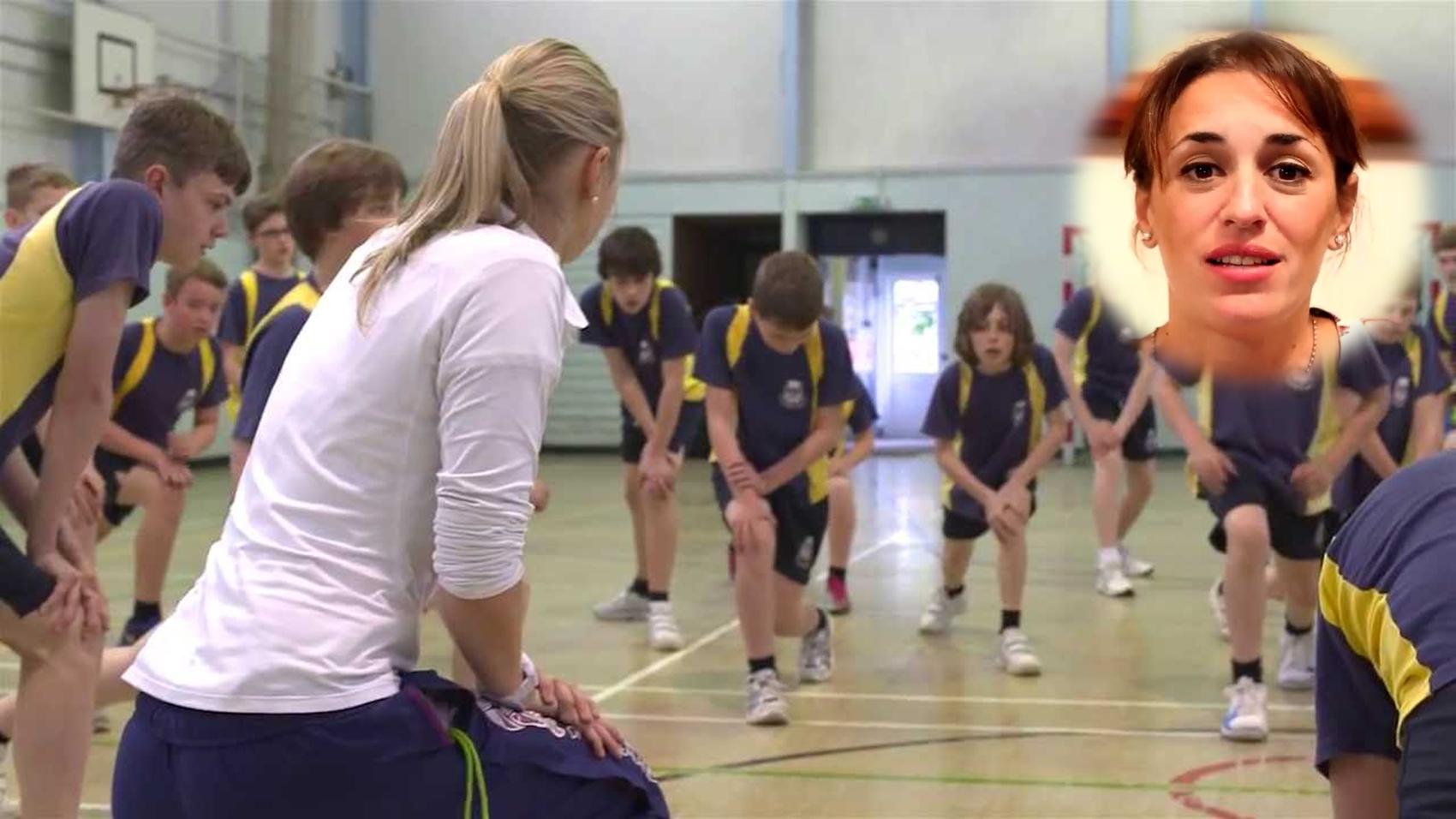
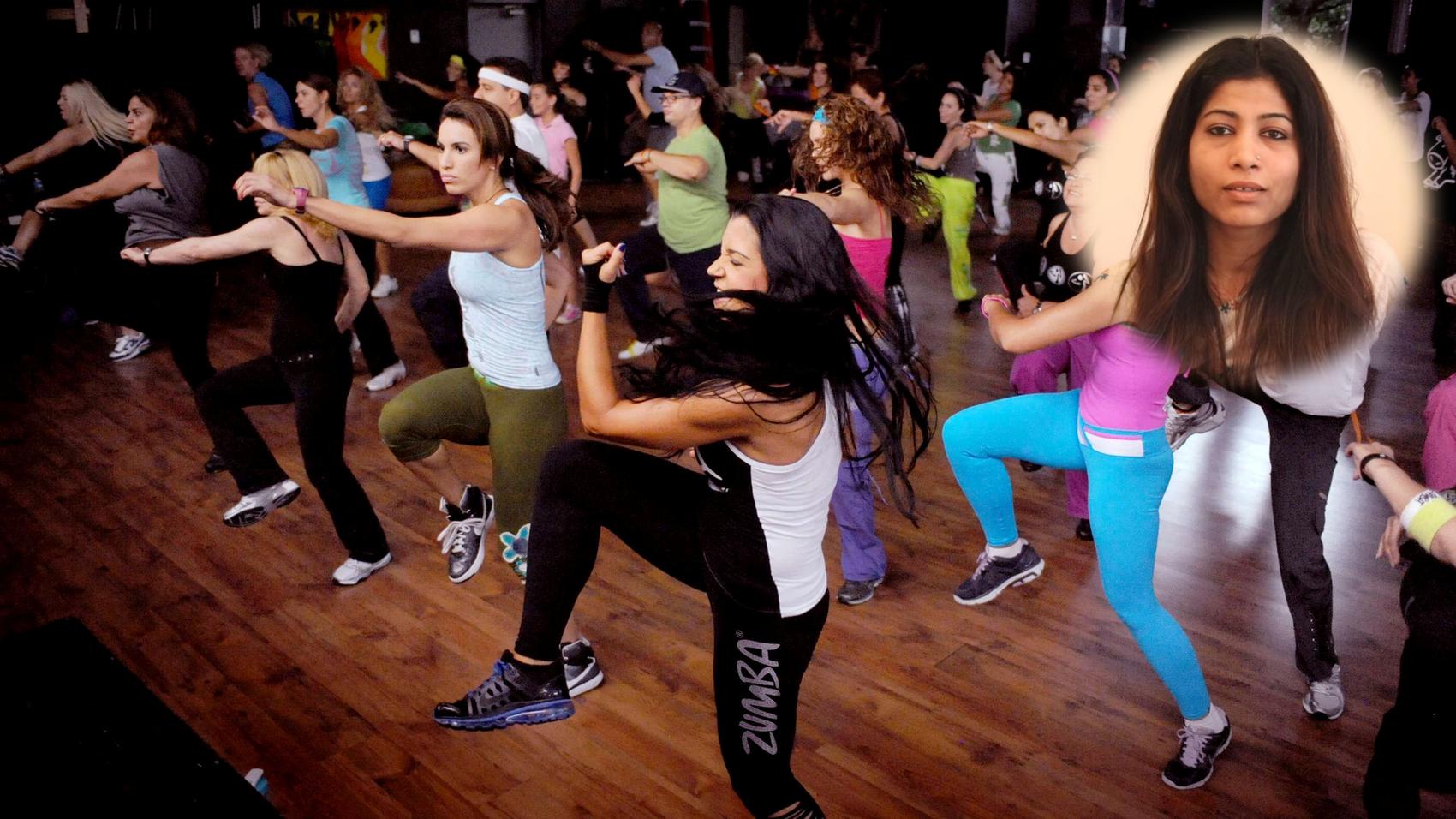
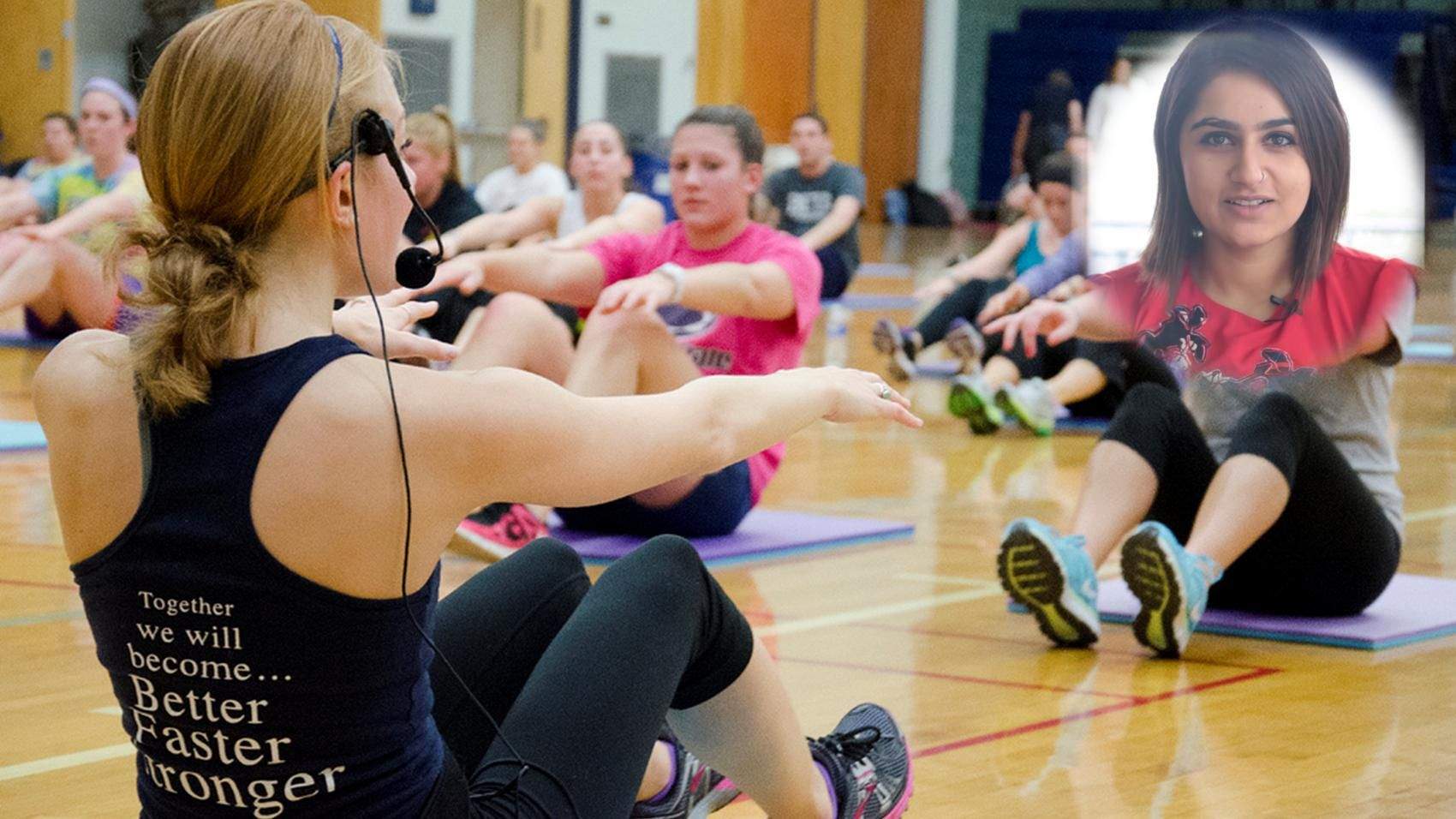
Mid-morning marks the heart of the action, as the gym fills with clients eager to start their day strong. The fitness trainer moves seamlessly from one-on-one coaching to leading high-energy group classes, offering encouragement, correcting form, and adapting exercises to suit varying abilities. This is the most physically and mentally demanding part of the day, requiring sharp attention to detail and the ability to motivate a diverse group of individuals. The trainer’s expertise shines as they balance safety, technique, and enthusiasm, ensuring every participant leaves feeling accomplished and inspired.
As the afternoon unfolds, the pace shifts from the intensity of training to the collaborative side of the profession. Trainers gather with colleagues to discuss client progress, share new exercise techniques, and brainstorm ideas for upcoming fitness challenges or workshops. This is also the time to meet with nutritionists or physical therapists to coordinate holistic wellness plans for clients. The focus is on teamwork and continuous improvement, as trainers refine their methods and support each other in delivering the best possible experience.
With the last clients of the day finishing their cool-downs, the trainer turns attention to administrative tasks and preparation for the next day. This includes updating client records, responding to emails, and researching new fitness trends or certifications. There’s a sense of accomplishment as the day winds down, but also a forward-looking mindset as tomorrow’s sessions are mapped out and new goals are set. The gym grows quieter, but the trainer’s commitment remains unwavering, fueled by the knowledge that each day brings another opportunity to make a positive impact. |


 Home
Home Abroad
 Plan
Plan Philosophy
 Seminar
 Pages
Pages Advisors
 Testimonials














 Workshop
 Discuss
 Meet
Meet
 Advisor
 Story
Story
 Fine Print
 Links
Links
 Blog
Blog
 Follow
