The Journey of Fitness Training
What Is Fitness Training
Fitness Training

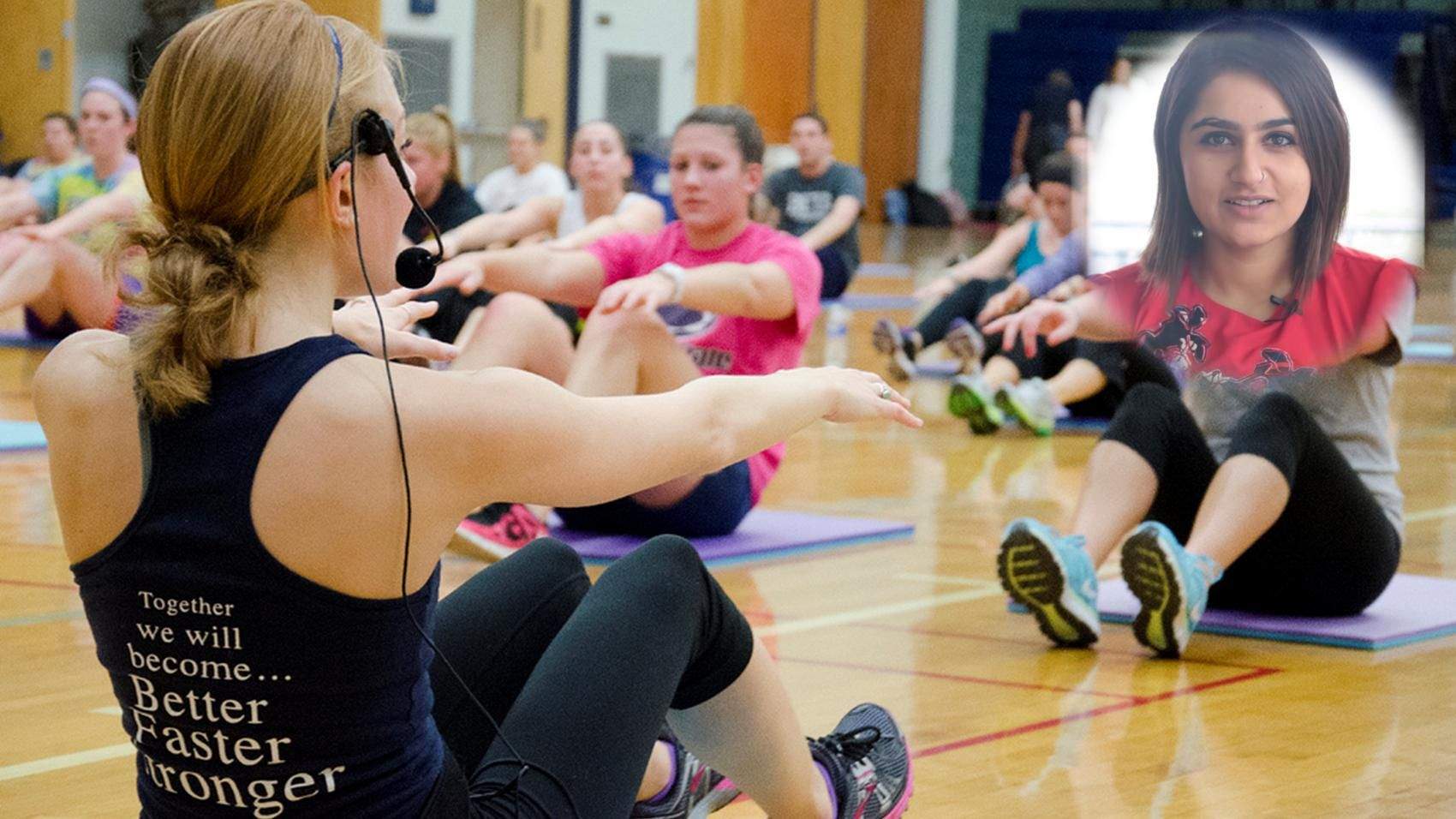
Fitness training is a structured process of physical activity designed to improve health, strength, endurance, and overall well-being. It involves personalized exercise programs, guidance, and motivation provided by professionals to help individuals achieve specific fitness goals, whether for general health, athletic performance, or rehabilitation purposes.
Fitness training plays a crucial role in promoting healthier lifestyles and preventing chronic diseases. For professionals in this field, it offers the opportunity to make a meaningful difference in clients’ lives by guiding them toward better physical and mental health. One major benefit is the ability to foster long-term client relationships through personalized coaching and support. Another significant advantage is the potential for career growth, as fitness trainers can specialize in areas such as sports performance, rehabilitation, or group instruction. Additionally, fitness training provides professionals with a dynamic and active work environment, contributing to their own physical well-being while helping others achieve their goals.
A fitness trainer working in a community gym meets with a new client who wants to lose weight and improve cardiovascular health. The trainer conducts an initial assessment, designs a tailored workout plan, and educates the client on proper exercise techniques and nutrition. Over several months, the trainer tracks the client’s progress, adjusts the program as needed, and provides ongoing encouragement. Through this hands-on approach, the trainer not only helps the client achieve measurable results but also builds a trusting professional relationship. This example highlights how fitness trainers apply their expertise daily to motivate, instruct, and support individuals in reaching their personal fitness objectives.
Education
Sports

Sports refers to organized physical activities or games, often competitive, governed by rules and customs, and engaged in for enjoyment, physical fitness, or skill development. In the context of Fitness Training, sports knowledge bridges the gap between exercise science and practical application, forming a crucial part of both academic study and professional expertise.
Understanding sports is essential for anyone preparing for or working in fitness training because it provides insight into the mechanics of movement, teamwork, motivation, and performance optimization. This subject equips professionals with the ability to analyze athletic performance, design sport-specific training programs, and prevent injuries by applying biomechanical and physiological principles. Mastery of sports concepts also enhances communication with clients, coaches, and athletes, fostering trust and credibility. Over the long term, this foundational knowledge supports career advancement by enabling trainers to work with a diverse clientele, from amateur enthusiasts to elite athletes, and adapt to evolving industry standards and practices.
Consider a fitness trainer working with a high school soccer team. By applying their theoretical understanding of sports, the trainer assesses the physical demands of soccer, such as agility, endurance, and explosive power. They then design tailored conditioning drills that mimic game situations, ensuring athletes develop the necessary skills and resilience for competition. The trainer also educates players on injury prevention strategies, drawing from sports science research, and monitors progress using performance metrics relevant to soccer. This integration of sports knowledge into daily practice not only improves athletic outcomes but also builds the trainer’s reputation as a knowledgeable and effective professional in the field.
Internet

The Internet is a global network of interconnected computers and servers that enables the exchange of information, communication, and access to resources worldwide. For fitness trainers, understanding the Internet is crucial, as it underpins digital communication, online learning, client management, and the dissemination of fitness content in both academic and professional settings.
Grasping the fundamentals of the Internet is essential for fitness trainers because it serves as the backbone for modern communication, marketing, and education in the industry. Trainers rely on the Internet to access the latest research, participate in virtual workshops, and connect with clients through various platforms. Mastery of Internet concepts allows professionals to expand their reach, deliver remote coaching, and maintain a competitive edge in a rapidly evolving field. Additionally, understanding online privacy, digital etiquette, and content creation ensures that trainers can build trustworthy brands and foster lasting client relationships. Over time, these skills contribute to professional growth, adaptability, and the ability to leverage emerging technologies for enhanced service delivery.
A fitness trainer begins their day by checking client messages and feedback through an online coaching platform. They update personalized workout plans using cloud-based software and share instructional videos via social media to engage a broader audience. Later, the trainer hosts a live virtual class, utilizing video conferencing tools to interact with participants in real time. Throughout the day, they research new exercise trends and nutrition advice from reputable online sources, integrating this knowledge into their programs. By effectively navigating the Internet, the trainer not only streamlines administrative tasks but also enhances client engagement, broadens their professional network, and stays informed about industry developments, ultimately providing a higher standard of service.
Nutrition & Diet

Nutrition & Diet refers to the science of how food and nutrients affect the body’s health, performance, and overall well-being. In the context of Fitness Training, it encompasses understanding macronutrients, micronutrients, hydration, and meal timing, forming a critical component of both academic study and professional practice for fitness professionals.
A deep understanding of Nutrition & Diet is essential for anyone pursuing a career in Fitness Training. This knowledge enables professionals to design effective training programs that are complemented by appropriate dietary recommendations, ensuring clients achieve their health and fitness goals safely and efficiently. Mastery of nutrition principles helps trainers address diverse client needs, from weight management to muscle gain and improved athletic performance. Over time, expertise in this area enhances a trainer’s credibility, broadens their scope of practice, and increases client trust and satisfaction. Staying informed about nutrition science also allows fitness professionals to adapt to evolving trends and evidence-based practices, ensuring long-term career growth and relevance in a competitive industry.
Consider a fitness trainer working with a client aiming to lose body fat while maintaining muscle mass. The trainer uses their knowledge of Nutrition & Diet to assess the client’s current eating habits and creates a personalized meal plan that ensures a caloric deficit without sacrificing essential nutrients. Throughout the training program, the trainer educates the client on portion control, the importance of protein intake, and the timing of meals relative to workouts. By integrating these dietary strategies with a tailored exercise regimen, the trainer helps the client achieve sustainable results. This practical application of nutrition science not only accelerates progress but also empowers the client to make healthier choices independently.
Anatomy

Anatomy is the scientific study of the structure of living organisms, focusing on the identification and description of bodily parts and their relationships. In Fitness Training, anatomy provides essential knowledge about muscles, bones, joints, and organs, forming a critical component of both academic preparation and professional expertise for effective and safe practice.
A thorough understanding of anatomy is indispensable for anyone pursuing a career in fitness training. This knowledge allows professionals to design exercise programs that target specific muscle groups, optimize performance, and minimize the risk of injury. By comprehending how the body’s systems interact during physical activity, trainers can tailor workouts to individual needs, accommodate limitations, and promote balanced development. Mastery of anatomical concepts also enhances communication with clients and other health professionals, fostering trust and credibility. Over time, this foundational expertise supports ongoing professional growth, enabling trainers to adapt to new research, integrate advanced techniques, and maintain a high standard of care throughout their careers.
Consider a fitness trainer working with a client recovering from a shoulder injury. Drawing on their anatomical knowledge, the trainer identifies which muscles and joints are involved in shoulder movement and selects exercises that strengthen the rotator cuff without overloading the joint. They modify the client’s routine to avoid movements that could aggravate the injury, ensuring proper form and gradual progression. By explaining the purpose of each exercise and how it supports recovery, the trainer empowers the client with understanding and confidence. This application of anatomy not only aids in safe rehabilitation but also demonstrates the trainer’s expertise, reinforcing the importance of anatomical knowledge in everyday fitness practice.
Management

Management is the process of planning, organizing, leading, and controlling resources—such as people, time, and finances—to achieve specific goals efficiently and effectively. In Fitness Training, management knowledge is essential for coordinating programs, supervising staff, and ensuring client satisfaction, making it a crucial academic and professional foundation.
Understanding management is vital for anyone pursuing a career in Fitness Training because it equips professionals with the skills to oversee operations, motivate teams, and deliver high-quality services. Mastery of management principles enables fitness trainers to design effective schedules, allocate resources wisely, and adapt to changing client needs. This foundational knowledge supports career advancement, as those who can manage both people and processes are more likely to move into leadership roles within gyms, wellness centers, or their own businesses. Over time, strong management abilities contribute to sustained professional growth, improved client retention, and the ability to navigate the complexities of the fitness industry with confidence and strategic insight.
Consider a fitness trainer who manages a small team at a local gym. Each day, they use their management skills to coordinate class schedules, ensure equipment is maintained, and address client feedback. When a new group fitness program is introduced, the trainer applies management theory by delegating responsibilities, setting measurable goals, and monitoring progress. They hold regular meetings to motivate staff, resolve conflicts, and foster a collaborative environment. By effectively balancing administrative duties with client engagement, the trainer not only enhances the gym’s reputation but also creates a positive experience for both employees and clients. This practical application of management ensures smooth daily operations and long-term business success.
Skills
Athletic

Athletic refers to possessing physical qualities such as strength, agility, endurance, coordination, and speed, combined with the ability to perform various physical activities efficiently and effectively. In fitness training, being athletic enables professionals to demonstrate exercises, inspire clients, and maintain the stamina required for demanding sessions, making it a foundational skill.
Athleticism directly enhances a fitness trainer’s performance by allowing them to execute a wide range of movements with precision and energy. Clients and employers value this skill because it not only sets a positive example but also ensures that the trainer can safely and effectively guide others through challenging routines. Athletic trainers are better equipped to adapt workouts, prevent injuries, and motivate clients through their own physical prowess. Cultivating athleticism involves consistent training, cross-disciplinary exercise, and a focus on overall physical health. Over time, trainers can improve their athletic abilities by incorporating strength, flexibility, and cardiovascular exercises into their routines, as well as staying updated on the latest fitness methodologies.
Imagine a fitness trainer working with a group of clients who are struggling to master a complex circuit involving plyometric jumps, agility ladders, and resistance exercises. The trainer’s athleticism allows them to demonstrate each movement with perfect form, breaking down the steps and offering modifications in real time. When a client hesitates or feels unsure, the trainer’s confident execution and physical capability provide reassurance and motivation. By actively participating in the workout, the trainer not only models proper technique but also energizes the group, helping everyone push through mental and physical barriers. This scenario highlights how being athletic enables a fitness professional to lead by example, solve challenges on the spot, and drive client success.
Cooking Skills

Cooking skills refer to the ability to prepare, combine, and cook ingredients to create nutritious and appealing meals. For fitness trainers, these skills are vital as they enable professionals to guide clients in making healthier food choices, support nutrition plans, and reinforce the connection between diet and physical performance.
Mastering cooking skills enhances a fitness trainer’s ability to provide comprehensive wellness guidance. Clients and employers highly value trainers who can translate nutritional theory into practical meal preparation, making healthy eating more accessible and sustainable. Trainers with strong cooking skills can design meal plans, demonstrate recipes, and adapt dishes to suit various dietary needs. This expertise fosters trust and engagement, as clients feel supported beyond the gym. To cultivate cooking skills, trainers can attend culinary workshops, experiment with recipes, and stay updated on nutrition trends. Over time, consistent practice and a willingness to learn from culinary professionals or registered dietitians can transform basic cooking abilities into a powerful asset for career advancement.
Imagine a fitness trainer working with a client struggling to meet their weight loss goals despite regular exercise. Upon reviewing the client’s eating habits, the trainer discovers a reliance on processed foods due to limited cooking knowledge. Drawing on their own cooking skills, the trainer organizes a hands-on meal prep session, teaching the client how to prepare simple, balanced meals at home. This practical intervention not only boosts the client’s confidence in the kitchen but also leads to healthier eating habits and improved results. The trainer’s ability to bridge the gap between nutrition advice and real-life application demonstrates the critical role of cooking skills in achieving client success and professional credibility.
Communication

Communication is the clear and effective exchange of information, ideas, and emotions between individuals through verbal, nonverbal, and written means. In fitness training, communication enables professionals to understand client needs, deliver instructions, provide feedback, and foster motivation, making it a foundational skill for building trust and achieving results.
Strong communication skills directly enhance a fitness trainer’s ability to connect with clients, understand their goals, and tailor programs to individual needs. Clients and employers highly value trainers who can explain complex exercises in simple terms, listen actively, and offer constructive feedback. Effective communication also helps in managing group dynamics, resolving misunderstandings, and maintaining a positive training environment. To cultivate this skill, trainers should practice active listening, seek feedback on their instructional style, and continuously refine their ability to convey information clearly. Over time, consistent self-reflection and adaptation to different communication styles will help trainers become more effective and trusted professionals.
Imagine a fitness trainer working with a client who is struggling to perform a new exercise correctly. The client feels frustrated and is on the verge of giving up. The trainer recognizes the issue and uses clear, encouraging language to break down the movement into manageable steps. By asking open-ended questions, the trainer uncovers the client’s specific concerns and addresses them with tailored advice. Through patient explanation and positive reinforcement, the trainer helps the client regain confidence and master the exercise. This scenario highlights how effective communication not only resolves immediate challenges but also strengthens the client-trainer relationship, leading to greater long-term success.
Motivation

Motivation is the internal drive or enthusiasm that propels individuals to take action, persist through challenges, and achieve their goals. In the context of fitness training, motivation is the force that keeps professionals committed to their clients’ progress, continuous learning, and personal development, making it indispensable for long-term success.
Motivation is a cornerstone of effective fitness training because it fuels both the trainer’s and the client’s commitment to achieving results. A motivated trainer consistently brings energy, positivity, and dedication to every session, which inspires clients to push beyond their perceived limits. Employers and clients alike value trainers who demonstrate unwavering motivation, as it translates into higher client retention, better results, and a more dynamic training environment. Cultivating motivation involves setting clear personal and professional goals, seeking ongoing education, celebrating small victories, and maintaining a genuine passion for health and wellness. Over time, these practices help trainers stay focused and resilient, even when faced with setbacks or routine challenges.
Imagine a fitness trainer working with a client who has hit a plateau and is considering quitting. The trainer’s own motivation becomes crucial in this scenario. Drawing on their internal drive, the trainer reassesses the client’s program, introduces new and engaging exercises, and communicates encouragement and belief in the client’s potential. By maintaining a positive attitude and demonstrating commitment, the trainer reignites the client’s enthusiasm and helps them overcome the plateau. This not only leads to renewed progress but also strengthens the client-trainer relationship, showcasing how motivation can directly influence outcomes and foster long-term success in the fitness industry.
Analytical

Analytical refers to the ability to systematically examine information, identify patterns, interpret data, and make informed decisions based on evidence. In fitness training, this skill enables professionals to assess client needs, evaluate progress, and adapt programs effectively. Analytical thinking ensures training approaches are both personalized and results-driven.
Analytical skills directly enhance a fitness trainer’s effectiveness by allowing them to interpret client assessments, monitor progress, and adjust routines for optimal results. Clients and employers value trainers who can identify underlying issues, such as plateaus or imbalances, and respond with evidence-based solutions. Cultivating analytical ability involves continuous learning, seeking feedback, and practicing critical thinking during program design and evaluation. By reviewing client data, staying updated on fitness research, and reflecting on outcomes, trainers can sharpen their analytical mindset. Over time, this leads to more precise interventions, improved client satisfaction, and a reputation for delivering measurable results in a competitive industry.
Imagine a fitness trainer working with a client who has stopped making progress despite following a structured workout plan. By applying analytical skills, the trainer reviews the client’s workout logs, nutrition records, and lifestyle habits. They notice a pattern of inadequate recovery and inconsistent sleep, which could be hindering results. Using this insight, the trainer adjusts the program to include more rest days and educates the client about sleep hygiene. As a result, the client’s performance and motivation improve, demonstrating how analytical thinking enables trainers to solve complex challenges and drive client success. This approach not only resolves immediate issues but also builds long-term trust and credibility.
Responsibility

Responsibility is the consistent commitment to fulfilling obligations, being accountable for actions, and ensuring that tasks are completed with integrity and reliability. In the context of Fitness Training, responsibility means prioritizing client safety, adhering to ethical standards, and maintaining professionalism. It forms the foundation for trust and long-term success in the industry.
Responsibility directly enhances a fitness trainer’s performance by ensuring that every session is well-prepared, client progress is tracked accurately, and safety protocols are always followed. Clients and employers value this skill because it demonstrates reliability, builds trust, and reassures them that their well-being is a top priority. A responsible trainer is more likely to retain clients and earn positive referrals, as people feel secure knowing their goals and safety are in capable hands. Cultivating responsibility involves self-reflection, seeking feedback, and consistently holding oneself accountable for both successes and setbacks. Over time, this dedication to responsibility becomes second nature, setting a professional apart in a competitive field.
Imagine a fitness trainer who notices that a client is struggling with a particular exercise and appears to be at risk of injury. Instead of ignoring the issue or pushing the client to continue, the trainer takes immediate action by modifying the workout plan and providing additional guidance. The trainer also documents the incident and follows up with the client to ensure their well-being. By taking responsibility for the client’s safety and progress, the trainer not only prevents potential harm but also earns the client’s trust and respect. This responsible approach leads to better outcomes, client satisfaction, and a stronger professional reputation.
Positives
Fitness Training
Fitness Training is the process of guiding individuals or groups through structured physical exercise programs to improve health, strength, endurance, and overall well-being. It involves designing personalized workouts, teaching proper techniques, and motivating clients to achieve their fitness goals. This practice fosters both physical and mental transformation for clients and trainers alike.
The central role of fitness training in this profession makes it uniquely rewarding because it allows professionals to witness tangible progress in themselves and their clients. Every session offers the chance to inspire, educate, and empower others, leading to a deep sense of accomplishment. The dynamic nature of fitness training ensures that no two days are the same, keeping the work engaging and stimulating. As trainers help clients overcome challenges and celebrate milestones, they build meaningful relationships and contribute positively to their communities. This ongoing interaction and visible impact on others’ lives significantly boost job satisfaction and create opportunities for personal and professional growth.
Imagine a fitness trainer working with a client who initially struggled with motivation and self-confidence. Through consistent training sessions, the trainer not only teaches proper exercise techniques but also provides encouragement and support. Over several months, the client’s physical abilities improve, and their confidence grows. The trainer witnesses the client achieve goals once thought impossible, such as running a first 5K or lifting heavier weights. This transformation is deeply fulfilling for the trainer, who knows their guidance and expertise played a crucial role. Each day, the trainer experiences the joy of making a real difference, reinforcing the profound impact and satisfaction that fitness training brings to their career.
Confidence

Confidence is the unwavering belief in one’s abilities, knowledge, and judgment, empowering individuals to take decisive action and face challenges with assurance. In the realm of fitness training, confidence enables professionals to lead clients effectively, adapt to diverse needs, and foster trust, ultimately enhancing both personal and client success.
Confidence is a cornerstone of success in fitness training because it directly influences how trainers interact with clients, design programs, and handle unexpected situations. When fitness professionals exude confidence, they inspire trust and motivation in their clients, making sessions more productive and enjoyable. This self-assurance allows trainers to communicate instructions clearly, adjust routines on the fly, and address client concerns with poise. As a result, trainers experience greater job satisfaction, knowing they are making a meaningful difference in people’s lives. Confidence also fuels professional growth, encouraging trainers to pursue new certifications, take on leadership roles, and continually refine their skills, ensuring a dynamic and fulfilling career path.
Imagine a fitness trainer working with a client who is hesitant about trying a new exercise. The trainer’s confidence shines through as they calmly explain the movement, demonstrate proper form, and reassure the client of their capabilities. This positive energy is contagious, helping the client overcome self-doubt and attempt the exercise with enthusiasm. The session ends with the client achieving something they once thought impossible, and the trainer feels a deep sense of fulfillment, knowing their confidence played a pivotal role in that breakthrough. This daily experience of empowering others not only strengthens the trainer’s own confidence but also reinforces their passion for the profession.
Monetary Benefits

Monetary benefits refer to the financial rewards and compensation received for professional work, including salary, bonuses, commissions, and other forms of income. In fitness training, these benefits provide tangible recognition for expertise and dedication, enabling trainers to achieve financial stability, invest in their growth, and enjoy a higher standard of living.
Monetary benefits play a crucial role in making a career in fitness training both attractive and sustainable. When fitness professionals are fairly compensated, they feel valued and motivated to deliver their best to clients. This financial security allows trainers to focus on their passion for health and wellness without the stress of economic uncertainty. The potential for increased earnings through private sessions, group classes, and specialized programs further enhances job satisfaction and encourages continuous professional development. As trainers witness their income grow alongside their skills and reputation, they experience a sense of accomplishment and empowerment, which fuels their commitment to the field and inspires them to help others achieve their fitness goals.
Consider a certified fitness trainer who begins their career at a local gym, earning a steady salary. As their client base expands and their expertise becomes recognized, they start offering personalized training sessions and specialized workshops. The additional income from these services allows them to save for future goals, invest in advanced certifications, and even open their own studio. Each paycheck and bonus not only rewards their hard work but also reinforces their decision to pursue fitness training as a career. The financial growth they experience becomes a source of pride and motivation, enabling them to support their family, enjoy personal pursuits, and continue making a positive impact in the lives of others.
Interesting Job

An “Interesting Job” is a role that offers variety, engagement, and continuous learning, keeping professionals mentally stimulated and emotionally invested. In fitness training, this means every day brings new challenges, diverse clients, and evolving goals. This dynamic environment fosters creativity, adaptability, and a sense of purpose, making the profession deeply rewarding.
The interesting nature of a fitness training career is a powerful driver of job satisfaction and personal growth. When each day presents fresh opportunities to solve problems, design unique programs, and connect with individuals from all walks of life, monotony never sets in. This constant stimulation keeps trainers motivated and passionate about their work. The profession’s dynamic pace encourages ongoing education and skill development, which not only enhances expertise but also opens doors to career advancement. Fitness trainers often find themselves inspired by their clients’ progress and stories, fueling a cycle of mutual motivation. The result is a career that feels meaningful, exciting, and full of potential, making it easier to stay committed and enthusiastic in the long term.
Imagine a fitness trainer who starts the morning coaching a group of energetic seniors in a balance class, then spends midday working one-on-one with an athlete recovering from injury, and finishes the day leading a high-intensity bootcamp for young professionals. Each session requires a different approach, set of skills, and level of creativity. The trainer adapts, learns, and grows with every client interaction, never experiencing a dull moment. The variety in clients’ goals and personalities keeps the workday stimulating and unpredictable. At the end of the day, the trainer feels a deep sense of accomplishment, knowing they have made a tangible difference in people’s lives while enjoying a career that is anything but routine.
Challenges
High Targets

High Targets in Fitness Training refer to ambitious performance, client acquisition, or retention goals set by employers or self-imposed by trainers. These targets often exceed average expectations, requiring sustained effort, adaptability, and consistent results. The demanding nature stems from the pressure to deliver measurable outcomes within tight timeframes.
The pressure of high targets can significantly influence a fitness trainer’s daily routine, often leading to extended work hours, increased stress, and the constant need to motivate clients and themselves. This environment demands resilience, as setbacks or missed goals can impact confidence and job satisfaction. Successful professionals manage these constraints by prioritizing effective time management, setting realistic sub-goals, and maintaining open communication with clients and supervisors. They also invest in continuous learning to improve their methods and adapt to changing client needs. By focusing on incremental progress and celebrating small wins, trainers can sustain motivation and avoid burnout, ultimately turning high targets into opportunities for growth and professional development.
Consider a fitness trainer working at a busy urban gym who is tasked with onboarding ten new clients each month, a target that initially seems overwhelming. Rather than succumbing to pressure, the trainer analyzes peak gym hours, optimizes their schedule, and leverages social media to showcase client success stories. By building rapport with existing clients and encouraging referrals, the trainer gradually increases their client base. When faced with slow months, they collaborate with colleagues to host group classes and community events, attracting new members. Through adaptability, strategic planning, and consistent effort, the trainer not only meets but occasionally exceeds the high targets, demonstrating that with the right approach, even demanding goals can be achieved.
Consistency

Consistency in Fitness Training refers to the sustained, regular commitment to exercise routines, client sessions, and personal development over time. It is demanding because it requires ongoing motivation, discipline, and adaptability, even when faced with fluctuating energy levels, client cancellations, unpredictable schedules, and the inevitable plateaus in progress.
The challenge of maintaining consistency can significantly impact a fitness professional’s daily work, often leading to burnout, decreased motivation, and fluctuating client results. This difficulty demands resilience because setbacks, such as missed sessions or slow progress, can undermine confidence and momentum. Successful professionals manage this constraint by establishing structured routines, setting realistic goals, and fostering accountability with clients and peers. They also prioritize self-care and adapt their strategies to accommodate life’s unpredictability, ensuring that minor disruptions do not derail long-term progress. By embracing flexibility and maintaining a growth mindset, fitness trainers can navigate the ups and downs inherent in their profession, ultimately building a reputation for reliability and sustained client success.
Consider a fitness trainer who experiences frequent client cancellations during the winter months, leading to gaps in their schedule and a dip in motivation. Instead of allowing these setbacks to disrupt their routine, the trainer uses the extra time to refine workout plans, pursue continuing education, and engage with clients through virtual check-ins. By proactively addressing the challenge, the trainer maintains personal consistency and demonstrates commitment to client progress, even outside of scheduled sessions. Over time, this approach not only helps the trainer stay motivated but also builds stronger client relationships and a more resilient business. This real-world scenario illustrates how embracing adaptability and proactive planning can transform consistency from a challenge into a professional strength.
Long Working Hours

Long working hours in Fitness Training refer to extended and irregular schedules, often spanning early mornings, late evenings, and weekends to accommodate clients’ availability. This demanding routine requires trainers to maintain high energy, adaptability, and focus throughout the day, making it challenging to balance personal well-being and professional responsibilities.
The strain of long working hours in fitness training can lead to physical fatigue, mental exhaustion, and difficulty maintaining a healthy work-life balance. Trainers must remain enthusiastic and attentive for each client, regardless of their own tiredness. This challenge demands resilience, time management, and self-care. Successful professionals often set clear boundaries, prioritize rest, and schedule personal workouts or downtime to recharge. They may also diversify their services, such as offering group classes or online sessions, to optimize their schedules and reduce gaps between appointments. By proactively managing their workload and prioritizing their own health, trainers can sustain their passion and effectiveness in the industry, despite the demanding hours.
Consider a fitness trainer who starts her day at 6 a.m. with early clients and finishes after 8 p.m. to accommodate those who work nine-to-five jobs. She manages this by carefully planning her breaks, using midday lulls for personal exercise or relaxation, and ensuring she has healthy meals prepared in advance. She also designates one day each week as a non-client day to focus on her own development and recovery. By communicating her availability clearly and leveraging technology for scheduling, she maintains a steady client base while protecting her own well-being. This approach allows her to thrive professionally without succumbing to burnout, demonstrating effective management of long working hours.
Work Life Balance

Work Life Balance in Fitness Training refers to the ongoing effort to allocate time and energy between professional responsibilities—such as client sessions, program planning, and personal development—and personal life, including rest, relationships, and self-care. The demanding, often irregular hours and client-driven schedules make achieving this balance particularly challenging.
The struggle to maintain work life balance in fitness training often leads to long, fragmented workdays, early mornings, and late evenings, which can cause fatigue and limit personal time. This ongoing challenge requires resilience, as trainers must consistently motivate others while managing their own well-being. Successful professionals address this by setting clear boundaries, prioritizing self-care, and learning to say no to overbooking. They also leverage effective time management, scheduling personal downtime with the same commitment as client appointments. By fostering supportive relationships with clients and colleagues, they create an environment that respects both professional and personal needs, ultimately sustaining their passion and effectiveness in the field.
Consider a fitness trainer who initially struggled with twelve-hour days, sacrificing weekends and personal commitments to accommodate clients. Recognizing the toll on her health and relationships, she restructured her schedule, designating specific hours for training and reserving evenings for family and hobbies. She communicated her new availability to clients, emphasizing the importance of her own well-being in delivering quality service. Over time, she noticed improved energy, stronger client relationships, and greater job satisfaction. By prioritizing her own needs alongside her professional obligations, she demonstrated that work life balance is achievable, even in a demanding, client-focused industry.
Competition

Competition in Fitness Training refers to the constant presence of other trainers, gyms, and fitness programs vying for the same clients and recognition. This environment demands continuous improvement, innovation, and personal branding, making it challenging for professionals to stand out, retain clients, and achieve sustainable career growth in a crowded marketplace.
The challenge of competition in fitness training can create daily pressure to attract and retain clients, often leading to stress and uncertainty. Professionals may feel compelled to constantly update their skills, offer new services, and maintain a strong online presence. This environment requires resilience, adaptability, and a proactive mindset. Successful trainers manage competition by focusing on their unique strengths, building genuine relationships with clients, and consistently delivering high-quality service. They invest in ongoing education, seek feedback, and leverage social media to showcase their expertise. By embracing collaboration rather than viewing peers solely as rivals, they create supportive networks that foster growth and innovation, ultimately turning competition into an opportunity for personal and professional development.
Consider a fitness trainer working in a city saturated with gyms and personal trainers. Instead of lowering prices or mimicking competitors, she identifies her passion for postnatal fitness and earns specialized certifications. She creates tailored programs for new mothers, shares educational content on social media, and hosts free community workshops. By focusing on this niche and building authentic relationships, she attracts loyal clients who value her expertise and personal approach. Over time, her reputation grows, and she receives referrals from healthcare professionals and satisfied clients. Through specialization, community engagement, and a commitment to quality, she successfully navigates the competitive landscape and establishes a thriving, sustainable practice.
A Day Of
A Fitness Trainer

The gym is alive before sunrise, pulsing with energy as music thumps softly and the scent of fresh rubber mats fills the air. For a fitness training professional, each day is a fast-paced blend of motivation, movement, and meticulous planning. The environment is dynamic, shifting from the quiet focus of early preparation to the high-octane rush of back-to-back sessions, all while balancing the needs of clients striving for their personal best. Every hour brings new challenges, whether it’s adapting a workout on the fly or offering encouragement that pushes someone past their limits. In this world, no two days are ever quite the same, and the rhythm of the job is set by the heartbeat of those determined to transform themselves.
As dawn breaks, the fitness trainer arrives at the gym, unlocking doors and flicking on lights to reveal rows of gleaming equipment. This is the time for careful preparation: reviewing client schedules, customizing workout plans, and ensuring every station is sanitized and ready for action. The early morning calm is perfect for a quick personal warm-up and a final scan of client notes, making sure each session is tailored to individual goals and any new injuries or concerns are addressed. This quiet hour is the foundation for a day built on energy and precision.
Mid-morning marks the heart of the action, as the gym fills with clients eager to sweat and succeed. The fitness trainer moves from one session to the next, demonstrating exercises, correcting form, and offering encouragement that keeps motivation high. Whether leading a small group class or working one-on-one, this is the most physically and mentally demanding part of the day. Every minute counts, as the trainer adapts routines in real time, tracks progress, and ensures each client feels challenged yet supported. The atmosphere is electric, driven by the collective determination of everyone in the room.
As the afternoon unfolds, the pace shifts from high-intensity sessions to collaborative work and program execution. The trainer might meet with colleagues to discuss new training techniques, review client progress, or coordinate upcoming group classes. This is also the time for hands-on tasks like updating fitness assessments, checking in with clients about nutrition plans, or leading a specialized workshop. The focus is on teamwork and ensuring that every aspect of the training program runs smoothly, blending expertise with a shared commitment to client success.
As evening approaches and the gym begins to quiet, the fitness trainer turns attention to wrapping up the day. This involves logging client notes, analyzing performance data, and responding to emails or messages from clients seeking advice. There’s also time for professional development, whether researching the latest fitness trends or planning new routines for tomorrow’s sessions. The day ends with a sense of accomplishment and anticipation, as the trainer sets goals for the next day, always striving to deliver even better results for every client who walks through the door. |


 Home
Home Abroad
 Plan
Plan Philosophy
 Seminar
 Pages
Pages Advisors
 Testimonials

















 Workshop
 Discuss
 Meet
Meet
 Advisor
 Story
Story
 Fine Print
 Links
Links
 Blog
Blog
 Follow
