The Journey of Fitness Training
What Is Fitness Training
Fitness Training

Fitness training is a structured process of improving physical health, strength, endurance, and flexibility through planned exercise routines and guidance. It involves assessing individual needs, setting achievable goals, and providing motivation and education to help clients adopt healthier lifestyles and reach their personal fitness objectives.
Fitness training plays a crucial role in promoting overall well-being and preventing chronic diseases. For professionals in this field, it offers the opportunity to make a tangible difference in clients’ lives by helping them achieve better health, increased energy, and improved self-confidence. The profession is rewarding as it allows trainers to witness positive transformations and foster long-term relationships with clients. Fitness trainers also benefit from continuous learning, as they must stay updated on the latest exercise science and wellness trends. Additionally, the career offers flexibility in work settings, from gyms and studios to private sessions and online coaching, allowing trainers to tailor their services to diverse populations and needs.
A fitness trainer working in a community gym meets with a new client who wants to lose weight and improve cardiovascular health. The trainer conducts an initial assessment, discusses the client’s goals, and designs a personalized workout plan that includes strength training, cardio exercises, and flexibility routines. Over several months, the trainer provides ongoing support, tracks progress, and adjusts the program as the client’s fitness level improves. Through regular sessions, the client not only loses weight but also gains confidence and develops healthier habits. The trainer’s expertise and encouragement play a vital role in keeping the client motivated and accountable, demonstrating the real-world impact of fitness training on individual lives.
Education
Nutrition & Body Composition

Nutrition & Body Composition refers to the study of how dietary intake influences the proportions of fat, muscle, bone, and water in the human body. In Fitness Training, this knowledge is essential for designing effective programs, optimizing performance, and supporting clients’ health and fitness goals through evidence-based strategies.
Understanding Nutrition & Body Composition is fundamental for anyone pursuing a career in Fitness Training. This subject equips professionals with the ability to assess clients’ physical status, set realistic goals, and create personalized nutrition and exercise plans. Mastery of these concepts ensures that fitness trainers can explain the science behind weight management, muscle gain, and fat loss, fostering trust and credibility with clients. Over time, this expertise not only enhances client outcomes but also supports career advancement, as trainers who can integrate nutrition and body composition principles are better positioned to address diverse client needs and adapt to evolving industry standards. Ultimately, this knowledge forms the backbone of effective, ethical, and sustainable fitness practice.
Consider a fitness trainer working with a client aiming to lose body fat while maintaining muscle mass. By applying their understanding of Nutrition & Body Composition, the trainer assesses the client’s current body composition using reliable methods and evaluates dietary habits. They then design a tailored nutrition plan that creates a moderate calorie deficit while ensuring adequate protein intake to preserve muscle. Throughout the training program, the trainer monitors progress, adjusts the nutrition and exercise regimen as needed, and educates the client on the relationship between food choices, energy balance, and body composition changes. This holistic approach not only accelerates results but also empowers the client with lifelong healthy habits.
Anatomy & Muscle Functions

Anatomy & Muscle Functions is the study of the human body's structure, focusing on bones, muscles, and how they work together to produce movement. In Fitness Training, this knowledge forms a core academic and professional requirement, enabling trainers to design safe, effective exercise programs tailored to individual needs and goals.
A deep understanding of Anatomy & Muscle Functions is essential for anyone pursuing a career in Fitness Training. This subject provides the foundational knowledge required to assess clients’ physical capabilities, identify muscular imbalances, and prevent injuries. By mastering how muscles contract, stabilize, and interact with skeletal structures, trainers can select appropriate exercises, modify techniques, and optimize performance outcomes. This expertise not only enhances client safety and satisfaction but also builds professional credibility and trust. Over time, a solid grasp of anatomy supports ongoing professional development, allowing trainers to adapt to new research, specialize in rehabilitation or sports performance, and maintain a competitive edge in the evolving fitness industry.
Consider a fitness trainer working with a client recovering from a shoulder injury. Drawing on their knowledge of Anatomy & Muscle Functions, the trainer identifies which muscles require strengthening and which movements to avoid during recovery. They design a program that targets the rotator cuff and surrounding stabilizers, ensuring exercises are performed with correct form to prevent further strain. Throughout each session, the trainer observes the client’s movement patterns, making real-time adjustments based on their understanding of muscle activation and joint mechanics. This application of anatomical knowledge not only accelerates the client’s recovery but also builds their confidence, demonstrating the trainer’s expertise and commitment to safe, effective practice.
General Health

General Health refers to the overall state of physical, mental, and social well-being, not merely the absence of disease or infirmity. In the context of Fitness Training, it encompasses knowledge about body systems, nutrition, mental health, and lifestyle factors, forming a critical foundation for safe and effective practice.
Understanding general health is essential for anyone preparing for or working in fitness training because it underpins every aspect of client care and program design. A solid grasp of general health concepts enables professionals to assess client readiness, identify potential health risks, and tailor fitness plans that promote holistic well-being. This foundational knowledge ensures that fitness trainers can recognize warning signs of health issues, provide appropriate guidance, and refer clients to medical professionals when necessary. Over the long term, expertise in general health enhances a trainer’s credibility, supports client retention, and fosters a reputation for safe, effective, and individualized training. Mastery of these concepts is not only a professional requirement but also a key driver of career growth and client success.
Consider a fitness trainer working with a new client who has a history of hypertension and sedentary lifestyle. Drawing on their understanding of general health, the trainer conducts a thorough health screening, discusses the importance of gradual progression, and designs a program that incorporates cardiovascular exercise, strength training, and stress management techniques. Throughout the sessions, the trainer monitors the client’s blood pressure, educates them about healthy nutrition choices, and encourages regular communication about any symptoms or concerns. By applying their theoretical knowledge of general health, the trainer ensures the client’s safety, builds trust, and supports sustainable improvements in overall well-being, demonstrating the practical value of this foundational expertise in daily professional practice.
Safety Measures

Safety Measures refer to the set of protocols, guidelines, and practices designed to prevent injuries, accidents, and health risks during physical activity. In Fitness Training, understanding Safety Measures is essential both academically and professionally, as it ensures trainers can create secure environments, protect clients, and uphold industry standards for effective and responsible practice.
Learning about Safety Measures is vital for anyone pursuing a career in Fitness Training because it underpins every aspect of client interaction and program design. A thorough grasp of safety protocols helps trainers minimize risks, respond effectively to emergencies, and foster trust with clients. This knowledge forms the foundation for professional credibility, as clients and employers expect trainers to prioritize health and well-being. Over the long term, mastery of Safety Measures reduces liability, enhances client retention, and supports ongoing professional development. It also enables trainers to adapt to diverse populations, including those with special health considerations, ensuring inclusive and effective fitness experiences for all participants.
Consider a fitness trainer working with a group of beginners in a gym setting. Before starting the session, the trainer inspects all equipment for defects, ensures the workout area is clear of hazards, and reviews each participant’s health history. During the session, the trainer demonstrates proper exercise techniques, monitors form, and adjusts routines to individual abilities, preventing overexertion or strain. When a participant shows signs of dizziness, the trainer immediately stops the activity, provides first aid, and follows emergency protocols. By applying their theoretical understanding of Safety Measures, the trainer not only prevents injuries but also builds client confidence, demonstrating professionalism and care in every aspect of their daily operations.
Skills
Communication Skills

Communication skills refer to the ability to clearly convey information, listen actively, interpret nonverbal cues, and adapt messaging to suit different audiences and situations. For a Fitness Training professional, communication skills are vital for instructing clients, providing feedback, fostering motivation, and ensuring safety during workouts and training sessions.
Strong communication skills directly enhance a fitness trainer’s effectiveness by enabling clear instruction, building trust, and fostering a positive client-trainer relationship. Clients and employers highly value trainers who can articulate exercise techniques, explain the rationale behind routines, and offer constructive feedback in an encouraging manner. Effective communication also helps trainers understand client goals, address concerns, and adapt programs to individual needs. To cultivate this skill, trainers should practice active listening, seek feedback on their communication style, and continuously refine their ability to explain complex concepts in simple terms. Over time, consistent self-reflection and a willingness to learn from each interaction help trainers become more adept communicators, ultimately leading to better client outcomes and professional growth.
Imagine a fitness trainer working with a client who is struggling to master a complex exercise, such as a deadlift. The client feels frustrated and is at risk of performing the movement incorrectly, which could lead to injury. The trainer relies on strong communication skills to break down the exercise into manageable steps, using clear and simple language. They attentively listen to the client’s concerns, observe body language for signs of confusion or discomfort, and provide immediate, supportive feedback. By adapting their explanation and offering encouragement, the trainer helps the client build confidence and master the technique safely. This scenario highlights how effective communication is crucial for resolving challenges and achieving success in fitness training.
Hard Work & Consistency

Hard Work & Consistency means putting in sustained, dedicated effort over time, regardless of obstacles or setbacks. In fitness training, this skill ensures that professionals not only maintain their own physical standards but also reliably support clients in reaching their goals. It is the backbone of lasting progress and trust.
Hard Work & Consistency directly enhances a fitness trainer’s effectiveness by ensuring that routines, client programs, and personal development are maintained without lapses. Clients and employers value this trait because it demonstrates reliability, commitment, and a results-driven mindset. Trainers who consistently show up, adapt, and push through challenges inspire confidence and loyalty. Cultivating this skill involves setting clear goals, maintaining a disciplined schedule, and embracing a mindset that values incremental progress. Over time, these habits reinforce each other, making hard work and consistency second nature. This not only leads to better client outcomes but also establishes a strong professional reputation within the fitness industry.
Imagine a fitness trainer working with a client who struggles to lose weight despite multiple setbacks. Instead of becoming discouraged, the trainer applies hard work and consistency by regularly updating workout plans, tracking progress, and providing ongoing motivation. Even when results are slow, the trainer’s unwavering commitment keeps the client engaged and accountable. Over several months, the client begins to see meaningful changes, not just physically but also in their confidence and discipline. The trainer’s consistent effort and refusal to give up, even during challenging periods, ultimately lead to the client achieving their goals and recommending the trainer to others. This scenario highlights how essential hard work and consistency are in overcoming obstacles and building lasting success in fitness training.
Agility

Agility is the ability to move quickly and easily, both physically and mentally, adapting to changing circumstances with precision and confidence. For a Fitness Training professional, agility means responding to clients’ evolving needs, modifying routines on the fly, and embracing new techniques, ensuring optimal results and client satisfaction.
Agility directly enhances a fitness trainer’s performance by enabling swift adaptation to unexpected challenges, such as a client’s injury or sudden changes in group dynamics. Clients and employers highly value this skill because it ensures personalized, safe, and effective training experiences, even when plans must change. Cultivating agility involves continuous learning, staying updated on industry trends, and practicing flexible thinking. Over time, trainers who regularly reflect on their sessions, seek feedback, and experiment with new approaches become more adept at adjusting their methods. This ongoing development not only improves their own effectiveness but also builds trust and loyalty among clients, who appreciate a trainer’s ability to keep sessions engaging and relevant.
Imagine a fitness trainer leading a group bootcamp session when one participant suddenly experiences knee pain. Instead of halting the session or leaving the client behind, the trainer quickly modifies the exercises, offering low-impact alternatives for the injured participant while keeping the rest of the group challenged and motivated. This seamless adjustment demonstrates agility, as the trainer assesses the situation, makes rapid decisions, and communicates changes clearly. The result is a safe, inclusive environment where all participants feel supported. Such responsiveness not only prevents injury but also enhances the group’s trust in the trainer’s expertise, ultimately contributing to the trainer’s reputation and career success.
Motivating Attitude

A motivating attitude is the consistent display of enthusiasm, encouragement, and positive reinforcement that inspires others to pursue their goals, overcome obstacles, and maintain commitment. In fitness training, this mindset empowers trainers to uplift clients, foster perseverance, and create an environment where progress and personal growth are not only possible but expected.
A motivating attitude directly enhances a fitness trainer’s performance by building trust and rapport with clients, which leads to higher engagement and better results. Clients and employers value this skill because it transforms workouts from routine sessions into empowering experiences, helping individuals push past mental and physical barriers. Trainers who consistently demonstrate motivation can inspire clients to return, refer others, and stay committed to their fitness journeys. Cultivating a motivating attitude involves self-awareness, ongoing education, and a genuine passion for helping others succeed. By reflecting on personal motivations, seeking feedback, and celebrating small victories with clients, trainers can strengthen this skill and make it a defining aspect of their professional identity.
Imagine a fitness trainer working with a client who has hit a plateau and feels discouraged after weeks of little visible progress. Instead of allowing frustration to take over, the trainer uses a motivating attitude to reframe the situation, highlighting the client’s improvements in strength and endurance. Through enthusiastic encouragement and tailored feedback, the trainer helps the client recognize their achievements and renews their sense of purpose. This positive approach not only restores the client’s confidence but also reignites their commitment to the program, ultimately leading to a breakthrough in performance and satisfaction for both the client and the trainer.
Patience & Understanding

Patience & Understanding is the ability to remain calm, composed, and empathetic when guiding others through challenges, setbacks, or slow progress. In fitness training, this skill enables professionals to support clients at every stage, adapting to individual needs and fostering a positive, motivating environment that encourages long-term commitment and growth.
Patience & Understanding directly enhances a fitness trainer’s effectiveness by allowing them to connect with clients on a personal level, recognize unique struggles, and tailor their approach accordingly. Clients and employers value this skill because it creates a supportive atmosphere where individuals feel heard and respected, increasing trust and adherence to fitness programs. Trainers who demonstrate patience are better equipped to handle setbacks, such as plateaus or missed goals, without frustration. Cultivating this skill involves active listening, self-reflection, and consistent practice in managing expectations. Over time, trainers can develop greater empathy by seeking feedback, learning from diverse client experiences, and maintaining a growth mindset that prioritizes steady progress over immediate results.
Imagine a fitness trainer working with a client recovering from an injury who feels discouraged by slow progress. Instead of expressing frustration or pushing the client too hard, the trainer listens attentively to the client’s concerns, reassures them that setbacks are part of the journey, and adjusts the training plan to accommodate their current abilities. By demonstrating patience and understanding, the trainer helps the client regain confidence and motivation, ultimately leading to a successful recovery and renewed commitment to their fitness goals. This approach not only resolves a critical issue but also strengthens the client-trainer relationship, highlighting the profound impact of this essential skill in real-world situations.
Positives
Service to Community

Service to Community means dedicating your skills, time, and energy to improve the well-being of others within your local area or broader society. In fitness training, this involves guiding individuals toward healthier lifestyles, fostering inclusivity, and creating supportive environments that empower people to achieve their physical and mental wellness goals.
Embracing service to community as a fitness trainer transforms the profession into a deeply meaningful pursuit. Trainers who prioritize community service find their work enriched by a sense of purpose, knowing they are making a tangible difference in people’s lives. This focus not only enhances job satisfaction but also encourages personal growth, as trainers witness the positive changes they inspire. The daily interactions with clients, group classes, and outreach programs allow trainers to build lasting relationships and foster a sense of belonging. This ongoing connection to the community creates a supportive network, motivating both trainers and clients to strive for continuous improvement and collective well-being.
Imagine a fitness trainer who organizes free weekend boot camps at a local park, inviting people of all ages and fitness levels to join. Over time, participants begin to form friendships, support each other’s progress, and share stories of improved health and confidence. The trainer witnesses shy newcomers transform into enthusiastic regulars, and even sees some participants become mentors for others. This ripple effect of positivity and empowerment not only strengthens the community but also gives the trainer a profound sense of fulfillment, knowing their efforts have created a healthier, happier, and more connected neighborhood.
Self Motivation & Fitness

Self Motivation & Fitness is the inner drive and commitment to maintain personal health, pursue physical goals, and inspire others through consistent action and discipline. In fitness training, this quality fuels daily progress, fosters resilience, and sets a powerful example for clients, creating a positive and motivating environment for everyone involved.
Self Motivation & Fitness is a cornerstone of a fulfilling career in fitness training because it transforms work into a personal journey of growth and achievement. Professionals who embody this trait experience a deep sense of purpose, as their dedication to their own health directly influences their ability to guide and inspire clients. This ongoing commitment not only enhances their physical and mental well-being but also builds credibility and trust with those they coach. The daily pursuit of personal fitness goals keeps trainers energized and passionate, making each day on the job rewarding. Over time, this self-driven approach leads to greater job satisfaction, continuous professional development, and the ability to adapt and thrive in a dynamic industry.
Imagine a fitness trainer who begins each morning with a challenging workout, pushing personal limits and setting new goals. This daily ritual not only keeps them physically fit but also fuels their enthusiasm and confidence. When clients arrive for their sessions, they see firsthand the trainer’s dedication and passion, which becomes contagious. The trainer’s self-motivation inspires clients to push harder and believe in their own potential. As progress is made, both trainer and clients celebrate achievements together, creating a supportive and uplifting atmosphere. This cycle of motivation and accomplishment makes the trainer’s work deeply satisfying, as they witness the transformative power of fitness in their own life and the lives of others.
Enhanced Personality

Enhanced Personality refers to the development of confidence, communication skills, empathy, adaptability, and a positive attitude, all cultivated through continuous interaction, motivation, and leadership in a fitness environment. This quality empowers fitness trainers to connect deeply with clients, inspire change, and foster a supportive, motivating atmosphere that drives success and personal growth.
The cultivation of an enhanced personality is a cornerstone of fulfillment and advancement in the fitness training profession. Trainers who develop these traits find themselves better equipped to motivate clients, handle diverse personalities, and adapt to ever-changing situations. This dynamic skill set not only increases job satisfaction but also opens doors to leadership roles, client loyalty, and professional recognition. Every day, fitness trainers experience the rewards of their enhanced personalities through meaningful client relationships, positive feedback, and the visible progress of those they guide. The sense of purpose and accomplishment that comes from helping others transform their lives is amplified by the personal growth trainers undergo themselves, making the career both impactful and deeply satisfying.
Consider a fitness trainer who once struggled with shyness and self-doubt. Through years of working with clients, leading group classes, and overcoming challenges, they gradually develop a confident and approachable demeanor. One day, a new client arrives, feeling anxious and unsure. The trainer’s enhanced personality shines through as they offer encouragement, listen empathetically, and tailor their approach to the client’s needs. Over time, the client’s progress and gratitude reinforce the trainer’s sense of purpose. This daily exchange of positivity and growth not only transforms the client’s life but also continually enriches the trainer’s own character, making every session a testament to the power of an enhanced personality in fitness training.
Recognition

Recognition is the acknowledgment and appreciation of an individual’s skills, efforts, and achievements by clients, peers, or employers. In fitness training, recognition serves as a powerful motivator, reinforcing a trainer’s sense of purpose and value. It fosters a positive environment, encouraging continuous improvement and dedication to helping others achieve their goals.
The significance of recognition in fitness training extends far beyond simple praise. When trainers are recognized for their hard work and the positive changes they inspire, it fuels their passion and commitment to the profession. This acknowledgment can come in many forms, such as client testimonials, professional awards, or even a simple thank you after a successful session. Such moments of appreciation boost morale, enhance job satisfaction, and often lead to greater career growth as trainers become more confident and motivated. Daily, fitness professionals experience the uplifting effects of recognition, which not only validates their expertise but also strengthens their relationships with clients and colleagues, creating a supportive and thriving work environment.
Imagine a fitness trainer who has been working with a client for several months, guiding them through a challenging weight loss journey. One day, the client reaches a significant milestone and publicly credits the trainer for their transformation, sharing their gratitude on social media and recommending the trainer to friends. This public acknowledgment not only fills the trainer with pride but also attracts new clients and opportunities. The recognition received in this moment validates the trainer’s dedication and expertise, making all the early mornings and late nights worthwhile. It serves as a reminder that their work has a meaningful impact on others’ lives, fueling their motivation to continue making a difference.
Sense of Empowerment

A sense of empowerment is the feeling of having control, confidence, and the ability to make meaningful decisions that influence outcomes. In fitness training, this means professionals feel capable of guiding clients, shaping their own careers, and making a tangible difference. This sense of agency fosters motivation, resilience, and personal fulfillment.
The sense of empowerment is a cornerstone of job satisfaction for fitness trainers. When professionals feel empowered, they are more likely to take initiative, embrace challenges, and pursue continuous growth. This positive mindset translates into better client relationships, as trainers confidently tailor programs and celebrate progress. Daily, trainers witness the results of their expertise and dedication, reinforcing their belief in their abilities. This ongoing affirmation not only boosts morale but also encourages trainers to set higher goals, innovate in their methods, and remain passionate about their work. Ultimately, empowerment transforms routine tasks into meaningful achievements, making every day on the job a source of pride and inspiration.
Imagine a fitness trainer working with a client who has struggled with self-esteem and physical health for years. Through personalized coaching and unwavering support, the trainer helps the client achieve milestones once thought impossible. Witnessing the client’s transformation, the trainer realizes the profound impact of their guidance. This moment of success is more than just a professional achievement—it is a powerful affirmation of the trainer’s skills and influence. The trainer feels a renewed sense of purpose and confidence, knowing they have the tools to change lives. This daily experience of empowerment fuels their passion, making each session not just a job, but a deeply rewarding journey.
Challenges
Time Consuming

In the context of Fitness Training, "Time Consuming" refers to the extensive hours required for planning, conducting sessions, tracking client progress, and ongoing education. This demand arises because trainers must balance personalized attention, administrative duties, and self-improvement, often extending their work beyond scheduled client sessions to achieve optimal results.
The time-consuming nature of fitness training can lead to long workdays, limited personal time, and the risk of burnout. Trainers often juggle early mornings, late evenings, and weekend sessions to accommodate clients’ schedules. This challenge requires resilience, as maintaining energy and enthusiasm is essential for client motivation and retention. Successful professionals manage these demands by setting clear boundaries, prioritizing tasks, and leveraging technology for scheduling and client communication. They also invest in efficient program design and delegate administrative tasks when possible. By developing strong organizational skills and practicing self-care, fitness trainers can sustain their passion and deliver high-quality service without sacrificing their well-being.
Consider a fitness trainer who manages a full roster of clients while pursuing additional certifications. To overcome the time-consuming nature of the profession, she implements structured scheduling, dedicating specific hours to client sessions, program development, and personal study. She uses digital tools to automate appointment reminders and track client progress, reducing manual workload. By communicating clear availability to clients and reserving time for rest and professional growth, she maintains a healthy work-life balance. Her proactive approach not only prevents burnout but also allows her to consistently deliver personalized, effective training, demonstrating that with strategic planning and discipline, the challenge of time consumption can be successfully managed in the fitness industry.
Strict Diet & No Social Life

"Strict Diet & No Social Life" in Fitness Training refers to the rigorous nutritional regimens and lifestyle sacrifices required to achieve peak physical condition. Professionals often forgo social gatherings, dining out, and spontaneous activities to maintain discipline, making this commitment both physically and emotionally demanding in their pursuit of excellence.
The challenge of adhering to a strict diet while limiting social interactions can significantly affect a fitness professional’s daily routine. It often leads to feelings of isolation, increased stress, and the pressure to maintain unwavering discipline. This lifestyle demands resilience, as temptations and social invitations are frequent, and the fear of setbacks looms large. Successful professionals manage this constraint by setting clear boundaries, communicating their goals to friends and family, and finding alternative ways to connect socially that align with their regimen. They may also incorporate flexible dieting strategies or schedule occasional, planned indulgences to maintain balance. By prioritizing mental well-being and fostering supportive relationships, they navigate these challenges without compromising their professional standards.
Consider a competitive fitness trainer preparing for a major bodybuilding competition. Despite being invited to numerous social events, she chooses to attend only those where she can bring her own meals or where healthy options are available. She explains her goals to her friends, who become supportive and even join her for meal-prepped picnics or early morning workouts. By integrating her social life with her fitness commitments, she maintains her strict diet without feeling completely isolated. This approach allows her to stay focused on her professional objectives while still nurturing meaningful relationships, demonstrating that with creativity and communication, the challenge of "Strict Diet & No Social Life" can be effectively managed.
Social Stigma

Social stigma in Fitness Training refers to the negative perceptions, stereotypes, or judgments society places on fitness professionals, often viewing their work as superficial, unskilled, or less valuable compared to other careers. This stigma is demanding because it undermines professional credibility, affects self-esteem, and can limit opportunities for growth and recognition.
The presence of social stigma can make daily work challenging for fitness professionals, as they may encounter skepticism from clients, peers, or even family members regarding the legitimacy and importance of their career. This ongoing doubt can erode confidence and motivation, requiring significant resilience to maintain enthusiasm and commitment. Successful professionals overcome these challenges by consistently demonstrating expertise, educating others about the scientific and holistic aspects of fitness, and building strong client relationships based on trust and results. By focusing on continuous learning and professional development, they gradually shift perceptions and earn respect, proving the value and impact of their work through tangible client transformations and positive community engagement.
Consider a fitness trainer who regularly faces dismissive comments about her career choice at social gatherings, where acquaintances suggest she pursue a “real job.” Instead of internalizing these judgments, she chooses to highlight her clients’ health improvements and shares stories of helping individuals overcome chronic conditions through exercise. She invests in advanced certifications and collaborates with healthcare professionals, positioning herself as a knowledgeable resource in her community. Over time, her dedication and results change the narrative, leading to referrals from local doctors and increased respect from peers. By embracing her role as an educator and advocate for wellness, she not only overcomes social stigma but also elevates the perception of her profession.
Prone to Injuries

In fitness training, being "prone to injuries" refers to the heightened risk of physical harm or strain due to repetitive movements, heavy lifting, or improper technique. This challenge is demanding because it threatens both personal well-being and career longevity, requiring constant vigilance, adaptation, and a deep understanding of body mechanics.
The risk of frequent injuries can disrupt daily routines, limit the ability to demonstrate exercises, and undermine client trust. Professionals must remain resilient, as setbacks can be both physically painful and emotionally discouraging. To manage this constraint, successful trainers prioritize proper warm-ups, maintain impeccable form, and listen closely to their bodies. They also invest in ongoing education to stay updated on injury prevention techniques and recovery strategies. By fostering open communication with clients about limitations and modeling safe practices, they turn vulnerability into a teaching tool. This proactive approach not only minimizes downtime but also reinforces their credibility and commitment to long-term health, both for themselves and those they train.
Consider a fitness trainer who, after experiencing recurring shoulder strains, reevaluates their approach to both personal workouts and client sessions. Instead of pushing through pain, they consult with a physiotherapist to identify underlying weaknesses and adjust their routines accordingly. They incorporate targeted mobility exercises and emphasize gradual progression, both for themselves and their clients. By openly discussing their injury and recovery process, they foster a culture of safety and self-awareness in their training environment. This transparency not only helps prevent further injuries but also builds trust, as clients see firsthand the importance of listening to one’s body and prioritizing long-term health over short-term gains.
Lack of Professional Courses

Lack of Professional Courses in Fitness Training refers to the limited availability of structured, accredited educational programs tailored to evolving industry needs. This scarcity makes it challenging for trainers to access up-to-date knowledge, specialized skills, and recognized credentials, creating barriers to career advancement and maintaining high standards of client care.
The absence of comprehensive professional courses can leave fitness trainers feeling underprepared for emerging trends, new equipment, or specialized client needs. This gap often forces them to rely on outdated methods or self-directed learning, which can be time-consuming and inconsistent. The challenge demands resilience, as trainers must proactively seek alternative learning resources, such as online seminars, mentorship, or peer collaboration, to stay competitive. Successful professionals demonstrate adaptability by integrating knowledge from diverse sources, participating in industry events, and building networks that foster continuous learning. By embracing a growth mindset and leveraging every available opportunity, they manage to bridge the educational gap and deliver high-quality service despite the lack of formal courses.
Consider a fitness trainer working in a small town where accredited courses are scarce and travel for education is impractical. Recognizing this limitation, the trainer turns to reputable online platforms and virtual workshops to stay informed about the latest exercise science and coaching techniques. They also join professional forums and social media groups to exchange ideas and seek guidance from experienced peers. Through consistent self-study and networking, the trainer not only updates their own skills but also introduces innovative programs to clients, earning a reputation for excellence. This proactive approach allows the trainer to overcome the lack of formal professional courses and thrive in their career.
A Day Of
Fitness Training
Before the sun crests the horizon, the gym floor is already alive with anticipation—a blend of clanging weights, rhythmic footsteps, and the low hum of determination. For a fitness training professional, each day is a dynamic blend of energy, expertise, and adaptability. The pace is relentless yet rewarding, as trainers juggle personalized coaching, group classes, and ongoing education, all while fostering a motivating environment. The workday is a seamless dance between physical demonstration, emotional encouragement, and strategic planning, demanding both stamina and empathy from those who choose this vibrant career.
The day begins well before most alarms ring, with trainers arriving early to prepare the gym or studio for the first wave of clients. This quiet time is spent reviewing client progress notes, updating workout plans, and ensuring all equipment is sanitized and ready for use. There’s a palpable sense of focus as trainers mentally map out the day’s sessions, tailoring routines to individual goals and any new health considerations. This early preparation sets the tone for a smooth, attentive, and personalized experience for every client who walks through the door.
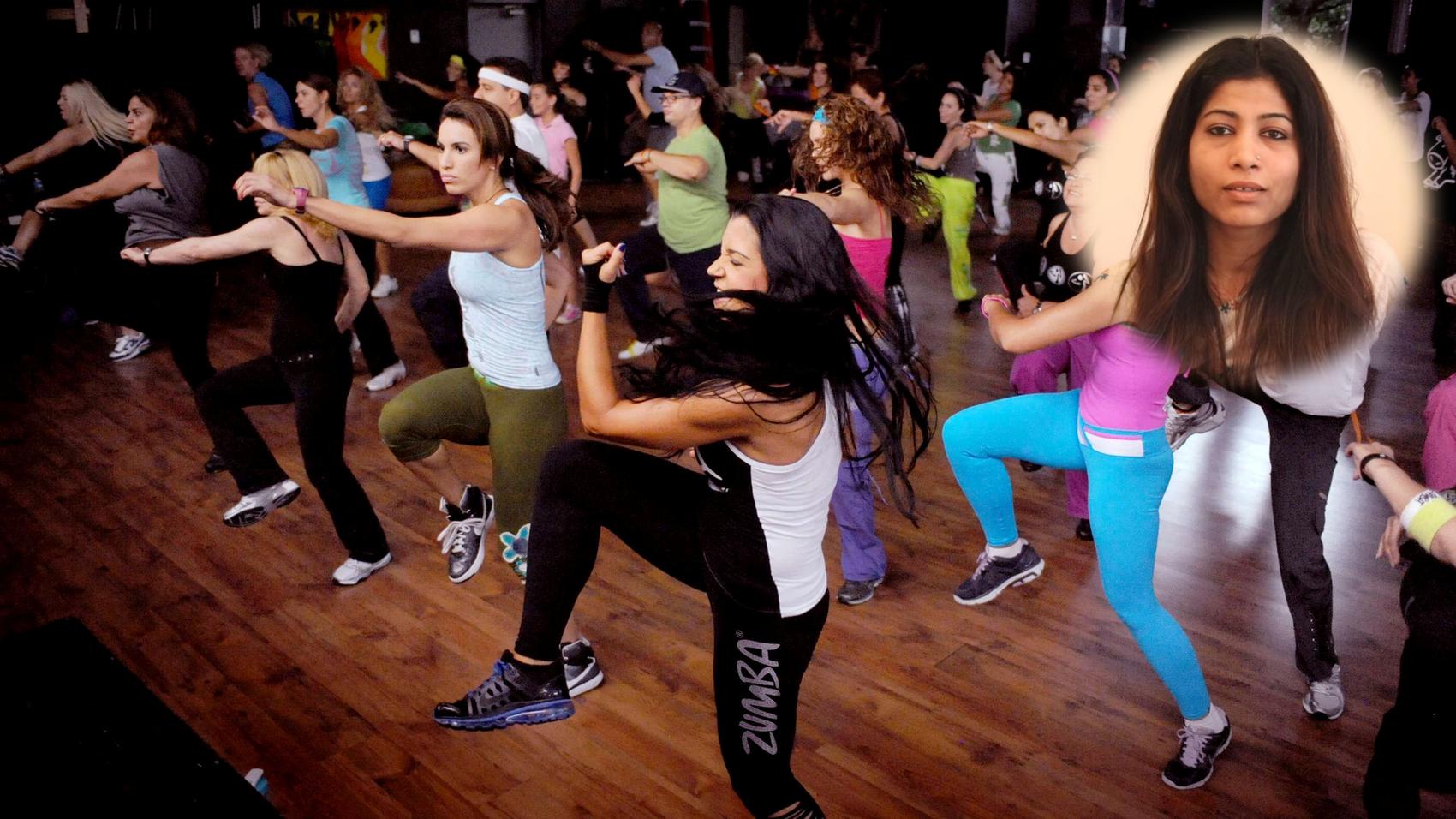
As the morning unfolds, the gym buzzes with activity. This is the heart of the day, where trainers lead back-to-back personal training sessions and high-energy group classes. Each interaction demands full attention, whether it’s correcting a client’s form, offering encouragement, or adjusting routines on the fly to accommodate injuries or progress. The environment is electric, filled with the sounds of motivation and the visible transformation of clients pushing past their limits. Trainers must balance technical expertise with emotional intelligence, ensuring every participant feels supported and challenged.
The afternoon shifts gears from the intensity of training to collaboration and execution. Trainers often meet with colleagues to discuss client progress, share insights on new fitness trends, or coordinate upcoming wellness events. This is also the time for conducting fitness assessments, onboarding new clients, or participating in continuing education workshops. The focus is on teamwork and professional development, ensuring that every trainer stays at the forefront of industry standards while maintaining a cohesive, supportive environment for both staff and clients.
As the day winds down, trainers transition to administrative and planning tasks. This includes updating client records, responding to emails, and reflecting on the day’s successes and challenges. Many use this quieter time to research new training techniques, plan future sessions, and set goals for both themselves and their clients. The evening is a chance to recharge, review, and ensure that every detail is in place for another demanding day ahead, closing the loop on a career that thrives on both passion and precision. |


 Home
Home Abroad
 Plan
Plan Philosophy
 Seminar
 Pages
Pages Advisors
 Testimonials















 Workshop
 Discuss
 Meet
Meet
 Advisor
 Story
Story
 Fine Print
 Links
Links
 Blog
Blog
 Follow
