The Journey of Zumba Fitness
What Is Zumba Fitness
Zumba Fitness
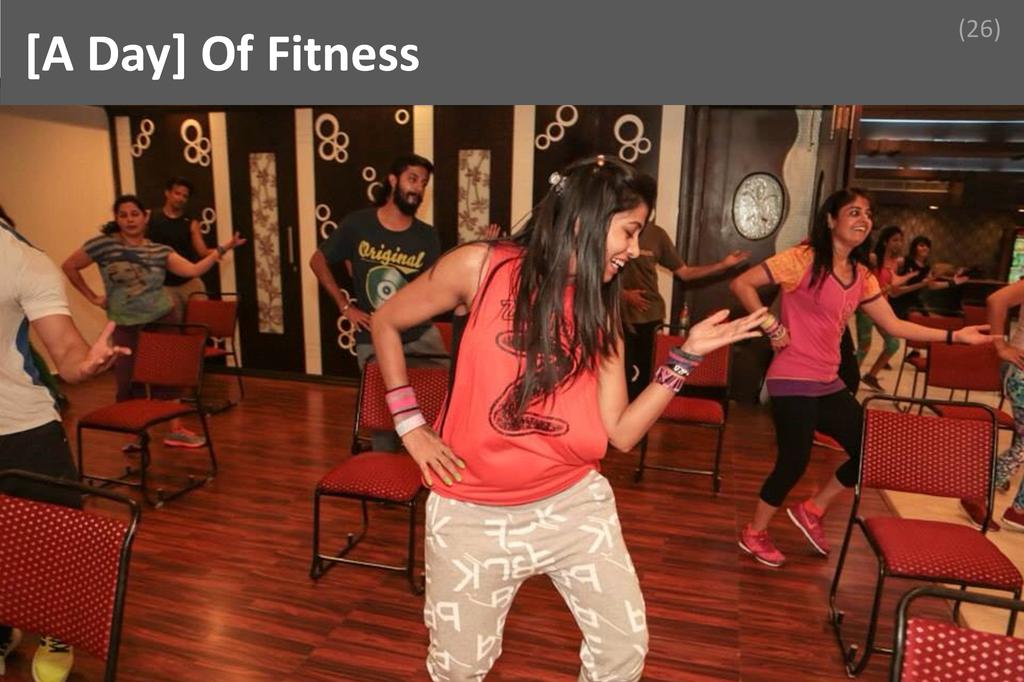
Zumba Fitness is a dynamic exercise program that combines Latin and international music with dance moves, creating a fun, energetic workout. It blends cardio, muscle conditioning, balance, and flexibility training, making fitness enjoyable and accessible for people of all ages and skill levels in a group class setting.
Zumba Fitness has revolutionized the fitness industry by making exercise enjoyable and inclusive. For professionals, it offers a unique platform to inspire and motivate clients through music and movement, fostering a sense of community and belonging. Instructors benefit from flexible career opportunities, creative expression, and the ability to positively influence participants’ physical and mental well-being. The three major benefits include improved cardiovascular health, enhanced mood through the release of endorphins, and the development of strong social connections within classes. By transforming traditional workouts into lively dance parties, Zumba Fitness empowers instructors to cultivate loyal client bases and build rewarding, sustainable careers.
A Zumba Fitness instructor might teach several classes each week at local gyms, community centers, or even virtually. In each session, the instructor curates playlists and choreographs routines that blend salsa, merengue, reggaeton, and other dance styles. As participants follow along, the instructor provides encouragement, demonstrates moves, and adapts routines for different fitness levels. Over time, the instructor witnesses participants gaining confidence, improving their fitness, and forming friendships. The instructor also benefits professionally by expanding their client base, receiving positive feedback, and enjoying a flexible work schedule. This real-world scenario highlights how Zumba Fitness professionals use their skills to create engaging, supportive environments that promote health and happiness.
Education
Nutrition & Diet

Nutrition & Diet refers to the science of how food and nutrients affect the body’s health, energy, and overall well-being. In the context of Zumba Fitness, understanding this field is essential for optimizing performance, supporting recovery, and promoting healthy lifestyles among participants. It is a foundational component of professional expertise.
For anyone preparing for or working in Zumba Fitness, mastering Nutrition & Diet is crucial because it directly influences energy levels, endurance, and overall physical performance. Knowledge in this area enables professionals to make informed recommendations to clients, ensuring they fuel their bodies appropriately before, during, and after classes. This expertise also helps prevent injuries and supports faster recovery, which is vital for maintaining a consistent teaching schedule. Over the long term, a solid grasp of nutrition principles enhances credibility, fosters trust with clients, and opens doors to broader career opportunities, such as wellness coaching or holistic health consulting. Ultimately, understanding Nutrition & Diet empowers Zumba professionals to deliver safer, more effective, and more engaging fitness experiences.
Imagine a Zumba instructor preparing for a high-energy class. Drawing on their knowledge of Nutrition & Diet, they ensure they consume a balanced meal rich in complex carbohydrates and lean protein a few hours before teaching, providing sustained energy and muscle support. During class, they encourage participants to stay hydrated and offer tips on post-workout snacks that aid recovery, such as fruit paired with yogurt. When a participant mentions feeling fatigued, the instructor can suggest dietary adjustments to improve stamina and overall well-being. By integrating nutritional guidance into their daily routine, the instructor not only enhances their own performance but also supports the health and progress of their clients, reinforcing their role as a trusted fitness professional.
Choreography

Choreography is the art and science of designing sequences of movements and patterns, often set to music, to create a cohesive and expressive dance routine. In Zumba Fitness, choreography forms the backbone of every class, blending dance, fitness, and musicality into structured routines that engage and motivate participants.
Understanding choreography is essential for anyone preparing for or working in Zumba Fitness because it enables instructors to create engaging, safe, and effective classes. Mastery of choreography ensures that routines are not only fun and dynamic but also accessible to participants of varying skill levels. This knowledge allows professionals to adapt movements, maintain class flow, and respond to the energy of the group. Over time, a strong grasp of choreography enhances an instructor’s creativity, confidence, and ability to innovate, which are crucial for career longevity and growth. Furthermore, it supports the development of a unique teaching style, helping instructors stand out in a competitive fitness industry and build a loyal following.
Imagine a Zumba Fitness instructor preparing for a new class. Drawing on their understanding of choreography, they select music tracks with varying tempos and design movement sequences that match the rhythm and intensity of each song. During the class, the instructor seamlessly transitions between routines, cues changes clearly, and modifies steps to accommodate beginners or challenge advanced participants. Their expertise in choreography allows them to keep the energy high, ensure participant safety, and foster a sense of accomplishment among attendees. This practical application of choreography not only delivers an enjoyable workout experience but also reinforces the instructor’s reputation as a skilled and adaptable fitness professional.
Physiology

Physiology is the scientific study of how living organisms function, focusing on the physical and chemical processes that occur within the body. In the context of Zumba Fitness, understanding physiology is essential for comprehending how exercise impacts the body, ensuring safe, effective, and engaging fitness experiences for participants.
A solid grasp of physiology is vital for anyone preparing for or working in Zumba Fitness because it underpins every movement and routine. By understanding how muscles contract, how the cardiovascular system responds to exercise, and how energy is produced and utilized, instructors can design classes that maximize health benefits while minimizing injury risks. This foundational knowledge allows professionals to tailor workouts to diverse populations, accommodate varying fitness levels, and recognize signs of overexertion or fatigue. Over the long term, expertise in physiology enhances credibility, supports ongoing professional development, and empowers instructors to adapt to new research and trends in fitness, ensuring their classes remain both safe and effective.
Imagine a Zumba Fitness instructor leading a high-energy class with participants of different ages and fitness backgrounds. Drawing on their understanding of physiology, the instructor carefully sequences warm-up exercises to gradually increase heart rate and blood flow, preparing muscles and joints for more intense activity. Throughout the session, they monitor participants for signs of fatigue or improper form, offering modifications based on knowledge of muscle function and joint safety. When cooling down, the instructor incorporates stretches that aid in muscle recovery and prevent stiffness, all rooted in physiological principles. This application of theoretical knowledge ensures that every class is not only fun and motivating but also safe and beneficial for everyone involved.
Skills
Team Management

Team management is the ability to coordinate, motivate, and guide a group of individuals toward achieving shared objectives, while fostering collaboration, communication, and accountability. In the context of Zumba Fitness, this skill enables instructors and studio managers to create a cohesive environment where both staff and participants thrive, ensuring smooth class operations and positive experiences.
Mastering team management in Zumba Fitness directly enhances class effectiveness and studio reputation. When instructors or managers skillfully organize schedules, delegate responsibilities, and resolve conflicts, the entire team operates more efficiently. Clients and employers value this skill because it leads to consistent class quality, high participant satisfaction, and a supportive atmosphere that encourages client retention. Cultivating team management involves ongoing self-reflection, seeking feedback, and learning from experienced mentors. Over time, professionals can improve by observing successful teams, practicing clear communication, and adapting leadership styles to fit diverse personalities. This continuous development not only benefits the team but also positions the professional as a reliable leader within the fitness community.
Imagine a Zumba studio facing a sudden instructor shortage due to illness during a busy week. The studio manager, equipped with strong team management skills, quickly assesses the situation, communicates transparently with the remaining instructors, and reorganizes the class schedule to cover all sessions. By motivating the team and recognizing their extra efforts, the manager maintains morale and ensures clients experience minimal disruption. This proactive approach not only solves the immediate staffing crisis but also strengthens trust among team members and clients. The studio’s ability to adapt and deliver consistent service under pressure highlights the critical role of team management in achieving ongoing success in Zumba Fitness.
Motivation

Motivation is the internal drive that inspires individuals to pursue goals, overcome obstacles, and maintain consistent effort toward personal and professional growth. In the context of Zumba Fitness, motivation fuels instructors to bring energy, enthusiasm, and commitment to every class, ensuring participants remain engaged and inspired to achieve their fitness goals.
Motivation directly enhances a Zumba Fitness professional’s performance by fostering a positive and energetic atmosphere that encourages class participation and retention. Clients and employers highly value motivated instructors because their passion and dedication translate into more enjoyable and effective sessions, leading to better client satisfaction and loyalty. To cultivate motivation, instructors can set personal goals, seek continuous education, and surround themselves with supportive peers. Regularly reflecting on their purpose and celebrating small achievements also helps maintain high motivation levels. Over time, this dedication not only improves teaching quality but also builds a strong reputation within the fitness community, opening doors to new opportunities and career advancement.
Imagine a Zumba instructor facing a class with low attendance and visibly unenthusiastic participants. Instead of becoming discouraged, the instructor taps into their motivation, recalling their passion for dance and fitness. They amplify their energy, use encouraging words, and adapt the routine to better suit the group’s mood. Gradually, the participants respond, becoming more engaged and enthusiastic. By the end of the class, the energy in the room has transformed, and several attendees express gratitude for the uplifting experience. This scenario highlights how motivation enables a Zumba Fitness professional to overcome challenges, inspire others, and turn a potentially negative situation into a successful and rewarding session.
Creativity

Creativity is the ability to generate original ideas, adapt to new situations, and combine existing concepts in innovative ways. For a Zumba Fitness professional, creativity is the driving force behind designing engaging routines, responding to class dynamics, and keeping sessions fresh and motivating. It transforms ordinary workouts into memorable experiences.
Creativity directly enhances a Zumba instructor’s performance by allowing them to craft unique choreography, blend diverse musical genres, and tailor routines to suit different fitness levels and personalities. Clients and employers highly value this skill because it keeps classes exciting, encourages regular attendance, and fosters a loyal community. To cultivate creativity, instructors should expose themselves to various dance styles, attend workshops, and seek inspiration from music, art, and peer feedback. Regularly experimenting with new moves and being open to improvisation helps instructors stay adaptable and inventive. Over time, this commitment to creative growth not only elevates the quality of instruction but also sets a professional apart in a competitive fitness industry.
Imagine a Zumba instructor facing a class where participants seem disengaged and energy levels are low. Drawing on creativity, the instructor quickly shifts the playlist to include upbeat, unexpected tracks and improvises a new dance sequence inspired by a trending social media challenge. This spontaneous change captures the group’s attention and injects enthusiasm into the session. By reading the room and adapting in real time, the instructor transforms a lackluster class into a lively, memorable experience. This not only re-engages participants but also demonstrates the instructor’s ability to innovate under pressure, reinforcing their reputation as a dynamic and resourceful fitness professional.
Interpersonal

Interpersonal refers to the ability to effectively communicate, empathize, and build positive relationships with others. In the context of Zumba Fitness, this skill enables instructors to connect with participants, foster a supportive class environment, and respond to individual needs, making every session engaging and inclusive for all.
Interpersonal skills are fundamental for Zumba Fitness professionals because they directly influence the energy, motivation, and satisfaction of class participants. Clients and employers highly value instructors who can create a welcoming atmosphere, encourage shy newcomers, and handle group dynamics with sensitivity. These abilities help retain clients and build a loyal following. To cultivate interpersonal skills, instructors should actively listen to feedback, observe group interactions, and practice empathy both inside and outside the studio. Over time, consistent self-reflection and a genuine interest in others’ well-being will enhance an instructor’s ability to connect, inspire, and lead diverse groups effectively.
Imagine a Zumba Fitness instructor noticing that a new participant feels intimidated and hesitant to join the group. By using strong interpersonal skills, the instructor approaches the individual with warmth, engages in friendly conversation, and offers reassurance. During the class, the instructor makes subtle adjustments to include the newcomer, such as demonstrating simpler moves and offering encouragement. As a result, the participant feels more comfortable, gradually gains confidence, and becomes an enthusiastic regular. This scenario highlights how interpersonal skills enable instructors to address challenges, foster inclusivity, and ensure every participant enjoys a positive and motivating experience, ultimately contributing to the success of both the class and the instructor’s career.
Counselling Skills

Counselling skills refer to the ability to actively listen, empathize, communicate effectively, and provide supportive guidance to individuals facing personal or emotional challenges. In Zumba Fitness, these skills help instructors understand participants’ needs, foster trust, and create a positive, inclusive environment that encourages personal growth and sustained engagement.
Mastering counselling skills significantly enhances a Zumba Fitness professional’s effectiveness. By listening attentively and responding empathetically, instructors can identify participants’ motivations, anxieties, or barriers to participation. This understanding allows them to tailor classes, offer encouragement, and address concerns, leading to higher client satisfaction and retention. Employers and clients value instructors who can build strong, supportive relationships, as this contributes to a welcoming atmosphere and improved outcomes. Developing these skills involves ongoing self-reflection, seeking feedback, and engaging in professional development opportunities such as workshops or mentorship. Over time, consistent practice and a genuine interest in others’ well-being help instructors cultivate a natural, confident approach to counselling within their fitness sessions.
Imagine a Zumba Fitness instructor noticing that a regular participant has become withdrawn and less enthusiastic during classes. Drawing on counselling skills, the instructor approaches the participant privately, listens without judgment, and gently inquires about their well-being. The participant reveals feeling overwhelmed by personal stress and lacking motivation. The instructor responds with empathy, offers reassurance, and suggests small, manageable goals to help the participant stay engaged. By providing emotional support and practical advice, the instructor helps the participant regain confidence and motivation. This not only strengthens the instructor-client relationship but also demonstrates the profound impact of counselling skills on individual success and group cohesion within Zumba Fitness.
Positives
Self-Satisfaction

Self-satisfaction is the deep sense of fulfillment and contentment that arises from achieving personal goals, overcoming challenges, and making a positive impact on oneself and others. In the context of Zumba Fitness, self-satisfaction is a driving force that fuels motivation, enhances performance, and fosters a genuine passion for the profession.
The presence of self-satisfaction in a Zumba Fitness career transforms daily work into a source of joy and meaning. Instructors who feel satisfied with their progress and the positive changes they inspire in participants are more likely to remain enthusiastic and committed. This sense of accomplishment boosts overall job satisfaction, making each class an opportunity for personal and professional growth. The visible improvements in students’ health and happiness serve as constant reminders of the instructor’s valuable role, reinforcing their sense of purpose. Over time, this ongoing fulfillment leads to increased confidence, resilience, and a desire to continually improve, which not only benefits the instructor but also elevates the entire Zumba community.
Imagine a Zumba instructor who, after months of dedicated teaching, notices a regular participant transform from a shy, hesitant newcomer into a confident, energetic dancer. The instructor recalls the participant’s initial struggles and recognizes the pivotal role their encouragement and guidance played in this journey. Witnessing such growth firsthand fills the instructor with immense pride and satisfaction, validating their efforts and commitment. This moment of realization—seeing the tangible impact of their work—reinforces their love for the profession and motivates them to keep inspiring others. The instructor leaves the class with a renewed sense of purpose, knowing they have truly made a difference in someone’s life.
Entrepreneurship

Entrepreneurship is the process of identifying opportunities, taking initiative, and organizing resources to create and grow a business or venture, often by embracing innovation and calculated risk. In the world of Zumba Fitness, entrepreneurship empowers instructors to shape their own careers, develop unique class offerings, and build thriving communities. This spirit of enterprise allows professionals to go beyond simply teaching routines; it encourages them to design their own schedules, market their classes creatively, and cultivate a loyal following. By embracing entrepreneurship, Zumba instructors can transform their passion for dance and fitness into a sustainable, rewarding livelihood, all while making a positive impact on the lives of others.
The entrepreneurial aspect of a Zumba Fitness career is a powerful driver of job satisfaction and professional growth. Instructors who embrace entrepreneurship enjoy the freedom to innovate, whether by introducing new class formats, collaborating with local businesses, or expanding into online platforms. This autonomy fosters a sense of ownership and pride, as every achievement is a direct result of their vision and effort. The ability to set personal goals, adapt to changing trends, and respond to the needs of their community keeps the work dynamic and engaging. Each day, Zumba professionals experience the satisfaction of building something uniquely their own, which not only fuels motivation but also opens doors to continuous learning and advancement.
Consider a Zumba instructor who decides to launch her own fitness studio after years of teaching at various gyms. She leverages her entrepreneurial mindset to design a welcoming space, develop a diverse schedule of classes, and create a strong brand identity. By connecting with local businesses for cross-promotions and using social media to engage her audience, she steadily grows her client base. The fulfillment she experiences comes not only from leading energetic classes but also from seeing her vision come to life and witnessing the positive impact on her community. Her journey illustrates how entrepreneurship in Zumba Fitness transforms a passion for movement into a meaningful and sustainable career.
Happiness

Happiness is a state of well-being characterized by feelings of joy, satisfaction, contentment, and fulfillment. It arises from positive experiences, meaningful connections, and a sense of purpose. In the context of Zumba Fitness, happiness fuels motivation, enhances creativity, and fosters a vibrant atmosphere that uplifts both instructors and participants alike.
Happiness is a cornerstone of a rewarding career in Zumba Fitness because it transforms daily work into a source of genuine joy and satisfaction. When instructors feel happy, their enthusiasm becomes contagious, creating an energetic and welcoming environment for every class. This positive energy not only attracts more participants but also encourages loyalty and long-term engagement. Happiness reduces stress, boosts resilience, and inspires personal growth, making it easier for professionals to overcome challenges and continuously improve their skills. As a result, job satisfaction soars, and instructors are more likely to stay passionate and committed to their careers, experiencing fulfillment in both their personal and professional lives.
Imagine a Zumba instructor who starts her day feeling energized and excited to lead her morning class. As the music begins and participants follow her moves, she notices smiles spreading across the room. The shared laughter and collective rhythm create a sense of unity and joy that lifts everyone’s spirits. After class, participants thank her for brightening their day, and she feels a deep sense of accomplishment and happiness. This positive feedback reinforces her passion for teaching and reminds her of the meaningful impact she has on others’ lives. Each session becomes more than just a workout—it’s a celebration of happiness that fuels her dedication and love for her profession.
Recognition

Recognition is the acknowledgment and appreciation of an individual’s efforts, achievements, and contributions by others, whether through verbal praise, awards, or visible support. In Zumba Fitness, recognition uplifts instructors and participants alike, fostering a sense of value and belonging. This positive reinforcement motivates professionals to excel and remain passionate about their work.
Recognition is a powerful motivator in the world of Zumba Fitness. When instructors receive acknowledgment from their students, peers, or management, it validates their hard work and creativity. This sense of appreciation leads to higher job satisfaction, increased confidence, and a stronger commitment to personal and professional growth. Daily, Zumba professionals experience recognition through enthusiastic class participation, heartfelt feedback, and the visible progress of their students. These moments of acknowledgment not only boost morale but also inspire instructors to continually innovate and connect with their communities. Ultimately, recognition transforms the workplace into a supportive environment where individuals feel seen, valued, and empowered to make a lasting impact.
Imagine a Zumba instructor who dedicates hours to choreographing engaging routines and fostering a welcoming class atmosphere. After a particularly energetic session, several participants approach the instructor to express how much they enjoyed the class and how it has positively impacted their fitness journey. Later, the gym manager highlights the instructor’s efforts in a team meeting, praising their ability to attract new members and build a loyal following. These moments of recognition fill the instructor with pride and motivation, reinforcing their passion for teaching. The acknowledgment from both students and management not only validates their hard work but also encourages them to continue making a difference in the lives of others through Zumba Fitness.
Event Orientation

Event Orientation refers to the focus on organizing, participating in, and leading special gatherings, themed classes, and community events that go beyond regular routines. In Zumba Fitness, this means instructors and participants regularly engage in dynamic, celebratory experiences that foster connection, excitement, and a sense of achievement, making every session memorable and impactful.
Event Orientation is a cornerstone of what makes a career in Zumba Fitness so uniquely fulfilling. By centering their work around special events and themed classes, Zumba professionals constantly find new ways to energize their routines and inspire their participants. This continual infusion of creativity and celebration not only keeps classes fresh and engaging but also builds a vibrant community spirit. Instructors experience a deep sense of purpose as they watch participants come together, break barriers, and celebrate milestones. The anticipation and excitement surrounding each event foster a positive atmosphere, making every day on the job feel meaningful and rewarding. This dynamic environment encourages personal and professional growth, as instructors are motivated to innovate and connect with their community on a deeper level.
Imagine a Zumba instructor preparing for a charity dance marathon to support a local cause. Weeks of planning culminate in a high-energy event where participants of all ages gather, dressed in colorful outfits, ready to dance for hours. The instructor leads the crowd through exhilarating routines, witnessing smiles, laughter, and a palpable sense of unity. As the event unfolds, the instructor feels immense pride in bringing people together for a meaningful purpose, seeing firsthand the joy and empowerment Zumba brings to each participant. This experience not only strengthens the instructor’s bond with the community but also reinforces the profound impact that event-oriented work can have on both personal fulfillment and professional success.
Challenges
Client Handling

Client handling in Zumba Fitness refers to the ongoing process of managing diverse participant expectations, personalities, and fitness levels within group classes. This challenge is demanding because it requires instructors to balance individual needs, maintain group motivation, address conflicts, and ensure a positive, inclusive environment for everyone involved.
The difficulty of client handling in Zumba Fitness can significantly affect an instructor’s daily work, often leading to emotional fatigue and stress. Instructors must constantly adapt their teaching style to accommodate varying energy levels, skill sets, and personal goals among participants. This dynamic environment demands resilience, as instructors may encounter criticism, disengagement, or interpersonal conflicts. Successful professionals navigate these challenges by developing strong communication skills, setting clear boundaries, and fostering a supportive atmosphere. They remain attentive to client feedback, adjust routines as needed, and cultivate empathy, which helps them build trust and rapport. By prioritizing inclusivity and maintaining a positive attitude, they transform potential obstacles into opportunities for group cohesion and personal growth.
Consider a Zumba instructor who notices that a few new participants feel intimidated by the fast-paced choreography, while regulars crave more challenging routines. Instead of ignoring the disparity, the instructor pauses to acknowledge everyone’s efforts and offers simplified modifications alongside advanced variations. She encourages open communication, inviting feedback after class and reassuring newcomers that progress takes time. By actively listening and responding to individual concerns, she creates a welcoming environment where all clients feel valued. Over time, the group dynamic improves, with participants supporting each other and celebrating milestones together. This approach not only retains clients but also enhances the overall class experience, demonstrating effective client handling in action.
Variation in Programme

Variation in Programme in Zumba Fitness refers to the continual need to refresh class routines, music selections, and choreography to maintain participant engagement and meet diverse fitness levels. This challenge is demanding because it requires constant creativity, adaptability, and the ability to cater to a wide range of preferences and abilities within each session.
The challenge of Variation in Programme can significantly impact a Zumba instructor’s daily work by increasing preparation time and mental load. Instructors must regularly research new music, design fresh routines, and adapt movements for different participant needs, all while maintaining high energy and enthusiasm. This constant evolution demands resilience, as it can be exhausting to consistently deliver novel and engaging experiences. Successful professionals manage this constraint by developing a flexible mindset, seeking inspiration from global Zumba communities, and investing in ongoing professional development. They also build a repertoire of adaptable routines, allowing them to quickly modify sessions based on participant feedback or energy levels, ensuring classes remain dynamic and enjoyable for everyone involved.
Consider a Zumba instructor who teaches multiple classes each week to groups with varying ages and fitness backgrounds. To address the challenge of Variation in Programme, she dedicates time each month to attend workshops and connect with other instructors online, gathering fresh ideas and music. When she notices her regular participants becoming less enthusiastic, she introduces a new dance style and modifies choreography to suit both beginners and advanced members. By actively soliciting feedback and observing class energy, she tailors her sessions in real time, ensuring everyone feels challenged yet included. Through this proactive approach, she maintains high attendance and participant satisfaction, demonstrating effective management of programme variation.
Lack of Awareness

Lack of Awareness in Zumba Fitness refers to the limited public understanding of what Zumba entails, its benefits, and its accessibility. This challenge is demanding because it restricts class attendance, hinders community engagement, and makes it difficult for instructors to grow their client base or establish sustainable careers.
This difficulty can manifest in low class turnout, minimal word-of-mouth referrals, and a general misunderstanding of Zumba’s value compared to other fitness options. Professionals often find themselves investing significant energy in educating potential clients and differentiating Zumba from traditional exercise classes. The challenge demands resilience because repeated efforts to promote Zumba may not yield immediate results, leading to frustration or self-doubt. Successful professionals overcome this by consistently engaging with their communities, leveraging social media to share success stories, and collaborating with local organizations to increase visibility. They remain patient and persistent, understanding that building awareness is a gradual process that requires both creativity and adaptability.
Consider a Zumba instructor who notices that her classes are sparsely attended despite her enthusiasm and expertise. Recognizing the lack of awareness in her community, she organizes a free outdoor Zumba event at a local park, inviting families and individuals of all ages. She partners with a nearby health food store to provide refreshments and uses the opportunity to explain the physical and mental benefits of Zumba. By sharing her own fitness journey and encouraging participants to share their experiences on social media, she gradually builds interest and trust. Over time, her regular classes see increased attendance, and she becomes a recognized advocate for Zumba in her area, demonstrating how proactive outreach can effectively address the challenge of lack of awareness.
A Day Of
Zumba Fitness
The pulse of Latin rhythms fills the air long before the first student steps into the studio, setting the tone for a day that’s anything but ordinary. For a Zumba Fitness professional, work is a vibrant blend of choreography, community, and contagious energy, where every hour pulses with movement and motivation. The studio becomes a second home, echoing with laughter, music, and the steady beat of sneakers on the floor. Each day unfolds with a unique mix of preparation, performance, and connection, demanding both physical stamina and creative flair. This is a career that thrives beyond the confines of a desk, where passion for dance and fitness transforms every moment into an opportunity to inspire.
As dawn breaks, the day begins with a quiet ritual of preparation. The studio is still and serene, offering a rare moment of solitude before the rush. Here, the Zumba instructor reviews playlists, fine-tunes choreography, and mentally rehearses the day’s routines. A personal warm-up follows, blending stretches and dance moves to awaken the body and mind. This early start is essential, setting the physical and mental foundation for the high-energy hours ahead.
By mid-morning, the studio bursts to life as participants arrive, eager for the signature blend of fitness and fun that defines Zumba. The instructor steps into the spotlight, guiding the class through a dynamic sequence of moves set to infectious music. Every cue, smile, and encouragement is carefully delivered, creating an atmosphere that motivates and empowers. This is the heart of the day, where the instructor’s energy and expertise transform exercise into a celebration, forging connections with students of all backgrounds and abilities.
Afternoons are dedicated to collaboration and execution, often spent brainstorming with fellow instructors or studio managers. This time is used to discuss upcoming events, refine class formats, and share feedback on routines. Sometimes, it involves filming new choreography for online classes or social media, ensuring the Zumba community stays engaged both in and out of the studio. The focus shifts from leading to learning and innovating, keeping the instructor’s approach fresh and relevant.
As the day winds down, the studio quiets once more, offering space for reflection and planning. The instructor reviews class attendance, responds to messages from students, and updates social media with highlights from the day. Administrative tasks like scheduling, playlist updates, and researching new music or dance trends fill the final hours. With a sense of accomplishment, the instructor looks ahead, mapping out choreography and goals for tomorrow, ensuring each new day brings even more energy and inspiration to the Zumba community. |


 Home
Home Abroad
 Plan
Plan Philosophy
 Seminar
 Pages
Pages Advisors
 Testimonials














 Workshop
 Discuss
 Meet
Meet
 Advisor
 Story
Story
 Fine Print
 Links
Links
 Blog
Blog
 Follow
